
Who Is Generation Alpha?
The demographic cohort that succeeds Generation Z, consisting of people born between 2010 and 2024.
Generation Alpha is the first generation to be named with a Greek alphabet letter instead of a letter from the Latin alphabet, following Generations X, Y, and Z. The term was introduced by Australian social researcher Mark McCrindle in a 2008 report on the subject. More than 2.8 million Generation Alpha members are born globally every week, and they are on track to become the largest generation in the history of the world.
In 2026, the oldest Gen Alphas are turning 16 and the youngest are toddlers, which makes this a generation that is already shaping culture, household spending, and brand preferences, long before most of them can vote or hold a job.
Who Belongs to Gen Alpha and Why Does It Matter?
Generation Alpha is defined as those born from 2010 to 2024. They are the children of Generation Y, the Millennials, and often the younger siblings of Generation Z. Generation Alpha is the first full generation not to have known a world without smartphones and social media.
They are sometimes called “mini millennials” because of how closely they mirror their Millennial parents in values and digital behaviour. But they are a distinct cohort in their own right, shaped by forces no generation before them has faced in the same combination: AI from birth, a global pandemic in their earliest years, and algorithm-driven media from the moment they could hold a screen.
What Comes After Gen Alpha?
Generation Beta is the proposed name for the cohort succeeding Generation Alpha. Mark McCrindle, who also coined the name Generation Alpha, defines Generation Beta as those born from 2025 to 2039. McCrindle expects the generation’s members to be primarily the children of younger Millennials and Generation Z. Generation Beta will be impacted by declining birth rates and, according to McCrindle, will likely make up around 16% of the world’s population in 2035.
Generation Alpha Marketing Characteristics
Generation Alpha Years
2010 to 2024
Generation Before Gen Alpha
Generation Z
Generation After Gen Alpha
Generation Beta

AI-Native, Not Just Digital-Native
Every previous generation adapted to new technology as it arrived. Gen Alpha has never had to adapt to anything. Generation Alpha will likely be affected by the emerging use of artificial intelligence through voice assistants like Siri or Alexa and natural language processing tools like ChatGPT from their earliest years. Asking an AI a question and getting an instant, personalised answer is not a novelty for this generation. It is simply how information works.
From unparalleled digital fluency to deeply ingrained social values, Gen Alpha’s habits and outlook are dramatically different from those of Gen Z and Millennials. They do not distinguish between the physical world and the digital one. For them, it has always been one continuous experience.
Screen-Native from Birth
Generation Alpha is the first generation to experience remote classrooms, tablet computers, and ubiquitous streaming services from early childhood. Their parents, primarily Millennials, introduced screens early and normalised digital interaction from the start.
By 2026, YouTube, Netflix, and Disney+ have become the most popular substitutes for traditional children’s programming among young viewers. Traditional scheduled television is essentially foreign to them. They consume content on demand, on their own timeline, and almost entirely through a screen they are holding.


Private by Instinct
Unlike the early social media generation that posted everything publicly, Gen Alpha has grown up watching the consequences of oversharing. Only 1 in 10 Gen Alpha kids say they post everything they do online, and just 2 in 5 feel they can express what they really think on social media. They scroll, save, and browse far more than they post. This is not disengagement. It is healthy caution from a generation that has grown up watching the internet in full flight, from cancel culture to viral fame to relentless commentary.
Values-Driven Early
Despite being children, Gen Alpha demonstrates a clear social conscience. 61% of Gen Alpha aged 8 to 15 say helping people is important in life, with protecting others from bullying and everyone being treated equally also ranking high. 69% of Gen Alpha parents say their child understands corporate values, 69% say their child expresses preferences about social causes, and 68% say their child expresses preferences about diversity, equity, and inclusion.
These are not values they have been taught in a vacuum. They are the children of Millennials, who are among the most values-driven consumer generation in history. The values have simply been passed down and reinforced by the content Gen Alpha consumes.

Globally Connected, Locally Independent
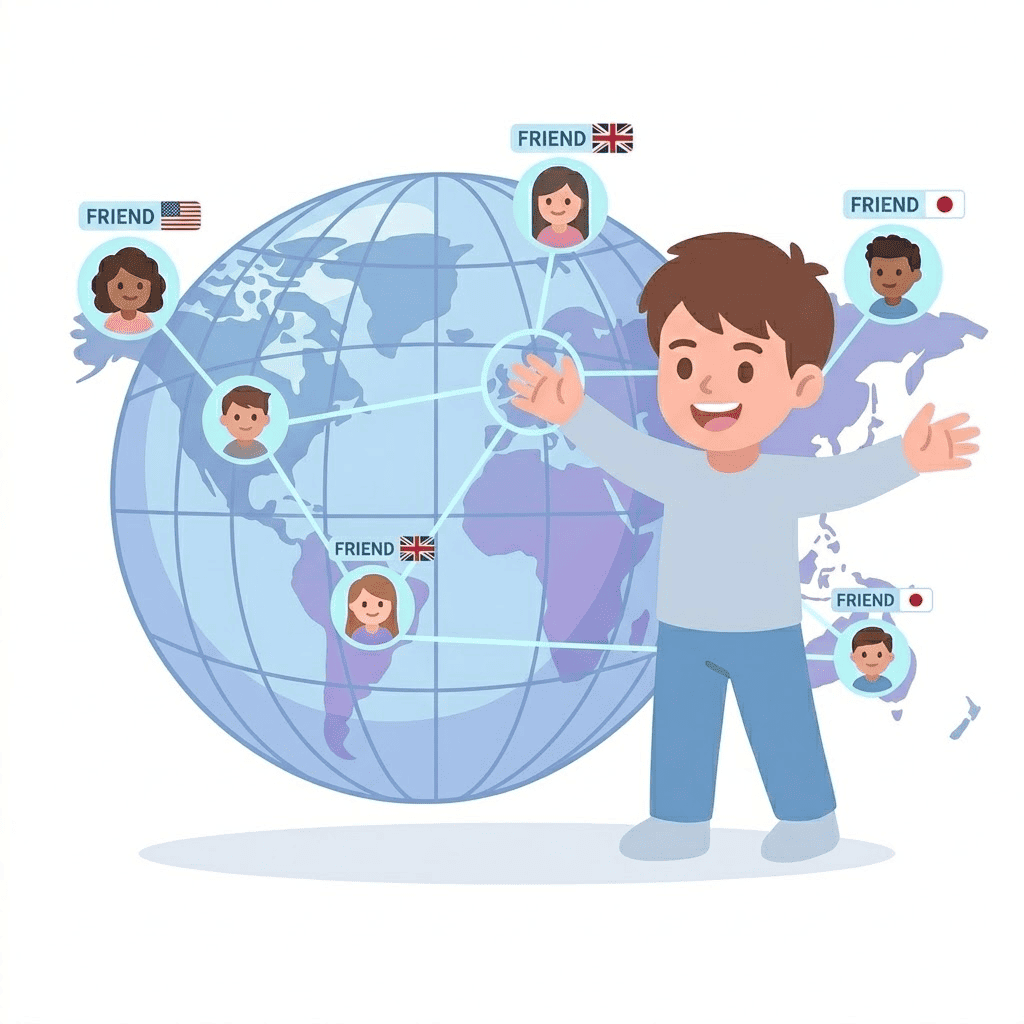
Generation Alpha will be raised in smaller and constantly evolving families, globally connected, and more diverse than previous generations. Their friends are not limited to their classroom. They build relationships with kids from all around the world inside Roblox worlds. They consume creators from across the globe. Their sense of community has no fixed geography.
54% of Gen Alpha girls believe they can do any job they want, with soaring interest in fields that have traditionally been male-dominated. Self-belief and independence are baked into how they see the world.
Shaped by COVID-19
Generation Alpha experienced the effects of the COVID-19 pandemic as young children, and some researchers have referred to Generation Alpha as Generation COVID because they were the first to grow up largely or entirely in a world shaped by the pandemic.
Remote classrooms, interrupted social development, and accelerated screen time during their formative years are part of what makes this generation who they are. A 2024 study found that 70% of children aged 7 to 12 reported feelings of loneliness during the pandemic, and around 8% of Gen Alpha kids have anxiety disorders, with numbers continuing to climb.


Craving Real-World Experiences
This is the part that surprises most marketers. A generation born into screens is actively seeking out offline experiences. Since 2021, cinema interest among 8 to 15 year olds has grown every year, with 2025 seeing the biggest jump since the initial post-COVID rebound. 28% of 8 to 15 year olds say cinema is their preferred way to watch films, making it their top choice overall. Walking vacations, weekend hangouts with friends, physical toys, and board games are all seeing a rebound. Board game popularity is up 8% since 2023. This is a generation craving connection, and the cinema and physical experiences are ticking that box.
Gen Alpha does not want to live entirely online. They want a mix, and the brands that understand this will not limit themselves to digital channels alone.
The “Sephora Kids” Phenomenon: What It Tells Marketers
No conversation about Gen Alpha consumer behaviour is complete without addressing this. In 2023, Gen Alpha spent nearly $4.7 billion on beauty products, outspending every other age demographic. The hashtag #sephorakids alone has gained over 600 million views on TikTok.
These are mostly Gen Alpha girls aged 7 to 14 who have flooded beauty stores with lists for full anti-aging skincare routines, including retinol creams, acids, peptides, and under-eye patches, products designed for adult skin concerns.
What this tells marketers is not that Gen Alpha is reckless. It tells you that they are deeply influenced by video content, they are motivated by peer behaviour, and they translate online discovery directly into offline purchasing. Over half of 6 to 16 year olds want a product because an influencer promoted it. The mechanism is simple. They see it on a screen, they want it, and they find a way to get it.
The responsibility question is real. Expensive, multi-ingredient skincare routines for children are unnecessary and can harm physical and mental health. California introduced a bill in February 2025 to ban the sale of anti-ageing products to children under 18. Brands operating in any category that touches this generation need to think carefully about age-appropriate marketing, transparent ingredient communication, and the mental health implications of targeting children with aspirational adult products.
Gen Alpha’s Spending Power
Gen Alpha is already an economic force, and most of them are still in primary school.
42% of all household spending is influenced by 8 to 14 year olds, according to a 2025 DKC report. The age group is directly spending $101 billion per year, in addition to the influence they have over their parents’ wallets. The average Gen Alpha child has $67 of their own money to spend in a typical week, amounting to $3,484 per year, an almost 50% increase in direct spending over 2024.
91% of Gen Alpha children are earning their own money through payment for chores, good grades and behaviour, doing odd jobs, or online selling and reselling.
95% of parents discover new brands, products, or services through their Gen Alpha child. 64% are more likely to buy specific brands because of their Gen Alpha child. 40% say they now buy more ultra-luxury brands due to their Gen Alpha child.
Gen Alpha’s economic influence is projected to soar to $5.46 trillion by 2029, rivalling the combined spending power of Millennials and Gen Z.
The dual dynamic brands need to understand: if you have the attention of Gen Alpha, you have a direct line of contact with their Millennial parents. “Even if you think your audience isn’t 14-year-olds, it could very well be their Millennial parents,” according to Matthew Traub, President at DKC.
What They Actually Spend On
Spending patterns shift significantly by age. For the youngest Gen Alphas aged 1 to 5, most money goes to toys and snacks. Kids aged 6 to 10 still focus on toys but electronics and entertainment spending grows. By ages 11 to 14, the picture changes entirely. Toys drop in priority while spending on apparel, electronics, and beauty or skincare products grows sharply. Fast food and beverages also rise as they gain more autonomy over daily choices.
The categories where parents’ spending decisions are most impacted by their Gen Alpha children’s opinions are food and drink, movies and TV, video games, and music. Two-thirds of parents have tried new or different foods based on their child’s recommendations. 52% of parents traveled to a new or different vacation destination after being prompted by their child.
Creating A Product For Generation Alpha
Generation Alpha is the most commercially sophisticated young audience any marketer has ever had to build for. They are children, but they are not passive ones. Over 40% of parents say their Gen Alpha children shape household spending in some way, with 9% saying they influence most of it.
Building a product they actually want requires understanding what drives them, not just how old they are.
They expect interactivity as the default.
Responsive technology makes up a core part of this generation’s experience. They are fans of Roblox, Minecraft, and TikTok precisely because these platforms encourage creativity and participation. A product that only asks them to consume will lose them quickly. Products that let them interact, customise, build, or co-create earn sustained attention.
They want to express identity through what they own.
Gen Alpha has grown up in a world where “create-your-own” is standard. They embrace everything from creating their own friendship bracelets to Roblox games and YouTube videos to online micro-communities for their most niche fandoms.
They are motivated by quality, not hype.
Product quality and consistency matter more than hype when it comes to gaining approval from Gen Alpha. Yes, kids may discover brands through social media, but they tend to stick with them based on their experiences.
They respond to brands that take ethics seriously.
Gen Alpha places high value on authenticity, inclusivity, and social responsibility, cultivated through exposure to social media and global issues. They are adept at identifying insincere efforts, making transparency and actionable change non-negotiable.
Their parents are equal stakeholders in the purchase.
To successfully connect with Gen Alpha, brands must appeal to both children and their parents. “You really have to convince two sets of generations, the Millennial parents who are purchasing, as well as the Gen Alphas who need to think you’re cool,” according to Kimberley Ho, founder and CEO of tween beauty brand Evereden.
How To Market To Gen Alpha?
Gen Alpha isn’t waiting for permission. Samyang ramen, Owala bottles, Stanley tumblers. They didn’t blow up with ad dollars. Gen Alpha fueled the frenzy through snack hauls, Roblox trends, and unboxing content. The Future Laboratory projects their economic footprint will hit $5.5 trillion by 2029. Brands that figure out how to reach them now will not need to chase them later.
Here is a breakdown of the most effective approaches for Generation Alpha marketing.
Reach Them on YouTube Before Anywhere Else
When it comes to platforms, preferences lean strongly toward video. YouTube dominates at 56%, followed by TikTok at 22%, and then Snapchat and Instagram at 12% each. Even younger children are active: 43% of kids under 10 already use YouTube.
58% of Gen Alphas have asked for something they saw on YouTube, and 75% of Gen Alpha parents say they have bought their child something they asked for after seeing it online. YouTube is not a secondary channel for this generation. It is where discovery, aspiration, and purchase intent are built simultaneously.

Build Inside Their World, Not Around It
Traditional advertising does not work on Gen Alpha. This generation doesn’t just consume content; they live in it. Raised in a gamified world, they are drawn to interactivity, authenticity, and creators who feel real.
The brands winning with Gen Alpha are building inside the platforms they already live in. Nike collaborated with Fortnite to reach today’s tweens. Mattel launched a line of Barbies made from recycled plastics to win over this environmentally conscious generation. These are not stunts. They are brand activations that exist inside the spaces Gen Alpha already occupies, which is the only kind that registers.

Work With Relatable Creators, Not Celebrities
55% of Gen Alpha are more likely to purchase a product if their favourite YouTube or Instagram influencer uses it. But the creator needs to feel like a peer, not a paid spokesperson.
Gen Alpha creators are already influencing product trends in major retailers like Sephora, with brands like Drunk Elephant and Bubble seeing significant traction among tweens driven by TikTok and YouTube discovery. These are not celebrity-driven trends. They are peer-to-peer ones, spreading through content that feels authentic because it is made by people who feel like one of them.

Use Humour and Chaos, Not Corporate Polish
When it comes to connecting with Gen Alpha, forget the polished corporate messaging of yesteryear. This generation has grown up with internet humour that’s often described as “chaotic”, random, absurdist, and frequently nonsensical. Brands that show up stiff and scripted get ignored. Brands that can participate in their sense of humour earn attention.

Treat Them as Co-Creators, Not an Audience
Gen Alpha is not just consumers. They are creators. It is important that your brand does not push products onto Generation Alpha. Rather, you should encourage them to interact with, and help create, your content.
More than half, 56%, of Gen Alpha parents report that their children watch shopping content such as haul and unboxing videos, exposing them to new products and brands. This exposure plays a significant role in shaping their preferences and brand recognition from an early age. Brands that give Gen Alpha something to participate in, remix, or share get far more organic reach than those that only broadcast at them.

Win the Parent at the Same Time
94% of parents pay closer attention to influencers because of their Gen Alpha child. 64% are more likely to look up product reviews on social media due to their Gen Alpha child. 54% say they are more likely to buy products based on influencers because of Gen Alpha.
The most effective campaigns work on two levels at once. They earn the child’s attention through creativity, fun, and cultural relevance, and they earn the parent’s trust through quality, safety, and shared values. Missing either half of this equation means missing the purchase entirely.

What Not to Do When Marketing to Generation Alpha
Knowing what to avoid is just as important as knowing what works. Many brands fail with Generation Alpha not because they ignore this generation, but because they apply the wrong frameworks.
- Do not treat them like a smaller version of Gen Z. When brands treat Gen Alpha like a younger version of Gen Z, the result is often misleading data and misaligned strategy. Discovery, influence, and intent unfold differently for younger audiences, and marketing needs to account for that nuance. They are a distinct cohort with distinct behaviours.
- Do not rely on celebrity endorsements alone. Gen Alpha trusts creators who feel like peers far more than distant celebrities. A creator with 100,000 engaged followers in the right niche will consistently outperform a household name who does not feel relevant to their world.
- Do not lead with corporate messaging. Ditch long-form corporate messaging. Make your brand’s presence feel like an organic part of their digital experience, not an interruption. If the content feels like an ad, it gets scrolled past. If it feels like something worth their time, it gets shared.
- Do not overpromise. Brands must avoid overpromising or using manipulative tactics, as Gen Alpha can identify inauthentic messaging and will likely reject it. This is a generation raised on content that moves fast and reverses hard. Credibility, once lost with them, is very difficult to rebuild.
- Do not market adult products to children irresponsibly. Brands in sensitive categories like beauty, food, and wellness need to think carefully about age-appropriateness and the ethics of what they are marketing, to whom, and through which channels.
- Do not ignore the regulatory landscape. Social media restrictions for minors are expanding globally. Contextual advertising, creator partnerships, and first-party data from parents rather than children are the responsible and increasingly the only compliant paths to reaching this audience. Brands that cut corners here are taking on legal and reputational risk that is growing, not shrinking.
