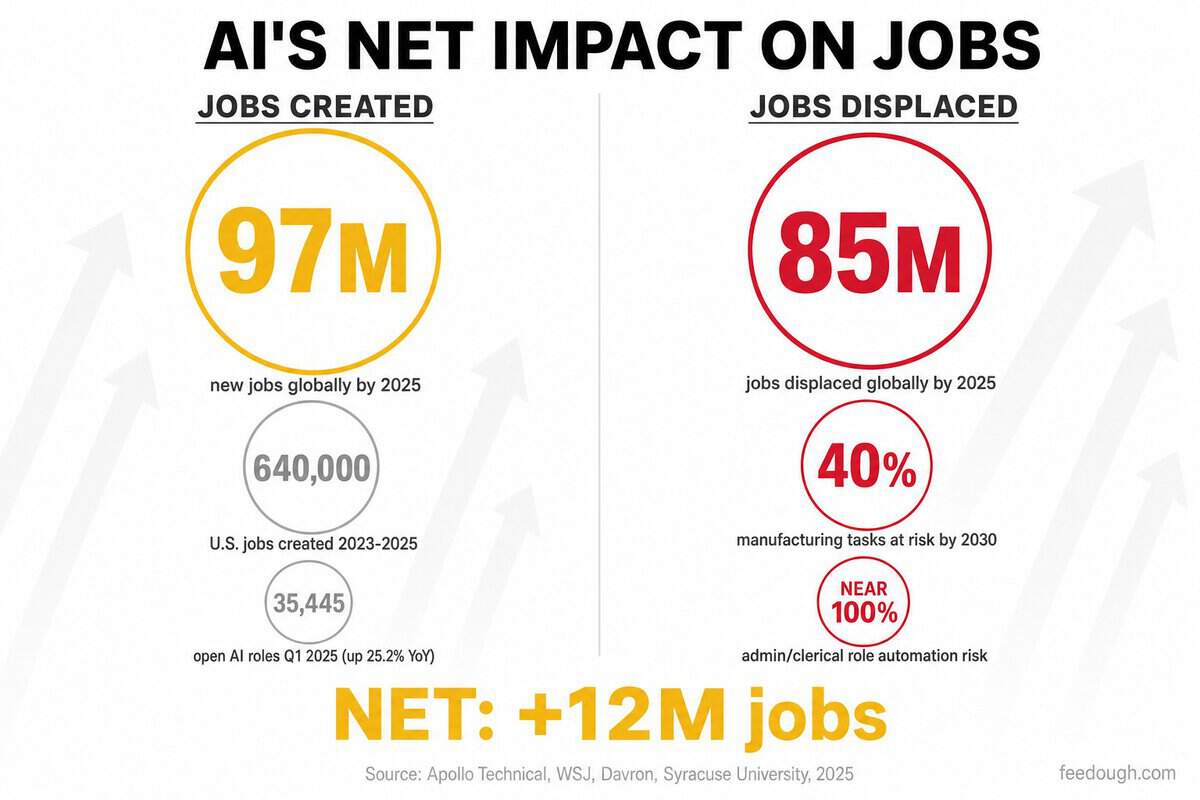
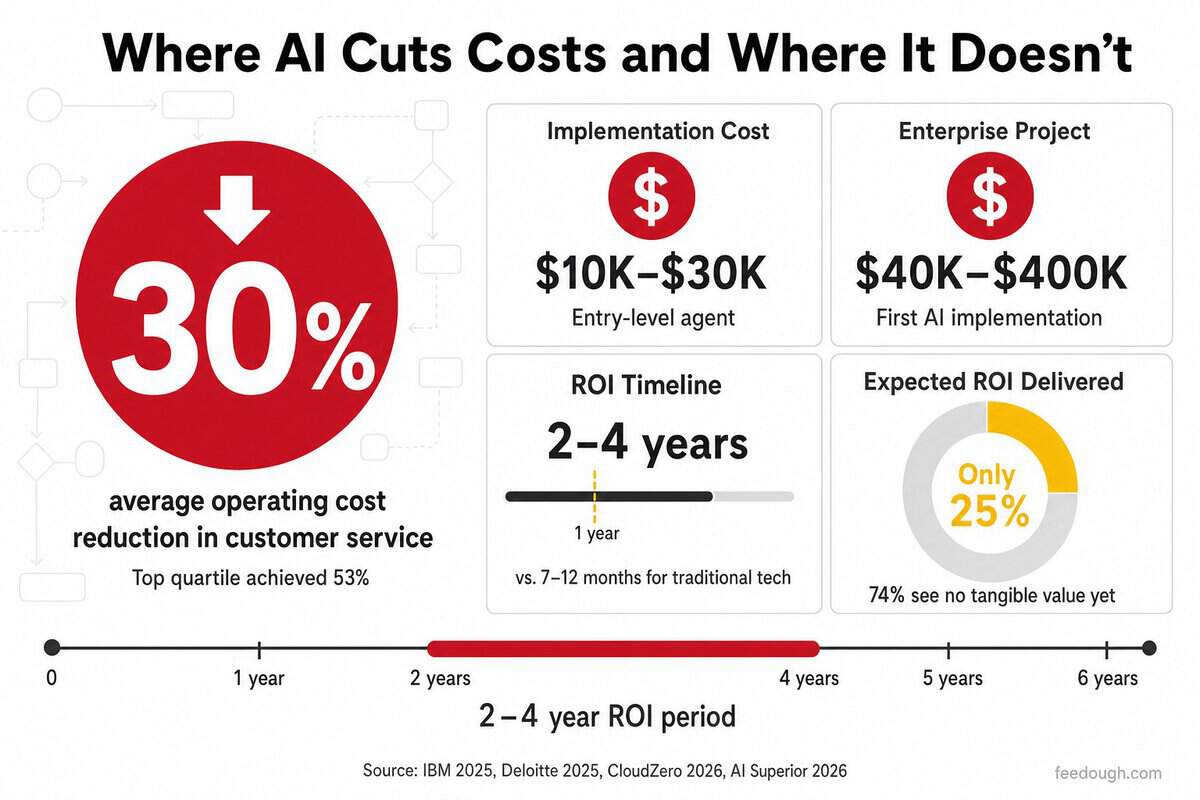
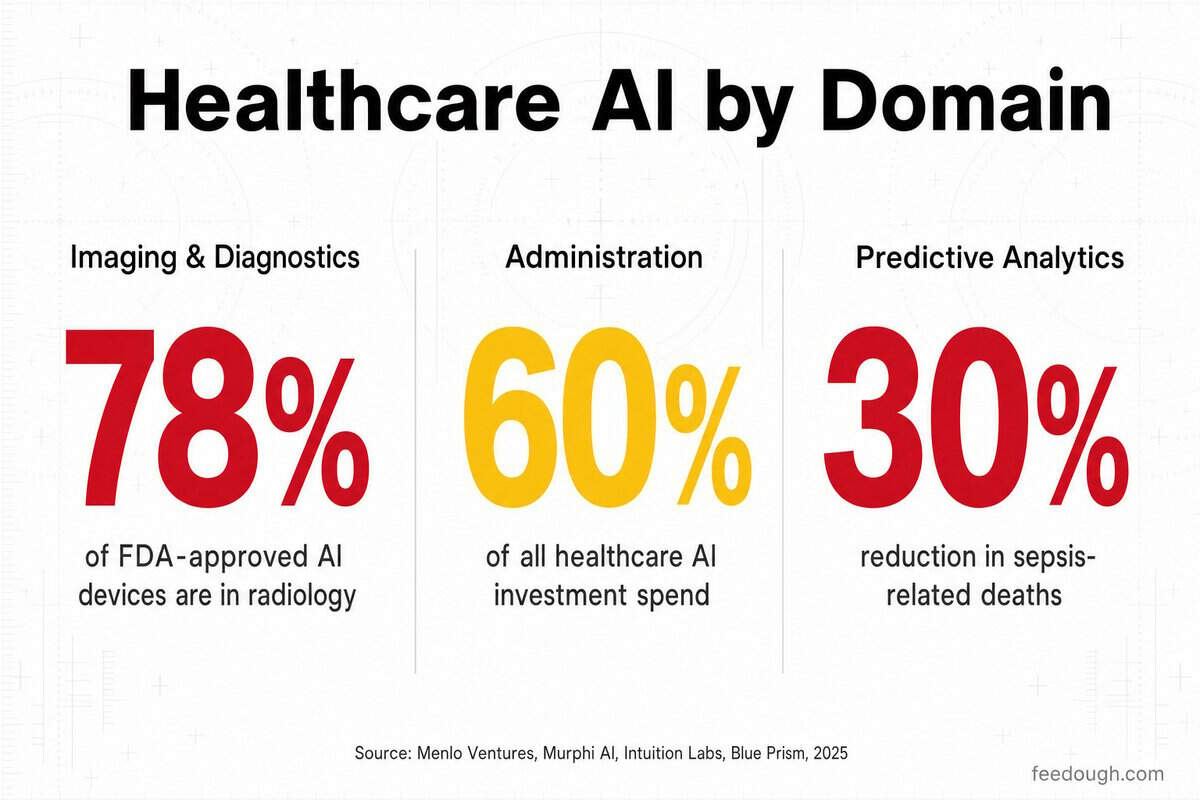
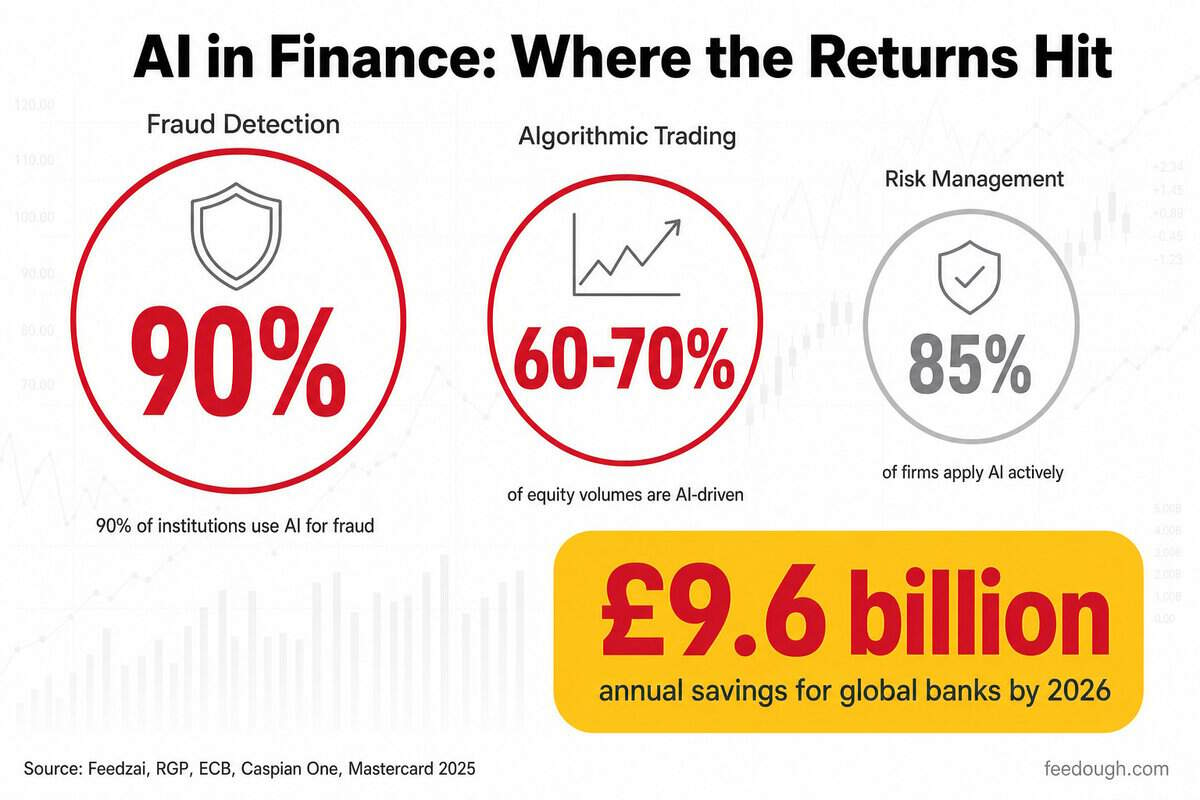
You watch an AI tool give out five ad variations in 30 seconds. That task would’ve taken you an hour, maybe two if you were working with different angles. The question hits you before you can stop it: How long before companies decide they don’t need you at all?
AI isn’t going anywhere. It’s already writing product descriptions, social posts, and email campaigns. But the real question isn’t whether AI will replace copywriters. It’s which copywriters will it replace?
This article breaks down what’s actually happening in the copywriting field right now. You’ll see where AI falls short, what skills keep you irreplaceable, and how to position yourself so you’re not competing with tools but working alongside them.
What Do Copywriters Do?
Copywriters write the words that convince people to take action. They create the text you see in ads, on websites, in your inbox, and across social media. The job is about getting people to click, buy, sign up, or engage with a brand.
But it’s not just about typing words. Copywriters need to understand their audience well enough to know what makes them tick. They research what problems people have, what language they use, and what objections they might raise. Then they figure out how to address all that in a way that fits the brand’s voice.
The real skill is persuasion. You’re not just describing a product. You’re making someone care enough to act on it.
How AI Has Changed Copywriting
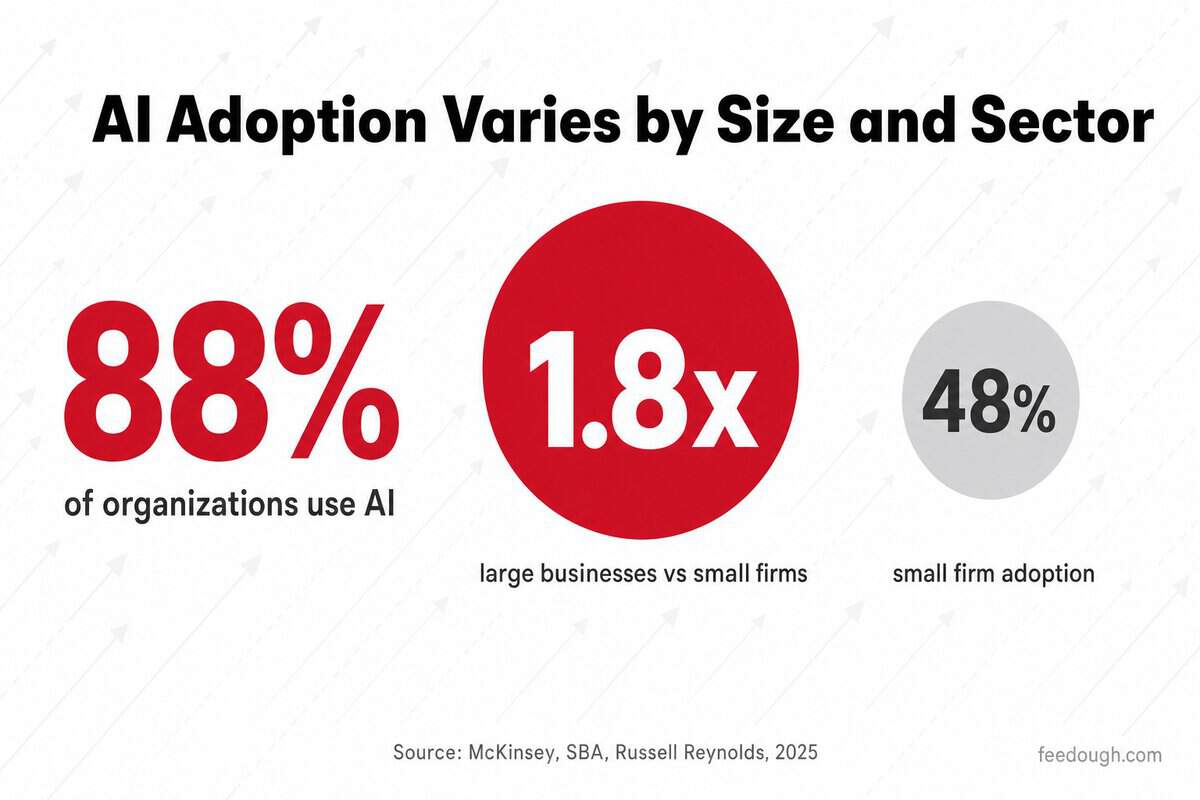
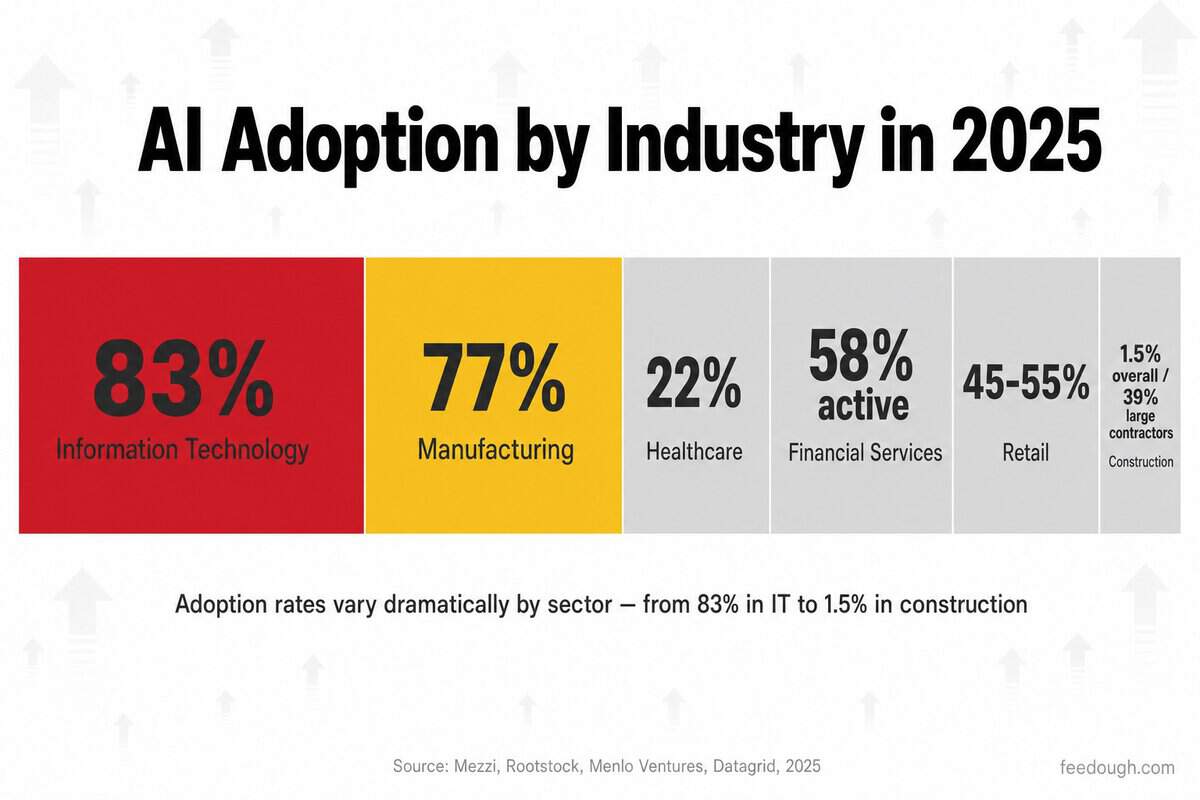
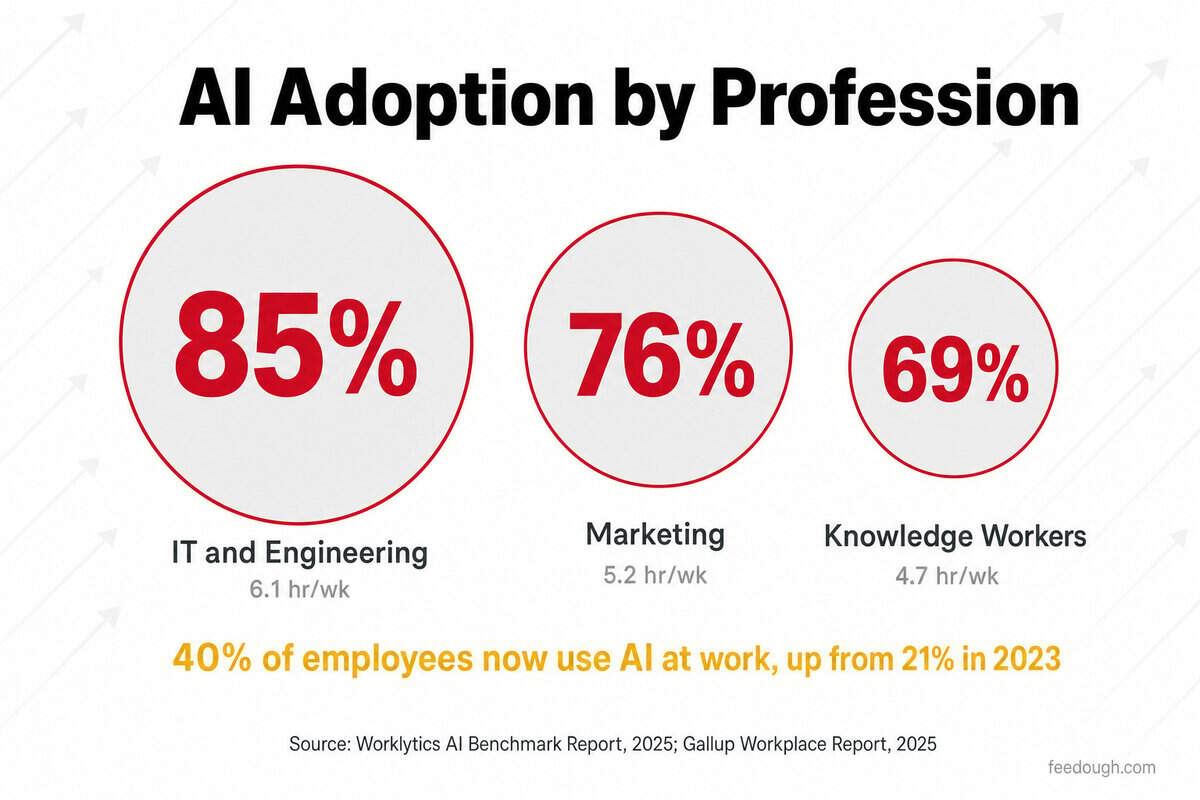
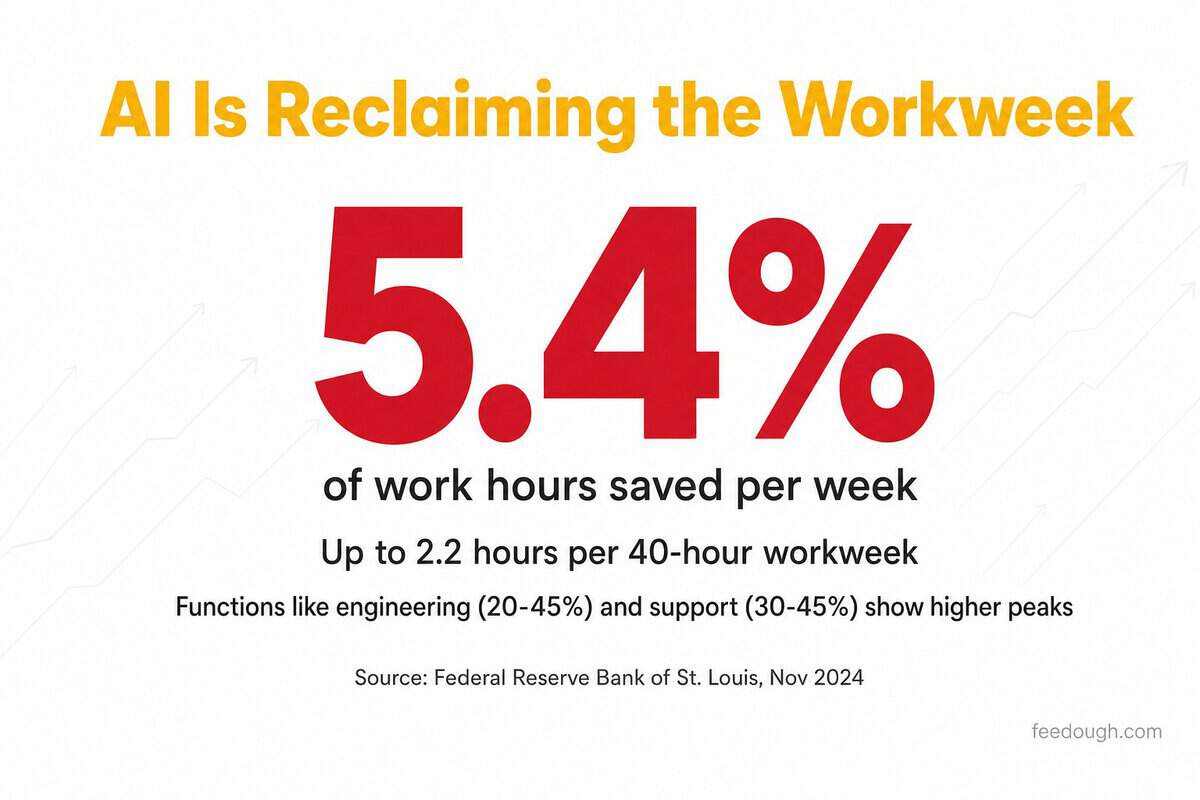
76% of marketers now use AI for basic content creation and copywriting, which tells you everything about how fast this shift happened. AI hasn’t replaced everything equally. Some tasks vanished overnight, others are on borrowed time, and a few remain stubbornly human.
Copywriting Tasks AI Has Replaced Completely
These are the tasks that copywriters used to grind through, but now AI handles them faster, cheaper, and honestly, just as well:
Basic product descriptions – The “Features: X, Y, Z” stuff that fills e-commerce sites
Simple social media posts – Generic “Happy Monday” updates and promotional captions
Template emails – Welcome sequences, password resets, order confirmations
Meta descriptions – Those 160-character snippets under search results
Basic ad variations – Slight tweaks to headlines for A/B testing
These tasks never needed human creativity in the first place. They followed formulas. AI is really good at formulas.
Copywriting Tasks AI Will Replace Soon
This is where things get uncomfortable for some copywriters. These tasks still need a human touch today, but AI is catching up fast:
First drafts – AI already creates rough versions that humans then refine
A/B test variations – Tools can now generate dozens of headline options in seconds
Routine blog posts – Informational content that follows predictable structures
Standard landing pages – Sales pages built from proven templates
You’re seeing the pattern here. If the task is repeatable and follows a structure, AI will figure it out. What separates “will replace soon” from “replaced completely” is just time and better training data.
Copywriting Tasks AI Can Never Replace
Human copywriters still win in some areas, and probably always will. These tasks require something AI fundamentally lacks:
Strategic brand messaging – Understanding what makes a brand different and why it matters requires human judgment
Complex storytelling – Weaving narratives that connect emotionally across multiple touchpoints
Nuanced emotional copy – Writing that shifts tone based on unspoken context and cultural subtleties
Deep customer insights – Reading between the lines of what customers say versus what they actually mean
Adapting to complex feedback – When a client says “make it pop” or “I’ll know it when I see it,” humans decode that mess
AI can mimic emotion. It can’t feel it, understand it, or know when to bend the rules. That’s the gap that keeps human copywriters employed—and it’s bigger than most people think.
Current AI Adoption Rate in Copywriting
AI isn’t some distant future thing anymore; it’s already here, and copywriters are using it right now. The data shows just how fast this shift is happening.
90% of marketers use AI for text-based tasks, including idea generation (90%), draft creation (89%), and headline writing (86%)
These numbers tell a pretty clear story. We’re past the “should we try AI?” phase. Most copywriters and marketers have already tested it and built it into their workflow. The growth from 64.7% to 90% in just two years shows this isn’t a trend that’s slowing down.
What’s interesting is how AI gets used across different parts of the writing process, from brainstorming to headlines to full drafts. That means it’s not replacing one specific task. It’s becoming a tool that sits alongside copywriters throughout their entire workflow.
Are Companies Still Hiring Copywriters?
Yes, but the job you’re applying for looks different than it did three years ago. Companies aren’t just looking for someone who can write. They want copywriters who know how to work with AI, edit its output, and bring the strategic thinking machines can’t replicate.
The shift is real. According to Final Round AI, 77,999 jobs were eliminated by AI in 2025. The roles disappearing are mostly entry-level content mill positions. The jobs that remain require a different skill set. One that combines writing chops with AI literacy.
How AI Has Changed Job Hiring for Copywriters
Hiring managers now ask about your experience with AI tools during interviews. They want to know if you can prompt ChatGPT effectively, edit AI-generated drafts, and identify when the output misses the mark. Basic writing skills alone won’t cut it anymore.
What companies are actually looking for:
Strategic thinking to guide AI in the right direction
Editing skills to refine AI output and add human nuance
Brand voice expertise that AI can’t replicate
Understanding of audience psychology beyond surface-level data
Companies see AI as a productivity multiplier. They’re hiring fewer copywriters overall, but expecting each one to produce more with AI assistance. That means you need to be comfortable managing AI as part of your workflow, not competing against it.
Job Market Trends and Statistics
Technology sector job postings dropped 58% in 2025, which includes content creation roles. That’s significant. But it’s not the whole story.
What’s actually happening in the market:
Entry-level “content writer” positions are down significantly
Specialist positions (like conversion copywriting and brand messaging) are still in demand
Freelance opportunities are shifting toward project-based strategic work
Companies are consolidating their content teams. Instead of hiring five junior writers to churn out blog posts, they’re hiring two experienced copywriters who can strategise, write, and optimise AI-assisted content. The bar for entry has risen, but the opportunities for skilled professionals haven’t disappeared. They’ve just evolved.
What Copywriters Say About AI
Talk to copywriters today, and you’ll hear a mix of worry, frustration, and reluctant acceptance. The job security question keeps people on edge. According to discussions about job displacement, the anxiety is real.
Working copywriters are dealing with:
The good stuff they admit:
AI helps when you’re blank and have no ideas
First drafts happen faster, which frees up time for strategy
Research and headline variations take minutes instead of hours
The frustrating parts:
Clients expect lower rates because “AI can write it”
Every AI draft needs a lot of editing to sound human
Junior copywriters aren’t learning the fundamentals anymore
Competition from people who think running text through ChatGPT makes them copywriters
What’s interesting is how many experienced writers have made peace with it. They use AI for the boring stuff, product descriptions, meta tags, basic outlines. But they’re keeping the strategic thinking, brand voice work, and emotional storytelling for themselves.
The consensus? AI isn’t stealing jobs from good copywriters yet. But it’s changing what clients expect, what they’re willing to pay, and how the work gets done. That’s forcing everyone to either level up their skills or compete on price with a robot.
Final Thoughts
Will AI replace copywriters? Yes it has already replaced some of them, but not entirely.
The copywriters who are thriving right now aren’t just tech-savvy. They’re the ones who understand strategy, know how to read an audience, and can craft messaging that actually connects. AI can’t replicate that yet.
What you can control? How you respond. Learn the AI tools that are becoming standard in the industry. Get comfortable prompting, editing AI output, and knowing when to scrap it entirely. But don’t stop there.
Focus on the skills that make you irreplaceable. Get better at research. Sharpen your strategic thinking. Build expertise in specific industries or niches where context matters more than speed.
This shift isn’t comfortable. But it’s also not the end. It’s a recalibration of what copywriting means and what clients actually value. You either adapt to that reality or get left behind.
AI diagnostic models are now outperforming human physicians in cancer detection, and the gap is widening across cardiovascular disease, diabetes, and neurological disorders. The question is no longer whether AI belongs in clinical settings. It is how fast health systems can keep up.
A February 2025 study in the Journal of Theoretical and Applied Information Technology found AI diagnostic models achieved 94% accuracy in cancer detection compared to 88% for human doctors. AI in healthcare statistics from 2025 reinforce that finding at scale: 80% of U.S. hospitals had predictive AI sourced from their EHR developer in use by 2024, with overall adoption reaching 71% across all source types.
Here is what the data actually shows about where clinical AI is delivering results, where adoption is accelerating, and what the numbers mean for patients and providers.
Clinical Applications of AI in Healthcare Statistics
86% of health systems were running some form of AI in their organizations by 2024, per the HIMSS–Medscape AI Adoption by Health Systems Report. That near-universal figure obscures an uneven picture. Diagnostic imaging anchors adoption at 67% of hospitals. Clinical documentation and predictive analytics have moved the fastest over the past 12 months.
Clinical Use Case
Adoption Rate
Source / Note
Predictive analytics
71% of U.S. hospitals
ONC/ASTP Data Brief; up from 66% in 2023
Diagnostic imaging
67% of hospitals
Deloitte Health Research
Clinical documentation (ambient AI)
~65% of Epic hospitals
AJMC study, June 2025
Patient triage systems
52% of hospitals
Deloitte Health Research
Treatment planning workflows
41% of hospitals
Deloitte Health Research
Drug discovery processes
38% of hospitals
Deloitte Health Research
AI-assisted surgical systems
29% of hospitals
Deloitte Health Research
The broader momentum behind these numbers becomes clearer when looking at scale and speed of uptake across other clinical applications of AI in healthcare:
60% of health systems recognize AI’s ability to uncover health patterns and diagnoses beyond human detection, per the HIMSS–Medscape AI Adoption report (2024)
22% of healthcare organizations had implemented domain-specific AI tools by late 2025, a 7x increase over 2024 and 10x over 2023, with health systems leading at 27% adoption (Menlo Ventures/Morning Consult survey of 700+ executives)
37 distinct clinical AI use cases across 10 categories were in active deployment at large U.S. health systems as of fall 2024, per a Scottsdale Institute study published in PMC
The predictive analytics and documentation surges share a common cause. Both tool types are now native to major EHR platforms. That removes the procurement and integration steps that slow every other category on this list.
%. Intraoperative complications fell by 30% and surgical efficiency rose by 20% compared to conventional approaches.
AI Integration Rates by Clinical Workflow
Radiology tops every clinical workflow integration ranking. HIMSS research puts AI adoption at 81% in radiology departments. Emergency departments follow at 73%, with intensive care units at 68%. The gap between radiology and every other specialty is not accidental.
Clinical Specialty
FDA-Authorized AI Devices
Share of All Approvals
Radiology
956
76.7%
Cardiovascular care
116
9.3%
Neurology
56
4.5%
All other specialties combined
119
9.5%
The FDA authorized 253 AI-enabled medical devices in 2024 alone, the highest single-year total on record, with 96% cleared via 510(k). McKinsey data shows radiology AI systems reduce diagnostic errors by 23% and cut interpretation time by 35%. These AI integration rates by clinical workflow follow a familiar pattern. The specialty fastest to adopt is also the first to identify what isn’t working.
Philips’ 2025 Future Health Index found 78% of radiologists have been involved in building new AI tools at their organization. Yet 41% report those tools do not adequately address real-world workflow needs. Surgery presents a different trajectory: rapid adoption driven by measurable outcomes. AI-assisted procedures produce 21% fewer complications than conventional approaches, and surgical AI adoption jumped 127% in two years. A 2025 PMC review of 25 peer-reviewed studies found AI-assisted robotic surgeries cut operative time by 25%. Intraoperative complications fell by 30% and surgical efficiency rose by 20% compared to conventional approaches.
Patient Attitudes Toward Medical AI Statistics
Patients are not simply skeptical of medical AI. The resistance is selective. A Memorial Sloan Kettering cross-sectional survey of 330 oncology patients found 80.2% are comfortable with AI for cancer screening. That figure drops to 61.5% for AI involvement in prognosis. The same patients, very different answers, depending entirely on what the AI is being asked to do.
AI Application
Patient Comfort Level
Source
Cancer screening
80.2%
MSK oncology patient survey, 2026
Supportive care (exercise guidance)
78.2%
MSK oncology patient survey, 2026
Supportive care (dietary guidance)
74.8%
MSK oncology patient survey, 2026
Treatment planning
64.8%
MSK oncology patient survey, 2026
Prognosis
61.5%
MSK oncology patient survey, 2026
The comfort gradient tracks directly to perceived stakes. Screening and supportive care feel lower-risk and more bounded. Treatment planning and prognosis feel consequential in ways patients are not yet willing to hand to an algorithm. These patient attitudes toward medical AI statistics reflect not a rejection of the technology, but a demand that it stay in its lane.
66% of more than 2,000 Americans reported low trust in their health care system to use AI responsibly, and 58% said they did not believe their health system would ensure an AI tool would not harm them; existing institutional trust was the single strongest predictor of AI trust (STAT News, February 2025 study)
83% of patients say AI used for diagnosis and treatment should meet safety and accuracy standards, 81% want to be informed if their doctor’s office uses AI at all, and 72% want to know the source of training data for any AI model used in their care (ModMed survey of 2,000 U.S. patients, June 2025)
26% of adults feel optimistic about AI in healthcare, 27% feel uncertain, and 26% feel concerned; awareness is highest for AI managing medical records (49% of adults) and image analysis (44% of adults) (United States of Care AI report, August 2025)
25% of U.S. adults used an AI tool or chatbot for health information in the prior 30 days as of late 2025, primarily as a supplement to professional care; about one-third trust AI-generated health information, 34% distrust it, and 33% are neutral (West Health-Gallup survey of 5,660 adults, October-December 2025)
Patient Perception of AI in Healthcare Statistics
The assumption that patients resist medical AI does not survive contact with the data. Comfort is high when AI monitors or assists. It drops sharply when AI advises. And it nearly collapses when AI enters mental health. Only 29% of patients would accept mental health support from an AI. That is the lowest comfort level recorded across any application in the survey.
AI Application
Patient Comfort Level
Notes
AI health monitoring devices
85%
SQ Magazine / Healthcare Analytics
Interpreting lab results
78%
SQ Magazine / Healthcare Analytics
Preliminary diagnosis
63%
SQ Magazine / Healthcare Analytics
Voice-based health AI tools (adults 60+)
48% have used
SQ Magazine / Healthcare Analytics
AI-assisted surgery
45%
SQ Magazine / Healthcare Analytics
Mental health support
29%
SQ Magazine / Healthcare Analytics
The 22-point drop from surgery (45%) to mental health (29%) is the starkest gap in the table. It reflects something specific: patients draw a line between AI that assists a clinician and AI that stands in for one. Mental health is where that line is most firmly held. Yet patient perception of AI in healthcare shifts significantly by age. A RAND study surveyed 1,058 adolescents and young adults in early 2025. Roughly 1 in 8 respondents aged 12 to 21 had used AI chatbots for mental health advice. Among those aged 18 to 21, the figure rose to approximately 1 in 5. Of those users, 93% reported finding the advice helpful.
A KFF Tracking Poll found 32% of U.S. adults used AI tools for health information in the past year. Among them, 65% cited wanting quick information and 41% said they used AI before deciding whether to see a provider. Pew Research Center surveyed 5,023 U.S. adults in June 2025. Among them, 44% expect AI to have a positive impact on medical care over the next 20 years. That is the most optimistic outlook Pew recorded across any major sector it tested.
Patient Comfort Delegating Medical Tasks to AI Statistics
Comfort with AI handling administrative work sits at 49%. Comfort with AI performing surgery sits at 33%. That 16-point drop traces the line patients draw between data management and clinical judgment. It comes from a single August 2025 survey by athenahealth and United States of Care.
Medical Task
Patient Comfort Level
Source
Recording notes
49%
athenahealth / United States of Care, August 2025
Analyzing data
49%
athenahealth / United States of Care, August 2025
Communicating test results
47%
athenahealth / United States of Care, August 2025
Treatment planning
41%
athenahealth / United States of Care, August 2025
Diagnosis
37%
athenahealth / United States of Care, August 2025
Performing surgery
33%
athenahealth / United States of Care, August 2025
A June 2025 ModMed survey of 2,000 patients maps patient comfort delegating specific medical tasks to AI with even finer granularity:
42% of patients approved of AI assisting with prescription refills
35% approved of AI for appointment scheduling and reminders
31% approved of AI assistance at patient check-in
55% said they were uncomfortable with AI making a diagnosis or creating a treatment plan
Healthcare Provider Perspectives on AI Statistics
81% of physicians are now using AI in their practices, according to the AMA’s 2026 Physician Survey on Augmented Intelligence. That figure stood at 66% in 2024 and 38% in 2023. The technology went from a fringe experiment to a majority clinical tool in under three years.
Period
Physician AI Adoption Rate
Source
2023
38%
AMA Physician Survey on Augmented Intelligence
2024
66%
AMA Physician Sentiment Report
March–April 2025
47%
Doximity State of AI in Medicine Report 2026
November 2025–January 2026
63%
Doximity State of AI in Medicine Report 2026
2026
81%
AMA Physician Survey on Augmented Intelligence
The most common current application, per the AMA, is clinical documentation and research summarization, cited by 39% of physician AI users. Diagnostic imaging follows at 73%, with clinical decision support at 58%. Physicians save an average of 2.5 hours per day through AI assistance, and 68% report improved diagnostic confidence. Cleveland Clinic’s expanded rollout of Bayesian Health’s AI sepsis platform covers five hospitals and more than 760,000 patient encounters. The system is associated with an 18% relative reduction in mortality, with sepsis detected an average of 5.7 hours earlier than traditional methods.
Medical Professional Concerns About AI Statistics
Liability concerns top the list, but framing them as a concern understates the stakes. The AMA’s 2026 Physician Survey found that 87% of physicians say not being held liable for AI model errors is critical for adoption. That is not caution. That is a hard condition.
Physician Concern
Share of Physicians
Liability for AI errors
67%
Algorithm bias
54%
Skill loss through AI over-reliance
48%
Patient privacy
43%
Integration challenges
39%
Cost considerations
35%
The medical professional concerns about AI that land hardest are the ones physicians cannot resolve unilaterally. Skill loss is a case study: the AMA’s 2026 survey found 88% of physicians hold at least some concern about AI-related skill loss. But only 28% worry about their own clinical skills. The concern is generational: 70% are specifically worried about medical students and residents being trained today with AI as a constant assist. On privacy, the picture is starker. The AMA found patient data protection is the only measured factor where physicians expect net harm from AI rather than net benefit.
61% of physicians in the Athenahealth 2025 Physician Sentiment Survey cited loss of a human touch as a concern, alongside 58% worried about overreliance on AI for diagnosis and 53% concerned about improper diagnoses
85% of physicians want a say in AI adoption decisions at their practice, and clear liability frameworks ranked as the top regulatory priority for increasing trust, per the AMA’s 2026 Physician Survey on Augmented Intelligence
A Sermo poll of its global physician community found negative consequence concerns clustered equally across three categories: reduced vigilance or automation bias (22%), deskilling of new physicians (22%), and erosion of clinical judgment and empathy (22%)
AI in Healthcare Statistics by Medical Specialty
AI’s clinical value is often discussed in broad terms. The specialty-level data makes a more precise argument.
A deep learning model trained on dermoscopic images and patient metadata detects melanoma with 94.5% accuracy. An AI platform boosted pathologist agreement on HER2-low breast cancer scoring from 73.5% to 86.4%. These are not broad gains. They are narrow, measurable improvements in tasks that directly determine whether a patient receives the right treatment.
Specialty
AI Finding
Source
Radiology
AI tools reduce radiologist workloads by up to 53% by automating identification of normal and high-probability cases
RamSoft analysis citing Health and Technology systematic review, May 2025
Dermatology (single model)
Deep learning model detects melanoma with 94.5% accuracy using dermoscopic images combined with patient clinical metadata
Clinical Lab Products / Incheon National University, November 2025
Dermatology (meta-analysis)
AI achieves pooled sensitivity of 0.86 and specificity of 0.88 for malignant melanoma on dermoscopy; adding AI probability scores to clinician review improves overall diagnostic performance further
PMC systematic review and meta-analysis, accepted October 2025
Oncology / Pathology
AI-assisted digital pathology raised pathologist agreement on HER2-low breast cancer scoring from 73.5% to 86.4% and reduced HER2-null misclassification by 65%
ASCO 2025, research across six global academic centers
Psychiatry / Psychology
56% of psychologists used AI tools at least once in the past 12 months, nearly double the 29% recorded in 2024; monthly AI use rose from 11% to 29%
APA 2025 Practitioner Pulse Survey, 1,742 psychologists, September 2025
The precision AI achieves in these settings is not accidental. In radiology and dermatology, models have been trained on millions of labeled images across years of clinical data. In oncology pathology, AI resolves a specific ambiguity: the HER2-low scoring boundary where expert agreement had reached only 73.5% without AI assistance. Removing that disagreement directly expands the pool of patients eligible for targeted therapies.
The psychology data tells a different story. AI adoption among psychologists nearly doubled in one year, from 29% to 56%. That growth is happening without the clinical validation infrastructure that drives radiology or oncology AI. When AI performance across medical specialties moves this fast in behavioral health, the gap between adoption and evidence tends to widen before it narrows.
AI in Radiology and Imaging Statistics
AI-supported mammography screening detected 29% more cancers than standard double-reading in the MASAI randomized controlled trial. The trial covered 105,934 women and was published in The Lancet Digital Health in February 2025. Sensitivity rose from 73.8% to 80.5%. Radiologist workload fell by 44%, with no increase in false positives.
Imaging Application
AI Performance
Source
Mammography screening (RCT)
29% more cancers detected; sensitivity 80.5% vs. 73.8% for standard double-reading; radiologist workload reduced by 44%
MASAI trial, The Lancet Digital Health, February 2025; 105,934 women
Retinal / OCT screening
94.5% accuracy across 50+ sight-threatening conditions including diabetic eye disease; matched or exceeded retinal specialist performance
89% sensitivity; AI AUC 0.93 vs. human AUC 0.81 across 16,996 chest radiographs
Lunit INSIGHT CXR, ECR 2024, King’s College London
Chest CT reading time
Reading time reduced 23.1% (13 min to 10 min per scan); pneumothorax detection at 72.7% sensitivity and 99.9% specificity
Jefferson Health pilot study, RSNA 2024; ~98,000 studies screened
General MRI / CT workflow
30–75% scan time reduction; 30–50% faster reporting; 70% of MRI steps and 64% of CT steps have available AI solutions
IJCARS systematic narrative review, 2025
The IJCARS 2025 review found 70% of MRI workflow steps and 64% of CT steps already have available AI solutions as of 2025. Scan processing time has dropped from 15 minutes to 3 minutes for typical cases. Radiologist productivity has risen 31%. That combination shifts the specialty’s central question from whether to integrate AI to how fast throughput can scale.
AI in Oncology Statistics
A March 2026 study in Nature Cancer evaluated Google’s mammography AI across 115,973 mammograms at five NHS screening services. AI detected 9.33 cancers per 1,000 women, versus 7.54 for the first human reader. AI also caught 25% of cancers that would otherwise have presented as interval cancers or not until the next scheduled screening. In oncology, that timing gap is where lives are saved or lost.
Cancer Care Stage
AI Improvement
Source
Early cancer detection rates
31% improvement
Clinical research
Treatment planning accuracy
28% increase
Clinical research
Pathology slide analysis time
65% reduction
Clinical research
Drug discovery timelines
4.2 years shorter
Clinical research
Precision medicine matching
43% improvement
Clinical research
Chemotherapy dosing errors
26% reduction
Clinical research
The drug discovery acceleration is equally significant. A Frontiers in Oncology narrative review (April 2025) found AI-based virtual screening compresses early oncology drug discovery from months to weeks. AI-generated molecular libraries enable rapid screening of millions of compounds. For cancer drug candidates, that compression directly accelerates progression into preclinical development.
The AI in oncology statistics that carry the most clinical weight are the detection-sensitivity figures. In the Nature Cancer study, AI achieved a sensitivity of 0.541 versus 0.437 for the first human reader. That 10-point gap in sensitivity is not incremental. It is the difference between a cancer caught this year and a cancer caught at the next screening cycle.
AI in Oncology Statistics
A March 2026 study in Nature Cancer evaluated Google’s mammography AI across 115,973 mammograms at five NHS screening services. AI detected 9.33 cancers per 1,000 women, versus 7.54 for the first human reader. AI also caught 25% of cancers that would otherwise have presented as interval cancers or not until the next scheduled screening. In oncology, that timing gap is where lives are saved or lost.
Cancer Care Stage
AI Improvement
Source
Early cancer detection rates
31% improvement
Clinical research
Treatment planning accuracy
28% increase
Clinical research
Pathology slide analysis time
65% reduction
Clinical research
Drug discovery timelines
4.2 years shorter
Clinical research
Precision medicine matching
43% improvement
Clinical research
Chemotherapy dosing errors
26% reduction
Clinical research
The drug discovery acceleration is equally significant. A Frontiers in Oncology narrative review (April 2025) found AI-based virtual screening compresses early oncology drug discovery from months to weeks. AI-generated molecular libraries enable rapid screening of millions of compounds. For cancer drug candidates, that compression directly accelerates progression into preclinical development.
The AI in oncology statistics that carry the most clinical weight are the detection-sensitivity figures. In the Nature Cancer study, AI achieved a sensitivity of 0.541 versus 0.437 for the first human reader. That 10-point gap in sensitivity is not incremental. It is the difference between a cancer caught this year and a cancer caught at the next screening cycle.
AI in Cardiology Statistics
Most cardiac care responds to disease after it arrives. Oxford University’s AI tool predicts heart failure risk before it does. The tool identifies that risk up to five years in advance with 86% accuracy. It was validated in more than 72,000 patients across nine NHS trusts and published in JACC in April 2026.
Cardiology Application
AI Performance
Source
Heart failure risk prediction
86% accuracy, up to 5 years in advance
Oxford University / NHS; JACC, April 2026; 72,000+ patients
Cardiac readmission reduction
22% reduction
Clinical research
ECG interpretation speed
40% faster than standard reading
Clinical research
Atrial fibrillation detection
93% accuracy; AliveCor Kardia Mobile validated at 93% sensitivity
AI in cardiology statistics from 2025 show that consumer-grade wearables have now closed much of the gap with clinical detection tools:
A JACC: Advances meta-analysis covering 26 studies and 17,349 patients found AI-enabled smartwatches detect atrial fibrillation with pooled 95% sensitivity and 97% specificity (AUC 0.97); the Apple Watch achieved 94% sensitivity and 97% specificity, while Samsung devices reached 97% sensitivity and 96% specificity (2025)
An AI algorithm paired with a smartwatch’s single-lead ECG detected structural heart disease, including weakened pumping ability, damaged valves, and thickened heart muscle, with 88% overall accuracy, 86% sensitivity, and 99% specificity in a prospective cohort of 600 participants, presented at the American Heart Association Scientific Sessions 2025
An AI model analyzing Fitbit heart rate and step count data from the NIH All of Us Research Program demonstrated the ability to predict all-cause hospitalization risk in cardiac patients using continuous consumer wearable data, presented at Heart Rhythm 2025 (April 2025)
AI in Emergency Medicine Statistics
In January 2024, npj Digital Medicine published the first AI sepsis model to report improved patient outcomes in a live emergency department. UC San Diego Health’s COMPOSER deep-learning system, deployed across more than 6,000 patient admissions, produced a 17% reduction in sepsis mortality. That is not a simulation. It is a mortality reduction measured in a functioning ED.
Emergency Medicine Function
AI Performance
Source
Triage time reduction
15-minute average reduction
Clinical research
Stroke detection accuracy
89% accuracy
Clinical research
Sepsis identification speed
34% faster identification
Clinical research
Diagnostic error reduction
27% reduction
Clinical research
Resource allocation improvement
42% improvement
Clinical research
A 2025 JAMA Network Open study of 251,401 adult ED visits found GPT-4 classified patient acuity with 89% accuracy using Emergency Severity Index scores. Physician reviewers achieved 88% in a matched subset of 500 pairs. The AI in emergency medicine statistics now extend beyond workflow efficiency. Large language models are beginning to match clinical reviewers on the core triage task.
AI in Primary Care Statistics
A multicenter study of 263 ambulatory clinicians across six health systems measured burnout before and after 30 days of ambient AI scribe use. Rates fell from 51.9% to 38.8%, a 74% reduction in the odds of burnout. A 63-week analysis of 7,260 physicians extended the finding: high scribe users saved 2.5 times more time per note than low users. Primary care AI is delivering its clearest returns by reducing the cognitive load that drives physicians out of the specialty.
Primary Care Function
AI Impact
Source
Missed diagnoses
29% reduction
Clinical research
Clinical documentation speed
38% faster
Clinical research
Chronic disease management
45% improvement
Clinical research
Preventive care delivery
52% increase
Clinical research
Unnecessary specialist referrals
24% reduction
Clinical research
The documentation impact is among the most consistently reported AI in primary care statistics across studies. A 2025 Canadian health technology assessment published on NCBI Bookshelf found AI scribes reduced documentation time by 69.5% in laboratory settings. In routine practice, clinicians saved an average of 3 fewer hours per week on administrative tasks. Reduced cognitive load and less after-hours work were both reported as additional effects.
The 2025 JMIR scoping review of 73 studies adds a diagnostic triage angle. A respiratory triage AI model reduced unnecessary chest X-ray referrals by 25%. The same model flagged 98% of consultations as suitable for remote management. For primary care physicians managing the broadest patient populations, that combination shifts how cases are triaged before they consume clinical time.
AI in Mental Health Statistics
Most mental health AI research has relied on observational data and screening correlations. A March 2025 study in NEJM AI changed that standard. In a randomized controlled trial of 210 adults, the AI chatbot group showed depression symptoms fall by 6.13 points on the PHQ-9, versus 2.63 for the waitlist control. That gap represents the strongest RCT-level evidence to date for AI-delivered mental health treatment.
Mental Health Application
AI Impact
Source
Depression screening accuracy
73% accuracy
Clinical research
Therapy matching improvement
46% improvement
Clinical research
Time to diagnosis
35% reduction
Clinical research
Medication adherence tracking
28% improvement
Clinical research
Early intervention rates
41% increase
Clinical research
These AI in mental health statistics on care-stage improvements are now supported by primary-source clinical evidence across three specific applications:
The Dartmouth NEJM AI RCT also measured anxiety outcomes: the AI chatbot group showed GAD-Q-IV anxiety scores fall by 2.32 points, versus 0.13 for the waitlist control group (n=210, Dartmouth College, March 2025)
An AI-assisted psychiatric triage program evaluated in a PMC-published study reduced overall wait times for mental health care by 71.43%, with AI and psychiatrist agreement on treatment intensity reaching 71.29%; 63.29% of participants assigned to lower-intensity plans by the AI required no psychiatric consultation at all
A Stanford Health Care study published in npj Digital Medicine (2025) found that large language models can detect comorbid depression and anxiety from chronic disease patient portal messages; DeepSeek R1 achieved 87% accuracy, outperforming standard screening methods and supporting timely clinical referrals
Economic Impact of Healthcare AI Statistics
An NBER working paper by David Cutler and colleagues put healthcare AI’s savings potential at $200 billion to $360 billion annually. That range represents a 5% to 10% reduction in U.S. healthcare spending without compromising quality or access. The estimate used 2019 dollars, which means the real figure in today’s terms is higher.
Economic Metric
Value
Source
Estimated annual net savings from wider AI adoption
$200B–$360B (5%–10% of U.S. healthcare spending)
NBER Working Paper; Sahni, Stein, Zemmel, Cutler; 2019 dollars
Global AI in healthcare market (2025)
$21.66 billion
MarketsandMarkets, 2025
Global AI in healthcare market projected (2030)
$110.61 billion (38.6% CAGR)
MarketsandMarkets, 2025
Total healthcare AI spending (2025)
$1.4 billion (nearly tripling 2024 investment)
Menlo Ventures State of AI in Healthcare, 2025
Ambient clinical documentation investment (2025)
$600 million (+2.4x year-over-year)
Menlo Ventures State of AI in Healthcare, 2025
Coding and billing automation investment (2025)
$450 million
Menlo Ventures State of AI in Healthcare, 2025
The Deloitte 2025 Global Health Care Executive Outlook captures where health systems stand against those projections. More than 40% of executives surveyed already report a significant-to-moderate return on their generative AI investments. A further 37% say it is too early to measure. More than 80% expect generative AI to have a significant or moderate impact on their organizations in 2025.
AI Healthcare Cost Savings Statistics
An AI solution at Methodist Health System resolved claims for 56,118 accounts in eight months. That effort saved 5,559 staff hours and replaced the equivalent of nearly 14 full-time employees’ insurance follow-up activities. On the staffing side, a 300-bed hospital running AI scheduling and documentation tools saves an estimated $1.8 million annually. These AI healthcare cost savings trace back to two distinct channels: revenue cycle management and nursing documentation.
Cost Savings Metric
Value
Source
Billing error reduction (AI-powered RCM)
42% reduction
Healthcare systems survey
Annual savings from billing corrections (50,000 patient encounters)
$2.1 million
Healthcare systems survey
Staff hours saved via RPA for repetitive RCM tasks
1,500–3,000 annually per health system
HARC Research Brief / HFMA 2024 survey, University of Colorado Denver
Health systems advancing AI for RCM
80%
AKASA / HFMA Pulse Survey, 519 CFOs and RCM leaders, April 2025
Nursing overtime cost reduction (AI scheduling)
23% reduction
Staffing optimization research
Annual staffing savings (300-bed hospital)
$1.8 million
Staffing optimization research
Administrative tasks cut per nurse per shift (AI documentation)
2.5 hours
Nursing workflow research
The revenue cycle savings are among the fastest to materialize. The HARC Research Brief found AI in RCM delivers ROI within 12 to 24 months, driven by improved cash flow and lower cost-to-collect ratios. An April 2025 HFMA Pulse Survey of 519 CFOs and revenue cycle leaders confirms adoption has moved past the pilot stage. 80% of health systems are already moving forward with AI for this function.
A 2025 JAMA study across five academic medical centers found ambient AI scribes reduced total EHR time by 13.4 minutes per clinician. Documentation time fell by 16.0 minutes and clinicians handled 0.49 more patients per week. Nurses represent the next major target. A 2025 JMIR Nursing study found nurses spend 31% of a 12-hour shift documenting in flowsheets alone.
AI in Healthcare Operational Efficiency Statistics
AI-powered discharge planning systems reduce average hospital stays by 1.2 days, saving $2,400 per patient. For a hospital processing 20,000 annual discharges, that single application generates roughly $48 million in savings. Early sepsis detection prevents an average of $38,000 in treatment costs per case by catching infections approximately 6 hours earlier. Johns Hopkins research published in Nature Medicine confirmed that detection gap and found patients were 20% less likely to die from sepsis.
MedRxiv systematic review of 24 studies, October 2025
The AI in healthcare operational efficiency data from a 2025 systematic review of 24 studies breaks down exactly where those national savings originate:
Diagnostic time fell by up to 90% in specific applications including cancer diagnosis and radiotherapy, driven by AI automation of image analysis and treatment planning workflows (medRxiv systematic review, October 2025)
Treatment costs dropped by over 30% in those same high-performing applications, reflecting both faster diagnosis and more precisely targeted interventions (medRxiv systematic review, October 2025)
Administrative tools including AI-assisted documentation and claims processing achieved efficiency gains of up to 40%, the largest single source of administrative cost reduction identified in the review (medRxiv systematic review, October 2025)
A safety-net health system AI and automation readmission reduction initiative published in the American Journal of Managed Care (March 2025) demonstrated positive financial impact, reduced readmission rates, and closed equity gaps, providing a replicable model for resource-limited health systems working to meet pay-for-performance metrics
g practice after 2027 will arrive in a healthcare system where the projections in this table are the baseline they are inheriting.
Future of AI in Healthcare Statistics
77% of U.S. and Canadian medical schools already cover AI in their curricula, according to the AAMC’s 2023–2024 Curriculum SCOPE Survey. That is not a projection. While hospital executives debate five-year roadmaps, the workforce expected to use those systems is already being trained. The future of AI in healthcare statistics is, in part, a story about what is already happening in medical education.
Projection
Target / Value
Source
Global AI in healthcare market (2030)
$105.3 billion (39% CAGR from $14.6B in 2024)
Wissen Research
Global AI in healthcare market added value (2026–2030)
+$39.93 billion (34% CAGR)
Technavio AI in Healthcare Market Report, 2025
Hospital AI integration in at least one clinical function
90% of hospitals by 2028
HIMSS Analytics / MarketsandMarkets
AI-assisted surgical procedures
50% of all procedures by 2030
McKinsey
AI-powered precision medicine for cancer treatment
Standard practice by 2027
Frost & Sullivan
Drug discovery timeline and cost compression
10–15 years → 3–6 years; $2.6B → $1.0–1.5B per approved drug
MDPI AI journal peer-reviewed study, 2025
Harvard Medical School, the University of Virginia, and UT Health San Antonio are now embedding hands-on AI training as standard rather than elective. Several are adding dual-degree AI and medicine programs. These represent a structural shift in how the next generation of clinicians is being prepared. Physicians entering practice after 2027 will arrive in a healthcare system where the projections in this table are the baseline they are inheriting.
Most companies are still asking whether AI agents are ready for real work. The ones that stopped asking are already booking the returns.
AI agents statistics from 2025 show 96% of enterprises expanding their agent deployments this year, with early adopters reporting 6-10% revenue gains and up to 37% cost savings in marketing operations alone. The gap between the cautious and the committed is widening fast.
Here is what the data says about who is pulling ahead, where the money is actually flowing, and which industries are furthest along.
Key AI Agents Statistics at a Glance
The shift from experimental to operational happened faster than most forecasts predicted. Here are the numbers that define where AI agents stand today.
96% of enterprises are expanding their use of AI agents in 2025
85% of organisations have integrated AI agents into at least one workflow
79% of employees report their companies are already using AI agents
78% of organisations now use AI in at least one function (up from 55% one year earlier)
51% of organisations are actively exploring AI agent integration
6-10% average revenue increase after implementing agentic AI
37% cost savings in marketing operations
$2M in additional revenue generated from routing improvements alone (documented case)
3-15% revenue uplift range, depending on implementation quality
14% productivity boost for customer support agents using generative AI assistants
13.8% more customer inquiries handled per hour with AI tools
120 seconds saved per customer contact on average
60% of customer service teams report significantly improved agent productivity
60% of customer inquiries are handled autonomously by AI agents in retail
53% of all incoming queries were resolved without human intervention (retail using Freddy AI)
45% of IT customer queries deflected away from human agents
34% of organisations have successfully deployed agentic AI systems that deliver meaningful results
51% of enterprises use two or more methods to control and manage AI agent tools
42% of enterprises need access to eight or more data sources for successful deployment
53% of leadership teams cite security as their top challenge
62% of technical practitioners cite security as their top concern
76% of retail companies are increasing AI agent investment for customer service
15-50% of business tasks expected to be automated by AI agents by 2027
$5.32-5.40 billion current market value (2024-2025)
$52.62 billion projected market size by 2030
46.3% compound annual growth rate (CAGR) through 2030
$538.51M healthcare AI agents market (2024), projected $4.96B by 2030
$5.88B education AI agents market, projected $32.27B (31.2% CAGR)
AI Agents Market Growth Statistics: Size, Forecasts & Sector Breakdown
Three major research firms analyzed the AI agents market using different methodologies. They arrived at the same conclusion: the market will grow nearly tenfold by 2030. Grand View Research values it at $5.40 billion in 2024, MarkNtel Advisors at $5.32 billion in 2025. Both project a roughly $50 billion market within six years.
Source
Base Year Value
2030 Projection
CAGR
Grand View Research
$5.40B (2024)
$50.31B
45.8%
MarkNtel Advisors
$5.32B (2025)
$42.70B
41.5%
MarketsandMarkets
—
$52.62B
46.3%
The spread between $42.7 billion and $52.62 billion reflects methodological differences, not disagreement. Every forecast points in the same direction. Specific sectors are moving even faster.
Sector
2024 Value
2030 Projection
CAGR
Healthcare AI agents
$538.51M
$4.96B
—
Education AI agents
$5.88B
$32.27B
31.2%
Healthcare and education are not outliers. They are early signals. When independent firms converge on a tenfold expansion across multiple methodologies, the growth is not speculative. It is already underway.
Most enterprises have adopted AI agents. Few have made them work. 85% of organisations have integrated AI agents into at least one workflow, and 79% of employees report their companies are using them in some capacity. Yet only 34% have deployed agentic AI systems that deliver meaningful results. The gap between buying in and cashing out is wider than most leadership teams realize.
Metric
Rate
Source
Organisations with AI agents in at least one workflow
85%
Boomi
Employees reporting company AI agent use
79%
PwC
Organisations using AI in at least one function
78%
SAP
Successful agentic AI deployments delivering results
34%
Landbase
Enterprises needing tech stack upgrades to deploy agents
86%
Tray.ai
Enterprises expecting data challenges to impact rollouts
79%
CIO.com
The infrastructure gap explains part of the execution problem. 86% of enterprises require upgrades to their existing tech stack before they can deploy AI agents successfully. And 42% need access to eight or more data sources for a single deployment. That kind of integration work takes time, budget, and organizational will.
Security compounds the difficulty. Consider how leadership and technical teams rank their top concerns in enterprise AI agent deployments:
53% of leadership teams cite security as their top challenge
62% of technical practitioners cite security as their top concern
92% of organisations state that governing AI agents is critical to enterprise security
51% of enterprises use two or more methods to control and manage their AI agent tools
The gap between leadership and technical concern levels (53% vs. 62%) reveals a common pattern: those closest to the infrastructure feel the risk most acutely. The organisations that close the adoption-to-execution gap are the ones investing in security governance and data readiness at the same pace as the AI technology itself.
AI Agents ROI Statistics: Returns, Cost Savings & Payback Periods
The ROI question has been settled faster than most enterprise technology investments typically allow. 74% of executives report achieving ROI within the first year of AI agent deployment. Forrester research puts the three-year return at 210%, with payback periods under six months for best-in-class implementations.
The returns break down clearly across deployment scenarios and functions:
171% average return on investment from agentic AI deployments (U.S. enterprises: 192%)
12x cost efficiency in customer service (cost per interaction drops from $6.00 to $0.50)
25% reduction in customer service costs through AI automation
81% of AI-using sales teams report increased revenue (1.3x more likely than non-AI teams)
ROI Metric
Value
Timeframe
Executives achieving ROI
74%
Within first year
Average ROI (Forrester)
210%
Three-year period
Payback period (best-in-class)
Under 6 months
Forrester research
Payback period (typical)
12–24 months
Across deployments
Organizations reporting productivity value
66%
Measurable
The pattern across every metric is consistent. Whether the deployment targets customer service, sales, or general operations, the returns arrive within a timeframe that fits a standard budgeting cycle. That is unusual for enterprise AI, and it explains why 96% of enterprises are expanding their agent deployments this year.
AI Agents Revenue Growth Statistics: Uplift by Implementation Quality
A 6% revenue increase on a $100 million business is $6 million. That is the order of magnitude companies are reporting after agentic AI deployment. The average lands between 6% and 10%, but the spread (3% to 15%) depends almost entirely on how well the implementation is executed.
Revenue Metric
Value
Detail
Average revenue increase (agentic AI adopters)
6–10%
Across industries
Revenue uplift range
3–15%
Depends on implementation quality
Additional revenue (documented case, Year 1)
$2M
Better routing and information management
Additional revenue (documented case, Year 3)
$4M
Same company, compounding returns
The Google Cloud case is instructive. One company generated $2 million in additional revenue purely through better routing and information management in the first year. By the third year, that figure had doubled to $4 million without expanding scope. The returns did not require new deployments. They came from the same system delivering more as data quality and workflow alignment improved over time.
AI Agents Operational Efficiency Gains: Productivity Metrics
Support agents using AI tools handle 13.8% more customer inquiries per hour. That figure comes from a National Bureau of Economic Research study. Generative AI assistants add another 14% productivity boost on top. The gains are not theoretical. They replicate across organizations and scale with volume.
Efficiency Metric
Value
Context
Inquiries handled per hour (with AI tools)
+13.8%
NBER study, 2023
Productivity boost (gen AI assistants)
+14%
Customer support agents
Queries resolved without human intervention (2025)
65%
Up from 52% in 2023
Customer support queries handled autonomously
80%
ServiceNow deployment
Time reduction for complex case resolution
52%
ServiceNow AI agents
As automated resolution rates rise, the operational impact compounds across functions:
80% of customer support queries handled autonomously by ServiceNow’s AI agents
52% reduction in time needed for complex case resolution (ServiceNow deployment)
65% of incoming support queries resolved without human intervention in 2025 (up from 52% in 2023)
The 13-point jump in autonomous resolution rates between 2023 and 2025 (from 52% to 65%) tells the real story. AI agents are not getting slightly better at handling simple requests. They are handling a meaningfully larger share of the overall support volume each year, which directly reduces the load on human agents.
AI Agents Operational Efficiency Gains: Productivity Metrics
Support agents using AI tools handle 13.8% more customer inquiries per hour. That figure comes from a National Bureau of Economic Research study. Generative AI assistants add another 14% productivity boost on top. The gains are not theoretical. They replicate across organizations and scale with volume.
Efficiency Metric
Value
Context
Inquiries handled per hour (with AI tools)
+13.8%
NBER study, 2023
Productivity boost (gen AI assistants)
+14%
Customer support agents
Queries resolved without human intervention (2025)
65%
Up from 52% in 2023
Customer support queries handled autonomously
80%
ServiceNow deployment
Time reduction for complex case resolution
52%
ServiceNow AI agents
As automated resolution rates rise, the operational impact compounds across functions:
80% of customer support queries handled autonomously by ServiceNow’s AI agents
52% reduction in time needed for complex case resolution (ServiceNow deployment)
65% of incoming support queries resolved without human intervention in 2025 (up from 52% in 2023)
The 13-point jump in autonomous resolution rates between 2023 and 2025 (from 52% to 65%) tells the real story. AI agents are not getting slightly better at handling simple requests. They are handling a meaningfully larger share of the overall support volume each year, which directly reduces the load on human agents.
AI Agents Marketing Cost Reduction: Savings by Function
The 37% cost savings figure in marketing operations is the headline. The mechanics matter more. The savings break down across three distinct functions that AI agents handle differently: lead qualification, content personalization, and campaign optimization. Each produces a different cost profile.
The savings break down clearly per function:
30% reduction in customer acquisition costs when AI agents handle lead qualification
167% increase in qualified lead generation from AI-powered lead qualification
60% time savings on campaign execution using multi-agent systems (research through distribution)
11-60 minutes saved per person per day on repetitive marketing tasks (55-300 hours per year per team member)
Marketing Function
Cost Savings
Mechanism
Lead qualification
Up to 30% cost reduction
AI automates initial screening and scoring
Content personalization
Included in 37% total
Dynamic content adaptation at scale
Campaign optimization
60% time savings
Multi-agent systems handle research through distribution
Combined operations (Klarna case)
~$10M annually
Full marketing operations automation
The Klarna case is worth noting. The company’s $10 million in annual marketing savings did not come from replacing marketers. It came from automating the repetitive workflow layers that sat between strategy and execution. The $2.40 average cost reduction per lead from AI qualification is the unit economics version of the same story. Small per-interaction savings compound into meaningful line items when multiplied across volume.
AI Agents Industry Performance Comparison: Retail vs IT Resolution Rates
Retail and IT departments both use AI agents for customer-facing query resolution. Their results are not the same. Retail agents resolve 53% of incoming queries without human intervention. IT departments deflect 45% of customer queries away from human agents. The gap reflects the type of questions each vertical handles, not the quality of the technology.
Industry
AI Agent Performance
Additional Context
Retail
53% query resolution (no human intervention)
Freddy AI, Freshworks 2025
Retail (overall)
60% inquiries handled autonomously
NICE benchmark, broader scope
IT departments
45% query deflection away from agents
Service desk and technical support
Cross-industry (2026 deployments)
55–70% automation (structured workflows)
Production AI agent benchmarks
Cross-industry (2029 projection)
80% autonomous resolution
Gartner forecast
Retail queries tend to be high-volume and repetitive: order status, return policies, product availability. Those fit AI resolution well. IT queries are more varied and require troubleshooting context, which explains the lower deflection rate. The gap is narrowing. Production deployments in 2026 already land between 55% and 70% automation for structured workflows across industries, and Gartner projects 80% autonomous resolution for common service issues by 2029.
AI Agents Customer Service Statistics: Performance, Cost & Satisfaction Metrics
Customer service is where AI agents deliver the most concentrated ROI in any business function. Not on a promise. On data. AI-powered support reduces average resolution time by up to 87%, and support agents save 1.2 hours per day through automation. The returns show up in weeks, not quarters.
Metric
Value
Detail
Resolution time reduction
Up to 87%
AI-powered customer support
Agent time saved per day
1.2 hours
Through automation
Faster issue resolution (AI + human teams)
41% faster
Compared to human or AI alone
Cost reduction per eligible ticket
40-60%
AI-native platform deployment
CSAT improvement (mid-market, within 3 months)
40%+ improvement
70% of mid-market businesses report this
The cost and satisfaction numbers reinforce each other. When resolution times drop and agents reclaim over an hour of daily capacity, the unit economics shift. The ROI manifests across specific customer service metrics:
90% of CX leaders report positive ROI from implementing AI tools for customer service agents
30% of service cases were resolved by AI agents in 2025, with projections of 50% autonomous resolution by 2027
$6-7 industry baseline cost per contact globally vs. 40-60% reduction for eligible tickets through AI-native platforms
The 41% faster resolution figure for AI-plus-human teams is worth pausing on. Teams using clear collaboration models between AI and human agents outperform teams relying on either alone. That suggests the optimal customer service model is not full automation. It is deliberate orchestration where AI handles the structured work and humans step in where judgment matters.
AI Agents Query Resolution Rates: Autonomous Resolution Benchmarks
Traditional self-service (FAQ pages, help docs) resolves only 14% of issues. AI agents resolve 4 to 6 times more. The gap is not incremental. It is a structural shift in what self-service can deliver. The breakout numbers come from production deployments, not vendor projections.
The benchmarks across real deployments tell a consistent story:
66% of customer service organizations now use AI agents in 2026 (up from 39% in 2025, a 1.7x year-over-year increase)
4-6x more issues resolved by AI agents compared to traditional self-service (14% baseline)
68% drop in cost per customer interaction after AI implementation (from $4.60 to $1.45)
Deployment / Source
Autonomous Resolution Rate
Notes
Intercom Fin
66%
Average resolution across deployments
Zendesk (top quartile)
58.7%
Best-performing enterprise programs
Zendesk (enterprise median)
41.2%
Midpoint across all CX programs
Decagon (self-reported)
80%
Vendor-claimed deflection rate
Traditional self-service
14%
FAQ pages and help docs only
The spread between Zendesk’s median (41.2%) and top quartile (58.7%) matters. It shows that implementation quality drives as much variance as the technology itself. The vendor-vs-independent gap is the number to watch. Decagon claims 80%. Zendesk’s top quartile lands at 58.7%. Independent benchmarks consistently undercut vendor claims by 20 to 30 points. The breakthrough is real. The benchmarks need a discount.
AI Agents Agent Productivity Transformation: Time Saved, Speed & Workflow Impact
Support agents using purpose-built AI tools report a 55% reduction in average first response time. That is not a marginal gain. It changes how agents structure their entire day. When the first reply lands in half the usual time, follow-ups compress, backlog shrinks, and the agent moves from reactive to proactive pacing.
Productivity Metric
Value
Source
First response time reduction (purpose-built AI tools)
55%
Unthread, 2026
Time saved per day (service professionals, gen AI)
Over 2 hours
Unthread, 2026
Agents reporting AI makes ticket response easier
84%
Unthread, 2026
Customer service teams reporting improved agent productivity (AI copilots)
60%
Freshworks, 2025
Time saved per week (knowledge workers, AI agents)
6.4 hours
Unthread benchmarks
The 84% of agents who say AI makes responding to tickets easier is the metric that explains all the others. When most agents agree that the tool improves daily workflow, productivity adoption is not a management mandate. It is organic. The time saved per week (6.4 hours for general knowledge workers, over 2 hours per day for dedicated service professionals) accumulates into the equivalent of an extra workday reclaimed every week per agent.
AI Agents Industry-Specific Impact: Healthcare, Insurance and Retail Statistics
Retail gets the attention. Insurance and healthcare are the stories. Each industry is deploying AI agents for different reasons and getting different returns. Retail leads in volume. Healthcare leads in clinical integration. Insurance leads in speed of adoption.
76% of retail companies are increasing AI agent investment, with customer service emerging as the top use case. That is high. But it is not the most striking figure in this data set.
Industry
Key Metric
Trend
Retail
76% increasing AI agent investment for customer service
Top use case driving expansion
Healthcare
71% of hospitals use predictive AI in EHRs (2024)
Up from 66% in 2023
Healthcare
53% report high success with AI for clinical documentation
Transforming clinician time allocation
Insurance
34% fully adopted AI into value chain (2025)
Up from 8% in 2024 (325% YoY)
The insurance number demands attention. The jump from 8% to 34% in a single year is the fastest adoption curve across any sector in this data. Fraud detection, claims processing, and customer service are the primary drivers. Healthcare moves slower but with deeper integration into clinical workflows.
71% of nonfederal acute care hospitals used predictive AI integrated into EHRs in 2024 (up 5 points from 2023)
53% of clinical health respondents report high success with AI agents for clinical documentation automation
34% of insurers fully adopted AI into their value chain in 2025 (up from 8% in 2024, a 325% year-over-year increase)
The pattern across all three industries is the same. AI agents enter through the highest-volume, most repetitive function. Customer service for retail. Documentation for healthcare. Claims processing for insurance. Once the first deployment proves the ROI, investment accelerates. The industries differ in pace. The sequence is identical.
Future AI Agent Predictions: Market Forecasts, Automation & Workforce Impact
The next three years will mark a turning point for business automation. Not because the technology suddenly matured. Because adoption crossed a threshold that makes the forecast numbers hard to ignore. Gartner predicts 40% of enterprise applications will include integrated task-specific AI agents by the end of 2026. That is an 8x increase from less than 5% in 2025. The shift from optional to embedded happens in roughly 15 months.
Prediction / Metric
Value
Source & Year
Enterprise apps with integrated task-specific AI agents
40% by end of 2026 (8x increase)
Gartner, 2025
Business tasks expected to be automated by AI agents
15–50% by 2027
WeAreTenet
Agentic AI share of enterprise app software revenue
30% by 2035 (~$450B+)
Gartner best-case scenario
AI agent projects projected to be canceled or stalled
Over 40% by end of 2027
Gartner, 2025
Potential annual US economic value (AI agents & robots)
$2.9 trillion by 2030
McKinsey Global Institute
The Gartner cancellation projection (over 40% of agentic AI projects will fail by 2027) is the most important counterweight in this data. It does not contradict the growth numbers. It explains the gap between adoption and execution that runs through every section of this report. The companies that succeed will not be those with the most AI agents. They will be the ones with the best integration, governance, and workforce planning.
Workforce implications are already visible:
91% of business leaders say AI agent skills will be critical for competitive advantage within three years
1.3 million AI-related job opportunities created in the past two years, including entirely new roles (AI agent architects, governance specialists)
30% of current work hours could be automated by AI by 2030, per McKinsey analysis
The 91% figure from business leaders and the 1.3 million new job roles describe the same phenomenon from two sides. Demand for AI agent expertise is accelerating faster than the talent pipeline can supply. The 30% automation of work hours by 2030 (McKinsey) sets the scale. The 40% project failure rate (Gartner) sets the stakes. Execution quality will determine which businesses capture the $2.9 trillion opportunity and which ones contribute to the cancellation statistics.
While you’re still debating whether AI belongs in your hiring process or not, 88% of companies have already made the leap. The AI recruitment market has exploded to $596.16 million in 2025, and there’s a reason for this rapid adoption.
The thing is, AI isn’t just changing recruitment; it’s completely rewriting the rules. Companies using AI-powered hiring are cutting their time-to-hire by 75%, while candidates are experiencing faster, more streamlined application processes than ever before.
But here’s what you really need to know: this transformation brings both incredible opportunities and legitimate concerns. From recruiter adoption rates and candidate perspectives to hiring efficiency gains and bias challenges, we’ll walk through the data that’s shaping the future of talent acquisition. Let’s see what the numbers actually tell us about where recruitment is heading.
AI Adoption in Recruitment and Talent Acquisition
The short answer? It’s everywhere. AI has moved from being a nice-to-have to being standard practice in recruitment. According to Second Talent, 67% of organisations now use some form of AI in their recruitment process.
But that’s just the beginning. When you look at talent acquisition professionals specifically, the numbers jump even higher. According to LinkedIn Talent Solutions, 79% of talent acquisition professionals use AI tools in their daily work. That’s nearly 4 out of every 5 recruiters.
The adoption rates get even more impressive when you focus on enterprise companies. A full 78% of enterprise companies have implemented AI solutions. This makes sense when you think about it. Large companies process thousands of applications and have the resources to invest in AI technology.
What’s particularly interesting is how company size affects adoption. While 65% of large enterprises have fully automated their resume screening process, smaller companies are catching up quickly.
What recruitment tasks are being automated?
Here’s where it gets practical. AI isn’t just being used randomly – it’s targeting specific pain points in the recruitment process:
Candidate sourcing (52%): AI tools scan job boards, social media, and databases to find potential candidates
Initial candidate engagement (41%): Chatbots handle first contact with candidates
Resume screening (65% of large enterprises): AI filters applications based on job requirements
The results speak for themselves. Teams using generative AI report a 20% reduction in recruiter workload. Plus, AI-assisted recruiter messages get a 44% higher acceptance rate compared to traditional outreach. They also see an 11% faster response time compared to non-AI messages.
Think about what this means for a busy recruiter managing 50+ open positions. Instead of spending hours screening resumes, they can focus on building relationships with the best candidates AI has already identified.
Candidate Perspectives on AI in Hiring
The candidate’s side of the story reveals a more nuanced picture. While organisations rush to adopt AI tools, job seekers are taking a cautiously optimistic approach to this technological shift.
The numbers show a split personality in candidate attitudes. On one hand, 58% of candidates feel comfortable with AI screening their resumes, and 43% actually prefer AI for scheduling interviews. That’s a pretty solid foundation of acceptance for basic AI functions.
But here’s where it gets interesting. The same candidates who accept AI for administrative tasks start showing reservations when it comes to the bigger picture. A significant 67% worry about algorithmic bias creeping into hiring decisions.
What aspects of AI hiring do candidates trust or distrust?
The trust breakdown is telling. While 39% believe AI can make hiring more fair by removing human prejudices, 55% fear their applications might get unfairly rejected by algorithms that miss important context.
The human element remains crucial for most job seekers. About 64% express concern about losing that personal connection during the hiring process. Plus, 42% don’t think AI can accurately assess soft skills like communication or cultural fit.
What candidates want most is transparency. An overwhelming 79% want to know when AI is being used in their application process. This isn’t about rejecting the technology – it’s about understanding how decisions affecting their careers are being made.
AI Applications Across the Recruitment Funnel
While 67% of organisations have embraced AI in recruitment, the real action happens in specific stages of the hiring funnel where automation delivers measurable results.
Resume parsing leads the charge, with 87% of companies using AI for initial screening. This makes sense when you consider AI processes applications 96% faster than manual methods. What used to take hours now happens in minutes.
Candidate sourcing follows closely at 74% adoption. AI tools scan job boards, social networks, and internal databases to identify potential matches. Then comes screening and ranking at 71% usage, where AI reduces screening time by a massive 75%.
But AI’s reach extends beyond just sorting resumes. Chatbots handle initial candidate engagement for 65% of companies, while automated scheduling cuts coordination time by 80%. Even status updates get the AI treatment, with 58% using automated communication to keep candidates informed.
How are different AI tools being deployed?
Real companies are seeing real results. Take Unilever’s transformation – they slashed hiring time from 4 months to just 4 weeks using AI screening. The financial impact? £1 million saved annually, plus 50,000 hours saved in candidate time. As a bonus, they saw a 16% increase in diversity.
Hilton’s AI chatbot tells another success story. In its first year alone, it answered 165,000 candidate questions, leading to a 75% reduction in recruiter response time and a 40% jump in application completion rates.
L’Oréal focused on quality over speed, achieving a 50% reduction in screening time while boosting candidate quality scores by 30%. Meanwhile, IBM Watson’s predictive capabilities reached 96% accuracy in identifying successful hires, resulting in 60% less turnover among AI-selected candidates.
The pattern is clear: companies aren’t just experimenting with AI anymore. They’re deploying it strategically across every stage of recruitment, from that first resume upload to final candidate communication.
AI in Recruitment Statistics by Industry
Here’s the thing about AI in recruitment – it’s not a one-size-fits-all solution. Different industries are adopting these tools at vastly different rates, and for good reason. Each sector faces unique hiring challenges that AI addresses in distinct ways.
Technology Sector: Leading the Charge
Tech companies aren’t just building AI – they’re using it to revolutionise their own hiring processes. The numbers tell a compelling story:
89% of technology companies now use AI recruitment tools
Time-to-hire for technical roles has dropped by 45%
Cost-per-hire decreased by 35% through automation
Quality-of-hire scores improved by 28% with AI screening
78% leverage AI specifically for technical skills assessment
Microsoft exemplifies this transformation perfectly. Their AI-powered recruitment system delivers 40% faster technical hiring while achieving a 25% improvement in candidate diversity. That’s the kind of dual impact – speed and inclusion – that makes AI invaluable in competitive tech markets.
Retail & Hospitality: Scaling Seasonal Demands
Retail and hospitality face massive seasonal fluctuations and high-volume hiring needs. AI helps them manage these challenges efficiently:
73% of retail companies have implemented AI recruitment solutions
Store manager hiring time reduced by 4 hours per week
AI chatbots handle 89% of initial candidate questions
McDonald’s showcases the scale potential here. Their AI hiring platform processes 2.4 million applications annually while delivering 70% time savings. When you’re dealing with that volume of candidates, automation becomes essential for maintaining quality standards.
Healthcare
Healthcare recruitment presents unique challenges, specialised certifications, compliance requirements, and critical skill verification. The adoption reflects these complexities:
68% of healthcare systems use AI recruitment tools
License verification processes automated by 65%
Clinical role matching accuracy improved by 42%
Compliance screening time reduced by 38%
Nurse recruitment cycles shortened by 3.2 weeks on average
What’s interesting about healthcare is how AI helps verify specialised credentials and match candidates to specific clinical requirements. You can’t just hire anyone for a cardiac surgery position – the screening needs to be precise, and AI excels at managing these detailed qualification checks.
Recruitment Efficiency and Performance Metrics
What efficiency gains are companies achieving with AI recruitment?
Where human recruiters need roughly 200 hours to manually review 10,000 resumes, AI systems blast through the same volume in minutes. That’s not just faster – it’s a complete transformation of how recruiting works at scale.
Time-to-hire improvements show similar dramatic shifts. Companies report cutting their hiring timelines from weeks to days, with some seeing reductions of 30-40% across their entire recruitment process. Interview scheduling, which used to eat up hours of back-and-forth coordination, now happens 80% faster through automated systems that sync calendars and handle logistics instantly.
But here’s what really catches attention: response times have dropped from an average of 5 days to 30 minutes for initial candidate communications. Think about what that means for candidate experience and your company’s competitive edge in tight talent markets.
How does AI impact hiring quality and outcomes?
AI isn’t just about speed. Interview-to-offer ratios have improved significantly, meaning recruiters are spending time with better-matched candidates instead of sifting through misaligned applications. Candidate quality scores consistently track higher when AI handles initial screening.
What’s particularly compelling is retention data. Early studies suggest employees hired through AI-assisted processes show comparable or better retention rates than traditional hires, challenging the assumption that faster necessarily means lower quality.
Recruiter productivity tells the final piece of the story. With AI handling application screening and administrative tasks, individual recruiters can focus on relationship-building and strategic hiring decisions – often managing 2-3x more open positions without sacrificing quality.
Bias, Fairness, and DEI in AI Recruitment
How does AI impact diversity in hiring?
The efficiency gains are impressive, but they mean little if AI systems perpetuate unfair hiring practices. Here’s the reality: while 67% of candidates worry about algorithmic bias, the picture is more complex than pure fear or blind optimism suggests.
Take Unilever’s experience. Their AI-powered recruitment process didn’t just cut hiring time by 75% – it also led to a 16% increase in diversity among hired candidates. That’s not an accident. When designed thoughtfully, AI can actually reduce human biases that have plagued traditional hiring for decades.
But let’s be honest about the challenges. Recent academic research shows that poorly designed AI systems can amplify existing biases, particularly affecting underrepresented groups. The key difference? Companies that audit their AI tools for fairness versus those that don’t.
What bias concerns exist with AI recruitment tools?
The concerns are real and documented. AI systems trained on historical hiring data can learn and repeat past discrimination patterns. Think about it – if your company historically hired fewer women for technical roles, an AI trained on that data might continue the pattern.
That’s exactly why 73% of HR leaders now consider algorithmic fairness audits essential before deploying AI recruitment tools. Companies are investing in bias detection software, diverse training datasets, and regular algorithmic audits to catch problems before they impact candidates.
The result? We’re seeing more AI tools pass fairness audits today than three years ago, though the work is far from finished.
Candidate Experience and Engagement
Companies using AI-powered recruitment see candidate satisfaction scores jump by 35% compared to traditional processes. That’s because AI eliminates the black hole effect most job seekers know too well.
Think about it from a candidate’s perspective. Instead of wondering if your application disappeared into thin space, AI chatbots provide instant responses. Application drop-off rates plummet by 42% when companies deploy these automated assistants. Candidates get answers to basic questions immediately rather than waiting weeks for human recruiters to respond.
The response time difference is staggering. While traditional processes leave candidates hanging for 5 days on average, AI systems respond within 30 minutes. This speed translates directly into engagement – 68% of candidates who received AI-generated feedback reported feeling more positive about the company, even if they weren’t selected.
What impact do AI tools have on application completion rates?
Here’s where things get interesting. Candidate Net Promoter Scores for AI-assisted processes score 23 points higher than traditional methods. But remember Hilton’s 40% application completion increase we mentioned earlier? That wasn’t an accident.
When candidates can complete applications faster and get immediate confirmation their submission was received, they’re far more likely to follow through. Yet this ties back to those earlier concerns about losing human connection – 64% of candidates still want that personal touch at some point in the process.
Cost Impact and ROI of Recruitment AI
Companies implementing AI recruitment tools see cost-per-hire reductions of 30-75%, transforming what was once a major expense into a strategic advantage. That 200-hour screening process we mentioned earlier? The time savings translate directly to salary costs avoided.
Here’s where it gets interesting. Some companies using AI recruitment tools have reduced cost per screening candidates by 75%, while others report overall recruitment cost reductions of 31%. For a company hiring 100 people annually at $4,000 per hire, that’s $124,000 in annual savings.
The real game-changer? Reduced agency fees and external recruiting costs. Companies typically spend 15-25% of a new hire’s salary on external recruiters. AI tools can handle much of this work internally, cutting these expenses dramatically.
IBM’s experience shows another crucial metric: they achieved a 60% reduction in employee turnover after implementing AI-powered hiring. When you consider that replacing an employee costs 50-200% of their annual salary, this turnover reduction creates massive savings.
The payback timeline is surprisingly quick. Industry data shows 73% of companies achieve positive ROI within 12 months of implementing AI recruitment tools. Unilever, for instance, reports £1 million in annual savings from their AI recruitment system – money that previously went to lengthy interview processes and external agencies.
Even factoring in implementation costs, most companies see net positive returns by month 8-10, with savings accelerating as the system learns and improves.
Challenges in AI Recruitment Implementation
The journey from AI recruitment benefits to actual implementation is messier than you might expect. While the ROI numbers look impressive on paper, 67% of organisations face data quality issues during AI deployment.
Here’s what really happens behind the scenes. Integration complexity hits 54% of companies trying to connect AI tools with their existing ATS systems. Think of it like trying to plug a high-tech device into an old electrical system – sometimes it just doesn’t fit.
But data problems aren’t the only roadblock. HR teams often lack the technical skills needed to manage AI tools effectively. Plus, candidates aren’t always thrilled about AI making decisions about their careers. You’ll find pushback from job seekers who want human interaction, not algorithmic screening.
Bias and fairness concerns trouble 58% of organisations. That’s because AI systems can actually amplify existing biases if they’re trained on flawed historical data.
Why do some AI recruitment initiatives fail?
The truth is, implementation costs can be steep upfront. Many companies underestimate the resources needed for proper AI integration, training, and ongoing maintenance. When budget realities hit, projects get scaled back or abandoned entirely.
Regulatory compliance adds another layer of complexity. Companies must navigate employment laws that haven’t quite caught up with AI technology, creating uncertainty about what’s legally permissible.
You’re also dealing with change management issues. Recruiters who’ve built careers on traditional methods sometimes resist AI adoption, fearing their roles will become obsolete.
Recruiter Perspectives on AI Tools
You might think recruiters would be worried about AI taking their jobs. And you’re not wrong – some do fear being replaced by technology. But here’s what’s actually happening in recruitment.
Most recruiters using AI aren’t losing sleep over being replaced. They’re actually finding their jobs more satisfying. The reality is AI handles the stuff they hate – like screening hundreds of resumes and scheduling interviews.
Here’s the breakdown: 67% of hiring decision-makers say AI’s biggest advantage is saving time. That translates to real changes in how recruiters spend their days. Instead of drowning in administrative tasks, they’re focusing on relationship building and strategic hiring decisions.
The confidence factor matters too. When AI suggests candidates, 72% of recruiters find it most useful for candidate sourcing. But they’re not blindly following AI recommendations. They’re using it as a starting point for deeper conversations with potential hires.
What about job satisfaction? Recruiters report feeling less overwhelmed by repetitive tasks. One recruiter mentioned that AI reduced their cost per hire by 30%, which made their performance metrics look better to leadership.
The mixed feelings are real though. Some recruiters worry about losing their intuition for reading people. Others love having data to back up their gut feelings. The ones adapting best treat AI like a research assistant – helpful, but not the final decision maker.
Future of AI in Recruitment
While we’re seeing impressive adoption rates and efficiency gains today, the next five years will fundamentally reshape how companies find, evaluate, and hire talent.
Market analysts paint a picture of explosive growth ahead. The AI recruitment market, valued at $596.16 million in 2025, is projected to reach $860.96 million by 2030, a steady 7.63% compound annual growth rate that reflects consistent investment in hiring technology. What’s more intriguing is that some forecasts push even higher, with certain projections suggesting the market could exceed $1.12 billion by decade’s end.
Here’s what industry experts are predicting for the coming years:
Adoption Will Become Universal
By 2027, Gartner forecasts that 95% of large employers will integrate AI into their hiring processes. That’s a massive jump from today’s 67% overall adoption rate. The holdouts? They’ll likely be smaller companies still weighing costs versus benefits.
But there’s a twist. The same analysts predict that by 2026, 50% of organisations will require “AI-free” skills assessments as part of their recruitment strategies. This suggests a balanced approach, using AI for efficiency while preserving human judgment for critical evaluations.
Capabilities Will Expand Dramatically
The AI tools you see today are just the beginning. Industry insiders expect AI to handle full interview cycles by 2028, conducting initial screenings, asking follow-up questions, and even making preliminary recommendations. Some predict that AI will be capable of making final hiring decisions for certain roles within the next decade, though this remains contentious among HR professionals.
Investment trends support this evolution. Venture capital funding for recruitment tech startups has tripled since 2022, with most dollars flowing toward companies developing advanced AI capabilities like predictive analytics for employee retention and bias-detection algorithms.
What’s becoming clear is that AI won’t replace recruiters—it’ll augment them. The future points toward human-AI partnerships where technology handles data processing and pattern recognition while humans focus on relationship building and strategic decision-making.
Most companies are still talking about whether AI belongs in customer service. The ones that already deployed it are cutting costs by a quarter and raising productivity by 40%.
AI in customer service statistics from 2025 show that 88% of organisations now use AI in at least one business function (up from 78% last year), with customer service leading every other department in adoption speed and measurable returns.
Here is what the data actually shows about which AI tools deliver, what they cost, and what a real ROI looks like when the deployment is done right.
Key AI Customer Service Statistics: Business Impact & ROI
AI in customer service has moved past the experimental phase. Here are the numbers that define where the industry stands right now.
87.2% of contact centers have already adopted AI/ML in 2025
70% of CX leaders say generative AI led their organisations to re-evaluate customer experiences
45% of support teams plan to implement AI solutions within the next 12 months
95% of customer service leaders plan to retain human agents to define AI’s role
50% of organizations will abandon plans to reduce customer service workforce due to AI by 2027
25% reduction in customer service costs through AI-driven automation
52% reduction in time needed for complex case resolution
44% faster issue resolution across all ticket types
$325 million in estimated annualised value from enhanced productivity
15.2% cost reduction and 15.8% revenue boost from AI implementation
Up to 75.5% cost reduction in optimal AI implementations
80% of customer support inquiries can now be handled autonomously by AI agents
Consumer Experience and Satisfaction with AI Customer Service Statistics
Customers are not merely tolerating AI in customer service. They are rating it 4.0 out of 5 overall, and for simple queries they actually prefer chatbots over human agents (4.2 out of 5). That gap between conventional wisdom and survey data is the real story here.
Metric
Rating / Share
Context
Overall satisfaction with chatbot experience
4.0 / 5
IJCSRR survey, 2025
Prefer chatbot over human for simple queries
4.2 / 5
IJCSRR survey, 2025
Prefer self-service for basic inquiries
67%
Industry research
Value 24/7 availability of AI support
73%
Industry research
Prefer immediate AI response over waiting for human
81%
Industry research
Satisfied with AI resolution for routine issues
62%
Industry research
The pattern is consistent across every data point: speed matters more than the agent type. 81% of consumers would rather get an instant AI response than wait for a human. That preference redefines what good customer service means in 2025.
But satisfaction comes with conditions. Customers have sharp expectations about how AI should behave, and the data shows exactly where the line sits between helpful automation and frustrating automation:
79% expect AI to resolve issues in a single interaction
72% want seamless transfer to a human agent when the AI cannot help
65% expect personalised responses based on their interaction history
58% expect AI to understand context from previous conversations
The COPC 2025 research adds a critical nuance: customers who knew they were interacting with AI reported satisfaction rates 34 percentage points higher than those who were not told. Transparency does not hurt the experience. It improves it.
Current AI Adoption in Customer Service Statistics
The question is no longer whether customer service teams are using AI. The question is how far into the stack they have gotten. 80% of customer service organisations are implementing generative AI by 2025, and the progression from first experiment to full deployment follows a strikingly consistent pattern.
85% of companies start with chatbots for basic inquiries
71% add AI for ticket routing and prioritisation
61% expand to voice AI assistants
48% implement AI for predictive customer support
43% use AI for sentiment analysis
39% deploy AI for proactive customer outreach
The drop-off from 85% to 39% is not random. Each tier requires more data infrastructure, more integration, and more trust from leadership. Chatbots are table stakes. Sentiment analysis and proactive outreach require feeding historical interaction data into models that must perform in real time.
AI Use Case
Adoption Rate
Impact Metric
Generative AI implementation
80%
80% of organisations implementing by 2025
AI chatbots for customer service
85% start here
87% see measurable CSAT improvements
Automated response generation
54%
Primary automation use case
Customer service chatbot market
$9.56B (2025)
Global market valuation
Agent productivity (AI tools)
+13.8%
More inquiries handled per hour
Planned AI investment increase
67%
Executives planning to invest more
The 67% of executives who plan to increase AI customer service investment are not betting on a single tool. They are funding a multi-year stack buildout. The adoption curve shows that once a team implements chatbots, roughly seven in ten add intelligent routing, and roughly six in ten add voice AI. Each layer compounds the previous one.
Current AI Adoption in Customer Service Statistics
The question is no longer whether customer service teams are using AI. The question is how far into the stack they have gotten. 80% of customer service organisations are implementing generative AI by 2025, and the progression from first experiment to full deployment follows a strikingly consistent pattern.
85% of companies start with chatbots for basic inquiries
71% add AI for ticket routing and prioritisation
61% expand to voice AI assistants
48% implement AI for predictive customer support
43% use AI for sentiment analysis
39% deploy AI for proactive customer outreach
The drop-off from 85% to 39% is not random. Each tier requires more data infrastructure, more integration, and more trust from leadership. Chatbots are table stakes. Sentiment analysis and proactive outreach require feeding historical interaction data into models that must perform in real time.
AI Use Case
Adoption Rate
Impact Metric
Generative AI implementation
80%
80% of organisations implementing by 2025
AI chatbots for customer service
85% start here
87% see measurable CSAT improvements
Automated response generation
54%
Primary automation use case
Customer service chatbot market
$9.56B (2025)
Global market valuation
Agent productivity with AI tools
+13.8%
More inquiries handled per hour
Planned AI investment increase
67%
Executives planning to invest more
The 67% of executives who plan to increase AI customer service investment are not betting on a single tool. They are funding a multi-year stack buildout. The adoption curve shows that once a team implements chatbots, roughly seven in ten add intelligent routing, and roughly six in ten add voice AI. Each layer compounds the previous one.
AI Customer Service Adoption by Industry Statistics
Every sector is deploying AI in customer service. The gap between leaders and laggards is measured not in years but in multiples. While 97% of telecommunications companies are engaged with AI adoption, only 22% of healthcare organisations have implemented domain-specific tools. That spread defines the market’s current shape.
Industry
AI Adoption Rate
Key Detail
Telecommunications
97% engaged with AI
49% actively using, 49% in trials
Retail & CPG
89%
Actively using or testing AI in customer service
Financial Services
74%
Fintech (82%) leads traditional institutions (67%)
SaaS & Technology
Up to 70% automatable
Share of customer requests AI can handle
Healthcare
22%
7× increase over 2024; health systems lead at 27%
The healthcare figure looks low until you compare it to where that sector sat in 2024, when only about 3% had deployed domain-specific AI tools. The 7× increase signals a sector catching up fast, not one that is falling behind. It started later, but the acceleration curve is steeper than any other industry in the table.
Retail Industry AI Customer Service Statistics
Retail runs on volume. Thousands of daily inquiries about orders, sizing, returns, and product availability make it the sector where AI customer service ROI is easiest to calculate and hardest to ignore. Across every retail use case, the adoption rates tell the same story: this is the fastest-moving sector in the market.
76% use AI chatbots for customer inquiries
64% use AI for product recommendations during support
58% implement AI for order tracking
52% report improved satisfaction scores from AI deployment
41% deploy AI for inventory-related questions
The use cases are wide, but the results converge on the same metric: 52% of retailers report improved customer satisfaction scores, while early adopters are seeing response times drop by 37% and ticket volumes fall by 29%. The real proof lives in the deployments, not the surveys.
Retailer
AI Implementation
Result
Sephora
AI handles 85% of routine inquiries
40% reduction in call centre volume; $2.3M saved annually
H&M
Generative AI chatbot for customer service
70% reduction in response time; 92% sizing accuracy; 89% CSAT
45% of retailers are already using generative AI for customer experience management, placing the sector among the fastest adopters across all industries. Meanwhile, 74% of consumer and retail CEOs identify AI as a top investment priority, with 64% expecting to spend between 10% and 20% of their budgets on AI in the next 12 months. That level of executive commitment suggests the current adoption numbers are a floor, not a ceiling.
Healthcare Industry AI Customer Service Statistics
Healthcare presents a paradox in the AI customer service landscape. The sector lags in overall AI adoption (22% have domain-specific tools, per industry data), but the use cases already in production show some of the highest returns anywhere. The focus is overwhelmingly on administrative burden. Appointment scheduling, symptom assessment, and insurance verification consume enormous staff hours. AI is cutting into all three.
AI Use Case
Adoption Rate
Measured Impact
Basic symptom assessment
71%
Reduces triage time and front-line staff burden
Appointment scheduling
68%
31% faster scheduling (Mayo Clinic)
Improved patient satisfaction
62%
Reported by organisations post-deployment
Insurance verification
55%
83% saw 10%+ reduction in claim denials
Medication inquiries
49%
Reduces call volume from a top patient question
The impact data from live deployments is more striking than the adoption rates suggest. Across the board, the results cluster around three outcomes: time saved, appointments kept, and administrative cost removed.
45% reduction in administrative call volume, freeing staff for clinical work
38% decrease in no-show rates (AI reminders and scheduling optimization)
AI chatbots cut support ticket volume by 30% to 40% within the first 30 days
68% of medical groups added or expanded AI tools in 2025 alone
The strongest proof comes from the health systems that have deployed at scale. Kaiser Permanente’s AI handles 78% of routine patient inquiries (appointment bookings, prescription refills, basic health questions), saving $18 million annually while holding patient satisfaction at 92%. Mayo Clinic processes 83% of appointment requests through AI, achieving 31% faster scheduling times and cutting patient wait times by 27%. Tampa General Hospital deployed voice AI in November 2025 and saw a 58% reduction in patient wait times across scheduling, prescription inquiries, and billing automation. These are not pilot programs. They are production systems running at the largest healthcare organisations in the country.
Healthcare Industry AI Customer Service Statistics
Healthcare presents a paradox. The sector lags in overall AI adoption, but the use cases already in production show some of the highest returns measured anywhere across customer service. The focus is overwhelmingly on administrative burden. Appointment scheduling, symptom assessment, and insurance verification consume enormous staff hours. AI is cutting into all three.
AI Use Case
Adoption Rate
Impact
Basic symptom assessment
71%
Reduces triage burden on front-line staff
Appointment scheduling
68%
31% faster scheduling times (Mayo Clinic)
Improved patient satisfaction
62%
Reported after AI deployment across use cases
Insurance verification
55%
83% of orgs saw 10%+ reduction in claim denials
Medication inquiries
49%
Reduces volume from a top patient call driver
The adoption rates tell only part of the story. The operational results are where the case for healthcare AI solidifies:
45% reduction in administrative call volume after AI deployment
38% decrease in no-show rates from AI scheduling and reminders
AI chatbots cut support ticket volume by 30% to 40% within the first 30 days
68% of medical groups added or expanded AI tools in 2025 alone
The strongest proof comes from health systems that have deployed at scale. Kaiser Permanente’s AI handles 78% of routine patient inquiries (appointment bookings, prescription refills, basic health questions), saving $18 million annually while holding patient satisfaction at 92%. Mayo Clinic processes 83% of appointment requests through AI, achieving 31% faster scheduling and cutting patient wait times by 27%. Tampa General Hospital deployed voice AI in November 2025 and saw a 58% reduction in patient wait times across scheduling, prescription inquiries, and billing. These are not pilot programs. They are production systems running at the largest healthcare organisations in the country.
Banking and Financial Services AI Customer Service Statistics
Banking is the vertical where AI customer service ROI gets measured in billions, not millions. The sector’s high inquiry volume, standardized workflows, and regulatory pressure for accuracy make it a natural fit for automation. The data shows banking has moved well beyond basic chatbots into fraud detection, onboarding automation, and voice AI that resolves the majority of calls without human intervention.
Banking AI Use Case
Adoption Rate
ROI Indicator
Balance and transaction inquiries
82%
Highest-volume, lowest-complexity use case
Enhanced security measures
77%
AI fraud detection accuracy exceeding 90%
Fraud detection
74%
43% reduction in fraud processing time
Loan status updates
69%
51% improvement in customer onboarding speed
Investment advice
56%
Expanding from basic to personalized recommendations
The adoption rates are impressive. The deployed results are more so. Bank of America’s Erica has surpassed 2 billion interactions as of April 2024, helping 42 million clients with customers engaging 2 million times per day for everyday financial needs. JPMorgan Chase’s Voice AI agent handles over 156,000 calls monthly with a 94% first-call resolution rate, 88% customer satisfaction, and $7.7 million in annual cost savings. These are not experimental deployments. They are core infrastructure.
Industry-wide, 59% of finance leaders report using AI in their finance function as of 2025, up from 37% in 2023, with financial institutions projecting 15% to 20% net cost reductions from AI adoption. AI-based fraud detection systems alone are projected to save global banks over £9.6 billion annually by 2026. The accuracy rate of advanced AI fraud models now exceeds 90%, which is why 74% of institutions have moved fraud detection from aspiration to production.
Technology and SaaS AI Customer Service Statistics
The technology sector is the testing ground for AI in customer service. The use cases here are more varied than in any other industry: technical support, troubleshooting, billing, feature guidance, and escalating issues that require engineering intervention. And the data shows that tech companies are not just deploying AI broadly. They are deploying it deeper.
91% of tech companies use AI for technical support
78% implement AI for troubleshooting guidance
65% use AI for billing and subscription questions
59% deploy AI for feature guidance and tutorials
The breadth is wide, but the outcomes are where the argument settles. Across all technology sector AI deployments, 84% of companies report faster issue resolution, with a 56% reduction in human escalation needs and a 47% improvement in first-contact resolution. Those numbers explain why deployment depth increases, not plateaus.
Company
AI Deployment
Result
Microsoft
Resolves 79% of technical issues automatically
$127M saved annually; 91% customer satisfaction
Salesforce
Handles 86% of routine support cases via AI
35% improvement in team efficiency
The Microsoft and Salesforce deployments are not outliers. They are proof points for a broader shift. Across the SaaS sector, 90% of CX leaders report positive ROI from implementing AI tools for their customer service agents. That near-universal return is why 75% of CX leaders now expect that 80% of customer interactions will be resolved without a human agent within the next few years. The infrastructure to reach that number already exists. The technology sector is building it.
The agent-side data is equally telling. 79% of support agents say having an AI copilot supercharges their abilities and enables them to deliver better service. Meanwhile, 67% of consumers already want AI assistants to handle their customer service queries, signaling that the demand side of the equation is keeping pace with the supply side. The technology sector is not dragging customers into an AI future. Customers are asking for it.
AI Customer Service Benefits and Value Creation Statistics
The percentages in isolation are easy to dismiss. A 25% cost reduction sounds like a round projection until you stack it alongside a 44% faster resolution time and a 47% improvement in first-contact resolution. The compound effect is where the business case lives. And the data shows these benefits are not theoretical. They follow a predictable timeline.
Organisations deploying AI-powered customer service realize positive ROI within 8 to 14 months, with most reporting tangible benefits within 60 to 90 days of implementation. The early returns arrive in call handling speed and cost reduction. The longer-term gains compound into revenue and retention.
Benefit Category
Measured Improvement
Context
Call handling time
45% reduction
AI-powered solutions reduce average handle time directly
Issue resolution speed
44% faster
AI-enabled teams resolve across all ticket types
First-contact resolution
47% improvement
Fewer follow-ups, higher customer throughput
Customer service costs
25% average decrease
Optimal implementations reach up to 75.5% reduction
Agent productivity
40% increase
Knowledge assistants enable faster case handling
Customer satisfaction
60% of companies report improvement
Successful implementations reach 4.0/5 ratings
Revenue impact
15.8% average boost
Early adopters report across industries
The compound effect is visible when you connect the categories. Faster response times improve satisfaction. Higher satisfaction reduces complaint volume. Lower ticket volume cuts costs. Freed resources fund further improvements. The cycle reinforces itself.
AI-enabled teams achieve a 35% reduction in operating costs while improving service quality and consistency by 35%
Complex case resolution time drops by 52% with automation, and support ticket volume decreases by 29% overall
Response times improve by 37% on average, with 24/7 availability driving increased customer retention
Enhanced productivity generates an estimated $325 million in annualised value across deployed implementations
Cost reduction of 15.2% is typical, scaling significantly based on implementation scope and automation level
50% of customer service teams report that 24/7 AI-powered support is the top operational benefit of implementing AI solutions. That preference for round-the-clock coverage over any single efficiency metric reflects a fundamental shift in what customer service teams now expect from their tooling. The value is not just doing the same work faster. It is doing work that was previously impossible at scale.
AI Customer Service Implementation Challenges and Barriers Statistics
Most conversations about AI in customer service focus on what it can do. The harder conversation is about what stops it from working. The data reveals a pattern: the barriers are not primarily about the AI itself. They are about the data infrastructure, organizational readiness, and governance frameworks that must exist before the AI can function.
77% of organisations cite data quality and availability as the primary barrier to AI uptake in customer service. Data pipeline development alone consumes up to 12 weeks, and 79% of teams admit their data pipelines are undocumented. The AI is ready. The data feeding it is not.
Barrier
Share of Organisations
Category
Data quality and integration
77%
Technical / Infrastructure
Identifying relevant AI use cases
76%
Strategic / Capability
Ethical and security concerns
73%
Governance / Regulatory
Existing system integration
58%
Technical / Infrastructure
Maintaining AI accuracy over time
52%
Operational / Maintenance
Employee resistance to change
47%
Organisational / Cultural
Measuring and demonstrating ROI
46%
Operational / Strategic
The top three barriers share a common thread: none of them is about the AI model’s capability. Data quality is an infrastructure problem. Use-case identification is a strategy problem. Ethical and security concerns are a governance problem. The technology works. The surrounding systems often do not.
Only 25% of call centers across all industries have successfully integrated AI automation. That low figure, set against the near-universal intent to adopt, quantifies the gap between aspiration and operational reality. The barriers are surmountable, but not by buying software. Organisations that succeed invest in the data and process work before they deploy the models.
AI Customer Service Future Predictions and Market Forecasts
The global AI chatbot market sits at $9.56 billion in 2025. By 2030, analysts project it will reach $27.29 billion (a compound annual growth rate of 23.3%). That trajectory defines the opportunity. It also reveals a tension: the market is growing fast, but implementation is not keeping pace.
Here is what the forecasts show for the key market dimensions:
Global AI chatbot market projected to grow from $9.56B (2025) to $27.29B (2030), a 23.3% CAGR
Agentic AI expected to resolve 80% of common customer service issues by 2029
Gartner projects conversational AI will reduce agent labor costs by $80 billion globally by 2026
Voice AI predicted to handle 40% of contact center calls end-to-end by 2029
88% of contact centers now report using some form of AI-powered solution, growing from roughly 50-60% in 2023
Forecast Area
Current / Near-Term
Long-Term Projection
AI chatbot market
$9.56B (2025)
$27.29B by 2030 (23.3% CAGR)
Agentic AI issue resolution
Emerging capability
80% of common issues by 2029
Agent labor cost savings
Accelerating
$80B saved globally by 2026
Voice AI call handling
Growing adoption
40% of calls end-to-end by 2029
Contact center AI adoption
88% reporting use (2025)
Up from 50-60% in 2023
The trajectory is clear. But trajectory is not the same as delivery. The 88% contact center adoption figure and the sub-25% daily workflow integration figure (from the implementation data) represent two different realities. The investment is happening. The operational deployment is still catching up. Businesses that close that gap fastest will define the next phase of customer service.
AI Customer Service Future Predictions and Market Forecasts
The global AI chatbot market sits at $9.56 billion in 2025. By 2030, analysts project it will reach $27.29 billion (a compound annual growth rate of 23.3%). That trajectory defines the opportunity. It also reveals a tension: the market is growing fast, but implementation is not keeping pace.
Here is what the forecasts show for the key market dimensions:
Global AI chatbot market projected to grow from $9.56B (2025) to $27.29B (2030), a 23.3% CAGR
Agentic AI expected to resolve 80% of common customer service issues by 2029
Gartner projects conversational AI will reduce agent labor costs by $80 billion globally by 2026
Voice AI predicted to handle 40% of contact center calls end-to-end by 2029
88% of contact centers now report using some form of AI-powered solution, growing from roughly 50-60% in 2023
Forecast Area
Current / Near-Term
Long-Term Projection
AI chatbot market
$9.56B (2025)
$27.29B by 2030 (23.3% CAGR)
Agentic AI issue resolution
Emerging capability
80% of common issues by 2029
Agent labor cost savings
Accelerating
$80B saved globally by 2026
Voice AI call handling
Growing adoption
40% of calls end-to-end by 2029
Contact center AI adoption
88% reporting use (2025)
Up from 50-60% in 2023
The trajectory is clear. But trajectory is not the same as delivery. The 88% contact center adoption figure and the sub-25% daily workflow integration figure represent two different realities. The investment is happening. The operational deployment is still catching up. Businesses that close that gap fastest will define the next phase of customer service.
You’ve probably noticed it by now. Your inbox is flooded with “AI-powered” marketing tools. Your boss is asking about ChatGPT integration. Your competitors are somehow churning out content at triple the speed they used to. And you’re stuck wondering: is this actually worth the hype, or just another tech fad that’ll fade in six months?
Here’s what you need to know. AI business usage jumped from 55% to 78% year-over-year, according to Stanford’s Human-Centered AI Index. That’s not a trend. That’s a shift. But here’s the thing, most marketers are either diving in blind or sitting on the sidelines overthinking it.
This guide cuts through the noise. We’re going to walk through what generative AI actually does for marketing, what it can’t do, which tools matter, and how to build a strategy that makes sense for your team. No fluff. No tech jargon. Just what you need to make smart decisions.
What Is Generative AI in Marketing?
Generative AI creates new content from scratch. You give it a prompt, and it generates original text, images, videos, or designs based on patterns it learned from massive datasets.
This is different from the marketing automation you’re already using. Your email platform segments audiences based on rules you set. Generative AI doesn’t follow pre-programmed rules. It analyzes patterns and produces something new each time.
Think of it this way. Traditional automation is like a vending machine. You press B3, you get the same candy bar every time. Generative AI is more like asking a chef to make you dinner. You say “something spicy with chicken,” and they create a dish based on what they know about cooking. The result is original, informed by training, but not identical to anything they’ve made before.
In marketing, this shows up everywhere. Content creation for blogs and social posts. Personalized email copy that adapts to individual customer data. Ad variations that test different angles. Image generation for campaigns. Even predictive analytics that help you spot trends before they peak.
The tool learns from data, identifies patterns, and generates outputs that match your goals. That’s the core of what makes it different, and what makes it useful when you know how to use it right.
Current State of Generative AI Adoption in Marketing
The numbers show a shift that’s impossible to ignore. Marketing teams are no longer just testing Gen AI. They’re integrating a generative AI strategy into their workflow.
Adoption Rates and Usage Patterns
Marketing departments rank among the top five functions using Gen AI across organizations. About 10% of all Gen AI initiatives happen in marketing – right behind IT and operations. That’s where content generation, brainstorming sessions, and personalization efforts are getting the biggest boost.
Here’s what that looks like in practice. Say you’re planning a campaign for a new product launch. Instead of spending three days drafting email variations, your team uses Gen AI to create 15 versions in an hour. You pick the best two, refine them, and test. The tool didn’t replace your judgment; it freed you to focus on strategy instead of grinding through drafts.
Over half of marketing teams now use AI to optimize content. Another 40% lean on it for research – gathering customer insights, analyzing competitors, or spotting trends. The pattern is clear: teams are moving from “let’s try this” to “this is part of our process.”
How Marketing Teams Measure ROI
The thing is, adoption means nothing without accountability. That’s why measurement matters.
According to Wharton research, 44% of marketing and sales departments actively track employee engagement and productivity tied to Gen AI. Another 48% measure profitability or losses directly linked to their AI investments.
What does that mean for you? If you’re using Gen AI, you need to track specific outcomes, not just usage. Are your content creation hours dropping? Is your email open rate climbing because subject lines are better tailored? Are you closing deals faster because sales collateral is more personalized?
Think of it this way. You wouldn’t buy new software without checking if it saves time or boosts revenue. Gen AI deserves the same scrutiny. The teams seeing real returns aren’t just using the tools; they’re measuring what changed because of them.
What’s Possible With Generative AI
Now that we’ve covered adoption and measurement, let’s get into the real stuff. What can Gen AI actually do for your marketing work?
Content Creation and Optimization
You can draft blog posts, email campaigns, and social media content in minutes instead of hours. Gen AI helps you test multiple headlines, adjust tone for different platforms, and rewrite copy for A/B testing. Say you need five variations of an ad for Facebook. Instead of manually writing each one, you feed the AI your core message, and it generates options you can refine. It also suggests SEO improvements by analyzing top-ranking content and identifying gaps in your existing pieces.
Personalization at Scale
According to Harvard DCE, Gen AI enables hyper-personalization across customer touchpoints. You can create unique email subject lines for different audience segments based on browsing behavior or past purchases. The tool analyzes customer data and adjusts messaging dynamically. For instance, someone who abandoned a cart gets a different message than a repeat buyer. You’re not manually writing hundreds of emails. The AI handles variations while you set the strategy.
Campaign Automation
You can automate ad placement, budget allocation, and even creative testing across channels. Gen AI monitors campaign performance in real time and suggests adjustments. If one ad set performs better on Instagram than LinkedIn, it reallocates spend automatically. It also generates landing page variations and tests them without you building each one from scratch. This cuts down the repetitive tasks that eat up your day.
Data Analysis and Insights
Gartner’s framework maps 20 use cases where Gen AI transforms data into actionable insights. You can ask the AI to summarize customer feedback from thousands of reviews, identify sentiment trends, or predict which products will spike in demand next quarter. It processes massive datasets faster than any human team. What used to take analysts days now happens in hours, giving you time to act on findings instead of just collecting them.
Customer Service Enhancement
You can deploy chatbots that handle common inquiries, freeing your team for complex issues. These bots don’t just follow scripts, they understand context and generate natural responses. A customer asks about return policies, and the bot pulls relevant info while matching your brand voice. It escalates to humans when needed, but handles routine questions 24/7. You’re improving response times without hiring more support staff.
What Generative AI Can’t Do
Here’s where things get real. Gen AI is powerful, but it’s not magic. Understanding its limits keeps you from making expensive mistakes.
Strategic Thinking and Brand Direction
Gen AI can’t decide your brand positioning or long-term marketing strategy. It processes patterns from existing data. It doesn’t create vision. When you’re choosing whether to target millennials or Gen Z, or deciding if your brand should pivot toward sustainability, that requires human judgment. The AI can show you market trends, but it can’t weigh company values, competitive dynamics, and future opportunities the way you can. Strategy needs context that goes beyond data.
Understanding Complex Context
The tool misses nuance. It doesn’t grasp cultural sensitivities, industry-specific jargon, or your company’s internal politics. You might ask it to draft a press release about a partnership, but it won’t know that the partner’s CEO has a history with your CEO that affects tone. It also struggles with sarcasm, humor, and regional idioms. What works in New York might flop in Tokyo, and Gen AI doesn’t always catch that.
Genuine Creativity and Emotional Intelligence
Gen AI remixes what already exists. It doesn’t create breakthrough ideas or understand human emotion deeply. When Apple launched “Think Different,” that wasn’t data-driven; it was human intuition about cultural moments. The AI can suggest variations of existing campaigns, but it won’t give you the next iconic tagline. It also can’t read the room during a crisis or know when your audience needs empathy versus excitement. That’s still on you.
Data Privacy and Security Risks
Gen AI learns from the data you feed it, which creates risks. If you input customer information without proper safeguards, you might violate privacy regulations like GDPR. The tool can also generate outputs that accidentally include sensitive data from its training. Additionally, it lacks understanding of legal compliance, failing to flag content that crosses trademark or copyright lines. You need human oversight to ensure what it produces doesn’t expose your company to lawsuits or data breaches.
What’s Working in 2025
The brands winning with generative AI right now aren’t the ones throwing money at every shiny tool. They’re the ones testing specific applications, measuring what actually moves the needle, and keeping humans in the loop. Here’s what’s actually delivering results.
Case Study: L’Oréal’s AI-Powered Product Innovation
L’Oréal didn’t just slap a chatbot on their website and call it innovation. They built AI-powered beauty assistants that increased user interaction time by 35% and boosted conversion rates by 22%. The difference? Their system combines product recommendations with virtual try-ons and personalized skincare routines based on what customers actually ask about.
What makes this work is specificity. Instead of generic product pushes, the AI answers questions like “What foundation works for combination skin in humid weather?” It pulls from L’Oréal’s product database, considers the user’s skin concerns, and suggests routines that make sense. The human touch comes in through dermatologists who reviewed the recommendation logic and beauty advisors who trained the system on real customer conversations.
Case Study: Planet Fitness’s Social Listening Approach
Planet Fitness took a different angle. They used AI-powered social listening tools to track member sentiment across platforms and personalize responses at scale. When someone posts about intimidation at gyms, their system flags it and helps agents craft responses that reinforce their “Judgement Free Zone” positioning.
The tool doesn’t auto-reply. Instead, it gives customer service reps context: previous interactions, sentiment trends, suggested tone adjustments, so they can respond faster without losing the personal touch. That’s the key. AI handles the listening and organizing part, which used to eat up hours of agent time. Humans handle the actual conversations, armed with better information than they’d ever have manually.
Hybrid Model Success Stories
The pattern across winning brands? They’re all using what we call the hybrid model. AI generates the first draft, pulls the data, or flags the opportunities. Humans review, adjust, and make the final call.
This looks different depending on the application. For content, AI might write product descriptions while marketers add brand personality and check accuracy. For customer service, AI surfaces relevant help articles while agents personalize the delivery. For campaign ideas, AI generates variations while strategists pick what fits the brand and moment. The companies seeing ROI aren’t choosing between AI and humans. They’re figuring out where each adds the most value.
What’s Not Working
For every L’Oréal success story, there’s a cautionary tale about brands that rushed in without thinking it through. Here are the approaches consistently falling flat in 2025.
Over-Automation of Brand Voice
Some brands got excited about AI’s ability to generate content at scale and decided to automate their entire social media presence. The result? Every post sounds like it was written by the same bland robot, regardless of platform or context.
You’ve probably seen this. The same upbeat tone whether they’re announcing a product launch or responding to a customer complaint. Generic captions that could apply to any brand in their category. The personality that made people follow them in the first place just… disappears. Audiences notice. Engagement drops because the content feels like it’s talking at them, not with them. The brands that overcorrect fastest are the ones bringing writers back in to add edge, humor, or whatever made their voice distinct before they automated it away.
Generic AI-Generated Content
There’s a specific flavor of content flooding the internet right now that screams, “I was written by AI with minimal human input.” You know it when you see it – technically accurate but weirdly vague, full of surface-level insights anyone could’ve googled, structured like every other piece on the topic.
Readers disengage because there’s nothing worth engaging with. No original research. No specific examples. No point of view. Just repackaged information that adds zero value to what already exists. The thing is, audiences don’t need more content. They need better content. When you publish generic AI output because it’s fast and cheap, you’re training your audience to skip everything you produce. The cost of that reputational damage far exceeds whatever you saved on content creation.
Ignoring Human Oversight
The “set it and forget it” approach has produced some spectacular failures. AI confidently stating incorrect product specs. Tone-deaf responses to sensitive customer issues. Marketing copy that accidentally implies something offensive because the AI missed cultural context.
These aren’t hypothetical scenarios. Brands have published AI-generated apologies that made situations worse. E-commerce sites have listed products with descriptions that contradict the actual features. Email campaigns have gone out with bizarre subject lines that tanked open rates. What all these mistakes have in common is the same thing: no human reviewed the output before it went live. The irony? The time you save by skipping review gets eaten up tenfold when you’re doing damage control. Human oversight isn’t optional. It’s the thing that keeps AI useful instead of liability-creating.
Building Your Present Generative AI Strategy
You’ve seen what works and what doesn’t. You know the ROI potential and the pitfalls to avoid. Now comes the practical part: actually building a generative AI strategy that works for your marketing team. Not someday. Not when the technology matures. Right now.
Here’s your step-by-step framework to get started.
1. Assess Your Current Marketing Workflows
Start by mapping out where your team actually spends their time. Look at your calendar from last week. Where did hours disappear? Social media scheduling? Repurposing blog content for different channels? Drafting email variations for different segments?
Grab a whiteboard and list every recurring task your team handles. Then ask three questions: Does this task follow a pattern? Does it require the same type of thinking each time? Could someone else do this if they had clear guidelines? If you’re answering yes to these, you’ve found your Gen AI opportunities.
Talk to your team members individually. They know which tasks drain their energy without adding creative value. The designer who spends two hours resizing assets for different platforms? That’s a Gen AI candidate. The content writer who rewrites the same product descriptions for different audiences? Another one.
2. Identify High-Impact Use Cases
Not all Gen AI applications deliver the same value. You need to prioritize ruthlessly. Draw a simple matrix: put impact on one axis and ease of implementation on the other. Your quick wins live in that top-right corner, like high impact and easy to implement.
Quick wins might look like generating email subject line variations or creating first drafts of social captions. These take minimal setup and show results fast. Your team sees the value, and you build momentum. Long-term plays, like building a custom chatbot for customer service, require more investment but can transform entire workflows.
Here’s what matters: start with one or two use cases maximum. You’re not trying to automate everything at once. Pick the tasks that eat the most time with the least creative payoff. Maybe that’s meta descriptions for your blog posts. Maybe it’s initial research summaries for your content briefs. Choose based on your team’s actual pain points, not what sounds impressive in a meeting.
3. Select the Right Tools
This is where most teams get distracted by every new tool that launches. You don’t need the fanciest option. You need the one that solves your specific problem.
Start with these questions when evaluating any Gen AI tool: Does it integrate with what you already use? Can your team learn it in days, not months? What does the output quality look like with minimal prompting? How much control do you have over the results?
Ask vendors for trial periods with your actual use cases. Don’t just watch their demo with their perfect examples. Feed it your messiest brief and see what happens. Talk to other marketers using the tool, not just the customer success stories on the website. And here’s the thing: sometimes the simple tool that does one thing well beats the all-in-one platform that does everything mediocrely. Focus on solving the specific workflow problem you identified in step one.
4. Establish Quality Control Processes
Remember those companies pushing generic, unreviewed Gen AI content? You’re not doing that. Every piece of Gen AI output needs human review. Period.
Build a simple workflow: Gen AI creates the first draft, a team member reviews and refines it, another person checks brand alignment and accuracy. That’s your baseline. For higher-stakes content like thought leadership or customer-facing campaigns, add another review layer.
Define what “good enough” looks like for different content types. Your internal team Slack update? Light review. Your email to 50,000 subscribers? Thorough review. Create a checklist: Does this sound like our brand? Is the information accurate? Would we be comfortable with our CEO’s name on this? Your quality control process protects you from the over-automation trap that’s hurting other brands right now.
5. Train Your Team
Your team doesn’t need to become AI engineers. They need to understand how to work alongside Gen AI tools effectively. That’s a different skill set.
Skip the theoretical workshops about how large language models work. Instead, run hands-on sessions where your team practices prompting with real projects. Show them how adding context changes output quality. Let them experiment with different approaches and share what works. You’re building practical skills, not technical knowledge.
Some team members will resist. They’ll worry about job security or feel like Gen AI undermines their expertise. Address this directly: Gen AI handles the repetitive groundwork so they can focus on strategy, creativity, and the work that actually requires human judgment. Frame it as removing the boring parts of their job, not replacing their value. The teams that succeed with Gen AI are the ones where everyone understands they’re still the experts. The AI is just a faster assistant.
6. Measure and Optimize
You can’t improve what you don’t measure. Set up tracking for the metrics that actually matter to your business, like the ones we covered in the ROI section. How much time is your team saving on specific tasks? What’s the quality score of Gen AI-assisted content versus fully manual content? Are you producing more content without sacrificing performance?
Review your Gen AI strategy monthly for the first quarter, then quarterly after that. Look at what’s working and what’s not. Maybe your email subject line generator is crushing it, but your social caption tool needs better prompting. Adjust based on real data, not assumptions.
Here’s what you’re watching for: if a use case isn’t saving meaningful time or improving output after two months of optimization, cut it. If something’s working better than expected, expand it to similar workflows. Your Gen AI strategy should evolve as you learn what delivers value for your specific team and goals. This isn’t a set-it-and-forget-it situation.
Future Strategy: Preparing for What’s Next
You’ve built your present-day strategy. Now it’s time to look ahead. The marketing landscape is shifting faster than most teams can adapt, and what works today might need adjustment in six months. Here’s what you should be watching and how to prepare without getting swept up in every new trend.
The Rise of AI Agents
AI agents are different from the Gen AI tools you’re using now. Instead of just generating content or answering questions, AI agents take autonomous actions. They book meetings, adjust ad spend, prioritize leads, and make decisions based on real-time data. Think of them as AI employees that work alongside your team. For marketing, this means campaigns that self-optimize, customer service that resolves issues without human intervention, and workflows that adapt without manual input. To prepare, start documenting your decision-making processes now. The clearer your workflows and criteria, the easier it’ll be to train agents later. You’re not replacing your team. You’re giving them AI assistants that handle repetitive decisions so they can focus on strategy.
Generative Engine Optimization
SEO taught you to rank in Google search results. Generative Engine Optimization (GEO) is about getting cited in AI-generated answers – from ChatGPT, Perplexity, Claude, and Google’s AI Overviews. When someone asks an AI chatbot a question, the answer pulls from sources it deems credible and well-structured. GEO focuses on making your content quotable and authoritative for these AI systems. That means clear structure, strong credentials, and content that answers specific questions directly. Start watching where AI tools pull their answers from in your industry. Build content that’s citation-worthy: expert perspectives, original research, and straightforward explanations. The shift is already happening, and early adopters will own the AI answer space before competitors catch on.
Predictive Marketing Analytics
Gen AI is getting better at predicting what customers will do next. We’re moving from reactive marketing (responding to what happened) to proactive marketing (anticipating what will happen). AI can analyze patterns in customer behavior, predict churn before it happens, identify which leads are most likely to convert, and suggest the right message at the right time. This means your team needs to shift from campaign execution to strategic interpretation. You’ll spend less time pulling reports and more time deciding what to do with predictions. Start building comfort with data literacy now. Understand what signals matter in your customer journey so you can work with AI predictions instead of just trusting them blindly.
Ethical AI Considerations
The marketers who win long-term won’t just be the ones who adopt AI fastest. They’ll be the ones who adopt it responsibly. Transparency matters. Customers want to know when they’re interacting with AI versus humans. Bias is real. AI models can perpetuate stereotypes if you’re not careful about training data and outputs. Data usage raises questions about privacy and consent. To build ethical frameworks now, start documenting how you use AI, what data it accesses, and where human oversight applies. Create guidelines for your team about when AI is appropriate and when it’s not. The brands that build trust through responsible AI use will have an advantage when regulations inevitably tighten. You’re playing the long game here.
Key Takeaways
Gen AI is a tool, not a strategy. The marketers winning right now aren’t using it to replace their expertise – they’re using it to amplify what they already do well. Start small with one workflow, measure what matters, and scale what works.
The hybrid approach wins every time. AI handles speed and volume. Humans handle strategy, context, and connection. Neither works as well alone. Build systems where both strengthen each other.
Quality control isn’t optional. Every AI output needs human review until you’ve tested it enough to trust it. Even then, spot-check regularly. Your reputation is on the line with every piece of content you publish.
Measurement drives improvement. If you’re not tracking efficiency gains, quality scores, and business impact, you’re flying blind. Set baselines before you implement AI so you can prove what’s working.
Train your team for the shift. AI literacy isn’t just for tech folks anymore. Everyone on your marketing team should understand what AI can do, what it can’t do, and how to use it responsibly.
The future is coming faster than you think. AI agents, generative engine optimization, and predictive analytics aren’t five years away; they’re happening now. The teams preparing today will lead tomorrow.
You don’t need to be perfect. You need to start. Pick one use case, test it, learn from it, and build from there. The marketers who wait for the perfect AI strategy will get left behind by the ones who learn by doing.
While graphic design software sales are exploding toward a projected $17.70 billion by 2032, the World Economic Forum just ranked graphic design as one of the fastest-declining occupations heading into 2030.
So, if design tools are selling like hotcakes, why are design jobs supposedly vanishing?
This isn’t just another “AI is coming for your job” story. The data tells a much more nuanced story about what’s actually happening in the design world. Let’s get into what these seemingly contradictory trends really mean for designers, businesses, and anyone trying to figure out where the graphic design industry is headed.
Market Growth vs. Job Decline
Here’s where things get interesting. The graphic design software market is set to nearly double from $9.62 billion in 2025 to $17.70 billion by 2032. That’s serious growth. Yet the World Economic Forum’s latest jobs report lists graphic design as the 11th fastest-declining occupation by 2030.
Here’s the thing: these trends aren’t actually contradictory. They’re showing us a structural shift in how design work happens.
Think about it this way: more people than ever are doing design work, just not necessarily as full-time graphic designers. Small business owners are creating their own Instagram posts. Marketing teams are handling basic design tasks in-house. Freelancers are picking up work that used to go to design agencies.
What’s happening is a consolidation and segmentation of design roles. The bread-and-butter graphic design jobs, like brochures, basic logos, and simple social media graphics, are getting absorbed by AI tools and template-based solutions. Meanwhile, specialised design roles requiring strategic thinking and complex problem-solving are actually growing.
Plus, there’s the outsourcing factor. Companies are increasingly turning to freelance platforms and international talent pools instead of hiring full-time designers. The work isn’t disappearing, it’s just being redistributed in ways that traditional job statistics might not fully capture.
What AI Actually Does in Graphic Design Today
Here’s what you’ll notice if you peek behind the curtain at any modern design agency – AI is everywhere, but not where you might expect.
Tasks AI Handles Effectively
AI thrives on the repetitive stuff that used to eat up hours of a designer’s day. For example, template generation for social media posts, background removal that once required careful masking, and colour palette suggestions based on trending combinations.
The tool really shines when producing bulk assets. Need 50 banner variations for different product categories? AI can pump those out faster than you can grab your morning coffee. It’s particularly good at layout suggestions – analysing thousands of high-performing designs to suggest grid systems and element placement.
According to recent industry data, 48% of companies are now using GenAI for creative content generation. What’s more telling? 85% of business leaders expect to use AI for low-value design tasks by the end of 2025.
But here’s the thing – this is mostly grunt work. The kind of tasks that junior designers used to handle, not the strategic thinking that defines great design.
Where AI Falls Short
You start to see AI’s limitations the moment you need strategic thinking. It can create a logo, but it can’t tell you why that logo should represent your brand’s values or how it’ll resonate with your target market.
The emotional resonance just isn’t there. AI might generate something that looks polished, but it often feels hollow. As one designer put it in recent feedback: “AI-generated designs start to feel bland and restrictive over time.”
Brand identity work remains stubbornly human. AI doesn’t understand cultural nuance, can’t read between the lines of client feedback, and certainly can’t navigate the complex psychology of user experience strategy. It recognises patterns well enough, but innovation requires breaking those patterns – something AI struggles with.
What you’re seeing is AI as a powerful assistant, not a replacement. It handles the mechanical parts while humans focus on the meaning behind the work.
Employment Data: What’s Changing and What’s Not
Here’s where things get messier than you initially thought. The employment numbers tell two completely different stories depending on where you look.
The Decline Story
The Bureau of Labor Statistics projects just 2% growth for graphic designers from 2024-2034. That’s well below the average for all occupations.
Even more striking? The World Economic Forum’s Future of Jobs 2025 report lists graphic design as the fastest-declining role globally. You’re looking at a field that had 135,355 registered design businesses in the US as of 2023, but the overall trajectory points downward.
But here’s what surprised you. Some sectors are actually hiring more designers, not fewer. IT companies increased design hiring by 30%. E-commerce businesses? Up 25%. Advertising and media companies expanded their design teams by 20%.
So the decline isn’t universal. It’s selective.
The Growth Story
That selectivity becomes clearer when you flip the script. UI/UX design landed in the top 10 fastest-growing roles according to the same WEF report.
Despite slow overall growth, the BLS still projects about 21,100 annual openings for graphic designers. Most of these come from people leaving the field rather than new positions, but opportunities exist.
Freelance and contract work is increasingly available in specialised domains. Plus, geography matters more than you might expect. According to industry data, Asia-Pacific holds 35% of global design market share, creating different employment dynamics than what US statistics show.
The thing is, these aren’t contradictory trends. They’re pointing to the same structural shift we mentioned earlier.
Real-World Designer Perspectives: What Professionals Are Actually Saying
Walk into any design forum or freelance community right now, and you’ll find heated debates that sound nothing like the clean predictions tech articles love to make. Real designers are wrestling with something messier and more human than simple replacement fears.
The Cautious Optimists
Browse through Reddit’s design communities or forums, and you’ll spot a growing group of designers who’ve made peace with AI. “AI is changing the design field, but it won’t replace creativity and problem-solving,” one freelancer posted recently. Another chimed in: “The real question isn’t replacement, it’s whether you adapt.”
These designers aren’t just talking theory. They’re using AI for mockups, generating bulk variations, and speeding through exploration phases that used to eat up billable hours. What’s interesting is how they describe their work shifting—less time on repetitive tasks, more focus on strategy and custom solutions that require genuine human insight.
The thing is, they’re not pretending it’s all sunshine. Most admit the transition feels uncomfortable at first.
The Concerned Voices
Then there’s the other side of the conversation, designers who see their livelihoods under direct threat. Entry-level and mid-level professionals are watching clients discover they can generate logos and basic layouts themselves.
Freelance platforms buzz with concerns about rate pressure. When potential clients have access to AI tools, many expect lower prices or question why they need a designer at all. Some community members have shared stories about explicitly leaving the field because the competition feels unsustainable.
You can feel the genuine anxiety in these discussions. These aren’t abstract fears—they’re people watching their industry transform faster than they can keep up.
The Consensus Finding
Here’s what’s fascinating though. Despite the tension between optimists and worried voices, most designer communities are landing on a similar conclusion: AI won’t replace designers, but it will replace designers who don’t adapt.
According to Netguru’s AI adoption research, 78% of organisations now use AI tools—which means the adaptation window is closing fast. The designers who seem most confident aren’t necessarily the most technically skilled. They’re the ones carving out specialisations, focusing on strategic thinking, and building hybrid workflows that combine human creativity with AI efficiency.
What you hear across forums is less about resistance and more about evolution. The question isn’t whether AI will change design—it already has. The question is what kind of designer you choose to become.
Different Outcomes for Different Design Types
Here’s what you need to understand: AI isn’t coming for all design work equally. The impact varies dramatically depending on what type of design you do.
Think of it like a spectrum. On one end, you’ve got work that’s getting squeezed hard. On the other, there’s work that’s actually expanding. Most designers fall somewhere in the middle, where the job itself is transforming.
High Displacement Risk
Let’s be honest about the work that’s genuinely at risk. We’re talking about commoditised design – those templated social media graphics, basic logo variations, stock visual work, and simple banner ads.
This is primarily entry-level and lower-price-point freelance work. You know, the $25 logo requests and the “make it pop” social media posts. AI excels at this repetitive, template-based work because there’s a clear pattern to follow and limited creative judgment required.
If this describes most of your current work, you’re feeling the pressure already.
Transformation (Not Replacement)
Here’s where it gets interesting. Mid-range professional work – packaging design, illustration, UX/UI, branding identity – isn’t disappearing. It’s shifting.
These roles are moving from “pure execution” to “AI-assisted strategy.” You become the director and refiner rather than the producer. Instead of spending hours creating variations, you spend time evaluating AI-generated options and steering the creative direction.
What this means for you: workflow acceleration rather than job loss. You’ll produce more work faster, but the human element becomes even more critical for quality control and strategic thinking.
Growing Demand
Actually, some design work is expanding because of AI. High-strategic work like brand strategy, user experience research, design leadership, and creative direction are seeing increased demand.
Plus, specialised domains – medical design, environmental design, complex data visualisation – remain largely human territory. AI tools become accelerators for exploration and prototyping, but human judgment stays essential for navigating complex requirements and stakeholder needs.
The thing is, as AI handles more routine work, companies are investing more in strategic design thinking. Someone still needs to decide what problems to solve and how to solve them meaningfully.
Market Data That Contradicts the ‘Total Replacement’ Narrative
Here’s where the numbers start telling a different story than the panic headlines suggest.
The global design market sits between $55-159 billion in 2025, depending on how you define the scope. That’s not shrinking money – that’s serious economic activity that needs human creativity to function.
What this tells us is pretty clear. Remember that graphic design software market we mentioned earlier? It’s doubling to $17.70 billion by 2032. You don’t see that kind of investment in a dying industry. Companies are betting big on tools that enhance what designers do, not replace them entirely.
The thing that stands out from hiring data is how specific sectors are actually expanding their design teams. IT companies increased design hiring by 30%, e-commerce by 25%, and advertising agencies by 20%. These aren’t companies cutting creative roles – they’re adding them.
Even more telling? That $33.90 billion in GenAI investment reflects tool proliferation, not designer elimination. Someone has to guide these AI systems, check their output, and make sure the final product actually connects with real humans. You can’t just hit “generate” and call it a day.
Companies are learning this lesson the hard way. Early experiments with AI-only design often produced technically correct but creatively hollow work. That’s driving a re-investment in human creative roles – people who can use AI as a powerful assistant while bringing the strategic thinking and cultural understanding that algorithms can’t replicate.
What Separates Designers Who Thrive From Those at Risk
Here’s something you might not want to hear but need to know: not all designers will weather this AI wave equally. The difference between thriving and struggling isn’t about talent or years of experience. It’s about positioning.
Let’s be honest about what puts designers at risk versus what makes them irreplaceable.
Risk Factors
You’re in the danger zone if you’ve built your career around being the person who executes what others conceptualise. Think about it – if your main value is making logos prettier or adjusting layouts based on client feedback, that’s exactly what AI excels at now.
The biggest risk factor? Competing purely on price. When you position yourself as the cheapest option for basic design work, you’re competing directly with AI tools that cost $20 per month. You can’t win that race.
You’re also vulnerable if you work exclusively in templated categories. Business cards, basic flyers, simple social media graphics – these follow predictable patterns that AI has already mastered. Plus, if you’re resistant to learning new tools while freelancers in other countries embrace them, you’re fighting a losing battle.
The thing is, narrow specialisation in production-only tasks makes you replaceable. Without a broader context about business goals or user needs, you become just another pair of hands.
Resilience Factors
Thriving designers think like business partners, not order-takers. They ask why before they ask how. When a client requests a redesign, resilient designers dig into the business problem first. They understand that design isn’t decoration – it’s strategy made visual.
What really sets them apart? Deep specialisation in complex domains. Healthcare designers who understand regulatory requirements. Fintech designers who grasp user psychology around money. These aren’t skills you develop overnight, and AI can’t replicate that contextual expertise yet.
Here’s what’s actually working: hybrid roles. Designers who also write copy, conduct user research, or develop brand strategy. You become harder to replace when you solve multiple problems.
The smartest designers are embracing AI as a productivity multiplier. They use it for initial concepts, then apply their expertise to refine and contextualise. Some are even developing new skills like AI prompt engineering for design, turning them into the bridge between human creativity and AI capability.
Direct client relationships matter more than ever. When clients see you as a consultant rather than a vendor, you become indispensable.
The Honest Answer: What Will Actually Happen by 2030
Here’s the straight answer: No, AI will not replace graphic designers.
But that doesn’t mean you can breathe easy and ignore what’s happening around you.
The evidence we’ve walked through paints a clear picture. Yes, AI is genuinely disrupting commoditised design work. Those $50 logo orders and basic social media templates? They’re moving to automated platforms. You’ve already seen this shift happening.
But here’s what the doomsday predictions miss: the design profession isn’t shrinking. It’s segmenting.
By 2030, you’ll see a clearer divide. Designers who remain will be strategic creatives – the ones solving complex brand challenges, leading creative direction, and translating business goals into visual experiences. The production workers who’ve been doing repetitive tasks? Many of those roles will indeed transform or disappear.
What’s actually happening is tool evolution, not job elimination. Just like Photoshop didn’t kill photographers but changed how they work, AI is reshaping design workflows. You’ll be using AI-augmented tools that handle the grunt work while you focus on strategy and creative thinking.
The market data backs this up. Companies are investing more in design talent, not less. They’re just being pickier about what skills they value.
So what does this mean for you? The displacement concerns are real for some segments of the field. If you’re primarily executing other people’s creative directions or handling routine design tasks, adaptation isn’t optional – it’s urgent.
But if you’re developing strategic thinking, understanding business context, and building relationships with stakeholders, you’re positioning yourself for the design profession’s future. That future looks different from today, but it’s still very much there.
The question isn’t whether AI will replace you. It’s whether you’ll adapt faster than the tools evolve.
Most people still think of AI as a future workplace disruption. The data says it already arrived.
AI in the workplace statistics from 2025 confirm that 78% of companies are already using AI tools in at least one business function. The question is no longer whether AI enters the workplace, but how fast it is reshaping the work itself.
Here is what the data shows about where AI is delivering returns, which roles feel the shift most, and what the productivity numbers actually prove.
Key AI in the Workplace Statistics for 2025
Adoption crossed a critical threshold in 2025: here are the numbers that define where AI in the workplace stands today.
77% of companies are either using or exploring AI in their business operations (2025)
97 million new jobs are expected from AI by 2025, outpacing the 85 million it may eliminate, for a net gain of 12 million jobs (Apollo Technical, Apr 2025)
AI use at work has nearly doubled in two years, with rising adoption across industries and roles (Gallup, Jul 2025)
16% of C-suite executives predict employees will use generative AI for over 30% of daily tasks within one year (McKinsey, Jun 2025)
52% of large firms use AI compared to 17.4% of small firms, making large companies roughly three times as likely to adopt AI (Exploding Topics, 2025)
AI Adoption in the Workplace Statistics by Company Size and Industry
Nearly nine in ten organizations have crossed the adoption threshold. 88% of organizations now use AI in at least one business function, up from 78% in 2024. But the pace varies sharply by company size and sector.
Metric
Value
Source
Organizations using AI in at least one function
88%
McKinsey, 2025
Large businesses (250+ employees) vs. small firms
1.8x more likely to use AI
SBA, 2024
Technology leaders using AI daily
30%
Russell Reynolds, 2025
Technology leaders piloting AI programs
31%
Russell Reynolds, 2025
Professional services AI implementation
26%
Russell Reynolds, 2025
Financial services AI implementation
24%
Russell Reynolds, 2025
Company size still predicts adoption, but the gap is closing. Falling implementation costs and better off-the-shelf AI tools have lowered the barrier for smaller firms. Among organizations already using AI, technology leads active daily usage, while professional services and financial services show the strongest implementation rates outside tech.
AI Adoption by Industry Statistics in 2025
Adoption looks nothing like a single number once you break it down by sector. Information technology leads at 83%, followed by manufacturing at 77%. Healthcare, often cited as a laggard, jumped to 22% for domain-specific AI tools (a 7x increase over 2024), with 70% of payers and providers now actively implementing generative AI solutions.
AI adoption by industry statistics from 2025 show how fragmentation by sector and company size creates a misleading average. The real story is in the spreads:
Industry
Adoption Rate
Key Detail
Information Technology
83%
Highest sector-wide adoption
Manufacturing
77%
Production and inventory management
Healthcare (domain-specific AI)
22% (7x increase)
85% of orgs exploring AI overall
Healthcare (gen AI by payers/providers)
70% actively implementing
Up from 72% exploring in Q1 2024
Financial Services
58% active use, 24% fully scaled
Accounting (36%), planning (33%) lead
Construction
1.5% overall / 39% for large contractors
Fragmentation by company size
Employee AI Usage Statistics by Profession and Generation
AI use at work has shifted from occasional tinkering to regular practice. 40% of U.S. employees now use AI at least a few times annually, up from 21% in 2023. The jump is concentrated in specific tasks and professions.
Employee AI usage statistics show the most common applications are practical, not experimental:
57% of generative AI users write work communications with it
49% use AI to search for information and research
16% of C-suite executives expect AI to cover over 30% of daily tasks within a year
Not every profession adopts at the same pace. Weekly usage varies sharply by role:
Profession
Adoption Rate
Weekly Usage
IT and Engineering
85%
6.1 hours
Marketing
76%
5.2 hours
Knowledge Workers (general)
69%
4.7 hours
Generational patterns mirror the professional divide. Gen Z (34%) and Millennials (25%) engage with AI for work tasks more frequently than Gen X (42% claim never to use) and Boomers (56% claim never). Younger workers grew up with AI-native interfaces; integrating AI into workflow feels natural rather than learned.
AI Workplace Productivity Statistics by Function
The productivity claims around AI sound inflated until you line them up by function. McKinsey estimates generative AI could impact software engineering productivity by 20-45% of current annual spending through time savings in code generation, refactoring, and system design. Customer support shows a similar range at 30-45%.
AI workplace productivity statistics from 2025 show the gains are real and vary by what work is being automated:
Function
Productivity Impact
Source
Software engineering
20-45% efficiency gain
McKinsey
Customer support
30-45% efficiency gain
McKinsey
General task completion (teams)
77% faster, 45% overall boost
Worklytics, 2025
Email management (Copilot users)
25% time reduction (3 hrs/week)
Peer-reviewed research, 2025
General knowledge work hours
5.4% saved (2.2 hrs/40-hr week)
St. Louis Fed, Nov 2024
These ranges reflect potential, not guarantees. Engineering gains come from automating boilerplate code and testing. Customer support gains come from handling tier-1 inquiries before they reach a human agent. The common thread: AI compresses the low-judgment parts of each job.
Looking ahead, professionals expect the time savings to compound significantly:
Professionals predict AI will free up 12 hours per week within five years, with 77% expecting high or transformational impact on their work (Thomson Reuters, 2024)
Generative AI adoption among employees doubled from 30.1% (Dec 2024) to 43.2% (Mar-Apr 2025), with one-third of users adopting daily (Forbes, Jun 2025)
The 12-hour projection implies more than a full workday reclaimed per week. Whether that holds depends on which functions scale fastest and how organizations redistribute the time they save.
AI Job Impact Statistics: Creation vs. Displacement in 2025
The net math is positive. By 2025, AI is expected to create 97 million new jobs globally while displacing 85 million existing roles, a net gain of 12 million. But aggregate numbers hide the real story: which roles vanish and which emerge.
Category
Data Point
Source
Global job creation vs. displacement
97M created, 85M displaced (net +12M)
Apollo Technical, 2025
U.S. jobs created by AI (2023-2025)
640,000 new positions
WSJ / LinkedIn
Open AI roles in U.S. (Q1 2025)
35,445 (up 25.2% YoY)
Syracuse University
Data science career growth (by 2025)
33.5-36% projected growth
SDSMT
Data scientist supply shortage (by 2026)
50% demand exceeds supply
SDSMT
Manufacturing automation potential (by 2030)
30-40% of tasks
Davron
Admin/clerical automation risk
Near 100% risk rating
Replacemeter
AI job impact statistics from 2025 show that job creation is concentrated in roles that barely existed five years ago: AI engineer, head of AI, robotics technician. The highest automation risk sits in clerical and administrative roles where tasks are repetitive and rule-based. The 640,000 jobs added in the U.S. since 2023 are overwhelmingly white-collar AI positions, not replacements for the assembly line roles at highest risk. Supply and demand are pulling in different directions, and the mismatch is the story.
AI Business Cost Statistics: Savings, Implementation Costs, and ROI
AI cuts costs where it touches high-volume, repetitive work. IBM’s 2025 study of 412 enterprises found an average 30% operating cost reduction in customer service after deploying AI chatbots for tier-one support. The savings come primarily from deflected tickets, not headcount cuts. But that number hides a split: the top quartile saw 53% reductions, while the remaining 47% reported flat or rising costs because they bolted AI onto broken workflows instead of redesigning them.
AI business cost statistics from 2025 show the gap between best outcomes and average outcomes is wide. Implementation cost and ROI timeline explain why.
Category
Data Point
Source
Avg. customer service cost reduction (AI chatbots)
30% (top quartile: 53%)
IBM, 2025
Entry-level AI agent implementation
$10,000 – $30,000
AI Superior, 2026
Mid-tier AI implementation
$30,000 – $60,000+
AI Superior, 2026
Enterprise first AI project (typical range)
$40,000 – $400,000
CloudZero, 2026
Companies spending $10M+ annually on AI
40% of large firms
CloudZero, 2026
Typical AI ROI timeline (Deloitte)
2 – 4 years
Delvex, 2025
AI initiatives achieving expected ROI
Only 25%
IBM / BCG, 2025
Only 25% of AI initiatives deliver the expected ROI, and just 16% have scaled across the enterprise, according to IBM’s global study of 2,000 CEOs. Deloitte’s research of 1,854 executives found most organizations achieve satisfactory ROI within two to four years, significantly longer than the seven-to-twelve-month payback expected for traditional technology investments. The cost of implementation is not the barrier. The failure to redesign workflows around AI is.
Healthcare AI Adoption Statistics by Application
Healthcare is not adopting AI evenly across its functions. The split falls into three distinct domains, each at a different stage. 78% of all FDA-approved AI medical devices are in radiology (873 tools approved as of July 2025, up 15% year-over-year). Diagnostic support is the most regulated and advanced use case. Administration is where the money goes.
Healthcare AI Domain
Key Stat
Source
AI in medical imaging / radiology
78% of FDA-approved AI devices; 873 approvals, +15% YoY
Intuition Labs, Jul 2025
AI diagnostic systems (breast cancer detection)
11.5% outperformance vs. radiologists
Murphi AI, 2025
AI-powered radiology workflow
53% workload reduction; 11.2 to 2.7 days turnaround
Murphi AI, 2025
Administrative AI (share of investment)
60% of all healthcare AI spend
Menlo Ventures, 2025
Patient scheduling / waitlist management
55% of orgs fully embedded or final stage
Blue Prism, 2025
AI sepsis prediction systems
30% reduction in sepsis-related deaths; 2 days shorter stay
Murphi AI, 2025
AI medication management
40% reduction in adverse drug events
Murphi AI, 2025
AI in Finance Statistics: Fraud Detection, Trading, and Risk Management
Financial services was an early adopter, and the data now shows why. 90% of financial institutions use AI to expedite fraud investigations and detect new tactics in real time, according to Feedzai’s 2025 AI Fraud Trends report. That includes 50% using AI for scam detection, 39% for transaction fraud, and 30% for anti-money laundering. The breadth of deployment across fraud alone tells you the sector is past piloting.
AI Application in Finance
Key Stat
Source
Financial institutions using AI for fraud investigations
90%
Feedzai, 2025
Financial firms actively applying AI (fraud, ops, marketing, risk)
85%
RGP, 2025
Algorithmic trading share of equity volumes (US & major markets)
60-70%
ECB / Foucault et al., 2025
Projected annual savings from AI fraud detection (global banks, by 2026)
£9.6 billion
Caspian One, 2025
Payment card issuers saving $5M+ from AI fraud prevention (past 2 yrs)
42%
Mastercard, 2025
Payment leaders reporting returns from AI fraud triage
85%
Mastercard, 2025
Fraud detection delivers the clearest ROI, but algorithmic trading moves the most volume. AI drives 60-70% of equity transactions in the US and other major markets, according to European Central Bank research. AI in finance statistics from 2025 show savings from fraud systems are projected to reach £9.6 billion annually by 2026, with 42% of card issuers already reporting more than $5 million in prevented fraud over two years. Risk management and credit assessment, though less visible, follow the same logic: pattern recognition at a scale no human team can match.
AI in Retail Statistics: Inventory, Personalization, and Revenue Impact
Nearly nine in ten retail and CPG companies are actively using or testing AI as of 2025. Only a third have fully implemented it across operations. The 89% usage figure is the headline; the 33% full-implementation figure is the real story.
The gap between experimentation and deployment varies by use case. Supply chain is where most retailers start: 95% are forecast to use AI in supply chain management by 2025. Personalization follows close behind, though only 51% of retailers are focused on delivering personalized offers and promotions based on customer data.
AI Application in Retail
Key Stat
Source
Retail/CPG companies actively using or testing AI
89% (only 33% fully implemented)
Ringly, 2025-2026
AI-powered supply chain management (forecast by 2025)
95% of retailers
Electro IQ, 2025
Retailers focused on personalized offers/promotions
51%
Adobe Digital Trends, 2025
AI recommendation engine share of e-commerce revenue
31.8% (fully integrated retailers)
EA Journals, May 2025
Customer retention lift from AI personalization
15.7% higher retention
EA Journals, May 2025
Inventory reduction from AI demand forecasting
10-15% lower inventory levels
Anchor Group, 2025
AI in Education Statistics: Adoption Across K-12 and Higher Ed
Education leads every other industry in generative AI adoption. 86% of education organizations now use generative AI, the highest rate across all sectors tracked. Institution-wide AI adoption in higher education surged from 49% in 2024 to 66% in 2025, a shift that signals the sector moved from exploration to integration in a single year.
Education Segment
AI Adoption Rate
Source
Education organizations using generative AI
86% (highest of any industry)
Ellucian, 2025
Higher ed institution-wide AI adoption (2024)
49%
Ellucian, 2025
Higher ed institution-wide AI adoption (2025)
66%
Ellucian, 2025
K-12 teachers using generative AI for planning and grading
83%
Engageli, 2026
K-12 teachers reporting more personalized instruction via AI
59%
Engageli, 2026
University students using AI in studies
86% (54% weekly, ~25% daily)
Digital Education Council, 2025
K-12 and higher ed use AI for different reasons. Teachers lean on it for lesson planning, grading, and preparing classroom materials (83%). University students drive daily usage for study and assignment support. The common thread is time compression: AI cuts the preparation and search time that educators and students once spent manually.
AI in education statistics from 2025 show the market is scaling fast behind the adoption surge:
The global EdTech market is projected to reach $404 billion by 2025, growing at 16.3% CAGR since 2019
The AI in education market alone is expected to hit $136.79 billion by 2035, at a 34.52% CAGR
The adaptive learning technology market is valued at $3.6 billion in 2025, on track for $13.2 billion by 2032 (20.4% CAGR)
AI Adoption by Region Statistics: Market Share and Growth Trends
North America holds the largest share of the global artificial intelligence market at 36.3% as of 2024. The region’s dominance comes from favorable government initiatives, strong tech infrastructure, and the highest enterprise AI adoption rate in the world at 82% (up from 61% in 2023). But market share alone misses how fast other regions are closing the gap.
AI adoption by region statistics from 2025 show Europe follows closely at 80% (up from 57% in 2023). Germany’s AI market was valued at $10.04 billion in 2024 and is projected to reach $54.71 billion by 2032. Asia-Pacific reached 72% adoption in 2024, with Greater China at 75%. China now leads the world in AI publication volume, citation counts, total patent output, and industrial robot installations, according to Stanford’s 2026 AI Index Report.
Region
Market or Adoption Metric
Trend
North America
36.3% global AI market share; 82% enterprise adoption
Adoption up from 61% in 2023
Europe
80% enterprise AI adoption; Germany market $10.04B (2024)
Adoption up from 57% in 2023
Asia-Pacific
72% adoption; Greater China 75%
Greater China up from 48% in 2023
Global AI software market (NA share)
54% in 2025
Projected to fall to 33% by 2030
Global AI software market (APAC share)
Projected 47% by 2030
Rising as China deepens engagement
G7 AI adoption in core business functions
1.9% (Japan) to 6.1% (US) in 2024
Below 10% across all G7 (OECD)
The OECD data on G7 countries reveals a separate truth. Despite headline adoption rates above 70% across most regions, AI usage in core business functions remains below 10% in every G7 country: the US leads at 6.1%, while Japan sits at 1.9%. The gap between broad adoption and deep integration is where the real regional divergence happens.
AI Workplace Future Trends Statistics: Agentic AI and Scaling Challenges
Three quarters of workers already use AI on the job, and nearly half of them adopted it within the last six months. The adoption curve is steepening, not flattening. 75% of surveyed workers were using AI in the workplace in 2024, with 46% having adopted it within the prior six months. The pipeline of new users is still expanding.
Forward-Looking Metric
Value
Source
Workers using AI in the workplace (2024)
75% (46% adopted within last 6 months)
aiprm.com
Professionals open to adopting generative AI
82%
LexisNexis Future of Work, 2025
Professionals confident in genAI capabilities
73% (expect positive daily impact)
LexisNexis Future of Work, 2025
The generational shift compounds these numbers. Millennials and Gen-X professionals are leading AI integration efforts, according to LexisNexis’s 2025 Future of Work Report, leveraging digital fluency to drive adoption. Gen Z, entering the workforce with AI-native expectations, will accelerate the pace further. Agentic AI systems are the next frontier: Gartner research describes them taking on repetitive tasks autonomously, managing schedules, drafting reports, and analyzing data while employees focus on creative and strategic work. The trajectory is clear, but scaling remains the bottleneck.
82% of professionals are open to gen AI, but only a fraction of organizations have moved from piloting to full integration
Agentic AI systems are moving beyond simple automation into autonomous scheduling, report drafting, and data analysis
The workforce that adapts fastest treats AI as a partner, not a replacement: generational fluency in Millennials and Gen Z gives them a structural advantage
92% of students now use AI tools, and 60% of K-12 teachers have started using them too. AI is already in classrooms, grading papers, answering questions, and creating lesson plans.
So the question isn’t really if AI is coming to education or will AI replace teachers. It’s already here. What you actually want to know is whether it’s going to replace you.
This article breaks down what AI can actually do right now, what it can’t, and what teachers think about it and gives you a straight answer about whether your job is at risk.
How AI Is Currently Being Used in Education
AI tools are showing up in classrooms faster than most people expected. Students are plugging them into their daily routines for everything from homework help to test prep. Teachers are starting to experiment too, but the numbers tell a different story about who’s actually using what.
Student Usage
According to recent data, 86% of students already use AI tools for their academic work. That includes writing help, homework support, and study prep. The usage is frequent too. About 30% of K-12 students are using AI every single day.
When it comes to specific tools, 66% of students rely on ChatGPT, while 25% use Grammarly for writing polish. Most students juggle about 2.1 different AI tools on average. Teachers see this happening. 64% report that their students use AI to generate written assignments.
Teacher Usage
Around 60% of K-12 teachers used AI tools during the 2024-2025 school year. That sounds substantial, but the regularity drops off. Only 32% use AI weekly. The tools help with creating worksheets, modifying materials for different learning needs, and building tests.
Higher education shows a similar pattern. About 61% of faculty use AI, but 88% of them use it minimally. It’s on their radar, but it hasn’t become part of their core teaching practice yet.
The Gap Between Student and Teacher Adoption
Students are sprinting ahead while teachers are still testing the waters. The 86% student adoption rate versus the 60% teacher adoption rate shows a clear gap. Even more telling is frequency.
Students use these tools daily, while most teachers stick to occasional experiments. That creates a disconnect where students are working with AI in ways their teachers might not fully understand yet.
What AI Can Replace in Teaching
Let’s be honest about where AI actually works. It handles the stuff that eats up your time but doesn’t require you to be in the room.
According to a recent survey, teachers using AI weekly save around 6 hours per week. That’s six weeks over a school year freed up from tasks that don’t need your judgment.
Administrative tasks: AI generates worksheets, creates seating charts, drafts parent emails, and fills out progress reports. The paperwork that keeps you at your desk past 5 PM.
Grading and assessment: Multiple choice, fill-in-the-blank, and basic math problems get graded instantly. AI can even provide initial feedback on writing assignments, flagging grammar errors and basic structure issues.
Lesson planning support: AI pulls together resources, suggests activity variations, and adapts existing lesson plans for different learning levels. It’s like having a teaching assistant who never sleeps.
Personalised learning delivery: AI tracks which students struggle with fractions versus word problems, then serves up practice problems matched to their level. It adjusts difficulty in real time based on how students perform.
What AI Cannot Replace in Teaching
AI can process data, but it can’t read a room. It can’t tell when a quiet kid is withdrawn because they’re being bullied or just need time to process.
Emotional intelligence and empathy: When a student breaks down crying before a test, AI doesn’t pick up on the family crisis behind it. You do. You adjust deadlines, offer support, and know when to push versus when to give space.
Building relationships: Trust doesn’t come from algorithms. Students open up because you remember their soccer game, notice when they seem off, or joke with them before class starts. That rapport keeps kids showing up.
Complex classroom situations: Two students arguing, a lesson bombing halfway through, or a fire drill interrupting your flow. AI can’t pivot when the plan falls apart or mediate conflict between actual humans in real time.
Teaching critical thinking and creativity: AI can explain what a metaphor is. You show students how to craft one that hits. You model the messy process of thinking through problems without clear answers.
Mentorship and motivation: You’re the one who sees potential in a struggling student and convinces them to try harder. AI sends reminders. You inspire action because students want to prove something to you, not to software.
How Teachers Are Using AI Right Now
Teachers aren’t waiting for permission to experiment. They’re finding practical ways to weave AI into their daily routines, testing what works and what doesn’t.
Creating materials and worksheets: AI generates quizzes, practice problems, and handouts in minutes instead of hours. Teachers tweak them to fit their classroom needs.
Drafting communications: Parent emails, progress reports, and newsletters get a first draft from AI. Teachers edit for tone and accuracy before sending.
Providing feedback: AI offers initial suggestions on student writing or problem-solving approaches. Teachers review and personalise the feedback before students see it.
Differentiating instruction: Tools help adapt lessons for different reading levels or learning styles. One lesson plan becomes three versions without starting from scratch.
Challenges and Concerns
The excitement around AI in education comes with real worries that keep administrators up at night. There are certain factors that are concerning.
Academic dishonesty: Students use AI to complete assignments, making it harder to assess actual learning. Teachers struggle to distinguish AI-generated work from student effort.
Student over-reliance: Kids might lean on AI instead of developing critical thinking skills. The concern is they’ll get answers without understanding the process.
Lack of training: Most teachers receive zero formal instruction on using AI effectively. They’re figuring it out through trial and error.
Privacy and data security: Student information fed into AI tools could be stored or misused. Districts worry about compliance with privacy laws.
Equity issues: Schools in wealthier areas have access to better AI tools, while under-resourced districts fall further behind. The digital divide grows wider.
What Teachers Say About AI
Ask teachers about AI, and you’ll get about ten different answers. Some see it as a lifeline. Others worry it’s the beginning of the end.
Job Security Fears
The anxiety is real. 33% of experts predict AI could threaten teaching jobs within 20 years. That stat keeps many teachers up at night. You can hear it in teacher lounges and online forums.
Time-Saving Benefits They Appreciate
Here’s what most teachers will admit: AI handles the grunt work surprisingly well. Those 6 hours saved per week? That’s real time they can spend actually teaching instead of formatting lesson plans or writing the same feedback for the twentieth time.
Nearly 60% agree that AI improves accessibility for students with disabilities. When it comes to administrative tasks, many teachers see AI as a colleague they didn’t know they needed.
Worries About Student Learning Impact
But here’s where the excitement stops. Teachers watch students copy-paste AI responses without thinking. They see critical thinking skills going unused. Some of them appreciate the efficiency.
Another part wonders what happens when students stop struggling through problems themselves. It’s the classic trade-off. And right now, 88% of faculty who use AI do so minimally because they’re still figuring out where the line should be.
So, Will AI Replace Teachers?
The short answer is no. But that doesn’t mean their job stays exactly the same.
Here’s what’s actually at risk: teachers who only deliver information, grade tests, and follow rigid lesson plans. If your main value is transmitting knowledge that students could get from a video or chatbot, you’re in a tough spot. Administrative roles focused purely on scheduling, grading, and paperwork might shrink too. Schools will look hard at positions where AI handles 80% of the work.
What’s safe? Teachers who build real relationships with students. The ones who notice when a kid is struggling before they ask for help. Teachers who adapt lessons on the fly when half the class looks confused. The ones students remember twenty years later because they made them feel seen. AI can’t replicate that, and it won’t in 5 or 10 years either.
But teaching will change. In the next decade, you’ll probably manage AI tools as much as you manage students. You’ll review AI-generated feedback instead of writing it from scratch. You’ll spend less time on busywork and more time on the parts that actually require a human. The teachers who figure out how to use AI as a teaching assistant will thrive. The ones who refuse to adapt will struggle.
You’ve probably watched an AI tool autocomplete an entire function you were about to write. And somewhere in the back of your mind, a question keeps popping up: if this thing can write my code, how long before it can do my job?
The tech you use daily is getting better fast. AI coding assistants went from suggesting variable names to building entire features.
So yeah, wondering “will AI replace programmers?” isn’t dramatic. It’s practical. And it deserves an honest look at what’s actually happening right now.
Why Are Programmers Worried About Being Replaced?
The anxiety isn’t coming from nowhere. Here’s what’s keeping developers at edge:
Speed of AI tools: AI tools generate in seconds what used to take hours. You’ve seen it write boilerplate, debug issues, and even refactor messy code faster than you can grab coffee.
Junior roles looking vulnerable: Entry-level tasks like writing basic CRUD operations or fixing simple bugs are exactly what AI handles best. If you’re early in your career, that hits different.
Companies talking about efficiency: Every tech blog and conference has someone celebrating how AI “boosted productivity by 40%.” Translation? Fewer developers needed for the same output.
The learning curve keeps shifting: You spent years mastering frameworks and languages. Now there’s pressure to stay relevant by learning how to work alongside AI or risk looking outdated.
Current State of AI Adoption in Programming
Let’s look at the actual numbers. Because feelings are one thing, but data shows what’s really going on.
AI Coding Tools Market Growth
The money flowing into AI coding tools tells you where the industry thinks this is headed. According to recent market analysis, AI coding tools will hit a value of $15.11 billion in 2025. Projections say it’ll reach $99.10 billion by 2034, growing at 23.24% each year.
That’s not hype. That’s investment. Companies are betting big that AI will become standard infrastructure for software development. The same way version control or cloud hosting became non-negotiable, AI tools are heading that direction.
Developer Usage Statistics
But what about actual developers? Are people using these tools or just talking about them?
41% of all code written today is AI-generated. Think about your last project. Almost half of what got pushed to production might’ve started as AI suggestions. That shift happened quietly, but it happened fast.
What this means is AI isn’t coming to programming. It’s already here.
AI Coding Tools Developers Are Using
According to recent data, GitHub Copilot has become an expected skill in AI engineering job requirements. Over 50,000 organisations have adopted it, with 1.3 million paid subscribers. That’s not hype. That’s mainstream adoption.
GitHub Copilot sits inside your editor and suggests code as you type. It reads your context, understands your patterns, and offers completions. The tool learns your codebase over time, making its suggestions more relevant.
Cursor takes a different approach. It’s an AI-first IDE built around the idea that you should be able to edit code by describing changes. You highlight a section, explain what needs to happen, and it rewrites it. The tool also lets you chat with your codebase, asking questions about how things work.
Developers also use ChatGPT and Claudefor problem-solving. Not embedded in the editor, but open in a browser tab. You paste an error message, describe what you’re trying to build, or ask for architecture advice. The models respond with explanations and code samples.
Tabnine positions itself as the privacy-focused option. It runs locally or on private servers, which matters for companies handling sensitive codebases. The suggestions aren’t as aggressive as Copilot, but developers who can’t share code with external APIs find it useful.
Replit AI focuses on rapid prototyping. You describe an app, and it scaffolds the entire project. Frontend, backend, database schema. It’s less about individual line suggestions and more about generating starting points you can iterate on.
What’s interesting here is how quickly this became normal. Two years ago, AI code suggestions felt experimental. Now they’re part of the hiring criteria. Companies expect developers to know how to work with these tools, not just traditional IDEs.
The adoption patterns show something important. Developers aren’t replacing their skills with AI. They’re adding AI to their toolkit, the same way they added version control or package managers.
Programming Job Market Impact
Evidence shows demand for entry-level programmers is in free fall. That’s not fearmongering. That’s what researchers are finding when they dig into employment data.
Junior Developer Positions
Here’s where it gets specific. Stanford researchers analysed Current Population Survey data comparing employment in AI-exposed versus non-exposed programming professions. What did they find? Young workers aged 22 to 25 in AI-exposed jobs saw significant employment declines.
The thing is, senior developers aren’t seeing the same hit. Experience still matters. But if you’re trying to break into the field right now, you’re competing against tools that can write basic code for free.
Hiring Trends in 2025
Companies are rethinking what they need. The World Economic Forum surveyed over 1,000 companies on GenAI’s impact on the labour market, and the patterns are clear. Businesses are using AI to handle tasks they used to hire for.
But here’s what you can’t ignore. Employment is actually growing in roles where AI helps workers instead of replacing them. The jobs aren’t vanishing completely. They’re changing shape.
You’re still working through what this means long term. Companies might be cutting entry-level roles now, but they’ll need skilled developers later. Where will those developers come from if nobody’s training them?
Programming Tasks AI Has Already Replaced
Let’s be honest about what AI can do today. These tasks used to eat up hours of a developer’s week:
Boilerplate code generation. Setting up project structures, config files, and standard functions. AI churns these out faster than you can type.
Basic debugging. Syntax errors, missing semicolons, undefined variables. AI spots them instantly and suggests fixes.
Code documentation. Writing comments and docstrings used to be tedious. Now AI reads your code and explains what it does.
Simple API integrations. Connecting to common APIs like payment processors or authentication services. AI knows the patterns.
Unit test creation. Writing basic test cases for functions. AI can generate decent test coverage automatically.
Tasks AI Will Replace Soon
From what you can tell, these are next on the chopping block:
Database query optimisation. AI is getting better at analysing slow queries and rewriting them efficiently. It’s not perfect yet, but it’s learning fast.
Code refactoring. Taking messy code and cleaning it up follows patterns. AI is starting to handle medium-complexity refactoring jobs.
Basic feature implementation. When requirements are crystal clear, AI can build straightforward features end-to-end. The emphasis is on straightforward.
Cross-platform code conversion. Translating code from one language or framework to another. AI already does this, okay? It’ll get much better.
You’re not entirely convinced the timeline is as fast as some people claim. But the direction seems pretty clear.
What AI Cannot Replace
This is where human developers still win, and likely will for a long time:
Understanding business context. AI doesn’t sit in meetings with stakeholders. It doesn’t know why the CEO wants a feature or what problem customers actually face.
Making architectural decisions. Choosing between microservices and monoliths, deciding on databases, planning for scale. These need judgement calls AI can’t make.
Debugging complex systems. When production breaks at 2am and logs point everywhere, you need someone who understands the whole system. AI suggests possibilities. Humans figure out what actually went wrong.
Mentoring and collaboration. Teaching junior developers, doing code reviews that help people grow, and building team culture. You can’t automate relationships.
Ethical and security judgement. Deciding what data to collect, how to handle edge cases, and whether a feature respects user privacy. These need human values, not algorithms.
Plus, someone needs to know when AI is giving you garbage code that compiles but creates security holes.
How Programmers Can Stay Relevant
Here’s the thing. AI is changing the game, but it’s not ending it. You just need to play smarter. Here are the strategies that’ll keep you ahead:
1. Become fluent in working with AI tools. This isn’t optional anymore. You need to know how to prompt these tools effectively, when to trust their output, and when to question it. The developers who thrive aren’t the ones avoiding AI.
They’re the ones using it to code faster while understanding every line it generates. Think of it like learning to drive. The car does a lot of the work, but you still need to know where you’re going.
2. Focus on system design and architecture. AI can write functions, but it can’t design entire systems that scale. Spend time learning how different services talk to each other, how to build for performance, and how to make smart trade-offs. This is where your human judgement becomes irreplaceable. You’re figuring out the big picture while AI handles the details.
3. Build your business understanding. Learn to speak the language of stakeholders. What problem are you actually solving? Why does this feature matter? How does it make money or save time?
Developers who understand business context become the ones leading projects, not just coding them. AI can’t sit in a meeting and figure out what the CEO really needs.
4. Double down on soft skills. Communication, collaboration, and critical thinking matter more now than ever. You need to explain technical decisions to non-technical people. You need to mentor junior developers through AI-assisted workflows. You need to spot when a solution looks good on paper but won’t work in practice.
5. Specialise in areas AI struggles with. Security, performance optimisation, legacy system migration, and debugging complex production issues. These aren’t going away. They require deep expertise and contextual understanding that AI tools don’t have yet. Pick an area where human expertise is still miles ahead and become the go-to person for it.
6. Never stop learning. The tech landscape is shifting fast. New frameworks emerge. Best practices evolve. AI capabilities expand. Set aside time each week to learn something new. Not just coding tutorials, either. Read about emerging technologies, try tools you haven’t used, and stay curious about where the industry is headed.
Will AI Really Replace Programmers?
AI won’t replace programmers entirely. But it’s already replacing certain types of programming work. Those entry-level jobs writing basic CRUD apps? Yeah, those are disappearing. The market is shifting toward developers who can do more than just translate requirements into code.
What you’re seeing is a redefinition, not an extinction. The role is evolving from code writer to system designer, problem solver, and AI orchestrator. You’ll spend less time typing syntax and more time making decisions about architecture, security, and user experience. The boring stuff gets automated. The interesting stuff becomes more important.
Here’s what you can’t ignore. The bar is rising. Being able to code isn’t enough anymore. You need to code well, understand systems deeply, and work alongside AI tools that are getting better every month.
Will there still be programming jobs in 10 years? Yes. Will they look like today’s jobs? Not really. And that’s the point. You’re not trying to hold onto the old version of this career. You’re building the skills for the new one.
Hey, I'm Aashish
Each week I share research backed AI oriented content in my newsletter.
There are AI ideas, AI trends, tutorials, and guides.
24k entrepreneurs read it. I'd love you to join.

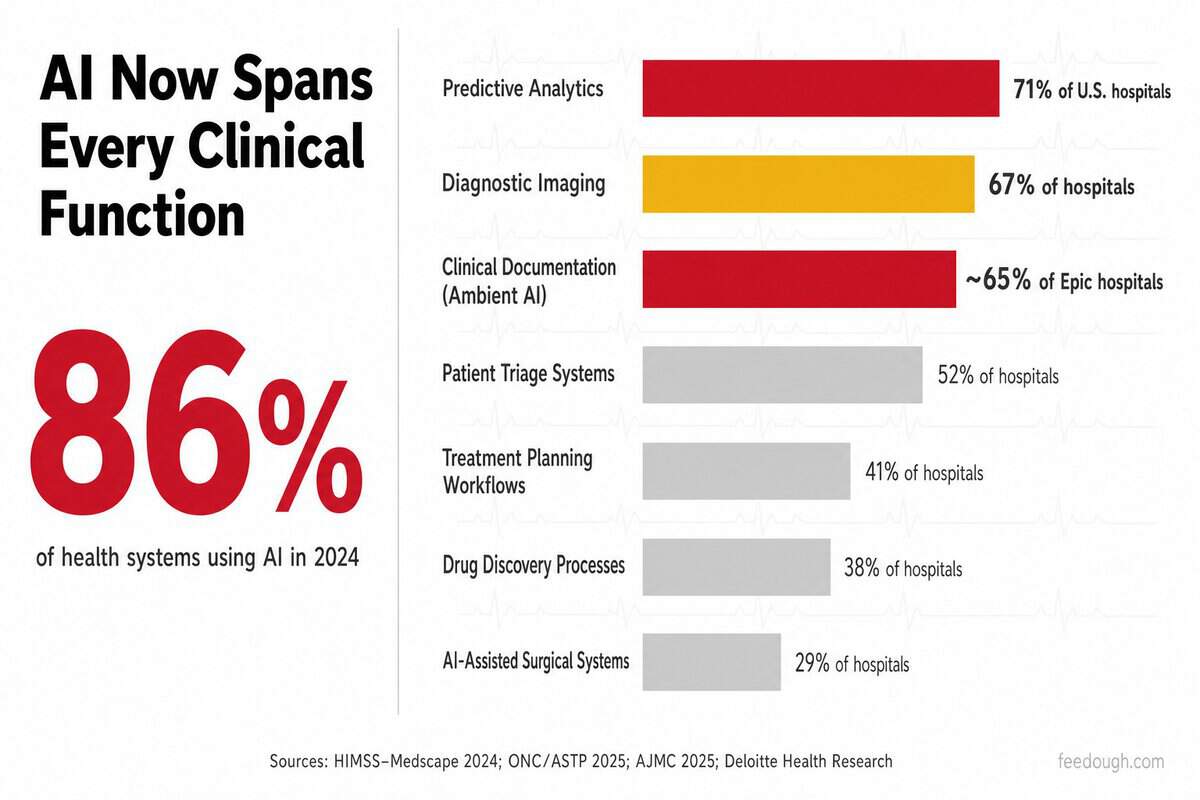
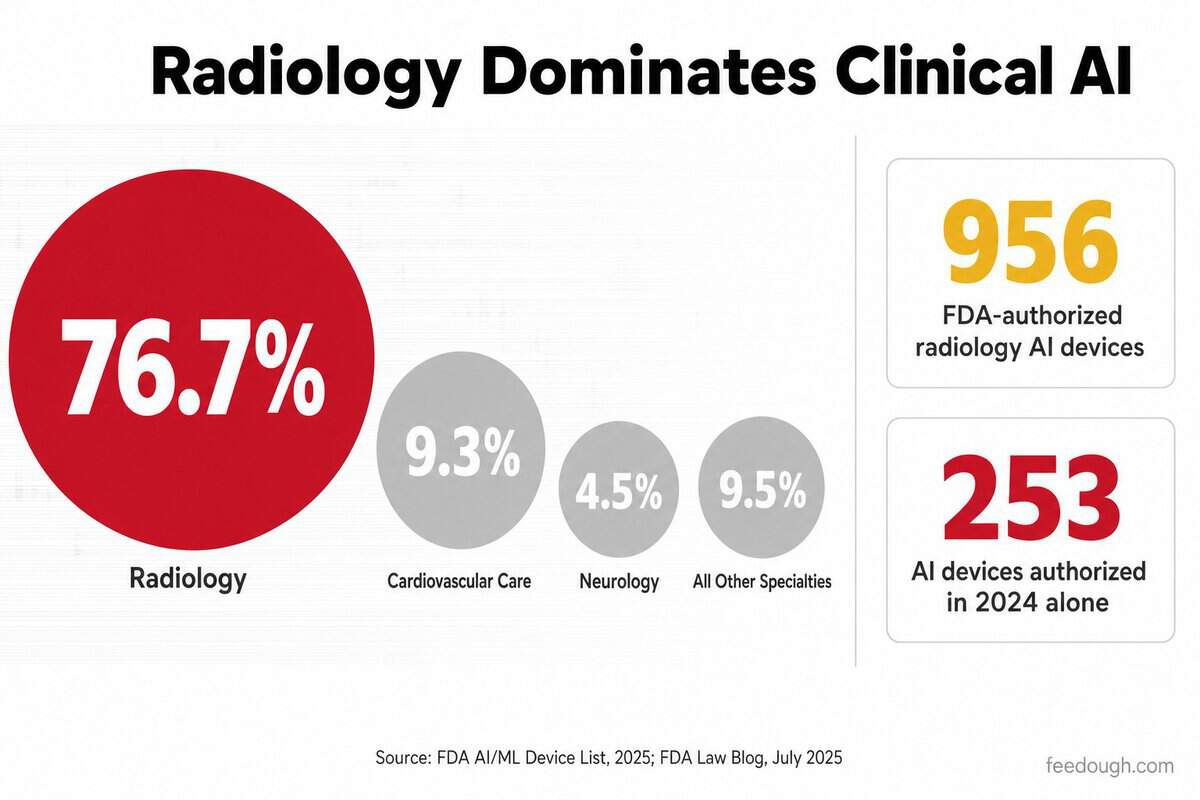
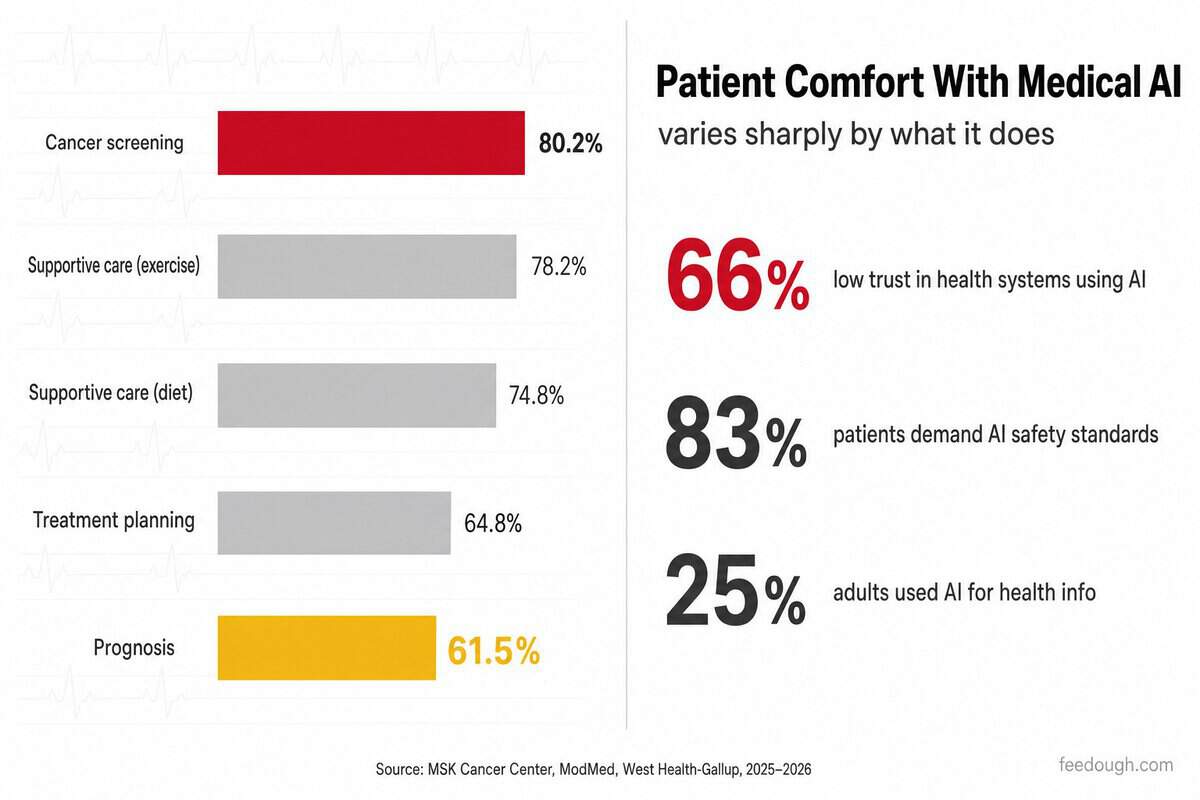
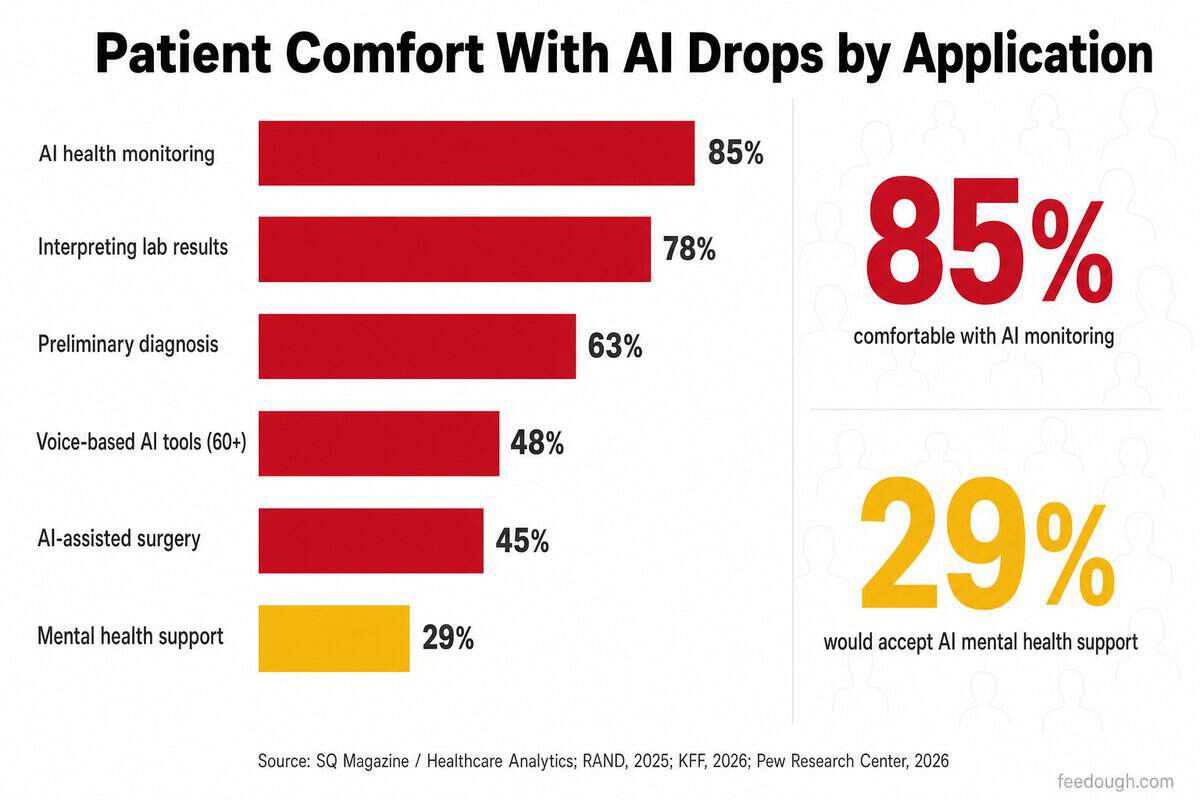
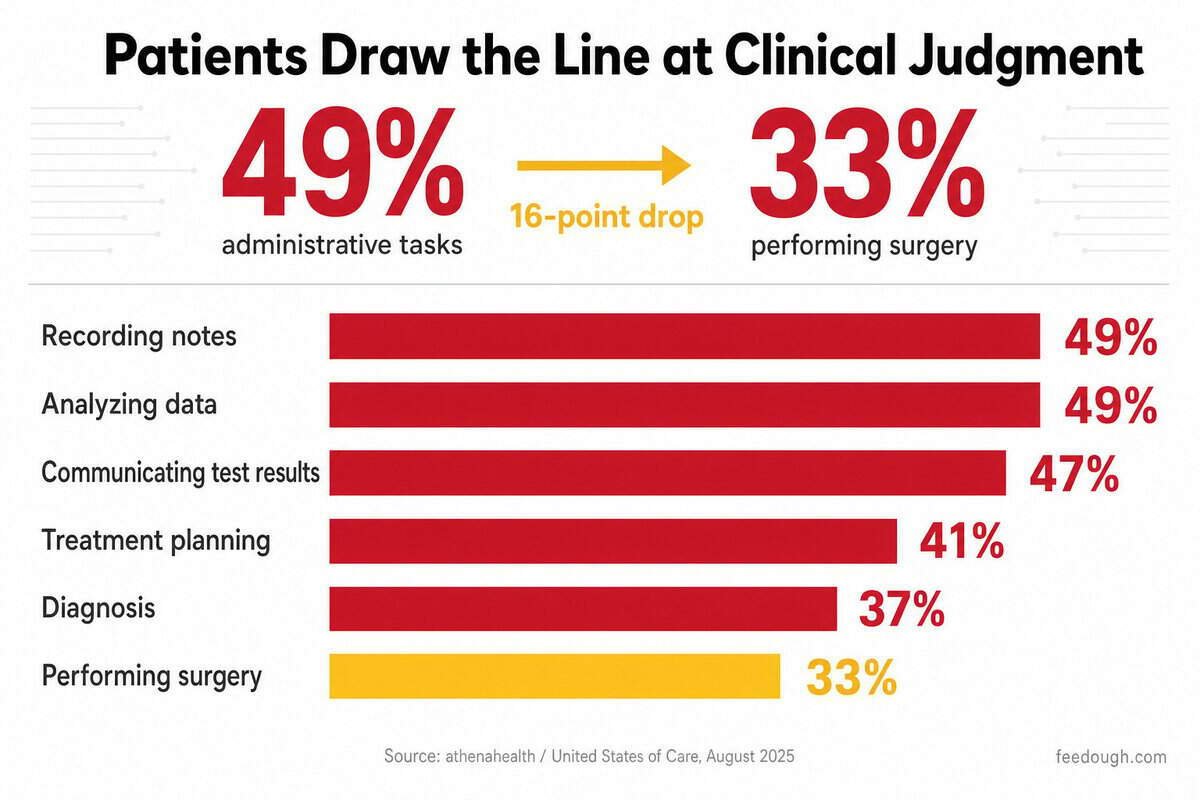
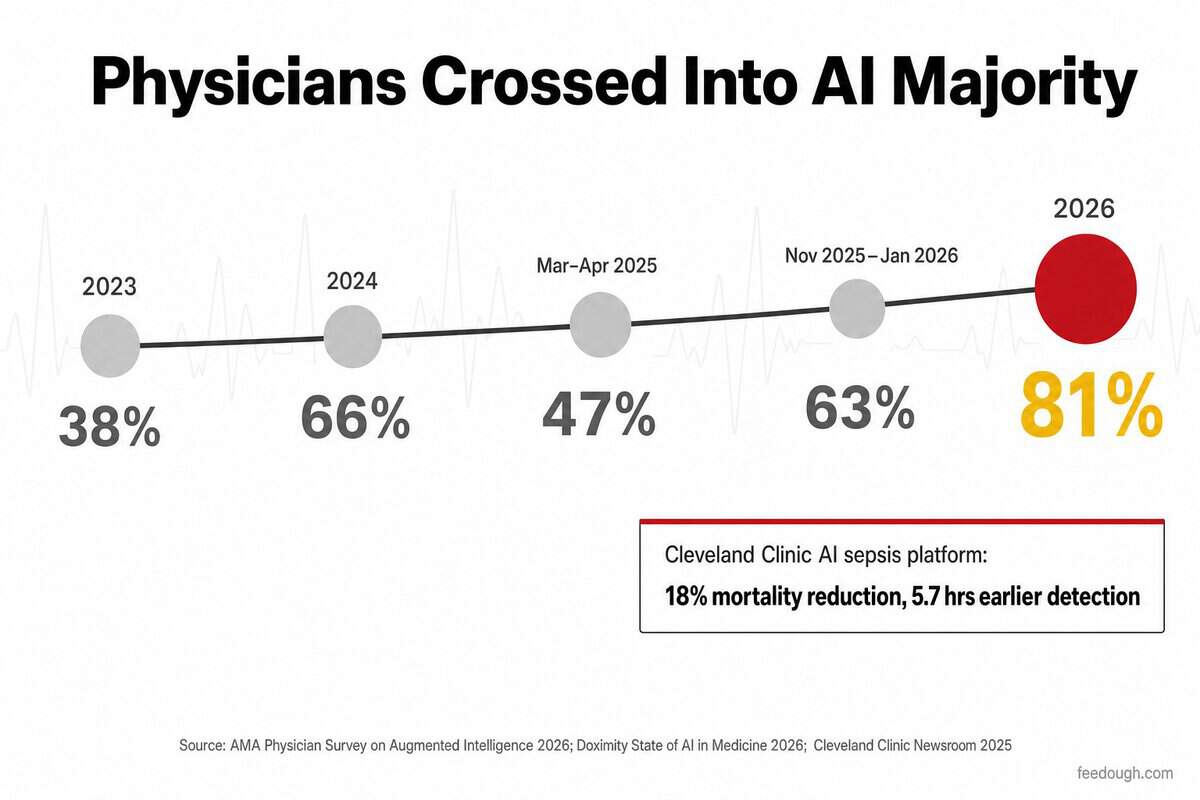
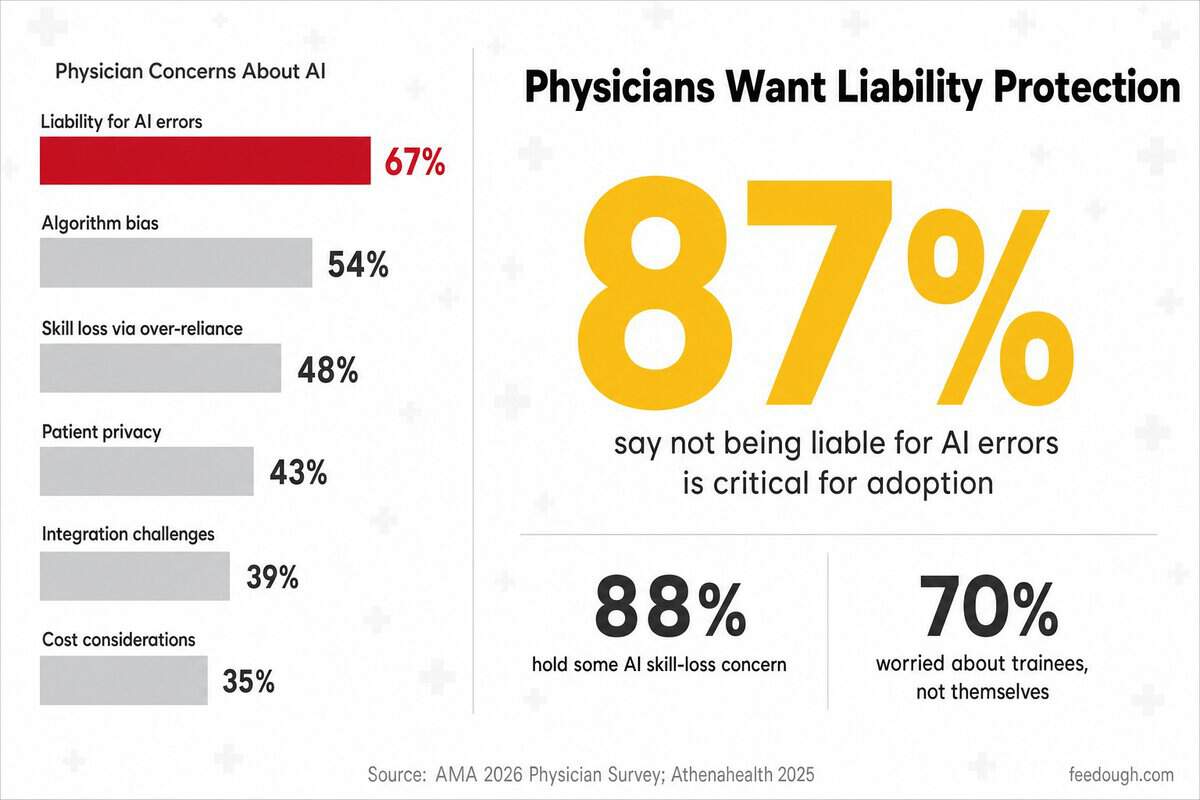
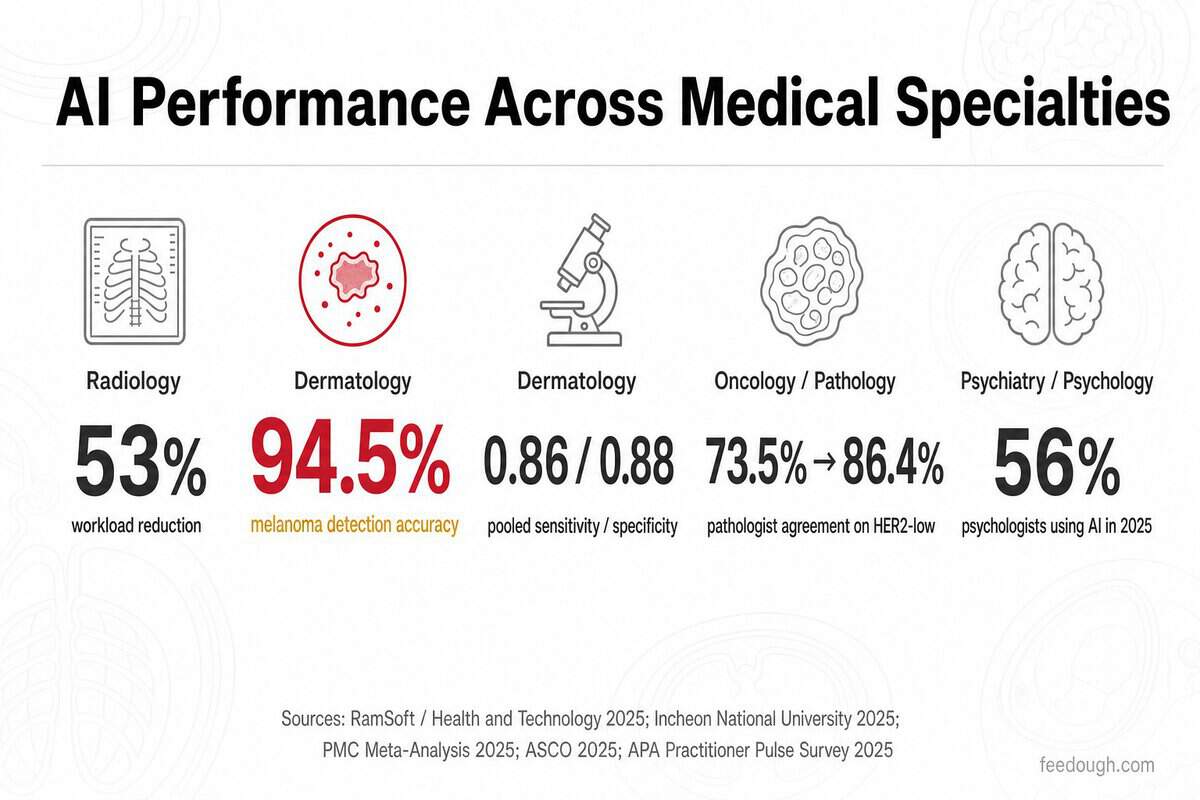
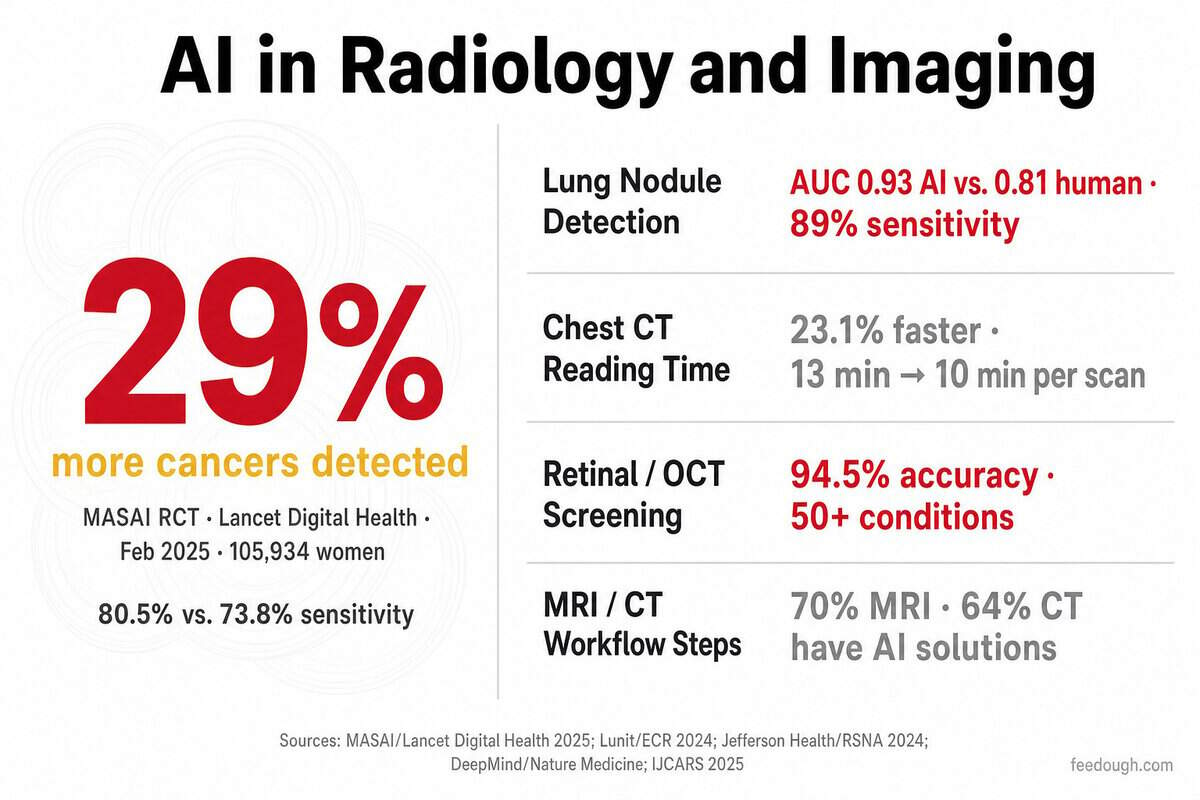
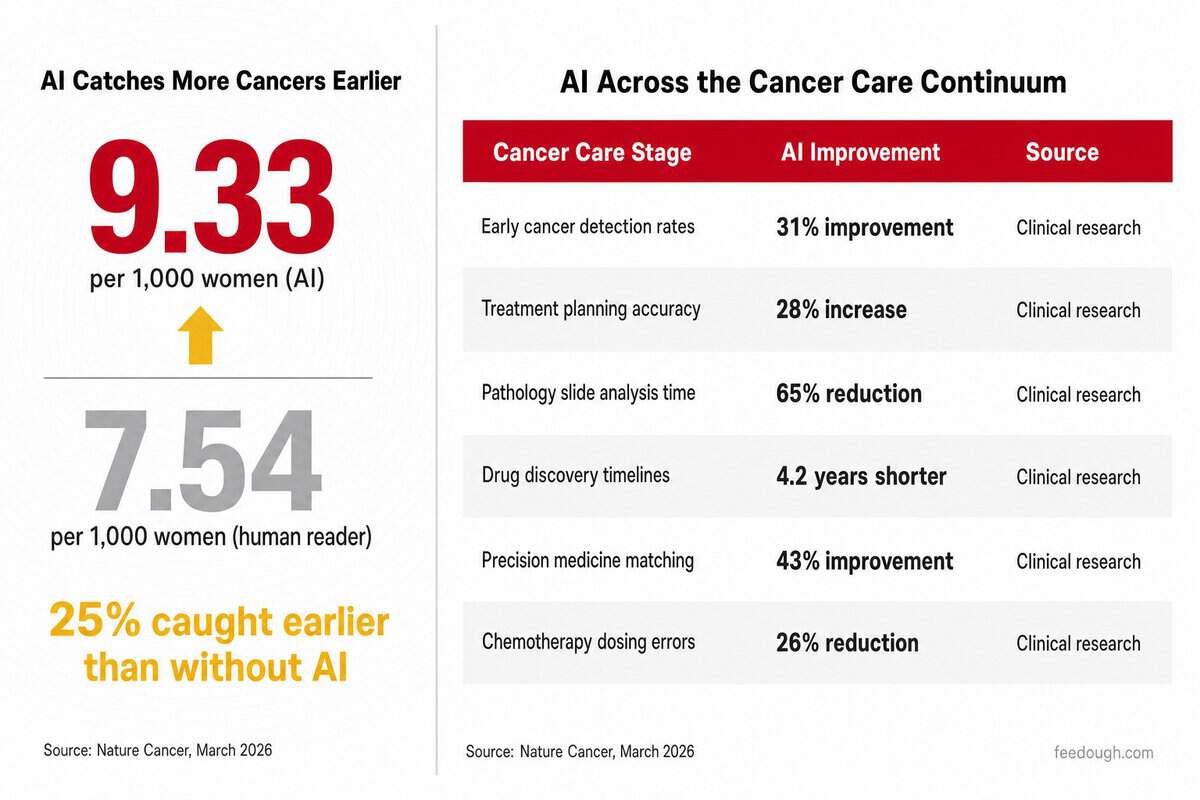
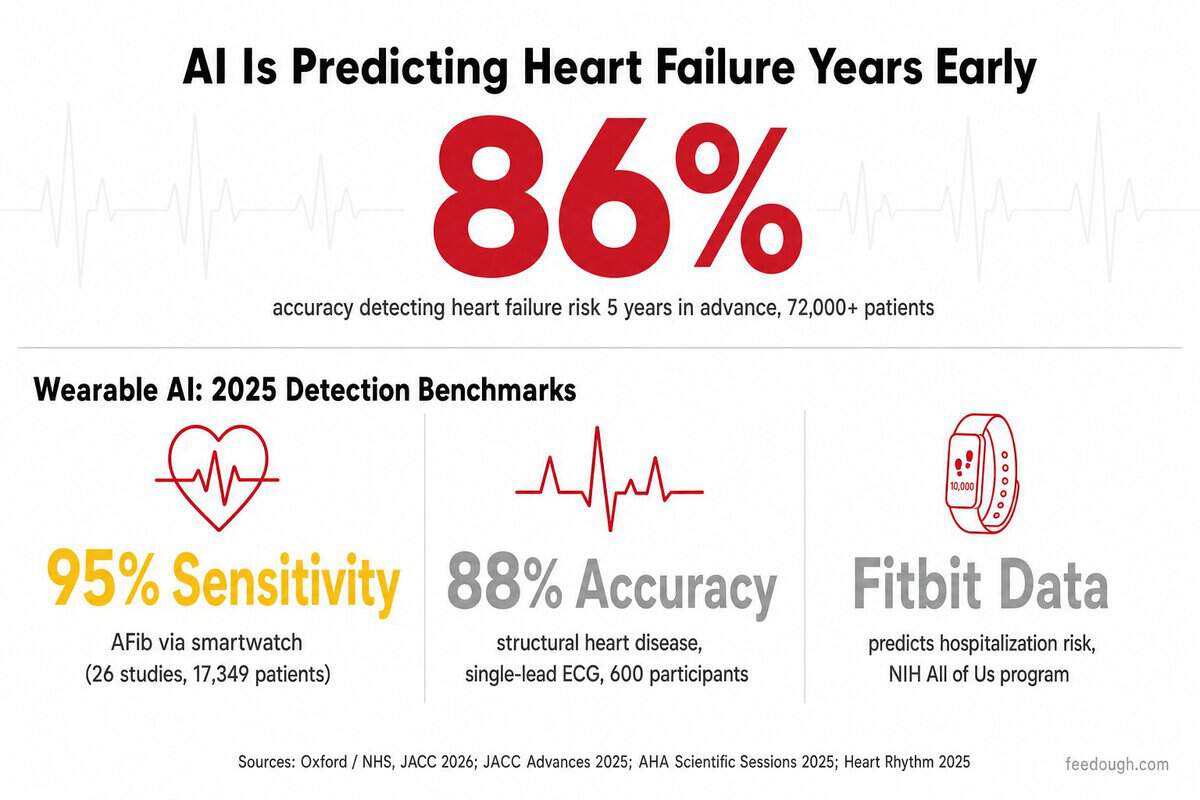
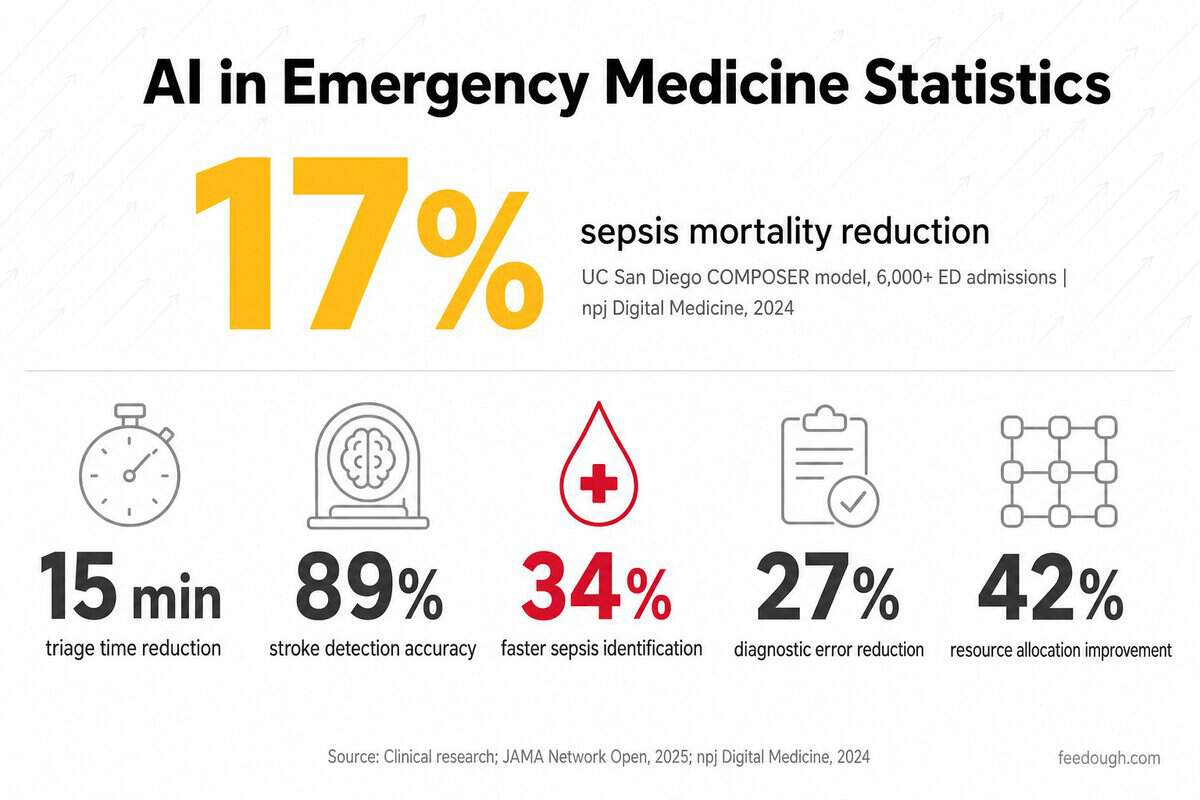
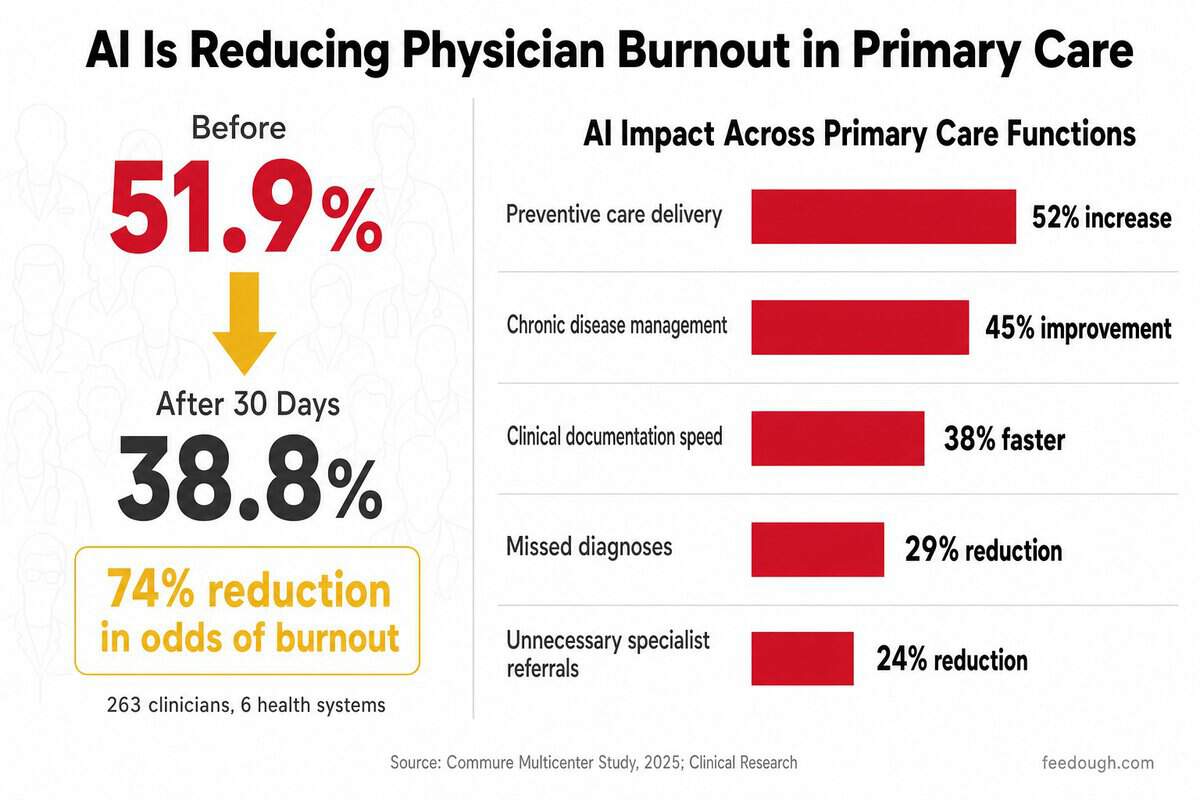
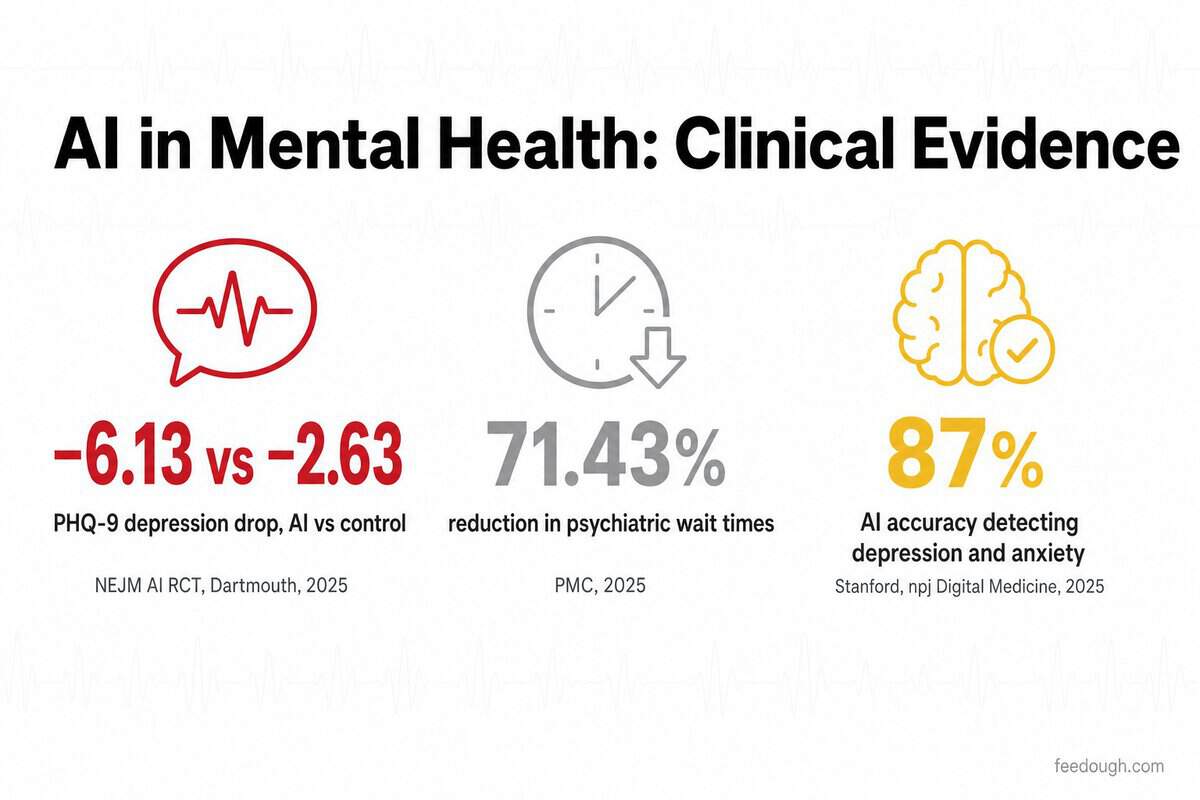
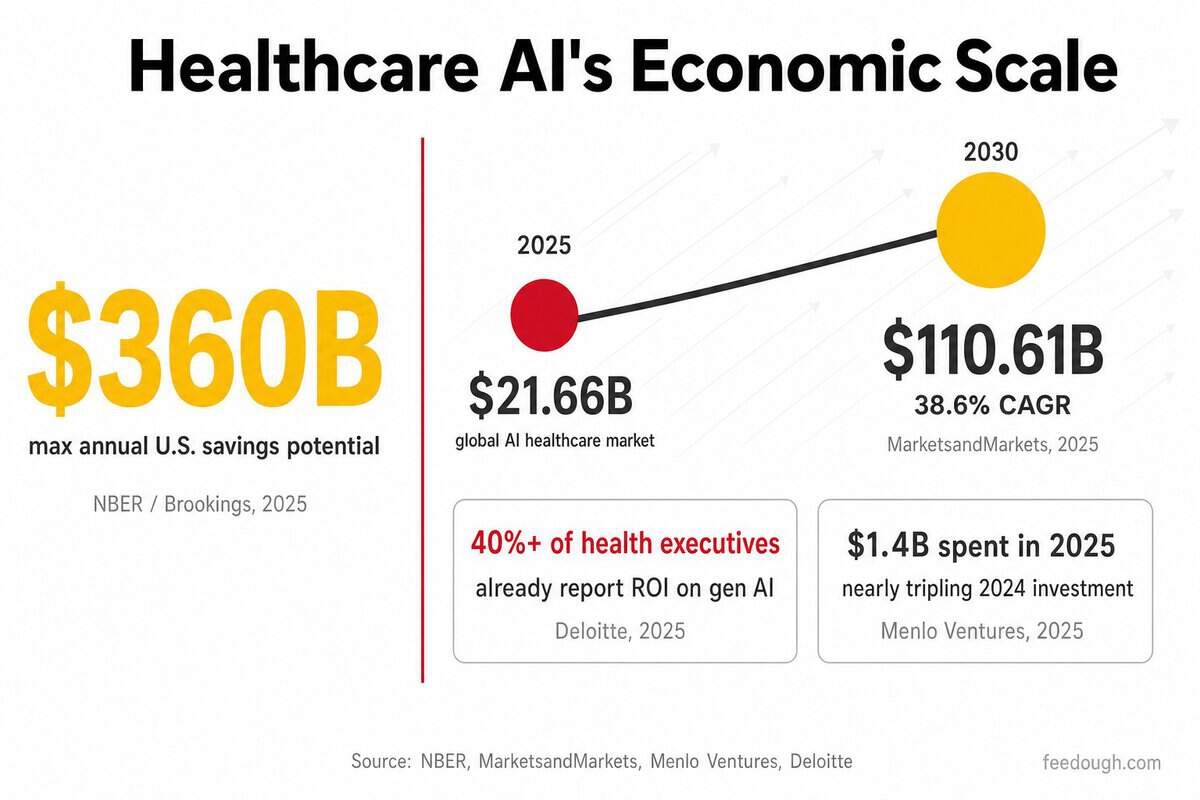
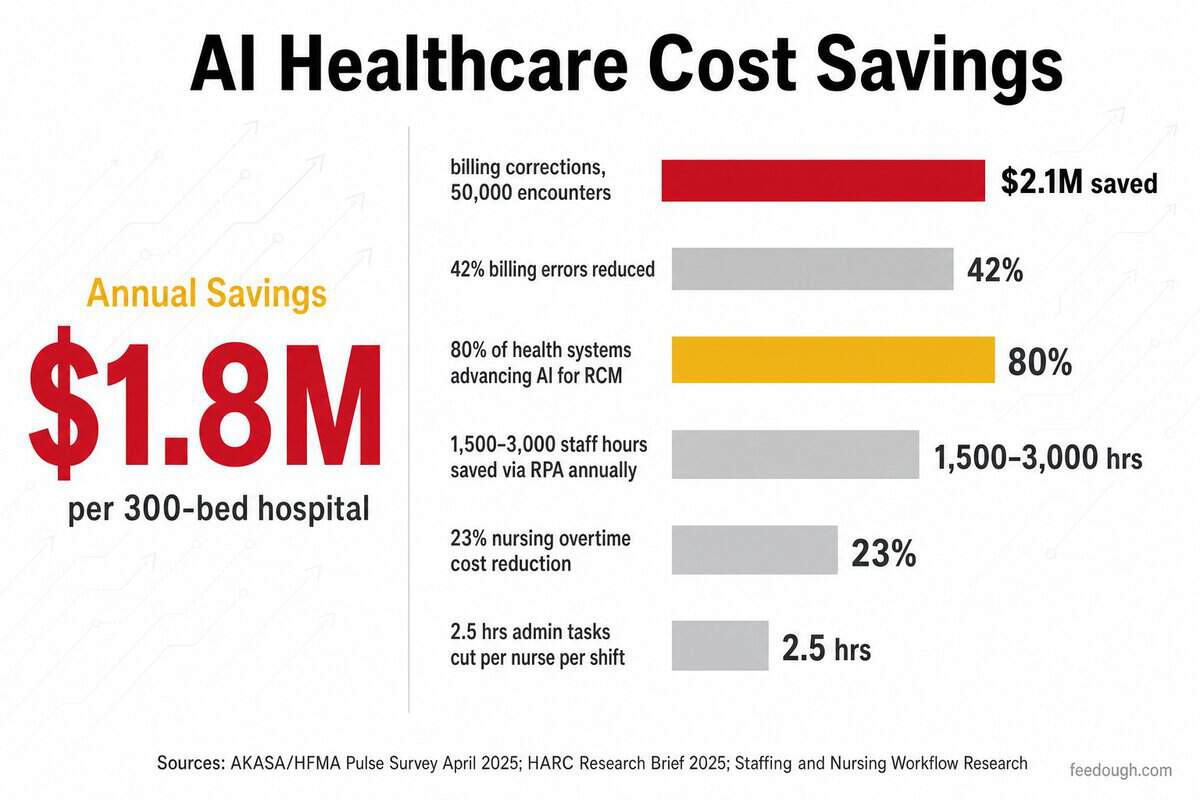
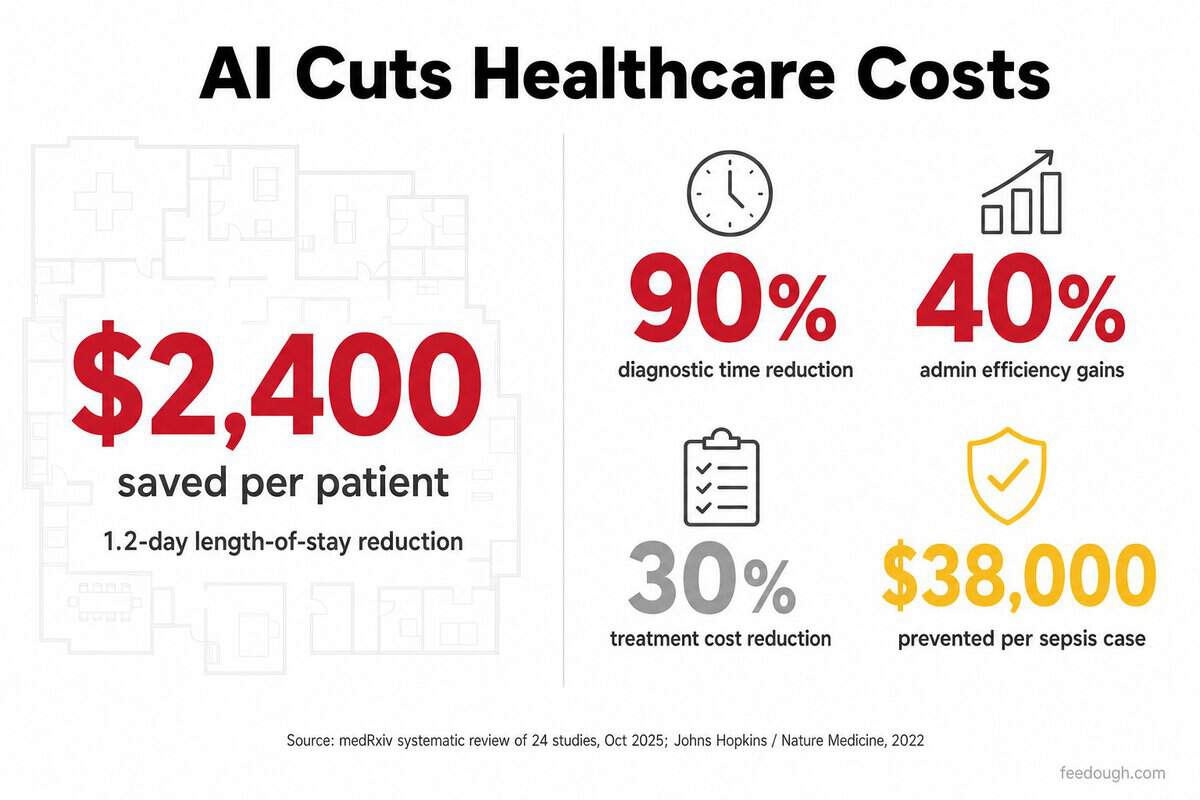
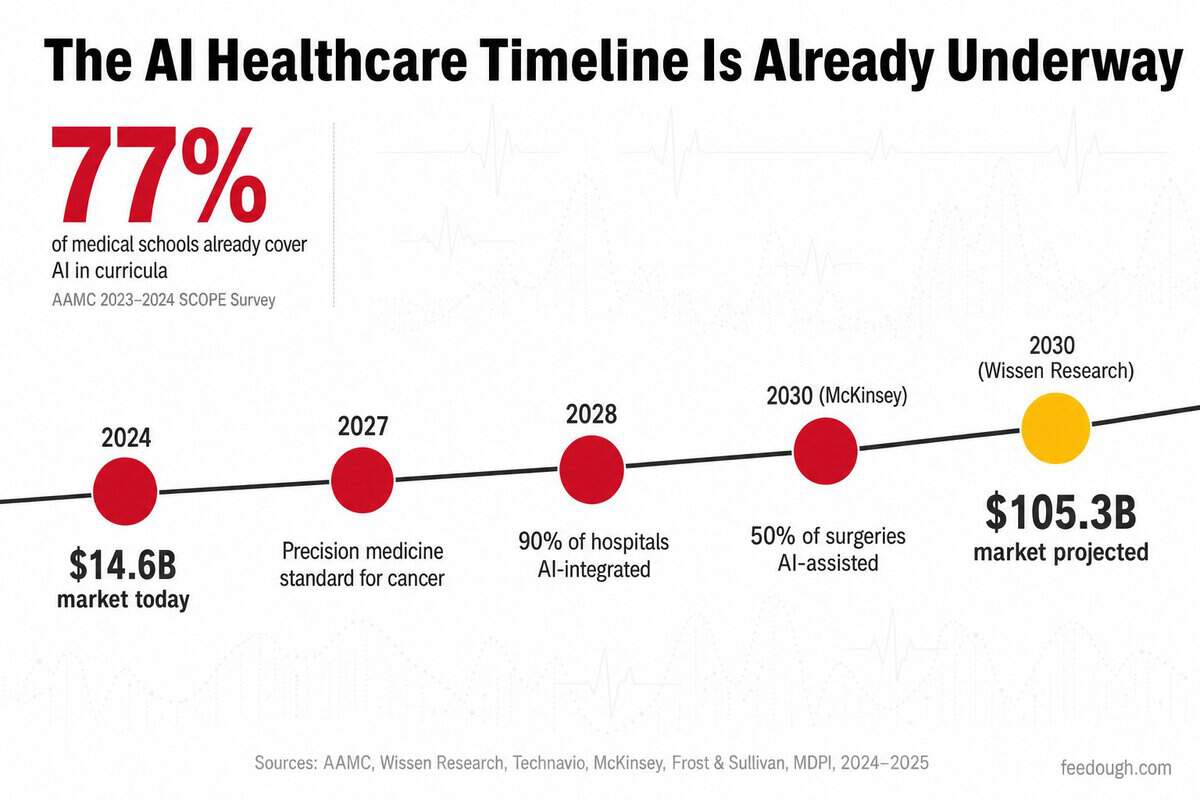

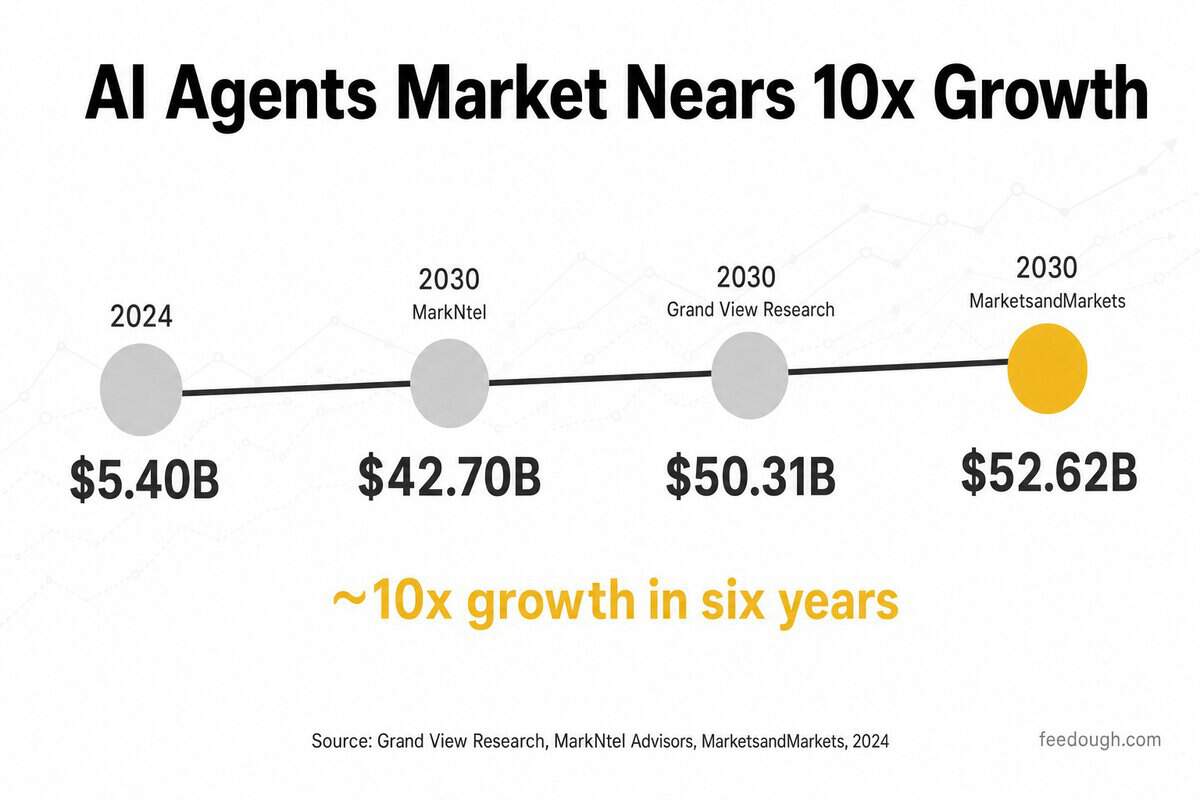
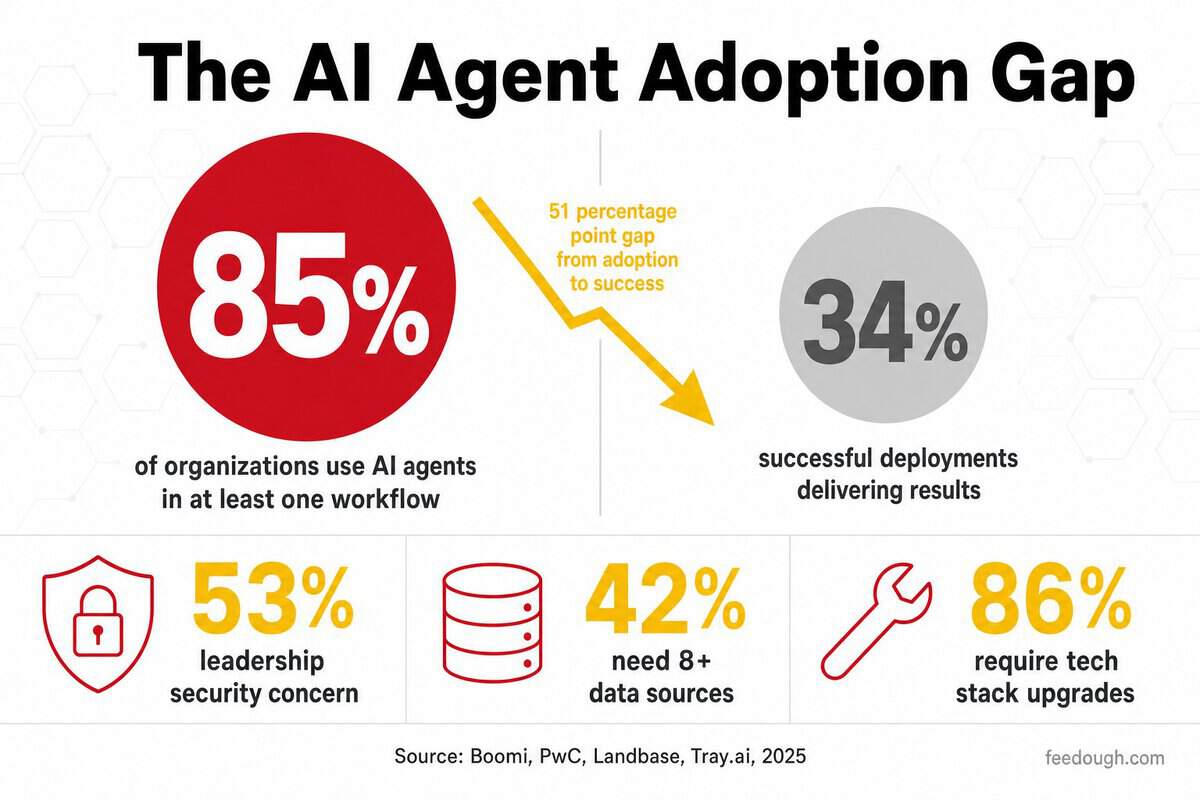
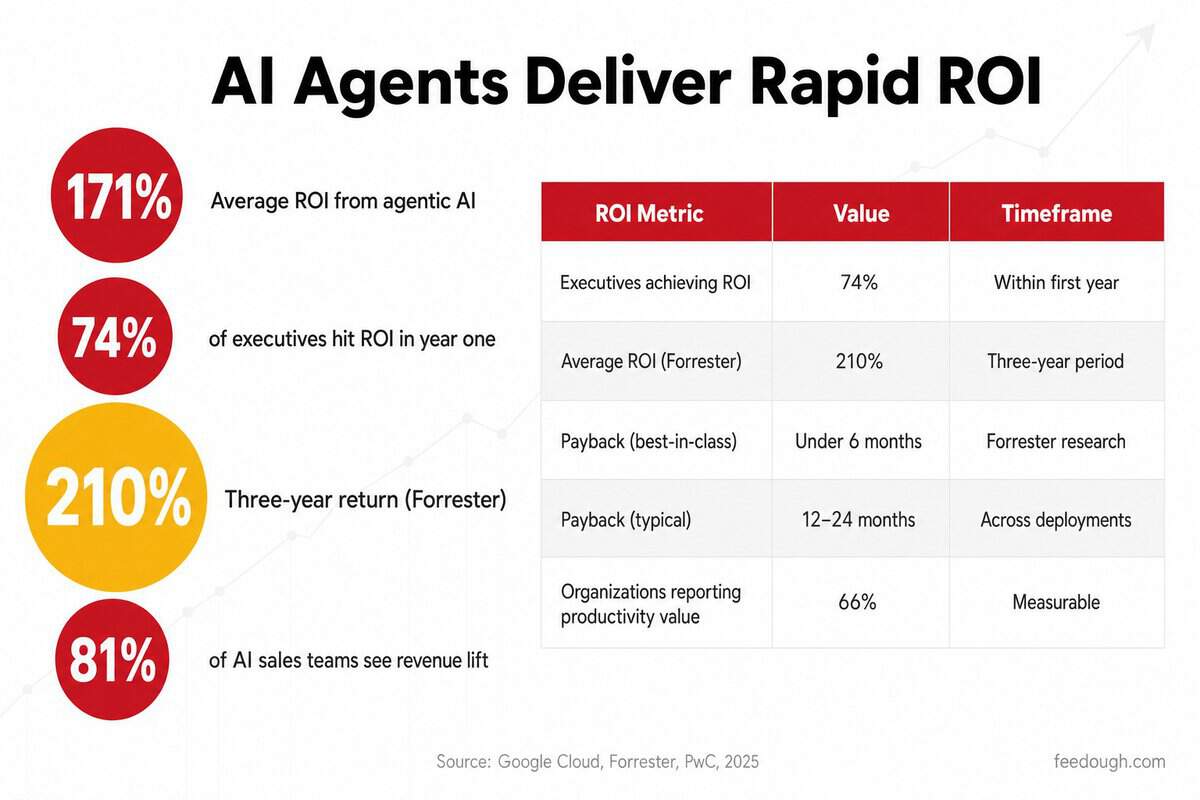
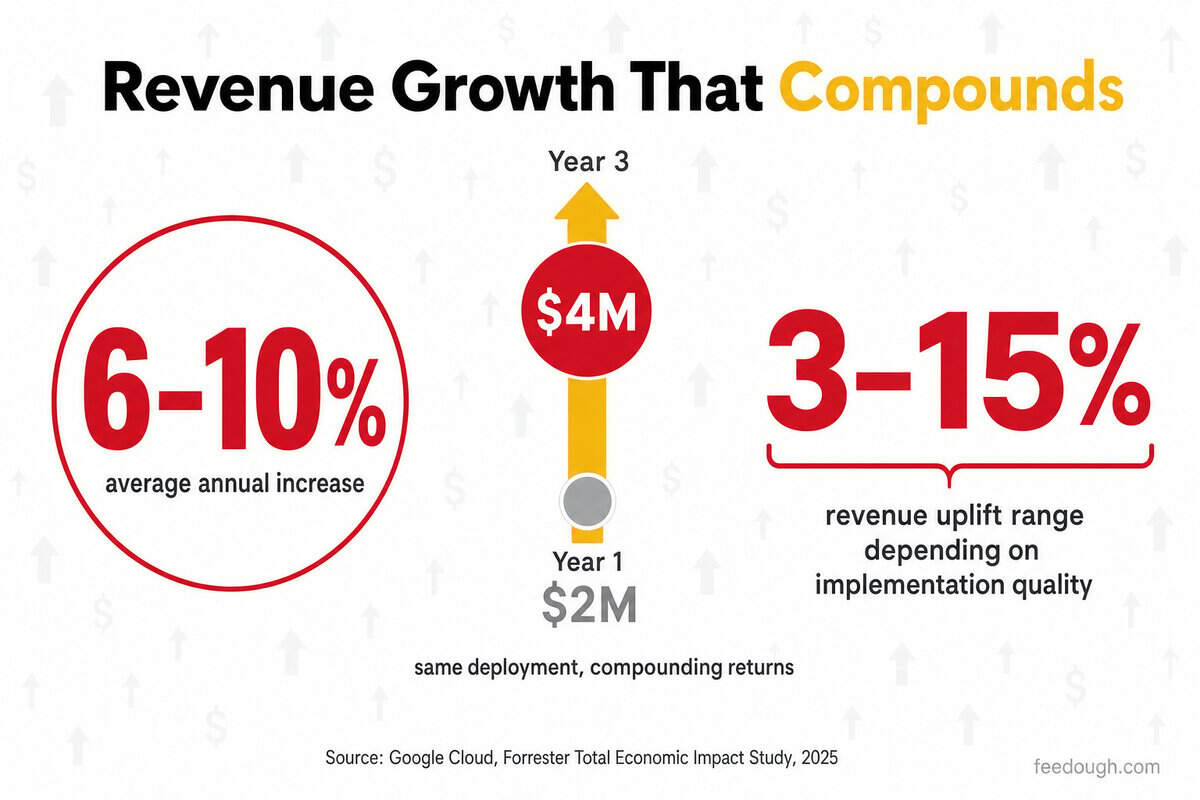
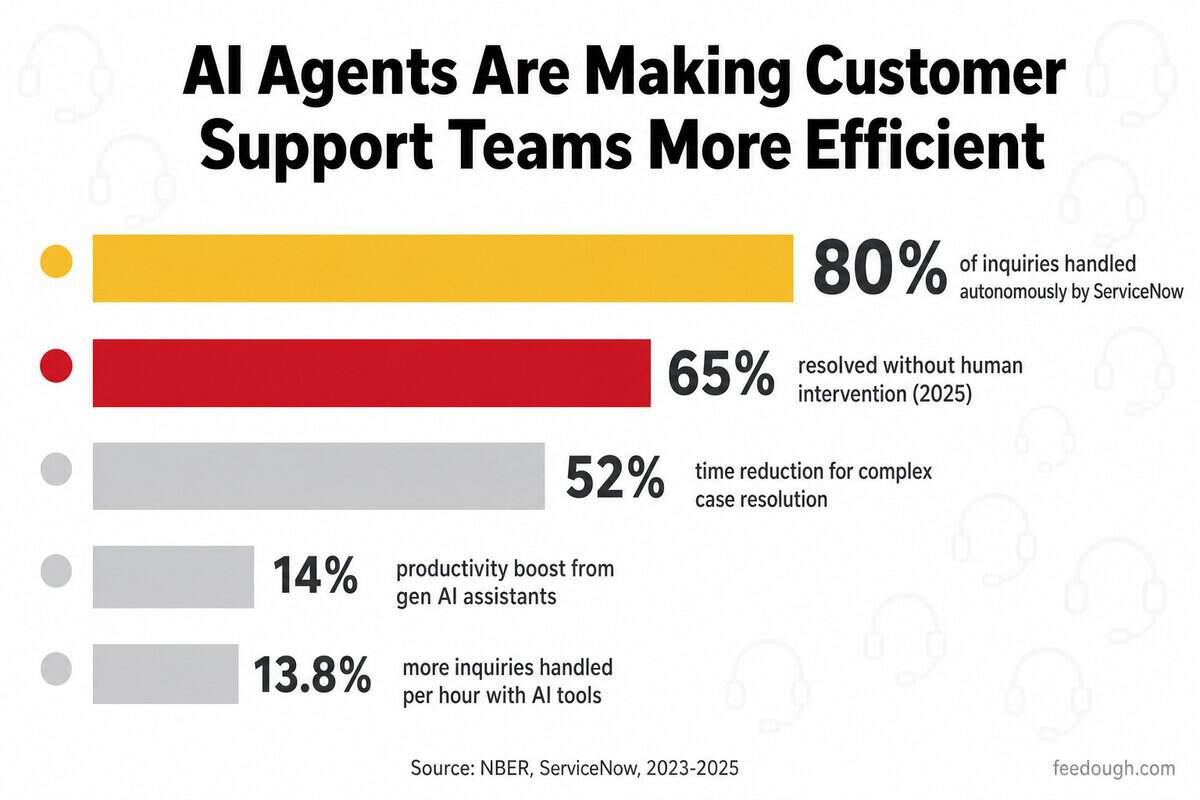
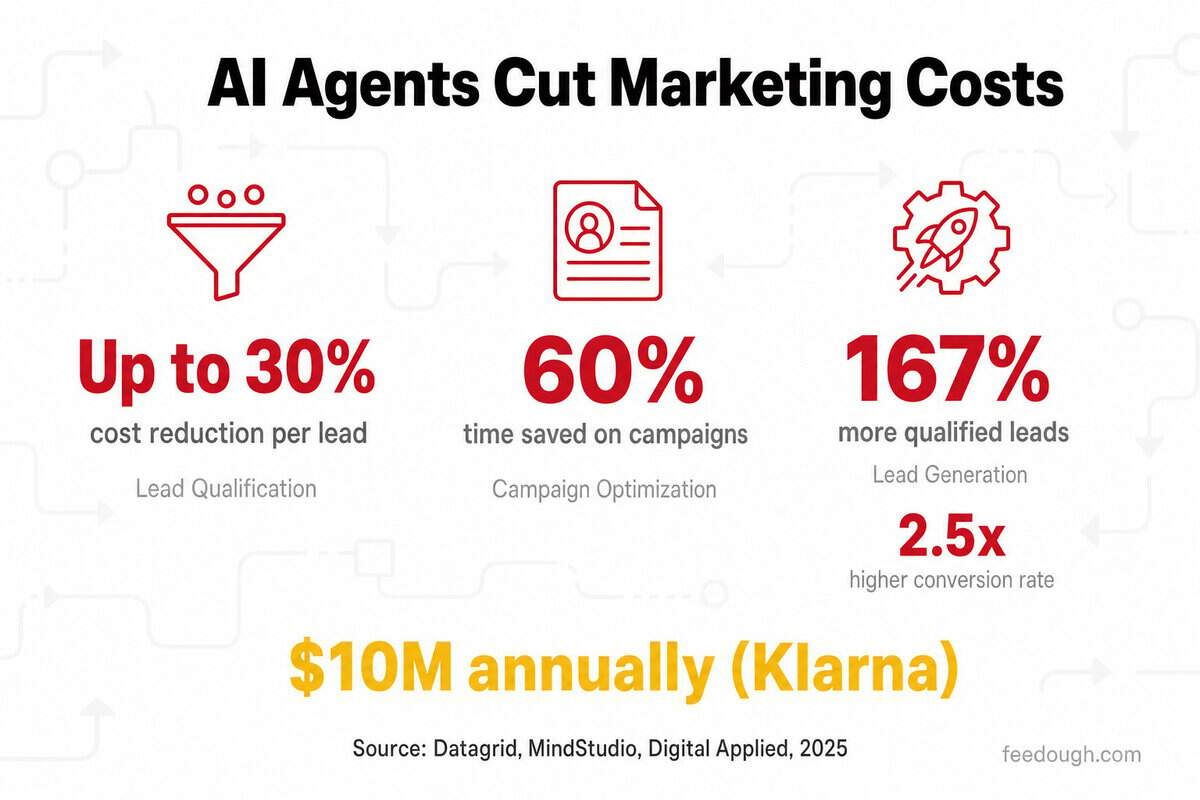
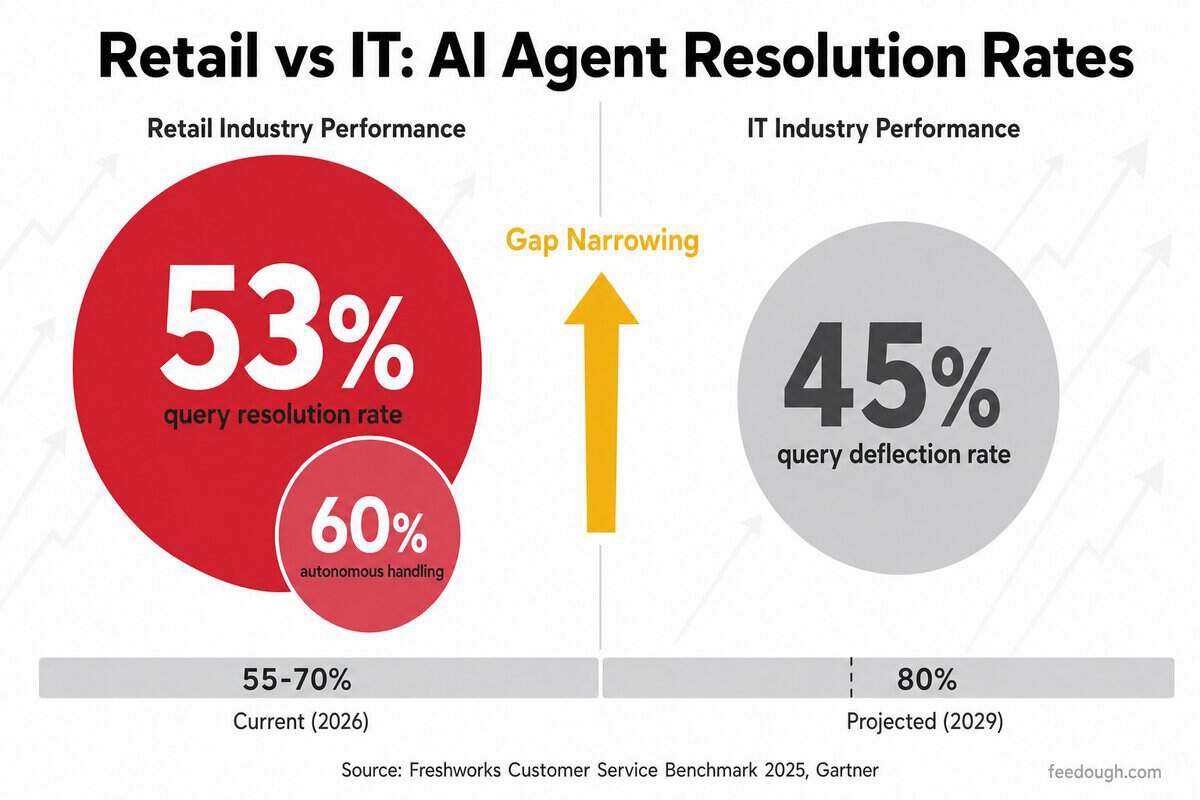
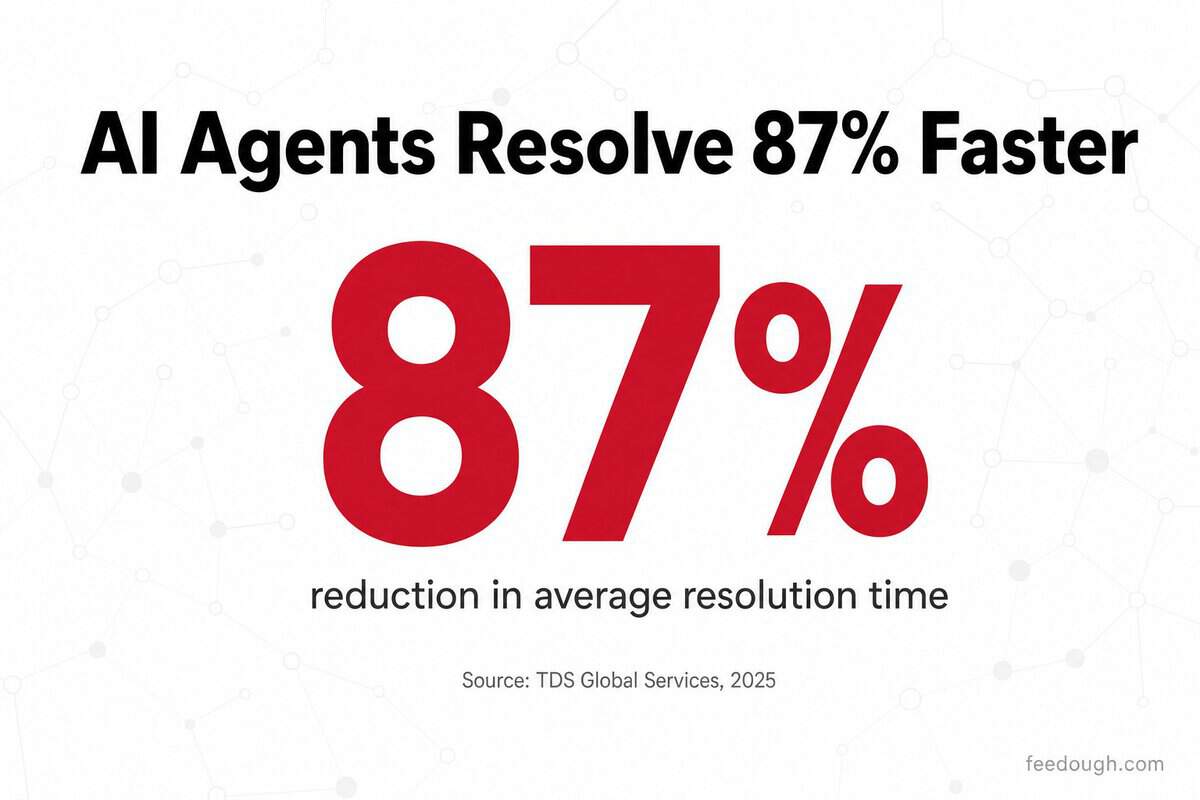
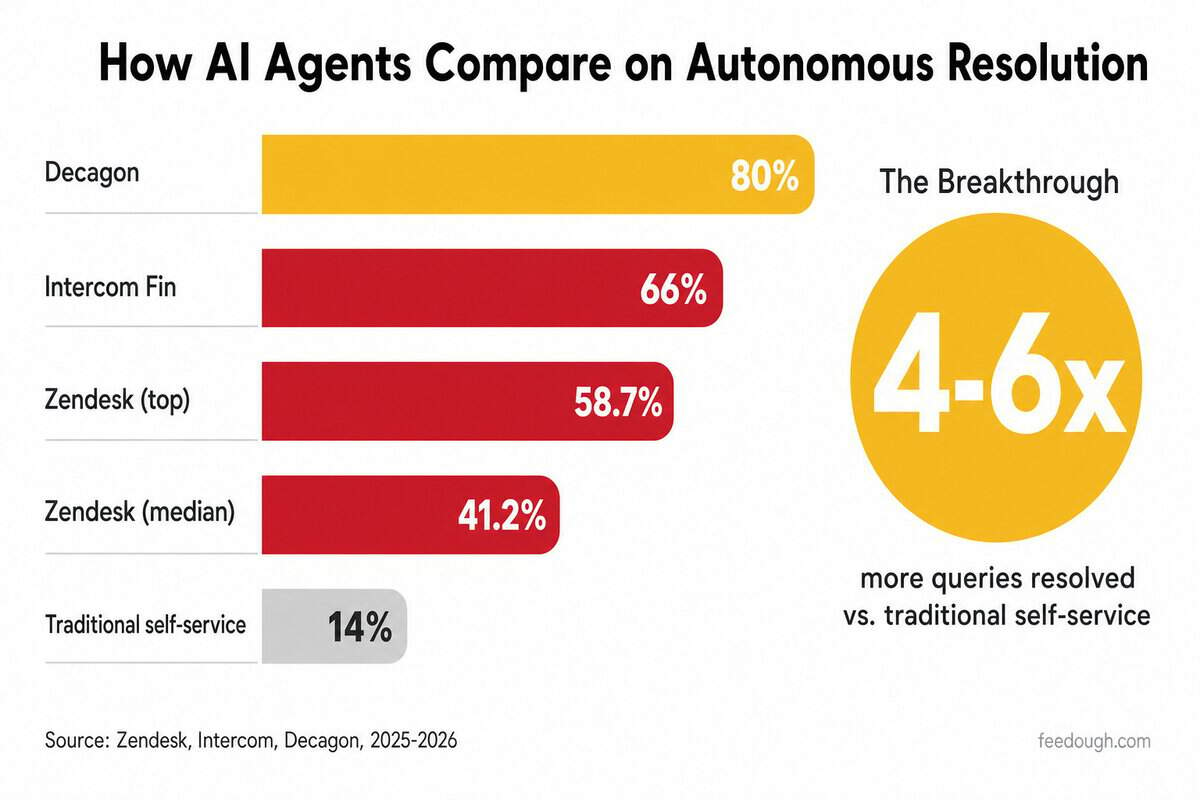
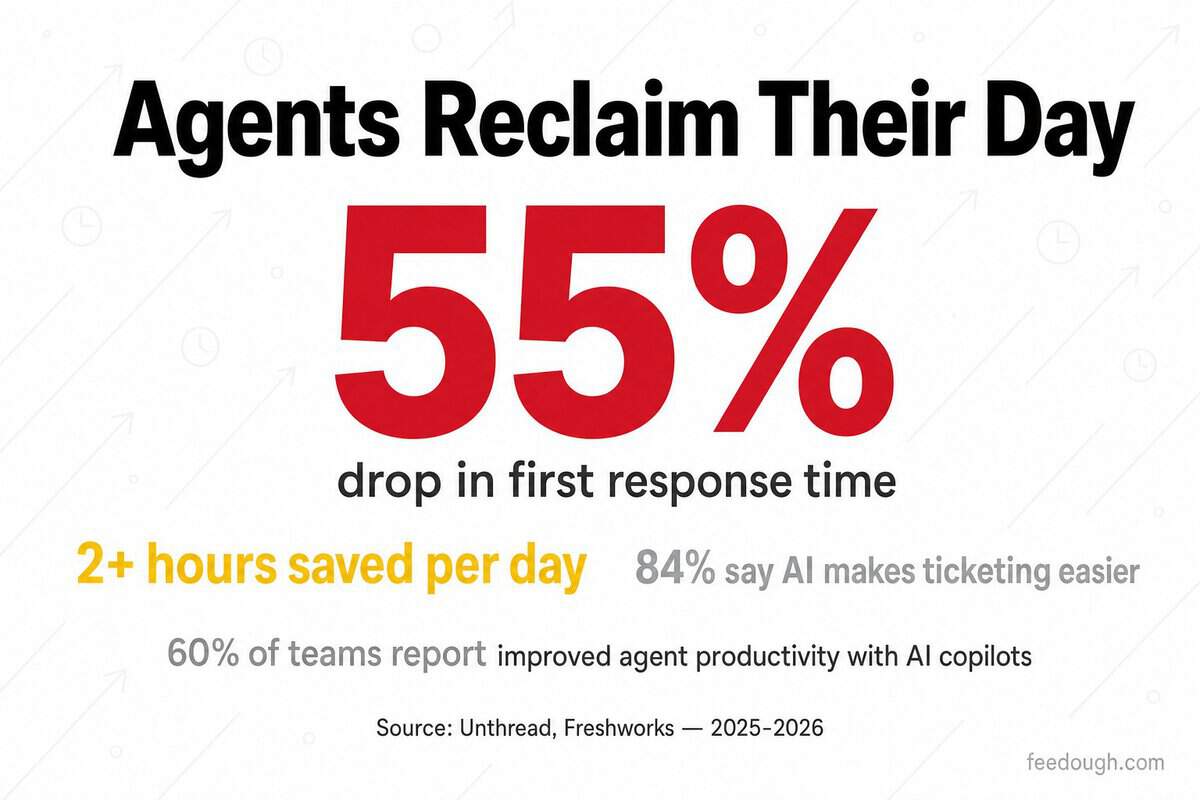
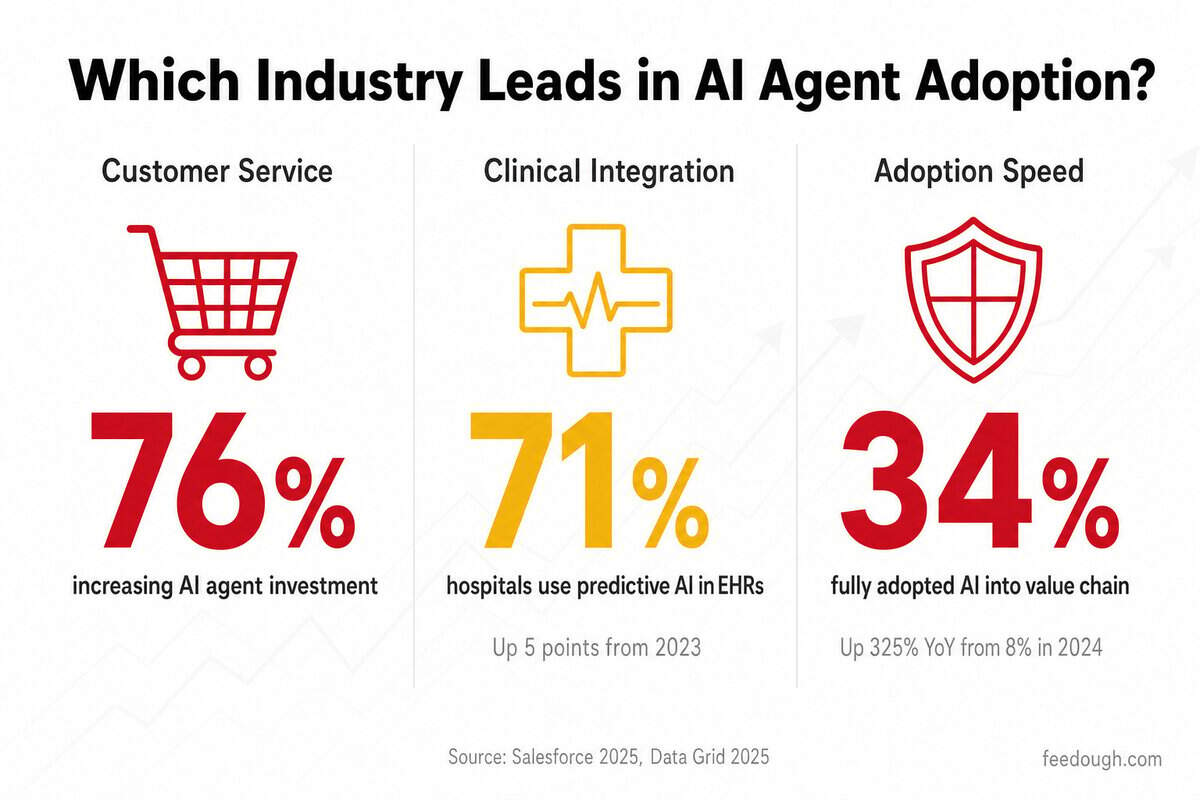
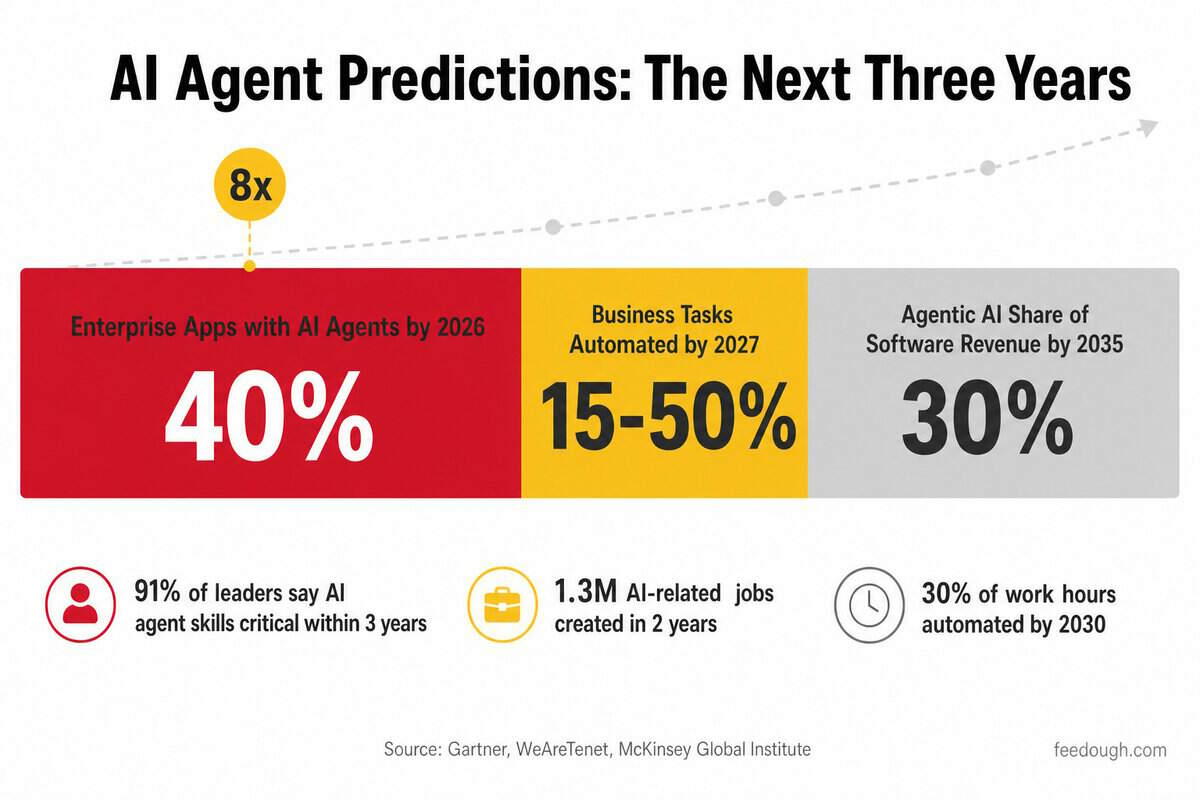
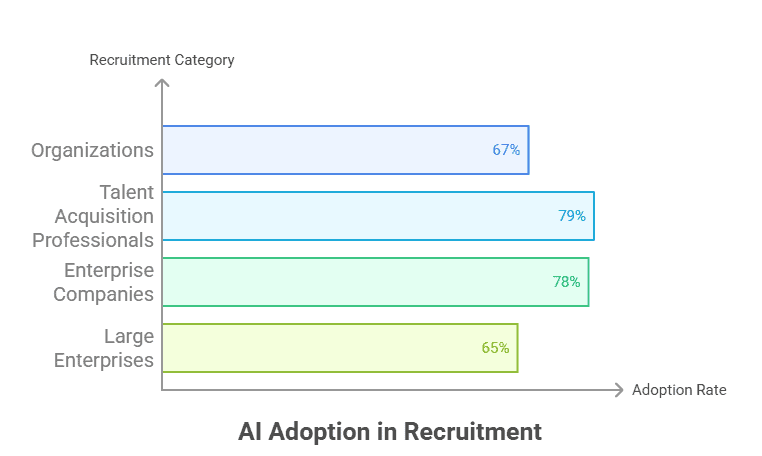
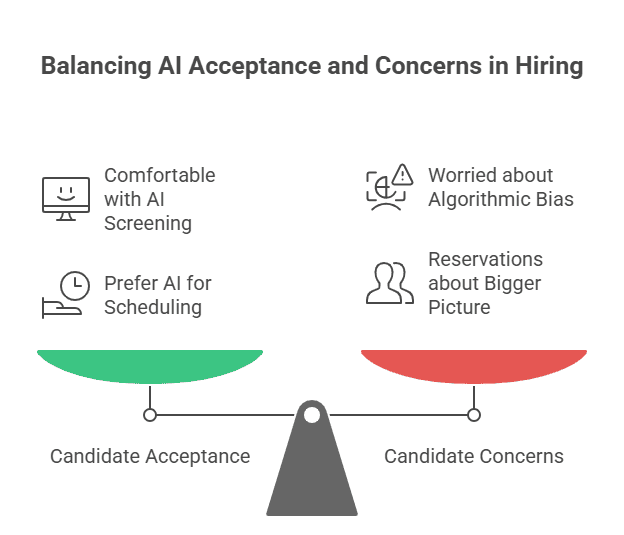
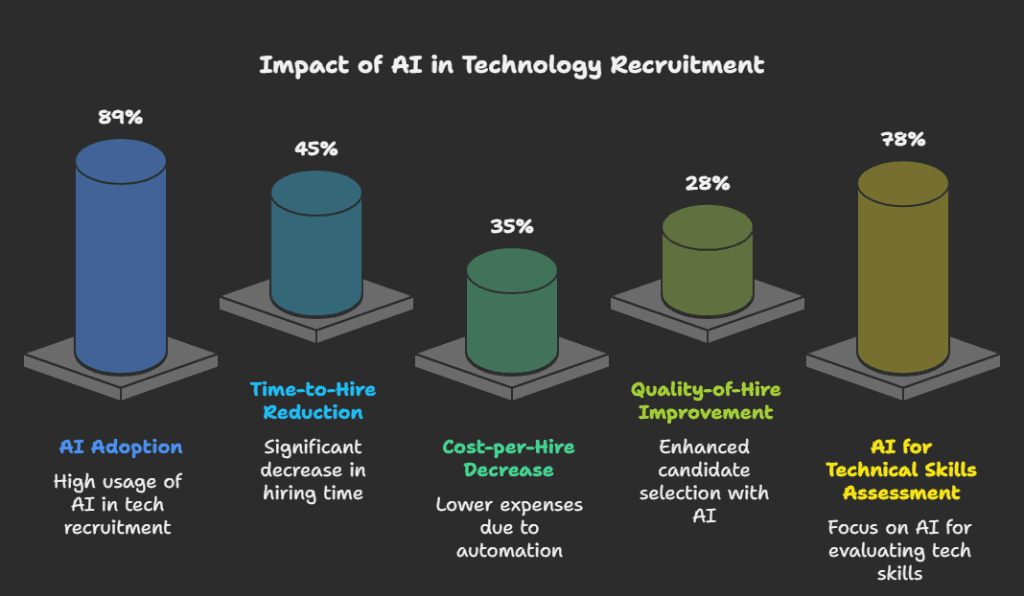
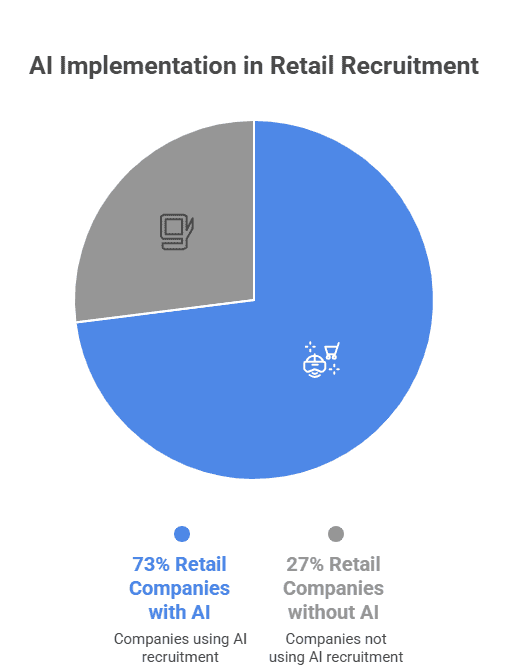
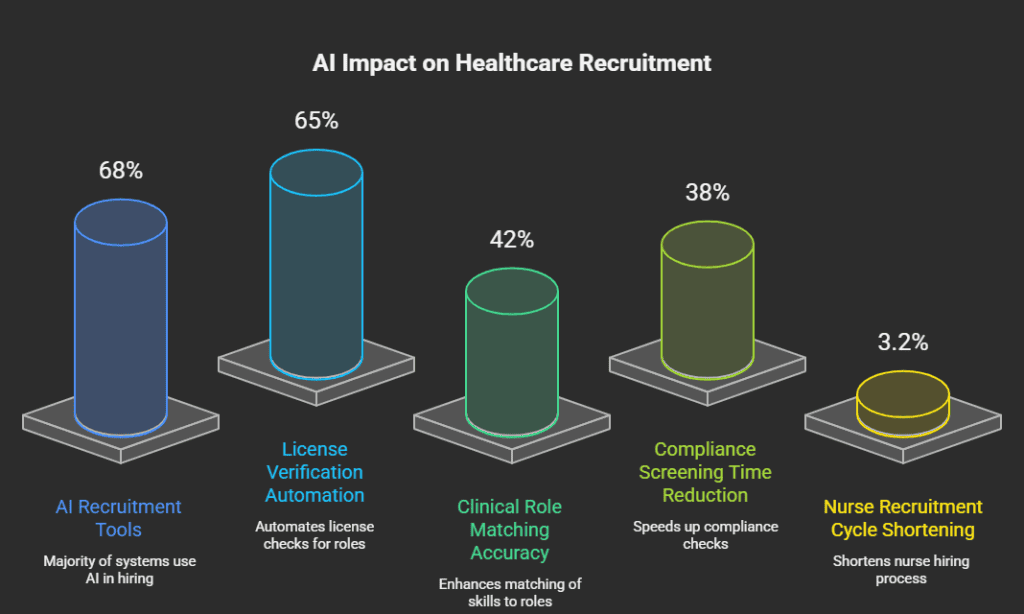
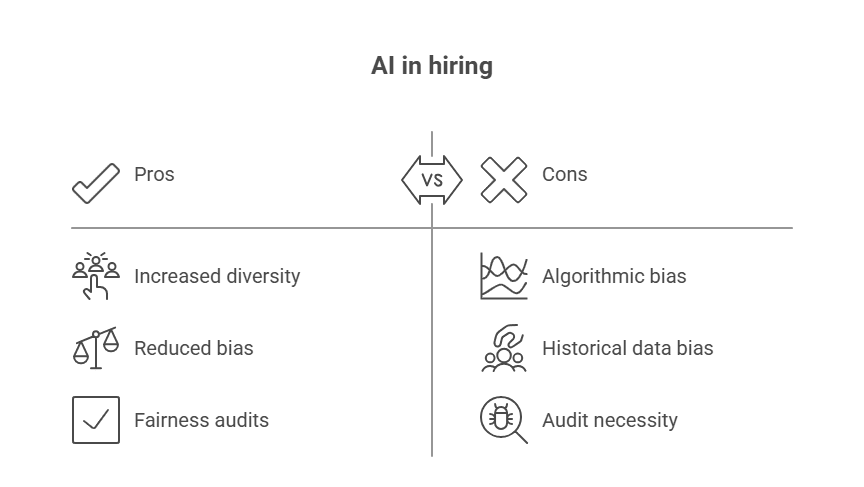
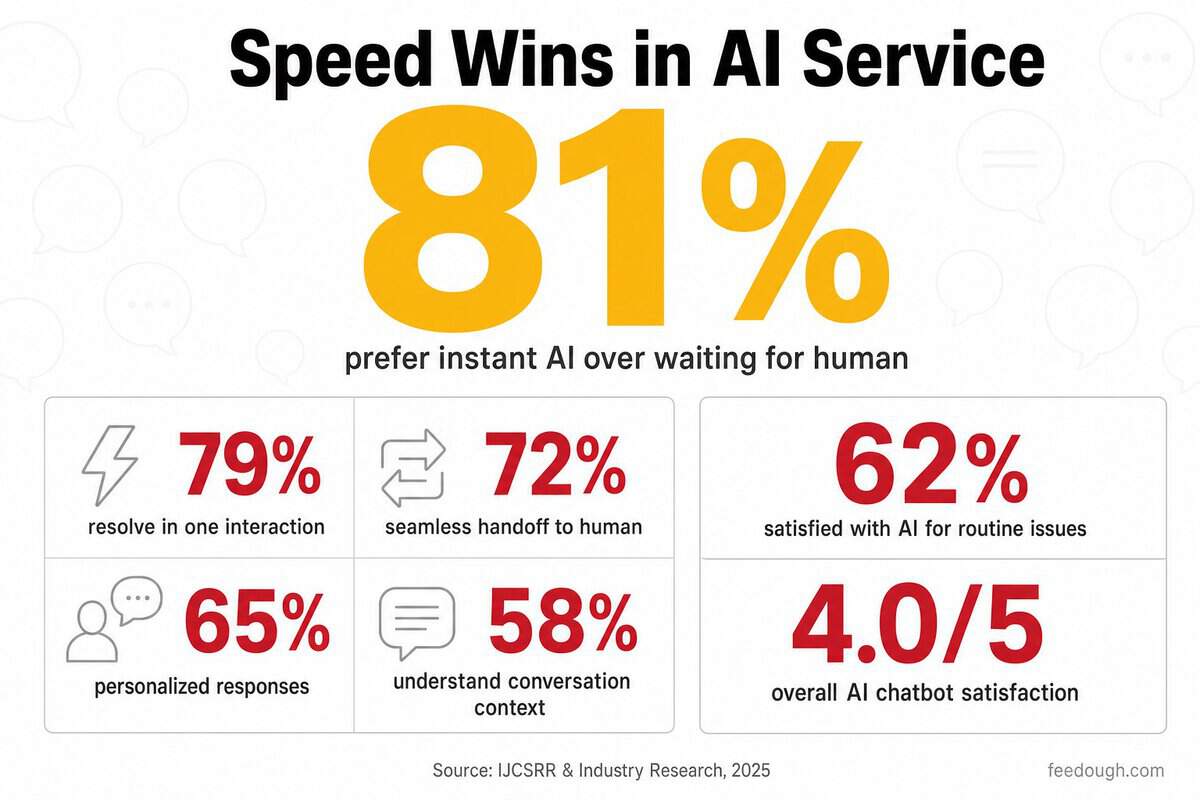
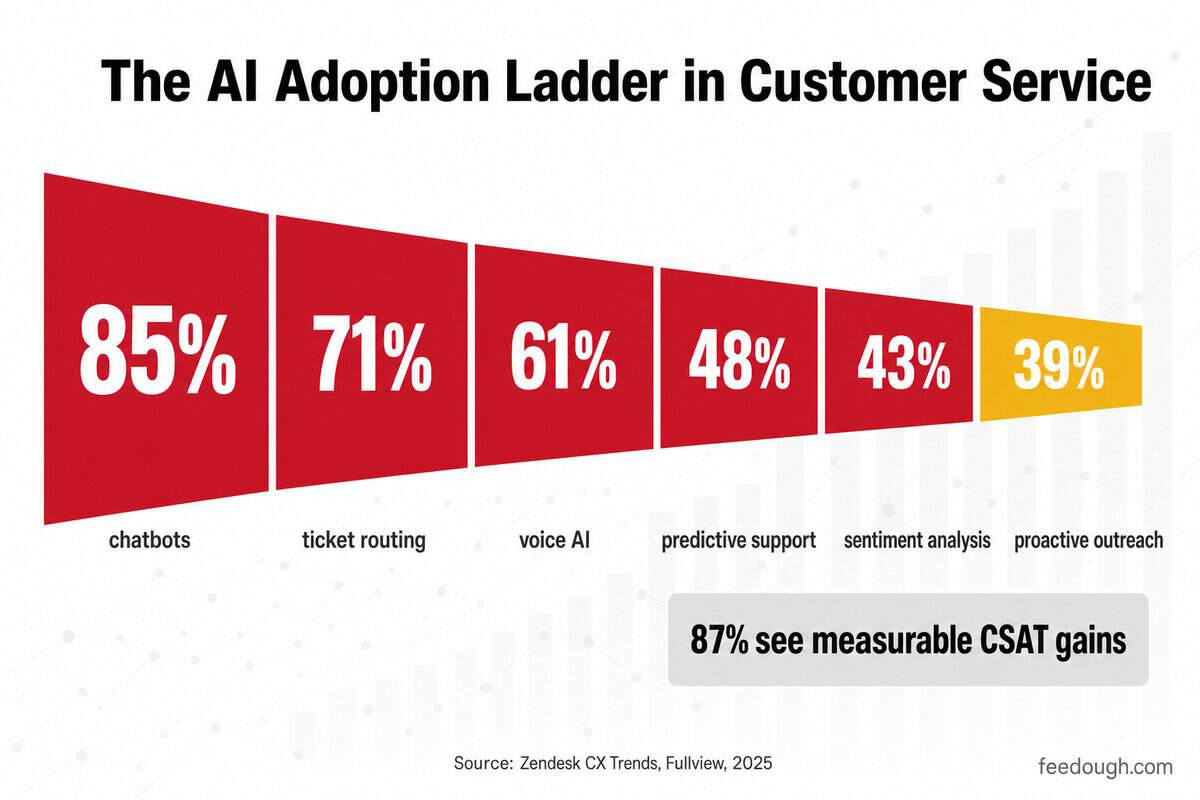
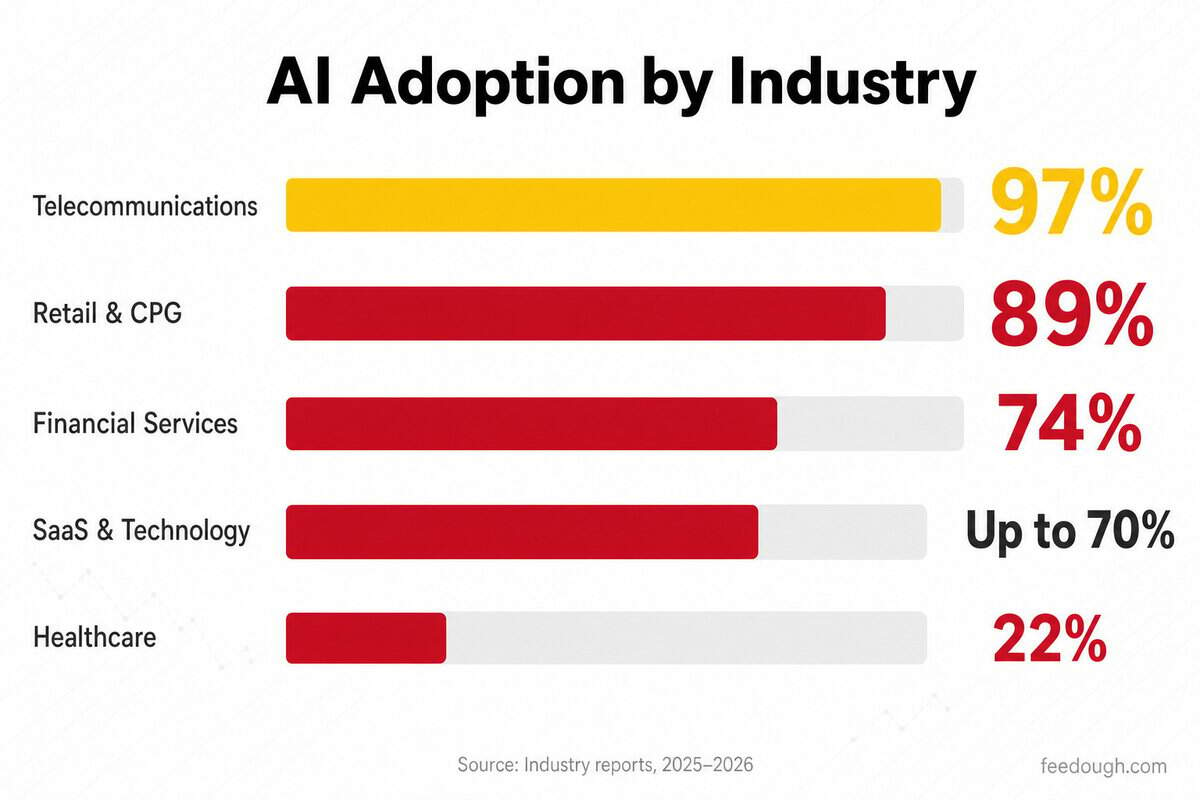
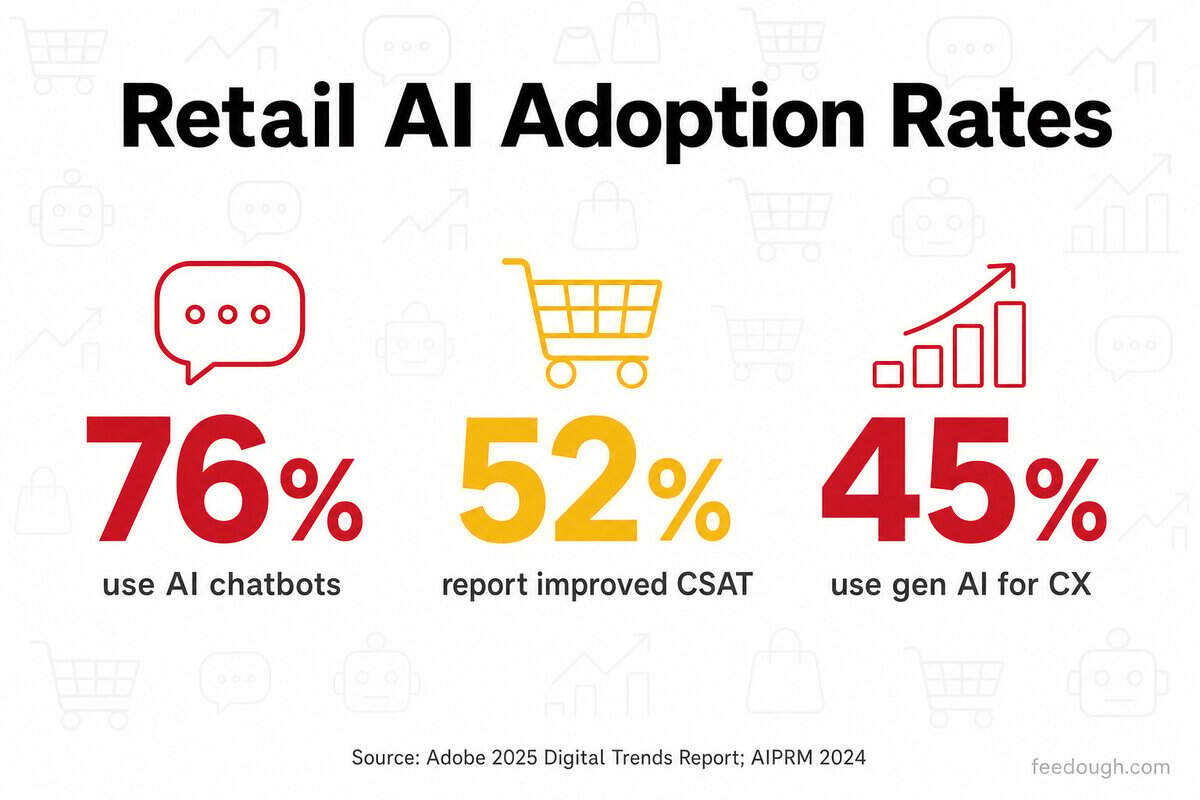
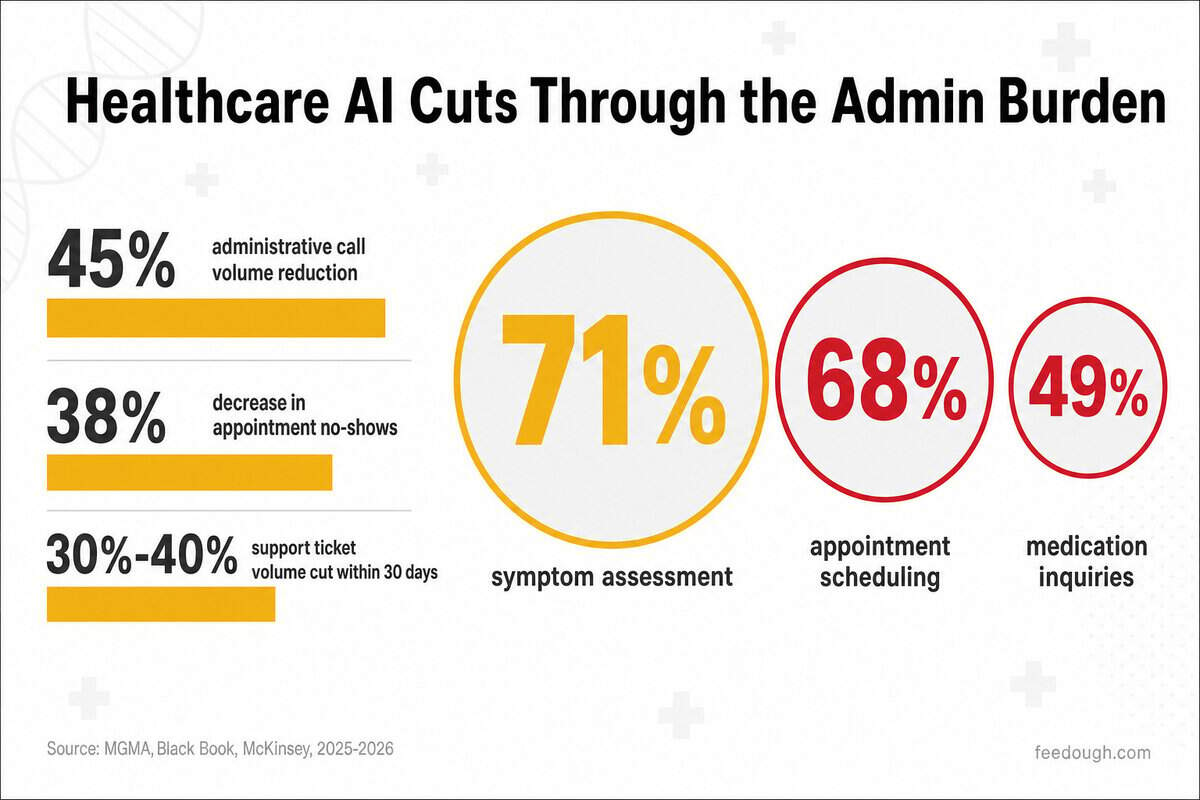
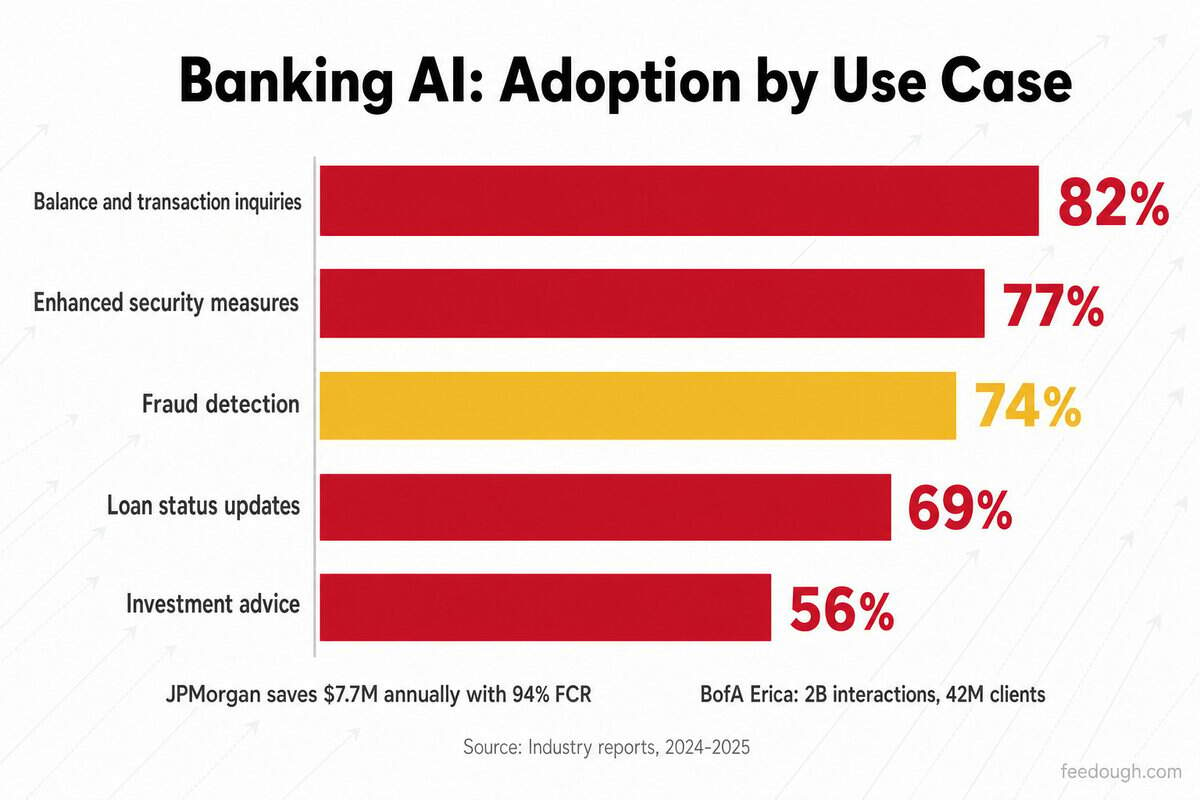
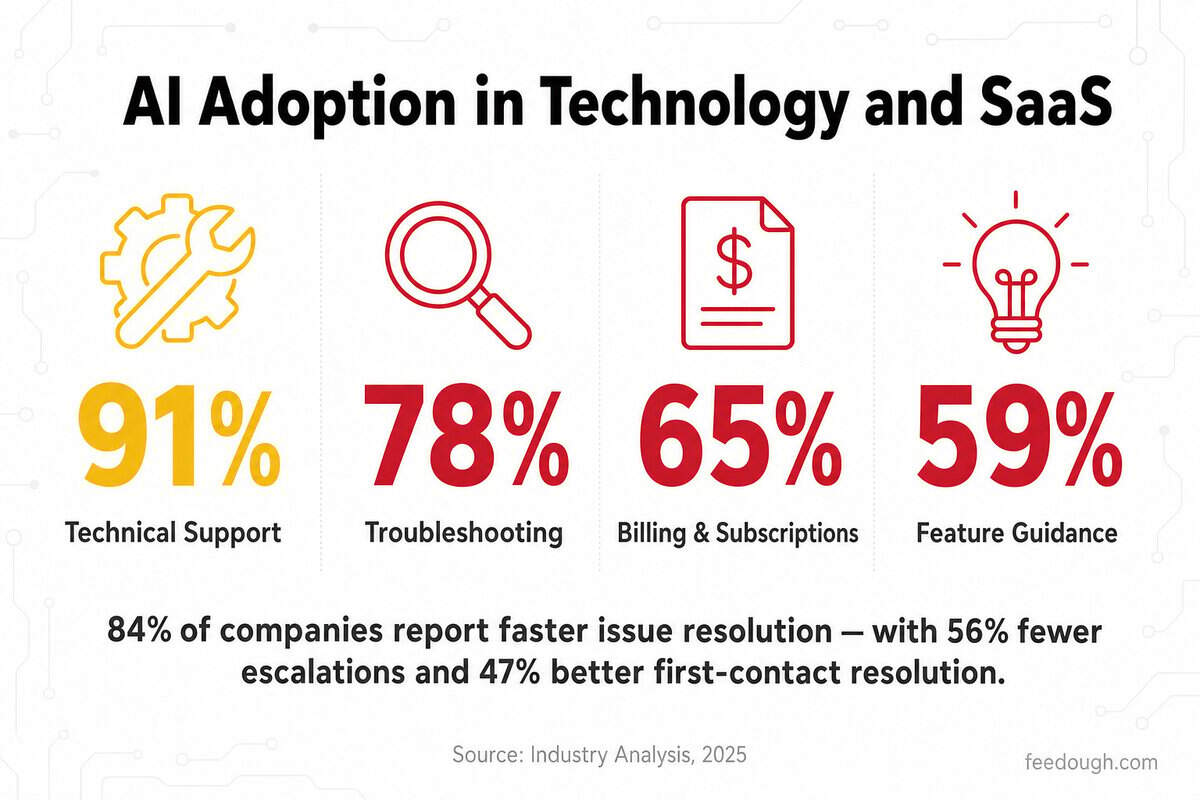
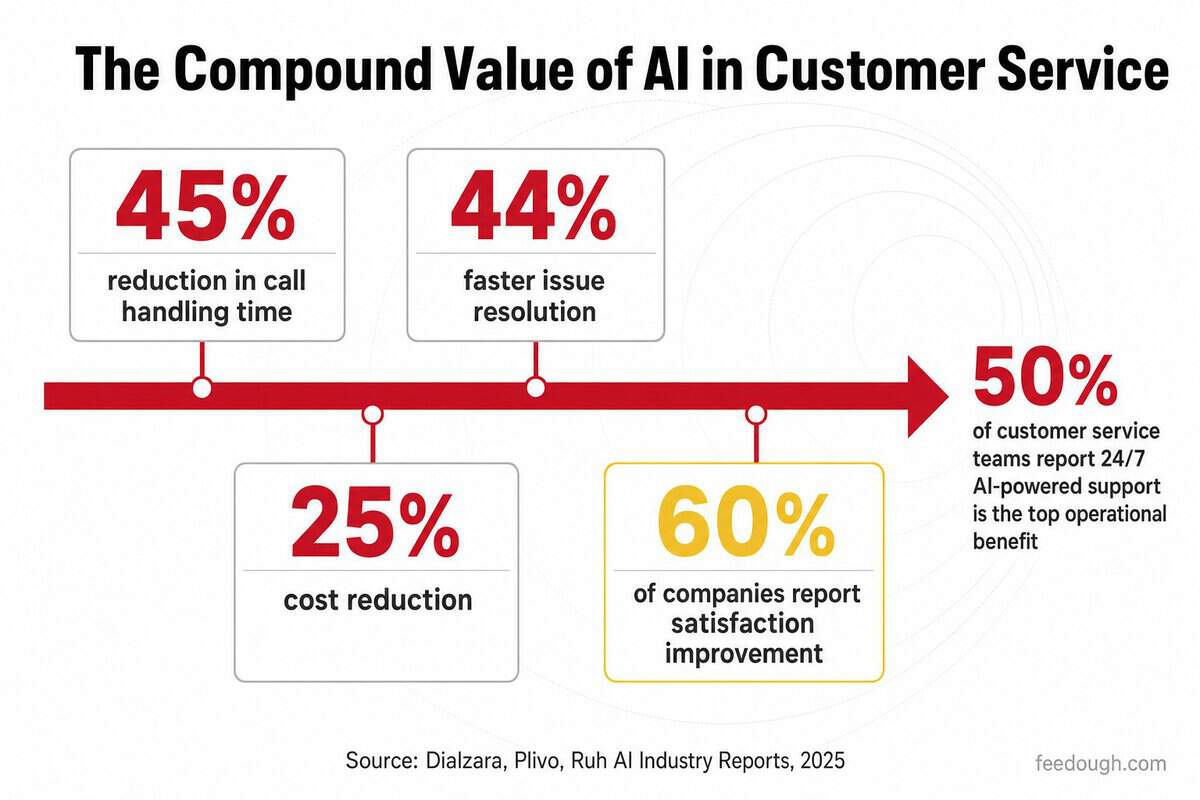
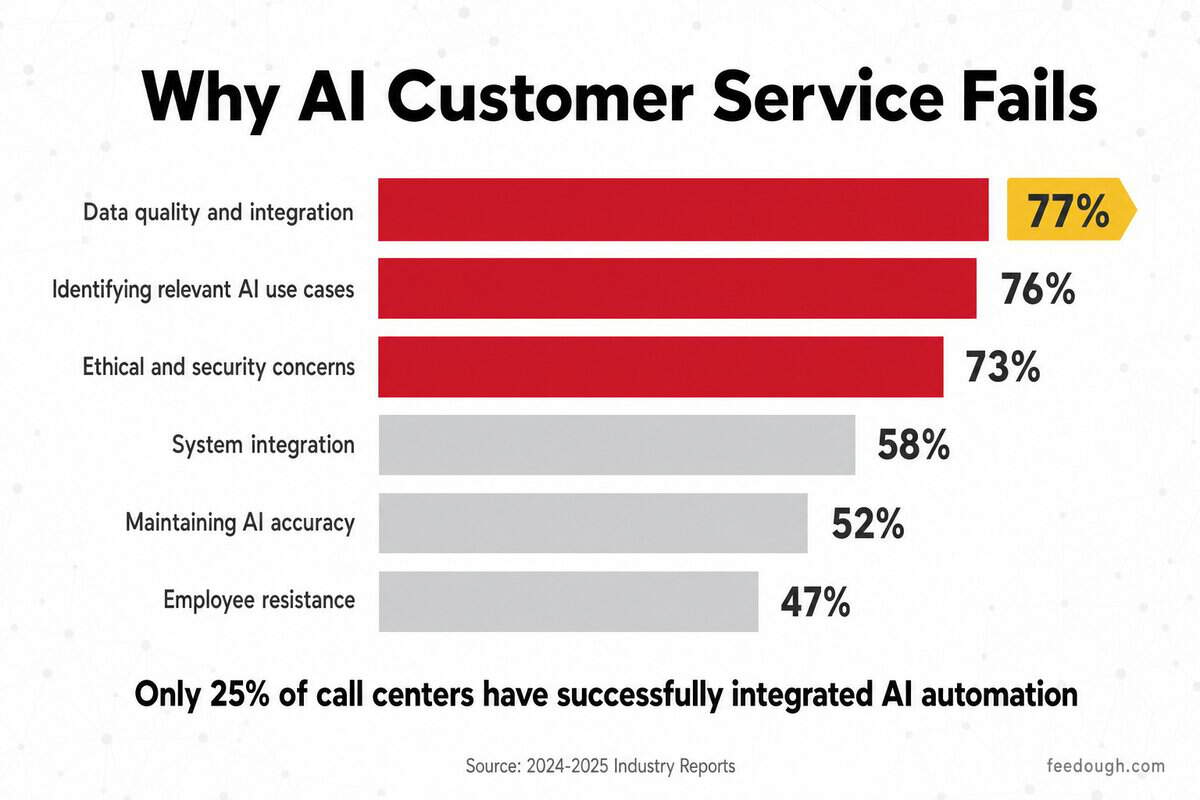
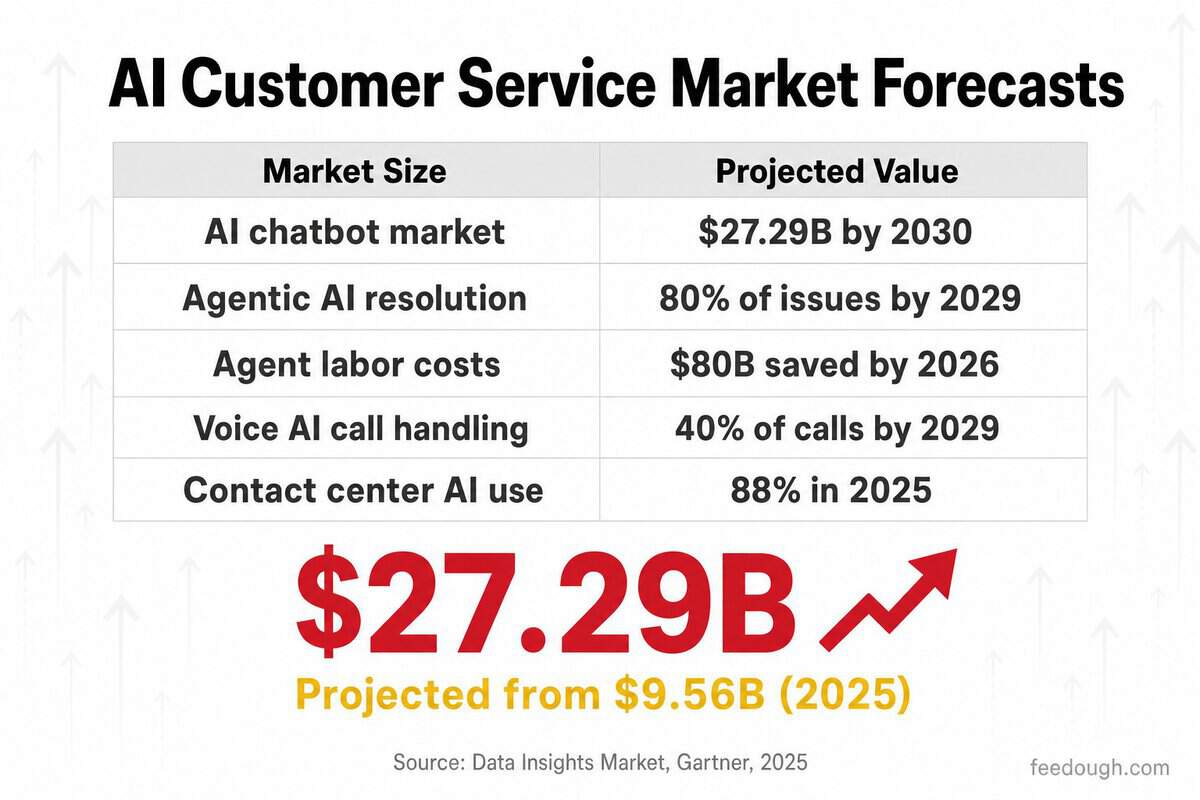
![Generative AI Strategy for Marketers [Detailed Guide]](https://www.feedough.com/wp-content/uploads/2025/11/a-cover-picture-of-article-with-text-gen_YFnYQ46rRpili_XjW99DjQ_hdOnBLosQi-NTKwJFMl1Ng.png)