
While there are a lot of e-commerce sites for companies and mass manufacturers to sell on, there are only a countable few that cater to sellers looking to sell their unique and one of a kind, usually handmade, products online.
After over two decades in the online market, Etsy is among the countable few that made it big. It is the etsy business model that serves artists worldwide.
What is Etsy?
Home to products like sculptures and handwritten recipes, The Etsy business model is an e-commerce marketplace that focuses on selling unique handmade or vintage items and craft from individuals. While sites like Amazon and Alibaba have managed to fill in as the marketplace for mass-manufactured goods and resellers, Etsy found its niche by serving to the handmade and antique market.

Founded from an apartment in 2005, Etsy was created by Rob Kalin, Chris Maguire, and Haim Schoppik to serve as the place for crafts and handmade products. Today, the platform hosts over 100 million active listings from 5.6 million sellers. The vast majority are handmade and one of a kind.
Etsy Business Model
Etsy’s business model is similar to its other e-commerce counterparts. It provides an online platform for buying and selling goods, specifically an online marketplace for unique and creative goods.
Where Etsy differs is in its vertical approach to the e-commerce business model. The platform mainly focuses on craft items in very specific categories. In its own words, Etsy is home to a universe of special, extraordinary items, from handcrafted pieces to vintage treasures.
After a period of expansion through acquisitions, Etsy has reversed course. The company divested all three of its subsidiary platforms, most recently selling Depop to eBay for approximately $1.4 billion. CEO Kruti Patel Goyal said the move enables Etsy to focus exclusively on expanding its core marketplace. That marketplace accounted for roughly 90% of gross merchandise sales at the end of 2025.
How Does Etsy Work?
Since it’s a marketplace that attracts sellers of speciality items to connect with interested buyers, it is clear that the etsy business model caters to two different customer segments – buyers and sellers. It is more of shared success – more sellers bring in more buyers which helps Etsy increase etsy revenue.
Etsy’s Key Partners
Sellers
Sellers are the artists and small industries that manufacture handmade or are the owners of antiques and vintages. Etsy caters to those wanting to learn how to start an etsy shop and tap into the online market to sell their crafts.
Buyers
Buyers are the ones looking to buy handmade, one-off, and unique products not just from physical shops but also online. They are also the ones interested in antique and vintage goods.
Etsy’s Operating Model
Etsy works just like any other e-commerce site – by providing a neat and well-organized platform for sellers to list their wares and for buyers to easily find them.
Etsy works in a simple and straightforward manner:
- Sellers sign up on the platform to list their items for sale.

- Buyers browse for items and place orders on the ones they like – Etsy allows for transactions to be made from within the platform.

- Buyers have the option to rate and review the purchased items. This makes the platform capitalize on social validation.


Now that we know how the etsy business model works and its key partners, let’s look at how Etsy makes money.
How Does Etsy Make Money? | Etsy Revenue Model
Etsy’s revenue model is similar to that of Amazon marketplace. It makes money from the various different fees that it charges the users of its site.
Listing Charges
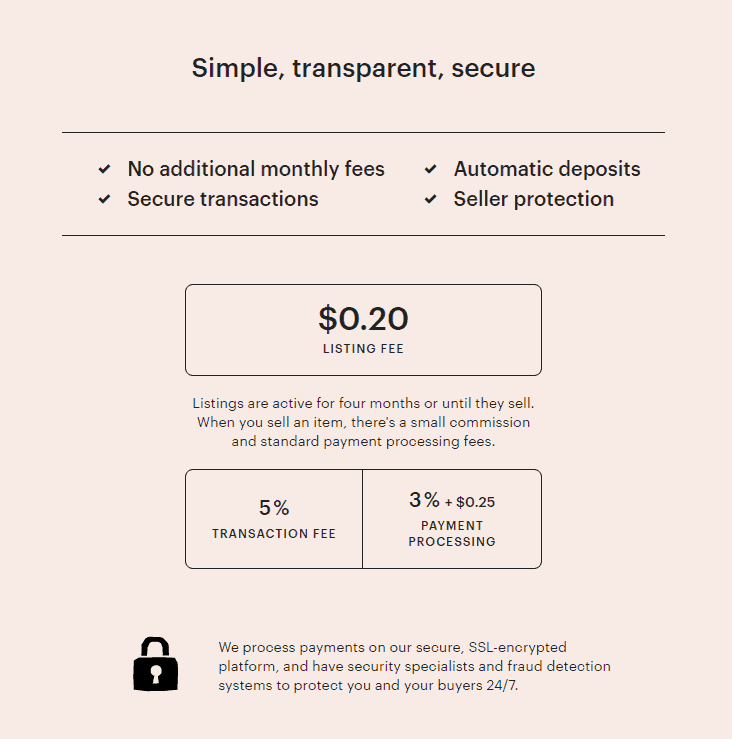
Sellers have to pay at least $0.20 to list their products on Etsy. While $0.20 might seem small, it adds up quickly when you consider the fact that thousands of products get listed on Etsy.
The listings are set to expire after four months. Pattern-only listings do not expire. If you list multiple quantities of the same item, the initial listing fee will be $0.20, and the listing will be automatically renewed at $0.20 after each of the items sells.
Sales Commissions
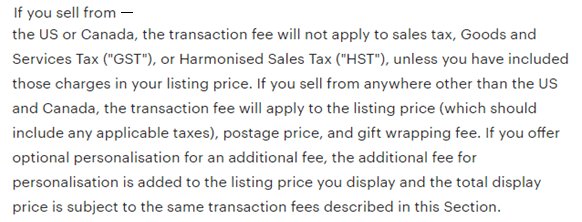
Beyond listing fees, Etsy charges sellers a transaction fee on every sale. The current rate is 6.5% of the total sale price, including shipping.
This rate has increased significantly over time. Etsy originally charged 3.5%, raised it to 5%, then increased it to 6.5% in April 2022. That final jump sparked a seller strike, with over 20,000 sellers participating in protest.
Advertisements
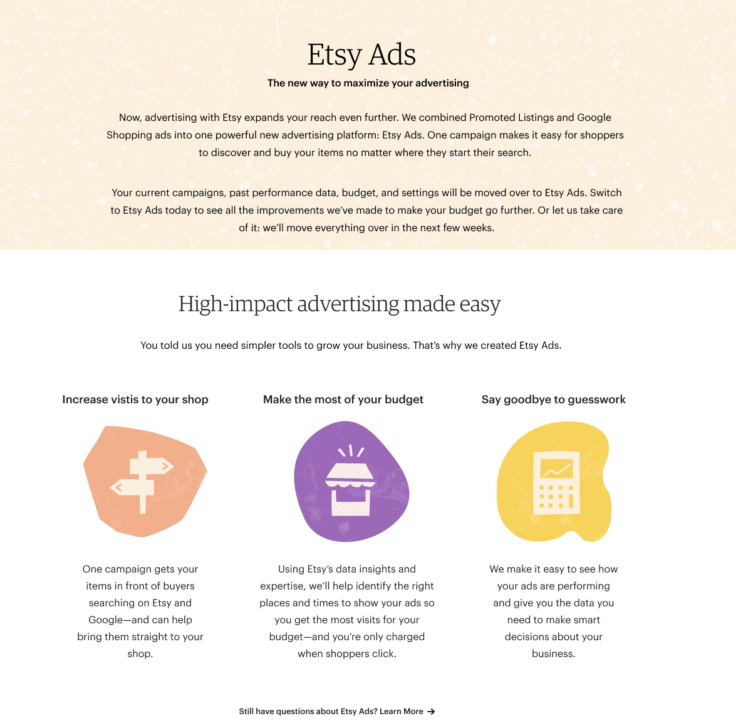
Etsy allows sellers to advertise their products on its platform for a fee.
Etsy offers multiple advertising methods:
- Paid Advertising – Ads charged on a cost-per-click (CPC) basis that list sellers’ products.
- Shopping Engine Ads – Etsy pays to list sellers’ products on platforms like Google Shopping, Bing, and Facebook.
- Shop-Specific Promotions
- Offsite Ads – Etsy advertises sellers’ products on external channels like Google, Facebook, and Instagram. Sellers pay a fee only when a sale results.
Paid Advertising brings in a significant chunk of etsy revenue. Offsite Ads have grown into another major source. Etsy charges 15% of the sale price for most sellers, or 12% for those earning over $10,000 in the trailing 12 months. Sellers above that threshold must participate, while those below can opt out.
Subscriptions
Etsy provides sellers with a free suite of tools to help manage their store and products – denoted as Etsy Standard. Apart from that, it also offers Etsy Plus, a subscription service that provides extra tools on top of the ones provided for free to the sellers for a fee.
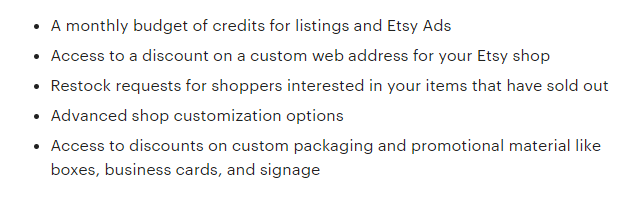
Etsy Plus subscription is priced at $10 per month and gives sellers the following features and perks:
“Pattern” Tool Fees
Etsy offers its users “Pattern” – a website-building tool that allows for Etsy users to create a personalized website to sell their products not just within but also beyond the Etsy marketplace.

While the Pattern shop is free for the first month (30-days), it costs $15 per month after the trial period ends. This helps many businesses grow and not be locked to the Etsy online marketplace alone.
Payment Processing
Etsy allows “eligible” sellers to be able to use Etsy Payments to facilitate the buyers to buy using various payment methods – credit cards, debit cards, gift cards, coupons, online wallets – from within the Etsy site.
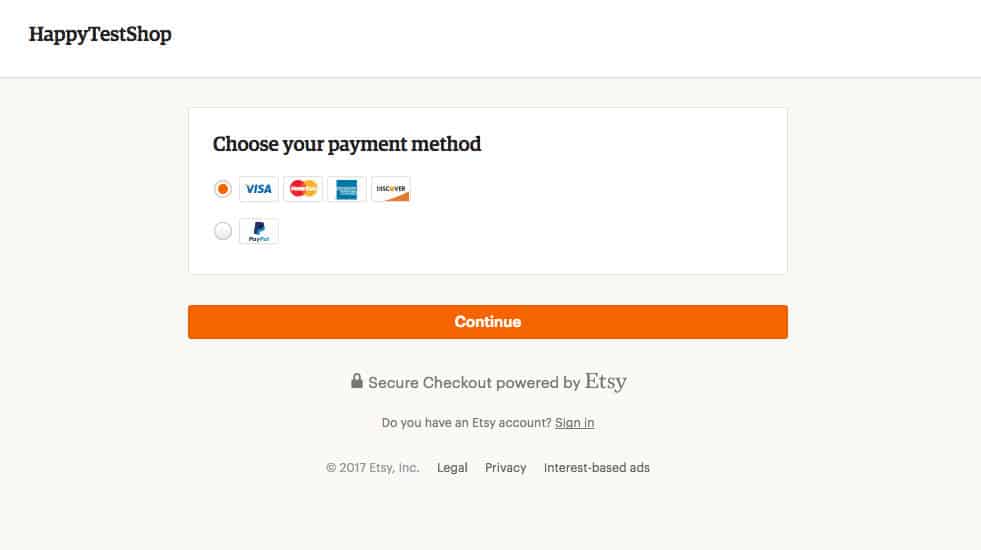
For all transactions happening through Etsy, it charges a fee for processing the transaction. Etsy fixes the fees according to the total amount of the sale and country it was conducted in. Each country has a different payment fee and the fees are deducted from the seller’s payment account.
Currency Conversion
Etsy charges 2.5% of the total amount as a currency conversion fee while converting it to the seller’s preferred currency.
Say the seller’s payment account has USD as the preferred currency. When a buyer pays for the product in Euros, it gets converted to USD (according to the market rates at that moment) and added to the seller’s payment account. Etsy takes a 2.5% cut out of the entire product amount as a conversion fee.
This is handled by Etsy’s payment processing service and is further described in Etsy Payments Policy. Etsy recommends sellers to list the price of their items in the same currency as their payment account; currency so as to avoid incurring foreign exchange charges on them.
In-Person Selling
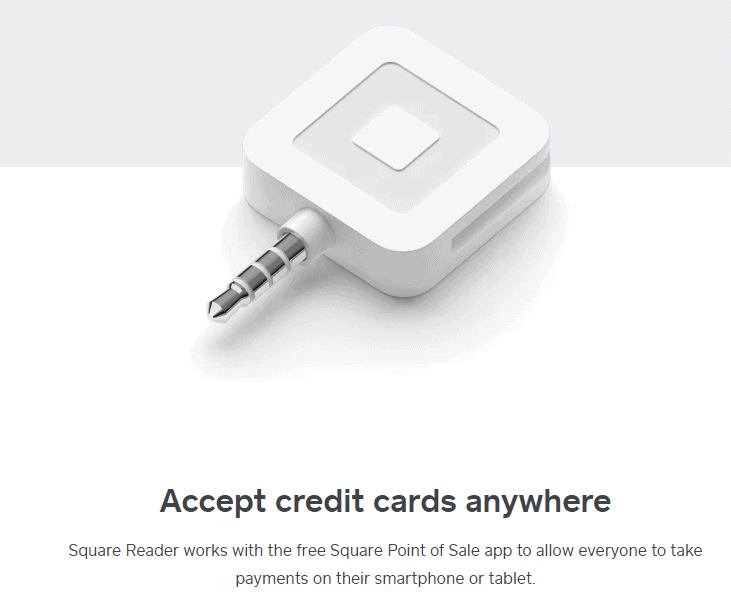
Etsy allows sellers on their platform to list their product son Etsy’s site but process the payment in-person in case the online payment is not feasible or set-up. Etsy facilitates in-person receiving of payments using the Square reader – a credit-card reader – for $0.20 fee – same as the listing fees for every item sold.
Etsy’s Revenue & Net Worth
As of August 2026, Etsy’s market cap sits around $7.46 billion. The stock peaked near $300 during the pandemic boom before falling to roughly $44 at its lowest. The 52-week range now spans $44 to $87.97.
The platform had roughly 5.6 million active sellers and 86.5 million active buyers as of December 2025. About 89% of those sellers operate as one-person businesses.

For full-year 2025, Etsy reported $2.88 billion in revenue and $11.9 billion in consolidated gross merchandise sales. The core Etsy marketplace drove about 87.8% of that total at $10.5 billion. Depop and Reverb contributed the remainder before their recent divestitures.
After years of declining GMS following the pandemic surge, the core marketplace returned to growth in Q1 2026. GMS rose 5.5% year-over-year to $2.5 billion, its first such increase in over two years. Revenue hit $631.3 million, beating analyst expectations.
By Q2 2026, revenue climbed 6.2% to $668.3 million. Active buyers rose by 350,000 to around 87 million, and GMS per active buyer grew 2.8% to $124. To protect margins, Etsy cut roughly 220 jobs, representing about 12% of its workforce.
Why Etsy Worked?
Here are a few reasons that have helped Etsy reach where it currently stands. These might prove valuable and might help you along your startup journey as well.
Spot-On Search Results
Etsy once had mediocre search results. Organizing custom-made and vintage products is harder than sorting mass-manufactured goods. Each item is one-of-a-kind.
That changed. Etsy built an LLM-powered Semantic Relevance Evaluation and Enhancement Framework that reworked how search works. OpenAI’s o3 model annotates what makes a listing relevant. That knowledge gets distilled into a lightweight student model running in real time, adding less than 10ms of latency.
Between August and October 2025, fully relevant search results climbed from 58% to 62% after deployment. The system moved Etsy from pure engagement signals like clicks and purchases toward intent-aware semantic matching.
Etsy also introduced “algotorial” curation, blending human merchandising expertise with AI-powered recommendations across more than 100 million listings. The AI now rewrites listing titles for conciseness and builds personalized feeds around buyer behavior.
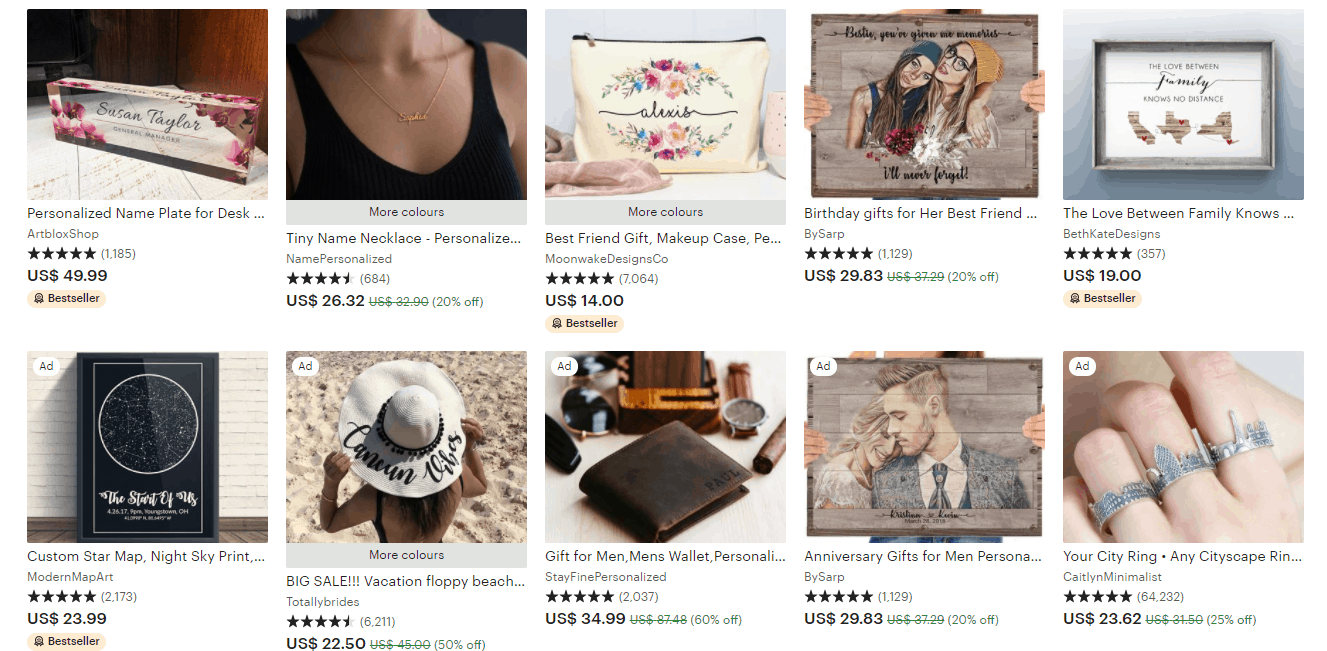
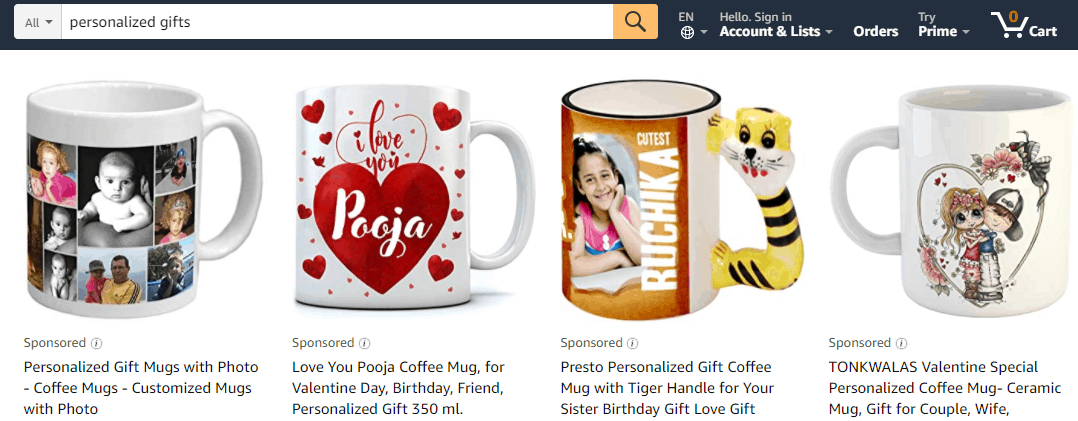
Searching for “Personalised Gifts” on Amazon returns resellers offering to tweak mass-produced products. On Etsy, the same search surfaces one-of-a-kind items made to order and personalized to the buyer’s taste.
Niche Platform
The Etsy business model has provided a platform for makers and buyers of handmade and unique products since they began. This gave them a dedicated userbase, who are loyal to date and have helped recommend Etsy to their like-minded friends.
Etsy got a lot of word of mouth recommendations which helped them grow to 450,000 listed sellers within two years of creating the site.
Supporting Their Sellers

Etsy has always focussed on supporting their sellers in many ways as possible. This helped them grow even more as it led to more word of mouth publicity. Etsy offers support specialists to those in need of an extra hand and resources on how to start an etsy shop.
APIs
APIs are the future. Take the US-based ride-sharing app Lyft: it is almost entirely built on APIs from other services. Put plainly, APIs provide others with the flexibility to use your services while you also earn a fee in return for the provided services by acting as a medium through which multiple applications communicate with each other.
Etsy provides users with its API that allows them to build and integrate their own Etsy-powered apps to their websites or PC and mobile devices. This flexibility bought many new users to their platform since it allowed for them to build their own website, shops, and apps quickly by letting Etsy take care of the platform and backend services.
Go On, Tell Us What You Think!
Did we miss something? Come on! Tell us what you think about our article on Etsy business model | How Etsy Works in the comments section.