

No one is unfamiliar with the 3-dimensional red ‘O’ logo of the software company, Opera. Started as a browser-building firm in 1995, Opera has come a long way and has established itself as a diverse web solution provider.
Still, a confusing development is that almost everyone has seen Opera browser downloaded in their mobile phones or laptops but very few remember visiting its website or typing ‘Opera’ in their app store’s search bar. Who installed Opera on these devices?
The truth is that Opera installs itself. Since its launch in 1995, the company has walked on an utterly unconventional path. Opera’s business model is particularly unique and different from other business models.
So how does Opera work and make money? Let’s find out.
What is Opera?
Opera started in 1995 as a Norwegian software company focused on building a web browser. Jon Stephenson von Tetzchner and Geir Ivarsøy founded it with a simple goal: create a better browser. But Opera didn’t stay that way for long.
Over the years, the company diversified. It moved into fintech, advertising, news, and other web and mobile solutions. Think of it like a small shop that expands into a full‑service department store. Opera wasn’t just selling browsers anymore; it was building an entire ecosystem.
A big shift happened in 2016. A Chinese consortium, Golden Brick Silk Road Fund, bought Opera’s web browser, its performance and privacy apps, the consumer business, and the brand. The parts that weren’t sold split off and became Otello Corporation ASA. This included games, advertising, and TV. Since then, Otello has focused on providing ad‑tech solutions.
Meanwhile, the newly independent Opera Limited kept growing. It turned into a steadily profitable business that builds more than just browsers. In 2018, it launched Opera News for African users. A year later, it introduced Opera Ads.
But here’s the critical update: Opera now calls itself a “global browser and AI agent company“. That’s not just a marketing tagline. It’s a complete strategic pivot.
In September 2025, Opera launched Opera Neon, an agentic browser designed for AI power users. It went public in December 2025 at $19.90 per month. Neon comes with autonomous agent capabilities: it can perform tasks, write code, and even create mini apps.
At the same time, Opera’s main browser now includes free AI features. You get context‑aware browsing, image generation, PDF analysis, and YouTube summarization. It works in over 50 languages and doesn’t require a login.
Take a simple example: you can upload a screenshot from a Zoom presentation, and Opera AI will turn those slides into notes in seconds. Or ask it to summarize a 20‑minute YouTube video. That’s the kind of utility Opera is building into its browsers today.
These aren’t just tweaks. They’re a clear sign that the Opera business model has evolved far beyond its original browser‑only roots.
Who Are Opera’s Customers?
Opera doesn’t serve one type of user. It serves many. And some of them don’t even realize they’re using Opera until they’re already hooked.
The core audience sits in emerging economies across South Asia and Africa. These are users running low-storage Android phones, burning through prepaid data packs, and dealing with shaky 3G connections. For them, Opera isn’t just another browser: it’s a lightweight lifeline to the internet. That’s exactly where Opera’s business model has gained the most ground.
But the customer base runs wider than that.
Gamers form another big chunk. Opera GX now has over 25 million monthly active users across desktop and mobile. It’s the gaming browser with CPU and RAM limiters, custom sound effects, and Twitch integration built in. With its native Linux launch in Q1 2026, it’s also reaching Steam Deck and Linux gamers who previously had no dedicated option.
Then there’s the privacy-conscious crowd. Opera’s built-in free VPN pulls in users who want to access region-blocked content without paying for a separate service. It’s a quiet but sticky feature.
Fintech and news users are a growing segment too. Opera Limited has rolled out Opera News and financial services across South Asia and Africa, serving as a primary internet gateway for millions.
On the premium end, Opera Neon targets AI power users and professionals: people willing to pay $19.90/month for autonomous agents that handle complex tasks. Meanwhile, the free AI features in the main browser attract tech-savvy users who want AI-assisted browsing without the subscription.
Finally, there are the marketers. Both small businesses and large brands use Opera’s content-rich ad formats to reach audiences that are otherwise hard to target through mainstream platforms.
What Value Does Opera Provide?
Opera packs several practical benefits into a lightweight package. Its value goes well beyond basic browsing. It touches gaming, finance, AI, and advertising.
As a compact browser, Opera prioritizes speed and efficiency. It takes up less storage space and consumes limited data, which matters when you’re on a slower connection or tight data plan. The Turbo mode compresses pages before loading, boosting speed while cutting data usage. It’s a simple feature, but it makes a noticeable difference in daily use.
Security gets serious attention. Opera checks websites against blacklisted phishing and malware lists, helping users avoid threats before clicking. It pioneered tabbed browsing and was the first to integrate messengers directly into the sidebar. The built-in free VPN adds privacy without requiring separate software.
Opera Mini works as more than just a browser. It functions as a compact platform for browsing, messaging, and file sharing—even offline. You can send files to nearby devices without internet, useful in areas with poor connectivity.
For gamers, Opera GX offers enhanced sound quality, faster controls, and customizable aesthetics. CPU and RAM limiters let you manage system resources, while Twitch integration connects you to live streams. It’s built specifically for gaming needs.
The AI features represent a significant upgrade. Opera provides free context-aware browsing, image generation, PDF analysis, and YouTube summarization. These tools work in over 50 languages and don’t require a login. You can upload a screenshot from a presentation and get notes in seconds, or summarize a long video without watching it.
The Opera business model extends beyond browsers into fintech. In Nigeria, OPay has become a leading payments platform. In Kenya, OKash and Opesa provide financial services. MiniPay, Opera’s stablecoin wallet, now operates across several African countries as part of Opera’s growing fintech footprint.
Opera AI also provides free capabilities with real-time web access in over 50 languages. On the news side, Opera News gives writers in developing countries a platform to publish and earn. And on the advertising side, Opera Ads offers content-rich formats for brands wanting to reach Opera’s global user base through native ads, connected TV, and more.
How Does Opera Operate?
How Users Get Opera
Most people don’t go looking for Opera. Opera finds them.
Users can download the browser directly from its official website. But that’s not how most people end up with it. Opera partners with OEMs, operating system companies, and UI owners. This means the browser often comes pre‑installed on low‑priced devices, especially in markets across South Asia and Africa.
Sometimes, Opera gets bundled with freeware programs. A user downloads a free utility, and Opera tags along during installation. It’s the Opera business model that has helped Opera reach hundreds of millions of users without spending heavily on traditional marketing.
Key Browser Features
Opera ships with a long list of built-in tools. Each one is designed to remove friction from everyday browsing.
1. Browser Extensions
Opera supports extensions that let users customize their browsing experience. From productivity tools to password managers, the extensions library covers a wide range of needs.

2. Free VPN
Opera includes a free, built-in VPN that encrypts user traffic and masks IP addresses. Users can choose their preferred location, and it works even in private browsing mode. No separate software needed.
3. Adblocker
The built-in adblocker removes unwanted ads and trackers automatically. The result is faster page loads and a cleaner browsing experience.
4. Sidebar
Opera’s sidebar packs built-in messengers — Facebook, WhatsApp, Instagram, and Twitter sit right there. It also includes music controls and a file transfer feature called Flow.

5. Workspace
Workspaces let users group tabs into categories. You might have one workspace for work, another for personal browsing, and a third for research. It keeps things organized without cluttering the tab bar.

6. Speed Dial
Speed Dial shows thumbnail tiles of a user’s most visited sites right on the new tab page. It’s a simple but effective shortcut system.

7. Video Pop-out
Opera’s video pop-out enables picture-in-picture streaming. Users can pop a video out of the browser and watch it in a floating window while working on something else.

8. Snapshot
The Snapshot tool is Opera’s built-in screen capture feature. Users can grab full-page screenshots or select specific areas using the shortcut Ctrl+Shift+5.

9. Barcode Scanner
Available only on the mobile version, the barcode scanner lets users scan QR codes directly from the browser camera.
10. Visual Modes
Opera offers both dark and light modes, along with adjustable color temperature. Users can fine-tune how their screen looks, especially during late-night browsing sessions.

11. Crypto Wallet
Opera includes a built-in crypto wallet that lets users hold and transfer digital tokens directly from the browser.
12. Opera Forum and User Support
Opera maintains an active user forum and support system where users can report issues, request features, and troubleshoot problems.
AI Features Built Into the Browser
Opera has rolled out free AI capabilities directly into its browser. The AI assistant is context-aware — it understands what a user is reading and can generate summaries, answer questions, or rewrite text on the spot.
It can analyze PDFs, generate images, and summarize YouTube videos. The system works in over 50 languages and requires no login. Users can also access ChatGPT and Gemini directly from the sidebar, switching between AI models depending on the task.
Opera’s Product Ecosystem
Opera doesn’t stop at browsers. It has built a product ecosystem that spans business tools, news, gaming, and fintech.
Opera for Business
Opera for Business partnered with Google My Business to help small and medium enterprises establish an online presence. Businesses can create profiles, manage their locations on Google Maps, and reach audiences across Opera, Google, and Facebook. The platform also provides analytics to track campaign performance.
Opera News
Launched in 2019, Opera News delivers short, engaging news articles to users in developing markets.
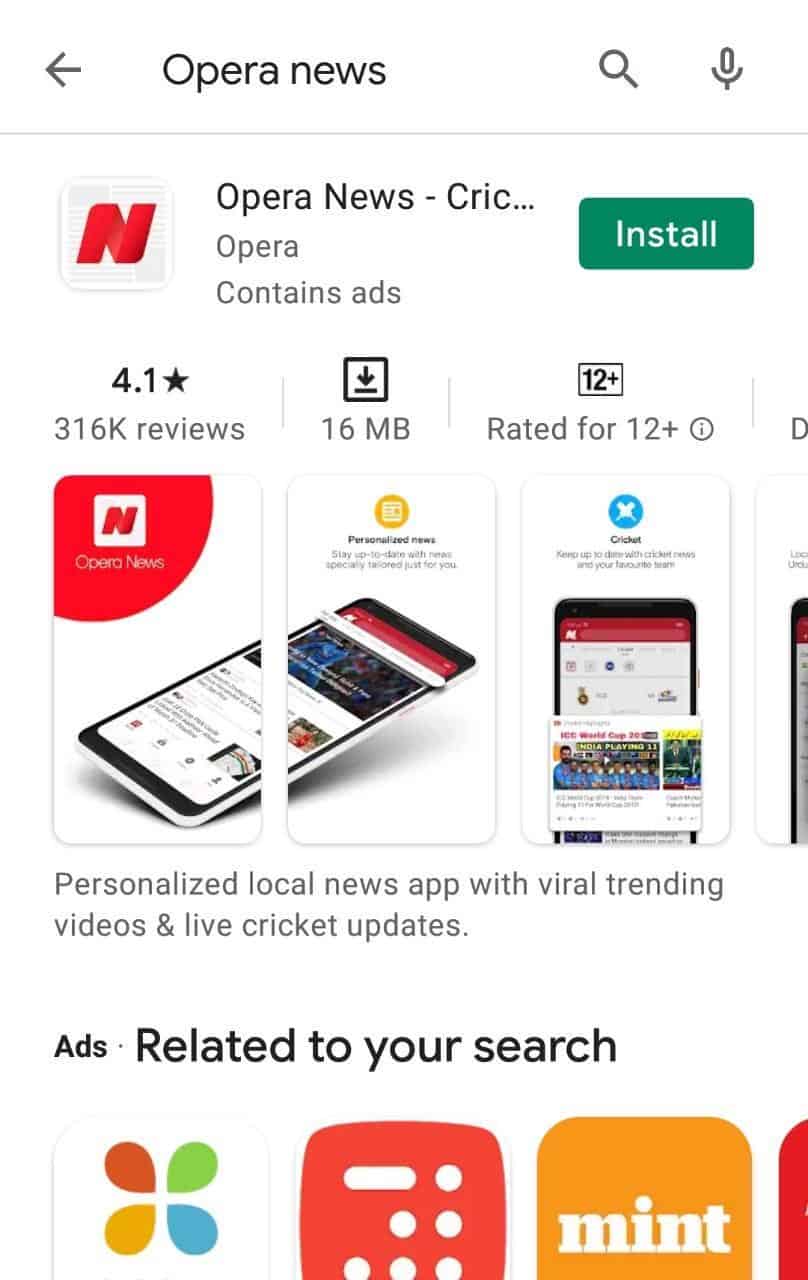
Through the Opera News Hub, writers in developing countries can publish articles and earn money based on performance. It has created a content creation economy in markets where traditional media opportunities are limited.
Opera’s Gaming Division
Opera GX is the company’s gaming-focused browser. It offers CPU and RAM limiters, custom sound effects, Twitch integration, and a visual style built for gamers. Opera GX has surpassed 25 million monthly active users across desktop and mobile.
In January 2021, Opera acquired YoYo Games, the creator of GameMaker Studio 2. The acquisition brought game development capabilities under the Opera Gaming umbrella. Opera GX also launched natively on Linux in Q1 2026, targeting Steam Deck users and the broader Linux gaming community.

Opera Fintech
Opera has expanded into micro-lending across South Asia and Africa through services like OPesa, OKash, and CashBean. In Africa, the company launched MiniPay, a stablecoin wallet that operates across several African countries, enabling users to send and receive stablecoin payments using phone numbers.
Opera is also pushing fintech expansion into Europe, building on its earlier acquisitions of Pocosys and Fjord Bank.
Hype
Hype is a chat service built into Opera Mini, designed for users in Africa. It lets Opera Mini users message each other without needing a separate app — a useful feature in markets where storage space on phones is tight.
How Does Opera Make Money?
Opera Limited is a profitable business that has grown its customer base and revenue consistently. In 2025, the company reported full-year revenue of $614.8 million, a 28% increase from the previous year. The momentum carried into 2026, with Q1 revenue reaching $175.8 million, up 23% year-over-year. Looking ahead, Opera has raised its full-year 2026 guidance to $727–740 million, projecting 18–20% growth.
How Does Opera Earn?
Opera’s revenue comes from multiple streams. The browser itself is the foundation. Opera partners with search engines like Google, Yandex, and DuckDuckGo, integrating search and shopping bars for partners such as Facebook, Flipkart, and Amazon. These partnerships generate query revenue, which reached $58.3 million in Q1 2026, growing 23% year-over-year.
The company also earns through advertising. Opera’s advertising revenue hit $117 million in Q1 2026, up 24% from the previous year. Through Opera for Business, brands can reach audiences across Opera, Google, and Facebook. This platform helps small and medium enterprises establish an online presence and manage their locations on Google Maps.
Partnerships with OEMs, operating system manufacturers, and UI owners provide another revenue source. These service contracts, licenses, customer support, and upgrades help Opera reach users without heavy marketing spend. The browser often comes pre-installed on low-priced devices, especially in emerging markets.
Fintech contributes to the diversified revenue model. Opera maintains operations in Africa and Asia through services like OPay, OKash, and Opesa. In Africa, MiniPay, Opera’s stablecoin wallet, operates across several countries, enabling users to send and receive stablecoin payments using phone numbers.
Gaming is another revenue stream. While Opera GX browser is free, Opera generates revenue through YoYo Games and GameMaker Studio 2. The acquisition of YoYo Games in 2021 brought game development capabilities under the Opera Gaming umbrella.
How Does Opera Spend?
Opera’s expenditures focus on growth and maintenance. General and administrative costs cover rent, insurance, legal fees, utilities, and salaries. These operational expenses keep the company running day-to-day.
A significant portion goes toward browser growth and maintenance. Opera continuously improves its browsers, making them more utilitarian while providing customer support. This includes developing features like free VPN, adblocker, and AI capabilities.
Expansion and consolidation drive spending across several areas. In gaming, Opera invests in Opera GX growth, the Linux expansion, and YoYo Games. Fintech expansion continues in Africa with MiniPay and in Europe. AI development is now a major expenditure area, with Opera Neon agentic browser and free AI features in the main browser. Opera News also requires investment in content creation payments in developing countries.
Financially, Opera maintains healthy margins. The company reported an Adjusted EBITDA of $142.5 million in 2025, representing a 23% margin. In Q1 2026, Adjusted EBITDA was $42.0 million with a 24% margin. For full-year 2026, Opera projects Adjusted EBITDA of $170–174 million, maintaining a 23% margin.
The Opera business model has targeted emerging markets since 1995. In first-world countries, better substitutes exist, and Opera isn’t integrated with an OS. The company has earned criticism for installing without users’ consent, a distribution strategy that has helped Opera reach hundreds of millions of users.
Despite this criticism, Opera has been building itself as a diverse internet services brand. The company consolidates in developing African and Asian markets with tailored solutions. However, the company faced scrutiny in early 2020 when Hindenburg Research questioned Opera’s micro-lending business, accusing it of predatory lending. Opera denied the allegations.
Since then, Opera has continued to grow and evolve significantly. The company is now positioning itself as an AI-driven browser company with diversified revenue streams. With strong financial performance and strategic investments in AI, gaming, and fintech, Opera is transforming from a simple browser maker into a comprehensive internet services provider.
Go On, Tell Us What You Think!
Did we miss something? Come on! Tell us what you think about our article on Opera business model in the comments section.