Feedough Logo

Blog

  • This Startup Turns Code Learning Into a Fun, Real-World Experience – Bigdevsoon App Startup Review

    This Startup Turns Code Learning Into a Fun, Real-World Experience – Bigdevsoon App Startup Review

    In the fast-paced world of coding, many aspiring developers find themselves stuck in an endless cycle of tutorials that promise a lot but deliver little. This cycle, often called “tutorial hell,” is a common struggle. Eager coders dive into lesson after lesson, only to end up overwhelmed and unsure how to apply what they’ve learned. At the same time, the tech industry urgently needs practical skills, leaving these motivated learners feeling trapped and uncertain.

    Picture this: you’re gearing up for your #100DaysOfCode challenge, prepping for a crucial job interview, or seeking ways to enhance your portfolio. You’ve got the motivation, but the resources just don’t cut it. What if there was a way to tackle projects right from Day 1?

    This is where BigDevSoon enters the scene. Founded by Adrian Bigaj, this gamified platform empowers aspiring developers to step into the shoes of real software engineers, confronting real-world projects straight away.

    Curious to learn more about this innovative solution? We did an interview to find out how BigDevSoon is transforming the coding journey for developers everywhere.

    What is Bigdevsoon App?

    BigDevSoon App is a gamified platform designed for aspiring developers who find themselves overwhelmed by traditional coding resources. This solution speaks directly to motivated individuals embarking on challenges like #100DaysOfCode or preparing for job interviews. Users look for a way to build practical skills and enhance their portfolios without getting lost in an endless loop of tutorials.

    Many learners experience “tutorial hell,” where they consume endless content but fail to apply what they’ve learned. BigDevSoon addresses this issue by immersing users in real-world projects from the outset. Rather than watching another tutorial, you will develop tangible skills as you tackle relevant challenges, simulating the work of full-time developers.

    Bigdevsoon App

    What sets BigDevSoon apart is its immediate focus on results. Users do not waste time with lengthy onboarding processes or theoretical lessons. Instead, you jump straight into project-based tasks that help you gain experience. The platform ensures its users can see immediate returns, making the learning experience both engaging and rewarding.

    This innovative approach not only helps aspiring developers gain confidence but also prepares them effectively for careers in tech. The result is a more direct path to job readiness, addressing the skills gap that many in the industry face.

    Bigdevsoon App Founders

    Adrian Bigaj stands at the helm of BigDevSoon, a passionate founder with a wealth of experience in software development. With ten years in the industry, his journey began as a Java Tester, gradually evolving into roles such as Senior Frontend Developer and Team Leader. This deep immersion in coding provided him with valuable insights into the struggles faced by budding developers, particularly in the area of skill acquisition.

    Bigaj’s experience mentoring junior developers on platforms like Codementor and MentorCruise became a turning point. He noticed a recurring issue where many aspiring coders were stuck in “tutorial hell,” spending hours on resources without gaining real, hands-on experience. This realisation sparked an idea to build a platform that allows learners to skip endless tutorials and dive straight into real projects from day one.

    The early days of BigDevSoon came with their share of challenges. Creating an intuitive, responsive coding environment was crucial. Bigaj had to make sure the projects on the platform were both engaging and educational. He worked to find the right balance between difficulty that stretched learners’ skills and accessibility that kept them motivated. The goal was more than just teaching coding; it aimed to replicate the real, day-to-day experience of a full-time developer.

    What differentiates BigDevSoon from other platforms is its commitment to immediate results. From Day 1, users can dive into projects that offer practical learning experiences. This focus on engagement not only draws learners in but also prepares them effectively for the workforce. Bigaj’s hands-on approach has shaped not just the platform, but also the development of aspiring software engineers, providing them with the tools and confidence they need to succeed.

    Interview with Adrian Bigaj, Founder of Bigdevsoon App

    We had the chance to sit down with Adrian Bigaj, the mind behind BigDevSoon, to dive deeper into his journey, vision, and the challenges faced along the way. Here’s what he had to share:

    Q: Could you introduce yourself and your role at BigDevSoon?

    A: I’m Adrian Bigaj, the founder of BigDevSoon. I come from a solid background in software development with a decade of hands-on experience. My journey started as a Java Tester and has since expanded to roles in frontend development and team leadership. I’m passionate about sharing knowledge, and BigDevSoon is my way of tackling the biggest struggles I’ve seen budding developers face.

    Q: What exactly is BigDevSoon, and what problem does it aim to solve?

    A: BigDevSoon is a gamified coding platform where aspiring developers dive straight into real-world projects from day one. My goal is to help people escape what’s often called “tutorial hell.” Too many junior developers keep consuming endless tutorials without ever getting practical experience. I saw this pattern a lot when mentoring on platforms like Codementor and MentorCruise, and it made me want to build something that would cut through the noise.

    Q: Who is your ideal customer?

    A: Our main audience is anyone committed to improving their coding skills. Many are taking on the #100DaysOfCode challenge, prepping for interviews, or looking to enhance their portfolio with actual projects. They’re driven individuals who need hands-on experience, not just theoretical knowledge. We also get interest from junior to senior developers who want to keep their skills sharp with real-world scenarios.

    Q: What’s unique about the BigDevSoon approach compared to other platforms?

    A: Most platforms spend a lot of time on onboarding and tutorials, but BigDevSoon is different. We skip the traditional ramp-up and get users coding straight away. From day one, they’re building projects that mimic the tasks of full-time developers. It’s about applying skills immediately, not just consuming content. That’s where BigDevSoon stands out — immediate ROI through real project work.

    Q: Can you share some of the challenges you faced in the early days?

    A: One big challenge was creating a coding environment that’s smooth and responsive across different devices. It was important that users could get the full experience without technical hiccups. Another was making sure the projects were educational and challenging without being discouraging. It’s a fine line — we want people to push their limits but not feel overwhelmed.

    Q: You mentioned working solo. Has that impacted your approach to building the platform?

    A: Absolutely. Being a solopreneur means I wear every hat, which keeps me close to every aspect of the platform. It’s given me control over the user experience, ensuring the balance between practicality and engagement. I have a personal interest in every feature I release, and I think users feel that. But, of course, it also means things can take a bit longer since it’s just me behind the wheel.

    Q: What inspired you to go into EdTech, specifically with a coding focus?

    A: My inspiration came directly from my experience mentoring. So many developers I met were stuck in tutorial mode, unable to bridge the gap to actual coding. They had the drive but lacked an accessible way to gain experience. With the rise of AI and other tech advancements, I see EdTech evolving quickly, and I want BigDevSoon to be at the forefront of faster, practical learning for developers entering the industry.

    Q: Where do you see BigDevSoon heading in the near future?

    A: We have big plans. Expanding our project library is a top priority, as is adding more advanced challenges for seasoned users. We’re also looking at collaborative features to foster a stronger community of learners. Partnerships are another area we’re exploring to bring added value to our users. It’s all about keeping the platform fresh and relevant as the industry grows.

    Q: Can you tell us about BigDevSoon’s current revenue and customer base?

    A: Right now, we’re generating around £800 a month and serving about 200 active users. We’re still early in the journey, so it’s hard to quantify growth year-over-year. But the response has been encouraging, and I’m confident we’re on the right track.

    Q: What advice would you give to aspiring entrepreneurs?

    A: Start small and pick a niche. Nail that first before trying to go big. And don’t be afraid to get your hands dirty — whether it’s coding, marketing, or customer support.

    Feedough’s Take on Bigdevsoon App

    BigDevSoon is on the brink of reshaping how aspiring developers approach their learning journey. This platform addresses the pain point of “tutorial hell” with a dynamic, project-based model that allows users to dive right in, building practical skills from day one. The emphasis on real-world applications sets it apart, creating a disruptive force in the edtech space.

    As it scales, BigDevSoon should consider diversifying its project offerings and enhancing community features for peer collaboration. By doing so, they can foster a vibrant ecosystem, further bridging the gap between education and employment. The future is bright for this innovator!
  • 5 Realistic Business Tips For Startups

    5 Realistic Business Tips For Startups

    Imagine this: You’re standing at the intersection of two roads—one leading you towards continuing a well-established business model and the other towards an unknown business territory with high risks and opportunities.

    One leads to a stable income (as it can be a franchise), while the other could have two possibilities— hockey stick growth or a complete disaster.

    Starting a startup isn’t as they show in those TV series or movies. It is a long, tiresome and risky road. You don’t always have employees or bosses to blame. You’re on your own with a startup.

    Hence, every startup tip matters, especially when it comes to researched case studies. So here are five business tips for startups that are practical, realistic and could help you to make the journey towards entrepreneurship a little less daunting.

    Focus On The Product-Market Fit

    Product market fit refers to the alignment of your offering with the needs and preferences of your target market. It calculates the fit of the product with the current and expected demand.

    In simple terms, it showcases whether there’s a demand for your product or not. For example, if you come up with a non-fragrance soap in a market heavily driven by perfumed soaps, you might not have a strong product-market fit, and your product might not sell well.

    Failure story of a startup that didn’t find the product-market fit

    Juicero is one such startup that failed to understand what its users wanted. It launched a $700 juicer that squeezed out juices from pre-packaged fruits and vegetables. Moreover, the positioning focused on a high-tech, WiFi-connected juicer, while what the customer really wanted was an easy way to make fresh juice at home.

    The company failed to read the market demand for –

    • Juice enthusiasts preferring to use their own fresh produce instead of relying on pre-packaged ones.
    • A more affordable juicer that didn’t require WiFi connectivity or other unnecessary features.

    As a result, the company had to shut down within four years of its launch despite raising $120 million.

    Success story of a startup that fond the product-market fit

    Airbnb is a perfect example of a startup that found its product-market fit and went on to become a successful business.

    The company didn’t come up with a finished high-tech product with all the features. Instead, it launched an MVP (Minimum Viable Product) – where Airbnb’s founders, Brian Chesky, Joe Gebbia, and Nathan Blecharczyk, initially rented out air mattresses during conferences. This initial idea gave the founders confidence to explore the market demand further, which was recognised by two key market needs –

    • Travelers seeking affordable, unique accommodation options,
    • Property owners looking to earn extra income from spare spaces.

    By connecting these two groups, Airbnb created a win-win situation that addressed a gap in the market.

    How To Come Up With The Product Market Fit?

    Finding a product-market fit is the startup foundation that can make or break your startup. Here’s a detailed 5-step process to help you come up with product-market fit:

    Determine Your Target Customer

    If you can’t define the persona of the customer who will actually buy your product, you are already in trouble. It’s not about your preference but the customers’ expectations.

    To do this effectively:

    • Use market segmentation to identify specific groups of potential customers
    • Create detailed personas to describe your target audience
    • Understand their behaviours, motivations, and pain points
    • Start with the information you have and refine it as you progress

    Know that it’s your customer who decides the product-market fit, not you.

    Identify Underserved Customer Needs

    An underserved need refers to a problem that is not fully addressed by existing solutions in the market. It could be an unmet need or something that can be improved upon from existing solutions.

    To identify underserved needs, you can:

    • Conduct thorough market research
    • Engage in one-on-one conversations with potential customers
    • Use surveys and interviews to gather insights
    • Analyse existing solutions in the market and their shortcomings
    • Look for patterns in customer feedback to identify common pain points

    The goal is to uncover needs not adequately addressed by current solutions. By doing so, you can develop a unique selling proposition (USP) for your product. This will help differentiate your offering from others and increase its appeal to potential customers.

    Define Your Value Proposition

    A value proposition is a statement that conveys the unique value your product offers to customers. It is the benefit or outcome that customers can expect from using your product. Your value proposition should be simple, clear, and concise.

    To define your value proposition:

    • Articulate how your product will meet customer needs better than alternatives
    • Highlight the unique features and benefits of your solution
    • Create a clear and concise value proposition statement
    • Ensure your product addresses key pain points

    Your value proposition should align with the needs and preferences of your target audience to ensure a strong product-market fit.

    Specify Your Minimum Viable Product (MVP)

    An MVP is the most basic version of your product that contains only the core features and capabilities. It enables you to quickly launch your product and gather feedback from early adopters, helping you refine your offering based on real customer insights.

    To define your MVP:

    • Identify the core features necessary to address the target customer needs
    • Prioritise features based on their importance in meeting customer needs
    • Keep it simple and minimalistic – avoid adding unnecessary or complex features

    Launching an MVP allows you to validate your product idea and make any necessary adjustments before investing significant resources into developing a full-fledged product.

    Test Your Product-Market Fit

    The final step is to test your product-market fit by launching your MVP and gathering customer feedback. This includes tracking customer acquisition, retention rates, and revenue metrics.

    To test your product-market fit:

    • Monitor customer acquisition and engagement to gauge initial interest
    • Collect feedback through surveys and interviews to understand customer satisfaction levels
    • Track revenue and profitability to assess if customers are willing to pay for your product

    The results of these tests can help you determine whether your product effectively meets the needs of your target market. If not, it’s important to make adjustments or even pivot before fully launching into the market.

    Maintain Financial Discipline

    While this seems like a basic principle, about 38% of startups fail due to financial problems.

    Financial discipline doesn’t mean being overly frugal or cutting corners on essential expenses. It means managing your finances efficiently and effectively to ensure the long-term sustainability of your business.

    It incorporates the following principles –

    Efficient cash flow management

    Cash flow is the lifeblood of any business. Many startups are efficient with their products and marketing but struggle to manage their cash flow effectively. This includes –

    • Poor cash flow management: Failing to track and manage incoming and outgoing funds properly.
    • Inadequate budgeting: Not allocating resources effectively or underestimating expenses.
    • Overly optimistic projections: Setting unrealistic financial goals and failing to prepare for worst-case scenarios.

    One of the best ways to maintain efficient cash flow management is to create a detailed financial plan and regularly review it. This will help you anticipate potential challenges and make necessary adjustments to ensure the smooth running of your business.

    Sufficient Funding

    While not entirely in your hands, it can still collapse if the startup gets past its runway without getting the right funding. In fact, 29% of startups fail because they run out of money.

    While getting the funds is a 50-50 partnership between your hard work and luck, there are a few things you can do to increase your chances of securing funding –

    • Have sufficient initial capital: Having some capital to start with can help you get off the ground and make your business more attractive to potential investors. FFF (friends, family, and fools) are common initial funding sources.
    • Start looking for investors at least 6-9 months before you expect to run out of funds. This will give you enough time to pitch to different investors and secure the necessary funding.
    • Use good financial management software: This will help you track and manage your finances effectively, making your business more appealing to potential investors. For example, software like QuickBooks, FreshBooks, or Xero or any one of the best financial statement software with can help you –
      • Create financial reports and projections
      • Manage cash flow
      • Track expenses and income
      • Generate invoices and manage payments

    Failure story of a startup that didn’t Maintain Financial Discipline

    WeWork, once hailed as a revolutionary coworking space company, experienced a major downfall due to poor financial management.

    The company’s inefficient business model didn’t stop it from aggressive expansion and cash burn.

    It pursued rapid expansion at the expense of profitability. WeWork spent enormous amounts of money leasing and renovating office spaces, often in prime real estate locations. This aggressive growth strategy led to the following:

    • Massive operating losses ($1.4 billion in the first half of 2019)
    • High debt levels ($24.6 billion in total liabilities by mid-2019)
    • Substantial lease obligations ($50 billion in lease commitments)

    This, combined with overvaluation and failed IPO, the impact of COVID-19, mismanagement and governance issues, led to its eventual downfall.

    Success story of a startup that Maintained Financial Discipline

    Dropbox, a file hosting and cloud storage company, is an example of a startup that successfully maintained financial discipline. Despite facing fierce competition from tech giants like Google and Microsoft, Dropbox managed to achieve profitability within two years of its launch.

    The key factors contributing to their success were efficient cash flow management and sufficient funding:

    • Efficient cash flow management: Dropbox kept their expenses low by using scalable infrastructure and focusing on product development rather than expensive marketing campaigns. Instead, it focused on viral referral program and word-of-mouth marketing to acquire customers.
    • Efficient Operations: As Dropbox matured, it focused on operational efficiency. The company now boasts impressive operating margins of 33%, demonstrating its ability to generate significant profits from its revenue.

    Be Prepared to Pivot

    Pivoting is a fact of startup life. If something’s not working, you need to pivot quickly before it’s too late.

    However, pivoting is a double-edged sword that requires careful consideration. On one hand, if done correctly, it can lead to success and growth. On the other hand, if not executed properly, it can result in failure.

    You need to pivot to:

    • Achieve the product market fit: There’s only a 1/3rd chance of a startup succeeding in its first attempt. According to Forbes, startups that pivot once or twice are more likely to be successful than those that pivot more than twice or not at all. They are more likely to:
      • Raise 2.5x more money,
      • have 3.6x better user growth, and
      • And are 52% less likely to scale prematurely
    • Adapt to changing market conditions: Pivoting can help you stay relevant and competitive in a rapidly evolving market. This was demonstrated by Airbnb, which started as an online platform for renting air mattresses but later pivoted to become the world’s largest accommodation provider.
    • Maximise resources: Pivoting can also help you utilise your existing resources effectively. For example, Instagram initially started as Burbn, a location-based check-in app, but after realising its potential for photo-sharing, it successfully pivoted and became one of the most popular social media platforms.

    Failure story of a startup that didn’t pivot

    Blockbuster and Netflix were both in the business of renting DVDs, but only one of them survived. Blockbuster failed to pivot despite changes in the market and customer preferences. While Netflix embraced online streaming, Blockbuster stuck to its traditional brick-and-mortar model, leading to its eventual downfall.

    The company failed due to –

    1. Resistance to Change: It was a clear indication that streaming was the future of movie rental industry, but Blockbuster failed to acknowledge and adapt to it.
    2. Lack of innovation: While Netflix focused on developing technology and improving user experience, Blockbuster stuck to its outdated business model without making any significant changes.
    3. Poor financial management: Blockbuster’s heavy reliance on late fees for profits led to customer dissatisfaction and a decline in revenue, putting the company in a vulnerable position when faced with competition from Netflix.

    Success story of a startup that successfully pivoted

    PayPal is an example of a successful pivot. Initially launched as Confinity, the company offered PDA-based software security tools for handheld devices. However, after realising their product wasn’t gaining much traction, the company pivoted to focus on online payment services. This pivot led to immense success and eventually resulted in PayPal’s acquisition by eBay for $1.5 billion.

    PayPal’s successful pivot can be attributed to:

    • Early recognition of market trends: The company realised the potential of online payments and acted quickly to capitalise on it.
    • Strong leadership: PayPal was led by an innovative and adaptable CEO, who recognised the need for change and made bold decisions to pivot towards a more profitable business model.
    • Utilising existing resources: PayPal leveraged its existing technology and expertise in secure transactions to enter the online payment space, giving them a competitive advantage over new players.

    Don’t Expand Too Quickly

    Premature expansion is as good as financial suicide for startups.

    It refers to scaling up or entering new markets before your product is ready, or you have enough resources to sustain growth. Some common reasons for premature expansion are:

    • Fear of missing out (FOMO): Seeing competitors expanding rapidly can create a sense of urgency and fear of losing out, leading startups to expand prematurely without proper planning.
    • Pressure from investors: Investors may push startups to expand quickly in hopes of high returns, even if it means taking on excessive debt or sacrificing long-term sustainability.
    • Ego and overconfidence: Founders may get caught up in the hype surrounding their startup’s success and believe they can conquer any market without fully understanding its dynamics.
    • Misjudged market potential: Startups may overestimate the demand for their product and enter new markets before fully testing it, leading to a waste of resources and potential failure.

    The consequences of premature expansion can be severe:

    • Financial instability: Expanding too quickly without proper planning can drain your financial reserves and increase debt, putting your startup at risk of bankruptcy.
    • Poor execution: Rapid expansion often leads to a lack of focus and poor execution, resulting in customer dissatisfaction and negative brand reputation.
    • Inability to sustain growth: Premature expansion can exhaust resources quickly, making it difficult for startups to maintain or sustain their initial growth rate.

    Failure story of a startup that went for premature scaling

    Webvan was a promising startup in the late 90s, offering online grocery delivery services. The company raised over $800 million and expanded rapidly, thinking it would revolutionise the grocery industry. However, due to poor execution and premature expansion, Webvan failed to turn a profit and eventually filed for bankruptcy.

    The primary reasons behind its failure were:

    • Overambitious expansion: In just a few years, Webvan had expanded to 26 cities across the US without establishing a solid presence in any of them.
    • Lack of market validation: Webvan failed to consistently evaluate data and pay attention to signs that their business model was unsustainable.
    • Pressure to scale quickly: The company followed the ‘Get Big Fast’ (GBF) business model prevalent during the dotcom era, which led to hasty decision-making
    • Insufficient infrastructure: The company’s infrastructure was not capable of handling the high volume of orders, leading to delays and customer dissatisfaction.
    • Poor financial management: Webvan spent heavily on marketing and building distribution centers, resulting in huge losses and an unsustainable business model.

    Success story of a startup that didn’t scaled prematurely

    Zappos, an online shoe retailer, started small with one product and focused on perfecting its business model before expanding to other categories. The company’s slow and steady growth approach paid off when Amazon acquired it for over $1 billion.

    Zappos’ success can be attributed to:

    • Long-term vision: Zappos prioritised long-term success over short-term gains. Tony Hsieh, the CEO, passed on short-term opportunities that didn’t align with the company’s vision.
    • Customer-centric approach: The company focused on providing exceptional customer service and building strong customer relationships, resulting in high customer loyalty and word-of-mouth advertising.
    • Incremental growth: Zappos gradually expanded its product offerings and entered new markets as it gained a solid foothold in the online shoe market, ensuring sustainable growth.
    • Strong core values: Zappos prioritised its core values, such as transparency, trust, and empowerment of employees, which helped build a strong culture and brand reputation. Overall, Zappos’ patient approach to scaling allowed them to establish a strong foundation for success.
    • Technological innovation: The company invested in advanced supply chain management and real-time inventory systems, achieving 99% accuracy compared to as low as 40% in other retail areas.
  • What Is Real Estate Marketing?

    What Is Real Estate Marketing?

    Just like any other industry, marketing plays a critical role in the real estate market. A property doesn’t sell itself. The seller has to understand the current market trends and sentiments, price their property correctly, and spread the word to potential buyers.

    And it’s not always just the seller and the buyer who is a part of the exchange, several other parties like real estate agents, brokers, and lenders are involved in the process as well. This is where the concept of real estate marketing comes into play – marketing efforts to make a property stand out in the market and attract potential buyers.

    What Is Real Estate Marketing?

    Real estate marketing refers to the strategies and techniques used to promote and sell real estate properties, services, or a real estate brand to potential buyers, sellers, renters, or investors.

    It involves activities like advertising, networking, public relations, and social media marketing to reach out to identify potential need or demand in the real estate market, convert that demand into leads, and then finally close the deal.

    Several parties are involved in the process of real estate marketing, including sellers, buyers, agents, brokers, and lenders. Each party works towards the goals of –

    • Connecting the potential buyer to the right property
    • Helping sellers find the right buyer
    • Assisting renters in finding their dream home
    • Supporting investors in identifying profitable opportunities
    • Other various services related to the buying and selling of properties.

    In simple terms, real estate marketing is the bridge between buyers and sellers, connecting them through effective communication and strategies to facilitate a successful transaction.

    Importance of Real Estate Marketing

    Without marketing, sellers may struggle to find potential buyers, and buyers may miss out on their dream property. Real estate marketing is crucial for both parties as it helps them achieve their goals efficiently. Here are some key reasons why real estate marketing is essential –

    Attracts Potential Buyers

    The main goal of marketing is to attract potential buyers, which is especially important in a competitive real estate market. Real estate sellers, brokers, and agents use various marketing techniques to promote a property’s unique features and benefits, making it stand out among similar properties in the market.

    This is essential to maintain a steady flow of interested buyers, increasing the chances of selling the property at a desirable price.

    Builds Credibility and Trust

    Real estate marketing also helps in building credibility and trust with potential buyers. Trust is hard to gain, especially when it comes to big investments like buying a property. Effective marketing can showcase the seller’s or agent’s expertise and experience in the industry, gaining the buyer’s trust and increasing their confidence in making a purchase.

    Builds Brand Reputation

    Effective real estate marketing also helps in building a strong brand reputation. Consistent and successful marketing efforts can establish a positive image of the real estate brand, making it more recognisable and trustworthy in the market. This can lead to repeat business from satisfied clients and referrals from happy customers.

    Facilitates Successful Transactions

    With the help of effective marketing, potential buyers are more likely to find their dream property, while sellers have a better chance of selling their property at the desired price. Real estate agents and brokers also play an important role in facilitating these transactions by connecting buyers and sellers through their network and marketing efforts.

    The Real Estate Marketing Funnel

    A marketing funnel is a visual representation of the stages that potential buyers go through from initial awareness of a property to the final purchase. This concept when applied to real estate marketing is known as the real estate marketing funnel.

    The stages of a real estate marketing funnel are –

    1. Awareness – This is the initial stage where potential buyers become aware of a property through various marketing efforts like advertisements, social media posts, or referrals.
    2. Interest – In this stage, potential buyers start showing interest in the property and gathering more information about it. From a sellers perspective, this is where they start showcasing the unique features and benefits of the property to keep the potential buyer’s interest.
    3. Consideration – This stage involves serious buyers who are actively considering purchasing the property. Sellers and agents use marketing techniques like virtual tours, open houses, or personalised communication to further convince them to make a purchase.
    4. Intent – At this stage, potential buyers have made up their mind and intend to make an offer on the property. This is when contracts like real estate investment contracts, purchase agreements, or lease agreements are drafted and discussed.
    5. Purchase – The final stage of the real estate marketing funnel is when the potential buyer makes a purchase, also known as conversion in marketing terms. This is when all the marketing efforts and strategies have paid off, resulting in a successful transaction for both parties involved.

    Types of Real Estate Marketing Strategies

    Different stages of the real estate marketing funnel see the application of different marketing strategies. Here’s how it pans out –

    Awareness Stage –

    This is the perfect top of the funnel stage to showcase the seller’s expertise and build brand reputation. Some effective marketing strategies that real estate agents and brokers use at this stage are –

    • Social Media Marketing – Most real estate marketers use social media to engage directly with potential buyers or sellers. They do the same by either building a brand around their content and attracting followers or by using paid advertising options provided by various social media platforms. Some common platforms used for real estate marketing are Instagram, Facebook, and LinkedIn.
    • Content Marketing – Some real estate agents try to differentiate themselves and build a brand around themselves as a local market expert in a specific area. This is usually done through blog posts, infographics, or videos that provide valuable information to potential buyers about the local real estate market and trends.
    • Real Estate Listings – Another popular way to generate awareness about a property is by listing it on various online platforms like Zillow, Realtor.com, or Redfin. These websites have massive traffic of potential buyers actively seeking properties, making them an ideal platform for sellers to showcase their listings.
    • OOH, Print, and other traditional marketing methods – Out of home (OOH) advertising, like billboards or flyers, and print ads in magazines or newspapers, can also be effective ways to generate awareness about a property. These methods are usually used in combination with online strategies for better reach and impact.

    Interest Stage –

    Once potential buyers are aware of a property and start showing interest, real estate marketers use tactics like social proofing, email marketing campaigns and personalised communication to keep their interest alive. Some other strategies used during this stage include –

    • Virtual Tours – With the advancement of technology, virtual tours have become a popular way to showcase properties to potential buyers without them having to physically visit the property. This saves time and effort for both parties involved.
    • Open Houses – Hosting an open house is a traditional but effective marketing strategy used by real estate agents. It allows interested buyers to visit the property, ask questions, and get a feel of the neighborhood before making a decision.
    • Applications and Online Tools – Some real estate agents use applications and online tools to showcase properties and gather information about potential buyers. This helps in personalising communication with interested buyers and understanding their preferences better.

    Consideration Stage –

    At this stage, potential buyers are actively considering making a purchase. To convince them, real estate marketers use strategies like retargeting ads, direct mail, or personalised follow-ups through email or phone calls.

    • Retargeting Ads – These are paid advertisements shown to people who have already visited the property’s website or social media page. It keeps the property fresh in their minds and can increase the chances of conversion.
    • Direct Mail – Sending direct mail postcards or letters can be an effective way to reach potential buyers who may not be actively searching for properties but might be interested if presented with the right opportunity.
    • Personalised Communication – Following up and communicating personally with potential buyers, understanding their needs, and addressing any concerns can go a long way in convincing them to make a purchase.

    Intent and Purchase Stage –

    The final stages of the real estate marketing funnel involve finalising the transaction and ensuring a smooth transition for both parties. Real estate marketers use strategies like referral marketing, exclusive offers or discounts to encourage potential buyers to convert into actual buyers.

    • Referral Marketing – Encouraging satisfied clients to refer their friends and family can be an effective way to generate leads in the real estate industry. This is often done through incentives or rewards for successful referrals.
    • Exclusive Offers – Offering exclusive deals or discounts during this last stage can nudge potential buyers towards making a purchase decision. These offers could include free home inspections, closing cost assistance, or reduced interest rates on mortgages.
    • Personalised Follow-ups – Maintaining a good relationship with potential buyers even after the purchase can lead to repeat business and referrals in the future. This could include sending personalised thank you notes, anniversary cards, or holiday greetings.

    Real Estate Marketing Examples

    A hypothetical example of a successful real estate marketing campaign could be:

    A real estate agent, John, specialises in luxury properties in a specific neighborhood. To generate awareness about his expertise and attract potential buyers, he regularly posts high-quality content on social media showcasing the local real estate market trends and showcasing his listings. He also invests in targeted social media advertising to reach potential buyers interested in luxury properties.

    Interested buyers who engage with John’s content are added to his email list, where they receive personalised emails with more information about the properties they showed interest in. These emails also include invitations for virtual tours or open houses.

    One of these interested buyers, Sarah, decides to attend an open house hosted by John and falls in love with one of his listings. However, she is not ready to make a purchase yet.

    John continues to follow up with Sarah, sending her personalised emails and retargeting ads to keep the property fresh in her mind. He also offers her a free home inspection if she decides to make a purchase.

    Finally, Sarah decides to make an offer on the property and successfully completes the transaction with John’s assistance. She is happy with her purchase and recommends John to her friends who are also looking for luxury properties in the area.

    While these hypothetical examples clearly show the real estate marketing process, here are some real-life real estate marketing examples.

    Virtual Tours and Video Content

    Esquire Real Estate Brokerage offers virtual tours of luxury mansions, allowing potential buyers to explore properties remotely. This approach became particularly popular during the pandemic and is an effective marketing tool.

    Facebook Advertising

    Agentfire, a leading Facebook marketing company, generated 768 leads over two months for a client with a budget of $2,500. This campaign showcased the power of targeted social media advertising in real estate.

  • This AI Startup Transforms Ad Campaigns with Smart Insights and Easy Data – Clyra.ai Startup Review

    This AI Startup Transforms Ad Campaigns with Smart Insights and Easy Data – Clyra.ai Startup Review

    In advertising, where billions are spent each year, optimising a campaign’s performance can make or break a brand. Ad agencies and media teams are constantly wading through mountains of data, searching for insights that will give them an edge. But often, the tools they’re given only add to the confusion, creating more inefficiencies than solutions.

    What if a tool could convert all this raw data into clear, straightforward insights? Picture ad traders with easy-to-read dashboards and direct recommendations, freeing them up to focus solely on performance.

    Clyra.ai, founded by a team of seasoned professionals in the ad and tech spaces, is making this possibility a reality. Their platform is designed specifically for ad traders, offering a streamlined experience that promotes efficiency through clarity. By communicating directly with users about their needs, Clyra.ai is not just another tool; it’s a trusted ally in the quest for campaign optimisation.

    To get deeper into this exciting journey, we did an interview to find out how Clyra.ai plans to reshape the advertising field.

    What is Clyra.ai?

    Clyra.ai is an AI-driven platform aimed at enhancing the capabilities of ad traders. The primary audience includes ad agencies, media partners, and programmatic vendors. Their focus is on offering precise insights to help users boost campaign performance swiftly and effectively.

    Clyra.ai tackles a major industry challenge in the complexity of analysing ad campaign reports. By transforming raw data into clear, easy-to-read dashboards and tabular snapshots, it enables users to gain insights quickly. This streamlined approach includes multiple views and filters, allowing for both a broad overview and detailed examination of performance.

    Clyra.ai

    What sets Clyra.ai apart from competitors is its deep understanding of the advertising niche. It doesn’t present itself merely as another data analysis tool; rather, it provides tailored insights relevant to the unique needs of ad traders. The AI recommendations are clearly based on mathematical calculations, making them not only accessible but actionable as well.

    This integration of clarity and targeted insights is essential in an industry where performance directly influences competitiveness. Clyra.ai stands as a notable ally in the ongoing pursuit of optimised ad campaigns, offering tools that resonate with its users’ demands.

    Clyra.ai Founders

    Michelle Samaan is more than just the Chief Operating Officer and co-founder of Clyra.ai. With over ten years in advertising, she’s built up a sharp understanding of what makes campaigns click—especially from the perspective of ad traders. She’s seen all sides of the ad landscape, from the fine details to the big-picture strategies, so she knows exactly what challenges ad traders deal with every day.

    Working alongside Michelle is Sorakthun Ly, a software engineer with a unique background across multiple industries. He even developed an ad attention platform, adding a key layer of expertise to the team. Sorakthun’s technical skills bring both innovation and practicality to Clyra.ai, helping build a platform that’s intuitive and effective. His fresh perspective on tech challenges keeps the team grounded and focused on real solutions.

    Clyra.ai Team

    Anthony Ngo rounds out the leadership team with a rich background in sales and startup launches. His recent ventures have concentrated on igniting growth and innovation, which aligns perfectly with the mission of Clyra.ai. Anthony’s ability to connect with clients and understand market requirements means that Clyra.ai is not just developing a tool; they are crafting a solution tailored to the specific needs of ad traders and their agencies.

    The early days of Clyra.ai were marked by extensive user interviews across the advertising sector. The team sought to unpack the needs of ad traders while also taking into account the perspectives of decision-makers in ad agencies. This feedback loop allowed them to identify key features and functionalities that would turn complex data into a streamlined experience. The founders were not merely building a product; they were committed to addressing a genuine pain point in the market, one that translates raw data into actionable insights for users.

    Interview with Michelle Samaan, COO, Co-founder of Clyra.ai

    I had the opportunity to speak with Michelle Samaan, the COO and co-founder of Clyra.ai. With her extensive background in advertising, she offered insights into the vision and mission behind the startup.

    Q: Can you introduce yourself and your role at Clyra.ai?

    A: I am Michelle Samaan, and I represent Clyra.ai as the COO and co-founder.

    Q: What does Clyra.ai aim to accomplish in the advertising space?

    A: Our platform serves as an AI-powered tool designed to empower ad traders. We provide precise insights that enable them to boost their campaigns’ performance more swiftly.

    Q: Who exactly does Clyra.ai target with its services?

    A: We primarily focus on ad agencies, media partners, and programmatic vendors. These are our core audience segments that rely on our insights for decision-making.

    Q: What significant problem does your startup address?

    A: We tackle the challenge of analysing ad campaign reports accurately, rapidly, and efficiently. Our goal is to optimise campaigns to enhance performance.

    Q: How does Clyra.ai solve this problem?

    A: We convert raw data into digestible dashboards and tabular snapshots for clarity. We also provide multiple views and filters that allow users to conduct both high-level and granular reviews of insights. Additionally, our AI recommendations stem from clear mathematical calculations, making them easy to interpret and actionable.

    Q: Can you tell us about the founding team behind Clyra.ai?

    A: Our leadership comprises myself, with over a decade in the advertising industry focused on helping ad traders enhance campaign performance. Sorakthun Ly is our versatile software engineer, who brings expertise from several industries, including the development of an ad attention platform. Lastly, Anthony Ngo contributes his sales background and experience in launching startups, driving growth and innovation. Together, we form a well-rounded team.

    Q: What motivated you to enter the advertising industry?

    A: The performance of campaigns has always been a critical factor for advertising businesses. Companies need to differentiate themselves to remain competitive. Plus, advertising and media campaigns involve billions of dollars globally.

    Q: How did you shape Clyra.ai during its early days?

    A: We focused on understanding our primary users—the ad traders—while also engaging with decision-makers in ad agencies. Conducting numerous interviews helped us identify the key features needed for an easy-to-use product that addresses campaign optimisation.

    Q: What sets Clyra.ai apart from its competitors?

    A: Unlike other data analysis or AI SaaS tools, we specifically understand our niche industry. This deep focus shapes our product towards key metrics and powerful insights that truly benefit our users.

    Q: Have you received external funding for your startup?

    A: No, we haven’t secured any external funding at this stage.

    Q: What are your plans for the future?

    A: Initially, we aim to enhance the visuals we provide and learn from user behaviour to improve the overall experience. Long-term, we plan to expand our tool to other niche markets, supporting more meaningful data analysis.

    Q: How does Clyra.ai currently perform in terms of revenue?

    A: We are about to launch and have not actively pitched our services to clients yet. Currently, we do not have any paying customers.

    Q: What advice do you have for aspiring entrepreneurs?

    A: Trust your instincts. Invest in your dream. Make an impact.

    Q: Can you provide any statistics related to the advertising industry?

    A: Certainly. The worldwide ad spend is projected at $660 billion in 2024, with over 430,000 digital ad agencies participating in this market. Revenue growth is forecasted at 30.4% by 2027.

    Feedough’s Take on Clyra.ai

    Clyra.ai presents a compelling proposition in the advertising space, addressing the inefficiencies that plague ad traders. The platform’s ability to convert complex data into clear insights allows users to optimise campaigns more effectively. This focus on user-centric design fosters trust and positions Clyra.ai as a valuable partner in the industry.

    Looking ahead, Clyra.ai has the potential to disrupt traditional ad analytics, provided it maintains momentum in gathering user feedback for continuous improvement. Expanding its features to cater to diverse niches can enhance customer acquisition strategies. The challenge lies in effectively scaling operations while ensuring quality support for users, which will be critical as they grow their client base. Anticipate Clyra.ai carving out a niche that could significantly shift the dynamics of advertising performance analysis.

  • What Is ERP And How Does It Work?

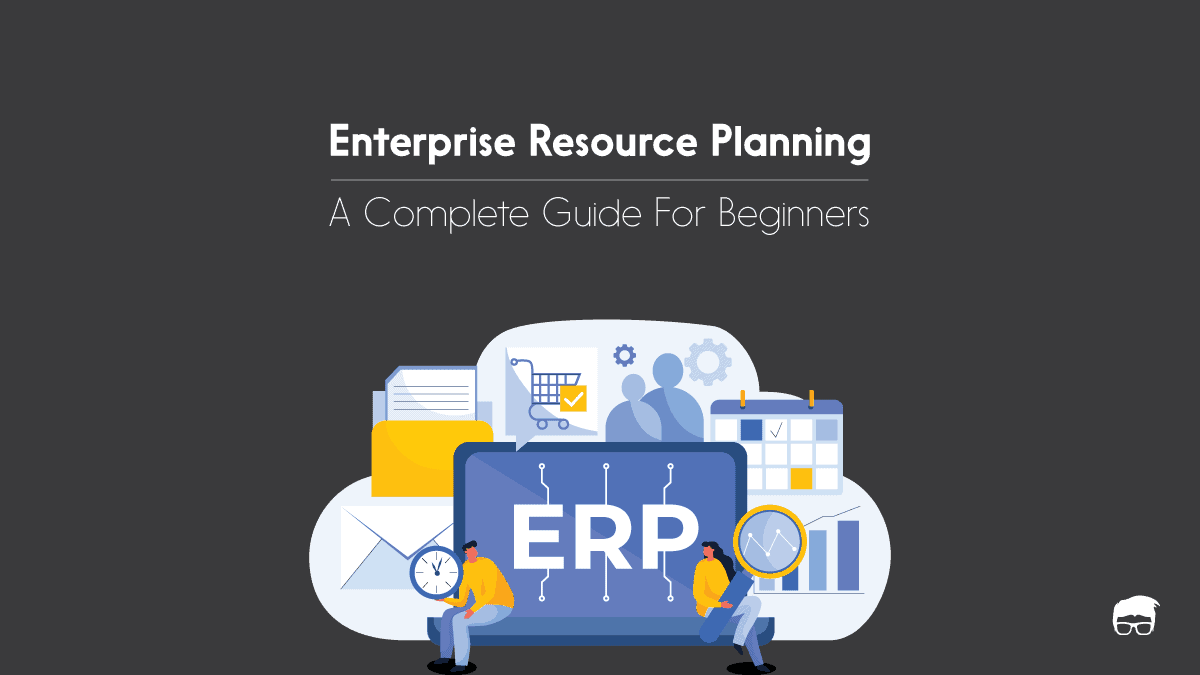
    What Is ERP And How Does It Work?

    A business is a complex process of – people, systems and strategies working together to achieve a common goal. There’s product to manufacture, services to offer, employees to manage, customers to satisfy and, of course, money to make.

    With so many moving parts, businesses need to have efficient systems in place to streamline -processes and improve overall performance – a computerised system that integrates all these aspects and manages them centrally. Now, this is where ERP comes in.

    What is ERP?

    ERP, or Enterprise Resource Planning, is a unified software system that connects and manages essential business functions—like finance, HR, manufacturing, and supply chain—by centralising data to improve efficiency, enable real-time insights, and support informed decision-making.

    In simple terms, ERP is like a company’s digital brain, connecting departments such as finance, HR, manufacturing, and sales to ensure smooth operations. Imagine a giant puzzle where every piece is a department—ERP brings them together on a single platform, enabling real-time data sharing, eliminating repetitive tasks, and providing a unified view of the business.

    For example, in a retail company, when a customer orders online, the ERP updates inventory, notifies the warehouse, adjusts financial records, and informs sales—all in one go. If stock runs low, it can even reorder automatically – reducing the need for manual intervention.

    Importance of ERP

    ERP is that brain that makes all the other business functions (limbs) work smoothly together. It gives clarity, broadens control horizons, and enables faster decision-making. Here are some reasons why having an ERP is crucial for businesses:

    Centralised Information Hub

    ERP systems act as a centralised hub, consolidating data from all parts of a business into one easily accessible place – dashboard. This setup ensures data consistency, reduces errors, and provides teams with real-time access to accurate information, boosting collaboration and efficiency.

    For example, in a manufacturing company, the warehouse team can see real-time updates on inventory levels, while the finance team can track expenses and sales data simultaneously. This integration eliminates silos and provides a unified view of business operations.

    Streamlined Operations

    By integrating business functions and automating key processes, ERP systems eliminate departmental silos, reduce repetitive tasks, and improve overall efficiency. This streamlined approach helps businesses adapt faster to market shifts and meet customer demands effectively.

    Standardised Processes

    ERP systems standardise processes across departments or locations, maintaining consistency and quality. This uniformity simplifies management, ensures adherence to standards, and supports seamless operations in multi-location setups.

    ERP vs CRM

    Often confused, ERP and CRM are two different systems, each addressing specific business needs. While both are used to boost efficiency and streamline processes, they serve different functions.

    ERP

    ERP connects and automates various back-end business operations like finance, HR, supply chain & manufacturing on a single platform. In simple terms, it is a system for internal management.

    CRM

    CRM stands for Customer Relationship Management – a software that enables companies to manage customer interactions & data throughout the customer lifecycle. It tracks prospects’ behaviors across channels & touchpoints- enabling businesses to nurture leads and build better relationships with customers.

    While ERP streamlines internal processes, CRM manages external factors like sales automation, marketing campaigns, and customer engagement.

    Basis
    ERP (Enterprise Resource Planning)
    CRM (Customer Relationship Management)
    Primary Focus
    Integrates and manages internal processes across departments like finance, HR, supply chain, and manufacturing.
    Focuses on managing external customer relationships to drive sales, improve service, and increase customer retention.
    Core Functions
    Handles processes like inventory management, accounting, payroll, procurement, and production planning.
    Manages sales pipelines, customer service, marketing campaigns, and contact databases.
    Key Users
    Internal teams such as operations, finance, HR, and manufacturing.
    Sales, marketing, and customer service teams that directly interact with customers.
    Outcome
    Enhances efficiency and collaboration by streamlining operations and reducing redundancies within the organization.
    Drives customer acquisition, satisfaction, and loyalty through targeted and personalized engagement strategies.
    Data Scope
    Focuses on organizational data such as resources, inventory levels, and employee records.
    Deals primarily with customer data including purchase history, preferences, and interaction records.

    Main Components of ERP Systems

    ERP systems are made up of several different components or modules that work together. Each module focuses on a specific area of a business. Here are the main components of an ERP system:

    Financial Management

    This module handles all finance-related tasks, like tracking income and expenses, tax calculations, budgeting, etc. It’s considered as one of the most important components of an ERP system. It gives businesses a clear financial picture and helps them monitor their cash flow, control costs, and make better investment decisions.

    Human Resource Management

    This module manages everything related to employees, from hiring to monitoring their performance. It automates all HR-related tasks, like managing payroll, tracking leaves and attendance, and making sure of legal compliance with labour laws.

    Inventory Management

    This component makes sure that stock levels are always optimised so that there are no shortages or overstocking. It tracks the availability of raw materials and finished goods, sends alerts when stock levels are low and updates inventory automatically after transactions.

    Sales and Marketing

    The sales and marketing module handles the entire customer journey, from lead generation to final sales. It includes things like managing customer leads, follow-ups and conversions. It also automates invoices and tracks sales performance etc. It helps in managing the sales and marketing of businesses.

    Manufacture and Production

    This component helps manufacturers manage and optimise their production processes. It handles everything like planning production schedules based on customer demand, managing bills of materials (BOM) and work orders. It also tracks the maintenance of machinery. 

    This module helps in minimising production delays, reduces waste, and provides timely delivery of products.

    Supply Chain Management

    SCM module takes care of the movement of goods and services through the supply chain. It tracks shipments, predict demands to make sure stock is available during the busy seasons and coordinates with suppliers and logistics partner to make sure everything works smoothly. 

    Customer Relationship Management

    This component manages all the customer details including their purchase history and preferences. It tracks customer interactions and gives businesses the analytics to improve their performance. It focuses on improving customer relationships.

    Depending on the businesses and their needs, there are several other modules and components in one ERP system.

    How ERP Systems Work?

    An ERP system works by connecting different business processes through a central platform. Here’s how it exactly works step by step:

    1. Central Database

    ERP systems have a centralised database. This is where all your company’s information is stored and shared. For example, when the sales team enters a new order, it gets registered in this database and is instantly available to other departments like inventory or finance. 

    2. Integrated Modules

    ERP systems have multiple modules for each process of your business, like the accounting process, HR management, inventory management, etc. These modules are connected to each other and work together. For example, when a sale is made:

    • The inventory module checks if the item is in stock.
    • If yes, the finance module generates an invoice.
    • If not, the system notifies purchasing to reorder stock.

    This is how all of these work together to manage the business’s processes.

    3. Automation of Tasks

    ERP systems automate many tasks. Instead of manually updating stock levels, generating invoices, or assigning tasks, the system does it for you. For example, when you enter a customer order, the system automatically updates stock, schedules delivery, and creates an invoice. 

    4. Real-Time Data Sharing

    ERP systems work in real-time. Any updates, like a new order or a payment, are visible immediately across all modules. This means you can track what’s happening in your business right at that moment instead of hours or days later.

    5. Reporting and Analytics

    ERP systems continuously collect and analyse data. There are built-in reporting tools that let you analyse and spot trends, monitor key metrics, and make decisions based on up-to-date information.

    Here’s a practical example of how an ERP system works:

    • A customer places an order.
    • The system automatically updates the inventory to show the sale.
    • The finance section generates an invoice for the purchase.
    • If the ordered item is not currently in stock, the purchasing department automatically sends a request to suppliers.
    • The system sends a notification to the shipping team to prepare the delivery.

    All this happens without needing separate software or manual coordination. The result? Faster processes, less mistakes, and better communication.

    Types of ERP Deployment

    How you set up your ERP, which is called deployment, depends on your needs, budget, and resources. Here are the four main types of ERP deployment:

    On-Premise ERP

    On-premise ERP is installed directly on your company’s servers and hardware, usually at your office. It’s a traditional setup where you have to buy licenses upfront and manage the system internally.
    Companies with strict data control or compliance needs, like in healthcare or finance, mostly use on-premise ERP.

    Pros:

    • You own the software and data completely.
    • It’s highly customisable.
    • The system works even without an internet connection.

    Cons:

    • The costs can be high. It Includes hardware, software, and IT staff expenses.
    • Only available onsite or through special configurations.
    •  Setting up can take months.

    Cloud-Based ERP

    Cloud ERP is hosted on the vendor’s servers and accessed online. You pay a subscription fee monthly or yearly instead of owning the software.
    It is suitable for small businesses, startups, and companies with remote teams because it’s cost-efficient, and you won’t need an in-house IT team.

    Pros:

    • No need for expensive servers or hardware.
    • You can use it from anywhere with an internet connection.
    • The vendor handles maintenance and upgrades.

    Cons:

    • Requires a stable internet connection.
    • Your data security depends on the vendor.
    • Fewer customisation options than on-premise ERP. 

    Hybrid ERP

    Hybrid ERP combines on-premise and cloud setups. Half of the system runs locally, while the other operates through the cloud. This option works well for companies moving towards cloud ERP or those who want to keep sensitive data in-house while enjoying the flexibility of the cloud.

    Pros: 

    • Combines the control of on-premise with the flexibility of the cloud.
    • Supports a mix of in-office and remote work.

    Cons:

    • Syncing on-premise and cloud systems can be difficult.
    • Can be pricier than a cloud-only solution.
    • Cloud portions still need a stable internet connection.

    Industry-Specific ERP

    This is ERP made for specific industries, like retail, manufacturing, or healthcare. Deployment options can include on-premise, cloud, or hybrid setups. Companies with unique workflows or strict compliance standards often prefer industry-specific ERP.

    Pros:

    • It Includes features built specifically for your industry.
    • Reduces the need for costly customisation.
    • Makes sure that you’re in compliance with industry standards.

    Cons:

    • May not work well if your business expands to other industries.
    • Niche features usually come at a premium price.

    Which One is Right for You?

    • If you want control and privacy, choose on-premise ERP.
    • For low costs and flexibility, cloud ERP is the way to go.
    • If you’re transitioning to the cloud, hybrid ERP is the best choice.
    • Need specialised features? Industry-specific ERP is the ideal choice.

    How to Choose the Right ERP System For Your Business?

    Now, while ERP systems work in more or less the same way, they aren’t a one-size-fits-all solution. Every business has different operational needs. What works for a manufacturing company might be completely different from an ERP system designed for a service-based business. 

    So, you can either choose a software that already exists if it fits your business needs or learn about ERP software development to create a custom ERP system for your business. 

    Here are a few tips to pick the right ERP software for your business:

    • Understand Your Business Needs: Before you invest in an ERP system, know what your business needs. Think about what parts of your business could improve with better technology. For example, if tracking inventory takes too long, use an ERP with strong inventory management features. Discuss it with your team to understand their daily struggles and must-haves.
    • Set a Budget: ERP systems range from affordable to premium. Know how much you’re willing to spend, not just on the software but also on implementation, training, and maintenance. Don’t spend on features you won’t use.
    • Look for Scalability: Choose an ERP system that can grow with your business. If you plan to expand to more locations or add new services, make sure whatever system you choose it should be able to handle it.
    • Evaluate Features and Ease of Use: If your ERP system is too complex to use, it will make it hard for your team to adopt it, which will waste a lot of time and effort. So, check for easy navigation, clear dashboards, and tools that match your team’s skill level.
    • Integration with Existing Tools: Your ERP should integrate with the tools you already use, like your CRM, accounting software, or e-commerce platform. This will save time and reduce the risk of data errors.
    • Ask About Customisation: Every business is unique. Check if the ERP can be customised to your workflows, needs, and requirements.
    • Check Vendor Reputation: Whoever you buy from, make sure to check the vendor’s reliability. Look at reviews, case studies, and customer testimonials. A vendor with excellent support can make all the difference during setup and troubleshooting.
    • Always Request a Demo: Never buy without trying. Always ask for a demo to see how the ERP works. If possible, ask to use your data in a trial version of the ERP to see exactly how it would work for you.

    Some well-known ERP solutions are SAP S/4HANA, Oracle NetSuite, Microsoft Dynamics 365, Infor, and Epicor78.

  • This App Makes Vet Visits Stress-Free for Pet Owners – Veeeet Startup Review

    This App Makes Vet Visits Stress-Free for Pet Owners – Veeeet Startup Review

    Visiting the vet can be stressful for pet parents. With thoughts racing and emotions running high, managing furry friends’ health becomes a daunting task. It’s no wonder over 80% of pet owners wish for a digital solution that keeps all vital information in one place. Enter Veeeet—because navigating pet health shouldn’t be a battle.

    Imagine balancing a busy life while trying to keep track of your pet’s medical history, medications, and appointments. Veeeet makes this easier with a mobile app built specifically for pet health management. The app creates a complete digital profile for each pet, offering personalized health recommendations and using unique Digital Twin technology to help forecast future well-being.

    This innovative approach turns the overwhelming task of pet care into an engaging experience, integrating gamification to make health management rewarding. So, what sparked such a promising venture? We had the chance to sit down with co-founder Vadim Gusakov to dive deeper into Veeeet’s mission, strategy, and the heartfelt passion driving it all.

    What is Veeeet?

    Veeeet is a mobile application designed for pet health management, addressing the complexities faced by pet parents. With a focus on urban professionals aged 25-55, particularly women who manage pet care, the app streamlines vital information about pets into one accessible platform. This convenience is critical, as over 80% of pet owners express the need for a reliable mobile solution to retain essential health data and veterinary contacts.

    The app tackles the stressful aspects of veterinary visits by allowing users to manage medical histories, track medications, and access vetted information swiftly. Integrated Digital Twin technology stands out, offering predictive analytics about a pet’s health based on variables such as age and diet. This advance helps owners anticipate health issues before they arise, moving beyond reactive measures to proactive care.

    What differentiates Veeeet is its utilisation of gamification to engage users actively in their pet’s health journey. Tasks are gamified, offering rewards as pet owners reach health management milestones. This makes it an interactive experience rather than merely a tool for documentation. Thus, Veeeet transforms pet health management into a more user-friendly practice, supporting informed choices and fostering lasting connections between pet parents and their animal companions.

    Veeeet Founders

    Vadim Gusakov and Maria Orlova are the driving forces behind Veeeet. Their backgrounds lay an impressive foundation for the startup. With over 15 years of veterinary experience, Maria brings a wealth of knowledge in animal healthcare. She has a keen understanding of the challenges faced by pet owners, combining her expertise with entrepreneurial spirit. Vadim complements this with over a decade in business development and international consulting. His insights into market dynamics and investor relations are pivotal for a venture of this nature.

    The early days of Veeeet were marked by rigorous validation. The team conducted extensive market research, engaged with nearly 200 pet owners, and analysed 22 competitor companies. This groundwork established a clear understanding of the problems pet parents face during veterinary visits. Employing a no-code app builder allowed them to speed up development. It produced a minimum viable product, or MVP, that could address the core challenges identified through their research.

    Veeeet Team

    So, how did they arrive at launching Veeeet? The duo was inspired by their shared passion for pets and recognising the emotional toll that vet visits impose on pet parents. They knew firsthand, from both a veterinary and business perspective, that a mobile solution could simplify pet health management. The combination of Maria’s veterinary experience and Vadim’s business acumen led them to develop the unique concept of Digital Twin technology, which allows for predictive analytics regarding a pet’s health.

    Their commitment to innovation is driven by the belief that improving pet care not only enhances the lives of animals but also positively impacts their owners. With a personal approach rooted in their own experiences and the needs expressed by pet parents, they set out to create Veeeet—a platform that reflects their dedication to making pet health management manageable and engaging.

    Interview with Vadim Gusakov, Co-Founder and Head of BizDev of Veeeet

    I had the opportunity to interview Vadim Gusakov, Co-Founder and Head of Business Development at Veeeet. He shared insights into the startup’s vision and early progress.

    Q: Vadim, could you start by telling us what Veeeet does?

    A: Veeeet is a mobile app designed to make visiting the vet less stressful for pet parents. We streamline the management of pet health details, from medical histories to health markers, and provide instant access to reliable veterinary resources. Our app features Digital Twin Technology for monitoring and predicting pet health and gamification to make the process both interactive and rewarding.

    Q: Who is your target audience?

    A: Our primary users are affluent, professional urbanites aged 25-55, who are predominantly women. They are digital natives, actively engaged in managing the health and wellness of their pets. Our market research aligns with findings from the European Pet Food Federation and the American Pet Products Association, indicating a significant portion of pet care responsibilities fall to women and millennials.

    Q: Can you explain the primary problem Veeeet aims to solve?

    A: The main issue we address is the anxiety and inconvenience pet parents feel when visiting veterinary clinics. Our app helps pet owners keep their pets healthy by providing a mobile solution to store and access pet information easily, along with reliable health information.

    Q: Tell us more about the Digital Twin technology and its benefits.

    A: Our Digital Twin technology creates a detailed digital model of a pet that allows us to model and predict various health outcomes based on factors like weight, age, diet, and exercise. This tech, based on veterinary expertise, helps us provide proactive health management rather than reactive care.

    Q: What sets Veeeet apart from its competitors?

    A: Veeeet uniquely combines veterinary expertise with advanced technology like the Digital Twin and an expert system for early disease diagnosis. Our focus on gamification also differentiates us, making health management engaging by integrating it with a rewards system. This appeals particularly to our tech-savvy user base.

    Q: Could you share some insights from the early days of developing Veeeet?

    A: Our initial phase involved comprehensive market research, engaging with pet owners, and analyzing competitors to pinpoint the exact needs and gaps in pet health management. Using a no-code app builder sped up our MVP development, allowing us to quickly introduce a product that met these needs.

    Q: What are Veeeet’s plans for the future?

    A: We’re expanding the app to include profiles for multiple pets per user and extending our services to cater to breeders and shelters. The immediate focus is on developing features for cat owners, followed by other pets like birds and reptiles. We’re also refining our digital twin technology and adding more detailed pet health information.

    Feedough’s Take on Veeeet

    Veeeet stands poised to disrupt the pet health management landscape. Their innovative Digital Twin technology and gamified approach make managing pet health intuitive and engaging, addressing a significant pain point for busy pet owners. The focus on predictive analytics not only enhances the pet-care experience but also positions Veeeet as a leader in preventive health.

    For future growth, expanding features to support various pet types will widen their appeal. Strengthening partnerships and exploring telehealth options could amplify their impact. Veeeet’s potential to transform how pet care is managed makes it a startup to watch.

  • This Startup Makes Business Presentations Consistent and Effortless – Deckd Startup Review

    This Startup Makes Business Presentations Consistent and Effortless – Deckd Startup Review

    Creating the perfect presentation used to be a hassle. It meant juggling design files, keeping brand consistency, and coordinating across teams—tasks all too familiar for sales, marketing, and execs. Final presentations often missed the original design intent, making the whole process feel like trying to herd cats in the dark.

    As teams today race against deadlines, the need for a cohesive, user-friendly presentation solution has never been more pressing. The good news? There’s an innovative answer on the horizon. Enter Deckd—an app that changes the game by bridging the gap between design and presentation.

    With Deckd, every slide is not just a mere collection of words and images; it’s a carefully curated representation of your brand, consistent and up-to-date. By integrating directly with Figma, Deckd empowers creators to maintain the integrity of their designs while allowing teams to focus on storytelling, not formatting.

    Curious about how this transformation came to life? We did an interview to find out more about Deckd’s journey and its mission to simplify presentations for everyone.

    What is Deckd?

    Deckd is a presentation app designed for organisations that require strict adherence to brand standards in their presentations. It primarily serves customer-facing teams, such as those in sales, marketing, and executive management roles, who need to produce visually consistent and professional slides for various audiences.

    The problem with traditional presentation processes is apparent. You might spend hours transferring designs from applications like Figma, risking errors and deviations from the intended aesthetics. Often, existing templates lack updates, leading to inconsistencies across presentations. Deckd addresses these issues by allowing direct import of slide designs from Figma. This ensures that team members can easily manage text and visuals while maintaining design elements dictated by designers.

    What distinguishes Deckd from other tools is its unique ability to maintain a clear design authority. With Deckd, while teams can modify content, the key design components remain controlled by the original creators in Figma, promoting brand integrity. This ensures that when you create a presentation, it aligns consistently with your company’s branding and visual identity. In a world where effective visual communication is paramount, Deckd stands out as a robust solution for professional presentations.

    Deckd Founders

    Leon Jacken, the CEO and co-founder of Deckd, brings a rich background in marketing, branding, and product development to the startup. With his fingers firmly on the pulse of design and consumer needs, Leon has leveraged his experiences working across various roles in marketing to craft solutions that truly resonate. Under his leadership, Deckd aims to address the inherent flaws in conventional presentation processes.

    Ramin Gerhard, the other half of this dynamic founding team, serves as the CTO. His experience spans leading a web agency and full-stack development, equipping him with the technical prowess needed to build a reliable platform. Ramin’s background also includes work with Telekom and various brand clients, giving him insights into what businesses require from modern presentation tools. Together, they combine their skills to tackle the challenge of maintaining design integrity while enabling seamless content updates.

    In the early days, the path to developing Deckd was not straightforward. Leon and Ramin quickly recognised the dissonance between design teams and business stakeholders. Presentations often veered away from their master slides, creating inconsistencies and confusion. The duo discovered that traditional tools failed to provide the user experience and flexibility that designers needed, resulting in tedious processes. Inspired by their frustrations, they set out to create a solution that could marry creativity with functionality.

    The breakthrough came with their connection to Figma’s API. This integration allowed designers to maintain control over the original designs while giving business teams the freedom to update content as needed. With each iteration, the vision for Deckd became clearer—a platform where design authority and content flexibility coexist, enabling teams to present their stories effectively while remaining on brand. Their journey highlights the value of addressing real issues with practical solutions in the world of presentations.

    Interview with Leon Jacken, CEO and Co-Founder of Deckd

    I recently had the opportunity to interview Leon Jacken, the CEO and co-founder of Deckd. Our conversation highlighted the startup’s mission and its unique approach to the presentation space.

    Q: What exactly does Deckd do?
    A:
    Deckd creates professional presentations that align seamlessly with brand standards. We designed the app specifically for corporations and organisations that need to maintain consistency across all their presentations, especially customer-facing teams in sales, marketing, and executive management.

    Q: What problem are you addressing with Deckd?
    A:
    The current presentation process is broken. It’s tedious, inaccurate, and costly to transfer designs from Figma manually. Keeping templates updated adds further complications. We created Deckd to ensure all presentations are consistent, up to date, and always on brand, eliminating many of those pain points.

    Q: How does your solution work?
    A:
    Deckd allows users to import slide designs directly from Figma. Designers can create templates in Figma, and teams can use Deckd to edit and share decks. Users can change text and media, but key aspects like layout, fonts, and colour schemes remain locked and can only be altered by designers in Figma. This structure maintains design integrity across all presentations.

    Q: Can you tell us about your founding team?
    A:
    The team consists of myself, with a background in marketing, branding, and product development, and Ramin Gerhard, our CTO, who has experience leading a web agency and doing full-stack development.

    Q: What led you to start this company?
    A:
    Both Ramin and I have extensive backgrounds working with various brands and design teams. We noticed a significant gap between design teams and business stakeholders. Presentations frequently strayed from the master slides, leading to inconsistencies. We concluded that design operations around presentations were flawed, as existing tools didn’t provide the necessary user experience or flexibility.

    Q: How did you achieve your breakthrough?
    A:
    The breakthrough came from integrating with Figma’s API. This connection allowed designers to maintain control over their layouts while offering business teams the freedom to update content. Our approach fosters collaboration and aligns creativity with practical needs.

    Q: What sets Deckd apart from its competitors?
    A:
    No other presentation tool ensures consistent and on-brand slides across all decks and scales like Deckd does. Most tools allow excessive editing, which compromises design integrity.

    Q: Have you secured funding?
    A:
    No, we haven’t received any external funding yet. Currently, we’re running a free beta and have no revenue or customers to report.

    Q: What’s your vision for the future of Deckd?
    A:
    We’re rolling out our limited access beta and preparing to open the platform to everyone soon. Our goal is to refine our offering based on user feedback and improve the experience for our users.

    Q: Any advice for aspiring entrepreneurs?
    A:
    Find a good idea and execute it well. In a crowded SaaS landscape, it’s essential to build a world-class product that stands out among the competition.

    Feedough’s Take on Deckd

    Deckd is poised to disrupt the presentation landscape with its innovative approach to design integrity and user flexibility. By integrating seamlessly with Figma, it addresses the critical pain points many organisations face—maintaining brand consistency while empowering teams to tell compelling stories. The potential for future scalability is enormous, particularly as businesses prioritise branding in their communications.

    A suggestion moving forward would be to actively seek partnerships and user feedback to refine their offering; this could greatly enhance user experience. As Deckd enters a competitive space, its unique value proposition could redefine how teams visualise and present their ideas. Expect exciting developments ahead!

  • What Is Entrepreneurial Finance? – Sources, Objectives & Principles

    What Is Entrepreneurial Finance? – Sources, Objectives & Principles

    So, you’re a startup owner or a small business entrepreneur looking for ways to finance your venture. Your idea could be a game-changer in the market, but without proper funding, it may never see the light of day. This is where entrepreneurial finance comes into play – providing financial resources and advice to entrepreneurs to help them bring their business ideas to life.

    Which brings us to the question:

    What Is Entrepreneurial Finance?

    Entrepreneurial finance refers to the financial management and decision-making process of starting, managing, and growing a new business venture.

    In simple terms, it’s a field of finance that focuses on how entrepreneurs manage money for their startups and small businesses. It’s basically all the financial decisions that entrepreneurs have to make to grow and succeed in their business.

    Entrepreneurial finance includes everything from securing funds to managing cash flow and preventing potential risks. It involves identifying sources of funding, allocating resources efficiently, and making strategic financial decisions to maximise a business’s growth potential.

    Entrepreneurial finance helps businesses figure out:

    • How much money do they need to start or grow?
    • Where to find it (and what’s the smartest option).
    • And how to manage it to meet their goals while avoiding any unnecessary risks.

    The goal is to make sure the business has all the resources it needs to succeed.

    Key Objectives of Entrepreneurial Finance

    It’s true a business cannot thrive without finance. But a startup or a small business can’t even take off without it. Entrepreneurial finance aims to provide the necessary funding for startups and small businesses to start, grow, and succeed.

    Let’s look at some of its key objectives:

    Identifying Appropriate Sources of Funding

    The biggest and most important objective of entrepreneurial finance is to identify appropriate funding sources for the business. This involves understanding the different types of funding available, evaluating the pros and cons of each, and selecting the best fit for the business. –

    • Equity finance: Finding angel investors or venture capitalists who are willing to invest in the business in exchange for a share of ownership. Sometimes, in the early stages, even accelerators and incubators can provide equity financing.
    • Debt finance: Obtaining loans from banks, financial institutions, government programs, or even private investors that need to be repaid with interest. Debt finance is usually cheaper than equity finance and does not require giving up business ownership.
    • Bootstrapping: Using personal funds or resources to fund the business. This could include savings, credit cards, or even borrowing from friends and family.
    • Convertible debt: A hybrid form of financing that offers a combination of equity and debt finance.
    • Grants & subsidies: Government programs and incentives that offer financial support to businesses in specific industries or regions.
    • Crowdfunding: Getting funding from a large group of people who each contribute a small amount of money.

    Entrepreneurial finance is nothing but a theoretical concept without funds. Without funding, there could be no business model, growth strategy, or management plans for your startup.

    Cash Flow Management

    Once you have the money, spending and managing it smartly is the next important goal. Cash flow refers to the money coming in (revenue) and going out (expenses) of your business. Managing cash flow ensures you always have enough money to pay bills, salaries, and suppliers on time.

    According to Latoria Williams from 1F Cash Advance, mismanagement of cash flow is a very common cause of business failure, and many startups have faced it. In fact, it’s a proven fact that 82% of small businesses fail because of poor cash flow management.

    To ensure this objective is met, you need a proper cash flow management plan, which includes:

    • Setting a Budget: Split your funds into categories like product development, marketing, payroll, rent, etc., based on your business needs.
    • Tracking Spending: Use tools like QuickBooks, Excel, or specialised apps to monitor your cash flow and avoid overspending.
    • Prioritising ROI: Focus on investments that give you measurable results, like a marketing campaign that brings in new customers or equipment that boosts production.

    Managing Risks

    Risk management involves identifying potential challenges and planning strategies to protect your business from those risks.

    Common financial risks include unexpected costs like equipment repairs or legal fees, slow revenue growth due to market conditions or competition, etc. They can occur at any point during any stage of startup.

    For example, suppose you’re a small business owner who has invested all your savings in the business. In that case, any unexpected financial risk can put your business and your personal finances at risk.

    Entrepreneurial finance helps identify these risks and devise strategies to mitigate them, such as creating an emergency fund, diversifying sources of income, or obtaining insurance coverage.

    Maximising Profit

    One of the most important objectives of entrepreneurial finance is to maximise profitability and improve growth. It’s not just about earning more revenue but also about spending less and improving the efficiency of your business. Profits let you reinvest in growth, pay off debts, or save for future challenges.

    While not all businesses are profitable in the early stages, it’s important to have a long-term plan for profitability. This could involve adjusting prices, streamlining operations, or finding new ways to add value to your products or services.

    Ensuring Liquidity

    Liquidity means having enough cash to cover immediate expenses like paying suppliers, staff, or rent. Lack of liquidity can stop operations even if your business is technically profitable.

    Becoming known as a unicorn or a million-dollar startup doesn’t pay the bills alone. Having money in hand does. 

    Allocating Resources Wisely

    Resource allocation means deciding how to best use your available resources like money, time and people to achieve your business goals. The goal is to spend wisely on things that bring the most value to your business. Not managing resources properly can lead to wasted opportunities or even business failure.

    Sources of Entrepreneurial Finance

    There are several ways through which entrepreneurs can get funds to start, operate, and grow their businesses. These sources provide the much-needed capital that a business needs to run. 

    Here are some of the most common sources of entrepreneurial finance:

    Personal Savings

    The first and most common source is using your personal savings to fund your business. Many entrepreneurs start here because it’s pretty simple and gives you complete control. 

    In this, you don’t have to owe anyone; it’s your money, and you’re in full control. But that means the risk is entirely yours as well. If the business fails, you could lose all your savings.

    Family and Friends

    Another source of entrepreneurial finance is to ask your personal connections, like friends and family, to invest in your business. This is an informal source of finance, and the terms of repayment are also more flexible. Even Jeff Bezos raised initial funds for Amazon by borrowing around $250,000 from his parents. 

    Bank Loans

    You can also take a loan from a bank. To get a loan, you’ll have to provide them with a proper business plan, a good credit history, and sometimes even collateral like property or assets.

    Banks can offer large amounts of funding to startups and businesses. The repayment terms are also clear, so you know what to expect. The only drawback is that interest rates can be high, and the repayment schedule is strict. 

    So, unlike with personal savings or borrowing from friends and family, here you’ll still have to pay the loan even if your business is not doing well financially.

    Angel Investors

    Angel Investors are wealthy people who invest their money in startups in exchange for ownership stakes or equity. Most of the time, they’re entrepreneurs themselves or industry experts who not only provide funding but also give mentorship and advice. 

    So, it’s a good source of entrepreneurial finance. The only setback is that giving away equity means you won’t have full ownership of your business.

    Venture Capital

    Venture capital (VC) firms are specialised investment companies that invest in startups and early-stage businesses that have high growth potential. Some of the top VC firms include Andreessen Horowitz, Sequoia Capital, Tiger Global Management, etc. 

    They provide a good amount of funding, but in return, they want control over how the business is run and making important decisions. So, while you do receive large sums of funding, you can lose full control over your business. 

    Crowdfunding

    Crowdfunding, as the name suggests, is getting funding from a crowd, which is a group of people. In this, you collect small amounts of funds from a group of people who want to support your business idea. Mostly, it’s done online. 

    Platforms like Kickstarter or Indiegogo let you showcase your business idea, and people who support that idea then contribute money in exchange for early access or equity.

    It’s a great way to test the market while raising funds. Crowdfunding campaigns can create hype and attract potential customers.

    Accelerators and Incubators

    These are programs made to help startups grow and succeed. Accelerators focus more on fast growth in a short period of time, while incubators support startups in their early stages. Both provide startups with funding, mentorship, office space, and resources. Usually, they ask for equity or a commitment to their program in exchange.

    Bootstrapping

    In this, you use your own resources and don’t depend on any external source like loans or investors. You use whatever you already have to grow your business. It also includes reinvesting the money your business makes back into growing it. 

    It’s a good financial source because you have full control and you don’t owe anyone. But the funds are quite limited, which can slow your growth, and if you want to scale your business you’ll eventually have to look into other sources.

    Grants and Government Funding

    Grants are financial awards given by governments or organisations to businesses, usually in specific industries like tech, education, or sustainability. They don’t need to be repaid, but there are strict eligibility criteria to get this funding.

    Each of these sources has its own pros and cons, and the choice of which to use depends on your business’s needs. If you’re starting small, personal savings or bootstrapping might be the best choice. As for high-growth startups, consider venture capital or accelerators. 

    Principles of Entrepreneurial Finance

    Principles of entrepreneurial finance guide entrepreneurs to make smarter financial decisions. They help you grow your business, avoid common mistakes, and achieve long-term success. 

    Here are the core principles of entrepreneurial finance:

    1. Risk-Reward Tradeoff

    Every business decision involves risks, but know that higher risks usually bring higher rewards. The key is to decide which risks are worth taking. If you don’t take calculated risks, you might miss out on big opportunities. But if you take too many risks, you could lose everything.

    2. Valuation Awareness

    Understand how much your business is worth, especially while you’re raising funds. If you don’t know your valuation, you might give away too much equity for too little investment. Knowing your business’s worth will help you stay confident in front of investors and protect it from any financial losses.

    3. Profitability vs. Growth Balance

    Decide how much to reinvest in growing your business and how much to save as profit. If you focus only on growth and reinvest all of your money, you won’t have any profit left. But, if you focus only on profit and money, that can slow your long-term growth. So finding a balance between these two is really important.

    For example, you might choose to use profits to hire more salespeople (growth focus), but if cash is limited, it’s safer to save that profit to cover rent or inventory (profit focus).

    4. Contingency Planning

    Always have a financial backup plan for unexpected problems, like losing a big client or a market slowdown. Surprises are common in business. A solid contingency plan can keep your business running during hard times.

    You can keep an emergency fund that covers 3-6 months of expenses or have a list of lenders to approach in case of urgent cash needs.

    5. Cost of Capital Awareness

    Know how much it costs you to raise money, whether through loans or equity. Some funding options can cost you more in the long term. Choosing the right one makes sure you don’t hurt your future finances.

    For example, a bank loan might have a 10% interest rate, while an investor might take 30% equity. Depending on your growth, one option could be more expensive than the other.

    6. Transparency and Accountability

    Keep accurate financial records and share honest updates with your team and investors. Trust is key for securing more investment and building long-term relationships with stakeholders. Regularly update your investors with reports on how their money is being used and how the business is growing.

    7. Exit Strategy Consideration

    Plan how you’ll eventually leave or “exit” your business, whether by selling it, merging, or going public. A clear exit strategy helps you maximise returns and make sure your hard work pays off.

    Let’s say you plan to sell your startup to a bigger company in 5 years. Your financial planning should focus on showing growth and profitability to attract buyers.

  • 10 Proven Restaurant Marketing Ideas

    10 Proven Restaurant Marketing Ideas

    Just having good food and ambience is not enough anymore if you want your restaurant to stand out amongst competitors and bring in new visitors. 

    You need to put in the extra effort to properly market your restaurant if you want your business to grow. Or else it will just be left behind by others who are focusing on marketing.

    Restaurant marketing can help you promote your restaurant, get more customers, and increase your sales. Almost 90% of restaurants and other food service businesses are already using restaurant marketing strategies to expand their business, and it’s bringing in great results. 

    But what exactly is it, and how can you also do it? Let’s find out.

    What Is Restaurant Marketing?

    Restaurant marketing is a bunch of strategies restaurants use to promote their business. It’s all about getting people to notice your restaurant, visit it, and keep coming back.

    There are several stages of restaurant marketing, which include things like making people aware of your business and highlighting what makes your restaurant unique, whether it’s the food, ambience or any other special feature.

    The main goal? To make your restaurant stand out amongst competitors, attract more customers, and increase revenue

    How to Market a Restaurant?

    Now we know what restaurant marketing is, but how exactly do you market your restaurant? There are a lot of ways how you can do that. Starting from the basics and must-dos, we have:

    Create a Website 

    A website is the first place people go to learn about your restaurant online. So, if you don’t have one already, make sure to create a website that clearly showcases your location, menu, speciality and hours. Add pictures of your food, customer reviews, contact details, etc. 

    Take restaurant Miss Lily’s website as an example:

    Right on their homepage, they have included pictures of their restaurant, food and services so people can see what to expect. They’ve included features to find their restaurant’s locations, check their menu, make a reservation, and get delivery, which is all important information that potential customers would want to look for before giving your restaurant a try. 

    By creating a website like this, you’ll make it easier for people to access your restaurant and, in turn, increase sales. You can use platforms like WordPress, WIX, Squarespace, etc, to create one. There are several customisable templates available to help you out. 

    Your website will be the first impression you’ll have on your customers so make sure it is easy to navigate. 

    Create a Google My Business Profile

    Google My Business is how people find your restaurant on Google Maps and search results when they search for a keyword related to your business. For example, let’s say you own an Italian restaurant in NYC. By creating a profile on GMB, whenever someone searches “Italian restaurants in NYC” on Google, your restaurant can appear in their search results.

    So, it’s important to create a profile here. Simply search “Google my business” and create a profile.

    Add all of the important details about your restaurant, like the location, hours, website, menu, etc. so your potential customers can easily find out anything they want to know. And if you’ve good reviews here, it’s a plus point that can bring in more customers.

    Offer Online Delivery

    More than 50% of the population prefers online delivery over going out to eat. This number has increased even more since the COVID-19 pandemic. Even big names like Domino’s have claimed that over 60% of their orders are placed online.

    These statistics clearly show that people are moving towards online delivery more than going in person, so this is an opportunity you shouldn’t miss out on. Partner up with delivery apps like Uber Eats or DoorDash, or set up your own online takeaway ordering system to take orders. 

    This not only increases your sales but also makes your restaurant accessible to people who want to eat at home. The more people you’re accessible to, the more customers you’ll have. In fact, restaurants with online ordering systems have noticed an increase in their takeout profits by 30% compared to those who don’t have such systems. 

    Optimise For Mobiles

    Most people search for a restaurant or place an order from their phones. So, it’s important to make sure that your website works well on mobile devices, loads fast, and is easy to use. 

    If customers can’t easily read or use your site, they won’t stick around, and that’s a lost sale.

    Here are a few things you can do to make sure your site is mobile-optimised:

    • Compress images to improve loading time.
    • Make sure your text is easy to read, and you’re not using any overly fancy fonts.
    • Make buttons large and easy to tap.
    • If you’re running ads on your site, check their placements on mobile so that they don’t cover or overlap any important texts.
    • Test your website on multiple devices and see how it works.

    Build an Email List

    Maintaining a good relationship with your customers and keeping them engaged is an important aspect of restaurant marketing. You can do this with the help of email marketing. Collect emails from your website or in-store, then send out special offers, new menu updates, or events. 

    You can offer exclusive incentives, like a special discount, to encourage more sign-ups and create excitement around your restaurant’s brand.

    Take Salt House, for example. A restaurant in London built an entire email list by creating a pre-opening landing page. Here’s how: They offered a chance to win a £250 bar tab at their VIP opening and promoted this offer across social media. By sharing behind-the-scenes photos of the restaurant’s development, they attracted over 1,000 customer emails in just one month, with a 25% email open rate and 10% click-through rate.

    List on Major Platforms

    Sign up on platforms like Yelp, TripAdvisor, and local directories. Many people look for restaurants on these sites. So, being listed there means more visibility and more chances to get noticed by potential customers.

    These are some basic but extremely important marketing strategies to help you connect with your customers, make your restaurant easy to find, and grow your business.

    Restaurant Marketing Ideas

    Aside from creating a website and running campaigns, there are also several other ways how you can market your restaurant. Here’s a list of 10 such creative restaurant marketing ideas that can help you promote and grow your business:

    1. Create an Online Presence

    Having an online presence is now more important than ever since most of your customers are online. In fact, 90% of customers research a restaurant online first before visiting it.

    Start being active on social media platforms like Instagram, Facebook, Twitter, TikTok, etc. Participate in viral trends, memes, or challenges to get people’s attention. Engage with your followers and even non-followers to give your business exposure.

    For example, the fast food restaurant chain Wendy’s got a lot of attention for their savage replies to customers and roasting other competitors. People from all over the world found this funny and relatable, so they interacted more with their brand. 

    Wendy’s Tweet
    Wendy’s Tweet

    This helped them reach millions of followers and potential customers, leading to tons of free publicity. 

    2. Give Discounts or Promo Codes

    Everyone loves discounts and good deals. So, offer limited-time discounts or promo codes to attract new customers and bring back the old ones. For example:

    •  “Happy Hour: 20% off drinks from 3-6 PM”
    • “Use CODE10 for 10% off on your first online order”

    Giving such discounts and offers increases the chances of customers picking your restaurant over others.

    One example of this is Domino’s “Buy One, Get One Free” pizza promotions. These deals not only increase sales during slow times but also bring customers back for more.

    3. Have ‘Instagrammable’ Decor & Dishes

    These days, people are all about visiting aesthetically pleasing cafes and restaurants that they can post about on Instagram. Instagram reels like “Best restaurants to visit in NYC” and “Underrated gem found in XYZ” are getting viral all over social media and getting millions of likes. 

    So, making your restaurant “Instagrammable” is a good marketing move that you can use to attract influencers and visitors.

    Change your decor, ambience, lighting and plating so that they look good in photos & videos. You can even include things like a “photo booth” or “selfie booth” to attract Instagram users. This is great because the more people post about your restaurant online the more exposure you’ll get. And currently, Instagram reels are one of the best ways to get that exposure.

    4. Launch a Loyalty or Rewards Program

    Reward your customers for their purchase or visit. This increases their loyalty, and they will come back again and again. For example, you can offer things like: “Get a free drink after ten visits” or “Earn points for every $1 spent, redeemable for discounts or freebies”

    Starbucks is a great example of this. Their loyalty program reached 34.3 million active U.S. members in Q1 2024. This not only increases customer purchases but also makes them feel appreciated.

    5. Collaborate With Food Bloggers & Influencers

    Getting recommendations from someone you know and follow is more effective than any regular ads. According to a research, 49% of customers trust and follow an influencer’s recommendations.

    So, collaborate with food bloggers and influencers who have a good amount of following. Invite them for a free meal and, in return, ask them to share their experience online. Their followers would be interested in what they post and will most likely visit your restaurant once recommended. 

    6. Pop-Up Restaurants and Limited-Time Offers

    You can also open a pop-up restaurant in a new location. Pop-up restaurants are temporary restaurants that show up at specific locations for a short period of time. This way, you can test how your restaurant and food will perform in different locations before you open an outlet there. It also helps you introduce your restaurant and its experience in new locations.

    Offer limited-time deals like “Buy one, get one free offer available only till next 3 hours”. Now, why is this a good marketing idea? Because it will create a sense of urgency and FOMO (fear of missing out) among customers and urge them to make purchases.

    7. Use User-generated Content

    Encourage your customers to share their experiences by posting photos, videos, or reviews online. This content will not only help you get in the eyes of potential customers but also build a community that people trust. Your future customers will be more willing to try out your restaurant once they see the real experiences of other users. 

    For example, Starbucks launched the #RedCupContest, inviting customers to post pictures of their holiday-themed cups. This campaign generated thousands of posts, giving Starbucks free advertising during the holiday season.

    8. Offer Special Services Based on Festivals & Occasions

    Festivals and special occasions are a time of celebration and gathering. And most people visit restaurants at a time like this. So align your offers with these occasions and create a personalised experience for your customers.

    For example, during Christmas, have Christmas-themed decorations and add a festive menu with dishes like roasted turkey or hot chocolate. On Valentine’s Day, you can offer a romantic candlelight dinner package or special desserts for couples that could attract more customers.

    You can also do something like what Chick-fil-A did. They offered a year’s worth of free food to their first 100 visitors when they opened their outlet in a new location. This created a lot of buzz around their brand and made people interested in visiting them. 

    These extra efforts not only attract customers but also make your restaurant stand out during busy holiday seasons. 

    9. Engage With Your Customers Regularly

    Use social media platforms like Instagram, Facebook, or even email newsletters to stay connected. For example, you can share behind-the-scenes kitchen moments, recipes, or upcoming specials to keep them interested. The more they interact with you, the more they’ll remember you.

    Responding to reviews, both good and bad, is also very important. Thank customers for positive feedback and show your concern for the negative ones. You could even host online polls, asking them about their favourite dishes or suggestions for the menu. This makes customers feel valued and more likely to revisit.

    10. Host Events and Workshops

    Give people a reason to visit your restaurant beyond just dining. Hosting events like karaoke nights, trivia quizzes, or live music performances can make your place a fun hangout spot. You can also organise workshops like cooking classes or wine-tasting sessions to make the experience more interactive for customers.

    Blackmarket Bakery in San Diego does this. They regularly offer baking classes to their customers, which is not only a fun experience but also lets the owners generate more revenue than usual.

    Blackmarket Bakery baking classes

    These events don’t just bring in more customers, but they also give customers an experience to talk about. It’s a great way to share the word about your business.

  • 6 Essential Cybersecurity Tips for Startups

    6 Essential Cybersecurity Tips for Startups

    You might be the best at developing your product, serving the services to your clients, or even being their go-to offering for your particular niche. One cybersecurity breach is all it takes to derail your entire business. And as a startup, you may not have the resources to bounce back from such an attack. 

    So take my word; you need to focus on cybersecurity for your startup right from the beginning. To help you get started, here are six essential cybersecurity tips for startups: 

    Implement Multi-Factor Authentication (MFA) 

    Multi-factor authentication refers to using multiple methods to verify a user’s identity before granting access to your systems or data. This includes using passwords, security questions, biometric scans, and more. 

    If you’re a SAAS startup or any startup that requires your customers to create accounts on your platform, make sure to enable MFA for their accounts as well.  

    Because you never know, they might reuse the same password for your platform as they do for their bank account. And if a hacker gets access to their password, it could potentially lead to a data breach on your end. 

    Here’s a real-life example of a startup that learned this lesson the hard way:  

    In 2012, Dropbox suffered a data breach that exposed over 68 million user accounts. This happened because hackers were able to access an employee’s account using reused credentials from another website. 

    But Dropbox quickly learned from their mistake and have since implemented MFA for all user accounts. 

    How To Implement MFA?

    Implementing a multi-factor authentication system isn’t rocket science, but you will require a bit of technical knowledge (or a developer) to do so. 

    One popular option for implementing MFA is using third-party authentication solutions like Google Authenticator or Microsoft Authenticator

    These apps generate one-time codes that users can use in addition to their passwords when logging into your platform. 

    Another alternative is SMS-based authentication, where users receive a code via text message, which they enter on your platform. However, this method isn’t as secure since hackers have found ways to intercept these messages. 

    Conduct Regular Security Awareness Training 

    Security awareness training includes educating your employees about potential cyber threats, how to identify them, and what to do if they encounter one. 

    Your employees are your first line of defence against cyber attacks. Even the strongest security systems can be compromised if an employee falls for a phishing email or clicks on a malicious link. If you remember the ransomware attack on the UK’s National Health Service in 2017, it was caused by an employee clicking on a malicious link. 

    Security awareness training includes –  

    1. Educational content relating to cybersecurity, including best practices for password management and safe browsing habits. 
    2. Ongoing messaging and reinforcement of these practices to keep them top of mind. 
    3. Simulated phishing attacks to test your employees’ ability to identify and handle a potential threat. 
    4. Regular updates and training sessions as new threats emerge. 

    A real-life example of a startup that got attacked due to a phishing attack in 2016 is Snapchat. But, the company learned from this attack and implemented comprehensive security training, reducing successful phishing attempts by 64%

    Fun fact: prior to the attack, Snapchat only resorted to email warnings about phishing, which proved ineffective. You need to take note that your employees are not as tech-savvy as you, and they may fall for these tricks if they are not properly trained. 

    Implement a Zero Trust Security Model 

    A zero-trust security model means exactly what it sounds like—you trust no one by default. Not your employees. Not your vendors. Not even your customers. 

    Traditional security models assume everyone inside the company network is trustworthy. Zero Trust flips this on its head with one guiding principle: “Never trust, always verify.” 

    Here’s how it works: 

    • Continuous Verification: Every access request is treated as suspicious. Whether it’s an employee logging in or a system making a request, the system continuously checks and rechecks identities. 
    • Least Privilege Access: Employees only get access to what they need. Nothing more. This limits the damage if someone’s account is hacked. 
    • Assume Breach: It’s safer to act like a breach has already happened. This way, the impact of any attack is minimised by isolating resources. 
    • Clear Resource Protection: All company assets—data, tools, and systems—are treated as sensitive and need protection. 
    • Secure Communication: Data is always encrypted, no matter where it’s being accessed or sent. 
    • Device Checks: Access is granted based on device health and identity, preventing compromised devices from gaining access. 
    • Dynamic Policies: Access decisions are flexible. They adapt based on who’s asking, what they’re using, and where they are. 

    This model isn’t about paranoia—it’s about staying realistic. It assumes threats can come from anywhere and builds protections to match. 

    How to Implement a Zero-Trust Security Model 

    Transitioning to Zero Trust requires focusing on a few key areas. Here’s what it involves: 

    1. Identity and Access Management (IAM): Start with strong user authentication, like multi-factor authentication (MFA). This ensures that access is only granted when user identity, device health, and other conditions are verified. 
    2. Network Segmentation: Think of your network as a house with many locked rooms. Dividing the network into smaller segments means that they can’t move freely even if someone gets in. 
    3. Continuous Monitoring and Analytics: Monitor what’s happening in real time. Analysing network traffic and user behaviour can spot unusual activity before it becomes a big problem. 
    4. Device Health Checks: Not all devices are trustworthy. Zero Trust ensures that devices meet security standards before accessing sensitive resources. 
    5. Data Protection: Protect your data wherever it is—whether it’s being stored or shared. This means encrypting it and controlling who can access it. 

    Conduct Regular ISO 27001 Internal Audits 

    An ISO 27001 internal audit thoroughly assesses your company’s information security management system (ISMS). It helps identify potential risks and weaknesses in your security processes so you can take corrective measures before they become bigger issues. 

    In simple terms, an ISO 27001 internal audit is a self-examination process that you conduct to ensure your startup’s information security practices are working effectively and meeting international standards. It’s like you looking in the mirror to check if everything is in order before presenting your startup to the world. 

    Honestly, if you’re working on a startup targeting a global audience, ISO 27001 Audit becomes a necessity to – 

    • Catch problems early – When you have an SOP set at the beginning, you save yourself time and money in the long term. An ISO 27001 internal audit helps identify potential risks early so that you can address them before they become a costly data breach. 
    • Boost customer confidence – Having an ISO 27001 certification shows your customers that you take information security seriously. They can trust your startup with their sensitive data without having to worry about any cyber attacks. 
    • Continuous improvement – Regular ISO 27001 internal audits allow you to reassess and improve your security processes. This ensures that your startup stays on top of emerging threats and constantly updates its security measures. 

    Implement Endpoint Detection and Response (EDR) 

    EDR refers to a set of tools and technologies that allow you to detect, investigate, and respond to potential cyber threats on individual devices or endpoints. It is a security system that watches over all the computers and devices (called “endpoints”) in an organisation. 

    Endpoints are the most vulnerable points in a network and are often targeted by cybercriminals. For example, if a hacker gains access to just one employee’s laptop, they can potentially access the entire network.  

    Endpoint Detection and Response provides an additional layer of protection by continuously monitoring and responding to suspicious activity on endpoints. 

    Some features of EDR include: 

    • Real-time Monitoring: EDR tools constantly monitor and analyse endpoint activity for any signs of malicious behaviour or intrusion. 
    • Threat Hunting: If a threat is detected, EDR tools allow you to search for indicators of compromise (IOCs) across all endpoints in your network. 
    • Automated Response: In case of a confirmed threat, EDR tools can automatically quarantine the affected device to prevent further damage. 
    • Forensic Analysis: After an incident, EDR tools can provide detailed logs and data for forensic analysis to determine the root cause of the attack. 

    An example of a famous startup that was a target of a data breach due to endpoint vulnerability is Uber. In 2016, hackers gained access to the personal information of 57 million Uber users and drivers by exploiting a vulnerability in an endpoint database. 

    After this 2016 data breach, Uber implemented EDR, which helped detect and respond much more quickly to a 2022 breach attempt. 

    Regularly Update and Patch Systems 

    Software, applications, and operating systems are never 100% secure. Hackers constantly find new vulnerabilities to exploit and gain access to systems. Because of this, these systems release updates and patches regularly to fix any security flaws. 

    If you or your company don’t keep up with these updates, your systems become vulnerable to known exploits. It’s like leaving your house’s doors and windows open for burglars. 

    Equifax is one of the biggest examples of a company suffering a data breach due to not updating and patching systems. In 2017, he company suffered a major data breach due to an unpatched vulnerability in the Apache Struts framework. The result? Over 147 million customers had their personal information compromised. 

    To ensure your startup’s systems are secure, make sure to: 

    • Establish a Comprehensive Patch Management Policy: Have a clear procedure in place for identifying, testing, and deploying patches. 
    • Prioritise Critical Systems: Make sure to patch critical systems first as they are often the most targeted by hackers. 
    • Create and maintain an up-to-date inventory of all assets and systems: This will help you stay organised and ensure that no system is left unpatched. 
    • Test patches before deployment: Before deploying a patch to all systems, make sure to test it on a smaller scale to avoid any potential issues or disruptions. 
    • Regularly review your patch management process: Continuously assess the effectiveness of your patch management process and make necessary improvements.