In today’s corporate landscape, your commitment to social and environmental responsibility can significantly influence your brand image and market success.
Consumers increasingly align their spending with their values, seeking companies that produce quality products and services and contribute positively to society.
When people buy from companies that care about social issues, they feel they’re helping, too. The more socially responsible the company, the more supportive its community and consumers become.
Creating a business model centred on corporate social responsibility is an effective way to impact the world while still making a profit positively.
After examining various brands that use this strategy well, we have compiled some standout examples of corporate social responsibility. These companies manage to benefit society at large as a token of giving back.
What Is Corporate Social Responsibility (CSR)?
Corporate social responsibility (CSR) is a company’s commitment adopted by for-profit businesses that involves using company resources to benefit society and the environment in which it operates.
By practising corporate social responsibility, also known as corporate citizenship, businesses acknowledge their influence on various societal aspects, including the economy, social structures, and the environment.
In addition to large corporations embarking on ambitious CSR initiatives, smaller businesses and individuals can also significantly impact their communities.
Whether it’s organising local clean-up projects, food drives, or educational workshops, these efforts help build a stronger bond between businesses and residents. All they have to do is fill out a community service form to record and verify the completion of volunteer work or community service.
It ensures that all the goodwill they generate is recorded and can be shared with stakeholders to inspire continued collaborative efforts.
12 Corporate Social Responsibility Examples
Companies increasingly recognise the importance of CSR in building trust and loyalty with their stakeholders, including customers, employees, and the broader community. Here are 12 tangible examples of how companies are implementing CSR strategies.
Microsoft
Microsoft has structured its CSR around environmental sustainability, empowering communities through education and technology, and upholding the highest standards of corporate governance.
CSR Goals Of Microsoft
Carbon Negative by 2030: Microsoft aims to be carbon negative, meaning it plans to remove more carbon from the environment than it emits.
Zero waste by 2030: The goal involves achieving zero waste for direct operations, products, and packaging.
Bridging the Digital Divide: Facilitating digital inclusion and providing digital skills training to underserved communities globally.
Empowering Non-profits: Microsoft supports non-profits worldwide through technology grants and capacity-building initiatives.
CSR Initiatives Of Microsoft
Climate Innovation Fund
With the $1 billion Climate Innovation Committed over four years to funding, Microsoft looks to catalyse global investments in technologies that will reduce and remove carbon from the atmosphere.
This fund is not just about direct investments but is also about utilising further capital to accelerate the pace of carbon reduction and removal technology development.
This initiative reflects Microsoft’s ambitious goal to be carbon-negative by 2030 and, by 2050, to remove all the carbon the company has emitted since its founding in 1975.
AI for Earth
This program represents an important part of Microsoft’s approach to utilising its AI technologies for sustainable growth.
AI for Earth grants money, resources, and expertise to organisations working on challenges in four key areas: climate change, agriculture, biodiversity, and water.
Through this initiative, Microsoft supports projects such as precision farming, which increases crop yields and reduces waste, and biodiversity conservation projects that use AI to better understand and protect endangered species.
Digital Skills and Education
Recognising the growing need for digital literacy and technology skills in the contemporary job market, Microsoft launched a global campaign to bring more digital skills to 25 million people worldwide. This broad initiative includes several components:
Comprehensive Job Seeker Resources: The initiative combines Microsoft’s resources with LinkedIn’s vast employment network to provide detailed career-oriented information, learning paths aligned to jobs, and development tools at every stage of a job seeker’s journey.
Grants and Partnerships: Partnering with non-profits, Microsoft expands its reach to communities and groups that might otherwise lack access to technology and training resources.
Social Engagement and Philanthropy
Through Microsoft Philanthropies, the company seeks to drive inclusive growth that benefits everyone on the planet. This is achieved through structured programs that enhance non-profit capabilities:
Technology for Social Impact: Microsoft Philanthropies donates technologies (like Office 365, Microsoft Azure, and more) that non-profits usually could not afford, helping them scale their services and improve efficiency.
Employee Matching Programs: Microsoft matches employee donations and volunteer time to non-profit organisations, thus maximising the impact of individual efforts.
Disaster Response: Microsoft utilises its technology and partnership to respond more effectively to disasters, providing help in recovery efforts and rebuilding of key infrastructures through cloud and data services.
Coca Cola
As a globally recognised leader in the beverage industry, Coca-Cola is focused on reducing its environmental footprint, actively engaging in community projects through education and wellness programs, and ensuring that its business practices worldwide are transparent and ethical.
CSR Goals of Coca-Cola
World Without Waste: Coca-Cola aims to collect and recycle the equivalent of every bottle that it can sell globally by 2030. This includes making 100% of its packaging recyclable and using at least 50% recycled material by 2025.
Water Stewardship: The company aims to achieve water security across their value chain. This includes reducing the ratio of water used to that of beverages they produce and replenishing water to communities and nature, an equivalent amount to the water they use in their finished products.
Climate Protection: Coca-Cola has committed to science-based goals to reduce the carbon footprint of its products. The aim is to significantly reduce their greenhouse gas emissions across the entire value chain by 2040, working toward a 1.5-degree Celsius pathway in alignment with the Paris Agreement.
Sustainable Agriculture: Building on the success of its 5by20 initiative, which sought to empower 5 million women entrepreneurs by 2020, Coca-Cola is working towards a shared future that enables access to more equal opportunities, including continued support for women in agriculture.
Healthier Beverage Options and Information: Coca-Cola is expanding its product portfolio to offer more beverages with reduced sugar or no sugar, and it is ensuring clear and accurate nutritional information on its packaging to help consumers make informed choices.
Community Support: Coca-Cola actively invests in local communities through various programs aimed at economic development, community well-being, disaster relief, and education initiatives, adapting their efforts to the specific needs of each community around the globe.
Starbucks
Starbucks is a multinational coffee company and one of the world’s largest coffeehouse chains, with over 30,000 stores across 80 countries.
Over the years, Starbucks has grown into a global brand known for its commitment to ethical sourcing, environmental sustainability, and community engagement. Its chief sustainability officer leads the company’s CSR programs and cover a wide range of business aspects and employee relationships.
CSR Goals of Starbucks
Resource Positivity: Aiming to store more carbon than the company emits, replenish more freshwater than it uses, and contribute more to the recovery of waste than it generates. Critical to this goal is the aspiration to cut the company’s carbon, water, and waste footprints in half by 2030.
Sustainable Coffee Sourcing: Committing to sourcing 100% of their coffee ethically, which supports both the environment and the farmers engaged in coffee cultivation
CSR initiatives of Starbucks
Circular Economy and Reducing Environmental Impact: Starbucks is introducing efforts to transition toward a circular economy, which is an economic system aimed at eliminating waste and the continual use of resources. This model promotes reusing, sharing, repairing, refurbishing, remanufacturing, and recycling to create a closed-loop system, minimising resource inputs and creating waste, pollution, and carbon emissions.
Plant-Based Menu Options: As part of its commitment to reduce greenhouse gas emissions and water use, Starbucks is expanding its selection of plant-based foods and beverages. This initiative not only serves the growing consumer demand for vegan and vegetarian options but also aligns with environmental objectives, as plant-based diets are generally more sustainable than diets that include a high proportion of animal products.
Reusable Packaging Innovations: Starbucks is exploring innovative approaches to encourage reusable packaging to minimise waste from single-use cups and packaging. Initiatives include offering discounts to customers who bring their own cups, testing out reusable cup programs in select locations, and developing more environmentally friendly disposable packaging solutions.
Local Business Support: Through various programs, Starbucks aims to uplift local businesses, including coffee bean farmers and suppliers, by ensuring fair trade practices and sustainable sourcing.
Disaster Relief Efforts: In times of crisis, Starbucks often steps forward to offer financial support, donations, and on-the-ground assistance to communities affected by natural disasters.
Job Creation and Youth Opportunities: Recognising the challenges faced by younger and disadvantaged groups in securing meaningful employment, Starbucks has launched initiatives specifically aimed at job creation for these demographics. This includes hiring commitments, vocational training programs, and partnerships with local organisations to provide career opportunities.
Promoting an Inclusive Workforce and Leadership: Starbucks strongly emphasises creating a diverse and inclusive environment for its employees, recognising that diversity strengthens the company culture and enhances its ability to innovate and connect with a wide range of customers.
Inclusive Hiring Practices: Starbucks is committed to inclusive hiring practices that ensure opportunities for people of all backgrounds, including underrepresented minorities, veterans, and individuals with disabilities.
Support for Diversity Within the Company: Beyond hiring, Starbucks fosters an inclusive culture through employee resource groups, diversity education programs, and initiatives designed to promote equity and inclusion at all company levels, from baristas to board members.
Alignment with ESG Goals: These efforts underline Starbucks’ dedication to environmental, social, and governance (ESG) goals, specifically highlighting the company’s commitment to social equity through empowerment, opportunity, and community resilience.
Johnson & Johnson
Johnson & Johnson (J&J) is a globally recognised healthcare company that researches, develops, manufactures, and sells pharmaceutical products and medical devices.
The brand’s CSR philosophy is deeply rooted in its core values of quality, reliability, and trust. The company aims to use its extensive reach and resources to improve access to healthcare, create healthier communities, and ensure environmental sustainability. J&J’s CSR initiatives are guided by its Credo, which emphasises responsibilities to customers, employees, communities, and shareholders
CSR Goals of Johnson & Johnson
Improving Global Health: Enhancing access to healthcare for underserved communities and driving initiatives that tackle health crises.
Environmental Health: Reducing environmental impact through sustainable operations and product development practices.
Women and Children’s Health: Focusing on the health and well-being of women and children, aiming to significantly reduce mortality rates in vulnerable populations.
Employee Well-being: Prioritising its global workforce’s health, safety, and personal development.
Global Disease Challenges: Addressing the world’s most pressing health issues, including HIV/AIDS, tuberculosis, and mental health, through research, partnerships, and education.
CSR Initiatives of Johnson & Johnson
Global Public Health Program
Tackling Epidemics: J&J takes an active role in combating global health crises such as HIV/AIDS and Ebola through advanced research and providing access to medications in resource-poor settings.
Strengthening Healthcare Systems: J&J works with local governments and NGOs to build strong healthcare infrastructures that can deliver sustainable care.
Providing Education and Training: By investing in educational programs for healthcare workers, the company aims to leave a lasting impact on the health ecosystems of the communities it touches.
Earthwards® Approach
The Earthwards® program represents J&J’s approach to product stewardship and is an integral part of its environmental CSR initiative:
Life Cycle Analysis: From manufacturing to disposal, J&J analyses the environmental impact of its products across their entire lifecycle to identify areas for improvement.
Sustainable Design and Innovation: Products are designed to reduce waste, use recyclable materials, and minimise energy consumption.
Transparency and Reporting: J&J regularly communicates progress on environmental goals, signalling a commitment to accountability and continuous improvement.
Maternal and Child Health
In its mission to safeguard the well-being of mothers and children, J&J has developed targeted programs, such as:
Training Skilled Birth Attendants: The company supports training programs for healthcare providers to improve outcomes for mothers and infants during childbirth.
Enhancing Community Health: By implementing mobile health platforms, J&J helps disseminate critical health information directly to families, empowering them with knowledge about nutrition, hygiene, and disease prevention.
Research and Development: Investing in R&D to create accessible medical interventions specifically designed to combat maternal and pediatric diseases prevalent in low-income regions.
Employee Health and Safety
Comprehensive Healthcare Benefits: J&J offers a range of healthcare options to meet diverse employee needs, facilitating access to high-quality healthcare services.
Mental Health Resources: Recognising the importance of mental health, J&J provides confidential counselling services, stress management programs, and supports a culture that encourages open dialogue about mental well-being.
Safety Culture: Safety standards exceed regulatory requirements, and employees are empowered through training and resources to prioritise safety in the workplace.
Google
Google, founded in 1998 by Larry Page and Sergey Brin, is a global technology company known for its search engine and a wide array of products and services, including Gmail, Google Maps, YouTube, and Android. The company operates under the mission to “organise the world’s information and make it universally accessible and useful.”
The company skillfully includes social efforts in its everyday business.
Its CSR approach covers many areas, using tech to tackle big issues like climate change and unequal education and making information more accessible.
CSR Goals of Google
Sustainability and Environmental Stewardship: To significantly reduce carbon footprint and champion renewable energy.
Digital Inclusion and Education: To enhance global access to information and improve digital literacy.
Community Support and Development: To support local communities through funding, initiatives, and technology solutions that address societal challenges.
Product Responsibility: To develop and maintain the highest safety and privacy standards for users across all products and services.
CSR initiatives of Google
Renewable Energy Projects
Investment in Renewable Resources: Google invests heavily in solar and wind energy projects around the world. This not only powers their data centers and offices but also contributes to the overall increase in global renewable energy capacity.
Advanced Energy Purchasing: Google uses sophisticated tools and forecasting models to purchase energy in ways that will increase the share of carbon-free sources in the grid.
Innovative Carbon-Free Technologies: Exploring geothermal potentials and enhancing battery storage solutions, Google aims to make carbon-free energy more accessible and efficient.
The Grow with Google Initiative
Access to Digital Education: Providing free courses, certifications, and educational tools that cater to various levels, from beginners to advanced tech professionals.
Partnerships with Learning Institutions: Collaborating with colleges and universities to prepare students for tech careers with up-to-date curriculum and resources.
Support for Small Businesses: Helping small businesses grow their digital presence, reach more customers, and operate more efficiently through workshops and tools.
Google.org
Direct Funding: Grants to non-profits that are innovatively tackling issues in education, economic opportunity, and inclusion.
Product Integration: Offering Google’s best-in-class products for free or at reduced costs to improve the technology capabilities of non-profits worldwide.
Employee Engagement: Encouraging Google employees to volunteer their expertise in technology, data analysis and other areas to benefit global and local communities.
Impact and Measurement Expanded
Renewable Energy Usage: Google tracks both the quantity of renewable energy used and its proportion relative to total energy consumption, aiming for clean energy round the clock.
Philanthropic Impact: Beyond quantifying dollars spent, Google assesses the societal impact in terms of improvement in recipients’ quality of life, economic betterment, and educational advancement.
Carbon Emissions Reduction: Detailed, real-time monitoring of carbon emissions helps Google identify trends and areas for improvement in its quest to reduce its carbon footprint.
LEGO
LEGO, the world-renowned toy manufacturer, stands out not only for its iconic interlocking bricks but also for its strong and innovative approach to Corporate Social Responsibility (CSR).
With a mission that goes beyond play, LEGO’s CSR initiatives are integral to its corporate identity, focusing on sustainability, education, and community engagement.
LEGO’s commitment to positive global impact through responsible business practices showcases how corporations can be powerful forces for good.
CSR Goals of LEGO
Sustainability and Environmental Responsibility: To become 100% renewable in energy use and to transition to sustainable materials in all major products and packaging by 2030.
Education and Learning Through Play: To inspire and develop the builders of tomorrow by investing in children’s education and making learning through play accessible to children worldwide.
Community Engagement: Enhancing community well-being by supporting various local and global initiatives that align with its values.
Public Good and Philanthropy: The LEGO Foundation supports projects and partnerships promoting innovative learning and development for needy children.
CSR initiatives of LEGO
Sustainable Materials
LEGO has committed to making all of its products from sustainable sources by 2030 as part of its ambition to have a positive environmental impact. This includes:
Plant-Based Plastics: LEGO has introduced bricks made from sustainable, plant-based polyethylene derived from sugarcane. Although these pieces currently make up a small percentage of total production, their development marks important progress towards sustainability.
Eco-Friendly Packaging: LEGO aims to make all of its packaging sustainable by 2025. This initiative has reduced the use of single-use plastics and increased the use of recyclable materials. The company also encourages consumers to recycle packaging and donates excess materials to educational programs.
Circular Design: LEGO is exploring ideas to ensure that its products can be reused or recycled into new products, demonstrating responsibility in production and the full product lifecycle.
Renewable Energy Investments
Wind Energy Investment: LEGO has invested in offshore wind farms, such as the Burbo Bank Extension wind farm off the coast of Liverpool, UK, making a tangible contribution to global renewable energy capacity.
Carbon Reduction Tactics: LEGO’s factories, offices, and stores are designed or retrofitted to be energy-efficient, and the company is investigating additional ways to reduce the carbon footprint of its production processes.
Community and Emergency Response Programs:
Local and Global Contributions: The LEGO Group and the LEGO Foundation provide support through various programs such as Build the Change and Rebuild The World campaigns, engaging communities in creative problem-solving and social development.
Disaster Relief Efforts: LEGO contributes to disaster relief efforts by partnering with organisations like Save the Children and provides product donations to bring joy and support to affected children.
Netflix
Netflix, a global leader in streaming entertainment, has been at the forefront of incorporating Corporate Social Responsibility (CSR) into its foundational business model.
Renowned for its captivating storytelling, Netflix utilises its massive platform and resources to undertake CSR initiatives that are both impactful and inspiring.
CSR goals of Netflix
Promotion of Diversity and Inclusion: Netflix is dedicated to crafting a diverse and inclusive workspace and ensuring that its content reflects the same values, mirroring the myriad nuances of society.
Environmental Sustainability: Striving to minimise its carbon footprint, Netflix is committed to sustainable production practices and achieving net-zero greenhouse gas emissions.
Educational and Social Impact: Through thought-provoking documentaries and partnerships with educational institutions, Netflix aims to enlighten and inspire action on critical global issues.
CSR Initiatives of Netflix
Environmental Sustainability
Netflix has strongly committed to environmental sustainability through its “Net Zero + Nature” plan.
The initiative outlines a comprehensive approach to reduce the company’s emissions in line with the Paris Agreement’s goal of limiting global warming to 1.5°C. By 2030, Netflix aims to reduce its Scope 1 and 2 emissions by 46%, as the Science-Based Targets Initiative Guidance advised.
Furthermore, since 2022, over 200 million households—more than 80% of Netflix members—have engaged with content that helps audiences understand climate issues or highlights sustainable solutions.
Social Inclusion and Diversity
Netflix is deeply invested in improving diversity and inclusion within its workforce and through the stories it chooses to tell. The company believes in the power of storytelling to build greater empathy and understanding among diverse communities.
To this end, Netflix is striving to make its content as diverse as the communities it serves, ensuring that people from various backgrounds see themselves reflected on screen.
Netflix’s Environmental, Social, and Governance (ESG) reports provide further insights into their strides toward becoming more inclusive and representative. The detailed updates show not only Netflix’s commitment to environmental sustainability but also its efforts to track and measure progress in other critical areas, including social inclusion.
Documentaries and Impactful Stories
One distinctive feature of Netflix’s CSR initiatives is its emphasis on using documentaries and other forms of storytelling to highlight social and environmental issues.
By curating over 200 series, films, and specials into a Netflix collection focused on sustainability, the streaming service is uniquely positioned to educate and inspire action among its global audience.
Nike
A titan in the sports apparel and footwear industry, Nike has long been recognised not just for its innovation in performance gear but also for its proactive stance on Corporate Social Responsibility (CSR).
Integrating sustainability and community empowerment into its core business strategies, Nike sets a high standard for CSR in the corporate world.
Nike’s CSR initiatives are built on environmental sustainability, diversity and inclusion, community support, and promoting physical and mental health.
CSR Goals of Nike
Sustainable Innovation: To reduce its carbon footprint and promote sustainability through innovative product designs and sustainable materials.
Diversity and Inclusion: To build a diverse, inclusive, and equitable environment both internally within the company and externally in the communities it serves.
Active Communities: To inspire and support community engagement in physical activity, promoting health and wellness across the globe.
Youth Empowerment: To empower the youth by providing access to sports and by utilising sports as a means to inspire positive change.
CSR initiatives by Nike
Climate Action
Renewable Energy Transition: Nike is aggressively transitioning its facilities to 100% renewable energy. This includes not only its corporate offices but also owned or operated manufacturing facilities.
Supply Chain Optimisation: Collaboration with suppliers to adopt sustainable practices, energy efficiency, and renewable energy, aiming to drastically cut emissions in the production process.
Circular Design
Materials Innovation: Development of new materials that are both sustainable and reduce waste, such as Nike’s Flyleather and recycled polyester, which are designed to maintain performance while being environmentally responsible.
Product Lifecycle Management: Implementing programs like the Reuse-A-Shoe program, where old shoes are recycled to create sports surfaces, and the Move to Zero apparel line that uses 100% recycled materials.
Nike Community Ambassadors Program
Employee Engagement: Encouraging Nike employees worldwide to volunteer in their communities, offering training and resources to serve as coaches, mentors, and role models for kids.
Access to Sport: Creating opportunities for physical activity through donations, building sports facilities, and organising sports events, making sports accessible to all children, regardless of their socio-economic background.
Amazon
Amazon isn’t just big in online shopping; it’s also really serious about its role in society and the environment.
Amazon’s comprehensive CSR initiatives are designed to address environmental sustainability, workforce diversity and inclusion, community support, and technological innovation that drives social good.
Community Engagement: Improving educational and technological access in underserved communities globally.
Sustainable Operations: Reducing the ecological footprint through innovative packaging, renewable energy, and circular economy principles.
Diversity and Inclusion: Building a diverse, equitable, and inclusive work environment at all levels.
CSR Initiatives by Amazon
The Climate Pledge
Announced in 2019, The Climate Pledge is Amazon’s commitment to reaching net-zero carbon emissions by 2040, ten years ahead of the Paris Agreement.
Renewable Energy Investments: One of the largest of such initiatives includes significant investment in solar and wind farms across the globe to power Amazon’s corporate offices, development centers, and AWS (Amazon Web Services) data centres.
Electric Delivery Vehicles: Amazon has partnered with Rivian to develop an electric delivery vehicle. The company plans to have 10,000 of these vehicles operational by 2022 and 100,000 by 2030.
Amazon Smile
Amazon Smile is a simple way for customers to support their favourite charitable organisations at no additional cost every time they shop with Amazon. When customers shop on smile.amazon.com, the Smile Foundation donates 0.5% of the price of eligible purchases to the customer’s chosen charitable organisation.
Customer Engagement: Empowering customers to contribute to society, which not only fosters a sense of community but also enhances customer loyalty.
Support for Numerous Causes: Enabling a wide range of charities to benefit from Amazon’s vast customer base.
Diversity, Equity & Inclusion
Affinity Groups: Amazon supports a network of over 12 affinity groups connecting thousands of employees across hundreds of global chapters. These groups bring employees together across businesses and geographies.
Inclusive Hiring Practices: Ensuring diverse candidate slates and conducting inclusive culture training for employees and leaders.
BMW
Renowned globally for engineering premium vehicles, BMW shows a strong dedication to sustainability and improving society.
Its CSR efforts are carefully planned to reflect its commitment to a future that is both environmentally sustainable and beneficial for society.
CSR Goals of BMW
Sustainable Mobility: Developing advanced technologies to lead the transition to electric vehicles.
Environmental Conservation: Minimising the environmental impact across the entire lifecycle of their vehicles.
Circular Economy: Championing the principles of reduce, reuse, and recycle in manufacturing.
Social Responsibility: Fostering community upliftment and education in the areas they operate.
CSR Initiatives of BMW
Sustainable Drive
Electrification of Fleet: BMW has pledged to offer 25 electrified models by 2023, with more than half being fully electric.
Battery Technology and Recycling: Investment in research and development of efficient battery technology and responsible recycling systems ensures the company anticipates the entire lifecycle of its vehicles.
BMW Group Environmental Protection
Emission Reduction in Production: Transforming production processes to be more energy-efficient and seeking renewable energy sources for manufacturing facilities to slash CO2 emissions.
Resource Optimisation: Constantly innovating to optimise the use of materials and reduce waste through innovative design and the use of recycled and recyclable materials in vehicles.
Responsibility in the Supply Chain
Supplier Training and Compliance: Implementing detailed guidelines for environmental standards and labour practices, and providing training to ensure suppliers align with BMW’s CSR policies.
Sustainable Material Sourcing: Actively sourcing responsibly mined materials and seeking alternatives for scarce resources to promote sustainability within the supply chain.
Social Engagement and Education
Educational Partnerships: Collaborating with educational institutions to provide scholarships and internships, focusing especially on STEM fields.
Community Projects: Supporting initiatives that improve community infrastructure, provide access to clean water, and foster cultural projects, aligning with the belief that corporations can be catalysts for societal enhancement.
Tom’s of Maine
Tom’s of Maine is known for its natural personal care items. As a leader in the consumer goods field, the company is also recognised for its strong focus on Corporate Social Responsibility (CSR).
With a foundation built on caring for the environment, helping people, and being open about its work, Tom’s of Maine’s CSR activities show how a brand with a clear mission can positively impact society and the environment.
CSR Goals of Tom’s of Maine
Environmental Responsibility: Exercise utmost responsibility in sourcing, packaging, and production to safeguard our planet.
Community Engagement: Enrich communities by supporting access to water, education, and healthcare initiatives.
Chemical Responsibility: Ensuring products are free from artificial colours, flavours, fragrances, and preservatives.
Transparency: Maintain full disclosure about product ingredients, sourcing, and business practices.
CSR Initiatives of Tom’s Maine
Responsible Sourcing and Green Manufacturing
Sustainable Ingredients: Focused on using naturally derived, responsibly sourced ingredients that are good for consumers and the earth.
Zero Waste Manufacturer: Aiming to achieve zero waste in manufacturing, Tom’s recycles, repurposes, or composts all waste from product production.
Flourishing Communities
10% for Good: 10% of Tom’s profits are dedicated to charitable causes, reinforcing their connection to communal improvement.
Employee Volunteerism: Employees are encouraged to spend 5% of their paid work time volunteering, fostering a company culture deeply connected to social service.
Authentic Product Stewardship
Natural Personal Care: Committing to products that are not only effective but safe for use, with clear labelling of ingredients to foster consumer trust.
Health and Wholeness: Continual pursuit of innovative natural ingredients and formulas to promote health without compromise to quality or efficacy.
Enduring Transparency
Ingredient Transparency: Unveiling the source and purpose of every ingredient used in their products.
Sustainability Reports: Offering regular and thorough sustainability reports to the public, detailing progress, challenges, and goals.
Levi
Levi Strauss & Co., the iconic denim brand, has consistently demonstrated a strong commitment to Corporate Social Responsibility (CSR) that goes beyond the fashion industry’s traditional boundaries.
CSR Goals of Levi Strauss & Co.
Sustainable Production: Minimise environmental impact throughout the lifecycle of their products.
Community Involvement: Engage with and support the communities in which they operate.
Employee Well-being: Provide a safe, inclusive and ethical working environment for all employees.
Product Sustainability: Increase the use of sustainable materials in their products.
CSR initiatives of Levi
Benchmarking Sustainability in Production
Levi’s acknowledges the high environmental cost of clothing production and has implemented measures to reduce its impact.
Their water <Less™ initiative has proved pivotal in reducing the amount of water needed to produce their products. This method includes using up to 96% less water to finish garments, and it has revolutionised industry practices.
Circular Economy Approach
Aiming for zero Waste, Levi’s has introduced programs that allow customers to recycle their worn-out jeans.
Levi’s has also been working on making it easier to repair, recycle and repurpose their products to extend the jeans’ life and reduce waste.
Empowerment and Equity
Levi’s strong advocacy for social justice is seen in its efforts to create a diverse and inclusive workplace.
The Levi Strauss Foundation has also been instrumental in fighting stigma and discrimination in its communities, encouraging programs addressing social issues like HIV/AIDS prevention and advancing women’s rights.
Employee Engagement and Safety
Safety and equity play crucial roles in Levi’s CSR strategy, as the company has shown a consistent commitment to the health and safety of its employees.
Their Worker Well-being initiative focuses on programs that improve the lives of the people across the company’s supply chain.
Introducing Sustainable Materials
Innovating within their product lines, Levi’s has committed to using more sustainable and less resource-intensive materials.
The Cottonized Hemp clothing line reflects this, using hemp that requires less water and fewer chemicals than conventional cotton, processed in a way that feels just as soft as the cotton you’re used to.
Research shows the average US land cost is around $12,000 per acre.
Wouldn’t it be great if your land could start chipping in on that price tag?
When people buy land, their first thought is to build a house there. Well, we get it.
But before you call in the bulldozers and start laying foundations, let’s pause.
Untapped potentials are lying in your land, and with a little creativity, you could unlock a wealth of opportunities.
Let’s uncover 12 passive income ideas that will help you generate passive income from your land and will show how your vacant land can begin to pay dividends.
Money From Billboard Advertising
If your land is beside a busy highway, leasing it out for billboards can be a lucrative source of passive income.
This type of outdoor advertising allows you to lease a portion of your land to place a billboard. Companies then use this billboard to display their brands, products, or services.
Positioned along busy roads, highways, or urban centres, billboard advertising offers you a continuous revenue stream with minimal effort on your part.
The operational model is simple and requires little maintenance. Your active involvement is minimal after securing permits, possibly constructing the billboard structure, and signing a lease agreement with an advertiser or advertising company.
The company renting the space maintains the billboard, updates the advertisements, and makes any necessary repairs, further reducing your workload.
How Can You Make Money From Billboard Advertising?
Market Analysis: Research which areas need better cellular service. Telecom companies target locations based on network coverage gaps.
Outreach: Directly contact mobile network operators or companies specialising in telecommunications infrastructure. They can assess your property’s suitability for their needs.
Negotiation of Terms: Cell tower leases can be highly lucrative but require specific negotiations on lease rates, duration (often 20-30 years), and terms of equipment maintenance and upgrades.
Permit and Construction: Work with the lessee to obtain any required permits from local authorities. Be prepared for a construction phase involving heavy equipment.
Ongoing Partnership: Maintaining a good relationship with the lessee ensures your passive income stream stability. Be sure to establish clear communication channels and regular check-ins.
How Much Can You Earn From Billboard Advertising?
The income from billboard advertising can vary greatly depending on several factors like:
Location: Billboards in high-traffic areas, cities, or along busy highways will command higher fees than those in less travelled areas.
Visibility and Traffic: The more people see the billboard, the more valuable it is. Advertisers pay more for highly visible billboards that are exposed to a lot of traffic.
Size and Type: Larger billboards or digital displays generate higher income than smaller or static ones.
Demand: If there’s a high demand for advertising space in the area, you can charge more for your billboard space.
Local Regulations: City or regional advertising regulations can affect the availability and desirability of billboard space.
Given these factors, here’s a rough estimate of potential earnings:
Rural Areas: Between $250 to $2,000 per month.
Suburban Areas: Between $1,500 to $3,000 per month.
Urban Areas: Between $2,000 to $15,000 per month or more, especially in high-density regions or downtown areas of major cities.
Digital billboards, which can display multiple advertisements, could earn even higher—potentially upwards of $20,000 to $30,000 per month in the most coveted locations.
Leasing Land To Solar Power Companies
As the world moves towards renewable energy sources, the demand for solar farms has increased, presenting a lucrative opportunity for landowners.
Leasing land to solar power companies can be a highly beneficial and environmentally friendly way to generate passive income from underutilised land.
It provides a reliable source of income without the need to oversee solar farms and infrastructure. By supporting the expansion of renewable energy, you help ensure environmental sustainability.
Additionally, the value of your property may rise as it becomes a key component of the clean energy sector, which is projected to expand by USD 305.85 billion by 2030.
How Can You Lease Land To Solar Power Companies?
Assessment of Land Suitability: The first step is to evaluate whether your land meets the basic requirements for a solar farm. This includes size, sun exposure, topography, and proximity to electrical grid connections.
Engage with Solar Developers: After verifying suitability, contact solar developers or use platforms that connect landowners with renewable energy companies. This step can involve marketing your land to potential developers through various channels.
Understand the Financial Terms: Leasing your land for solar involves receiving annual lease payments. The rates can vary depending on several factors, including the location, land size, and lease agreement terms. Negotiating terms that will ensure a steady, long-term income is essential.
Legal and Regulatory Compliance: Engaging legal help to review and negotiate the terms of the lease agreement is highly recommended. This step ensures that all legal, environmental, and regulatory aspects are adequately covered, protecting your interests and ensuring compliance with local laws.
Development and Operations: The solar developer will handle the design, permitting, construction, and operation of the solar energy system. As a landowner, your involvement in the day-to-day management of the solar farm is minimal as the developer takes on these responsibilities.
By following these steps, you can effectively lease your land to a solar power company, contributing to renewable energy development while earning passive income.
How Much Can You Earn From Leasing Land To Solar Power Companies?
Potential earnings when leasing land to solar power companies can vary depending on several factors. Usually, landowners receive annual rental payments ranging from $300 to $5,000 per acre per year, depending on factors like the size of the property, topography, water presence, project size, location, grid access, solar irradiance, and market demand.
These lease payments are usually made annually on a per-acre basis and can increase gradually each year to keep up with inflation.
Passive Income By Letting Trees Grow
The U.S. forest products sector is a major contributor to the economy, adding $169 billion, or 5% of the manufacturing GDP.
This highlights the significant potential of using your land to grow trees.
By planting trees on your land, you can observe their development into valuable timber.
This strategic, long-term investment can result in a valuable timber harvest, boosting both your revenue potential and tax benefits.
How To Grow Trees?
1. Selection of Land:
Choose land suitable for tree cultivation, considering soil quality, climate, and topography.
Assess the land’s current tree population, if any, to determine the potential for growth or the need for planting new trees.
2. Research and Planning:
Identify tree species that thrive in your area and have a high market value.
Develop a forest management plan, potentially with the help of a professional forester, to set goals and determine which trees to plant or manage.
3. Planting Trees:
Purchase high-quality seedlings or seeds. Opt for disease-resistant varieties where possible.
Plant at the right time of year, which is usually during the dormant season from late fall to early spring.
4. Ongoing Maintenance:
Protect young trees from pests, competing vegetation, and damage caused by animals.
Thin the trees periodically to reduce competition for resources and to improve growth rates and tree health.
5. Monitor and Protect:
Regularly inspect your trees for signs of disease or pest infestations and address any issues promptly.
Implement fire prevention strategies and consider insurance to protect against natural disasters.
6. Sustainable Harvesting:
Depending on your management plan, decide on a harvesting strategy, such as clear-cutting or selective harvesting.
Harvest trees at the optimal time to maximise growth and financial returns while ensuring sustainability.
7. Market and Sell:
Stay informed about the timber market to sell your wood at the best prices.
Consider different markets and products such as lumber, pulp, or speciality wood products.
How Much Can You Earn By Letting Trees Grow?
The potential earnings from growing trees can vary widely depending on the type of trees you decide to cultivate and your operational strategy. You might earn as much as $125,000 per acre growing certain types of trees.
However, this figure can vary significantly, indicating that there are various ways to generate a more modest passive income through tree cultivation.
For example, growing Christmas trees can be quite profitable; with the average price for a Christmas tree in 2018 standing at $78, an acre planted with trees spaced 6×6 apart could yield around $93,000 after a minimum of six years.
Money From An Airplane Hangar
If you have land near a local airstrip or in proximity to a larger airport, leasing space for an aeroplane hangar can be a lucrative passive income stream.
Although specialised, the aviation industry constantly demands hangar space. This need is driven primarily by protecting valuable aircraft from harsh weather conditions, the necessity for routine maintenance, and the storage of essential aviation equipment.
By offering a custom steel hangar, you can provide aircraft owners—whether they own private planes or operate small commercial fleets—with a secure and protective environment to house their investments.
This venture requires an initial investment in preparing and developing the land to accommodate hangars or aviation-related facilities but can lead to consistent rental income with relatively low ongoing operational demands.
How To Set Up Your Aeroplane Hangar?
Market Analysis: Research demand for hangar space in your area and assess the competition.
Location and Zoning: Ensure your land is near an airport and zoned for aviation use.
Design and Planning: Decide on your services and amenities and plan the size and layout accordingly.
Regulatory Approvals: Obtain necessary building permits and ensure compliance with aviation regulations.
Construction: Hire experienced contractors familiar with aviation structures.
Infrastructure and Utilities: Provide easy access and necessary utilities.
Leasing and Management: Draft clear rental agreements and decide on a management approach.
Insurance: Secure comprehensive insurance for the hangar.
Marketing: Promote your hangar to potential tenants through various channels.
Maintenance and Upkeep: Regularly inspect and maintain the hangar.
How Much Can You Earn From An Airplane Hangar?
Earnings from aeroplane hangar rentals can vary significantly based on location, size, and amenities offered. The smallest hangars can rent for between $260 to $300 a month, mid-size units for $299 to $340, and the largest for $380, with electricity billed separately.
Leasing Land to Fishermen
If your property has any water features, renting it to fishermen is an ideal way to make money.
This business model capitalises on exclusive access to your private water bodies that are stocked with fish.
Many fishermen seek out less crowded, unspoiled spots that aren’t overfished. They’re often willing to pay for the privilege of fishing in a well-stocked, serene environment. Local fishing clubs, outdoor enthusiasts, and even tourists could be part of your target market.
It gives them special places to fish while you get paid.
Your land becomes a favourite spot for fishing lovers, helping them enjoy nature.
This win-win situation supports outdoor fun and helps you reach your money goals.
How To Lease Land To Fishermen?
Evaluate Your Property: Before you consider leasing your land, assess your property’s body of water to determine its fishing potential. Consider factors like the types of fish available, the size of the waterbody, accessibility, and whether it provides a desirable fishing experience for sportsmen and hobbyists alike.
Understand Legal Requirements: Familiarise yourself with any legal requirements, restrictions, or permits needed to lease land for fishing activities in your area. This may include zoning laws, water rights, and environmental regulations to ensure the sustainable use of the aquatic ecosystem.
Set Terms and Conditions: Develop a lease agreement that outlines the terms and conditions of the lease. This should include the lease duration, payment structure (such as a fixed rent or revenue share), rules and regulations for fish conservation, access rights, and maintenance responsibilities. It’s advisable to consult with a legal expert to ensure the agreement protects your interests and complies with local laws.
Implement Liability Protections: To protect yourself against liability, have every individual entering your property for fishing activities sign a waiver or release form. This document should clearly state that fishermen are participating at their own risk and agree to hold the landowner harmless from any liability arising from their activities on the property.
Market Your Lease: Once you have everything in place, market your land to potential lessees. This could include listing your property on fishing forums, local sporting clubs, or dedicated platforms for outdoor recreational leasing. Highlight the key attractions of your property, such as the types and abundance of fish, scenic beauty, and privacy to attract interested parties.
Screen Potential Lessees: Conduct interviews or meetings with potential lessees to ensure they understand and agree to the terms of the lease agreement. This step is crucial for finding responsible individuals or groups who are committed to respecting your land and the fishing resources it offers.
Converting Your Land Into A Vehicle Storage Space
Transforming your land into vehicle storage has big benefits. It involves transforming unused or underutilised land into a facility where individuals and businesses can securely store their vehicles.
This idea taps into a growing demand for storage solutions, driven by various factors such as limited parking in urban areas, seasonal storage needs for recreational vehicles like RVs and boats, or simply the need for safe, long-term vehicle storage.
As the worldwide market for Vehicle Storage Units is expected to hit millions of dollars by 2028, you have the opportunity to enter an expanding sector.
Your property provides secure storage for vehicles, attracting owners seeking a safe space.
How To Convert Your Land Into A Vehicle Storage Space?
Leasing your land into a vehicle storage space involves a slightly different approach, where the focus is on preparing the land to be leased to a third party that will operate the vehicle storage business. This can still be a lucrative venture, minimising your day-to-day involvement yet still turning your unused land into a passive income source.
Step 1: Market Research and Legal Compliance
Conduct Market Research: Understand the demand for vehicle storage in your area. Research the needs for RV, boat, car, and commercial vehicle storage.
Legal Zoning and Permits: Check local zoning laws to ensure vehicle storage is allowed. Obtain necessary permits and ensure compliance with all local, state, and federal regulations.
Step 2: Prepare the Land
Infrastructure: Focus on fundamental infrastructure such as access roads, fencing, and a secure gate. Consider the needs for electricity and water access, depending on the amenities you plan to offer.
Layout Planning: Design a layout that maximises space usage while allowing for easy vehicle access and manoeuvrability. Include designated areas for different types of vehicles if offering segmented storage solutions.
Step 3: Set the Lease Terms
Draft Lease Agreements: Consider consulting with a lawyer to draft a lease agreement that outlines the payment terms, responsibilities (maintenance, security, insurance), and lease duration.
Insurance: Ensure that your lease agreement specifies the insurance requirements for both parties. You’ll need a comprehensive liability policy, and you may require the lessee to carry a policy covering their operations on your land.
Step 4: Find a Lessee
Marketing the Property: Advertise your property through commercial real estate platforms, local businesses, vehicle storage directories, and social media.
Networking: Connect with potential lessees such as companies already in the vehicle storage business, RV dealerships, or boat dealers that may need additional space.
Step 5: Finalise the Lease
Negotiation and Agreement: Negotiate the lease terms with interested parties. Focus on getting terms that ensure regular, reliable income and cover any increases in your property-related expenses due to the leasing.
Legal Review and Signing: Have a lawyer review the final lease agreement to ensure all aspects are in your favour and legally binding before both parties sign.
How Much Can You Earn By Converting Your Land Into A Vehicle Storage Space?
A small vehicle storage facility with 10 units, located in a moderately populated area, with average monthly rental rates of $50 per unit, could generate around $6,000 per month or $72,000 per year.
A medium-sized facility with 50 units, located in a densely populated area, with average monthly rental rates of $100 per unit, could generate around $30,000 per month or $360,000 per year.
A large facility with 100 units, located in a high-demand area, with average monthly rental rates of $150 per unit, could generate around $60,000 per month or $720,000 per year.
Leasing Land To Grazers
If you own land with ample open areas, consider leasing it for cattle grazing. Not only can this generate revenue, but it also assigns a practical use to your land and promotes eco-friendly land management practices.
For instance, if you’re leasing out a 100-acre pasture for grazing, you could arrange the payment in several manners: either $10 for each acre, $5 for each cattle head, or a yearly flat fee of $1,000.
This arrangement benefits the land through natural upkeep and soil fertilisation, providing you income through lease payments. It’s eco-friendly and supports local agriculture, making it a win-win.
How To Lease Land To Grazers?
When considering passive income ideas from land, leasing your property to grazers can be an effective and low-maintenance strategy. Here’s a step-by-step guide to help you start leasing your land for grazing:
1. Assess Your Land
Evaluate Suitability: Determine if your land is suitable for grazing by assessing the quality of pasture, availability of water sources, and overall terrain.
Land Capacity: Understand the carrying capacity of your land to ensure it can support the number of animals the lessee intends to graze without degradation.
2. Set Your Terms
Duration: Decide on the length of the lease. Grazing leases can be short-term (seasonal) or long-term (annual or multi-year).
Pricing Structure: Choose a pricing model. Common structures include per acre, per head of livestock, or a flat lease rate. The choice depends on what makes the most sense for the size and capability of your land.
Responsibilities: Define who is responsible for what, including fence maintenance, water provision, and managing weed control.
3. Legal Considerations
Draft a Lease Agreement: It’s recommended to have a written agreement that clearly outlines every aspect of the lease, including payment terms, duration, and lessee obligations.
Get Professional Advice: Consider consulting with a lawyer or a land management expert to ensure your lease agreement covers all legal bases and protects both parties’ interests.
4. Market Your Land
Advertising: Utilise local agricultural publications, online platforms like LandWatch, or local agricultural cooperatives to advertise your availability.
Networking: Connect with local farming or grazing communities. Word of mouth can be a powerful tool in these circles.
5. Selecting the Right Lessee
Vet Potential Lessees: Ensure that the grazers have a good reputation and the necessary skills to manage the cattle and your land responsibly.
Check References: Previous landlords and fellow grazers can provide insights into a prospective lessee’s reliability and farming practices.
6. Maintain the Relationship
Regular Check-ins: Even though leasing land for grazing offers a passive income stream, periodic checks and communications with the grazer can help ensure that the terms of the lease are being followed.
How Much Can You Earn By Leasing Land To Gazers?
The amount that can be earned by leasing land to grazers can vary widely depending on several factors, such as the location of the land, the quality of the pasture, the local market rates for leasing, and the specific terms of the lease agreement.
Leasing Land To Farmers
Research indicates that approximately 10.5% of all jobs in the United States are connected to farming, food, and related sectors, contributing 5.4% to the U.S. Gross Domestic Product (GDP). These figures highlight the steady growth of the farming industry.
Through a lease agreement and collaboration with local farmers, your land becomes a productive site for agriculture, allowing you to earn a financial return from the crops produced.
This arrangement benefits both parties: farmers gain access to necessary land without the substantial capital investment of purchasing, and you can receive a steady stream of income.
How To Lease Land To Farmers?
Assess Your Land’s Potential: Understand what your land is best suited for – be it crop farming, livestock, organic farming, or specialty crops. Soil quality, climate, water availability, and location will dictate its use.
Determine the Lease Type: There are several types of leases, such as crop-share, where the landowner receives a portion of the crops produced, cash rent, where a fixed fee is paid, or a flexible lease that might include components of both.
Set Fair Terms: Determine the lease terms, including duration, rent, payment schedule, and conditions for renewal. It’s crucial to ensure the lease rate is competitive yet fair, reflecting the land’s value and prevailing market conditions.
Draft a Legal Agreement: A well-drafted lease agreement will protect both the landowner and the farmer, outlining responsibilities, rights, and expectations clearly. This agreement should include details on land use, maintenance responsibilities, and conflict resolution methods.
Select the Right Farmer: Vet potential tenants carefully. Look for individuals or entities with a good farming track record, solid references, and responsible agricultural practices.
Regular Reviews and Adjustments: The agriculture sector can be affected by market fluctuations and environmental changes. Regularly reviewing and adjusting the lease terms can ensure the arrangement remains beneficial and fair.
How Much Can You Earn By Leasing Land To Farmers?
The amount you can earn by leasing land to farmers can vary greatly depending on factors such as the location, type of land, demand for agriculture, and the lease agreement specifics.
According to the USDA, Farmland brings an average annual return of 11.5%.
Rent Out Land For Event Space
It’s undeniable that with everyone feeling fatigued from being stuck indoors, concerts and festivals attract larger crowds than ever before. Picture a local musician hosting a performance on your property.
Not only do you get profit from the event organisation and from concessions sales, plus you’d have the added perk of enjoying a concert without leaving your land – and without a ticket!
The appeal of natural settings, coupled with the growing trend for personalised and outdoor gatherings, can make your property highly desirable for a wide range of events.
How To Rent Out Land For Event Space?
Assess Your Land’s Potential: Identify which parts of your land could serve as an event space. Consider aspects like accessibility, the presence of a picturesque landscape, and suitable terrain.
Understand Compliance and Regulations: Before proceeding, it’s crucial to check local zoning laws and obtain necessary permits. This may include allowances for public gatherings, parking, noise, and other relevant regulations.
Develop the Venue: Depending on your starting point, this could range from basic amenities, such as installing electrical outlets and restroom facilities, to more elaborate enhancements like landscaping, lighting, and constructing pavilions or decks.
Market Your Space: An effective marketing strategy will be essential to attract clients. Utilising social media, wedding and event planning platforms, and local networking can raise awareness of your venue.
Offer Package Deals: Consider partnering with local vendors (caterers, decorators, event planners) to offer comprehensive package deals, making your venue more attractive and convenient for clients.
How Much Can You Earn By Renting Your Land For Event Space?
The potential earnings from renting your land for events in the US can range from hundreds to thousands of dollars per event, depending on the size, location and amenities of the space.
Rental fees for small event spaces in the US can range from around $100 per hour up to $600 per hour, depending on the size, amenities and location of the venue. Basic packages may start at $15 per person, while all-inclusive deals can reach $100 per head.
The average venue owner in the US makes 10% to 20% profit from revenue, with high-demand spaces potentially earning up to 60%. For example, if a wedding venue charges the average $11,200 rate and hosts 20 weddings per year with a 20% profit margin, you can earn $44,800 in profit annually.
Utilising Tax Incentives
Research published in the Journal of Economic Perspectives indicates that state and local governments in the United States cumulatively spend approximately $30 billion annually on incentives for corporate taxes.
Considering this, exploring options like conservation easements or sustainable land management practices can be an effective strategy for understanding and benefiting from the tax incentive environment.
By aligning your land use strategies with activities that qualify for these incentives, you can generate income and considerably reduce your tax burdens.
How To Utilise Tax Incentives?
Research Available Incentives: Begin by researching local, state, and federal tax incentives applicable to landowners. These might include deductions, credits, or lower tax rates for specific uses like forestry, sustainable farming, or hosting renewable energy sources (solar panels, wind turbines).
Consult with Tax Professionals: Working with a tax advisor or an accountant who understands land-related tax incentives can provide you with insights into optimising your tax benefits while ensuring compliance with all legal requirements.
Plan Your Land Use Accordingly: Based on the information obtained about incentives, plan how to utilise your land. For example, if you learn that there are significant tax breaks for land conservation, you might consider establishing a wetland as part of your land management strategy.
Examples Of Tax Incentives
Conservation Easements: By granting a conservation easement, which restricts development to protect wildlife or natural resources, you might qualify for tax deductions or credits.
Agricultural Use: Many regions offer reduced property tax rates for lands used for agriculture, potentially lowering overhead costs of farming ventures on your property.
Renewable Energy Projects: Installing solar panels or wind turbines can qualify you for tax credits. For instance, the U.S. federal government offers a tax credit for installing solar energy systems.
How Much Can You Earn From Tax Incentives?
The potential earnings from tax incentives can vary widely depending on the nature of the investment, geographic location, industry, and specific government policies.
For example, the Inflation Reduction Act’s climate and clean energy tax incentives in the United States are designed to drive investment that could support over 1 million jobs in energy and related manufacturing sectors in the coming years, indicating significant potential financial benefits for businesses and individuals involved in these industries
Renting Land To The Beekeepers
Leasing parts of your land to beekeepers supports ecological balance and provides a source of income. The Magazine of American Beekeeping reported that the honey industry has contributed $2.1 billion to the US Gross Domestic Product (GDP).
This idea allows you to contribute to preserving bee populations, which play an important role in pollinating plants and maintaining ecological balance, while also earning revenue.
How To Rent Land To The Beekeepers?
Find Local Beekeepers: Contact local beekeeping clubs and agricultural societies, or use online platforms to connect with beekeepers looking for space to house their hives.
Assess Land Suitability: Your land should be suitable for beekeeping, with abundant flowering plants and minimal pesticide exposure and other contaminants that could harm bees.
Set Terms for Rental: Determine how much space you’ll rent out, the length of the lease, and other terms like access to the property and maintenance responsibilities.
Create a Bee-Friendly Environment: Even if you’re not managing the hives yourself, maintaining a habitat that supports bee health can make your land more attractive to beekeepers.
Market Your Land: Advertise your land’s availability as a beekeeping site on dedicated forums, agricultural websites, or social media platforms focused on sustainability and natural farming.
How Much Can You Earn From Renting Land To Beekeepers?
The potential earnings from renting land to beekeepers can vary widely and are influenced by several factors, including the location, the size and quality of the land, the demand for beekeeping in the area, and the specifics of the rental agreement between the landowner and beekeeper.
The rent can range from $10 to $50 per hive per month, with some landowners offering the space for free in exchange for honey or other benefits.
Leasing Land To Extraction Companies
If your property has valuable resources, renting them out to extraction businesses could generate significant revenue.
This approach taps into the commercial value of natural resources such as minerals, oil, gas, or coal that may be present beneath the surface of their property.
The extractive sector, consisting of companies that extract natural resources, contributes a substantial share to the GDP of many countries. For example, in one African country, the extractive industry represents 65% of its exports and contributes 20% to its GDP.
How To Lease Your Land To Extraction Companies?
Resource Evaluation: The first step is to enlist geologists or mineral rights experts to assess your land’s potential for valuable resources. This evaluation helps you understand what resources might be extractable and informs your decision to pursue leases.
Finding a Partner: After identifying viable resources, the next step is negotiating with extraction companies interested in leasing your land. These companies might approach you, or you might need to market the opportunity to attract potential leaders.
Negotiating Terms: Lease agreements detail the duration, financial compensation, extraction methods, and environmental protection. Compensation could be structured as an upfront lease bonus, royalties based on the resource’s value, or a combination thereof.
Monitoring Compliance: Ensuring that the extraction company adheres to agreed-upon environmental protections, safety measures, and extraction limits is crucial to preventing long-term damage to your property.
How Much Can You Earn By Leasing Land To Extraction Companies?
The potential earnings from leasing your land to extraction companies can vary significantly based on the type and volume of resources extracted, market prices, and the specifics of the lease agreement.
It is common to receive both upfront payments and ongoing royalties based on the percentage of revenue generated from the extracted resources. Royalty rates for private land typically range from 12% to 25%, depending on the resource and the agreement.
Leasing Land To Carbon Offset Buyers
As businesses and individuals seek to counterbalance their carbon footprints, land that can be used for activities such as reforestation or establishing renewable energy sources is in high demand.
Morgan Stanley Research forecasts a significant expansion in the voluntary carbon offset market, suggesting it could reach $2 billion in 2022, $100 billion in 2030, and $250 billion by 2050.
By leasing your property for carbon offset ventures, you can play a vital role in fostering environmental sustainability. Your land will actively contribute to global climate action efforts through carbon sequestration, simultaneously providing you with an additional revenue stream.
How To Lease Land To Carbon Offset Buyers?
Assessment of Land: Evaluate your land’s potential for carbon sequestration projects. This could involve planting trees, restoring wetlands, or converting it into a natural habitat that captures carbon dioxide.
Certification: To participate in carbon credit markets, your land must meet certain environmental standards, and you may need to obtain certification from recognized standards bodies that quantify carbon sequestration benefits.
Finding Buyers: Once certified, you can connect with businesses or organisations looking to invest in carbon offsets to meet their sustainability goals or regulatory requirements.
Lease Agreement: Draft a lease agreement that details the terms, length, and compensation for using your land for carbon offset projects.
How Much Can You Earn By Leasing Land To Offset Buyers?
Leasing land for carbon offsets can provide landowners a steady stream of passive income, while also contributing to climate change mitigation. You can earn anywhere from $10 to $50 per acre per year by enrolling your land in carbon offset programs.
For example, a 1,000-acre forest project selling offsets at $10 per ton could generate $100,000 in annual revenue if each acre sequesters 1 ton of CO2.
In every office, there’s a silent wish for more hours in the day. Enterprise leaders constantly seek ways to streamline operations and boost productivity without compromising service quality. The search for efficiency is never-ending. But what if there’s a way to not just dream of this enhanced productivity but actually achieve it?
Enterprises today are knee-deep in data, looking for something to transform this wealth of information into a competitive advantage. The possibility? A smart, conversational AI that not only understands the language of business but also speaks it fluently, turning every interaction into an opportunity to impress.
Tovie AI, under the leadership of Joshua Kaiser, has done just that. They’ve harnessed the power of generative AI to create Data Agent, a chatbot that’s not just another tool in the arsenal but a game changer. It’s like having a super-efficient assistant who’s on the job 24/7, turning every query into a resolved ticket or a satisfied customer. And the best part? It’s all built on your data in a snap. Stay tuned, as we did an interview to find out how Tovie AI is redefining the enterprise playground with their innovative solutions.
What is Tovie AI?
Tovie AI is your enterprise’s gateway to heightened efficiency and customer satisfaction. Imagine a platform that transforms the overwhelming data overflow into actionable insights and personalized interactions. That’s what Tovie AI delivers through Data Agent, a generative AI chatbot that works tirelessly to automate operations and streamline customer service.
For businesses bombarded with information, Tovie AI offers a beacon of clarity. Their generative AI chatbot, Data Agent, is adept at converting queries into resolved issues or delighted customers. It’s like an ever-present, highly efficient assistant, crafted from your own data, ready to serve around the clock.
What sets Tovie AI apart is its commitment to security and privacy, backed by IBM Cloud for Financial Services certification. It doesn’t just offer AI solutions; it provides a comprehensive consulting service to help organizations navigate the complexities of large language models (LLMs) with confidence. Its custom AI models are innovative and integrated seamlessly into client workflows for quick and efficient problem-solving.
In a world where customer experience can make or break a business, Tovie AI stands as a partner in creating connections that count, ensuring that every enterprise they serve can meet the demands of an increasingly digital customer base without faltering.
Tovie AI Founders
Joshua Kaiser, CEO of Tovie AI, is no stranger to the complexities of enterprise operations. With a keen eye for innovation and a knack for automation, Joshua, along with chief business development officer Alex Lartey, went on a mission to transform the inundation of data into a strategic asset for businesses.
Their expertise in AI and automation technology is the cornerstone of Tovie AI, a startup that has carved its niche in the bustling metropolis of London’s tech scene. The duo’s combined prowess has been instrumental in developing solutions that speak directly to the needs of enterprise clients, ensuring that customer interactions are not just transactions but experiences that resonate.
The inception of Tovie AI in 2018 marked a significant milestone in Joshua and Alex’s journey. Their vision was clear: to make interactions with AI as natural as a conversation with a friend. They toiled to create a powerful Natural Language Processing engine, which would become the backbone of their innovative solutions. The early days were a time of relentless pursuit as the team worked to fine-tune their offerings, helping businesses navigate new markets and maximize their technological investments.
This relentless pursuit of excellence led to the creation of Data Agent, a generative AI chatbot that embodies the team’s mission to digitize customer interactions seamlessly. Joshua and Alex’s venture into the industry was fueled by their desire to stay ahead of the curve, leveraging cutting-edge AI to empower enterprises to serve their customers with unmatched efficiency.
The story of Tovie AI is one of passion, precision, and the power of human-AI collaboration, driven by two individuals who saw beyond the data deluge to a future where every enterprise could harness the true potential of their information.
Interview with Joshua Kaiser, CEO of Tovie AI
In the bustling world of tech startups, it’s not every day that one gets the opportunity to sit down with the minds behind the innovations that are shaping the future of business operations. I had the distinct pleasure of interviewing Joshua Kaiser, CEO of Tovie AI, a company that’s making waves with its generative AI chatbot, Data Agent. Here’s what he had to say about his startup’s journey and vision.
Q: Could you tell us more about what Tovie AI does? A: Tovie AI specializes in using generative AI to help companies automate their operations and enhance customer service. Our platform, Data Agent, is designed to boost efficiency by transforming complex data into actionable insights and personalized customer interactions.
Q: Who is your target audience, and what primary problem are you solving for them? A: Our target audience is enterprises that are looking to improve automation and productivity. We solve these challenges by providing Data Agent, a generative AI chatbot that leverages their own data to streamline operations and customer service.
Q: What inspired you to venture into this industry? A: The inspiration for Tovie AI came from recognizing the potential of AI to transform the way enterprises interact with their customers. We wanted to digitize these interactions, making them more efficient and personalized, and we saw a great opportunity to do this with our expertise in AI and automation technology.
Q: Can you share some insights into the early days of Tovie AI? A: When we founded Tovie AI in 2018, our goal was to make conversations with AI as natural as talking to a friend. We developed a powerful Natural Language Processing engine and a suite of tools to help businesses maximize their technological investments and navigate new markets.
Q: How does Tovie AI differentiate itself from competitors? A: Tovie AI stands out by focusing on automation and improving customer experiences. Our solutions are secure, backed by IBM Cloud for Financial Services certification, and we offer comprehensive consulting services to help organizations leverage Large Language Models effectively and responsibly.
Q: What are Tovie AI’s plans for the future? A: Our plans include expanding our enterprise portfolio and continuing to help businesses harness the power of LLMs securely. We’re dedicated to staying at the forefront of AI technology and ensuring our clients can serve their customers with the utmost efficiency.
Q: Finally, could you share some advice for aspiring entrepreneurs looking to start their own business? A: While Joshua chose not to provide specific advice, it’s clear from his journey that passion, precision, and a focus on human-AI collaboration are key to creating a successful startup in the tech industry.
Tovie AI’s commitment to innovation and customer satisfaction is evident in their approach to AI solutions. With a clear vision and a powerful tool like Data Agent, they are poised to continue making a significant impact on enterprise operations and customer service.
Feedough’s Take on Tovie AI
Tovie AI is a testament to the transformative potential of generative AI. The startup’s focus on creating seamless, efficient customer interactions using their Data Agent chatbot is a significant plus, particularly for organizations drowning in data yet thirsty for actionable insights. Their commitment to security, especially with the IBM Cloud for Financial Services certification, adds a layer of trust and reliability crucial for enterprise clients.
Looking ahead, Tovie AI is well-positioned to ride the wave of digital transformation, especially as businesses seek to enhance customer experiences without sacrificing security or compliance. The challenge, however, will be in maintaining a competitive edge in a rapidly evolving AI landscape and ensuring that their solutions continue to adapt and meet the ever-changing needs of their clients.
Tovie AI is a bright spot on the horizon of enterprise solutions. It has the potential to disrupt and elevate the standards of customer service and operational efficiency. Expect it to push boundaries and set benchmarks in the AI-driven future of business.
In today’s digitally driven world, the volume of emails being exchanged is astonishing. A recent look by Statista shows that more than 333 billion emails were shared every day in 2022. This figure is expected to grow, reaching about 347.3 billion by the end of 2023 and climbing to over 392.5 billion by 2026. Among these billions, many marketing emails try to catch our eye.
But here’s a fact: most emails are ignored or deleted.
So, you might wonder, how can your emails stand out? How can you make people want to open and read your emails?
One way to do it is to learn from the best.
It’s tough to sign up for every newsletter and see what works. That’s why we’ve done it for you. We analysed the top 15 email marketing examples to show you what works.
Types of Email Marketing Campaigns
Email marketing can take many forms, each designed to achieve specific goals and engage audiences uniquely. From newsletters and promotional campaigns to transactional emails and customer surveys, the diversity in email marketing strategies allows you to maintain constant and effective communication with your subscribers.
A key part of doing this well is using targeted email designs that speak to your audience.
Whether you’re sending out a sale announcement, a series of informative emails, or just keeping your subscribers updated, customising your emails makes your content more exciting and professional.
Here are some of the most effective types of email campaigns, along with their main goals:
Welcome Emails
Welcome emails are the first direct contact point after a subscriber joins your mailing list. These initial messages are crucial for setting the tone of your relationship with the new subscribers.
When you send out a sequence—three, four, or five emails—you create an opportunity to establish a sense of familiarity with a new subscriber. It’s also the perfect time to inform them about what your brand stands for, taking advantage of their heightened receptivity to new information.
For example:
In this welcome email example, Kate Spade employs a straightforward yet impactful method to express appreciation to those who take the moment to subscribe. They feature a “Thank You” in prominent, bold text. This approach, including the “Thank You” on an image of an envelope, recreates the sentiment of getting a genuine thank-you note in the post. Additionally, providing a 15% discount code certainly adds to the gesture’s appeal.
Welcome emails’ main goals include introducing your brand, outlining what subscribers can expect from your emails, and encouraging them to take the next steps, such as making a purchase or following your social media channels.
Newsletter Campaigns
Newsletter campaigns are about keeping your subscribers informed and engaged over time. They can include a mix of content, such as company news, product updates, and useful tips or insights related to your industry.
While not traditionally categorised as a “campaign” due to its ongoing nature, a newsletter or digest serves as a consistent line of communication between you and your subscribers.
Newsletter campaigns are about keeping your subscribers informed and engaged over time. They can include a mix of content, such as company news, product updates, and useful tips or insights related to your industry.
For example:
Shopify is a versatile platform widely favoured by ecommerce brands, and the reason for its popularity is clear. In this example of newsletter email, Shopify presents a business idea and several resources that can help subscribers explore the possibility and even start immediately.
These campaigns aim to create a sense of community and keep your audience interested in your brand.
Re-engagement Campaigns
Over time, it’s natural for some subscribers to become less active or engaged with your emails. Re-engagement campaigns are designed to reignite interest among these subscribers.
Consider a scenario where a portion of your list hasn’t engaged with any of your emails for the past six months. The goal of your re-engagement campaign is to either a) revive the interest of these inactive subscribers or b) assess their potential for re-engagement and, if unresponsive, remove them from your list.
Why is it necessary to remove them from your list? These inactive subscribers act as excess baggage, negatively impacting your sender reputation with Internet Service Providers (ISPs) due to their lack of interaction with your emails, which, in turn, may jeopardise your overall email deliverability rates.
For example:
As an example of a re-engagement campaign, Animoto asks, “Do you still want to receive our messages?” They emphasise allowing subscribers to modify their email settings, featuring a clear and noticeable call-to-action (CTA) button that leads to a preferences page.
The primary goal is to remind them of your brand’s value and what they might miss out on if they continue to disengage. These campaigns might include special offers, updates on what’s new, or simply a message asking for their preferences to ensure they only receive the most relevant content.
Cart Abandonment Emails
Cart abandonment emails are strategic messages sent to customers who add items to their shopping cart but do not complete the purchase.
Similar to other automated email campaigns, these messages are activated by users’ specific behaviours— placing an item in their online cart without completing the purchase. Often, these emails encourage the recipient to finalise their purchase by offering an incentive, such as saying, “You left something in your cart. Enjoy a 10% discount to help you complete your checkout.”
Much like welcome emails, this category of email campaigns generally experiences significantly higher open rates and conversion rates.
For example:
Whiskey Loot’s abandoned cart email grabs customers’ attention with its unique and persuasive wording, nudging them to complete their purchases. They offer persuasive reasons to choose their whiskey, provide clear answers to FAQs, and employ a streamlined design that draws your eye to the CTA. This abandoned cart email equips customers with all the necessary information to purchase confidently.
The primary goal of these emails is to remind and encourage the customer to revisit their cart and proceed with the purchase. This email campaign is particularly effective because it targets users who have already shown a clear interest in your product or service but might have been distracted or undecided at the moment of purchase.
Promotional email
Promotional emails represent the most prevalent type of email marketing campaign and are likely the kind you’re most accustomed to seeing.
Promotional emails are dedicated to promoting a specific product, service, or event. They’re crafted to drive sales or prompt the recipient to take another desired action, such as registering for a webcast, downloading a whitepaper, or taking advantage of a limited-time discount.
For example:
In this promotional email example, Moo uses a ‘Last chance’ image and the notification ‘Offer ends midnight 2 January 2019’ to create urgency. Without a limited-time offer, recipients may decide to delay the purchase until later, and some will likely forget about it completely.
The primary goal of promotional emails is to move the subscriber further down the sales funnel by providing compelling offers and clear calls to action.
Onboarding Emails
Onboarding emails welcome new subscribers or customers and guide them through the initial stages of using a product or service.
Good onboarding emails can significantly improve customer satisfaction and reduce churn by ensuring customers feel supported. You can introduce users to key features, provide useful tips, and offer assistance to encourage engagement and build loyalty.
For example:
Using Just Eat’s approach as an example of onboarding emails, their welcome email stands out for its simplicity and charm. It incorporates an entertaining animated gif, a playful tagline, without overwhelming the new customer with excessive information or a forceful sales pitch. The intention is to offer a warm welcome and bring a smile to the new customer’s face.
It’s also important to prominently feature your company name within the body of the email and ensure that your sender name is accurately set up. New subscribers must recognise and trust your brand from the start to begin engaging with your emails.
The goal of onboarding emails is to educate new users about what they can expect and how to get the most out of their new purchase or subscription from you.
Best Email Marketing Examples
While understanding different types of email marketing gives a solid clue to running your email marketing campaigns, here are some examples to help you even more.
These companies use a mix of HTML and text-based templates for different levels of their funnels. While you can always create your own templates, several email marketing SAAS like Mailchimp, Brevo, etc., also provide custom templates. Even several third-party websites provide custom Mailchimp email templates or just HTML email templates.
So, take our advice – get inspiration from these email marketing examples but do create your own templates before you move forward.
Starbucks
Type
Goal
Source
Welcome email
Welcoming the user and communicating app features
Starbucks
Known for its super engaging marketing style, Starbucks is a well known coffee brand that utilises welcome emails to make a memorable first impression as soon as customers sign up.
These emails are crafted with appreciative expressions that not only make customers feel valued but also clearly explain what perks and benefits they can look forward to.
Why it works: The success of Starbucks’ welcome emails lies in their blend of a warm tone with useful information. This smart approach ensures customers feel appreciated and well-informed from day one. Through these emails, Starbucks sets a positive tone for its customer relationship, highlighting the brand’s focus on customer satisfaction.
Starbucks’ strategy of using welcoming and informative emails serves as a strong example for any brand aiming to make a great first impression. This method not only improves customer experience but also promotes loyalty right from the start.
Nike
Type
Goal
Source
Special Day Email Campaign
Designed to capitalise on the increased engagement and interest that accompanies significant events or holidays
Nike
Special Day Email Campaign emails are customised to connect with customers during celebratory occasions or holidays. They’re designed to leverage the mood of the moment, offering deals, suggestions, and festive content that match the day’s spirit.
Nike shines in email marketing, always hitting the target. For Father’s Day, they’ve crafted a standout special day email campaign.
In this email, Nike pairs a striking product image with catchy text. As Father’s Day approaches, finding the perfect gift can be a challenge, and Nike offers a great solution right in your inbox.
This campaign is another reminder of the power of simplicity in creating effective email marketing messages.
Why it works: This campaign’s success lies in its simplicity and relatability. By choosing a product that resonates with the Father’s Day theme and pairing it with succinct, impactful text, Nike taps into the desires and needs of its audience. The clear, direct presentation makes it easy for readers to grasp the value proposition, enhancing the likelihood of conversion.
This strategic blend of visual appeal, relevant messaging, and simplicity underscores the power of well-executed email marketing campaigns.
Revue
Type
Goal
Source
Follow-up email
Designed to engage and nurture leads as they move through the purchasing journey.
Revue
Follow-up emails play a vital role in continually engaging and nurturing leads as they move through the purchasing journey. These emails provide relevant context, enhance value, and usually include a call to action, like asking for a callback or to fill out a survey.
For instance, consider this follow-up email example from Revue:
Usually, these follow-up emails are dispatched within 2-4 days using a marketing automation tool. However, the key is in their presentation; notice the email’s clean organisation and conversational tone, which makes it appear as a personalised effort.
Including a contextual image further boosts engagement, enhancing the effectiveness of their follow-up strategy.
Why it works: The structured yet conversational tone creates a sense of personalisation, making the recipient feel valued rather than just another contact in the database. The visual appeal of the contextual image breaks the monotony of text, making the email more engaging.
Thus, The combination of strategic timing, personalisation through conversational tone, and the engaging use of images crafts an effective follow-up email that captures attention and encourages action, significantly improving the chances of lead conversion.
Apple
Type
Goal
Source
Promotional email
Communicating product features and benefits
Apple
Promotional emails convey information about specific promotions, offers, product launches, or events directly to a target audience’s inbox. These emails help to incite interest, encourage engagement, and ultimately drive sales or participation by highlighting the value and benefits of a product, service, or event.
Apple’s reputation for simple and impactful branding seamlessly enters their email campaigns. Consider this Apple promotional email as a case in point.
Why it works: Apple’s promotional emails are infused with its iconic minimalist aesthetic and the use of clean, crisp fonts, which are hallmarks of its brand identity. This distinct style ensures that recipients instantly recognise the sender, reinforcing its brand image with each interaction.
The use of minimalist design not only creates instant brand recognition but also reinforces the customer’s perception of Apple as a brand identity. Trust and loyalty are strengthened by consistently presenting their brand in this familiar way.
Airbnb
Type
Goal
Source
Product email
Share in-app features, pursuing users to visit the platform.
AirBnB
Product emails are targeted email messages sent to inform, educate, or update a company’s audience about its products or services. Airbnb stands out as a leading platform in the travel and accommodation booking sphere.
The effectiveness of Airbnb’s email marketing approach is excellently demonstrated through a product-related email that highlights in-app features, encouraging users to return and engage with the app or website.
Why it works: The email incorporates engaging Call to Action (CTA) buttons that utilise impactful, action-driven phrases such as “Book Now” or “Explore Destinations.” These buttons are designed with contrasting colours to catch the eye, drawing users’ attention and prompting them to act.
The design of the email is intentionally minimalist and straightforward, creating a visually appealing experience without overwhelming the reader. This simplicity ensures that the focus remains on the key messages and CTAs.
Airbnb enhances the appeal of its emails with the strategic use of captivating travel photographs and scenic images. These visuals not only beautify the email but also spark subscribers’ wanderlust, making the offerings more desirable and enticing them to re-engage with the service.
Framebridge
Type
Goal
Source
Nurturing email
Designed to build relationships with potential customers by providing consistent value and maintaining communication over time.
Framebridge
Nurturing subscribers extends beyond just sharing promotional content. It also involves providing value and assistance to prospects, building trust and a positive relationship. Framebridge shows how with one of their best nurturing emails.
Why it works: Framebridge’s email stands out for its humour and the valuable information it delivers to the subscriber. This combination engages the reader and significantly enhances brand recall—a testament that offering something helpful can leave a lasting impression on your audience.
The email cleverly uses a tutorial format, offering tips on how to hang frames. This strategic content choice educates the reader and subtly reminds them of the need for frames, potentially influencing their purchasing decisions.
The Call to Action (CTA) placement within the email is meticulously strategised to draw attention and encourage clicks to their online store. This strategic placement ensures that after engaging with the content, subscribers have a clear, compelling pathway to purchase or explore Framebridge’s offerings further.
HeadSpace
Type
Goal
Source
Newsletter
To generate more subscriptions
HeadSpace
Newsletters are a staple in email marketing, usually dispatched on a weekly or monthly basis. Headspace, a well-known meditation and wellness app aiming to promote better sleep and mindfulness, utilised this approach by deploying aesthetically pleasing and thoughtfully designed emails to its subscribers in hopes of increasing their subscription base.
Why it works:
Engaging Storytelling: The newsletter captures interest through compelling storytelling, making the content not just informative but also engaging.
Strategic CTA and Design: A clear Call to Action (CTA) is paired with an attractive colour scheme, making the newsletter not only eye-catching but also prompting readers to take the desired action.
Motivational Content: The use of motivational phrases, like “Kick off New Year’s Resolution,” encourages readers to take positive action, aligning with the brand’s ethos of wellness and personal growth.
Sense of Urgency: By including a time-sensitive offer (such as 20 dollars for six months), the newsletter creates a sense of urgency, driving engagement and encouraging readers to act quickly.
These curated elements collectively reinforce the newsletter’s efficacy, blending creative storytelling with a visually appealing design and strategic messaging to motivate subscribers and attract new subscriptions.
General Assembly
Type
Goal
Source
Reminder email
To increase the turn-around ratio and push potential leads further into the buyer’s journey.
General Assembly
Many people register for webinars or events but often don’t show up. To help forgetful people, it’s a good idea to send out email reminders, which can help improve attendance rates and advance potential customers further along their purchasing journey.
An excellent example of such a reminder came from the Email Design Workshop:
Why it works:
Attention-Grabbing and Clear: The design of the email immediately stands out and it is simple to understand. It includes a prominent header image explaining the event and providing all the necessary webinar information.
Support Availability: By listing a contact email for support at the bottom, the template fosters confidence and offers help to anyone who might be confused about the event details.
Animoto
Type
Goal
Source
Re-Engagement Email
Rekindle interest among subscribers who have become less active or unresponsive.
Animoto
Send re-engagement emails to former active customers who have since disengaged from your email marketing efforts. When done well, these campaigns can decrease churn rates and increase customer engagement. Consider the re-engagement strategy employed by Animoto:
Why it works:
Direct Query: Animoto poses a simple yet effective question to reignite communication: Do recipients still wish to receive messages from them? This approach centres on awakening user interest to prompt an action.
Action-Oriented CTA: The Call to Action is designed to encourage recipients to take immediate steps by updating their email interaction preferences, be it to opt in or out. They are directed towards a preference centre to make their choices clear.
This method aims to rekindle the interest of lapsed subscribers and empower them to customise their email engagement with the brand.
Austrian Airlines
Type
Goal
Source
Thank you email
To deepen loyalty, encourage repeat business, and potentially prompt positive word-of-mouth recommendations.
Austrian Airlines
Acknowledging customers with a ‘Thank You’ email effectively conveys appreciation and makes them feel valued. Sending such a message after a purchase, an interaction with your content or website, or celebrating their loyalty can improve customer relationships. Take the example from the campaign initiated by Austrian Airlines:
Why it works:
Gratitude with Perks: The campaign extends gratitude to the passenger for their continuous airline preference. Further sweetening the gesture, it offers them a 25% discount to enhance their next travel experience.
Personal Touch: Beginning with the use of the flyer’s first name, the email employs personalisation to forge a more intimate connection. A genuine, appreciative note initiates the communication, emphasising the personal element of the message.
This strategy expresses thanks and simultaneously incentivises repeat business, nurturing a continuous and rewarding relationship with the airline’s clientele.
Medium
Type
Goal
Source
Membership email
Welcoming and communicating platform features to the user
Medium
Medium, renowned as a leading platform for newsletters, skillfully engages its audience via email communications. Look at this example where Medium dispatched emails to its subscribers, urging them to upgrade their plan.
Why it works:
Engaging Visuals: The campaign smartly integrates images of books, captivating the subscribers’ attention and aligning with their interests in literature and reading.
Extended Reading Format: Acknowledging the preferences of its reader base, Medium employs a longer format for the content, tapping into the subscribers’ proclivity for in-depth reading.
Concise CTA and Feature Showcase: The email distinctly highlights its Call to Action, encouraging subscribers to upgrade. It also efficiently showcases the app’s features, making a compelling case for the membership plan.
This approach underscores Medium’s understanding of its audience’s preferences, using tailored content and visual strategies to effectively communicate the benefits of an upgraded membership.
The New York Times
Type
Goal
Source
Newsletter
To share curated content with subscribers to engage engagement.
The New York Times
The New York Times, recognised for its newsletter offerings, excels in delivering information in a concise and minimal manner, alongside providing an outstanding mobile experience for users, which extends into their email communications as well.
Take this example:
Digestible and Engaging Content: The email is designed to provide content that is easy to consume, making it an effortless read for subscribers who value quick and accessible information.
Multi-device Optimisation: Recognising the diverse ways in which subscribers access their content, the email is optimised for a variety of devices. This optimisation guarantees that whether the email is viewed on a smartphone, tablet, or desktop, the reading experience remains smooth and uninterrupted.
This approach underlines The New York Times’ commitment to facilitating an exceptional reading journey, by ensuring their content is both engaging and universally accessible, enhancing overall subscriber satisfaction.
BuzzFeed
Type
Goal
Source
Follow-up email
Designed to engage and nurture leads as they move through the purchasing journey.
BuzzFeed
BuzzFeed’s email marketing strategy is based on list segmentation, which allows subscribers to select the categories of emails they wish to receive from BuzzFeed.
This approach proves particularly potent for brands engaging a broad audience spectrum. It enables the curation of content that aligns precisely with subscriber preferences, ensuring that recipients receive the most relevant content.
The image below displays the angle of available BuzzFeed email newsletters. There’s truly something for every interest.
Why it works:
Personalisation: By allowing subscribers to choose their interests, BuzzFeed ensures that the content is highly personalised. This personalisation makes the emails more relevant to each individual, increasing the likelihood of engagement and interaction with the content.
Targeted Content Delivery: With segmentation, BuzzFeed can customise its content delivery to specific subsets of its audience. This means subscribers receive content that aligns with their preferences, enhancing the user experience and fostering a stronger connection with the brand.
Increased Subscriber Satisfaction: When subscribers receive content that interests them, their satisfaction with the email communications increases. This satisfaction can lead to higher open rates, more click-throughs, and ultimately, a more engaged audience base.
Catchy Headlines: BuzzFeed’s use of intriguing headlines plays a significant role in driving engagement. These headlines capture attention and intrigue, attracting subscribers to click through to read more, thus improving the effectiveness of the campaign.
TED
Type
Goal
Source
Newsletter
To Share educational content in order to gain more traction.
TED
TED’s newsletter is renowned for distributing compelling lectures on a wide range of subjects, offering subscribers a daily infusion of enlightenment and encouragement.
A particular instance is seen with TED Ed@Home, which utilised engaging imagery and narratives from their array of educational content to distribute to their subscribers.
Why it works:
Targeted Educational Categorisation: The newsletter is proficiently divided to serve different educational levels, ranging from school to university tiers, enabling a tailored educational experience for learners at various stages.
Visually Appealing Educational Content: Captivating illustrations and visuals are specially customised to resonate with the subscriber’s educational comprehension and stage. This thoughtful inclusion of visuals enhances engagement and fosters a deeper understanding of the material.
Missguided
Type
Goal
Source
Re-engagement email
To urge the customer to visit the website and the shop
Missguided
Missguided, a retail outlet specialising in up-to-date attire for today’s women, initiated an email campaign aimed at reconnecting with inactive customers. Their strategy for re-engagement was carefully crafted, integrating several elements designed to capture attention and encourage interaction.
Why it works:
Compelling and Relevant Copy: The email content is meticulously crafted, ensuring that every word resonates with the target audience, thereby making the message both appealing and pertinent to the readers’ interests and current trends.
Incentivising Customer Re-engagement: By offering rewards for customers who decide to re-engage with the brand, Missguided effectively motivates dormant subscribers to take action, building a renewed interest in their product offerings.
Strategic Use of Emojis: The employment of emojis as a means to break up the text not only adds a visual interest but also makes the content more digestible and engaging, facilitating a smoother flow of information.
Emphasis on the Word “FREE”: Highlighting incentives, especially the use of “FREE,” captures attention and emphasises the value proposition to the customer, making the offer more enticing and hard to ignore.
Creative Language and Puns: The use of clever wordplay, exemplified by puns like ‘solemates’ for shoe advertisements, injects a sense of humour and personality into the message. This creative approach strengthens the connection with the audience by making the brand feel more relatable and engaging.
The combination of these strategic elements within their email showcases Missguided’s deep understanding of their audience’s preferences and behaviours, making their re-engagement campaign highly effective.
Imagine selling rocks which seem like pets with manual instructions or even you can receive a haircut, not with scissors, but from a device that includes a vacuum. These ideas might sound a bit strange at first, but guess what? They have become hugely successful because they offer something different. This step into the world of unique business ideas shows that when you let your creativity run and think in ways no one else is, you can turn even the weirdest idea into a money-making business.
Let’s explore how being creative and thinking in a unique way isn’t just fun- it can actually make you rich!
Pet Rock
Founder
Gary Dahl
Initiated Year
1975
Price
$3.95 per unit
About
A hand painted rock that just looks like a pet that needs no food or care.
Revenue
Estimated at over $6 million
Everybody loves the idea of having a pet, but not everyone is thrilled about the chores that come with it. Cleaning up after them, spending money on food and vet visits, and all the time it takes to keep them happy can really add up. It was during a time when these complaints were all too common that Gary Dahl found inspiration.
He thought, What if a pet required none of that?
You got it correct- it’s a rock, but with a twist- it’s like your own little pet without the mess.
He introduced “Pet Rock,” a concept so simple yet so insane that it catches the world by surprise. Pet Rock became popular in the 1970s because it was a funny and weird business idea marketed well by its creator, Gary Dahl. He sold ordinary rocks as pets and even made a funny manual on how to take care of them. People liked it because it was different and made them laugh.
Dahl sold each of these Pet Rocks for $3.95, carving out a neat $3 profit. For anyone out there with a dream, the Pet Rock isn’t just a quirky piece; it’s proof of the power of innovation. It shows how creativity can transform ordinary items into desired products. Moreover, it highlights the importance of smart packaging and marketing ideas in attracting customers and increasing sales.
Santa Mail
Founder
Jim Frankel
Initiated Year
Early 2000s
Price
$5-$50
About
A service where children can send letters to Santa Claus and get personalised replies.
You remember how during the holidays, kids used to send letters to Santa?
Well, imagine if Santa gets so many letters that he can’t reply to all of them.
Then, out of nowhere, someone has this genius idea: why not help Santa out and send personalized replies to these letters?
And just like that, Jim Frankel in the early 2000s developed Santa Mail.
In this, children pen their heartfelt desires and send them off to a special address designated by the company running the Santa Mail program where they await Santa’s eager response. Santa mail grew popular by delivering personalized letters from Santa, bringing joy to kids during holidays.
Despite its unusualness, Santa Mail has become a beloved tradition in many households. It exemplifies how some of the most unconventional ideas can generate profits, with annual revenue exceeding $1 million proving that sometimes, the most weird business ideas can lead to remarkable success.
Rent a Friend
Founder
Scott Rosenbaum
Initiated Year
2009
Price
Ranging from $10-$50
About
A service where you can rent a friend for any occasion, from social events to simply having someone to talk to.
Loneliness is a big problem these days. It makes a lot of people feel really sad and alone. Sometimes, it gets so bad that some people even think about hurting themselves.
Did you know that a good percentage of people actually try to hurt themselves because they feel so lonely?
But here’s something interesting that Scott introduced in 2009: a weird business idea called “renting a friend,” a concept that offers a solution to this dilemma.
In this unique concept, individuals can browse through their website and can register as “friends for hire,” each offering their own set of interests, personalities, and experiences. With just a few clicks, you can book a friend to accompany you to events, explore new hobbies, or simply provide company during times of loneliness.
Rent a Friend became popular among people because it offered a unique solution to the universal need for companionship and social interaction. Many people who felt lonely or isolated found it comforting to have the option to hire a friend for activities or simply to have someone to talk to.
Despite its unconventional nature, “Rent a Friend” reminds us to focus on relationships and explore different ways to make meaningful connections in our lives.
Flowbee
Founder
Rick Hunts
Initiated Year
1988
Price
$100-$200
About
A device that combines the convenience of home haircuts with professional styling
The chore of getting a haircut feels like a difficult task, eating up both time and money. People everywhere are secretly wishing for a simpler solution, something that would save them from the hassle of salon appointments. Then, along comes the Flowbee that merges a vacuum cleaner with hair-cutting attachments.
It’s the brainchild of Rick Hunts in the year of 1988 who probably thought, why not cut hair and vacuum up the mess at the same time?
Strange? Absolutely.
But in its own quirky way, this innovative device attaches to your vacuum cleaner, allowing you to trim your hair while simultaneously removing any loose hair. With adjustable length settings and easy-to-follow instructions, Flowbee offers a hassle-free solution for maintaining hairstyle. The Flowbee became popular among people because it offered a convenient and cost-effective solution for at-home haircuts.
Flowbee took off surprisingly well, selling thousands of units in its first year. Rick Hunts saw profits from each $100 Flowbee sold. Within a few years, Flowbee became a household name, earning Rick millions from his weird business idea.
Snuggie
Founder
Scott Boilen
Initiated Year
2008
Price
$14.95 initially
About
The innovative blanket with sleeves which allows users to stay warm while keeping their hands free for doing other work.
Let’s journey back to a time when chilly evenings and cozy blankets were the perfect pairings. Yet, the desire to stay warm clashed with the inconvenience of not being able to snack or scroll through your phone comfortably.
Then along came the Snuggie in the year 2008, a blanket with sleeves! Sounds a bit funny, right?
But, it solved a real problem!
Scott Boilen came up with this genius idea, it’s like a cozy blanket with sleeves. It makes it easy to relax while keeping your hands free. You can wear it backward, like a robe but with sleeves. The Snuggie gained popularity for its innovative design, combining the warmth of a blanket with the convenience of sleeves.
With sales exceeding 4 million units, Snuggie became a household name. This weird business idea proves to be a reminder that simple inventions can bring comfort and convenience to everyday life, while also inspiring to do something unique. Snuggie’s success shows the importance of thinking outside the box, proving that even the most unconventional concepts can capture the hearts of millions and make a lasting impact on society.
Potato Parcel
Founder
Alex Craig
Initiated Year
2015
Price
$10-$20
About
The memorable way to send personalized messages using potatoes as your canvas.
While checking your mailbox and instead of finding a letter or package, there’s a potato waiting for you. Is it not a bit strange?
Let’s rewind to a time when sending a message through the mail meant cards and letters.
But what if in the middle of envelopes, there was a potato?
With this a peculiar concept came in the mind of Alex in the year 2015 who came up with an weird business idea of Potato Parcel.
People loved sending messages on potatoes, turning a simple vegetable into a fun way to connect with others. Whether it was a funny joke or a sweet message, each potato became a medium to send the messages. Alex’s idea brought a playful twist to gift-giving and greeting cards, showing that even the most unexpected things can bring joy.
After launching his website, he quickly made $10,000 in sales each month. In just four months, he sold over 3,000 potatoes, each with its own unique message or picture printed on it. Alex’s story serves as a reminder to be creative, take risks, and find joy in the most unlikely things.
Doggles
Founder
Runi Di Lullo
Initiated Year
1997
Price
$20 per pair
About
Specially designed goggles for dogs, offering protection and a stylish accessory for the pets.
But this unique and weird business idea came to Runni’s mind in the year 1997 and Doggles were made. They’re like sunglasses, but specially made for dogs. These funky shades protect their eyes from the sun and dust while making them look super cool.
It might seem strange at first, but Doggles show that even pets can have a bit of style and protection too.Doggles have gained popularity for their practicality and style. They too added a fashionable element to their outdoor adventures.
With the option for prescription lenses Doggles make sure that your dog vision is clear and comfortable. Runi Di Lullo also offers various styles and colours to choose from, and you can even find the perfect pair to match your dog’s personality.
Doggles serve as an example of the power of innovation and creativity in pet products, showing that practical solutions can also be stylish and fun.
Bottled Air
Founder
Moses Lam and Troy Paquette
Initiated Year
2015
Price
$5-$20
About
The innovative solution for capturing and bottling fresh, clean air to experience the purity of natural air.
Suppose the air we breathe becomes a commodity worth buying.
It’s a curious notion, isn’t it?
Vitality Air began when two Canadian friends, Moses Lam and Troy Paquette, played a prank. They sealed fresh Canadian air in a ziplock bag and jokingly put it up for sale. Surprisingly, the media noticed, and the bag sold for $130. Seeing potential, Lam and Paquette in the year 2015 decided to explore the idea of selling bottled air as a real business.
Soon after, in early 2015, Vitality Air officially started. They began exporting bottles of fresh air to countries like Mexico, India, Vietnam, and China. It evolved into a big operation with machines collecting air and a plant bottling it automatically.
Despite its unusual beginning, Vitality Air became quite successful, making over $300,000 in sales annually for two years in a row. This weird business idea reminds readers of the potential for success in the most unexpected places. It inspires aspiring business owners to think outside the box.
The Slinky
Founder
Richard James
Initiated Year
1945
Price
$1 per unit
About
It’s a cool toy that’s like magic in your hands! It’s made of a metal coil that bounces and wiggles in the most amazing way.
Richard James accidentally dropped a spring. Instead of just landing on the floor, the spring kept moving, almost as if it was walking. This surprising moment gave Richard a brilliant idea. He thought this “walking” spring could be a fun toy for kids and adults. So, he worked on his weird business idea in the year 1945 and created the Slinky.
The toy was an instant hit; within just two hours, 400 Slinkys were snapped up by customers. The Slinky’s affordability and durability made it accessible to a wide audience, allowing it to become a beloved toy in households around the world. This marked the beginning of its journey to becoming a multi-million dollar business. People were fascinated by the Slinky’s unique ability to walk downstairs and perform tricks.
The Slinky became an iconic symbol of fun and innovation. It remains a timeless classic, reminding us that sometimes, the simplest ideas can bring the greatest joy.
Beanie Babies
Founder
Ty Warner
Initiated Year
1993
Price
$5 each initially
About
The adorable toys that stole the hearts of children. Beanie Babies are small stuffed animals featuring cute designs.
Back in the late 1980s, there was a problem with stuffed animals: they were fun to play with but not very special. Ty Warner noticed this and wanted to make them more interesting.
So he was like, What if each one had its own style?
Beanie Babies were exactly like that, and people went nuts for them, collecting them like they were gold.
Their popularity increased as they sold millions of units worldwide, becoming one of the most successful toy franchises. Beanie Babies appealed to both children and adults, serving as companions and thoughtful gifts for birthdays, holidays, and special occasions.
Beanie Babies remain highly in demand, with certain rare designs fetching impressive prices in the market. The introduction of limited editions, special releases, and unique features further increased their allure and value.
Beanie Babies remind us of the fun and happiness toys can bring. They show that even simple things, like a cute plushie, can make us smile and create cherished memories.
Bottom-Line?
Thinking in a new and different way is really important but often people don’t pay much attention to it. Nowadays, everyone seems to want to fit in, but it’s really cool to think for yourself and have your own unique ideas. When you think differently, you can come up with new solutions that no one else might see. It also helps you stand out and grab opportunities that others might not even think about.
In short, thinking in your own way is a super valuable skill. It helps you see the world differently and keeps you open to trying new things. This can help you grow as a person and do better in your career. Remember, the most interesting paths in life aren’t always the most popular ones. By valuing your own unique way of thinking, you’re not just solving problems, you’re also living a life that’s true to you and full of possibilities.
Steel and sparks fly in a dance of mechanical precision, the heartbeat of industry pounding away in factories worldwide. Yet, this symphony of production isn’t without its missed beats. Managers and engineers, tasked with keeping the gears turning, often face the silent dread of machine downtime. It’s the ghost in the machine, the unanticipated halt that can cost companies not just time, but fortunes.
Enter PredCo, a beacon of innovation in the industrial sphere. They’ve taken the guesswork out of machine maintenance with a platform that’s like a crystal ball for your machinery. Their AI-powered solutions are transforming the way sectors across the board approach the health of their equipment. No more waiting for the clank and sputter of a shutdown; PredCo’s predictive maintenance is like having a future-telling oracle embedded in your operations.
By using the data from IoT sensors, PredCo’s machine-learning models are trained to foresee the unseen, allowing businesses to shift from firefighting to future-proofing their production lines. It’s a proactive maintenance strategy that’s not just smart; it’s revolutionary.
With founders who’ve honed their expertise in the financial and tech capitals of the world, PredCo isn’t just another startup; it’s the embodiment of industrial evolution. We did an interview to find out how this team is redefining the rules of industrial excellence.
What is PredCo?
PredCo is transforming industrial operations with its AI-powered solutions, focusing on predictive maintenance to keep machinery going smoothly. This innovative approach to equipment health means no more costly, unexpected breakdowns for businesses. Imagine a factory where machines alert you before they falter, enabling maintenance that’s planned, not panicked. This is the core of what PredCo offers—a future where predictive analytics ensure production lines never miss a beat.
Serving a broad range of sectors, PredCo’s technology is sector agnostic, making it a versatile tool for any industry reliant on heavy machinery. The primary issue at hand is the unplanned machine downtime that can wreak havoc on productivity and profits. PredCo’s platform taps into the subtle signals from IoT sensors, feeding machine learning models that learn from historical data to predict future performance and maintenance needs.
What sets PredCo apart is its creative approach to industrial AI applications. Beyond predictive maintenance, it offers asset tracking and the innovative Digital Twin technology, enabling companies to simulate and analyze scenarios without risking real-world assets. This comprehensive suite of tools positions PredCo as a one-stop solution for industrial automation and digital transformation, ensuring that your business stays ahead of the curve in operational efficiency.
PredCo Founders
Parth Pangtey, donning the title of Director at PredCo, is not your conventional tech aficionado. With a background steeped in the financial sector and a tenure at Fortune 100 banking corporations in the United States, his transition to the industrial AI frontier reflects a story of passion pivoting towards technological innovation.
The narrative of PredCo’s inception is equally intertwined with the expertise of CEO Dheerendra Pandey, whose two-decade involvement in the financial space fostered a fascination with AI and ML. His pursuit of this passion led to the creation of PredCo, where he orchestrates the technological symphony, coding and leading with equal fervour.
Complementing this duo is Dr. Anshul Vikram Pandey, the CTO whose academic prowess was honed with a PhD in Data Science from New York University. His entrepreneurial spirit was kindled in New York, where he established his first venture. Dr. Pandey’s return to India was driven by a desire to innovate on his home turf, bringing with him accolades such as Forbes 30 under 30 and advisory roles that speak volumes of his expertise in AI and ML.
The early days of PredCo were marked by meticulous market research, identifying the pain points of industries bogged down by reactive maintenance strategies. This insight laid the foundation for a company that would not just offer predictive maintenance but a comprehensive suite of industrial AI applications.
The genesis of PredCo’s journey was not without challenges. The team struggled with scalability and the practicality of predictive maintenance technology. Yet, their collective vision and expertise steered the company through these initial hurdles, setting the stage for a platform that would redefine industrial operations.
PredCo stands as a testament to the founders’ shared commitment to revolutionizing industrial excellence. Their story is one of technical prowess, entrepreneurial zeal, and a steadfast belief in the transformative power of AI in Industry 4.0.
Interview with PARTH PANGTEY, Director of PREDCO
In an exclusive conversation with Parth Pangtey, Director of PredCo, we gained insights into the workings and aspirations of a startup that’s carving a niche in the industrial AI landscape. Here’s what Pangtey had to share about the journey, the technology, and the vision that drives PredCo.
Q: Could you tell us about the core functionality of PredCo and how it serves its target audience? A: PredCo is at the forefront of industrial excellence, using AI to provide predictive maintenance, inventory management, and digital twin technology. Our solutions are designed to be industry-agnostic, catering to any sector that relies on heavy machinery. By predicting maintenance needs before issues arise, we enable businesses to transition from reactive to proactive strategies, enhancing efficiency and profitability.
Q: What was the primary motivation behind PredCo’s founding team venturing into this industry? A: The founding team’s passion for technological innovation in the motherland was the catalyst. A shared interest in scaling technical expertise within Industry 4.0 drove us to create PredCo. We saw an opportunity to make a significant impact by helping businesses adopt smarter, AI-driven operational strategies.
Q: Can you elaborate on the early challenges PredCo faced and how you overcame them? A: In the beginning, we grappled with the feasibility and scalability of predictive maintenance technology. It was a complex challenge, but our team’s vision and expertise allowed us to navigate these obstacles successfully, leading to the development of a robust and versatile platform.
Q: How does PredCo differentiate itself from competitors in the market? A: PredCo stands out by offering a comprehensive suite of industrial AI applications, not just predictive maintenance. Our platform includes asset tracking and the creation of digital twins, allowing customers to test scenarios and conduct analyses without risking their physical assets. This holistic approach sets us apart in the market.
Q: Could you share some insights into the growth and future plans of PredCo? A: PredCo is continuously innovating, with plans to incorporate General AI into our platform, making it more user-friendly and accessible, even for those without technical expertise. Our goal is to simplify the user experience while expanding the capabilities of our technology.
Q: As a startup yet to generate revenue, how does PredCo measure success and growth? A: We measure success through our technological advancements and the ability to solve real-world problems for our clients. While we are pre-revenue, we focus on contractual agreements and aim for a yearly growth rate of 15-20%. Our success is also reflected in the industry’s response to our solutions and the potential to save billions in productivity gains.
Q: Lastly, what advice would you offer to aspiring entrepreneurs? A: My advice is straightforward: act on your ideas. If you believe in your vision, pursue it relentlessly. Success is boundless when you’re committed to bringing your innovative ideas to life.
PredCo’s journey is an example of how passion, expertise, and a clear vision can lead to the creation of transformative technologies in Industry 4.0. Keep an eye on this space for more updates on PredCo and other startups revolutionizing their respective industries.
Feedough’s Take on PredCo
PredCo’s innovative foray into predictive maintenance is a game-changer in industrial operations. Their AI-driven approach is not only proactive but also a necessary step towards minimizing costly downtimes. By leveraging IoT and machine learning, PredCo is well-positioned to lead in the digital transformation of manufacturing and production.
Their comprehensive suite, including asset tracking and Digital Twin technology, signals a future where operational efficiency is paramount. The founders’ diverse expertise and clear vision suggest that PredCo will continue to push boundaries and possibly disrupt traditional maintenance paradigms.
Looking ahead, they might face challenges to maintain scalability and evolve with the ever-changing tech landscape. However, given their current status, expect PredCo to become a significant player in driving Industry 4.0 forward.
You know all too well the risks of overlooking your customers’ emails: lost sales opportunities and dissatisfied customers. Considering that the average office worker receives over 120 emails daily, a reliable system to manage these messages isn’t just nice to have—it’s a must-have.
Without it, you may risk lost productivity and, more importantly, dissatisfied customers.
The solution? Automating your emails so that you can save time while making every customer feel valued.
With email automation, you can send personalised greetings, timely updates, and relevant offers without manually crafting every message. This means you can focus on crafting strategies and creating content that resonates with your audience rather than getting bogged down in the day-to-day tasks of email management.
So, how can you automate your emails? Here’s a step-by-step guide in which we will walk you through the steps to automate your emails and boost your business in an increasingly competitive environment.
Small businesses looking for simple, effective email marketing
What is Email Automation?
Email automation, also called triggered or behaviour-driven email, is a marketing technique that involves sending automated messages from an email service provider (ESP) in direct response to an individual user’s specific actions made (or not made) on a website or web app.
This approach allows you to engage in real-time, one-to-one communication that strengthens customer engagement, retention, and loyalty by providing a more personalised experience for your recipients.
What are the Types of Email Automation?
Email automation can be highly versatile, serving a variety of purposes across different stages of the customer lifecycle. Here are some of the main types of email automation that are commonly used by businesses to enhance their marketing efforts:
Welcome Emails
These are the icebreakers, setting the tone for the new relationship between your brand and your customer. It’s your brand’s official “Hello!”—an opportunity to introduce yourself and make a memorable first impression.
A compelling welcome email might include a special offer or exclusive content for new subscribers, as seen in subscription services, where new members are greeted with a curated selection of benefits available to them.
These welcome emails add value for your prospects, sparking their interest in what you have to offer.
Relationship Building Emails
Crafted with personalisation at their core, these emails are designed to strengthen the bonds between your brand and your customers. They’re not about direct sales; they’re about understanding and catering to your subscribers’ evolving needs and interests.
You only send them what they want to see.
The example below skillfully designs an email aimed at selling a house, targeting subscribers who are getting married and may search for a new home to move into.
Cart Abandonment Emails
These are your digital nudges to remind customers of what they’ve left behind. It’s not just a nudge, though; it’s also your way of saying, “Hey, we noticed you. Need help completing your purchase?”
For example, an e-commerce store might send an automated email showcasing the abandoned items along with a special discount to encourage completion of the purchase.
These emails help reconnect with your customers, potentially turning lost opportunities into completed sales.
Order Confirmation Emails
Think of these as your virtual handshakes, the confirmation that the deal is done. They’re functional, providing essential details, and they reaffirm the customer’s choice to do business with you.
A classic automation example is an email from an online retailer confirming a recent purchase, often including a summary of the order, expected delivery time, and a thank you note.
Confirmation emails reinforce trust and provide peace of mind to your customers.
Post-Purchase Follow-up Emails
This is how you show customers you care long after they’ve checked out. These emails can ask how they’re enjoying the product, offer additional resources, or suggest complementary products.
For instance, a skincare brand might follow up with tips on how to get the best results from the cream you bought.
If knowledge is power, these emails are your customers’ personal power grid. Customised to teach, they journey your subscribers through a series of informative content.
A financial services company, for example, could send automated emails that guide you through personal investment strategies over a several-week course.
Educational series emails position your brand as a helpful authority and build trust over time.
Reactivation Emails
They’re the outreach program for your subscribers’ inboxes, intended to reawaken interest in dormant leads.
For example, a bookstore, noticing you haven’t made a purchase in the past few months, might send you a list of the latest bestsellers along with a coupon.
Reactivation emails can remind your customers why they loved your products or services in the first place.
Onboarding Emails
The guided tours of the email world, as well as these automated messages, help new users navigate your products or services.
For example, a project management tool might send a series of onboarding emails offering step-by-step guides or video tutorials to new users.
Onboarding emails provide the initial guidance that can shape a customer’s long-term experience with your brand.
How to Automate Emails?
Automating email sending is easy thanks to several email automation software available online. Email marketing SAAS, like Brevo, Hubspot, Mailchimp, etc., use triggers and campaigns to automate tasks such as sending follow-up emails, onboarding emails, and shopping cart abandonment emails.
Email automation software allows for personalisation, which is a key aspect of modern marketing. According to reports, 90% of consumers find personalised content very or somewhat appealing.
Thus, they help to create a better customer experience by sending relevant and timely emails that are customised to your customer’s needs and behaviour.
Here’s a step-by-step guide on how to set up email automation:
Choose the Right Email Marketing Platform
When selecting an email marketing automation tool, it’s crucial to ensure that it aligns with your business needs, allowing you to create, manage, and optimise email campaigns efficiently.
Plenty of companies claim to provide the best services in automated email marketing.
Interestingly, You’ll see common features across all these different email automation tools.
The right choice depends on what you need for your marketing.
Why It Matters: Your chosen platform will determine how effectively you can implement your email automation strategy. It affects everything from the complexity of the automation you can create to the depth of analysis you can perform on your campaigns.
How to Do It: Research and compare different email marketing platforms based on:
Integration capabilities: Ensure it seamlessly connects with your existing tools (CRM, e-commerce platform, etc.).
Ease of use: Look for user-friendly interfaces and drag-and-drop builders, particularly if you’re not technically inclined.
Scalability: The platform should grow with your business, accommodating an increasing number of subscribers and more sophisticated marketing strategies.
Feature set: Check for essential features like A/B testing, detailed analytics, customisable templates, and advanced segmentation capabilities.
Define Your Goals and Segments
Before you start automating anything, be sure you know what you want to accomplish with your email campaigns. Are you aiming for more clicks? More sales? More signups?
As soon as you’ve decided what outcomes you want to achieve with your email campaigns, you should start developing your automation strategy.
Why It Matters: Clear goals and well-defined segments ensure that your email automation efforts are focused and effective. By understanding what you want to achieve and who you’re communicating with, you can create more targeted, relevant content.
How to Do It:
Setting Goals: Identify what you want your email automation to achieve (e.g., increase subscriber engagement, boost sales, improve customer retention).
Segmenting Your Audience: Collect data on your audience’s behaviours, preferences, and demographics. Use this data to create segments, each with distinct characteristics or behaviours (e.g., new subscribers, frequent buyers, demographics, etc).
Set up Automated Email Workflows
Moving forward with automating your emails involves creating automated email workflows. These workflows consist of multiple emails dispatched automatically in response to someone’s interactions with your website or landing page.
You have various email workflow options to automate, including welcome sequences or abandoned cart reminders.
An email workflow typically includes several emails – usually a minimum of three – that are scheduled to reach your subscribers at set times. Moreover, the initiation of each workflow is activated based on a specific trigger.
Why It’s Important: Automated email workflows are like the set-it-and-forget-it of marketing. They keep working for you once you set them up, saving you time and increasing efficiency. More importantly, they make sure you send the right message at the right time based on what your audience does. This can lead to better engagement, stronger relationships, and higher conversions.
How to do it:
Map Out Your Workflow: Think about the journey you want your audience to take. What actions should trigger an email? What happens next? Draw a simple flowchart to visualise this process from start to finish.
Choose Your Email Marketing Platform: Pick a platform that supports automated workflows. Look for features like easy drag-and-drop workflow builders, integration with your other tools, and comprehensive reporting.
Create Your Emails: Write the emails that will be part of this workflow. Make sure each one is purposeful and tailored to the stage of the user journey it corresponds to. Keep your messages clear and engaging.
Set Up the Workflow in Your Platform: Start setting up the workflow using your chosen platform. This involves defining the triggers and delays and placing your prewritten emails at the right points in your workflow.
Launch and Monitor: Once you’re satisfied with the setup, go live. Keep an eye on how your workflow performs, with particular attention to engagement metrics. Use these insights to tweak and improve your workflow over time.
Set up an Automation Trigger
Email automation triggers refer to automatically generated emails dispatched to subscribers, usually triggered by a:
Scheduled event
Specific behaviour
Or a particular action.
After configuring them, these trigger emails are sent to your subscribers’ inboxes in response to their respective actions.
For example, consider a customer who places an item in their shopping cart but doesn’t follow through with the purchase. Through email automation, this customer could receive an email prompting them to finalise their purchase.
Why It’s Important: Automated email workflows act as your digital workforce, tirelessly engaging with your audience at scales and efficiencies no human team can match. By automating the timing and content of your emails based on user actions or milestones, you ensure a personalised and timely engagement with every recipient. These automated sequences can significantly increase open rates, click-through rates, and conversions, nurturing leads with precision and minimal manual intervention.
How to do it:
Identify Common Queries: Start by identifying your customers’ most common questions or issues. These could range from shipping queries to how-to-use guides for your product.
Select Your Customer Service Platform: Choose a platform that allows for the automation of emails and integrates seamlessly with your current customer service tools.
Write Your Emails: Draft emails that address each of the common queries you identified earlier. Ensure each email is informative, empathetic, and reflects your brand’s voice.
Configure the Triggers: In your chosen platform, set up the triggers that will automatically send out the emails. These triggers could be based on the type of query, customer activity, or other relevant criteria.
Test Your Automated Emails: Before fully implementing, test your automated responses to ensure they activate under the correct conditions and the content meets your customers’ needs. Make adjustments as necessary to refine timing, tone, and content.
Launch and Review: Go live with your automated customer support emails. Continuously monitor their performance, paying close attention to customer feedback and engagement.
Activate the Automation
Activation is the process of turning on the automation workflow once it is fully configured and tested. This allows you to send timely, personalised, and relevant emails to your audience without manual intervention, effectively nurturing leads, engaging users, and improving retention.
Why is it important: Automation helps you guide your customers on a well-planned journey. It helps grow potential sales leads, encourages more interaction, and raises the likelihood of making a sale—all while collecting valuable data to refine your marketing strategies.
How to do it:
Final Review: Before activation, conduct a final review of your entire automation workflow. Ensure that the triggers, email content, sequencing, and segmentation are all set up correctly. Pay special attention to the logic and rules that guide the workflow to confirm they align with your marketing goals.
Testing: Thorough testing is crucial. Run simulations or use a test segment to see how the automation behaves. Make sure emails are being sent at the right times, the content appears as it should, and the user’s experience is seamless.
Set Live Date and Time: Choose an appropriate time and date to activate your automation. If your workflow is time-sensitive or related to a specific event, align the activation with those parameters. Timing can impact the effectiveness of your emails, so consider the behaviour patterns of your target audience.
Activation: Once testing is successful and you’ve selected your live date:
Go to your email marketing platform’s automation or workflow section.
Locate the specific email automation you want to activate.
Click the ‘Activate’ button or switch the status from ‘Inactive’ or ‘Draft’ to ‘Active.’
Some platforms may request a final confirmation to ensure you’re ready to go live.
Monitoring and Analysis: With the automation active, monitor performance metrics in real time. Monitor open rates, click-through rates, conversion rates, and bounce rates. Ensure there are no unexpected issues with delivery or engagement.
Monitor and Adjust
Monitoring and adjusting is how you ensure your automated emails continue to engage and convert over time.
Why is it important: This step enables you to react to changes in customer behaviour, preferences, and the broader market, keeping your communications effective and relevant. Strategies that are effective today might not be as effective tomorrow.
How to do it:
Review Performance Metrics: Look at open rates, click-through rates, conversion rates, and any other metrics relevant to your goals. Identify both the high performers and the underachievers.
Analyse and Learn: For every metric, ask why. Why did one email have a high open rate? Why did another result in unsubscribes? Look for patterns or anomalies that can teach you about your audience’s preferences and behaviours.
Make Data-Driven Tweaks: Based on your analysis, make changes to improve your workflow. This could mean adjusting email content, timing, segmentation, or even the overall design. Small tweaks can lead to significant improvements.
A/B Testing: Don’t rely solely on gut feelings. Use A/B testing to compare different versions of your emails to see which performs better. Test one element at a time, whether it’s the subject line, call to action, or the email content itself.
Implement Changes Gradually: Roll out changes in manageable chunks. If you’re making several adjustments, prioritise them based on potential impact and ease of implementation. This approach helps minimise risk and makes it easier to track what works.
Continuous Learning Loop: Make monitoring and adjusting a regular part of your routine. Set aside time each month to review metrics, learn from the data, and make necessary adjustments. This continuous loop of improvement will keep your email workflows fresh and effective.
Share Insights with Your Team: Collective learning is key. Share your findings and changes with your team, even those not directly involved in email marketing. Insights gained here can often benefit other areas of your business.
Stay Curious and Creative: Remember, there’s always room for experimentation. The digital landscape and customer behaviours are always evolving. Staying curious and willing to test new ideas is essential for long-term success.
Benefits of Email Automation
Email automation’s primary advantage lies in its ability to liberate valuable time, allowing you to focus on more important tasks. But there’s a lot more to it. Think of email automation as a toolbox full of ways to:
Keep your customers interested
Bring in new customers
Introduce new products and services
Boost your business’s profits
Here are some examples of how your business can make the most out of the benefits of email automation.
Make your Workflow More Efficient
By automating routine email tasks, you streamline the communication process. No need to manually send welcome emails, confirmations, or follow-ups. Set these processes on autopilot, allowing you to dedicate your time to tasks that require a personal touch or strategic thinking.
Personalise your Customers’ Experiences
Email automation software helps in ensuring every customer feels uniquely valued and prioritised, as if they are the only people that matter in the world. Customers are much more inclined to place their trust in an online retailer that not only remembers and knows their name but also consistently incorporates it into direct communications.
For instance, rather than a generic reminder email stating, “Hi there, it’s been some time since your last visit, we’d love to see you again,” you could craft an automated message customised to the customer’s purchase history, like: “Hello Michael, remember that spicy barbecue sauce you enjoyed? We’ve just restocked a fresh batch, and there’s a special 15% off just for our valued customers like you. Come take a peek on our website. We think you’ll love the latest batch!”
Improve your Customer Retention Rate
An email simply stating “It’s been a while since we’ve seen you. Stop by again!” might quickly be disregarded. Instead, consider this approach:
“Hello Lisa, we’ve noticed it’s been some time since your last visit, and we thought you’d like to know about our newest promotion. Given your interest in eco-friendly products, you’ll be thrilled to hear that we’ve launched a new line of biodegradable kitchenware, now available at a 15% discount for our valued customers. We invite you to explore the collection.”
That’s an example of a message that fills a need, stands a better chance to bring back a customer.
Makes your Marketing Strategy Scalable
Manual email campaigns limit the scope of customers you can engage. As your business expands, the volume of emails required to be sent out will increase significantly.
Email automation streamlines this process by seamlessly adding each customer to your system, triggering the dispatch of one or more emails following any specified action they take.
This shift offloads the bulk of the workload from your marketing team onto your email automation system, thereby allowing your employees to dedicate their time to more strategic objectives.
Improve Email List Segmentation
By using automation tools, you can create highly targeted email segments based on customer behaviours, preferences, and past purchases. This allows for more personalised communication, which can lead to higher engagement rates and more effective marketing campaigns.
For example, customers who purchased winter sports equipment from your store can receive updates and offers related to that interest, enhancing the relevance of the messages they receive.
FAQs
How does email automation benefit my business?
Email automation offers numerous benefits including saving time by automating repetitive tasks, improving customer engagement through personalised communication, enhancing the relevance of your messages based on customer data, and ultimately, increasing sales and customer retention by keeping your audience invested in your brand.
Can email automation help with customer acquisition?
Absolutely! Email automation can attract new customers by automating welcome emails, promotional offers, and referral programs. By segmenting your email list, you can customise your messages to potential customers based on their interests and behaviours, significantly increasing the chances of conversion.
Is email automation expensive?
The cost of email automation tools varies depending on the provider, features offered, and the size of your email list. However, many email marketing platforms offer scalable plans that can accommodate businesses of all sizes, making it a cost-effective solution for both small startups and larger enterprises. The return on investment (ROI) for email marketing is also very high, with businesses often seeing a significant profit for every dollar spent on email automation.
How do I get started with email automation?
Getting started with email automation involves a few key steps: choosing the right email automation platform that fits your business needs, importing your existing email list into the platform, segmenting your list for targeted campaigns, setting up triggers based on the actions you want to automate (such as a purchase or a website visit), and finally, creating and scheduling your email content. Many platforms offer tutorials and customer support to help you get your email automation campaigns up and running smoothly.
If you run a business, you know that IT services can be a significant expense. IT services are an important aspect of modern business, from managing your computers and servers to ensuring the security of your networks.
The problem? IT services can be costly, and small businesses might not have the budget to hire a full-time IT team. Fortunately, there is a solution – outsourcing your IT services. That is, instead of hiring full-time employees to handle your IT needs, you can hire an external company to take care of it for you.
In fact, information technology is the most outsourced industry and business department, with 37% of IT operations being outsourced and an average IT department budget of 13.6% allocated to outsourcing.
But why, how, and when should you outsource your IT services? Let’s explore the benefits and considerations of outsourcing your IT needs.`
What is IT Outsourcing?
IT outsourcing refers to hiring external service providers to perform IT-related services or tasks traditionally handled by the company itself. This strategy allows companies to focus on their core operations, cut costs, access specialized expertise, and increase workload flexibility.
According to a report by Grand View Research, the global IT outsourcing market size was estimated at USD 245.91 billion in 2021 and is expected to reach USD 261.9 billion in 2024. The report also notes that the outsourcing industry’s total value is estimated to hit $405.6 billion by 2027.
IT outsourcing can take several forms: offshoring, nearshoring, onshoring, and multisourcing.
Offshoring involves outsourcing services to a company or individual in a different country, often in a region with lower labour costs, better economic conditions, or a larger talent pool.
Nearshoring involves outsourcing services to a company or individual located in a nearby country, which can result in smoother communication due to the smaller time difference and cultural similarity.
Onshoring involves outsourcing services within national borders, often to a location with lower operational and labour costs.
Outsourcing IT services has become a common practice among businesses of all sizes. By outsourcing IT services, companies can focus on their core competencies and leave the technical details to the experts. Here are some common reasons why companies choose to outsource IT services:-
Cost Savings
One of the primary reasons companies outsource IT services is to reduce their labour and operating costs. According to a report by Deloitte, 70% of US companies that outsource to other countries cite cost reduction as their primary motivation. Outsourcing IT services to countries with a lower cost of living can significantly reduce labour costs.
For example, if you have difficulty finding a qualified IT professional for your organization, you could look into outsourcing that sector. It could save you money on labour while providing better expertise and services.
Moreover, outsourcing IT services can also provide businesses with economies of scale. IT service providers typically have access to the latest technology and equipment, which can be expensive for companies to purchase and maintain. By outsourcing IT services, companies can take advantage of the economies of scale that IT service providers offer.
Access to Global Talent
Another reason why companies outsource IT services is to access global talent. By outsourcing, companies can tap into a vast pool of skilled professionals from all over the world. It also allows companies to have more flexible staffing. Companies can scale their workforce depending on their needs without worrying about hiring and firing employees. This flexibility enables companies to be more responsive to changing market conditions.
Outsourcing IT services gives companies access to specialized expertise that may not be available in-house. For example, a company may need a specific skill set to develop a new software application. By outsourcing to a company that specializes in that skill set, the company can get the job done more efficiently and effectively.
Technological Advancements and Innovation
One of the key benefits of outsourcing IT services is the ability to foster innovation. External experts can bring fresh perspectives, providing new ideas and problem-solving approaches. This can lead to the development of new products, services, or processes that give businesses a competitive edge.
Outsourcing IT services is an intelligent move that enables businesses to access the latest technological advancements. By partnering with external experts, companies can access innovative solutions that they would have needed help purchasing or implementing.
For example, a company may need to implement a new software system or upgrade its hardware infrastructure. Outsourcing these services allows the company to access the latest technologies without investing significantly in equipment or personnel.
Focus on Core Business
Outsourcing IT services allows firms to concentrate on their core operations. Outsourcing frees up significant internal resources, allowing organizations to focus on their strengths. It enables companies to focus on product innovation, client interaction, and strategic planning.
By outsourcing IT functions, companies can allocate their resources more effectively. They can focus on their core business functions and leave the IT tasks to the outsourcing company.
Outsourcing can also give businesses a competitive edge. This is because outsourcing companies have access to the latest technology and expertise. Companies can benefit from outsourcing IT services by gaining access to this expertise. This can help businesses stay ahead of the competition and be relevant in a constantly changing business market.
How to Outsource IT Services?
Outsourcing IT services can help you with business growth and expansion, but finding an outsourcing provider can be daunting if you don’t know where to start. Here are the steps on how to get outsourcing IT support right:-
Identifying IT Services to Outsource
The first step in planning your IT outsourcing strategy is to set clear objectives for your goal. This includes identifying the specific IT services you want to outsource and the goals you want to accomplish by outsourcing those services. For example, you may want to reduce costs, improve efficiency, or gain access to specialized expertise. To identify the IT services to outsource, companies should follow a systematic approach based on their specific needs and objectives. Here are the points to see while identifying IT services to outsource.
You should assess your business requirements and IT needs. This involves evaluating current IT capabilities, identifying gaps, and determining which areas could benefit from external expertise and resources.
A thorough analysis of the existing IT infrastructure can help you identify areas that require specialized skills or technologies unavailable in-house
You could seek advice from IT experts or consult with IT outsourcing providers who can provide valuable insights into which services are best suited for outsourcing.
Once you have identified your objectives, you can develop a plan for achieving them. This may include identifying potential outsourcing partners, setting timelines and budgets, and establishing performance metrics to track progress.
Define the Scope of Work
Before outsourcing any IT service, it is crucial to define the scope of work, including the specific tasks, deliverables, timelines, and quality standards, to ensure a successful outcome.
To define the scope of work, you should first determine the project requirements, including the goals and objectives, timeline, and budget constraints. Once the requirements are defined, the deliverables and outputs should be outlined, specifying the project deliverables, acceptance criteria, and completion deadlines. Here are some questions to consider when determining a scope of work for IT services outsourcing:
What will the work consist of, and what IT services will be outsourced?
What is the purpose of the IT services outsourcing project?
What are the benefits of outsourcing IT services, such as reducing IT costs, obtaining world-class IT resources, increasing resource flexibility, and freeing in-house resources for other priority services/tasks?
What is the estimated timeline and budget for the project?
Hence, a well-defined scope of work is critical for ensuring the success of outsourcing initiatives, as it helps to ensure that both the organization and the service provider clearly understand the project requirements, deliverables, and expectations.
Identifying Core vs. Non-Core Activities
Another critical step in planning your IT outsourcing strategy is determining which IT activities are core to your business and which are non-core. Core activities are essential to your business operations and should be kept in-house, while non-core activities can be outsourced.
Examples of core IT activities might include developing and maintaining proprietary software, managing sensitive data, or providing customer technical support. Non-core activities might include routine maintenance and support tasks, such as installing software updates or troubleshooting minor issues.
If you study some examples of successful IT outsourcing projects, like Netflix’s partnership with Amazon Web Services or General Electric’s collaboration with TCS, you will see that they have identified their core and non-core activities well. By outsourcing non-core activities, these companies were able to focus on their core competencies and achieve greater efficiency and innovation.
Choosing the right IT outsourcing service provider
Platform
Description
Price
Visit
Toptal
Toptal is a global remote-work marketplace connecting businesses with only the top 3% of freelance IT professionals.
Varies
Upwork
Upwork is an American freelancing platform that connects businesses with skilled freelance professionals globally, offering a wide range of services, including elite IT services.
Varies
Fiverr
Fiverr is a popular online marketplace for outsourcing services that connects companies with freelancers worldwide and provides various IT services, such as IT consulting, software development, and cyber security.
Starting at $5
Clutch
Clutch is a market research platform that helps businesses find reliable outsourcing partners for various services, including software development, marketing, and IT services.
Varies
PeoplePerHour
It is a UK-based freelance marketplace that connects businesses with freelancers, allowing them to hire skilled professionals for one-off or ongoing projects.
Varies
When outsourcing IT services, selecting the right provider is crucial to ensure a successful partnership. You should choose an IT outsourcing provider with the expertise, experience, and resources to deliver the outsourced services. To select the right IT outsourcing service provider, you should consider several key factors, such as,
Industry Understanding and Alignment: It is crucial to select an outsourcing provider that understands your business model and company goals. The provider should align their services with your specific business needs and objectives to ensure a successful partnership
Qualification and Expertise: Look for an outsourcing partner with a well-structured team, experienced professionals, and relevant expertise to meet your specific project requirements.
Infrastructure and Technologies: Consider the quality and reliability of the outsourcing provider’s IT infrastructure, including hardware, software, network capabilities, and cybersecurity measures.
Risk Mitigation and Data Security: Prioritize risk mitigation techniques and assess the provider’s data security and privacy commitment. Conduct due diligence on cybersecurity measures, encryption techniques, access controls, and incident response strategies to protect data and maintain regulatory compliance.
Know that when outsourcing IT services, you have three options to choose from –
Full-fledged IT agencies: These are large vendors and established IT organizations, are equipped with a broad range of services and resources to fulfill complex project requirements. Some examples include Accenture, Capgemini, and IBM.
Mid-size IT outsourcing companies: These providers work with small and medium-sized businesses and offer specialized services, such as web development, software testing, or digital marketing. They are likely to have more competitive pricing than large vendors.
Freelancers: These are independent professionals with specific skill sets who work on a project basis. They offer more flexibility and cost-effectiveness but may not have the same resources and support as larger IT agencies.
Here are some global IT agencies that are renowned for IT services consultation –
For freelancers, you can opt for freelance platforms like Upwork, Fiverr, or Toptal. But it’s important to thoroughly vet the freelancers and their work before hiring them for your project.
Toptal
It is a global freelance marketplace that connects businesses with only the top 3% of IT professionals. These freelancers are vetted and handpicked based on specific business needs, ensuring that you can find the right talent for your projects. Here, you can be assured of finding the best and most talented web developers to suit your needs.
Upwork
It is an online platform where you can find a curated pool of freelancers and agencies with various IT outsourcing specialties, from software development to IT project management. Outsourcing IT professionals through Upwork can provide businesses with scalability, as they can hire freelancers or agencies on a project-by-project basis or scale up or down as needed.
Fiverr
It is a popular freelance marketplace where you can hire IT professionals for a starting price of $5. It can help businesses outsource IT services by providing access to a large pool of freelancers offering services in various niches at affordable rates, an easy-to-use interface, and a curated IT talent pool through Fiverr Enterprise.
Clutch
It is a leading online platform that helps companies find reliable IT service providers through research, ratings, and reviews. Through its platform, you can browse through a wide range of IT service providers, access client reviews, compare offerings, and make informed decisions based on others’ experiences.
Peopleperhour
It is a UK-based company that provides an online platform for businesses to access freelance IT professionals. It allows you to post projects, manage posted projects, communicate with freelancers, review proposals, and pay invoices through PeoplePerHour’s platform, making it easier to find, hire, and work with reliable IT professionals
Once selected, ensure to have a contract in place to protect both parties’ interests and clearly outline project expectations, timelines, deliverables, and payment terms. Here’s how you can effectively work on a contract with an outsourced IT professional:
Clearly define the scope of work: The contract should clearly outline the tasks and responsibilities of both parties, including specific deliverables and timelines.
Agree on payment terms: Decide on a fair compensation amount and how it will be paid (hourly, fixed rate, etc.). Also, include any additional costs such as software or equipment expenses in the contract.
Set realistic timelines: Ensure that the project timeline is feasible and agree upon deadlines for each deliverable. This will help manage expectations and avoid any potential delays or conflicts.
Include a confidentiality clause: If your project involves sensitive information, it’s important to include a confidentiality clause in the contract to protect your business’s interests.
Have a dispute resolution plan: In case of any conflicts or disputes, have a plan in place for how they will be resolved. This could include mediation or arbitration to avoid costly legal battles.
Include termination clauses: It’s important to have a clear understanding of the conditions under which the contract can be terminated by either party, as well as any associated fees or penalties.
Types Of IT Services You Can Outsource
There are numerous IT services that can benefit your organization and help it run smoothly and efficiently. Many of these services enable employees to interface with technology that assists them in doing their duties at work or communicating with one another. Some of the most common types of IT services that you can outsource for your company are:
Cloud Services
Cloud services are a type of computing that relies on the Internet to provide access to hardware and software resources, such as servers, storage, and applications. Cloud services offer many ways for business team members to interact with the necessary technology.
Cloud services are becoming increasingly popular for purposes other than data storage. They are cost-effective and scalable (meaning you just pay for the services you use) and provide excellent performance and efficiency. Additionally, cloud services allow employees to join meetings and work on projects from any location, which is especially useful if you have remote workers or operate in multiple locations. Some platforms from which you can outsource cloud services are Upwork, Amazon Web Services(AWS), Microsoft Azure, Google Cloud Platform(GCP), Alibaba Cloud, Oracle Cloud, etc.
Network Infrastructure Management
The business’s network infrastructure typically includes internet connectivity and internal networking between computers and other devices. Network services start with configuring the infrastructure at your location, including setting up servers, installing firewalls to prevent malicious traffic, etc.
It involves tasks such as monitoring system performance, setting up and managing accounts, configuring network devices, installing firewalls, troubleshooting connectivity issues, and ensuring the smooth operation of the entire IT infrastructure
Some platforms from where you can outsource this service include Insidea, Fiverr, Upwork, Peopleperhour, etc.
Voice Over Internet Protocols
Voice over Internet Protocol (VoIP) is a technology that allows voice calls to be made over the Internet instead of traditional analog phone lines. This helps with internal long-distance communication for businesses with offices in different locations. Most VoIP services require paid subscriptions, which companies can use with traditional phone services or as an alternative.
VoIP services can offer cost savings for long-distance and international calls and added features and flexibility for remote workers. It can offer features such as call waiting, call forwarding, caller ID, and voicemail, and can also allow for video conferencing and other multimedia communications
You can outsource VoIP services from various providers such as Outsource2india, IndiaMART, VoIP Infotech, Zoom Phone, Enterprise Outsourcing, etc.
Software Development
IT services can often include software development processes to create custom applications that fulfill specific business needs. It involves several key stages, including requirements gathering, design, implementation, testing, and maintenance. Software development is a collaborative process that requires effective communication and seamless teamwork among developers, designers, project managers, and stakeholders
For example, a startup business may rely on its IT service team to create a software application for organizing and maintaining venture capitalist records.
Software development services can be outsourced from various providers such as Fiverr, Upwork, Freelancer.com, Toptal, etc.
Network Security
One of the most demanded IT support services is network security. Network security services help protect a business’s network from unauthorized access. They encompass various aspects, including hardware and software solutions, access control, threat protection, encryption, and more.
Network security includes multiple layers of defense, such as firewalls, intrusion detection systems (IDS), virtual private networks (VPNs), antivirus software, access control mechanisms, and encryption protocols.
You can outsource these services from various platforms and providers, such as Fiverr, Upwork, Cybriant, IT Goat, etc.
IT Consulting
IT consulting helps you identify which IT services are the most beneficial for your business. These services align technology initiatives with the client’s business goals and processes. IT consulting can cover many areas, including strategic planning, architecture design, operational assessment, implementation planning, and more.
IT consulting service providers assess your business’s and company’s needs to determine which IT pathway would be best for you based on your goals/requirements. Popular IT consulting outsourcing platforms include Upwork, Fiverr, and Freelancer.com.
CyberSecurity Services
Cybersecurity threats are becoming a significant concern for businesses of all sizes. Outsourcing cybersecurity services involves hiring a third-party provider to manage and protect an organization’s digital assets and infrastructure from cyber threats. This can include services such as network monitoring, threat detection, incident response, and security compliance.
These specialists analyze your IT infrastructure, identify vulnerabilities, and implement robust defense mechanisms to safeguard against data breaches, malware attacks, and cyber threats.
To outsource cybersecurity services, you can consider various platforms and providers, such as Scarlett Cybersecurity and Insight Global.
Challenges Of Outsourcing IT Services
Lack Of Control:- When outsourcing IT support, you entrust a third party with client contacts and network administration. This may raise questions about your ability to control service quality and client happiness. While outsourcing can be cost-effective, it requires careful management to maintain your brand’s standards and values. Effective communication and oversight are vital for maintaining control.
Security Control:- Sharing sensitive client information with an outsourced partner may result in security problems. It is critical to choose a partner with strong data security safeguards. Conduct extensive due diligence to verify that your partner follows industry-specific security standards and legislation. Implement encryption and data access controls to minimize security vulnerabilities.
Lack of consistency: Outsourcing can lead to a lack of consistency in the delivery of activities, as different outsourcing contracts may be delivered in a variety of different ways, and there may be staff, management, or substitution changes within the outsourcing itself
Negative Impact on Staff: Outsourcing may also impact your workers, depending on the extent. No one wants to believe that their job is at risk, especially for critical services such as cybersecurity and information technology infrastructure. Morale is an important factor when a company relies heavily on third-party resources. Disheartened employees may work less or become dissatisfied with their surroundings, resulting in quality loss and, in certain situations, turnover.
Frequently Asked Questions (FAQs)
What initial steps should a company take when considering IT outsourcing?
Before outsourcing IT services, a company should assess its current IT capabilities and identify the areas where outsourcing can provide the most value. This includes defining clear goals and objectives for outsourcing, determining which IT services should be outsourced, and identifying potential outsourcing partners. Establishing communication channels and ensuring the outsourcing provider understands the company’s business requirements is also important.
How can a company measure the success of its IT outsourcing arrangement?
Measuring the success of an IT outsourcing arrangement requires clear metrics and objectives. Key metrics to consider include service level agreements, quality of service, cost savings, and customer satisfaction. It is also important to establish regular reporting and review mechanisms to ensure the arrangement meets the company’s specific needs and requirements.
How does one evaluate and select the right IT outsourcing provider?
Selecting the right IT outsourcing provider requires careful evaluation and due diligence. Key factors to consider are the provider’s experience, expertise, and track record in delivering similar services to other clients. Evaluating the provider’s financial stability, technical capabilities, and quality assurance processes is also essential. Furthermore, ensuring that the provider has the necessary resources and infrastructure to meet the company’s specific requirements is vital.
It’s not easy to start a business, especially when you don’t have experience in entrepreneurship. For a beginner, venturing into a new business is as good as walking into a dark room without knowing where the light switch is.
However, like school subjects, some businesses are more accessible to start and manage than others. Some require less investments and resources. And some may have a higher chance of success in the market.
What if you, as a beginner, could choose an easier type of business to start with? Well, there are several business ideas for beginners that can be profitable and manageable. Here’s a list of some of the top business ideas for beginners to consider:
Low-Cost Business Ideas For Beginners
You don’t always need much capital to start a business. Sometimes, all you need is an idea and some basic resources. This especially works when you’re selling your skills or providing service. Here are some low-cost business ideas for beginners:
Tutoring
USP/ Service
Tutoring sessions
Business Type
Education management Hybrid (Online/ offline)
Expertise
– Unique teaching skills, – Deep knowledge of subjects, – Artistic skills.
Expected expenses
$100 – $500 per month
Your academic scorecard might not have helped you except a few times, but your knowledge and grasp of subjects can help you establish a low-cost business. You can become a tutor if you excel at academic subjects or even have a skill or hobby you’re proficient in.
The best part about this business idea is that you can set your own schedule, choose which subjects or skills you want to teach and work with students of different ages. You can also start small by offering individual tutoring sessions and then expand to group or online classes. This type of business requires minimal investment as you only need a quiet space to conduct the lessons and some teaching materials.
How To Get Started With Tutoring?
Becoming a tutor is a relatively easy business idea for beginners; here’s a simple guide to help you get started:
Identify the strengths and subjects/skills you can teach.
Decide on your target audience (e.g. elementary students, high school students, adults)
Determine your pricing structure (hourly rate or flat fee per session)
Advertise your services through word of mouth, social media or online platforms such as Craigslist or LinkedIn.
Once you have gained a few clients, ask for referrals to expand your business.
The best part about tutoring is that you can provide this service right from your home, saving you the cost of renting an office space. You can also provide private lessons at the student’s home, resulting in additional income.
However, if you are more interested in online tutoring, Chegg, Wyzant, and SmartThinking are your online platforms. You can make $10 to $100 per hour on average, but it also depends on the subject and level of expertise you hold on it.
Dropshipping is a business model in which you sell products to customers, but the supplier handles the product’s storage, packaging, and shipping. For example, let’s say you sell a T-shirt on an online store. Instead of keeping the T-shirt in stock, you agree with a supplier who will directly ship the product to your customer from their warehouse as and when the order comes in.
This approach eliminates the need to keep physical inventory, reduces initial startup costs, and allows you to focus on other aspects of your business, such as marketing and customer service.
How To Get Started With Dropshipping?
This is how the economics of dropshipping works –
You partner with a supplier who offers products at wholesale prices.
You then create an online store and list the products for sale at a markup price, usually between 10-45%.
When a customer places an order, you simply forward the details to your supplier, who will fulfill the order on your behalf.
The difference between the wholesale price and retail price is your profit margin.
However, you do spend money on marketing, website maintenance, and other business expenses.
Ecommerce Platform
Features
Pricing
Shopify
Unlimited products Add or manage brand assets like logo, slogan, Analytics available, Finance report, Good online community.
Basic plan for $18/month
BigCommerce
Built-in features, Customer support, Security.
Standard plan for $29/month
Wix
Generate your store with AI, Various design features, Entrance animations.
$3 – $18 , depends on plan
The dropshipping business model is perfect for those who don’t have space to store inventory or want to avoid the hassle of shipping products themselves. However, it does require niche research, staying updated on market trends and fluctuations, and excellent customer service skills.
Freelancing
Freelancing refers to providing client services on a project-by-project basis rather than being employed by a single company.
It involves setting your own rates, choosing your own clients and projects, and having more control over your work schedule.
Freelancing has become increasingly popular in recent years due to the rise of digital technology and platforms that connect freelancers with potential clients.
The best part about freelancing as a beginner-level business is that it requires minimal investment and can be started with just a laptop and internet connection.
How To Get Started With Freelancing?
If you are interested in becoming a freelancer, here are some steps to help you get started:
Identify your skills and expertise – what services can you offer to clients?
Create a portfolio website or use freelancing platforms to showcase your work.
Determine your rates based on industry standards, competition, and your experience level.
Network with other freelancers and potential clients through social media, job boards, and online communities.
Profile
Work
Freelance writer
Content writing, copywriting, blog post
Website developer
Building, updating websites and maintaining databases
Graphic designer
Curating visually appealing content, overall layout, and design for applications
Digital Marketing
Marketing through different mean, like email, social media, ad campaigns to promote the product
Data entry
Entering, updating and maintaining data with accuracy.
Video Editor
Editing videos with the help of transitions, effects, graphics to improve the video
Social media manager
Implementing strategies and handling the account, including community management
Data analyst
Data collection, cleaning and analysis
Any profile matching your skills
Skill related
In-Home Caregiving
Caregiving is a selfless act involving caring for someone unable to care for themselves fully. In-home caregiving, in particular, refers to providing care for individuals in their homes. This could include elderly or disabled individuals who need assistance with daily tasks such as bathing, dressing, and medication reminders, or it can be medical care for individuals with chronic illnesses or disabilities.
The in-home caregiving services include but are not limited to –
Personal care: Assisting with daily tasks such as bathing, dressing, and grooming. This also includes providing emotional support and companionship.
Household tasks: Helping with household chores such as cleaning, cooking, laundry, and grocery shopping.
Medication management: Ensuring medications are taken on time and in the correct dosage.
Transportation assistance: Providing transportation to appointments, social events, or errands.
Medical care: Administering medication, wound care, and other medical treatments as directed by a healthcare professional.
How To Get Started With In-Home Caregiving?
Even though it is a beginner-friendly business, in-home caregiving is heavily regulated and requires proper training and certification to provide care.
Research: Research the requirements and regulations for in-home caregiving in your area. This may include obtaining a business licence, insurance, and any necessary certifications.
Training: Look for training programs and courses that teach skills such as first aid, medication administration, and basic medical procedures.
Certifications: Depending on your location, you may need to obtain certifications such as CPR and First Aid, Home Health Aide, or Certified Nursing Assistant.
Networking: Reach out to other in-home caregivers or organisations in the healthcare industry for advice and support.
How Much You Can Earn as an In-Home Caregiver?
The average hourly rate for in-home caregivers ranges from $10-$19 per hour, depending on the location and level of care required. However, this can vary greatly based on factors such as experience, certifications, and additional tasks requested by the client.
An entry-level caregiver can expect to earn around $26,330 per year, while experienced caregivers with certifications and additional responsibilities can earn up to $40,000 per year.
However, caregiving often also involves certain expenses like gas or transportation costs, certification fees, and insurance costs with caregiver coverage, so it is important to factor those in when calculating potential earnings.
Airbnb Host
USP/ Service
Unique Accommodation Experiences
Business Type
Hospitality and Real Estate (Online platform-based)
Expertise
A knack for interior decoration and creating welcoming spacesUnderstanding the dynamics of hospitalityNavigating online platforms and marketing
Expected expenses
Varies significantly based on property condition and presentation needs; investments could include home improvements, furnishing, and hospitality amenities.
Every month, around 100 million people go to Airbnb.com to find a place to stay for work or a holiday. You can tap into the tourism industry by making your home into a place for guests.
An Airbnb host is an individual or group that rents out their property, or a portion of their property, to guests on the Airbnb platform. Your rental can vary from a spare room in your home to an entire property, like a house or apartment.
By providing temporary lodging to travellers and tourists, you can earn income while offering your guests a unique and authentic experience.
Airbnb hosting can provide a significant source of revenue, often more than traditional rental arrangements, especially if your property is in a high-demand location or has unique features that command a premium.
The best part is that you can control your availability calendar, meaning you can rent out your space when it’s convenient for you. This flexibility allows for a balance between personal use of the property and earning extra income.
How To Get Started Being An Airbnb Host?
Assess Your Space: Review your living space to determine if it’s suitable for guests. Remember that no space is too small—there’s a guest for every space as long as expectations are clearly communicated.
Prep Your Listing: Take good-quality photos and write a clear, honest description. This will help your listing stand out and attract potential guests.
Set House Rules: Determine your house rules and requirements for guests. This will help ensure everyone is on the same page and can help avoid potential issues.
Create an Airbnb Account: If you don’t already have one, create a host account on Airbnb. You’ll need to provide some personal information and details about your space.
Price Your Space: Set a price for your listing. Consider the local market, the amenities you offer, and the location of your space when deciding on a price.
Understand the Financials: Consider higher utility bills, stocking the space with necessities, and the potential need for a cleaning service. These operational costs will affect your revenue.
Once you’ve ticked these steps off and your listing is active, you can begin managing your bookings and enjoy the experience of being an Airbnb host.
How Much Can You Earn As An Airbnb Host?
Income for Airbnb hosts can vary significantly depending on factors such as location, the number of rooms available, and the quality of the property and services provided. On average, Airbnb hosts in North America earned $41,026 in revenue in 2021, while hosts in Asia-Pacific earned an average of $14,6292.
You can also earn more income by offering additional services, such as cleaning or maintenance, or by listing your property in high-demand locations or during peak travel seasons.
It is also essential to comply with local laws and regulations and obtain necessary permits, as well as review your existing insurance policy to determine if it covers short-term rentals and consider purchasing short-term rental insurance if necessary.
Sell Homemade Products
USP/ Service
Handmade, Unique, and Personalised Products
Business Type
Crafting and E-commerce
Expertise
Artistic skills in crafting productsBusiness acumen for pricing and marketingFamiliarity with online selling platforms (e.g., Etsy, Amazon Handmade, etc.)
Expected expenses
The initial investments include the cost of raw materials and packaging, setting up an online store, and promotional activities. These can vary greatly depending on your product type and scale.
If you’re a maker, consider turning that into a lucrative venture by marketing your handmade items. Whether it’s creating natural soaps and candles or designing unique jewellery and art pieces, the opportunities are limitless.
Products handmade in your personal workspace could potentially become renowned brands with effective branding and marketing strategies. Selling self-made goods is cost-efficient, as it eliminates the need for purchases from wholesalers, and it allows you to have complete control over the manufacturing process and pricing.
Online platforms, social media, and e-commerce have helped artisans worldwide turn their crafting hobbies into businesses.
Peg and Awl, a well-known craft brand, is a great example of such an entrepreneurial journey. Walter and Margaux Kent initially started it as a platform to sell items they crafted using recycled materials in their home workshop. Today, their online shop showcases extensive products, including bags, journals, and home décor items.
How To Get Started With Selling Homemade Products?
Identify Your Product: Firstly, you need to identify the type of products you wish to sell. Consider factors such as your artistic skills, market demand, and production costs to make this decision.
Perfect Your Craft: Creating high-quality items that meet customer expectations is essential. This might involve perfecting your recipes, honing your crafting skills, or iterating your product designs.
Set Up Online Shop: Using platforms like Etsy or Amazon Handmade, establish an e-shop. Ensure your product listings are detailed and include high-quality photos, comprehensive descriptions, and prices.
Launch & Market Your Business: Spreading awareness about your products is crucial for your business. Use social media platforms, SEO strategies, and possibly paid advertising to reach a wider audience.
Logistics & Delivery: Develop a system for fulfilling orders and shipping products safely and promptly to maintain customer satisfaction.
Manage Customer Relationships: Offer excellent customer service and encourage feedback to improve your products and services, as well as generate positive reviews that help boost your reputation.
How Much Can You Earn Selling Homemade Products?
Earnings can fluctuate based on the price of your goods, the volume of sales, and your success in marketing your products. Here are some examples of how much different homemade product businesses can earn:
Homemade Peanut Butter Business: The average annual income of homemade peanut butter business owners in the US can vary significantly, ranging from modest to substantial profits
Homemade Soap Business: The profit margin for homemade soap businesses in the US typically ranges from 40% to 60%, with some businesses earning a higher income by optimising their financial performance and marketing strategies
Handmade Jewellery Business: The income potential for a handmade jewellery business can vary greatly depending on factors such as the quality of the materials, the uniqueness of the designs, and the target market
Homemade Food Products: The income potential for selling homemade food products, such as jams or baked goods, can be significant, especially if you can establish a strong brand and distribution network
Nonetheless, handmade products have the potential to generate a significant income, especially if they are unique, high-quality, and address customer needs or trends.
Grow An Audience You Can Monetize
USP/ Service
Engaging and Valuable Content
Business Type
Digital Media/Content Marketing ( Online)
Expertise
Proficiency in content creation (writing, video production, podcasting)Understanding of social media algorithms and SEONiche expertise
Expected expenses
Minimal to Moderate
If you’ve thought about starting a blog, YouTube channel, Instagram account, or podcast, this could be the start of your own business. By growing and making money from a group of followers, you might be able to start working from home.
A good example is Jordan Ferney, who created Oh Happy Day Shop! She started with a blog and successfully turned it into a business she can run from home. The aim was to have more family time; she now sells goods online.
Similarly, Andrew Finn helped start the blog Wait But Why. It has over 300,000 subscribers and millions of visits. Then, it added an online shop. Here, it sells products that are a great fit for its loyal fans.
Building a dedicated group of followers needs patience, regular updates, and focus. Starting a home business this way is not always easy, especially at first. However, if you can create a fan base around what you love, it can be very satisfying.
Your ability to engage, inform, or entertain determines the potential of your online enterprise. Your content—be it blogs, videos, podcasts, or social media posts—serves as the magnet that attracts and retains your audience.
How To Get Started With Growing An Audience You Can Monetise?
Select Your Niche: Pinpoint a niche that you are passionate and knowledgeable about and that has a sizable audience.
Develop Quality Content: Produce content that adds value, solves problems, or entertains your target audience, setting you apart in your niche.
Utilise Social Media: Use social media platforms to distribute your content, engage with your audience, and grow your community.
Implement SEO Strategies: Optimise your content for search engines to enhance visibility and attract organic traffic.
Monetize Your Audience: Once you’ve built a substantial following, explore monetization options like sponsored content, affiliate marketing, digital products, memberships, or ads.
How Much Can You Earn By Growing An Audience You Can Monetize?
The income you can earn by growing a monetizable audience depends on various factors, including the size and engagement of your audience, the niche of your content, and the monetization strategies you employ.
An average Sellfy creator can earn between $500 and $10,000 per month, with some creators earning six figures in sales.
Subscription Box Business
The online subscription box market is expected to grow 14% annually from 2024 to 2032. This growth is making way for brands that sell directly to customers through subscriptions, and big names like Sephora and Walmart are adopting this model.
It allows you to source a variety of products around a specific theme and deliver them right to a customer’s doorstep. You can start small, curating and shipping the boxes yourself, and gradually expand to using fulfilment services as the business grows.
Starting a subscription business at home is quite doable with the right products. For instance, Ashley Reynolds turned her extra products into subscription boxes for her online shop, Cloth & Paper. If you already have an ecommerce business, you can do something similar to move products that aren’t selling.
Subscription boxes aren’t just for selling products, though. Take Rent the Runway, for example. This service lets people rent designer clothes and accessories for a monthly fee. Once they’re done, they return them. Then, Rent the Runway rents those items to someone else, making more money off the same pieces.
The best part about this business model is it’s entirely online-based. You don’t need to worry about renting a physical store, and you can manage it from your home or anywhere there’s internet.
How To Get Started With A Subscription Box Business?
Identify a theme or niche that’s popular and that you’re passionate about.
Determine your target audience (e.g., beauty enthusiasts, book lovers, pet owners).
Decide on pricing and subscription terms.
Source for unique products related to your theme.
Create a compelling website and establish an online presence.
Market your service via social media or email newsletters.
As you gain traction, you can collect customer feedback for improvements, add more value to your boxes, and form partnerships with brands for better product deals.
How Much Can You Earn With A Subscription Box Business?
The potential earnings from a subscription box business can vary widely depending on the niche, pricing strategy, and number of subscribers. For example, book subscription box businesses can generate anywhere from $10,000 to $50,000 monthly in revenue, with annual profits ranging from $100,000 to over $500,000.
On the other hand, beauty subscription box owners can earn profits ranging from 10% to 30% of their monthly revenue.
Turn Your Pet Into An Influencer
Business Type
Digital Marketing and Entertainment
Expertise
Social Media Management Photography SkillsGood Understanding of Your Pet’s Personality
In today’s digital age, social media has revolutionised human interaction and opened up a myriad of opportunities for the animal kingdom. With their unfailing ability to bring joy and laughter, Pets have taken platforms like Instagram, TikTok, and YouTube by storm.
If you share your life with a pet, you might want to make them famous online. You could grow their following and then find brands to work with for ads.
Tuna Melts My Heart, a Chihuahua-Dachshund mix with a unique overbite that has captured the hearts of over 2 million followers. Tuna has collaborated with brands such as Petco, BarkBox, and Target and has even published a book, “Tuna Melts My Heart: The Underdog with the Overbite.
How To Turn Your Pet Into An Influencer?
Identify Your Niche: Not every pet is born to be a fashionista or a trendsetter. Some might be mischievous comedians, while others are adventurous explorers. Recognize what sets your pet apart and build its persona around it.
Quality Content: Content is king, just as for any influencer. Take high-quality photographs and videos of your pet in various settings and moods. You might want to invest in a reasonably good-quality camera for this. Creative and humorous captions can also significantly boost audience engagement.
Consistent Posting: Random posts once every blue moon won’t get you far in the influencer game. Stick to a posting schedule and keep your audience expecting and engaged.
Engage With The Audience: Respond to comments, have interactive sessions, and start discussions around your pet’s antics to create a virtual community dedicated to your pet.
Collaborations and Sponsorships: Once you have built a substantial follower base, brands offering pet products or services might tap into your pet’s fan base for promotions.
How Much Can You Earn By Turning Your Pet Into An Influencer?
Like any influencer role, the earning potential relies heavily on the follower base and engagement rate. Brands might offer free products, direct payment for promotional posts, or affiliate deals where you earn a commission on sales derived from your pet’s profile.
Understandably, turning your pet into an influencer might not make you a millionaire overnight. But it’s an exciting venture with the potential for decent side income. Who knows? Your pet might end up being the next big “fur-lebrity”!
Sell Used Items
USP/ Service
Selling gently-used items
Business Type
Retail / E-commerce
Expertise
Good negotiation skills Quality inspection & assessment of used items Basic knowledge about pricing used items
Expected expenses
Minimal to none, especially if you’re selling items you already own and using free online platforms for listing your products.
There’s a business opportunity that lies right within your home. You’ve read it right – you can set up a venture selling used items.
All you need to kick-start this business can be found right inside your home. Have a look around. Those old books, rarely used kitchen items, furniture, or clothes in good condition can all help you establish a low-cost business.
Eco-friendly choices are becoming popular, boosting the demand for sustainable shopping. This trend is pushing the global secondhand market towards doubling, aiming to hit $350 billion by 2027.
Starting a resale business at home is easy. Use platforms like Poshmark and Mercari to sell clothes you no longer need. Craigslist, eBay, and Facebook Marketplace are also good options for selling a variety of items.
How To Sell Used Items?
Identify items around your house that you no longer need and are in acceptable condition.
Assess the condition and value of each item. You can cross-check similar items online to gauge the market price.
List your items on appropriate platforms — websites like eBay, Craigslist, and Facebook Marketplace are excellent places to start. Make sure you take clear photos and write a detailed description of each item.
Once you’ve made a sale, consider reinvesting part of your earnings to buy more used goods to resell (from thrift stores, garage/yard sales, or auctions).
As your inventory and reputation grow, you might consider setting up your own ecommerce website or exploring other online marketplaces to increase your customer base.
The best thing about selling used items is that not only are you making extra money from the clutter in your house, but you’re also promoting sustainability.
How Much Can You Earn By Selling Used Items?
The money you can make by selling used items varies widely based on the type of items you’re selling, their condition, and how you price them.
A general guideline is to price gently used items at about 50-75% of their original cost, but this should be adjusted based on the item’s condition and age. For more worn or older items, pricing them at 20-50% of the original cost is more appropriate.
Where To Sell Used Items?
Platform Name
Description
Amazon
Allows selling used items under existing product listings in a “used” condition. Listing fee: None. Referral fee: 15% of the sale price, with a minimum of $0.30 for media items and $1 for non-media items.
eBay India
A popular site for buying and selling used items, where you need to register an account first before listing your items. Listing fee: $0.30 per listing, with a final value fee of 10% of the sale price for most categories.
Bonanza
A selling site and marketplace for selling things online, including used items. Listing fee: None. Final value fee: 3.5% of the sale price, with a minimum of $0.50 and a maximum of $350.
Etsy
A selling site and marketplace for selling handmade and unique items, including used items. Listing fee: $0.20 per listing, with a 6.5% transaction fee on the sale price, including shipping.
Chairish
A selling site and marketplace for furniture and home decor, including used items. Listing fee: None. Commission fee: 20% of the sale price for items sold for less than $2,500, and 12% for items sold for $2,500 or more.
Poshmark
A selling site and marketplace for selling used fashion and accessories. Listing fee: None. Commission fee: $2.95 for sales under $15, and 20% for sales of $15 or more.
Decluttr
A selling site and marketplace for selling used electronics, including smartphones, tablets, and video games. Listing fee: None. Commission fee: 7% of the sale price, with a minimum of $5 and a maximum of $50.
Facebook Marketplace
A buying and selling platform integrated with Facebook, allowing users to buy and sell within their local community. Listing fee: None. Commission fee: 5% per sale or a flat fee of $0.40 for shipments of $8 or less.
Start A Daycare
USP/ Service
Caring and educational environment for children
Business Type
Childcare services
Expertise
Passion for child developmentPatience and compassion for working with childrenBasic educational and first aid qualifications
Expected expenses
Licensing and insuranceToys and educational materialsSafe and child-friendly facilities
Your natural nurturing instincts or love for children could be the perfect foundation for a fulfilling business venture. If you’re good with children, research the availability of daycare centres nearby. Should there appear to be a local need, consider establishing your daycare for the area.
The daycare sector is worth over $60 billion and is expected to expand. A Grand View Research report predicts the global child care market to grow at a rate of 8.1% each year.
The best thing about this type of business is its adaptability to your level of commitment and range of services. From starting small within your home, providing hands-on care to a few children, to scaling up and expanding to a larger facility – the possibilities and rewards grow with your ambition and love for the job.
How To Start A Daycare?
Research and understand your local childcare needs and regulations.
Acquire the necessary certifications, such as CPR and first aid.
Determine your operational model (home-based or a separate facility).
Establish a safe and welcoming environment with proper childcare equipment.
Develop a structured daily routine with educational activities.
Spread the word through community centres, social media, or family connections.
Ask for testimonials from early customers to build credibility and attract new clientele.
One of the advantages of a daycare is the potential to start it right in your home, saving significant startup costs on leasing or buying property. This also allows for a more personal touch, which can be appealing to parents seeking a homely atmosphere for their children.
How Much Can You Earn By Starting A Daycare?
The potential earnings from starting a daycare business can vary depending on various factors such as the location, size, and quality of services provided. On average, A daycare centre owner can earn from $30,000 to $60,000 per year.
Start An Affiliate Marketing Business
USP/ Service
Promoting products/servicesEarning commissions on sales
Business Type
Digital marketing / Sales (Online)
Expertise
Marketing skills, understanding of target audience, ability to create engaging content, SEO and analytics
Expected expenses
Minimal; mostly time investment and possibly costs for building and maintaining a website
Affiliate marketing is a widely recognized model for home businesses where you work towards promoting goods and services of specific brands. When a transaction happens through your unique affiliate hyperlink, you earn a share of the profits as commission.
Developing an affiliate plan requires innovation and original thinking. For instance, some establishments opt to push partner brands and products via Instagram Stories, while others establish websites filled with pertinent content.
Another feasible channel is through affiliate pins on Pinterest. The more the pins associated with your affiliate links get re-pinned and circulated, the higher your chances of earning a commission.
How To Get Started With Affiliate Marketing?
Here is a straightforward approach to get started:
Choose Your Niche: Focus on a market you are passionate about and that you know will attract an audience.
Select Affiliate Programs: Partner with companies that offer affiliate programs which align with your niche.
Build Your Platform: Whether it’s a blog, YouTube channel, or social media account, create content that draws visitors.
Attract an Audience: Use SEO techniques and create valuable content to draw potential customers to your platform.
Promote Affiliate Products: Integrate affiliate links naturally in your content, providing genuine recommendations to your audience.
Track Your Success: Monitor which strategies work best and refine your approach using marketing analytics tools.
By creating content that adds value to your audience’s lives, you can nurture trust. This trust is key to converting your recommendations into actual sales.
How Much Can You Earn By Affiliate Marketing?
Unlike a traditional job, affiliate marketing doesn’t cap your earnings at a fixed number. Your income can vary widely based on the products you choose to promote, the size of your audience, and the effectiveness of your marketing strategies. With dedication and smarts, affiliate marketers can earn from a few hundred to several thousand dollars per month.
A beginner affiliate marketer might earn $100-$500 per month, while an experienced affiliate marketer might earn $1,000-$10,000 per month.
Top affiliates can earn even more, depending on various factors such as the products promoted, the quality of content, and the size of the audience
Become A Pet Sitter
USP/ Service
Offer personalised care for pets
Business Type
Service-based model, charging per visit, day, or specific service package.
Expertise
A genuine love and understanding of animalsKnowledge of pet care, including dietary, exercise, and health monitoring needs of various species and breedsReliability, responsibility, and the ability to handle emergency situationsCertifications in pet first aid and CPR (optional but advantageous)
When pet owners are at work or on vacation, they need good, responsible sitters. If that’s you, starting a pet sitting service could be a great business idea for beginners. It doesn’t cost much to start and isn’t expensive to run.
Becoming a pet sitter involves providing care for pets in their own homes while their owners are away. This can include tasks such as feeding, exercising, cleaning, and administering medications. Pet sitters often offer additional services like dog walking and pet training.
You may work part-time or full-time, and some may offer overnight stays.
With pets increasingly being considered integral members of the family, the demand for trustworthy and compassionate pet care services is on the rise. The global pet care market size is projected to reach $427.75 billion by 2032.
To make pet sitting a serious business, you might need to get certifications and insurance.
How To Get Started With Pet Sitting?
Becoming a pet sitter is simpler than you might think. Here are some steps to kickstart your journey:
Identify your pet preferences (e.g., dogs, cats, exotic pets) and any limitations.
Research and comply with any local regulations or required certifications.
Decide on your service offerings (overnight care, daily visits, walk services).
Set your pricing based on the services offered and local market rates.
Promote your services through local pet stores, vet offices, social media, or dedicated platforms like Rover or Petbacker.
Consider getting insurance to cover liabilities and build trust with your clientele.
The best thing about pet sitting is its flexibility; you can adjust schedules and select the services you feel most comfortable providing.
It’s also a business that requires minimal investment to start—often just transportation to your clients’ homes and some basic marketing to spread the word.
How Much Can You Earn By Pet Sitting?
Pet sitters can earn varying amounts based on their location, the services they offer, and the market rates. On average, pet sitters charge between $15 to $25 per hour.
In some cities, the hourly rate for pet sitting can be higher, such as in Los Angeles, where pet sitters charge an average of $18.46 per hour.
For a full day (overnight) pet sitting, the average earnings for a pet sitter in the US fall between $50 to $100 per day.
Professional pet sitting companies may charge $2 to $10 more per service than individual pet sitters.
Teach Journaling Methods
USP/ Service
Offer courses, workshops, and personalised coaching on various journaling techniques that improve mental wellness, enhance creativity, and foster personal development.
Deep understanding of journaling practices and their benefits Ability to teach and inspire othersCreative thinking to design engaging journaling exercises
Expected expenses
Low to moderate, depending on the channel of delivery (creating a website, renting spaces for workshops, marketing).
If you often keep a diary or journal and find a way to stick to it, you can earn money by teaching this method to others.
Journaling is a popular and growing practice for individuals seeking to improve their mental health, creativity, and productivity. As a journaling methods teacher, you can help people learn how to journal effectively and make it a part of their daily routine.
How To Get Started With Teaching Journaling Methods?
Identify Your Niche: Determine what types of journaling you are most passionate about and where you have the most expertise.
Design Your Offerings: Develop courses or workshops that cater to different levels—beginner, intermediate, and advanced journalers.
Build Your Platform: Create an online presence through a website or social media where potential students can learn about your services and philosophy on journaling.
Develop Your Curriculum: Curate your content carefully, considering the needs and aspirations of your target audience. Include various techniques, prompts, and methods.
Market Your Services: Utilise social media, content marketing (blog posts, articles, videos), and email newsletters to reach your target audience. Partnerships with wellness platforms or local businesses can also offer avenues for promotion.
Offer Personalized Coaching: Beyond group courses and workshops, consider offering one-on-one coaching sessions for individuals seeking personalised guidance in their journaling journey.
Platforms For Teaching Journaling
Platforms like Teachable, Udemy, or Coursera allow you to reach a broad audience by creating and selling online courses on journaling.
Social media platforms, especially Instagram and Pinterest, are also effective for marketing your services, showcasing journaling tips, and engaging with a community of like-minded individuals.
How Much Can You Earn By Teaching Journaling?
The demand for trustworthy and compassionate pet care services is on the rise, as pets are increasingly being considered integral members of the family.
According to the American Pet Products Association, pet owners in the United States spent over $103.6 billion on their pets in 2020, with $3.1 billion spent on pet services such as grooming, boarding, and pet sitting.
Tech-based Business Ideas
Sometimes, all you need to start a business venture is a brilliant tech concept and fundamental resources. Particularly when the business hinges on utilising emerging digital technologies or offering innovative solutions. Here are some tech-based business ideas for beginners:
Start a Virtual Call Centre
USP/ Service
Provision of Remote Customer Support and Sales Solutions
Business Type
Customer service and Sales (Online)
Expertise
Strong communication skillsProficiency in call centre technologyKnowledge of customer service and sales best practices
Expected expenses
Initial investments can include software, computers, and headsets. Ongoing costs encompass software subscriptions and marketing.
Starting your own virtual call centre means offering customer service and support services from a distance, usually by managing a team of agents working from their homes or other remote locations.
It is an innovative solution that caters to the growing need for remote work and flexible customer service operations.
Your business could include diverse services, including handling inbound and outbound calls, providing email support, managing live chat interactions, and overseeing social media channels.
How To Start Your Virtual Call Center?
Launching this business might seem complex, but it can be broken down into actionable steps:
Identify your niche – which industries or businesses could benefit from your service?
Select the right virtual call centre software that meets your budget and requirements.
Recruit a team ready to work remotely and have excellent communication skills.
Train your team in customer service best practices and any specific skills related to your target niche.
Develop a brand and online presence to attract clients.
Network with businesses and offer them customised customer service solutions.
The best thing about this business is its versatility and low barrier to entry.
With just a reliable internet connection, some basic software, and a team of communicative individuals, setting up your virtual call centre is within arm’s reach.
How Much Can You Earn By Starting A Virtual Call Centre?
The earning potential of starting a virtual call centre can depend on various factors, such as the services offered, the size of your team, your pricing structure, and the industries you serve.
The demand for remote call centre services is also set to grow, with some predictions showing a possible growth of around 60% by the end of 2024. This reflects a huge potential for income and profitability in this industry.
Become A Professional Gamer
USP/ Service
Offer entertainment and competitive skills in popular video games as you stream live, compete in tournaments, or create engaging content.
Business Type
Entertainment and competitive gaming within the eSports domain. (Online)
Expertise
Deep knowledge and skills in specific video gamesStrong online presence and personal brandAbility to engage and grow an audience
Expected expenses
High-quality gaming equipment (PC/console, peripherals)Reliable high-speed internet connectionPossible expenses for marketing and branding
Are you aware that playing video games could earn you money? The rise of esports and platforms for video game streaming, such as Twitch, has presented an opportunity for gamers to transform their gaming skills into a source of income.
The value of the esports sector surpasses a billion dollars and leaked information from a couple of years back revealed that top Twitch streamers are pulling in millions annually.
Beyond pursuing a sponsored professional gamer career, you could set up a gaming-centric home business by becoming a Let’s Play streamer. Game producers will compensate you for playing their games and broadcasting your experiences to followers. Additionally, selling merchandise on Twitch presents another avenue for revenue.
Moreover, Twitch’s scope isn’t confined to just gaming content. Maxx Burman and Banks Boutté utilised the platform to host an online festival celebrating the work of video game art directors, later reusing the content on platforms such as Instagram and YouTube.
After garnering a dedicated following, they launched KitBash3D, a venture that markets 3D models for use in video games and films.
How To Start Playing Video Games?
Choose Your Platform: Decide on where you would like to play games. Common platforms include:
Research the Games: Find out what type of games you might be interested in. Are you into action, adventure, sports, strategy, puzzle, or role-playing games (RPGs)? Look up popular or highly-rated games in your genres of interest.
Acquire the Necessary Hardware: If you choose a PC or console, ensure you have the appropriate hardware. For PC gaming, this could mean ensuring your computer’s specifications meet the game’s requirements. You will need the console itself, controllers, and possibly additional accessories.
Set Up Your Gaming Environment: Create a comfortable and ergonomic space for gaming. Comfortable seating and proper lighting can enhance your experience and prevent strain.
How To Launch Your Professional Gaming Career?
Choose your platform(s) (e.g., Twitch, YouTube Gaming) and understand their monetization strategies.
Invest in the necessary gaming and streaming equipment.
Develop a consistent schedule for practising, streaming, and content creation.
Engage with your audience across social media channels.
Network with other gamers, teams, and potential sponsors.
Participate in gaming tournaments and competitions for exposure and potential prize money.
How Much Can You Earn By Playing Video Games?
The potential earnings from playing video games can vary widely depending on the specific method and approach used. Streaming on platforms like Twitch or YouTube, can generate revenue through donations, subscriptions, sponsorships, and advertisements. The average Twitch streamer earns between $100 and $500 per month, with top earners making over $10,000 per month
However, it’s important to note that these figures can vary widely depending on factors such as the audience’s size and engagement, the content’s quality, and the monetization strategies used.
Other methods of making money from video games, such as professional gaming or game development, can potentially offer higher earning potential. Professional gamers, for example, can earn significant income from tournament winnings, sponsorships, and endorsements. The highest earning eSports players can earn millions of dollars in prize money alone
However, it’s important to note that becoming a professional gamer requires a high level of skill, dedication, and competition.
Game development, on the other hand, can offer a more stable and consistent income stream. In the United States, game developers earn an average salary of $97,000 per year.
However, becoming a game developer requires technical skills, education, and experience, as well as a passion for gaming and a strong understanding of the industry.
Start Blogging
USP/ Service
Providing engaging, valuable content tailored to a specific niche that brings useful insights, solutions, and entertainment to readers.
Business Type
Online platform (e.g., WordPress, Blogger, Wix, or a custom-built website)
Expertise
Strong writing and proofreading skillsKnowledge of certain topics/niche areasBasic understanding of SEO and digital marketing
Expected expenses
Costs for website design and hostingMaybe additional costs for marketing, SEO, and social media promotionIt is a low-cost business as the expenses goes for domain extension and registration platform only.The average price of domain extension can vary from $10 – $20 per year.
Despite not being a professional writer, one can still earn money from blogging.
Blogging is a business idea that involves creating and publishing content on a website or blog, usually focused on a specific topic or niche. Blogging aims to attract and engage an audience, build a community, and generate revenue through various monetization strategies.
When creating a blog, you don’t have to follow a certain format or be formal. You can start with very basic content like regular updates on a topic, life hacks, tips, marketing, product reviews, cooking, fashion, or any other topic.
Domain extension
Cost
.com
$6-$10 / year
.org
$12-$14 / year
.net
$7-$12 / year
How To Start Writing Blogs?
Choose a Niche: The first step in creating a blog is selecting a niche or specific topic you’re passionate about. This gives your blog a clear direction and makes it more appealing to a targeted audience.
Set Up Your Blog: Choose a blogging platform, purchase a domain name, and set up website hosting.
Design Your Blog: Use a theme that represents your style and is easy for your readers to navigate.
Create Content: Start writing posts for your blog. Aim to provide unique, high-quality content that offers value to your readers.
Promote Your Blog: Use social media, email marketing, SEO techniques, and other methods to get your blog in front of more readers.
Monetize Your Blog: Once you’ve built up a decent amount of regular traffic, you can start to monetize your blog through advertising, sponsored posts, affiliate marketing, selling products or services, or by offering paid memberships for premium content.
How Much Can You Earn By Writing Blogs?
The amount of money you can earn by writing blogs can vary widely depending on various factors, such as the size and engagement of your audience, the quality of your content, and the monetization strategies you use.
A well-monetized blog with 1,000 posts could potentially earn $10,000 a month or more, considering the extensive content library attracting traffic and generating revenue
According to Fiverr, blog owners with 10,000 to 100,000 monthly page views often earn between 2 cents and 10 cents for each page view from advertising
This means a blog with 50,000 monthly page views could earn around $1,000 to $5,000 a month from advertising alone.
Start Vlogging
USP/ Service
Sharing engaging, visually rich narratives or insights that capture viewers’ attention and foster an engaged and loyal viewership.
Business Type
Online content creation and digital media production are usually hosted on platforms like YouTube, Vimeo, Instagram, or Facebook.
Expertise
Basic video production skills (shooting and editing)Public speaking or performance skillsKnowledge or experience in a chosen niche subject
Expected expenses
Initial outlay for equipment (camera, microphone, lighting, video editing software)Costs for promotion (if applicable)Possibly travel costs, depending on the content of the vlog
Vlogging is a great way to set up a business without extra effort for people who are usually the centre of attention, naturally charismatic, social, and humorous.
Vlogging stands for ‘video blogging.’ It involves creating and sharing video content, often chronicling the vlogger’s day-to-day life and experiences or offering insightful, educational, or entertaining content customised to a particular target audience.
Types of vlogs –
Daily vlogs—These include vloggers’ daily activities and glimpses of their everyday experiences. PewDiePie is one of the most renowned vloggers.
Travel vlogs – Showing the beauty of the journey and destination in your vlogs.
Business vlogs—These videos usually promote the company’s goods, services, or brand while informing, educating, or entertaining the audience.
Gaming vlogs – Sharing their gaming experiences mixed with humour in commentary and gameplay strategies.
Unboxing—In these videos, Vloggers share their first thoughts, feelings, reactions, and opinions of the products inside the box, curating curiosity in the audience’s mind.
Review—The content in such vlogs is sharing your opinion, critique, and experience with the products. It can be a review of a product, book, movie, food, etc.
Food vlogs – It shows restaurant reviews, cooking tutorials, and street food reviews.
Fashion vlogs – It includes sharing makeup tutorials, styling advice, dress haul, hair care tips, etc..
Tech vlogs – Platform where content creators give reviews on upcoming and existing gadgets, and knowledge of tech-based products like laptops and mobile and help you understand the technology and its functioning.
How To Get Started With Vlogging?
Choose a Niche/Format: Decide what kind of vlog you want to create. It could be centred around your daily life (a lifestyle vlog), DIY projects, beauty tutorials, travel experiences, food and cooking, fitness tips, tech reviews, etc.
Invest In Suitable Equipment: Purchase a good quality camera, lighting, and audio equipment for video production. Also, consider software for video editing.
Create Your Videos: Plan your video content, script it out if needed, then film and edit it.
Publish and Promote: Upload your vlog to your chosen platform (most commonly, YouTube), and share links on social media to attract viewers.
Engage with Your Audience: Communication is vital for building an audience. Respond to comments, ask for feedback, and create a community around your content.
Monetize Your Vlog: Once you have a substantial number of regular viewers, you can start to monetize your vlog. This can be done through advertising income (like YouTube’s Partner Program), sponsorships, crowdfunding (Patreon), affiliate marketing, merchandise sales, or even subscription-based models for exclusive content.
How Much Can You Earn By Vlogging?
The potential earnings from vlogging can vary widely depending on various factors such as the size and engagement of your audience, the quality of your content, and the monetization strategies you use. Vloggers can earn anywhere between $750 and $1,500 a month from their content on average.
Top vloggers like PewDiePie can earn revenue ranging from about $49,000 to $800,000 every month.
Additionally, YouTube channels with one million subscribers are estimated to earn about $5,000 in ad revenue per month, showcasing the potential for significant earnings from vlogging.
The earnings from vlogging can come from various sources, including YouTube Ads, merchandise sales, sponsored content, affiliate links, and sponsorships.
Start A Digital Marketing Agency
USP/ Service
Customisation at Scale: Offer various unique, customisable products that cater to diverse customer interests and trends.
Business Type
E-commerce
Expertise
Design Skills: Ability to create or source engaging designs that resonate with your target audience. Knowledge of design software is a plus.E-commerce Knowledge: Understanding of online marketing strategies, SEO, and the use of social media to drive traffic and sales.Customer Service: Providing excellent customer service to manage inquiries, orders, and any potential issues that arise with product satisfaction.Technical Savvy: Comfort using or learning the specific platforms and tools that integrate with POD services for product listing, order management, and sales tracking.
Expected expenses
Website and Platform Fees: Costs related to setting up an online store, which can range from $29/month for basic Shopify plans to higher for advanced e-commerce solutions.
Design Costs: If you’re outsourcing design work, expect to pay anywhere from $10 to several hundred dollars per design, depending on complexity and exclusivity.
Marketing and Advertising: Essential for driving traffic and sales, budgeting at least $500 to $1,000 per month towards various marketing efforts can be a good starting point.
Miscellaneous Expenses: Including domain names, email marketing tools, and any additional software needed for design or business management. This can vary but budgeting a few hundred dollars per month is advisable.
Digital marketing is the easiest way of earning money, specifically in this online era. Every business needs marketing for its products or services, and digital marketing plays a great role in connecting potential customers across the world.
If you are an entrepreneur, tech-savvy, well accustomed to social media and its functioning, then setting up a digital marketing agency can be a great business idea for beginners.
Now, there are many kinds of digital marketing such as –
Content marketing agency where you will be responsible for research, management and curating content. Also, planning content strategy development, content creation like blogs and its promotion.
SEO marketing agency – Search Engine optimisation (SEO) helps to improve website ranking, link building, keyword research and web-page optimisation.
PPC marketing agencies—Pay-per-click marketing is an easy and famous marketing method in which you run paid advertisements on platforms like YouTube, Facebook, or other social media. Such agencies manage ad campaigns such as Google ads to attract traffic to the website.
Email marketing agency: You will accept the role of designing and sending marketing emails and keeping a record of email performance metrics.
Influencer marketing agency – Helps in marketing through influencers, negotiating partnerships to promote the products.
SMM marketing agency—Social media marketing (SMM) is a great way of promoting products using social media platforms like YouTube, Instagram, and TikTok. In addition to social media advertising, they also provide community management, content creation, and social media strategy building.
You can start with any such specific agency or go with a full-service digital marketing agency, including all the marketing where you cater the service according to your client’s requests.
How To Start A Digital Marketing Agency?
Identify Your Niche: To differentiate your agency, focus on specific industries or types of digital marketing (e.g., SEO, PPC, social media).
Build a Skilled Team: Assemble a team of professionals with expertise in various digital marketing areas to offer clients comprehensive services.
Create a Portfolio: Develop a website showcasing your services, previous work, and case studies to attract potential clients.
Set Up the Necessary Tools and Software: Invest in the essential tools and software for SEO, social media monitoring, email marketing, etc., to efficiently manage and implement campaigns.
Develop a Pricing Model: Determine your pricing structure—whether it’s project-based, hourly rates, or retainer fees.
Promote Your Agency: Use digital marketing tactics to promote your own agency. Implement SEO strategies, engage on social media, and consider running PPC campaigns.
Network and Build Partnerships: Attend industry events and join online forums to network with potential clients. Forming partnerships with complementary services can also drive referrals.
Focus on Delivering Results: Provide exceptional service and deliver measurable results to build a strong reputation and encourage client retention and referrals.
How Much Can You Earn From A Digital Marketing Agency?
The potential earnings from a digital marketing agency can vary widely depending on factors such as the agency’s size, the range of services offered, the client base, and the overall effectiveness of the business. The average revenue of a digital marketing agency largely depends on its size, with research suggesting that the median amount sits between $250,000 and $300,000 per person.
Additionally, digital marketing agencies in the UK generate £13.6 billion, while in the US, it’s $29.5 billion, indicating the significant revenue potential in this industry.
Start A Print-On-Demand Business
USP/ Service
Customization at Scale: Offer various unique, customizable products that cater to diverse customer interests and trends.
Business Type
E-commerce
Expertise
Design Skills: Ability to create or source engaging designs that resonate with your target audience. Knowledge of design software is a plus.E-commerce Knowledge: Understanding of online marketing strategies, SEO, and the use of social media to drive traffic and sales.Customer Service: Providing excellent customer service to manage inquiries, orders, and any potential issues that arise with product satisfaction.Technical Savvy: Comfort using or learning the specific platforms and tools that integrate with POD services for product listing, order management, and sales tracking.
Expected expenses
Website and Platform Fees: Costs related to setting up an online store, which can range from $29/month for basic Shopify plans to higher for advanced e-commerce solutions.
Design Costs: If you’re outsourcing design work, expect to pay anywhere from $10 to several hundred dollars per design, depending on complexity and exclusivity.
Marketing and Advertising: Essential for driving traffic and sales, budgeting at least $500 to $1,000 per month towards various marketing efforts can be a good starting point.
Miscellaneous Expenses: Including domain names, email marketing tools, and any additional software needed for design or business management.
Starting a print-on-demand business is easy and smart. You don’t need to buy or keep any products with you.
In this business, you can put your own designs and logos on products like hats, books, mugs, and more. When someone buys from you, the company that prints on demand will print your design on the product and send it to your customer.
A wide range of products can be offered using the print-on-demand model, ranging from books, hats, backpacks, blankets, and pillows to mugs, shoes, hoodies, and phone cases.
The versatility of this model allows you to cater to various niche markets, whether it’s pet lovers, vegans, gamers, or any other group. If you possess the requisite design skills, you can create your own unique designs. If that’s not your forte, you can always bring on board talented designers to help your venture.
How To Get Started With A Print-on-demand Business?
Niche Selection: Identify a niche market that resonates with you and has demand. It could be anything from eco-friendly products to fandom merchandise.
Design Creation: Develop unique, high-quality designs that appeal to your target market. If you’re not a designer yourself, you can hire freelance designers.
Choosing a POD Platform: Select a reliable print-on-demand service provider like Printful, Teespring, or Redbubble. Consider product quality, shipping times, pricing, and the user interface.
Set Up an Online Store: Create a standalone website with platforms like Shopify or integrate your POD service with marketplaces like Etsy or Amazon.
Marketing: Develop a marketing strategy that could include social media marketing, influencer collaborations, SEO, and content marketing to attract customers to your store.
How Much Can You Earn With A Print-on-demand Business?
Your income with a print-on-demand business depends on various factors, including the niche, product quality, pricing, and marketing efforts. The average monthly income for a print-on-demand business is around $4,639, potentially reaching as high as $9,833.
Remember that the success of a print-on-demand business depends on your marketing efforts and the quality of your products.
Become A Website Developer
USP/ Service
Creating customised, interactive, and responsive websites that enhance the client’s online presence, meet their business objectives, and offer a superior user experience.
Business Type
Service-based, specialising in website design and development. (Primarily online)
Expertise
Proficiency in various coding languages (HTML, CSS, JavaScript, etc.)Knowledge of website design principles and user experience (UX)SEO optimization knowledgeFamiliarity with various web development platforms (WordPress, Joomla, Drupal, etc.)
Expected expenses
Web development software and tools, Domain and hosting services for your agency’s website, Business branding and promotion, Operational expenses (office space, if not working remotely; salaries for team members)
As the digital landscape continues to evolve, every business, big or small, requires a website. Although creating a website is now more straightforward than ever, many people lack the design skills needed to ensure a pleasing user experience.
You could set up a website development agency from home if you have those skills.
Website development is a business idea that involves creating and designing websites for clients.
This can include building websites from scratch, redesigning existing websites, and providing ongoing maintenance and support.
How To Get Started With Website Development?
To start a website development business, you’ll need a strong understanding of web design and development principles and the latest tools and technologies used in the industry. These can include programming languages like HTML, CSS, JavaScript, and PHP, as well as content management systems like WordPress and web development frameworks like React.
Here’s a simple guide to help you get started:
Identify Your Niche: Decide what industries or types of businesses you want to serve. For example, you can differentiate your agency by specialising in e-commerce, portfolio, or custom business websites.
Design a Portfolio Website: Create an impressive agency website showcasing your services and past works. This will serve as a testament to your skills and capabilities.
Invest in Necessary Tools: Purchase needed software like Adobe Creative Cloud for designing and platforms like WordPress for development.
Establish Your Pricing Strategy: Decide whether you’ll charge clients on a per-project basis, hourly rate, or a monthly retainer fee.
Promote Your Agency: Implement digital marketing tactics, such as SEO, social media marketing, and content marketing, to attract potential clients.
Maintain Quality Control: Always deliver high-quality work to your clients. Ensure each website is mobile-responsive, optimised for speed and SEO, and provides an excellent user experience.
How Much Can You Earn With Website Development?
The average hourly rate for a web developer in the United States is around $75, while the average salary for a web developer is around $77,000 per year. However, these figures can vary widely depending on factors like location, experience, and the specific services offered.
Become A Virtual Assistant
USP/ Service
Offering reliable, high-quality administrative and specialised services remotely to save clients time and increase their productivity without the costs associated with traditional employment.
Business Type
Service-based, remote. (Online)
Expertise
Administrative skills, such as email management, scheduling, and data entryCommunication skills for correspondence and customer serviceKnowledge of office management software (like Microsoft Office Suite, Google Workspace)Social media management, content creation, and basic digital marketingProject management and organisation tools (like Trello, Asana, Slack)Specialised skills (depending on services offered) like bookkeeping, graphic design, web maintenance, or copywriting
Expected expenses
Professional website and brandingSubscriptions to essential software and applicationsMarketing and advertising costsIf hiring other VAs to scale your business, salary or contractor fees
In the era of remote work and growing entrepreneurship, individuals and businesses increasingly need administrative and specialised support without the overhead of full-time employees.
A virtual assistant (VA) is a self-employed individual who provides administrative, technical, or creative assistance to clients from a remote location. VAs can offer a wide range of services, including email management, calendar scheduling, data entry, social media management, content creation, customer support, and more.
If you enjoy working independently and have strong organisational skills, starting a virtual assistant business can be a great opportunity.
The best thing about it is that you can operate your business from home, which can help reduce overhead costs.
How To Get Started As A Virtual Assistant?
Determine Services Offered: Define the scope of VA services offered, which could range from general to more specialised skills like bookkeeping or content creation.
Create a Business Plan: Outline goals, target market, pricing structure, marketing strategy, and a plan for growth.
Set Up a Workspace: Ensure you have a reliable computer, a high-speed internet connection, and a quiet workspace.
Establish Your Online Presence: Create a professional website and social media profiles to showcase your services, testimonials, and contact information.
Market Your Services: Utilise digital marketing strategies, network within relevant communities, and reach out to potential clients through various online platforms.
Develop a Pricing Model: Decide if you will charge hourly rates, package rates, or retainer fees.
Set up Client Management Processes: Implement systems to track time, manage tasks, and communicate effectively with clients. Tools like CRMs can be essential here.
Prioritise Client Satisfaction: Deliver exceptional service, maintain open communication, and adapt to client needs to foster long-term relationships.
How Much Can You Earn Being A Virtual assistant?
Virtual assistants (VAs) can earn between $10 to $30 per hour, with the potential to earn more depending on their skills and expertise.
The average virtual assistant salary in the UK ranges from £24,000 to £48,000, with some VAs earning upwards of £100,000 by supporting multiple clients and insourcing work to other virtual assistants.
App Development
USP/ Service
Developing tailor-made, innovative, and user-friendly mobile applications that enhance user engagement and offer exceptional functionality to meet specific client needs.
Business Type
Service-based, specialising in mobile app development (Online)
Expertise
Proficiency in programming languages (Java, Swift, Kotlin, etc.)Experience with development frameworks and platforms (React Native, Flutter, Xamarin)Knowledge of user interface (UI) and user experience (UX) design principlesUnderstanding of backend development and database managementFamiliarity with app store guidelines and submission processesSkills in project management and agile development methodologies
Expected expenses
Software and development tools subscriptionsLicensing fees for development platformsMarketing and advertising costs for business promotionExpenses related to hiring a team of developers, designers, and project managersOffice space expenses, if not operating remotely
In today’s technology-driven world, mobile applications have emerged as essential tools for both businesses and individuals alike. These mobile apps simplify a broad range of activities – from handling everyday business tasks to managing personal health and fitness.
App development is a business idea that involves creating and designing mobile applications for various platforms, such as iOS and Android. This business can be highly profitable, with the potential to generate significant revenue through app sales, in-app purchases, and advertising.
How To Get Started With App Development?
Define Your Niche: Identify the types of apps you want to develop (e.g., health and fitness, finance, education) and target markets.
Assemble a Diverse Team: Build a team that includes app developers, UI/UX designers, project managers, and QA testers to cover all aspects of app development.
Build a Portfolio: Create a few in-house apps or offer discounted services initially to build a portfolio that showcases your team’s capabilities.
Invest in Tools and Technology: Acquire the necessary software, subscriptions, and devices for testing and development purposes.
Create an Online Presence: Develop a professional website highlighting your services, portfolio, and client testimonials. Utilise social media to enhance your visibility.
Set Your Pricing Strategy: Consider offering various pricing models, such as fixed-price projects, hourly rates, or retainer agreements.
Market Your Services: Employ digital marketing strategies, attend industry conferences, and network within tech communities to attract clients.
Stay Updated: Keep your skills and knowledge current with the latest development technologies, platforms, and trends to maintain a competitive edge.
How Much Can You Earn With App Development?
The earning potential in app development varies based on factors such as location, experience, skills, and the platform being developed for.
Independent app developers earn an average monthly revenue of $1,500, while medium-size company developers make $7,500 a month, and large studios generate even higher revenue.
Mobile application developers in the US earn a median annual wage of $133,000. iOS app developers earn an average salary of $122,000, while Android application developers make around $115,000.
Freelance Android developers in the US can earn nearly $120,000 per year, with over 75% of them making at least $87,500 annually.
Overall, app developers have the potential to earn a substantial income, with salaries ranging from $85,000 to $133,000 annually in the US.
Become A Virtual Event Planner
USP/ Service
Developing tailor-made, innovative, and user-friendly mobile applications that enhance user engagement and offer exceptional functionality to meet specific client needs.
Business Type
Service-based, specialising in virtual event planning and management (Online)
Expertise
Proficient in using different virtual event platforms (e.g., Zoom, Hopin, Webex)Knowledgeable in event planning and coordinationStrong in project management and organisation skillsExcellent communication and customer service abilitiesExperience with marketing and promotion, including social media and email marketing
Expected expenses
Subscriptions or licensing fees for virtual event platformsMarketing and advertising costsTraining and course fees for continued learning and staying up-to-date with the technologyPossible costs related to hiring a team or contractors
If you have previous experience in event management or related skills, you’re in a good position to start a home-based business as a virtual event planner. Are you good at organising and planning schedules? Do you enjoy networking, negotiating, and bringing people together? These skills can really make a difference when you are promoting your services to potential clients.
Virtual event planning is a business idea that involves organising and managing events that take place online, such as webinars, conferences, and product launches. This business can be highly profitable, with the potential to generate significant revenue through ticket sales, sponsorships, and advertising.
The virtual events industry is expected to grow at a rate of 18.8% yearly until 2030. This suggests a rising demand for event organisation and promotion, creating potential opportunities for businesses operating online.
Identifying your specific area of focus is key, whether it’s the kind of events you manage (such as conferences, meetings, or webinars) or the aim of these events (like personal celebrations, professional development workshops, or sector-specific expos).
How To Get Started With Virtual Event Planning?
Identify Your Niche: Decide which types of events you want to plan (e.g., webinars, corporate meetings, virtual conferences, social events).
Create a Business Plan: Detail your goals, target market, pricing, and marketing strategy.
Learn About Virtual Event Platforms: Familiarise yourself with various platforms and learn their features and limitations.
Establish Your Online Presence: Create a website and social media profiles to showcase your services, events you’ve planned, testimonials, and contact information.
Develop Partnerships: Forge relationships with vendors who can provide additional services for your events, like graphic designers, speakers, or entertainers.
Market Your Services: Promote your services through methods like digital marketing, networking, and client referrals.
Provide Exceptional Service: Ensure each event runs smoothly, address any digital-related issues quickly, and focus on achieving your clients’ goals.
How Much Can You Earn With Virtual Event Planning?
The income potential for virtual event planning can vary greatly depending on your experience level and your target market.
The average weekly pay for a virtual event planner in the United States is $1,217, with wages sometimes reaching as high as $1,750]. On an annual basis, virtual event planners can expect to earn anywhere from $50,000 to $70,000 or more.
Become A Virtual Personal Trainer
USP/ Service
Offer clients personalised, convenient, and effective workout plans and nutritional guidance from the comfort of their own home.
Business Type
Service-based, focusing on personalised fitness and wellness coaching delivered virtually (Online)
Expertise
Certification in personal training and fitness coachingKnowledge of nutrition and wellnessProficiency in using online communication and fitness tracking toolsAbility to create personalised workout and nutrition plansStrong communication and motivational skills
Expected expenses
Certification and continuous education costsSubscription fees for any specialised software or appsMarketing and advertising costsEquipment for demonstrating exercises during virtual sessions
The fitness industry now offers virtual personal training, a service that lets trainers connect with clients far and wide using the internet. Trainers can now work with clients online, no matter where they are.
If you are a fitness freak then this might be the ideal business idea for you.
Virtual personal trainers involve providing personalised fitness coaching and training services to clients remotely, typically through video conferencing or online platforms.
The personal training sector is valued at approximately $14 billion, with social media emerging as a key promotional platform for fitness experts.
How To Get Started As A Virtual Personal Trainer?
Get Certified: Obtain certification from a reputable institution to gain credibility and knowledge.
Select Your Niche: Focus on specific demographics or fitness goals, such as weight loss, strength training, senior fitness, or prenatal workouts.
Build an Online Presence: Create a professional website and active social media profiles showcasing your expertise, services, and client testimonials.
Choose Your Tools: Decide on the software and apps you’ll use for video sessions, tracking progress, and communicating with clients.
Market Your Services: Use digital marketing strategies like content marketing, social media ads, and email campaigns to reach potential clients.
Offer Comprehensive Packages: Design packages that include workout plans, nutritional advice, and regular check-ins. Consider offering group sessions or challenges to foster a sense of community.
Provide Exceptional Service: Keep your clients motivated with personalised attention, regular progress assessments, and adjustments to their plans as needed.
Edit Podcasts
USP/ Service
Offer high-quality, timely, and reliable podcast editing services to help podcasters improve sound quality, remove errors, and create more professional podcast episodes.
Business Type
Service-based, specialised in podcast post-production. (Online)
Expertise
Audio editing skills: proficient in using audio editing software like Audacity, Adobe Audition, or GarageBand.Understanding of podcast industry standards and trends.Listening skills: ability to identify and remove disturbances in audio files.Time management: ability to meet deadlines consistently.
Expected expenses
Audio editing software (some available for free, others may require a monthly or yearly subscription).High-quality headphones for accurate listening.Solid computer hardware and storage space.Possible marketing expenses if advertising services.
The podcast world is booming. With millions of podcasts on every subject you can imagine, there’s a need for services to keep these shows sounding great.
Podcasting has become a mainstream pastime (or career option) in recent years.
For every podcast episode recorded, an editor must splice different segments together, remove any coughs and stutters, and enhance the audio quality. Starting a podcast editing business could be a smart move if you’ve got the right audio skills and love listening to podcasts.
How To Get Started With Podcast Editing?
Learn or Polish Your Skills: Familiarise yourself with different audio editing software tools and perfect your editing skills.
Identify Your Target Market: This could be all podcasters or a specific niche (e.g., business podcasts, comedy podcasts).
Set Up Your Online Presence: Create a website and social media profiles showcasing your services, portfolio (if you have one), and reviews/testimonials.
Set Your Rates: Pricing can be on a per-episode basis or an hourly editing rate.
Outreach or Start Advertising: Reach out to potential clients directly or start advertising your services online.
Deliver Great Service: Consistently deliver high-quality work and maintain strong communication with your clients.
How Much Can You Earn By Editing Podcasts?
The earnings for editing podcasts can vary depending on experience, the complexity of the work, and the market demand. The estimated total pay for a Podcast Editor is roughly $65,377 per year in the United States area, with an average salary of $56,026 per year.
The estimated additional pay, which may include bonuses and benefits, is around $9,351 per year. Additionally, on an hourly basis, a Podcast Editor might earn an average of $30 per hour.
Skill-Based Business Ideas
In today’s evolving marketplace, utilising your unique skills can be one of the most straightforward and rewarding pathways. Whether you’re an artist, a writer, a coder, or a consultant, the foundation of a successful business can often be built on the skills you already possess. Here are some skill-based business ideas for beginners:
Technical understanding of camera equipment and editing softwareEye for detail and compositionCreativity and the ability to see the world through a unique lens
Expected expenses
Much like the art it is, the business of photography can be started with minimal initial investment. At the core, all you need is a good-quality camera and a creative vision. However, as you grow, investing in better equipment, editing software, and marketing can further enhance your business.
If you have exceptional skills like capturing a lively moment with exact emotions in the frame, then the photography business can be a great idea for you as a beginner.
Photography, as a versatile medium, offers boundless opportunities for creative expression and communication. Starting a photography business can not only fulfil your creative passions but also serve a wide range of client needs, from capturing personal milestones to commercial advertising.
Many paths exist for selling your photos online; each can be fairly competitive. You could try selling stock photos, setting up your own online shop or contributing to popular platforms like Adobe Stock or Shutterstock.
If you want to build a unique brand, choose a photography niche. You can then start a career as a wedding, pet, fashion or product photographer.
A successful photography business can adopt various models:
Freelance Photography: Offering services to individuals, agencies, or corporations on a project basis.
Studio Photography: Operating from a fixed location, specialising in portraits, product shots, or thematic creative shoots.
Event Photography: Focusing on weddings, corporate events, concerts, and festivals.
Stock Photography: Creating and selling high-quality images to stock photo websites for commercial and editorial use.
How To Get Started With Photography?
Identify Your Niche: Determine what type of photography excites you the most. Is it capturing the raw emotion of events, the serene beauty of landscapes, or the personal touch of portraits? Your niche will guide your business direction.
Master Your Craft: Invest time in learning the technical skills needed. This could be through online courses, workshops, or self-study. Don’t forget the power of practice!
Build Your Portfolio: Create a diverse portfolio that showcases your best work and distinct style. Consider offering free or discounted sessions to friends and family to build your portfolio.
Set Your Business Up: Determine your pricing structure, create a business name, and legally establish your business.
Market Your Magic: Utilise social media, create a stunning website, and network at local events to spread the word about your services.
Seek Feedback and Grow: Listen to client feedback and continuously seek to improve both your technical skills and business acumen.
The best thing about the photography business lies in its flexibility. You can start from the comfort of your home, scheduling shoots around your availability. Whether through word-of-mouth or a striking Instagram feed, your business can flourish without the need for a brick-and-mortar studio.
How Much Can You Earn By Photography?
The earning potential for photographers can vary significantly depending on factors such as experience, location, and the types of photography services offered. The average salary for photographers in the United States ranges from $24,540 to $77,760 per year.
Translation Service
USP/ Service
Translation and localization services for documents, websites, software, and multimedia.
Business Type
Service (Online)
Expertise
Fluency in at least two languages.Understanding of cultural nuances and specific industry jargon.Excellent writing and editing skills.
Expected expenses
Starting a translation service can be relatively low-cost, especially if you operate online. Initial expenses may include creating a professional website, investing in translation software tools, and marketing costs. As your business expands, you might consider hiring other translators, which would increase your business’s operational expenses.
If you are someone who is a ‘man of culture’, then you might be proficient in your native language or fluent in more than one language. This innate knowledge can be used to set up a low-cost business of translation.
A translation service is a business that provides language translation services for individuals, businesses, and organisations. This can include document translation, website translation, and interpreting services for events and conferences.
There’s a growing demand for translators and translation services because of the rise in globalisation and language barriers. Accurate translation is required for successful communication in business, user guides, entertainment, and media.
How To Get Started With Translation?
Identify Your Niche: Specialise in areas where demand is high and you have expertise, such as legal, medical, or technical translations. This can set you apart from competitors.
Gain Certification: While not always required, certification can lend credibility to your services. Consider getting certified in the languages you specialise in.
Create Your Online Presence: Develop a professional website showcasing your services, testimonials, and rates. Emphasise your language pairs and specialisation areas.
Utilise Your Network: Reach out to potential clients in your niche. Use LinkedIn and other professional networks to connect with businesses that might require your services.
Set Competitive Rates: Research what others in the market are charging and set your rates competitively. Consider offering package deals or discounts for large volumes of work.
Deliver Excellence: Build a reputation for quality and reliability. Happy clients are more likely to return and refer others to your service.
How Much Can You Earn By Translation?
The earning potential for translators can vary significantly depending on factors such as experience, language pair, and the type of translation services provided. The median annual salary for translators and interpreters in the United States is $49,100.
However, this is just an average, and many translators can earn more than this through additional revenue streams and by offering specialised services.
For example, an in-house translator in the US can expect to earn a rate of $36.00 per hour, while a freelancer can command rates ranging from $30.00 to $70.00 per hour, depending on their skills, experience, and language pair.
Translators working on marketing documents tend to price their work from $25 per hour, while those providing transcreation services can command rates in the range of $35 to $75 per hour.
Consultancy
USP/ Service
Specialised advice and implementation strategies within your expertise area.
Business Type
Service (Online)
Expertise
Deep understanding of your chosen field.Strong analytical and problem-solving skills.Excellent communication and interpersonal abilities.
Expected expenses
Starting a consultancy business often requires minimal upfront investment, particularly if you operate remotely. Main expenses may include setting up a professional website, marketing costs, and perhaps subscription fees for necessary software or online platforms. As your consultancy grows, you might consider investing in a physical office space or hiring additional consultants.
If you find yourself constantly mentoring and advising others on subjects related to your area of expertise, consulting can be a kickstart business for you.
Consultancy services involve providing expert advice, guidance, and solutions to clients to help them improve their business operations, solve problems, or achieve specific goals.
As organisations continually seek external advice to optimise their performance, the demand for consultancy services spans various industries, from finance and management to health and education.
How To Get Started With Consultancy?
Define Your Niche: Pinpoint the specific area where your expertise lies. Specialising helps set you apart and attract clients looking for focused advice.
Develop Your Brand: Your brand is a reflection of your expertise and the value you offer. Create a compelling brand identity that communicates your unique selling proposition clearly.
Build Your Network: Your initial clients are likely within your professional network. Attend industry events, join relevant forums, and use social media to broaden your reach.
Set Your Fee Structure: Research what others in your niche charge and decide on your rate. You could opt for an hourly rate, project-based fees, or retainer agreements.
Deliver Outstanding Results: The success of your consultancy will largely depend on the quality of the advice and solutions you provide. Focus on delivering exceptional value to build a strong reputation and encourage referrals.
Once your consultancy is off the ground, think about ways to grow and scale your business. This might include diversifying your service offerings, creating online courses or webinars, writing and publishing books, or expanding your team to cater to a broader client base.
How Much Can You Earn By Consultancy?
On average, consultants in the United States can expect to earn a significant income. According to data from Glassdoor, the estimated total pay for a Consultant in the United States is $122,581 per year, with an average base salary of $87,649 per year.
Additional compensation, which can include bonuses, profit sharing, and commissions, amounts to approximately $34,931 per year.
These ranges can fluctuate widely depending on many pivotal factors, such as position requirements, educational background, certifications, and additional skills.
Personal Styling Services
USP/ Service
Tailored styling advice, wardrobe audits, personal shopping sessions, and virtual styling options.
Business Type
Service (Offline)
Expertise
A keen eye for fashion and current trends.Understanding of body shapes, colours, and personal branding.Strong interpersonal and communication skills for client consultations.
Expected expenses
Starting a personal styling business can be relatively cost-effective, especially if you begin by offering virtual services. Key initial investments might involve creating a professional online presence, marketing, and potentially transit costs for in-person client meetings. As your business grows, you may consider investing in a physical space for consultations or expanding your team.
Styling is not just any celebrity commodity anymore, but a mainstream now. Every organised person needs a stylist for an elegant and personalised outlook for everything from makeup to accessories, heels to hairbands, ethnic to office wear.
Personal styling services involve providing fashion advice, wardrobe consultation, and outfit selection assistance to individuals looking to enhance their personal style and image.
If you have a great fashion sense, from top to toe, that matches the mood and occasion, you can delve into this business as a beginner.
How To Get Started With Personal Beauty Services?
Define Your Services: Decide the specific services you’ll offer. Will you cater to high-end clients and corporate professionals, or perhaps specialise in styling for special events?
Brand Yourself: As a stylist, your brand is everything. Create a visual and verbal identity that encapsulates your style philosophy and differentiates you in the marketplace.
Build a Portfolio: Compile a collection of your work to showcase your styling prowess. This could include before-and-after transformations, mood boards, and testimonials.
Price Your Services: Research what competitors charge and price your services accordingly. Consider offering packages, as well as one-time consultation fees.
Utilise Social Media: Utilise platforms like Instagram, Pinterest, and YouTube to showcase your work, share fashion tips, and attract a following.
Deliver and Impress: Your most powerful marketing tool is the word-of-mouth recommendations from satisfied clients. Go above and beyond to ensure each client feels their best.
How Much Can You Earn By Offering Personal Beauty Services?
With the professional beauty services market valued at USD 213.9 billion in 2022 and expected to grow at a CAGR of over 5% from 2023 to 2032, there is significant potential for earnings in this industry.
Considering the market is projected to reach approximately $580 billion by 2027, professionals in the field may have the opportunity to considerably increase their earnings, especially if they align with the projected growth rate of the overall market.
Sell Your Art
USP/ Service
Creating and selling unique pieces of art
Business Type
Arts & Craft Business Hybrid (Offline/ Online)
Expertise
Authentic artistic abilityCreativity and originalityUnderstanding of art and market trends
Expected expenses
The cost of art supplies and possibly the cost of creating an online store.
If you are an artist, you can make money from your creativity. You could create paintings, digital art, sculptures, photographs, or music. There are people who will want to buy your work.
You don’t need much to create art and start selling it.
Whether you’re painting on a canvas, sculpting, creating digital designs or any other form of art, you have the potential to turn your creativity into a profitable business.
If you want to sell your art from home, you need to do more than just create. You have to spend time promoting your work. Also, you need to build a brand and create a connection with your audience. You can use social media, art fairs, and online marketplaces to show people your work.
How To Get Started With Selling Art?
Here’s a simple guide to start your entrepreneurial journey as an artist:
Identify your unique art style and decide what kinds of pieces you want to sell.
Set your prices based on material costs, time spent, and what the market is willing to pay.
Create an online portfolio or establish a presence on platforms like Etsy, eBay, or Instagram to reach a wider audience.
Promote your work through social media, art fairs, local galleries, and networking.
Ask for referrals and encourage happy customers to spread the word about your art.
You have the advantage of operating from your own home studio, saving you rent cost. You could also organise art exhibitions at popular spots to gain visibility.
Well-known online platforms for selling art include Artfinder, Saatchi Art, and Etsy. They offer different commission structures and cater to different types of artwork, so you can choose the one that best suits your artistic style and business goals.
Exceptional cooking skillsAdaptability to different dietary needs/preferencesGood interpersonal skills
Expected expenses
Costs for culinary supplies, training/updating skills, marketing, and business licensing.
If you have a passion for cooking and possess family recipes that never fail to impress, why not turn that talent into a business as a personal chef? You have the opportunity to delight clients by preparing meals in the comfort of their own homes, customised to their dietary requirements and tastes.
Becoming a personal chef is a business idea that involves providing customised meal preparation and cooking services for individuals or families in their own homes. Personal chefs can work with clients to create personalised menus, shop for ingredients, and prepare healthy, delicious meals that meet their dietary needs and preferences.
As your business flourishes, consider broadening your offerings. Introduce your own line of products, create meal kits for easy at-home preparation, or offer cooking classes.
Another exciting venture could be launching a food truck.
Although steering away from a strictly home-based business, personal chefs benefit from engaging with their community rather than being confined to an office setting.
How To Become A Personal Chef?
Being a personal chef entails more than just a knack for tasty creations, here’s a step-by-step guide to launch your venture:
Master your culinary skills, you may consider a culinary school or self-education courses to ensure your proficiency.
Get necessary certifications such as food handler’s certificate and business licence.
Decide on your services: regular meal preparation, special diets, small parties, cooking classes etc.
Set appropriate pricing, consider the cost of groceries, time spent, and unique value you provide.
Market your service: create a website, use social media, connect with local networks, and get referrals.
Also, there are platforms that link personal chefs with clients, like HireAChef or Thumbtack. These can be effective ways to connect with initial customers.
Online Platforms
Platform
Service Fee
Service Types
HireAChef
Varies
All types of personal chef services
Thumbtack
Varies
All types of personal chef services
Intriguingly, in the modern era of remote work, you may even consider offering online cooking classes or sharing recipe videos to generate additional income.
How Much Can You Earn Being A Personal Chef?
The average salary for personal chefs in the United States is around $43,000 per year, with wages typically starting from $30,910 and going up to $84,570. Personal chefs who work for high-end clients or offer specialised services may earn significantly more than this.
Offer Bookkeeping Services
USP/ Service
Financial record keepingFinancial reportingPayroll and Invoice management
Business Type
ServiceRemote (Online)
Expertise
Financial knowledge, Organisational skills, Knowledge of accounting software
Expected expenses
Minimal, mostly investment in training and accounting software licences
If you have a knack for handling numbers, launching a bookkeeping business from home could be your ideal path.
Offering bookkeeping services is a business idea that involves providing financial record-keeping and organisation services to small businesses, entrepreneurs, and individuals. This includes tasks such as managing financial transactions, reconciling bank statements, preparing financial reports, and maintaining general ledger accounts.
To start a bookkeeping services business, you will need to have a strong background in accounting or a related field, as well as excellent organisational and communication skills.
How To Get Started With Bookkeeping Services?
Starting a bookkeeping services business can be straightforward. Here are some steps to guide you through the process:
Tools and Training: Enhance your accounting knowledge through courses or certifications and familiarise yourself with accounting software such as QuickBooks or FreshBooks.
Define Your Services: Decide on the range of bookkeeping services you want to offer, based on your expertise.
Identify Your Market: Decide whether your services would cater to a particular industry or a broad spectrum of small businesses.
Setting-Up: Whether you’re working solo or hiring staff, setting up an organised space either at home or an office is critical.
Networking and Marketing: Tap into local business networks, use online marketing and ask for referrals to acquire new clients.
How Much Can You Earn By Offering Bookkeeping Services?
In the US, a typical bookkeeper earns about $45,000 annually. However, by working as a freelance bookkeeper, you have the potential to earn significantly more by raising your rates and expanding your clientele.
Create A Herbal Product Line
USP/ Service
Creating a range of herbal products that cater to health, beauty, and wellness, offering natural solutions free from synthetic chemicals.
Business Type
Healthcare, Beauty, and WellnessHybrid (Online/offline)
Expertise
Knowledge of herbs and their medicinal and cosmetic benefitsUnderstanding of product development, including formulation, testing, and manufacturingCompliance with health, safety, and legal standardsStrong marketing skills
Expected expenses
Product development (including formulation, testing), raw materials, packaging, branding, marketing, website development, and possibly insurance.
If you have a family herbal remedy or just an interest in natural treatments, consider making and selling herbal products from your home.
Creating a herbal product line is a business idea that involves developing and marketing a range of herbal-based products, such as teas, supplements, skincare products, and essential oils.
Take the example of Wooden Spoon Herbs. It was founded by Lauren Haynes right in her own kitchen. Using traditional methods and American-grown herbs, she produces plant-based goods. Her online store now carries a variety of herbal teas, tinctures, and wellness products.
With a rising consumer preference for natural, organic, and cruelty-free goods, starting a venture in herbal product development can be both profitable and fulfilling.
How To Get Started With Creating A Herbal Product Line?
Market Research: This is your first step toward understanding consumer needs, industry trends, and competition. Find your niche based on your knowledge and passion.
Product Development: Develop formulations using herbal ingredients that can address specific wellness needs. Always ensure the safety and efficacy of your products.
Compliance and Certification: Understand the regulations around herbal products in your operating area. Getting your products certified as organic or cruelty-free can add value to your brand.
Branding: Create a brand that resonates with your target audience. Your product packaging and overall branding should reflect the natural, pure, and premium nature of your products.
Production: You can start making your products at home if you are skilled in herbal product formulation, or you could hire a third-party manufacturer if your funds allow it.
Marketing and Sales: You can sell your products online through a dedicated website and other online marketplaces, and through physical retail stores. Utilise social media, content marketing, SEO, partnerships, and email marketing to reach your target customers, educate them about your products, and persuade them to purchase.
Products can be sold both online (through an ecommerce site or online marketplaces like eBay, Amazon, etc.) and offline (through physical retail stores).
How Much Can You Earn With Herbal Product Lines?
The herbal product line business can be a profitable venture with the potential for significant earnings. In the United States, the average annual pay for a Herbal Medicine is $54,714 a year as of April 2024
Dropshipping isn’t a new concept, but it has gained popularity in recent years due to the rise of ecommerce and online shopping. While initially marketed as a side hustle or a way to make quick and easy money, dropshipping has become a legitimate business model for many entrepreneurs.
One of the main appeals of dropshipping is its low barrier to entry. Unlike traditional retail businesses, there’s no need to invest in inventory or manage a physical storefront. All you need is an internet connection, a profitable niche idea, and a supplier who will handle your fulfilment process.
However, the biggest problem with dropshipping is how you find the winning product to sell. With the increase in competition and saturation of certain markets, finding unique dropshipping product ideas that will actually sell can be challenging.
To help with this, here’s a guide on finding winning dropshipping product ideas and 25 proven ideas to get you started.
How To Find A Dropshipping Idea?
Finding a profitable product to dropship starts with identifying a unique niche or market with a demand for specific products. Here is how you can go about it:
Zero on a niche: Choose a particular niche that you are passionate or knowledgeable about. This could be anything from fitness and health products to pet supplies or even eco-friendly home goods. Your passion and expertise in a specific area can help you better understand the needs of your potential customers.
Do market research: Once you have a niche in mind, it’s essential to conduct thorough market research. Look for trends, current demand, and competition in your chosen niche. This will give you a better idea of which products have the potential to sell well.
Analyse customer pain points: Consider what problems or pain points your potential customers may have in your chosen niche. Your product should aim to solve those issues and make their lives easier.
Provide product as a solution: Based on your market research and customer pain points, look for products that can solve those problems. These could be unique or innovative products, hard-to-find items, or even popular products with a new twist.
Keep up to date with the laws of selling those items in your chosen market: Before finalising your product, make sure to research the laws and legalities of shipping and selling in your target market. This involves staying up to date with import regulations, copyright laws, the customs clearance process, and shipping limitations.
While this dropshipping ideation process seems straightforward, developing a unique and profitable product idea can be challenging. In fact, even zeroing in on a niche can be a daunting task for some. To help you with that, here’s a list of platforms and strategies you can use to find a dropshipping idea.
Trendspotting
Trendspotting refers to identifying and capitalising on emerging trends before they become mainstream. For example, people who identified fidget spinners as a trend and started dropshipping them early on made huge profits.
But how can you spot trends and predict their potential success? Here are a few ways to do so:
Tiktok trends: Tiktok is a popular social media platform where users create short videos on various topics. The platform is hashtag heavy and several hashtags like #TikTokMadeMeBuyIt, #Tiktoktrend, and others highlight popular products or trends that have gained popularity due to Tiktok. You can browse through these hashtags to identify potential product ideas. You can also check the “Discover” page on Tiktok to see what’s trending.
Instagram trends: Similar to TikTok, Instagram has hashtags that highlight popular products or trends. You can browse hashtags like #instagrammademebuyit, #igshop, and others to see trending. Even Instagram has an Explore page where you can see what’s trending in terms of posts, products, and hashtags.
Pinterest trends: Pinterest is a visual discovery platform where users can create and share ideas through images and videos. Targeting a female audience, Pinterest is a great platform for identifying trends related to beauty, home decor, fashion, and more. You can use the “Trending searches” feature on Pinterest to see what people are searching for and get inspiration for your next dropshipping product.
Amazon Bestsellers: Amazon is one of the largest e-commerce platforms and a great place to identify trending products. The “Bestsellers” section on Amazon can give you an idea of what people are currently buying and interested in. You can also use tools like Jungle Scout to track the sales performance of products on Amazon and identify potential trends.
Google Trends: Google Trends is a free tool that shows the popularity of search terms over time. It can be a great resource for identifying trending products and topics. You can also use Google Trends to compare the interest in different keywords or product categories to see which ones are gaining traction. Additionally, you can set up alerts for specific keywords to stay updated on their popularity.
Product Research Tools
Besides social media and search engines, various product research tools can help you identify trending products for your dropshipping business. Some popular options include:
AliExpress Dropshipper Center: This tool allows you to filter products by category, orders, ratings, and more to find the top-selling items on AliExpress.
TrendHunter: This platform showcases the latest industry trends, including fashion, home decor, and technology. You can use it to get inspiration for your next dropshipping product.
Thieve: Thieve curates the best products from AliExpress and showcases them in a minimalist and easy-to-navigate format. You can browse through different categories to discover trending products on AliExpress.
Oberlo: Oberlo is an all-in-one dropshipping solution offering a product research feature. It allows you to filter products by niche, price, and order volume to find top-selling products for your store.
eBay Marketplace Insights: eBay’s marketplace insights tool provides data on product demand, competition, and pricing trends. You can use it to identify trending items on eBay and other marketplaces.
Dropshipping Business Ideas From Niches
While the best dropshipping products are often fads or trends, some niches tend to perform consistently well in the dropshipping industry. You can use these niches to inspire your dropshipping business and find products that align with them using the above product research tools. Some popular dropshipping niche ideas include:
Tech and Gadgets
As technology constantly evolves, there is always a demand for the latest gadgets and electronics.
While people prefer brands with high equity for high-price-high-utility products like smartphones, they are more likely to try out new, innovative accessories and gadgets from lesser-known brands.
These micro niches include –
Smartphone Accessories: Even though the latest smartphones come equipped with all kinds of features, people are always looking for ways to make their lives easier. This creates a demand for smartphone accessories like screen protectors, chargers, and other gadgets that enhance user experience. People also love personalising their devices, making phone covers and pop sockets great dropshipping products. You can get tons of these products on AliExpress, Alibaba, and other wholesale platforms.
Smart Home Products: With the rise of smart home technology, products like smart bulbs, security cameras, and voice-activated assistants are becoming increasingly popular. As people seek to make their homes more convenient and efficient, these products have a high potential for success in the dropshipping market.
Wearable Devices: The wearable technology market is growing rapidly, and devices like fitness trackers and smartwatches are in high demand. While there are established brands in this market, there is still room for unique and innovative products to stand out.
Health and Wellness
The health and wellness industry is constantly growing as people become more health-conscious and seek ways to improve their well-being. This presents a great opportunity for dropshippers to offer products that cater to this niche, such as:
Fitness Equipment: With the rise of home workouts, there is a high demand for fitness equipment like resistance bands, yoga mats, and dumbbells. These products are popular among fitness enthusiasts and appeal to those looking to start a healthier lifestyle.
Natural and Organic Products: As people become more conscious about what they put in their bodies, the demand for natural and organic products has increased. Dropshippers can offer a wide range of beauty, skincare, and health supplements made from natural ingredients.
Mental Wellness: The importance of mental health has been brought to the forefront in recent years, and people are actively seeking ways to improve their mental well-being. Dropshipping products like meditation tools, stress-relieving toys, and journals can cater to this growing market.
Supplements: The supplement industry is another fast-growing market, as more people turn to supplements for various health benefits. Dropshippers can offer a wide range of supplements, such as vitamins, protein powders, and herbal remedies, to cater to the diverse needs of this niche.
Personal care: Personal care products, such as hygiene and grooming, are always in demand. With the rise of sustainable and eco-friendly options, dropshippers can offer various personal care products that cater to this niche.
Fashion and Accessories
The fashion and accessories industry has always been popular for dropshippers and print-on-demand businesses. For those who don’t know, print-on-demand is a business model where the supplier creates and ships products as orders come in. For example, let’s say you own an anime-oriented online store, and you receive an order for a Naruto-themed hoodie. Instead of stocking up on bulk inventory, you can use print-on-demand to have the hoodie made and shipped directly from the supplier.
It isn’t just POD; traditional dropshipping also offers a wide range of fashion and accessory products that can be sold online. From clothing to jewellery, handbags to shoes, there is something for everyone in this niche. Here’s a list of some popular fashion and accessory products that can be dropshipped:
Eco-Friendly Clothing: While top brands dominate the fast fashion industry, there is a growing demand for sustainable and eco-friendly clothing. Dropshippers can cater to this market by offering products made from organic or recycled materials.
Jewellery: Jewellery is always in style, making it a profitable niche for dropshippers. With the rise of minimalist and personalised jewellery trends, there are endless options for dropshippers to offer unique and trendy pieces. Even personalised jewellery,where customers can customise their pieces with initials or birthstones, is popular.
Handmade Accessories: In a world of mass-produced products, handmade accessories have become a sought-after commodity. Dropshippers can tap into this market by offering handmade pieces from small businesses and independent artists.
Athleisure Wear: With the rise of fitness culture and the need for comfortable yet stylish clothing, athleisure wear has become a popular trend. Dropshippers have the option to offer a variety of activewear, from leggings and sports bras to sweatshirts and hoodies.
Niche and Obscure Accessories: For those looking to cater to a specific audience, niche and obscure accessories can be dropshipped. These can range from statement pieces like steampunk goggles to festival gear like flower crowns. You can even target fans of specific TV shows or movies by offering merchandise like themed jewellery or accessories.
Home and Living
One of the largest categories for dropshipping, home and living offers a wide range of products that can be sourced from different suppliers. The niche mainly targets women, and the main idea is to provide a solution that makes their lives easier while adding aesthetic value to their homes. Some popular products in this category include:
Home Decor: Home decor items are always in demand, from wall art and candles to rugs and throw pillows. While most customers consider aesthetics, many also seek functional and practical products like storage solutions or organisational tools.
Kitchenware: The pandemic, along with the rise of cooking and home baking, has made kitchenware an essential category for dropshippers. From basic utensils and cookware to specialised gadgets like avocado slicers or garlic presses, there is a wide range of products to choose from.
Smart Home Technology: People also invest in making their homes smarter and more efficient. Dropshippers can offer various products like smart thermostats, security cameras, and voice-activated devices to cater to this demand.
Furniture: While it may seem daunting to dropship furniture due to its size and shipping costs, there is still a market for smaller pieces like accent chairs or side tables. Dropshippers can also offer unique, statement pieces like steampunk-inspired furniture or vintage-style pieces.
Pet Supplies: The pet industry is booming, and people are spending over 10% more on their pets every year, making it a profitable niche for dropshippers. From toys and beds to grooming supplies and accessories, the options are endless. Dropshippers can even start a breed-oriented store, offering specialised products for specific breeds like pugs or golden retrievers.
Gardening Supplies: According to statistics, 77% of Americans participate in indoor and outdoor gardening activities. And it’s not just limited to America; the interest in gardening is a global phenomenon, leading to a growing demand for gardening supplies. Dropshippers can offer everything from seeds and planters to gardening tools and accessories, catering to both novice and experienced gardeners.
Hobbies and Leisure
Hobby is a big niche with unlimited potential for dropshippers. People are always looking for ways to spend their free time, whether pursuing a new hobby or indulging in their favourite leisure activities. Here are some popular hobbies and leisure niches that can be profitable for dropshippers:
DIY and Crafting Supplies: DIY projects have gained immense popularity over the years, making it a lucrative niche for dropshippers. From art supplies and crafting tools to sewing materials and scrapbooking supplies, a wide range of products can be offered to cater to the growing DIY community. It is not limited to female customers; there is also a growing market for male-oriented DIY and crafting products like woodworking tools or model-making kits.
Fitness and Sports Equipment: The health and wellness industry is booming, and fitness equipment is a major part of it. Dropshippers can offer various fitness products like yoga mats, resistance bands, dumbbells, and more to cater to the demand for at-home workouts. Additionally, they can also target specific sports niches like golf, tennis, or cycling and offer related equipment and accessories.
Musical Instruments: Music is a universal language, and many people are drawn towards learning to play an instrument as a leisure activity. Even though people like to buy branded instruments, they love getting accessories like tuners, straps, cases, and more at discounted prices. Dropshippers can capitalise on this by offering a variety of musical instruments and accessories.
Outdoor and Adventure Gear: With the rise of adventure travel and outdoor activities like hiking, camping, and backpacking, there is a growing demand for outdoor gear. From tents and sleeping bags to portable stoves and camping chairs, dropshippers can offer a range of products to cater to the needs of adventure enthusiasts.
Board Games and Puzzles: Contrary to popular belief, board games and puzzles are not just for kids. In recent years, there has been a resurgence in their popularity among adults. Dropshippers can offer a variety of classic and modern board games and puzzles to appeal to this market.
Kids and Babies
Parenting is a never-ending journey involving many purchases for the well-being and development of children. The best part? Parents don’t always prefer buying expensive items for their little ones. This creates a great opportunity for dropshippers to offer affordable yet high-quality products in the following categories:
Educational Toys and Games: Parents are always on the lookout for toys that can not only entertain but also educate their children. Dropshippers can offer a range of educational toys and games that help develop cognitive, motor, and social skills in kids.
Baby Clothing and Accessories: Babies outgrow their clothes quickly, so parents must constantly update their baby’s wardrobe. This opens up a never-ending market for dropshippers to offer cute and comfortable baby clothing and accessories at competitive prices. The bigger opportunity? Parents often search for niche designs and themes for their little ones, like dinosaur prints or princess dresses. This is where dropshippers stand out compared to traditional retailers with limited stock.
Nursery and Baby Care Products: From cribs to strollers, parents require a lot of products for their baby’s comfort and safety. While many parents prefer buying these items from physical stores, dropshippers can work on building a brand that focuses on convenience, affordability, and quality. This can include offering free shipping or easy returns for damaged products.
Kids’ Party Supplies: Parties and celebrations are a big part of childhood, making party supplies a profitable category for dropshippers. From themed decorations to tableware and goodie bags, there is a lot of potential for dropshippers to offer unique and affordable options for parents planning their child’s birthday party or special event.
Parenting Books and Resources: As new parents navigate the challenges of raising a child, they often turn to books and online resources for guidance. Dropshippers can tap into this market by offering a selection of parenting books on various topics like sleep training, discipline, and child development. They can also curate helpful blog posts or create their own e-books as additional resources for parents.
Maternity Products: Pregnancy is another niche market that dropshippers can target. Expectant mothers need a wide range of products from maternity clothes to pregnancy pillows and skincare products during this time. By offering affordable and high-quality options, dropshippers can cater to the needs of expecting mothers and tap into this growing market.
Educational Toys: With the growing emphasis on early childhood education, parents are looking for toys that entertain and educate their children. Dropshippers can offer a range of educational toys, from STEM-based building kits to puzzles and board games, that are both fun and educational for young children.
Baby Carriers and Wraps: Babywearing has become increasingly popular among parents as it allows them to keep their hands free while keeping their baby close. Dropshippers can offer a range of baby carriers and wraps in different styles and designs to cater to this market.
Petcare Products
For many people, pets are no more different than family members. As pet ownership continues to rise, the pet industry is booming with a wide range of products and services. People don’t just want basic pet supplies; they are also looking for unique and specialised products for their furry friends. This presents a great opportunity for dropshippers to cater to this market by offering a variety of pet products.
Some potential products that can be offered include:
Pet Accessories: There is a huge demand for pet accessories, from collars and leashes to cute costumes and grooming tools. The best part? People look more for style and uniqueness when it comes to their furry friends, making this a great niche market for dropshippers.
Pet Food and Treats: As more people opt for healthier pet options, there is a growing demand for natural and organic pet food and treats. Dropshippers can offer various healthy options catering to pets’ different dietary needs. However, it’s important to ensure that the products are of high quality and safe for pets to consume.
Pet Toys: Just like children, pets also need toys to keep themselves entertained and active. Dropshippers can offer a variety of toys for different types of pets, such as chew toys, interactive toys, and plush toys. It’s important to consider the safety of these products as well.
Pet Beds and Furniture: Many pet owners are willing to invest in comfortable and stylish pet beds. Dropshippers can offer various options, from basic pet beds to more luxurious ones. In addition, there is also a demand for cat trees and scratching posts, especially among cat owners.
Pet Health and Wellness Products: With the rise of holistic treatments for humans and animals, there is a growing demand for natural health and wellness products for pets. Dropshippers can offer a range of supplements, vitamins, and other products that promote pets’ overall well-being.
Pet training and behaviour products: As pet ownership continues to rise, there is also a growing need for training and behaviour products. Dropshippers can offer training tools such as clickers, obedience collars, and potty pads. There is also a demand for calming aids and pheromone products for pets with anxiety or behavioural issues.
Pet Travel Accessories: Many pet owners love to take their pets on adventures, whether it’s a road trip or a flight. Dropshippers can offer travel accessories such as carriers, harnesses, and car seat covers to make the journey comfortable and safe for both the pet and the owner.
Beauty and Cosmetics
Beauty and cosmetics is one of the best dropshipping industries with evergreen demand, but building a brand that people trust is a big challenge. Dropshippers can offer a wide range of beauty and cosmetic products, including makeup, skincare, haircare, and personal care items. Here are some popular product categories within the beauty and cosmetics industry:
Makeup and beauty tools: There is always a demand for high-quality beauty tools, from makeup brushes to sponges to eyelash curlers. Dropshippers can offer a variety of tools for different makeup and skincare routines at competitive prices to cater to makeup enthusiasts and professionals.
Skincare products: While people are careful about the kind of makeup they use, they are even more particular about skincare products. But once they find a product that works for them, they stick to it. This is why dropshippers who focus on brand-building and quality can have a great advantage in this market. Products like cleansers, moisturisers, serums, and face masks are in good demand in the market.
Haircare and styling products: There is always a demand for haircare products, from shampoos, conditioners, and hair oils to styling tools like straighteners, curlers, and dryers. Dropshippers can offer a variety of options for different hair types and concerns.
Personal care items: This category includes various hygiene products like body wash, deodorants, and feminine care products. Dropshippers can also offer eco-friendly and natural alternatives for customers who are conscious about the ingredients in their personal care items.
Other Unique Niches
Several untapped niches in the dropshipping world can be highly profitable for those who can find the right products. These niches include corporate gifting, eco-friendly products, pet supplies, and personalised gifts. Even targeting relationships like – girlfriends, families, or best friends – can lead to niche opportunities.
There are also seasonal niches, such as holiday-themed products, festival supplies, and wedding accessories. These niches can be highly profitable during specific times of the year.
Another seasonal niche is the trend niche, where products cater to current trends and fads. These niches can be highly profitable but have a shorter lifespan, so staying updated on the latest trends is essential.
Challenges Of Starting A Dropshipping Business
As with any business, dropshipping also comes with its set of challenges. Some of the common challenges faced by dropshippers include:
Competition: The market for dropshipping is highly competitive, with many sellers offering similar products at different prices. Standing out and attracting customers in such a crowded space can be challenging.
Supplier issues: Dropshipping relies heavily on suppliers, and any issues with them can directly affect the business. These include shipping delays, low-quality products, and communication problems.
Customer service: As a dropshipper, you are responsible for ensuring customer satisfaction. This can be challenging when dealing with different suppliers and their varying processes and policies.
Managing inventory: Unlike traditional retail businesses, dropshipping does not involve physically stocking products. However, managing inventory levels and avoiding overselling can still be a challenge.
Tips For Finding A Profitable Dropshipping Idea
Discovering a profitable dropshipping idea doesn’t just open the doors to online retail success; it catapults you through them. This venture, while exciting, involves more than picking products at random or following fleeting trends. It’s about understanding your market, recognising demands, and effectively positioning your store to meet those needs. Here are some actionable tips to pinpoint a dropshipping idea that sparks interest and promises profitability.
Understand Your Audience
Before anything else, knowing who you’re selling to is paramount. Different demographics have varied interests, spending habits, and online behavior. Here’s how you can align your product ideas with your target audience:
Conduct Market Research: Use tools like Google Trends and social media insights to understand what potential customers are interested in.
Analyse Competitors: See what products are performing well for competitors and why. This can help you find a niche or an underserved market segment.
Survey Potential Customers: Direct feedback from surveys can unveil what products your target audience is missing and willing to purchase online.
Identify Problems and Provide Solutions
Every successful product solves a problem. Your goal is to find those pain points within your chosen niche and offer products as solutions. Here are a few steps to achieve this:
List Common Problems: Based on your audience research, list down problems your potential customers face.
Match Products to Problems: Look for products that can effectively solve these problems. Products with demonstrable benefits often have a higher perceived value.
Look for High-Margin Products
Profitability often comes from products that offer you a healthy margin. While this doesn’t mean exclusively selling high-ticket items, it’s about finding products where you can mark up the price without pricing yourself out of the market. Consider these points:
Cost vs. Retail Price: Aim for products you can sell at least three times their acquisition cost.
Shipping Costs: Lightweight and small items usually mean lower shipping costs, which can significantly affect your margins.
Analyse Trends, But Don’t Rely on Them
While trending products can generate quick sales, they might not sustain a long-term business. However, understanding trends can help you:
Spot Emerging Markets: Use tools like Google Trends to identify rising interests that align with your business goals.
Add Trending Products to Established Stores: If you already have a store, adding trending items can temporarily boost sales and traffic.
Utilise Social Listening
Social media isn’t just for marketing; it’s a goldmine for research. Through social listening, you can:
Identify Popular Products: Look for products that are being widely discussed or highly engaging in posts.
Understand Customer Sentiments: Social media comments and feedback can provide insights into what customers love or dislike about certain products.
Keep It Simple
Lastly, don’t overcomplicate your product selection. Simple products that fulfil a basic need can become the most profitable. Items that are easy to understand, use, and purchase tend to have a broader market appeal.
Hey, I'm Aashish
Each week I share research backed AI oriented content in my newsletter.
There are AI ideas, AI trends, tutorials, and guides.
24k entrepreneurs read it. I'd love you to join.

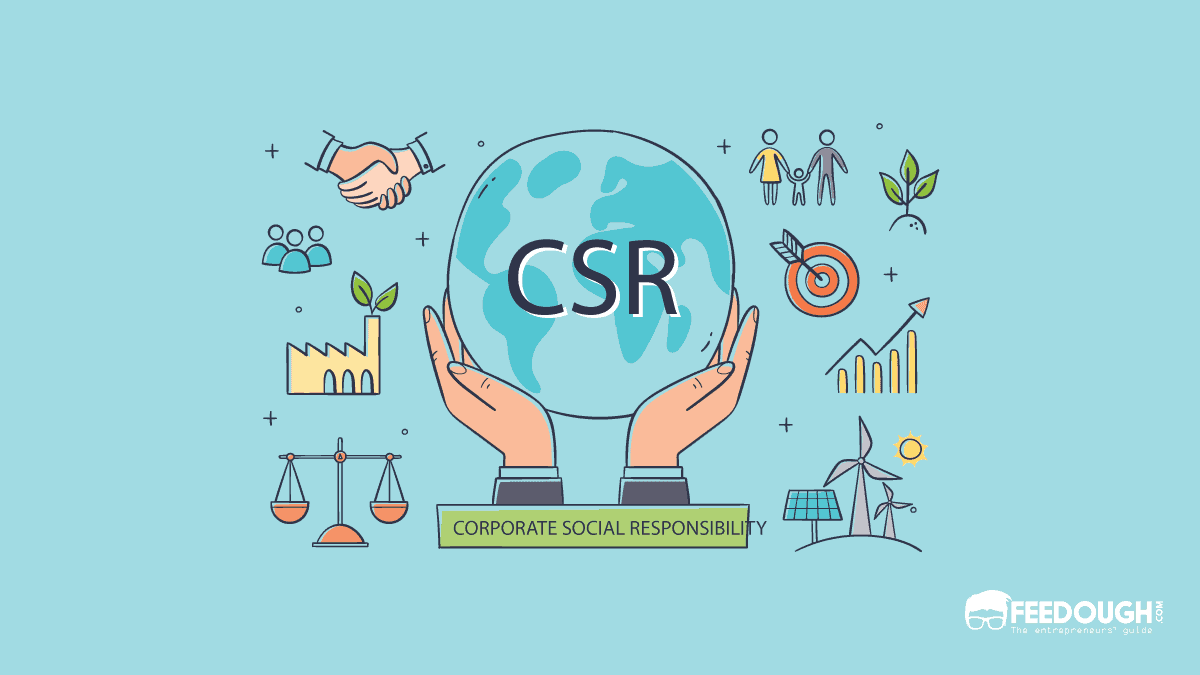

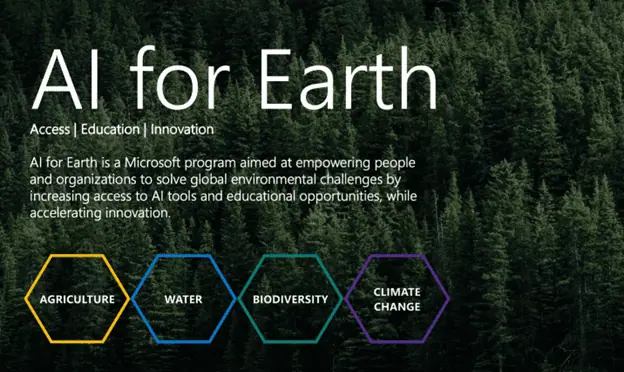

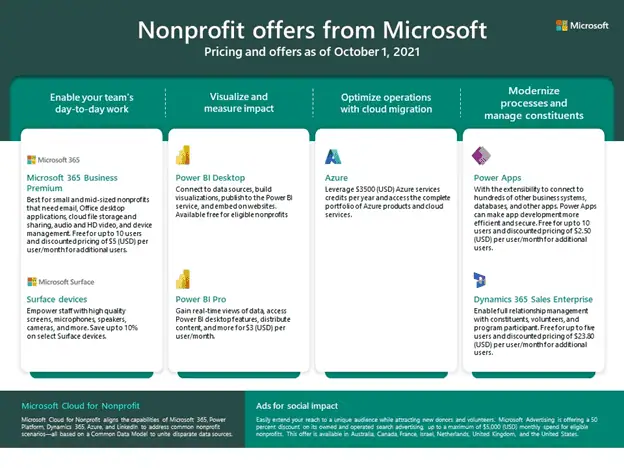


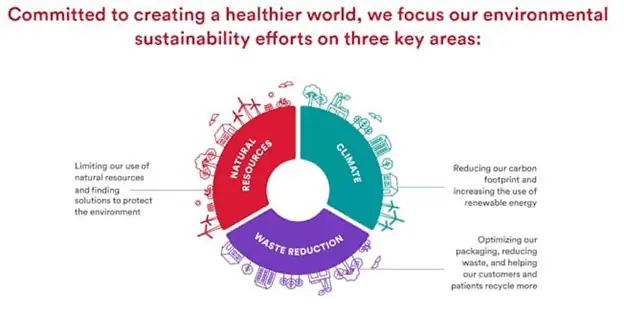
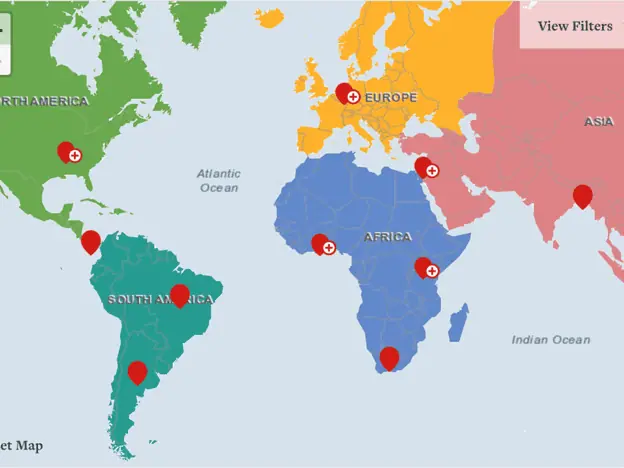
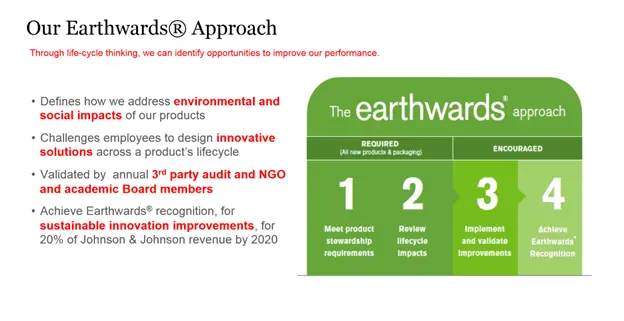

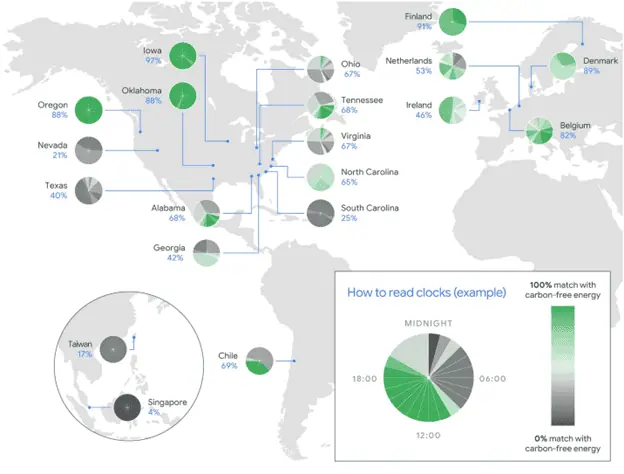

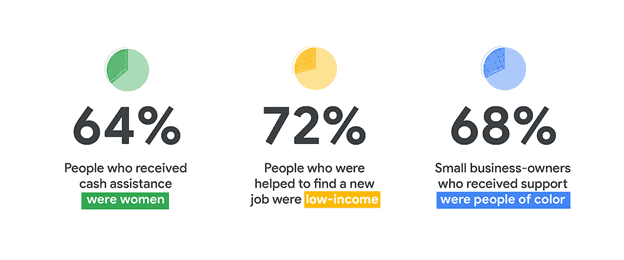
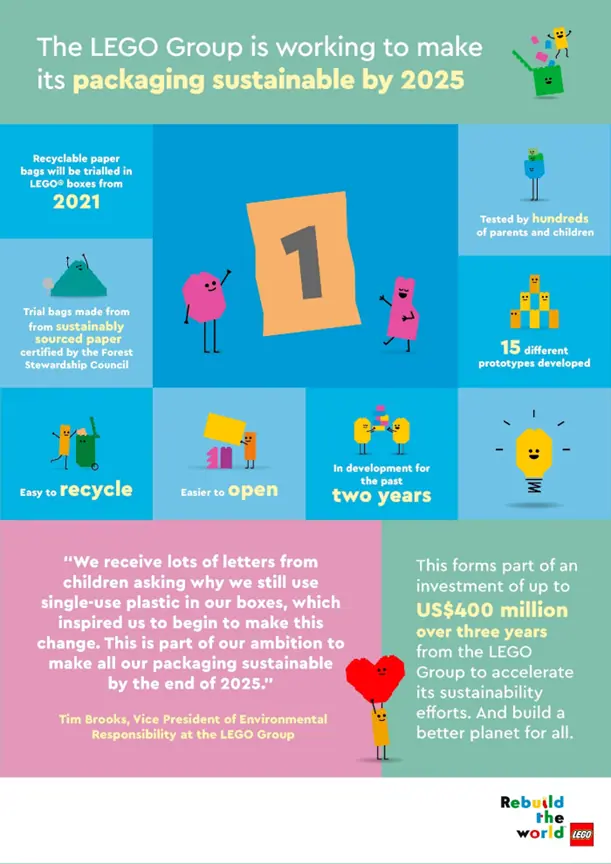


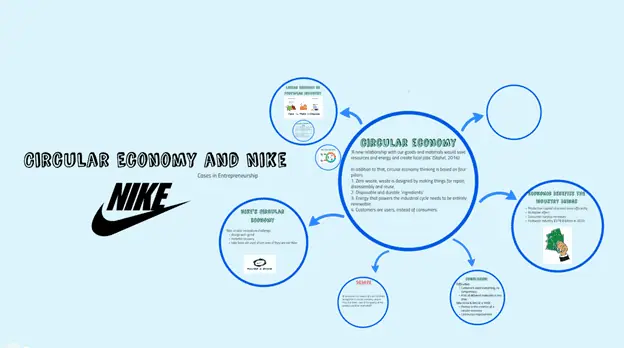

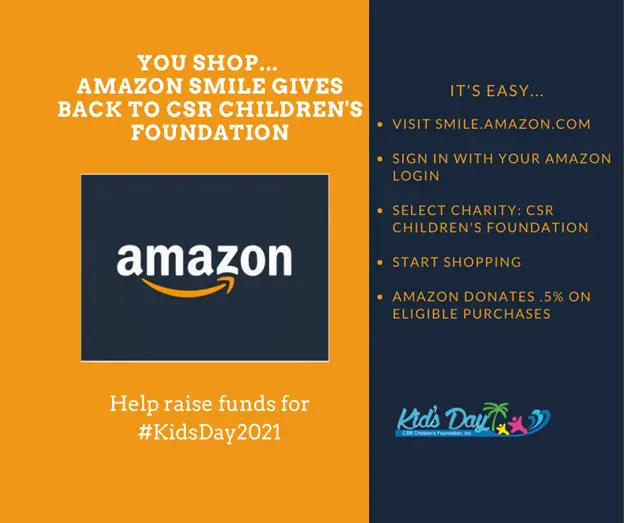







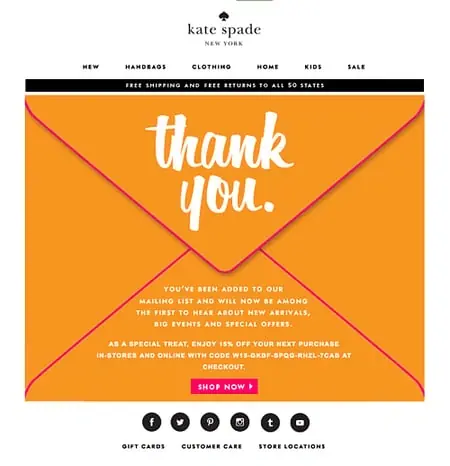





















![How To Outsource IT Services? [Complete Guide]](https://www.feedough.com/wp-content/uploads/2024/05/outsource-it-services.webp)