Most companies that exploded during the pandemic collapsed when it ended. Zoom didn’t. The pandemic video tool now pulls in about $4.869 billion a year, and more than 60% of that comes from enterprise customers. The freemium model that made Zoom famous in 2020 has quietly evolved. The free tier of the Zoom business model still exists, but its job changed. It no longer hunts for consumer scale. It feeds an enterprise funnel now, where AI is the new upsell.
Zoom’s stated mission is now an AI-first work platform for human connection. The company guides to about $5.07 billion in revenue next year, roughly 3.8% growth. Its net dollar expansion rate sits near 99%: existing enterprise customers spend about what they spent last year. So what is Zoom, really, in 2026? And how does that connect to its business model today?
What Is Zoom?
Zoom began as a video conferencing service. Today its stated mission is an AI-first work platform for human connection. That shift from video calls to AI work tools is what defines Zoom in 2026.
The company was founded in 2011 by Eric Yuan, a former Cisco WebEx engineer. It began offering video conferencing under the name Zoom Cloud Video in early 2013.
This SAAS platform lets people meet face to face over video, so work keeps moving when nobody can be in the same room.

Inside a meeting, you can share whatever is on your screen. Presentations, lesson notes, or a live demo: everyone in the room sees the same thing. Speaking of Zoom Meetings, you will hear this term a lot. It simply means a video conference or webinars hosted using Zoom.
Zoom runs on Windows, macOS, Android, iOS, and browsers. In early 2026, its AI Companion’s My Notes feature expanded to Microsoft Teams, Google Meet, and in-person meetings. So Zoom’s AI now works inside apps made by its competitors.
Zoom’s early growth was fast. It reached one million participants within five months. Within two years it had 40 million registered users and served over 1 billion meeting minutes. Those numbers describe the startup years, though, not Zoom today. Today the company runs AI across meetings, phone, and contact center work. In September 2026 it launched an AI-powered revenue OS for sales teams.
That is what Zoom does today. Now for the Zoom business model and Zoom pricing strategy.
Zoom Business Model
Zoom follows the freemium business model. It offers a free Basic plan plus paid tiers: Pro, Business, and Enterprise. A Business Plus bundle sits above Business and adds Zoom Phone.
Zoom’s Free plan still offers unlimited one-on-one meetings and group meetings capped at 40 minutes with up to 100 participants. That limit has not changed since Zoom first gained traction. Paid Zoom pricing tiers lift those caps and add support staff and integrations.
AI is now part of that split. Zoom bundles AI Companion into its paid Workplace plans at no extra cost. The Free tier gets AI too, but with monthly usage limits. Microsoft charges around $30 per user per month for its Copilot add-on. Zoom folds the equivalent into what you already pay for a paid plan.
So why does the free tier still exist? The Zoom business model focuses on turning free users into paying customers, and those customers increasingly show up at the enterprise level. Enterprise revenue hit $2.93 billion in FY2026, over 60% of Zoom’s $4.87 billion total, growing 6.5% year over year. Online and small business revenue grew just 1.2%. The freemium funnel feeds the enterprise sales machine, not consumer scale. Free signups also keep driving word of mouth publicity.
Zoom’s Key Partners
Individual Users
Individual users still sit at the top of Zoom’s funnel. Free signups spread the product by word of mouth, and many later move to paid plans. Here’s the thing: Zoom has stopped telling you how many of them it has. Its last public figure was 350 million daily meeting participants, reported in December 2020.
That silence shows where the company looks now. Zoom measures scale in enterprise dollars, not user counts. At the end of FY2026, it counted 4,468 customers paying $100,000 or more over the trailing twelve months.
Those accounts carry most of the business. Enterprise revenue reached $2.93 billion, over 60% of the $4.87 billion total, and total revenue grew 4.4% year over year. Free individual users still feed the funnel and keep word of mouth alive. But Zoom now reports itself as a mature business, not the exponential growth story of 2020.
Business & Enterprises
Businesses, enterprises, and companies remain Zoom’s core market. The platform was built for enterprise customers in financial services, universities, government, healthcare, and IT. Enterprise revenue reached $2.93 billion in FY2026, over 60% of the $4.87 billion total, growing 6.5% year over year.
Zoom counts 4,468 customers paying $100,000 or more annually, up about 9.3%. Its Enterprise net dollar expansion rate was 98% at FY2026 year-end, rising to 99% in Q2 FY2027. Existing customers are spending roughly the same year over year, so growth depends on new logos and new products.
Investors
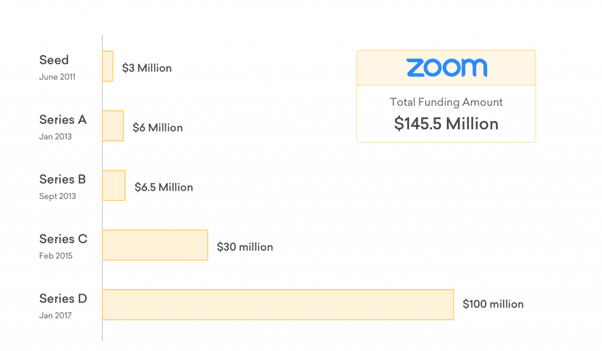
Zoom raised over $145.5 million through a series of funding rounds between 2011 and 2017. The company reached unicorn status in early 2017, which helped it attract $100 million in Series D funding from Sequoia Capital.
Zoom filed for IPO in March 2019 and went public on 18 April 2019. By the end of the IPO, Zoom was valued at just under $16 billion, at $36 per share.
That investor story has changed. Zoom is now a mature public company rather than a high-growth darling, and its investors no longer fund operations. Zoom generates its own cash. At the end of FY2026, the company held cash and marketable securities of $7.8 billion. By 31 July 2026, that number was $7.2 billion. During FY2026, Zoom repurchased about 20.4 million shares and had $1.0 billion of authorized buybacks remaining. The company guided FY2027 revenue to $5.065 to $5.075 billion.
Zoom’s Operating Model
With the funding history settled, look at what Zoom’s users actually do on the product.
Zoom allows its users to:
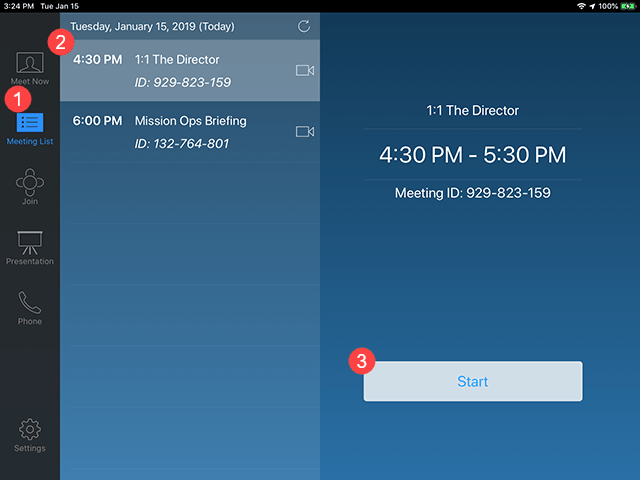
- Host & schedule Zoom video conferences with their contacts
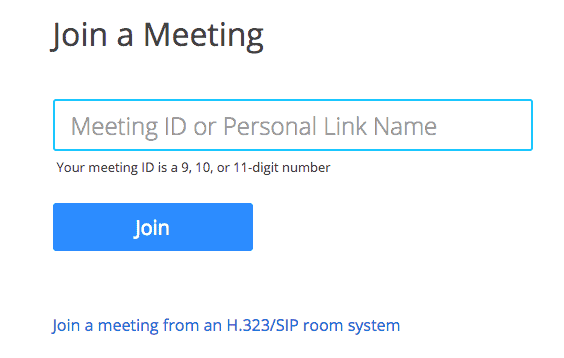
- Join a Zoom meeting
- Chat with contacts from within Zoom
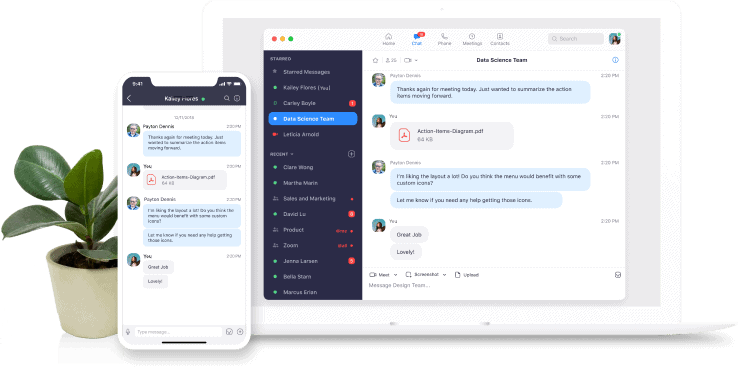
- Use AI Companion, which Zoom now applies “across meetings, phone, contact center, and more” with built-in AI assistance (Zoom Q4 FY2026 earnings release). In early 2026, the My Notes feature expanded to work inside Microsoft Teams, Google Meet, and in-person meetings. A new feature called Personal Workflows builds and executes follow-ups from natural-language descriptions. As Lijuan Qin, Head of Product, AI at Zoom, put it, AI is “no longer just a tool; it’s a trusted collaborator” (UC Today).
This raises the question:
How does Zoom make money if it provides most of its services and features for free?
How Does Zoom Make Money?
If Zoom gives most of its product away, the money has to come from somewhere else. It comes from paid subscriptions. The free tier does the marketing. Paid subscriptions do the paying. The Zoom business model earns most of its revenue from tiered plans that add capacity and features over the free tier.
Subscription Plans
As of 2026, Zoom sells five tiers of its Workplace platform. Prices below reflect annual billing; monthly billing runs higher. Exact figures vary by billing cycle and by source, so treat every number here as approximate.
- Basic (free)
- Pro
- Business
- Business Plus
- Enterprise
One feature runs through every paid tier: Zoom bundles its AI Companion at no extra cost (UCToday). Only the Free tier puts caps on AI usage, which pushes heavier users toward a subscription.
Zoom Basic
The Basic plan costs nothing. It lets you host meetings with up to 100 participants and run unlimited one-to-one calls. You also get chat and collaboration tools. Group video calls stop at 40 minutes, which suits personal use more than work sessions.
AI Companion carries monthly usage limits on the Free tier. That cap is one of the clearest lines between the free plan and the paid ones.
Zoom Pro
The Pro plan runs about $14 per user per month on annual billing (MeetGeek). Meetings stretch to 30 hours instead of the Basic plan’s 40 minutes. You can also invite more than 100 participants for a set fee. This tier fits professionals and small teams working from different locations.
Zoom Business
The Business plan costs roughly $18 to $20 per user per month on annual billing. It targets small and medium businesses and carries over the Pro features. You get meetings for up to 300 participants, SSO, and licenses for up to 90 users. Dedicated phone support, custom emails, logins, and an admin console complete the package.
Zoom Business Plus
Business Plus sits between Business and Enterprise at about $24.50 per user per month on annual billing (Koalendar). The main addition is Zoom Phone, bundled into the plan. Zoom Phone is Zoom’s own cloud phone system, so phone and meeting costs come from one vendor. It suits companies that run most of their calls through Zoom.
Zoom Enterprise
Enterprise does not carry a public monthly price. Zoom quotes it per customer, and per-license pricing matches the Business plan. It starts at 100+ licenses, hosts 500 to 1,000 participants per meeting, and includes unlimited cloud recording. Large corporations and teams spread across many departments usually land here.
Add-Ons
The five subscription tiers cover the core meeting experience. Beyond them, Zoom charges separately for add-ons. These add features such as video webinars, dedicated conference rooms and extra cloud recording storage.
Free users have to upgrade to Pro or higher before they can buy any add-on. Add-ons never come bundled with a paid tier. Each one carries its own monthly fee on top of the subscription.
Zoom sells several add-ons this way. Enterprises and startups usually buy the ones they need to collaborate and be productive.
Zoom Rooms
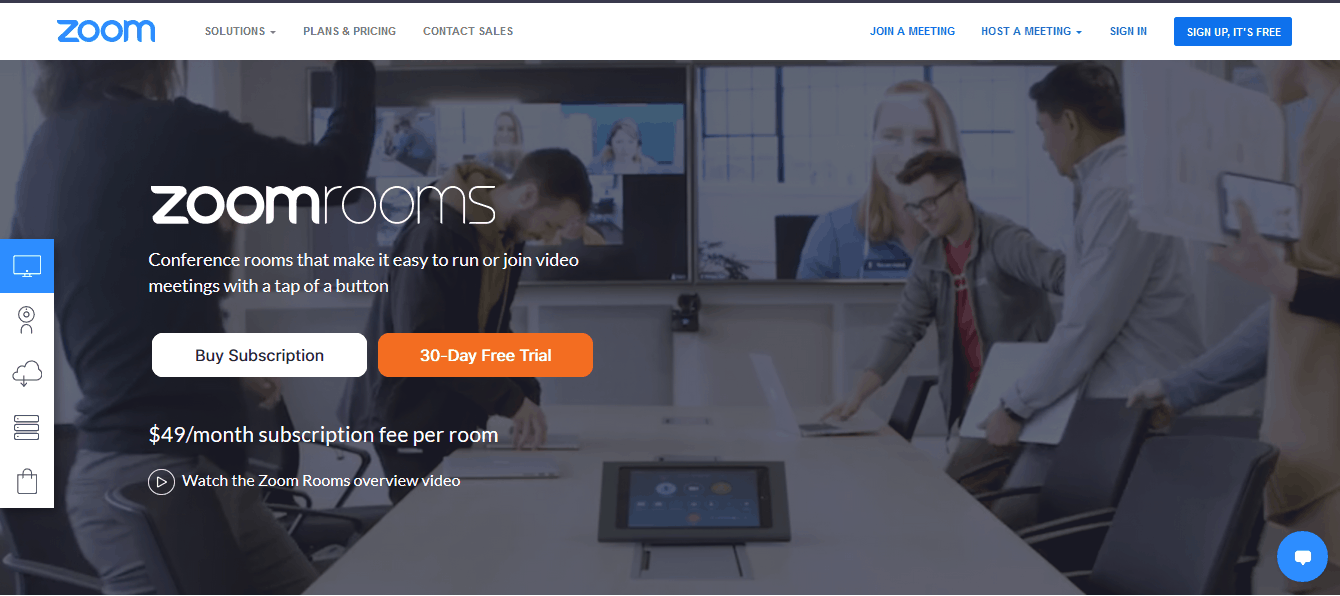
Zoom Rooms turns a physical meeting space into a dedicated conference room. Screens, cameras and one-touch joining all run on Zoom instead of a laptop. Zoom charges $49 per room per month on an annual commitment.
A step up, Zoom Rooms Plus, costs $79 per room per month. It adds workspace reservation and advanced room analytics. Hardware is a separate purchase. Depending on room size, it runs from $1,500 to over $15,000 per room.
Zoom Webinars
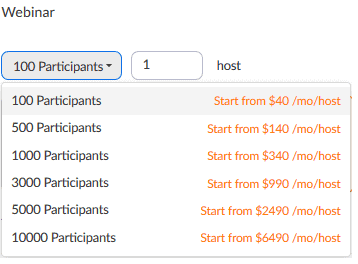
You need Pro or higher to buy the webinar add-on. It is built for large audiences rather than two-way meetings. The entry tier opens at 500 attendees. It costs about $79 to $83 per month per host.
Capacity tiers scale with audience size. Published 2026 rates from Zylo look like this:
Attendees | Approx. monthly price per host |
|---|---|
300 | $66.67 |
500 | $83.33 |
1,000 | $283.33 |
3,000 | $825 |
5,000 | $2,075 |
10,000+ | Contact sales |
Prices are per host, so adding hosts raises the bill.
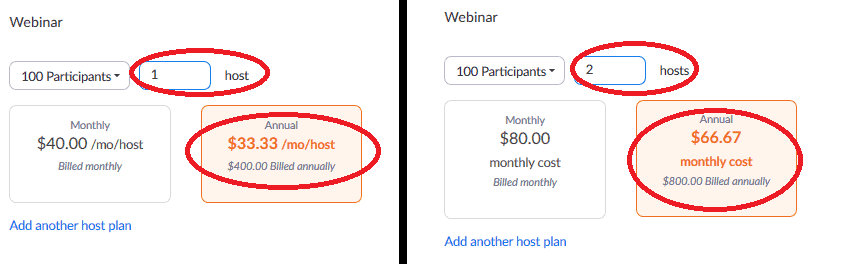
Standard subscriptions support 500 to 10,000 attendees. Zoom can scale one to 100,000 with support approval. Single-use licenses go up to 1 million attendees for one-off events.
Zoom Phone
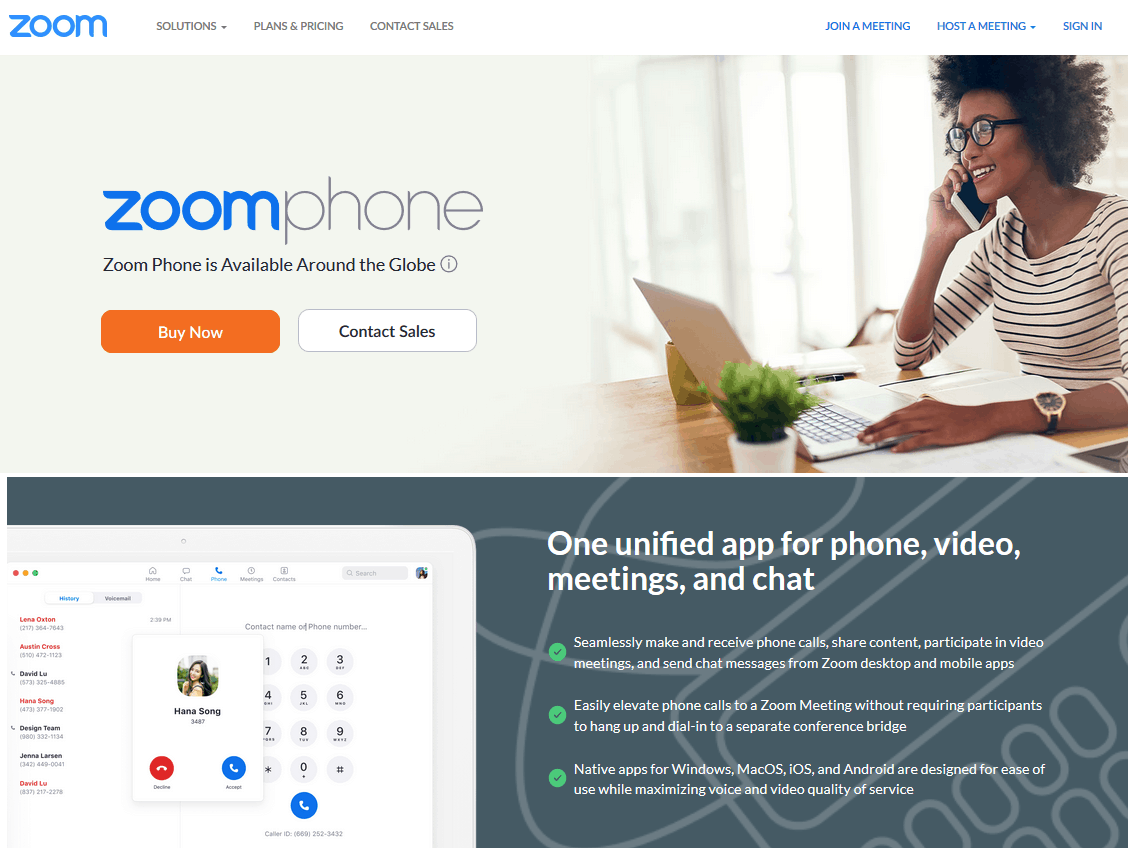
Zoom Phone adds business calling inside the Zoom app. US & Canada Metered plans cost about $10 to $10.50 per user per month. US & Canada Unlimited plans run about $15 to $16 per user per month.
If your team calls abroad, Global Select covers unlimited calling within one of 49 supported countries. The International Calling add-on covers 19 countries for $10 per user per month.
Two more options round out the add-on. Additional phone numbers start at $5 per month. Power Pack adds enhanced call queue analytics for $25 per user per month.
Bespoke Plans For Certain Industrial Sectors
Zoom also offers a customized suite of its tools and services that is made to order for the following industries:
Education

Finance
Government
Healthcare
Zoom’s Rise to Popularity
Zoom did not start as a consumer app. It grew inside enterprises and classrooms first. Its free education plan put it in schools across many countries, and word of mouth spread from there. The pandemic surge was the jump that made Zoom a household name. That moment is history now. The real story is what happened to the Zoom business model after.
Third-party estimates put Zoom’s meeting market share between roughly 28% and over 55%, depending on whether firms count revenue, active accounts, or survey usage (). The wide range exists because Zoom has not published a user number since December 2020, while Microsoft Teams reached 320 million monthly active users, Microsoft’s last disclosed figure (SQ Magazine). Teams ships inside Microsoft 365, which costs $12.50 per user per month (lovable.dev). So the fight is bundling, not standalone price. Fortune 100 companies mostly run both platforms ().
So what keeps people choosing Zoom?
The answer is simple:
- Zoom’s Free plan – The free tier is still generous. But AI Companion is now the line: paid plans bundle it, while the Free plan caps it (). Zoom also runs AI Companion inside Microsoft Teams and Google Meet (), so it reaches people on competing platforms.
- Reliability – People like the straightforward interface. Most of all, they stay for one reason: “because it just works.”
- Low Latency – Zoom’s videos try to stay under 150 milliseconds. After that, a conversation starts to feel unnatural. Zoom optimizes each connection individually instead of focusing on the worst device in the call.
Why Zoom Works!
Zoom’s freemium model works because the free tier feeds a much larger business. In FY2026, Enterprise revenue reached $2,934.1 million, over 60% of Zoom’s $4,868.8 million total, growing 6.5% year over year (earnings release). The free plan builds the audience. The Enterprise tier turns a slice of it into durable revenue.
The paid wedge has shifted. It used to be more meeting minutes. Now it is AI access. AI Companion is bundled into paid Zoom Workplace plans at no extra cost, while the Free tier gets capped usage (UC Today). Microsoft charges around $30 per user per month for Copilot as an add-on. Zoom includes AI in the plan price. That contrast is the pitch.
Zoom also runs its own App Marketplace, where users install third-party apps that work inside Zoom. The platform stays open, and Zoom grows its revenue stream through paid plans and add-ons.
Zoom describes itself as an “AI-first work platform for human connection” (Zoom’s investor relations page). But the expansion story has softened. The Enterprise net dollar expansion rate was 98% at FY2026 year-end (FY2026 year-end results), rising to 99% in Q2 FY2027 (Q2 FY2027 earnings release). Existing customers spend roughly the same year over year. Growth now depends on new logos and new products, not on existing accounts spending more.
Go On, Tell Us What You Think!
Did we miss something? Come on! Tell us what you think about our article on Zoom Business Model in the comments section.