Imagine getting paid by Netflix for binge-watching your favourite shows and movies. It sounds like a dream, right? What if I tell you that you can actually make it happen and make money by watching movies?
With the world facings a number of lockdowns amid a horrible pandemic, watching movies with your family and friends has become one of the favourite hobbies for a lot of people. However, it doesn’t need to be a leisure activity. You can make some money on the side while binging your favourites.
Dive right in to know how you can make that happen!
How Much Money Can You Make By Watching Movies?
The idea of earning money while doing something you love seems great and easy. However, you must note that only in rare cases you will earn enough to make this your primary source of income. Most of the methods of earning money through movies can only be used as a side hustle. For example, if you are really serious about movies and have the required skills, you can become a movie critic or an entertainment blogger and make it your main source of income. But if you just want an additional source of income, you can perform some easy tasks like taking surveys, providing data or giving feedback.
Moreover, the amount of money you earn depends on the amount of time you spend on these activities. While some methods pay $50 in a year, the others pay around $10 an hour. Therefore, if you devote your time properly, you can earn anything from $10 to $200 in a month.
How To Make Money By Watching Movies?
Some of the most popular and simple ways of earning money include:
Become A Creative Analyst (Netflix Tagger)
Netflix hires a creative analyst or a tagger from time to time. You simply need to watch some shows or movies on the platform while carefully analysing their genre and tag them accordingly. This is done to make it easier for users to navigate a film or a show with the help of these tags. Unfortunately, the job for a creative analyst rarely opens up and is very competitive because you get paid to watch movies and shows from Netflix itself.
Write Movie Reviews Or Blogs
If you love watching movies and also have a knack for creative writing, you can easily earn money by writing movie reviews. As a movie reviewer or an entertainment writer, you watch different movies and shows and express your opinion about them by writing a review. Movie reviewers are very detail-oriented. They need to analyse various aspects of a film and descriptively present their views.
You can either start your own blog as a movie reviewer or contribute to existing websites that pay you for your articles. Some of such websites include:
A focus group is an excellent place for all the movie lovers out there. Apart from earning money, you get to watch early releases, make new connections, and give valuable feedback to improve production. The pay for joining a focus group is usually $50-$100 per hour. However, finding a movie focus group is comparatively difficult as it largely depends on your location and the screenings going on in your area. Thus, here are a few websites to help you find a suitable focus group:
Another way to earn money by watching movies is to participate in movie surveys. In these surveys, you just need to answer some simple questions about your experience while watching the movies, such as your likes, dislikes, how much you rate the movies, etc.
Some popular applications that pay you to participate in such surveys include:
InboxDollars: One of the most popular applications known for its surveys. You can earn from $0.50 to $5.00 just by spending 3-4 minutes on the application. Apart from that, you get a $5 signing bonus. Furthermore, you can even earn money by watching specific videos, playing games, shopping, and even reading emails! However, you will need to make at least $30 before cashing out.
Swagbucks: Swagbucks is another popular site that offers many opportunities to earn money by answering some simple surveys. You can make as much as $100 per month using this website. Swagbucks pays its participants through gift cards, promo codes and cashback.
MyPoints: another application that offers gift cards and even transfers for answering some surveys. Furthermore, you will receive a $10 bonus just for signing up!
Write Movie Subtitles (A Closed Captioner)
A closed captioner is someone who writes captions or subtitles for movies. To earn money as a closed captioner, you need to do more than just watch movies. You need to be fast, accurate and fluent in English to make money as a closed captioner. However, you could make good money as a closed captioner. According to Glassdoor, the average pay for a closed captioner is around $14 per hour.
Become A Movie Critic
A movie critic is yet another exciting way to earn money for movie geeks. Professional movie critics are an essential part of the entertainment industry and have a lot of perks coming their way. As a movie critic, you need to have a good knowledge of the elements that come together to make a film. Movie critics deeply analyse films and different aspects of filmmaking and present their views, so the audience understands the movie better. Being a critic is more than being a movie reviewer, and you will have to work a little harder to break into this industry.
Moreover, the job comes with its own perks and fame. You will receive invitations to early releases; you will be approached by various magazines, newspapers, digital outlets, etc. and most of all, you will be paid well. On average, movie critics are paid around $30,000 annually.
Performing In-Theatre Checks Or Mystery Shopping
A very interesting way to earn some extra money while watching movies is mystery shopping. Mystery shoppers visit movie theatres as a regular audience and provide feedback on how things are working. They are basically paid to evaluate a customer’s experience in a theatre. They perform certain in-theatre checks like blind checks, ad checks, sound checks, cleanliness checks, etc.
Some companies that hire people to work as mystery shoppers are:
By working with these companies, you can easily earn anything ranging from $10-$40 per hour all while watching movies for free!
Providing Data
Some companies and websites pay people to collect data on their watching habits. So all you have to do is provide access to your data and then start earning by simply watching your favourite movies and shows. Nielsen is one very popular company that pays you to collect data about your watching tendencies. All you have to do is install their mobile application, and you can earn $50 per year.
Go On, Tell Us What You Think!
Did we miss something? Come on! Tell us what you think about our article on resolving workplace conflicts in the comments section.
If you have worked in a company, been in a team, or led a group of people, you have undoubtedly encountered coworkers who disagree. In fact, it is possible that you even find yourself in conflict with a colleague from time to time.
After all, 85 percent of employees deal with workplace conflict on some level.
Moreover, in the workplace and teams, when you’re not resolving a conflict, it can lead to things like:
Low levels of motivation [among team members]
Disengagement [on the part of employees]
Unnecessary stress [for people who feel like they carry the burden of that unresolved conflict with them all day/that causes them to be distracted]
Lack of creativity and stagnation
Less collaborative work environments
Therefore, it is essential to lay out some steps that can be taken to help prevent or resolve conflicts among colleagues by teaching them how to make it a topic for discussion, rather than an issue they keep bottled up.
But what do you do when the workplace conflict becomes too much?
Understand The Usual Conflict Triggers
Workplace conflict is something that occurs relatively frequently. However, there are some situations where it becomes common, and others make resolving the conflict difficult. It is important to understand what these triggers are so you can be ready for them when they arise.
A few examples of workplace conflicts include:
Unhealthy internal competition: Where colleagues are working against each other rather than with each other.
Unclear or differing expectations for employees: When there are different ideas about the role of people in teams, this can be a common trigger of workplace conflict.
Opposing personal opinions: These occur because people have different views on things like how work should be done, the best way to accomplish a task, and which behaviors are acceptable.
Different work styles: Work styles describe how people work and what is important to them. Differences in this area can lead to clashes between employees who value different things.
Different career goals: This happens when colleagues have different aims for their careers, such as one person wanting to be promoted and another simply wanting a paycheck.
Poor communication: that arises because employees don’t take the time to listen, or fail to express themselves clearly.
External pressures: such things as deadlines, budget cuts, and organisational restructuring can be difficult for people to cope with.
Bad leadership: If there is a lack of leadership from team leaders, or those in other social positions of authority, then people will feel that their needs are not being met and this could cause workplace conflict.
The Addressing Workplace Conflict Model
Never ignore a conflict situation, as it may come back to bite you. The key is to work on the conflict and resolve it, instead of ignoring it or letting it escalate further.
But remember, when trying to resolve a workplace conflict, you don’t always need a solution that will make everyone happy. You need a solution that will appease everyone enough that they can all move forward with their work and get on with their lives.
Here are four steps you take when trying to address a conflict:
Understand The Source Of Conflict
The first step to take when considering how to handle workplace conflict is to get right into the heart of things.
This means you need to be a good listener and try to understand the source of the conflict. It becomes a lot easier to manage and resolve your conflicts when you do this because you can see what is happening from both sides.
To achieve this, establish an atmosphere that is conducive to open communication with those involved in the conflict. Get them to open up about their feelings and encourage all parties to share their opinions.
As you listen, don’t just try to understand the conflict better, but also consider how it makes others feel. Asking people how they feel about an issue is crucial because it allows everyone involved to be heard. Do this patiently, as trying to push an opinion on someone who doesn’t want to give it will only make matters worse.
Investigate The Situation Before Taking Action
After you have established what the conflict is about, it’s time to consider where the problem lies. This may be with one person or multiple people involved in the incident.
When you understand the source of the problem, then it’s time to investigate and deeply analyse. This is because there may be several reasons for a conflict, such as different expectations, poor communication, or outside pressures.
It may take some digging and talking to those involved in the conflict before you can figure out the cause. You may also consider consulting a third party like someone from HR.
Understanding the source of the problem allows you to resolve it in a manner that will most likely be effective and reduce workplace conflict in the future.
Explore The Possible Solutions
By this point, you should have a solid understanding of what triggered the conflict and who was involved. But to resolve the conflict, you need to explore possible solutions.
This doesn’t involve appeasing everyone involved in the conflict because that may not be possible.
You can follow this process:
Determine the underlying need
Find common areas of agreement
Find solutions that address the above
Determine the underlying need
Find what the conflicting parties desire and need in order to bring peace and resolve the conflict. This may be a solution that benefits everyone and considers their opinions, or it may mean coming up with a way for them both to get what they want.
For example: If two departments are at odds because one department is not performing its duties satisfactorily, then you can sit down with both departments and discuss what the other’s expectations are. This way, you will come up with a solution that allows each department to get what they want (e.g. leaving them alone but communicating better).
Identify Common Areas Of Agreement
This is where the conflict becomes manageable.
Find out what the conflicting parties agree upon and find common areas of agreement.
For example, a disagreement between a contractor and an employee can be resolved when both parties agree they want to finish their job well within the time frame given. This means coming up with realistic deadlines for each task, so they can work efficiently without being rushed.
Finding solutions that address the common areas of agreement makes it easier to resolve conflict because now you have a clear target.
Identify Solutions That Address All Parties
This is where you can come up with possible resolutions to bring peace and end the conflict.
Make sure these resolutions should address the common areas of agreement and what each party wants.
For example, if the contractor and employee agree that they want realistic time frames for each task, then coming up with simple deadlines that are feasible will work well.
Moreover, make sure that your priority is to:
Prevent the conflict from escalating
Work towards meeting everyone’s needs as much as possible
Resolve the root cause of the conflict
To prevent the conflict from escalating, you may need to take swift and effective actions. This means imposing consequences for those who have done something wrong or where there is a threat of escalation. However, remember to meet everyone involved in the conflict halfway if possible.
You can’t make everyone happy. But, you can figure out what is most important for each party and work to meet their needs as much as you can. Realise that this does not mean appeasing everyone just to see the conflict end – this will only give an appearance of peace without resolving anything.
Resolving the root cause of the conflict makes it easier to prevent workplace conflict in the future. It will often help to try and manage conflict when it arises.
Convey The Resolution In An Acceptable Way
Communication is important in resolving conflicts.
The best way to communicate the resolution is to first let everyone involved know what you plan on doing. This way, they can voice their concerns and properly convey why each person needs to be met halfway.
You should also reassure them that you are taking action because this will prevent further escalation or conflict in the future.
Further, it’s best to use a tonality that is as calm as possible since this implies that you are in control of the conflict.
Remember that you are trying to resolve the conflict, not win every point or show how much smarter you are.
You can’t win an argument if you want to resolve the conflict.
If you show that yours is a power position, it will be much more difficult to come up with a practicable solution, and peace will not be achieved.
And finally: leave room for discussion and disagreement. Remember: there is no perfect resolution and everyone has their own interests and needs!
This will also make it easier to get things done
Workplace Conflict Resolution Do’s & Don’ts
Conflicts are inevitable in the workplace. Here are some quick do’s and don’ts to help you address conflict:
Do’s:
Mediate quickly
Communicate privately
Try to involve as few people as possible at one time
Address the root cause of the conflict
Look for areas of agreement while working towards the root cause of the conflict
Don’t get personal
Keep away from power struggles
Don’ts:
Avoid jumping to conclusions
Don’t hold in anger or frustration
Don’t be afraid to apologise if necessary.
Know your limits to avoid going overboard or taking things too seriously.
Find ways to resolve conflicts, not to win them.
Take action only when you’re able to meet everyone’s needs as much as possible
Avoid getting caught up in winning or losing.
If you find yourself constantly mediating and resolving conflicts, this may signify that certain things need to change in your workplace.
Remember: conflict is inevitable but not insurmountable!
Go On, Tell Us What You Think!
Did we miss something? Come on! Tell us what you think about our article on resolving workplace conflicts in the comments section.
To be successful in the business world, one needs more than just a great idea or product.
A person also needs business acumen – a clear understanding of how businesses work and what it takes to succeed.
Although this may be true for startups, it’s even more crucial for established businesses, which often face their greatest challenges when operating within an environment that isn’t conducive to innovation or new ideas.
But what is business acumen, and what makes it so important?
What Is Business Acumen?
Business acumen, also called business savviness and business sense, is a term used to describe a set of skills and knowledge that allow a person to assess a business situation and make intelligent, timely decisions about it.
It includes understanding how businesses work, what it takes to be successful in them, and how to make sound decisions in a business context.
In other words, it is the ability to recognise important patterns in business situations and the knowledge of how those patterns apply to the given situation.
People who have this ability are sometimes called “business smart.”
Why Is Business Acumen Important?
Business acumen is the ability to take a ‘big picture’ view of a situation. It is what allows someone to understand the impact of each business decision on their company’s success in the long run.
People who have this ability manage risk, recognise opportunities and see obstacles before they occur.
That means that most people with business acumen can plan their actions to avoid obstacles and take advantage of opportunities when they arise.
Here is why business acumen is an important soft skill:
It Helps a Person Make Informed Decisions relating to business:
People with good business acumen are able to make informed decisions that can have a positive impact on their business.
They understand the key factors that influence success in a business, and they know how to apply this knowledge to make wise choices.
It Helps a Person Navigate Complex Business Situations:
Good business acumen helps a person understand how to work with the different aspects of business, including people, finances, markets, and processes.
This means that people who have this ability are better equipped to deal with complex situations than those who do not.
It Can Help Improve an Organisation’s Performance:
People with good business acumen understand what makes an organisation work.
As a result, they are able to figure out how to improve an organisation’s performance in different areas when necessary.
The difference it makes is often quite significant but difficult to quantify.
Business Acumen Skills
Acquiring business acumen is very much like acquiring any other skill.
It requires knowledge, experience and practice. Unfortunately, it also requires patience because the process doesn’t happen overnight.
The following are some of the skills that are necessary to develop business acumen:
Planning
People with good business acumen know how to plan their actions so as to achieve their desired outcome.
They understand the different factors that influence success in a business, and they know how to apply this knowledge to make wise choices.
This includes understanding what resources are available to them and what needs to be done in order to reach their goals.
Problem-Solving
People with good business acumen are able to think on their feet and come up with creative solutions to problems that arise in a business setting.
They understand the business context, so they know how to apply relevant knowledge and skills to solve the problem.
This often includes thinking outside the box and coming up with ideas that other people may not have considered.
Assessment
One of the most important skills that people with business acumen possess is the ability to assess a situation.
This means they are able to determine if different actions or strategies will be beneficial for their company in the long run, given the particular circumstances.
They also know how to use information about past performance to make this assessment.
Long Term Vision
People with good business acumen are often able to see the big picture.
They understand the impact of each business decision on their company’s success in the long run.
This includes understanding how different decisions can affect the company’s short-term and long-term goals.
Emotional Intelligence
People with good business acumen are able to manage their emotions, as well as the emotions of others.
This is important because it allows them to stay calm and focused in difficult situations, and it also enables them to build better relationships with colleagues and clients.
Collaboration
People with good business acumen know how to work with others to achieve a common goal.
They understand the importance of teamwork, and they are able to communicate effectively with team members to get the job done.
This often includes being able to compromise in order to find a solution that everyone is happy with.
Business Acumen Examples:
The following are some examples of business acumen in action:
Case #1
An employee sees that her company’s sales have been dropping for the past few months. She understands that this has to do with their competitor offering a better product at a lower price.
She comes up with a plan to improve the company’s product by researching her competitor’s product and then creating a similar product with better features and even lower price.
Case #2
A manager understands that the team he is responsible for has been experiencing some difficulties.
He realises that this is due to them working too much, so he discusses the situation with his team, and they are able to come up with a solution where they will have more time to relax.
He also knows that when people are under a lot of stress, they are less productive, so he offers his team members help in dealing with the stress they are experiencing outside of work.
Case #3
A product manager notices more than usual customer complaints about a particular product.
Now, instead of finding just a short-term fix to the problem, he decides to investigate the root cause of the issue.
He conducts customer interviews and looks at sales data to better understand what has led to these complaints.
By learning more about the customers, he is able to make changes to his product that address their main issues.
Case #4
A business owner realises that two of her employees are no longer working together well, and this is affecting their productivity.
She knows that she needs to find a way to resolve this problem, so she attempts to understand the situation from both of her employees’ perspectives.
She doesn’t solve the disagreement for them, but instead offers each of them advice on how they can approach the other person and resolve their issues together.
How to Develop Business Acumen
Business acumen isn’t something that one can develop overnight.
It is something that comes from experience.
Here are a few steps that one can take to improve their business acumen:
Read About Business And Economics
Reading about business and economics will help one understand the concepts that are involved in running a company.
It will also give a better understanding of how the world economy works.
Pay Attention To Business News
Business news outlets such as The Wall Street Journal, Forbes and CNBC provide timely information about the business.
By paying attention to the latest happenings in business, one will be able to stay up-to-date on what is happening in the world of work.
Learn To Be A Team Player
No person can succeed alone.
Being a team player will allow one to work with their peers and get more done in the process.
This is because people with good business acumen understand the importance of teamwork, and they know how to contribute to a group effort.
Network With Professionals
Networking with professionals will give one the opportunity to learn from their experiences.
It will also help them build relationships with people who can help them in their careers.
Attend Business Workshops And Events
There are many business workshops and events that are available for people to attend.
By attending these events, one will be able to learn more about business and network with professionals.
Bottom-Line?
Business acumen is important for anyone who wants to have a successful career.
It is the ability to understand and make decisions that are in the best interest of a company.
People with good business acumen can think strategically and understand the importance of teamwork. Moreover, they are able to communicate effectively.
Go On, Tell Us What You Think!
Did we miss something? Come on! Tell us what you think about our article on business acumen in the comments section.
A startup incubator is a very common and essential term in the startup ecosystem. With the number of startups increasing exponentially every year, incubators play a significant role in assisting and guiding startup founders through this challenging journey.
However, the term often creates confusion regarding its definition, structure and revenue model. So, here is a guide answering all your questions about startup incubators, their work and how they differ from startup accelerators.
What Are Startup Incubators?
A startup incubator is a program designed to help early-stage or seed-stage startups grow and sustain themselves by providing them with the space, equipment, and support they need. Usually, incubators help startups in their early stages with minimal to no traction and make them more competitive when it comes to securing venture capital.
Startups in an incubator typically receive free office space, utilities, computers, equipment, and access to incubator services and events. Sometimes, they also offer mentorship, business coaching, and other services, as well as the opportunity to network with people who can help their business grow. Some incubators are even connected to accelerators, which provide companies with funding and other resources to help them grow faster.
Business incubators are quickly gaining popularity in various industries. For example, in 2017, Google invested $1 million in an incubator called Y Combinator. Other examples include Techstars, 500 Startups, Techstars Chicago, and Startupbootcamp. The Y Combinator program has helped create hundreds of successful companies, including Dropbox, Airbnb, Reddit, Stripe, and GitHub. Startupbootcamp London and Start-Up Chile are also well known for helping startups grow.
Types Of Business Incubators
While all incubators share the same goal of assisting startups in their early stages, they are divided into the following types:
Non-profit corporations: Most renowned incubators are non-profit organisations run by academic institutions, NPOs, government agencies, etc., to help young students or assist economic development in society. For example, the Berkeley Skydeck is the educational business incubator from the University of California, Berkeley and the Venture Incubation Program is a 12-week incubator program for Harvard students. Another example of a non-profit corporation is Mass Challenge.
For-profit development institutions: some firms also develop incubator services to profit while assisting startups or creating an investment opportunity for themselves. They usually provide investments or fundings to startups in exchange for equity. Some popular examples include Tech Ranch, WiSTEM or pyros, etc.
How Do Startup Incubators Work?
While startup incubators are usually flexible when it comes to helping companies by providing them with various facilities and mentoring them, they work in a structured manner to ensure the proper growth of different startups they work with.
Stages Of Progress In An Incubator
Generally, startups participating in an incubator go through the following four stages including:
Recruitment: startup incubators have a recruitment process where the potential members go through the whole application process. At this stage, the incubators analyse the startup potential, the idea, the team, the potential market, etc. Usually, the startup founders have to interview and convince the leaders to take them in.
Onboarding: once a startup gets accepted in the incubator program, the onboarding process begins where the incubator informs startup founders about its working and some rules to be followed. Moreover, during this period, the incubator also gets to know more about the company and its needs.
Beginning the program: this is when the program starts, and the incubator starts helping the company with mentorship, networking opportunities, funding, etc. An incubator program usually goes on for as long as the startup needs assistance. It can take anywhere from 3 months to two years. However, the specifications are generally clarified beforehand.
Networking with the alumni: even when the duration of the program finishes, the incubator provides startups with a vast network of alumni. As a result, the startup founders now have access to experienced entrepreneurs who can interact with them and guide them for their future endeavours.
What Are The Variables That An Incubator Depends On?
The success of a startup incubator depends on a lot of variables, including:
The total number of startups in the program: incubators generally take in a cohort of preferable startups with growth potential and nurture them. This is because the more the number of startups they invest in, the more are the chances that some of them will succeed and eventually make up for the money lost in unsuccessful startups.
The number of startups that fail within the first two years: it is a very well established fact in the startup ecosystem that most of the startups are bound to fail. Early failures give incubators no chance of exit, and they lose all their investments. Furthermore, they have to make up for their loss through other startups they invest in.
The time it takes to get a return (or liquidate the equity): even if a startup doesn’t fail and shows certain growth potential, there could be unprecedented delays in liquidating the equity or getting a return from them. As a result, investors usually try to get an exit as soon as possible.
How Do Startup Incubators Make Money?
Usually, startup incubators are non-profit organisations funded by the government, academic institutions or private corporations. They take in a cohort of startups in their early stages and offer them services without asking for any equity in return. This is because they usually receive government grants or funding from universities or private organisations.
Why do these organisations invest in incubators, you ask?
Well, there are several reasons. For example, academic institutions want to help their students and alumni grow their startups by providing long-lasting connections to investors and mentorship from experienced entrepreneurs. At the same time, government or private sponsors invest to get access to startups in their early stages or help in the economic development of the society as a whole.
Furthermore, some private organisations run a non-profit incubator service as a front to fund ideas around their products or services to advertise themselves and create an ecosystem in their favour.
How Do For-Profit Incubators Make Money?
Equity.
For-profit incubators usually demand equity in the early-stage startup for their services. More often than not, such incubators even provide funding or access to VC firms, accelerators, and so on apart from the standard services.
They look for potential exits or liquidity events once a startup gains enough market value and traction or when it goes public. This provides them with huge returns on their investment.
How Does Equity Convert Into Money?
Equity represents the number of shares of a startup. An incubator can easily convert this equity into money through an exit. An exit is when the incubator sells this equity or shares to another entity. This entity could be the company itself, another investor, some private company or even the common public.
There are many ways to get an exit. For example, if the startup an incubator has invested in goes public or declares an IPO, the incubator can sell its shares to the common public and get a massive return on its investment. Furthermore, sometimes there is a buyback when the company repurchases its own shares. Another way to get an exit is to sell the shares to a larger investor when the company starts a new funding round.
What If The Startup Fails?
There is no doubt that an incubator can earn loads of money by taking equity in startups. But, it is also highly plausible that most of the startups don’t make it. For example, according to Forbes, 90% of the startups fail during the first five years of their incorporation. So, how do incubators make money if the startup they have invested in fails?
Well, they have various other ways of making money, including:
Participation fee: such incubators usually charge a recurring fee from participating startups to cover their costs. Even though it doesn’t generate much revenue, the price helps incubators sustain themselves and the startups they support.
Multiple startups: another important thing to keep in mind is that incubators take in a cohort of early-stage startups with unlimited potential to grow. So even if a small fraction of them succeeds to get traction or enough market value, the incubator will be able to get a significant return on its investment.
Multiple sources of revenue: incubators, non-profit or for-profit, have numerous revenue streams coming from different sources. They don’t depend on just incubation services for their profits. For example, incubators develop a lot of connections and relationships that help them generate revenue by selling their services, providing consultation, tilting the market in their favour, etc.
Royalties from IP commercialisation or licencing: apart from equity, some incubators also demand a percentage of earnings from startups they incubate. But, it is not very easy to earn through royalties as it involves loads of legal arrangements and cash investments. Therefore, this is not the most used revenue source for many incubators.
Go On, Tell Us What You Think!
Did we miss something? Come on! Tell us what you think about our article on How Do Startup Incubators Make Money in the comments section.
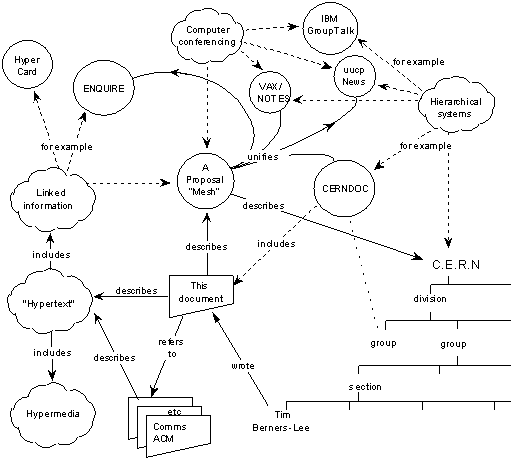
Tim Berners-Lee launched the world wide web back in 1989, and ever since then, the web has been growing at an exponential rate.
Web, which initially started as a way for academics to share research and data, soon became a global phenomenon as the internet grew in popularity. As the days progressed, more people got online and became a part of it.
Today, the web is more relevant than ever, powering our social media networks, shopping websites and everything in between.
But with its rapid growth came a series of problems. The way the web currently works, it is far from perfect –
A few companies, mainly giant corporations, control just about all of the internet.
There is little transparency, as users have no idea what is done with their data.
There is a lack of incentive for online content creators – the current model works against them.
Sites have been hacked and millions of passwords leaked due to a lack of security.
Webpages are increasingly becoming resource-intensive.
This led to a whole new web movement called Web 3.0 – a next-generation version of the web that is expected to solve these problems.
But what is Web3, what does it constitute and how it will change the web as we know it?
For that, we need to go a little back and understand the history of the world wide web.
What Is Web 1.0?
Web1(1989-2005): Web as an offering.
Users are consumers.
Also called the static web, Web1 was the original web conceptualised by Tim Berners-Lee in the 1990s developed to democratise access to information. It offered a text-based interface and was a read-only medium.
Web1.0 allowed users to view the web – but not create it.
In many ways, Web 1.0 can be compared to email or mobile phones in that it only goes one way – from the issuer to the receiver. In this model, there is no feedback and no interactivity.
What Is Web 2.0?
Web2(2005-present): Web as a platform.
Users data is a commodity.
Also called the dynamic web, Web 2.0 added intractability and personalisation to the Web1 model. Web 2.0 made the web a platform for users to share and collaborate. It gave rise to large social networks like Facebook, Twitter and Instagram, making the web a more engaging place for its users.
This model was designed to help users create data and not just consume it.
Web 2.0 introduced a social element to the web, as before it was only read-only. The focus shifted from a single point of origin to multiple points of interaction, promoting rich content and interactivity between users on an individual level rather than from a central authority.
However, it centralised the power among a few big corporations like Facebook and Google.
The user generated content but wasn’t rewarded for it.
Moreover, these corporations used this data for their own benefit, building vast profiles of each user and selling this data either to advertisers or other corporations.
Consider this:
Corporations launched platforms powered by user generated data,
They get numerous people to use it, and
They make money using data provided by their userbase.
This model has its cons. Here are a few –
Since Web2 is mostly controlled by a few corporations (like Google and Facebook, etc.), it makes the web less secure.
Privacy was also compromised, as these corporations could use user content for their own benefit.
Web2 is resource-intensive, using up a ton of storage space and bandwidth.
Forgery, fake information, and plagiarism are rampant on the web.
Web2 is mostly a centralised system at its core, though it is open and allows interaction between users. Moreover, this model focused on benefitting only a few corporations. While users are used merely as content producers, these corporations use their data to profit.
What Is Web 3.0?
Web3.0: Web as a network of value.
Users are participants and contributors.
Web 3.0 – also referred to as the decentralised web – is a proposed next-generation internet protocol based on decentralisation and using blockchain technology to distribute power more equally among its users.
Unlike the previous models, it doesn’t rely on centralised authority and servers – instead, data is stored across millions of computers worldwide and accessible via encrypted links, thanks to blockchain technology.
Take Odysee, for example. It’s the Web 3.0 alternative to YouTube. Users can upload their videos on Odysee like YouTube. But unlike YouTube, the video isn’t uploaded to a central server. Instead, it is hosted on a blockchain and stored in many nodes. This way, no single authority can control or censor the content.
Another notable feature of web 3.0 is the semantic web, a machine-readable web that creates information that machines can read and use just like humans.
Characteristics of Web 3.0 –
Web 3.0 is different from its predecessors. It is a new idea that believes the web to be an ecosystem benefitting its users.
While considered a modern web, Web 3 is shaping up the web as Tim Berners Lee conceptualised it.
The Web 3.0 protocol is an idea with the following dominant features:
Web3 Is Decentralised
In web3, there are no centralised servers to store digital information and run the applications. It’s a non-centralised peer to peer system with each node storing some part of the information on its server.
Precisely, data is not just decentralised, it is distributed across millions of nodes that communicate through a peer-to-peer network which forms the base for data sharing.
Web 3 Is Powered By Blockchain Technology
Web 3.0 is powered by blockchain technology, where data is stored in blockchain-based decentralised storage systems. It uses consensus protocols to determine who owns which part of data and how it can be transferred.
This way, hackers will never be able to hack a single server and steal data, as the information is scattered throughout many nodes.
Blockchain technology can also ensure users that what they view/share on other nodes is authentic and hasn’t been tampered with by anyone.
Forgery of information is also eliminated as each data entry on the network is cryptographically signed, which allows keeping track of any changes made to it.
It Is Trustless and Permissionless
Trustless means that no third party is required for transactions between two parties. So, there’s no central authority governing the flow of information between two endpoints; nodes can freely exchange data without requiring supervision or permission from anyone.
Permissionless means that anybody with an internet connection can use the network – either to access it or contribute to it – without having to ask for permission from a centralised authority like Facebook or Google.
It Is Self-Governing
In a centralised system, a single authority or group like the company that launched the application has complete control over it. No one can change or influence the application’s code without getting permission from these authorities.
But in Web 3, there are no central authorities to rule over the network. Instead, it is governed by its users who contribute towards its maintenance and upkeep.
Earnings and revenue distribution is also dictated by the users participating in it.
Users Are Participants Who Control Their Data
With Web 3.0, users are not just content generators but participants in the network.
Web3 gives power to its users – which means they have complete control over their data and can use it as per their own choice. Users are also free to determine the value of their work after it has been added to the network, which is not possible in the previous models where Google or Facebook control user content.
Moreover,
The Web 3.0 model also allows users to be compensated for their contributions – for example, if you write an article or upload a photo on some social media platform, you will be rewarded with tokens (cryptocurrency) in return for your efforts.
This model also seeks to eradicate the need for a central authority while dealing with financial transactions.
Web3.0 Involves Tokenisation
Unlike the traditional web where transactions are carried out through fiat money like dollars, Web 3.0 is powered by cryptocurrencies like Polkadot, Solana, BAT, and Ethereum built on blockchain technology.
These tokens help the participants access and perform network tasks like rewarding content generators.
Tokens also facilitate the exchange of information and value between the users. For instance – one user might pay another user in their token to carry out a certain task using the application. The users can also use these tokens to buy other services on the Web 3.0 platform.
Moreover, stakeholders can use their tokens = to vote for changes in the network’s protocols and to add new features.
Semantic Web Concepts Power Web 3.0
Web 3.0 differs from other models as it’s a machine-readable web – data entered by users can be read and used by machines. It has its roots in the semantic web, where the information is stored using a common set of rules and standards that allow it to be interpreted unambiguously.
In simple words, the semantic web requires that the data entered on the web be machine-readable so that other machines can understand and use it just like humans.
Besides this, it also uses artificial intelligence and machine learning concepts to process high-volume data and make informed decisions.
Web 3.0 And Semantic Web
Tim Berners Lee originally introduced the concept of Semantic Web in 2001 – which was intended to be based on RDF technology. This was his version of Web3 – where the content on the network is tagged with metadata or information regarding its attributes.
This metadata helps browsers understand and interpret webpages easily as it gives context to the data contained on those pages by explaining their meaning.
In simple terms, it refers to the web of data that allows machines to process data just like humans.
That is, a web where machines will talk to machines and help humans derive useful information from it.
For example, you would instruct your intelligent agent to look for an appointment with a dermatologist nearby at a certain time. Your agent first understands your request, then contacts other intelligent agents of dermatologists nearby, scheduling an appointment for you with the doctor’s smart agent who then sets up a meeting.
It’s just like Siri doing tasks for you but being more intelligent to hold a conversation with other Siri.
But today’s idea of Web 3.0 is more than just semantic web. It is about taking this idea to the next level by using AI and blockchain technology. It is about taking this web of data and transforming it into a web of value.
Benefits Of Web 3.0
Web3 is the future, and no one can stop it. Its aim is to empower the users and protect their interests on the web, ultimately resulting in a fair and equal internet for everyone.
Here are some of its benefits:
User privacy and security – with no central authority controlling user data;
The end of internet censorship – as there will be no central authority controlling content on the network;
Decentralisation – the network will be owned by its participants and no one else;
Monetisation – users can get paid for their contributions on the network;
Better content management – users will have full control over what they add to the network and how it is used;
An equal and fair web – where everyone has the same or equal opportunities.
Disadvantages Of Web 3.0
The most obvious issue is that there are still a few hurdles that come with the decentralisation of Web3.
For instance, without a central authority to moderate and filter content on the network, some users will likely abuse the network to indulge in spamming, hate speech, or even terrorist propaganda.
Here are some of the other disadvantages:
The technology is still new – hence there are no standard protocols or practices yet.
It is complex, with lots of technicalities involved, making it difficult to understand for some users.
Web3.0 Examples – Applications In Development
There are a number of applications in development to implement the concept of web 3.0, some of which are already live.
Here are a few examples:
Steemit
Steemit is a blogging and social networking website where everyone can get paid for creating and curating quality content on the network. It also pays people who upvote quality content, thus rewarding everyone for interacting with it.
It is completely decentralised, with no central authority governing the network. It uses blockchain technology to reward everyone who participates on its platform.
Brave Browser
Brave is a web browser focused on user privacy and is headed by the former CEO of Mozilla, Brendan Eich. This browser is powered by the Basic Attention Token (BAT).
Brave browser pays users for their attention while they surf online. It protects user privacy by blocking trackers and ads that follow them across the web. Users are also paid in BAT for their attention when they see an ad on the browser.
Another interesting thing about Brave is that it is decentralised, with different nodes serving content to the browser users.
Filecoin
Filecoin aims at replacing current cloud storage providers like Dropbox and Google Drive by creating a decentralised file storage system that is very secure and private.
On this network, peers earn Filecoin tokens for hosting data on their discs. It has an incentive structure working based on supply and demand, where those who are willing to pay more for storage space get priority.
Livepeer
Livepeer is a decentralised video streaming protocol where everyone who participates gets paid for it.
In this protocol, broadcasters can earn tokens from their viewers to share quality content, while the nodes who run the network also get paid tokens from both broadcaster and viewer.
Bottom-Line?
Web 3.0 or Web3 is set to revolutionise the internet and it is only a matter of time before people start to realise its potential.
However, it’s not a one-app wonder. It will be a network of interconnected applications and different projects working in unison to provide a free and equal web for everyone.
It’s still in its early stages, but with the amount of work being put into these projects, we will likely see something revolutionary within the next few years.
Go On, Tell Us What You Think!
Did we miss something? Come on! Tell us what you think of this article on what is web 3.0 in the comment section.
Every business management influences people and processes in a particular manner to get things done effectively. They introduce strategies to unravel complexities and streamline all employees’ efforts to make the whole process easier.
In a highly dynamic environment with cut-throat competition, strategic management helps companies operate successfully by ensuring superior value delivered to customers and adapting to the constantly changing business environment.
What Is Strategic Management?
Strategic management is a continuous process of setting organisational objectives, drawing up a strategy and implementing it to derive results using business resources.
The process of strategic management is highly affected by the changes in the environment, and hence it’s an ongoing process.
Strategic management mainly focuses on setting up organisational objectives, comprehending the need for change and creating desired changes through business imperatives.
Careful strategic planning forms an integral part of strategic management to ensure the long term survival and growth of the company.
Other important objectives that form integral parts of the process are:
Identifying problems, comprehending new opportunities and initiating changes whenever needed.
Creating a competitive advantage over other market players.
Determining risks and designing strategies to address them.
Communicating organisational objectives by setting up goals, monitoring performance against set standards, and rewarding top performers.
Importance of Strategic Management
The significance of strategic management is manifold. It defines an organisation’s mission, direction, core competencies and competitive strengths vital to ensure its success.
It involves planning and implementing strategies to ensure the long term growth and success of a company by preventing threats from other market players.
Proper strategic management ensures an organisation’s ability to adapt, innovate, and align with changing circumstances that can hugely impact its goals.
Besides this, strategic management ensures that employees work in harmony to ensure the achievement of organisational goals and also identifies opportunities for them to grow through training and development.
How Strategic Management Works – The Strategic Management Process
The process of strategic management involves some stages that are interrelated to each other.
These are briefly explained below:
Strategy Planning
Strategy planning is the first step of strategic management that helps companies define their strategies and attain organisational success. It includes identifying objectives, formulating plans and setting targets for business operations that are vital for future growth.
Environmental Scanning
Once the objectives are defined, organisations need to have a clear idea of their surroundings, i.e., the forces at work and how they could influence business performance. This is done through environmental scanning that gives companies information about market conditions and other factors that would either help or hinder the company’s future growth.
Strategy Formulation
After the forces at work are closely analysed, organisations need to define their strategies, i.e. how to deal with environmental factors, the goals that need to be achieved and how it should be done. This step includes defining strategies by evaluating internal capabilities against external opportunities.
Strategy Implementation
It implies putting together all organisational capabilities to carry out the plans. If the plan is successful, it will help achieve organisational targets and increase business growth.
Moreover, it also involves identifying possible problems and planning countermeasures to address the issues.
Evaluation and Control
The process of strategic management is never-ending. Hence, it’s important to analyse the impact of organisational decisions at regular intervals and make necessary changes in plans.
This helps achieve better results with improved performance by checking deviations from set targets and taking corrective actions whenever needed.
It also helps in anticipating risks by analysing environmental factors that could affect organisational goals.
Different Strategic Levels In Organisations
As the organisation grows in size and diversifies its product range, it can’t be controlled by a few general managers. To make the process easier and more organised, the organisation classifies itself into separate divisions that are independent. These divisions work together to bring a particular offering from the shelves to the market.
For example, Walmart has grocery, personal care, household essentials, food and beverages, cosmetics etc.
The board of directors defines Corporate-level strategies. It covers all aspects of the company’s activities and is broad in focus. Decisions here are strategic in nature and influence overall organisational performance.
These strategies are vital for the company’s overall growth and success. For example, Google has a set of corporate strategies that include increasing online presence, engaging in social media networking etc.
Business Level
Organisations with multiple divisions or those engaged in different activities need to have separate business units under them as each division/ activity will have its own strategy to accomplish.
Business level strategies are different from corporate-level goals. They focus on specific business units and help achieve organisational objectives through divisional performance. For example, Walmart in groceries, Starbucks in beverages etc.
Functional Level
This level includes various functions that are important for the running of the business. These include accounting, marketing, logistics etc.
These functions are also known as support functions. Usually, they work in tandem with the different business units to help them achieve their goals.
For example, Starbucks has separate functional units for accounting and logistics, helping its respective business unit of beverages and food products.
Operational Level
Operational-level strategies are the most detailed in nature. It focuses on reaching out to customers by fulfilling their expectations and repeatedly coming back to buy offerings from the company.
These strategies allow organisations to meet targets for various business units by constantly looking at how they are performing against set goals. For example, Walmart has separate units for online presence and social media networking that constantly monitor their respective activities to measure the impact on the overall business.
How To Implement And Control Strategic Management?
Strategy implementation is the process where the selected strategies are effectively put into action. This step comes into the picture after the organisation has established its strategies and goals and now needs to carry out the plans.
Strategy implementation is crucial as if it fails to bring results, maybe due to faulty planning or lack of resources, the organisation may not be able to achieve its goal or targets.
To make strategy implementation effective, an organisation should work with a long term approach as opposed
Define a strategy – The first step is to identify the goals of the organisation that a strategy is expected to achieve. The goals set should be attainable and realistic to the business environment, which when coupled with a simple strategic framework, makes it easier for everyone to understand and strive for.
Determine and assign roles and responsibilities – Once the goals are determined, the management needs to lay down a roadmap to accumulate the business strategy and further determine the roles of all the people involved in the project. Implementing a strategic plan will require the business to ensure strong employee relationships for better communication and efficiency. The manager has to ensure that the people understand the company’s vision and then delegate tasks accordingly.
Execute the plan and constantly monitor performance – As soon as the plan is put into action, the manager has to look out for any variables that may affect the performance or growth of the organisation. It also involves evaluating the performance of the employees, answering any questions and dealing with challenges coming their way.
Take corrective action – It is rarely possible that once a strategy is adopted, it would remain relevant and effective throughout the course of the relevant processes. Considering the continuous fluctuations in the business market, the strategy has to be modified accordingly to achieve the desired results.
Review and re-evaluate – After the strategy is fully implemented and the effectiveness is visible, the managers look back on the whole process and prepare an evaluation report. This determines whether the desired results are achieved yet or still need to be worked on.
What are the benefits of strategic management?
Strategic management has now become an integral part of any business organisation. Formulation of a strategy and its implementation in the right way helps a firm survive in the dynamic business environment. Only those who manage to adapt to the changes and continuously evolve can survive in the long run.
The major benefits of strategic management are:
Provides direction – Strategic management helps define the company’s goals and enables the company to work in a particular direction in an organised manner. It helps management focus on the bigger picture to avoid deviation from the actual goal.
Helps adapt to changes – The management needs to respond quickly to the challenges coming their way to avoid any roadblocks. Strategic management helps the company be proactive, adapt to changes, and take actions accordingly.
Measures success – With the help of strategic management, an organisation can understand the direction, set individual employee objectives, and evaluate their performances to measure the overall progress.
Helps in survival – With the constant state of competition and changes in the business environment, it often becomes organisations with a weak strategy framework to survive in the long run. Strategic management helps tackle this challenge and thus enhances the business’s perpetuity.
What are the limitations of strategic management?
Though strategic management builds a strong framework for any organisation, it cannot counter all the roadblocks in the organisation’s path to success.
Unexpected changes – Though strategic management helps the business in dealing with the dynamic environment, sometimes the solution devised at the time might not work as expected. The business environment is difficult to understand, and strategic management doesn’t always guarantee a perfect remedy.
Time-consuming – The management has to spend a lot of time preparing a business strategy and formulating a roadmap for its implementation. Not only this, communicating the strategy to the employees and ensuring that everyone has understood their objectives is not an easy process. This takes up a lot of time even before the strategy is actually implemented in the works of the organisation.
Expensive – Strategic management is a costly process. Hiring strategic managers, experts, and working with only the organisation’s limited resources is a costly affair. Analysis of the external and the internal environments require evaluation tools as well. Arranging all these and ensuring their effective use, all when added up, comes as a limitation for the organisation.
Bottom-Line?
A company’s strategy consists of all that a manager needs to run the organisation and cumulatively please the customers. Strategic management helps the organisation to work efficiently and smartly with wise use of the company’s resources. It has a strong and positive influence over the organisation’s working, and most organisations today attempt to practice strategic management to achieve the best results.
Go On, Tell Us What You Think!
Did we miss something? Come on! Tell us what you think of this article on strategic management in the comments section.
For startups and new entrepreneurs, securing funding is one of the most important and challenging processes. An angel investor is an important term in the startup ecosystem as they help early-stage startups by providing them funding when they have no other source of money.
But why do angel investors take huge risks, how do they work, and how do they make money?
Read on to find out!
What Are Angel Investors?
Angel investors or private funders are high net worth individuals who provide capital to early-stage startups in exchange for equity in the company.
Angel investors could include:
Founder’s family or friends
Professional investors and angels
Domain experts
Entrepreneurs
Angel syndicates
Crowdfunders
An angel investor differs from other investors because they invest early in the startup. Sometimes, this means that there is just an idea that hasn’t been developed entirely or that the startup has minimal to no traction. Since it is such an early stage in the startup, getting any funding from VCs or even the government is difficult. That is why angel investors are called ‘angels’ because they help startups when no one else is ready.
Furthermore, angel investors not only provide funding to startups and companies but sometimes they also provide consultation, networking opportunities, connections, publicity, etc.
For example, Marc Andreessen is one of the famous angel investors and has invested in many successful companies like Facebook, Github, Pinterest and LinkedIn. Another example is David Sacks, who has invested in Uber, Lyft and Scottylabs.
Since it is very risky to invest in companies at such an early stage, angels usually invest less than venture capitalists or investors who provide funding at a later stage. Their main goal is to provide enough funding to cover startup costs until it can receive further funding and gain some traction or revenue.
The amount to be invested is decided based on initial traction, the industry, growth potential, the idea, team qualification and startup stage. Generally, the investment amount is between $5,000 to $150,000, but it may vary based on different industries and different startups.
What Is The Angel Investing Process?
A general investing process includes the following steps:
Deal flow and screening: angel investors start by researching available investment opportunities and then screening them to suit their needs and investment capacity. Usually, they start with a large number of startups and eventually boil down to a few suitable ones considering the idea, potential market and startup stage. Then, they go through pitch decks, set up meetings with founders, and develop a final list. However, even after meeting and pitch deck, there is a long process where investors conduct their due diligence before deciding to invest in any startup.
Term sheet agreement: once the investor decides which companies they want to invest in, they prepare a term sheet and clarify all the aspects of the investment. The term sheet includes clauses like deal structure, valuation, equity economics, investor rights and protection, the scope of management and control in the company and exit strategies.
Investing the money: The investor decides to raise the money at this stage. This stage is the beginning of the investment process, and it is often known as deal syndication.
Finalising the legal agreement: finally, a legal contract is documented and signed by both parties. After that, the deal is closed, and funds are finally released.
Does An Angel Investor Only Provide Funds?
No, generally, an angel investor provides more than just funds to a startup. This is because the investor will get a more significant return as the company succeeds. So they usually try and help the startups grow and provide consultation on how to move ahead. Furthermore, they provide connections, networking opportunities, recruiting services, technical advice or assurance and many other things. So the scope of services provided by angels is very large. However, all these terms and conditions regarding the time and the services provided by an angel investor are agreed upon by the two parties at the beginning of the contract.
How Do Angel Investors Make Money?
Since it is very risky for angel investors to invest in early-stage startups, they demand a percentage of equity in these companies in return for their investment. However, it needs to be kept in mind that angels do not take significant control of the startups. Instead, they look for enough equity so that they can plan an exit and get a return on their investment once the startup succeeds. Generally, investors seek 20-25% equity in the startup.
What Is An Exit?
An exit is the most common way an angel investor makes money. An exit is when the investor decides to end their involvement with a startup. It simply means that the investor decides to sell his share of equity in the startup to some other entity. It can be another investor, common public or a private company. The exit allows the angel investor to liquidate their share and even profit if the company is successful. Investors generally pre-plan their exits and even include them in the term sheet clauses.
How Do Angel Investors Get An Exit?
There are usually two common ways using which the angel can get a return on their investment, including:
Buyback: Stock buyback is when a company repurchases its shares from the shareholders at the market value. There can be many reasons for a buyback, including company consolidation, reducing the number of shareholders in the company, increasing equity value or reverting stock undervaluation.
Larger investors: As the startup succeeds and raises funds in various rounds, the small investors, including angels, stand a chance of an exit. Generally, investors make money based on the percentage of equity they own. For example, a larger investor may buy shares from an angel if they want to buy more stock in the startup than the startup wants to sell. However, this deal only happens after the company board approves it.
Acquisitions: Another very common exit is when the startups in which angels have invested get acquired by a larger company. Acquisitions are relatively common in the startup ecosystems as companies are always looking for inorganic growth by acquiring smaller startups, be it for their resources, employees(acquihires), or surpassing the competition. In such a situation, the angel investors either get equity in the new organisation, cash or a combination of the two.
IPO or an initial public offering: Itis the stage when the startup goes public and offers its shares or stocks for the common public to buy. The journey to an IPO is very long, and very few startups have reached this milestone. However, once achieved, an IPO gives tremendous returns to investors. This is because the angel investor can now easily sell their equity share to the public or an investor.
Other Income Sources
An angel investor doesn’t always need to plan an exit to make money. Some other ways through which they can get a return on their investment include:
Regular dividends: although it is pretty rare, there may come a stage when the startup becomes profitable or does not need any further funding or investment. In such situations, the company board may decide to pay regular dividends to the investors. These dividends are usually determined beforehand by the investor and company and are included in the term sheet clauses.
Employee compensation: sometimes, the company provides employment (as a CEO, CFO, etc.) to an angel investor if it values its services. In such a situation, the investor receives a salary as any other company employee.
How Much Return Do Angel Investors Expect In Return For Their Investment?
Angel investing is seen as a high-risk feat because it is too early to evaluate the risks and merits of investing in a startup. But, according to various studies, angels can expect a combined annual return of around 27%. However, returns are never guaranteed. It depends on the type, and the number of companies an angel investor invests in. that is why they diligently evaluate startups with a fine-tooth comb before investing in one.
Angels usually follow a portfolio approach where they analyse and evaluate their options. Studies have shown startup failure rates to be approximately 60%. So, if the investor funds ten startups, at least 5 or 6 of them have a high chance of not giving any returns. Thus, the investor will have to make up enough profit from the remaining one to cover their losses as well as make up some profit on the whole deal.
How Do Angel Investors Make Money From Loss-Making Startups?
Although some startups may look like loss-making companies, they attract many investors who see enough growth potential in them. For example, even though Flipkart is a loss-making company as of December 2021, and it is predicted to remain that for the future, many investors are interested in investing there.
Growth potential: investors are more focused on a company’s growth potential and market share than its profits. Therefore, angels usually invest in such startups to help them capture a larger market share. These companies can gradually increase their revenue and market valuations over the years, and the investors can get good returns.
Intellectual property rights: certain loss-making companies have patents or copyrights with high valuations. This reduces the risks of investing in such a company as even though it is making losses right now, it definitely has the potential to provide considerable returns to investors.
Asset stripping: sometimes, investors fund a loss-making startup only to sell off its assets and generate dividends or profit for the company’s shareholders. This is generally done when the individual assets of the startup are more valuable than the entity itself. Asset stripping often results in dividends for investors, which is why such companies are attractive for angels.
Potential market valuation: when Lyft announced its IPO, the company was valued at $24.3 billion. The company saw this success after looking at huge losses for a long time. Lyft is an excellent example of how even a loss-making company can provide considerable returns to investors. Furthermore, as angel investors as usually the first ones to invest in a startup, they can get incredible returns if they look beyond losses and recognise the potential of a startup.
Advantages Of Being An Angel Investor
There is a high probability that a majority of the startups an angel investor invests in fail and provide essentially no returns. However, angels are still interested in funding startups because the ones that succeed provide huge returns. Furthermore, there are several other advantages of becoming an angel, including:
Asset diversification: investing allows angels to diversify their assets into high-risk and high-reward asset classes.
Networking opportunities and Entrepreneurial community: investing allows angels to build a network within the entrepreneurial community. This will enable them to learn new skills, meet new people and entrepreneurs and support their interests.
Monetising expertise: Another advantage of being a part of the community is that they can monetise their expertise, whether it’s consultation, marketing or human resources.
Risks And Challenges Faced By Angel Investors
Investing in startups is a tricky and risky feat in itself. But investing in startups that aren’t fully developed and don’t have any valuation or traction is highly challenging. Some of the risks and challenges faced by angel investors include:
Asset risks: this is one of the most significant risks investors face. This is because the investors could lose the entire amount if the company shuts down or goes bankrupt, which is very often the case with startups. Furthermore, even if the company doesn’t shut down, there could be a delay in returns because it may take long for the investor to exit. So, there are limited options to liquidate and the more the investor waits, and the more diluted funds get in subsequent funding rounds.
Competition risks: in every industry, there are certain competitors of startups, which means that to sustain growth, a company will have to create certain entry barriers or some USP for its product or service. However, competitors can cause significant problems for startups, such as price wars that dilute margins and make it difficult to attract more investors.
Growth risks: one of the preferable outcomes for an investor is the startup’s growth. However, as a startup grows or expands, there are new challenges and hurdles, which may put pressure on the company. To succeed, a startup requires constant funds and new strategies to sustain itself. That is why investors are sceptical while investing in early-stage startups.
Go On, Tell Us What You Think!
Did we miss something? Come on! Tell us what you think of our article on how do angel investors make money in the comment section.
In the face of cutthroat competition, businesses continuously strive to perfect their offerings. This is done to provide maximum utility to the customers.
A soft launch is one such way in which firms try to include their customer’s feedback and reviews to improve their product or service before actually hitting the market. It is like a test launch done after the offering is in place and is in its final stages of development.
To understand better, let’s look into soft launch meaning, importance, goals, advantages and disadvantages, marketing strategy, and some case examples.
What Is A Soft Launch?
A soft launch is a strategy whereby businesses launch their product or service to a limited audience before the scheduled official launch to make business operations effective.
In simple words, it:
Is a strategy whereby businesses launch their product or service: A soft launch is an approach that companies employ to release their product or service for the first time before launching their final version of the product. This release is made only after the product or service has completed its development and is brought out for testing.
To a limited audience before the scheduled official launch: It unfurls the product or service to a small, select audience before making it available to the broader general public. This launch essentially acts as a testing stage for the development and brings feedback and user data much before the official launch.
To make business operations effective: A soft launch strategy is one of the best ways to gather data on consumer behaviour, which helps make business effective. This data helps improve the product, optimise the main launch, test for inefficiencies, bring innovations, etc. The response gathered through the soft launch helps modify the offering, contributing to the firm’s success.
How Long Does A Soft Launch Last?
A soft launch is like a rehearsal of the offering’s performance in the market. Different offerings have varying lifecycles; therefore, every product or service requires a different timespan for a soft launch.
The ideal time for a soft launch may vary from a few weeks to a few months depending upon many factors. The size of the target market, the geography of launch, psychology of users, the lifespan of the offering, the company’s budget for the launch, parameters to be tested, etc., are some factors that help decide its duration.
For example, the soft launch of a mobile application may vary from two to four weeks, while the same for a body toning oil may extend to a few months.
Why Is Soft Launch Important?
After the developmental stages of the product or service are complete and made available to the general public, a soft launch comes into the picture.
A soft launch acts as an accountability mechanism for the companies. This limited release to a section of the customer base allows the company to test and try its offerings. It gives the firm a chance to identify the irregularities and address them before actually hitting the market and thereby helps in accounting for the performance of their product or service.
Moreover, a soft launch acts as a catalyst for the business. The brands can gather valuable user data and gauge the users’ response through this small-scale preliminary launch before making the product public. Therefore these insights guide the changes and betterment of the offering by making it market fit. Consequently, this ensures a good response and growth in the market from the very start.
What Are The Objectives Of A Soft Launch?
A soft launch serves different purposes for different organisations. However, broadly the main goals that a soft launch aims to achieve are the following:
Gather insights on consumer behaviour: A soft launch unveils a brand’s product or service for use for the first time to a limited audience. The customers use the newly developed product or service and share experiences and valuable feedback. Therefore a soft launch helps to understand the psychology of the users and defines a user experience around the product. For example- firms may understand the emotional quotient attached to their offering by recording users’ responses and reactions, the likeness of reusing the product, etc.
Optimise the offering: The part release of the product via a soft launch helps the companies to tailor their offerings to best suit the users. During the soft launch, when the user uses the product or service, their experiences bring out critical shortcomings that have gone unnoticed during the production process. These inadequacies are then taken care of by the company, for example, in the case of an edible product modifying the ingredients to get the generally likeable taste, packing in smaller lots according to customer needs, etc.
Build an effective marketing strategy: A soft launch is done with minimal or no marketing efforts by the concerned brand. Therefore when the offering goes public without any paid marketing efforts, the firm can determine what communication channel and mode of advertising are most effective for their prospective audience. The insights into consumer behaviour also help firms choose the best promotional technique to campaign their offerings. For example- paid marketing can be done through video ads if the visual product demonstration sells the product better.
Create a buzz: Every business offers a unique selling proposition to its customers. Through the initial soft launch, companies can use all the market tactics to introduce their product or service to create a buzz about it. Moreover, if their offering proves worthy to the customers, they would indulge in the word-of-mouth publicity and create a sensation about the product they tried. It, in turn, develops a demand in the market even before the product is made available widely.
Define the success criteria: Once the soft launch is made, the companies can map the acceptance of their product and service through the response it generates. This helps the firms to estimate the approximate demand and worth of their offering in the market and sets the stage for the main launch of the product or service.
What Are The Advantages Of A Soft Launch?
A soft launch aids the company in several ways. A soft launch has the following merits and comes helpful in:
Saving costs: A soft launch is cost-effective compared to the main launch. With minimal money paid for spreading out the offering, maximum is received in actual user data and consumer feedback. Moreover, if the product or service concerned is released in stages for trial, every feature can be tested through a different soft launch to save costs by directly launching the main product.
Vigilance: The section of the customers that use the product or service for the first time during the soft launch give personal feedback. These reviews are taken into consideration to offer the product or service that benefits the customer in the best way. Companies can use these insights and incorporate changes in their offering before entering the market. For example, features can be prioritised, refined, and reshaped according to the target audience’s preferences.
Additional testing: A soft launch is like an additional test to the product or service before its official launch in the marketplace.User experience for the first time highlights the inefficiencies and helps detect and fix the flaws of the offering quickly. As the brand is launched to a limited audience only, the risk of losing the brand reputation in case of deficiencies is also low.
Silent marketing strategy: A soft launch enables the users to test the product or service and avail of its latest features. A step-by-step launch of the product/service features excites the users and keeps them hooked to the brand. It essentially silently markets the product by pulling the potential customers, thus making the final launch successful.
What Are The Disadvantages Of A Soft Launch?
Now let’s look into some demerits of a soft launch. It is:
Risky: Soft launching the product/service means revealing the brand’s unique selling proposition. There are chances that competitors may copy the idea and introduce the same with modified features in the market before the original product launch. Therefore soft launching is a risky venture as there is a constant threat of sabotaging the product or service.
Time-taking: The entire soft launch process involves a series of steps. It takes time to decide on the goal, devise a strategy, fix a budget, decide the target audience, etc. Therefore building a plan and then executing the soft launch takes around two to four months, which extends the time in reaching the market.
Costly: Although expenses on a soft launch are lesser than a hard launch, significant finances are required. A considerable investment of time and expertise is made while building a soft launch strategy. Moreover, funds are also necessary for propagating the product to the select audience and operational expenses, which add to a massive cost for the company.
Inconsistent: A soft launch cannot be relied upon entirely. The market and consumer behaviour are unpredictable and change constantly. Therefore the response generated through the soft launch may not reflect actual results after the final launch. There is always a factor of inconsistency and uncertainty involved as far as projecting the demand is concerned.
Hard launch vs Soft launch
A hard launch is when the fully developed final product is released widely using intensive marketing efforts to the general public.
This kind of launch generates popularity, raises awareness, and gains market share. Moreover, the final offering should be the perfect exemplar of the brand’s USP without any flaws.
A lot of time and finances are invested in planning and executing a hard launch because the product has to hit the market with a bang. However, a hard launch benefits the firm due to its first-mover competitive advantage and substantial revenue gains in the market right from the beginning.
Whereas,
A soft launch is when the product/service in its final stages of development is released with minimal marketing efforts to a smaller select audience.
This kind of launch aims to gather consumer response and feedback data, enhance the USP through continued development, and create a buzz around the offering. Therefore, the product/service to be released should strongly highlight the brand’s core value; however, it can still be changed for improvements.
Less time and money is invested during a soft launch because the offering is unveiled only partly, gradually rolling out the features and designs. However, it benefits the firm by getting early feedback, generating interest in the offering, and testing the product performance by extending the time to reach the broader market.
How To Build A Soft Launch Strategy?
There are numerous ways of adopting a soft launch marketing strategy. However, the following considerations are kept in mind while working up any soft launch strategy:
Knowing the USP: Understanding the core value offered by the brand’s offering is the first step of planning a soft launch. Once the unique selling proposition is known, the launch targets the most relevant people, employing the most suitable techniques to spread the product.
Fixing a budget: Financial capability of a company plays a huge role in rolling out the product. It decides the size of the launch, the marketing channel to be adopted for the launch, the duration of the launch, and overall expenditure on launch operations. Therefore sealing a budget of the soft launch fixes the spending limit and ensures efficiency.
Identifying the users: Defining the characteristics of the users in line with the product’s USP is essential. Knowing the targeted people’s age, gender, preferences, location, and behaviour helps strategise a soft launch. These demographics make the launch smooth and valuable.
Identifying the best place: Analysing the different locations of the target place and selecting the best location are the key to a soft launch. Locations with highly responsive and vigilant people would prove worthy for the company as they would give reviews and performance feedback of the launched product.
Setting Key Performance Index (KPIs): Key parameters for measuring the performance of the launched product/service enables easy detection of the underlying problems. This also relieves the company of unnecessary expenditure for testing the entire product altogether.
Monitoring response: During the soft launch, constant tracking of users’ responses is essential for guiding changes in the development of the final product to be launched. Inputs from users refine and reshape the offering to best suit the customers providing maximum utility.
Fixing the glitches: After considering the user feedback and key performance indications, the irregularities are corrected, and modifications are done to make the offering market fit. This means that the final launch would succeed as the product has already been tested.
Soft Launch Case Examples
Organisations across the globe are working tediously to offer customers more than just a product or service. Yes! They are striving to give them the worth of their money. And some companies have amplified their success through soft launches.
Here are some leading case studies for the same:
Gmail
The free, ad-supported webmail service was soft-launched by Google in April 2004. When the platform first came out, it offered 1GB of free storage space available only to a limited group of people. The existing users could also only invite a few people to make Gmail registrations and create a Gmail account. Therefore having a Gmail account became prestigious and generated buzz around the product. This wide popularity drove millions to create a Gmail account when the platform was fully launched a year later, in 2005.
The free smartphone application combined gaming with the real world. The game used mapping and location tracking to create an augmented reality that set it apart in 2006.
The promoters first launched the app only in Australia and New Zealand in July 2006. Later the game attracted tons of popularity, forcing its outright launch worldwide within months. However, soon after the main launch, the game became unplayable due to the extreme server load.
On the one hand, the soft launch opened opportunities for the brand, while on the other hand, it also grimly reminded of the company’s inefficiency and poor infrastructural planning.
Go On, Tell Us What You Think!
Did we miss something? Come on! Tell us what you think of this article in the comment section.
Today, a customer is no longer just a number or a name on a receipt. Instead, they are empowered, connected, and engaged consumer who has a voice in the company’s direction.
Customer centricity is the way — the only way — to compete and win in today’s global economy.
It’s about doing business differently. It’s about embracing a new approach to customer engagement. It’s about creating long term relationships with customers rather than trying to sell them one-off products.
It’s about putting your customers first.
Here’s a guide explaining customer centricity, its importance, benefits and examples of successful customer-centric companies.
What is Customer Centricity?
Customer centricity is the art and science of delivering a compelling value proposition that addresses the ever-changing needs of the customers aiming for customer relationships that build loyalty and trust.
Customer-centric companies focus their business model on customer needs rather than competitor offerings. By doing so, they gain a competitive advantage by delivering superior value to customers that other companies can’t or won’t provide.
The definition of customer-centricity can be divided into four parts
Customer centricity is the art and science: It is not a mere strategy. It is a comprehensive and scientific approach to understanding customers’ wants, needs, and value.
Delivering a compelling value proposition addressing the customer’s ever-changing needs: The customer-centric company must identify what the customer wants and craft a unique offering that appeals to their needs.
Aiming for customer relationships: The goal of customer-centric companies is to turn “customers” into “relationships.” This means creating a connection with customers that goes beyond the simple purchase of a product or service.
Building loyalty and trust: Customer centricity strives to create customer relationships that are based on trust and loyalty. This means that customers feel comfortable doing business with the company, repeatedly buy its products and recommend it to others.
Importance Of Customer Centricity
Customer centricity has become an essential business strategy. In fact, research by Gupta and Zeithmal in 2006 shows that with every 1 percent increase in customer satisfaction, ROI increases by 2.37 percent, while a 1 percent decrease in customer satisfaction results in a 5.08 percent decrease in the return on investment.
Besides this, some other reasons that demonstrate the importance of customer centricity are given below:
It is important to retain customers: Customers come back only if they are happy with the offering and the brand experience. Customer centricity helps keep customers satisfied and, as a result, reduces customer churn rates.
It helps reduce customer acquisition costs: Acquiring new customers is expensive and time-consuming. Focusing on customer centricity can help companies generate leads and referrals from current customers, which can lower the cost and increase the speed of acquiring new customers.
It helps increase customers’ lifetime value: A company that keeps customers happy can significantly increase the customer’s lifetime value. According to a study, loyal customers are worth up to 10 times as much as their first purchase.
It helps business in the long term: The long-term relationship helps the company understand customer needs and wants and develop a deep understanding of what they value. This helps the company create a better offering, serve customers better, and keep customers satisfied.
Characteristics Of Customer Centric Companies
Customer centricity is the core of every successful business, both old and new.
However, there are certain characteristics that differentiate customer-centric companies from the rest. Some characteristics are explained below:
Customer-focused leadership: The top management gets involved in all decisions related to customers, which makes them accountable for all customer-related results. The management ensures that they are customer-centric in their thinking and actions.
A customer-centric culture: All employees, right from the frontline to the top management, are focused on understanding and meeting customer needs. Employees are encouraged to think innovatively and challenge the status quo to develop better solutions for customers.
Customer data is used effectively: The company gathers data about customers and analyses it to draw insights. These insights are used to improve the value proposition, strengthen the brand, understand customer needs and create strategies for retaining customers.
Customer-friendly technology: The company uses modern technologies like social networking, big data analytics, mobility, cloud, etc., that can help them to better engage with customers.
Customer-friendly funnel: The company focuses on the steps in the purchase process, like reducing customer friction, increasing customer touchpoints, making purchase flow easy and simple, etc., to make the customer journey better.
Customer communication: Firms make sure that they are available to interact with customers via different communication channels. They take feedback seriously and use it to improve their customer service.
Customer-centric companies continuously monitor their performance, look for customer feedback and thoughts across all touchpoints, and improve on them. This is achieved through various ways like involving the entire workforce in understanding customer needs, offering personalised service to customers, collecting data and conducting research to understand customers, etc.
Benefits Of Customer Centricity
Focusing on customer centricity is beneficial in the long run. Some of the benefits are:
Helps in company’s growth: It helps create loyal customers and makes them come back for more. They keep coming back if they find that you understand their needs and meet their expectations consistently.
Creates differentiated value: Focusing on customer centricity help differentiate the company from its competitors and make it stand out.
Better customer retention: Satisfied customers are less likely to switch to a competitor, which reduces the chances of losing them.
Lowers marketing expenses: Word-of-mouth is the most powerful and cost-effective form of marketing. Satisfied customers will talk positively about the company and recommend it to others, which helps in word-of-mouth marketing and leads to lesser marketing expenses.
Manages risks: The biggest risk that a business can face is losing customers. It takes years for a business to acquire customers and only a few minutes for them to switch over to your competitor. Satisfied customers also help in dispute resolution with customers.
Customers spend more: When satisfied customers feel that they get better service from a company, they tend to spend more on it. This helps in increasing revenues.
Challenges To Becoming A Customer-Centric Company
It isn’t easy to become a customer-centric company. There are various challenges that need to be overcome:
Lack of long term vision: A company should have a long-term vision to remain customer-centric. It is not easy to make changes in the organisation and keep up with customers’ changing needs if there is no long-term plan in place.
Lack of leadership commitment: A customer-centric company is one where the top management is fully committed to it. If the leadership is not committed, it will be difficult for the company to achieve success.
Lack of customer data: A company needs to gather data about its customers and analyse it to understand their needs. Without this data, it will be difficult to create strategies to satisfy them.
Lack of integration of customer feedback: The company should constantly look for customer feedback and use it to improve products and services. If the feedback is not integrated in a way that benefits the customer in some manner, there is no point in collecting it.
Lack of communication between various departments: There should be close coordination among different departments for customer-centricity to succeed.
Real-life Examples Of Customer Centricity
Some real-life examples of customer centricity are given below:
Apple
Apple focuses on creating great customer experiences. Its products are designed to make users happy and its customer service is known for its quality. As a result, Apple enjoys high customer loyalty and satisfaction rates.
Apple is also known for its user-friendly technology and has an exemplary customer support infrastructure in place.
Amazon
Ever since its inception, Amazon has focused on providing an excellent customer experience. It invests in the digital and physical spaces to offer better shopping, delivery and support experiences to its customers.
It realises that convenience is critical for customers while shopping online, so it invests heavily in technology like AI (artificial intelligence), Machine Learning, chatbots etc., which helps make shopping easy and convenient for them.
Netflix
Netflix is known for its easy-to-use streaming service and its focus on customer experience has helped it become the leading video streaming service in the world.
It continuously monitors customer feedback and tries to improve its service by introducing new features and improving the existing ones. For example, it recently introduced a feature that allows users to download TV shows and movies for offline viewing.
Starbucks
Starbucks is another company that is known for its customer-centric approach. It has a well-defined strategy for customer development and retention and uses various channels like social media, email marketing, etc., to communicate with its customers.
It engages its customers in different ways to increase their loyalty and satisfaction levels.
Nike
Nike focuses on delivering premium products to facilitate superior performances, emphasising quality manufacturing, research & development, product innovation etc., before working on branding.
It believes that a satisfied customer will keep coming back for more, which has helped it become one of the most successful brands in the world.
The company also invests in technology to better understand its customers and to provide them with a personalised shopping experience.
Bottom-Line?
So, what is customer-centricity? In a nutshell, it can be defined as a company’s focus on the customer and their needs, across all touchpoints. It is a strategic decision to put the customer first and to make them the central focus of all business operations.
Customer centricity is important because it helps companies build better relationships with their customers, which can help them increase sales and revenue. It also helps to bring down operational costs as the company focuses on improving customer satisfaction.
Companies that follow a customer-centric approach are more likely to succeed in creating better, long-lasting relationships with their customers, because they are always working towards delivering what the customer wants and needs by understanding them completely.
In order to be successful, one must focus on all aspects of customer experience, from product design to post-purchase support.
Go On, Tell Us What You Think!
Did we miss something? Come on! Tell us what you think of this article on customer centricity in the comment section.
We’re living in a space-age, and the stars are getting closer and closer. We’ve all been to the moon, and we’re about to visit Mars.
Space exploration is still in its infancy. So many things still need to be done to explore, discover and settle in outer space. But the first steps have already been taken – space tech is now a mainstream technology.
This is no longer a dream – it’s a reality.
What Is Space Tech?
Space technology or space tech refers to the application of engineering principles to the design, development, manufacture, and operation of devices and systems for space travel and exploration.
Space technology can be used to explore other planets, study the universe, and provide communication and navigation services to support human activities.
It encompasses everything from satellites and other instruments to the human aspects of space travel, such as astronautics, physics, chemistry, and biology.
Space tech also covers research and development of new technologies, new applications for existing technologies, and improvement of technologies for existing space systems.
Precisely, space tech is a wide-ranging term used to describe any technological advance or tool that is created specifically for use in outer space, whether it be for communication, navigation, exploration, or some other purpose.
Current Challenges In The Space Sector
The space industry is dynamic and ever-changing. It has many challenges, which are both technical and regulatory. The following are some of the challenges faced by the space industry.
Technological Limitations: Space exploration has been a topic of interest for many countries in recent years. However, the technologies used in these missions are pretty costly and difficult to maintain. Moreover, space technology is highly complex as compared to the technologies used on Earth and has proven to be a challenge in terms of maintenance and usage.
Lack of Funding: Space exploration is a risky business. Not only does it involve considerable amounts of money, but it also involves the risk of life if something goes wrong. It is very challenging to get funding for space exploration and is often met with criticism from certain people who argue that investing in space exploration is wasteful.
Limited Knowledge: The space industry is an extremely complex industry which requires a large amount of technical expertise to develop. Only a handful of people have the expertise to create such technologies.
High Failure Rate: The high failure rate of current space technology is another challenge facing the space industry. For example, satellites used to provide communication services are highly complex and are susceptible to faults and breakdowns due to natural and man-made causes.
National and International Regulations: Governments regulate many aspects of space activities, including the launch of satellites, the use of space technologies, and access to outer space. Different space-related agencies also enforce these regulations. Besides this, there are also regulations relating to the use of space resources, spaceflight safety, and space debris.
Lack Of Space Infrastructure: Space exploration requires a lot of things to be taken care of before a mission can be successfully carried out. Well-organized space infrastructure is needed to support space exploration. This includes things like transportation and storage, as well as the maintenance and operation of satellites. Without the right space infrastructure, space exploration is almost impossible.
Less Initiative: The fact that there is not much initiative towards space exploration is another challenge the space industry faces. It has been argued that the lack of space industry initiatives is mainly due to people’s lack of interest. Moreover, it has also been argued that governments and other interested parties do not really understand the benefits of space exploration.
Environmental factors: One of the challenges of space exploration is its impact on the environment. Space activities have a detrimental effect on the environment. For example, the use of high-powered rockets to launch satellites creates significant amounts of dust which pollutes the Earth’s atmosphere. Furthermore, space activities are also responsible for the creation of space debris which can cause severe damage to the Earth’s orbit.
Risk factors: Many risk factors make space exploration a risky business. These include space-related risks such as orbital decay, space weather, radiation, and debris. Other risks include technical risks, such as failure and malfunctions, as well as political risks, such as conflict or environmental risks.
Space Tech Use Cases
Space technology has made lots of advancements in the last few decades. The use of space tech has changed many industries and also made life easier for us. Some of the important use cases are:
Space Tourism: This is a new kind of tourism that involves people travelling to space for a few days or months. This is a recent trend as people have been getting more interested in space exploration. It is mainly popular with the rich because of the expense involved in going to space, as well as the fact that it is a very rare experience. Companies like Virgin Galactic and SpaceX are making plans to offer this kind of space tourism.
Space Robotics: Robots are widely used today because of their ability to perform repetitive tasks, which are difficult for humans. Robots are used in many industries, including the medical industry, defence industry, manufacturing, etc. However, the most prominent use of robotics is in space exploration. A large number of space robots are sent into space to accomplish different tasks. These tasks include maintenance, construction, search and rescue, and science.
Astronomy & Astrophysics: The use of space technology in astronomy and astrophysics has significantly improved our understanding of the universe. For example, the Hubble Space Telescope and the Chandra X-Ray Observatory are two great space telescopes that have made significant contributions to astronomy and astrophysics.
Remote Sensing: Remote sensing is the collection of information from space about things on the Earth. It helps to measure physical parameters like temperature, elevation, wind speed, water, crop yields, pollution levels, forest fires, etc. These data are then used to monitor environmental conditions, monitor weather, and assess climate change. It is also useful in identifying problems in different parts of the world.
Earth Science: Earth Science is the study of the physical properties of the Earth. Space tech has helped scientists identify mineral resources, find minerals and oil deposits, and even observe changes in the environment. The use of space technology in earth science has improved the quality of our knowledge of the Earth. For example, satellites can be used to measure land use and natural resources, estimate crop yields, study earthquakes, floods, drought, and more.
Space Medicine: Space medicine refers to the medical aspects of space exploration. Many risks are associated with human space travel, including cosmic radiation, decompression sickness (DCS), microgravity, etc. Space medicine helps astronauts to mitigate these risks. For example, astronauts wear spacesuits that protect them from cosmic radiation, decompression sickness, and other space hazards. They also carry medicines to treat these hazards when they occur. Space medicine also makes it possible for them to perform surgeries in orbit or in deep space.
Space Engineering: Space engineering is the science of designing, building, operating and maintaining space systems. It involves the development of space systems as well as their operation and maintenance. Space technology has helped develop many space systems like the Hubble Space Telescope, Chandra X-Ray Observatory, and many others.
Space Architecture: Space architecture is the practice of planning, designing, constructing and using space structures. It includes the design and construction of spacecraft and other space structures like the International Space Station (ISS) and space habitats, as well as the design and construction of rockets, launch pads and other infrastructure.
Space Mining: Space mining is the extraction of minerals, metals, and other materials from outer space. It is done through the use of spacecraft or by humans. For example, asteroids have been identified as being rich in water and other resources. The use of space technology in space mining has improved our ability to identify and extract these resources.
Astrobiology: Astrobiology is the study of life in the universe. Astrobiology also helps us to understand the origin and evolution of life on Earth. It helps to study the relationship between the planets and their moons in the solar system. It also helps us to understand how life may have started on other planets.
Planetary Geology: Planetary geology is the study of the physical processes that occur on the surfaces of planets and their moons. It involves studying these bodies’ composition, structure, and geological processes. It also involves understanding the impact of those processes on the environment.
Satellite Communication: Satellites provide communication links for the world. They are used for many things like sending TV signals, tracking weather patterns, controlling nuclear weapons, etc. These satellites use radio waves, which are in the form of electromagnetic radiation. They are useful for wireless data transmission. They also enable global positioning systems (GPS), mobile phones, and other types of communications. They are also used for broadcasting television programs and radio programs.
Spacecraft Propulsion: Spacecraft propulsion is the process by which a spacecraft is propelled through space. It can be done using any type of fuel. For example, spacecraft propulsion involves chemical reactions that release energy to push the spacecraft forward. It can also involve nuclear reactors that power spacecraft using nuclear fusion. The use of rocket engines has helped to propel spacecraft from Earth into space. Some spacecraft have been propelled by solar energy or by nuclear power. They can also be propelled by a combination of both.
Satellite Manufacturing: Satellite manufacture is the process of making satellites. It includes designing the satellite, fabricating and assembling it, testing it, and integrating it.
Aerial Imagery: Aerial imagery is the collection of images taken from above Earth by aircraft, balloons, or satellites. It provides a bird’s-eye view of places. It is used for many things like mapping the Earth’s surface, taking photos of land, and surveying the land.
Space Farming: Space farming involves the growing of plants in space. It involves the use of various techniques and technologies to grow plants and food in space.
Spacetech Startups & Companies
Several companies have disrupted the space industry and created new markets. Here we will explore the top startups that have helped us separate space tech from regular technology.
SpaceX
SpaceX is a private company founded by Elon Musk, an American entrepreneur, inventor, engineer, and designer who is also a co-founder of PayPal and Tesla Motors. The company was founded in 2002 to develop advanced launch vehicles for commercial, military, and civil applications. The launch of SpaceX’s Falcon 1 rocket in June 2006 made it the first private company to launch a spacecraft into orbit successfully. After this successful launch, the company continued to launch its Dragon spacecraft, which made a successful test flight in May 2010, and a successful commercial cargo flight in March 2013. On 29 September 2015, SpaceX successfully launched its first reused Falcon 9 rocket with the first stage landing back at Cape Canaveral Air Force Station. In November 2016, SpaceX successfully launched the world’s most powerful rocket, the Falcon Heavy. The company plans to develop more powerful rockets.
RocketLab
Rocket Lab is a New Zealand-based company that offers microlaunch services and satellite launches for government and commercial clients. The company was founded in 2011 by Peter Beck and Jarrod Wight. Its main competitor is SpaceX. Rocket Lab uses small, expendable rockets called Electron vehicles to launch satellites into orbit.
Virgin Galactic
Virgin Galactic is a space tourism company founded by Richard Branson in 2004. The company provides commercial suborbital flights, including those for tourists. The company has achieved numerous successes and milestones since it was founded, including the first test flight of the SpaceShipTwo and the first commercial human space flight, which was carried out on 12 April 2013.
Future Of SpaceTech
We have been living on planet earth for quite a while, but there’s still so much space out there for us to explore, discover, and settle on. Our current generation, the next, and the one after that are going to live and work in space. We can’t do this without technological advances. The world is heading in this direction with the development of new technologies in space. Space is an infinite resource; there’s no reason why it should only be for the big players in the business. Smaller startups can make great contributions to the space industry and help us learn more about the universe.
The current space startups are not only helping us better understand the universe, but also contributing to research and development for future innovations. We will see new technologies in space in the coming years. We cannot predict exactly what they will be, but we can be sure that they will be innovative.
We might see more of robotics, AI, and ML in the short term as we see more satellites and other objects being launched into orbit.
Space tourism is another area where small startups can contribute significantly to developing the future of space travel. With a lot of smaller companies, we will see more private spaceflight, and we can expect to see space hotels in the near future.
It’s a fact that space tech will get more commercial in the long run, and more and more startups will get involved.
Go On, Tell Us What You Think!
Did we miss something? Come on! Tell us what you think about our article on what is space tech in the comments section.
Hey, I'm Aashish
Each week I share research backed AI oriented content in my newsletter.
There are AI ideas, AI trends, tutorials, and guides.
24k entrepreneurs read it. I'd love you to join.