Feedough Logo

Blog

  • What Is Pet Tech? – Use Cases, Examples, & Future

    What Is Pet Tech? – Use Cases, Examples, & Future

    Pets have always been a big part of human life. From dogs to cats to other pets like birds, and fishes, pets are a common feature in the lives of humans around the world.

    In fact, the global pet market is now estimated to be worth nearly $179.4 billion annually. It’s an industry that has grown tremendously over the last few decades.

    However, there are still a lot of issues with pets in today’s world. In fact, pet ownership is often associated with less attention, more stress, and some financial concerns.

    Many companies are looking to solve these problems using the power of technology.

    Enter pet tech.

    What Is Pet Tech?

    Pet tech or pet technology is the term referring to the usage of technology in the pet sector to improve pet care and their living conditions.

    In simple terms, it is the use of technology to improve the health, wellbeing, surveillance, and safety of pets.

    This can include using technology to improve animal health, automating pet walks, smart surveillance, or enhancing the lives of pets. It can also be the use of robots, big data, AI or any methods necessary to solve the challenges that the pet sector faces.

    Pet Industry Challenges

    The pet industry is one of the fastest-growing industries in the world. However, with its rapid growth, the industry faces several challenges that may change the market outlook. Some of these are –

    • Demand and Supply: Demand for pet products, especially dog and cat food, is increasing significantly. However, the supply of the same is not keeping up. This results in shortages and high prices of pet food.
    • Pet Lifestyle: As we all know, pets need attention and care to live a happy and healthy life. With their growing lifestyle and changing needs, pets need special attention. This requires pet owners to take time and effort to provide these needs to the pets. Pet owners face a challenge to providing their time to meet the pet’s needs.
    • Health Issues: It is one of the biggest challenges pet owners face. They have to spend a lot of time and effort to ensure that their pets are healthy.
    • Pet Waste: As pet owners live with pets all their lives, they are likely to have spent a lot of time with them and know them better than anyone else. However, pet waste has been a growing problem, and there has not been a solution to it. It is estimated that every pet owner in the US alone wastes about 1.5 million pounds of animal waste each year.
    • High Costs: In addition to the time and money that pet owners have to spend on their pets’ care and wellbeing of their pets, there are also costs associated with the products and services they need to purchase. These can include pet food, vet care, grooming, pet training, and more.
    • Surveillance: Pet owners need to ensure that their pets are safe at all times. This includes making sure of their safety when they’re not with them and more when the pets try to escape and wander around. But current technology isn’t optimal to provide all features in one.
    • Pet Education: The rise in pet ownership is also leading to an increase in the demand for pet education. The problem is that most of the education is not easily available. 
    • Pet Training: This is a big problem for pet owners. They need to spend time and effort to train their pets and teach them the skills they need to be a part of the family. This is a time-consuming and stressful task for pet owners.
    • Pet Insurance: Pet insurance has become a necessity for pet owners. They need to ensure that their pets are protected, and their health is covered. The problem is that most of the insurance is not easily accessible.
    • Pet Hygiene: With the rise in pet ownership, there has been an increase in pet diseases and conditions. This has made pet hygiene a necessity for pet owners.
    • Pet Medical Emergencies: Pet medical emergencies are a growing concern for pet owners. They need to spend time and effort taking their pets to the vet when they need medical care as there is still a shortage of pet ambulances and other medical services.

    Pet Tech Use Cases

    The use cases for pet tech are many and it involves the use of technologies and applications in order to solve the challenges faced in pet care. A few important pet tech use cases include –

    • Pet Training Devices: Pet training devices help in improving the behaviour of pets. For example, e-collars are considered a great tool for pet training and a necessity for the treatment of aggressive pets (especially dogs). These collars are used to train dogs by sending physical signal feedback for good and bad behaviour.
    • Automatic Feeding Systems: It is possible to create an automated feeding system for pets using sensors and remote monitoring systems.
    • Pet health monitoring: Pet monitoring is very important in order to make sure the pet’s health is at its best. It helps keep track of pets’ health using behavioural data points and make sure they are not suffering from any health issues.
    • Pet Monitoring Devices: Pet monitoring devices are used to help track pets’ location and make sure they are not wandering off. These devices can be worn by the pet separately or included in their collars.
    • Pet Games: Tech-powered pet games that keep pets entertained and engaged with owners not being present with them. These games help to keep pets occupied, improve their health, and help to reduce their stress levels.
    • Self-Cleaning Litter Box: A litter box that automatically cleans itself is very useful for pet owners. These litter boxes are designed to keep home and pets’ paws and paws free of litter and dirt.
    • Smart Pet Doors: These doors are designed to be open to just pets and not unwanted guests and even be operated remotely via mobile applications. Moreover, these doors are also equipped with cameras and sensors that help to identify pets and allow them to enter or leave only when they are supposed to.
    • Pet Wearables: Pet wearables are small devices that can be worn by pets that help track their health and activity levels. These wearables are usually connected to mobile applications and monitor pets’ health and behaviour.
    • Pet nutrition: Pet nutrition-oriented pet food brands help pet owners to feed their pets with the right nutrition. These companies even develop apps that are used to keep track of their pet’s food intake and make sure they are eating the right amount of food.
    • Pet grooming: Pet grooming is another important use case in the pet tech industry. Pet grooming devices help to make sure pets are clean and groomed regularly.
    • Pet sitting: Several startups are working on developing platforms that connect pet owners with pet sitters. This is especially useful for pet owners who are on vacation or busy with work and cannot take care of their pets.

    Pet Tech Startups & Companies

    Today, pet tech is a growing industry with a huge demand for pet-related products. It is estimated that the global pet tech market is going to reach USD 31.9 billion by 2027.

    The use of tech in pet care is growing because it is becoming easier to access and use technology in the daily lives of pet owners. 

    The Farmers Dogs

    An alternative pet food company that manufactures researched-backed human-grade dog food, with a mission to help pet owners raise healthier, happier dogs.

    The company solves the problem of heavily processed dog food that has the potential to cause digestive issues in dogs.

    The company has developed a proprietary recipe of high-quality ingredients that are carefully selected to help provide dogs with the necessary nutrition they need to thrive, and that is healthy enough for even a human to eat.

    Meowtel

    Meowtel is an in-home cat sitting platform that connects cat owners with professional cat sitters in the USA.

    The company understands that cats don’t do well outside of their home environment and so it developed a platform for pet owners to search for and hire the perfect cat sitter while they go for work or vacation.

    Fuzzy Pet Health

    A pet-healthcare platform providing 24/7 access to verified vets with a few taps on the mobile application.

    The platform also provides pet owners with vet-verified pet products that they can buy in their ecommerce shop.

    PupBox

     A subscription box brand for dogs and dog owners focused on every stage of the dog’s life.

    The box constitutes personalised age-based treats, toys, and tips to help dog owners raise their dogs better with many surprises for them.

    Tractive

    Tractive is a startup that develops smart GPS collars for cats and dogs to help pet owners track their pets in real-time.

    The company’s smart GPS collars are equipped with real-time GPS tracking technology that helps pet owners track their pets’ location, develop a virtual fence, and get timely updates on their pet’s location.

    The Future Of Pet Tech

    While pet care has always been a major part of life, it has taken a quantum leap in recent years, thanks to new innovations in technology and consumer demand. In fact, the pet care industry is a $99 billion market opportunity in the U.S. today as over 67% of families own a pet.

    The rise of the internet and social media means that there are now tools available to make life easier for pets and their owners.

    A lot of pet owners are now constantly looking for new ways to keep their pets happy, healthy and safe.

    The development of pet tech is a desirable industry, which includes all kinds of tools for keeping pets happy and healthy. From remote control collars to GPS tracking systems, pet owners are willing to invest in their pets to improve their lives.

    Go On, Tell Us What You Think!

    Did we miss something? Come on! Tell us what you think about our article on pet technology in the comments section.

  • Holistic Pet-Tech – Maven Startup Review

    Holistic Pet-Tech – Maven Startup Review

    Pets are an important part of our lives. However, it can be challenging to take care of them. In this fast-paced world, pets are often left unattended at home, and there are high chances of their running away. Moreover, when you do get to know about their deteriorating health, it’s too late to treat them.

    But, what if you could get all that data, see your pet’s behaviour and even alert you if your pet is about to get ill?

    Welcome, Maven Pet.

    Maven Pet Inc. – Startup Review By Feedough

    A startup focused on ensuring your pets’ safety and health care, Maven offers you peace of mind by providing you with a personal vet who keeps a close check on your pet’s data and health. The startup combines human touch with smart devices like smart tracker and Maven Home and Maven app to help you and the vet monitor your pet’s data feed and get to know the issues before they can arise.

    Based in Delaware, Maven Pet is the future of pet care. This pet tech startup has developed a platform that can help you and your vet get a holistic view of your pet’s location, health and wellbeing.

    The Concept

    Pets are family members. Hence, they need care and support like one too.

    The problem?

    • Pet owners can’t be with their pets 24/7,
    • Pets often run away and are hard to track,
    • Owners also can’t analyse pets’ health problems properly.

    Maven combines technology and human-centred design to make pet owners confident about their pet’s location, activities, and healthcare.

    The Offering

    Maven’s offering is divided into three parts – 

    • Personal vet for the pet
    • Maven Kit including Maven Home and smart collar
    • Maven App

    It starts with you meeting the vet and introducing your pet to them. Once done, they receive the Maven Kit consisting smart collar (that tracks the pet’s location, activity, and behaviour) and Maven Home (that makes sure that the pet data is always up-to-date and accessible to the vet.

    You get access to your pet’s locations and behaviour through the app. It also informs you of any alert attempts and even provides your pet’s current location.

    The Value Proposition

    “Pets don’t talk, so we help them communicate!”

    Maven helps pet owners – 

    • Detect pet illness at an early stage: Maven’s vet will detect any change in your pet’s data and behaviour and will alert you about the same.
    • Have 24/7 dedicated vet chat: You can always get in touch with your vet if you have any concerns.
    • Virtual home fence: Maven’s smart tracker keeps an eye on your pet’s movements and sends alerts if your pet leaves the house boundary.

    The Interview

    We discussed the startup’s concept, vision, and prospects with Melissa Anderson, the Customer Support Agent of Maven Pet Inc. Here are her thoughts on the startup –

    How is your offering disrupting the industry?

    Maven brings the market the first AI vet based on activity tracked by a smart collar.

    What about the competition – How are you better?

    While other competitors only track the pet’s activity, Maven goes further and uses that information in order to detect illnesses in early-stage and alert the pet owner they should take action before that turns out critical.

    How did it all start? 

    Back in 2014, Virgílio Bento, David Barroso and Paulo Fonseca tried to find a solution to a real-life problem: a way to track Aquiles, a strong-willed Great Pyrenees dog who just wouldn’t quit escaping the yard to chase random cats across the neighbourhood.

    They quickly realised that none of the pet trackers available in the market allowed real-time tracking, and all of them required a contract and monthly fees. A new approach was clearly needed to help protect millions of pets worldwide and bring peace of mind to their owners.

    Taking advantage of their background as engineers, the three friends developed the first GPS pet tracker without monthly fees, capable of reliable live tracking, and without any geographic restrictions. The concept proved very successful, achieving over $8M in revenue with more than 60,000 devices sold, being used in over 80 countries on a daily basis, and becoming the #1 Best Seller in its category on Amazon.com along the way.

    Later on, they got smart and ambitious colleagues joining them on their mission, making the foundation Maven in 2021! Much more than a GPS tracker, the Maven team saw the big potential of joining forces between the power of AI, the existing devices and know-how, plus the providence of remote pet care to pet owners worldwide.

    Tell us about your team: 

    Maven mixes experience and know-how with a creative and fresh spirit.

    The first two come from the development of the GPS pet tracker from which Maven was born.

    The two last ones belong to the identity of the Maven members, who fight every day for a different, but functional product that will strive in the market for sure, where differentiation is key.

    Maveners always look forward to new ways of bringing peace of mind to pet owners around the world.

    What is the progress till now, and what are you expecting in the future?

    Till now:

    • $7.6M Revenue Generated from the first quarter of 2017 to the second quarter of 2020.
    • 17M hours of pet safety analysed
    • 7M kilometres tracked
    • 60,566 pets
    • Delivering peace of mind to over 60,000 pet parents

    Potential for growth:

    • 80M Homes with Pets in the US
    • 1.7 Pets per Home
    • $25 Monthly subscription per pet
    • $36B total addressable market (annual recurring revenue) just in the USA

    Feedough’s Take On Maven Pet

    With an estimated market size of USD 31.9 Billion by 2027, pet tech is booming.

    By understanding this opportunity well and combining tech with an apt human-centric approach, Maven is heading in the right direction to become a market leader.

    It is also great to see the team has a great entrepreneurial spirit and passion for the mission.

    And finally, the real challenge will be to stay on track, to continue to deliver quality products and be innovative in the market.

    If Maven can keep delivering products that have a real impact on pet owners, the company will be a very profitable one.

    Get Your Startup Reviewed By Feedough!

    Get discovered by over 500,000 monthly visitors. Explain your offering to thousands of potential investors, customers, and top blogs.

    Startup reviews are custom-written posts by our experienced team, who’ll work closely with your team to create the best pitch possible. The review article will be posted and shared with thousands of our subscribers over emails, social media posts, and push notifications.

    Use this form to get in touch.

  • What is Shrinkflation? – Causes, Effects, & Examples

    What is Shrinkflation? – Causes, Effects, & Examples

    With the increasing prices for ingredients and manufacturing, grocery brands get two choices to maintain their level of profits –

    • Increase the price of the product.
    • Reduce the size of the product.

    The latter is what shrinkflation is. It’s a widespread marketing strategy companies use to avoid raising prices that may scare off customers.

    What Is Shrinkflation?

    Shrinkflation, also known as package downsizing, is the practice of reducing the size or quantity of a product and even reformulating while maintaining the price or increasing it very slightly.

    It’s often used as a way to avoid raising prices and losing customers, as it can be seen as less drastic than a price increase.

    Coined by the British economist, Pippa Malmgren, this phenomenon has become more prevalent in recent years as the cost of ingredients and manufacturing has increased.

    Take Nestle’s KitKat Chunky for example. The chocolate shrank by 16.7 per cent from 48g in 2014 to 40g in 2018, while the price increased by 25% from  £1.25 to £1.56.

    How Does Shrinkflation Work?

    Packages that are shrinking can be the result of companies:

    • Reducing size,
    • Reducing quantity,
    • Reformulating their products, or
    • Removing ingredients from a product while maintaining the same price.

    In some cases, products may simply be reduced in size without any change to the ingredients or quality. In others, the ingredients may be reduced in quantity. For example, Shreddies shrank 20% for the same price.

    Sometimes, the brand changes the entire packaging of the product, as seen with the Pantene example above.

    Causes Of Shrinkflation

    There are several reasons why shrinkflation happens. Some of the most common causes include:

    • Increased Costs: The cost of ingredients and manufacturing makes it more expensive for brands to produce their products.
    • Competition: An increased competition in the market can lead to companies needing to maintain or reduce their pricesin order to be maintain their market share.
    • Changing demands: Trends and demands for products can change quickly, which may force companies to reformulate their products which, in turn, can lead to size changes.

    Effects Of Shrinkflation

    Shrinkflation can have a number of different effects on both consumers and companies.

    For Consumers:

    Shrinkflation gives rise to hidden inflation as the price of a product doesn’t change, but the quantity does. This can make it more difficult for consumers to track what they are missing and may even lead to an emotion of being cheated.

    For Companies:

    Companies often argue that shrinkflation is necessary to maintain their products’ quality. However, when done without proper communication and explanation to the consumers, it can lead to a loss of trust between the company and the consumer. In some cases, it can also lead customers to buy products from competitors.

    Advantages Of Shrinkflation

    There are a few advantages that come with shrinkflation.

    • More Affordable: In some cases, like the KitKat Chunky example, products may be reduced in size but not in price. This makes them more affordable for customers.
    • Maintained profits: Although the size of the product is reduced, companies can still maintain or increase their profit percentage by doing the same.

    Disadvantages Of Shrinkflation

    There are also a few disadvantages to shrinkflation.

    • Unfair practice: When a product is reduced in size without any change to the ingredients or quality, it can be seen as an unfair practice by consumers.
    • Loss of trust: When companies do not properly communicate with their consumers about why a product is shrinking, it can lead to a loss of trust between the two groups.
    • Competition: In some cases, companies may shrink their products in order to undercut the prices of their competitors. This can lead to a race to the bottom that is not good for either consumers or companies.

    Examples Of Shrinkflation

    There are many examples of shrinkflation around the world. Here are a few:

    Dove Soap

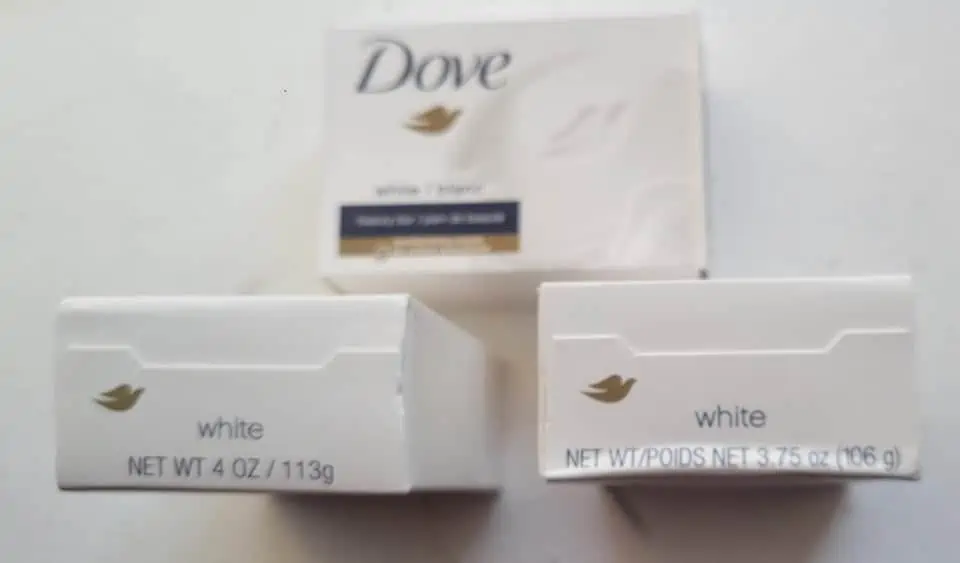
    Dove soap is a good example of shrinkflation. The soap bars have decreased in size from 113 grams to 106 grams, but the price has stayed the same. This means that the price per gram has increased.

    Sugar Packages

    Here’s an example of a sugar package with 1g less sugar but packaging that makes it look wider.

    Toblerone Chocolate

    In 2014 Toblerone reduced the weight of its chocolate bars by 25% by adding more space between each piece

    The company had to reverse the decision two years later after the customers complained.

    Domino’s

    Domino’s reduced the number of wings in its $7.99 deal from 10 to 8 to cope with the increasing ingredient and marketing costs.

    Go On, Tell Us What You Think!

    Did we miss something? Come on! Tell us what you think about our article on what is shrinkflation in the comments section.

  • How To Write A Business Proposal? – A Guide

    How To Write A Business Proposal? – A Guide

    “We’ll get back to you soon.”

    “Your rates are out of our budget.”

    “We are looking for someone with more experience.”

    If you are an entrepreneur or a freelancer, you must be familiar with these phrases and know exactly what they mean. It can be tricky to persuade a client and get them to give you their business. But fret not because we have found the perfect solution for you, and that is a business proposal! How to write one, you ask?

    Take a look at this detailed guide on how to write a business proposal prepared after researching and analysing hundreds of templates and proposals and get all your doubts answered.

    Business Proposal Sections

    Usually, a business proposal focuses on the following eight sections:

    1. Cover page
    2. Executive Summary
    3. The Problem/need
    4. The Solution
    5. The Deliverables
    6. Pricing
    7. About us
    8. Terms and Conditions

    Cover Page

    The cover page or the title page will create the first impression on the client. Therefore, a cover page should be well designed and simple. It should set your company’s brand identity and give a good first impression to the client.

    The objective of a cover page is to portray professionalism and set the stage for your proposal. In addition, it should attract and excite the client to make them read the rest of the proposal.

    How To Write The Cover Page?

    A cover page usually includes some boilerplate stuff like:

    • A project title
    • Company name and contact information
    • Client’s information
    • Submission date

    To attract the client and make a good first impression, you need to write a good project title. Titles like “Marketing Proposal” or “Consulting Proposal” seem a bit unimpressive and monotonous. Instead, keep the title compelling and interesting.

    For example, take a look at the following cover page:

    Cover Page - how to write business proposal

    The cover page shown above is well designed yet simple. It establishes an identity for the company and has a catchy title. You should try to incorporate something similar in your proposal.

    Executive Summary

    Your client will probably receive a lot of lengthy business proposals from different firms and individuals. So, include an executive summary right at the beginning of your proposal to give them a brief idea and save their time. Most of the time, proposals are approved just after reading the executive summary, making it one of the most important documents in the proposal.

    The main objective of an executive summary is to summarise the proposal and show the client why you are the best one for them. The document should clearly specify your company’s objectives, goals, and vision, but the main focus should be on your client’s needs and goals.

    How To Write An Executive Summary?

    An executive summary is a short form of your solution. It serves as an outline of the whole document. So write in a way that gets the client’s attention and makes them want to read more. Keep concise, specific, and to the point.

    A good way to write up an executive summary could be to divide it into 3-4 paragraphs and assign objectives to each one of them.

    • The first paragraph could be an opening statement or outline for the summary. You could state the aim of your proposal and the client’s needs. Be creative here and write an attractive and catchy statement. For example, don’t write statements like “We are a marketing company”. Instead, write, “We can revolutionise your business by helping you reach out to millions who are missing out on your product.”
    • In the second paragraph, you could focus on the client’s needs portraying that you understand their requirements and can provide them with a proper solution.
    • The third paragraph should emphasise the solution you are willing to provide for your client’s problem. It should highlight your approach and your company. You should write this section compellingly and attractively to make the client excited about the result and details of the proposed solution. However, don’t go into the details and intricacies of your product or services. This is the place to give a brief outline of the solution in 100-200 words.
    • The last paragraph is the cherry on the cake. You could either use it to explain your solution further or simply highlight why you are the best person for this job. For example, you can include some of your qualifications, previous experience in the field, talk about your employees or anything unique about you and your company to convince the client.
    Executive Summary - how to write business proposal

    The executive summary shown above is a good example. As you can see, the section is divided into four paragraphs starting with an attractive opening line and ending with a CTA to intrigue the reader. Take a look at how the 2nd and the 3rd paragraphs are structured. The second paragraph focuses on the client and their needs, and in the third one, the company is highlighted. Although the solution is well explained and specific, it does not go into too much detail about the process or deliverables.

    So, keep the executive summary precise, client-specific and straightforward. Try to avoid any technical jargon that might be difficult to understand.

    The Problem

    This section represents the main problem faced by the client. Before hiring anyone, the client needs to know that they understand the main concerns and expectations.

    The primary purpose of this section is to show the client that you have done your due diligence and understand the client’s needs and challenges. In addition, it is used to build a relationship between the two of you, build trust and show the client that you are competent.

    How To Write The Problem Section?

    Before starting to write this section, put some time into research and analysis of the issue. Even if you are an expert in the industry and well experienced, some time put into issue-specific research would increase your understanding. 

    It is better to divide this section into a few bullet points rather than writing paragraphs. Keep the points concise and short to avoid confusion. You could also include some statistics to prove your point. Make sure to include factual issues that your client can relate to. You should be able to convince them that you get them and understand their problems. Only then will the client be able to trust you.

    problem - how to write business proposal

    For example, the language used in this proposal clearly indicates that the firm understands the primary hurdles bugging the client. Furthermore, it is concise, well structured and personalised just for the client.

    The Solution

    This is the section where you are in focus. You have explained the problem. Now it is time to showcase the much-needed solution. The solution section is by far the most important in the proposal because it highlights the main selling point.

    How To Write The Solution Section?

    This section shouldn’t be very difficult to write as long as you know what you offer the client. You need to clearly state how you will solve the client’s problems and what is your approach. But try not to overdo it. You don’t want to confuse the reader by giving too many details. Keep the section simple and brief while clearly stating your USP.

    More often than not, companies write several proposals together and deliver them to different prospects. This often feels like cold emailing where the client doesn’t feel seen. So even if you have a similar solution for one specific industry, make sure to customise and personalise it a bit according to the client’s suitability. It won’t hurt to skip out the generic details to be specific to the client’s problems.

    Solution - how to write business proposal

    This proposal starts by introducing the main concern that needs to be solved and goes on to explain the approach. Take a look at how the language is simple and easy to understand.

    Solution section

    This proposal gives an overview of the process involved and the approach behind it. The company has very cleverly included their past experiences and portrayed their expertise in the field. However, one thing that can be improved here is specificity. The solution seems vague and does not explain exactly how the company will achieve the desired result.

    The Deliverables

    This is the section where you talk only about your product or service and how it works. While most of the time, we see the deliverables included in the solution section itself, it is a better idea to make a separate section for it if you feel the need to explain and elaborate upon the intricacies of your product.

    How To Write The Deliverables Section?

    This is the section where you can get creative. For example, you could add videos, graphics or images to explain exactly what you will be providing the client.

    Deliverables section - business proposal

    For example, the deliverables section shown above succinctly highlights all the services provided to the client. The company has even taken the time to explain each bullet point while being very brief. Additionally, they have included a timeline too and have tried to be very client-specific. 

    Apart from paragraphs, bullet points or images, you could include videos explaining the working of your products or highlighting the services you will provide the client. In fact, the use of videos in business proposals has been increasing over time. According to Proposify, the use of videos in proposals increased by 31% in 2020 compared to 2019.

    Timeline

    Moreover, to further increase specificity in this section, you could include a timeline showcasing different stages of project completion. This ensures that there is no confusion whatsoever. But make sure to discuss with your team before promising anything to the client. Finally, briefly divide the project process into different phases describing what you will accomplish in each phase.

    timeline section - business proposal

    The Pricing Section

    One of the most important sections in the proposal is the pricing section. Earlier, the section was considered optional, but it has become the main discussion point among the firm and the client.

    How To Write The Pricing Section?

    Before writing the pricing section, it is vital to understand how to name it. Although it may seem insignificant, how you name this section creates a huge difference. According to a report by Proposify, around 44% of firms name this page as “Your investment” rather than “Pricing”. It reminds the client that they are investing in their company’s growth rather than paying “fees” or incurring a “cost”.

    Furthermore, keep the section interactive. That is, give your client some options to choose from. Proposals with an interactive pricing section have a 12.6% higher chance of being accepted. Be clear and specific while writing this section. Mention what all will be included in the deal to avoid any confusion. A good strategy is to divide the pricing into stages or according to deliverables.

    For example, the proposal shown below incorporates all the above strategies.

    pricing section - business proposal

    About Us

    After convincing the client that you have a good solution for them, you need to convince them that you will follow through on that solution. You can achieve this using the about us section. This slide is used to show credibility to the client.

    Here companies include the employees working on the project, the company founders, some case studies and past experiences. The about us section gives a face to your company and thus increases trust between you and the client.

    team section - business proposal

    For example, the proposal shown above highlights the team that will work on the project, their qualifications and specialities. Also, note the phrase “Meet your team” instead of “meet our team”. These small changes make a huge difference in how the client perceives your company, consciously and subconsciously. Furthermore, it also includes a small testimonial at the end to gain the client’s trust and portrays credibility.

    company section - business proposal

    This proposal includes an overall summary of the goals and objectives of the company and its past qualifications and certifications.

    Apart from these examples, you could also include case studies about the previous projects or even a video portraying your company’s work culture, employees, etc.

    Terms and Conditions

    Many people start feeling dizzy just by reading the head “terms and conditions”. But, this is an important section and shouldn’t be left out of the proposal at any cost. The primary objective of this slide is to avoid any conflicts between you and the client during your project. It helps keep things professional and hassle-free.

    What To Include In The Terms and Conditions Section?

    Some major heads to be included here are:

    • What are the deliverables?
    • What is expected out of the client?
    • What will be the schedule and the timeline?
    • Payment methods and payment schedules
    • Cancellation and refund policies

    The key here is to trickle down and specify each and every detail. Think of it as a summary of the whole document. Only now, you don’t have to convince the client. You just have to mention and clarify everything you will be doing and everything that you expect from the client. We recommend having your legal team handle this section of the proposal rather than doing it yourself.

    Make sure to end this section with a CTA requiring the client to sign the proposal and agree to all the terms and conditions. Moreover, including esignatures in the proposal makes the deal more likely to close and also reduces the time to complete it.                                                                                                                                                          

    FAQs

    • How long should each section be?
      There is no stipulated word limit as to how long you should keep each section. But make sure to keep the proposal brief and simple because shorter proposals definitely have a higher closing rate. So, include all the necessary details in each section but try not to overdo it.
    • How many sections should I include?
      The sections described above are generic for different industries. What you want to include depends on you and your client’s needs and expectations. However, try not to make it too long by writing a lot of sections. Be as brief as you can. On average, most winning proposals include around seven sections. However, there is another aspect of this question that should
    • Should I use a template?
      This is a common doubt asked by many people. Usually, using a template or proposal writing software is a good idea as it saves time and gives you an idea of how to structure the document. But templates are primarily used for their designs and appearances. Therefore, the content should be personalised according to your client’s needs and expectations.
    • How should I design the proposal?
      While the online templates usually handle the design for you, it is essential to customise it according to your brand and company. The design and look of the document should develop a brand identity in front of the client. Moreover, make sure to keep the design simple and minimal because here, less is definitely more. The document should be easy to read and pleasant to the eyes.

    Go On, Tell Us What You Think!

    Did we miss something? Come on! Tell us what you think of our article on how to write a business proposal in the comments section.

  • Influencer Business Model | How Do Influencers Make Money?

    Influencer Business Model | How Do Influencers Make Money?

    Today, influencers are the spine of the creator economy. They are the ones who drive virality and create trends. But what many people don’t know is how they actually work and make money. Many even doubt that being an influencer can be a sustainable career.

    The fact is, influencers have disrupted the traditional marketing industry. They are not just people with good followership on social media channels. In the brands’ eyes, they are effective marketing channels to reach out to their target audience. And from a business perspective, they are entrepreneurs who have built their businesses around their followership.

    There are various ways in which an influencer can make money. But before we get to that, it’s important to understand how they work and build their business model around their content.

    How Do Influencers Work?

    An influencer is someone who has noticeable followership and the ability to influence those followers’ behaviour and decisions.

    They can be anyone from celebrities, athletes, or social media personalities to everyday people with a lot of followers on their social channels.

    The way these influencers work isn’t complicated.

    1. They choose a niche and platform they are comfortable with.
    2. They develop content that resonates with their niche and followers.
    3. They grow their following by engaging with their audience and providing valuable content.
    4. Once they have good followership and engagement rate, they look for brands who’d be interested in marketing to their followers.
    5. The brands get on board and pay the influencer to create sponsored content or promote their product or service.
    how do influencers work

    This is the general way most influencers work. But there are other key partners who become a part of the influencer business model throughout the business journey.

    The Influencer Business Model

    The influencer business model is similar to any other digital business.

    Influencers target customer segments based on the channel they use:

    • Intent-powered audience if they use pull-marketing channels like YouTube. People who are already looking for something in long-form content like product reviews, guides, etc., form this segment.
    • Micro-moments powered audience if they use social engagement channels like TikTok, Instagram, Twitter. People using these channels during their idle time form this segment.

    They provide value in the form of good-quality content that entertains, guides, and helps their followers solve problems, get most of their idle time, learn new things, and stay updated on trends.

    The key activities involve creating, curating, and distributing content in the form of blog posts, videos, photos, or live broadcasts that resonate with their target audience.

    Once the influencer has a noticeable following and engagement, they start signing contracts with brands that become their key partners.

    But it doesn’t end there. The influencer also partners with other businesses to help it grow its reach and revenue.

    These key partnerships can be with:

    • Content monetisation platforms like YouTube that shares revenue in exchange for giving the influencer a wider reach
    • Talent agencies that help connect them with brands and manage their endorsement deals.
    • Social media management companies that help them with content creation, scheduling, and reporting.

    They also need to continue growing their following by engaging with their audience and maintaining good customer relationships with them as well as with partner brands.

    Once everything is set in place, the influencer builds their revenue model where they can make money through various sources.

    How Do Influencers Make Money?

    While brands form the main source of income for most influencers, there are more than one ways in which influencers make money. These include:

    Ad-Revenue Sharing

    Usually, influencers who use ad-powered channels like YouTube, Facebook, etc., sign up for ad-revenue sharing with these platforms where the platform charges 45% (Facebook) to 55% (YouTube) of the ad revenue generated from the influencer’s videos and gives them the remaining.

    The model works in this way –

    1. A brand approaches the platform to release a campaign to a specific audience having a particular interest, browsing history, or demographic.
    2. The platform then identifies the relevant influencers and runs the ad on their channel.
    3. The platform shares the ad revenue with them based on how much traffic or engagement their video content generates.
    4. The advantage for brands is that they can directly target influential people without having to go through a third-party and also get detailed insights into what’s working and what’s not.

    This is a popular way for influencers to make money as it doesn’t require much extra effort on their part, and they get a regular income from it.

    Affiliate Marketing

    Affiliate marketing is a commission-based model where the influencer gets paid a commission for every sale or lead they generate for the partner brand.

    The way it works is that the influencer promotes the product or service of a partner brand on their social media channels or blog and provides a link to buy it.

    If someone clicks on the link and makes a purchase, the influencer gets a commission from the sale.

    The advantage for brands is that they get access to a large number of influencers who are willing to promote their product in exchange for a commission.

    This is a popular way for influencers to make money as they can sell the offering in their own unique way and get a commission for it.

    Product Placement

    Product placement is a form of marketing where the brand pays the influencer to feature their product in their content.

    The way it works is that the brand provides the influencer with the product and they feature it in a blog post, video, photo, story, or live broadcast.

    This is a popular way for brands to increase their awareness as well as product sales.

    The advantage for influencers is that they get to keep the product and are even paid for it.

    This is a popular way for influencers to make money, but it requires a lot of trust between the brand and the influencer.

    Brand Sponsored Content

    Brand sponsored content is a type of content where the influencer gets paid by the brand to create and publish content about them.

    The way it works is that the brand provides the influencer with creative materials like a story, video, or photo and tells them what they want the influencer to say or do in the content.

    The influencer then creates the content and publishes it on their social media channels or blog.

    The advantage for brands is that they can directly control the messaging and get access to a large number of influencers.

    This is a popular way for brands to make money as they can control the content and the message.

    The disadvantage for influencers is that they don’t have much control over the content and may not be able to publish it elsewhere.

    Subscription Revenue

    With an increasing trend of platforms like Only Fans, Patreon, etc. and Instagram adding the creator subscription feature, some influencers are now able to make a sizable income through subscriptions.

    In this model, the influencer creates exclusive content for their subscribers and charges them a monthly fee to access it.

    This is a popular way for influencers to make money as it doesn’t require them to work with brands and they get a steady monthly income.

    Self-Brand Offering

    Some influencers create and sell their own products or services to their followers.

    The way this model works is that the influencer launches their own product or service line, promotes it on their social media channels, and sells it to their followers directly.

    Launching a product line in the niche is a strategy of capitalising on existing brand equity and can be a more efficient way to convert followers into customers.

    Moreover, influencers get to keep the entire profit from the sale and don’t have to share it with a brand.

    Brand Channel Takeovers

    Channel takeover is a type of marketing where the influencer gets paid by the brand to take over their social media channel and post about their product or service.

    In this model, the influencer posts about the product or service on the brand’s social media channel for a certain period of time depending on the agreement between them.

    This is a popular way for brands to get their product or service in front of a large number of people.

    The best thing about this partnership for the influencer is that they don’t have to use their own channel for the promotion and can continue to use it for their own content.

    Donations

    Some influencers monetise their following by asking for donations from their followers.

    While this model is not as popular as the others, there are a few influencers who use it to get some extra money.

    In this model, either the influencer asks their followers to donate money to them in exchange for exclusive content or just for the pleasure of supporting them.

    How Much Money Do Influencers Make?

    With several types of influencers getting the spotlight, the paychecks also differ. Generally, those with a larger following can charge more for a post.

    According to data by Hype Auditor,

    • Less than 25% of influencers with 1k-10k followers earn from their accounts.
    • Less than 45% of influencers with 10k-50k followers earn from their accounts.

    The real earning starts only when you cross the 50k mark.

    An average influencer earns $2,970 per month, with micro-influencers earning around $1,420 per month and mega-influencers earning over $15,356 per month.

    The Future Of Influencer Marketing

    Influencer marketing is growing rapidly and is already a $16.4 billion industry in 2022.

    This is because brands are realising the potential of working with influencers and how it can help them reach their target audience in a more efficient way.

    Moreover, the number of people who use social media is also growing, which means that the potential market for influencer marketing is also increasing.

    As a result, the future looks bright for influencers and they are expected to make more money in the years to come.

    Go On, Tell Us What You Think!

    Did we miss something? Come on! Tell us what you think about our article on how do influencers make money in the comments section.

  • What Is A Business Proposal?

    What Is A Business Proposal?

    One of the biggest problems faced by a firm, an entrepreneur or a freelancer is getting clients to buy their products or services. The main problem arises when there is an abundance of sellers or firms in the market for a specific product or service. When a client has multiple options, they often try to evaluate each of them based on their qualifications and services.

    In such a situation a business proposal comes in very handy. It helps firms and individuals to put their best foot forward in front of the client.

    But what is a business proposal? What should you include in a proposal to persuade the client? Is it the same as a business plan? Read on to find out!

    What Is A Business Proposal?

    A proposal or a business proposal is a document that a firm, an entrepreneur or a freelancer puts together to make a sales pitch to a potential client and to give a brief overview of the product or service they are offering.  In other words, a business proposal is a sales pitch in the form of a document where a firm or an individual persuades a prospective client to buy the respective product or service from them.

    Basically, a business proposal gives a basic outline of

    • What a firm or an individual can do for the client or how they can fulfil the potential’s clients needs,
    • The budget they require for the same,
    • The timeline to complete the respective project,
    • Their approach towards the project and
    • Why the customer should go for this particular firm or individual.

    What Is The Objective Of A Business Proposal?

    A business proposal is a very important document that helps in the conversion of a client. It creates a great impact on a prospective client and portrays responsibility as well as accountability on the firm’s part. The main objective of a business proposal is to provide the client with an outline of how the respective project would be completed and why the said firm is most suitable for doing the job. A proposal assists the client in making the decision as well as comparing various firms and individuals for the given project.

    What Are The Types Of A Business Proposal?

    There are essentially two types of business proposals- solicited and unsolicited.

    Solicited Business Proposals

    A solicited business proposal is delivered when a prospective client or business formally asks one to submit a proposal so that they can evaluate one’s services or products.

    Prospective clients could either formally request a proposal or it could be an informal request. However, there are certain terms that are commonly used when a formal request is made including:

    • RFP: request for proposal is a document that outlines the customers’ needs. Moreover, an RFP also indicates how the prospective client wants the information in the proposal to be structured. An RFP allows a business to learn a lot about a client and curate a proposal according to their needs.
    • RFI: The request for information is used as a screening tool by the companies. In this document, the firm is just required to provide its information to a prospective client so that they can compare and analyse various firms suitable for the project.
    • RFQ: A request for quotation is a document that is sent by the potential client when the price is an important factor in the decision-making process. The proposal sent in response to an RFQ majorly includes the budget outline of the project along with other information about the project.
    • IFB: as is evident by the name, the invitation for bid is a document that requests bids from various firms and individuals.

    Unsolicited Business Proposals

    These proposals are the ones that are sent even when there is no request from the client’s side. Just like cold emails or marketing brochures, unsolicited proposals usually follow a generic approach. However, even unsolicited proposals can be personalised to suit the needs of a specific firm or individual.

    The main objective of such a proposal is to introduce one’s product or service to a prospective client in the hope of persuading them.

    Components Of A Business Proposal

    Most proposals are client-specific and industry-specific. They focus on catering to the client’s needs more than anything else. An average business proposal usually contains 9-10 pages including a cover letter and a cover page. Firms usually try to keep their proposals short and concise so as to provide a brief overview to the client in a short amount of time. However, even if a proposal exceeds 10 pages, it should work as long as it provides added value to the client.

    The main contents of a business proposal include:

    1. Cover letter– describes why the firm is sending the attached proposal. This page serves as the first point of contact between the firm and the client.
    2. Cover page- includes the proposal title and basic company information
    3. Executive summary- a brief summary of the whole proposal to convey the main information. The most important document of the whole proposal.
    4. Content table
    5. Overview of the problem- outlines the main problems and needs of the client. Portrays that the firm understands what the client requires.
    6. Approach to solving the problem- describes how the firm plans to solve the client’s problems. This document mainly includes the services or products offered by the firm and how they can help the prospective client.
    7. Approximate budget and costs
    8. Approximate deadline and schedule- a brief timeline to complete the project.
    9. Company information and qualifications- this part of the proposal outlines the firm’s qualifications and may even include some of the employees that will be working with the client.

    Difference Between A Business Plan And A Business Proposal

    A business proposal is often confused with a business plan by many people. However, the two documents are very different and serve different purposes. A business plan is a document written to provide a blueprint of a business, its goals and a roadmap of how to achieve those goals. This document serves as a roadmap for the business owners, giving them direction and clarifying the long term goals of the venture.

    While the goal of a business proposal is to inform and persuade a client, the main goal of a business plan is to provide an overview of a business, its goals, aspirations and vision to prospective investors, banks, managers, employees, desired partners, and so on. A business plan provides direction to a business and sets future targets and goals while a business proposal is usually a client-specific document describing how a business could cater to the clients’ needs.

    Go On, Tell Us What You Think!

    Did we miss something? Come on! Tell us what you think about our article on what is a business proposal in the comments section.


  • What Is An Influencer? How Do They Work?

    What Is An Influencer? How Do They Work?

    Social media marketing has changed the game when it comes to marketing products and services. It used to be that if you were a brand, you would have to pay for ads in multiple media outlets in order to get your product recognised by the general public. However, this is no longer the case!

    Influencers have disrupted the social media marketing industry and have taken over where traditional advertising has failed.

    But while this word “influencer” gets thrown around a lot these days on social media. Not many people really know what is an influencer or what an influencer actually does. Think of it this way, they are the new salespeople in town, but instead of hiring them for big bucks, brands give away their products and pay them with samples to get their name out there.

    What Is An Influencer?

    An influencer is a person or a brand with a noticeable following in a particular niche and the power to affect buying decisions of a large group of people.

    In simple terms, an influencer or a social media influencer is a brand operating in the social media space that:

    • Has a noticeable following in a particular niche. Not just following, but the engagement level on their posts and opinions is also huge. This means that there are many people who engage with the influencer’s content, which in turn makes it more relevant than other social media posts.
    • Has the power to become an opinion leader and affect buying decisions of a large group of people. The influencer holds great sway over their followers and, in a way, has a large level of control in their decisions.

    How Do Influencers Work?

    Influencers are the creators forming the spine of the creator economy.

    Their job includes developing content for their followers, engaging with the audience and building a reputation of being the go-to person in their niche.

    They are the ones who keep the social media platforms up-to-date by creating trends almost every day. In a way, they help the social media platforms find their next generation of users and keep people coming back through fresh content.

    In short, they are the faces people love to watch during breaks, before making important decisions, and even when they are looking for inspiration.

    Once the influencers have considerable followership, they start monetising their efforts (posts, articles, videos, etc.) through brand partnerships, affiliate links, brand takeovers, and sponsored posts.

    how do influencers work

    The Importance Of Influencers

    Influencers have become the new torchbearer of word of mouth and virality, both for the consumers and the businesses.

    They are the new heroes in town, promoting brands and services without putting out explicit ads. But how does this actually help the brands?

    For The Consumers

    The rise of influencers has changed people’s content consumption habits and buying decisions. People now look up to them to know new trends, learn the latest about a niche, and take recommendations on what they should buy next or which brand they should purchase from.

    In a way, this has changed the social media marketing industry as people rely on influencers more than they do brands or companies for recommendations. In fact, over 92% of consumers trust an influencer more than a brand advertisement or celebrity endorsement. 

    This means that influencers play a great part in influencing people to buy a particular brand or product.

    Moreover, with the increased usage of Adblock technologies (over 47% of customers use Adblock), traditional advertisement channels are becoming less effective in educating customers about new brands or services.

    For The Brands

    With their target audience moving towards influencers for recommendations (49% of consumers make their decisions based on influencer recommendations), influencers as a marketing channel are becoming more relevant than ever.

    The key to brand’s success is to build a relationship with their audience, which they can do by collaborating with influencers.

    Today, influencers do not just stop at mere recommendations. They actually perform the role of a brand ambassador and help promote brands across their influence platforms. This trend has increased exponentially with big brands opening up to this realm of opportunities and working more closely with the creator economies to promote themselves.

    In fact, brands see an average earned media value of $5.78 for every dollar spent on influencer marketing.

    Types Of Influencers

    When looking at influencers, one should understand that they come in all shapes and sizes.

    They do not just vary based on their following base; rather, other characteristics make them different from one another. Some of the factors that separate influencers from each other include followership, the type of content shared, and the industry they operate in.

    Based On Followership

    The most common and traditional way of categorising influencers is on the basis of how many followers they have. This way, influencers can be divided into five types:

    • Mega influencer (over 1 million followers): This is the top 1% of influencers who shape the market, create trends, build new markets, and influence consumer decisions.
    • Macro Influencer (500,000 to 1 million followers): Opinion leaders, industry experts, trendsetters are all part of this category.
    • Mid-tier influencer (50,000 to 500,000 followers): They have a dedicated niche audience and play an important role in spreading awareness about brands or products.
    • Micro-influencers (50,000 to 10,000 followers): They may not have a large following base, but they do enjoy a certain degree of influence which is more than the average social media user.
    • Nano-influencer (1,000 to 10,000 followers): Influencers with usually low number of followers but a high engagement rate.

    Based On Content-Type

    Influencers can be divided into four categories based on the type of content they distribute.

    • Bloggers: These influencers share their personal experiences, opinions, and insights on a particular niche using their dedicated websites. They may also offer professional advice to their target audience in the form of articles, video tutorials etc.
    • Vloggers: Vloggers share their thoughts and opinions in the form of videos. They take the help of platforms like YouTube, Twitch, and Instagram to reach their target audience.
    • Podcasters: Podcasters are influencers who share their content through audio streaming. They are popular with people looking for expert advice on a particular subject or who want to get entertainment.
    • Social media posters: Posting on social media is the most common form of content sharing for influencers. They use platforms like Facebook, Twitter, Instagram to share their thoughts, tips & tricks with others.

    Based On Industry

    Influencers can be divided into four categories based on their industry of expertise:

    • Diversified influencers: These are generalists who possess a wide range of knowledge and expertise or are followed by a large audience in several niches. Such influencers include celebrities, politicians, and journalists.
    • Industry influencers: These are experts within a particular industry and have a deep understanding of the subject. They can be considered an authority on that specific topic and are further categorised into subject matter experts like fashion influencers, travel influencers, beauty bloggers etc.

    Is Influencer A Real Job?

    Like any other profession, being an influencer is also a full-time job.

    Even though they don’t work under anyone, these influencers are infopreneurs who have daily to-do job lists and specific goals they need to achieve to stay on top of their game.

    This profession involves them bridging the gap between a business brand and its target audience using the power of influence.

    Influencers usually spend endless hours engaging with their audience, researching to find new opportunities, creating content and sometimes even working on the product they’re promoting.

    Some of them also attend live events and conferences or set up their own workshops and seminars to provide more value to their followers and clients.

    How Do Influencers Make Money?

    Influencers have developed their own creator-centric economy powered by several income streams. These revenue streams include:

    • Platform revenue sharing: Influencers who rely on platforms like YouTube or Facebook often earn money by sharing advertisement revenue generated through their content.
    • Affiliate marketing: Influencers use their influence to promote brands or products to their audience. In return, they get a commission from the sale of these products.
    • Product placement: Influencers with high followership are often paid to promote brands on their social media platforms.
    • Brand sponsorship: Brands often involve influencers in their marketing campaigns where these people either take over the brand’s social media channel or include the brand’s offerings in their own channel.
    • Subscription-based: Influencers who rely on platforms like OnlyFans use their influence to generate revenue by making people pay for access to exclusive content.
    • Self-brand offering: Several influencers even launch their own brand of products or services based on their expertise and knowledge. For example, a lifestyle blogger may launch his or her own line of beauty products.
    • Donations: Influencers can also generate revenue from their fans by accepting donations from them.

    How Much Money Do Influencers Make?

    It pays to be popular. Influencers with a large social media following can make a lot of money, with over 48.49% of influencers agreeing that they make money from being an authority.

    According to data by Hype Auditor, an average micro-influencer (with followers between 1K and 10K) earns $1,420 per month, and an average mega influencer (with followers over 1M) earn $15,356 per month.

    These influencers spend 28.7 hours per week on average to earn this much.

    Go On, Tell Us What You Think!

    Did we miss something?  Come on! Tell us what you think about our article on what is an influencer in the comments section.

  • What Is Creator Economy? How Does It Work?

    What Is Creator Economy? How Does It Work?

    Not so long ago, the information and entertainment industry was dominated by a few big players. TV, radio, and newspaper were the major mediums used by most people to consume content.

    The trend continued for a long time. But as the internet evolved, so did Web 2.0 – the web where users were not just consumers, but creators. People started creating content and sharing it with their communities. Individuals became the producers and their own brand managers.

    This trend caused a revolution in the way content was produced, distributed, and consumed.

    And all this led to the development of the creator economy.

    What Is Creator Economy?

    The creator economy is defined as an economic system built by independent content creators who are connected to their audiences and businesses via the internet.

    Creators are people who create, own, and distribute the content they produce to their audiences. The content is in the form of text, podcasts, music, videos, digital books, games etc.

    These creators monetise their expertise by sharing content on ad-sponsored platforms, partnering with brands, charging subscription fees, providing services etc.

    These creators are infopreneurs who use content creation to communicate with their audiences and engage them. The audience in turn can support the creator monetarily by engaging with the content, paying for it, or making them their opinion leaders and purchasing from the brands these creators endorse or are associated with.

    How Does Creator Economy Work?

    The creator economy creates an ecosystem between creators, consumers, advertisers, and other stakeholders. This ecosystem has significant implications for the way content is created, distributed, consumed and monetised.

    There are majorly five stakeholders –

    • Creators
    • Consumers
    • Platform
    • Businesses
    • Tools

    Creators

    Creators are infopreneurs who create content that is consumed by their audiences. The content can be informative, entertaining, inspiring etc.

    These creators use their expertise to create content, build their audiences, and monetise their content.

    There are four main types of creators –

    • Bloggers/Vloggerswho share information or advice on topics they are known for. For example, fashion bloggers on what’s new in the fashion industry.
    • Entertainers who use their skills in writing, music, or any other form of art to create content. For example, a musician sharing songs on Soundcloud.
    • Guides and experts who share their knowledge on products, services, and other topics. For example, a guide to get analytics for free on Google Analytics.
    • Existing celebrities who use their popularity to create content. For example, Stephen Fry sharing snippets of his daily life on Twitter.
    https://twitter.com/stephenfry/status/1466857513056452614

    Consumers

    Consumers are people who consume content. They are the target audience of the creators.

    Consumers engage with the content created by experts, support them monetarily or follow their opinion leaders for information and entertainment.

    Platforms

    Platforms are third-parties that facilitate creation, distribution, consumption, and monetisation. Platforms are used by both the stakeholders to engage with each other.

    Platforms provide value-added services, earn revenue through advertisements or by charging subscription fees, and create opportunities for creators to monetise their expertise.

    Some examples of platforms are YouTube, Instagram, TikTok etc.

    Businesses

    Businesses are companies that wish to advertise their products and services with the help of content creators. They target the audience of the creators by partnering with influencers to create content around their offering which is then distributed through influencer’s channels.

    This collaboration between influencers and businesses lead to effective brand awareness campaigns.

    This new business model is beneficial for both stakeholders – influencers who are able to monetise their influence by charging a premium, and businesses who get their brand advertised efficiently.

    Tools

    Tools are platforms and other solutions that help the stakeholders collaborate to create, distribute, and monetise content. Tools also provide insights on performance to creators and businesses.

    For example, tools like Buffer aid influencers in distributing their content on social media platforms, Canva help them create great visuals, and Onalytica helps them track their online presence.

    What’s the State of Creator Economy?

    Currently, there is a significant shift in the way content is consumed and produced. With many tech companies competing to create a viable business model to monetise their platform, the creator economy is becoming stronger.

    Platforms such as YouTube, Instagram, and TikTok have been at the forefront of revolutionising the way content is created, distributed, consumed and monetised.

    New business models are emerging where brands are partnering with influencers to create brand awareness and affiliate campaigns through the use of content. This has led to increased effectiveness in brand marketing due to the influence of compelling personalities who can make an emotional connection with their audiences.

    Even though there are over 50 million independent creators, the creator economy is still in its nascent stage (96.5% of YouTubers don’t even make enough to reach the U.S. poverty line). It is constantly evolving, and with emerging business models, it will grow further.

    The Creator Business Models

    The creator economy has introduced innovative business models that are converting the lives of influencers into sustainable careers, allowing them to focus on what they love the most – creating, engaging with their audiences and monetising their influence.

    Some of these business models are as follows:

    Platform Revenue Sharing Model

    For creators who use platforms like YouTube, Facebook, etc., this is the most popular model with the least barrier to entry. Here, creators are able to monetise their content by getting a cut of the ad revenue generated from their channel pages and posts.

    Though it’s difficult to be profitable using this model unless your influence is extremely impactful and you have thousands of followers who will actively engage with your content, this model has pretty good earning potential. This model is usually preferred by creators who already have a significant following and want to diversify their earning sources.

    Affiliate Marketing Model

    Affiliate marketing is a commission-based model where influencers are paid a commission for each customer they refer to the partner brand. In this model, content creators not only monetise their influence but also help businesses generate leads through their content and establish themselves as authoritative figure in the industry.

    Creators get special links or coupon codes that they share on their influence channels, which are then tracked by the platform to see if that lead turned into a sale.

    Product Placement Model

    Another brand partnership model where creators are paid to use or feature brands in their content. Here, advertisers or businesses pay influencers a fee in return for product/service mentions and links to their websites.

    The cost per mention is decided based on the size and engagement of the creator’s channel and industry. This model may be preferred by some influencers who have a larger following base, especially if they are an authority figure in their space.

    Creators can also get paid to attend sponsored events or create custom content that would help promote the brand.

    Brand Sponsorship Model

    A business or advertiser pays an influencer to promote their brand exclusively by featuring it in their content. This model requires creators to sign a contract that clearly stipulates the exclusivity of particular products and services and is also more expensive than other partnerships.

    This type of brand sponsorship is generally preferred by influencers who are extremely popular and have a large influence over their audience.

    Subscription-Based Model

    There are several platforms like OnlyFans, Instagram, Patreon and Twitch which offer subscription-based content where viewers can subscribe to a creator’s channel for a fee of their choosing. Fans are then able to watch exclusive content, live streams and videos on these platforms that are not accessible anywhere else.

    These models have become extremely popular with creators because the barrier to entry is lower but they still have an opportunity to grow their direct fan-to-creator revenue.

    Self-Brand Offering

    Several creators even launch their own products and services like clothing lines, accessories, etc. to not only generate an additional revenue stream but also establish themselves as an authority figure in their industry.

    This model is more suitable for creators who are looking to build a sustainable business of their own rather than just earn money off their influence.

    Creators with physical products related to the content they create would fare better using this model.

    Donations

    Donations are another popular form of monetisation in the creator economy and this model has been around for over a decade. However, it’s less popular today because you can’t always depend on donations since people would either forget or not be able to afford them which is why other models like subscriptions, brand sponsorship and affiliate marketing are preferred by most influencers.

    The Future Of The Creator Economy

    Web 3.0 is all about decentralisation and this is where the future of the creator economy lies. Currently, many influencers depend on third-party platforms like YouTube or Instagram to generate their revenue but as more users move towards decentralised social media networks powered by blockchain technology, we expect influencer marketing to also move in that direction and the creator economy to flourish.

    Currently, platforms like YouTube takes 55% of ad revenue generated by such creators while only 45% goes to the creator.

    This is the reason creators are moving away from such platforms and are developing more advanced business models like getting paid to create custom content for brands.

    There is no doubt that the future of the creator economy is very bright indeed.

    However, the only thing that could be a concern for this industry is the lack of transparency since it often becomes challenging to track views and engagement on these platforms.

    Nevertheless, as more blockchain-based platforms emerge as a solution to these problems, we expect an upsurge in the creator economy.

    Go On, Tell Us What You Think!

    Did we miss something? Come on! Tell us what you think of our article on the creator economy in the comments section.
  • What is FMCG? – Characteristics, Types, Examples

    What is FMCG? – Characteristics, Types, Examples

    The abbreviation ‘FMCG’ is widely used in many parts of the world. It essentially stands for “Fast-moving consumer goods” and covers a wide range of products, including food, beverages, clothing, household products, personal grooming products and more.

    These goods are generally sold to the retail market and are designed for mass consumption. As they are so widely available, FMCGs are usually cheaper than other types of goods.

    Since these goods have specific characteristics, it is essential to understand what is FMCG and how they are different from other product types.

    What Is FMCG?

    Fast-moving consumer goods (FMCG) are consumer products designed for frequent use, usually consumed quickly, and have high demand and low cost.

    This definition of FMCG can be broken into four key parts

    • Designed for frequent use: FMCG products are typically used often, even daily. These include products like bread, soap and shampoo.
    • Consumed quickly: FMCG products are consumed quite speedily. For example, a consumer might purchase bread from a local bakery or bakery chain and eat it on the same day it is purchased.
    • Have high demand: The demand for FMCGs is usually very high. This can be due to their affordability or practicality, among other reasons. An example of an FMCG product with high demand would be soap – people tend to buy soap frequently due to the need for cleanliness.
    • Low cost: FMCGs are usually inexpensive or at least cheaper than other types of goods on the market. An example would be bread – it is often much more affordable than a luxury handbag.

    These goods are called fast-moving as they move from the sales area to the point of consumption within a short time span.

    Characteristics Of FMCGs

    There are some key characteristics that define FMCG products and separate them from other types of products. These are:

    From The Consumer Perspective

    • High availability: FMCG products are usually widely available and sold in several stores and supermarkets worldwide. This allows consumers to purchase these products easily without too much trouble.
    • Purchased frequently: FMCGs include products that consumers frequently require, usually daily or near-daily. For example, breads and coffee are generally bought at least once a week.
    • Low buying effort: FMCGs are usually low effort purchases for the consumer. For example, with shampoo, most people know that they prefer a particular brand or type without testing it. This means that most people enter the store knowing exactly what they want and buy it straight away.
    • Low cost: FMCGs are usually inexpensive compared to other products on the market, therefore taking up a smaller proportion of consumers’ income.
    • Rapid consumption: The time between buying the product and consuming it is very short, often only a number of hours. For example, a loaf of bread might be purchased in the morning and consumed at lunchtime that same day.

    From The Retailer Perspective

    • High turnover rate: FMCG sales are higher than other product types’ sales as they are purchased frequently by consumers. This means that retailers can keep inventory for these products for shorter periods of time, which ultimately reduces costs.
    • Highly distributed: Since these goods have high demand and low cost, they usually need to be widely available and distributed across different locations and regions. For instance, there might be several different supermarkets in a town that all sell the same bread brand.
    • Low unit cost: As FMCGs have a high demand and low cost, they usually have a low unit price for consumers. This means that retailers can sell these products at a low price and still retain the same profit margin. This is different from luxury items that usually have a high unit cost but lower demand, meaning that they must be sold at a higher price to maintain the retailer’s desired level of profit.
    • Non-durability: FMCGs are not built to last. This is because they have a short time span from production until consumption. They are also required in large quantities so manufacturers do not need to preserve them for long periods of time, which allows them to be sold at lower prices.
    • Consistency in form, size, colour and price: FMCGs are standardised, which allows them to be produced cheaply in bulk quantities. For example, if a manufacturer produces packets of shampoo, they are all the same size and contain the same amount of liquid. This means that when one purchases a packet of shampoo from their local store, they know exactly what they are getting.

    Types Of FMCGs

    FMCG products are usually broken up into different types depending on the industry they are sold in. These include:

    • Food and Beverages
    • Personal Care
    • Healthcare Care
    • Home Care

    Food And Beverage

    Food and beverage products usually fall into the FMCG category due to their short life span and high turnover rates.

    Types of food and beverage products that are usually classed as FMCGs include but are not limited to:

    • Processed food, such as bread, pasta and potato chips.
    • Ready to eat food, such as packets of nuts or crisps.
    • Beverages, such as bottled water, coffee cups and cans of soda.

    Personal Care Products

    Personal care products, such as shampoo and toothpaste, can also be classed as FMCGs because they are needed frequently by most consumers, usually bought at a low cost and not built to last.

    These include lotions, hair dyes, lipsticks, cosmetics, deodorants, bath soap, dental care products, etc.

    Healthcare Care Products

    Healthcare care products are also classed as FMCGs because they are usually highly demanded, not built to last and very distributed.

    These include products like plasters, bandages, syringes, condoms, etc.

    Home Care Products

    Products that are used for household purposes also fall into this category because they are usually standardised, low durability goods that are highly distributed and sold at a usually low unit price.

    They include cleaning products, kitchen towels, toilet rolls, bleach, dusters, etc.

    FMCG Companies Examples

    Some of the largest FMCGs companies in the world include but are not limited to:

    Coca-Cola

    Coca-Cola is an American multinational corporation that is currently among the world’s largest beverage companies. The Coca-Cola Company manufactures, distributes and sells nonalcoholic beverages. The company operates in over 200 countries and focuses its product range on sparkling soft drinks such as Coca-Cola and Diet Coke, still drinks such as Minute Maid, and energy drinks such as Powerade.

    Nestle S.A.

    Nestlé S.A., often styled as NESTLÉ, is a Swiss transnational FMCG company headquartered in Vevey, Vaud, Switzerland. It is the largest food company in the world measured by sales.

    The company deals in baby food, medical food, bottled water, coffee and tea, confectionery, dairy products, frozen food, pet foods, ice cream, breakfast cereals, and snacks.

    Unilever PLC

    Unilever is a British-Dutch multinational consumer goods company co-headquartered in London, United Kingdom and Rotterdam, Netherlands. Its products include food, beverages, cleaning agents and personal care products. It is among the world’s largest consumer goods companies measured by market cap.

    Go On, Tell Us What You Think!

    Did we miss something? Come on! Tell us what you think about our article on Fast-moving consumer goods (FMCG) in the comments section.
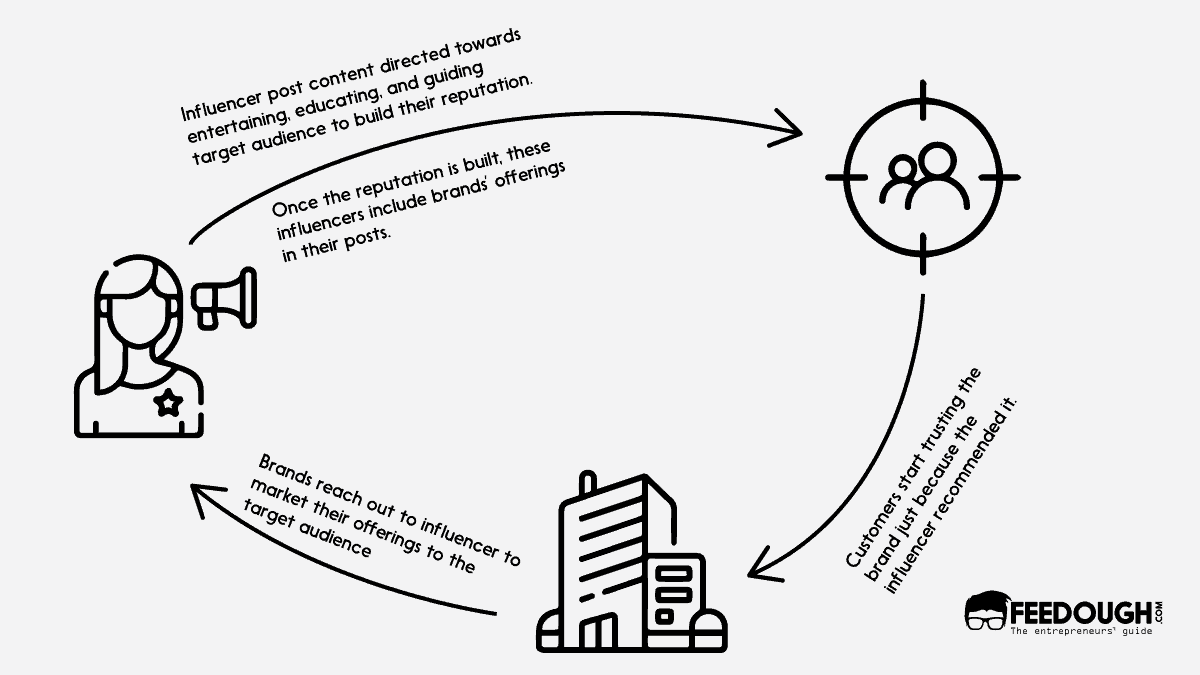
  • What Is Advertorial? – Characteristics, Types, & Examples

    What Is Advertorial? – Characteristics, Types, & Examples

    Ads don’t always look like ads. They can be disguised in a way that they look like regular content. The advertiser or marketer might actually pay the publisher to publish this disguised ad in their newspaper, magazine, or digital publication.

    When that happens, it is called an advertorial.

    What Is Advertorial?

    An advertorial is an advertisement presented in a format that looks like legitimate and original editorial content. The advertiser, or marketer, pays the publisher to publish their ad.

    Unlike a traditional advertisement, advertorials look like regular editorial content and are even written in a way to give information about a product or service and not merely sell it.

    The advertorial can be written as if the marketer was an industry expert, giving details about the industry trends or how their product is better than its competitors.

    Usually, publications include a disclaimer somewhere in the advertorial, telling readers that it is an advertisement and not the regular content.

    Characteristics Of An Advertorial

    There is no standard format or template for an advertorial. One publication might be different from another, and even one advertiser can have a different advertorial from another advertiser.

    But there are some general characteristics that most advertorials include:

    • Sponsored content: The advertorial is a paid advertisement, not an independent editorial.
    • Promotional nature: The advertorial only presents information to help sell a product or service or build brand awareness.
    • Informative nature: Although an advertorial’s main purpose is to present information to build a brand, it also contains useful and interesting information relevant to the reader.
    • A lack of hard-selling: Unlike traditional advertisements, advertorials don’t include a direct call to action like ‘call now’ or ‘visit our store’. It doesn’t tell the reader exactly what they should do after seeing the advertorial.
    • Disguised appearance: Most advertorials resemble regular editorial content, such that often readers don’t even realise that it is an advertisement.
    • A disclaimer: Most print and digital publications include a disclaimer somewhere in the advertorial to make it clear for readers that they are reading an advertisement and not regular editorial content.

    Types of Advertorials

    Advertorials can take many forms, based on what the marketer wants to accomplish with the ad. Different types of advertorials are usually chosen depending on what result is needed.

    Comparative Review Advertorials

    One of the most common types is a comparative review advertorial, where an advertiser or marketer publishes their product or service along with their competitor’s product or service.

    This type of advertorial is helpful for consumers because they can compare two or more products side by side, making it easy to decide which one they prefer.

    Comparative review advertorials are perfect for newcomers in the market who have little brand awareness. Marketers use this advertorial type to generate interest in their product with less spending.

    Promotional Or Image Advertorials

    Promotional or image advertorials are where the advertiser publishes content about their brand or offering intending to build a favourable brand image.

    They might publish success stories highlighting the positive effects their product had on someone’s life or they will talk positively about their business and what makes them unique without directly comparing it to the competitor.

    Promotional advertorials are more about creating an image that appeals to their target market rather than generating sales through hard-selling, which is why they don’t have a call to action.

    Journalism Advertorials

    Another common type of advertorial is a journalism advertorial that looks like the regular publication’s content. It’s written as a news article with a catchy headline and body that looks just like usual editorial.

    Journalism advertorials are usually published in magazines and newspapers since they have more space to play with. They might not directly talk about the advertiser’s product, but it will still be mentioned in the context of an interesting story or topic relevant to their target audience.

    Advocacy Advertorials

    Advocacy advertorials are where the advertiser creates content about an issue they care about so that their product can be associated with it.

    Although this type of advertorial goes beyond selling a product, it is still related to what they do so that readers will feel encouraged to purchase their products in order to support them.

    The marketer might publish content about how their products contributed to a charity cause, or they might talk about improving the environment, without directly selling their product.

    Consumer Guide Advertorials

    Consumer guide advertorials are content written with the intention to direct the reader on the right path. For example, an article about how to find a reliable plumber might link to the brand website for people to contact them easily.

    The main purpose of this type of advertorial is to direct the reader to take action without appearing too promotional.

    Components Of An Advertorial

    An advertorial is a combination of an ad and editorial content.

    In print, it looks just like a usual editorial column. In digital publications, you will find them in between regular articles, where the advertiser does not want their content to look too promotional.

    Advertorials use a similar style as journalist writings. They have

    • Catchy headline: Headlines of advertorials are usually written with the same style as journalist headlines, catchy and drawing attention to what is compelling about the topic.
    • Introduction: This section seeks to engage the reader by making them interested in the topic. It usually contains a short paragraph that outlines what to expect from the body of the article.
    • Body: Advertorials have a body just like regular articles. They are usually more detailed than an ad, but they can be shorter or longer depending on the topic of the advertorial. The body is generally driven by the objective of the advertorial and doesn’t stray too far from it.
    • Conclusion: Advertising often uses a call to action because it is their main objective, but other advertorials do not require any because their goal isn’t to generate sales. If there is a call to action in advertorials, it might be to subscribe to an email list or to read another article on the website.

    Advertorials can be used to build sales, but they are targeted at building brand image through positive associations with their product. Although advertisers want readers to take action by buying their products, this is secondary to their main objective which is about building a favourable impression of their brand in general.

    Advertorial Examples

    Advertorials are usually published in print, but you can also find them online.

    There are many types of advertorials and they all vary depending on what the advertiser wants to achieve with their content.

    Forbes Advertorial

    Forbes Advertorial

    Economic Times Advertorial

    Economic Times Advertorial

    Wired Advertorial

    Wired Advertorial

    Go On, Tell Us What You Think!

    Did we miss something? Come on! Tell us what you think about our article on advertorials in the comments section.