Feedough Logo

Blog

  • Managing Small Business Finances [Complete Guide]

    Managing Small Business Finances [Complete Guide]

    Being a great business owner doesn’t make you a great financial manager—but you can’t run a business on passion alone.

    Over half of small businesses fail within their first five years—primarily due to financial mismanagement—so understanding your finances is crucial for your business’s success.

    Having a financial management plan is essential as it acts as a strategic road map to help your business achieve its goals.

    When you understand your business’s financial obligations, track your recurring expenses, understand your revenue streams, and mark critical financial dates, you can better plan for the future and operate your business more smoothly. This foresight helps prevent avoidable obstacles as you grow.

    This comprehensive guide will provide you with all the necessary knowledge to manage your small business finances.

    Financing Terms That You Should Know

    First and foremost, you need to understand the essential financing terms that form the foundation of managing small business finances.

    Term
    Definition
    Cash Flow
    The total amount of money being transferred into and out of a business, especially as affecting liquidity.
    Working Capital
    The capital of a business, which is used in its day-to-day trading operations, is calculated as current assets minus current liabilities.
    Profit Margin
    A measure of profitability is calculated as net income divided by revenue, expressed as a percentage.
    Break-Even Point
    The point at which total cost and total revenue are equal, meaning there is no net loss or gain.
    Accounts Receivable
    The balance of money due to a firm for goods or services delivered or used but not yet paid for by customers.
    Accounts Payable
    The amount of money a company owes to its suppliers for goods and services purchased on credit.
    Debt-to-Equity Ratio
    A measure of a company’s financial leverage is calculated by dividing total liabilities by equity.
    Interest Rate
    The amount charged by a lender to a borrower, expressed as a percentage of the principal, for the use of assets.
    Collateral
    An asset that a lender accepts as security for extending a loan.
    Depreciation
    The decrease in the value of an asset over time, due in particular to wear and tear or the decline in price of the asset.
    Cash Burn Rate
    The rate at which a company uses up its cash reserves or cash balance.
    Return on Investment (ROI)
    A performance measure is used to evaluate the efficiency or profitability of an investment.
    Gross Revenue
    The total income generated by a business before any expenses are deducted

    Necessary Documents For Small Business Finance

    Now that you have a foundational understanding of basic financing terms, it’s important to familiarise yourself with the key documents that play a pivotal role in managing small business finances effectively.

    Business Plan

    While not a “financial document” in the traditional sense, your business plan is foundational, as it outlines your business goals, strategies, market analysis, and financial projections. It sets the stage for financial planning and attracts investors or lenders.

    Financial Statements

    Financial statements are critical for understanding your business’s financial health. The three main types are:

    Balance Sheet
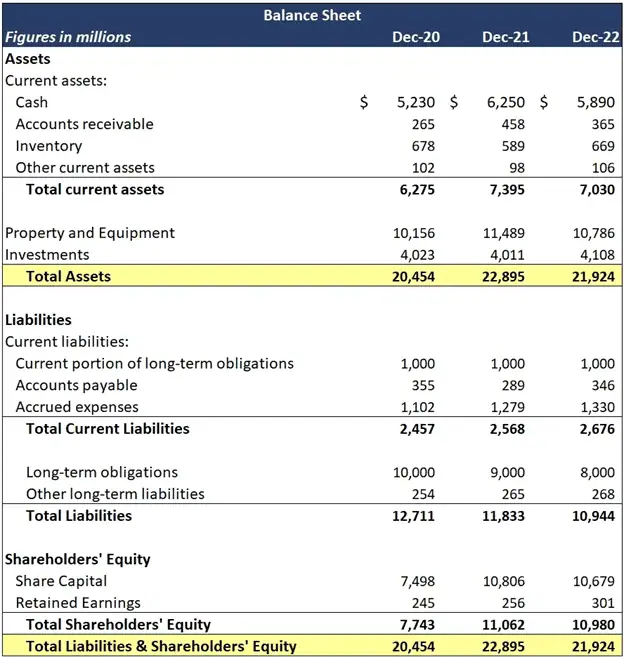
    Balance Sheet

    Shows your business’s assets, liabilities, and equity at a specific point in time. It provides a snapshot of what your business owns and owes, as well as the amount invested by shareholders.

    Income Statement (Profit and loss Statement)
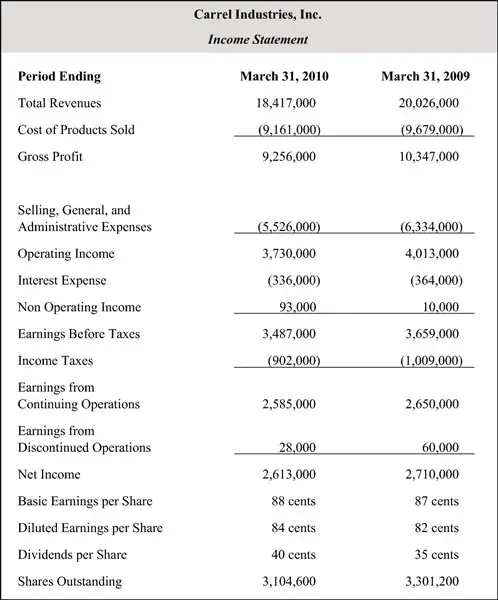
    Income Statement (Profit and loss Statement)

    This statement details your revenue, expenses, and profits over a specific period. It helps assess your business’s profitability and operational efficiency.

    Cash Flow Statement
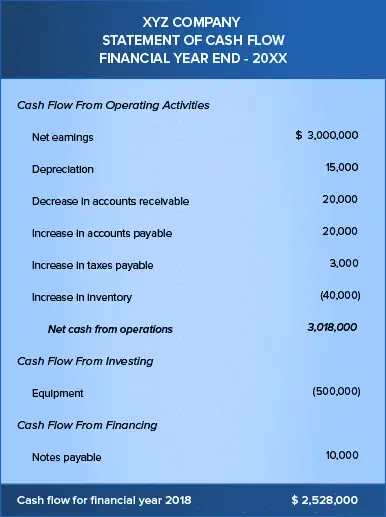
    Cash Flow Statement

    Tracks the flow of cash in and out of your business. It’s crucial for understanding liquidity and ensuring you have enough cash to cover day-to-day operations.

    Tax Returns

    Tax returns are essential documents that record your business’s income, expenses, and any tax paid to the government. They include:

    • Annual Tax Returns: Filed annually to report your business income and calculate the tax owed. Keeping accurate and up-to-date tax returns is crucial for compliance and avoiding penalties.
    • Quarterly Tax Filings: If your business pays estimated taxes quarterly, maintaining these records ensures you stay on track with your tax obligations.

    Business Licences and Permits

    Business licences and permits are required to legally operate your business. These can vary based on your industry, location, and the nature of your business activities. Key documents include:

    • Local Business License: Required by your city or county to operate legally within the jurisdiction.
    • Professional Licences: Specific industries, like healthcare or real estate, may require professional credentials.
    • Zoning Permits: Necessary if your business operates out of a specific zone or if you run a home-based business.

    Insurance Policies

    Insurance policies protect your business from various risks. Essential insurance documents include:

    • General Liability Insurance: Covers legal fees and damages related to accidents, injuries, and claims of negligence.
    • Property Insurance: Protects your business property against risks such as theft, fire, and natural disasters.
    • Workers’ Compensation Insurance: Mandatory in many regions, this covers medical expenses and lost wages for employees injured on the job.

    Operational Documents

    Operational documents are those that detail the day-to-day workings of your business. These include:

    • Contracts and Agreements: Written agreements with suppliers, customers, and employees. They define the terms of business relationships and protect your interests in case of disputes.
    • Invoices and Receipts: Records of sales and purchases. They are essential for tracking revenue, managing accounts receivable, and claiming expenses.
    • Employee Records: Documentation of employment terms, payroll, and performance reviews. These are vital for human resources management and legal compliance.

    Registering Your Business

    Registering your business is the first step in managing your company’s finances. To do this effectively, you’ll need to decide on the business structure that best suits your needs.

    Here are some of the most common types of small businesses:

    Sole Proprietorship

    A sole proprietorship is a simple and cost-effective business structure with a single owner. It’s easy to establish, but it doesn’t provide legal separation between the owner and the business.

    The owner is personally responsible for any business debts or legal actions.

    Examples include freelance writer,  photographer,  personal trainer,  plumber, consultant, etc.

    Limited Liability Company (LLC)

    An LLC blends elements of sole proprietorships and corporations. It offers personal liability protection against business debts and lawsuits.

    Additionally, it provides flexibility in tax filing, allowing owners to choose between being taxed as sole proprietors or corporations.

    Examples include: Google LLC,  IBM Credit LLC (a subsidiary of IBM) , Blockbuster LLC,  RAIZE Bakery, Hertz, etc.

    Corporation

    A corporation is a legally recognised entity that operates independently of its owners. This structure ensures complete financial separation between the business and personal finances of its shareholders.

    Corporations benefit from lower tax rates but require a more complex and costly setup process.

    Examples include: Alphabet (parent company of Google), PepsiCo, Exxon Mobil, Johnson & Johnson, etc.

    Opening A Business Bank Account

    Once your business is registered, the next step is to open a business bank account. This is important for separating your personal and business finances, simplifying tax preparation, and presenting a professional image to clients and suppliers.

    Here are the business bank accounts you should consider opening:

    Business Chequing Account: It is ideal for receiving customer payments and covering company expenses such as rent and utilities.

    Business Savings Account: Small Business Savings Accounts are useful for setting aside funds for tax payments and building an emergency fund for unexpected costs. By keeping your excess funds in a savings account, you can earn interest on your money and improve your business’s overall financial health.

    To open a business bank account, you’ll need:

    • Identification: Provide personal identification, such as a driver’s licence or passport. Ensuring your business information, such as the registration certificate, is also ready will speed up the process.
    • Employer Identification Number (EIN): If your business is in the U.S., you’ll need an EIN from the IRS. This number is like a Social Security number for your business and is used for tax purposes.
    • Business Licences: Include any state or local business licences or permits that demonstrate your right to operate.

    Picking An Accounting Method

    Two basic accounting methods—cash-based accounting and accrual-based accounting—can help you keep track of your finances.

    You’ll want to choose the method that works best for you and stick with it:

    Cash-Based Accounting

    In cash-based accounting, transactions are recorded only when cash changes hands. You record income when you receive payment and expenses when you pay them out.

    This method is straightforward, making it appealing for many small businesses, particularly those that don’t have inventory, operate on a cash basis, or require simpler accounting processes.

    You only pay taxes on money received, which can be advantageous if your business has fluctuating income.

    However, cash-basis accounting may not accurately represent your business’s financial position, especially if you have significant accounts receivable or payable.

    It’s ideal for small businesses that primarily deal in cash transactions and have minimal inventory, such as freelancers or consultants.

    Accrual-Based Accounting

    Accrual-based accounting records transactions when they are earned or incurred, regardless of when cash is exchanged. This method provides a more accurate financial picture of your business.

    It is required by generally accepted accounting principles (GAAP) for businesses with over $25 million in annual sales, making it necessary for larger small businesses or those planning to grow.

    While accrual accounting offers a more accurate picture, managing it can be more challenging and may require professional assistance.

    It suits larger businesses or those with significant inventory and credit transactions.

    Choosing A Bookkeeping Solution

    Bookkeeping may seem daunting, but it simply involves recording all your income and expenses. Developing a consistent bookkeeping method that works for you is a good idea. 

    You can choose between single-entry or double-entry bookkeeping to manage your financial records effectively.

    The right choice for your business depends on several factors, including the complexity of your financial transactions, budget, and personal management style.

    • Manual Bookkeeping Systems: It is Ideal for very small or start-up businesses with a straightforward financial structure. This cost-effective solution requires a good understanding of basic accounting principles and is more time-consuming and prone to human error.
    • Spreadsheet Software: Tools like Microsoft Excel or Google Sheets offer a step up from manual systems, providing a digital means to organise your finances. While this method is still labour-intensive, it introduces greater accuracy and the ability to use formulas to automate some calculations.
    • Bookkeeping Software: Dedicated bookkeeping software, such as QuickBooks, Xero, or FreshBooks, offers comprehensive features that streamline the accounting process. These applications can automate many aspects of bookkeeping, including invoicing, bill payment, tax preparation, and financial reporting. They often offer cloud-based access for easy collaboration with your accountant or team.
    • outsourced bookkeeping services: For businesses that prefer to focus on operations rather than accounting, outsourced bookkeeping services provide a hands-off approach. These services handle all aspects of your business finances, from transaction entry to preparing financial statements, often using sophisticated software tools.

    Small Business Accounting Software

    Manually managing your accounting documents can quickly become overwhelming. 

    Thankfully, there are several great accounting software options available that will take the guesswork out of your bookkeeping.

    With these cloud-based services, you can access your most crucial accounting documents with just a few clicks, automatically generate them, and efficiently handle invoicing and other bookkeeping tasks.

    Tools
    QuickBooks
    Xero
    FreshBooks
    Float
    Pulse
    Features/Tools
    Comprehensive accounting software with strong bookkeeping features
    Online accounting software for small businesses and accountants
    Cloud-based accounting software targeting freelancers and agencies
    Cash flow forecasting and management tool
    Cash flow forecasting tool focusing on scenarios and planning
    Core Focus
    Yes
    Yes
    Yes
    N/A
    N/A
    Automated Invoicing
    Automated bill payment capabilities
    Automated bill payments with scheduling options
    Simplified expense tracking and vendor payments
    N/A
    N/A
    Bill Payments
    Yes
    Yes
    Yes
    Limited real-time insights tied to cash flow
    Limited to cash flow insights
    Real-time Financial Reporting
    Basic forecasting through reports and insights
    Offers cash flow forecasting through reports and integrations
    Basic forecasting abilities through financial reports
    Advanced forecasting with scenario planning
    Advanced scenario planning and forecasting
    Cash Flow Forecasting
    Wide range of integrations with other business and financial services
    Extensive app marketplace for additional tools and services
    Integrates with several external tools and services
    Integrates with Xero and QuickBooks for seamless data import
    Limited integration focusing on cash flow scenarios
    Integration
    User-friendly interface with extensive resources for help
    Known for its ease of use and clean interface
    It has an easy-to-use platform aimed at non-accountants
    User-friendly with a focus on visual cash flow management
    Visual and intuitive to help with planning and forecasts
    Usability
    Small to medium-sized businesses
    Small to medium-sized businesses across various industries
    Freelancers, agencies, and small businesses
    Businesses of all sizes looking to manage and forecast cash flow
    Small to medium-sized businesses focused on cash flow planning

    Managing And Tracking Cash Flow

    Cash flow is the lifeblood of any small business.

    It refers to the movement of money in and out of your business and is a critical determinant of its financial health. Properly managing and tracking cash flow ensures your business has enough funds for daily operations, growth investments, and emergencies.

    Positive Cash Flow

    Maintaining positive cash flow—where your income exceeds your expenses—is essential for staying in business. Positive cash flow ensures your ability to pay bills on time and handle unexpected costs.

    Negative Cash Flow

    At times, you might encounter negative cash flow, such as when investing in new equipment or awaiting overdue customer payments. In these situations, you might need to use a bank overdraft or short-term loan to cover the gap.

    It shouldn’t pose a significant issue as long as you have planned for this and can return to a positive cash flow.

    Cash flow is usually tracked over standard reporting periods like a month, quarter, or year.

    Why Does Cash Flow Matter for Your Small Business?

    According to research cited by SCORE and U.S. Bank, 82% of small business failures are due to poor cash flow management or a poor understanding of cash flow. Businesses that run out of cash are likely to fail, even if they are profitable on paper.

    Managing cash flow during the initial stages of your business can be particularly challenging.

    Early expenses often surpass incoming revenue as your client base is still developing. It’s important to evaluate your cash flow from the outset and secure temporary financial resources, such as savings or overdrafts, to maintain operations until your revenue streams are established.

    Therefore, keeping a close eye on your cash flow is crucial to the success of your small business.

    Choosing Your Payment Methods

    To get compensated for your work, you need to choose the payment methods you’ll accept from customers.

    It’s essential to balance meeting your customers’ diverse preferences and keeping payment processing affordable and easy to manage.

    Here are some common payment methods for small businesses:

    • Cash: Cash handling is straightforward and typically free of processing fees, but it’s not without risks, like theft or accounting errors. Moreover, cash only works for in-person transactions and doesn’t fit well with the growing trend of online shopping.
    • Credit and Debit Cards: Accepting cards can attract more customers, providing convenience and security. However, businesses need to consider the fees associated with card processing and ensure compliance with Payment Card Industry Data Security Standards (PCI DSS).
    • Online Payments: Services like PayPal, Stripe, and Square offer solutions for online transactions with varying fee structures. They’re crucial for e-commerce and can be convenient for service-based businesses invoicing digitally.
    • Mobile Payments: With the rise of mobile wallets like Apple Pay and Google Pay, offering mobile payment options can enhance the customer experience, especially for a younger, tech-savvy demographic.
    • Bank Transfers: Direct bank transfers, including ACH and wire transfers, are a cost-effective method for B2B transactions, recurring payments, and handling large sums.
    • Checks: While declining in popularity, checks can still be used for business transactions, especially in industries like Construction, real estate, and government contractors that prefer a paper trail for accounting purposes.
    • Cryptocurrency: Though not yet mainstream, cryptocurrency is an emerging payment method that some businesses are exploring to cater to niche markets and international customers.

    Setting Up Payroll

    When your business employs staff or contract workers, setting up a payroll system is essential for processing their salaries or wages.

    The first step in this process is to classify your workers accurately. This classification directly impacts your tax responsibilities, making it an important task.

    Here are the key differences between an employee and a contractor:

    • Employees are individuals over whom your company controls their work activities. Your business determines their work hours, sets their wages or salary, provides necessary training, and retains the authority to hire or terminate them.
    • Contractors, on the other hand, are independent workers who have the liberty to decide how, when, and where they work. They usually bill by the hour or per project and have the flexibility to set their own work schedules.

    Collect required documentation from all employees, including W-4 forms for tax withholding, I-9 forms for employment eligibility verification, and any state-required forms.

    Choose A Payroll System

    Manual Payroll

    Handling payroll manually involves using spreadsheets and tax tables to calculate wages and deductions. While this method is less expensive upfront, it can be time-consuming and prone to errors.

    Manual payroll is suitable for businesses with a very small team and those who are well-versed in payroll calculations and tax regulations.

    Payroll Software

    Feature
    Gusto
    Zil Money
    Zoho Payroll
    Payroll Processing
    Automatic payroll calculations, tax filings, and payments
    Personalised payroll check printing, bank reconciliation
    Automated payroll calculations, tax compliance
    HR Management
    Onboarding, benefits administration, time tracking
    Vendor management, invoice handling, payment methods
    Employee self-service portal, attendance tracking
    Accounting Integration
    Seamless sync with QuickBooks, Xero, and others
    Connects to 22,000+ banks, integrates with accounting software
    Integrates with Zoho Books for accounting automation
    Compliance
    Handles federal, state, and local tax filings
    Positive pay features to prevent fraud
    Stays up-to-date with tax law changes
    Reporting
    Customisable payroll reports, employee data analytics
    Real-time cash flow visibility, transaction tracking
    Comprehensive payroll and HR reports

    Payroll software can significantly streamline the payroll process by automating calculations and ensuring compliance with tax laws.

    These tools calculate wages, deduct the appropriate taxes, and often offer direct deposit services to simplify payments.

    Payroll Service Providers

    Outsourcing payroll to a third-party provider can be an excellent solution for reducing time and ensuring compliance with complex tax regulations.

    Payroll service providers manage all aspects of payroll, including wage calculations, tax filings, and direct deposits. They also keep up with the latest tax laws and regulations, minimising the risk of penalties due to non-compliance.

    Some providers offer additional services, such as managing employee benefits and handling payroll-related inquiries, allowing you to focus on other critical aspects of your business.

    Determining Your Tax Obligations

    Tax Obligation
    Description
    Income Tax
    All businesses, except partnerships, must file an annual federal income tax return. The specific tax return form depends on the business structure (sole proprietorship, partnership, corporation, etc.).
    Self-Employment Tax
    Sole proprietors and partners are subject to self-employment tax for Social Security and Medicare contributions.
    Employment Taxes
    Businesses with employees must pay employment taxes, which cover federal income tax withholding, Social Security, and Medicare contributions, as well as federal unemployment (FUTA) taxes.
    Estimated Taxes
    Sole proprietors, corporations, S corporations, partners, and shareholders need to make quarterly estimated tax payments throughout the year.
    Sales Tax
    Most states and localities impose a sales tax that businesses must collect from customers and remit to the appropriate tax authorities.
    Other State and Local Taxes
    Depending on the business location, there may be additional state and local taxes such as income tax, property tax, franchise tax, or business licence fees.

    Failing to understand and meet your tax obligations can result in significant penalties and interest, harming your business’s financial stability.

    The taxes you owe are influenced by the nature of your business and your location. You’ll need to do some research to determine all your company’s tax requirements, but these are some of the common tax obligations for small businesses:

    • Business or professional income tax
    • Corporate income tax
    • GST / HST
    • Payroll deductions

    Consulting A Professional

    If managing your business finances feels overwhelming or if you’re launching a new business and want to start on solid financial ground, consulting an accountant is a wise choice. A Certified Public Accountant (CPA) can assist you with a variety of financial tasks, including:

    • Choosing the Legal Structure: Helping you determine your business’s most suitable legal structure.
    • Business Insurance: Advise you on the types of insurance coverage you need.
    • Financial Strategy: Creating a comprehensive financial plan tailored to your business goals.
    • Tax Compliance: Ensuring you meet all tax obligations and helping you file tax returns accurately.
    • Financial Reporting: Producing detailed financial reports to monitor your business’s performance.

    Understanding your business finances provides a clear view of your company’s financial health and informs critical decisions, such as hiring staff or investing in new equipment. Mastering the basics of small business accounting positions you for future growth and success.
     

  • AI In Digital Marketing – The Complete Guide

    AI In Digital Marketing – The Complete Guide

    Today, generative AI has disrupted almost every industry, but the first industry it impacted was digital marketing. From GPT helping writers create content to chatbots assisting customers on e-commerce websites, AI has become a secret weapon for many digital marketers.

    There are cases where AI has even replaced human marketers, and it’s only a matter of time before AI becomes an integral part of every marketing strategy.

    The Rise Of AI In Digital Marketing

    AI in digital marketing refers to the use of artificial intelligence technologies to plan, execute, analyse, and optimise a company’s digital marketing efforts. This includes using AI-powered tools and platforms to automate tasks, predict consumer behaviour, analyse data, and deliver personalised experiences to customers.

    It all began in the 1990s with the rise of the internet, where marketers began using AI tools for web analytics and email marketing.

    The 2000s and 2010s saw a steady growth of AI use in digital marketing with –

    • Launch of AdWords in 2000, where Google used AI to match ads to search queries.
    • Facebook’s launch of its advertising platform in 2010, where it used AI for ad targeting and optimisation.
    • Launch of IBM Watson in 2011 with its advanced NLP capabilities.
    • Programmatic advertising becoming mainstream in 2014.
    • Chatbots becoming widely adopted for customer queries in 2016.

    But all this was just for big corporations or developers. The typical digital marketer was still far from using AI until 2020, when GPT-3 was launched.

    GPT-3 was followed by generative AI tools like DALL-E and ChatGPT, which enabled the creation of content and ideas with minimal human intervention.

    Today, with hundreds of available generative AI tools, digital marketers are able to:

    • Create personalised content at scale: AI algorithms can now analyse consumer data and create personalised content that resonates with each individual, leading to higher engagement and conversion rates.
    • Automate tasks: AI-powered tools can automate repetitive or time-consuming tasks such as social media scheduling, ad optimisation, and email marketing. This saves marketers time and allows them to focus on more creative aspects of their work.
    • Predict consumer behaviour: With access to large amounts of data, AI algorithms can predict customer behaviour patterns and recommend the most effective strategies for reaching them.
    • Monitor brand sentiment: AI-powered sentiment analysis tools scan social media platforms and other online channels to provide real-time insights into how consumers feel about a brand or product.
    • Improve customer service: With the help of chatbots and virtual assistants, AI can handle basic customer queries and provide quick and accurate responses, improving overall customer satisfaction.

    It’s not limited to just these use cases – AI is constantly evolving and finding new ways to improve the digital marketing landscape.

    AI In Digital Marketing – Effects & Applications

    Today, AI is present in almost every aspect of digital marketing. Let’s take a closer look at some of the key areas where AI is making a significant impact:

    Content Marketing

    Content marketing refers to the creation and distribution of valuable, relevant, and consistent content to attract and retain a clearly defined audience. It involves:

    • Copywriting: goal-oriented writing used to persuade a reader to take action.
    • Content creation: creating informative and engaging content in various formats such as blog posts, videos, infographics, etc.
    • Content distribution: sharing content through different channels like social media platforms, email marketing, etc.

    AI has the potential to enhance all aspects of content marketing by:

    • Generating content ideas: AI-powered tools can analyse data and identify relevant topics for content creation. A simple prompt like “Give me blog ideas for an article about AI in digital marketing” to an advanced LLM like ChatGPT can generate several ideas for blog posts, social media posts, and more.
    • Writing content: AI agents can now write high-quality, engaging articles using natural language processing (NLP) algorithms. For instance, the AI-powered tools Jasper and Copy.ai can generate human-sounding content for news articles, reports, and even product descriptions. This particular use case has led to the rise of several tech startups focusing on producing highly human-like content using AI.
    • Improving content quality: AI can analyse the performance of existing content to identify what works and what doesn’t. It can then suggest changes or provide recommendations for better engagement.
    • Personalising content: AI can use data about a target audience to create personalised content that resonates with them. For example, AI can analyse customer preferences and recommend specific products or services based on their past behaviour.
    • Automating content distribution: With AI-powered tools, marketers can automate the distribution of content across different channels based on audience behaviour. This saves time and effort while ensuring maximum reach and engagement.
    • Generating visual content: AI tools like Midjourney, ChatGPT, Stable Diffusion, etc., can generate high-quality, real-looking visuals such as images, videos, and infographics that are relevant to the content being created.

    While AI can enhance content marketing in many ways, it is important to note that it cannot replace human creativity and storytelling. Human intervention is still required to guide and fine-tune the AI-generated content to align with brand voice and messaging.

    But it does raise the question of what is next. While it has started replacing content writers, will it replace critical thinking jobs like media planning, buying, and strategy? While it can copy voice, what will replace podcasts? because AI still can’t replace the emotional aspect of any content—be it written, audio, or video. For example, podcasts became popular in the early 2020s just because they have a human touch, not because they provide any information like an audiobook.

    Search Engine Optimisation (SEO)

    SEO refers to optimising web content or web pages to improve their visibility and ranking on search engine result pages (SERPs).

    With the rise of AI, search engines have become smarter in understanding user intent and delivering relevant results. As such, SEO strategies need to adapt to keep up with these changes. Let’s take a look at how AI is impacting SEO:

    • Ranking factors: Search engines use algorithms to rank web pages based on keywords, backlinks, and site speed. AI-powered algorithms can analyse vast amounts of data to determine the most relevant results for a particular query.
    • Search Results: Search engines like Google, Bing, Yep, etc., have now changed their UX to a chat format that provides quick and accurate answers to user queries. This is a change from traditional search results that require users to browse through multiple pages.
    • Voice Search: With the rise of voice assistants like Alexa, Siri, and Google Assistant, voice searches have become increasingly popular. AI allows for better speech recognition and understanding of natural language queries, making it essential for SEO practitioners to optimise their content for voice search.
    • Predictive Analysis: AI tools can analyse user data such as browsing history, location, and preferences to predict what a user may be searching for in the future. By leveraging predictive analysis, businesses can create content that is more likely to rank higher on SERPs and reach their target audience.

    From a digital marketer’s perspective, AI is more of a boon than a bane. Here are some ways they can leverage AI for SEO:

    • Keyword research: AI-powered tools like Google’s Keyword Planner, Surfer SEO, and SEMrush can help identify high-performing keywords and phrases to target in SEO campaigns. These tools use AI algorithms to analyse search volume, competition, and user intent to provide relevant keyword suggestions.
    • Content creation: AI-powered content generators like Wordsmith, Articoolo, and Quill can help create content for blogs, product descriptions, and social media posts. These tools use natural language generation (NLG) to generate human-like text based on the input data.
    • Content optimisation: AI-powered tools can analyse on-page elements such as headings, meta descriptions, and alt tags to suggest improvements for better SEO. They can also provide insights into content length, readability, and keyword density.
    • Multi-language support: Generative AI makes it possible to translate content into multiple languages quickly and accurately, helping businesses reach a wider audience and improve their global SEO efforts.
    • Link building: AI tools such as BuzzSumo, Pitchbox, and NinjaOutreach can streamline the process of finding relevant websites for link building. These tools use machine learning algorithms to identify high-quality sites based on domain authority, content relevance, and social media engagement.

    Performance Marketing

    Performance marketing refers to online advertising strategies in which advertisers only pay for specific actions, such as clicks, leads, or conversions. This approach is different from traditional advertising models, where advertisers pay for ad placement regardless of the results it generates.

    AI has greatly impacted performance marketing by providing data-driven insights and automation tools that help businesses optimise their campaigns and increase ROI. Here are some ways AI is transforming performance marketing:

    • Optimising ad spends: AI-powered tools like Acquisio and Kenshoo use machine learning algorithms to adjust bids in real-time based on the conversion probability of a particular keyword or audience segment. By analysing historical data, they can allocate ad budgets more efficiently, reducing wasted spend and increasing overall ROI.
    • Personalising advertising: With AI, businesses can create highly targeted and personalised ads based on user behaviour, demographics, and interests. This not only improves the effectiveness of the campaign but also enhances the user experience by providing relevant content.
    • Ad content generation: There’s a rise in the number of AI ad generators like Rytr, and AdZis that use natural language processing (NLP) to generate ad copies based on a given input. This makes it easier for businesses to create multiple ad variations with minimal effort and time.
    • Improving targeting accuracy: AI-powered tools like Google’s Smart Display Campaigns and Facebook’s Lookalike Audiences use machine learning to analyse user data and identify patterns that can help businesses target the right audience with their ads. This leads to higher conversion rates and reduces ad spend wastage on irrelevant audiences.
    • Predictive analytics: By analysing large datasets, AI tools like Optimizely can predict the success of future campaigns and provide insights on which channels, audiences, and messaging will perform best. This allows businesses to make data-driven decisions and optimise their campaigns for maximum ROI.
    • Automated A/B testing: Traditional A/B testing involves manually creating variations of an ad and measuring its performance. With AI-powered tools like Adext, businesses can automatically create multiple versions of an ad using different elements (images, headlines, CTAs) and test them simultaneously. This saves time and resources while providing more accurate results.

    Social Media Marketing

    Social media marketing is the use of social media platforms to promote a product or service. With the ever-growing popularity of social media, it has become an essential aspect of digital marketing for businesses.

    Here are some ways AI is revolutionising social media marketing:

    • Content creation: AI-powered tools like Canva, Adobe Sensei, and Microsoft Designer use machine learning to automatically generate and personalise social media posts based on a brand’s style and target audience. This reduces the time and effort required for content creation while maintaining consistency.
    • Chatbots: Chatbot technology is becoming increasingly popular in social media marketing. Tools like Manychat and Chatfuel use AI to automate conversations with customers on social media platforms, providing them with information, addressing inquiries, and even completing transactions. This improves customer service and frees up time for businesses to focus on other tasks.
    • Influencer marketing: AI tools like Traackr and Upfluence use advanced algorithms to identify the most relevant influencers for a brand’s target audience. This saves businesses from manually searching for influencers and helps them reach their target market more effectively.
    • Sentiment analysis: AI-powered sentiment analysis tools like Brandwatch and Talkwalker analyse social media posts, comments, and reviews to gauge public opinion about a brand. This helps businesses understand their customers’ feelings towards their products or services and make necessary improvements.

    Email Marketing

    Email marketing refers to the use of email to promote products, services, or brands to potential customers. With AI technology, email marketing has become more sophisticated and effective.

    While email marketing has been around for a long time, AI is bringing new capabilities to this traditional form of digital marketing. Here are some ways AI is revolutionising email marketing:

    • Personalisation: AI-powered tools like Marketo and Salesforce Einstein use data and machine learning to personalise email content based on a subscriber’s behaviour, preferences, and demographics. Some tools like smartwriter.ai even personalise the emails using the prospects’ social media profiles, making the content more relevant and engaging.
    • Optimisation: Tools like Phrasee and Persado use natural language processing (NLP) algorithms to optimise subject lines and email copy for better open rates, click-through rates, and conversions. This eliminates guesswork in email marketing and helps businesses send more effective campaigns.
    • Segmentation: AI-powered segmentation tools like Optimove and SendX use data analysis to segment subscribers based on their interests, behaviour, and demographics. This allows businesses to send targeted emails to specific groups of subscribers, increasing the chances of conversion.
    • Automated campaigns: AI automates email marketing campaigns by analysing customer data to determine the best time, frequency, and type of email to send. This helps businesses save time and effort while delivering targeted messages to their audience.

    Influencer Marketing

    Influencer marketing refers to the practice of using influential individuals or personalities to promote a brand’s products or services. With the rise of social media, influencer marketing has become an increasingly popular strategy for businesses looking to expand their reach and increase brand awareness.

    AI is now being used in influencer marketing to identify the most relevant and effective influencers for a particular campaign.

    AI-powered tools like Upfluence and Traackr use data analysis to identify the best influencers for a brand based on their audience demographics, engagement rates, and past collaborations. This eliminates the manual process of searching for and vetting potential influencers, saving businesses time and resources.

    And it’s not just limited to tracking. AI is the influencer now. Several digital influencers are AI-generated personas with a large following on social media platforms.

    AI influencers like Giorgina Aleman, Miquela, and Shudu Gram have amassed millions of followers and collaborated with major brands, showcasing the potential of AI in influencer marketing.

    These AI influencer accounts are created and managed by companies like Brud or individuals who make money from their AI creations.

    Marketing Analytics

    Marketing analytics involves collecting, tracking, and analysing data to evaluate marketing strategies and measure their effectiveness. AI has greatly enhanced the capabilities of marketing analytics by processing large volumes of data at a faster rate and providing actionable insights for businesses.

    Here is how AI is revolutionising marketing analytics:

    • Real-time Data AnalysisReal-time Data Analysis: AI tools like Microsoft Clarity (with Copilot) and Google Analytics use machine learning algorithms to track and analyse customer behaviour in real-time.
    • Data visualisation: AI-powered data visualisation tools like Tableau and Power BI help businesses visualise complex data sets, making it easier to identify patterns and trends. IBM Watson Analytics uses natural language processing to generate visualisations and dashboards, making it easier for non-technical users to interpret data.
    • Predictive analytics: AI-powered predictive analytics tools like Salesforce Einstein and SAP Analytics Cloud use machine learning algorithms to forecast future trends and identify potential opportunities or challenges.

    Web Design and Development

    Web design refers to the process of creating and designing websites, while web development involves building and maintaining websites.

    AI has greatly impacted both these areas by enhancing the speed, accuracy, and personalisation of website design and development.

    Here are some ways AI is transforming web design and development:

    • Smart Templates: AI-powered website builders like Wix and Squarespace use machine learning algorithms to suggest personalised templates based on the user’s preferences and needs. This saves time and effort in the design process.
    • AI-powered website builders: Several tools like 10web and ZipWP use AI to generate websites automatically, eliminating the need for coding. All the user needs to do is fill out a form with their requirements, and the AI tool does the rest.
    • Personalisation: With AI, websites can be personalised based on user behaviour and preferences. This means that each visitor will see a unique version of the website tailored to their interests, increasing engagement and conversions.
    • Chatbots: AI-powered chatbots can handle customer inquiries and provide support, freeing up resources for web designers and developers. They can also be used to gather user feedback and improve the website.
    • AI-assisted coding: LLMs and tools like Codestral, Cursor, and TabNine use AI to suggest code snippets, auto-complete functions, and debug code errors. This saves time and improves the accuracy of coding.
    • Dynamic Content: AI can generate dynamic content for websites based on real-time data, such as weather conditions or user location. This makes the website more relevant and engaging for visitors.

    Marketing Automation

    Marketing automation refers to the use of technology and software to automate marketing processes, such as lead generation, email marketing, and social media management.

    Tools like Make.com, Marketo, and HubSpot use AI to automate marketing tasks and create personalised campaigns based on user data.

    For example, a user can create a simple flowchart for an email marketing campaign, connecting different AI-powered and non-AI-powered tools to send personalised emails based on user behaviour and engagement.

    Similarly, a user can set AI-powered triggers for social media posts based on specific keywords or hashtags. All of this can be done without the need for manual intervention, saving time and increasing efficiency.

    Marketing automation with AI also allows for better tracking and analysis of marketing campaigns. As AI collects and analyses data in real-time, it can provide insights into what is working and what needs to be improved. This helps businesses make more informed decisions about their marketing strategies, resulting in better ROI.

  • Types Of Fintech Companies [Complete Guide]

    Types Of Fintech Companies [Complete Guide]

    The internet, AI, and other innovations like blockchain have revolutionised the world of finance. The norm of being physically present for all financial transactions is now outdated. There are people with fully operational bank accounts, stock portfolios, and other financial assets who have never been to a physical bank branch once.

    This is made possible by fintech companies.

    These companies have disrupted the entire financial industry, be it banking, investment, insurance or others, by incorporating technology into their operations.

    But what is a fintech company, and what are the types of fintech companies that exist today?

    What Is Fintech?

    Fintech, short for financial technology, refers to the use of technology to improve and automate financial services, be it for individuals or businesses.

    It includes everything from developing new software to incorporating new algorithms and using AI and machine learning to create more efficient financial processes.

    A fintech company is different from a traditional financial institution. It is highly integrated with technology and focuses on providing innovative financial services through technology.

    Moreover, several fintech companies don’t have consumer dealing at all; instead, they offer services to traditional financial institutions.

    Types of Fintech Companies

    Fintech is a broad term encompassing a broad range of companies and services. These companies can be categorised into several fintech companies with their own subtypes.

    Here’s a breakdown of the main types of fintech companies:

    Core Fintech Sectors:

    1. Digital Payments
    2. Digital Banking (Neobanks)
    3. Personal Financial Management (PFM)
    4. Wealth Management (WealthTech)
    5. LendTech
    6. Trading and Investment

    Additional Fintech Sectors:

    1. Blockchain and Cryptocurrencies
    2. Insurtech
    3. Regtech

    Core Fintech Sectors

    The core fintech sector includes fintech companies that directly deal with consumers. These types of fintech companies provide services like digital payments, banking, personal financial management, wealth management, and lending.

    Digital Payments

    Digital payments refer to transactions made electronically, bypassing the need for physical currency. This type of fintech constitutes various methods of electronic payments, including online banking, mobile payments, digital wallets, and peer-to-peer (P2P) payment platforms.

    Digital payments companies are disrupting the traditional banking system by making financial transactions more convenient, secure, and cost-effective for consumers. For example, customers can now pay for goods and services online or transfer money to friends and family with just a few clicks on their smartphones. This wasn’t possible a few decades ago and has significantly changed how consumers handle money.

    Such types of fintech companies rely on technologies like encryption, AI, and machine learning to provide secure and seamless payment solutions. Encryption ensures the transactions are secure, AI facilitates fraud detection, and machine learning helps personalise user recommendations.

    There are several subtypes of digital payment companies. Some of them are:

    • Mobile Payment Companies: These companies provide payment services through mobile applications, enabling users to pay for goods and services using their smartphones. For example, Apple pay, a subsidiary of Apple Inc., allows users to pay for purchases using their iPhones or iPads. Similarly, Google’s mobile payment service, Google Pay, enables Android users to make contactless payments through their smartphones.
    • Online payment gateways: A payment gateway is a technology that acts as an intermediary between the customer and the merchant. It securely captures and encrypts credit or debit card information, authorises transactions, and facilitates fund transfers from the customer’s account to the merchant’s account. PayPal, Stripe, and Square are popular examples of online payment gateways.
    • Digital Wallet Companies: Digital wallets are virtual wallets that hold payment information and can be used for online or offline transactions. For example, a user may store their credit or debit card information in a digital wallet and use it to make purchases online. Some popular digital wallets include PayPal, Apple Pay, and Google Wallet.
    • Peer-to-Peer (P2P) Payment Platforms: P2P payment platforms enable individuals to transfer money directly to each other without the involvement of a traditional financial institution. These services are often used to split bills, send money to family and friends, or pay freelancers. Examples of P2P payment platforms include Venmo, Zelle, and Cash App.

    Digital Banking (Neobanks)

    Digital banks, or neo-banks, are online-only financial institutions that offer banking services through digital platforms. These banks have no physical branches and rely on technology to provide their customers with a seamless and convenient banking experience.

    These banks disrupt the finance industry by providing streamlined, cost-effective, and innovative services such as budgeting tools, real-time transaction tracking, and 24/7 customer support. They often have lower fees and higher interest rates compared to traditional banks, making them an attractive option for consumers.

    Digital banks’ main focus is mobile banking, and their apps offer various features, such as remote check deposits, bill payments, and money transfers.

    By being online-only they take banking facilities to places where traditional banks cannot reach, making financial services more accessible to underbanked populations.

    There are several subtypes of digital banking companies:

    • Full-Service Neobanks: Online-only banks that offer a complete range of banking services like checking and savings accounts, loans, and investment products. Examples include Chime and Revolut.
    • Specialised Neobanks: Digital banks that provide specific financial services or customer segments. For example, Aspiration offers banking services with a focus on ethical and sustainable investing, while Monzo targets tech-savvy millennials with its intuitive app and budgeting tools.
    • Banking-as-a-Service (BaaS) Providers: These are platforms that provide the backend infrastructure for other companies to offer banking services. Examples include Solarisbank and BBVA’s Open Platform.

    Personal Financial Management (PFM)

    Personal Financial Management (PFM) refers to digital tools and apps that help individuals manage their finances more effectively.

    These services and tools provide insights into spending habits, help with budgeting, track savings, and offer advice on how to achieve financial goals.

    PFM companies are on the rise as more people are becoming interested in managing their finances efficiently. They often aggregate financial data from various accounts, such as bank accounts, credit cards, investments, and loans, and use their proprietary algorithms to provide customised financial advice and insights.

    These companies rely heavily on AI, machine learning, and data analytics to provide users with accurate and useful financial recommendations.

    Even PFM companies have several subtypes. They include –

    • Budgeting Apps: Apps like YNAB (You Need A Budget) and PocketGuard help users plan their spending by setting budgets and tracking expenses
    • Expense Tracking Tools: Companies like Mint and Expensify automatically track and categorise expenses from linked accounts. Then, they provide insights on spending patterns and recommendations for saving money.
    • Investment Management Platforms: Platforms like Personal Capital and Quicken provide tools for managing investments and planning for future financial goals.
    • Debt Management Apps: Apps like Tally and Debt Payoff Planner help users manage and pay off debts more effectively.

    Wealth Management (WealthTech)

    Wealth management, often referred to as WealthTech, refers to the use of technology to improve and automate the processes of –

    • Financial planning
    • Investment management and
    • Advisory services

    In simple terms, wealthtech companies use technology to help individuals and businesses manage their wealth, investments, and financial goals better.

    They do this by making investment services more accessible and affordable to a broader audience. For example, a company like Betterment, a robo-advisor, uses algorithms to automate and optimise the investment process for their clients.

    This service was previously limited to high-net-worth individuals due to the high fees charged by traditional wealth management firms.

    Like other fintech subcategories, wealth management also includes several types of companies. They include –

    • Robo-Advisors: Robo-advisors refer to digital platforms that use algorithms and data to provide automated investment advice, portfolio management, and other financial planning services. Some examples of robo-advisors include Betterment, Wealthfront, and Acorns.
    • Automated savings: Automated savings apps use technology to help individuals save and invest money in a disciplined and automated manner. These platforms often round up users’ purchases to the nearest dollar and invest the difference in a portfolio of their choice. Examples include Digit, Acorns, and Qapital.
    • Investment Platforms: Investment platforms offer users access to different investment options such as stocks, bonds, mutual funds, and exchange-traded funds (ETFs). These platforms are often user-friendly and allow individuals to manage their investments without the help of a financial advisor. Examples include Robinhood, Stash, and E-Trade.

    However, wealth management fintech companies differ from personal finance management fintech companies as they focus specifically on helping individuals manage and grow their wealth. While personal finance management companies may offer budgeting tools and expense tracking, wealth management companies often provide investment advice and portfolio management services.

    Trading and Investment Technology

    Trading and investment fintech companies are a type of fintech company that includes platforms and tools allowing individuals and institutions to buy, sell, and manage financial assets.

    These companies have disrupted the traditional brokerage model by:

    • Democratising access to financial markets: Fintech platforms have made it possible for individuals to buy and sell stocks, bonds, and other assets with low or no fees.
    • Offering advanced trading tools: Fintech companies have also introduced advanced tools such as automated trading algorithms, real-time market data, and social trading features that allow users to copy the trades of successful investors.

    They have also allowed individuals to engage in peer-to-peer lending, crowdfunding, and other alternative forms of investment.

    • Providing personalised investment advice: Robo-advisors, a type of fintech company, use algorithms and technology to provide personalised investment recommendations based on an individual’s risk tolerance and goals. This has made professional investment advice more accessible and affordable for the average person.
    • Making online brokerage and trading more convenient: Several fintech companies like Robinhood and eToro have mobile apps the at allow users to trade and manage investments on-the-go. This has made the process more convenient and accessible for busy individuals.
    • Stock monitoring and analysis: Some fintech companies offer platforms that allow individuals to track and analyse their stock portfolios in real time. These tools provide insights and recommendations for portfolio rebalancing and diversification. Some examples of these tools include StockCharts, FinViz, and TradingView.
    • Enabling social trading: Some companies enable users to follow and copy the trades of experienced investors. For example, companies like eToro and ZuluTrade allow users to see the performance of top traders and automatically copy their trades.
    • Making investment education more accessible: Fintech companies have also made investment education more accessible through online courses, webinars, and educational resources. Some companies also offer virtual trading platforms where individuals can practice investing without risking real money. For example, Investopedia’s Stock Simulator allows users to trade using virtual money based on real market data.

    LendTech

    LendTech, or lending technology, refers to a type of fintech company that utilises technology to streamline and enhance the lending process.

    Traditional lenders often require a lot of paperwork and lengthy approval times, making the process time-consuming and cumbersome for borrowers. LendTech companies aim to change this by digitising and automating the lending process, reducing paperwork and cutting down on approval times.

    Some ways in which lendtech companies are revolutionising the lending industry include:

    • Online loan applications: LendTech companies offer online platforms or mobile apps that allow borrowers to submit loan applications quickly and easily. These platforms often use algorithms and data analysis to determine creditworthiness, eliminating the need for extensive paperwork.
    • Faster loan approvals: With digital processes in place, LendTech companies can approve loans much faster than traditional lenders. This is because they can access and analyse customer data in real-time, making the lending process more efficient.
    • Alternative credit scoring models: LendTech companies also use alternative credit scoring models, such as analysing social media activity or utility bill payments, to evaluate a borrower’s creditworthiness. This allows them to reach underserved populations who may not have traditional credit scores but are still financially responsible.
    • Peer-to-peer lending: Some LendTech companies operate on a peer-to-peer (P2P) lending model, where individuals can lend money directly to borrowers without going through a traditional financial institution. This not only reduces the cost of borrowing for borrowers but also offers investors an opportunity to earn higher returns on their investments.
    • Flexible loan options: LendTech companies often offer more flexible loan options, such as microloans and short-term loans, that may not be available through traditional lenders. These options cater to the changing needs of borrowers and provide them with more personalised lending solutions.

    Several disruptive lendtech companies are already changing the way financial services are delivered. Here are some examples –

    • LendingClub: It’s one of the largest peer-to-peer lending platforms, connecting borrowers with investors for personal loans, business loans, and auto refinancing. It disrupted traditional lending by eliminating the middleman and offering lower interest rates for borrowers and higher returns for investors.
    • Kabbage: It uses automated technology to evaluate small business loan applications, making the process faster and more efficient. This has opened up opportunities for small businesses that often struggle to access loans from banks.
    • Affirm: It offers point-of-sale financing, allowing consumers to spread out payments for big-ticket purchases without credit cards or high-interest loans. This alternative lending option has gained popularity among millennials who may not have established credit scores but still want to make major purchases.

    Additional Fintech Sectors

    While payments, banking, lending, etc., remain key sectors in fintech, technology and innovation have disrupted several other areas. These include blockchain, insurance, regulation, and security.

    Why are they additional and not included in the core sectors? Because they often fall into the category of supporting or enabling technologies rather than being standalone services.

    Blockchain and Cryptocurrencies

    Blockchain technology refers to a decentralised digital ledger that records transactions across multiple computers to ensure the data’s security and immutability.

    Each block in the chain contains a list of transactions, and once added, it cannot be altered, providing a transparent and tamper-proof record.

    Consider it as a shared database that everyone can access but no one can alter without consensus – like a chain where the blocks (data) are linked together in a specific order, and to modify one block, you need to change all the subsequent blocks.

    The financial industry has quickly adopted this technology, with cryptocurrency being its most well-known application. Cryptocurrency is a digital or virtual currency that uses blockchain technology for secure and transparent transactions.

    Combined with cryptoassets, blockchain is a more secure, transparent, and efficient way to conduct transactions.

    It relies on modern technology like cryptography, distributed ledger technology (DLT), and consensus algorithms like Proof of Work (PoW) and Proof of Stake (PoS) for validation and security.

    When applied to traditional financial services, blockchain technology can reduce costs, increase efficiency, and eliminate intermediaries.

    Several financial institutions and banks have already started implementing blockchain-based solutions for cross-border payments, identity verification, trade finance, and more.

    For example, Ripple (XRP) is a blockchain-based payment system that enables faster and cheaper cross-border payments for financial institutions.

    Cryptocurrencies like Bitcoin, Ethereum, and Litecoin have gained significant attention due to their potential as alternative forms of currency and investment.

    Moreover, this technology isn’t limited to cryptocurrencies. It has given rise to several sub-types of fintech, such as decentralised finance (DeFi), non-fungible tokens (NFTs), and smart contracts. Even blockchain-oriented companies have their own subtypes-

    • Cryptocurrency Platforms: Platforms like Coinbase and Binance provide a marketplace for buying, selling, and exchanging various cryptocurrencies.
    • Blockchain Development Tools: Companies like Ethereum, Hyperledger, and Corda offer tools and platforms for building decentralised applications (dApps) on the blockchain.
    • Smart Contract Platforms: Platforms such as EOS and Tron are specifically designed for creating smart contracts, which are self-executing agreements that automate business processes.
    • Blockchain-as-a-Service (BaaS) Providers: Companies like IBM, Microsoft, and Amazon offer BaaS solutions to businesses looking to integrate blockchain technology without investing in infrastructure.
    • Blockchain Consulting Services: With the increasing demand for expertise in blockchain technology, consulting firms like Deloitte and PwC offer services related to strategy, implementation, and auditing of blockchain projects.
    • Blockchain Integration Services: Companies like Chainlink and Band Protocol provide tools for integrating blockchain technology with existing systems, allowing for secure and reliable data transfer between different platforms.

    Insurtech

    Insurtech refers to the use of technology to streamline and improve the insurance industry.

    Insurtech companies use advanced technologies AI, ML, and data analysis to –

    • Streamline the insurance process: Insurtech companies use AI and machine learning tools to automate and speed up the insurance process, from underwriting to claims processing.
    • Asses risks: With the help of data analysis, insurtech companies can assess risks accurately and provide personalised insurance solutions to customers.
    • Prevent frauds: Insurtech companies use advanced algorithms to detect and prevent insurance fraud using kyc fraud detection algorithms, reducing losses for both customers and insurance providers.
    • Improve customer experience: By removing human inaccuracies and delays from the insurance process, insurtech aims at quicker policy issuance, more efficient claims processing, and overall improved customer experience.

    Several insurtech companies have emerged in recent years, offering innovative solutions to traditional insurance practices. Some notable examples include

    • Lemonade, which uses AI and behavioural economics to provide affordable home and renters insurance;
    • Trov, which offers on-demand insurance for personal possessions; and
    • Metromile, which uses data and telematics to offer pay-per-mile car insurance.

    Regtech

    Regtech, short for regulatory technology, refers to the use of technology to help businesses comply with regulatory requirements.

    Regtech companies use tools like AI, blockchain, and data analysis to –

    • Simplify compliance processes: Regtech solutions automate manual compliance tasks, saving time and effort for businesses while ensuring accurate and efficient compliance.
    • Monitor risks: With the help of advanced analytics and real-time monitoring, regtech can identify potential risks or non-compliant activities, allowing businesses to address them promptly.
    • Reduce costs: By automating compliance processes and reducing human error, regtech helps companies save on costly fines or penalties that may arise due to non-compliance.

    Regtech is especially relevant in highly regulated industries such as banking, healthcare, and insurance. These solutions not only benefit businesses but also regulators by providing them with a more transparent view of compliance practices within the industry.

    Some regtech companies include –

    • ComplyAdvantage, which uses AI to help companies comply with anti-money laundering regulations;
    • Onfido, which offers identity verification services for compliance with know-your-customer (KYC) and anti-fraud regulations and
    • Fenergo, which provides regulatory onboarding and client lifecycle management solutions for financial institutions.
  • How To Automate Email Marketing [Complete Guide]

    How To Automate Email Marketing [Complete Guide]

    Digital marketing has changed the way we reach our clients. Today, it isn’t a shotgun marketing approach anymore, rather, we can get more targeted and personal with our marketing efforts.

    Email marketing is one such rifle marketing approach. However, its process can be tedious. You must manually create and send emails to your subscribers, segment them based on their interests and behaviours, and constantly track the performance of your campaigns.

    But ever since AI came into the picture, email marketing has become much more efficient and effective. With email marketing automation, all it takes is a one-time setup, and from there, your email campaigns will run automatically without much manual intervention.

    So, how can you automate your email marketing efforts? Let’s dive into the details.

    What Is Email Marketing Automation?

    Email marketing automation refers to the process of automating the creation, sending, and tracking of emails to your subscribers. It uses software and algorithms to send targeted and personalised emails based on predefined triggers or actions your subscribers take.

    These triggers can include things like subscribing to a newsletter, making a purchase, or clicking on a specific link in an email.

    Here’s an example of how it works:

    1. A subscriber joins your email list by completing a form on your website.
    2. This triggers an automated welcome email to be sent to the subscriber.
    3. If the subscriber clicks on a link in the welcome email, it will trigger another automated email with more information about that specific topic or product.

    This entire process is set up beforehand and does not require any manual intervention, making it a time-saving and efficient way of running email marketing campaigns.

    What Type Of Email Marketing Can Be Automated?

    Almost all types of email marketing can be automated to some degree. Some common examples include:

    • Welcome emails for new subscribers
    • Abandoned cart reminder emails
    • Birthday or anniversary emails
    • Promotional or sales emails
    • Post-purchase follow-up emails

    Given the AI and machine learning capabilities of many email marketing automation software, you can now even automate newsletters (with up-to-date, personalised content), A/B testing, and segmentation for better targeting and results.

    How To Automate Email Marketing?

    Automating email marketing requires several key steps to ensure:

    • Prospects’ information is correctly captured.
    • They receive right and relevant emails based on their actions and preferences.
    • The process is efficient with minimal manual intervention.

    While there is no one-size-fits-all approach to automation, here are some general steps that can help you get started:

    Choose The Right Email Marketing Automation Tool

    An email marketing automation tool is the spine of the entire email automation process. You wouldn’t want to juggle between multiple software tools to –

    • Segregate your subscribers
    • Create customised emails
    • Send them out to the right audience and
    • Monitor their performance.

    So, be it just for a newsletter or an extensive campaign – you need to choose an email marketing automation tool that has the following features.

    • Segmentation: The ability to segment subscribers based on their actions, preferences, and demographics. For example, you should be able to create a segment of people who clicked on links in your last email, or those who belong to a specific age group.
    • Personalisation: Personalisation features such as merge tags, dynamic content blocks that can replace text and images automatically based on subscribers’ data. For example, you can add certain fields in a Google sheet relating to subscriber’s preferences and use those fields in your emails.
    • A/B Testing: The ability to test different versions of your email and see which one performs better. To understand what works best for your audience, you can experiment with subject lines, pre-header text, or content.
    • Automation Workflows: Features to create automation workflows where you can set triggers and actions based on subscribers’ behaviour. For example, if a subscriber opens an email but doesn’t reply, you can set up a trigger to send them another follow-up email.
    • Reporting: The ability to track the performance of sent emails. This includes –
      Open rates
      Click-through rates
      Unsubscribe rates, etc.
    • Integration: Seamless integration with other tools such as CRM, social media, or e-commerce platforms to gather more data about your subscribers and create targeted campaigns.
    • Scalability: The ability to handle many subscribers without compromising on performance. This is crucial for businesses that have a growing subscriber base.
    • Customer Support: Access to reliable customer support in case you face any issues while using the tool. Look for options like live chat, phone support, or email support.

    Define Your Goals and Objectives

    Your goals decide the direction of your email marketing strategy. Before you start, it’s essential to define what you want to achieve through email marketing.

    Some common goals for businesses could be –

    • Increase website traffic: One of the most-prevalent top-of-the-funnel goals, where businesses aim to drive more traffic to their website through email campaigns. For example, a marketer may have collected prospect emails from LinkedIn and used email campaigns to pitch their offerings or drive them to a landing page.
    • Generate leads: The majority of email campaigns are designed to capture leads. For example, a B2B company may send out a whitepaper or case study with the aim of generating leads that can be further nurtured into customers.
    • Increase sales: This is the ultimate goal for most businesses – to convert subscribers into paying customers through targeted and persuasive emails.
    • Improve customer retention: Email campaigns can also be used to engage and retain existing customers by providing them with valuable content, special offers, or updates on new products and services.

    Defining a goal beforehand is vital as it helps you develop the right message targeted to the right audience, thereby increasing the chances of achieving your objectives.

    Build And Segment Your Email List

    You wouldn’t want to send the same email to a prospect and an existing customer, right? This is where segmenting your email list comes in. Segmenting means dividing your subscribers into different groups based on specific criteria such as demographics, interests, purchase history, etc.

    Segmenting your email list allows you to personalise your emails and send targeted content that resonates with each group. It also helps improve the relevance of the information you’re sending out, leading to higher engagement rates and, ultimately, better results.

    Generally, you segment your email list based on these criteria:

    • Demographics: This includes factors such as age, gender, location, job title, etc. For example, if you’re a fashion brand, segmenting your email list by gender can help you send targeted emails to male and female subscribers.
    • Interests: Segmenting based on interests allows you to cater to the specific preferences of your audience. For example, a music streaming service may segment its email list into different genres, such as pop, rock, hip hop, etc., and send out personalised recommendations based on each subscriber’s favourite genre.
    • Purchase history: This is especially crucial for e-commerce businesses. By segmenting based on purchase history, you can send targeted emails with product recommendations or special offers that align with each subscriber’s previous purchases. For example, if a subscriber has previously purchased running shoes from your online store, you can send them an email showcasing new arrivals in the same category.
    • Engagement level: Engagement, both on the email level and website level, can be a useful criterion for segmentation. By tracking how subscribers interact with your emails and website, you can segment them into categories such as highly engaged, moderately engaged, and not engaged. Similarly, their behaviour on your website, such as pages visited or items added to the cart, can also be used for segmentation.
    • Lifecycle stage: This refers to where a subscriber is in their relationship with your brand. Are they new subscribers who just signed up? Or have they been loyal customers for years? Segmenting based on lifecycle stage allows you to tailor your messaging and offers accordingly. For instance, you can send welcome emails with special discounts to new subscribers or exclusive loyalty rewards to long-time customers.

    Set Up Automation Triggers

    An automation trigger is a specific action that prompts your email marketing automation sequence to start. It could be anything from a signup, a purchase, or even a subscriber’s birthday. By setting up automation triggers, you can ensure that your subscribers receive timely and relevant emails.

    Some common automation triggers include:

    • Welcome email: This is the first email that a new subscriber receives after signing up for your newsletter. It’s an excellent opportunity to introduce your brand, share some valuable content, and set expectations for future emails.
    • Abandoned cart email: If a subscriber adds items to their shopping cart but leaves without completing the purchase, you can trigger an email reminding them of their abandoned cart. This can help recover lost sales and provide an opportunity to upsell or cross-sell related products.
    • Birthday email: Sending a personalised birthday email to your subscribers is a great way to make them feel special and build a stronger relationship with your brand. You can offer them exclusive discounts or send them a small gift as a gesture of appreciation.
    • Milestone email: This type of email is triggered when a subscriber reaches a specific milestone, such as their 100th purchase or one-year anniversary with your brand. It’s an excellent opportunity to celebrate and thank them for their loyalty.
    • Re-engagement email: If you have inactive subscribers who haven’t opened or clicked on your emails in a while, you can trigger a re-engagement email to try and win them back. You can offer them an incentive or simply ask if they still want to receive your emails.

    There are several other triggers based on the behaviour and actions of your subscribers that you can use to automate your email marketing efforts. For example, you can set a trigger for when a subscriber opens or clicks on one of your emails to send them a follow-up email with related content or offers.

    You can also use triggers based on website activity, such as when a subscriber fills out a form. This allows you to segment your email list and send more targeted and personalised content to each subscriber.

    Create Email Campaign Assets

    Your email campaign is a mix of different assets that work together to deliver your message and achieve your campaign goals. These assets include:

    • Email subject line: Your email subject line is the first thing that subscribers see in their inbox, and it can determine whether they will open your email or not. Make sure to make it attention-grabbing, personalised, and relevant to the content of your email.
    • Preview text: This is a short snippet of text that appears below or alongside your subject line in most email clients. It gives subscribers an idea of what your email contains, so use it wisely to entice them into opening your email.
    • Email body: The main body of your email is where you deliver your message and provide valuable content to your subscribers. Use a mix of text, images, and links to keep your subscribers engaged.
    • Call-to-action (CTA): This is a button or link that encourages subscribers to take a specific action, such as making a purchase or signing up for an event. Make sure to use clear and persuasive language in your CTA to increase the chances of conversion.
    • Visuals: Images, videos, and GIFs can make your emails more visually appealing and help break up blocks of text. However, make sure to use them sparingly and optimise their sizes for faster loading times.
    • Personalisation tokens: Personalising your email content with the subscriber’s name, location, or other relevant information can make your emails feel more personalised and increase engagement.
    • Landing page: If your email contains a CTA that leads to a landing page, make sure the design and messaging are consistent with your email for a seamless experience. Your landing page should also be optimised for conversion.

    Depending on your email marketing platform, there may be additional elements that can enhance the effectiveness of your emails. Some platforms offer features such as A/B testing, segmentation, and automation, which can help you fine-tune your emails for better results.

    All these depend on your goals and target audience, so it’s important to understand your subscribers and tailor your email strategy accordingly.

    Build Automation Workflows

    An automation workflow allows you to send targeted, timely messages to your subscribers based on their behaviour or characteristics. For example, you can set up a welcome email series for new subscribers or a re-engagement campaign for inactive subscribers.

    Almost all of the modern email marketing platforms offer automation features, making it easier for you to target customers based on their –

    • Actions: These include opens, clicks, purchases, and website visits. You can send different emails to subscribers who have performed specific actions, such as a follow-up email after a purchase or a promotion for those who clicked on a certain link.
    • Triggers: Triggers are events that initiate an automated email. For example, you can set up an email to be sent when a subscriber’s birthday is approaching or when they haven’t opened your emails in a certain amount of time.
    • Segments: Segmentation allows you to divide your subscribers into smaller groups based on characteristics like demographics, interests, or engagement levels. This helps you create more targeted and relevant content for each group, increasing the chances of a successful email campaign.

    But for an automation workflow to work as expected, you need the following –

    • Recipients list: Your automation workflow will require a list of subscribers to whom you can send emails. If it’s a cold email, you’ll need to build a list from scratch from a database like Appolo or any LinkedIn email finder. But if it’s a warm email, you can use your existing subscriber list.
    • Content: The content of your emails is crucial for the success of your automation workflow. Craft engaging and relevant messages that will resonate with your subscribers.
    • Goal: Every automation workflow should have a clear goal in mind. It could be to re-engage inactive subscribers, promote a new product or service, or simply nurture leads. Having a specific goal will help you design the flow and content of your emails more effectively.
    • Timing: The timing of your automated emails is key. You don’t want to bombard your subscribers with too many emails, but you also don’t want them to forget about you. Consider factors like time zones and peak open times when scheduling your emails.
    • Testing: Just like any other marketing campaign, it’s important to test and optimise your automation workflows. A/B testing different subject lines, images, or call-to-actions can help improve your open and click-through rates.
    • Personalisation: With automation workflows, you can personalise your emails based on subscriber data. Use this to your advantage by addressing subscribers by their name or tailoring content to their specific interests or behaviours.

    Here’s an example automation workflow of a cold email, considering you already have a database of prospects:

    1. Welcome Email: The first email in your workflow should introduce yourself and your company, as well as the value you can provide to the prospect. Keep it short and concise. Your focus here isn’t to sell but to start building a relationship.
    2. Email if the welcome email is opened: If the prospect opens your welcome email, it’s a good sign that they are interested in learning more. Follow up with some more information about your company, products or services.
    3. Email if the welcome email is not opened: In case the prospect doesn’t open your welcome email, send them a follow-up email after a few days. This could be a reminder or a different approach to grab their attention.
    4. Reply to the interested email: If the prospect responds positively to your previous email, reply with a personalised message and further information about your company or products/services.
    5. Email if there is no response: If the prospect does not respond, send them a final email asking for their feedback or offering a last chance to engage with your company.
    6. Follow-up emails: Even the open and unopened follow-up emails can have their follow-up emails. These can be sent after a regular interval, like 2-3 days, and can include additional information, testimonials, or case studies to pique the prospect’s interest further and encourage them to take action.

    Test Your Automation Workflow

    We build an automation workflow based on ‘our’ strategy and experience. However, the outcome can be completely different than what we expect. Therefore, it is crucial to test the workflow before launching it to a large audience. Some ways to test your automation workflow are:

    • Set up a control group: Use a small portion of your email list to test the automation workflow before sending it to the entire list. This allows you to identify any potential issues and make necessary adjustments before launching it to a larger audience.
    • Test different scenarios: Don’t just test the ideal scenario, but also consider testing different variations or scenarios that could occur. For example, what happens if a prospect opens but doesn’t click through? Or what if they click through but don’t take any action?
    • Monitor analytics: Keep track of your email open rates, click-through rates, and conversion rates during the testing phase. This will help you determine how effective your automation workflow is and identify any areas that may need improvement.
    • Get feedback: Ask a few colleagues or friends to go through the automation workflow and provide their feedback. This can give you a fresh perspective on the user experience and help you make necessary adjustments.

    Launch and Monitor Your Campaigns

    Once you have tested and fine-tuned your automation workflow, it’s time to launch it to your entire email list. However, launching the campaign is not the end of the process. It’s important to continuously monitor your campaigns and adjust as needed to ensure optimal performance.

    • Monitor analytics: Keep track of your open rates, click-through rates, and conversion rates regularly. This will help you identify any issues or areas that need improvement.
    • A/B test variations: Consider testing different subject lines, email copy, or call-to-action buttons to see which ones perform better. This can help improve the effectiveness of your automation workflow.
    • Analyse user behaviour: Use data and analytics to understand how your audience is interacting with your emails. This can help you make strategic decisions about the content and timing of your emails.

    Don’t be afraid to make changes to your automation workflow if needed. In fact, it’s important to regularly review and update your campaigns to keep them relevant and effective for your audience.

  • What Is Delivery Management? – Importance & Pillars

    What Is Delivery Management? – Importance & Pillars

    Delivery of products or services is a major function of many businesses. It is crucial to ensure that the product reaches the customer’s doorstep as soon as possible to guarantee maximum satisfaction. 

    However, it is a daunting task to maintain a business’s efficiency and deliver orders swiftly and without a hitch, consistently meeting customer expectations with timely deliveries and maintaining high satisfaction levels.

    Enter delivery management – the crucial process that keeps the logistics running smoothly. It’s the backbone of any successful business, ensuring products move seamlessly from warehouse shelves to customer doorsteps. Without effective delivery management, even the best products can fall short of customer expectations.

    Delivery management includes everything from order processing and inventory control to transportation and real-time tracking. It’s about optimising routes, reducing costs, and maintaining high levels of customer satisfaction. A robust delivery management system is the key to meeting delivery deadlines, minimising errors, and keeping customers happy.

    In this article, we’ll dive into the essentials of delivery management, uncovering the strategies that drive efficiency and the technologies that streamline operations.

    What is Delivery Management?

    At its core, delivery management encompasses everything from the moment a customer places an order to the instant that order lands in their hands. It’s about coordinating all the moving parts that make this journey possible – think order processing, inventory control, route planning, driver scheduling, and customer communication.

    However, effective delivery management involves more than just moving packages around. It also involves making smart decisions that balance speed, cost, and customer satisfaction. It means using data and technology to predict demand, optimise routes, and provide real-time tracking.

    Here’s a closer look at what delivery management involves:

    • Planning and coordination: This means figuring out the most efficient routes for drivers, scheduling deliveries, and ensuring enough resources, like trucks and staff, to handle the workload.
    • Tracking and visibility: Delivery management systems allow companies to track the location of packages in real-time. This helps keep customers informed and allows businesses to identify potential problems early.
    • Communication: Clear communication is key. Delivery managers need to coordinate with drivers, warehouse staff, and customers to ensure everyone is on the same page.

    Thus, delivery management is the behind-the-scenes process of overseeing the entire journey of goods, from the point of origin (like a warehouse or store) to the final destination (the customer’s home or business). It’s all about ensuring deliveries are efficient, timely, and in good condition.

    Key Components of Delivery Management

    Delivery management relies on various key components that ensure products move smoothly from origin to destination, meeting customer expectations and maintaining efficiency throughout the process.

    • Order Processing: Customer orders are received and reviewed, inventory levels are checked, and products are prepped for shipment. Efficient order processing means everything is accurate and ready to go without any delay.
    • Inventory Management: This involves keeping a close eye on stock levels, managing warehouses, and replenishing inventory as needed. Good inventory management ensures that the right products are available at the right time, preventing stockouts and overstocking.
    • Transportation Management: Transportation management is all about choosing the best routes and modes of transport for deliveries. This includes planning and optimising delivery routes, managing relationships with carriers, and ensuring compliance with transportation regulations. The goal here is to cut down delivery times and costs while boosting efficiency.
    • Delivery Tracking: Delivery tracking provides real-time visibility into where shipments are. Using tracking technologies, businesses can monitor the movement of goods from the warehouse to the customer’s doorstep. This transparency keeps customers informed and helps manage their expectations.
    • Customer Communication: Customer communication means keeping customers in the loop throughout the delivery process. This means sending order confirmations, shipping notifications, and delivery updates. Clear and timely communication can significantly enhance the customer experience.

    7 Pillars of Delivery Management

    The seven pillars of effective delivery management are key to ensuring a smooth and efficient delivery process.

    • Route Planning: Route planning is all about finding the most efficient way to complete deliveries. This involves optimising routes by considering factors like traffic patterns, distance, delivery time windows, and the number of stops. This helps to minimise travel time, costs, and environmental impact. 
    • Driver Scheduling: It is crucial to have the right drivers available at the right time. This involves scheduling drivers based on their availability, skills, and workload. Whether it’s ensuring drivers are certified for specific vehicle types or balancing their shifts, proper scheduling keeps everything running smoothly.
    • Dispatch Management: Once routes and drivers are assigned, dispatch management takes over to ensure everything goes smoothly on the day of delivery. This means providing drivers with their routes, customer details, and package information and handling any last-minute changes or issues that arise.
    • Delivery Tracking: Real-time tracking is a game-changer, allowing companies to monitor the location and status of deliveries. This pillar empowers businesses to proactively communicate with customers about estimated arrival times and identify potential delays, keeping everyone in the loop.
    • Customer Communication: Keeping customers informed about their deliveries is essential for building trust and satisfaction. This means keeping them informed about their delivery status, estimated arrival times, and any potential delays or issues. This pillar focuses on using clear and consistent communication channels, such as automated notifications, email updates, or a customer portal, to keep customers updated every step of the way.
    • Proof of Delivery: This involves obtaining electronic signatures, photos, or other verification that the package was received by the intended recipient. It helps ensure accountability and provides a clear record of successful deliveries.
    • Performance Analysis: Analyzing delivery performance data helps identify areas for improvement, make delivery more cost-effective, and optimise operations. This involves analysing delivery data to identify areas for improvement, such as delivery times and success rates, optimising routes to reduce fuel consumption, or finding ways to cut packaging costs. Efficient delivery management can lead to significant savings and improved profitability.

    Importance of Delivery Management

    Delivery management is crucial for businesses that rely on getting products to customers. It streamlines the entire delivery process, from order processing to final delivery. This reduces manual tasks, improves communication, and frees up resources for other business areas, making operations smoother and more efficient.

    Some of the other reasons that make delivery management important are listed below.

    • Customer Satisfaction: Fast, reliable, and efficient deliveries are key to keeping customers happy. Good delivery management ensures on-time deliveries, minimises errors, and keeps customers informed about their order status. This builds trust and loyalty, leading to repeat business and positive word-of-mouth promotion.
    • Cost Reduction: Optimized delivery routes, efficient resource allocation, and fewer errors can significantly lower delivery costs. Delivery management helps identify areas for improvement, such as minimising empty miles driven or optimising packaging sizes, making the process more cost-effective.
    • Competitive Advantage: In today’s on-demand economy, fast and free shipping is often expected. A superior delivery experience gives businesses a competitive edge and attracts more customers. Those who excel at delivery management can stand out and meet rising customer expectations for fast, reliable, and transparent delivery.
    • Inventory Management: Efficient delivery management helps maintain accurate inventory levels. Real-time tracking of deliveries allows businesses to predict demand and ensure they have enough stock on hand to fulfil orders, preventing stockouts and overstock situations.
    • Risk Mitigation: Good delivery management can identify and mitigate potential risks associated with deliveries, such as delays due to weather or traffic. Proactive communication with customers can minimise frustration in these situations and keep everyone informed.

    Delivery management plays a crucial role in optimising processes like route planning, dispatch management, and performance analysis. This helps the business reduce costs, improve productivity, and eliminate redundant tasks, leading to faster delivery turnaround times.

    Advantages of Delivery Management

    As businesses grow and handle increasing order volumes and more extensive delivery networks, Delivery management ensures that the business can keep up with demand without missing a beat. This makes delivery management an indispensable tool for businesses. 

    Some of the other significant advantages are listed below.

    • Profitability: Effective delivery management can directly boost a business’s profitability by enhancing operational efficiency and customer satisfaction. It enables better fleet utilisation, reduced fuel consumption, and automation of repetitive manual tasks.
    • Data-Driven Decision Making: Delivery management systems generate valuable data on delivery performance. Businesses can analyse this data to identify trends, optimise routes further, and make informed decisions for future improvements.
    • Reduced Environmental Impact: Optimized routes can minimise fuel consumption, leading to a lower carbon footprint. Additionally, some delivery management systems can help consolidate deliveries, further reducing emissions. It’s a win-win for the business and the planet.
    • Improved Visibility and Control: Delivery management offers real-time tracking capabilities throughout the journey. This allows businesses to proactively address any issues and keep customers informed, leading to greater control over the entire delivery process. Knowing where everything is at all times gives peace of mind and a better handle on operations.
    • Improved Inventory Management: Real-time tracking of deliveries helps businesses predict demand and ensure they have enough stock on hand to fulfil orders. This helps avoid stockouts and customer frustration. It’s all about being prepared and keeping the shelves stocked with what customers want.

    Challenges of Delivery Management

    One of the major challenges of delivery management is balancing the need for efficient deliveries with rising costs of fuel, labour, and vehicle maintenance. Delivery management, while offering significant benefits, also presents its fair share of challenges that businesses must navigate to ensure smooth operations and customer satisfaction.

    Some of the other challenges that arise in delivery management are;

    • Inefficient Planning and Routing: Poor route optimisation, limited visibility into delivery schedules, and inadequate resources can lead to delays and inefficiencies. Without proper planning, deliveries may take longer and incur higher costs unnecessarily.
    • Communication Gaps: Clear communication is vital among drivers, warehouse staff, and customers. Ineffective communication channels can result in missed deliveries, delays, and frustrated customers who are left in the dark about their orders.
    • Unexpected Delays: Factors like traffic congestion, adverse weather conditions, or vehicle breakdowns can disrupt even the best-laid delivery plans. While delivery management systems help mitigate some of these issues, unforeseen circumstances can still impact delivery timelines.
    • Rising Customer Demands: Increasing customer expectations for faster and more flexible delivery options pose challenges. Meeting demands for same-day or instant deliveries adds complexity to planning and execution processes, requiring agile solutions.
    • Technological Integration: Integrating different delivery management systems with existing warehouse or inventory management software can be complex and may require substantial investment in technology and infrastructure.
    • Driver Management: Recruiting and retaining qualified drivers in competitive markets can be tough. Managing driver schedules, ensuring compliance with regulations, and maintaining workforce morale are ongoing challenges for delivery operations.
    • Data Security Concerns: Delivery management systems collect sensitive customer data, necessitating robust security measures to protect against breaches. Data security lapses can erode customer trust and lead to regulatory repercussions.

    How To Improve Delivery Management?

    Improving delivery management is crucial for businesses looking to enhance efficiency and cost-effectiveness. Businesses need to stay competitive and ensure customer satisfaction.

    Here are some practical strategies to optimise the delivery process:

    • Invest in Delivery Management Technology: Start by adopting robust Delivery Management Software (DMS) that automates tasks, optimises routes, tracks deliveries in real-time, and provides actionable insights through data analysis. A good DMS can streamline operations and identify areas for improvement.
    • Prioritise Order Fulfillment: Establish clear procedures for processing orders accurately and promptly. This includes verifying inventory, generating shipping labels, and efficiently assigning orders to drivers or routes to minimise delays.
    • Optimise Routes and Schedules: Utilize route optimisation tools to plan the most efficient delivery routes. Consider factors like traffic patterns, delivery time windows, and the number of stops to reduce travel time and fuel costs. Effective scheduling ensures deliveries are completed on time.
    • Implement Real-time Tracking: Offer real-time tracking of deliveries to both internal teams and customers. This transparency allows proactive communication about estimated arrival times and helps manage expectations while promptly addressing potential delays.
    • Focus on Customer Communication: Maintain clear and consistent communication with customers throughout the delivery process. Automated notifications, email updates, or a customer portal can keep customers informed about their delivery status, fostering trust and satisfaction.
    • Gather and Analyze Data: Harness the data generated by delivery management systems to analyse performance metrics regularly. Identify trends, pinpoint inefficiencies, and make informed decisions to continuously optimise delivery operations.
    • Train Drivers: Invest in training programs to equip drivers with skills in efficient delivery practices, safe driving techniques, and excellent customer service. Well-trained drivers contribute significantly to a positive delivery experience.
    • Develop Contingency Plans: Prepare contingency plans for unforeseen events like weather disruptions or vehicle breakdowns. Having backup strategies in place minimises disruptions and ensures deliveries stay on track as much as possible.
    • Partner with Third-Party Logistics (3PL) Providers: Consider collaborating with 3PL providers, especially for managing high-volume deliveries or expanding into new markets. 3PLs bring expertise, resources, and scalability that can optimise efficiency and reduce operational costs.

    Best Practices In Delivery Management

    Effective delivery management requires a comprehensive approach that includes the implementation of various strategies that streamline operations, enhance customer satisfaction, and optimise resources.

    Some of the best industry practices in delivery management are enumerated below. 

    • Planning and Optimization: Start by establishing clear Service Level Agreements (SLAs) with customers, detailing delivery timelines, costs, and communication protocols. This ensures everyone is aligned from the outset. Use data-driven demand forecasting to optimise inventory levels, preventing stockouts while minimising storage costs. Invest in route optimisation software to create efficient delivery routes based on factors like distance, traffic patterns, and delivery windows, thereby reducing travel time and fuel consumption.
    • Execution and Tracking: Implement real-time visibility systems to track deliveries as they progress. This enables monitoring of driver activities, early identification of potential delays, and proactive communication with customers. Capture Proof of Delivery (POD), either electronically or physically, to confirm successful deliveries and minimise disputes. Equip drivers with mobile technology loaded with delivery information, navigation aids, and POD capture capabilities to streamline their workflow and boost efficiency.
    • Communication and Performance Analysis: Maintain clear and consistent communication channels with customers, drivers, and warehouse staff. Provide timely updates on order status, delivery schedules, and any unexpected delays to manage expectations effectively. Track key delivery metrics such as on-time delivery rates, delivery costs, and customer satisfaction scores. Analyse this data regularly to identify areas for improvement and continuously optimise delivery processes.
    • Customer Experience Focus: Prioritize customer experience by ensuring clear communication, accurate delivery updates, flexible delivery options, and swift issue resolution. This will build trust, foster customer loyalty, and generate positive word-of-mouth recommendations.
    • Leveraging Technology and Automation: Adopt delivery management software and real-time tracking platforms to automate processes, improve operational efficiency, and enhance visibility for both the business and customers.
    • Partnerships and Collaboration: Forge strong partnerships with carriers, logistics providers, and other supply chain stakeholders to leverage their expertise, resources, and networks to optimise delivery operations.
    • Additional Best Practices: Focus on driver satisfaction by investing in training, offering competitive compensation, and fostering a positive work environment. Embrace sustainability practices like using eco-friendly packaging, optimising routes for reduced fuel consumption, or integrating electric vehicles into the fleet. Build flexibility and scalability into the delivery management system to handle fluctuations in order volume and business growth efficiently.
  • How To Start A Business Abroad [Complete Guide]

    How To Start A Business Abroad [Complete Guide]

    Imagine this: You’ve got a killer business idea and a team with the drive to make it all happen. But there’s just one problem – the red tape in your home country is tying your hands. Sound familiar? It’s a frustrating scenario that many entrepreneurs face.

    So the next logical step is – why not set up shop in a country that rolls out the red carpet for businesses? Countries with tax laws that don’t make your head spin, labour regulations that actually make sense, and governments that say “Welcome!” instead of “Wait!”

    But hold on a second, starting a business abroad isn’t exactly a walk in the park. There’s a laundry list of things you need to consider: laws and policies that could make or break your venture, the political climate, the overall business environment, how they treat their workers, tax regulations, and a whole bunch of other rules and regulations.

    In this article, we’ll explore the nitty-gritty of starting a business abroad, share some of the best places to start a business and discuss the common rules and regulations that need to be considered.

    Why Should You Start a Business Abroad?

    There are several key benefits of setting up a business abroad. Some of the significant reasons you have to consider while starting a business abroad are:

    • Government Incentives: Many countries actively seek to attract foreign businesses and investments through various incentives. These can include relaxed corporate guidelines, streamlined labour laws, grants, subsidies, low-interest loans, or even free land for setting up operations. Some governments even offer special economic zones with reduced regulations and tax benefits.
    • Tax Advantages: Tax considerations often play a crucial role in the decision to start a business abroad. Many countries offer lower corporate tax rates, tax holidays for new businesses, or special tax regimes for foreign investors.
    • Reducing bureaucracy: Some countries offer a more streamlined regulatory environment compared to others. This means simpler business registration processes, fewer licensing requirements, or more flexible labour laws.
    • Capitalise on Cost Efficiencies: Operating costs can vary significantly between countries. Establishing a business in a country with lower labour costs, cheaper real estate, or more affordable raw materials can substantially reduce operational expenses. This is particularly relevant for labour-intensive industries or businesses requiring large physical spaces.
    • Unlock New Market Potential: Expanding into foreign markets opens up new customer bases and revenue streams. This is especially beneficial if the home market is saturated or if there’s growing demand for the product or service in other countries.
    • Diversify Your Business Risk: Operating in multiple countries helps spread business risk. Economic downturns, political instability, or natural disasters affecting one country may be offset by stability or growth in another. This geographical diversification provides a buffer against localised challenges and ensures more stable overall business performance.
    • Access a Global Talent Pool: Starting a business abroad provides access to a diverse workforce with varied skills and perspectives. This can be particularly advantageous if there’s a shortage of specific skills in the home country.

    What Are The Factors You Should Consider While Starting a Business Abroad?

    Starting a business abroad comes with its own set of considerations that significantly impact its viability and survivability.Some important factors to consider before starting a business abroad include:

    • Local Laws and Regulations: Every country has a specific set of corporate laws, rules and regulations to oversee business operations. Understanding and complying with these legal frameworks are crucial to ensure smoother business operations. These rules and regulations could be regarding business registration procedures, licensing policies, tax registration and other compliance regulations. 
    • Tax Regulations: Tax regulations play the most crucial role in making a country viable for business. Countries have varying corporate tax rates, rules, and tax incentives for foreign investors. Moreover, different countries offer sector and industry-based tax rates and incentives to invite or discourage foreign investment. For example, an LLC in Delaware and an LLC in New Delhi will witness different tax regulations. Analysing the tax structure can help with financial planning and identifying potential tax benefits. Look into double taxation treaties that can prevent your business from being taxed in both the home and host countries.
    • Regulatory and Compliance Policies: Regulatory and Compliance policies include the policies that a host country has put in place to oversee and regulate the development of its key areas. These can include environmental regulations, health and safety standards, and industry-specific compliance requirements. Compliance with these regulations is non-negotiable, and non-compliance can lead to legal penalties, operational disruptions, and damage to your business reputation.
    • Business Environment: The business environment refers to the factors that facilitate the ease of carrying out business operations. These could range from easy access to finance and raising capital to the availability of various business support services. Countries that rank high on the ease of doing business index typically offer streamlined procedures for starting and operating a business, making them attractive destinations for entrepreneurs.
    • Intellectual Property Protection: Intellectual property (IP) protection is a crucial aspect of many businesses. Thus, it is necessary to understand the host country’s IP laws and check if it is part of the World Intellectual Property Organization (WIPO) or any other treaty to protect IP. Registering your IP, such as your trademarks, patents, and copyrights, in the host country can safeguard your innovations and brand reputation.
    • Infrastructure and Logistics: The availability and quality of infrastructural and logistics services in a country are crucial to determining whether your business operations will run smoothly. It is important to determine the reliability of services such as transportation networks, telecommunications, utilities, and logistics services to enhance operational efficiency and reduce costs.
    • Market Research and Consumer Behavior: Understanding the host country’s market and consumer preferences is vital to establishing and growing your business. This includes studying consumer behaviour, preferences, and cultural nuances that can impact your marketing strategies and help you make informed business decisions.

    These are some of the crucial factors that should be carefully considered so that you can make informed decisions and increase your chances of success in international markets. Comprehensive planning and due diligence are key to navigating the complexities of starting a business abroad and capitalising on the opportunities it presents.

    What are the Best Countries to Start a Business?

    Some of the best countries to start a business are:

    New Zealand

    It is one of the best places to start a business. It is known for its ease of doing business and offers a straightforward setup process for new companies, a transparent regulatory environment, and proactive government support for startups. Its economy is characterised by high levels of innovation and a competitive tax system, which includes no payroll, capital gains, or estate taxes. 

    Positives: 

    Ease of Doing Business
    • New Zealand offers a streamlined business establishment process, with simple procedures and a supportive government structure.
    • The World Bank has consistently recognised New Zealand for its ease of doing business, highlighting the country’s efficient approach to starting new ventures.
    Regulatory Environment
    • The regulatory framework in New Zealand is designed to be transparent and conducive to business operations, minimising unnecessary hurdles.
    • This environment allows businesses to operate with confidence, knowing that the regulatory system is designed to support their growth and stability.
    Government Support
    • New Zealand’s government provides substantial backing for startups through various incentives, such as grants and tax advantages.
    • This support is a testament to the country’s commitment to fostering innovation and entrepreneurship.
    Quality of Life
    • The nation boasts a high standard of living, with a focus on safety and cleanliness, making it an attractive place for talent from around the world.
    • The quality of life in New Zealand is a significant draw for professionals looking for a balanced lifestyle while pursuing their business ambitions.

    Negatives:

    Market Size and Geographical Isolation
    • While the domestic market size is relatively small, New Zealand’s businesses often leverage this to create highly specialised and competitive products and services.
    • Although geographical isolation is a challenge, it has led to innovative logistics solutions and a strong focus on export markets.

    Best Industries For Business: 

    • Agriculture and Food Processing: With its rich natural resources, New Zealand excels in producing high-quality agricultural products and has a robust food processing industry.
    • Tourism and Hospitality: The country’s stunning landscapes and commitment to sustainability make it a prime location for tourism and hospitality businesses.
    • Information Technology and Software Development: A growing tech sector with a skilled workforce makes New Zealand a smart choice for IT and software companies.
    • Film and Creative Industries: Known for its scenic filming locations and a supportive creative environment, New Zealand is a hub for the film and creative sectors.
    • Renewable Energy: With an abundance of natural resources, New Zealand is at the forefront of renewable energy, offering numerous opportunities for businesses in this field.

    Singapore

    This island nation boasts a strategic location in the heart of Southeast Asia, making it a gateway for businesses looking to enter the broader Asian market. Singapore’s tax-friendly regime, world-class infrastructure, and strong commitment to protecting intellectual property rights make it ideal for entrepreneurs globally. 

    Positives:

    Strategic Location
    • Serves as the gateway to Asia, offering unparalleled access to the region’s burgeoning markets.
    • Boasts one of the busiest ports in the world, facilitating efficient international trade.
    Tax Benefits
    • Offers one of the most attractive corporate tax structures globally, with a cap of 17% on corporate income.
    • Provides numerous tax incentives, including exemptions and reductions for startups and specific industries.
    Business-Friendly Regulations
    • Known for its transparent and efficient regulatory framework, which simplifies the process of starting and running a business.
    • Consistently ranks at the top in global ease of doing business indexes.
    Infrastructure
    • Features advanced and reliable infrastructure, from transport systems to telecommunications networks.
    • Maintains a strong rule of law with a robust legal system that protects business interests.

    Negatives:

    Cost of Living and Business Expenses
    • While the cost of living is high, the quality of life and availability of premium services justify the expenses for many to help offset business costs.
    Limited Domestic Market
    • Although the domestic market is small, Singapore’s free trade agreements and economic partnerships provide access to international markets.

    Best Industries For Business:

    • Financial Services: A leading global financial hub with a strong regulatory framework and skilled workforce.
    • Biomedical Sciences: Home to a thriving research ecosystem and state-of-the-art facilities.
    • Information and Communications Technology: A digital economy pioneer with a robust ICT infrastructure.
    • Logistics and Supply Chain Management: Strategic location and excellent connectivity make it ideal for logistics operations.
    • Advanced Manufacturing: Supports high-value manufacturing with a focus on innovation and productivity.

    Hong Kong 

    Hong Kong recently established itself as a lucrative place for starting a business by improving business ease and streamlining legal regulations. However, it remains a significant financial hub with a favourable tax system, including low personal and corporate tax rates. The region’s free-market economy provides minimal bureaucracy and a highly efficient banking system.

    Positives:

    Economic Freedom
    • Hong Kong offers a high degree of economic freedom, ranking consistently at the top of global indexes.
    • The region’s minimal government intervention allows businesses to operate with flexibility and agility.
    Low Taxes
    • With one of the lowest corporate tax rates globally, Hong Kong presents an attractive business tax environment.
    • The absence of VAT further reduces the financial burden on companies, enhancing profitability.
    Gateway to China
    • Hong Kong serves as a strategic gateway for businesses to tap into the vast Chinese market.
    • Its unique position offers unparalleled access to trade and investment opportunities in mainland China.
    • The legal system in Hong Kong is grounded in English common law, offering transparency and predictability.
    • Intellectual property rights are strongly protected, providing a secure legal framework for businesses.

    Negatives:

    Political Uncertainty
    • Despite its advantages, Hong Kong faces political uncertainties that may affect business stability.
    High Costs
    • The high cost of living and real estate can be a significant barrier for new businesses.

    Best Industries for Business:

    • Finance and Banking: Hong Kong’s sophisticated financial services sector is a cornerstone of its economy.
    • Trade and Logistics: The region’s world-class infrastructure supports a thriving trade and logistics industry.
    • Professional Services: The demand for legal and accounting services is robust, given the complex business landscape.
    • Real Estate and Property Development: Despite high costs, there is continuous demand for real estate.
    • Retail and Luxury Goods: Hong Kong’s affluent population and tourist influx drive the retail market.

    Denmark

    Denmark’s robust economy is backed by a transparent and efficient business climate. The country offers a high quality of life, a flexible labour market known as the “Danish Model,” and a reputation for innovation and design. Denmark’s strategic location also provides access to other European markets. 

    Positives:

    Ease of Doing Business
    • Denmark’s streamlined processes make it easier for businesses to get started, with less red tape and bureaucracy.
    • The country’s supportive ecosystem for startups includes various initiatives that simplify the process of founding and running a new business.
    Quality of Life
    • Denmark consistently ranks high in global quality of life indexes, which can attract top talent from around the world.
    • The comprehensive welfare state ensures all residents have access to healthcare, education, and social services, contributing to a happy and healthy workforce.
    Innovation
    • Denmark is known for its design and innovation, particularly in renewable energy and sustainable living areas.
    • The commitment to sustainability aligns with global trends and opens up opportunities for businesses in the green sector.
    Skilled Workforce
    • With a strong emphasis on education, Denmark offers a pool of highly skilled professionals.
    • Businesses benefit from the availability of a workforce proficient in English and often other languages, which is essential for international business.

    Negatives:

    High Taxes 
    • While providing funding for the social welfare system, the high taxes can be a drawback for businesses.
    Cost of Living
    • The high cost of living should be factored into salary negotiations and pricing strategies.

    Best Industries for Business:

    • Clean Technology and Renewable Energy: Denmark’s commitment to sustainability makes it a leader in clean tech.
    • Biotechnology and Pharmaceuticals: A strong healthcare system supports innovation in these fields.
    • Information Technology and Digital Solutions: The digital infrastructure in Denmark is well-developed, offering opportunities in IT.
    • Design and Creative Industries: Denmark’s design legacy continues to offer a competitive edge.
    • Advanced Manufacturing: The focus on quality and innovation drives the advanced manufacturing sector.

    South Korea

    South Korea’s highly developed infrastructural facilities and commitment to research and development make it a prime location for starting a business. The country also has a highly educated workforce and a culture that values hard work and innovation. Moreover, the government offers various incentives for startups, especially in the tech sector. 

    Positives:

    Tech-Savvy Population
    • South Korea boasts a highly digitalised society with widespread adoption of cutting-edge technologies. This creates a fertile ground for tech businesses to thrive and innovate.
    Government Support
    • The South Korean government offers robust support for startups, including financial incentives, subsidies, and resources aimed at fostering innovation and entrepreneurship.
    Infrastructure
    • With state-of-the-art facilities and excellent connectivity, South Korea’s infrastructure is conducive to business operations, facilitating efficient logistics and communication.
    Workforce
    • The South Korean workforce is well-educated and skilled, particularly in technology and engineering, providing a strong talent pool for businesses.

    Negatives:

    Regulatory Complexity
    • Navigating the regulatory landscape can be daunting due to intricate laws and bureaucracy, which may require effective management guidance.
    Cultural Barriers
    • Understanding and adapting to local business practices and language can pose challenges for foreign entrepreneurs, necessitating cultural acumen.

    Best Industries for Business:

    • Electronics and Semiconductors: As a global leader in electronics, South Korea offers vast opportunities for businesses in the semiconductor industry, driven by constant innovation and demand.
    • Automotive and Shipbuilding: The country’s advanced automotive and shipbuilding sectors are renowned for their quality and efficiency, making them attractive for related enterprises.
    • E-commerce and Digital Services: With a robust digital infrastructure, South Korea is ripe for e-commerce and digital service ventures, supported by a tech-savvy consumer base.
    • Entertainment and Cultural Exports: The global popularity of K-pop and K-drama has opened avenues for businesses in entertainment and cultural exports, capitalising on the ‘Korean Wave’.
    • Robotics and Artificial Intelligence: South Korea’s commitment to research and development in robotics and AI positions it at the forefront of these cutting-edge industries.

    United States 

    The U.S. is an ever-popular location to start a business. It is known for its entrepreneurial spirit and offers a large and diverse market. Its competitive and innovative environment is supported by a strong legal framework for business and property rights. Access to venture capital and a culture that encourages risk-taking are additional benefits.

    Most business owners choose to open an LLC or an INC (relevant for larger entities). In addition, the U.S. is a bit different. There are 50 states in which you can incorporate an LLC. Most go with Delaware, Texas, or Arizona due to their favourable tax, corporation, and privacy laws and, in some cases, a corporation court. Specifically, establishing an LLC in Arizona is a popular choice due to its advantageous legal environment. Similarly, Delaware is considered attractive for incorporating US companies due to its convenient taxation and legal structure.

    Positives:

    Large Market
    • The U.S. boasts one of the world’s largest consumer markets, offering businesses a vast and diverse customer base.
    • High purchasing power and consumer spending contribute to a dynamic market environment.
    Innovation Hub
    • Regions like Silicon Valley serve as global beacons of technological advancement and innovation.
    • A culture that encourages and rewards innovation attracts talent and ideas from around the globe.
    Access to Capital
    • The U.S. provides ample funding opportunities with a mature venture capital ecosystem.
    • Entrepreneurs find support from a variety of sources, including angel investors, venture capitalists, and crowdfunding platforms.
    Business-Friendly Policies
    • The U.S. government offers incentives and support for startups, including tax breaks and grants.
    • A strong legal framework protects intellectual property, encouraging creative ventures.
    • The choice of state for incorporation also plays a significant role. Delaware, Texas, and Arizona are top choices due to their business-friendly regulations. 

    Negatives:

    Regulatory Variability
    • Navigating the complex web of federal, state, and local regulations can be daunting.
    • Businesses must be adaptable and well-informed to comply with the diverse legal landscape.
    Cost of Living
    • Major business centres like New York and San Francisco are associated with high living and operational costs.
    • Companies must strategically manage resources to maintain profitability in these competitive markets.

    Best Industries for Business:

    • Technology and Software: Continual growth in demand for tech solutions provides a lucrative market for innovative products and services.
    • Biotechnology and Healthcare: Advancements in medical technology and an ageing population create opportunities for healthcare-related businesses.
    • Entertainment and Media: The U.S. is home to Hollywood and a major influencer in global media, offering vast opportunities in entertainment.
    • Financial Services: A cornerstone of the global economy, the U.S. financial sector is ripe for fintech innovations and traditional financial services.
    • E-commerce and Retail: With a shift towards online shopping, e-commerce ventures have a significant growth trajectory in the U.S. market.

    United Kingdom

    The UK’s business environment is characterised by a global financial centre and a flexible labour market. Post-Brexit, the country is working to establish new trade agreements and maintain its position as a competitive business destination. The UK also offers a range of financial incentives for businesses, particularly in the tech and creative industries.

    Positives:

    Global Financial Center
    • London’s status as a leading financial centre is underpinned by its advanced infrastructure, diverse financial products, and a regulatory environment conducive to business growth.
    • The UK’s legal framework is well-established, offering clarity and stability supporting domestic and international business operations.
    Access to Markets
    • Despite Brexit, the UK maintains access to European markets and benefits from a vast international trade network, facilitating global business opportunities.
    Talent Pool
    • The availability of highly skilled professionals, bolstered by world-renowned educational institutions, provides businesses with the human capital necessary for innovation and development.

    Negatives:

    Economic Uncertainty
    • Brexit and other political factors have introduced a degree of economic uncertainty, impacting business planning and investment.
    High Costs
    • The high cost of living and business operations, particularly in major cities like London, can be a barrier for startups and small businesses.

    Best Industries for Business:

    • Financial Technology (FinTech): The UK’s progressive regulatory environment and tech-savvy population make it a fertile ground for FinTech innovations.
    • Creative Industries: A hub for fashion, design, and media, the UK’s creative sector is vibrant and globally influential.
    • Artificial Intelligence and Data Analytics: With significant investment in AI and data analytics, the UK is poised to be a leader in these cutting-edge sectors.
    • Life Sciences and Biotechnology: The country’s strong research institutions and commitment to healthcare innovation make it a hotspot for life sciences and biotech ventures.
    • Professional Services: The UK’s professional services industry, encompassing legal and consulting services, is renowned for its expertise and global reach.

    Each of these countries offers unique advantages for starting a business but also comes with its own set of challenges. The best choice depends on the business’s specific needs, the industry it operates in, and the entrepreneur’s long-term goals.

    Starting a business abroad is no easy task; it involves a series of legal and regulatory processes that can vary from country to country. Here is a checklist of some standard legal procedures you need to follow to start a business abroad:

    Step 1: Choosing The Right Jurisdiction

    The first step towards setting up a business is choosing the right jurisdiction. Jurisdiction means the authority or governance system of a place under which your business will operate, encompassing legal, economic, and regulatory frameworks. Choosing the correct jurisdiction is a crucial aspect of starting a business abroad. This involves considering factors such as:

    Economic Stability:

    Analysing the economic stability of the country where you plan to start your business involves the following steps-

    • Assess GDP growth rates and economic forecasts- Look for countries with steady and positive GDP growth rates, indicating a thriving economy. Analyse economic forecasts from credible sources to predict future stability and growth potential. 
    • Evaluate inflation rates and currency stability- Low and stable inflation rates are crucial as they ensure predictable pricing and purchasing power. Assess the local currency’s stability against major international currencies to avoid exchange rate volatility.
    • Consider the country’s credit rating and debt levels- Refer to ratings from agencies like Moody’s, S&P, and Fitch to understand the country’s creditworthiness. High national debt levels can indicate potential economic problems, leading to instability.

    Political Stability:

    To understand the political conditions, you need to consider the following things-

    • Analyse Political Stability and Governance Indicators- Choose countries with stable governments and low risks of political upheaval. Good governance indicators include transparency, low corruption, and effective law enforcement.
    • Understand the Government’s Attitude Towards Foreign Businesses—Look for governments that actively promote foreign investment through supportive policies. Ensure measures are in place to protect foreign investors’ interests.
    • Assess the Risk of Policy Changes or Expropriation- Stable regulatory environments with consistent policies reduce the risk of sudden adverse changes. Understand the likelihood of a government takeover of foreign-owned assets without fair compensation.

    Business Environment:

    Evaluating the business environment entails the following things-

    • Review Ease of Doing Business Rankings- Refer to the World Bank’s Ease of Doing Business rankings to gauge the regulatory environment. Consider factors such as the ease of starting a business, obtaining permits, and enforcing contracts.
    • Evaluate the Presence of Necessary Infrastructure- Ensure there is adequate infrastructure for transportation, logistics, and supply chain management. Reliable internet and communication networks are vital for modern business operations.
    • Assess the Availability of Skilled Labor- Analyze the availability of skilled and semi-skilled labour relevant to your industry. Consider the quality of local educational institutions and vocational training programs.

    Step 2: Choosing An Appropriate Business Structure 

    This step involves choosing a business structure that is necessary to determine taxation, liability, and operational flexibility. Some of the common business structures are-

    • Sole Proprietorship: A business structure where an individual owns and operates the business alone. The owner has unlimited liability for business debts.
    • Partnership: A business structure where two or more individuals share ownership and responsibilities. Partners have shared liability for business debts.
    • Corporation: A separate legal entity that provides limited liability protection to its owners (shareholders). Corporations have complex legal requirements and are subject to corporate taxes.
    • Limited Liability Partnership (LLP): A hybrid business structure that combines the benefits of a partnership and a corporation. It offers limited liability protection to partners and allows flexibility in management.

    Each structure has its advantages and disadvantages regarding personal liability protection, tax treatment, and complexity of formation and maintenance. The choice should be based on your business goals, the number of owners, liability concerns, and tax considerations.

    Step 3: Selecting a Business Name And Registering It

    In this step, you need to choose a name for your company. Some things you need to keep in mind while naming your company are- 

    • Choose a Unique Name: Select a unique business name that reflects your brand and is not already in use by another entity in the jurisdiction.
    • Naming Regulations: Ensure that the chosen name adheres to the host country’s naming regulations, including any restrictions on certain words or phrases.

    Choosing a unique name is vital for the recognition of your business. Next, you need to register your chosen name. The registration process involves-

    • Checking trademark databases to avoid potential conflicts.
    • Submitting the business name for approval to the relevant authority and registering it with local or national business registries.

    This step helps protect your brand and prevents legal issues.

    Step 4: Incorporating The Business (Drafting Moa & Aoa, Bylaws)

    This is one of the most critical steps towards setting up a business abroad. 

    Incorporation refers to the legal process of forming a corporate entity or company. This process transforms a business into a corporation, recognised by law as a separate entity from its owners and shareholders. 

    Incorporation is a pivotal process for establishing a company as a legal entity, separate from its owners. Here’s a breakdown of the key steps involved:

    Drafting Key Documents

    • Memorandum of Association (MoA): This document outlines the company’s constitution and the scope of its activities. It includes the company’s name, the location of its registered office, and the objectives for which the company is formed.
    • Articles of Association (AoA): The AoA governs the company’s internal operations, detailing the rules for the company’s management and the rights of its shareholders.
    • Bylaws of the Company: These are the rules and regulations that manage the company’s daily affairs, including the process for holding meetings, issuing stock, and conducting business.

    Registering with the Relevant Authority

    Registrar of Companies: The company must register with the Registrar of Companies (RoC) in its respective country. This involves submitting the MoA, AoA, and bylaws, along with other required forms and fees. Upon successful registration, the RoC issues a certificate of incorporation, legally recognising the company as an entity.

    Step5: Complying With Tax Laws

    To ensure compliance with the tax laws of the host country, you need to follow these steps: 

    • Research Local Tax Laws: Before setting up a business, it’s crucial to understand the specific tax obligations in the foreign country. This includes corporate tax rates, VAT/GST requirements, and any other relevant taxes.
    • Obtain a Tax Identification Number (TIN): Apply for a TIN, which is necessary for tax filings and communications with the tax authorities. The process varies by country but generally involves submitting an application and supporting documents.
    • Register for VAT/GST: If the business activities are subject to VAT/GST, complete the necessary registration. This often requires providing details about the business, projected turnover, and other financial information.
    • Understand Double Taxation Agreements (DTA): Check if there’s a DTA between the home country and the foreign country to avoid being taxed twice on the same income.
    • Set Up Record-Keeping Systems: Implement accounting systems that comply with local regulations, ensuring accurate tracking of income, expenses, and tax payments.
    • Stay Informed on Filing Deadlines: Be aware of when tax returns and payments are due to avoid penalties and interest for late submissions.
    • Seek Professional Advice: Consider hiring a local tax consultant or accountant who can provide guidance tailored to the business and help navigate the complexities of the tax system.
    • Regular Compliance Checks: Review tax compliance regularly to ensure all obligations are being met and to adjust for changes in tax laws.
    • Prepare for Audits: Maintain thorough records and documentation in case of audits by the tax authorities.
    • Update Registration Details: Keep tax registration details up to date, including any changes in business structure, address, or activities.

    Step 6: Obtaining Necessary Permits And Licenses (Obtaining General Business Licences And Industry-Specific Licenses)

    Every country has their own set of regulatory compliances in the form of permits and licenses that you need to obtain to operate your business. Some of these permits and licenses are-

    • General Business Licenses- These are broad or basic licenses required by local, state, or federal governments to allow the operation of a business within a local jurisdiction
    • Industry-Specific Licenses- These are licenses required for businesses operating within specific fields like healthcare, food service, or finance. These are obtained from industry-specific licensing boards and reflect adherence to specialised regulations.

    Researching and identifying the target country’s specific requirements is essential, which may vary based on the business sector. The process of obtaining the necessary permits and licenses is as follows:

    • Gathering necessary documentation: Gather all necessary documents, which may include the company’s incorporation papers, registration certificates, and any other forms required by the local authorities.
    • Submission of application: Fill out and submit the application forms for the required licenses. Depending on the country’s system, this may be done online or in person.
    • Compliance Verification: Ensure that your business complies with all local laws and regulations, which may involve inspections or additional documentation.
    • Paying the required fees: Pay any applicable fees associated with the licensing process. These fees can vary widely depending on the country and the type of business.
    • Review and Approval: Wait for the authorities to review your application. This can take varying amounts of time, again depending on the country and the complexity of your business operations.
    • Receive License: Once approved, you will receive your business license, which may come with a unique identification number like the Unified Social Credit Number in China.
    • Post-Registration Compliance: After obtaining the license, comply with all local regulations, including tax obligations and permit renewals, as required.

    The exact process can vary significantly from one country to another, and it’s essential to understand the nuances of the local business environment. For instance, some countries may issue business licenses during the incorporation phase, while others treat it as a separate procedure to be completed after registration. However, ensuring compliance with all licensing requirements is crucial for your business’s long-term success and credibility in a foreign market.

    Step 7: Opening a Bank Account

    It is important to set up a bank account for starting a business as

    • Improves operational efficiency: A local bank account streamlines business transactions, payroll, and vendor payments.
    • Provides financial legitimacy: It establishes the business as a legitimate entity within the host country.
    • Assists in capital raising: A bank account is essential for securing funding and managing investments.

    Setting up a bank account is also important to adhere to the regulatory and compliance requirements of the host country. Some of the standard regulatory guidelines are:

    • Anti-Money Laundering (AML): It is a set of guidelines designed to prevent the illegal generation of income. AML measures include monitoring financial transactions and reporting suspicious activities.
    • Know Your Customer (KYC): It is a component of AML and involves verifying the identity of clients, understanding their risk profiles, and monitoring ongoing financial activities to prevent fraud.

    The common steps you need to follow to open a bank account are:

    • Selecting the right type of account: Choose between checking, savings, or specialised business accounts.
    • Choosing the bank: Research and select a bank that suits your business needs and offers favourable terms.
    • Gathering required documents: Prepare business registration documents, ownership details, and identification for all major stakeholders.
    • Submitting the application: Complete the application process, which may be done online or in person at the bank.
    • Verification Process: The bank will conduct due diligence, including KYC procedures, to verify the information provided.
    • Account Funding: Deposit the initial funds as required by the bank to activate the account.

    Step 8: Complying  With Foreign Investment Policies

    This means understanding the foreign investment policies of the host country, such as regulations regarding foreign direct investment (FDI), ownership limits, rules on the repatriation of profits, currency exchange controls, transfer pricing and sectoral caps, avoid financial and legal issues. The compliance procedure involves:

    • Researching and Understanding FDI Regulations: Begin by thoroughly researching the host country’s regulations on foreign direct investment. This includes ownership limits, sectoral caps, and any restrictions on foreign entities.
    • Assessing Ownership and Control Limits: Determine any limitations on foreign ownership and control within your target industry, as these can vary significantly from one sector to another.
    • Reviewing Profit Repatriation Rules: Understand the rules governing the repatriation of profits, including any taxes or fees that may apply when transferring money back to your home country.
    • Analysing Currency Exchange Controls: Be aware of any currency exchange controls that could affect the movement of capital and the conversion of profits into your home currency.
    • Examining Transfer Pricing Regulations: Transfer pricing rules are designed to prevent tax evasion through the manipulation of pricing for transactions between related entities. Ensure your pricing strategies comply with local laws.
    • Navigating Sectoral Caps: Identify if there are any caps on investment in specific sectors, which may require seeking local partners or restructuring your business model.
    • Engaging with Legal and Financial Advisors: Consult with local experts to navigate the complexities of the host country’s investment policies and to ensure compliance.
    • Developing a Compliance Strategy: Create a comprehensive strategy that addresses all regulatory requirements, including documentation and reporting obligations.
    • Monitoring Policy Changes: Stay informed about any changes in the host country’s investment policies, as these can impact your operations and compliance status.
    • Implementing Internal Controls: Establish robust internal controls to effectively manage compliance with foreign investment policies.

    By complying with foreign investment policies, your business can mitigate the risks associated with non-compliance and position itself for successful international ventures.

    Step 9: Protection of Intellectual Properties (Registration of Trademarks, Copyrights and Patents)

    Intellectual property (IP) refers to creations of the mind, such as inventions, literary and artistic works, designs and symbols, names, and images used in commerce. If your business involves the usage of intellectual properties such as trademarks, copyrights or patents, then it is crucial to register them in order to protect them and maintain competitive advantage and legal rights. Some of the primary types of IP protections are:

    Trademarks

    A trademark is a sign capable of distinguishing the goods or services of one enterprise from those of other enterprises. Trademarks are protected by intellectual property rights.

    Procedure for Registration:

    • Search for existing trademarks to ensure uniqueness.
    • Apply with the relevant national or regional trademark office.
    • The application is examined for any conflicts and adherence to legal formalities.
    • If approved, the trademark is published for opposition; if no opposition arises, the trademark is registered.

    Copyrights

    Copyright is a legal term used to describe the rights that creators have over their literary and artistic works. Works covered by copyright include books, music, paintings, sculptures, and films, as well as computer programs, databases, advertisements, maps, and technical drawings.

    Procedure for Registration:

    • Create an original work that is fixed in a tangible medium of expression.
    • Submit a copy of the work along with the registration form to the copyright office.
    • Pay the required fee.
    • Upon examination and approval, a certificate of registration is issued.

    Patents

    A patent is an exclusive right granted for an invention, which is a product or a process that provides a new way of doing something or offers a new technical solution to a problem.

    Procedure for Registration:

    • Conduct a patent search to ensure the invention is novel and non-obvious.
    • Prepare and file a patent application with the relevant patent office.
    • The application undergoes a rigorous examination process.
    • If the invention meets all criteria, the patent is granted.

    Some of the key factors you need to consider before registering your intellectual property are:

    • Assessment of IP Value: Determine the economic value of your IP and how it contributes to your business.
    • Type of IP Protection: Choose the appropriate protection—trademark for brands, copyright for artistic works, and patents for inventions.
    • Search for Existing IP: Conduct thorough searches to ensure your IP is unique and does not infringe on existing rights.
    • Legal Requirements: Understand the legal criteria for protection, such as originality and novelty.
    • International Protection: Consider whether you need protection in just one country or multiple jurisdictions and ensure that the host country is a part of the World Intellectual Property Organization (WIPO).

    Remember, the process can vary depending on the country and specific IP laws.

    Step 10: Following Labour Laws And Regulations

    To follow the labour laws and regulations of the host country, you need to:

    • Understand Local Labour Laws: Research and understand the labour and employment laws applicable in the country where your business operates.
    • Draft Employment Contracts: Create clear employment contracts that include terms on wages, working hours, benefits, and termination conditions.
    • Register for Employee Benefits: Ensure all employees are registered for social security, health insurance, and other mandatory benefits as per local regulations.
    • Implement Workplace Safety Measures: Adhere to workplace safety regulations by establishing a safe working environment and providing necessary training to employees.
    • Maintain Employee Welfare: Follow employee welfare laws, which may include provisions for breaks, recreational activities, and a harassment-free workplace.
    • Regular Compliance Checks: Conduct regular audits to ensure ongoing compliance with all labour laws and regulations.
    • Update Policies as Needed: Stay informed about changes in the law and update company policies and procedures accordingly.

    Labour and employment laws differ from country to country, and it is important to comply with such laws and regulations. Employment contracts mainly involve terms on wages, working hours, benefits, and termination conditions.

    Step 11: Other Compliance And Regulatory Measures

    Apart from the above laws and regulations, a business must follow other necessary compliance and regulatory measures specific to the host country. Some of the common compliance and regulatory measures that you need to keep in mind are:

    • Specific Local Regulations: Research and understand the compliance and regulatory measures specific to the host country where the business operates.
    • Auditing and Disclosure: Implement auditing processes to ensure financial transparency and disclose financial information as required by local laws.
    • Annual Reporting: Prepare and submit annual reports detailing the company’s financial and operational status in accordance with the host country’s regulations.
    • Environmental Regulations: Adhere to the environmental laws of the host country, focusing on reducing pollution and conserving resources.
    • Wastage and Emission Standards: Establish standards for waste management and emissions that comply with local environmental regulations to minimise ecological impact.
    • Health and Safety Regulations: Follow industry-specific health and safety guidelines to provide a safe working environment for employees.
    • Data Protection and Privacy: Ensure the company’s data handling practices comply with the host country’s data protection and privacy laws.
  • 14 Examples Of AI (Artificial Intelligence)

    14 Examples Of AI (Artificial Intelligence)

    If you had asked me about some examples of AI a decade ago, all I would have had were speculations, but today, AI is everywhere. From helping you with trivial tasks like writing an email to driving a car, AI has revolutionised our lives in ways we couldn’t even imagine. 

    While ChatGPT made the masses aware of AI’s potential, there are numerous other real-world examples of AI applications that have already entered our daily lives. Let’s take a look at some of them. 

    But first, for beginners, what exactly is AI, and how does it work?  

    What Is Artificial Intelligence? 

    AI, or Artificial Intelligence, refers to a technology that enables machines to perform tasks that typically require human intelligence, like problem-solving, learning, and decision-making.  

    This technology is about making machines smart. It involves programming computers to do things that usually need human thinking, like understanding speech, recognising images, or making decisions.  

    For example, when you ask Siri or Alexa a question, they use AI to understand your words and provide a helpful response.  

    AI systems are powered by a combination of algorithms and data. They learn from the data they are fed and can improve their performance over time, just like humans. 

    Examples Of AI In Everyday Life 

    We encounter AI in our daily lives, often without even realising it. Here are some common examples of AI applications that have become an integral part of our routines: 

    • Virtual Personal Assistants: Virtual personal assistants like Siri, Alexa, and Google Assistant use AI to understand and respond to our voice commands. These assistants can perform various tasks like setting alarms, making calls, or even ordering food. 
    • Social Media Algorithms: Social media platforms like Facebook and Instagram use AI algorithms to personalise our newsfeeds and show us the most relevant content. These algorithms analyse our behaviour, preferences, and interactions on the platform to curate a feed that keeps us engaged. 
    • Online Shopping: E-commerce platforms like Amazon use AI to recommend products based on our browsing history and purchase behaviour. This personalised recommendation system uses machine learning algorithms to understand our preferences and show us products we will most likely buy. 
    • Facial Recognition: Smartphones and other devices use AI-powered facial recognition technology to unlock our devices or make payments. This technology learns and improves over time, making it a convenient and secure way of identification. 
    • Navigation Systems: Navigation systems like Google Maps or Waze use AI-powered location data and real-time traffic updates to provide the best route for our destination. 
    • Fraud Detection: AI is also used in fraud detection systems to analyse patterns and anomalies in financial transactions. This helps banks and financial institutions to detect and prevent fraudulent activities. 
    • Smart Home Devices: Various home devices use AI for automation and convenience, from smart thermostats that adjust the temperature according to our preferences to smart lights that turn on or off based on our presence. 

    AI In Different Industries 

    From changing how cars are driven to revolutionising healthcare, AI is entering various industries. Let’s explore some of the areas where AI is being used: 

    AI In Healthcare 

    ai in healthcare

    AI is transforming healthcare by helping doctors diagnose, plan treatment, and develop drugs.  

    AI algorithms can quickly and accurately analyse medical images, such as MRI scans, X-rays, and CT scans, to detect anomalies and assist radiologists in making diagnoses. 

    For example, Viz.ai has developed a technology that uses AI to identify critical conditions like strokes from brain scans, allowing doctors to intervene quickly and reduce disability and mortality. 

    AI even aids drug development by predicting the efficacy of new drugs and identifying potential side effects, reducing the time and cost of clinical trials. For example, In 2020, BenevolentAI used its AI platform to identify Eli Lilly’s rheumatoid arthritis drug Olumiant as a potential COVID-19 treatment. It received FDA emergency authorisation in just 3 days

    Example Of AI In Healthcare: IBM Watson Health 

    IBM Watson Health 

    IBM Watson Health uses AI to analyse medical literature, clinical trial data, and patient records to provide insights for personalised treatment plans, improving diagnostic accuracy and treatment recommendations. 

    Clinical Decision Support 

    IBM Watson Health provides clinical decision support tools that help healthcare professionals make more informed decisions. For example, Watson for Oncology analyses patient medical records and the latest research and clinical guidelines to provide evidence-based treatment recommendations for different cancer types. 

    AI-Powered Chatbots 

    IBM Watson Health employs AI-powered chatbots to assist patients with their healthcare needs, providing personalised information and support even outside regular business hours. These chatbots can also help schedule appointments and refill prescriptions, freeing medical staff to focus on more complex issues. 

    AI In Legal Industry 

    The legal industry has adopted AI to automate routine tasks, enhance legal research, and streamline operations. AI-powered tools can analyse large volumes of legal documents and contracts, identify patterns, and predict outcomes. This helps lawyers save time on mundane tasks and focus on complex legal issues. 

    Some lawyers are also employing legal AI chatbots to interact with clients and provide legal advice. These chatbots are trained using natural language processing (NLP) techniques, allowing them to understand and respond to complex legal queries in a human-like manner. 

    AI-powered tools today also assist lawyers with legal research, helping them find relevant case laws and statutes quickly. This not only saves time but also improves the accuracy of legal work. 

    kira systems

    Kira Systems is an AI-powered contract analysis tool that quickly and accurately identifies relevant clauses in legal documents. It can extract data from various types of contracts, such as NDAs, leases, and employment agreements, saving lawyers hours of manual review. 

    For example, a lawyer can use Kira Systems to review an entire merger agreement and identify key clauses related to indemnification, representation and warranties, and closing conditions. The tool is trained to complete the task with high accuracy in a fraction of the time it takes a human to do it. 

    Here’s how Kira Systems leverages AI to improve efficiency and accuracy in contract review: 

    Natural Language Processing (NLP) 

    NLP refers to machines’ ability to understand and process human language. It is how an AI-powered tool can read and analyse legal documents just like a human lawyer would.  

    Kira uses advanced NLP algorithms to understand and interpret the language and context within legal documents. This allows it to accurately identify, extract and analyse key information like parties, dates, obligations, limitations, etc. 

    Machine Learning 

    Machine learning refers to the ability of a machine or software to learn and improve from data without being explicitly programmed.  

    Kira’s patented machine learning technology enables it to learn from examples of provisions and clauses provided by experienced lawyers. It builds probabilistic models to recognise relevant language patterns. 

    AI In Ecommerce 

    AI In Ecommerce 

    The ecommerce industry has seen a significant rise in the use of AI-powered tools and technologies over the past few years. With the increasing volume of online transactions and data, AI offers a valuable solution for streamlining processes and improving customer experience. Here are some ways AI is being used in e-commerce: 

    • Personalisation: Big e-commerce companies like Amazon and Alibaba use AI algorithms to analyse customer data and provide personalised product recommendations. These algorithms consider factors like browsing history, purchase history, and even social media activity to suggest products that the customer is most likely to be interested in.  
    • Chatbots: Almost every e-commerce website now has a chatbot feature that uses AI to provide customer support and assistance. The platforms feed these chatbots with vast amounts of data, allowing them to understand and respond to customer queries quickly and accurately. 
    • Supply Chain Management: AI-powered tools can analyse demand and supply data to predict inventory requirements, optimise logistics, and reduce fulfilment time for e-commerce companies. This helps businesses save on shipping costs and improve overall efficiency. 
    • Pricing Optimisation: Since AI can analyse vast amounts of data and predict market trends, it is being used to optimise product pricing in real time. This helps e-commerce businesses stay competitive and maximise profits. 

    Example Of AI In Ecommerce: Sephora 

    Sephora AI

    Sephora is a leading beauty retailer known for its wide range of cosmetic and skincare products. They have been at the forefront of using AI in their e-commerce platform to enhance the customer experience. Here’s how they’re doing it: 

    • Visual Search and Virtual Try-On: Sephora’s Visual Artist feature uses AI-powered facial recognition to allow customers to try on thousands of shades of lipstick, eyeshadow, and other cosmetics virtually. The Visual Search tool helps customers find products based on photos, making it easier to discover new items.  
    • Chatbots for Customer Service: Sephora’s chatbot, powered by AI, offers instant support and guidance to customers. It can answer product-related questions, provide personalised beauty advice, and even help with order tracking and returns. 

    AI In Transportation

    AI In Transportation 

    AI isn’t limited to the online world. Even the tangible offline world is leveraging the power of AI to improve efficiency and reduce costs. Here are some examples of AI in transportation: 

    • Self-Driving Cars: Companies like Tesla, Google, and Uber invest heavily in developing self-driving cars that use AI algorithms to analyse data from sensors, cameras, and other sources to navigate roads. This technology can potentially revolutionise transportation by reducing accidents and traffic jams. 
    • Predictive Maintenance: Using AI-powered sensors and predictive analytics, transportation companies can identify when a vehicle or equipment needs maintenance before a breakdown occurs. This not only saves time but also reduces maintenance costs. 
    • Maps and Navigation: AI-powered mapping and navigation tools like Google Maps use real-time data to provide the most efficient route to a destination. They also consider factors like traffic, accidents, and road closures to suggest alternate routes. 

    Example Of AI In Transportation: Waymo 

    Waymo ai

    Waymo, a subsidiary of Alphabet Inc. (Google’s parent company), is a leading self-driving technology company. The company focuses on developing fully self-driving vehicles that can operate without a human driver. Waymo’s AI system is trained using billions of miles of real-world driving data, making it one of the market’s most advanced and reliable solutions. The company has already launched its ride-hailing service in Phoenix, Arizona, and plans to expand to other cities soon. 

    Here are the key ways Waymo leverages AI in the transportation industry to develop its autonomous driving technology: 

    1. Perception and computer vision: Waymo uses AI and machine learning algorithms to process data from its suite of sensors (lidar, cameras, radar) to perceive and understand the vehicle’s surroundings in real time. This allows the Waymo Driver to identify objects like pedestrians, vehicles, road signs, and obstacles. 
    2. Behaviour prediction: Using deep learning (a subtype of AI that uses neural networks to understand and interpret data like a human brain), Waymo’s AI predicts the future behaviour and trajectories of objects around the vehicle, such as predicting the paths pedestrians and other cars may take. 
    3. Route planning and decision making: Waymo’s AI takes all the perception data and behaviour predictions to plan the optimal route and make split-second driving decisions like when to brake, accelerate, or steer. The goal is to drive safely and efficiently to the destination. 

    AI In Education 

    AI In Education 

    AI is significantly disrupting and transforming traditional teaching methods, making education more personalised and effective. Here are some ways AI is being used in the education industry: 

    1. Adaptive learning: With AI-powered adaptive learning systems, students can learn at their own pace and receive personalised feedback and recommendations based on their strengths and weaknesses. 
    2. Intelligent tutoring: Virtual tutors powered by AI can provide one-on-one instruction to students, answering questions and providing explanations in a way that simulates human tutoring. 
    3. Automated grading: AI-based grading systems can quickly evaluate student work and provide immediate feedback to help students improve their skills. 
    4. Virtual assistants: Schools are increasingly using AI-powered virtual assistants to answer questions, provide information, and assist students with tasks. 
    5. Personalised learning paths: AI can analyse students’ performance and preferences to create individualised learning plans tailored to their needs and interests. 

    Example Of AI In The Education Industry: Carnegie Learning  

    Carnegie Learning 

    Carnegie Learning is an innovative edtech company that uses AI and cognitive science to create adaptive learning solutions for K-12 education, particularly in math and science. 

    Its product, MATHia®, provides personalised learning experiences by analysing student responses and offering targeted support. MATHia® analyses student responses and interactions with the platform to gain insights into their understanding of mathematical concepts. By assessing student performance data, the AI-driven system identifies areas where students struggle and provides targeted support and guidance.  

    Here’s how Carnegie Learning is disrupting the education industry: 

    • Personalised Learning: MATHia’s AI adapts to every student’s action, delivering real-time feedback and support. It is trained to recognise why students make specific mistakes so it can guide their thinking. 
    • Intelligent Tutoring: MATHia mirrors a human math coach through AI. It provides step-by-step guidance, rephrases questions, and focuses on the parts of problems proving difficult for the student, similar to a human tutor. 
    • Actionable Insights for Teachers: MATHia provides teachers with real-time data and actionable insights to effectively guide student learning. Teachers receive detailed views of student progress and predictive reporting. 
    • Behaviour prediction: Using deep learning (a subtype of AI that uses neural networks to understand and interpret data like a human brain), Waymo’s AI predicts the future behaviour and trajectories of objects around the vehicle, such as predicting the paths pedestrians and other cars may take. 

    AI In Marketing 

    AI in Marketing

    The marketing industry has seen the most significant impact of AI in recent years. AI has revolutionised how businesses advertise, promote and sell their products or services. It isn’t limited to generative AI-powered product descriptions; it extends to creating personalised advertisements, analysing consumer data to predict and anticipate their needs, and providing real-time customer support. Here are some ways AI is disrupting marketing: 

    • Personalisation: AI enables businesses to create highly personalised marketing campaigns by analysing vast consumer data. For example, Amazon and Netflix use AI recommendation engines to suggest products and content to users based on their history and similar users’ behaviour. 
    • Predictive analytics: Machine learning models can predict which customers will most likely purchase, churn, or respond to an offer. For example, Mailchimp is developing a technology to predict which customers will most likely convert using several data points. 
    • Intelligent automation: AI automates many manual marketing tasks, such as ad buying, A/B testing, and even some content creation. For example, Facebook’s ad platform uses AI to show ads to the most relevant audience automatically. 
    • Voice search optimisation: With the rise of voice assistants like Siri and Alexa, businesses are optimising their websites and content for voice search. AI-powered natural language processing (NLP) tools help optimise content for voice queries, which are longer and more conversational than text-based searches. 
    • Chatbots: Chatbots use NLP to understand and respond to customer queries like humans. They can handle multiple conversations simultaneously and provide quick responses, improving customer service and engagement. 

    Example Of AI In Marketing: Starbucks 

    Starbucks digital flywheel

    Starbucks is a great example of a brand leveraging AI to disrupt marketing. Their “Digital Flywheel” program uses predictive analytics and machine learning to drive personalised offers and recommendations across their app, website and email. 

    Starbucks’ ability to collect and analyse vast amounts of customer data is at the core of the Digital Flywheel. The company gathers data from multiple touchpoints, including its mobile app, website, email interactions, point-of-sale systems, and even external factors like weather. This rich data is then fed into sophisticated machine-learning models that predict customer preferences and behaviours. 

    Some key ways Starbucks uses AI in the Digital Flywheel: 

    1. Personalised product recommendations – The AI analyses customers’ past purchases, browsing history, and contextual data to recommend products they will most likely enjoy. These recommendations are surfaced across the app, website, and email to drive incremental purchases. 
    2. Customised offers and rewards – Predictive models determine which offers, discounts, or rewards will appeal to each customer based on their habits and preferences. This increases the relevance and redemption rates of promotions. 
    3. Tailored content and communications – Starbucks personalises the content, creative, and timing of its digital communications for each customer. For example, the app homepage and featured products may change based on the user’s favourite items, time of day, or local weather. 
    4. Optimised store inventory – AI helps Starbucks predict demand for specific products at each store location, down to the hour. This ensures the right items are always in stock and reduces waste. 
    5. New product development – By analysing customer data and predicting trends, Starbucks can develop new products more likely to resonate with its customer base. 

    AI In Entertainment Industry 

    AI in Entertainment

    Even the entertainment industry is embracing AI to create more engaging and personalised consumer experiences. From music and film production to video games and live performances, AI is revolutionising the way entertainment is created and consumed. Here are some key ways AI is being used in the entertainment industry: 

    1. Content creation – AI algorithms can analyse vast amounts of data on past successes, consumer preferences, and trends to generate ideas for new content such as songs, movie scripts or video game levels. For example, Suno.ai is a proprietary model that lets users input parameters for a song and generates a brand new track – including lyrics, background music, and vocals. 
    2. Personalised recommendations – OTT platforms like Netflix, Amazon Prime and Hulu use AI to curate personalised content recommendations based on user viewing habits, ratings, and other data points. This helps users discover new shows or movies they are likely to enjoy. 
    3. Visual effects—Hollywood is increasingly using AI to create realistic visual effects that were previously impossible. For example, Thanos in Avengers: Endgame was created using Artificial Intelligence techniques instead of traditional animation methods. 
    4. Personalised content – Tools like ChatGPT, Eleven Labs and Synthesia are using AI to create personalised content experiences for users. For example, you can create a personalised video with your face and voice without even recording yourself. You can generate the script using ChatGPT, convert it into your voice using Eleven Labs, and use Synthesia to create a video with your face – all powered by AI.  

    AI In the Entertainment Industry Example: Netflix 

    Netflix ai

    Netflix’s biggest competitor isn’t Amazon Prime, Hulu, or any other OTT platform – it’s actually your sleep. As an online streaming platform, Netflix has faced challenges in keeping subscribers engaged for longer periods. This is where AI comes into play.  

    • Personalised Recommendations: Netflix’s AI-powered recommendation system is central to its user experience. It analyses vast amounts of data, including viewing history, ratings, searches, and time spent, to curate personalised content suggestions for each user. The algorithms identify patterns to understand user preferences and recommend titles that align with their interests. 
    • Thumbnail Personalisation: Netflix uses ML to select the most appealing thumbnail images for each title based on a user’s viewing habits. The AI annotates and ranks frames from videos to determine the optimal thumbnails most likely to entice a user to watch, enhancing click-through rates and user engagement. 
    • Content Creation and Acquisition: Netflix employs predictive analytics and AI to inform content creation and acquisition strategies. By analysing user data, viewing trends, and social media buzz, Netflix can identify promising content opportunities and make data-driven decisions on which original series or movies to produce. For example, the decision to create “House of Cards” was based on data showing many users enjoyed political dramas, the original British version, and movies starring Kevin Spacey. 
  • How To Make Money Writing [Complete Guide]

    How To Make Money Writing [Complete Guide]

    Writing is fun, but it’s even more fun when it pays.

    You could be a student, a stay-at-home parent, or someone looking to make some extra income by writing long-form, copywriting, or even poetry.

    Whatever the reason, know that writing pays well, and several people make a living out of it.

    But there’s no easy way to make money writing. It may take months, and you might even have to work unpaid initially. It depends on the route you take for your writing career.

    Know that there’s no one size fits all. Some writers work with clients directly, while others go through freelancing platforms or writing agencies. There’s also a group that solely focuses on creating content for online platforms like blogs, social media, or ebooks.

    Regardless of your chosen path, writing involves effort because of high competition, rising AI alternatives, and people’s rapidly changing reading habits.

    But don’t let this discourage you because there are over 20 different revenue sources that you can depend on to make writing your career.

    But for starters, know what you can write to make money.

    Types Of Writing Skills

    Be it a novel, an advertisement, or a blog post – there are various ways to monetise your writing skills. Here are some skills that you need to learn before heading into the writing career-

    1. Copywriting – It’s a skill that involves writing persuasive and compelling content for marketing purposes. For example, an ad that aims to promote a product or service. Cop writing is usually short-form and has a direct call-to-action for the audience.
    2. Content Writing – It involves creating informative and engaging, long-form content. Content writing includes articles, blog posts, ebooks, or product descriptions.
    3. Creative Writing – This includes a range of forms such as poetry, short stories, novels, and scripts for plays or films. Creative writing allows you to explore your imagination and express yourself through words.
    4. Technical Writing -It involves writing technical documents like manuals, reports, or instructions for a specific audience. Technical writers need to have strong analytical skills and the ability to simplify complex information.
    5. Ghostwriting – It’s a form of writing where you write for someone else who takes credit for your work. Celebrities or public figures usually hire ghostwriters to write their biographies, speeches, or articles. What separates ghostwriters from content writers is that ghostwriters are good at copying someone else’s tone or voice.
    6. Editing and Proofreading – Editors are responsible for improving the overall quality of content by fixing grammar, spelling, and punctuation errors. They also ensure that the writing is clear, concise, and consistent. Proofreaders focus on catching any mistakes in the final draft before it gets published.
    7. SEO WritingSEO (Search Engine Optimisation) writing involves creating content that is optimised for search engines. This type of writing requires an understanding of keywords, meta descriptions, and other SEO techniques to improve the visibility of a website or webpage.
    8. Copyediting – This type of editing involves checking for errors in grammar, spelling, and punctuation. Copyeditors also ensure consistency in style, tone, and formatting throughout a written piece.
    9. Resume and Cover Letter Writing – This involves creating professional documents that showcase a person’s skills, experience, and qualifications for a specific job. Resume writers use persuasive language to make the applicant stand out from other candidates.
    10. Academic Writing is a formal type of writing often used in educational or research settings. Academic writers need to have excellent research skills and present their findings clearly and organized.
    11. Grant Writing – Grant writers are responsible for creating proposals to secure funding for organisations or causes. They need to have strong persuasive writing skills and be familiar with the grant application process.
    12. Speech Writing – Speech writers create written speeches for individuals or organisations to be delivered at public events. They need to have a strong understanding of the intended audience and use persuasive language to effectively convey the message.
    13. Scriptwriting – Scriptwriters write scripts for various types of media, such as film, television, and theatre. They need to have a strong understanding of storytelling and character development.

    How To Make Money Writing?

    No matter what writing skill you excel in, you usually capitalise on three revenue streams as a writer –

    • Income from clients
    • Income from platforms
    • Income from original work

    And these three streams give rise to tens of revenue models for you as a writer.

    Become a Freelance Writer

    Become a Freelance Writer
    • What is it: Offering writing services on a project or contract basis.
    • Service offered: Articles, blog posts, copywriting, content marketing, technical writing, etc.
    • Revenue stream: Per project, hourly rate, or retainer.
    • Revenue potential: $20 to $150+ per hour, depending on experience and niche.

    A writing freelancer is someone who offers writing services on a project or contract basis to clients. The services include all writing, editing, proofreading, and publishing jobs that require language skills.

    You find clients either –

    • Directly: You approach clients directly via email, LinkedIn, or through your website.
    • Platforms: You register yourself with a writing platform like Upwork and Fiverr, create a portfolio, upload samples of your work and offer services to clients posting projects.
    • Dropservicing: You work with another freelancer or agency to take on more projects than they can handle and get you work for a commission.

    Freelancing is a client-oriented revenue model. Therefore, your income largely depends on how many clients you find and work with effectively. Moreover it requires soft skills like client management, negotiation, and communication to have a stable source of income with your invoices paid regularly.

    Name
    Description
    Visit
    Toptal
    A platform that connects clients with the top 3% of freelance talent, including writers and editors.
    Upwork
    A global freelancing platform where businesses and independent professionals connect and collaborate.
    Fiverr
    An online marketplace for freelance services, offering tasks and services starting at $5.
    Freelancer
    A platform that connects over 44 million employers and freelancers globally from over 247 countries.
    Guru
    An online platform that allows companies to find freelance workers for commissioned work.
    PeoplePerHour
    A UK-based platform that provides businesses access to freelance workers globally.

    Start Your Blog

    • What is it: Creating and maintaining a personal blog on a specific niche.
    • Service offered: Content creation, affiliate marketing, sponsored posts, advertising.
    • Revenue stream: Ad revenue, affiliate commissions, sponsored content, product sales.
    • Revenue potential: $100 to $10,000+ monthly, depending on traffic and monetisation strategies.

    A blog is a website or online platform where individuals or groups share their thoughts, opinions, and expertise on a specific topic. As a blogger, you can choose your niche and create content that appeals to your target audience.

    To start a blog, you will need to:

    • Choose a niche that you are knowledgeable and passionate about.
    • Set up a website or use a blogging platform like WordPress or Blogger.
    • Research and create engaging content that adds value to your readers.
    • Create high-quality content consistently to attract readers and build an audience.
    • Monetise your blog through various strategies such as affiliate marketing, sponsored posts, advertising, and selling products related to your niche.
    • Promote your blog through social media, SEO, and collaborations with other bloggers or brands.

    Starting a successful blog takes time and effort, but it can be a fulfilling and lucrative career that doesn’t involve dealing with clients. With a consistent flow of traffic and effective monetisation strategies, a blog has the potential to generate significant passive income.

    Write and Sell eBooks

    • What is it: Authoring and self-publishing eBooks on platforms like Amazon Kindle.
    • Service offered: eBooks on various topics, fiction, non-fiction, guides, and how-tos.
    • Revenue stream: Royalties from sales.
    • Revenue potential: $1 to $10+ per book sold, scalable with volume and marketing.

    Ebooks, even though they have been around for a while, are still popular among readers due to their convenience and affordability. As a writer, creating an eBook can be a great way to showcase your expertise and reach a wider audience.

    To start writing and selling eBooks, you will need to:

    • Choose a topic or genre that you are passionate about and have knowledge in.
    • Conduct thorough research and create high-quality content.
    • Design an attractive cover that captures the attention of potential readers.
    • Format your eBook properly for different devices like Kindle, iPad, etc.
    • Use self-publishing platforms such as Amazon Kindle Direct Publishing (KDP) or Barnes and Noble Press to sell your eBook.
    • Market your eBook through social media, email marketing, and collaborations with other bloggers or influencers in your niche.

    Creating and selling eBooks can be a profitable venture, especially if you can establish yourself as an expert in a specific niche or genre. However, with increased competition, it is crucial to optimise your listing on marketplaces (if you rely on marketplaces like Amazon) and constantly work on promoting your eBook to reach more readers.

    Create Online Courses

    • What is it: Developing and selling online writing courses on platforms like Udemy or Teachable.
    • Service offered: Video lessons, written guides, assignments, and quizzes.
    • Revenue stream: Course sales, subscription fees.
    • Revenue potential: $50 to $500+ per course sale, depending on course quality and demand.

    Even though not entirely writing-focused, creating and selling online courses can be a profitable source of income for writers. Online learning has become increasingly popular, and many people are willing to pay for valuable courses that will help them improve their writing skills.

    If you possess expertise in a particular writing style, niche, or genre, you can create an online course and sell it on popular platforms like Udemy or Teachable. These platforms provide all the necessary tools to create and host your course, making it easier for you to focus on developing quality content.

    To increase your revenue potential, you can also offer subscriptions for ongoing access to your courses or bundle multiple courses together for a discounted price.

    Offer Ghostwriting Services

    • What is it: Writing content for others who take credit for the work.
    • Service offered: Books, articles, blog posts, speeches.
    • Revenue stream: Per project or per word.
    • Revenue potential: $0.10 to $1+ per word, or $2,000 to $50,000+ per book.

    A ghostwriter is someone who writes content for others without receiving any credit or recognition. They are experts in copying someone else’s voice and style, making it seem as if the content was written by the person taking credit for it. Many busy professionals, celebrities, and public figures hire ghostwriters to create content for them while they focus on other aspects of their work.

    As a ghostwriter, you can work on projects such as books, articles, blog posts, speeches, and more. You can charge per project or per word, with rates ranging from $0.10 to $1+ per word or even higher for larger projects like books.

    Start a Writing Agency

    • What is it: Establishing a business that offers a wide range of writing services to clients through a team of writers.
    • Service offered: Content creation, copywriting, ghostwriting, technical writing, editing, proofreading, content strategy, and more.
    • Revenue stream: Project fees, retainer agreements, hourly rates, or per word/page charges.
    • Revenue potential: $2,000 to $50,000+ per month, depending on the number of clients, size of projects, and efficiency of the team.

    When your freelance business grows, and you have a consistent stream of clients, it might be time to consider starting your own writing agency. This will allow you to take on more projects and offer a wider range of services to clients through a team of writers.

    Your writing agency can offer services such as content creation, copywriting, ghostwriting, technical writing, editing, proofreading, content strategy, and more. You can charge project fees or retainer agreements with clients, or even hourly rates or per word/page charges, depending on the type of project.

    The revenue potential for a writing agency can vary greatly depending on the number of clients and projects you take on, the size of the projects, and the efficiency of your team. Some agencies can bring in anywhere from $2,000 to $50,000 or more per month.

    However, you should know that starting a writing agency requires strong project management skills and the ability to effectively communicate with clients and your writing team. It also involves setting up systems and processes for managing projects, tracking deadlines and payments, and ensuring quality control.

    Write for Content Mills

    • What is it: Producing high-volume content for websites that pay per article or word.
    • Service offered: Articles, product descriptions, blog posts.
    • Revenue stream: Per word or per article.
    • Revenue potential: $0.01 to $0.10 per word, typically lower but steady income.

    A content mill, also called a content farm or writers’ mill, is a company that produces large amounts of low-quality web content, typically articles and blog posts, for clients. Their main purpose is to provide a large volume of content quickly and cheaply.

    Content mills are often seen as controversial in the writing industry because they tend to pay very low rates for writers, sometimes as low as $0.01 per word. However, some writers still find success in earning a steady income by working for multiple content mills at once and producing a high volume of content.

    If you have strong time management skills and can produce quality work quickly, writing for content mills could be a viable option for generating revenue as a freelance writer. Just be aware that these types of companies typically have strict guidelines and may require you to write about a wide range of topics, so it may not be the best fit for writers looking to specialise in a certain niche.

    Start a Patreon

    • What is it: Building a membership platform for fans who pay for exclusive content.
    • Service offered: Articles, stories, behind-the-scenes content, personalised writing.
    • Revenue stream: Monthly subscriptions from patrons.
    • Revenue potential: $1 to $100+ per patron per month.

    If you have a loyal following of fans who are willing to support your work, starting a Patreon account could be a great way to generate revenue as a writer. Patreon is a membership platform where creators can offer exclusive content and perks to their supporters in exchange for monthly payments.

    As a writer, you can offer different tiers of membership with varying levels of benefits and rewards. For example, you could offer early access to your articles or stories, personalised writing for patrons, or even behind-the-scenes looks at your writing process. The key is to provide value to your patrons and make them feel like they are getting something special for supporting you.

    With Patreon, the amount of revenue you can generate depends on the number and loyalty of your patrons. You could potentially make anywhere from $1 to $100 or more per patron per month, so it’s important to have a strong following and consistently provide quality content.

    Join Affiliate Programs

    • What is it: Promoting products or services and earning a commission on sales made through your referral links.
    • Service offered: Product reviews, blog posts, newsletters.
    • Revenue stream: Commission per sale.
    • Revenue potential: 5% to 50% commission per sale, depending on the program.

    Affiliate marketing refers to the practice of promoting products or services and earning a commission for each sale made through your unique referral link. As a writer, you can join affiliate programs and use your writing skills to create promotional content for the products or services that you believe in.

    The best part is that you’re not limited to just one affiliate program – you can join multiple programs and promote a variety of products or services on your website, blog, social media platforms, or even in your newsletters. This allows you to diversify your revenue streams and potentially earn more income.

    However, it’s important to note that building a successful affiliate marketing strategy takes time and effort. It requires creating high-quality content that resonates with your audience and effectively promotes the products or services you’re affiliated with. But, once you have a strong following and a loyal audience, affiliate marketing can be a lucrative source of passive income for writers.

    Start Your Newsletter Business

    • What is it: Creating and managing a subscription-based newsletter focused on a specific niche or topic of interest.
    • Service offered: Regularly published newsletters featuring high-quality content, insights, news, and exclusive information.
    • Revenue stream: Subscription fees, sponsorships, affiliate marketing, and premium content.
    • Revenue potential: $500 to $20,000+ per month, depending on the number of subscribers and monetisation strategies.

    A newsletter is a recurring email sent to a list of subscribers who have opted in to receive updates and information from you. It’s similar to a blog or website, but it is delivered directly to your audience’s email inbox.

    As a writer, starting a newsletter business can be an excellent way to showcase your writing skills and expertise in a specific niche or topic. With new startups like Beehiiv, Substack, etc., focusing exclusively on newsletter subscriptions, this is a growing market with great potential for writers.

    To start a newsletter business, you will need to:

    1. Choose a niche or topic: Identify your target audience and choose a niche or topic that you are knowledgeable about and passionate about writing.
    2. Create high-quality content: Your newsletters should be well-written and engaging and provide valuable insights or information to your subscribers. This will help keep them interested and subscribed.
    3. Set up an email marketing service: Use an email marketing platform like Mailchimp, Constant Contact, or ConvertKit to create and send professional-looking newsletters.
    4. Build a subscriber list: Promote your newsletter through social media, guest blogging, and other marketing strategies to attract subscribers.
    5. Monetise your newsletter: There are several ways to generate revenue from your newsletter, such as charging a subscription fee, including sponsored content or affiliate links, offering premium content for a higher price, etc.

    Of course, the success of your newsletter business will depend on the quality and relevance of your content, as well as your ability to consistently deliver valuable information to your subscribers.

    Self-Publish Print Books

    • What is it: Publishing your own books in print format.
    • Service offered: Novels, non-fiction books, poetry collections.
    • Revenue stream: Royalties from book sales.
    • Revenue potential: $5 to $25+ per book sold.

    You, as an author, don’t have to wait for a traditional publishing company to accept your manuscript and publish your book. With the rise of self-publishing platforms like Amazon’s CreateSpace, Lulu, and IngramSpark, you can easily produce and sell physical copies of your book on demand.

    This option is ideal for writers who want complete creative control over their work and want to keep a higher percentage of the profits from their book sales. However, it also means that you will be responsible for all aspects of publishing, including editing, formatting, cover design, marketing, etc.

    To self-publish print books successfully, here are some steps you should follow:

    1. Prepare your manuscript: Make sure your book is professionally edited and proofread, as well as properly formatted for printing.
    2. Create a cover design: A visually appealing cover can make all the difference in attracting readers to your book.
    3. Choose a self-publishing platform: Research and compare different platforms to find the one that best suits your needs and budget.
    4. Set up pricing and distribution options: Decide on the price of your book and where you want it to be available for purchase (e.g. online retailers, physical bookstores).
    5. Market your book: Utilise social media, book bloggers, online book clubs, and other marketing strategies to promote your book and reach potential readers.
    6. Order a proof copy: Before making your book available for purchase, it’s important to order a physical proof copy to check for any errors or formatting issues.
    7. Publish and distribute: Once you’re satisfied with the final product, publish your book on the chosen platform and make it available for purchase.
    8. Track sales and royalties: Keep track of your book sales and calculate your earnings based on the platform’s royalty rates.

    Self-publishing can be a daunting process, but it also offers great potential for you to share your work with the world.

    Write and Sell Printables

    • What is it: Designing and selling printable materials like planners, worksheets, and journals.
    • Service offered: Digital downloads of writing aids and organisational tools.
    • Revenue stream: Sales from Etsy or your own website.
    • Revenue potential: $5 to $30+ per item sold.

    A printable is a digital file that can be downloaded and printed by the customer. For example, you could design a weekly planner with inspiring quotes or a self-care journal with prompts and activities. The possibilities are endless, and the demand for printables is constantly growing.

    To start selling printables, here are some steps to follow:

    1. Choose a niche: Decide on a specific topic or audience for your printables, such as productivity, self-improvement, or organisation.
    2. Create high-quality designs: Use design software like Canva or Adobe Creative Suite to create visually appealing and functional printables.
    3. Set up an online store: You can sell your printables on platforms like Etsy, Shopify, or even your own website.
    4. Promote your products: Use social media, email marketing, and collaborations with other creators to promote your printables and reach potential customers.
    5. Keep track of sales and earnings: Monitor your sales and calculate your earnings based on the prices you set for each printable.

    The beauty of selling printables is that it can be a passive income stream. Once you have created and listed your designs, you can continue to earn money as customers purchase them. You can also update and create new designs to keep your offerings fresh and attract repeat customers.

    Write for Websites That Pay for Writing

    • What is it: Contributing articles and content to websites that pay writers for their submissions.
    • Service offered: Articles, blog posts, reviews, tutorials, and other written content.
    • Revenue stream: Payments per article, per word, or per project.
    • Revenue potential: $50 to $500+ per article, depending on the website and the quality of the content.

    Websites like these pay when you submit an original article or content that meets their guidelines and standards. These can include writing for popular blogs, news websites, or niche sites that cater to a specific audience.

    • Longreads: This website publishes and promotes well-written, longer-form content. They pay $500 for articles that are at least 2,000 words.
    • Copyhackers: This website focuses on copywriting and content marketing. It pays $300 for articles that are at least 1,000 words long.
    • Listverse: This website publishes list-style articles on various topics. They pay $100 for each article that is accepted and published.

    Several other websites accept submissions and pay writers for their content. However, while they sound like easy ways to make money, the competition can be tough and the acceptance rate can be low. Therefore, you can’t rely on this revenue stream as your career’s sole support. It can, however, be a great way to supplement your income and gain exposure as a writer.

  • How To Incorporate AI In Business [Complete Guide]

    How To Incorporate AI In Business [Complete Guide]

    Remember seeing those movies that depicted a future dominated by computers?

    Well, we are living in that future now.

    What seemed like science fiction before, with computers analysing data and doing complex tasks faster than humans, is now possible with the help of AI.

    Even if you’ve never written a line of code, you can use AI to develop full-fledged apps. Non-writers can now publish whole books in a matter of minutes. Even non-graphic designers can now create stunning imagery with AI.

    Whether you’re looking to improve your business operations or make customer interactions more personal, incorporating AI into your current workflow can push your business into the era of smart automation. 

    AI integration can help you get useful insights, automate repetitive tasks, and improve decision-making. 

    How Can You Integrate AI in Your Business

    When I say integrating AI into your business, I don’t mean limiting yourself to using ChatGPT to write emails. You can automate your entire –

    • HR department: by using AI-powered solutions to screen resumes, schedule interviews and suggest training courses for employees.
    • Sales & Marketing department: by using AI to create personalised advertisements and conduct market analysis to identify potential customers. Even chatbots can handle customer inquiries and provide recommendations.
    • Accounting & Finance department: by using AI to detect fraud, analyse expenses and suggest investments based on data analysis.
    • Customer service department: by using AI to analyse customer complaints and feedback, identify trends and improve service offerings. AI-powered chatbots can also handle routine queries while human employees focus on more complex issues.
    • Product development department: by using AI to analyse market trends and customer preferences, create prototypes and perform quality control.

    The possibilities are endless when it comes to integrating AI into your business. And not just integrating, you can even consider developing your own AI system to make your tasks easy. Here are a few examples of how AI automates businesses:

    Automate Customer Service

    Traditional customer service methods involve hiring a team of representatives to handle customer inquiries and complaints. This is time-consuming and adds to the business’s operating costs. Moreover, with increased customer expectations, it can become difficult for human representatives to provide timely and accurate responses.

    This is where generative AI-powered chatbots come to the rescue. It’s now possible to train AI-powered chatbots using the company’s knowledge base, policies, and processes to handle routine customer inquiries and complaints.

    And it isn’t limited to text-based conversations. Tools like Elevenlabs, Calldesk, etc., allow you to add a real-life virtual assistant to your business’s customer service team, which is available on call. These virtual assistants can understand customers’ voices, speak with them like humans, and provide personalised responses.

    And unlike human agents, who require breaks and work within set hours, AI-powered chatbots can handle customer queries 24/7, improving overall customer satisfaction.

    The human-like conversation capabilities, combined with RAG (Retrieval-Augmented Generation), can ensure that these chatbots do not forget anything, making them reliable and consistent in performance.

    Enhance Data Analysis

    Businesses generate massive amounts of data daily from various sources, such as sales, customer interactions, market trends, and social media. Traditional methods of processing and analysing this data are often time-consuming and don’t always capture the full picture. 

    AI-powered tools like Predictive Analytics, Machine Learning, and Natural Language Processing can help businesses make sense of their vast amounts of data in a fraction of the time. These tools can analyse data in real-time to identify patterns, trends, and correlations humans may have missed. This allows for more informed decision-making and helps businesses stay ahead in their respective industries.

    For example, a simple prompt to AI tools like ChatGPT or Claude (with a good contextual window) can identify customers’ sentiment towards a particular product, service, or brand by analysing data from various sources like social media, customer reviews, and surveys. This information is invaluable in understanding customers’ needs and preferences, allowing businesses to tailor their products and services accordingly.

    If used properly in a proprietary environment, AI-powered data analysis tools can give businesses a competitive edge by providing insights and predictions that were previously unattainable. This can lead to improved efficiency, increased productivity, and higher profits.

    Personalise Marketing Effort

    With a saturated market and ever-changing consumer behaviour, customers pay attention only to the most personalised marketing efforts.

    AI algorithms excel at sifting through large datasets to identify patterns you might not see. They can analyse customers’ past behaviour, social media interactions, and even how they interact with your emails or website.  This allows businesses to create highly personalised marketing campaigns that resonate with their target audience, leading to increased engagement and higher conversion rates.

    Besides this, efficient use of AI tools can also help in;

    • Developing personalised landing pages: AI-powered tools can analyse user behaviour and tailor landing pages based on their interests, preferences, and previous interactions with the brand.
    • Creating targeted advertisements: By analysing customer data, AI algorithms can identify the most relevant audience for a particular advertisement, ensuring maximum reach and conversion rates.
    • Optimising email marketing: AI tools can personalise email campaigns by analysing customer behaviour and interests, leading to higher open and click-through rates.

    AI excels at looking through large datasets to identify patterns you might not see. They can analyse customers’ past behaviour, social media interactions, and how they interact with your emails or website. This detailed look into customer actions clearly shows what different groups of your audience like or want

    Unlike static marketing campaigns, AI-driven efforts can adjust on the fly based on new data, ensuring that your marketing remains relevant and captivating to each customer. 

    AI can customise marketing messages for individual customers based on their behaviour and preferences. This means you can send the right message to the right person at the right time – significantly increasing conversion rates.

    Optimise Logistics And Supply Chains

    Due to their complex nature, managing your logistics and supply chains might be challenging. Supply chains involve coordinating multiple processes, from sourcing raw materials to delivering the final product to the consumer, each with its own set of variables and potential disruptions. 

    Traditional methods might leave you reacting to problems rather than preventing them, resulting in wasted resources and unhappy customers. 

    By incorporating AI in business,  you can accurately predict product demand. AI algorithms can accurately forecast future demand by analysing historical sales data, market trends, consumer behaviours, and even external factors like the economy or weather patterns. 

    This allows you to adjust your production schedules and inventory levels in advance, reducing waste and ensuring that products are available when and where they’re needed. 

    You can even monitor the location and condition of your shipments in real time, anticipate delays, and reroute shipments to avoid disruptions. This level of visibility helps you make informed decisions quickly, improving the efficiency of the supply chain.

    AI In Business Departments

    From marketing to operations, AI can be integrated into various business areas to optimise processes and drive success. Some common areas where AI is used include: 

    AI In Human Resources (HR)

    Recruiting the right talent manually can be a time-consuming and costly process.

    AI can speed up the process by screening resumes and applications to match job requirements with candidates’ experience and skills. Moreover, AI-driven assessments can help predict a candidate’s fit within your team or company culture. 

    For instance, Hilton uses AI interviews to assess candidates’ suitability for hospitality roles, ensuring a perfect match between prospective employees and the company ethos.

    Recruitment and Talent Acquisition

    Several tools with proprietary AI algorithms can optimise recruitment efforts by quickly scanning through thousands of resumes to identify the most qualified candidates and also predict a potential hire’s success within your company. 

    But it’s not just about who has the shiniest resume. AI digs deeper, using predictive analytics to understand how well a candidate might fit within your company and whether they have the potential to excel long-term. 

    These algorithms are learning machines—they absorb patterns from previous top hires to increase the accuracy of their recommendations. Think of them as having an internal ‘success radar’ that helps identify individuals most likely to thrive.

    By automating the initial screening process, you can save time and ensure that you focus on individuals who best match the job requirements.

    For example, Arya by Leoforce has a feature that delivers an explanation and analysis of a candidate’s resume along with the overall score the system used for ranking suitability for a particular position, and Scouting Agent, an AI-driven search tool that can update candidate profiles every 24.

    Even Amazon is planning to replace recruiters for AI powered solutions.

    Resume Vetting

    If you add all your requirements and preferences to your preferred AI hiring tool, it will promptly compare these with your candidates’ submissions to select only the best resumes for review.

    The system minimises human errors that can arise from reviewing too many resumes for a single opening.

    The AI tool also checks each resume against previously successful hires, which helps eliminate any subconscious biases you, the recruiter, may have. 

    Moreover, these tools are constantly learning and improving their algorithms to provide better results for every new hire.

    This process ensures higher compatibility between the job requirements and the selected candidates, reducing the chances of a bad hire.

    For example, Manatal is an AI tool that automates the resume screening and hiring process from start to finish. It helps you track applicants throughout the recruitment pipeline.

    Employee Onboarding

    AI can customise the onboarding experience for new hires using chatbots and virtual assistants. These can provide instant answers to common questions, help with document submission, and personalise training modules.

    You can automate routine paperwork, schedule necessary training sessions, and monitor new hire progress using AI. This speeds up the onboarding process and makes it more engaging for the new employee.

    Performance Management

    AI tools in performance management offer continuous, real-time assessments by analysing outputs and work patterns. 

    They provide objective insights into employees’ strengths and development needs, enabling personalised feedback. 

    Predictive analytics help you anticipate performance trends, allowing for proactive management actions that contribute to a more dynamic and supportive performance management strategy.

    HR Analytics

    AI is great at analysing large data sets to uncover trends that can inform strategic HR decisions. 

    It can evaluate policy effectiveness, monitor diversity efforts, and predict turnover, facilitating early interventions in potential issues. 

    This predictive capability helps you make important decisions about employee benefits, leadership development, and more, all supported by solid data-driven insights.

    AI In Marketing

    In marketing, getting the right people to notice your product feels like looking for treasure without a map.

    Artificial Intelligence (AI) helps by making many marketing jobs easier. It can analyse large data sets to identify patterns and trends, making it easier for you to target marketing efforts effectively. 

    An excellent example of using AI in marketing is Netflix’s recommendation of personal shows and movies. It looks at what you’ve watched and liked before to suggest new things you might enjoy. This way, Netflix keeps its viewers happy and watching more. 

    Personalised Customer Experiences

    When shopping online or browsing through a website, do you ever notice how some ads or recommendations seem to be made just for you? That’s AI at work.

    AI gathers and analyses customer data from various touchpoints and helps you craft personalised marketing messages based on the preferences and behaviours of your individual customers. 

    This hyper-personalisation enhances customer engagement and loyalty, ensuring that marketing campaigns resonate more personally.

    Even you can use tools like chatbots to create a personalised shopping experience, providing customers with answers and recommendations based on their needs and preferences.

    Customer Segmentation

    Customer Segmentation is a core marketing strategy in which you divide your customer base into smaller groups with similar characteristics. 

    AI helps you in this process by utilising its analytical capabilities to segment customers. It identifies patterns and nuances in customer behaviours, demographics, purchase history, and interaction with your brand to create highly defined segments.

    These are the groups of customers with common needs, responses, or preferences distinct from those in other segments.

    AI doesn’t just group customers based on broad categories; it can identify micro-segments. For example, instead of a single “young adults” segment, AI might identify “tech-savvy college students with a penchant for eco-friendly products” vs “young professionals who prioritise luxury and convenience.”

    For you to segment customers based on these micro-level insights, you need to have detailed customer data. Add that data to the tools like peak.ai or simple multipurpose LLMs like Gemini or Claude, and AI will segment your customers more accurately and efficiently.

    Chatbots and Virtual Assistants

    Chatbots and virtual assistants refer to AI-powered tools utilised for customer service and support. They can handle customer inquiries, provide product information, process orders, and even make personalised recommendations.

    Using natural language processing (NLP) technology, chatbots can understand customer queries and respond in a conversational manner that mimics human interactions.

    This is especially useful when dealing with dual customers – those who shop both online and in-store. Chatbots and virtual assistants can bridge the gap between online and offline experiences by providing consistent support across both channels.

    Additionally, chatbots can handle multiple customer inquiries simultaneously, reducing wait times and improving overall customer satisfaction.

    With AI, chatbots can also learn from past interactions to improve their responses and provide a more personalised experience for customers.

    For example, IBM Watson Assistant is a virtual assistant that can be trained to understand and respond to customer inquiries in various domains, from retail to finance.

    AI In Customer Support

    One of the most significant benefits of AI in the retail industry is its ability to enhance customer support. While humans can’t

    • Be available to assist customers 24/7,
    • Remember and process every customer interaction, or
    • Handle multiple inquiries at once,

    AI-powered tools can do all of these tasks with ease. This means that customers can receive support and assistance whenever they need it, without having to wait for business hours or deal with long wait times.

    Predictive Customer Service

    Customers love it when we fix their problems fast. But imagine how they’ll feel if we solve problems before they even know about them! 

    AI can analyse customer data and past interactions to predict future inquiries or issues. This predictive capability allows you to address potential concerns before the customer proactively voices them. 

    For example, if a pattern suggests that customers often encounter a specific issue after purchasing a product, the customer support team can preemptively reach out with solutions or advice, enhancing customer satisfaction.

    AI can even send tips or advice that match exactly what each person needs. For example, if people with a new gadget often ask the same question, we can send them help right away without them having to ask for it.

    Automated Ticketing And Escalation

    AI can streamline ticketing by automatically categorising and prioritising customer issues based on urgency and complexity.

    Upon receiving a customer query or complaint, AI algorithms immediately spring into action by analysing the content of the message. Using natural language processing (NLP) and machine learning, the system can understand the issue’s essence, categorise it based on predefined parameters such as urgency and subject matter, and then determine its priority level.

    Once a ticket is categorised and prioritised, the AI system can route it to the most suitable human agent or department. 

    This routing is based on the agents’ areas of expertise and current workload, ensuring that the customer’s issue is directed to someone who not only has the right skill set but is also in the best position to provide timely help. 

    The best part is that this process is possible by simple use of available generative AI apis like GPT-3 or Llama.

    Self-Service Options

    Self-service options are becoming increasingly popular in customer support, as many customers prefer to find solutions to their problems independently without waiting for a service agent. 

    By integrating AI into your customer support portals, you can significantly enhance the efficacy and user-friendliness of these self-service options.

    AI tools like Help Scout,  Custify, Yuma AI Ticket Assistant, etc., can automate responses to frequently asked customer questions, offer personalised product recommendations, handle multiple customer conversations simultaneously, and operate 24/7 without exhaustion.

    If standard AI solutions in the market don’t completely align with your business needs, you might want to consider developing your AI system. This approach allows for customised solutions designed to adapt and improve based on your unique business requirements.

    Developing a customised AI involves a detailed analysis of your current customer service processes to identify areas where AI can significantly impact. 

    A custom AI solution can substantially improve efficiency and customer satisfaction by enhancing data processing capabilities, improving decision-making algorithms, or creating more interactive and intuitive self-service interfaces.

    AI In Sales

    One of the key areas where AI is transforming customer support is in sales. From automated drip campaigns, chatbots, virtual assistants to predictive analytics, AI-powered tools are streamlining the sales process and improving customer engagement.

    Automated Drip Campaigns

    Drip campaigns are a series of automated emails sent to potential customers at predefined intervals.

    Traditionally, a user would have to manually create and schedule each campaign email. Incorporating AI in the process helps in –

    • Drafting a more personalised message based on customer data and behaviour patterns
    • Optimising the timing of each email based on the best open and click-through rates
    • Identifying and segmenting leads for more targeted campaigns

    Lead Qualification and Prioritisation

    AI enhances lead scoring with machine learning algorithms that analyse leads based on various factors, including demographic information, online behaviours, interaction with your website, and responses to marketing campaigns.

    AI doesn’t stop at scoring leads. It also segments them into granular categories based on their behaviours and buying propensities. 

    For instance, leads that frequently check pricing pages or have downloaded a white paper could be flagged as sales-ready, whereas those who have engaged less or only peripherally might be marked for further nurturing.

    Predictive Sales Forecasting

    Accurate sales forecasting is important for businesses as it directly informs strategic decision-making processes that affect the entire organisation. 

    AI provides insights that are more accurate, nuanced, and actionable than traditional methods, as it goes well beyond basic historical trends analysis.

    Unlike traditional forecasting methods, which often rely on simplistic linear models (such as year-over-year growth rates), AI uses sophisticated machine learning algorithms to find patterns across various datasets impossible for a human analyst to detect. 

    AI systems also include external variables that differentiate it from less dynamic forecasting tools. 

    For instance, AI can consider economic indicators like consumer confidence levels, interest rates, or weather patterns that affect consumer purchasing behaviour.

    Similarly, social listening tools embedded within AI systems can detect shifts in consumer sentiment or the emergence of trends that may impact future sales, allowing companies to incorporate this data into their forecasts.

    Automated Administrative Tasks

    Administrative tasks, though necessary, can consume a significant portion of your day. AI can help you by offering automation solutions that streamline routine tasks and set free sales personnel to focus on what they do best: selling.

    One of the most time-consuming tasks for sales representatives is entering data into customer relationship management (CRM) systems. AI-powered tools like Avoma automate this process by extracting relevant information from emails, calls, and meetings and updating CRM records accordingly. 

    Scheduling meetings is a constant back-and-forth process that eats into productive selling time. AI scheduling assistants like Scheduler.ai can manage this process efficiently, coordinating with the calendars of multiple stakeholders to find optimal meeting times. 

    It can send out invites, set reminders, and even reschedule meetings as conflicts arise, all without human intervention. 

    AI In Cybersecurity

    AI has successfully transformed what-ifs into done deals in the cybersecurity industry. Cybersecurity professionals are inundated with information and alerts, making distinguishing real threats from false positives challenging.

    Threat Detection and Response

    Traditional security systems often depend on recognising previously identified threats, leaving them vulnerable to new or evolving cyberattacks. As cyber criminals become increasingly advanced, relying solely on traditional methods makes your business systems particularly vulnerable to innovative attack strategies.

    AI, with its ability to learn and adapt, can recognise patterns and anomalies indicating potential threats, even if those specific threats haven’t been encountered before. 

    By processing large amounts of data in real-time, AI systems can identify subtle deviations from normal behaviour, such as unusual network traffic or unexpected access requests, that could signify a breach attempt. 

    Once a potential threat is detected, AI can autonomously respond, containing the threat and mitigating its effects more quickly than a human could.

    Phishing Detection and Prevention

    Phishing attacks, designed to trick users into revealing sensitive information or downloading malware, are becoming increasingly sophisticated.

    AI can analyse your incoming emails for signs of phishing, including subtle cues in language or email patterns that may be invisible to your naked eye. 

    By learning from each attempt, AI systems become more adept over time at filtering out phishing emails, thereby protecting you and your employees from potential threats.

    Behavior Analysis and Insider Threat Detection

    Whether malicious or accidental, insider threats pose a significant risk to your business. Identifying and mitigating insider threats is challenging, as it involves differentiating between normal and potentially harmful behaviours. 

    AI helps you monitor user behaviour, identifying actions that deviate from the individual’s typical activity patterns. 

    For instance, AI can flag this activity for further investigation if an employee suddenly downloads large amounts of sensitive data. This capability helps you to detect potential insider threats early, often before any damage can be done.

  • What Is A Digital Marketing Funnel & How It Works?

    What Is A Digital Marketing Funnel & How It Works?

    Customers don’t go from hearing about a brand to becoming customers randomly.

    There’s a process that starts right from a customer getting aware of the brand until they make a purchase. It’s the customer journey.

    And when this journey is visually represented on a brand’s side, it looks like a funnel where –

    • A lot of people hear about the brand in the first stage
    • A few of them get interested in knowing more about the brand
    • Even fewer of them actually consider purchasing the product or service
    • And finally, a small percentage of people end up making a purchase.

    This visual funnel is referred to as a marketing funnel. When all the brand’s efforts throughout this journey are made using digital marketing channels, it’s called a digital marketing funnel.

    What Is A Digital Marketing Funnel?

    A digital marketing funnel is a visual representation of the customer journey from discovering a brand online to purchasing online.

    In simple terms, it is a series of steps or stages that a potential customer goes through when interacting with a brand’s digital marketing efforts. These steps are designed to guide the customer –

    • get aware of the brand,
    • show interest in the product or service,
    • consider purchasing it, and finally,
    • making a purchase.

    For example, a customer X might come across a brand’s social media post (ad) and click on it, explore their website, add an item to the cart, and then complete the purchase. This entire journey can be mapped out in a digital marketing funnel.

    While it’s a simple example, the funnel can also be complex.

    For example, another customer, Y, might come across the same social media post, click on it, explore the website, but not make a purchase. However, they may subscribe to the brand’s newsletter and later receive an email with a discount code that prompts them to make a purchase. In this case, the digital marketing funnel would be slightly different for customer Y compared to customer X.

    The goal of a digital marketing funnel is to guide potential customers through each stage and eventually convert them into paying customers.

    Why Is Digital Marketing Funnel Important?

    A digital marketing funnel is a map that helps businesses understand their customer’s journey and identify areas for improvement. It is essential to have a digital marketing funnel for the following reasons:

    1. Better understanding of customer behaviour: By mapping out the customer journey, businesses can gain insights into how customers interact with their brands online. This data can help them optimise their marketing efforts and provide a better user experience.
    2. Proper lead nurturing: A digital marketing funnel allows businesses to nurture leads at every stage of the journey. This way, the business can target the right messages at the right time and effectively move leads towards conversion.
    3. Optimises resource allocation: When businesses know which stage of the funnel needs improvement, they can allocate resources accordingly. This helps them save time and money by focusing on areas that need attention.
    4. Improved conversion rates: A well-optimised digital marketing funnel leads to better conversion rates. By understanding the customer journey, businesses can identify pain points and improve them to encourage more conversions.

    Stages Of A Digital Marketing Funnel

    Stages Of A Digital Marketing Funnel

    While there is no universally accepted digital marketing funnel model, most businesses follow a similar framework that includes the following stages:

    1. Awareness: This is the initial stage where potential customers become aware of a brand’s existence. From a customer’s point of view, this is the “discovery” phase where they first encounter a brand. This could be through various channels like social media, search engines, or online ads. At this stage, businesses focus on building brand awareness and establishing their online presence.
    2. Interest: After becoming aware of a brand, potential customers show interest in learning more about it or its products. This is where they start putting effort into researching and considering their options. They use channels like website content, reviews, and social media to gather information about the brand. Businesses provide more in-depth information about their brand and products to further pique the interest of these potential customers.
    3. Consideration: Once the questions and concerns of potential customers have been addressed, they move on to the consideration stage. At this point, they are actively comparing brands and products to make a decision. They are considering purchasing from the brand and want to know more about factors such as pricing, quality, and customer reviews. They need reasons why they should choose this brand over others. Businesses create targeted content, such as case studies, product demos and reviews, to convince potential customers to choose their brand.
    4. Desire: In this stage, potential customers have decided to purchase from the brand and are looking for specific details about the product or service, such as delivery options, warranties, and return policies. Website pages with detailed product information and clear calls to action are crucial in converting this interest into a desire for the product. Businesses highlight their unique selling points and create a sense of urgency to convert potential customers into paying ones.
    5. Action: The final stage is when potential customers become actual customers by purchasing the brand. It is important for businesses to make it easy for customers to complete the desired action, whether it’s making a purchase, signing up for a newsletter, or filling out a form.

    There are other renditions of this model, such as the AIDA model—Attention, Interest, Desire, Action—or the newer RACE model—Reach, Act, Convert, Engage.

    Whatever the case, the digital marketing funnel is known for its hourglass model. The funnel narrows down as customers move from awareness to action but then expands again for engagement, loyalty and advocacy.

    • Engagement: Once customers have purchased, businesses want to encourage continued engagement. This is essentially to retain customers and turn them into repeat buyers. The focus shifts from acquiring new customers to keeping the existing ones satisfied. This can be achieved through personalised communication, loyalty programs, and exceptional customer service.
    • Loyalty: The next stage is loyalty, where customers have formed a strong connection with the brand and consistently choose it over competitors. This stage focuses on building long-term customer relationships and turning them into brand advocates. Businesses can achieve this by providing a seamless customer experience, rewarding loyal customers, and consistently delivering high-quality products or services.
    • Advocacy: The final stage is advocacy, where customers become enthusiastic supporters of the brand and actively promote it to others. This can be achieved through word-of-mouth marketing, user-generated content, and influencer partnerships. Advocates can also provide valuable feedback and improvement suggestions, helping businesses continually enhance their offerings.

    To make things easier, brands often club these stages into three sections –

    • Top of the Funnel (TOFU): The awareness stage where potential customers are introduced to the brand through various marketing channels.
    • Middle of the Funnel (MOFU): The interest and desire stages where businesses create targeted content to convince potential customers to choose their brand.
    • Bottom of the Funnel (BOFU): The action stage where potential customers become paying customers by purchasing.
    • Post-Funnel (Pofu): The loyalty and advocacy stages where businesses focus on retaining and nurturing existing customers.

    Top Of The Funnel

    The top of the funnel is where –

    • The customer is unaware of either the brand or the product it offers
    • The business’s goal is to create awareness and grab potential customers’ attention

    It is the first step in the customer journey, and it is crucial for businesses to make a good first impression – to tell customers the fact that –

    • this brand sells products for this category, or
    • they can get this product to solve this problem.

    Both of these goals aim to make the customer aware of and interested in the brand.

    At this stage, businesses use various marketing channels such as –

    • Social media: platforms like Facebook, Twitter, Instagram, etc., to reach out to potential customers and create awareness about their brand and products.
    • Blogs: Focusing on awareness-oriented topics that can attract potential customers and showcase the brand’s expertise in a particular area.
    • SEO: Using keywords and optimising website content to appear on top of search engine results when potential customers are looking for relevant products or services.
    • Advertising: Utilising paid ads on both social media and search engines to grab the attention of potential customers.
    • Influencer marketing: Collaborating with popular influencers who have a strong following and can promote the brand and its products to their audience.

    As businesses strive to drive more traffic and increase brand awareness, they also focus on building a strong brand image through consistent branding and messaging. This helps create a positive perception of the brand in the minds of potential customers, making it more likely for them to choose the brand over competitors when they are ready to make a purchase.

    Middle Of The Funnel

    The middle of the funnel is where –

    • Potential customers have shown interest in the brand or product and have moved from being aware to considering a possible purchase.
    • The business aims to nurture these leads and provide them with relevant information to help them make an informed decision.

    At this stage, businesses focus on creating valuable content that addresses potential customer’s pain points and highlights the brand’s unique selling points. Some strategies used in the middle of the funnel include:

    • Email marketing: Continuing to engage with potential customers through targeted emails that provide relevant information and offers related to their interests.
    • Webinars or virtual events: Hosting online events to showcase products, features, and benefits while providing a platform for potential customers to ask questions and interact with the brand.
    • Case studies and testimonials: Showcasing real-life examples of how the brand’s products or services have helped solve problems for existing customers.
    • Remarketing ads: Utilising targeted ads on platforms like Google Ads or social media to retarget potential customers who have shown interest in the brand but have not yet purchased.
    • Personalised content: Creating personalised content, such as personalised product recommendations or targeted landing pages, based on the interests and needs of potential customers.

    The brand’s goal at this stage is to establish trust and credibility with potential customers, making them more likely to choose the brand over competitors when they are ready to purchase. It is crucial for businesses to continue nurturing leads in the middle of the funnel as it can greatly impact their decision-making process and ultimately lead to conversion and customer loyalty.

    Bottom Of The Funnel

    The bottom of the funnel is where –

    • Potential customers have considered purchasing the brand’s products or services and are ready to decide.
    • The business’s goal is to encourage a purchase from the customer.

    At this stage, businesses create a sense of urgency and provide clear calls-to-action (CTAs) to prompt potential customers to take action.

    Some strategies used at the bottom of the funnel include:

    • Special deals and discounts: Creating time-sensitive offers or discounts to encourage customers to purchase sooner rather than later.
    • Discount coupons: Providing discounts that can be used immediately to take advantage of limited-time offers.
    • Free trials: Offering free trials or demos of the product or service to allow potential customers to try it out before making a purchase.
    • Limited availability: Creating a sense of scarcity by limiting the availability of a particular product or service to create urgency and generate interest.
    • Personalised product recommendations: Providing personalised product recommendations based on the customer’s interests and needs.
    • Upsells and cross-sells: Encouraging customers to purchase additional products or services through upselling and cross-selling techniques.
    • Social proof: Showcasing customer reviews, ratings, and testimonials to build trust and credibility in the brand and its products or services.

    The bottom of the funnel is also crucial for businesses to gather customer feedback. This feedback can be used to improve the product or service, address any concerns or issues, and ultimately create a positive experience for the customer.

    By effectively nurturing leads at each funnel stage, businesses can increase their chances of converting potential customers into loyal customers.

    Post-Funnel (Pofu)

    Post-funnel is where –

    • Customers have already made a purchase and are now in the engagement and loyalty stage of the customer journey.
    • The business aims to retain these customers, encourage repeat business, and turn them into brand advocates.

    At this stage, businesses build strong customer relationships through personalised communication, exceptional customer service, and ongoing engagement. Some strategies used in the post-funnel include:

    • Personalised email marketing: Continuing to engage with customers through personalised email campaigns that provide relevant information and offers based on their purchase history and interests.
    • Customer loyalty programs: Rewarding customers for their repeat business by offering incentives, such as discounts or rewards, to encourage them to keep purchasing from the brand.
    • Social media engagement: Encouraging customers to engage with the brand on social media through user-generated content, contests, and other interactive initiatives.
    • Existing customer events: Host exclusive sales, webinars, or gatherings to engage with existing customers and reinforce the brand’s commitment to customer loyalty.
    • Customer reviews and testimonials: Encouraging customers to share their experiences and reviews of the brand’s products or services to help attract new customers and build credibility.
    • Referral programs: Incentivising customers to refer their friends and family to the brand by offering rewards, such as discounts or free products, for successful referrals.

    The post-funnel is crucial for businesses to build strong customer relationships, increase loyalty, encourage repeat business, and boost word of mouth. By nurturing these relationships and providing exceptional customer service and engagement, businesses can create a loyal customer base that will continue to support the brand and even advocate for it to others.

    Digital Marketing Funnel Vs Traditional Funnel

    While traditional marketing funnels may have consisted of a linear process, with the customer moving from awareness to consideration and then decision, digital marketing funnels are much more fluid and dynamic.

    With the rise of technology and social media, customers now have access to vast information at their fingertips. This has changed the way they interact with brands and make purchasing decisions.

    In a digital marketing funnel, customers can enter at any stage and move back and forth between stages depending on their needs, preferences, and behaviours.

    For example, in a traditional scenario, a customer may become aware of a brand through a TV commercial, consider their options by visiting the store and making a purchase decision at the point of sale. However, in a digital marketing funnel, a brand needs to learn how to market on Facebook, create content on Instagram, do SEO, and use data analytics to track customer behaviour online. This is because of a much more complex and multi-channel customer journey.

    For example, the customer may become aware of a brand through social media and then visit the website to learn more about their products or services. They may then leave the website and do further research on review sites or ask for recommendations from friends before finally making a purchase decision.

    This makes it imperative for businesses to learn about their customers’ digital behaviours and optimise their marketing strategies accordingly.

    Aspect
    Traditional Marketing Funnel
    Digital Marketing Funnel
    Structure
    Linear
    Non-linear
    Customer Journey
    Predictable, follows a set sequence
    Dynamic, customers can enter at any stage
    Control
    Brand-centric, controlled by the company
    Customer-centric, driven by customer interactions
    Communication Channels
    Limited (TV, Radio, Print, Direct Mail)
    Diverse (Social Media, SEO, Email, PPC, Blogs)
    Feedback Loop
    Slow, often delayed (e.g., surveys, sales data)
    Instant, real-time analytics and feedback
    Personalization
    Limited, one-size-fits-all approach
    High, personalized content and targeted ads
    Measurement
    Difficult, reliant on broad metrics
    Precise, data-driven metrics and KPIs
    Engagement
    One-way communication
    Two-way communication, interactive engagement
    Flexibility
    Low, campaigns are harder to change once started
    High, campaigns can be adjusted in real-time
    Reach
    Broad but often untargeted
    Highly targeted based on demographics, behavior
    Cost Efficiency
    High upfront costs, less efficient targeting
    Variable costs, more efficient targeting
    Content
    Static, long-form (e.g., TV ads, brochures)
    Dynamic, varied formats (e.g., videos, infographics, blogs)
    Lead Nurturing
    Limited touchpoints, long gaps between interactions
    Continuous touchpoints, constant engagement

    Digital Marketing Funnel Example

    Several companies have successfully utilised digital marketing funnels to increase their customer base and drive sales. Here is an example of a digital marketing funnel in action:

    Netflix

    Netflix marketing funnel

    Netflix’s digital marketing funnel is a sophisticated and well-structured process designed to attract, engage, and convert potential customers into loyal subscribers. Here is a detailed breakdown of Netflix’s digital marketing funnel stages:

    Awareness Stage

    • Social Media Marketing: Netflix uses platforms like Twitter, Facebook, Instagram, TikTok, and YouTube to create buzz around its content. They post trailers, teasers, memes, and behind-the-scenes content to engage users and generate interest in upcoming shows and movies.
    • Influencer Marketing: Collaborations with influencers and celebrities help Netflix reach wider audiences and create more personalised and relatable content.
    • Content Marketing: Netflix’s blog “Tudum” publishes articles, interviews, and other engaging content related to the popular shows and movies on the platform. This helps attract potential subscribers by providing valuable information and entertainment.

    Consideration Stage

    • Free Trial Offers: Netflix attracts potential subscribers by offering a 30-day free trial, allowing users to experience the service without any initial cost.
    • Email Marketing: Netflix sends personalised emails to potential subscribers who have shown interest but haven’t completed the sign-up process. These emails often highlight the benefits of the service and remind users of the free trial offer.
    • Targeted Ads: Netflix uses targeted ads on various platforms to reach potential subscribers who have shown interest in similar content or competitors’ services.

    Conversion Stage

    • Simple Sign-Up Process: Netflix’s sign-up process is straightforward, with clear calls to action and minimal steps to reduce friction. This includes a landing page, plan introduction, plan pricing, account creation, and payment details.
    • Multiple Subscription Plans: Netflix offers various subscription plans (Basic, Standard, Premium) to cater to different user needs and budgets, making it easier for users to find a plan that suits them

    Retention Stage

    • Content Personalisation: Netflix continuously updates its content library and uses AI algorithms to recommend shows and movies tailored to individual user preferences, ensuring users remain engaged with the platform.
    • Multi-Device Compatibility: Netflix ensures a seamless viewing experience across multiple devices, including smartphones, tablets, smart TVs, and computers, allowing users to watch content anytime, anywhere.

    Loyalty Stage

    • Customer Feedback Integration: Netflix actively seeks and incorporates customer feedback to improve its service and content offerings, enhancing user satisfaction and loyalty
    • Exclusive Content: By investing heavily in original content, Netflix keeps its subscribers hooked with unique and high-quality shows and movies that are not available on other platforms
    • Community Building: Netflix fosters a sense of community among its users through social media engagement, interactive challenges, and direct responses to comments, which helps build a loyal fanbase

    Advocacy Stage

    • Word-of-Mouth Marketing: Satisfied customers often recommend Netflix to friends and family, contributing to organic growth and brand advocacy.
    • Social Media Engagement: Netflix’s engaging and relatable social media content encourages users to share and promote the platform within their networks, further enhancing brand visibility and advocacy.