Feedough Logo

Blog

  • What Is Project Management?

    What Is Project Management?

    Whether large or small, businesses work on plenty of projects simultaneously and in quick succession. These projects demand time, money, expertise, and space. They might bring huge losses if they fail. So, what do you do to ensure the success of a project?

    Project management!

    80% of high-performing teams are led by a certified project manager. Also, it is claimed that organisations that invest in project management waste 28x less money. No wonder project management has emerged as an in-demand skill!

    But, what exactly is project management? Let’s find out.

    What Is Project Management?

    Project management refers to leading the work of a team working on a project and applying processes and principles to ensure that the entire project is finished within the constraints of budget, time, scope, and quality.

    Projects are temporary ventures undertaken by businesses with certain objectives in mind. They aim at producing the desired result, change, product, or service, and are usually complex. Therefore, they require extensive planning, collaboration, real-time communication, and supervision. So, one person is appointed to take care of these and ensure effective execution of a project; thus, project management comes into the picture.

    Project management involves taking care of a project from the start till the end. It deals with:

    • Discussing with the stakeholders to decide on the scope, quality, and metrics
    • Planning
    • Developing team schedules
    • Assessing and trying to mitigate foreseeable risks
    • Initiating execution of the project
    • Ensuring real-time communication and collaboration
    • Supervising and creating project reports
    • Tracking metrics at each stage
    • Dealing with unforeseeable risks
    • Restructuring the initial plan from time to time (still sticking to the project’s objectives)
    • Completion of the project

    In other words, project management means ensuring the success of a project by planning and supervising it along the way.

    Project Management Example

    Suppose Marsha is the CEO of a social media company with 500K+ users. She observes a decline in the rate of increase in the platform’s users and decides to enhance the platform’s video streaming feature. So, she brings together a team of senior employees, asks them to work on the project, and appoints a manager to supervise the work.

    The project manager knows that the project’s objective is to enhance the platform’s video streaming feature. For this, he discusses with the CEO, product managers, his subordinates, and even the app’s users to develop a plan. He also creates the timeline of the project with its deliverables. Then, he breaks down the whole process into tasks and subtasks and assigns them to the team. Once the work starts, he assesses and supervises each task at each stage, restructures the initial plan, and realigns the team with the tasks and timeline.

    While doing all this, he makes sure that everyone is satisfied, including the team, the CEO, product managers, partners, etc. This is project management.

    What are the Objectives of Project Management?

    Project management involves supervising all the aspects of a project from start to end. It begins with getting inputs from the project stakeholders (one’s bosses, clients, employees, etc.) and ends in presenting the full project outcome to them. Meanwhile, the project manager is supposed to plan the whole process, see that adequate resources are allotted to each task, supervise the execution, make room for changes, and see that everything is done the right way.

    • Planning the whole set of procedures: A business project is usually large and involves various limbs of an organisation functioning together. It is limited by the constraints of scope and resources and needs to be completed within the stipulated time. Also, since too much time and money goes into a project, one needs to plan for risks. So, each phase of a project needs to be planned well beforehand to ensure smooth initiation, development, and completion.
    • Allocating resources to different tasks: A business has a limited supply of time, money, people, and other inputs. So, one needs to allocate these resources wisely to ensure the success of a project. This area always has some scope for improvement; one can always brainstorm and alter processes, procedures, and principles to ensure that resources are allocated in the best way. A project manager does this work.
    • Supervising the whole project along the way till completion: Once a team has started working hands-on on a project, one needs to track and supervise. That’s a major area where project management comes in. It involves:
      • Ensuring effective functioning, communication, and collaboration between various limbs
      • Seeing that everyone is on schedule
      • Tracking metrics after each stage
      • Assessing the quality of work
      • Dealing with planned and unplanned risks to mitigate their effects
      • Alter the initial plan as required and realign work accordingly.
    • Finishing the project the right way: Projects are undertaken with specific and measurable goals in mind. Besides the points mentioned above, project management has to ensure that these goals are accomplished. It is the duty of the project manager to ensure that every stakeholder (bosses, clients, subordinates, etc.) are satisfied. This is why interpersonal skills are a prerequisite for project management.

    Why is Project Management Important?

    Project management has emerged as an in-demand skill. While large enterprises hire project managers regularly, new businesses have their executive members working in the role. So, why is project management this crucial?

    It Defines The Purpose And Value Of The Project

    Projects are undertaken with goals in mind. They serve some purpose to the organisation, clientele, and/or customer segment. So, before a project starts, the project manager gets in touch with the immediate stakeholders and defines its purpose and value. This way everyone understands if the project is necessary and what value it will provide. So, they are more involved, aware, and know where to direct the project in case some problems arise.

    It Brings Order To A Project

    Projects involve various objectives, constraints, principles, and processes. They are so vast and complex that it is difficult to align every limb and ensure timely and quality work. One also needs to account for uncertainties, risks, and alterations. As such, it is good to have one person planning and supervising the whole process.

    The project manager creates plans, manages the team, monitors each one’s job, develops reports, assesses risks, and ensures quality. This helps streamline the whole project processes, procedures, and principles with the execution.

    It Keeps Everyone Focused

    Projects are complex; they require lots of brainstorming, collaboration, real-time communication, time management, and risk and quality control. As such, it is easy to lose focus. This is where project management comes into the picture.

    The team is more likely to stay focused and accountable with objectives, principles, plans, procedures, briefs, and outlines in place. They know that their work quality is being monitored and any success or failure will be duly considered. Moreover, project managers make everyone understand the importance of their work; this further ensures cooperation. Also, since everyone knows whom to contact in case of queries or inconveniences, there isn’t an unnecessary roadblock.

    It Ensures Communication And Collaboration

    Projects are more dependent on a company’s human resources than on other inputs. They are vast and demand everyone to work in sync, which is tough, especially in remote work. So, it is the job of the project manager to ensure communication and coordination among all. They make sure that every task is finished on time, everyone is in the loop, and work proceeds smoothly.

    It Brings Leadership, Supervision, And Expertise To Work

    Project managers are leaders; they have learned a fair bit about different aspects of projects and risen to the occasion. They have the potential to oversee everything and ensure that things fit perfectly into the bigger picture. Many a time, they directly influence the seniors and clients about expectations and demands. They present project reports to the stakeholders and offer expert opinions to all.

    It Lets One Control Quality And Manage Risks

    While time, budget, and scope have been the majorly talked about project management constraints, quality has lately emerged as an important determinant. It deals with the purpose of the project and the satisfaction of the stakeholders. Also, since projects involve huge expenditures, one cannot afford them to go bad.

    When the team is on the ground, various factors come into play and generate risks because things may not go as planned. One may find the budget short of what is required, the team not collaborating efficiently, work not being up to the mark, things getting rushed, etc. So, you need to:

    • Prepare and study progress and performance reports in comparison with the initial plan
    • Assess the metrics (like ROI) at each stage
    • Restructure the initial plan after considering new risk

    The project manager essentially does all these tasks. They ensure that everything is proceeding as required and the expected results are delivered.

    Now, the actual outcome will almost always differ from the expected one, but this difference is controlled by project management.

    It Lets The Organisation Learn From Successes And Failures

    Each stage of a project has its problems and success depends on how they are tackled. So, you need one supervisor to assess and track the problems, successes, and failures throughout the project life cycle. Project management involves keeping account of these so that, after each project, the organisation has learned some more.

    What Are the Phases of Project Management?

    The whole project management is divided into five phases.

    • Initiation: It involves establishing the project’s needs, constraints, and the appointing of a project manager.
    • Planning:  It’s where the manager plans and sets goals and create a roadmap that everyone will follow. 
    • Execution: It is where the work gets done. The team in the execution stage works on and completes the project deliverable according to the project plan and roadmap. 
    • Supervision (monitoring and control): Usually, this stage starts along with execution and involves the project manager verifying and controlling the scope, calculating KPI’s (Key Performance Indicators), and making course corrections as necessary.
    • Completion: It’s the end of a project where the team evaluates and documents its project and move on to the next one.

    The work starts when a project gets approval (in the initiation phase) and ends when the project manager hands over the deliverables to the stakeholders (in the completion phase). The process includes planning the whole project lifecycle, executing the plan, and monitoring and controlling work to produce the desired results.

    What Are Project Management Methodologies?

    A project management methodology is the set of principles and practices followed during the process of project management. Each project has different needs depending on the team type, project scope, budget, industry, and other factors. So, it is a part of project management (that is, the role of a project manager) to select the right project management methodology.

    A few of the most widely used project management methodologies are:

    • Waterfall
    • Agile
    • Scrum
    • Hybrid
    • Lean
    • Six Sigma
    • PRINCE2 (Projects in Controlled Environments)

    What Are Some Project Management Tools and Techniques?

    Appointing the right project manager and selecting the right methodology isn’t enough for successful project management. It is a complex task and one needs to use different tools and techniques wisely for this purpose.

    A few of the widely used project management tools are:

    • Gantt Chart
    • Work Breakdown Structure (WBS)
    • Fishbone diagram
    • Decision tree
    • Stakeholder matrix
    • Spider chart

    Some renowned project management techniques are:

    • RACI
    • SWOT analysis
    • Program Evaluation and Review Technique (PERT)
    • Critical Path Technique (CPT)

    What Is The Difference Between Project Management and Business Management?

    As mentioned before, projects are temporary endeavours with specific objectives. They have a start and an end date. New teams are formed for new projects; these people may be doing tasks that are not their regular. Also, unique plans and processes are developed to manage these projects, which may not be used after their completion.

    On the other hand, businesses continue indefinitely (if owners aren’t planning to shut them down soon). So, one has to manage permanent teams and processes or business management is a repetitive and continuous process. It doesn’t have fixed objectives but is based on the businesses’ short and long-term goals. Moreover, the teams supervised by a business manager aren’t formed for a short period. These people are doing their everyday tasks, just like the business manager.

    Project Management
    Business Management
    Scope
    Covers one project
    Covers the entire business
    Nature
    Temporary (with a start and end date)
    Permanent and continuous
    Processes used
    Unique, dismantled upon project’s completion
    Repetitive
    Objectives
    Clearly defined
    Vague short and long-term goals
    Role of the team
    Do things out of their usual tasks
    Do their daily jobs

    What Is The Difference Between Project And Product Management?

    While a project is any temporary endeavour by a business organisation, a product is any physical object, software, or service that satisfies the needs of a consumer group. While a project is undertaken to bring about a specific result (a product, service, change, or anything else), a product is all about customer satisfaction. It goes through a life cycle of development, introduction to the market, growth, and retirement and is not temporary. It adapts to the needs of the market and stays till profitable.

    Since projects and products differ this much, so does their management. While project management deals with leading a project from start to the end, product management is about supervising a product’s ideation, introduction, and growth till it gets redundant.

    Moreover, a product’s lifecycle involves various projects. Here, product management may include the supervision of a project manager. In other words, product manager becomes a project’s stakeholder in this situation.

    Project Management
    Product management
    Scope
    Covers one project
    Covers a product’s whole lifecycle (includes several projects)
    Duration
    From initiation to the completion of a project
    From when the product is not thought of to its retirement
    Nature of the team
    Temporary
    People from various departments
    Role of the team
    Do things out of their usual tasks
    Do their regular job

    What Is A Project Management Software?

    As the name suggests, project management software is the application that assists in project management. It streamlines project planning, scheduling, resource allocation, team management, quality control, risk management, and strategic realignment. In other words, project management applications automate the whole project lifecycle.

    One of the best project management for small and medium businesses is PaymoTM. It provides all-in-one services at an economical rate and streamlines the whole project lifecycle. However, if you are a solopreneur or a project manager who works independently, Plutio might be a better choice. (You can even get 10% off on Plutio if you use this coupon – Plu20io19)

    Some software, like Basecamp and Time Doctor, assists in managing the team instead of the whole project lifecycle. They are suitable for small businesses that prioritise team communication and productivity, respectively.

    Go On, Tell Us What You Think!

    Did we miss something? Come on! Tell us what you think of this article on what is project management in the comments section.

  • 10 Proven Ways To Make Money With Memes

    10 Proven Ways To Make Money With Memes

    They say memes are just a waste of time, yet they spend hours looking at memes on Instagram, Facebook, and Reddit.

    They say you can’t make money with memes, yet Facebook makes billions out of the memes you create.

    But, let’s be practical. You can’t develop a new platform like Facebook just because you want to make money with memes. But there are ten other ways you can monetise memes and make memes drive your career.

    Intrigued?

    Don’t be, as we’ll explain every method in detail and even provide examples of people or brands doing the same.

    How To Make Money With Memes?

    We get it; you already know how and why memes work. We’re not here to tell you that. What we’ll focus on is the business aspect –

    • How you can sell memes: The Disaster Girl meme was sold for $500,000; the Overly Attached Girlfriend meme was sold for $411,000, and the Bad Luck Brian meme was sold for $36,000. If you’re good at developing original memes. You can sell yours too.
    • How you can start your own meme business: You can capitalise on several business models, including but not limited to selling meme products, starting a meme marketing agency or a meme platform, or just making memes for brands.

    Now, we are not saying that the meme business is super easy; it’s not. It requires effort, time, creativity, etc. Before diving into the meme business, you must ask yourself, “Am I committed to making memes?”.

    Meme As A Product Business Model

    Literally speaking, memes sell – not just on Facebook, but on Amazon too.

    meme monetisation

    Customers buy meme t-shirts, mugs, phone cases, and even pay for books, courses, trends, and whatnot. These customers include consumers and businesses alike (businesses love to be a part of the trend as well).

    Technically, you can categorise meme products into two types – physical products and digital products.

    Physical Meme Products

    You can actually start an ecommerce brand or a full-fledged ecommerce store to sell meme merchandise like t-shirts, mugs, phone cases, etc. You can either sell these items directly on your site or through third-party marketplaces like Amazon, eBay, Etsy, etc.

    But take a note – 

    You can’t sell copyrighted material. While memes come under fair use of the copyright law (they can’t sue you for posting memes on Facebook), the copyright owner can sue for making money out of meme merch. But there’s a workaround (not legal advice though):

    1. You can sell merchandise that creates a parody of original memes,
    2. Find memes that are not copyrighted,
    3. Find meme imagery that can’t be copyrighted,
    4. Develop memes with your original imagery.

    In simple terms, instead of using the original meme like this –  

    woman yelling at cat meme

    You sell your merchandise with something like this –

    woman yelling at cat meme tshirt
    Source: TheShirtList

    Some of the examples of ecommerce brands that sell meme merchandise are Spreadshirt, Joom, etc.

    Digital Meme Products

    Meme monetisation isn’t limited to physical products. You can also create digital products like ebooks and courses. These products are super popular among online users and can fetch you good money.

    • Courses: Virality and meme marketing is a topic of interest people do pay to get insights of. You can start a course on websites like Udemy, Skillshare, etc., or start your own course web store to sell your course.
    • Ebooks: If you promise insights on the meme industry and offer the information, trends, insights, or guidance in the form of a book. There’s a market that’s ready to pay for it. 
    Ebooks

    Meme As A Service Business Model

    If you’re good at developing memes but not someone who’d like to start their own meme product business, you can sell your memes as a service. This means you create the memes for clients and charge them for the service. That is, you can either start a meme marketing agency or become a freelancer who develops memes for clients.

    • Meme Marketing Agency: There are agencies that help businesses woo their customers by posting relatable memes on their social media profiles. Some even connect these brands with the masses (micro and nano influencers) who post memes promoting the brand.
    Youngun
    Source: Youngun India
    • Meme Freelance Gigs: Businesses, event organisers, and even individuals do pay for memes. You can find thousands of meme-related gigs on Fiverr and other freelancing websites. You can post your gig, but you’d need to have a good portfolio and good ratings to get more and better clients.

    Another meme business that you can start is meme design monetisation. That is, you provide designs to the merchandise brands and get a cut when your designed product sells. Several print-on-demand websites like Redbubble, Zazzle, Spring, Spreadshirt, etc. exist that do accept new designers and are more than willing to help you develop your own store and sell on social media and other platforms.

    Meme Account Monetisation

    If you have a social media profile with good followership, you’re already an influencer who capitalises on your followership in several ways. Usually, you monetise by selling something to your followers or by promoting other accounts, products, and brands on your channel. For sales, you can direct them to different websites using social media features like product tagging, link in bio, etc., or you can directly put the link in your captions or stories. For partnerships and sponsor posts, you can either reach out to potential clients directly or can make them come to you by including a trigger in your bio or description.

    • Affiliates: Affiliate marketing is when you sell other brands’ products to your customers and take commissions for every successful sale. That is, you find a good product, say on Amazon, develop a good-looking creative image, meme, or video and post it along with your affiliate link. Now, you’ll get a commission from Amazon whenever someone buys the product through your link.   
    • Product Sales: You can even start your own brand to capitalise on the huge followership of your meme account. It could be meme-related merchandise or any other brand that you think your audience would love to try and buy. But make sure that your account attracted the audience using memes. So try not to deviate much.
    • Courses: People love to know the secret behind virality and how viral marketing works. If you think you have enough knowledge and good experience to share, people might be willing to pay to learn from you. Just make sure to release your MVP first before investing much in building a course.
    • Sponsored Posts: Your reach matters to many people and brands who would be willing to pay to borrow your followers’ attention. All you need to do is to make the world know that you’re willing to partner, and if you got good reach, you’d get offers. You can also join several influencer marketing agencies like Intellifluence, Join.marketing, etc., to benefit from their agency-level partners.

    Meme Content Monetisation

    While meme account monetisation requires you to have thousands of followers, you don’t require the same to monetise your meme content. All you need is good-quality content and sound knowledge of search engine optimisation and social media optimisation. 

    • YouTube: Meme compilation videos, spoofs, pranks, and meme replies work really on YouTube. Moreover, people do search for meme videos using meme names like “cat meme”, “fart meme”, “yearbook meme” etc. Develop a good video and get enough subscribers to get benefit from the YouTube monetisation program and earn money as a YouTuber. YouTubers usually make $3 to $10 per 1000 video views.
      youtube meme search keywords
    • IGTV: Just like YouTube, you can also make money using meme content if you post long-form videos on Instagram. Though a new feature, Instagram divides the money with IGTV creators.
    • Facebook: Facebook Watch also pays its creators a share of the revenue generated from advertisements. To be eligible, you need to post original videos (that can be meme-related) that are longer than one minute, have more than 10,000 followers, and at least 60,000 minutes of the 600,000 total minutes of your videos viewed in the last 60 days.

    Join Platforms That Pay For Memes

    There do exist platforms that pay you for just creating memes for them. Some famous names include MemeChat and PicturePunches. However, while you can rely on such platforms for some extra pocket money, you can’t make a lot using such platforms for now.

    Memechat app
    Source: Memechat App

    Sell Your Original Memes As NFTs

    NFTs or Non-Fungible tokens are original works that can’t be replaced. Usually, these are popular imagery, videos, audio, or anything digital that has value.

    NFTs operate on blockchain, and memes are now a part of them. In fact, Doge was once a meme. The NFT was sold for $4 million in June 2021.

    So, if you’re an original meme content maker, you can sell your memes as NFT if they get famous or start a trend.

    How do you sell a meme-art as NFT, you ask?

    Well, you’d need a crypto digital wallet, some money in the form of Ethereum, and an account with an NFT platform like Rarible, OpenSea, Mintable, etc. Once done, you need to pay the NFT platform to mint or generate your NFT. You pay the same using Ethereum.

    Once done, your meme-art is listed on the NFT marketplace and interested buyers may contact you with their price.

    Heads up: Make sure of your meme art’s demand before you convert it into NFT, as you wouldn’t want to pay the minting fees for nothing.

    Bottom-Line?

    Memes are the lowest hanging fruit in marketing. People love them and they are cheap to create. All you need is a computer, Microsoft Word (or Adobe Acrobat) and you can be making money with these little jokes in less than 15 minutes.

    Besides, once you learn the ropes of creating a meme, you can create other original works that have more commercial value. So, go ahead. Make those memes. Make a lot of them. Get creative and sell them. You will be surprised at how well this works!

    Go On, Tell Us What You Think!

    Did we miss something? Come on! Tell us what you think of this article on how to make money with memes in the comments section.

  • How To Hire A Virtual Assistant: A Guide

    How To Hire A Virtual Assistant: A Guide

    Virtual assistants are the talk of the town. Everyone’s hiring a virtual assistant for tasks you wouldn’t have thought could be delegated. But if you’re still new to the concept, here’s a brief of who a virtual assistant is –

    A virtual assistant is an individual who works remotely and whose main job is to provide support and assistance to clients. This support often involves providing research, writing, computer programming, technical support, data entry, etc.

    So, if you are serious about growing your business, it is time to consider getting some help from someone who can do the non-essential tasks for you. A virtual assistant (VA) can take care of everything from taking care of your emails to researching and implementing new marketing strategies for you.

    But when and how do you hire a virtual assistant for your business? 

    When Should You Hire A Virtual Assistant?

    There’s no right or wrong time to hire a virtual assistant. It all depends on your type of business and your requirements. Hire a virtual assistant when:

    • You need more time for your business or yourself. If you have many clients and projects, a virtual assistant can relieve some of the burdens by taking care of the administrative tasks so you can focus on growing your business.
    • You want to get professional results. Since VAs operate remotely, you are not limited to your city or even country while hiring them. You can hire the best talent available globally.
    • You want to get work done but don’t want to hire employees. Employees require benefits, payroll taxes, insurance, etc. Which, in turn, will eat up a big chunk of your profit. However, since VAs are not employees, you save on these expenditures.
    • You want more skills in your organisation. VAs can often access and use skills and resources that you don’t have.

    Technically, you’d want to hire a virtual assistant when you want any of these two tasks done for you – 

    General and administrative tasks like – 

    • Email management,
    • Bookkeeping,
    • Paying bills,
    • Creating invoices,
    • Writing orders,
    • Shipping packages, or
    • Keeping track of customer payments, etc. 

    Specialised tasks like – 

    • Researching markets,
    • Optimising websites,
    • Creating sales pitches,
    • Writing copy for marketing campaigns,
    • Managing social accounts, etc.

    Once you have decided what you want to delegate to a virtual assistant, the next step is to find, select, and hire a good virtual assistant to make your life easier.

    How To Find, Select, And Hire A Virtual Assistant?

    Finding a virtual assistant is not rocket science. However, it does require a modicum of effort. So, here’s how you do it.

    1. Determine what work do you want to get done and how important it is for you
    2. Develop a job description
    3. Select good platforms to hire virtual assistants
    4. Post the job
    5. Review applications and schedule interviews
    6. Hire after they pass your test task

    Before You Hire – Be Clear About Expectations

    The virtual assistant market is similar to the Amazon marketplace. There are numerous sellers who sell innumerable services that you can choose from. But just like you do with Amazon, you need to be clear about your expectations – what you need, how much you need, and when you want it delivered.

    Answer these few questions before you start looking for a virtual assistant: 

    1. What Do I Want My Virtual Assistant To Do?
    2. How much would I gain delegating this task? Would I gain monetarily, or would it free up time to do other more important things?
    3. How much time do I take to complete this task?

    If you cannot give precise answers to these questions, you will be floundering around blindly and may end up hiring the wrong person. So, take some time to think about these questions and only then start your search.

    Develop A Job Description

    Once you’re sure of what work do you want to be done, write a job description. This job description should contain the following details:

    • Job overview: What is the scope of this project? What will the VA do? What are the tasks will they perform? What are the payment terms, and how will they get paid? This section will include an overview of every aspect of the job.
    • Duties and responsibilities: This section will elaborate on what the virtual assistant will do on your behalf. Will they be an email administrator, a bookkeeper, an invoice creator, a copywriter, a marketer, or whatever else you need them to do. Also, define the outcome you expect – what results do you want to achieve. For example, the VA should develop a good social media strategy if you want more followers on your Instagram account. If you want a particular result, then make sure it is defined here. 
    • Job requirements: You need to specify the skills and attributes you are looking for in a virtual assistant. Make sure you include the following details – What educational background does the VA need to have? What are the degrees and certifications they need to possess? Is a college degree required? What are the specific skills and abilities you are looking?

    Decide On Your Budget

    Search for virtual assistant rates on Google, and you’ll see the rates to go from as low as $3 per hour to as high as $100 per hour for the same job. The huge disparity can be logically and mathematically explained. The cost of a virtual assistant depends on so many variables, including the level of experience and skillsets of the particular assistant you’re working with. Pay more, and you’ll receive a superior quality along with a reliable and trustworthy individual that requires less training.

    Decide your budget keeping in mind the following factors:

    1. The job description: Are you hiring a VA to do general tasks or specialised tasks? VA that perform specialised functions like social media marketing, marketing campaign development charge more. Moreover, a programmer will always cost you more than a social media manager. So, 
    2. Your involvement: The more skilled the VA, the less time it takes to train them (and the more costly it is to hire them). If you can spend time training the virtual assistant, you can hire an entry-level VA with less experience. However, if you want someone you can just instruct with the job to be done, then go for a more experienced assistant. But they will charge more.
    3. Skills and experience: The higher the skill and experience, the better the results (in most cases). This is especially true when it comes to specialised tasks. If you demand good results, always go for the more experienced VA.
    4. Location: The VA’s country also plays a role in deciding your budget for the virtual assistants. A VA operating from India might cost you less than a VA operating from the USA.
    5. Task urgency: If you demand the work to be done urgently, you might need to pay more.
    6. Payment terms: VAs can be paid per hour, per task, per project, or they can be hired on a subscription basis. The terms can affect your cash flow, so include them as a deciding factor while deciding your VA budget.

    Once you have all this information ready, the next step is to start searching for the perfect VA.

    Select Good Platform(s) To Hire Your Virtual Assistant

    Your choice of platform to hire a VA should depend on

    • Whether you are looking for a VA to do a general or administrative task or a specialised task, and
    • Whether you are looking for project-based, time-based, or subscription-based VA pricing.

    You can go for a freelance marketplace if you’re looking for a specialised VA and want to pay-per-project. VAs that help you in administrative tasks and are hired on a monthly retainer can be hired through VA agencies or companies that vouch to provide quality services. 

    Freelance Marketplaces

    Freelance marketplaces are the easiest way to find a virtual assistant, especially for specialised tasks. These marketplaces connect you directly with VAs from around the world. All you need to do is post your job details (including the budget you have allocated) and then wait for the applicants to come pouring in. Some of the biggest names in the online business world use these marketplaces to hire virtual assistants. Here are some of the most well-known freelance marketplaces that you can use to hire virtual assistants from:

    fiverr
    Fiverr

    This is one of the oldest and most popular freelance marketplaces. On Fiverr, you can hire a virtual assistant to do almost anything for as low as $5. For example, you can hire someone to write a sales pitch for you, create a logo for your business, or even design a website for you. Whatever task you need doing, there’s probably someone on Fiverr who can do it for you.


    Upwork
    Upwork

    Upwork is one of the oldest and most trusted freelance marketplaces on the web. Use this platform to connect with people who can do a wide variety of work, including writing, data entry, accounting, programming, designing and much more. Upwork also has a section for virtual assistants where you can post your job details and get a lot of bids from VAs from around the world.


     Outsourcely
    Outsourcely

    Outsourcely is yet another well-known freelance marketplace that connects you with skilled virtual assistants from around the globe. Outsourcery allows you to go through a list of available virtual assistants and even tone down your search using filters like skills and experience.

    VA Agencies

    Virtual assistant agencies are experts at providing quality VAs for hire. These companies have an in-house team of human resource managers who vet each applicant that comes their way. They also ensure that all their VAs are well trained, stay current with the latest technology, and have a good command of English. Here are some of the VA companies you can use to hire your virtual assistants:

    zirtual logo
    Zirtual

    Zirtual is a renowned virtual assistant company that you can choose to hire US-based virtual assistants who do general and administrative tasks for you like email management, creating marketing materials, booking travel arrangements, keeping your calendar, managing your address book, and much more. The company usually hires US college students and some professionals, train them for your jobs, and make sure your work is done as required.


    belay logo
    Belay

    Belay hires virtual assistants from worldwide, including the US, Canada, UK, India, Philippines, and many other countries. Like most virtual assistant companies, Belay also provides an in-house training programme for its VAs to fully handle any assignment you give them. Moreover, you can also rely on this company for some of your specialised tasks like bookkeeping, social media strategising, and website designing.


    getmagic logo
    Magic

    Magic is another well-known virtual assistant company that provides exceptional service to its clients for as low as $10 per hour. This company has a pool of more than 10,000 highly skilled and experienced virtual assistants who are hand-picked by the company’s human resource team.

    Post An Attractive Job or Reach Out Yourself

    Once you’ve selected the perfect platform to hire your VA from, post an attractive job on it or use the directory feature they provide to find the VA that fits your requirements.

    Here are some tips for posting a good VA job ad:

    • Write clear titles with relevant keywords. This will make it easier for applicants to know what you’re looking for with just a glance.
    • Make sure to include an introduction of your company and why you can be a good company to work with.
    • List the duties and responsibilities.
    • List the skills required, so people who don’t fit don’t apply.
    • And don’t forget the information on how to apply and the deadline.

    Review Applications & Schedule Interviews

    If everything goes right, you’ll receive numerous applications. But not every applicant will be suitable for you. So, after going through all the applications, you’ll need to interview those candidates that are most likely to be a good fit for your needs. If you do it right, you’ll be able to find a few applicants who can be a good fit. But it doesn’t end there. After you’ve interviewed and shortlisted your applicants, you’ll need to perform some due diligence on them. This means you’ll need to check their references, do some background checks on them and ask some questions.

    Develop A Test Task

    Before you select any applicant to be your virtual assistant, make sure to make them do a test task first. This will allow you to evaluate their skills as a whole. You should evaluate not only their communication skills but also their organisational skills, their ability to work under pressure, their ability to multi-task, and many other essential skills you should expect from your VA. Once you’ve evaluated their overall skills, you can then proceed with the hiring process. But don’t forget to use your judgement! Some people are just not cut out for the job and should not be hired. Be picky and discerning when it comes to who you hire. It will pay off in spades!

    Go On, Tell Us What You Think!

    Did we miss something? Come on! Tell us what you think of this article on hire virtual assistants in the comments section.
  • What Is A Virtual Assistant & How Do They Help Businesses?

    What Is A Virtual Assistant & How Do They Help Businesses?

    A few decades back, having employees work from home sounded like a futuristic concept. Today, companies have employees they never meet, get work outsourced to people in countries they have never visited and even delegate tasks to people who do complete such tasks of twenty other firms.

    The virtual assistant is one such concept that has gained widespread acceptance in the last few years. It is a person who works at your side, every step of the way, making sure all your details are attended to. They might be your personal assistant, secretary, accountant, bookkeeper, fax/phone operator, shipping clerk, quality control inspector, or some other type of administrative assistant you need.

    But people often misunderstand what a virtual assistant really is. To them, it sounds like some kind of fancy word for “secretary”. But that is not true. There is a big difference between having a virtual assistant and having a traditional secretary.

    This article will elaborate on such differences and explain what a virtual assistant actually is, what are their duties, how much do they cost, and are they even worth it.

    Virtual Assistant Website
    Best for
    About
    Time etc
    Busy entrepreneurs and executives
    Time etc offers highly skilled virtual assistants to help with tasks like scheduling, email management, social media, and more.
    Upwork
    Finding a wide range of freelance talent
    Upwork connects businesses with freelance talent worldwide, offering virtual assistant services such as administrative support, customer service, data entry, and more.
    Fiverr
    Affordable virtual assistant services
    Fiverr is a global marketplace that offers a range of virtual assistant services at competitive prices, including administrative support, project management, research, and more.
    Zirtual
    Dedicated US-based assistants
    Zirtual provides dedicated US-based virtual assistants to busy professionals, handling administrative tasks, scheduling, research, and more.

    What Is A Virtual Assistant?

    A virtual assistant or VA is an independent contractor who helps a client with support services but doesn’t work in-house.

    That is, they’re not usually an employee of the organisation. What they do is work as an extension of the company, thus enabling the business to focus on its primary activities.

    You can hire a virtual assistant to handle any type of administrative or support tasks you are struggling with. Virtual assistants have all this and more covered, whether it’s sending out invoices, keeping customers’ orders, taking care of marketing details, bookkeeping, answering phones, or handling your digital marketing operations. Many businesses use virtual assistants to free up their time to focus on growing their business. Others use them for cost-cutting; since they don’t need to pay the overhead for office space, equipment, etc.

    A virtual assistant doesn’t necessarily work for just one client at a time. Some virtual assistants work on an ongoing basis for multiple clients. Clients might include an individual, a business, an association, a not-for-profit organization, or any other type of entity. Regardless of the arrangement, the virtual assistant charges a fee for their services. This fee is usually based on a per-project or per-hour basis.

    But a virtual assistant isn’t a freelancer.

    A major difference between freelancers and virtual assistants is that a virtual assistant works within the corporate structure, whereas a freelancer operates independently. This means that a virtual assistant, even though an independent contractor, will usually be answerable to someone in an upper management position like you or your CEO. On the other hand, a freelancer has no one above them to answer to.

    What Kind Of Services Do Virtual Assistants Provide?

    Virtual assistants provide a wide variety of services. The most basic are general virtual services like – 

    • Answering phones (including taking orders, scheduling appointments, and providing caller ID),
    • Booking travel (including hotels, car rentals, and flights),
    • Managing marketing details  (including responding to customers’ emails, letters, and phone calls), 
    • Providing data entry (entering information into a computer such as addresses, phone numbers, and so forth), and 
    • Sending out invoices.

    Next are specific virtual services like –  

    1. Content writing and management: Some virtual assistants write articles and newsletters for their clients. Some also take care of everything needed to publish a website, including creating the website, uploading content, sending out press releases, and handling all customer inquiries.  
    2. Search engine marketing and search engine optimisation (SEO): Depending on the skill level of the assistant, they may be able to increase a client’s organic traffic by performing some or all of the search marketing activities.
    3. Social media marketing: A few assistants are skilled at using various social media platforms (like Facebook, Twitter, Instagram, etc.) to increase brand exposure, build brand identity, and increase sales. They can help you create and post content for your social media profiles, monitor your existing posts and “like” activity, and even use this data to help you create more effective campaigns.
    4. Email marketing: Many assistants can craft a compelling sales message and send it via email. They may create the entire email marketing campaign or perform only the “hard” parts like writing the sales copy and assembling the mailing list.
    5. Accounting: VAs can even help you manage your personal or business accounts. They can prepare all your bills, reconcile your bank statements, pay your bills online, and even file your taxes for you.
    6. Website maintenance: Ensuring a site is technically up to date, running effective tests to find and fix problems, updating content as needed, etc.  Clients may want their website “Baby-Sitter”, or they may want to do it themselves, but either way, having an assistant make sure it is running smoothly is a big plus for everyone involved.  
    7. Web development: If a client already has a site and just needs it to be more user-friendly, more functional or simply needs it to be updated with some new features, an assistant can help by doing some basic code modifications.
    8. Client relations: Many clients appreciate receiving testimonials from satisfied customers, which can be collected and used throughout the site or in other marketing campaigns.
    9. Client services: Handling all client service issues like refunds, changing orders, shipping problems, etc.
    10. Image, audio, and video editing: Your virtual assistant can do the simple tasks of cutting out parts of a speech, taking a screenshot, or fixing a video or photo problem. They can also help you create more complicated content by taking notes as you talk about what you want to include in your sales pitch and then creating the actual written copy or recording of you saying it.

    Although these are some of the more obvious duties of a virtual assistant, they are only the tip of the iceberg. The main duty of a good virtual assistant is to help the business owner with the nuts and bolts of running the business. And this is where most businesses run into trouble.

    The Advantages Of Hiring A Virtual Assistant

    With the advancement of technology and better communication, it’s easier than ever for two people who are not in the same physical location to work together on projects. In fact, many small businesses (and even some large ones) use a virtual assistant to great advantage. Here are just a few of the advantages of hiring a virtual assistant:

    • Low Costs: Working remotely can dramatically affect a business’s bottom line. Not only does it make sense from an economic point of view, it also makes sense from a time standpoint. After all, you don’t have to pay for office space, equipment, payroll, etc. This can mean a savings of thousands of dollars per year.
    • Less Employee-Related Responsibilities: When you outsource your administrative tasks to a virtual assistant, you eliminate a lot of what would otherwise be employee expenses and responsibilities. Because your VA is working not as an employee but as an independent contractor. You save on benefits like health insurance, pension contributions, vacation pay, etc. In addition, since your VA is not an “employee” of yours, they do not fall under the strict scrutiny of the IRS regarding income tax deductions and such.
    • No Physical Presence Required: One of the biggest benefits of working with a virtual assistant is there is no need for you or your business to have a physical presence in a particular geographic location. 
    • More Time: Working remotely allows you to spend more time on the activities that generate your profits instead of spending it on non-core activities like paying bills, replying to emails, posting on social media, etc. In addition, delegating work to VAs frees up a lot of mental energy, allowing you to be more productive. Moreover, you get more me-time which means more time to pursue your hobbies, take some much-needed time off, go on that much-anticipated vacation or simply relax. 
    • Higher Productivity: One of the main reasons people delegate non-essential work to virtual assistants is to increase their productivity.  Moreover, since virtual assistants are themselves experts at what they do, they tend to have a higher level of efficiency and produce results faster and with fewer errors than an “inexperienced” business owner could.
    • Better Work Management: Delegating tasks to VAs allows you to concentrate on the big picture without getting bogged down by the details. You don’t have to micromanage the work of your VA; instead, you can simply check in from time to time and guide as needed. Outsourcing your administrative tasks allows you to get back to the core of being a business owner. The crucial stuff that makes your business tick. The stuff that actually produces your profits. You see, when you outsource non-core tasks, you free up your time and energy to become more productive, allowing you to create more profits for your business.
    • Low maintenance: Since virtual assistants are experts at what they do, they require much less supervision and training than an employee would. Thus, they require much less of your time and energy, so you can spend it where it’s most profitable…running your business!
    • Fill the skill gap: Another advantage of using a VA is that it can fill skills gaps in your business. For example, let’s say you don’t have the expertise or the time to write a certain type of sales letter. A virtual assistant specialising in writing can do it for you at a fraction of the cost and with much greater speed and accuracy than you could do it yourself.
    • Peace of mind: One of the main reasons people hire a virtual assistant is to have some “peace of mind” knowing they have things taken care of without having to worry about doing it themselves. When you hire someone to do routine chores, it allows you to get back to running your business and growing your profits without having to micromanage every detail. 

    Disadvantages Of Hiring A Virtual Assistant

    While the trend showcases the benefits of hiring a virtual assistant in the limelight, virtual assistants do come with their own set of disadvantages. These are:

    • Communication problems: Businesses usually tend to hire virtual assistants from countries like India and the Philippines because they are relatively cheap compared to Americans or Europeans. Hence, the virtual assistant often operates in a time zone different from the employer’s. This makes communication a real problem. For example, if your virtual assistant is located in India and you are based in California, he will operate on the opposite side of the globe. Thus, any kind of real-time communication with him will be difficult. This problem is further aggravated by the fact that many virtual assistants from such may not have a good command of the English language.
    • Security Risk: Another major disadvantage of hiring a virtual assistant is the security risk involved. Consider this: A lot of times, these individuals will have access to your company’s most sensitive information like your bank account details, credit card numbers, email passwords, and so on. Moreover, virtual assistants are not vetted by any regulatory agency so you could end up with an individual who is stealing from you and running off with your money.
    • Lack of required supervision: For jobs requiring extensive supervision or micromanaging, the VA model could be a disaster. 
    • Multiple clients problem: Since a virtual assistant is an independent contractor, it can take more than one client. This could result in a lack of focus and delayed responses.
    • Lack of integrity: Another thing to consider is the lack of integrity among a significant percentage of virtual assistants. Why? Simply because they are so eager to please their clients, they will say or do almost anything to get work. 

    Is It Worth Hiring A Virtual Assistant?

    There is no one size fits all.

    While every business operates differently, the question of “is it worth hiring a virtual assistant” really comes down to whether or not you can benefit from outsourcing your support tasks to someone else. The benefit can be monetary or non-monetary. That is, you

    • Save money,
    • Get more time, or
    • Get better work.

    Either way, it’ll be beneficial to outsource the task to a VA. You should not hire a VA if you don’t get any of these benefits. Remember: Not all businesses are created equal. Some are more complex than others. Therefore, you need to understand your business structure and determine whether or not VAs can make a positive impact on your bottom line. 

    Go On, Tell Us What You Think!

    Did we miss something?  Come on! Tell us what you think of our article on virtual assistants in the comments section.

  • The 10 Best Business TikTokers You Need To Follow

    The 10 Best Business TikTokers You Need To Follow

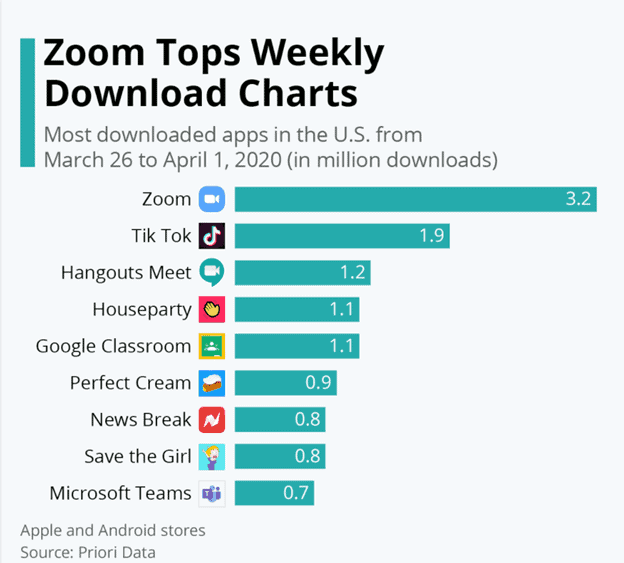
    It’s no secret that TikTok has been the social media platform that everyone is addicted to. From TikTok dance and cookery videos to pranks and vlogs, TikTok has become a platform for everyone and statistics have shown it has become one of the most downloaded apps over the last year. But it has become a tool for many people that may have not been paired with the active social media platform and that is the sharing of business education.

    Zoom Tops Weekly download chat
    (Source: Statista)

    Promoting small businesses and learning how to invest has gone hand in hand with sharing tricks of the trade with audiences on TikTok. Business TikTokers are encouraging users and their audiences how to make the most out of their finances and even how to start their own small businesses and side hustle. The nature of TikTok content is very fast-paced and digital, and this ensures that the information given in these types of videos is very concise and to the point. This is most likely one of the reasons that types of creators have encouraged engagement.

    From covering the basics of property investing to networking, these are the best business TikTokers you need to follow to teach yourself some TikTok lessons, without stepping foot in a classroom.

    To Help You Get That Perfect Job

    Finding a job or reevaluating your current situation is a commonality that most people share or have experienced in their life and as the way of working is changing, so is the world of networking to find jobs. TikTok has become a great arena for recruiters and consultants alike to delve into the world of job hunting and making sure that you get noticed for your dream role!

    Wonsulting

    Wonsulting - best business tiktoker to help you get a job

    It seems that in an age where online applications are a starting point to find a job, they are the least effective strategy. Wonsulting is a TikTok account where the creator uses his experiences to help his audience navigate LinkedIn for free. As well as his own business, he uses TikTok as a place to help people land the job that they want by teaching them how to connect with the right people on Linkedin. You can follow their TikTok account here.

    Jackie Caves

    Jackie Caves

    Jackie Caves is a former recruiter who is sharing her knowledge of the job market on TikTok. From interview tips to how to format your resume, to how to start your job search, her followers have rapidly increased and is someone you need to follow if you want to up your job search game. You can check out her TikTok for more tips and tricks.

    Workhap

    Workhap

    Workhap is an account that is designed for those who are in a career rut or just starting out on their career journey. Known as TikTok’s career coach, this account will help structure your CV and tell you what career loopholes not to fall in.

    To Inspire You With Business Hustles

    When it comes to wanting to make a bit of extra money for yourself, taking on a side hustle or some extra shifts is a great go-to in order to bring in some extra income. The importance of creating different streams of revenue for yourself is something that has forefronted business TikTok. With choosing how to invest your energy into active income and establishing some passive income for yourself, it is apparent that this is the way to give yourself financial security.

    As with all side hustles and the whole “hustle” movement, it’s important to stay mentally healthy, get enough rest and sleep. Work-life balance is an important aspect of a happy life.

    TikTokers have used the TikTok space as a way to share how to navigate your revenue streams as well as how to get started if you haven’t yet.

    Lily May

    Lily May tiktok

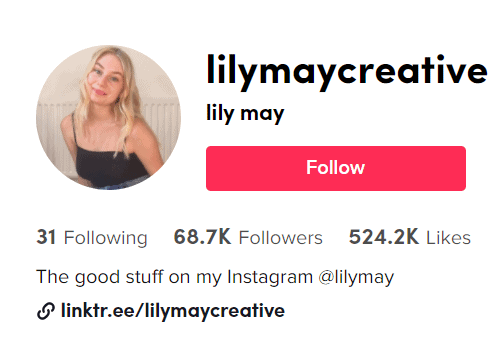
    Lily May is a virtual assistant turned coach who uses her TikTok to share her tips on how to establish yourself as a Virtual Assistant. She shares her feedback and people who have benefitted from taking her advice. Requiring no previous experience and very little investment to get started to being able to dictate your own schedule, Lily May has got our attention. You can find out more about her masterclasses on her TikTok page.

    Matty Side Hustles

    Matty Side Hustles - Business hustling tiktoker

    If you’re not sure when it comes to side hustles what to do with yourself, give Matty Side Hustles a follow on TikTok. This account is home to ways of making extra money without even leaving your house. It is a great way to get your brain into thinking, in an imaginative way, on how to make something into a side hustle. From using your voice as a way to create voice-over content and being resourceful with your tech, to thrifting and establishing passive income streams, this page is a great one to follow.

    Your Rich BFF

    Your Rich BFF

    Yourrichbff does exactly what she promises to. She can help you get rich and earn some extra money. As an ex Wall Street financier, she has inside tips and tricks to navigating your side hustles and even how to invest that extra dough.

    To Help You Invest Better

    Investing has now become the ultimate passive income stream; although it is not entirely risk-free, information about investing has now become so accessible that anyone can give it a go with any budget. Investing can be in stocks and shares as well as real estate and of course yourself. Debunking investing myths and informing you from their own experiences, investors on TikTok can point you in the right direction when it comes to starting your investing journey.

    Her First 100k

    Her First 100k

    Her first 100k doesn’t beat around the bush when it comes to talking about money. This account creator started investing young and wants to teach others to do the same. By sharing her tips on TikTok, she has also started a chart-topping podcast as well as establishing her own passive income streams for life. Being transparent about money and how to make the most out of your earnings is an ultimate prerogative for this TikToker. This businesswoman is a must-follow account if investing is in the cards for you.

    The Layman Investor

    The Layman Investor - best investment tiktoker

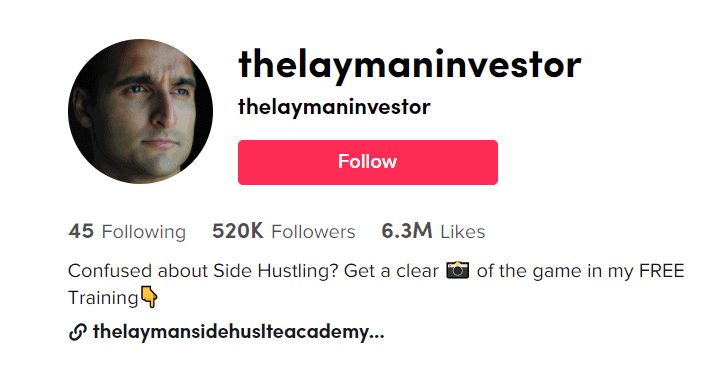
    The Layman Investor is exactly what he says in the tin. An ordinary guy on an extraordinary investing adventure. This TikToker shares his own investing experience online and is very much on the journey with his audience. He shares his book recommendations and must do steps to take when creating passive income streams for yourself. A must-follow for acquiring information in a fun way.

     Faaresq

    Faaresq - best business tiktoker

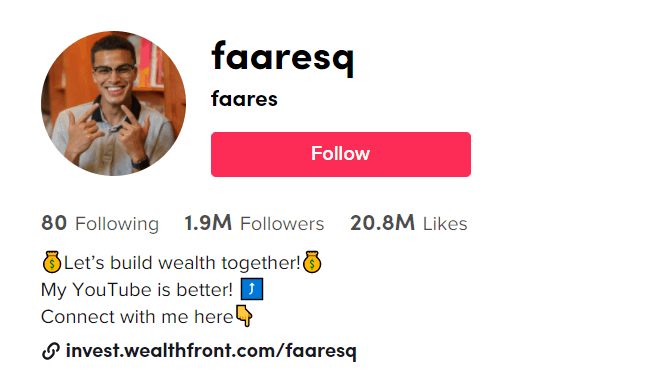
    This TikToker will give you an insight into all things wealth and investing. Paired with his Youtube channel Faaresq offers detailed ways to invest your money and how to get started if you’ve never done it before. After watching this page, offering tips on investment niches, expanding your investment portfolio, and keeping track of your money will be a sure win.

    Mark Tilbury

    Mark Tilbury - best business tiktoker

    Mark Tilbury is your Tik Tok investing Dad. This TikToker has invested, been there, done that, and bought the T-shirt. He shares the dos and don’ts of investing with his audience, how to avoid what he learned first hand and ensure diversification of your investment portfolio. An excellent account for those starting out in investing.

    Go On, Tell Us What You Think!

    Did we miss something? Come on! Tell us what you think of this article on best business TikTokers in the comments section.
  • Zomato Business Model | How Does Zomato Make Money?

    Zomato Business Model | How Does Zomato Make Money?

    We’ve all probably watched people standing in queues and looking at different restaurant menus to order lunch at least once in our lives. Who would have thought that the idea could lead to the germination of Foodiebay, a prologue to Zomato, which is one of the largest food aggregators in the world?

    Suppose a person suddenly feels hungry but has no idea what to order and where to order from. Bam! There comes Zomato. He can visit the site, explore different restaurants, take a glance at their ratings, and then finally order what he likes best. He’d probably then find the delivery at the doorstep any minute.

    From exploring restaurants to reading reviews to food delivery or dining out, the journey with Zomato seems to cover it all. But what is Zomato and what is Zomato business model? How does it actually work? How does it make money? And how it expanded to over 24 countries?

    Let’s delve deeper into the business model of this foodtech unicorn.

    What Is Zomato?

    Zomato is a restaurant discovery and food delivery company that serves the needs of customers, restaurant partners, and delivery partners by connecting them on one platform.

    It is a platform where people discover and explore restaurants, view menus, give and read reviews, order food and get it delivered or book a table and dine out. On the other hand, restaurant partners get the opportunity to increase their visibility and presence and engage customers while getting a reliable delivery source at the same time.

    Founded by two IIT graduates, Deepinder Goyal and Pankaj Chaddah, in 2008, Zomato began its life as Foodiebay. This online restaurant directory lets its users check out restaurant menus with a few additional features. The idea was to convert restaurant paper menus to a digital platform, which is far more accessible and easy to use. Over the years, Zomato has tapped into many other business segments and expanded internationally with around 32.1 million monthly active users and a presence in around 24 countries. Let us see how this unique and sustainable business model operates.

    How Does Zomato Work?

    Zomato’s operating model is simple yet effective.

    Customers use the website or app to search, discover and explore different restaurants to order meals or book a table to dine out. Restaurant owners receive the order request and dispatch the order after preparation. The order is picked up by a delivery partner selected by the proprietory platform’s algorithm that scouts for the nearest and most apt delivery personnel for the delivery. Delivery personnel are not employees but partners to the company and have the right to accept or reject a delivery job. Once the job is accepted, the delivery providers then deliver it to the mentioned location. The customers can make payments while ordering or at the time of delivery. They then give their reviews, which helps Zomato improve its services and helps other customers make informed choices while placing their orders.

    In simple terms, Zomato’s delivery operating model can be divided into three steps  –

    • Customers uses Zomato’s app to order from existing restaurants and food joints that have partnered with Zomato
    • Zomato pings nearest and most apt delivery partner to deliver the order to the customer
    • The delivery partner delivers the order
    • Zomato and delivery partner get their commissions

    Zomato’s dine-out operating model, however, is a bit different from the usual delivery service. It heavily depends on the subscription-based Zomato pro offering.

    Zomato Pro is a premium subscription-based service that offers its members additional benefits and discounts on dining out and delivery services. They get complimentary food and drinks and other discount offers while ordering from partner restaurants. They get access to exclusive delivery offers and a priority while preparation of their orders and delivery. This increases the speed of the entire process by an average of 15-20%.  They also get money-back guarantees if they do not save twice the subscription fee of Zomato Pro within the subscription period.

    Zomato’s Key Activities

    The key activities of Zomato business model can be divided into seven categories. These are:

    Restaurant listings

    Before tapping into other business segments, Zomato was primarily an online restaurant directory. It partners with restaurants that join the platform for increased visibility and charges them a commission for placing them prominently on the feed. Restaurants also pay for the promotion of their events and offers for increased conversions from Zomato users.

    Food Delivery

    Zomato’s food delivery business is an integral part of the link chain between customers, restaurants, and delivery partners. The customers pay a delivery fee to the restaurants, which in turn give a commission to Zomato for every delivery it makes. The commission earnings are then split between the company and the delivery partners. However, these commission earnings are subject to whether Zomato does the delivery or the restaurant gets it done itself.

    Live Events

    Zomato entered the market of branded live events in 2018 with its food festival, Zomaland. It has organised this food carnival in multiple Indian states where people get to witness live musical performances and other entertainment activities.

    White Label Access

    Zomato also enables Zomato Whitelabel, a suite of technologies that restaurants can use to run their businesses online. The key feature of the platform is that restaurants can develop customized food delivery apps to connect and engage with customers. It also works with select restaurant operators to help identify possibilities of expansions at minimal costs. It helps them by providing them with the requisite licenses and other such requirements they might have.

    Zomato kitchens

    Zomato provides kitchen infrastructure services to select restaurant operators by working with various entrepreneurs to help them set up and operate Zomato kitchens under different labels. This helps entrepreneurs fund restaurants with an investment of Rs 35 lakh and more. Zomato offers the investors returns in the range of Rs 2 to 4 lakh per month with over 180 running kitchens so far.

    Hyperpure

    Hyperpure is an initiative by Zomato which aims at enabling restaurants access to everything, from vegetables and fruits to meat and poultry to seafood and dairy and groceries and beverages by working directly with farmers and mills, that is, both producers and processors, to source these products.

    Consultancy

    Zomato has an enormous repository of user databases which it uses to unearth vital pieces of information. These databases help it have an idea about the user preferences in different locations. It uses various analytical tools to provide consultancy services to its partner restaurants and other eateries.

    Zomato’s Key Partners

    The customer segments of Zomato business model can be categorised as follows:

    • Local restaurants: Zomato partners with restaurants and helps them increase their visibility and online presence to draw the target audiences and tap into new potential customer bases.
    • Users: Zomato acts like a panacea for users by providing them a platform where they can search, discover and explore different restaurants and eateries and order food or book a table and dine out.
    • Delivery personnel: Since Zomato offers doorstep delivery services to its customers, it partners with delivery providers who complete the entire chain by offering their full-time or part-time delivery services.
    • Reviewers: Reviewers actively review restaurants, cafes, and other food places and provide relevant information to the users about the cuisine and other aspects of the eatery in a textual or graphical form.

    Zomato has also partnered with a lot of other businesses like Uber Taxi, Visa, and Paypal. Its tie up with Uber taxi enabled customers to book a ride to go to the restaurants of their choice. It eliminates the need to access two different apps and brings together a combined solution by enabling customers to book a cab and explore nearby restaurants, all at one place. The different alliances provide assistance in finding set-up locations, hiring and other procedures, market research, accounting, handling political and legal issues and so on.

    Zomato’s Key Resources

    Zomato has a top-notch repository of databases, meticulous and dedicated employees, a talented set of reviewers and content creators, and a large number of funding partners and financial investors like Sequoia Capital, Ant Financial, Info Edge and so on, as key resources to its efficient working.

    Zomato’s Key Channels

    Zomato website and app are the key channels that help it deliver its services to its customers. The Zomato mobile app is available on both android and iOS devices and customers can alternatively browse the website to explore restaurants and check their ratings on the platform. These key channels help Zomato to engage with, and build its customer base, drive sales and enhance the user experience of the platform. Zomato has also created a site specifically for posting exclusive photos of exotic foods from around the world.

    What Value Does Zomato Provide To Its Customers?

    Zomato business model is based on the QAA model, that is, it provides quality, accessibility, affordability and assortment to its customers and partners.

    • Improved Quality: It aims at providing improved quality of food and services and maintaining high standards of fresh and high-quality ingredients through Hyperpure. The hygiene rating is one of the most yearned symbols of quality which is well known to its partner restaurants.
    • Increase accessibility: Zomato delivery services have been expanding ever since their inception to increase its accessibility to more parts of the world. The app and website are both easy to use and convenient in terms of their availability on different android and iOS devices.
    • Increased affordability: Zomato strives to leave no stone unturned in providing affordable choices to customers without compromising with its quality or profits. The Zomato Pro subscription based model also aims at benefitting the customers in different ways by providing them offers, discounts on dining out and food delivery and provides them faster delivery services.
    • Assortment: It aims at providing a wide range of choices and the best information to its customers so that they can make well-informed choices. It believes in the idea that taste and experiences transcend any geographical borders.

    Moreover, Zomato’s customer service provides online customer support with a mandatory rating mechanism. Customer support chat is available round the clock and call services are available to customers in case they feel the need to inquire about any problems they might face. It provides different incentives to customers to keep them engaged and ensures that the reviews and ratings are up to date so that customers have complete information before making their choice.

    How Does Zomato Make Money?

    Zomato has become a top player in the food industry since its inception. It had a revenue of a whopping $394 million in 2020 while there has been an increase in hyperpure’s revenue from $1.8 million in 2020 to $14.7 million in 2021. The diversified set of activities that play a key role in generating its revenue are:

    Zomato Advertisements

    Zomato partners with restaurants that wish to amplify their visibility and online presence through the platform. A major chunk of Zomato’s revenue comes through advertising and promoting these restaurants who pay it for the same.

    Zomato Subscriptions

    Zomato has a subscription-based freemium model. Zomato Pro offers customers different discounts and offers on dining out and food delivery services. They make offers like (1+1) on food items or (2+2) on drinks to Zomato Pro users and get their deliveries made faster. It offers a 3-month membership at a cost of Rs 200 and an annual pro membership at a cost of Rs 750 in India.

    Consultancy And Data Monetisation

    Zomato can analyse users’ behaviour based on the data repositories it has. It gives an insight into which dish is trending, what people are searching for, what kind of food is in more demand, and so on. Restaurant owners need to pay Zomato to get this information to improve and optimise their services according to the users’ requirements.

    Food Delivery Services

    Zomato charges a commission for the restaurant partners for every delivery that it makes. It charges a commission of around 20-25% which can vary depending on different factors like location, timing, and so on.

    Live Events

    Zomato charges an entry fee for the carnivals and live events that it organises in collaboration with different restaurants. These events are usually hosted on occasions like Christmas or New year’s eve in order to boost sales. The purchase of these tickets becomes a source of revenue for the company.

    Zomato Kitchens

    Zomato offers a kitchen infrastructure service to restaurants that want to expand their business to new locations at a minimum possible cost. This helps it get more restaurant partners and generate greater revenues.

    Costs Incurred

    Zomato has to spend on a lot of operations and advertisements that it makes. The primary costs it incurs are:

    • Platform development: Zomato invests large amounts to increase its user experience of the platform by improving its customer services, user interface, and overall online presence.
    • Branding and advertising: Zomato launches a wide range of marketing campaigns and advertisements to gain greater popularity and spread consumer awareness about its offers and discounts.
    • Credit card processing fees: Zomato has to pay for the credit card transactions that take place as well.
    • Office maintenance cost: Zomato operates in around 24 countries around the world which include India, Australia, UAE, USA, Turkey, and so on. Thus, it has to bear the maintenance costs of offices in all these countries that it operates in.
    • Employees’ salary: Zomato has over 5000 employees working for it all over the world. It has to pay salaries to this set of dedicated employees with different pay scales.
    • Legal and accounting fees: The company has to pay legal fines and payments for mergers and acquisitions and different licenses that it requires. It also has to pay taxes for various purposes as well.

    Bottom-Line?

    Zomato’s simple yet effective business model has led it to be one of the largest food aggregators in the world and any aspiring entrepreneur has much to learn from it. It offers a combined solution to users’ problems in the food market and takes care of the entire process till the order reaches their doorstep.

    It strives to work on different new business endeavours while working on better implementation and improvisation of existing applications and services it provides. It is just as they say, the story has just begun. It has far more heights to attain and greater audiences to tap into all over the world.

    Go On, Tell Us What You Think!

    Did we miss something? Come on! Tell us what you think of this article on Zomato business model in the comments section.
  • Netflix Statistics: Usage, Revenue, & Key Facts

    Netflix Statistics: Usage, Revenue, & Key Facts

    Netflix is the biggest and most popular video streaming platform globally.

    With such a massive pool of movies and shows, streaming content over the Internet is the best way, and without a doubt, Netflix is the top choice among users. Though it started as a DVD rental service and added the subscription model later on, it has now started to produce original content, which is a major attraction for the subscribers to pay for the streaming service.

    Here are some key Netflix statistics with respect to users, revenues, expenses, and content.

    What Is Netflix?

    Netflix is an online video streaming service that allows users to watch movies and TV shows on an internet-connected device through a paid subscription. It offers viewers a commercial-free and easy-to-use platform with visible user ratings and rankings.

    • Website: Netflix.com
    • Founded: August 29, 1997
    • Founders: Reed Hastings, Marc Randolf
    • Headquarters: Los Gatos, California, US.
    • Key managerial personnel: Reed Hastings (Co-CEO), Ted Sarandos (Co-CEO), Greg Peters (COO, CPO), Spencer Neumann (CFO)
    • Global launch: 2016
    • IPO date: May 23, 2002, at $15 per share
    • Stock price: $321.33 (NASDAQ: NFLX) on May 5, 2023.

    Netflix Usage Statistics

    Netflix is available in about 190 countries.

    • Total paid subscribers:  Netflix had nearly 231 million paid subscribers worldwide in 4Q 2022.
    • Netflix subscribers by region as of Q4-2022:

    Netflix lost subscribers in the United States and Canada between 2021 and 2022, from 75.215 million to 74.296 million.

    Netflix Subscriber Additions by Region

    Netflix lost a total of 919,000 subscribers in the US and Canada in the year 2022.

    Share of Average Daily Time Spent in the US by the Platform in 2022:

    • Netflix: 38.9%
    • Hulu: 25.5%
    • Amazon Prime Video: 12.4%
    • Disney+: 9.5%
    • Others: 13.7%

    US Netflix subscribers stream a total of 6.1 billion hours of Netflix per month.

    The average Netflix user streams an average of 3.2 hours of Netflix content per day.

    Netflix Demographics

    • Sex ratio: 52% female and 48% male as of March 2021
    • Generation: Millennials – 33%, GenZ – 18%, GenX – 26%, baby Boomers – 22%
    • Annual Income: 50% of users have an income of less than $50,000, 30% of users have $50,000 – $100,000 and 19% of users have more than $100,00
    Source: Morning Consult

    Netflix Revenue by Region

    Netflix Revenue by Region
    (Source: Statista)

    Netflix made $14.085 billion from the US and Canada in 2022, up from $12.972 billion in 2021. (Source: Netflix)

    Netflix Revenue By Segment

    Netflix Revenue By Segment

    Netflix made $145.698 million from DVDs in 2022, down from $182.348 million in 2021.  (Source: Netflix)

    • Operating Income: Netflix’s annual operating income for 2022 was $5.633B, a 9.07% decline from 2021.
    • Net Income: Netflix’s annual net income for 2022 was $4.492B, a 12.2% decline from 2021.
    • Operating Income: 14.21% as of December 2022.
    • Average Market Cap: 130.38B as of March 10, 2023.
    • Netflix Operating Income: Netflix’s annual operating expenses for 2022 were $25.983B, a 10.55% increase from 2021.
    • Number of Employees: 12,800 in 2022, a 13.27% increase from 2021.

    Netflix Marketing Channels Distribution

    Netflix Marketing Channels Distribution

    The top traffic source to netflix.com is Direct traffic, driving 91.07% of desktop visits in March 2023, and Organic Search is the 2nd with 7.12% of traffic. The most underutilised channel is Paid Search.

    Netflix Statistics: Content

    • US library size: 5087 titles in total, with 1,974 shows and 3,749 movies as of August 2021.
    • Languages: 60+
    • English titles make up around 55% of the total Netflix library in the United States, which means 45% are foreign-language titles.
    • Most viewed original movie: The Red Notice as of October 2022.
    • Most viewed original series: English – Stranger Things (Season 4) – 1,352,090,000 hours watched, Non-English – Squid Game (Season 1) – 1,650,450,000 hours watched.
    • Longest running show: Grace & Frankie.

    Netflix Originals make up 40% of Netflix US Library.

    Amount spent on original content production: 16.84 billion US dollars in th year 2022, which was 4.9% less than in the year 2021, when it shelled out $17.70 billion.

    Netflix Miscellaneous Stats and Facts

    • In the 4th quarter of 2021, the viewer’s ratio of men to women was 50:50.
    • Netflix can spend up to $20 million per hour on content.
    • Netflix original series – The Crown cost $13 million per episode.
    • Slovakia has the largest Netflix catalogue in the year 2023 – combining 7,436 different titles.
    • The average (US.) Netflix subscriber earns less than $50,000 a year.
    • Netflix produced approx 130 original titles in Q3 2021.
    • Pakistan has the lowest Netflix subscription cost.
    • During the third quarter of 2022, the Netflix mobile app amassed more than 8.4 million downloads from users in the United States.
    • The television is the most used device to watch TV shows on Netflix in the United with over 133 million unique viewers, followed by the mobile phone with 74.8 unique million viewers.
    • On average, it takes five days for a user to binge-watch a series on Netflix.
    • As of August 5th, 2020, Netflix has 1,767 active Originals; of those, 1,140 are in English. That is, about 65% of all Netflix Originals are in English.
  • What Is Direct-To-Consumer? How D2C Model Works?

    What Is Direct-To-Consumer? How D2C Model Works?

    D2C model stands for direct to consumer. It is based on the premise that brands want to control how their products are produced and marketed fully and not rely on a third party like retailers, wholesalers, marketplaces, etc. Many global brands use this model and some of the best examples would be Nike.com, Apple.com, and even YouTube.com.

    Today, D2C companies are booming in the e-commerce industry. Though many companies are operating using the direct-to-consumer (D2C) model, what exactly is a D2C company? How do they operate? What are the main marketing techniques that they use to produce a positive customer experience? And why do consumers love shopping from D2C companies? Here’s a look into the inner workings of D2C companies and why customers love shopping from them.

    What Is Direct-To-Consumer (D2C)?

    A direct-to-consumer (D2C) business is a way to sell goods and services directly to consumers without going through third-party vendors or retailers.

    Also known as over-the-counter (OTC), D2C is a consumer-oriented sales model that bypasses intermediaries such as wholesalers, distributors, and retailers. By eliminating the middlemen from the supply chain, prices can be lowered for the consumer. The term “direct-to-consumer” is sometimes used as a synonym for companies that use ecommerce platforms to sell directly to end-users. The term is also used to identify companies that do not rely on wholesale distribution to reach end-users. An example of this is the UGG brand, which sells directly to consumers through its own ecommerce website. Other examples of D2C companies include Warby Parker, 1-800-Flowers, and Everlane.

    Businesses can use a direct-to-consumer model to reach out to a wider audience, especially in markets that are otherwise difficult to enter. For example, some business owners choose to sell their goods directly to consumers on their own websites or even on their own real estate. It’s not just about products, however. Services can be sold directly to customers via a D2C business model as well. For example, a dentist’s office can sell its services directly to the patient on its website.

    How D2C Business Model Works?

    The D2C model is a business model that is a hybrid of traditional B2C and ecommerce. You can think of it as a traditional shop, but instead of the customer going to a shop, the shop comes to them in the form of an application or website.

    A traditional business model includes a manufacturer who sells the offerings to wholesalers who then sell the offerings to retailers who eventually offer the same to the final customer at a premium price. Moreover, there may also be agents (carry and forwarding agents, super stockists, etc.) present at all these stages. This sales model involves heavy negotiations at each production and delivery stage that increase both the price and the time required by the product to reach the end consumer. Moreover, the customers never interact or engage with the brand directly. If there’s feedback, it usually goes from retailers to wholesalers to the ultimate manufacturer in a chain.

    D2C model, on the other hand, disrupted this sales model. With the advent of the internet, it becomes possible for brands to connect directly with their customers, take orders, pack, distribute, and ship their products directly to customers’ homes.

    However, this doesn’t mean that the brand employs its own resources to do all the sales tasks. Usually, D2C brands partner with several packaging, delivery, and logistics handling companies that help the brands deliver their promise to the customers.

    The Benefits of D2C Model

    D2C (Direct to consumer) is an innovative business model that has changed the way people do business and buy products. This business model has a lot of advantages if managed carefully.

    • Better control of the sales funnels:  Since the D2C model removes the intermediaries, it gives the offering provider more control over the sales funnel and lets them choose what suits the customer’s needs better.
    • More control over customer relationships: D2C allows a company to have a direct relationship with its customers, which can be used to understand consumer desires and preferences. Moreover, brands can even focus more on personalised offerings if they opt for D2C model.
    • Better feedback: Some argue that the biggest advantage of the D2C model is that the customers get to connect and engage with the brand directly. This helps the brand get customer feedback directly and not through intermediaries like retailers, wholesalers, etc.
    • Increased brand profitability: D2C strategies allow companies to cut out the middleman, which can lower costs and increase margins.
    • Provides more opportunities: The D2C model opens up more opportunities for the offering provider to market, price, and even offer its offerings. They can go for subscription-based pricing, market free trials, offer personalised gifts, etc., and maintain better and longer relationships with the customers.
    • Improves business agility: The D2C business model improves business agility and increases their ability to react and change to the changing environment, trends, and requirements better.

    The Challenges To D2C Model

    E-commerce and consumer-driven marketing are driving the D2C boom and have placed pressure on traditional retail outlets, for example, department stores and clothing stores. Today, everyone wants to own a brand that caters directly to consumers via the internet. However, the D2C model comes with its own set of challenges. The challenges range from consumer’s perception of the brand and service, lack of experience in the market, to competition from the traditional retail channels.

    • Competing with existing retailers: The biggest challenge a D2C brand face is that it has to compete with existing retailer giants that already have a substantial market share and use economies of scale to provide lesser-priced items.
    • Order fulfillment: D2C brands also need to take care of packaging, delivery, and order fulfillment themselves instead of delegating the same to wholesalers and retailers.
    • Brand building: Building a trustable brand and making customers feel and believe that they are buying directly from a real person is a big challenge for D2C brands as customers take time to put their trust in new brands.
    • Marketing and customer service: Unlike the traditional retailing model where the final touchpoint marketing is taken care of by the distribution channel personnel, the D2C model asks the brand to take full control of marketing before, during, and after the sale has taken place.
    • Sales Pressure: D2C model puts great pressure on the company to find prospects, convert them into leads, and into final customers themselves without relying on retailers or agents. This requires a good sales strategy, dedication, and a well-performing team.

    D2C Brands Examples

    Today, thousands of brands ranging from garment stores, restaurants, to even Spas operate on a D2C model. Here are some notable D2C brands that one should know of.

    Famous D2C Brands In The USA

    D2C model has proven to be a massive success in the United States of America. Here are some renowned D2C brands that operate in the country:

    Chewy

    Chewy boasts to be the most trusted and convenient online destination for pet parents to shop for pet food, toys, and accessories.

    The D2C brand saw annual net sales of $2.14 billion in the first quarter of 2021 by selling over 45000 products to customers.

    StitchFix

    StitchFix disrupted the fashion industry with its recommendation algorithm that personalise clothing items based on the customers‘ size, budget, and style. The company lets the customer take a style quiz and find the perfect size and fit for them which they can buy instantly on their website.

    Famous D2C Brands In India

    India is the home to booming D2C startups, many of which have even reached the unicorn company level. Here are a few D2C examples:s

    Lenskart

    Lenskart is a D2C eyewear brand operating in India that manufactures and sells hundreds of thousands of glasses every month. The company is valued at $2.5 billion and became the first D2C brand in india to become a unicorn company.

    Country Delight

    India is a leading producer and consumer of dairy products but the industry was largely untapped in the D2C segment. This is where Country Delight found an opening and started delivering farm-fresh cow and buffalo milk directly to homes. The platform operated on the website and an application and made dairy products purchase process easier for the Indian customers.

    Famous D2C Brands In The UK

    UK has seen a huge rise of D2C brands selling a wide variety of products ranging from keychains to big house equipments. Some of the famous D2C companies operating in the UK are:

    Grind

    Grind is a coffee brand that sells coffee, cocktails, and all-day dining across London in its stores, website, and application. It is one of London’s fastest-growing and most exciting hospitality brands.

    Grind D2C Brand

    Ugly

    Ugly sells sparkling water, flavored seltzers, and energy drinks in the UK. The company boasts about the natural flavours it puts in its products. Even though Ugly started off as a retail brand, the company moved towards being a D2C brand and now sells its offerings on its website.

    https://www.youtube.com/watch?v=45YCR8VP4QY

    Go On, Tell Us What You Think!

    Did we miss something? Come on! Tell us what you think of this article on D2C business model in the comments section.
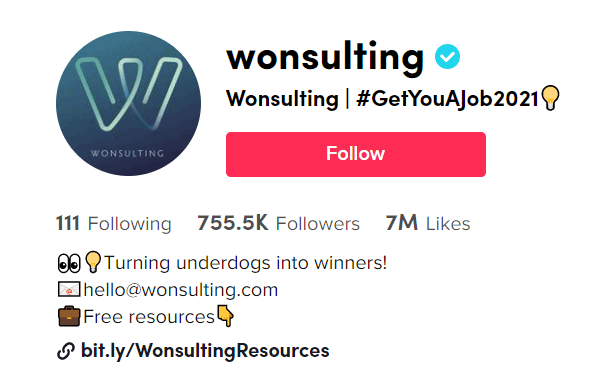
  • 4 Biggest Reasons Why Yahoo! Failed

    4 Biggest Reasons Why Yahoo! Failed

    If you want to know anything about Yahoo!, you’d probably google it.

    But did you know that there was a time when Yahoo! refused to acquire Google twice?

    Founded by Jerry Yang and David Filo in 1994, it was a veritable web titan and one of the pioneers of the early Internet area in the 1990s.

    From being the most visited site globally, and once worth a whopping $125 billion, to being acquired by Verizon for less than 4% of that amount, that is $4.48 billion, Yahoo! has seen its downfall.

    So what happened that led to such a turn of events? Why Yahoo! failed? Can a business learn anything from its downfall? What could have gone so wrong in all these years that it led to the dissolution of the company?

    The reasons are multifold. Two missed opportunities of acquiring google, a 500 million users’ data breach, a failed bid to acquire Facebook, and what not!

    Let us demystify the different factors that accumulated together, eventually leading to this tech giant’s downfall!

    What Is Yahoo!?

    Yahoo! is a web service provider that offers different services that include a search engine, a web portal, e-mails, news, songs, and other related services.

    A backronym for ‘Yet Another Hierarchically Organized Oracle’, it ushered in the new internet era and put together a multipurpose website that had skyrocketing popularity. It had then purchased Yahoo! Broadcast for around 6 billion dollars which is similar to present-day YouTube. Way before Spotify and YouTube Music even existed, Yahoo! Music let people listen to songs at low prices. It was among the first online websites that introduced the idea of modern emailing to people via Yahoo! Mail. It also introduced other services like Yahoo! News, Yahoo! Finance and Yahoo! Sports to expand its domain further.

    The Story Of Yahoo!

    While the yahoo.com domain started in January 1995, Yahoo! had received around one million hits by the end of 1994 on the beta-version domain – akebono.stanford.edu/~yahoo.

    Ever thought about why there is an exclamation mark in the name?

    Since the word “Yahoo” had been previously trademarked for barbecue sauce, knives, and human propelled watercraft, Yang and Filo thought of adding an exclamation mark to the name.

    Yahoo! grew exponentially in the 1990s and acquired a wide range of companies, and introduced numerous new features for its customers, leaving all competition behind. It garnered immense support and earned two rounds of venture capital funding before its initial public offering in 1996. Its stock price almost doubled in the late 1990s during the dot-com bubble and reached an all-time high of $118.75 in 2000. However, its stock reached an all-time low of $8.11 in 2000 when the bubble burst, even though it was among the few who still managed to survive. As the internet era evolved in the late 1990s and early 2000s, so did Yahoo!’s home page, which had become the starting point of the world wide web for millions.

    Then how come GenZ has barely used Yahoo! and knows so little about it?

    True to the adage, skill comes to many but vision comes to only a few; Yahoo’s success was short-lived, and it could not keep pace with the advancing trends and technology over the years.

    One of the significant sources of revenue for Yahoo! was its advertisements. Just how Orkut’s slow speed had made it cumbersome for its users and made it lose its audience to Facebook, Yahoo!’s heavy advertising reduced its quality of user experience and made it lose its audience to Google.

    Users started switching to other alternatives, and its market value started to depreciate over the years. Let’s see why!

    Why Did Yahoo! Fail?

    Yahoo’s downfall can be attributed to a string of wrong decisions and missed opportunities. Let’s delve deeper to understand the different reasons that led Yahoo! plummet down the hill.

    Wrong Focus

    Yahoo! had been more business-oriented instead of focussing on providing a quality user experience. It had extensive advertisements and seemed to change its user interface pretty often. It became a little difficult for its users to become accustomed to new user interfaces so frequently.

    Missed opportunities

    Yahoo had been unable to foresee future trends and had missed out on some big opportunities back in the day. These included –

    • Refusal to acquire Google
    • Failure to acquire Facebook
    • Failure to merge with Microsoft
    • Several unsuccessful acquisitions

    Yahoo! Refused To Buy Google

    In 1998, Larry Page and Sergey Brin, the founders of Google, had approached Yahoo to sell Google for 1 million dollars since they wanted to continue their studies further. However, Yahoo refused the offer.

    But was that it?

    No. In 2002, Google became way more valuable and Yahoo CEO, Terry Samuel realised its true potential. So, Yahoo offered a 3 billion dollar deal to the founders of Google. Knowing the true worth and potentials of Google, they refused to sell it for $3 billion and asked for sealing the deal for $5 billion. However, Yahoo turned down the offer again.

    Although things could have been different for Google had it been acquired by Yahoo then, it was worth a whopping $1201 billion in June 2021!

    Unsuccessful Attempt To Buy Facebook

    At a time when Google had already come a long way in the world of online search, the new trend in vogue was that of social networking. In July 2006, Yahoo attempted to acquire Facebook for $1.1 billion. However, the deal didn’t work out and a failed bid to buy Facebook got added to the list of missed opportunities Yahoo missed back then.

    Failure To Merge With Microsoft

    In 2008, Microsoft approached Yahoo with an offer of $44.6 billion. However, Jerry Yang baulked at the offer. The repeated offer rejections were because Yahoo felt it was being undervalued. However, it doesn’t seem so anymore after considering its $4.48 billion acquisition deal with Verizon in 2017.

    Unsuccessful Acquisitions

    Yahoo! invested a lot of money in acquiring companies like Broadcast.com, Geocities, Flickr, Right media, Overture Services, Inc, and Tumblr, all decisions leading it one step down the hill.

    Before Yahoo purchased Flickr in 2005, its founders had intended to tap into social networking. However, the plan wasn’t carried forward, and they missed out on the social media boat. There was a lack of vision, and it paid less attention to cater to the community it had built. It could not retain its customers or expand the customer base because the focus was not on introducing new features or growing the community.

    In 2013, Yahoo purchased Tumblr, a microblogging and social networking site, for $1.1 billion but failed to turn the acquisition into a profit-making component. It failed to innovate, understand the right direction to head forward in, and keep pace with the competitors in the industry. So, eventually, CEO Marissa Mayer’s bet on Tumblr didn’t pan out so well.

    Lack Of Futuristic Vision

    Lack of foresightedness can be considered one of the main reasons things turned out this way for Yahoo. It failed to estimate rightly where to invest and how to head forward and keep up with the ever-changing trends and advancing technology. It lacked talented and skilled people with a strategic vision for the future.

    500 Million Users’ Data Breach And Frequent Server Crashes

    Yahoo has faced two major data breaches, one of them being the largest one on the record!

    In 2016, it reported a data breach of over 500 million user accounts in 2014. In December 2016, it also reported another data breach that occurred around 2013 in which hackers impacted about 3 billion of its user accounts.

    Yahoo also faced frequent server crashes even during a time when it was at its zenith. This reduced the quality of user experience and gave users an incentive to switch to other efficient emerging alternatives that were coming up then.

    Lessons Businesses Should Learn From Yahoo’s Downfall

    There are a few key takeaways every business should keep in mind to learn from Yahoo’s failure.

    Capitalise On Shifts In User Behaviour

    One of the reasons Yahoo couldn’t keep up with its rivals was its incapability to carry out a successful transition to being a strong mobile competitor. Its lack of leadership in the mobile space let its competitors lead the race. It could not give high-quality mobile advertising experiences to its users and lagged behind in creating measures to check the effectiveness of its ad campaigns. This also made it difficult for Yahoo to garner the budgets of big advertisers it had courted in the past.

    Who knows? Flickr could have been present-day Instagram.

    Know Your Aim Well

    Even though Google has its hands on different businesses, its sole aim is to organise information about anything and everything and make it universally accessible and useful to everyone. Facebook is all about socialising and making the world more connected.

    However, it seems like Yahoo had managed to become a jack of all trades but a master of none.

    The takeaway?

    Try to know who you are and be who you are as a brand to know where you should head to in the future.

    Have A Good Work Culture With The Best People

    It is difficult to have a good work culture and comprehend the direction in which a company is driven when the leadership is inconsistent. Even though it is a subjective concept, having a strong company work culture has a role to play in the kind of employees you hire, how they work, their alignment with the company aim and the overall quality of work. 

    Bottom-Line?

    Yahoo’s ultimate fate can teach future businesses that one has to keep up-to-date with trends and advancements to stay in the game, or things might falter. If Yahoo would have had a deeper understanding of what its users needed, and a foresight vision, things might have turned out differently.

    Go On, Tell Us What You Think!

    Did we miss something? Come on! Tell us what you think of this article on reasons Yahoo! failed in the comments section.
  • How To Find Angel Investors For Your Startup?

    How To Find Angel Investors For Your Startup?

    Fundraising is one of the trickiest games that startup founders are expected to master. While several investors fund startups with developed MVPs, few invest in developing ideas; one of these few is business angels.

    Yes, angels put their money in the earliest stages of startups when the risk is maximum. However, it is not easy to find the right angel investor for one’s startup. Where do you find one? How to know if it’s the right investor fr you? How do you reach out to them?

    Fret not. We have curated this step-by-step guide to find the perfect angel investor for your startup.

    Is Angel Investor the Right Fit for You?

    Before answering the question of ‘How?’, we would like you to be sure about approaching an angel.

    Angel investors are high net worth individuals who fund startups in exchange for around 20-40% of equity. They support risky business ventures, usually at their most uncertain stages. Hence, they are called business angels.

    They may be accredited investors, who are mostly entrepreneurs with big earnings from their previous businesses. Hence, they may also tend to be great mentors who provide guidance, valuable contacts, and suggestions for growth.

    Sometimes, your friends and family may support your business in its initial days. Although they might not be accredited investors, they fall under the category of angels.

    Angel investors invest around $15K to $250K in a business. Combined with other offerings by business angels, this amount helps grow your business. Also, unlike VCs, angel investors usually fund you because they believe in your idea and vision. They are more concerned about business-building than lucrative exits. So, even though they might not go for further funding rounds, they tend to be invaluable.

    However, you must be ready to give up a considerable proportion of equity this early. Money and a capable board member are worth a huge price, right?

    So, ponder over your business and your vision for it. Talk to the team, consider your immediate and long-term goals, and see if an angel investor is the right fit. Remember that there are other equity and debt funding options you can choose from.

    How Should You Find Angel Investors for Your Startup?

    If you decide to go forward with angel investing, you have to outline your expectations from the person.

    You need to be sure about the type of investor you need before you start looking for the right one. Fundraising introduces you to many types of angel investors. While some of them are ready to mentor you, the others prefer sitting passively on the board. While some invest purely for profits, others believe in making an impact. While some angels are industry experts, the others are there because of a friendly tip.

    Trust us, finding the right angel investor is a tough nut to crack. It requires extensive research, collaboration, and deliberation.

    Firstly, you need to prepare a list of angel investors that suit you. Then, you can approach them, ensure that they are the right fit, and woo them to get them on board.

    Talk To Your Network

    The best way to find an angel investor is through your network. Your trusted professional and personal contacts might be acquainted with angels or people who have worked with them. The network includes high net worth friends, family, acquaintances, or people who have received funding from angel investors.

    Convey your requirements, and they might suggest to you whom to approach.

    Talk to people and get as many names as possible, but don’t shy away from background checks. List all the potential angel investors to approach and then proceed to the next steps.

    Network More

    After you are done with scouting your network, start meeting more people through online and offline channels. Aim for entrepreneurs and investors who might be your perfect match or at least guide you to them.

    Online platforms are the best for this purpose. They hold great personal and professional networking potential. The sheer number and diversity of the people you can approach online make it one of the best ways to look for prospective angel investors.

    Special Websites

    Platforms like Angel Capital Association, Gust, Angel Forum, etc., are specifically designed to help entrepreneurs like you to meet angels.

    • ACA or Angel Capital Association is an organisation of accredited angel investors, be it individuals, groups, or family offices. You can go through their directory of angel groups, accredited platforms, and organisations affiliated with ACA here. Although they don’t list individual investors for privacy reasons, you can meet them by attending the organisation’s events. You may also use their learning material to understand angel investing better and get real-time information about angel investing.
    • Angel Forum: Angel Forum is a long-serving angel network that helps startups raise capital by facilitating networking. They arrange events and help you connect and engage with industry experts. Here, you can pitch your business and even arrange a face-to-face meeting with the angel investors.
    • Gust:  Contrary to ACA, Gust is a platform for entrepreneurs. It provides tools and resources to help founders build companies, grow them, and raise funds. This platform works differently from the other two. Here, you just sign in, give details about your company and they will recommend you the best place to find capital.

    Business Community Building Platforms

    Angel List, Startup Grind, Startup Nation, and other business community-building platforms aim to build a startup (and/or business) ecosystem. Entrepreneurs, angels, VCs, incubators, industry experts, consultants, etc. are members of these platforms. Here, you can meet and network with the best angels. Others like entrepreneurs, consultants, and VCs here may also guide you.

    Social Media Platforms

    Social channels like Twitter and Reddit threads, Facebook communities, and other community forums are unconventional but great ways to find angel investors. Lately, Clubhouse has been providing a healthy space for entrepreneurs to connect with investors. Several clubs schedule audio meet-up sessions that accredited investors and experts attend.

    You may also find your prospective investors on professional networking platforms like LinkedIn and LunchClub.

    Just remember to maintain credible and updated accounts on these platforms, and you are free to connect and engage with professionals.

    Look Upon The Internet

    Several websites likeEqvista,Crunchbase, andPitchbook release their curated lists of angel investors. You can go through them, do background checks, and add the investors that suit your niche, region, and requirements. While Pitchbook requires you to pay, you can access the list curated by Eqvista and Crunchbase by clicking on the links.

    You may also search for angel investors around you on the web and get acquainted with their names and other details.

    Snoop In On Your Competitors

    Checking the activities of other players in your industry will help you get acquainted with the best investors and investment practices. Many pre-seed and seed-stage businesses might be raising funds. Competitor analysis will make your job easy.

    For this, you can use business information platforms likePitchbook,Crunchbase,cbinsights.com. While Crunchbase and CB Insights are paid services, you might avail of their free trials.

    Don’t Ignore Angel Groups And Family Offices

    Many a time, angels invest through family offices and angel groups.

    Angel groups are groups of angels working together. They pool money, decide where to invest, and then fund businesses like yourself. Although they tend to provide more capital than regular angel investors, angel groups are often ill-managed, time-intensive, and incompetent. So, research well before approaching an angel group.

    Websites like ACA and Startupedia have curated lists of angel groups for your reference. You may find them on the given links.

    On the other hand, family offices are the organisations that invest on behalf of angels and their families; they function like hybrids between angel investors and VCs. Family offices also tend to be time-consuming, inefficient, and even insufficient. So, don’t forget to do your research before approaching them.

    You may refer to the following lists:

    1. Crunchbase’s list of family offices
    2. SWFI’s list of family offices
    3. SWFI’s list of family offices (listed regionally)

     How To Reach Out To The Angel Investors In Your List?

    After you have your list of angel investors prepared, you can start reaching out to them. However, keep in mind that angels (or other investors, for that matter) invest through referrals. They usually don’t even listen to the founders that are not referred by an acquaintance.

    So, your next job is to secure a warm introduction to the investors on your list.

    Scout Your Network Again

    Ask the people in your network to introduce you to the angels they know. The ones who have helped you add names to the list can surely help you out here. Also, if you look enough, you may find a common acquaintance with the other shortlisted angels.

    Make New Acquaintances

    You will find the data of the companies these investors have worked with on their websites. So, look at their portfolios, connect with the entrepreneurs they have worked with, and convince them for a warm introduction.
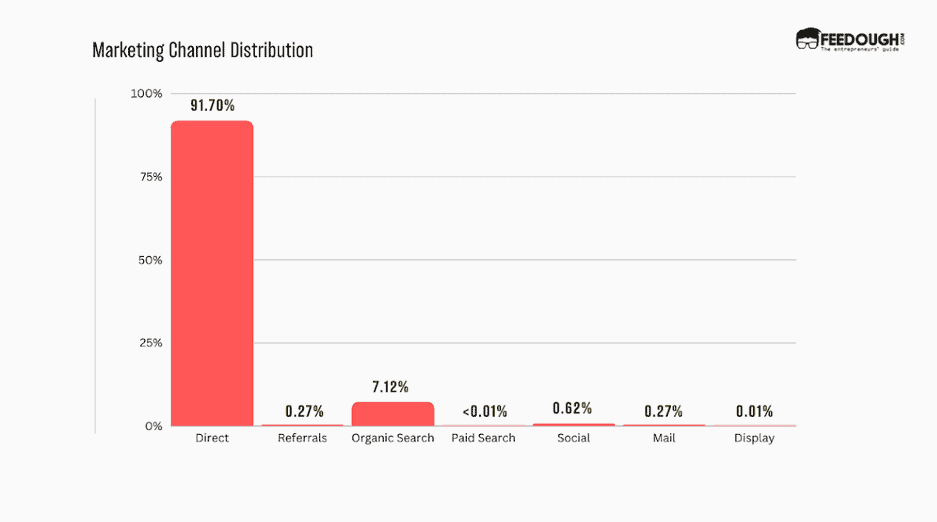
     If this doesn’t work, you may send cold emails to these entrepreneurs. Trust us, you will be surprised by the number of people who respond.

    However, you must remember to send them a short description of yourself and your endeavour. This decreases their work and makes these entrepreneurs more excited to help you.

    Connect Directly

    If the other two techniques don’t work, you are left with no option but to connect with the angels directly. They are busy people getting bombarded with hundreds of emails each day, so there is a high chance that they won’t revert. So, be creative and on-point with your outreach, and target more people to increase your chances.

    Many investors have ‘contact us’ forms on their websites. You may also fill them in and wait for a response.

    Some Friendly Suggestions and Advice

    Finding angel investors in the early stages of your business is an uphill struggle. You may have more rejections than you can imagine. But this doesn’t mean you are doing something wrong. Keep yourself motivated and try to follow these fundraising suggestions and advice (they came from our experience).

    Use Offline Channels For Networking

    Although redundant, local business communities, coworking spaces, and offline gatherings are great ways to meet prospective angel investors or people who will be angels in the future. Also, since face-to-face interaction adds a personal touch to your pitch, this helps you win over the investors more easily.

    Attend Pitch Events

    Pitch events are great occasions to meet are entrepreneurs, investors, and industry experts looking for businesses to fund. Although you might not secure capital through such events, they are a great way to meet people who would introduce you to angels.

    Always Do A Background Check

    No matter how you come across an angel, always do thorough research. Check their portfolios, anti-portfolios, and talk to the entrepreneurs they have previously worked with. Make sure to connect with the companies that they invested in and didn’t perform well.

    Use Intermediate Channels

    Several platforms match businesses with their preferred kinds of investors. They require you to fill in the relevant details about your business and its requirements. Based on that, they match you with prospective investors.

    Examples of such platforms are:

    1. FundersClub
    2. Seed Invest
    3. Invstor
    4. Funded.com

    These channels reduce your work to a considerable extent. However, they are still not popular and are not used by a majority of angels.

    Don’t Leave Empty-Handed

    If you have an angel in your list of prospective ones, make sure that you cultivate a relationship with them. They might not be interested in your venture but get them interested in yourself. This will help you out in the future.

    Go On, Tell Us What You Think!

    Did we miss something? Come on! Tell us what you think of this article on how to find angel investors in the comments section.