The future everyone used to talk about decades back is already here: virtual teams are a reality that many organisations must deal with.
So, if you’re a manager or an entrepreneur tasked with managing a remote or virtual team, I have good and bad news.
The good news is that technology makes it much easier to manage virtual teams, allowing you to overcome challenges in an unimaginable way even just ten years ago. The bad news is that there are still some unique difficulties associated with managing these teams which must be considered so the team can perform at its best.
But first, for those who are still new to the concept, let’s define what a virtual team is, how it’s different from other teams, and why they are important.
What Is A Virtual Team?
A virtual team is a group of team members that work together usually to accomplish a specific task or goal despite being geographically separated. This can range from distributed teams scattered across the same city or country to those based in different parts of the world and only communicating online.
In this digital age, virtual teams are increasingly becoming popular as technology makes collaborating easier without everyone in one physical location. This is especially true for work that doesn’t require everyone to be in the same place—such as software development, design, and accounting.
The Nature of Virtual Teams
Not all virtual teams are the same. The nature of a virtual team depends on several factors, including different forms of dispersion and what’s known as a “dispersion index”.
They can be dispersed in four distinct ways:
Spatially separated (from “across the hall” to “scattered worldwide”),
Temporally separated (spanning different time zones),
Configurationally uneven (for example, five members in one location and two in another), and
Culturally diverse.
To measure the impact of these different forms of dispersion, a “dispersion index” is usually calculated. This considers factors such as miles between team members, time zone difference, number of locations per team, percentage of isolated team members (those who are not part of a physical location), and uneven membership across sites.
Your main focus as a manager is to ensure that you know the extent of the dispersion and to use the right strategies to manage this dispersed team.
Challenges of Managing Virtual Teams
The virtual team brings in its own challenges, adding to everyday management issues. Here are some of the common challenges that you might face when managing a virtual team:
Communication challenges: With most employees working remotely, communication is often the first hurdle. Unlike in-person meetings, virtual communication requires more effort to stay effective. When not paid attention, unclear directions or missed instructions can quickly become a larger problem affecting the team’s performance.
Trust issues: Trust can be hard to build and maintain when the team is not working in the same physical space. The lack of regular face-to-face time makes it difficult for managers to track what their teams are doing and how they are progressing with various tasks. There are cases of managers becoming even more micromanaging in a virtual setting, which can further alienate team members.
Ineffective use of technology: Technology usage directly correlates with management being tech-friendly and updated on the latest tools and technologies. If not, teams can experience slow progress, incomplete work, and other productivity issues.
Time zone differences: Working with cross-time zones or even across different countries has its own set of challenges. This can lead to difficulties in aligning schedules or managing overlapping meetings or working hours, resulting in longer turnaround times and potential communication gaps.
Cultural differences: The team may come from diverse backgrounds and cultures. This could lead to misunderstanding or misinterpretation, leading to tension within the team. For example, a person from India may look for a holiday or time off for a certain festival, whereas someone from the United States would not think of it.
How to Manage A Virtual Team Successfully
Managing virtual teams can be a complex task, but if done right, it can potentially drive great results. Here are some tips for successful virtual team management:
Develop A Clear Vision And Delegate Roles
A major problem in the smooth functioning of virtual teams arises when team members don’t know the goal or how they can contribute to it. A bigger problem arises when everyone is working on the same thing.
To avoid confusion within a team, you should ensure that you provide clarity in terms of the mission and objectives, define expectations for each role, explain what success looks like, and set realistic deadlines.
Several project management tools are available to help you delegate roles, manage tasks, and assign specific responsibilities. Some of the renowned tools are Asana, Trello, and Slack.
No matter what SAAS you choose, ensure it has –
Kanban board: For visualising tasks and tracking progress
Individual task management: To assign specific responsibilities to team members
Real-time collaboration: For quick feedback and discussions
Chat function: For staying in touch with team members
Ensure Consistent Communication
Communication is the key to successful virtual team management. Problems only arise when communication channels are mostly one-way or when team members don’t feel like their voice is being heard.
Ensure to hold regular check-ins — such as team meetings or group calls — so everyone can stay on track and up-to-date with each other’s progress. Additionally, regular online video conferencing or group messaging helps foster a sense of togetherness and camaraderie among the team members.
Finally, be clear with feedback. Ensure that your communication is timely and constructive, and provide specific examples when praising or reprimanding team members.
Use Productivity Tracker
Measuring the team’s productivity is difficult when you’re not there to observe each team member. To ensure that everyone on the team stays focused and productive, you need tools to track their progress.
Using a productivity tracker or time-tracking software allows you to get an overview of the work being done by each team member, how long it took them, and if they are meeting deadlines.
Tools such as Time Doctor and Toggl can help you monitor your team’s productivity levels.
Appraise Generously
Since virtual teams don’t get the same recognition as in-house teams, ensure to give out generous appreciation and acknowledgements whenever possible.
Also, know that the quality of work is more important than the time spent in front of their screen.
Quick monthly check-ins or performance reviews can provide an opportunity to assess team members on their skills, knowledge and attitude.
Create Social Connections
The workplace environment helps create social connections between people in a physical office space, which is difficult to replicate when working remotely.
To ensure your virtual teams stay connected, you should encourage the team members to get to know each other better and even create social events online. This could include virtual game nights, happy hours, or other fun activities to help the team bond.
Virtual teams should also be allowed to connect with their in-house colleagues if possible. This helps them feel like they’re part of the same team, no matter where they are located.
Use Productivity Tools
Apart from productivity trackers, many other tools can help make remote working easier and more efficient. These include:
Collaboration tools like Google Workspace,
Task management tools like Trello and Asana,
Video conferencing tools like Webex and Skype,
Document-sharing tools like Dropbox and Google Drive,
Whatever tool you choose, just ensure that you’re not technologically lagging behind, as that can really slow down your team’s productivity.
Bottom-Line?
Managing virtual teams is no easy task, but it can be made easier with the right strategy and tools. The success of a virtual team depends on how well you manage them, so ensure you have the necessary skills and tools to take your team to the next level.
One of the biggest challenges copywriters and marketers face today is readers’ attention span, which is just 8 seconds.
It means the hook and the opening lines better be good, or the success of your write-up breaks there and then.
But, if you make the reader read or skim the copy for 3 minutes at least, it’s 2x more likely that they will return to your site to get more information later.
But, to make the readers read and stay on your site longer, you must keep their attention. Here are eleven proven copywriting tips to make your readers scroll more, engage, convert, and keep coming back.
Platform
Description
Use It for/to
Visit
Readable
A tool that provides a readability score to identify difficult-to-read areas of content and suggestions to improve them
Improve the readability of your content
Copy.ai
An AI tool with 90 templates to write short-form and long-form copies, decent text editor, and train the AI template to develop unique and personalised tone.
Develop personalise tone
Jasper
A tool with expert-led unique templates based on frameworks that can help create several marketing copies for blogs, websites, or social media accounts in mere minutes.
Use several templates
Grammarly
An editorial tool that can improve the writer’s ability to produce grammatically correct writing.
Get right with your grammar
Frase
An AI-powered content platform that helps to research, write and optimise high-quality SEO content.
Make your content SEO optimised
Write A Problem-Solving Copy
When people search for something, chances are, they are trying to solve a problem. So, think about the needs and problems of your audiences and communication to them that you have a solution for them. By doing this, you grab their attention and make them curious about what you have to offer.
Remember, if you succeed in showing how your products benefit the user in your copy, you are more likely to convert them into customers because honest empathy and solution are always warmer for the audience.
So, ensure your copy is clear, concise, and focused on solving your target audience’s pain points.
One of the examples of the problem-solution ad copy can be, “Say Goodbye to Chronic Back Pain with Our Revolutionary Posture Corrector”
In this example, the copy addresses a common problem – chronic back pain – and offers a solution – a posture corrector. By using a problem-solving approach, the copy immediately catches the attention of people who suffer from back pain and are looking for a solution. Additionally, using the word “revolutionary” implies that the posture corrector is unique and highly effective, making it even more appealing to potential customers.
Write What People Care About, Not Features
Honestly, people often tend to overlook or not care about a product or service’s features (unless a tech-savvy person is analysing it). Instead, their primary concern is how that product or service can address their specific needs and offer a solution to their problems.
On the contrary, Judith Charles says, “A copywriter is just a salesperson behind a typewriter”, and then it is a fact that most purchases are emotional decisions.
So, when you as a copywriter have to convert customers and bring sales but create an emotional trigger too, ensure to direct your writing towards including eliciting emotions in your content.
An emotion that clearly states how the product can transform someone’s life (something people care about) by solving a problem will definitely bring conversions to the brand.
Write In Active Voice
Active voice is a simple and effective way to make your writing clear, concise, and powerful. By using active voice, you can engage your readers, express your message more quickly and easily, and take control of your writing. It’s a stronger and more assertive way of communicating that can help you make a lasting impact on your audience. In contrast, passive voice can make you appear weak, uncertain, indirect, longer, harder to understand, and even make it awkward. So, if you want to make your writing more engaging and effective, make sure to use an active voice as much as possible.
For instance,
Active Voice: “The cat chased the mouse.” (The subject “cat” is performing the action “chased.”)
Passive Voice: “A cake was baked for my friend.” (The subject “cake” is not performing the action. Instead, it’s being acted upon by the subject “I.”)
Active Voice: “I baked a cake for my friend.” (The subject “I” is performing the action “baked.”)
Passive voice: “The cat chased the mouse.” (The subject “mouse” is not performing the action. Instead, it’s being acted upon by the subject “cat.”)
It’s common to unknowingly slip into passive voice while writing in a fluid manner. But, to overcome this copywriting challenge, you can use Readable to help you improve your copies. It will help you improve your text’s readability by identifying long, complex sentences, passive voice, and difficult vocabulary.
Don’t Always Go With Pleasant, Make It Conflicting
It’s typical for people to forget the pleasant things they read earlier in the day, but they tend to remember, search for, share, and engage with content that presents a conflict. However, you don’t have to be overly aggressive or target a competitor to create a conflict in your copy. By subtly including a conflict in your writing, you can make it more memorable for your readers.
This could be as simple as highlighting a common problem that your audience faces or presenting a different perspective on a topic. Doing so can capture your readers’ attention and encourage them to engage with your content.
Make It Memorable
When it comes to copywriting, it’s important to make your message memorable to make it stick.
You can use different frameworks and storytelling methods to organise your message and make it more memorable.
There are many more frameworks available you can use to create your copies that contribute to creating top-of-mind awareness and making the message not easily forgettable.
However, studying and then creating copies on each template can be an overwhelming task for any copywriter or marketer. So, to address that challenge, you can use AI writing tools like Jasper and their number of expert AI templates to create your copies.
Set Off Using Adverbs, Adjectives & The Powerless Words
You know the importance of using strong, impactful language that captures your reader’s attention and conveys your message effectively. But, honestly, there are some words that can actually detract from the power of your writing.
These words are weak adverbs, adjectives, and those pesky little powerless words that don’t add much meaning or depth to your writing. They’re the “good,” “nice,” and “very” of the world, the words that take up space without providing any real value to your readers.
For powerless words, take the example of ‘planning in advance’ These words seem to be harmless, but they are not.
Because planning, in itself, means planning in advance, even Google agrees to this.
These powerless words can be a real problem for your writing. Not only do they dilute your message and make it less compelling, but they also make your writing feel lazy and uninspired.
Make Your Offers Risk-Free
People always expect the company they are making a purchase from to have accountability if they are unsatisfied with the purchase.
Thus, offer a risk-free guarantee to alleviate your sceptic customers’ fears. Because they often worry about wasting their hard-earned money on low-quality products or services without the assurance of a return or money-back policy. This hesitation can even prevent them from making a purchase.
So, When your customers know that they can get their money back if they are unsatisfied, they are more likely to take a chance on your offering. This also enhances your brand’s credibility, as it demonstrates your company’s confidence in the value of your offering and willingness to back it up.
Make Your Copies Skimmable
You need to make your copies more skimmable these days. Because people today do not read word-to-word as much as they used to.
They skim.
It also makes sense to make the copy skimmable because it tells the reader what your copy is up against.
Breakup up your content into smaller, easy-to-digest chunks and use attention-grabbing subheadings, bullet points, and bold text. It will increase the chances of your readers sticking around long enough to get your message.
If you want to stand out from a lot of content out there, format your content properly and make it visually appealing.
Develop A Unique Style And Tone
Harry Styles is a talented singer and owns a unique music collection. But that is not what made Harry Styles the best-selling boy group around the world.
It was his unique style of music, fashion and his ability to connect with his audience that made him Harry Styles.
The same thing goes for copywriting. You might put up a thousand words of dry content if you do not have a tone and energy in your content.
To make your copy stand out, develop a unique style and tone that’s consistent across all your communications.
Start by understanding your brand’s personality and values, then experiment with different writing styles until you find the one that resonates with your target audience. Remember, your style and tone should reflect your brand while being engaging and persuasive. By being unique, you’ll create copy that stands out and connects with your audience, ultimately driving business results.
Finding the right tone in your writing can be tough, especially when experimenting with different styles.
One tool that can help you with this is Copy.ai. This AI tool allows you to try out various tones until you discover the perfect match for your brand. Once you’ve found it, you can train the AI to generate content that sounds like you wrote it.
Use Appropriate Tools To Perfect Your Writing
We all know advertisers and marketers have many tools, applications, and software to help them.
Well, copywriters have them too.
But, one rule always goes for them: never rely entirely on any tool and never post the first generated draft.
That not only goes for just one proofreading shot, but it requires your personal writing all the time to make it perfect and sound like your content.
As mentioned above, you can use Jasper, Copy.ai, and Readable for your content generation and improvement, you can use Frase and Grammarly to make your writing even easier.
No matter how amazing a writer you are, spelling mistakes happen, and we also slip into writing, passive voice, long sentences, and fussy paragraphs.
So, to get your grammar right and get flagged for your typos, long sentences, passive voice, tone, and more, you can use Grammarly.
To make your content have keywords and get SEO optimised, you can use Frase. Frase will help you identify the most important topics to cover, the best keywords to target, and optimise your content for search engines. It also has a built-in content editor that will help you write better content and optimise it for SEO as you go.
Bottom-Line?
Copywriting is an essential skill for anyone looking to create effective marketing materials or communicate effectively with their audience. By following these ten tips, you can improve your copywriting and create content that resonates with your readers.
Remember to focus on problem-solving, write actively, and make your offers risk-free. Additionally, it’s crucial to write what people care about and use a unique style and tone to make your copy memorable. Finally, using appropriate tools can help perfect your writing and take it to the next level. With these tips, you’ll be well on your way to becoming a skilled copywriter and crafting content that engages and inspires your audience.
While a profitable business may satisfy the bottom line, there is much more a business needs to stand intact in that position. One strategy that can help you unlock the door of enduring success for your brand is by harnessing the power of community.
Establishing a thriving community around your product, service, or enterprise can propel you to new heights. It gives your customers a place to engage not only with your brand but also with each other, making them meet like-minded peers, which cultivates unwavering loyalty and genuine enthusiasm.
However, a branded community is more like a delicate garden, requiring thoughtful cultivation and nurturing. If not made well, it can become a barren wasteland devoid of meaningful interactions and genuine connections.
Like a skilled gardener tending to a flourishing oasis with dedication and strategic thinking, you must strategically sow the seeds of engagement, foster dialogue, and create an environment where individuals feel heard, valued, and inspired.
Here is the ultimate guide to help you build a community around your brand that unlocks the full potential of your brand and forges lasting relationships that transcend transactions.
Why Build A Community?
Building a community serves as a powerful tool for both brands and your customers.
For brands, it becomes a means to achieve their goals by strategically aligning with the needs and interests of their customers. Thus, define your business goals clearly and then explore the customer needs in that arena to build a community around that to solve their problem. By doing so, you’ll be able to serve both your business goals and your customers effectively.
For customers, a community is a platform to connect directly with you, share opinions, and feel that they are part of the brand. It fosters a sense of belonging, strengthens the brand-customer bond, and cultivates loyal advocates. Additionally, it enables networking with like-minded peers, promoting meaningful discussions and valuable connections that enhance the overall customer experience.
How To Build A Community?
Building a community requires careful planning, effective strategies, and nurturing relationships. Here are the essential steps to guide you in creating a thriving and engaged community.
Understanding Your Target Audience
There are two things that you need to do in this step. First, you need to Identify who your target audience is and then know your target audience well.
By identifying the audience, we mean you need to segment each individual of your target audience on the following four factors. You need to do this to know them better and create a profile for each of them to serve them better and give them the best user experience.
Demographic
Psychographic
Behaviour
Geographics
Understanding Demographic
Understand the demographic characteristics of your audience, such as age, gender, income, education, occupation, and other relevant data points. This is because each generation and people of different age groups think and function differently and have different needs.
For example, GenZ might want things in points and brief, while millennials or GenX would want to read in elaboration about points.
Understanding Psychographic
Dive deeper into the psychological and lifestyle attributes of your audience, including their values, interests, attitudes, opinions, hobbies, and personal preferences. By understanding these psychographic differences, you can tailor your community’s content and experiences to resonate with each generation’s unique perspectives and values.
For example, GenZ prioritises authenticity, socialising, and inclusivity, while Generation X values career advancement, family, and financial stability.
Understanding Behaviour
Analyse the behavioural patterns of your audience, such as their buying habits, online activities, social media usage, interactions with similar communities, and engagement with relevant content. It’s important to recognise that preferences can differ, and thus you must tailor your community’s offerings to meet the varying needs and expectations of your audience members.
For example, If you are Starbucks, your customers will want you to share more about the experiences you can give to them, and they’ll be ready to pay you for the best experience. However, if you Walmart, known for its “Everyday Low Prices” strategy, your customers would want content in the community to be more focused on cost savings and providing value.
Understanding Geographics
Consider the geographic location and distribution of your audience. This includes identifying their country, region, city, or any other specific geographical factors that may impact their interests or needs.
For example, You may find that your audience residing in coastal areas have a keen interest in water sports and beach activities, while those in mountainous regions may be more inclined towards hiking and skiing.
Know Your Audience
After you have created the profiles and segregated them into different categories of lookalike audiences, you need to know them better to serve them better.
By knowing your audience, we mean after you have to gain deeper insights into their behaviours, motivations, needs, and problems. Conduct market research, surveys, or interviews to understand their pain points, aspirations, and the specific benefits they seek from joining a community. This knowledge will help you tailor your community’s content, activities, and engagement strategies to serve their interests better.
Keep The Community Needs First
When building a community, it is vital to prioritise the needs of the community members over your brand’s objectives solely. Instead of focusing on why your brand needs a community, understand why the community itself needs to exist.
For example,
If I were an AI chatbot company, I would create a community for people where they can discuss different prompts to leverage AI to its full potential and gain more benefits. With this, I would make the users use my platform and make them interact and engage in the community.
If I were a hiking planning agency, I would create a hiking community where I’ll create opportunities for trekking enthusiasts, hiking guides, and hiking experts to share their experiences, attract newbie hiking lovers to join the community and guide them with tips, tricks, hiking destinations, gears to ensure safety, and everything relevant to the topic to prepare them for hiking. By doing so, I’ll attract more customers, engage the brand advocates, and get an opportunity to expand the business.
Thus, by aligning around a shared purpose, you can ensure that the community serves its members effectively and fulfils its goals too.
For instance, before ChatGPT or other AI chatbots existed, Riku.ai was a tool that helped people understand prompt engineering and how to make the AI know what you want it to do for you. So, it created a community where individuals shared and exchanged different prompts to make things easier for each other. It increased the usage of the tool, gave the company more customers, cultivated loyal customers, increased engagement, and made things easier for the customers.
Thus, it proved that letting people have what they want ultimately leads to mutual benefit and a stronger community.
By providing what the community needs, whether it’s knowledge, support, or resources, you create an environment where individuals can thrive and, in turn, you can achieve your desired goal, such as increased leads and traffic, gathering more feedback, getting more user-generated content, or more.
Identify The Community’s Goal
For building a community, it is important to identify a clear goal that the community can rally around. This goal should revolve around a meaningful cause or shared objective that resonates deeply with the community.
For example, you can leverage the SPACES model to set the community’s goal on which most of the standard communities in the industry are based. These are essentially seven community goals:
Support Community
It is a question-and-answer-based community board where you get the chance to answer your customers, and members get a chance to interact and share their answers. The goal of the Support Community is to provide a platform where users can seek assistance, share experiences, and collaborate to resolve each other’s issues related to a specific product or service.
For example, a software company may create a Support Community that allows the customers to ask questions, troubleshoot issues, help themselves (and each other), seek guidance from both the company’s support team and fellow users, and review your FAQ documents.
Best For: Companies that sell in-depth products, like software, complex gadgets, or more which require tips and tricks to operate it.
Product Feedback or Innovation Community
The objective of the Product Feedback/Innovation Community is to create a safe space for your customers where they can share their feedback and thoughts about your product and foster a collaborative environment for ideation and innovation.
For example, A newly launched food delivery app may establish a Product Feedback/Innovation Community for its software application. Within this community, they may create opportunities for users to provide feedback on existing features, suggest new functionalities, and engage in discussions with the development team.
Best For: A community that works for all businesses. Because talking real-time feedback from customers always helps a company to get insight and improve.
Acquisition or Advocacy Community
The goal of the Acquisition or Advocacy Community is to network with people who are enthusiastic about your brand, including brand ambassadors, leads, customers, or brand advocates. As these members, if given an opportunity, will help you build brand awareness and promote your products through word-of-mouth or social media and affiliate programs.
For example, a fitness app company can build a community for its advocates focused on making them promote the app, acquire new members or subscribers to get discounts, free membership at a certain time or enjoy other benefits.
Best For: Any product company that want to spread brand awareness, acquire new customers, boost order or subscriptions, and create a loyal and engaged audience by delighting the top brand ambassadors and keeping them at the centre of your flywheel.
Content Contribution Community
The goal of a Content Contribution Community is to create a space where people can share their knowledge, creativity, and feedback on a specific topic or domain. Content Contribution Communities can have various purposes, such as:
Making people share user-generated content, where community members create and share content that showcases the product or service, such as reviews, testimonials, photos, videos, etc. Examples: TripAdvisor, Yelp, and YouTube.
Educating and learning from each other by making members contribute and access educational content that helps them use the product or service better, such as tutorials, courses, guides, and more.
Creating co-creation platforms where community members collaborate with you to design and develop new features, products, or services, such as beta testing, crowdsourcing, ideation, and more for your business.
For example, Airbnb encourages its users to create and share user-generated content that showcases their experiences with the platform, such as reviews, testimonials, photos, videos, and more. This helps to increase customer engagement and loyalty, reduce content creation and marketing costs, and improve product or service quality and innovation.
Best For: A content contribution community is best for businesses that want to provide value beyond a product or service, such as education, entertainment, or social impact, and that want to build authentic and meaningful relationships with their users and among their users.
Engagement Community
The Engagement Community Goal in a business is to create a space where customers or users can interact and co-create with the business and with each other. Building an engaged community can have various purposes, such as:
For example, if you are a beauty brand, you can create an Engagement Community where customers can actively participate in discussions, share beauty tips, and connect with other beauty enthusiasts. This community can serve as a platform for customers to engage directly with your brand and with each other, fostering a sense of belonging and creating a space for co-creation.
Best For: In general, the Engagement Community model is effective for businesses that want to prioritise customer engagement, work on trust-building, and create a sense of community among their target audience. It allows businesses to connect directly with customers, gather valuable insights, and foster a loyal customer base.
Success Community
The primary goal of a successful community is to actively drive increased product adoption, customer satisfaction, and customer lifetime value. Building off the popularity of customer support communities, success communities are designed to go beyond just answering questions and providing assistance.
These communities serve as a valuable platform that connects customers with each other, allowing them to share best practices, insights, and strategies to maximise the value they derive from the product or service. These communities provide a space for customers to collaborate, learn from each other’s experiences, and discover innovative ways to leverage the product effectively.
For example, ChatGPT has a community where people share prompts, exchange ideas, and collaborate to improve their conversational AI experiences. This community enables users to learn from each other, gain insights, and develop effective strategies for generating high-quality and engaging conversations. Members of the community can provide guidance, share best practices and easy prompts, and contribute to the collective knowledge, fostering a supportive environment for success with ChatGPT.
Best For: A successful community is beneficial for businesses and organisations across various industries, particularly those that offer products or services with a learning curve or ongoing customer engagement.
Choose The Platform Where Your Customers Already Are
A platform can make or break your community. We say it, you have to be at the right place at the right time, same thing is with the community platform. By this, we mean to make a community at a place where your customers are already active. Do not force them to join a community at a place where they are not active or comfortable, or it will act as a barrier for you to grow your community, and chances are they would not often open your community if the platform is not comfortable for them.
For example, if your audience person uses WhatsApp every day, and not Facebook, but you build your community on Facebook, it will act as a barrier for them to open it regularly since they do not use it. Often.
But how to know which community-building platform your audience uses, you ask, here’s a cheat sheet of which set of audiences uses what platform:
Private social media community-building, business management tools
Website Toolbox
Any community type
N/A
Discussion organisation, independent/embedded community creation
These are only a few platforms we listed out of many which you can choose to host our community. There is N number of other platforms you can search and use to build your community according to your needs and a few necessary things a community platform must have.
How To Choose The Community Platform?
There are a few things you need to keep in mind while choosing a community platform, which are:
Platform Stability: Look for a platform that has a solid track record of stability and reliability to ensure hosting smooth operation and see minimal downtime.
Scalability: Choose a platform that has scaled in the long run and is still willing to grow alongside your community’s growth. It should be capable of handling the increased traffic, user activity, and data storage without compromising performance.
Flexibility and Customisation: Opt for a platform that offers flexibility in terms of customisation options that allows you to tailor the community experience to align with your brand and specific community needs.
Mobile Capabilities: In today’s mobile-centric world, choose a platform that is mobile-compatible. Plus, it should provide a seamless mobile experience for community members, allowing them to access and engage with the community on various devices.
License Fee: Many community-building platforms have licensing fees associated with them. Thus, evaluate and consider whether it aligns with your budget and offers the desired features and support for your community.
Development Cost: Since you are just developing a community going further, you will want to extend it. So, assess the potential development costs involved in customising or extending the platform to meet your specific requirements, such as integrating additional functionalities or design enhancements.
Setup and Deployment Time: Evaluate the ease and speed of setting up and deploying the community platform. Consider whether it aligns with your timeline and resource availability.
Out-of-Box Plugins: Determine if the platform offers the required and a range of readily available plugins or integrations to enhance the community experience and meet your specific needs without requiring extensive custom development.
Support and Maintenance: An active support and maintenance team is important, and you should consider it before choosing a platform. So, look for a platform that provides reliable support and regular updates to address potential issues and security vulnerabilities and offer ongoing maintenance to ensure the smooth functioning of your community.
Make Strategies To Attract New Member To Community
Build referral-generating activities: Encourage your existing community members to refer new customers by offering incentives or rewards. This can be in the form of discounts, exclusive access, or special perks for both the referrer and the referred customer.
Go back to your lapsed users: Reach out to previous or lapsed users who were once using your product. They must have left using your product due to some reason. Identify the common reasons, and send targeted messages or personalised offers to re-engage them and encourage their return by joining a community and just engaging with the brand or like-minded peers. Highlight any updates, new features, or exciting content that they may have missed during their absence.
Invest in Ads: Allocate a portion of your marketing budget to targeted advertising campaigns. Utilise platforms like Google Ads, social media advertising, or sponsored content to reach a wider audience. Optimise your ads to ensure they align with your target audience’s interests and drive them to your community.
Host Events and market them: Organise webinars, workshops, or virtual events on topics that align with your community’s interests. Promote these events through various channels and provide valuable insights or solutions these events will bring to your customers.
Collaborate with complementary business communities: Seek out partnerships with complementary businesses or organisations that share your target audience. Collaborate on joint initiatives, cross-promote each other’s communities, or offer exclusive deals to each other’s customers. For instance, if you are in a fitness community that holds fitness sessions, you can collaborate with fitness apparel companies to cross-sell each other.
Use audience discovery tools: There are a few audience discovery tools in the market powered by the data of really big companies. Use your industry-relevant tool to identify new potential customers. These tools can help you understand their demographics, interests, and online behaviour, allowing you to tailor your community outreach efforts more effectively.
Collaborate with influencers: Identify influencers or thought leaders in your industry who have a significant following. Collaborate with them to promote your community and tap into their audience. This can be done through guest blog posts, joint webinars, or social media collaborations.
Utilise social media: Leverage social media platforms where your target audience is active. Establish a strong presence on platforms like Facebook, Twitter, Instagram, LinkedIn, or relevant niche-specific communities. Share engaging content, participate in discussions, and promote your community’s unique value proposition.
Leverage email marketing: Develop an email marketing strategy to nurture leads and engage with potential customers according to the funnel they are in. Provide valuable content, exclusive offers, or insights through regular newsletters or automated email campaigns to keep your community top of mind.
Managing The Community
Retaining is what managing is all about when it comes to the community. It involves fostering engagement, building connections, and creating an inclusive environment. The role of the community manager is to ensure members feel valued, heard, and supported. By implementing effective strategies and practices, you can cultivate a healthy and useful community for your users. Let’s explore the art of managing the community and unleash its full potential.
Build operational workflows to keep the team in loop – The first step that comes in community management is to make your team strong and create operational workflows to keep things streamlined.
Flowcharts that outline a sequence of activities – Prepare visual charts outlining the steps and decisions involved in each procedure and process. Establish flowcharts for essential community processes, such as crisis escalation protocols, new member onboarding, and content approval. Ensure the flowcharts provide a clear overview of the necessary actions, decision points, and key stakeholders involved in each process.
RACI chart to define roles and responsibilities – Utilise a RACI (Responsible, Accountable, Consulted, Informed) chart to define and assign specific roles and responsibilities to team members. This clarifies who is responsible for key tasks, who needs to be consulted or informed, and who is accountable for the overall success of different community management activities. They make the touch points clear when you or the team member needs to escalate conflicts, onboard new members, approve content, or do more.
Content calendar – Create a content calendar to plan and organise the creation and distribution of content within the community. This calendar can include important dates, themes, and topics to ensure a consistent and strategic approach to content creation. It helps the team stay organised, avoid overlaps or gaps, and maintain a steady flow of valuable content for community members. You can also add timelines, monthly or weekly milestones or event dates in the calendar to track the target dates of milestones and ensure the team is aligned and working towards the same objectives.
Create guidelines and policies for the community: While building a community, establish community guidelines and policies that define acceptable behaviour, content, and engagement within the community. Make sure these guidelines are communicated to all members and enforced consistently.
Keep an open space for people to talk: Foster an environment where members feel comfortable expressing their thoughts, ideas, and concerns. This open dialogue space and conversation should be such that it doesn’t always involve you or your business in setting the tone. For instance, you can encourage people to talk about their experience with the product, and everyone else can add to those threads.
Keep the community active: By keeping the community active, we mean you need to add something every day to the community so there is something of value for them daily. You can add new facts, tricks to use your product, a strategy to do a recurring task easily, or something that benefits them and make them open the community every day.
Provide Education Resources: Other than keeping the community active, you also need to share the study resources to empower and support your members. This can include tutorials, guides, webinars, guides, case studies, or workshops that provide valuable insights, skills, or knowledge related to the community’s interests or goals. By offering educational resources, you can enhance the value of your community and help members expand their expertise, fostering their growth and engagement.
Consider adding engaging activities – Building a community and keeping it engaging is not only about adding resources and talking work, it takes you to introduce activities that keep the members’ interest intact, too. Introduce gamification elements and interactive features to keep your community members engaged. Carefully incorporate features such as point systems, badges, or levels that members can earn through their participation and contributions.
Offer referral programs where members are rewarded for bringing in new members. Additionally, consider creating a tiered system where members who actively participate and contribute more become recognised as “starred members” with additional privileges and benefits. These engaging activities can incentivise participation, foster friendly competition, and enhance the overall community experience.
Startups are no more stealth businesses operating from grungy basement offices. They have now become a mainstay in the business world. As such, many entrepreneurs rush to enter the market with great ideas and enthusiasm, only to find themselves baffled about raising capital for their venture.
To give you an insight, 2 in 5 Americans plan to start a business. This leads to millions of entrepreneurs looking for funds, not to mention the competition they’ll face.
Knowing startup funding stages can help you understand where you stand regarding capital and how far you have to go. It will also inform you about the funding available at each stage and which sources to explore.
So, here’s a quick overview of the major startup funding stages a startup goes through:
Pre-Seed Funding Stage
Stage: Ideation
Customers: No real customer traction
Average Investment: $50k – $250K for a 5-10% equity stake
A pre-seed stage is when an entrepreneur has a new idea and is trying to raise funds to turn it into reality – an actual business. To do so, he requires a small amount of capital to –
For example, an entrepreneur might have an idea of an online hyperlocal grocery marketplace where different local grocery stores can list their products at competitive prices and get orders from customers, but they need to validate the concept first. For this, they would need to conduct market research, hire a designer to build an MVP and use the money to cover other validation-related costs.
This money is pre-seed money and is usually raised from:
Friends, Family, and Fools: An entrepreneur’s best bet is to get money from people willing to believe in their vision, such as friends and family. There’s a third type of investor in this category – the Fools. These people jump into a venture without much thought, mostly because they’re excited about it and believe in the entrepreneur.
Angel Investors: Angel investors are high-net-worth individuals who invest in startups at an early stage. They offer high-risk capital but also demand a higher return on Investment if the startup is successful.
Crowdfunding: This is when entrepreneurs launch campaigns to raise money from multiple investors online. It’s most common on platforms like Kickstarter and Indiegogo, where people donate money to support projects.
Grants: Grants are funds provided either by government agencies or private foundations. Grants are usually distributed through competitions and are given to startups that can prove their potential in solving a specific problem. For example, Incfile’s entrepreneur grant involves selecting the best business ideas and awarding up to $2,500 to help start a new business. There are other grants available through the government, such as SBIR and STTR.
Pitch competitions: Pitch competitions involve entrepreneurs presenting their business ideas in front of a panel of investors. The winning pitch is usually awarded cash prizes and other resources that help the entrepreneur move forward with their venture.
Seed Funding Stage
Stage: Pre-product launch
Customers: Early adopters & Test Customers (10-100)
Average Investment: $100K – $2M for a 10-20% equity stake
The seed stage is when a startup has an MVP, has tested it out with early adopters, has validated the concept, and has converted the entire idea into a product.
At this stage, the startup is looking for money to:
For example, a startup that has built a product to help farmers manage their crops better might need seed money to bring the product into the market and ship it to farmers in other parts of the country.
Angel Investors: Angel investors will likely invest again in this stage, assuming they’re happy with the progress made so far. A company may even attract an angel group, a group of angel investors that pool their money together to invest in startups.
Venture Capitalists: A venture capitalist (VC) firm is a professional investment firm that raises funds from other investors and then invests it in startup companies. VCs usually bring more than just money; they also provide advice and mentorship to the founding team.
Accelerators: An accelerator is an organisation that provides funding, mentors, and other resources to help startups grow quickly. Accelerators are often affiliated with universities or large corporations, providing funding in exchange for equity.
Corporate Seed Funds: Large corporations may also offer seed funding to startups that have innovative products or services. For example, companies such as Google and Microsoft have created their own seed funds to invest in promising startups.
Series A Funding Stage
Stage: Business Expansion
Customers: Targeted customers
Average Investment: $10M – $100M for a 15-30% equity stake
The Series A funding stage is when the startup has completed its product and marketing launch, tested it with target customers, and generated some proof of customer traction or revenue. In simple terms, startups can now talk business.
At this stage, the startup is looking for money to:
Fund itself till it becomes revenue funded
Scale their customer base into larger markets
Increase production and delivery of their product or service
Hire experienced personnel
Invest in technology and research
For example, a startup that has built a platform to help students learn to code might need Series A funding to expand its team, acquire more customers, develop more features for its product, and, most importantly, fund its operations until it reaches a level of self-sufficiency.
Series A funding is usually raised from:
Venture Capitalists: Since the startup is above the seed stage and has proof of traction, it can now attract venture capitalists (VCs). Large VC firms often syndicate these rounds with other investors, such as angels.
Corporate Investment: Some corporations will also invest in startups at this stage if the startup has a product that complements their existing business.
Family Offices/High Net Worth Individuals: A family office is an investment firm owned by a wealthy family, and they are often looking for high-return investments, such as Series A rounds.
Institutional Investors: Institutional investors are organisations such as banks, mutual funds, hedge funds, and other large financial institutions that pool together money from many different investors to invest in startups.
The Series B funding stage is the third official round of startup funding, where an already established startup raises money to expand its operations, technology, and customer base.
At this stage, the startup usually has a solid customer base and some proof of revenue.
Series B funding is typically used to fund:
Expansion operations into different markets
Mergers and acquisitions aimed towards business growth
Hiring top talent to handle business growth objectives
Advancement in technology and research
For example, a startup that has developed a fitness-tracking app might use Series B funding to expand into different markets, hire more people, acquire other companies to enhance its offering and fund the development of new features.
The Series B funding is usually raised from similar sources as the Series A funding, such as VCs, corporate investors, family offices, and institutional investors.
Series C, D, & E Funding Stages
Stage: Business Growth
Customers: Established markets
Average Investment: $50 million – a few billion
Series C, D, and E rounds are later-stage funding rounds for established companies. These rounds typically happen after the startup has proven its product or service successful in the market. These rounds are focused on scaling and growing the business, furthering research and development, or improving its financial position.
Usually, a startup that needs more time to get revenue funded or to keep expanding its market will raise these rounds.
Other reasons include –
New opportunities: A startup might raise additional funding to take advantage of new opportunities, such as strategic partnerships or acquisitions
Not-at-par performance: If a company’s performance is not meeting expectations, it might raise additional funding to help turn things around. Sometimes, this even leads to a down round where the company raises funding at a lower valuation than before
For example, a successful startup that has built an AI-based chatbot platform might now see ChatGPT as a competitor that is taking away some of its customers. To combat the competition, it might raise additional funding, even at a lower valuation, to add new features and boost its marketing campaigns.
The main sources of Series C, D, and E funding are usually large venture capital firms, corporate investors, family offices, and institutional investors.
Other Startup Funding Stages
Startups even see rounds like Series A1, Series B3, and Series C1, which usually come between the two major funding rounds. For example, before a company raises a Series D funding round, it may raise a small Series C1 round from the same investors. These rounds are used to make small investments necessary for the business to grow.
No matter if you are a student, a YouTube marketer, a teacher, or even a SAAS owner, there are times when you need a video to explain something complicated in a simple way. That’s when an explainer video comes in handy. Explainer videos are short, concise and informative – they can be used for explaining concepts or products quickly.
But for beginners, explainer videos are short explanatory videos that explain a concept, product or service in an engaging and easy-to-understand way. They usually last between 1 to 2 minutes long and typically feature a voiceover narration with visuals such as motion graphics, cartoon characters or real people.
But developing an explainer video is no easy task. It requires you to have a solid understanding of the concept, product or service that you are trying to explain and also be great at storytelling.
So here’s a step-by-step guide to get started on creating an explainer video that will capture your viewers’ attention.
Step 1: Choose An Explainer Video Style
Explainer videos aren’t the one-size-fits-all type of video. You need to choose the style that’s best for you and your audience. Popular explainer video styles include:
Whiteboard animation videos: Where a hand drawing or writing appears on a whiteboard-like screen as the voiceover narrates.
Animated videos: The characters in these types of explainer videos are often cartoon-like and animated in 2D or 3D.
Live-action videos: Where real people explain the concept directly by recording themselves.
Stock slides: A presentation-like explainer video where stock images, videos, and audio are combined to explain the idea.
Screencast videos: A unique explainer video style where you use a screen recorder for PC or mobile device to capture your screen as you narrate and explain the concept.
Motion graphics: A style of explainer video that combines motion graphics and animation to illustrate a concept.
Deepfakes: Just like live-action videos but with the help of AI and facial recognition technology where AI produces a video of you or the narrator that looks and talks like a real person.
Choosing the perfect explainer video style depends on the type of audience (Gen Z prefers storytelling) and the message you’re trying to communicate (motion graphics are great for scientific concepts).
Step 2: Choosing The Right Explainer Video Maker
Once you’ve decided on a style, it’s time to find the perfect platform that will help you create the video. There are tons of explainer video makers available, but not all offer the same features and tools. Here are some popular platforms to consider:
Service
Strengths
Style
Canva
User-friendly design platform, great for creating slideshows or 2D animations
Slideshows, 2D Animated
Powtoon
Highly intuitive platform for creating 2D animation explainer videos
2D Animation
Adobe Express
Perfect for creating explainer videos using live footage or stock images
Live Footage, Stock Image Videos
Animatron
Best choice for whiteboard animation-style explainer videos
Whiteboard Animation
Renderforest
Allows creation of motion graphics-oriented explainer videos with just a few clicks
Motion Graphics
Loom
Ideal for screencast explainer videos
Screencast
Synthesia
Excellent platform for creating deepfake explainer videos
Deepfake Videos
Moreover, to ensure that you’re getting the most out of your explainer video maker, consider these features:
Ability to upload own graphics, videos and audio
Ability to customise animation, fonts, and characters
High-quality visuals and sound
Extensive stock images and a videos library
Ability to upload your own logo and branding elements
Step 3: Write A Script
Your script is the backbone of your explainer video. It is what will bring your story to life and should be written in a way that is engaging, concise, and informative.
Follow these steps to craft a great script:
Research the topic and audience: Before you start writing the script, know why your customer will click on the play button and ensure you’ll fulfil that need.
Outline the plot: Identify your story’s main point and eliminate any unnecessary elements that don’t contribute to it.
Create a structure: Determine what each scene in your explainer video will be about, who is saying it, and how you are going to transition from one scene to the next.
Write your script: Create a draft of the explainer video using simple language and concise phrases to capture the viewer’s attention. Then divide the draft into these three sections:
Hook: Introduce the problem and attract the viewer’s attention
Body: Explain the main concept and how it works. Include separate slides for different arguments and topics in this section.
Call to action: Tell the viewer what to do after watching the video.
Step 4: Record The Voiceover
Your voiceover is the narration that guides your viewers through the narrative of your explainer video. While not all explainer videos need a voiceover, adding one is beneficial as it adds a human touch to a rather technical concept.
The best part?
Even this aspect can be automated using a TTS (text-to-speech) tool.
Here are some free options –
Software
Entry Offer
Pricing
Eleven Labs (Voice cloning)
Free plan
Starts at $5/month
Speechify
Free plan
Starts at $139/year
Synthesys
3-day free trial
Starts at $29/mo
Murf
10-minute free trial
Starts at $19/mo
Speechelo
None
$47 one time
If you tend to go for voiceovers, you can find some voiceover artists on outsourcing platforms like Fiverr, Upwork, or Toptal.
When selecting a voiceover artist, listen to the demos and select one that resonates with your audience. You should also get familiar with their delivery style as that will form the base for the graphics and slides of your explanatory video.
Step 5: Finalise Graphics And Slides
An explainer video usually follows slide-by-slide narration (a.k.a ‘the Ken Burns effect’). Hence, it is essential to have the slides and graphics ready before you begin animating your video.
This is where you convert your script into visuals and build your storyboard. Work on the video’s images, transitions, characters, backgrounds and other elements to ensure they support the script.
The best part about modern explainer video SAAS tools is that they either automatically convert your text into visuals or have extensive templates that you can easily customise. For example, tools like Invideo and Wave.video automatically convert your text into slides, while Canva provides thousands of ready-made templates and animations.
If you choose to select every element manually, follow these steps –
Select complimentary graphic elements for each slide and add them randomly to the storyboard.
Create a safe zone for elements and text. This is a pre-defined area on the video where you can add static text or moving graphics without overlapping with other objects.
Then, time the graphics and text so that it matches the narration.
Step 6: Final Animation And Music
A well-crafted animation or motion graphic effects to your explainer video can give it the desired ‘wow’ factor. Animations help capture the audience’s attention and make them pay more attention to the explainer video.
Apart from animations, adding music and sound effects can help create a more impactful explainer video. Music sets the overall tone of the video and sparks emotion in viewers. Select a track that resonates with your brand and audience. You can find several royalty-free tracks online, either in the library of the explainer video maker tool you’re using or on platforms like Audio Jungle or Epidemic Sound.
Step 7: Publish And Share
Finally, you can render and export your explainer video in various formats depending on the platform it will be shared on – YouTube, Facebook, Instagram, etc.
While sharing on free-to-use video hosting platforms like YouTube, you can add annotations, cards and end screens to your explainer videos. Also, if you’re using a paid tool like Vimeo or Wistia, you benefit from customised branding options and analytics for tracking user behaviour.
No matter which platform you choose, include a clear call to action at the end of the video. This CTA should tell your viewers what they should do after watching the explainer video – visit your website, download an ebook, subscribe to your newsletter or anything else that compels them to take action.
A few decades back, if you asked a new company what kind of distribution channel they would use, the answer would likely be manufacturer-wholesaler-retailer-customer, where almost all these parties also contributed to the marketing. However, in the age of the internet, things have changed; many companies are now providing their goods directly to consumers using the D2C model.
The problem? The traditional marketing touchpoints are reduced, and no human retailer can suggest the product anymore. As a result, marketing has become much more important in this D2C era than it was before.
But for beginners, let’s understand the basics of D2C marketing and how it works.
What Is D2C Marketing?
D2C marketing or direct-to-consumer marketing refers to businesses’ marketing strategy to sell their products directly to the consumer through eCommerce websites, social media, and other online mediums.
The idea is to bypass intermediaries such as wholesalers and retailers who were traditionally responsible for selling products to customers.
Businesses opt for D2C marketing as it offers them:
More control: Direct control over the entire process, from production to marketing and sales. Moreover, the brand is in control of the messaging and customer experience.
Higher margins: Since intermediaries are eliminated, businesses can keep higher margins by selling directly to customers.
Better insight into customers: With direct access to customers, businesses get valuable insights into their behaviour and preferences leading to better product development decisions.
However, D2C marketing has its own set of challenges, such as:
Conversion difficulties: Without store staff or sales representatives to influence customers, the conversion rate is often lower as customers may hesitate more about a product.
Competition: The D2C market is becoming increasingly crowded, with more and more companies entering the space.
D2C Marketing vs B2C Marketing
While often confused with B2C or business-to-consumer marketing, D2C is different because it bypasses traditional intermediaries such as wholesalers and retailers.
For example, let’s say a company produces chocolate bars. In the traditional B2C model, the company would produce and ship the chocolates to a wholesaler, who then distributes the chocolates to retailers. The retailer then sells them directly to customers. Throughout the process, the company will incentivise the intermediary with discounts and other perks, who then pass them on to the customer through discounts.
In a D2C model, the company would produce and ship the chocolate bars straight to the customer, bypassing both wholesalers and retailers. This increases the scope of direct customer interaction and allows companies to keep higher margins by avoiding discounts offered to intermediaries.
However, it also eliminates the advantage of having sales staff or store personnel who can influence customer decisions.
How D2C Marketing Works?
At its core, D2C marketing creates an online experience tailored to customers’ requirements and preferences. A usual D2C marketing strategy follows a 5-step process:
Understanding customer needs:Like traditional B2C marketing, understanding customer needs is the first step in D2C marketing. Businesses understand and segment their customer base based on demographics, interests, and needs.
Channel Selection: Once a business knows where the customer is and what they look for, it selects appropriate channels to reach them. This might include their own website, eCommerce stores, social media, email campaigns, etc.
Marketing Funnel Creation: The marketing funnel is how businesses convert prospects into customers. This involves creating relevant content and campaigns to make the customer aware of the product and convince them to try it.
Selling: Once a customer is convinced, businesses use discounts and special offers to close the sale.
Retention: Finally, businesses focus on customer retention by building relationships and loyalty. This involves offering incentives, rewards, and other loyalty programmes to keep customers engaged. Moreover, this also involves on-time delivery, post-sales support and after-sales service.
What Is A D2C Marketing Strategy?
A D2C marketing strategy refers to a business’s creative marketing strategy to bring customers to its marketing funnel, where it tries to sell its offering directly instead of through intermediaries.
This marketing strategy involves a holistic approach where the business has full control over how the prospective customer is being targeted, reached, and converted.
Types Of D2C Marketing Strategies
Unlike traditional B2C marketing, D2C marketing requires different strategies to reach and convert customers. These strategies are tailored according to customer segmentation and needs. The following are some popular types of D2C marketing strategies:
Customer Orientation
A customer-oriented approach is a must for D2C marketing. This means understanding the customer’s needs, preferences, and behaviour so that you can tailor your offering accordingly.
For example, if your customer spends most of their time on Instagram, targeting them through email campaigns will waste time and marketing effort. Instead, you should focus on creating content for Instagram, using influencers or micro-influencers to reach more potential customers.
It’s similar to what companies have been doing for decades – identifying your customer’s channels and creating content for those channels.
Today many companies even use cloud warehouses near their customer to reduce delivery time. For example, Nike has created a network of cloud warehouses throughout the US where it stores its products and ships them directly to customers who order online.
Companies like Shipnetwork even offer cloud-based shipping solutions that enable businesses to ship products directly from their warehouse.
Content-Driven Marketing
Since most of the D2C marketing efforts take place online, content-driven marketing is gaining a lot of traction amongst D2C brands. This involves creating compelling and relevant content to aid both pull and push digital marketing efforts.
For pull marketing, brands use a mix of SEO-oriented blogs and videos that answer niche-relevant questions. This helps in driving organic traffic to their website or eCommerce store.
For push marketing, brands use email campaigns, social media ads, and even influencers to reach the right audience at the right time with the right message.
Drip Campaigns
A drip campaign is a marketing campaign that sends out automated emails or messages at timed intervals. This helps businesses to nurture leads through the sales funnel without taking up too much of their time.
For example, a business can segment its customer base according to the actions they perform on the website and send out automated email campaigns to these segments. This allows businesses to nurture leads so that when they are ready to make a purchase, they have already been pre-qualified by the drip campaign.
Data-Driven Marketing
Data-driven marketing involves collecting and analysing customer data better to understand their buying behaviour, preferences, and needs.
It could include collecting data from customer surveys, using cookies to track behaviour on the website, analysing customer feedback, and more. This helps businesses tailor their offering accordingly and even create targeted campaigns designed for a specific segment of customers.
Social Validation
Due to the sheer number of online products and services, customers are likelier to buy something if their peers or influencers have recommended it.
This is why D2C brands often use social validation as a strategy. They partner with influencers or micro-influencers with a huge social media following and ask them to promote their product or service.
They even incentivise existing customers to share their experience with the product or service, as this helps gain more trust from potential customers.
This helps to build trust and credibility for the brand, which increases the chances of a potential customer becoming an actual customer.
User Communities
D2C brands struggle a lot in repeat purchases due to the sheer number of competitors in the market.
Due to this, many D2C brands are creating user communities where customers can interact with each other and even learn more about the product or service they have bought. This helps to build loyalty for the brand as customers will be more likely to purchase again if they feel connected with the brand.
This also helps reduce customer acquisition costs as satisfied customers can help drive more organic traffic to the business.
D2C Marketing Examples
Here are some examples of how different D2C brands have adopted innovative approaches to growing their businesses:
AllBirds
AllBirds is a D2C brand that uses natural materials to manufacture sustainable shoes. The company operates a full-fledged ecommerce store on Shopify and sees most of the traffic (43%) coming from search results.
Besides this, the company also depends heavily on PR, influencers, and social media to inform the public about their innovative products.
Glossier
Glossier began as a beauty blog and had a customer base of thousands even before it launched a single product. The company focused on nurturing its online community and creating a seamless customer journey. It has a website designed specifically for mobile users, a simple three-step checkout process, and offers free shipping incentives and discounted product bundles.
They also use user-generated content and show products on various skin tones to give a realistic view of their products’ appearance.
Dollar Shave Club
An innovative men’s grooming brand, Dollar Shave Club has its own subscription model that allows customers to have their desired products delivered at regular intervals.
What made the brand stand out was its creative marketing campaigns that featured funny, low-budget videos targeted to the right audience with the right message – you don’t have to pay a fortune for grooming products.
This helped the company to gain popularity and increase its customer base quickly.
Well, it’s no secret that streamers on Twitch can make a pretty decent income, and the more viewers, followers, and subscribers you have, the more money you stand to make. In fact, if you’re amongst the top 100 streamers, you can make up to $32,850 USD per month!
Even if you’re not in the top 100, you can easily make $3,000 to $5,000 a month using a mix of Twitch monetisation methods to get going.
But before we discuss the various ways of monetising your Twitch streams, let’s quickly brush up on some basics.
Ensure You’re Eligible To Make Money On Twitch
First things first, you need to verify that your Twitch account is eligible to make money on the platform.
For starters, you need to have an audience. None of the monetisation methods will work if you don’t have viewers, followers, and subscribers.
You must also be 18 years and above to make money on Twitch (but there are workarounds for this). Moreover, you need to accept the terms of service laid out by Twitch and abide by its guidelines for your account to remain eligible for monetisation. For example, you can’t stream copyrighted content or engage in hate speech.
Besides these, you need to have
At least 50 followers,
At least 8 hours of streaming in the last 30 days,
At least 7 days of streaming over the previous 30 days,
An average of 3 concurrent viewers, and
At least 500 total broadcast minutes over the past 30 days.
If your account meets these criteria, you can move forward with becoming a Twitch Affiliate and monetising your Twitch streams.
How Do Twitch Streamers Make Money
There isn’t only one way to make money on Twitch. In fact, streamers usually use a healthy mix of different monetisation methods to gain the most benefit from the platform. However, you’d need to be either a Twitch Affiliate or a Twitch Partner to monetise your stream. Once you join either of the two, you can start earning through:
Subscriptions,
Bits,
Advertising Revenue.
However, to qualify as a Twitch Affiliate or Partner, you’d need to fulfil certain criteria.
Criteria
Affiliate
Partner
Days of streaming in the last 30 days
50
50+
Hours of streaming in the last 30 days
7
12
Hours of streaming in last 30 days
8
25
Average viewership
3
75
(Becoming a Twitch Partner requires a manual review from Twitch staff, and they consider factors beyond the minimum eligibility requirements, such as chat activity, entertainment value, stream frequency, community engagement, and revenue generation.)
But if you want to venture out and make money from other sources, you can do so by:
Third-Party Affiliate Links
Sponsorships and Partnerships
Donation
Merchandise Sales
While I’ll be sharing information about all of the monetisation methods, you’d need to put your brains to work to combine various methods to make the most money.
Twitch Affiliate Program
A Twitch affiliate is a qualified streamer eligible to make money on Twitch. That is, it’s a way for Twitch to accept you as a legitimate streamer and allow you to make money through creating content and bringing more viewers to the platform.
Once you become a Twitch affiliate, you can immediately start making money through:
Subscriptions: Where users can subscribe to your channel by paying a certain amount monthly.
Cheering with Bits: Where viewers use bits or special emoticons to show their support for your stream by donating money.
Advertisement: Where Twitch shares a portion of the ad revenues with you.
You can track your progress towards Affiliate status within your creator dashboard itself.
Twitch Partner Program
Twitch partners are a group of streamers who have proven themselves as legitimate content creators on Twitch. These influencers have built up a sizeable audience and are now making a living from streaming.
There’s a dedicated Path to Partner section in the Achievements tab of your dashboard, where you can track and monitor your progress.
Once you become a Twitch Partner, you will have access to additional monetisation methods such as:
More channel emotes,
Customisable cheermotes (Bits)
Subscription Gifting,
Ad-Free Viewing for Subscribers.
You can also leverage Twitch’s promotion system for your stream and gain more viewers by getting featured on the website’s front page.
Ways Twitch Pays Its Streamers
While Twitch Affiliate and Twitch Partner programs are the primary ways of monetising your streams, Twitch actually pays you using these three mediums:
Advertising Revenue
Like YouTube, Twitch also has an ad-funded model where streamers get a share of their revenue.
Before you start making money from ads, you need to sign up for Twitch’s ad incentive program. Twitch will then review your channel’s content for compliance with the advertiser-friendly guidelines. Once approved, your stream will be eligible to run ads and earn money from it.
The best part about Twitch’s ad-funded model is that you control how many ads you wish to run in each session. There’s an option to select the number of ads per hour, so you don’t have to worry about running too many.
The tricky part? Your ad revenue heavily depends upon your viewership, so it is necessary to grow your audience before you think about making money from ads.
The more tricky part? You can’t just run ads without being a Twitch Partner or Twitch Affiliate.
Subscriptions
Twitch gives more exclusivity than other streaming platforms when it comes to streaming. One such feature is that of subscriptions.
You can offer exclusive content (emotes, badges, polls and other rewards) to your subscribers who pay specifically to watch your content.
Consider it to be an exclusive membership to your channel for viewers, who pay a monthly fee of $4.99, $9.99 or $24.99 (depending upon the tier).
The bad part? Twitch keeps 50% of this fee while you get the rest.
You can customise your subscription service and add exclusive benefits for subscribers, like badges, new emoticons, and special access to the chatroom and private streams.
Your subscribers can even gift a subscription to other viewers, which could further boost your income.
Bits
Bits is a donation model where viewers can donate money by cheering with bits. The Bits are virtual goods that the viewers can buy for real money and use to show their support for you in chatrooms. Consider them to be digital cheering tools or simple donations where you get 1 cent for every Bit used.
Twitch keeps track of the total number of Bits donated in every session and pays you according to it (usually 1 bit = $0.01). So if a viewer donates 100 bits, Twitch will pay you $1 for it.
Non-Official Ways To Make Money On Twitch
While the official ways to make money on Twitch are limited, that doesn’t mean you can never make extra income.
Here are some non-official ways to monetise your streams for both – streamers with a huge audience and those just starting out:
Brand Sponsorships And Partnerships
If you’re a streamer with substantial viewership and a good reputation, you may add sponsorship to your arsenal of income sources. You can reach out to a brand or company and strike a deal with them for a fixed period.
In return, the brand will be featured on your channel in various ways, like live-streaming product unboxing sessions, announcing promotional offers during breaks, or even using its logo on your stream’s thumbnail.
Even game companies may approach you to promote their new product or help them increase their game’s engagement.
But know that sponsorship deals can only come to you once you’ve made a name for yourself in the streaming community.
Moreover, this comes under influencer marketing, so you may also have to abide by certain legal clauses depending upon the country you are streaming from.
Affiliate Marketing
Affiliate marketing is when you promote another company’s product and get paid for every sale or lead generated through your promotion efforts.
Let’s say you partnered with Razer, the popular gaming equipment manufacturing company, to promote their new gaming headset. Once your viewers purchase the product through your link, you get a certain percentage of commission on every sale.
The easiest way to start affiliate marketing is to join Amazon’s Associates Program and start promoting products from its site. Twitch even supports Amazon affiliate links, which means you can start selling products and earn a commission on every sale.
You may also join other affiliate programs for gaming peripheral companies like Logitech, Corsair, etc. to draw more income streams from your channel.
You can add your PayPal ID or Bitcoin wallet address in the chatroom, and viewers who wish to donate money to you may do so directly. You can even create a Patreon account and allow your viewers to become patrons and donate small amounts of money in return for exclusive benefits. These exclusive benefits could be exclusive coaching sessions or even access to a private Discord server.
Selling Customised Merchandise
A great stream-monetisation idea for mid and high-level streamers with a dedicated fan base is to sell customised merchandise.
You can get your own t-shirts, hoodies, mugs, bags printed with your logo or something unique that resonates with the streamer brand you are trying to create.
You may even offer gaming merchandise like mousepads, gaming headsets and keyboards. You only need to set up an online store (preferably Shopify) and direct your viewers to it during the stream.
The best part is that you don’t need an inventory of all these products. You may use a number of dropshipping companies that will take orders from your store and ship them directly to your customer, so you don’t have to worry about stocking up or managing delivery services.
Coaching And Consulting
If you’re good at a certain game, you may also offer coaching or consulting services to viewers who look up to you as an expert in the field.
You can start by teaching new gamers the game’s basics, offering consultancy services for competitive players, and even running Q&A sessions on your stream.
Many streamers use it as a lucrative way to make some extra money. You can decide an hourly rate for yourself or charge per session depending on your expertise and viewer demand.
And if you’re thinking, who would pay for something like this? Go check Fiverr or a similar freelancing platform and you’ll find a whole bunch of professionals offering these services.
Bottom-Line?
Making money playing games is not impossible. Whether you are a regular streamer or just a casual gamer, there are plenty of ways to monetise your Twitch channel and make money by playing games online.
However, if you want to make it big, you’ll need patience, consistency and dedication. Aim for Twitch’s Affiliate Program first, then move forward to become a Twitch Partner.
Once you do, you’ll have access to more monetisation options and the ability to turn your passion into a profitable business that can potentially replace the income from your day job.
Twitch Monetisation FAQs
How do beginners make money on Twitch?
To make money on Twitch, you need to become a Twitch Affiliate or Partner. For Affiliate, you must have at least 50 followers and meet minimum streaming metrics in the last 30 days. For Partner, you’d need to meet even bigger streaming requirements. Once you become an Affiliate or Partner, you can earn money through subscriptions, bits, and ads.
How much do Twitch streamers make?
It varies widely. Small streamers can earn anywhere between $500 to $5,000 per month, depending on their subscriber count, viewership, and how generous their followers are. Top earners can rake in up to $500,000 per month
How many followers do you need on Twitch to make money?
For official monetisation, you need to become an Affiliate or Partner which requires at least 50 followers and consistent streaming metrics. To make money through donations, the number of followers depends on how much people are willing to pay for your services.
Launched in 2016, TikTok took over the social media landscape by storm. It left millions around the globe captivated with its addictive blend of creative content and short-form videos. With its user of 1 billion active users and 3 billion downloads, it became a host for viral trends. And with that, TikTok cemented itself as a powerhouse in the digital industry for markers to use the platform to boost their sales.
But what exactly makes TikTok so powerful? Let’s uncover its latest insights and delve deep into the TikTok phenomenon. Learn the significance of these statistics, and you’ll be well-equipped to harness the full potential of TikTok, unleash its groundbreaking marketing strategies, and tap into a huge pool of engaged users.
Here are the most important TikTok statistics and key facts that every marketer needs to know to leverage the platform’s immense potential.
TikTok User Statistics
Total Users of TikTok: Over 1.534 billion
Monthly Active Users of TikTok:1 Billion, out of which 140 million users are from the United States alone.
Total App Downloads: 3 billion installs globally in 2022, rising from 62 million downloads in January 2021.
Rise in Tikok Users: From 1 billion users in September 2021, it rosed to 1.53 Billion users in December 2022.
83% of TikTok users have posted a video at some point while using TikTok
What number of internet users use TikTok – TikTok is used by 30.25% of the world’s 5.07 billion internet users.
TikTok was the top downloaded non-gaming app worldwide for July 2021, with over 63 million installs in that month, whereas Facebook ranked second with 53 million installs.
Millennials found their way into TikTok and make up around 40% of TikTok users. Where genZ makes for 24% of its users, and Gen X makes for around 11% of its users, all as of Feb 2023.
Around 60% of TikTok’s active users globally are female, and 40% are male.
Nearly half of GenZ uses TikTok and Instagram for searches, according to Google’s own data.
186 million people installed TikTok in Q4 2022 for the first time.
Average users on TikTok open the app 19 (nineteen) times a day.
The average session length of users on TikTok is of 10.85 minutes.
TikTok screen time is 26 hours per month, which is almost crushing its competitors.
Consumers in China spent $200 billion on TikTok’s eCommerce offerings in 2022.
Before TikTok was banned in India, it had 190 million users, which was the second-largest app market after China.
In terms of MAUs (monthly active users), TikTok has overtaken Telegram, Twitter, Pinterest, Reddit, and Snapchat.
TikTok is seen as the most downloaded application of all time (from 2010 – 2023).
TikTok Posts Statistics
Over 1 billion videos are watched every day on TikTok.
According to a study, it was found that TikTok users watch 167 million hours of videos in a single minute.
TikTok Vs Other Platforms
Recent data shows that TikTok fetches the highest post engagement over all other social media.
The engagement rate of
Facebook – 0.15%
Twitter – 0.05%
Instagram – 0.60%
TikTok – 4.25%
TikTok Valuation
TikTok’s total estimated value stands at an impressive $75 billion, making it one of the world’s most valuable social media platforms.
Time Spent On TikTok
On average TikTok users watch the app and spend around 89-90 minutes daily (1.5 hours). Where kids spend 75 minutes a day on TikTok.
The amount of time users spend on TikTok has significantly increased since 2019. In 2019, the average TikTok user spent approximately 440 minutes per month on the platform. However, in 2023, users now spend around 2700 minutes monthly on the app.
Below is a table showing the average monthly time spent by TikTok users on the platform:
TikTok’s Age Demographics
TikTok effectively captured the attention of GenZ. However, the user demographics are rapidly evolving as the older generation (millennials) embraces the app. In 2022, around 21.5% of TikTok’s audience globally comprised females aged 18 to 24 years, while around 17% of the audience were males of the same age range.
Moreover, TikTok users aged between 25 to 34 years, 17% of female users and 15% of male users. In the US, the most significant TikTok age group was 18-19 years old in 2022, accounting for 67% of users, followed by 20-29-year-olds, making up 56% of the platform’s users.
TikTok Advertisements Statistics
63% of all successful TikTok ads communicate their message right away
According to a recent TikTok report, their ads with emotional message trigger more people and drives higher engagement.
TikTok Employees Statistics
TikTok has 8,424 employees working currently for TikTok as of March 2023
The average TikTok Salary is $140,743 yearly, which is $67.66 hourly.
Employees in the top 10 per cent make around $214,000 per year, while employees in the bottom 10 per cent earn less than $92,000 per year. And 40% of employees who are in medium-category positions earn around $140,000 yearly.
TikTok Revenue
TikTok rapidly increased its revenue multiple folds in the past few years. In 2021, it generated $4.6 billion and saw a growth of 142% increase year-on-year. While in the year 2022, it generated 9.4 billion.
Although TikTok has experienced significant growth in each quarter, its annual revenue statistics reflect a remarkable and rapid increase. Starting at 63 million in 2017, the revenue has grown to 9.4 billion in 2022, indicating continuous fruitful growth for TikTok.
TikTokers Statistics
Earning money on TikTok is easiest through “gifting,” where followers can use the app’s virtual currency to send gifts. An influencer with around 500k followers and good engagement levels can expect up to $450 in gifts, which can be redeemed for cash.
TikTok influencers can earn money through various standard monetisation methods, including brand partnerships, cross-promotions, merchandise sales, and paid attendance at brand events.
As of 2023, here is an estimate of how much TikTok influencers can earn per sponsored post:
How TikTok Users Feel On The Platform
64% of TikTok users say they feel comfortable and can be their authentic selves while using the platform
56% of users report being able to post videos on TikTok that they wouldn’t feel comfortable sharing on other social media platforms.
53% of users trust that other TikTok users are also presenting their genuine selves on the platform.
Around 31% of TikTok users cited “lifting their spirits” as one of the top three reasons for continuously returning to the platform.
79% perceive the content on the platform as unique or different from other social media platforms.
About 68% of TikTok users find advertising content on the platform different from that of other competing platforms.
Six out of ten TikTok users (outside of the US) follow brands on the platform.
A vast majority of TikTok users, around 85%, discover new content they enjoy through the app.
TikTok Users By Regions
Based on the latest data published by TikTok’s self-service tools in January 2023, the countries with the highest number of active TikTok users aged 18 and above are as follows:
The United States of America, with 113.3 million users
Indonesia, with 109.9 million users
Brazil, with 82.2 million users
Mexico, with 57.5 million users
The Russian Federation, with 54.9 million users
Vietnam, with 49.9 million users
The Philippines, with 43.4 million users
Thailand, with 40.3 million users
Turkey, with 29.9 million users
Saudi Arabia with 26.4 million users.
Region
Users
United States of America
113.3 Million
Indonesia
109.9 Million
Brazil
82.2 Million
Mexico
57.5 Million
Russian Federation
54.9 Million
Vietnam
49.9 Million
Philippines
43.4 Million
Thailand
40.3 Million
Turkey
29.9 Million
Saudi Arabia
26.4 Million
TikTok Miscellaneous Stats And Facts
According to 46% of respondents, TikTok is the platform where their top client would most prefer to advertise.
TikTok short videos are well ahead of Instagram’s Reels by 24% and Google’s YouTube Shorts by 22%.
Those buyers who made $31 in ad sales in 2021 increased their budget in 2022 by 8% and are planning to soar it to 9.4% by 2024.
Since its inception in 1995, Amazon has completely transformed the way a person shops, forcing other retailers to rethink their strategies to stay relevant and maintain their share of the wallet.
But Amazon’s success is no fluke. The company’s unwavering focus on customer satisfaction is what keeps Amazon on the top as the biggest retailer in the world. As Jeff Bezos, Amazon’s CEO, once said, “Our customers are loyal to us right up to the second somebody offers them a better service. It’s super motivating for us.”
So, what’s the secret behind Amazon’s success? In this article, we will take a closer look at the company’s business strategy and how it’s managed to stay ahead of the competition all these years.
The Business of Amazon
Amazon was founded by Jeff Bezos in 1994 with the goal “to be Earth’s most customer-centric company”. With its humble beginnings as an online bookstore, Amazon soon expanded its offerings to include other product categories such as music, electronics, and toys. The company has since evolved into one of the largest e-commerce platforms globally. It operates in over 20 countries and has over 300 million active users worldwide. In addition, Amazon is the largest online retailer in the United States and the second-largest worldwide after Alibaba.
One of Amazon’s major milestones was the introduction of Amazon Prime in 2005, a subscription service that provided customers with free two-day shipping, streaming of movies and TV shows, and other benefits. With this, Amazon set a new standard for customer service and loyalty programs.
In 2006, Amazon took another leap and launched Amazon Web Services (AWS), a cloud computing platform that offers scalable, cost-effective computing resources to businesses of all sizes. Since then, AWS has become a crucial part of the internet infrastructure, powering many popular websites and services.
Amazon has also made significant contributions to the world of artificial intelligence with its AI platform and the development of Alexa’s natural language processing capabilities.
Without a doubt, Amazon has always been at the forefront of numerous technological advancements, setting trends and constantly pushing boundaries. Today, Amazon is one of the most valuable companies in the world, with a market capitalisation of over $1.5 trillion.
Only five other companies have made it to the trillion-dollar list, which brings us to –
What is Amazon’s business strategy that has led them to become such a successful company?
Amazon’s Business Strategy
Let’s find out the operational tactics of Amazon, which have helped them list as one of the market leaders in the e-commerce industry.
Customer-Centric Approach
Since the very beginning, Amazon has made it a point to “focus relentlessly on its customers.” This is how Jeff Bezos puts it, “We see our customers as guests to a party, and we are the hosts. It’s our job every day to make every important aspect of the customer experience a little bit better.
It’s safe to say Amazon does an excellent job keeping its promise so far. Here are a few key initiatives taken Amazon has undertaken to prioritise customer needs and satisfaction:
Customer Reviews: Amazon encourages customers to leave reviews for purchased products. This helps other customers make informed decisions while purchasing and helps Amazon improve their products and services.
One-click ordering: Amazon has simplified the checkout process with its one-click ordering feature. This saves time and ensures a hassle-free shopping experience for customers.
Amazon Prime: Amazon introduced a subscription-based service known as Amazon Prime, offering free shipping, streaming services, and other benefits. This program is designed to make shopping more convenient and cost-effective for customers.
Personalisation: Amazon uses data and analytics to provide personalised recommendations to customers based on their shopping history, preferences and needs.
Customer Service: Amazon’s customer support team is available 24/7 to assist customers with their queries and concerns. This ensures that customers receive quick and effective solutions to their problems.
Fulfilment Centres: Amazon has built a vast network of fulfilment centres worldwide to ensure that products are delivered quickly and efficiently to customers.
Amazon Go: Amazon Go stores operate without cashiers or checkout lines. Instead, they are equipped with sensors in shopping carts that scan items automatically as customers place them inside. As shoppers exit the stores, their accounts are charged for their purchases.
Easy Returns: Amazon offers a hassle-free return policy so customers can easily return products they’re unsatisfied with, further building a sense of trust and confidence among customers.
Continuous Innovation
Amazon reflects a strong track record of backing emerging technologies, even when there’s a higher likelihood of failure. Amazon demonstrates what many may call “an extreme tolerance to failure.” Jeff Bezos is even willing to joke about these missteps. “I’ve made billions of dollars of failures,”he said at a conference in 2014. “Listing them would be like a root canal without anaesthesia.”
For example, back in 2014, Amazon released the Fire phone, which turned out to be a major flop, and the company was forced to slash its price to just 99 cents.
For any other corporation, this would’ve been a humiliating experience. However, for Amazon, it was just another lesson learned on its way to becoming a top innovator.
This willingness to bet big on new, emerging initiatives has also worked tremendously in its favour.
Amazon’s Investment In Different Technologies
Amazon Robotics
For the past decade, Amazon has been making considerable investments in robotics and drone technologies, and the company has successfully acquired numerous patents on them.
In 2021, Amazon acquired Kiva Systems – a company that makes robots for picking and packing. The acquisition alone cost them a whopping $775 million.
By 2014, Amazon had 14,000 robots in 10 different warehouses. The following year, the number increased by 114% to 30,000 robots. In 2017, the number further increased by 50%, and the company had a total of 45,000 robots across 20 warehouses.
And it’s not just about acquisitions, Amazon also holds different challenges across numerous universities and institutes worldwide, offering a large sum of money as a way to incentivise people to invent next-gen robots.
Amazon has been exploring the use of drones for their delivery services. In fact, in Britain, Amazon had already started its drone delivery service under Amazon Prime Air.
In the recent past, Amazon also filed for numerous drone patents on package parachutes, package delivery and a floating airship warehouse. Currently, Amazon also has patents for secure landing, better manoeuvring and long flights.
In a more advanced move, Amazon has patented a method for using drones to charge electric vehicles, indicating the company’s interest in the automobile industry and the need for innovative ways to charge EVs. It would not be surprising if Amazon ventures into this domain in the future.
However, in August 2021, Amazon made the decision to shut down the delivery program Prime Air, in the UK. According to a Wired report, over 100 employees were removed from the program.
While Amazon has stated that the project is ongoing, it appears that the company is prioritising autonomous vehicles instead of drone delivery. Five years ago, drone delivery was a major focus for Amazon, but their attention has since shifted to autonomous vehicles, which led to a significant acquisition by the company.
Amazon Echo and Alexa
Alexa is a voice service offered by Amazon that operates on over 100 million devices made by Amazon and other companies. Initially featured in Amazon’s Echo smart speaker line, including the Echo Dot, Echo Studio, and Amazon Tap, it has evolved into a cloud-based platform with various capabilities. Users can interact with Alexa through voice commands to play music, set reminders and alarms, stream podcasts and audiobooks, and access real-time information on weather, traffic, sports, news, and more. Additionally, Alexa functions as a home automation system, enabling users to control various smart devices.
Echo is a line of intelligent personal assistant smart speakers created by Amazon, which are capable of connecting to the voice-activated service Alexa. Users can activate Alexa by saying its name or by selecting from a list of alternative wake words, such as “Amazon,” “Echo,” or “Computer.” These devices offer a range of features, including voice recognition, music playback, task management, setting alarms, streaming podcasts and audiobooks, and providing up-to-date information on weather, traffic, and other topics. Furthermore, the Echo can serve as a home automation hub, allowing users to control various smart devices through voice commands.
Amazon Dash Wand
The Amazon Dash Wand is a handheld device that lets you scan barcodes of products you have at home or manually speak the name of the item to add it to your Amazon shopping cart or shopping list. It is designed to make shopping for household items more convenient. The Dash Wand is also equipped with Alexa, Amazon’s virtual assistant, so you can ask questions, get recipes, and control smart home devices and shopping.
Amazon Go
In December 2016, Amazon demonstrated the most advanced physical store in the world.
In 2018, Amazon officially opened it to the public and proved that their research in machine learning could eliminate jobs.
Basically, there’s no checkout point or cashier to make payments in these stores. You simply pick up the products you want to purchase, and the payment is automatically added to your cart. Then, when you’re done shopping, the payment is automatically deducted from your account or digital wallet.
Amazon Web Services (AWS)
Amazon Web Services (AWS) is a cloud computing platform that offers numerous services and tools for businesses and individuals to build and manage their own applications and services on the Internet. AWS provides a wide range of cloud computing services, such as computing power, storage, databases, analytics, and machine learning, among others.
In early 2017, Amazon acquired a number of companies to strengthen its AWS Cloud business. Some of these include GameSparks, Thinkbox Software, and Harvest.ai. Additionally, Amazon invested in Grail, a potential future customer of the company’s cloud services.
In order to increase the usage of its cloud technology, Amazon Web Services (AWS) also invested in open data centers in Britain and France.
In 2020, Amazon’s cloud segment, AWS, accounted for 58.9% of the company’s overall operating income.
Autonomous Vehicles
In late June 2020, Amazonannounced it acquired Zoox “to help bring their vision of autonomous ride-hailing to reality”.
Although this move cemented Amazon’s interest in autonomous vehicles, certain instances suggested the company’s interest in driverless vehicles even before this deal.
In December 2020, Zoox revealed a fully functional, electric, self-driving vehicle that can go up to 75 miles per hour. It also has bi-directional driving, meaning it can drive forward and backwards with equal ease.
Amazon Fulfilment and Delivery
Amazon Locker
Amazon locker is a self-service kiosk where you can pick up your Amazon purchases at different locations, including popular retailers like John Lewis and Next. There are dedicated Amazon Hub Lockers at places like universities, hotels, and retail centres. In Nottingham alone, there are 19 different spots where you can conveniently pick up your goods.
Amazon Prime Air
Amazon Prime Air is a delivery service concept that uses drones to deliver packages to customers’ doorsteps. It was first introduced by Amazon in 2013 as a futuristic idea for faster and more efficient delivery. The idea is to use unmanned aerial vehicles (UAVs) to deliver packages weighing up to 5 pounds in 30 minutes or less.
Amazon Fresh
Amazon Fresh is Amazon’s free same-day delivery service of fresh groceries and specialities from local shops and markets. It allows customers to order fresh groceries online and have them delivered to their doorstep or ready for pickup at a designated location. Amazon Fresh offers a wide selection of products, including fresh produce, meat, dairy, bakery items, and household essentials. Customers can browse the selection, place their order online, and choose a delivery or pickup time that works best for them. The service is available to Amazon Prime members in select cities, and it’s a convenient way to get fresh groceries without leaving your home.
Operational Excellence
What sets Amazon apart from other retailers is its advanced fulfilment and delivery networks. The company has invested heavily in technology and infrastructure to make its operation faster and more reliable, which has helped it to offer customers a range of delivery options, including one-day and even same-day delivery in some areas.
The use of robotics and automation in warehouses has increased the speed and accuracy of order fulfilment. The company has also developed its own logistics network, which includes a fleet of planes and trucks, as well as partnerships with major shipping carriers like UPS and FedEx.
In addition to its focus on technology and infrastructure, Amazon’s investment in innovative new store formats, such as its Amazon Go stores, is a further step towards making the shopping experience faster and more convenient for customers and reducing costs for Amazon.
Long-Term Thinking
One of the hallmarks of Amazon’s business strategy is its long-term thinking. While many companies focus on short-term profits and immediate returns, Amazon takes a more patient approach. The company is willing to invest in new initiatives that may take years to pay off, such as its investment in AWS, a business that initially struggled to gain traction but has since become one of its most profitable ventures.
Another example of Amazon’s long-term thinking is its focus on sustainability. The company has committed to achieving net-zero carbon emissions by 2040 and has invested in renewable energy projects such as wind and solar farms. While these initiatives may not deliver immediate financial benefits, they help to future-proof Amazon’s business and ensure its continued success in a changing world.
Bottom Line
Amazon’s business strategy is characterised by a relentless focus on the customer, continuous innovation, operational excellence, and the ability to think long-term. By leveraging these core principles, Amazon has achieved remarkable success, allowing the company to expand into new markets and gain an advantage over the existing competition. As Amazon continues to expand and evolve, it will be interesting to see how its business strategy evolves and whether its recent ventures will further this advantage.
Amazon FAQs
What is Amazon’s core business strategy?
Amazon’s core business strategy prioritises the customer experience above all else. This is reflected in initiatives such as Amazon Prime, personalised recommendations, and one-day delivery, which aim to make shopping on Amazon as easy and convenient as possible.
How does Amazon stay ahead of the competition?
Amazon stays ahead of the competition through continuous innovation and a willingness to invest in new technologies and initiatives. The company is known for its focus on research and development, which has led to groundbreaking products such as the Echo smart speaker and the development of AWS.
Why did Amazon diversify into new markets?
Amazon diversified into new markets to reduce risk and generate additional revenue streams. The company leveraged its core competencies in areas such as technology and logistics to expand into areas such as cloud computing, digital streaming, and physical retail.
How does Amazon use data to inform its business decisions?
Amazon uses data on customer behaviour and its own operations to inform its business decisions. This has led to initiatives such as personalised recommendations, targeted advertising, and the development of new products and services based on consumer trends.
Most consumers make split-second judgments about businesses based solely on their logos. That single design element sitting at the top of your website isn’t just decoration. It’s your business’s first impression, your credibility badge, and often the deciding factor between a sale and a lost customer.
But you don’t need a design degree or a hefty budget to create a professional logo anymore. AI has completely changed the game. What used to cost thousands and take weeks can now happen in minutes from your laptop.
This guide walks you through everything you need to know about creating a logo online. You’ll learn which tools actually deliver professional results, how to avoid common design mistakes, and the exact steps to turn your business idea into a visual identity that customers remember.
Let’s get started.
Discover And Strategise
Your logo is more of strategising than actual designing. Do your research and get to know who you are as a brand, what message you want to convey and what sets your brand apart from the rest.
You need to personify your brand and determine its personality to do that.
Answering these will help you zero in on some important visual identity elements of your brand, helping you determine the look and feel of your logo.
Here’s an example –
Woodland’s target audience is young people aged 16-30. It wants them to perceive it as an adventurous and outdoorsy brand that encourages exploration (Hence the colour green). Woodland also wants to convey that it encourages exploration and being outdoorsy while also taking care of nature (Hence the tree in its logo).
It’s that simple.
Do A Competitor Analysis
Just developing your own brand identity isn’t enough. You also need to know what your competition is doing and ensure you don’t clash with them. The competitive analysis gives you insight into what kind of logos your competitors have and their designs. It helps you create something that is unique while still being on the same playing field as them.
By comparing your logo with theirs, you can ensure that it is still unique and memorable.
Learn About The Different Types Of Logos
There isn’t one type of logo that dominates the landscape. Some companies use only text, some use only graphics, and some use a combination of both. Every such logo type has its own name and use case. Here are the most popular logo types:
Wordmark: A simple font-oriented logo with only text. For example, Google.
Logotype: A font-based logo with symbolism built into it. For example, FedEx with its hidden arrow.
Lettermark: A logo type that uses only the initials of your brand name or company name. For example, NASA.
Pictorial Mark: A logo that is based on a simple graphic. For example, the Apple logo.
Abstract Mark: An icon made up of abstract or unrecognisable shapes. For example, the Pepsi logo.
Combination Mark: A symbol or icon that is paired with text to make a logo. For example, the Starbucks logo.
Emblem: A logo type in which a symbol or icon is enclosed inside a shape. For example, the Harvard logo.
Contoured words: A logo type in which the text is enclosed in a shape. For example, the Samsung logo.
There are several more logo types, but the above are the most popular ones. So, before you even start designing your logo, you need to decide what type of logo suits your brand best.
Your previous research should help you do that.
Once you know what type of logo you want, it’s time to start designing!
Choose A Logo Maker Tool
Now comes the designing part. You can make your logo online with a variety of DIY and automation tools available on the internet.
Here are some I personally use –
Tool
Description
Best for
Pricing
Canva
An online design tool that includes a logo maker. It’s easy to use and comes with a wide range of templates.
Beginners and non-designers who want a simple logo in a short time.
Free version available. Pro version starts at $12.99 per month.
Svg Logo Generator
Creates fully vectorised logos from text or image prompts, with built-in editing features.
Beginners, non-designers, developers, and businesses that want scalable, editable vector logos.
10 free credits on login. Paid plans start at $5 for 50 credits, scaling up to $50 for 750 credits.
Brandmark
AI logo maker that creates professional, industry-appropriate logo designs from text prompts, with unlimited edits.
Businesses that want control over logo customisation, ongoing edits and commercial use rights without recurring subscriptions.
Basic PNG package: $25 one-time. Source files and branding assets: $65. Premium package with multiple concepts: $175.
Looka
An AI-powered logo maker that creates custom logos based on your preferences.
AI enthusiasts who know how to edit AI-generated images.
$96 per year for unlimited changes to the logo.
Adobe Illustrator
A professional vector graphics editor widely used for logo design.
Professional designers and businesses that need high-end, complex logos.
Part of Adobe Creative Cloud.
Logo.com
An AI-driven logo maker that offers customisable templates.
Quick logo design for startups, small businesses, or personal projects.
Free
Midjourney
AI enthusiasts who know how to edit AI-generated images.
AI enthusiasts who know how to edit AI generated images.
Starting at $10 per month
Freepik
A platform that offers millions of graphic resources, including logo templates.
Designers who want to start with a template and customise.
Free version available. Premium plans start at €15 per month.
Some of them are free, and some require payment, but they usually have hundreds of templates and design elements that you can customise to create something unique for your brand. For example, Looka’s logo maker uses AI and puts together logo ideas for you to choose from. Adobe Illustrator is great for creating detailed logos with its vector-based graphics and design tools.
Once you have chosen your tool, it’s time to get down to designing.
Start Designing Your Logo
Here’s the thing about logo design – the fundamentals haven’t changed much over the decades. What made Nike’s swoosh iconic in the 70s still applies today. Good design transcends trends.
You don’t need to reinvent the wheel. You just need to understand what makes logos work and apply those principles to your brand.
Keep It Simple (Seriously)
The best logos are often the simplest ones. Think Apple’s bitten apple or McDonald’s golden arches. You can recognise them instantly, even from a distance.
Simplicity works because your brain processes clean designs faster. When someone drives past your storefront at 35 mph, they need to “get” your logo in under two seconds.
Here’s what simple means in practice:
• Use no more than 2-3 colours • Stick to one main visual element • Avoid tiny details that disappear when scaled down
If your logo looks cluttered on a business card, it’s too complex.
Balance Your Visual Weight
Balance isn’t just about centring everything. It’s about how different elements work together visually.
Think of your logo as a seesaw. Heavy elements (like bold text or dark shapes) need to be balanced by lighter elements or empty space. This creates harmony that feels right to the eye.
You can achieve balance through:
Symmetrical layouts (same weight on both sides)
Asymmetrical arrangements (different elements that still feel balanced)
Strategic use of white space
The FedEx logo nails this – the bold “Fed” balances perfectly with the lighter “Ex,” while that hidden arrow adds just enough visual interest.
Choose Colours That Actually Mean Something
Colour psychology isn’t just marketing fluff. Different colours genuinely trigger different emotional responses in people.
Blue suggests trust and reliability (think IBM, Facebook). Red creates urgency and excitement (Coca-Cola, Netflix). Green often represents growth or nature (Starbucks, Whole Foods).
But context matters more than strict rules. A red logo works great for a pizza place, but might confuse people if you’re running a meditation app.
Start with what emotion you want customers to feel when they see your brand. Then pick colours that support that feeling.
Make It Work Everywhere
Your logo needs to look good on everything from business cards to billboards. That means testing it at different sizes and in various contexts.
Typography plays a huge role here. Fancy script fonts might look elegant on your website header, but they become unreadable when shrunk down for social media avatars.
Test your logo by:
Shrinking it to favicon size
Converting it to black and white
Placing it on different colored backgrounds
If it fails any of these tests, you need to simplify further.
The goal isn’t to chase every design trend that pops up. It’s to create something that represents your brand clearly and works across every touchpoint where customers might encounter it.
Mobile-First Logo Design
Your logo might look stunning on your desktop, but what happens when it’s squished into a 50×50 pixel space on someone’s phone? Most people encounter your brand first on mobile devices.
Think about it. Your logo appears as a tiny app icon, gets cropped in social media posts, and competes for attention on crowded mobile screens. If it doesn’t work at small sizes, you’re essentially invisible to the majority of your audience.
How Mobile Changes Everything for Your Logo
Desktop logos have luxury, space, attention, and viewing time. Mobile logos fight different battles entirely.
On mobile, your logo often appears at 16×16 pixels in browser tabs or 29×29 pixels as an app icon on older devices. Those intricate details you spent weeks perfecting? They disappear into pixelated blurs.
What’s worse, mobile users scroll fast. You have milliseconds to make an impression. A logo that needs close examination to understand won’t survive this environment.
Plus, mobile screens have different aspect ratios. Your perfectly balanced horizontal logo might get awkwardly stretched or cropped when it appears in mobile app stores or social media profiles.
Designing for Small Screens and Social Platforms
Start with your smallest use case. If your logo works at 32×32 pixels, it’ll work everywhere else.
Strip away everything non-essential. Complex typography becomes unreadable. Multiple colours blend together. Thin lines vanish completely. Focus on one strong element that captures your brand’s essence.
Consider creating a simplified version specifically for mobile. McDonald’s golden arches work without the company name. Nike’s swoosh stands alone. Your mobile logo doesn’t need every element from your full version.
For app icons specifically, avoid transparency and stick to solid backgrounds. App stores display icons against various backgrounds, and transparent elements often create confusion.
Social media profiles present another challenge. Instagram crops profile photos into circles. LinkedIn uses squares. Your logo needs to work in both formats without looking awkward or losing important elements.
Building Responsive Logo Systems
Create three versions of your logo: full, simplified, and icon-only. This gives you flexibility across different screen sizes and contexts.
Your full logo works for desktop headers and printed materials. The simplified version drops secondary elements but keeps core recognition factors. The icon-only version distils everything down to one memorable symbol.
Test these versions at actual sizes, not just zoomed out on your design screen. Print them small. View them on actual phones. Ask people to identify them from across the room.
Remember, mobile-first doesn’t mean mobile-only. Your simplified logo should still reflect your brand’s personality and values. It’s not about making things smaller; it’s about making them clearer and more impactful at every size.
Hey, I'm Aashish
Each week I share research backed AI oriented content in my newsletter.
There are AI ideas, AI trends, tutorials, and guides.
24k entrepreneurs read it. I'd love you to join.


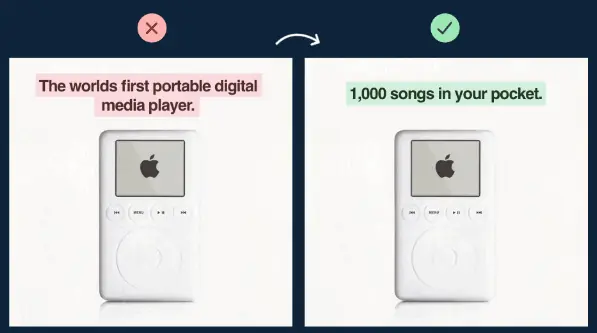
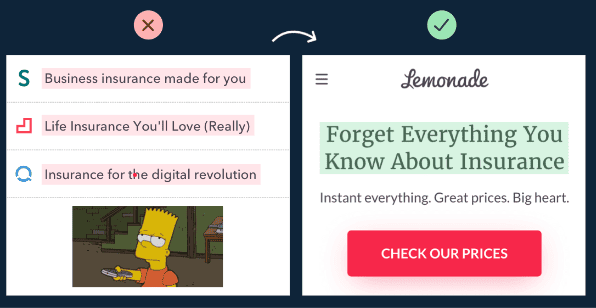
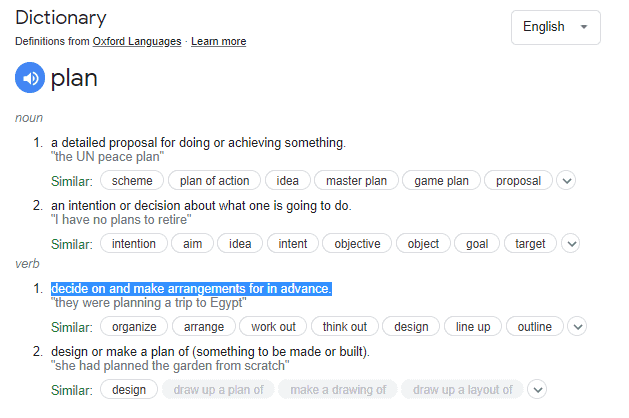
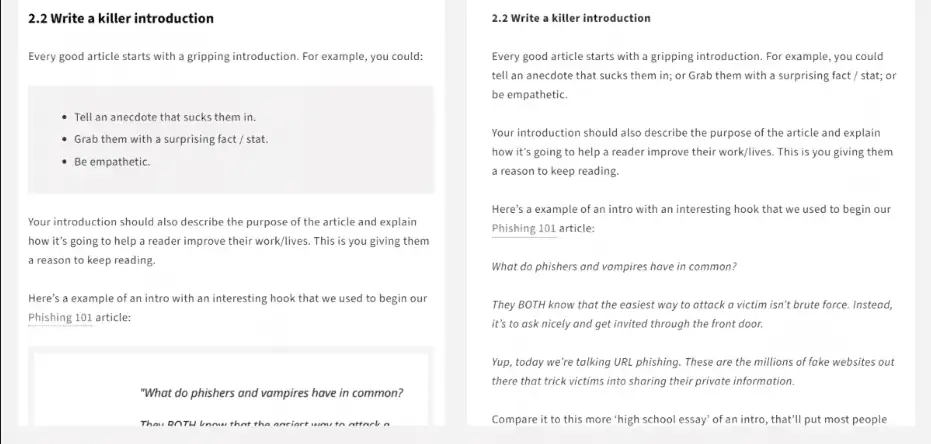
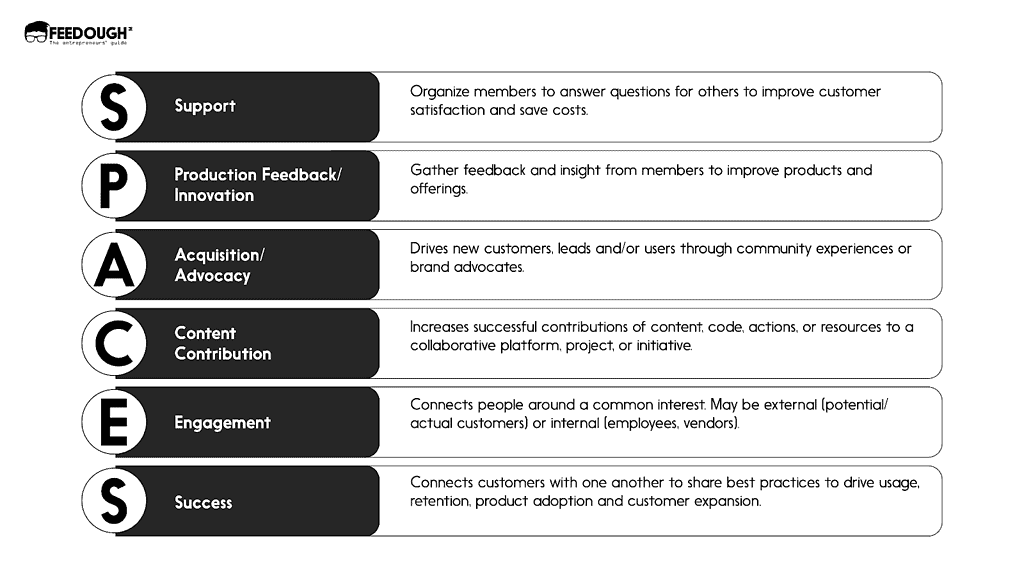
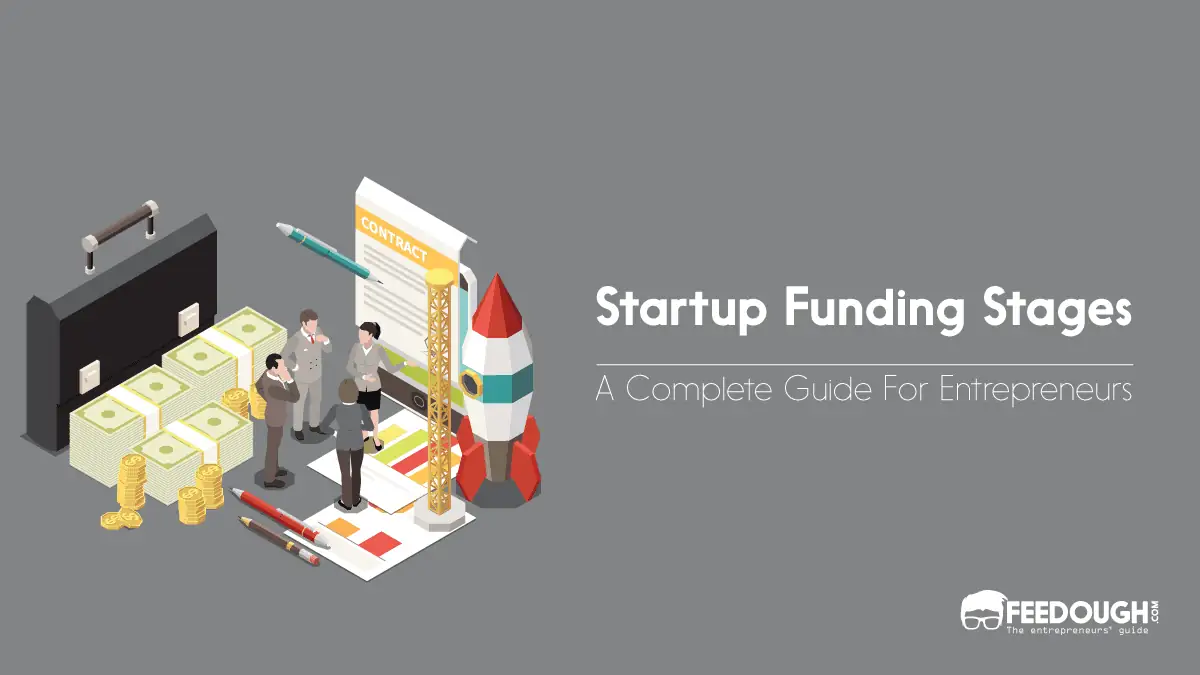
![How To Make An Explainer Video [Detailed Guide]](https://www.feedough.com/wp-content/uploads/2023/05/explainer-video.webp)
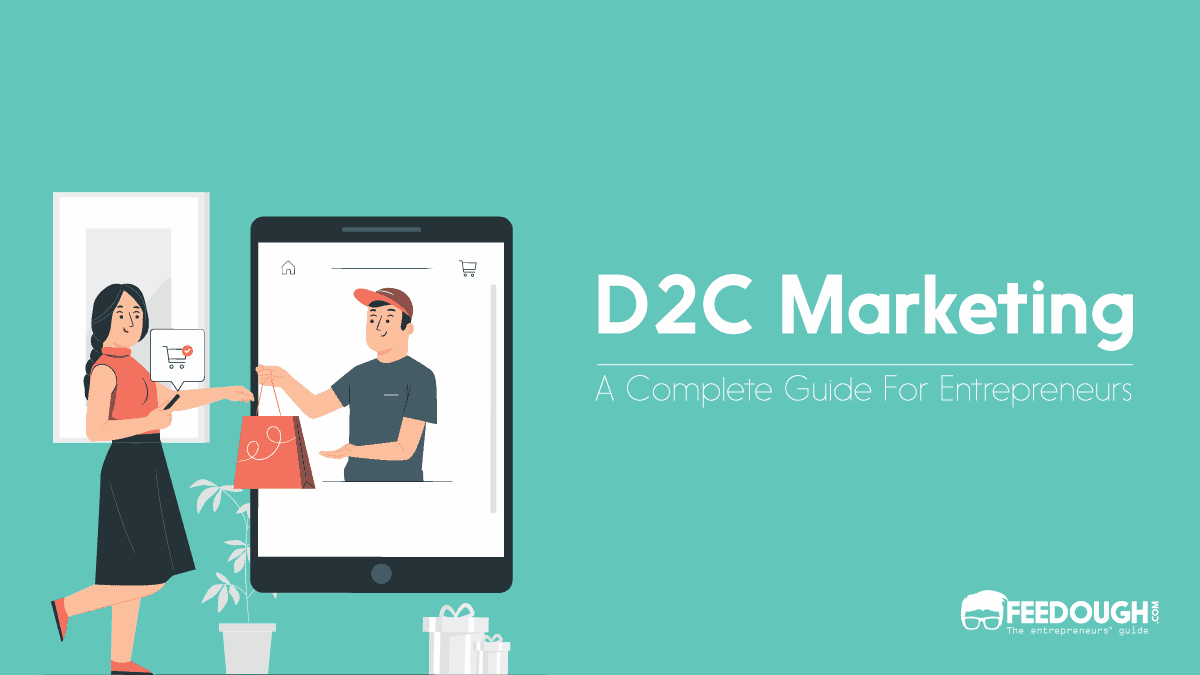

![How To Make Money On Twitch [Detailed Guide]](https://www.feedough.com/wp-content/uploads/2023/05/make-money-on-twitch.webp)