
Feedough Logo

Blog

  • What Is Regtech? – Use Cases, Challenges, & Future

    What Is Regtech? – Use Cases, Challenges, & Future

    Regulatory requirements are a big part of any business’s life cycle. The government generally sets them, and their implementation and enforcement vary from country to country. Compliance of all kinds can be cumbersome, especially if multiple stakeholders are involved. For example, the U.S. Food and Drug Administration (FDA) has several regulations and laws governing the manufacturing, labelling, marketing, and selling of food and beverages.

    It is no wonder why most startups and businesses struggle to comply with these requirements. It takes immense time, resources, and manpower to meet regulatory requirements.

    Regtech helps to simplify, streamline, and automate the regulatory compliance processes of your business. It can help you reduce the risk of fines, penalties, and legal implications.

    This technology helps companies stay in compliance, protect consumers and regulators, and provide a smooth transition for innovation.

    What Is Regtech?

    Regtech or regulatory technology refers to the use of technology to enhance regulatory and compliance processes and reduce regulation-related risks, costs, complexity and compliance time.

    This means that it provides a set of technology-powered tools and applications that allow businesses to process regulatory requirements and automate them to make the work easier, more efficient, and more profitable.

    At the government level, it helps reduce the cost of compliance, increases the efficiency of regulatory processes, and improves the regulatory environment.

    In addition, it also covers the use of these technologies to prevent, detect, and respond to any violations.

    Regtech is most commonly used in the financial industry, but it can also be applied in other industries, such as energy, healthcare, and retail, to solve the regulatory and compliance challenges.

    A perfect example of regtech is the electronic Know Your Customer (eKYC) process by which banks verify the identities of the people who open new accounts digitally. This KYC process is a major part of the banking regulations.

    The KYC process is a critical part of the banking regulations, but it was usually a manual process requiring immense time and manpower.

    However, by using the regtech, this process is now digitised, automated, and can be completed in less than 3 minutes

    Key Regulatory Challenges

    It is a fact that the regulatory environment is changing fast, and it does not show any signs of slowing down. This, however, creates several challenges for the regulatory industry and the market players operating in this sector.

    • Compliance: The biggest challenge for the regulatory industry is the compliance burden. In addition to that, the cost of compliance is also very high. It is not a surprise that compliance for a large enterprise can cost millions of dollars. Many businesses struggle to meet the compliance requirements of the various regulations and laws, which results in the loss of revenue and even the risk of fines and penalties.
    • Efficiency: As regulations increase, the number of stakeholders involved in the process increases. This, in turn, increases the time taken to address compliance issues and hence the cost.
    • Quality Assurance: As regulations become more complex, it becomes harder for businesses to ensure that their products and services meet the quality standards set by regulators. This is because it is very difficult to keep track of the different requirements and their implications.
    • Cybersecurity: Cybersecurity has become a critical issue for the entire global economy. As the cyber threats grow, the regulatory industry has to address them and keep the risks under control.
    • Risk Analysis: Risk analysis is another critical issue that needs to be addressed by the regulatory industry. As the regulatory environment becomes more complex, the risks involved in the business also increase. Therefore, companies must address these risks.
    • Monitoring: Manual monitoring is not the best way to monitor the regulatory environment. This, in turn, increases the risk of violations. Therefore, it is essential to have a monitoring system to monitor the risks in real-time and address them immediately.

    Regtech Use Cases

    Regtech is a term that refers to the use of technology to improve the regulatory and compliance landscape. Some of the use cases are:

    • Compliance & Regulatory Technology: Compliance and regulatory technology allow businesses to comply with the various regulations and avoid the fines and penalties that come with them.
    • Data Integration: Data integration helps collect and transfer data across multiple systems. This helps reduce the time required to transfer data and therefore improve the overall workflow.
    • Regulatory Compliance Management: Regulatory compliance management is the process of identifying and addressing regulations, standards, and requirements to comply with those rules. Regtech helps identify regulations and makes sure the company is complying with them.
    • Market Intelligence: Market Intelligence helps to track the various market trends and conditions. It can help the market participants to stay informed about the various laws and regulations that affect them.
    • Data Quality Management: Data quality management is the process of identifying and fixing data errors that may occur during data entry. In the world of regtech, data quality management is the process of verifying the accuracy of the data through the use of software.
    • Regulatory Information Sharing: Regulatory information sharing is sharing regulatory information among all the stakeholders involved in a particular business. This is done by creating a central repository where regulatory information is stored and accessible to all users.
    • Digital Identity: Digital identity helps identify a person by providing a set of data such as name, address, date of birth and other personal information. It also helps in the verification of the data to ensure that the data is true and accurate. It is also useful for the management of an organisation’s memberships and records.
    • Anti-money laundering: Anti-money laundering is the process of screening transactions and individuals who wish to use a bank account or any other form of payment. This prevents people from using their funds for illegal purposes.
    • Consumer Protection: Consumer protection is when a government agency is responsible for ensuring that individuals are not harmed by the products or services they purchase.
    • Cryptocurrency Regulation: Cryptocurrency regulation is when a government agency is responsible for ensuring that the use of cryptocurrencies is in line with the law.
    • Transaction Monitoring: Transaction monitoring is the process of tracking the movement of money and its use. It helps in the identification of money laundering, the detection of tax evasion and the prevention of other illegal activities.

    Regtech Startups & Companies

    Regtech startups are changing the regulatory landscape by creating innovative and user-friendly solutions that make it easier for companies to comply with the various regulations.

    The following are some of the most popular regtech startups:

    Chainalysis

    Chainlysis is a leading blockchain-based company focusing on investigation, compliance and risk management tools with an aim to stamp out money laundering, fraud and compliance violations in the cryptocurrency sector.

    It has helped several digital payments companies like Gemini, Nets, etc., validate Bitcoin transactions and comply with federal regulations.

    Hummingbird

    Boasting itself as a CRM for compliance and risk teams, Hummingbird offers an anti-money laundering platform to banks, fintech, lending and credit companies.

    The company offers a niche CRM helping compliance and risk teams get more work done in a systematic, automated, and more graphic manner to help AML crime fighters catch financial criminals sooner and on a wider scale.

    Sift Science

    Sift uses AI, ML, and big data to help companies detect fraud, delete fake accounts and identify money laundering.

    In order to give clients a better idea of who is making a payment or abusing the system, the company uses machine learning to assign “SiftScore” to each user.

    Future Of Regtech

    Regtech companies have made huge strides in their work in recent times. Regulatory compliance, efficiency, fraud prevention, digital identity are just a few of the many innovations in the field.

    One of the most significant trends in the regtech industry is the use of AI, ML, and blockchain to make it easier for businesses to comply with regulations. 

    These technologies will help:

    • Reduce non-compliance fines that have crossed over $200 billion since 2008,
    • Comply with the dynamic regulatory landscape,
    • Transform the way regulatory landscape work.

    In the future, there is no doubt that regtech companies will continue to grow and the field will only get more complex and diverse.

    Go On, Tell Us What You Think!

    Did we miss something? Come on! Tell us what you think of this article on regtech in the comment section.


  • What Is Market Penetration? – Importance, Formula, & Examples

    What Is Market Penetration? – Importance, Formula, & Examples

    Any business starts with a goal to maximise its sales and establish itself as a market leader in the industry. They build the best product, hire the best team and put in the best efforts to make a noise. Many try to launch different products and explore new markets to achieve their objective, but it doesn’t always work.

    Sometimes, growth can also be achieved using existing products and resources when the firm does not have a fully developed product idea or the market isn’t fully saturated. This strategy is known as market penetration, and it is prevalent among marketers as it turns out to be the least risky of all.

    What Is Market Penetration?

    Market penetration is a measurement of how many customers buy a particular product or service as compared to the total estimated market. This indicates the success of the offering in the market against its competitors.

    It is generally expressed as a percentage and can be calculated by a simple formula.

    Market penetration = current sales value of an offering / total sales volume

    market penetration formula


    Market Penetration Vs Market Share

    With having a massive customer base, Apple’s presence is quite evident in the smartphone market all over the world. The company has managed to capture the market to such an extent that 47% of the smartphone users in the US use an iPhone.

    The question is here whether this indicates a good market penetration rate or a big market share?

    Is there a difference between the two?

    If 1000 customers in the market are willing to buy smartphones and Apple manages to sell iPhones to 300 of them. It would indicate that it has a penetration of 30%. It’s generally relative to the target market of the offering.

    On the other hand, if the net revenue generated from the smartphone industry is one million dollars and Apple’s revenue adds up to $400,000, it indicates a market share of 40% in the smartphone market.

    Why Is Market Penetration Important?

    Market penetration is the way of maximising sales through existing products without having to change them. As the market is known territory for the firm, it involves minimal risk and is very popularly used among marketers.

    But how would market penetration help in brand building?

    • Easy diffusion in the market: A market penetration strategy helps to infiltrate the total addressable market (TAM), making it easier to reach larger masses. People start noticing the brand and they can make a shift to a new product quickly.
    • Creation of goodwill: Good quality attracts customers and when the brand delivers that to their customers, they are willing to come back. Word spreads quickly in the market and it builds goodwill and a positive image against the competitors.
    • Fast growth: Market penetration is the quickest way to amplify the customer base and establish one’s presence in the market. Setting low prices acts as a driving force to attract customers, which creates a large impact in the market, especially affecting the competition.
    • Economical: Many firms also benefit from achieving economies of scale. Rooting in large product demands causes them to scale their production levels and bring down the cost per unit.
    • Future prospects: Market penetration provides an insight as to how the customers view the offerings. If a firm manages to engage and retain its customers, they also have a cue to sell them any new products it may launch in the future.

    How To Calculate Market Penetration?

    Market penetration plays a considerable role in building a brand and its

    Say, for example, a company sells watches and the total market consists of 5000 customers. Out of these 5000 customers, 500 of them buy its products.

    Now to calculate the penetration of this company in the market, we divide 500 by 5000, which gives us a market penetration rate of 10%.

    500/5000*100 = 10%

    What Is A Good Market Penetration Rate?

    It goes without saying that if a company has a high market penetration rate for its offerings, then it will be viewed as a leader in the industry.

    But how does one know if the market penetration rate they have achieved is good or not?

    It is estimated that a market rate penetration rate of 2-6% is normal or above average for a company. So if a firm’s market penetration rate comes out to be above 6%, they are already doing very well at their position.

    However, in a B2B business, the penetration rate can go as high as 40%, which is excellent in any market.

    Some companies like to calculate their market penetration rates evenly after each quarter. Some prefer to do it after a promotional ad or campaign to consider the after-effects.

    Examples Of Market Penetration

    Market penetration is one of the most popularly used strategies in any market today. Large and small companies consider it to be a quick and effective way to create an impact in the market.

    • For example, the smartphone industry – following the consistent introduction of the new iPhone series, Apple has managed to increase its penetration and become a global leader with a rate of 19.2%.
    • Starbucks, the largest coffeehouse company, uses a generic marketing strategy that highlights its products’ uniqueness and quality. As of 2020, it maintains the highest share of the coffee shop market in the US with a rate of 40%.
    • Amazon is the biggest e-commerce website in the world. Each year more than 197 million people get on the website to surf through products. Its market share in e-commerce adds up to more than 50% as of 2021.
    • Netflix is a market leader when it comes to online streaming platforms, constituting 51% of streaming subscriptions in the US. Even though the prices are not as low as other OTT platforms, Netflix manages to be a leader of them all.

    Bottom line?

    Market penetration is quite an effective strategy for achieving growth without risking much. It works in almost every industry regardless of the size or nature of the business.

    But every strategy doesn’t fit in every situation. The marketers need to analyse the competitive space first and then take a decision taking into account their position and any other factors affecting their business.

    Go On, Tell Us What You Think!

    Did we miss something? Come on! Tell us what you think about our article on market penetration in the comments section.

  • Make Money With Your Computer And Internet – 10 Proven Ways

    Make Money With Your Computer And Internet – 10 Proven Ways

    There are people all over the world who earn their livelihood just using their laptops and the internet. Some sell their products or services, others do affiliate marketing, and others are involved in various other money-making ventures.

    But making money with your computer and internet isn’t as easy as they say in those scammy ads. It takes hard work, dedication, and sometimes a bit of luck.

    But if you’re willing to put in the effort, there are plenty of ways to make money with your computer and internet. Here are 10 of the most popular:

    1. Start a blog
    2. Start an affiliate marketing business
    3. Develop and capitalise on your influence on social media
    4. Fill paid surveys
    5. Sell digital products like courses, ebooks, etc.
    6. Become a virtual assistant
    7. Start a podcast
    8. Start a YouTube channel
    9. Start a dropshipping business
    10. Provide freelance services

    Start A Blog

    Blogging is no more a hobby that you used to do in your free time. It has turned into a full-fledged business, and people today earn their livelihoods just by writing on a blog.

    To start a blog, you need to choose a niche, come up with a name for your blog, get hosting and a domain name, and start writing content. Once you have enough content (usually at least 10-15 posts), you can start promoting your blog and making money from it.

    It sounds simple, but it isn’t.

    Here’s a detailed explanation –

    1. Find a niche where you would be comfortable writing thousands of words weekly. It could be a personal finance blog, a cooking blog, or even a technology blog.
    2. Come up with a name for your blog which would be catchy and easy to remember.
    3. Then you need to get hosting and a domain name. We at Feedough recommend using Bluehost or Godaddy as they offer a free domain name when you sign up for their hosting plans.
    4. Once you’ve had your hosting, you install a CMS like WordPress on it and start writing content. You need to write content that your target audience would love to read and is relevant to their interests.
    5. If you want to be serious, you’d need to learn SEO to rank your blog posts in Google search results.
    6. Once you have a few blog posts, you can start promoting your blog on social media and other channels. You can also join blogging communities and connect with other bloggers.
    7. You can start making money from your blog in several ways – through advertisements, affiliate marketing, sponsored posts, or selling your own products and services.

    Of course, you can’t start making money from your blog overnight. Building an audience and generating enough traffic to your site to make money from advertising or other revenue streams takes time.

    But if you’re willing to put in the hard work, blogging can be a very lucrative way of making money with your computer and internet.

    Start An Affiliate Marketing Business

    Affiliate marketing is a model where a company pays you a commission for promoting its products or services.

    While most people combine affiliate marketing with blogs, you can even choose this business model to capitalise on your social media following or email list.

    Many companies offer affiliate programs, but Amazon Associates, ClickBank, Impact, and CJ Affiliate are the most popular ones.

    To get started with affiliate marketing, you need to find a product or service you’re interested in and sign up for their affiliate program. Once approved, you’ll get a unique ID or affiliate link to promote their product or service.

    You’ll earn a commission when someone clicks on your affiliate link and buys the product or service. Your commission varies depending on the company, but it could be anywhere from 5% to 50%.

    The best part about affiliate marketing is that you can refer the person today, and even if the person buys the offering after ten days, you’ll still get the commission.

    Moreover, some companies even provide you with recurring commissions, which means you’ll continue to earn a commission every time your referred individual pays something to the company.

    This is an excellent business model if you want to make money with your computer and internet, as it doesn’t require much investment or ongoing maintenance.

    Capitalise On Your Influence On Social Media

    Social media is a powerful tool that’s not just a hobby anymore. It’s a great way to connect with people, build relationships, and even make money.

    If you’re good at social media and have a large following, you can capitalise on your influence to make money.

    There are a number of ways to do this – through sponsored posts, promoting products or services, affiliate marketing, brand takeover, or even selling your own products or services.

    But before you start with any of these, it’s important to have good followership, high engagement, and a good reputation.

    In simple words, you need to be an opinion leader in a particular niche to be able to capitalise on your influence.

    If you are an opinion leader and decide to promote products or services, you can charge a company for every post you make. The going rate could be anywhere from $10 to thousands per post, but it depends on your niche, influence, and engagement.

    You can also do brand takeovers, where you become the face of a particular brand for a day (or more) and promote their products or services. This could be in the form of a video, a post, or even a live stream.

    Other than that, you can also use your influence to sell your own products or services. If you have a large following, there’s a good chance that people will be interested in what you have to say or offer.

    This is an excellent way to make money with your computer and internet if you’re already good at social media and have a large following.

    Fill Paid Surveys

    Probably the easiest way to make money with your computer and internet is by filling out paid surveys.

    Many companies pay you for your opinion, and all you need to do is sign up for their panel and start taking surveys.

    You won’t get rich by filling out paid surveys, but it’s a great way to earn some extra pocket money.

    Moreover, it’s a very passive way to make money, which means you can do it in your spare time without having to put in much effort.

    One of the best ways to find paid surveys is through Survey Junkie. They have a wide variety of surveys that you can fill out, and they pay quite well.

    Another great site is InboxDollars, which pays you for surveys and other activities like watching videos and reading emails.

    Many other sites offer paid surveys, so make sure to do your research before signing up for any of them.

    This is an excellent way to make extra money if you’re looking for something passive and easy.

    Sell Digital Products

    Digital products are online offerings like ebooks, online courses, graphics, photos, and more.

    If you’re experienced in a niche and have some expertise to share, you can create digital products like ebooks or online courses and sell them online.

    One of the best platforms to sell digital products like ebooks is through Gumroad. They make it very easy to sell your products, and they take a small percentage of every sale.

    For courses, a great platform is Udemy. They have a broad audience, making it easy to sell your courses.

    If you’re good at graphic design, you can also sell graphics and photos on sites like Creative Market.

    Digital products, just like physical products, require a lot of marketing and promotion to sell.

    So make sure you have a plan before you create your product.

    That being said, they are a great way to make money because you can sell them repeatedly without having to put in any extra effort.

    Moreover, they’re easy to create if you have the expertise and knowledge in a particular niche.

    Become A Virtual Assistant

    A virtual assistant is someone who provides administrative, secretarial, or creative assistance to clients remotely.

    That is, a person in India can become a virtual assistant for someone in the US.

    The work of a virtual assistant can be very varied. It can range from doing simple tasks like data entry to more complex tasks like social media management or even video editing.

    If you have any skills that businesses would be willing to pay for, you can make a lot of money as a virtual assistant.

    One of the best places to find work as a virtual assistant is on a site called Fiverr.

    On Fiverr, you can create a profile and start offering your services to businesses worldwide.

    Another great site is Upwork, which is a bit more professional than Fiverr.

    Here, you can find long-term work as a virtual assistant for businesses of all sizes.

    To be successful as a virtual assistant, you need to be good at time management and have strong organisational skills.

    You also need to be able to communicate well and be proficient in English.

    Becoming a virtual assistant is a great way to make money online if you have these skills.

    Start A Podcast

    Consider podcasts to be digital radio shows that you can listen to on your phone or computer.

    The best part? Anyone can create a podcast and make money from it.

    All you need to do is to have some niche expertise or experience that you can share with your audience.

    If you have something valuable to say, people will listen.

    All you need is a microphone and some basic editing software to start a podcast.

    Once you have these, you can record your episodes and upload them to iTunes or any other podcasting platforms via Anchor.fm for free.

    The great thing about podcasts is that once you create them, they can be downloaded and listened to repeatedly.

    This means that you can make money from a single podcast episode multiple times.

    But making money from podcasts isn’t as easy as making money with a blog. Here’s how you can monetise your podcast:

    • Affiliate marketing: You can promote products or services as an affiliate and earn a commission every time someone buys through your link.
    • Sponsorships: You can get paid by companies to promote their products or services on your podcast.
    • Patreon: You can allow your fans to make monthly donations (known as pledges) in exchange for exclusive content.
    • Product sales: You can sell physical or digital products on your podcast.

    To make money from podcasts, you need to have a large and engaged audience.

    So if you’re just starting out, it might be better to focus on building your audience first before trying to monetise your podcast.

    Start A YouTube Channel

    Over 2 billion people use YouTube every month, which makes it one of the most popular websites in the world.

    What’s more, YouTube is a great platform for making money online.

    To start making money on YouTube, you need to create entertaining or informative videos that people will want to watch.

    YouTubing is similar to blogging in that it’s a long-term game and it takes time to build up an audience.

    But once you do, there are several ways you can make money from your channel.

    • Advertisements: Google put ads on your channel automatically but takes 45% of the revenue, the rest 55% is yours.
    • Affiliate marketing: You can promote products or services as an affiliate and earn a commission every time someone buys through your link.
    • Product sales: You can sell physical or digital products on your YouTube channel.
    • Sponsorships: You can get paid by companies to promote their products or services on your channel.
    • Patreon: You can allow your fans to make monthly donations (known as pledges) in exchange for exclusive content.

    YouTube is a lucrative platform for making money online, but it’s not as easy as it looks.

    You need more than just develop videos to make money with your computer.

    Start A Dropshipping Business

    Dropshipping is a type of ecommerce business where you sell physical products but don’t have to deal with inventory or shipping.

    That is, you are an intermediary who orders the product only when you receive an order from a customer.

    The supplier then ships the product directly to the customer’s doorsteps and you don’t have to worry about anything else.

    Dropshipping is a great way to start an online business because it’s easy to set up and manage, and you don’t need a lot of money to get started.

    To start a dropshipping business, you need to find a niche market, create a website and start marketing your products.

    When you receive an order from a customer, you simply place an order with the supplier and they will take care of the rest.

    Almost all of this can be automated with apps like Oberlo and Shopify, making it a very hands-off business.

    If you think you are good with marketing and can find a niche market, dropshipping could be a great option for you.

    Provide Freelance Services

    Freelancing is a great way to make money online, and there are many ways to do it.

    You can provide services such as:

    • Graphic design
    • Web design
    • Writing
    • Editing
    • Proofreading
    • Creating or editing videos

    The list goes on. You need to find a service that you can provide and start offering it to businesses or individuals.

    To get started, you can sign up for platforms like Fiverr, Upwork or Freelancer.com.

    Then, create a profile and start bidding on jobs.

    Once you land a few clients, you can start charging more for your services.

    So if you have a skill that you think people would be willing to pay for, freelancing could be a great option for you to make money with your computer.

    Go On, Tell Us What You Think!

    Did we miss something?  Come on! Tell us what you think about our article on make money with your computer in the comments section.

  • What Is Workforce Diversity? – Types, Importance, & Challenges

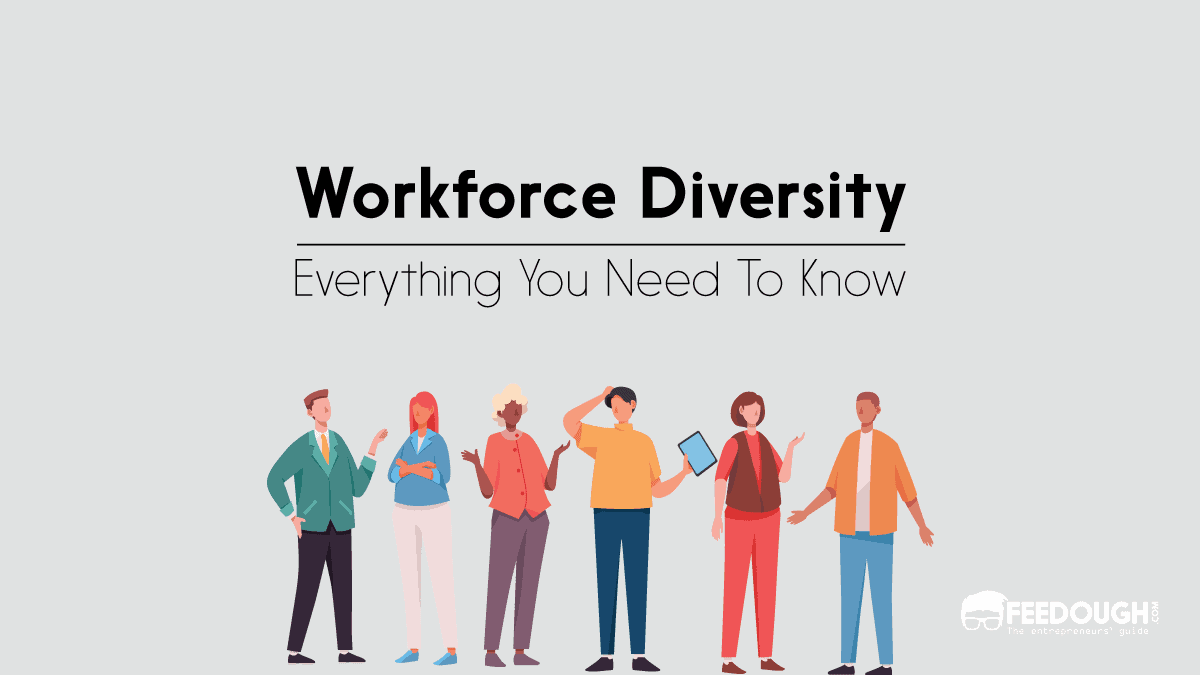
    What Is Workforce Diversity? – Types, Importance, & Challenges

    A business is only as strong as its workforce. A diverse and inclusive workplace is one that can draw on the unique talents, backgrounds, and perspectives of all employees to drive innovation and better performance.

    Moreover, an inclusive work environment is free from bias and harassment and where all employees feel respected, valued, and supported.

    So, what is workforce diversity? Why is it important, and what are its challenges?

    What Is Workforce Diversity?

    Workforce diversity is the inclusion of employees from different backgrounds, races, cultures, genders, ages, religions, and sexual orientations in the workplace. It is also about including employees with different abilities and disabilities.

    In simple terms, it refers to a diverse organisation with a heterogeneous workforce.

    The concept of workforce diversity has evolved over the years as organisations have become more global and inclusive. In the past, workforce diversity was often thought of in terms of gender and race. However, today, the definition of workforce diversity has expanded to include a wide range of dimensions, including but not limited to gender, race, ethnicity, age, sexual orientation, religion, socio-economic status, ability, and skills.

    What Is The Goal Of Workforce Diversity?

    The goal of workforce diversity is to create a workplace that is inclusive and reflective of the community in which it operates.

    By having a diverse and inclusive workforce, businesses can benefit from a wide range of perspectives and ideas, which can help them to be more innovative and competitive.

    The Importance Of Workforce Diversity

    Today, having a diverse workforce is important for a number of reasons:

    1. To Reflect The Community: In order for businesses to be truly representative of the communities they serve, it is important that their workforce is diverse. This is especially important for businesses that provide services to the community, such as healthcare and education.
    2. To Retain More Employees: A diverse workforce can help to retain employees. Employees are more likely to stay with an organisation if they feel that they belong and that their unique talents and perspectives are valued.
    3. To Attract Top Talent: A diverse and inclusive workplace is attractive to top talent. In a competitive job market, businesses need to be able to attract the best and the brightest if they want to be successful.
    4. To Address The Needs Of A Changing Labour Market: The labour market is changing and becoming more diverse. As such, businesses need to be prepared to meet the needs of a diverse workforce.
    5. To Better Understand Customers: In order to be successful, businesses need to understand their customers. A diverse workforce can help businesses to better understand their customers and the communities they serve.
    6. To Improve Their Reputation: A diverse and inclusive workplace is often seen as a good place to work. This can help businesses to attract new customers and to build a positive reputation.

    The Types Of Workforce Diversity

    Today, workforce diversity isn’t just about gender and race. There are a number of different types of diversity that businesses need to consider when creating a diverse and inclusive workplace. However, these can be grouped and categorised into four types:

    • Internal Diversity: Internal diversity characteristics are those that the employees are born into. This includes gender, race, ethnicity, age, sexual orientation, religion, socio-economic status, and ability.
    • External Diversity: External diversity characteristics are those that employees acquire from their experiences outside of work. This includes skills, education, life experiences, religious and cultural experiences, and international experience.
    • Organisational Diversity: Organisational diversity relates to the characteristics within the workplace like job functions, management status, employment status, union membership, etc., that can create different perspectives and experiences.
    • Worldview Diversity: The way different workers conceptualise world events, problems, and solutions is known as worldview diversity. These include political beliefs, moral values, and social attitudes.

    Challenges Of Diversity In Workplace

    Businesses need to be aware of the human resource challenges that can come with having a workforce that is diverse in terms of race, ethnicity, age, gender, sexual orientation, and ability. These challenges include:

    • The Potential For Conflict: One of the challenges of diversity is the potential for workplace conflict. When people are from different backgrounds and have different perspectives, it is possible for them to clash. This can be a problem in the workplace, where productivity can be affected.
    • The Need For Training: Another challenge of diversity is the need for training. Employees need to be trained on how to work with people who are different from them. They also need to be taught about the importance of diversity and how to create an inclusive workplace.
    • Communication Barriers: Communication can be a challenge in a diverse workplace. This is because people from different backgrounds may not be able to understand each other. They may also communicate in different ways, which can lead to misunderstandings.
    • The Risk Of Discrimination: There is always the risk of discrimination when there is a diverse workforce. This can be harmful to employees and can lead to a loss of productivity.
    • Cultural Misunderstandings: Cultural misunderstandings can also be a challenge in a diverse workplace. This is because people from different cultures may not be familiar with the customs and traditions of others. This can lead to confusion and frustration.

    Benefits Of Diversity In Workplace

    Despite the challenges, there are also many advantages to having a workforce that is diverse. These benefits include:

    • The Ability To Serve A Diverse Customer Base: A diverse workforce can help businesses to understand their customers and the communities they serve better. This is because they have employees from different backgrounds who can provide insights into different cultures.
    • Increased Creativity And Productivity: When people from different backgrounds come together, they often spark new ideas and increase productivity. This is because they bring different skills, knowledge, and experiences with them.
    • A Better Representation Of The Community: A diverse workforce can help businesses to represent the community they are in better. This is because they have employees from different backgrounds who can share their stories and experiences.
    • Increased Cultural Awareness: A diverse workforce can help businesses to become more aware of different cultures. This is because they have employees from different cultures who can provide insights into their customs and traditions.
    • Reduced Employee Turnover: Studies have shown that businesses with a diverse workforce have reduced employee turnover. This is because employees feel appreciated and valued when they are in an inclusive workplace.
    • Attract And Retain Top Talent: Diverse workplaces are often more attractive to top talent because they provide an environment where people can feel included and respected.
    • Improved Decision Making: Diversity can also improve decision making in the workplace. When there are different perspectives, businesses are more likely to make better decisions.
    • Better Reputation: A diverse workplace can also lead to a better reputation for a business. It shows that it’s an organisation that values and respects all people.

    What Is Workforce Diversity Management?

    Workforce diversity management is the process of creating a workplace that is inclusive of all employees. This includes ensuring that everyone has an equal opportunity to succeed and be respected. It also involves creating policies and programs that support a diverse workforce.

    Workforce diversity management is important because it can help businesses take advantage of diversity’s benefits. It can also help to reduce discrimination and promote a positive work environment.

    There are many different ways to manage diversity in the workplace. Some of the most common methods include:

    • Employee Training: Employee training is one of the most important tools for managing diversity in the workplace. This is because it helps employees to understand and appreciate the benefits of diversity. It can also help to reduce discrimination and increase understanding of different cultures.
    • Diversity Policies: Diversity policies are directed at ensuring that everyone in the workplace is treated fairly and with respect. These policies can help to reduce discrimination and create a more inclusive environment.
    • Diversity Programs: Diversity programs are designed to promote inclusion in the workplace. These programs can include things like mentoring, networking, and professional development.
    • Communication: Communication is essential for managing diversity in the workplace. This is because it helps to ensure that everyone is on the same page and that there is a mutual understanding of the goals and objectives.

    Workforce diversity management is a process that should be ongoing. This is because the workforce is constantly changing and evolving. As such, businesses need to be adaptable and flexible in their approach to diversity.

    Go On, Tell Us What You Think!

    Did we miss something? Come on! Tell us what you think about our article on workforce diversity in the comments section.

  • Choosing The Best Startup Domain Name – A Guide

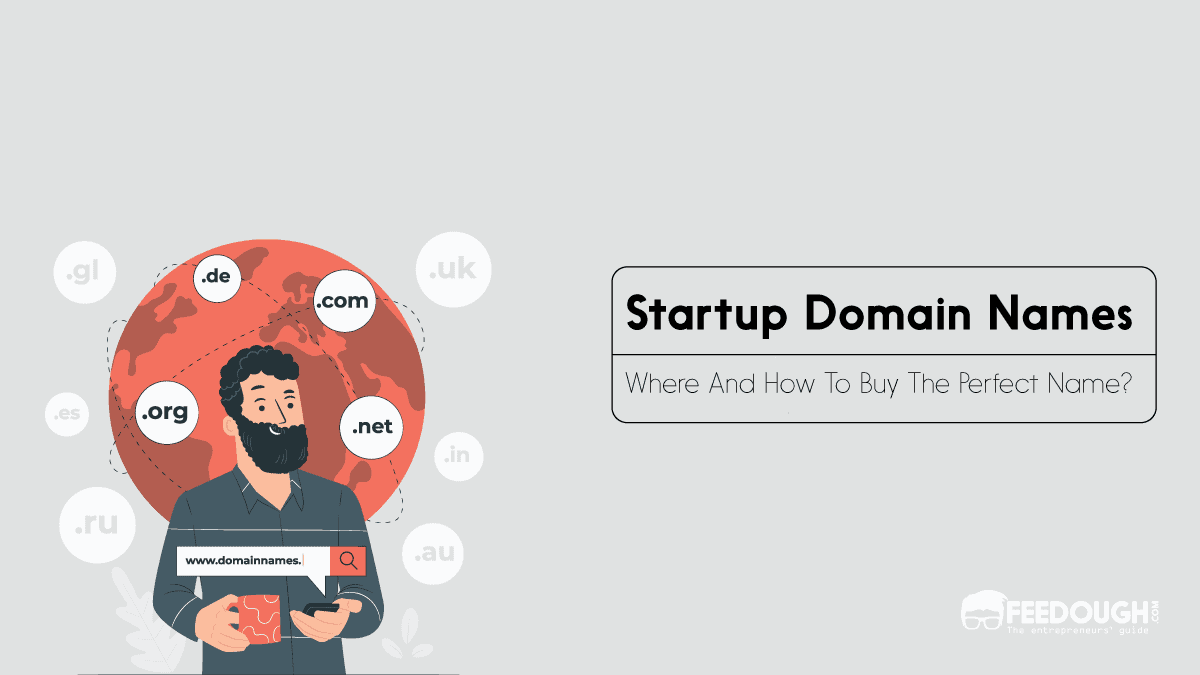
    Choosing The Best Startup Domain Name – A Guide

    So you’ve come up with a great idea for a new online business. You developed a business plan, have a business model in place, and have even started to think about the marketing aspects of your new venture. But for that, you’d need a website and a brandable domain name that represents your business and value.

    The problem?

    Not every domain name you wish to register is available.

    The bigger problem?

    Almost all the dictionary words .coms have already been registered. That is, if you wish to give your startup a dictionary name (like Amazon.com), you’re out of luck as:

    • Either somebody else already uses this domain for their online presence
    • Or it is out for sale in the secondary market at a much higher price than you expected.

    But fret not. All is not lost. This guide will help you choose the best domain name for your startup.

    The Components Of A Domain Name

    Before choosing a domain name, let’s break down what actually makes up a domain name. A domain name usually has two components:

    • Domain Name: A domain name is a second-level identifier in a domain name hierarchy. It’s the actual name of the website.
    • Top-Level Domain: The top-level domain (TLD) is the last part of a domain name and it indicates the geographical region or type of website. The most common TLDs are “.com”, “.net”, and “.org”.

    Selecting A Domain Name For Your Startup

    Selecting a domain name requires you to be both a technical and a sensible marketer. You need to pick something that is both available and reflects your business.

    Psychologically, your domain name should be:

    • Memorable: A good domain name should be easy to remember. The easier it is to remember, the easier it is for potential customers to find you online. For example, Google.com is much easier to remember than SearchEngineGiant.com.
    • Meaningful: It should be easy to relate your domain name to your business. A good domain name should give people an idea of what you do or what value you provide just by looking at it. Facebook.com is a great example of this. This domain name is not only memorable, but it’s also meaningful as it tells you what the business (social networking) is all about.
    • Short: A short domain name is easier to remember and type. Uber.com, for example, is much shorter and easier to remember than Ubercabs.com. It’s also less likely to be misspelt by potential customers when they’re trying to find you online.
    • Brandable: Brandable means that your domain name is unique and can be easily turned into a brand. It should be easy to create a logo and marketing materials around it. For example, namecheap.com is a great brandable domain name that’s easy to remember, spell, and build a brand around.
    • Easy To Pronounce: A domain name that is easy to pronounce is easier for people to type into their browsers. It’s also easier for people to share with others verbally.
    • Unique: You want your domain name to be unique so that it’s not confused with any other website.

    And technically, it should:

    • Be available as a domain name: The domain name should be available to register as a TLD. For example, you can’t use Amazon.com as it is already taken as a TLD.
    • Not be a trademark: You can’t use a trademarked name as your domain name as it will be considered an infringement. For example, you can’t use Coca-Cola.com as it’s a trademarked name.
    • Use the correct domain extension: While many domain extensions are available, you should use the most relevant one for your business. For example, if you’re a non-profit organisation, you should use a “.org” extension. You should use a country code TLD like “.us” for the United States or “.ca” for Canada for a country-specific website.

    Choosing The Right Domain Name And TLD

    Startup domain names are usually your brand names followed by the suitable TLD. For example, if your startup is called “Acme Widgets”, a good domain name would be “acmewidgets.com”.

    However, with millions of .com domains already registered, it’s highly likely that the perfect .com domain name for your startup is already taken. When this happens, you have a few options:

    Option 1: Use A Different TLD

    If the .com version of your domain name is taken, you can try other TLDs such as .net, .io, .co, or .biz. According to ICANN, three types of TLDs exist today –

    • gTLD – Generic Top-Level Domain: These are the TLDs that we’re all familiar with, such as .com, .net, and .org. All of these have certain connotations like .com stands for commercial, .net for network, .org for an organisation, .io for input/output, .ai for artificial intelligence, etc.
    • ccTLD – Country Code Top-Level Domain: A ccTLD is a TLD specific to a country. For example, the .uk extension is for the United Kingdom, while the .ca extension is for Canada.
    • sTLD – Sponsored Top-Level Domain: These are TLDs that are sponsored by a specific organisation. For example, the .edu extension is for educational institutions, while the .gov extension is for government agencies.

    However, it’s important to note that not all domain extensions are created equal. Some domain extensions are more popular and have better SEO value than others. For example, the .com extension is more popular and has better SEO value than the .biz extension.

    But note that you don’t have to be limited to the full forms. Focus on connotations. For example, even though .co is a ccTLD, people consider its use case similar to .com.

    Similarly, .me is a ccTLD short for the country Montenegro. But web developers consider it to be a perfect option for portfolio websites as it has “me” in it.

    Option 2: Use A Different Domain Name

    If the .com version of your domain name is taken and you don’t want to use a different TLD, you can try a different domain name.

    This could be:

    • Acronym: You could use an acronym or semi acronym for your startup domain name. For example, if your startup is called “Acme Widgets”, you could use “awidgets.com”.
    • Word Combinations: You could also use word combinations for your domain name. For example, you can have “joinjammers.com” or “jammersgroup.com” for a community named Jammers.
    • Domain hacks: You could also use a domain hack when you don’t get the .com extension to create a pun-based domain name. For example, if your startup is called “Acme Widgets”, you could use “acmew.com” or “widg.et”.

    Where To Buy Your Startup Domain?

    Domains are precious assets. No two people can own a single domain. If I have feedough.com, only I can build my website on it.

    That is, it follows the first-come-first-serve principle. So, if you have an idea for a domain name that you want to use for your startup, you should buy it as soon as possible before someone else does.

    If you’re the first to think of a domain name idea, you buy the domain in the primary market.

    These include buying from domain registrars like Namecheap, Bluehost, Godaddy, etc. These domain registrars are accredited companies by ICANN (the organisation that governs domain names) to sell domains.

    If a domain investor has already bought the domain and is now willing to sell, you head to the secondary market.

    The aftermarket could be an online marketplace like Flippa, a domain broker like Sedo, or an auction site like GoDaddy Auctions.

    You could also buy the domain directly from the owner by doing a whois lookup and contacting them.

    Domain Primary Market

    Here’s a list of some popular domain registrars –

    • Namecheap: This is a very popular domain registrar and offers a wide variety of TLDs.
    • Bluehost: A highly trusted company known for reliable hosting and domain registrations.
    • Name.com: Name.com is another popular domain registrar and offers discounts on domains regularly.
    • GoDaddy: GoDaddy is the largest domain registrar globally with over 75 million domains under management.
    • Hover: Hover is a Canadian company specialising in domain names and email hosting.
    • Porkbun: Porkbun is a US-based domain registrar that offers some of the cheapest TLDs.

    Domain Secondary Market

    The secondary market is where you buy domains from investors who have already bought them in the primary market.

    Some popular platforms for buying domains in the secondary market are –

    • Flippa: Flippa is an online marketplace for buying and selling websites and domains.
    • Sedo: Sedo is a domain broker that facilitates the sale of domains between buyers and sellers.
    • GoDaddy Auctions: GoDaddy Auctions is an auction site for expired and expiring domains.
    • Afternic: Afternic is a domain marketplace where you can buy premium domains.
    • Dan: Dan.com is a domain marketplace with over two million domains listed for sale.

    Startup Domain Name Do’s and Don’ts

    Here are some things to keep in mind while choosing your startup domain name –

    • Do use keyword research: If it’s an unbranded name, use keyword research tools like Google Keyword Planner and Ubersuggest to see if people are actually searching for the term you want to use as your domain name.
    • Don’t use hyphens: Hyphens are frowned upon in domain names and can be non-user-friendly.
    • Avoid misspelt names: Misspelt names are hard to type and remember.
    • Don’t use numbers or special characters: Numbers and special characters are hard to remember and type.
    • Make your domain name radio test friendly: A radio test is when you say your domain name out loud to see if it’s easy to pronounce.

    Steps To Buy A Startup Domain Name

    Buying a startup domain name isn’t rocket science. Here’s what you need to do –

    1. Zero on the perfect domain name options
    2. Head over to one of the primary market registrars like Namecheap, Bluehost, or GoDaddy and search for the domain name you want.
    3. If the domain is available, buy it!
    4. If the domain is already taken, you can try a different TLD or head to the secondary market.
    5. In the secondary market, you’ll have to negotiate with the domain owner to buy the domain from them.
    6. Make sure you have an escrow service to facilitate the transaction and protect yourself from fraud.
    7. Once you’ve bought the domain, you’ll need to set up hosting and a website. You can either buy it from Namecheap itself or use a service like BlueHost or Inmotion Hosting.

    Bottom-Line?

    Choosing the right domain name for your startup is important – it’s one of the first things people will see and remember about your business. Do your research, use common sense, and you’ll be able to find the perfect domain name.

    But make sure you act fast – the best domains tend to get snapped up quickly!

    Go On, Tell Us What You Think!

    Did we miss something?  Come on! Tell us what you think about our article on startup domain names in the comments section.

  • What Is Workplace Bullying? – How To Identify & Manage It?

    What Is Workplace Bullying? – How To Identify & Manage It?

    Work dynamics are always bound to be complex. And while we may all hope that our place of work is a harmonious and welcoming environment, the unfortunate reality is that sometimes unpleasantness and conflict can arise.

    Of all the types of workplace conflict, bullying may be the most insidious and destructive. It can cause emotional pain and distress, lead to job loss, and even affect physical health.

    But what is workplace bullying, exactly? What are the different types of behaviour that can fall under this umbrella? And most importantly, how can you recognise and manage it if it happens to you or someone you know?

    What Is Workplace Bullying?

    Workplace bullying is repeated, unwanted, and unreasonable behaviour involving real or perceived power imbalance at the workplace directed towards a worker or group of workers that can cause them physical or psychological harm.

    To be considered workplace bullying, the behaviour must satisfy all three of these criteria:

    • It is repeated,
    • It is unwanted,
    • It is influenced by real or perceived power imbalance.

    It’s important to note that workplace bullying is different from aggression or violence, which are isolated incidents that involve the threat of physical harm. Workplace bullying is a repeated pattern of behaviour that is intended to intimidate, degrade, humiliate, or isolate a worker.

    It can take many forms, including verbal abuse, threats, intimidation, ridicule, and humiliation. It can also involve social isolation, sabotage, and exclusion.

    What Qualifies As Bullying In The Workplace?

    Workplace bullying can be physical, verbal, or psychological. It can take place in the office, virtually, or even outside of work hours and locations.

    Whatever the case may be, workplace bullying includes any behaviour that meets the following criteria:

    • Verbal abuse: This includes yelling, name-calling, insulting, or demeaning remarks.
    • Intimidation: This includes any behaviour that makes the target feel scared, threatened, or uncomfortable. This could be making threatening gestures, staring, or using physical intimidation such as invading personal space.
    • Ridicule and humiliation: Making fun of someone, mocking them, or embarrassing them in front of others.
    • Isolation and exclusion: Intentionally excluding someone from work-related activities or social events.
    • Sabotage: This includes undermining a person’s work performance by setting them up to fail, withholding information they need to do their job, or deliberately giving them incorrect information.

    Besides this, bullying can be classified into three types depending upon who’s bullying whom.

    • Client bullying: When clients or customers bully employees. For instance, a customer might repeatedly make unreasonable demands or verbally abuse a staff member. This results from the power imbalance between the customer (who pays) and the employee (who works).
    • Managerial bullying: When a manager bullies a subordinate. For instance, a manager might make unreasonable demands, give unrealistic deadlines, or micromanage an employee’s work.
    • Peer bullying: When co-workers bully a worker of the same rank. For instance, colleagues might make fun of each other, spread rumours about each other, or deliberately exclude someone from work-related activities or social events.

    Characteristics Of Workplace Bullying

    Certain characteristics are common in workplace bullying situations. Here are some of them:

    • Inequality: There is a power imbalance between the bully and the target. The bully has more power in terms of job status, seniority, or even physical size.
    • Frequency and duration: The bullying behaviour is repeated over time. It might happen daily or even several times a day.
    • Apparent intent: The bully seems to be intentionally targeting the victim.
    • Impact on the target: The bullying behaviour causes physical or psychological harm to the victim.

    Consequences Of Workplace Bullying

    Workplace bullying can have serious consequences for both the victim and the organisation as a whole.

    It’s Not Just Limited To The Target

    While it’s easy to think of workplace bullying as something that only affects the target, the truth is that it can have a ripple effect throughout the entire workplace.

    Witnesses of bullying behaviour can experience psychological distress, including anxiety, depression, and feelings of powerlessness. They may also become targets themselves.

    In fact, research has shown that workplace bullying can lead to decreased productivity, increased absenteeism, higher turnover rate, and compromised workplace culture.

    It’s Not Just Limited The Workplace, Either

    While the consequences of workplace bullying are mainly felt at work, they can also spill over into other areas of a person’s life.

    For instance, someone bullied at work may start to experience anxiety or depression. This, in turn, can lead to problems at home, such as marital conflict or difficulty bonding with their children.

    Workplace bullying can also have an impact on physical health. Victims of workplace bullying are more likely to experience sleep problems, headaches, and gastrointestinal issues.

    How To Recognise Workplace Bullying

    If you think you might be the victim of workplace bullying, there are some signs to look out for.

    • If it’s repeated: Bullying behaviour is usually repeated or habitual. If you find yourself in a situation where you’re regularly singled out for negative treatment, it might be workplace bullying.
    • If it’s unfair: Workplace bullying is usually characterised by an unfair power imbalance. If you’re being targeted by someone who has more power than you do, it’s likely workplace bullying.
    • If it’s making you feel bad: One of the clearest signs that you’re being bullied at work is if the behaviour negatively impacts your mental or physical health. If you’re feeling stressed, anxious, or depressed due to the way you’re being treated at work, you’re likely being bullied.

    Workplace Bullying Examples

    Workplace bullying comes in many different forms. Here are some examples:

    Consider a scenario where a manager is constantly micromanaging an employee’s work, demanding that they redo tasks that have already been completed to perfection, and giving them unrealistic deadlines. The manager can even bully the employee by intentionally not disclosing important information that they need to do their job properly, just to make things more difficult.

    In another scenario, an employee might be repeatedly excluded from work-related activities or social events by their colleagues because they’re seen as different or strange.

    Or, maybe a worker is the victim of verbal abuse, such as being called names, threatened, or ridiculed in front of others.

    In yet another example, an employee might find that rumours are being spread about them or that their personal belongings are being sabotaged.

    What To Do If You’re Being Bullied At Work

    If you think you might be the victim of workplace bullying, there are some steps you can take to address the issue.

    • Talk to someone: The first step is to talk to someone about what’s going on. This could be a friend, family member, or even a counsellor. Talking about your experiences can help you to make sense of what’s happening and figure out how to deal with it.
    • Keep a record: It can also be helpful to keep a record of the incidents that occur. This could be a documentation of events, a journal, or physical evidence like emails, voicemails, or videos. This can be helpful in two ways. First, it can help you to give a detailed explanation of what happened and when. Second, it can be used as evidence if you decide to take further action.
    • Confront the bully: It might be appropriate to confront the bully directly in some cases. This is usually only advised if you feel safe doing so and if you have someone to support you. Be sure to do this calmly and professionally.
    • Review work policies: You can also consider reviewing your organisation’s anti-bullying policies. This can help to understand how to report the issue properly and what steps will be taken to address it.
    • Report it: If you feel unsafe or uncomfortable addressing the issue yourself, you can also report it to your supervisor or the HR department. Know that it’s their responsibility to make you feel safe in the workplace and address the situation.
    • Take legal action: There are cases where your job can be at stake or where workplace bullying takes the route of harassment. If this is the case, you may need to take legal action. Consult a lawyer to find out what your options are.

    Workplace bullying is a serious issue that can have a negative impact on both the victim and the organisation as a whole. If you think you might be the victim of workplace bullying, know that it’s the organisation’s responsibility to address the issue. If they don’t, know that there are legal options available to you.

    The Role Of Organisation In Handling Workplace Bullying

    Organisations are responsible for providing a safe and healthy work environment for their employees. This includes taking steps to prevent and address workplace bullying.

    Here are some things that organisations can do to handle workplace bullying:

    • Develop policies: The first step is to develop policies that prohibit workplace bullying and outline the consequences for those who engage in it.
    • Train staff: Staff should be trained on identifying and reporting workplace bullying. They should also be given information on the organisation’s policies and procedures for addressing it.
    • Investigate allegations: Upon receiving a workplace bullying report, the organisation should investigate the allegations. This should include talking to both the victim and the bully.
    • Take action: If the allegations are found to be true, the organisation should take appropriate action. This could include disciplinary action or even termination.

    Organisations exist because of their people. To be successful, they need a healthy and productive workforce. This means creating a safe and inclusive environment where employees feel comfortable speaking up about any issues they’re experiencing. Workplace bullying is a serious issue that impacts the overall health of an organisation. By taking steps to address it, organisations can create a better environment for their employees and help to ensure the success of the business.

    Go On, Tell Us What You Think!

    Did we miss something?  Come on! Tell us what you think about our article on workplace bullying in the comments section.

  • What Is Startup Ecosystem? How Does It Work?

    What Is Startup Ecosystem? How Does It Work?

    Startups are the new buzzwords in the business world. These are the businesses disrupting how people eat, commute, learn and conduct their lives.

    The trend has risen to a point where such startups have developed their own ecosystem of interconnected resources that help them grow and succeed.

    But before we delve into what constitutes a startup ecosystem and how it works, let’s first answer the question:

    What Is A Startup?

    A startup is a high-growth fueled business in its early stages, typically characterised by high uncertainty and risk.

    This business differentiates itself from traditional firms by its innovation, creativity and agile approach to growth.

    The rising trend of startups has given rise to an interdependent system of resources, communities, and organisations that support their growth. This system is known as the startup ecosystem.

    What Is Startup Ecosystem?

    A startup ecosystem is an interdependent system of communities, organisations, resources, and service providers that support the growth of startups in a particular geographical area.

    It is a closed system in which every element is connected and mutually dependent.

    The ecosystem is usually divided into three components:

    1. The Startup: This high-growth fueled business disrupts the industry it operates in. Examples include Uber, Airbnb, and Snapchat.
    2. The Enablers: These people or organisations make it possible for the ecosystem players to do their job. These include accelerators, incubators, investors, and universities.
    3. The Ecosystem Partners: These organisations collaborate with and support the startup ecosystem. These include the government, corporations, and service providers.

    The ecosystem is composed of various players, each with its own role to play in supporting startups.

    Elements Of Startup Ecosystem

    Consider the ecosystem as a well-oiled machine that requires several tools to function correctly. Just like a car requires spark plugs, oil, and a gas tank to run, a startup ecosystem requires the following elements.

    • Problems and Ideas: A startup ecosystem cannot exist without new problems and ideas. The businesses in the ecosystem must constantly innovate and create new products and services to solve these problems.
    • Entrepreneurs: These are the people with the ideas and the drive to make them a reality. They are the lifeblood of a this ecosystem.
    • Investors: These are the people who provide the financial backing for a startup to grow. They take on a high risk by investing in these businesses, but they believe in the potential payoff.
    • People: A startup cannot exist without people. The people in the ecosystem must be able to provide the talent, skills, and resources that the startup needs to grow. They include startup founders, employees, investors, mentors, and service providers.
    • Capital: Capital is the fuel that powers a startup. It allows them to expand, hire new employees, and grow their business.
    • Infrastructure: A startup ecosystem requires the infrastructure necessary for businesses to operate. This includes the physical infrastructure (office space, meeting spaces, etc.) and the digital infrastructure (networks, bandwidth, etc.).
    • Services: The startup ecosystem must have access to the necessary services to function effectively. These services include legal, accounting, banking, and marketing services.
    • Community: This ecosystem requires a community of people who are passionate about startups and are willing to help them succeed. This includes other entrepreneurs, investors, mentors, and service providers.
    • Mentorship: Startups are hard, and mentors are the ones guiding new entrepreneurs to find their way. They provide essential guidance and support to the startups by helping them overcome challenges and make better decisions.
    • Network: This system requires a strong network of people who can help the startups connect with the right resources. This includes investors, customers, and service providers.

    How Does The Startup Ecosystem Work?

    The elements of a startup ecosystem are not centrally controlled, but they are interconnected. This means that the players in the ecosystem are connected and mutually dependent on each other.

    1. The problem arises, and entrepreneurs build a business model to solve them. This business model is a new startup.
    2. The startup grows and expands by taking help from incubators, accelerators, and accredited investors. It also hires new employees to solve problems better.
    3. The startup becomes successful and raises more capital from investors to grow even more. This is where other infrastructures and service providers connect with the startup,
    4. The startup becomes a major player in its industry and disrupts the status quo. It develops communities and a strong network, and the entrepreneurs become mentors for the next generation of startups.

    This is how the startup ecosystem works. It is a constantly evolving and interconnected system that is powered by innovation and creativity.

    What Makes A Startup Ecosystem Thrive?

    Startups ecosystem can be local, national, or international. But what makes it thrive?

    Four things:

    • The quality of the entrepreneurs
    • The amount of capital available
    • The quality of the supporting infrastructure and services.
    • The health of the economy

    In simple terms, the startup ecosystem thrives when:

    • Society encourages entrepreneurs to solve problems with disruptive solutions,
    • Investors consider startups to be a lucrative investment,
    • People find ways to make money by providing infrastructure and services to startups,
    • The government creates an environment that is conducive to innovation and entrepreneurship.

    Startup Ecosystem In The World

    Today, the startup ecosystem is present in every major city globally. This is because the internet has made it possible for startups to connect with each other and share resources no matter where they are located.

    Silicon Valley is still the global centre of the startup ecosystem, but other cities are quickly catching up. Beijing, Shanghai, and Singapore are some of the leading cities in Asia, while London, Berlin, and Tel Aviv are leading in Europe.

    Startup Ecosystem In India

    The Indian startup ecosystem is still in its early stages of development, but it is growing rapidly. There are now more than 60,000 startups in India, and this number is expected to grow in the coming years.

    The main drivers of the Indian startup ecosystem are the young population and a large number of engineers. India also has a strong entrepreneurial culture and a growing number of investors.

    In fact, this rise in entrepreneurial outlook has made it possible for Indian startups to raise $42 billion in 2021.

    Startup Ecosystem In The USA

    The USA has the most developed startup ecosystem in the world. This is partly because it has a large number of startups (more than 70,000) and a lot of capital available to invest in them.

    The main drivers of the USA startup ecosystem are the high-quality universities, which produce a large number of entrepreneurs, and the presence of major technology companies, which act as mentors and investors for startups.

    Silicon Valley is the global centre of this ecosystem, but other cities, such as New York, Boston, and Los Angeles, are quickly catching up.

    Startup Ecosystem In Singapore

    Singapore is quickly becoming a leading city in the startup ecosystem. This is because it has strong government support, a large number of investors, and a thriving entrepreneurial culture.

    Numerous startups register in Singapore every year, and the government has prioritised supporting their growth with business-friendly tax rates and a wealth of tax incentives.

    According to official data, the country has over 4,046 registered startups, 941 investors, and 218 incubators and accelerators.

    Startup Ecosystem In China

    China has the world’s second-largest startup ecosystem, and it is growing rapidly. This is all because of:

    • Innovation-friendly policies: The Chinese government has been very supportive of startups and has implemented several policies to encourage innovation.
    • Huge market size: China has the world’s largest population, and this provides a large market for startups to tap into.
    • Excellent infrastructure and academic institutions: China has some of the best infrastructure and educational institutions, which helps startups get top talent, funding, and market access.

    Go On, Tell Us What You Think!

    Did we miss something? Come on! Tell us what you think of this article in the comment section.

  • 10 Biggest Nike Competitors

    10 Biggest Nike Competitors

    Nike is likely to cross the mind whenever one thinks of sports apparel, accessories, or equipment. With a dominant presence in 170 countries worldwide, Nike has established itself as one of the most potent activewear brands.

    Founded in 1964 as ‘Blue Ribbon Sports’ by Bill Bowerman and Phil Knight, the brand officially rebranded as ‘Nike’ in 1971. With annual revenues of $37.4 Billion in 2020, the sportswear brand offers clothing and shoes for men, women, and kids and its iconic signature products like the Air Max series, Huarache, Air Force 1, etc.

    With an intent to expand human potential, Nike consistently creates products sustainably through groundbreaking innovations and creative workforce diversity. Thus, becoming the largest sportswear manufacturer in the world.

    nike competitors

    That being said, it doesn’t mean Nike has it all. Nike competes closely with major global players despite its strong market presence and value proposition. Let’s get some insights into the biggest Nike competitors through a competitive analysis.

    The top competitors include:

    Brands
    Revenue
    Countries
    Adidas
    22.12
    55
    Puma
    5.82
    120
    Under Armour
    4.48
    20
    Skechers
    4.6
    170
    Lululemon
    4.4
    17
    Columbia Sportswear Co.
    3.1
    72
    Asics
    2.9
    150
    Reebok
    1.57
    170
    Brooks
    0.8
    56
    Gymshark
    0.34
    131

    Adidas

    adidas logo

    With annual revenue of $22.12 billion, Adidas is the biggest competitor of Nike. The brand actively serves across 55 countries via more than 2500 stores worldwide.

    Founded in 1924 by Adolf Dassler and Rudolf Dassler, the brand is the largest sportswear manufacturer in Europe and the second-largest globally. Headquartered in Herzogenaurach, Bavaria, the German multinational corporation designs and manufactures shoes, clothing, and accessories.

    Nike vs Adidas

    Nike uses ZoomX technology foam made of lighter material like rubber, polyester, or cotton that is much more responsive than any other material. This aids the momentum of the runner.

    Moreover, they have holes in toe caps which makes them breathable and hygienic.

    However, with the mass production of their shoes, this quality has been deteriorating considerably.

    Whereas Adidas prioritises quality over quantity and focuses on customer satisfaction. It uses heavier material than Nike and introduced a unique cushion technology compressed under pressure. It provides better comfort and energy on every single stride.

    Moreover, it also offers special toe padding for shock prevention and comfort.

    Puma

    puma logo

    With annual revenue of $5.82 billion, Puma ranks as the second most potent Nike competitor. The brand is currently offering its products across 120 countries through 830+ owned stores.

    Founded in 1948 by Rudolf Dassler after a split with his brother Adolf from the joint Dassler shoe company Adidas, the brand emerged as the third-largest sportswear manufacturer globally. It is a German multi corporation based in Herzogenaurach, Bavaria, and manufactures athletic and casual footwear, apparel and accessories.

    Nike vs Puma

    Nike creates a name by innovative technology use, stylish design, and supreme quality. Nike offers itself as a luxury brand owing to its premium quality and extravagant marketing through celebrities, football clubs, athletes, etc.

    Whereas Puma shatters the myth that luxury is expensive. It provides a wide range of products and even its signature products at a very affordable price. The brand offers itself as luxury affordable by all and is famed for giving discounts and promotions to everyone. They sell longevity and durability at reasonable prices to their customers.

    Under Armour

    under armour logo

    With annual revenue of $4.48 billion, Under Armour ranks third in the list of Nike competitors. The brand serves across 20 countries through efficient services in more than 15000 retail locations.

    Founded in 1996 by Kevin Plank, the brand has emerged as a significant global player after getting featured in Warner Brothers movies and the XFL football league’s debut, thus gaining popularity worldwide. Based in Baltimore, Maryland, the American sports equipment company manufactures footwear and sports and casual apparel.

    Nike vs Under Armour

    Nike is known for its expressive designs and the sheer variety in its models. It spends hugely on the research and development of its products and creates out-of-the-box colourway designs. Moreover, Nike offers a vast product catalogue in every category at a high price.

    Whereas Under Armour provides good-looking shoes with standard designs that are not unusual. However, the brand matches the comfort and performance of Nike through its offerings at a relatively lower price. Moreover, its growth in the apparel industry has even outpaced the journey of Nike apparel. 

    Skechers

    skechers logo

    With annual revenue of $4.6 billion, Skechers ranks the fourth biggest competitor of Nike. The brand serves across 170 countries and serves via 331 international stores, including 220 concept stores.

    Founded in 1992 by Robert Greenberg, the brand has established itself as the third-largest athletic footwear brand in the US. Headquartered in Manhattan Beach, California, the American footwear brand offers a diverse range of lifestyle and performance brands like D’Lites, Max Cushioning, Workout Walker, etc.

    Nike vs Skechers

    Nike provides a broader product portfolio offering, ranging from footwear to accessories, apparel, eyewear, and even equipment. Moreover, Nike has cutting-edge designs and exclusive shoe model offerings for which it charges a premium price.

    Whereas Skechers has a limited product range and is prominently a footwear-dominated brand.

    It focuses more on comfort and relatively less on its footwear designs’ outward appearance, style, and pomp.

    Consequently, its offerings come at a relatively lower price.

    Lululemon

    Lululemon logo

    With annual revenues of $4.4 billion, Lululemon ranks the fifth strongest competitor to Nike. The brand serves across 17 countries through more than 491 stores worldwide.

    Founded in 1998 by Chip Wilson, the American brand offers athletic wear, lifestyle apparel, accessories, and personal care products. The brand also provides at-home fitness services that add a competitive edge to its athletic products.

    Nike vs Lululemon

    Although both Nike and Lululemon have been on top of the athletic wear game.

    Nike uses Dri-FIT technology through its athletic wear, guaranteeing total dryness during sweaty workouts. Moreover, the smart V shape waistband provides comfort fit and stretch fit to the body.

    Whereas Lululemon offers a vast range of yoga and gym wear for high-intensity workouts, curated with innovative Full-On Luxtreme fabric, uses soft, sweat-wicking, and boasts four-way stretch for flexibility superior fit.

    Columbia Sportswear Co.

    Columbia Sportswear Co. logo

    With annual revenues of $3.1 billion, Columbia Sportswear Co. ranks the sixth biggest competitor to Nike. The brand serves across 72 countries through 129 owned stores.

    Founded in 1938 by Paul Lamfrom, the brand specialises in outerwear, sportswear, footwear, headgear, camping equipment, ski apparel, and other outerwear accessories.

    Nike vs Columbia Sportswear Co.

    Nike’s flagship product is its footwear. The company specialises in manufacturing shoes for a wide variety of sports, including football, basketball, baseball, soccer, tennis, hockey, snowboarding, etc.

    Whereas Columbia Sportswear Co. is known for its outdoor apparel and footwear range curated with innovative, high-quality gear suited for different activities, seasons, and locations. Besides, they’re a big name in skiwear and snow sports.

    Asics

    asics logo

    With annual revenues of $2.9 billion, Asics ranks as the seventh biggest competitor of Nike. The brand serves across 150 countries with over 1900 stores, including 400 directly owned shops.

    Founded in 1949 by Kihachiro Onitsuka, the brand has been ranked among the top performance footwear companies. Headquartered in Kobe, the Japanese multi corporation produces sports equipment for a wide range of sports.

    Nike vs Asics

    Nike uses running on-air cushioning technology. The brand’s signature cushioning technology is continuously optimising around it. Nike React Foam and Zoom X technology are the product of this innovation, thereby catering to the comfort and protection of the buyer.

    Whereas Asics uses running on gel cushioning technology. Depending upon the model of the shoe, pockets of gel can be found in the forefoot and heel to absorb shock and avoid injuries. Additionally, the brand has also added a lightweight foam layer called FlyteFoam, to increase the energy return while running.

    Reebok

    reebok logo

    With annual revenues of $1.57 billion, Reebok ranks as the eighth biggest competitor of Nike. The brand serves across 170 countries with 1327 concept stores operating worldwide.

    Founded in 1958 by Joseph Willian Foster, the brand was formerly known as J.W. Foster and Sons. Headquartered in Boston, Massachusetts, the brand is a fitness footwear and clothing manufacturer. 

    Nike vs Reebok

    Nike produces its shoes using synthetic materials like polyester and rubber coupled with technologies of EVA form, Flynkit foams, Zoom X, etc. The lighter material thus used makes them relatively fragile and less durable.

    Whereas Reebok has originated as a brand for running shoes. Therefore, people prefer Reebok as high quality, good-cushioned, comfortable, and durable running shoes modelled for walking, jogging, and running.

    Brooks

    Brooks logo

    With annual revenues of $0.8 billion, Brooks ranks as the ninth biggest competitor of Nike. The brand is across 60 countries with 170 owned serving stores worldwide.

    Founded in 1914 by John Brooks Goldenberg, the brand’s shoes have been named “Best Women’s Running Shoe” and “Best Winter Running Shoe” by publications including Runner’s World. Headquartered in Seattle, Washington, the American sports equipment company designs and markets high-performance men’s and women’s sneakers, clothing, and accessories.

    Nike vs Brooks

    Nike shoes favour skin-fitting or body-hugging fits. Therefore these responsive fits may create some pressure points, especially if the user has a wide forefoot. However, narrow-footed athletes prefer Nike.

    Whereas Brooks shoes are often true to size. Moreover, they also offer a customised wider fit to suit the needs of its users. Compared to Nike, Brooks offers a wider than average toe box that gives a comfortable fit to the users.

    Gymshark

    Gymshark logo

    With annual revenues of $0.34 billion, Gymshark ranks as the tenth most powerful brand against Nike. The brand serves across 131 countries through 14 online stores.

    Founded in 2012 by Ben Francis and Lewis Morgan, the British brand specialises in fitness apparel and accessories.

    Nike vs Gymshark

    Nike has an elaborate discounting policy. They offer email discounts, essential work discounts, birthday discounts, nurse discount policies coupled with loyalty programs. It also offers modification and cancellation policies for its purchase transactions but does not offer international shipping policies.

    Whereas Gymshark does not offer exclusive category discounts. However, it offers two active coupon codes for every purchaser and has international shipping policies.

    Go On, Tell Us What You Think!

    Did we miss something? Come on! Tell us what you think of our article on the creator economy in the comments section.

  • 5 Proven Business Proposal Examples

    5 Proven Business Proposal Examples

    Let’s face it, many entrepreneurs and freelancers out there have a hard time understanding the intricacies of writing and designing a business proposal. However, a business proposal is necessary to convince prospective clients. 

    Therefore, to make things easier for you, we have researched and analysed hundreds of business proposals from different industries and prepared five examples. These business proposal examples will give you an idea of understanding your client’s needs and incorporating them into your proposals. Moreover, we have also included some design tips to help you further.

    So, dive right in!

    Proposal 1 – Content Marketing

    https://www.slideshare.net/aashishpahwa1/content-marketing-business-proposal

    This elaborate yet straightforward proposal template portrays a content marketing agency pitching to a prospective client. We started with a catchy headline and a value-based executive summary and went on to follow the decided format. The template is a good business proposal example because it is brief and provides complete detail of how the company will execute the content marketing strategy. 

    The key takeaway here is simplicity combined with clarity. For example, the deliverables section appears to be ordinary and plain. But it presents all the details of the whole process in a convincing and happy tone. 

    Keep in mind to use simple and easy-to-understand language. Remember, in a business proposal, less is always more. So be concise and don’t delve into too much detail about the procedures or technicalities of the process. For example, in the solution section, we have persuasively described the whole content strategy followed by the company but also kept in mind not to make it too long as that may bore the reader and push him away. 

    Proposal 2 – Event Management

    https://www.slideshare.net/aashishpahwa1/event-management-business-proposal

    This document by a hypothetical event management firm aims to highlight the importance of event marketing for a prospective client. The proposal clearly outlines how the client will benefit by incorporating event marketing techniques into their business and then reveals the approach and the process to achieve the designated goals.

    We have clearly defined all the deliverables and the financials to avoid confusion. Furthermore, the ‘about us’ section is persuasive and clearly states some of the company’s significant achievements to back up its claims. 

    Also, note how the About us section always comes after all the services and financials. This is because the client first requires clarity on how you will help them achieve their goals, and only then would they like to meet the team behind the project. 

    Moreover, always remember to keep the client in the spotlight and not yourself. Discuss their problems, their needs and what will benefit them. Unfortunately, we have seen a lot of business proposals where the firm only talks about its products or services. That feels like a cold email that doesn’t consider the client’s specific needs and usually pushes them away. So, you should always research the potential customer and customise your proposal accordingly.

    Proposal 3 – Ecommerce Management Agency

    https://www.slideshare.net/aashishpahwa1/e-commerce-management-business-proposal

    This well-designed and aesthetically appealing example provides an e-commerce solution to a prospective client. And, just like all other examples, we start with a persuasive and brief executive summary. The executive summary clearly describes all the client’s problems, thus personalising the section. 

    Furthermore, the proposal leads with how a new online store will benefit the client. The details about the company and the team come later on. The main focus is the client, their problems and prospective solutions. Also, notice how the deliverables and financials sections are broken down to describe details of the whole process. 

    Also, at the end of the document, we have included a space for the client to sign and accept the proposal. A study proves that e-signatures increase the deal closing rate by more than 465%. 

    Proposal 4 – Social Media Marketing

    https://www.slideshare.net/aashishpahwa1/social-media-marketing-business-proposal

    This social media marketing proposal is concrete and detail-oriented. Right from the executive summary to the terms and conditions, it specifies every detail of the strategy and the process. Moreover, it is designed to allow the reader to skim through. It describes the problems faced by the client, the plan, the deliverables and the financials in the simplest way possible. 

    Also, we have included some client testimonials in the about us section. This increases credibility and helps the company gain the reader’s trust. 

    Furthermore, we have specified every detail in the deliverables section and provided full disclosure. For example, we described all the platforms the firm will be taking into account in the marketing strategy. This helps the prospective client form a clear opinion about your firm and avoids any confusion in the future.

    Proposal 5 – Accounting

    https://www.slideshare.net/aashishpahwa1/accounting-business-proposal

    This visually appealing proposal shows an example of an accounting firm pitching to a potential client. We have designed the document taking into account the company’s brand. It is a good example of a professional business proposal.

    Moreover, we have included an interactive pricing section with different packages so that the client can choose one according to their preference. Interactive pricing sections go a long way in building trust with the client because you give them the power to decide how much they want to spend. 

    Also, we have kept the deliverables section consumer-oriented and very detailed. 

    Go On, Tell Us What You Think!

    Did we miss something? Come on! Tell us what you think of our article on the business proposal examples in the comments section.

  • How To Make Money From A Podcast?

    How To Make Money From A Podcast?

    Did you know that the number of Americans who listen to various podcasts in a month has grown by around 60% in the last three years? Moreover, annual podcast ad revenues are expected to cross $2 billion by 2023! Therefore, podcasts’ reach and earning potential are expected to grow in the coming years.

    So, if you already host a podcast as a hobby or are looking to start one, there are many ways to earn some money through it. Moreover, if you already have a vast network of listeners, you could make your podcast a primary income source with just a little effort.

    However, as it is with any other business, you have a lot of choices to make and a lot of obstacles to overcome. So, we have prepared a detailed guide for you explaining six amazing ways to monetise your podcast, along with some tips and tricks to help you along the way.

    How Can You Monetise Your Podcast?

    Here are the six most popular ways to make money from a podcast:

    Affiliate Marketing

    One of the most common ways to earn money through your podcast is affiliate marketing. Affiliate marketing is when you generate leads or refer your audience to other companies and brands. The said companies pay you a certain commission for each person that makes a purchase through you.

    How Does Affiliate Marketing Work?

    The brands you partner with usually provide you with a unique referral link that directs customers to their website. Thus, you could simply mention the product during one of your episodes or bring it up naturally while conversing with your listeners.

    Moreover, you could attach it with your episode recording. This way, every time someone listens to your past episodes, they could access that link, and you could keep making money through these episodes for a long time.

    Some Helpful Tips

    • Find affiliate products: Amazon products are the most commonly sold affiliate products in the market. You can easily find all kinds of products on Amazon. So, it is a safe bet no matter which field you are in. Besides this, you can also look at some affiliate marketplaces like BuzzSprout or ShareASale.
    • Choose the correct product: To earn good money through affiliate marketing, choosing the right product that aligns with your listeners’ interests is essential. For example, if you host a beauty podcast, recommending a beauty product would probably help you earn more money than promoting baby wipes. If you are still confused, you could use some analytics tools to understand your audience better.
    • Credibility: To build credibility and trust with your audience, you should only promote the products you are already familiar with and have used yourself. This would also help you make the best out of affiliate marketing as you would be able to give your honest and authentic opinions about the product.
    • Loyalty and honesty: It is crucial to be honest with your listeners. Therefore, do mention that you will be earning money through these recommendations.

    How Much Will You Earn?

    Affiliate marketing works only when the user buys a product or service from the concerned company. Therefore, as an estimate, if you have around 10,000 downloads per episode, you could make $500-$1000 per episode.

    Advertisements And Sponsorships

    Advertising different products on your podcast is the default path most podcasters choose to earn some money. Sponsorships are different from affiliate marketing in the sense that you simply get paid for promoting the product. Whereas, in affiliate marketing, you get paid only when people actually buy the product or service through you. This is why sponsors are somewhat particular about the podcasts they invest in.

    Some Helpful Tips

    • Find the right sponsor: Loyalty to your audience and giving quality content should always be your first priority. Hence, make sure that the product or service you are sponsoring aligns with your audience’s interests.
    • Decide the right time: You should make sure that you provide quality content and have established a reputation with your audience so that they are loyal to you. In countries like the US, if you have more than 5000 downloads per month, you can easily get a company to sponsor you. However, some companies also look for a smaller but engaged audience. So, you can still try and find a suitable sponsor even if you have less than 5000 downloads per month.
    • Where to find a sponsor: there are many ways to find a sponsor. You could find a product or service that your audience persona desires or wants and reach out to such companies to sponsor you. Moreover, there are many podcast marketplaces that connect sponsors and podcasts. Some popular examples are Podcorn, Podbean, Acast, etc.

    How Much Will You Earn?

    Your earnings through sponsorships are usually calculated through the CPM (cost per mille) model. Here ‘mille’ means a thousand. So if a particular company is offering $30 CPM and you have 4000 listeners or downloads per episode, you can easily make $120 per episode. So, the more the number of downloads or listeners, more the money you make. However, the benchmarks vary depending on the number of listeners and the niche.

    Premium Content And Subscriptions

    Another great way to scale up and monetise your podcast is by providing premium content to your listeners. Here, instead of selling other products and companies, you are selling your podcast itself. Premium content could include various services ranging from additional and exclusive episodes, episodes with no commercials, live recordings of episodes, live interaction with the host, behind the scenes footage, private community groups, and early access to specific episodes.

    Some Helpful Tips

    • Select a suitable platform: to enable your listeners to access the premium content easily, you could use some popular platforms like Patreon and Supporting Cast. These platforms charge a fee or a commission and provide you with a password-protected page for your premium content.
    • Provide value: if you decide to open up memberships and subscriptions for your audience, make sure to provide them value worth their money. If you ask your listeners to pay for your services, make sure that you offer them content that isn’t available anywhere else for free.

    How Much Will You Earn?

    If you have a strong network and you have been providing good content that isn’t available elsewhere, then your listeners would definitely be willing to spend some money to be a part of your premium community. This could prove a good source of money because even if you charge $50 per month and have 1000 subscribers, you could earn $5000 per month!

    Crowdfunding And Donations

    You can also make some money by asking your listeners to donate a small amount to keep the podcast alive. The donation model works well if you have already built up a loyal audience by providing regular quality content. This is because listeners often look for ways to show gratitude if they receive value worth their money.

    Furthermore, setting up crowdfunding is much easier than looking for sponsorships or affiliates. Here, you are not selling any product or service. Instead, you are just asking your audience to enable you to continue providing quality content.

    Some Helpful Tips

    • Popular platforms: when it comes to setting up a way to let your audience easily donate, there are a lot of options available. You could use online platforms like Patreon, Seed & Spark, IndieGoGo, or Kickstarter. Additionally, you could simply add a PayPal donate button on your website saying ‘help me buy a cup of coffee’ for one-time monthly donations or use Venmo to accept tips on social media. 
    • Consistency: trying to survive through crowdfunding and donations is not easy at all. It can be tricky to persuade your listeners even if you have a big following or boast a large number of downloads. Therefore, just like providing premium content, you must be consistent and keep coming up with new ways to provide value to your listeners. There are a lot of ways to get creative and hype up your podcast like daily shoutouts to the donors, sending exclusive merchandise, live one-on-one sessions, declaring milestones and rewards, etc.

    How Much Will You Earn?

    The earning opportunities through crowdfunding are not very well defined. It all depends on the quality and the number of your listeners. If they are generous enough and if they truly value your content, there is no limit as to how much you can earn through donations. For example, Noah Lugeons, the host of a very popular podcast called Scathing Atheist, makes around $1200 per episode through Patreon! Hence, it all depends on how you persuade your audience.

    Sell A Product

    Instead of selling products for other companies, you could also sell your own products through your podcast. This is much more advantageous as you get to keep all the profits you make rather than just a small fraction of it. If you already have a product or an up and running business, your listeners could serve as a ready-made target audience. However, if you are looking for a suitable product to sell, you could simply sell something that would be useful to your audience and that aligns with your niche. This way, you could start marketing and promoting the product even before it’s on the market.

    Additionally, you could sell merchandise related to your podcast. This way you can not only earn some money but also build and promote your brand.

    Some Helpful Tips

    • Decide the right product: choosing the right product to sell could be a major gamechanger for your business. Therefore, before settling on any industry, make sure that the product aligns with the interest of your audience. Interact and engage with them to find out their needs and provide them with something that they would like to buy.
    • Set up an online store: developing and selling a product from scratch requires much more effort than just advertising someone else’s product. You will need to think about fulfilment, packaging, delivery, payment, etc. However, there are various e-commerce platforms like Shopify, BigCommerce or WooCommerce available that provide a variety of services to make this task easier for you. After deciding on a suitable platform, you will have to set it up by adding your products, a logo, a payment method, designs, etc., to attract more and more customers. Additionally, you could also go with a dropshipping service or a print-on-demand service to make things a little easier for yourself.

    Sell A Service

    Selling a service through freelancing is another great way to monetise your podcast. This is even better than selling physical products as you don’t have to worry about fulfilment or packaging. In fact, you can complete most of the freelancing gigs like content writing or graphic designing by working from your home itself! 

    For example, suppose you are a photographer and host a podcast show about the same. Now your audience regularly listens to your daily experiences in the field, your work ethics, and your knowledge about photography. They already recognise you as an expert in the field. Therefore, you could easily procure clients who already know you as an expert photographer.

    Similarly, you could sell various services based on your niche and the needs of your listeners. You could be a content writer, a graphic designer, a marketer, and so on. It all depends on the skills you have and the efforts you are willing to make to turn those skills into services.

    Furthermore, a common service that can be provided in almost any field is consultation or coaching. Since your listeners already see you as an expert in the designated field, they would be happy to take some one-on-one consultation from you. Moreover, if you do not have time for one-on-one coaching, you could develop an online course.

    How Much Will You Earn?

    The earning capacity here depends on your field of work and your expertise. For example, a freelance content writer could earn anything ranging from $10 per article to $1000 per article, depending on their industry expertise.

    However, selling a service is definitely more profitable than sponsorships or advertisements. Suppose you have 50,000 downloads per episode which is a big number in itself. Then you could probably charge $1000 for an ad spot in your episode. Contrarily, if you market a course worth $1000 to your audience and persuade even 1% of them, you could make $50,000 per episode! Hence, it all depends on your reach and your expertise.

    Go On, Tell Us What You Think!

    Did we miss something? Come on! Tell us what you think of this article on how to make money from a podcast in the comment section.