
Feedough Logo

Blog

  • How To Start A Business With No Money – 8 Business Ideas

    How To Start A Business With No Money – 8 Business Ideas

    You might have clicked thinking that the title seems too clickbait-ty to be true but here’s the thing:

    To start a business with no capital you must choose the right kind of business.

    Or just be willing to start slow and grow it.

    Most big businesses and companies present today had once started out with no money.

    Microsoft, Craigslist, ShutterStock, Autodesk, Valve, Grammarly, The Wirecutter, RXBar, Mojang, are few of the many companies that started off with nothing. All they had going for them was either the innovation or newer services that they brought to the table.

    So yes, it is possible to start a business without money and more so easily if you considered the following.

    Getting Started

    Why Do You Want To Start A Business

    Ask yourself these 20 questions before you start a business.

    They might seem too trivial, but answering them helps in figuring out what you want to achieve by starting a business. It will surely help later on, say, at times when you feel exhausted, unable to make progress or meet a dead end. It helps you remember why you are in this in the first place.

    SWOT Analysis

    Perform a Strength, Weakness, Opportunity, and Threat Analysis on yourself and on your business/startup idea, if you have any. Here’s how you analyse, evaluate and validate your ideas.

    Once you get to know your stats, focus on reducing your weaknesses and improving upon your strengths and opportunities. Follow the same to remove the rough edges and polish your idea.

    In case, you can’t seem to formulate an idea for your business, you can start a service-based business, providing your skills as services, which allows you to pitch it as a USP.

    The thing with service-based businesses is that it requires very little or no initial investment. Most of the time, all you need are your skills and perseverance to see through it fully and not give up in between.

    Also, use the cash flow from your service-based business to fund your product-based ones.

    Here are a few service-based businesses that you can start right from your home with very little to no investment at all.

    Service-Based Businesses To Start With No Money

    Designer

    If you have a knack for drawing or designing things then this is right up your alley. Be it Graphic, Websites, T-Shirt, Logo or Interior designing, there is quite a demand for designers.

    With a little bit of self-learning, you can get up to speed on the skills and set out to become a well-paid business where you can freelance your designing skills.

    Content Writer

    You need not remember all the words in the dictionary to become a content writer. All you need is a firm grasp of basic grammar and vocabulary to produce error-free pieces. Also, content writing just doesn’t mean writing articles and producing blog posts.

    See the manual that you got along with the purchase of a new gadget that you recently bought? That stuff was written by content writers. There is a good chance that if you’ve always thought of becoming an author or sharing the things that you’ve learnt with the world, content writing is a viable venture for you.

    Or you can start a niche blog and make money by getting ads or affiliate partners. It doesn’t cost much honestly.

    Aggregator Partner

    Aggregator companies like Uber, Lyft, etc. always look for partners (cab drivers, delivery partners, etc.) to add to their business model.

    The best part?

    You work with them as a partner and not as an employee. So it’s a small business after all.

    These companies often entertain no-investment partnerships to get more partners on board. All you have to do is sign some contracts and you can get started with no money.

    Instructor

    The best way to start a business with no money is to teach something you’re good at. There’s already a big market for instructors and if you’re good at something that can be taught, this business could be the best fit for you.

    The best part about being an instructor is that you can teach the subject even from your home or online as well.

    Websites like Udemy offers you a platform to upload your courses and teach the audience spread all over the world.

    Guide

    If you think you know your city well or can provide something of value to the tourists, a guide could be the best profession for you. Join Airbnb as an experience host and you wouldn’t require a single penny to start your business.

    Dropshipper

    There’s a way to sell products produced by other businesses without actually buying and stocking them. Dropshipping is an internet-based business model which involves making an eCommerce website and listing niche-based goods. These goods are bought from the supplier only when the business receives an order. Moreover, the supplier takes care of the delivery as well, resulting in no or very less investment on your side.

    Freelancer

    Yes, I consider freelancing to be a form of business.

    What else would you call a line of work where you earn money by using your skill and experience to provide services to a number of clients? You take on significant risks, just as any business owner would and that is enough for considering it as a form of business.

    Besides, that’s not the point. You can become a freelancer and trade your skills and services for money without spending any. All you need is a working Internet connection and a device to access it. You’re all set.

    We’ve covered all about freelancing and ways to start freelancing in detail here.

    Also, both of the abovementioned business ideas are perfect candidates for you to take up as a freelancing gig.

    Well, these are few ventures that you can start without much of financial capital. Though it requires you to either have the skills or develop them by investing time to learn them.

    But there is an extent to which you can improve upon your skills and grow your business without external funding.

    The best course of action is to convert your business idea or skill into a startup using the revenue from the above ventures as your initial capital.

    Startups Anyone?

    We are surrounded by startups. Startups are the ones stealing the limelight in the twenty-first century. The media and news love them. Fund houses compete for their attention.

    So? They must be doing something right to get the amount of attention that they currently do right?

    Well yes!

    They were in the right place, at the right time. But they had one more thing going for them. They were at the right place, at the right time with the right idea and the people to back it up.

    Have an idea? It has the potential to become a startup. It could be a niche product that has a lot of demand but very less or no suppliers at all. It could be your take on an existing product or service but a better performing one at that. It could be anything. Your imagination is your limit, leaving you with endless possibilities.

    Here’s an exhaustive list of more than 200 startup ideas.

    Advantages startups have over regular businesses:

    • Funding – Startups tend to be of the primary focus of venture capitalists, angel investors and fund houses. This is due to all of the various reasons listed below.
    • Agility – They are small, involve less bureaucracy and thus are fast to react and innovate.
    • Personalisation – Since they usually target a niche audience, they tend to know more about their end-user and hence can offer more personalised services and products.
    • Efficiency – Due to the tightly knit nature of their working and partnerships with consumers, they usually tend to find effective and efficient ways of producing their products and providing their services.
    • Attention – A well-purposed story or a really catching idea is sure to bring free publicity in the form of press and news articles. You just need to focus on performing and delivering and the rest will follow with not much effort.

    Resources that will help you get started on your startup journey:

    Tips To Make It

    Crowdfunding

    Use crowdfunding platforms such as Kickstarter and Indiegogo to fund your new product or business. They help in bringing in the funds as well as provide publicity, which means lesser marketing hassle for you.

    It can also be used as a testing ground to figure out whether your product can survive in its market with the response you get from these platforms.

    Keep Your Job or Existing Businesses

    Hold onto your job for as long as you can and existing businesses as long as it is viable to do so since it’ll give you financial security, especially during the starting days of your business/startup venture.

    It’ll also help act as a revenue stream that you can invest in your venture. However, you look at it, having periodic income helps a lot.

    Sweat it out

    Be willing to put in your all, without expecting much in return. There is no alternative for sweat equity. Be prepared to grind it out. Start your venture, take no paychecks, instead put that amount back into your startup to boost it’s growth all the while giving it your all.

    Reinvest

    Put the revenue that you earned right back into the business. This might be to improve your services, into marketing your brand, increasing sales, recruiting people, venturing to newer product lines and so on and so forth.

    TL;DR: What makes startups special is the fact that anyone with an idea can begin one. You don’t need to have a college degree, a bunch of money in the bank or even business experience to start something that could become the next major success. However, you do need to have a strong plan and the drive to see it through. Be prepared to pour in your sweat equity.

    Go On, Tell Us What You Think!

    Did we miss something?  Come on! Tell us what you think about our article on How To Start A Business With No Money in the comments section.


  • 6 Tips for Managing People Who Are Hard To Manage

    6 Tips for Managing People Who Are Hard To Manage

    Improving management skill is no easy feat, especially when you have to deal with difficult employees.

    This is a common dilemma for every manager. Most times, these difficult employees are smarter, more experienced, and even well-connected than the manager. Since you’re dealing with people with different persona and qualities, it’s often common to many mangers buckle under the pressure.

    So, how can you improve your management skills, and get the most of out of these hard-to-manage employees in terms of productivity and efficiency? Well, we’ve got you covered with six amazing tips for managing “difficult” employees. Carefully peruse through each point, and try to adopt these methods and tips in your everyday managing operation.

    Go with the “Flow”

    First, understand that management is not a walk in the park. In fact, it’s the most demanding job in any organization, and it’s the reason why you are paid more. So, go with the flow – understand that these “difficult employees are part of your job description“.

    Recognize the frustrations, and choose to see it as a stepping stone towards fruitful career development. Don’t fight it. Having this tip will help you to strike the right balance when dealing with difficult employees. You will not only build an environment that maximizes their potential but also get their cooperation and respect.

    So, don’t get weighed down, but choose to stand and face the challenge. No doubt, this brings us to the next important tip: be clear on your objectives.

    Be Clear on Your Objectives

    Before we proceed, mull on this – no employee will follow a manager with no clear objective. Difficult employees are often unmotivated to give their all to a mission or leader they don’t believe in. They need a reason before they can prove their worth. So, before you complain about hard to manage employees, first find out your own mission. What are the reasons why you took on the task of the manager?

    What do you aim to achieve within your tenure? Once you’ve figured these and many more, then you can get the best from your workers. Want them to know the value of teamwork or punctuality? Well, be the first to show up. What about teamwork? Show them the value by letting voice their opinions, and by delegating duties without prejudice. Trust me, your actions are always monitored by your employees. So, be the banner they can rally to.

    Lastly, set clear goals which your employees can always refer to as a metric for their performance. Doing this will surely help boost their performance.

    See Through Their Eyes

    Have you ever stopped to think about why some employees are difficult to manage? Perhaps, you’ve noticed that their work levels and productivity are not as expected. Sometimes, the problem might not your managerial skills. First, start by perusing your managerial skills to see if it’s the reason for an oppositional response.  Yes, we know it’s easier said than done, but there’s no harm in trying to figure it out.

    Remove sentiments and bias and take a deep look into your actions. If it’s not your skills, then it could be an official policy or even a lack of cohesion in the team. What’s more? Sometimes, your difficult employees are facing challenges in their personal lives. When you can gain a holistic insight into a problematic situation such as difficult employees, then you can devise a constructive solution.

    Get Help When Needed

    First, let’s clear away the notion that seeking help is a sign of weakness. Unsurprisingly, people shy away and neglect this concept. Irrespective of the size of the organization you work for, help is all around you. It could come in the form of another employee who has a different perspective and insight about the difficult ones.

    What’s more? Your help can come in the form of Human Resources personnel, a former colleague, and even a mentor. Seek their opinion to get an effective way of handling difficult workers. Besides, when you seek their opinion, you improve their self-esteem and subsequently get their loyalty.

    Evaluate their Values

    This is the point where you evaluate their values to determine if they are worth keeping or not. No doubt, this is often the last resort for managers when dealing with difficult employees. Simply think of them in terms of asset and liabilities. Here’s a basic explanation – difficult employees are considered an asset if their benefits and real value to the company outweighs their conduct. Conversely, they are liabilities, if their accomplishments and values are outranked by the problems they cause. No doubt, this is not the perfect solution to get things done. However, this decision will help you to clarify your objectives, and focus more on your job. Although this is a fundamental approach, difficult employees irrespective of their benefits, often become liabilities in the long run.

    Be More than a Manager

    All employees have something to offer to the progress of the company. Hence, it’s the reason why many were recruited in the first place. Look for their unique abilities, and help them to work towards it. Understanding your workers’ unique abilities will only keep them motivated and pliable, it will ultimately benefit your business.

    In addition to this, go above and beyond in the dispensation of your duty. Don’t see the difficult employees as your competition. Rather, see them as challenges to your managerial abilities. Engage them in tasks that will not only keep them busy but more attuned to your objectives and goals.

    Wrapping Up

    Difficult employees are a drain on an organization’s cohesive work environment. More so, they are a drain on resources and affect the team spirit needed to achieve set goals. Therefore, as a manager, see your difficult employees you can also adopt a Learning Management System for improving employees management skills. Yes, they are a necessity that you must surmount. By using these tips, you will not only improve the employees but also achieve set goals and objectives.

    Go On, Tell Us What You Think!

    Did we miss something?  Come on! Tell us what you think about our article on managing people in the comments section.

  • Recruitment Process: A Detailed Guide

    Recruitment Process: A Detailed Guide

    Recruitment is the process of identifying and attracting potential resources who can assume the vacant positions in your organization. You will need to identify which position(s) is vacant, analyze the job requirements review applications, screen, shortlist and interview potential candidates who might be the right fit for the job.

    Out of the several candidates who will have applied, you can be assured that all of them are qualified. But the real challenge is to find candidates who are also the right fit for the workplace culture in your organization.

    Importance Of A Strong Recruitment Process

    Any good recruitment process is targeted at extremely well-qualified candidates and encourages the maximum number of job-seekers to apply for the position. This makes it easier for you to build a pool of talented candidates who can meet the current and future requirements of your company, as well as selecting the one(s) who will be the best fit for your workplace culture.

    A strong recruitment process will help your hiring team to filter the right candidates and minimizes the time and effort taken to find the eligible candidates. The recruitment process doesn’t just reflect on your organization’s professionalism; it also helps to save the money spent on identifying, attracting, engaging and recruiting and retaining talent in your company.

    What Goes Into The Recruitment Process?

    An effective recruitment process is a step-by-step approach to bringing in talented and qualified people who will help the company grow further. It is aimed at finding the right fit for the right job at the right time. The perfect recruitment process is all-inclusive and goes through 5 phases of recruitment, but this might vary depending on the structure and size of your organization, existing work-force and workflow, selection process and nature of operations.

    Steps In Recruitment Process

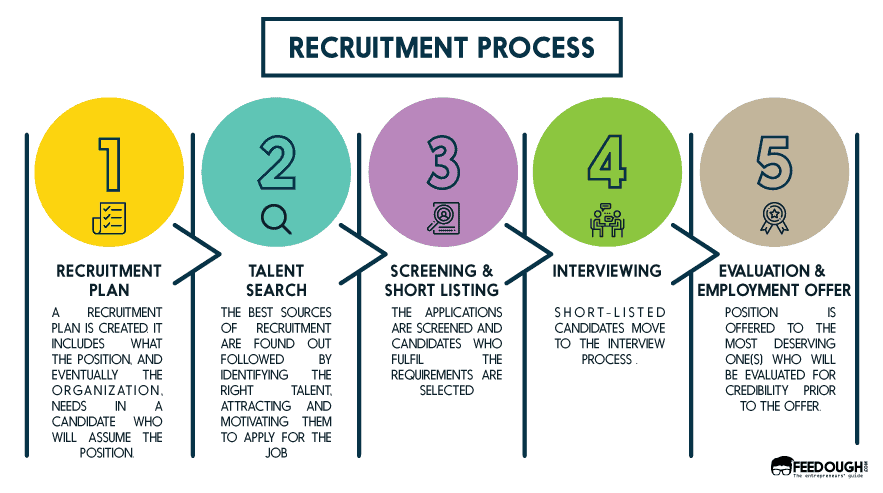
    recruitment process


    The process of recruitment undergoes 5 inter-related steps in order to find the perfect fit for your organization. They are:

    1. Creating a Recruitment Plan- If a job opening has been newly formed, or vacated recently, it is important to find out what the position, and eventually your organization, needs in a candidate who will assume the position.
    2. Talent Search- Finding the best sources of recruitment, identifying the right talent, attracting and motivating them to apply for the job help you bring in a fresh perspective to your organization.
    3. Screening & Short-listing- In order to zero-in on the right candidate for the job and move along with the recruitment process, it is important to effectively screen your candidates.
    4. Interviewing- Short-listed candidates will move to the interview process after which you will determine whether the candidate is to be offered the job or rejected.
    5. Evaluation & Offer of Employment- Once you have screened through all the potential candidates, you will have to offer the position to the most deserving one(s) who will be evaluated for credibility prior to the offer.

    Creating A Recruitment Plan

    The first step in the process of recruitment is creating a recruitment plan. Your recruitment process should start with identifying which job positions and analyzing the job specifications, including the amount of knowledge, skills and experience required for the vacant position. Here are a few ways that can help you determine your hiring needs-

    • Check whether your current work-force has any gaps that need to be filled. Ask yourself and your current team whether there is a situation at work that is not yet being addressed. If there is a need for a fresh perspective, performance, personality, talent or ability, chances are that there is a hiring need.
    • Keep a track of input versus output when it comes to your team. If there is an increase in the workload that can be solved by hiring, you may do so.
    • Analyze the performance of your team and list down the qualities and skills that might make a positive difference in the organization.
    • Be mindful when an existing employee is being promoted or leaving so that you’ll know when you need to hire new talent.

    Preparing The Job Description

    The next step in the recruitment plan is preparing a job description that will help you understand what skills and experience your potential employees must have in order to qualify for the job opening. It also helps potential candidates make a check-list to determine whether they’d be right for the job. Good job description includes:

    • Company name and description
    • Core values of your organization
    • Benefits you offer
    • Location
    • Job title
    • Department
    • Industry pay
    • Description of duties
    • Skill-set, experience, knowledge and training required
    • Qualities that will make a difference
    • A call-to-action.
    Do’s Of Job Descriptions
    • Keep it short and simple
    • Be specific
    • Use the right keywords
    • Use bullet points if possible
    • Keep the tone conversational
    • Provide enough details
    Don’ts Of Job Descriptions
    • Don’t use too much text
    • Refrain from too many jargons or heavy words
    • Do not gloss over the challenging aspects of the job.

    Talent Search

    Candidates for the job opening(s) can be internally or externally sourced. Talent search is one of the most important parts of the recruitment process. It helps generate referrals internally, as well as externally on social media and job boards.

    Internally Sourced

    When you use internal sources of recruitment, it motivates your current employees to be more productive and maximizes job satisfaction. Recruiting through internal sources reduces cost and effort.

    • Transfer- You can choose to recruit from within your organization by transferring your employee(s) from one department to another, if they are better suited for a different position.
    • Promotion- You can choose to promote an employee with high-performance rates to take over a senior position in the organization.
    • Demotion- Depending on the performance and demand for workforce, employees could sometimes be moved to a lower position.
    • Job Referrals- The employees in your organization can create a buzz on their social media accounts to generate job referrals for the vacancy.
    • Retired Employees- Sometimes, if there is an urgent need or emergency, a retired employee can be called to fill in for a vacancy for a short period until someone else can step in.
    • Previous Applicants- Candidates who applied previously, but did not make the cut can be reached out to when appropriate job positions open up.

    Externally Sourced

    Recruiting from an external source can offer you a much wider scope of selection from a large number of candidates.

    • Advertisements- Advertisements, whether they’re digital or in print, help create a strong brand identity and attract efficient manpower.
    • Job Portals- With an increase in the use of the internet, you can also list job openings on job portals where those seeking for jobs and better opportunities provide you with a great way to tap into industry talent.
    • Company’s Career Site- A career page on your company’s website can help those interested in your organization to apply for vacant positions.
    • Social Network- Social media is the best place to look for potential employees these days. It is a great way to look for industry talent, as well as attract job seekers looking for opportunities.
    • Job Fairs- Job fairs offer access to a large pool of talent and help you create brand awareness and build a brand identity, all while also saving cost, time and effort.
    • Campus Placements- Recruiting young students who are enthusiastic and energetic can bring in fresh perspectives.

    Screening & Short-Listing

    This is where the recruitment process can get a little challenging. Almost all candidates who have applied for the job are well qualified. So how can you zero-in on the right candidate(s)?

    • By screening applications based on the minimum education requirement.
    • Sort resumes by selecting the candidates who have the qualifications, skills, experience and expertise in the relevant field.
    • Then shortlist candidates who have both the minimum qualifications and requirements.
    • Finally, make sure that you mark any possible queries or clarifications that you might want during the interview rounds.

    Interviewing

    Depending upon the size of your hiring team and unique requirement needs, more than one interview can be scheduled for the candidates who have been selected. Interviews were traditionally done face-to-face and usually still are, but with the growth in the use of internet and more companies employing candidates from different cities or due to time constraints, interviews are also done via telephone and video calls.

    Sometimes, you can also choose to schedule a personal interview after a telephone or video screening, for a final evaluation before you can make a job offer to the candidate(s). This privilege is only extended to candidates who particularly stand out during other phases of the recruitment process.

    Evaluation & Offer of Employment

    Even after selecting the final candidate(s) who might be the right fit for your organization, you can’t be sure that they will accept the offer of employment that you make them. However, before you can make an offer, it is important to evaluate the credibility of your chosen candidate(s).

    Before drafting a contract, make sure that the candidate’s professional references are credible and that the information that they have provided in their resume checks out. While drafting a contract and offer letter, it is important to include the details such as work hours, compensation, work conditions and salary. Ensure that the details are clear and specific.

    What Comes After The Recruitment Process?

    The recruitment process doesn’t always end with hiring the candidate. When a new employee is hired, it is natural for them to feel awkward and out of place initially in a completely new workplace environment. As an employer or a senior employee, it is up to you to make them feel welcome in your organization, not only by showing them around but also by making a few special arrangements like a team lunch or dinner to break the ice and talk about things that are not related to the workplace.

    Bottom-Line?

    A good recruitment strategy will help your organization to not only save cost, time and effort that go into hiring new employees for a vacant or a new job position but also help you choose the best out of the candidates who have applied for the position. This will ensure better job satisfaction and work performance rates that can help your organization grow.

    Go On, Tell Us What You Think!

    Did we miss something?  Come on! Tell us what you think about our article on the recruitment process in the comments section.

  • Wholesale & Wholesaler – Definition, Types, & Examples

    Wholesale & Wholesaler – Definition, Types, & Examples

    A manufacturer usually doesn’t sell his goods directly to the customers. He makes use of the different channels of distribution; the most-used channel being manufacturer – wholesaler – retailer.

    Now, as a consumer, one has direct contact with the retailer and knows how retail works. But there’s someone who handles how when and how much products are supplied to the retailers. It’s the wholesaler.

    But what exactly is wholesale, who is a wholesaler, and how does wholesale work?

    Read on to get all your answers.

    Wholesale Definition

    Wholesale is a channel of distribution where large quantities of goods are sold to the retailers or to industrial, commercial, or other professional businesses which are not the end consumers.

    Two key-phrases in this definition that separate wholesale from retail are –

    • Large quantities of goods – Unlike retailers, wholesalers deal with large quantities of goods.
    • Retailers or businesses which are not the end consumers – The transactions take place with the parties that are not the end consumers.

    Wholesaling Definition

    Wholesaling is the distribution process of wholesaler getting large quantities of goods (either from the manufacturer or the agents) and selling them to the retailers or other professional businesses.

    In simple terms, wholesaling is the transaction of large quantities of goods between a wholesaler and the retailer or professional business where the good is bought for the resale purpose.

    Wholesaler Definition

    A wholesaler is a person or a business who sells large quantities of goods to retailers or other professional businesses which are not the end consumers.

    Remember –

    Importance Of Wholesalers

    • Breaks down the bulk: Wholesalers buy in bulk from the manufacturers, breaks it down into comparatively small quantities and sell them to different retailers.
    • Provide storage facility: Wholesalers move the burden of storing away from the manufacturers as they also provide storage facilities to store the products.
    • Risk Bearing: Wholesalers bears the risk of loss due to fluctuating demand and damaged goods (during storage and transit). They also take the responsibility of attracting retailers to buy the product.
    • Maintain the demand-supply stability: Wholesalers always have some stock of the product with them. They make use of it to maintain the demand-supply stability with retailers and end consumers.

    Wholesaler Functions

    • Assembling: A wholesaler buys the products from different manufacturers and keeps them in one place.
    • Storage: There is usually a large time gap between the production and consumption of goods. The wholesaler maintains demand-supply stability by storing a stock of goods with them and delivering the required amount to the retailers whenever required.
    • Distribution: A wholesaler distributes the assembled and stored goods to a large number of retailers operating in different places.
    • Transportation: Wholesalers usually handle the transportation of goods from their warehouses to retail shops.
    • Financing: Transactions between wholesalers and retailers are usually made on a credit basis where the wholesaler provides certain credit to maintain good relations with the retailers. He also usually buys the goods on a cash basis from the manufacturer to finance them.
    • Risk-Bearing: Wholesalers take the responsibility of damaged goods during transit and storage. Since he stocks a large number of goods, he also bears the risk of loss due to fluctuation demand.

    Wholesaler Examples

    Wholesalers are an integral part of the distribution process. While most of them follow the standard channel of sales: manufacturer-wholesaler-retailer, many have gone out of the channel and started selling directly to the consumers to get more sales. Here are some examples of wholesalers –

    • Wholesalers on AlibabaAlibaba is the world’s largest B2B marketplace where you can find thousands of wholesalers selling goods to retailers all around the world.
    • Orangeshine – Orangeshine is one of the fastest growing online (fashion) wholesale companies in the United States.
    • DollarDays – It’s an online wholesaler that offers a wide range of items to retailers of different niches.

    7 Types Of Wholesalers

    Each industry witness different types of wholesale businesses. While some work on the lines of the usual distribution process, some find other profitable lines. Here are 7 wholesaler types that currently exist –

    Merchant Wholesalers

    Merchant wholesalers are the most common type of wholesalers who buy all sorts of different and profitable items from different manufacturers, store them, and sell them to the retailers. They don’t have much-specialized knowledge about the products and usually operate in the FMCG industry.

    Speciality Wholesalers

    Speciality wholesalers stock items belonging to a specific industry or product category. They are very knowledgeable when it comes to the industry and the product and are usually found in industries where selling efforts are required to create demand among the retailers as well.

    Internet Wholesalers

    These wholesalers operate and conduct transactions using the internet. They usually sell the goods at a discounted price as they save money by having virtual offices and operating warehouses at places that don’t charge much.

    Examples of internet wholesalers are wholesalers on Alibaba or Amazon for Business.

    Full-Service Wholesalers

    Usually found in consumer durables or engineering products industries, these wholesalers provide full service including stocking inventories, operating warehouses, order picking, delivery, training sales associates, supplying credits promotions, etc . to the end retailer.

    They handle large sales volume and deal with a narrow line of goods.

    Limited Service Wholesalers

    These wholesalers offer fewer services to their customers like only stocking, only delivering etc. There are many types of limited-service wholesalers like –

    • Cash-and-carry wholesalers – who handle limited line of fast-moving goods, sell to small retailers and don’t deliver goods (retailers have to deliver the goods themselves).
    • Truck Wholesalers – Who sell and deliver the goods directly from their vehicles.

    Discount Wholesalers

    These wholesalers deal in discounted stock. Usually, the stock is discounted either because the products are discontinued, refurbished, returned, or going to expire soon.

    Dropship Wholesalers

    Dropship wholesalers facilitate the process of dropshipping. They deliver the goods directly to the end consumers when a retailer makes a sale. They sign contracts with several internet-based retailers and act as their warehouse and delivery partner and only charge money whenever a sale is made. That is, even though they are wholesalers, they sell small quantities of goods.

    Go On, Tell Us What You Think!

    Did we miss something?  Come on! Tell us what you think about our article in the comments section.

  • Talent Management – Definition, Importance, & Components

    Talent Management – Definition, Importance, & Components

    When recruiting its employees, a company must ensure that it recruits the best lot, which shortly would turn out to be an asset for the organisation. But does the task get over here? Is just filling your company with best brains enough? Don’t you think there’s a lot more to it once you are done with the hiring process?

    It’s a well-known fact that a company’s most crucial resource is its people and therefore it must stay committed to them throughout. Hiring a talented workforce is important, but more important is the development of those superior talents. This isn’t as difficult as it sounds. All you need is a good talent management model. But let us first understand the meaning of the term and its significance as a business strategy.

    What Is Talent Management?

    Talent Management is a strategic management process involving methods to manage and upgrade the skillset of high-potential employees, thereby retaining them for a long time and achieving the organisation’s desired goals.

    The process involves in-depth analysis and workforce planning to identify the gaps between the current and future skills required and executing growth and development strategies to train and retain employees through career growth and development.

    Talent Management VS Human Resource Management

    Many people confuse the term with HR, but what sets them apart is the uniqueness of the talent management process. Although both are quite similar, the difference that draws a thin line is that, on the one hand, HR is just concerned with hiring and retaining the best talent, while the talent management process aims to reinvent talent in an employee to achieve something bigger and better.

    Some examples of the talent management process are:

    1. Building a high-performance culture
    2. Introducing competition by entering new markets
    3. Creating learning opportunities
    4. Developing leadership qualities

    Objectives of Talent Management

    Filling In The Gaps

    The primary objective of the process is to bridge the gap between the talent present in the organisation and the talent required to accomplish a goal. This requires developing a sound integrated talent management plan that not only aids individual employee growth but also the growth of the company as a whole.

    Enhancement Of Performance

    The talent management process aims to improve the level of performance of employees in their current position and make them ready for the next level of transition. It poses challenges before them and provides them with the opportunity to showcase their best and play a significant role in the company’s growth.

    Accurate Decision Making

    A proper talent management process helps make necessary decisions about employee hiring and his further promotions based on his contribution in the company’s achievements. The company has a clear picture of the performance of all its employees and can further plan business development strategies based on the present situation.

    A Measurement Of Before And After Effects

    It is important to have a measurement of impacts of the process during and after its implementation. This helps in making necessary changes in the ongoing process if it lacks an important feature and makes it easier to analyse the after-effects of the process with more clarity.

    Operational Objective

    Companies investing in talent management have a heavy business that requires close attention, along with daily operations, marketing objectives and processes that lead to revenue generation. Ultimately a good talent management model will increase the possibility of securing top talent, while also driving revenue.

    Importance Of Talent Management Process

    Value Addition And Creation

    An adequate talent management process tests the employee’s potential and adds a little more value to his skill set. This reduces the chances of errors and creates a learning opportunity. The employee himself gets the reality check of his abilities and strives to perform better by creating newer values.

    Effect On Employee Engagement

    Poor employee engagement is directly linked to problems with staff retention levels. This can cost the business considerably. In this economic environment, training and development opportunities can be of significant importance to job seekers and to the present employees. Therefore, providing the employees with a platform to express and connect can increase employee engagement levels to a considerable level.

    Increase in productivity of the organisation

    A requisite pool of talented employees can simplify the process of achieving a goal by increasing productivity in a given span of time. This further helps save time and allows you to focus on other business development techniques.

    Client satisfaction

    It has been observed that companies with a systematic approach to talent management have overall organisational integration, which leads to higher client satisfaction. This is because the whole process divides the tasks among the employees based on their abilities and skills, and the clients would then have to deal with fewer people, which helps in meeting their needs rapidly.

    A long-term investment

    Investing in talent management has long-term benefits. It leads to significant growth in revenue generation, the emergence of innovative ideas, and increased efficiency in employee performance. This helps maintain and retain the company’s position and reputation in the ever-expanding market.

    Key Components Of A Good Talent Management Model

    Following are the key components of talent management which will tell you how to go about the process and which when implemented strategically, can give out the best results:

    Knowing Your Goal

    The first and foremost requirement is to be aware of the goal you want to acquire and then build a plan for the same. Once you are clear about what you want to achieve, you can then spend time on assigning key roles to the employees who will get you there

    Attracting The Right Talent

    It is important to attract new talent but what is more important is to attract a suitable one. This is the most crucial component and thus is the most intensive too. You need to design and plan strategies to hire employees who not only have the required skills and experience but also are fit for the specific tasks that they would have to perform during the course of action.

    Retaining Talent

    Bringing fresh talent into the company is a great idea. But how about recognizing existing talent and upgrading their skill set? This would help you cut down the cost you spend on talent pooling and invest more in other business development strategies!

    Performance Management And Development

    The ultimate motive of the whole process is to acquire a certain target with combined efforts. For this, you need to make sure that you align the right person to the right role in order to get the best possible results. An employee should be assigned a role that suits him and provides ample opportunities for individual development.

    Motivation

    Motivation plays a great role in boosting an employee’s performance. An organisation’s task is not limited to hiring employees; instead, the real task begins once the employee has joined the organisation. When an employee feels that his growth is directly linked to that of the company, he will recognize the importance of his role and try to perform even better in the future. Motivating your employees can help them stay committed and engaged throughout. Higher employee motivation is linked to better results.

    Benefits Of Talent Management

    A small bunch of initiatives aimed at people and organisations can have a wide range of benefits, as discussed below:

    1. A proper plan makes it easier to deploy the right person in the right job. This is important from the perspective of your organisation as well as the employee, as alignment between his personal interests and his job will make him perform with high efficiency.
    2. It helps to make better professional decisions. When you know who your high-potential employees are, you can invest in their professional development by creating learning opportunities for them.
    3. It greatly affects your organisational culture, how your organisation works, and the status of your employees. If the employees are satisfied with the organisation’s ongoing talent management practices, they are more likely to have confidence in its future.
    4. It helps develop leaders for tomorrow within the organisation. With successive talent management activities, the organisation can inculcate leadership values in its employees and doesn’t have to worry about the future of its organisation or the quality of its workforce.
    5. It greatly helps in retaining the company’s best lot. If the employees feel that the organisation they work with is aware of their needs and strives to create better opportunities for them, they will never get attracted to your competitors. Instead, they will use the opportunity and work to gain higher positions in the same organisation.

    Management is and will always remain one of the principal features of an organisation. The same goes for Talent Management, too. Developing a plan for the same comes later, it is first important to recognise the needs of your organisation. No two organisations have the same work culture or the same kind of workforce. Therefore, there is no particular rule to build a talent management model. You can build a successful model only if you are aware of the weaknesses and strengths of your organisation. Thus, a step-by-step approach is the only key to establishing and maintaining a talent management process.

  • Sales Promotion – Definition, Strategies, & Examples

    Sales Promotion – Definition, Strategies, & Examples

    Even though customer satisfaction has become the top priority for businesses, there are times when they need to stimulate demand and increase sales of their products in the short-run. This is where sales promotion comes into play.

    Sales promotion is a part of the promotional mix where the business uses many short-term customer-oriented strategies to stimulate the demand for its product by making it look more attractive and/or worthy.

    Here’s a simpler definition of sales promotion –

    Sales Promotion Definition

    Sales promotion is a marketing strategy where the product is promoted using short-term attractive initiatives to stimulate its demand and increase its sales.

    This strategy is usually brought to use in the following cases –

    • To introduce new products,
    • To sell out existing inventories,
    • To attract more customers, and
    • To lift sales temporarily.

    American Marketing Association defines sales promotion as –

    Media and nonmedia marketing pressure applied for a predetermined, limited period of time in order to stimulate trial, increase consumer demand, or improve product availability.

    Importance Of Sales Promotion

    Sales promotion is a handy technique to fulfil short-term sales goals by persuading potential customers to buy the product. It is an important promotional strategy to –

    • Spread information about the brand to new customers or new market
    • Stabilise sales volume and fulfil short-term sales goals
    • Stimulate demand for the short term by making the product look like a great deal.

    Objectives Of Sales Promotion

    The answer to the question of what is sales promotion also gives a hint to sales promotion objectives, the main objective being lifting the sales temporarily.

    Other objectives include but are not limited to –

    • Create a market for new products: It is sometimes hard to establish demand for a new product in a market of similar products. In such cases, the company opt for increasing some sales by using sales promotion strategies like penetration pricing, offers, discounts, and scarcity principle.
    • Remain competitive: Companies use temporary sales promotion techniques to compete with competitor’s short-term marketing strategies.
    • Gain dealers’ trust: Sales promotion techniques increase the sales of the products. This increases dealers’ income and results in them preferring the brand more.
    • Take products to new markets: New markets are often hard to enter. Sales promotion increases traction and makes more customers try the new product.
    • Increase brand awareness: It includes attractive incentives which help increase brand awareness, which eventually leads to more sales.
    • Woo existing customers: Sales promotion is also used to tackle the poaching strategies of competitors and keep existing customers with the brand.

    Sales Promotion Strategies

    Sales promotion strategies can be divided into three broad types. These are –

    • Pull Strategy – The pull strategy attempts to get the customers to ‘pull’ the products from the company. It involves making use of marketing communication and initiatives like seasonal discounts, financial schemes, etc.
    • Push Strategy – The push strategy attempts to push the product away from the company to the customers. It involves convincing the intermediary channels to push the product from the distribution channels to the final consumers using promotional and personal selling efforts. This strategy involves making use of tactics developed especially for resellers, merchants, dealers, distributors, and agents.
    • Hybrid Strategy – A hybrid sales promotion strategy makes use of both the pull and push strategy to sell the product with the least resistance possible. It involves attracting customers using special coupons and also providing incentives to the merchants to sell the brand’s products.

    Types Of Sales Promotions

    Sales promotion can be broadly divided into two types according to whom the promotion is targeted to. These are –

    Consumer Sales Promotion

    When the sales promotion strategies are targeted to the end consumers, it is referred to as consumer sales promotion. An example would be offering 20% off on certain products to customers. The main motive of consumer-oriented promotion is to increase sales directly by attracting new customers and wooing existing ones.

    Sales Promotion Techniques Targeted To Consumers

    Sales promotion tools used for consumer-oriented promotion are –

    • Free Samples: Distributing free samples increases brand awareness and triggers the psychology of ownership, where the person chooses the promoted product if he liked the sample.
    • Free Gifts – Offering free gifts attract customers as they get more while paying for less.
    • Discounts/Discount Coupons – Discount coupons are a great method of increasing sales for the short term. People go for discount coupons as they let them buy the products they couldn’t afford otherwise.
    • Exchange Schemes – Exchange schemes attract many customers as they get some value even for their old product.
    • Finance Schemes – Finance schemes like no-cost EMI, low-interest EMI, etc., make it easier for customers to purchase expensive products.
    • Shipping Schemes – Sometimes, huge shipping costs discourage customers from buying products. Such short-term shipping schemes remove friction.
    • Bundle Discounts – These deals are a great way to reduce unsold inventory. It includes selling bundled products at a price lesser than when those number of products are bought separately.
    • Bulk Purchase Deals – This is a great sales promotion tactic to reduce unsold inventory. It includes providing discounts to customers who buy in bulk.

    Trade Sales Promotion

    When the promotion activities are strategised keeping in mind the dealers, distributors, or agents, it is called trade sales promotion. In this type of sales promotion, offers are provided within the trade channels with an aim to woo retailers, wholesalers, agents, or distributors. This is done to get more shelf space as compared to competitors, motivate the dealers to sell more of the brand’s products and to increase the sales indirectly.

    Sales Promotion Techniques Targeted To Traders

    • Point Of Purchase Displays – This includes providing free point of purchase (POP) display units to retailers to increase their sales.
    • Trade Shows – Trade shows are a great sales promotion strategy where the business promotes its product to thousands of traders in the trade show. Trade shows also witness huge discounts as compared to when bought usually.
    • Push Money – Also known as spiffs, this technique includes extra payments to traders to motivate them to meet specified goals. For example, giving them a $50 bonus per unit for selling product A and $30 for selling product B for a specified time period.
    • Deal Loaders – These are the gifts provided to the traders (wholesalers and retailers) for ordering a certain quantity of product.
    • Trade Deals – These are special concessions provided to the merchants to encourage them to promote a specific product and increase its sales for a limited time period.
    • Buying Allowances – Special discounts provided to the sellers when they order a specified number of products.

    Sales Promotion Examples

    A product can be promoted for a limited time using innumerable tactics. Here are a few examples of sales promotion tactics that exist –

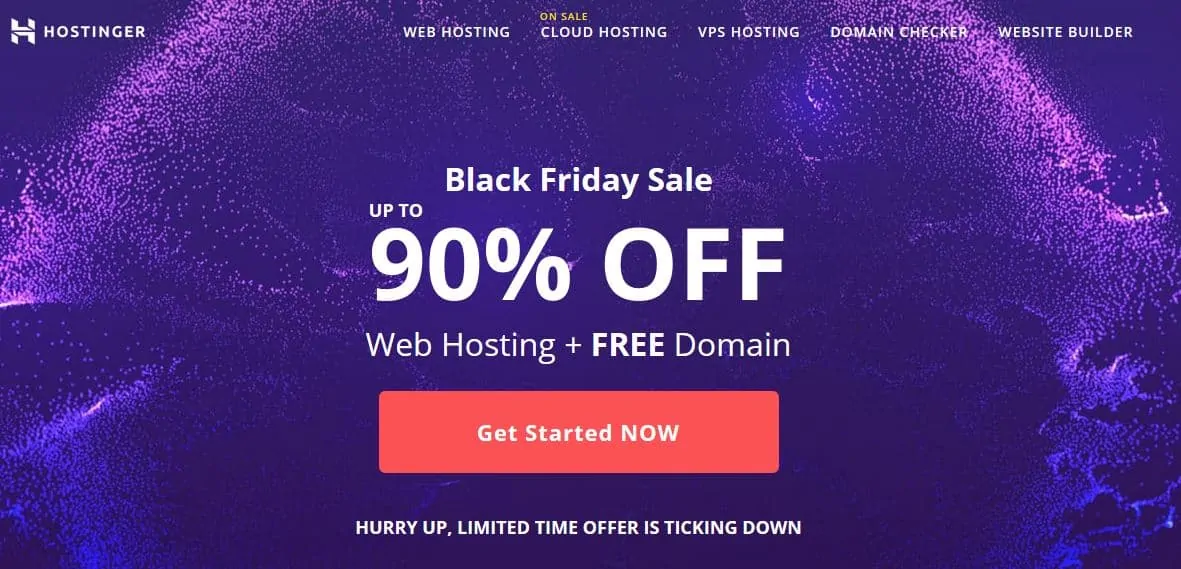
    Black Friday Sale

    Black Friday sale is a seasonal sale which occurs only once a year. It involves huge discounts and special offers which are limited to a day. As a result, it increases the sales manifold.

    hostinger black friday sale

    Buy One Get One

    Buy One Get One (BOGO) is a popular type of sales promotion where two products are offered at a price of one. This works great to promote a new product or clear the inventory at the end of the season.

    Buy one get one
    Source: takeadeals.com

    Referral Bonuses

    Referral marketing is a great promotion strategy where the company pushes its own customers to bring in new customers. This is done by providing them with special discounts, offers, cashback, or actual monetary benefits.

    ebates refer a friend
  • What Is Brand Purpose And Why Is It Important?

    What Is Brand Purpose And Why Is It Important?

    With changing times, it is important to have a brand purpose. It is because today’s customers are smart enough to invest in a brand that has a purpose other than just selling its products.

    A brand purpose shows the brand’s wish to change the world socially, economically, and environmentally in a positive direction.

    When a brand has a purpose, it can have a positive impact on people. It can majorly impact how the brand is seen in the market-leading to its ultimate success.

    For a newbie, it is important to know what a brand purpose is and why it is important for a brand. In this article, we will answer these questions in detail. So, let’s begin.

    What Is Brand Purpose?

    Brand purpose is the intent behind a brand’s existence beyond making money. It represents what it stands for and what are its social obligations towards society, consumers, and the environment.

    Brand purpose is also known as the North Star or the noble purpose of the brand. It is all about finding the reason for its existence and how can it use that to help its consumers.

    Three benefits of brand purpose are:

    • Adding value in the lives of people and society
    • Making the brand stand apart from its competitors
    • Providing strong values.

    Importance Of Brand Purpose

    It Makes The Brand Appeal More To The Customers

    Having a brand purpose makes the brand more appealing to the customers as they feel like their spending is making a difference in the world. It makes them feel like they are a part of something big.

    A purpose makes the consumer work with businesses who clearly think about environment and society too.

    It Shows Consumers That The Brand Cares About More Than Just Making Profits

    Having a brand purpose lets the consumer know that there is more to just tangible offerings. It shows the target market that the brand cares more about than making money and profit.

    It is crucial because this generation is looking for a brand who can take action against the wrongdoings and make a positive impact in the world.

    Many strategies like CSR projects, brand activation, social media marketing, email newsletters and blogs are used to communicate the purpose of the brand.

    It Boosts Engagement

    Everyone wants to change the world, but some people are clueless about where to begin. In such a scenario, if they come across a brand that makes a difference in the world through their products, customers are happy to spend. Having a brand purpose can help you engage more people who love to spend money on products who want to bring about some change in the world.

    How Is Brand Purpose Different From Brand Mission, Vision And Values?

    People often confuse brand purpose with a brand’s value, mission, and vision. To clear your doubts, all these terms are related to each other, but they are not the same.

    The purpose is the foundation of the business, while the other three are its building blocks. Let’s clear the confusion:

    • Vision: A brand’s vision is the goals it wants to achieve.
    • Mission: Is the procedure or methods the brand employs to reach that goal.
    • Values: is the ethical clock guiding the brand towards the right part of achieving a goal. It defines the brand’s behaviour along the way to reach its vision.

    While a brand’s purpose is the reason why it exists, which doesn’t cover only monetary reasons, but social and environmental reasons too. It is above the vision, and value, and defines how the brand will bring about a change in the community.

    Defining, Building And Marketing The Brand Purpose

    How To Define It?

    Firstly, you need to ask yourself why you created your brand. It will help you define your brand purpose. For this ask yourself:

    • Your passion
    • What you can create best and how will it make a difference?

    The answers to these questions will help you figure out your brand’s intent of being. It will help you figure the difference you can make in the world. If the answer you find is something you don’t like, keep digging deeper until your talent, ability, and passion becomes one and come up with an answer.

    Building Your Brand’s Purpose

    First work on your team, make them believers in your purpose and move ahead from there. Once the entire team believes in it, it will show in the way you communicate, market, or design your products and services.

    Marketing The Brand’s Purpose

    Marketing the brand’s purpose depends on your services and customers and business model. Also, keep these things in mind:

    1. Have a strategic plan: Your purpose should be felt in every aspect of your business. But it doesn’t mean that you only put that in front of your consumers.
    2. Stand behind your brand’s purpose: It is not enough to only have a purpose. You need to stand behind it even when it seems impossible. The best example of this is Nike when it stood behind Colin Kaepernick. The quarterback stood for something he believed in and Nike whose motto is ‘Just do it’ stood behind him. In the end, it helped the brand gain more market value.
    3. Stir start a revolution: Start involving other people in your brand’s purpose by starting a movement. It can be a simple drive related to your purpose. When people get involved, they feel closer to you while uplifting the society too.

    Having a brand purpose is important to keep you going especially when things get hard. Thus, it is crucial for you to find your purpose and move from there.

    Go On, Tell Us What You Think!

    Did we miss something?  Come on! Tell us what you think about our article in the comments section.

  • What Is Gig Economy? – Your Guide To Gig Market

    What Is Gig Economy? – Your Guide To Gig Market

    It all started in 2009 during the financial crisis. People were unemployed and made their living by gigging – working many part-time jobs. Who would have thought that this short term employment will become a lifestyle for the new generation in the coming years?

    Full-time employment, something which people craved for a decade back has now become just another boring alternative to working gigs. The gig economy or the Uberization of work, as Forbes name it, is the new trend among the millennials. The advent of the internet, laptops, and smartphones have made it easier to connect with people of the world and create an income from short term tasks without committing to one single company for long.

    But before we go on to explain what is gig economy and how it works, it’s important to understand the true meaning of the word ‘gig’.

    What Is A Gig?

    Originally derived from the music industry, a gig is a short-term job, a project or a performance that pays. Often referred to a freelance job or a project-based job, a simple definition of gig could be ‘a job for a short period of time’.

    Some common examples of gigs are –

    • A live music performance or a theatre act
    • A ride for an Uber driver
    • A project to write an article for a website
    • A consulting project

    Gig based employees include freelancers, independent contractors (consultants, brokers), project-based workers, contingent employees, and other outsourced, temporary and part-time hires.

    What Is Gig Economy?

    The gig economy is a free market system where the transactions are task-based and the workers work independently without being bound to long-term contracts with any company.

    This economy is very broad. It includes all short-term gigs which range from music to consultancy. The workers who are a part of the gig economy can be part-time jazz musicians, full-time Uber drivers, or full-time independent consultants. The only factor which differentiates and drives this economy is the absence of any long-term employment contract; anyone can work with anyone for as much time as he wants and gets paid for only the amount of work he has done.

    Ever since the financial crisis of 2008-2009, people and companies have become more inclined towards task-based labour. According to a report by HBR, approximately 150 million workers in North America and Western Europe have left their stable jobs to work as independent contractors or giggers.

    Now, giggers are simply the people who do gig work. These giggers often club together different gigs, work with more than one company and choose the time of work which suits them the most. They are no less than individual brands who thrive just on the work they provide.

    Gig Economy Trend – The Rise Of Gig Economy

    gig economy trend

    According to the Intuit 2020 report, the number of contingent workers will exceed 40 percent of the workforce by 2020. Another report by Upwork (Future Workforce Report), 59% of U.S. companies now use contingent workforces to some degree – which include part-time workers and freelancers.

    Big corporates and even many small businesses are moving towards creating their own collaborative networks of part-time workers to reduce costs, get more work done, and expand their available talent pool. A perfect example of this is Uber. The company owns no cars, yet it is the biggest cab operator brand in the world.

    This new form of work has gained the attention of both companies as well as the workers. For the companies, the workers act as partners and it has no obligations to fulfil like healthcare, social security, or taxes. For the workers, they get more freedom, can work with anyone who pays more, and are free to work at the time they want (mostly).

    Many companies have capitalized on this rising trend and established their brand as a marketplace for hiring freelancers. Some of these are Fiverr, Upwork, Freelancer, etc.

    fiverr upwork trend

    Digitization owns a major credit in the decrease of normal jobs and increase in the gig-based work culture. People in developed countries now have access to the workforce from less developed or developing countries, which come at a very economical rate. The improvement in communication tech has also fueled the growth as major of the work is done remotely.

    Moreover, even the governments are helping boost the growth of the gig economy by creating laws like “Freelancing is not Free” to ensure that freelancers are paid for the work they do.

    Characteristics Of Gig Economy

    Over 76% of gig workers say they would not leave freelance work behind for a full-time job.

    Why, you ask?

    Because of these convincing features and characteristics.

    You Get Paid For The Work You Do

    Unlike the usual corporate jobs, gig work includes a price for everything. The client pays more if he wants more.

    You Quote The Price Of Your Work

    The most attractive characteristic of the gig economy which attracts many gig workers is that they get to quote the price of their work. This usually works in favour of the talented and more skilled workforce and increases their satisfaction and fulfils their self-actualization needs.

    Clear Commitments, Requirements, And Terms

    Gigs usually include clear work requirements, deadlines, and terms. This makes it easy for the gigger (gig worker) to allot time for specific jobs and personal jobs.

    Focus Is Only On The Work

    Usually, all the clients care for is the work to be done as per the brief and within the deadline. They don’t care about whether the gig worker is working with other companies or how he will be able to complete the tasks.

    The gig worker is paid only when he completes the tasks given to him.

    More Focus On Brand

    This new form of working has made it possible for the companies to put more focus on the building and marketing the brand than spending money on healthcare and other wooing policies for employees. Uber and Lyft, for example, thrive on such an ideology. They give nothing but the promised work money (and offer money sometimes) to their drivers.

    Gig Economy Examples

    The gig economy is very vast. It encompasses almost all jobs which are provided on a temporary and/or flexible basis. Here are some examples of jobs in the gig economy –

    • Artists – event-based paid performances by music artists, drama performance by theatre artists, etc.
    • Freelancers – project-based experts like content writers, graphic designers, music producers, etc.
    • Two-sided Partnerships – two-sided partnerships like that of Uber and drivers where both the parties work together only when there is work.
    • Contingent Employees – non-permanent employees of corporates who are hired on a per-project basis.

    The Pros And Cons Of Gig Economy

    Like every lifestyle, living life working gigs also has its own perks and cons.

    The Benefits Of Gig Economy

    To Businesses

    • Fewer Resources Needed: With the workforce being gig-based (which usually works remotely), the companies don’t have to spend a lot of money on renting fancy offices and providing attractive benefits like healthcare and social security, etc. Moreover, since the worker is already expert in his own field, the businesses don’t have to spend on his training as well.
    • Expert Pool: Business gets to appoint the experts for the work. This reduces friction and increases productivity.
    • More Flexibility: If the company relies more on contingent workers, it becomes easy to adjust and change the workforce according to the need of the moment.

    To Gig Workers

    • More Flexibility: Working gigs provide more flexibility regarding the time and place of work and even the employer. This improves the work-life balance of the workers.
    • More Satisfaction: The workers quote their own price and pick the jobs that seem most interesting. This increases their motivation and satisfaction.
    • More Money: Gigs are where your work speaks. If you’re good at what you do, you get paid more. Moreover, there is a price for everything when it comes to gigs. If your client wants more, he pays more.

    Gig Economy vs. Contract Employment

    No matter how similar it seems, gig work is different from contract employment.

    Contract employees are employees retained by companies for a predetermined job and at a predetermined time period. These are just like normal employees who are required to reach the office on time and perform routine employee duties. The only characteristic which separates them from a normal employee is that they don’t receive employee benefits like taxes, social security, etc.

    Gig workers, on the other hand, are totally independent individuals who work as partners with the clients and not as employees. They have contracts which relate only to the work that needs to be done and they don’t have to act like employees to the organisation.

    Finding Good Gig Economy Jobs

    Disclaimer: Before you think of moving to make a living out of working gigs, make sure you’re good at what you do or it’ll be really hard for you to live in this economy for long.

    Here are the 5 best websites to find gig work on.

    • Fiverr: Fiverr is the biggest network (marketplace) of freelancer. All you need to do is post what you can help your client with and at what rate and they’ll contact you.
    • Upwork: Upwork provides hourly as well as fixed-price jobs. It’s similar to Fiverr but is more organised. You can sign-up on this website irrespective of your niche or specialization.
    • Freelancer.com Freelancer is the among the oldest freelancer marketplaces. The feature that makes it stand out is the competitions area where even the beginners get to compete and earn.
    • 99Designs A perfect gig work site for designers and visual storytellers.
    • GigsterGigster is a great gig work site for those looking for work in IT, with a focus on software development.

    Here’s our detailed list of best outsourcing websites if you want more options.

    Go On, Tell Us What You Think!

    Did we miss something?  Come on! Tell us what you think about this article on gig economy in the comments section.

  • How Does Udemy Work? | Udemy Business Model Explained

    How Does Udemy Work? | Udemy Business Model Explained

    In today’s advancing world, having an extra set of skills makes up an interesting resume.

    But, in most cases, this isn’t achieved because of stubborn time tables.

    Well, for around 30 million students around the world, Udemy has solved this problem.

    Udemy has proven to be a crucial asset for those who want to learn a new skill by allowing them to learn at their own time and pace.

    What Is Udemy?

    Literally rooting back to “You” + “Academy”, Udemy functions on the simple yet complex task of helping anyone learn anything.

    Founded by Eren Bali in 2010, Udemy is an online platform facilitating the process of learning and teaching online. It uses content from online content creators to earn profit and aims at professional adults who wish to add some more skills to their resumes.

    It currently provides access to 100,000 online courses and has educated more than 30 million students from 192+ countries till date.

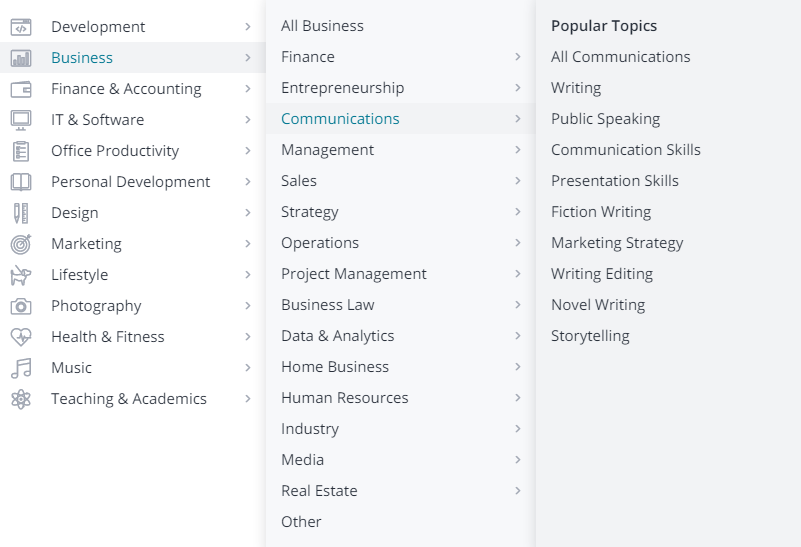
    udemy courses

    Udemy Business Model

    Udemy operates on a marketplace business model. It basically organizes the products and services of different sellers (or instructors) and sells them on its own website.

    The firm only acts as a mediator and doesn’t own the products or services provided. Hence, the prices are determined by the instructors themselves, while the company only charges a commission for providing sellers with a platform and a huge audience to sell the services.

    As an instance, we can consider any online shopping site such as eBay or Amazon, which act as a bridge between the buyers and sellers.

    The company generates annual revenue of approximately $28 million by promoting and selling courses from multiple instructors around the world.

    How Does Udemy Work?

    Udemy works on 4 major lines and aims to provide the following to its students:

    1. Convenience

    Udemy provides its students with the freedom to choose what and when to study. If a particular course is made available on Udemy, students can enrol for it whenever they want. Moreover, there’s no set time limit, so the students get to learn at their own suitable pace.

    UDEMY learn at own pace

    1. Variety

    Udemy has linked tutors from all around the world who teach a huge variety of subjects from business to the arts. It allows the students to learn whatever they want.

    UDEMY VARIETY

    1. Affordability

    Udemy courses start from as little as $9. There are also a variety of discount coupons and seasonal offers which help students to register themselves in courses at dirt rates (90% of sales occur with a coupon code). They also have an option to choose their preferred method of payment.

    udemy affordability

    1. Certification

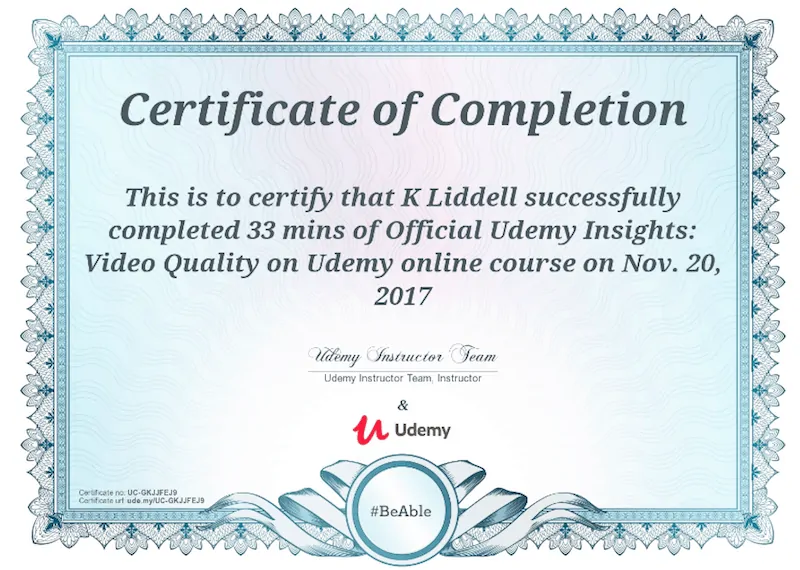
    Udemy provides the students with a certificate of achievement, a mark of completion of a particular course. Certificates can be saved as a .pdf or .jpg file so that you can easily share your accomplishment. In addition, certificates can be shared on Facebook, Twitter, and LinkedIn directly from Udemy. The certificate of completion looks like this-

    udemy certificate

    How Does Udemy Make Money?

    Udemy offers both paid and free courses to the students. It sells content on-demand and the tuition charges depend totally on the instructor. It is also a destination for corporate sector companies for employee training.

    The cost structure is as follows:

    1.   Instructors earn 97% of all tuition revenues if the instructor’s own reputation or marketing attracts the student.
    2.   Udemy retains 50% of the earnings if the student is attracted by the sites own marketing.
    3.   The instructor earns just 25% of the tuition if a Udemy promotional affiliate attracts the student (the affiliate earns 50%; the remaining 50% is split between Udemy and the instructor).

    Future Of Udemy

    Udemy is an interesting and evolving concept that focuses on the transfer of knowledge, rather than fetching a diploma. The wide variety of content and instructors available at affordable rates and the exceptionally personal pace of learning make Udemy a very convenient method of attaining skills. With the world becoming more advanced and technophile, businesses such as Udemy have huge horizons unlocked for themselves.

    Go On, Tell Us What You Think!

    Did we miss something?  Come on! Tell us what you think of our article on Udemy Business Model in the comments section.

  • How To Find A Niche: 6 Proven Steps

    How To Find A Niche: 6 Proven Steps

    Finding a niche doesn’t mean looking for something no one has ever thought of or the market no one is competing in. It’s as simple as finding a space to take your boat down in the waters and finding the perfect ‘easy to travel’ and ‘not so crowded’ route to reach your destination as soon as possible.

    But before we go on to talk about how to find that ‘not so crowded’ route, it’s important for you to know the basics.

    What Is A Niche?

    A niche market is a small but targetable market segment which can be addressed by a business providing solutions that are not being provided by the mainstream providers.

    What Is An Example Of A Niche?

    A niche can be ‘laptops for blind’ in the laptop industry. Disability sports too can be a great niche business in the sports industry. It all depends on whether or not there is a considerable demand which isn’t being catered to well by the mainstream providers.

    Some real-life examples of niche markets are –

    • Nerd FitnessIndustry: Fitness, workout, exercise. Audience: Nerds, gamers, misfits. Selling point: Community which helps.
    • Cozy CamaIndustry: Pet Beds. Audience: Pet Owners. Selling point: Handmade pet beds.

    Why Should You Choose A Niche?

    Choosing a niche is never a compulsion. Many well-funded corporations and marketers make tons of profits by offering mass appeal products. But serving to a niche is preferred if you have limited funds and have to compete with well-funded corporations who have positioned their brand well in the minds of the customers.

    Choosing a niche is beneficial as it –

    • Makes business cost-effective: It’s cost-effective to market to a niche than to a mass audience.
    • Helps in better brand positioning: It’s easier to position a brand in a niche as it already started with a purpose.
    • Has Less Competition: Niches usually have limited demand so not many players opt for it.
    • Leads To More Profit Margins: Selling niche products means you understand the customers’ requirements to a larger extinct than mass-appeal product producers. This gives you the liberty to charge more.
    • Increases Brand Loyalty: Niche brands have more loyalty as customers believe they understand their needs. These brands also witness more loyalty because of the scarcity principle.

    How To Find Your Niche?

    Even though finding the perfect niche is a very important task before you even think of starting a business, it shouldn’t be an uphill struggle. Here’s a process you can follow to find the perfect niche for you to start your business in.

    Identify What You’re Interested In & Good At

    Identifying your interests is probably the most important aspect of finding a niche and starting a business. You should only choose a niche which interests you and in which you’re good at. Profitability comes afterwards.

    The only (and the biggest) logical explanation to this is that a business is a long-term commitment and you wouldn’t want to commit to something you’re not interested in. If you work in an area you don’t care about much, the odds of you quitting the niche are a lot, no matter how profitable it is.

    List at least 10 topical interests and passion areas

    Here are a few prompts to help you with the same –

    • What do you like to do in your free time?
    • What magazines, newsletters, and push notifications do you subscribe to?
    • What do you like to learn (without a career motive)?
    • Which organizations or clubs do you belong to?
    • What would you like to do for free?

    An example of such a list is –

    1. Skateboards
    2. PC games
    3. Percussions
    4. Headphones
    5. Stage Theatre
    6. Content Writing
    7. Travelling
    8. Photography
    9. Social Media
    10. Graphics Designing

    Now, out of these, find out what you enjoy doing most.

    The next step is to trim the list a bit and select five niches you would enjoy to be associated with for the next 10-15 years.

    Identify The Problems

    Now that you’ve selected five perfect niches for you, it’s time to look out for the actual unsolved or overlooked problems in those niches. This will further narrow down options and will help you find those which actually matter.

    Finding problems is important to find your own niche. It helps you find the demand which is yet to be fulfilled and will also help you create a perfect business model and revenue model for your business.

    Here are a few suggestions on how you can look for the problems in your selected niches –

    • Ask Questions: Go and talk to the actual consumers about the problems they face. Conduct the research face-to-face and try to minimise the use of Google Forms or other survey tools in this step.
    • Go Through The Forums: Forums like Quora and Reddit are gold mines when it comes to finding out the problems. Peruse them and see what the consumers actually demand for. You can also collect the leads and talk to them to get more insights.
    • Look for trends: Google trends is a good validator of problems hypothesis. Suppose you’re interested in developing or selling air pollution masks, looking at Google trends might reassure you of your choice.
    anti pollution mask trend

    Choose small problems with considerable demand. An example could be. Lack of availability of game t-shirts in your area or no skateboarding school with professional skateboarders, etc.

    Research The Competition

    Once you’ve found out the problem, the next step is to analyse the existing players in the market. Make a spreadsheet and note down all the players offering solutions close to that problem.

    Now, find their strong points and also the loopholes in their offerings. Some examples of loopholes could be –

    • Extremely Pricey
    • Low-Quality Product
    • Low Availability, etc.

    It’ll help you narrow down your list to just one niche with the biggest opportunity. Researching the competition will also let you determine the profitability you can look for while developing your unique solution.

    Find Your Unique Solution

    Now that you have your research on what the actual problem is, what’s driving the competition, and what exactly is needed in the market right now. It’s time to develop your own unique solution.

    Bring your research to use and develop an MVP first which you can use to validate your assumptions without investing everything.

    Test Your Idea

    The final step towards niche selection is to test whether your unique solution is accepted by the audience and whether your niche hypothesis was true after all. Take your MVP to the market and take feedback from the actual user.

    If at least 40% of them accept your solution, you’ve found the right business for you. If not, alter your solution three more times. If they still don’t like the solution, you might want to give the second alternative niche a try.

    Go On, Tell Us What You Think!

    Did we miss something?  Come on! Tell us what you think of our guide on how to find a niche in the comments section.