Feedough Logo

Blog

  • Startup Branding: The Ultimate Guide

    Startup Branding: The Ultimate Guide

    You have your business model ready, you have decided your product motto and a plan, it knows its place and function and you have decided on what to shoot up and what to shoot down. But how do you convey this to the market? Do they see you as a heavyweight champion? Will you be able to stick a Supreme sticker on your product and boost up the sale or hide away in obscurity? Well, this is where Branding comes into the picture.

    To understand how to brand your startup, you need to first shift yourself to the consumer side and realise how you perceive products based on their brand representation.

    Now think of a brand in your head. Think about it for a bit before moving to the next line.

    I am guessing a premium brand popped up in your head, right? What made it premium? Why do you perceive it as a premium brand? What did it do to get the tag of being a premium brand? We are just about to touch bases how branding leaves a lasting impression through this article.

    What Is A Brand?

    A brand is a characteristic feature that distinguishes a product from the rest of the market. The feature basically relies on the properties integrated into the product as well as outside the product in terms of look, feel and experience.

    In layman’s terms, Brand is the experience your sensory organs feel when they are speculating a product.

    What Constitutes A Brand?

    A brand is not just the name of the product/organization but the whole perception you consciously and sub-consciously have of the entity. Thus, a brand constitutes of but is not limited to

    • Brand Name
    • Brand Logo
    • Brand Image
    • Brand Perception
    • Brand Personality
    • Brand Voice
    • Brand Experience

    Basically, a brand is the gateway to company-customer interaction. This would incorporate everything that the organization does: From promotional events to fundraising for a crisis. The brand image formation is a gradual process but the basics are still founded on visual representation ergo: The Brand Name, Brand Logo and Brand Slogan.

    Why Is Branding Important?

    It is a known fact that the launch of your product is going to be the biggest factor that will decide whether your product is going to skyrocket or have a crash landing. Maximum impact is attained by marketing a brand that the target demographic relates to. This can be proven by a lot of examples.

    Let’s take the example of Indian Motor Vehicle manufacturer TATA Motor’s economy range TATA Nano. When launched, TATA Nano was the most pocket-friendly car. This created ripples in the automobile industry all over the world. India was considered the best market for such a product but the response received in the Indian market was underwhelming. It didn’t garner enough market attention. The marketing flaw that TATA Nano had was that they branded the car as the cheapest car in the world. No one wants to drive around a car which everyone else can identify as the cheapest car in the world. The branding didn’t allow it to make a huge splash in the Indian market.

    This is proof enough why you need to have an impactful branding with a proper market research. Most branding failures occur because of a poor channel of information between the target market and the marketers.

    To avoid this, let’s make a step by step guide to have the perfect branding solution.

    How To Brand Your Startup?
    startup branding guide
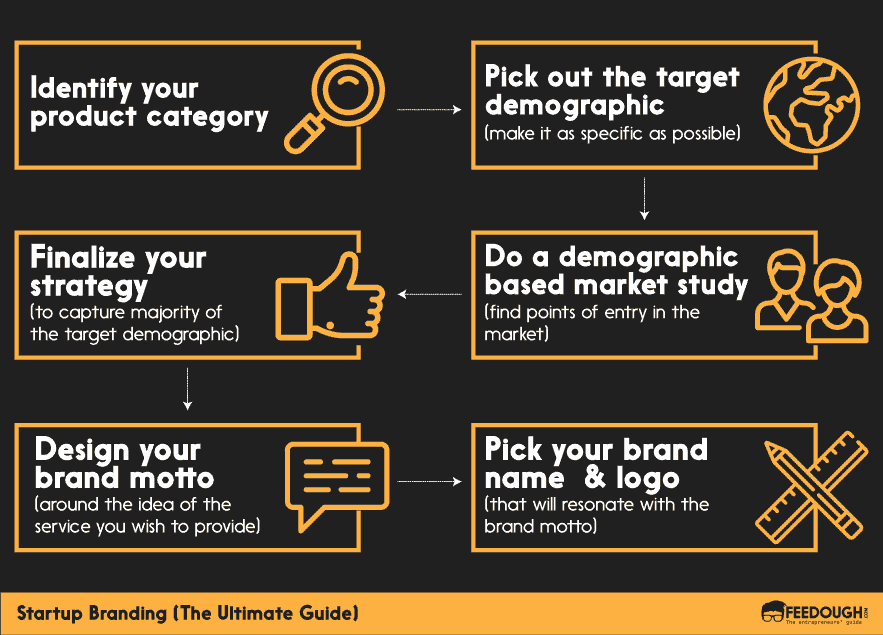
    • Identify your Product category
    • Pick out the target demographic (make it as specific as possible)
    • Do a demographic based market study, find out points of entry in the market
    • Finalise your strategy to capture a majority of the target demographic
    • Design your brand motto around the idea of the service you wish to provide
    • Pick your brand name that your target market relates to and is simple to read and reproduce
    • Pick a brand logo that will resonate with the brand name and motto
    • Beyond this, your brand image will be developed by your customer relations and your product quality. Make sure you hit the right string there.

    Identifying Your Product Category

    Figuring out whether your product is a utility, necessity or luxury is the bare minimum while deciding on a brand. Figure out what percentage of the market would buy your product and how often would they need to restock. Defining an economy based target demographic also comes in this step.

    Picking out target demographic

    Now that you have decided on the basic demographic of willingness to spend, it’s time to have a more elaborate demographic. The new demographic needs to be based on age, socio-economic factors, region, etc. This is the foundation stone for your brand positioning.

    Demographic-Based Market Study

    Next in line is the mammoth task of figuring out entry points in the market by doing extensive research of products in the existing category. Find what they’re missing, what could be brought in to bring innovation to the existing market space.

    Fix On A Strategy

    It’s time for you to lock in a strategy and stand by it. Most branding failures occur because of a conflicting brand image sent out by the various aspects of your visual representation

    Design Your Brand Motto

    You need to sit long and hard and think of what direct message you want your target market to receive. Sit with your team and Just Do it! Simple and direct does the trick. But make sure you don’t go for overkill with out of the world vocabulary.

    Brand message is important. You convey happiness, trust, balance or innovation through it. Learn more about how to effectively craft it here.

    Pick Your Brand Name

    The reason why I suggest picking the brand name after the brand motto is that most brands tend to revolve the brand motto around the brand name. Your brand name isn’t supposed to be based on the availability of the name but around your company values. This can be derived only if you set your company values in order first.

    To pick out brand names, you need to focus on your present customers and have thorough market research on what the name would imply in their language, slang and what kind of message would the name convey to your heaviest market. This does not just involve primary research but having a few indirect surveys would help you pick a better name.

    The psychology behind picking names can be read here.

    A picture conveys messages that a hundred words possibly cannot. The power of the logo just cannot be ignored. Your brand logo is something that your target market notices before reading your brand name. A lot of brands have their name as logos but even that requires careful planning.

    A brand logo comprises three factors: The colours you pick, the shape you box in, and the font you apply.

    Start With Font

    A conservative font generally exudes security and trust, a semi-modern font exhibits spontaneity and efficiency. And a casual modern font generally gives out the signs of innovation and novelty.

    Naturally, the science behind it cannot be this easy. We have a detailed analysis on how to pick out your fonts here.

    Square In The Shapes

    Shapes are generally not factored in while deciding on the logo, but they hit the subconscious more than you know. The main factor that puts up a fight is whether the shape is smooth and symmetrical or if it’s sharp and pointy. This further has multiple classifications but trust me when I say, each edge matters.

    If you are not convinced by my words, maybe here is something that will definitely widen your horizon about shapes.

    Use Apt Colours

    Well, it is no wonder that black is the all-time favourite of most people. But does a monochrome logo sound appealing to you? Maybe for the right product, it fits in like a glove to a hand, but imagine McDonald’s having a monochrome logo. Does the idea make you uncomfortable?

    It is no wonder that colour is clearly a big player when talking about impact. A bright red usually emits happiness whereas a solid black speaks responsibility.

    There are way more colours out there and I cannot put them all in this article. So here’s your go-to article for picking on colours.

    Putting Out The Brand Image

    Probably the most underrated step, yet the most impactful one. Your brand isn’t just defined by what you show, what you do has a major impact on your brand personality.

    Now, most brands have a social cause attached to them to have a stable brand personality but when their executives behave otherwise, the brand personality just seems hollow. Now, this is the classic case of Elephant tusks. You actually gotta be, what you are showing to the public.

    Brand Identity is something most people work on while developing their brand but they miss out on the brand image. If you are too focused on showing people what you are about and don’t pay attention to what people are actually gathering from the information provided to them. You are missing out big time and this is going to be the easiest blueprint to downfall.

    Thus, the most sensible plan here to keep a check that Brand identity and brand image go hand in hand. Because your brand is nothing but the manifestation of your customer’s idea of you as an organization.

    The Startup Process

    We know how important your dream business is to you. Therefore, we’ve come up with an all in one guide: The Startup Process to help you turn your vision into reality.
  • Trigger Marketing: Everything You Need To Know!

    Trigger Marketing: Everything You Need To Know!

    With increasing competition among companies to grow their business, the technology that backs the more personalized advertisements and campaigns has evolved as well.

    Businesses now seek to focus on one or more aspects that can persuade the customers, not only into doing business with them, but also to increase engagement and conversion rates among customers.

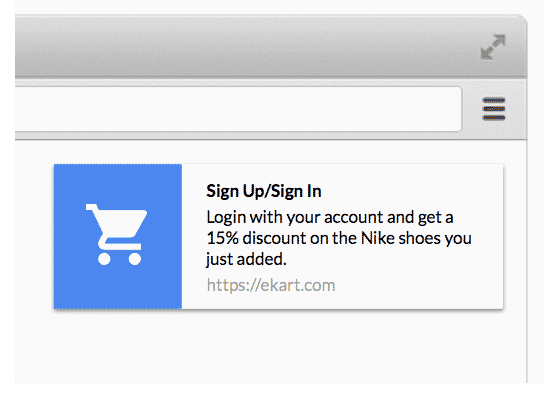
    Say you’ve been shopping online on a site such as Amazon and you’ve added a few items to your cart, but for some reason you venture away from the website or the app, meaning to get back to it later. If your cart has been abandoned for a while, you’ve probably received a notification or an email reminding you about the items left in your cart.

    This is a classic example of trigger marketing or trigger campaign.

    What Is Trigger Marketing?

    Trigger marketing (also known as trigger-based marketing or trigger-campaign) is an event-based marketing strategy launched due to the occurrence of certain activity like abandoning your online shopping cart, or to offer an event-based problem’s solution like solutions for hair-loss or weight-loss, to trigger a specific behaviour or identify the key elements of the customers’ lifestyle.

    Triggers such as notifications and emails remind the customers to visit your website or app, or to view related items, thereby increasing their chances of making a purchase. Cart abandonment and related searches are one of the many triggers that are implemented by businesses to remind their customers time and again to spend more time on their website.

    Importance Of Trigger Marketing

    Prior to the rise of social media and the so-called ‘netizens’, companies would send the same email to their entire mailing list of customers. The major drawback of doing this was that every customer had different needs, and not everybody led the same lifestyle.

    Naturally, it also led to high levels of Customer Engagement Fatigue, where no matter how many emails were sent out, the customers had learnt to not pay attention to them. To tackle this, automation of marketing was implemented as a strategy to garner more trust from the customers.

    push notification
    source: pushcrew

    Trigger-marketing is probably the most active form of advertising across social media platforms. The success rates for trigger-based marketing are very high as they cater very specifically to what the customer needs. Showing your customers targeted advertisements about items they were browsing is a great way to inspire their loyalty.

    Brands like Fashion Nova, Romwe and SheIn repeatedly run ads on social platforms like Facebook and Instagram to trigger interest among potential customers who are scrolling down their newsfeeds.

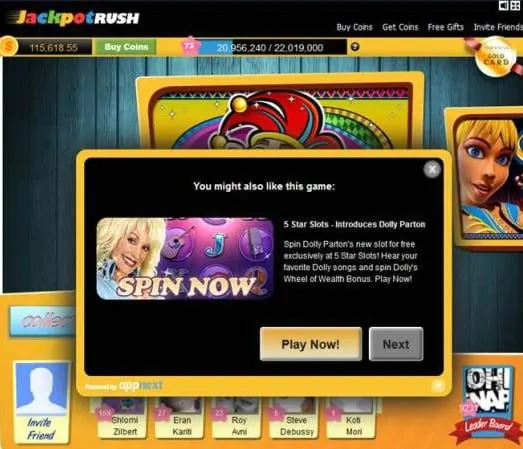
    push notification
    source: Shein

    This benefits both the social platform and the brand in increasing customer conversion and engagement rates. Customers who are curious about the repeated advertisements are more likely to click on the Call-to-Action button provided on the ads, thereby bringing in more customers as well as keeping them engaged for a longer time through the website or app.

    Delivering real-time messages to your customers also helps to gain their compliance. Push notifications or emails, for instance, saying ‘The item(s) left in your cart is selling out fast…’ or something similar often implement the scarcity principle to increase customer activity on online shopping sites.

    push notification ecommerce
    source: pushcrew

    This is a great way to increase on-site engagement rates. Notifying your customers about the items they would be interested in just because they were browsing for something related increases their interest in clicking on the targeted advertisement and possibly also making a purchase.

    Types Of Triggers In Marketing

    Triggers in marketing are largely based on 4 wide categories, namely- customer behaviour, engagement rates, real-time events and emotions, and often use third-party or external sources to gain information about the customers, to keep track of their likes and dislikes based on their activity online.

    Behaviour-Based Triggers

    behaviour based triggers

    Monitoring the customers’ behaviour online and collecting data about their activities online. This helps to maintain a personal connect with your customers and also helps them to build trust.

    • Site search usage- Recommending related items to the ones your customer was browsing. For instance, “You searched for a camera. We have picked out the best ones for you.”
    • Offers and advice- Offering your customers promotional codes, discounts, and advice on the items they are looking at has higher rates of making them actually purchase the product. For example, “You looked up books in fiction lately. Do you need recommendations?” or “Buy 4 t-shirts in 10 minutes and get 30% off!”. This type of trigger has extensively been used by King for the promotion of Candy Crush and other related games, as well as the now-trending games Episodes and Choices, who run repeated ads on social media platforms, thus getting users of these platforms to engage in their games as well.
    • On-site validation­- Social validation can also be gained through trigger marketing by asking your customers to leave their opinions on the items they purchase. For example, “You recently purchased a phone. Would you mind writing a review on our site?”
    • Social pattern triggers- Based on your previous customers’ buying patterns, you can recommend related products to your customer, thus making them consider purchasing those items as well. For instance, “Customers who bought the iPhone X also bought the Air Pods” or similar messages.

    Engagement-Based Triggers

    Engagement-Based Triggers

    Are your customers engaging on your site enough? Theoretically, only about 40-47% of your customers actually engage with your website through the targeted ads. Engagement-based triggers help you to increase the rates of engagement by sparking curiosity among consumers, and also help in higher conversion rates.

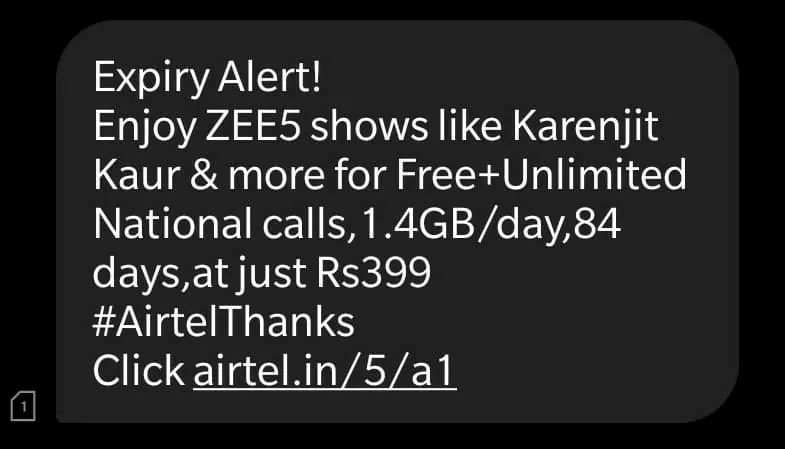
    • Subscription- Reminding your customers that their subscription is about to expire lets your customers know that you care, thus helping your business strengthen the relationship with your customers. For instance, “Your subscription is about to expire. Renew now and get additional two months of subscription free.”
    • Social spike- Social media is also a great way to get people talking about your brand or business. Responding to people who are tweeting about your business helps to build a personal connect between your customers and you. For instance, brands like Daniel Wellington, Denny’s and IHOP make it a point to connect with their customers across all social media platforms by responding to their tweets with quirky anecdotes or by simply answering queries. This helps maintain the customers’ interest in their brand.

    Event-Based Triggers

    Event-Based Triggers

    Letting your customers know that you care about them, and what is important to them inspires customer loyalty and also makes customers do repeat business with you.

    Events such as the brand’s anniversary, or the customers’ birthdays can be viewed as an opportunity to offer the customers with exciting offers that are valid only for a very short time. The application of the scarcity principle in this situation ensures that customers avail their offers and do business with your brand.

    Event-based triggers are also widely used during the holiday or festive season by offering customers recommendations for gifts they can pick for their loved ones, making sure that they will do business with you. For example, “12 handpicked gifts that you can gift your family this holiday season…”

    Emotional Triggers

    Customers who can emotionally connect to an advertisement are more likely to engage and do business with you. Emotional triggers also often include solutions for weight-loss, hair-fall, skin care, food delivery etc. that can spark a genuine interest in customers and can result in success rates as high as 80%.

    • Loyalty- Loyal customers who bring repeat business to your brand or company should be rewarded in order to maintain their interest in your brand. For instance, “You joined our family 3 years ago today. We would like to reward you with a 40% off on your next purchase!”
    • Trend- Letting your customers know what is ‘in’ and ‘happening’ makes them entrust you with their likes and dislikes. For instance, “10 hottest trending items handpicked for you this week…”

    Steps To Implement Trigger Marketing

    1. Find the right trigger- Without the right trigger; your marketing dollars can be wasted on consumers who don’t immediately want your products. Therefore, it is important to know what your customers would like.
    2. Develop the right offer- Once you have implemented the right trigger, it needs to be followed up by the right kind of offer to keep your customers interested.
    3. Immediate presentation- Your offer needs to be presented to your customers immediately after they have been triggered. The offer should also definitely cater to your customers’ immediate needs.
    4. Response analysis-Trigger marketing works on the basis of quick analysis. So, it is important to constantly improve your performance as well as engage customers.

    Bottom Line

    The whole point of trigger marketing is to make sure that you discover the events that can make your consumers engage in your business. This can be done by monitoring their lifestyle, their online behaviour and their likes and dislikes.

    To deliver the best results, it is important to shift your focus from the traditional marketing strategies and implement something that is more personalized and interesting to your customers. A successful trigger-marketing program is all about the actions of your customers developed into a highly-targeted communication stream, which can help in delivering the most profitable results to your business, no matter what industry it comes under.

    Go On, Tell Us What You Think!

    Did we miss something?  Come on! Tell us what you think of this article on trigger marketing in the comments section.

  • What Is Green Marketing? [The Complete Guide]

    What Is Green Marketing? [The Complete Guide]

    In today’s world, more and more customers are becoming not only environmentally conscious but also environmentally responsible. According to a study by Unilever, a third of consumers (33%) are choosing to buy from brands based on their social and environmental impact.

    This has resulted in opening up a new domain of marketing as there’s a €966 billion opportunity for brands that make their sustainability credentials clear. This new domain is green marketing.

    What Is Green Marketing?

    Green marketing (also known as eco-marketing or sustainable marketing) is the practice of marketing the offering based on its environmental benefits.

    It is a practice of marketing the products that are environmentally friendly in themselves and have green benefits, or the eco-friendly business practices that are used for its production. These eco-friendly business practices include:

    • Sustainable manufacturing
    • Reduced or zero carbon footprint
    • Reduced or zero water pollution
    • Recycled ingredients/materials
    • Recyclable product
    • Renewable ingredients/materials
    • Eco-friendly packaging
    • Reduced or zero plastic footprint

    Objectives Of Green Marketing

    Green marketing touches every aspect of a business, from production and packaging to advertising and public relations. It focuses on directing every marketing strategy towards a single objective – profit through sustainable development.

    Contrary to popular beliefs, green marketing not only focuses on protecting the environment by promoting green products but also focuses on how to sell these green products to earn the most profits.

    Importance Of Green Marketing

    Green marketing is not just beneficial for the environment, it’s beneficial for the company in the long run as well.

    • Access to new markets: There’s a completely new market consisting of green consumers who prefer green products over non-green products if they are given a choice.
    • Competitive advantage: Going green adds up more customers to your existing customer base, which in turn gives you a competitive advantage over your competitors.
    • Brand Loyalty & Increased Brand Equity: Brands that continuously show their commitment towards protecting the environment and going green tend to earn greater loyalty from customers.
    • Positive Public Image: Going green makes the customers feel that the company has a responsible outlook and is aware of the current scenario. All this results in a good image of the brand in the eyes of existing and prospective customers.

    Green Marketing Examples

    Whole Foods

    Whole foods is an American supermarket, owned by Amazon, that specializes in selling organic products. The company was developed keeping in mind the needs, wants, and demographics of the green consumers. The company bills itself as a brand which hates artificial flavours, colours, preservatives and sweeteners and doesn’t use any of them in the food they sell. Besides this, the company also boasts its green mission where it follows small yet big steps like using recycled papers, composting, carpooling, no plastic bags, etc. to save the environment.

    The Body Shop

    The Body Shop has positioned itself as a brand which is dedicated to saving the environment. It never tests its products on animals and is also a Leaping Bunny approved brand. Moreover, the brand sources its tea tree oil from Kenya Organic Oil Farmers’ Association (KOOFA)  which is a corporative composed of 380 small scaled farmers.

    Green Marketing Strategies

    Companies which are genuinely committed to saving the environment and giving back to the community usually earn a lot of respect and loyalty from the customers. If you want to run one such company, you can follow any of these or all of these 5 green marketing strategies.

    Green Design

    Green design is the most effective green marketing strategy where the product or service is designed green, to begin with. One such example of a green product is a solar water heater which can potentially decrease energy consumption by 70% just because of its design.

    Green Positioning

    Green positioning is a brand positioning strategy where the company boasts its sustainability values and tries to position itself as a company that cares. Such a company focuses on getting the certifications and partnering with green organisations to open its doors to the market of green consumers. The perfect example of green positioning is Body Shop which never uses its products on animals and also sources its resources responsibly. The company also uses advertisements which don’t use images that are demeaning to women and also raises funds to promote global awareness of issues like HIV and domestic violence.

    Green Pricing

    Green pricing is another green marketing strategy used by the brands to make their offering more appealing. The main focus of this strategy is to highlight how the green offering can help the customers save money or other resources. One example of green pricing could be a company which sells CNG cars by highlighting how economical it would be to own a CNG car when compared to petrol cars.

    Green Logistics

    Green logistics includes measures taken by the company to minimize the ecological impact of all logistics activities between the point of origin and the point of consumption. This is an effective green marketing strategy if you run an eCommerce store or a green products store which delivers its products to the customers. Amazon uses such green logistics strategy called Frustration-Free packaging. The Frustration-Free packaging is an easy-to-open recyclable packaging which uses less packaging materials with zero wire ties, plastic bindings, or plastic clamshell casings.

    Green Disposal

    For businesses which generate a lot of waste material, green disposal could be the perfect green marketing strategy where they can boast about the sustainable disposal practices they use to reduce the impact on both the environment and human life.

    Green Marketing vs. Greenwashing

    Just merely adding the prefix green to the company’s or the offering’s brand name doesn’t mean that your offering is green. Greenwashing, also known as green sheen, is one such practice of promoting the deceptive perception that the product is green even when it is not.

    For example, asking the customers to buy a product on a pretext that it’ll save the environment, even when it won’t, is greenwashing. Using confusing language or imagery in the communication messages which gives a hint to environmental friendliness could be greenwashing too.

    We’ll not advise you to use greenwashing or promote your product as environmentally friendly when it’s not, because it will not only hamper your consumers’ trust but could also lead you to pay fines in the consumer court.

    Go On, Tell Us What You Think!

    Did we miss something?  Come on! Tell us what you think of this article on green marketing in the comments section.

  • How To Add Your Business To Google Maps: The Complete Guide

    How To Add Your Business To Google Maps: The Complete Guide

    Do you often get to see your competitor’s brand but not yours in search results when you search for your niche on Google Maps? Do you want your brand to be among those results (or at the top of the results)?

    Well, it’s not rocket science to add your business to Google & Google Maps. All it takes for you is to register and verify your business on Google My Business. Here’s how to do it –

    1) Add Your Business On Google My Business

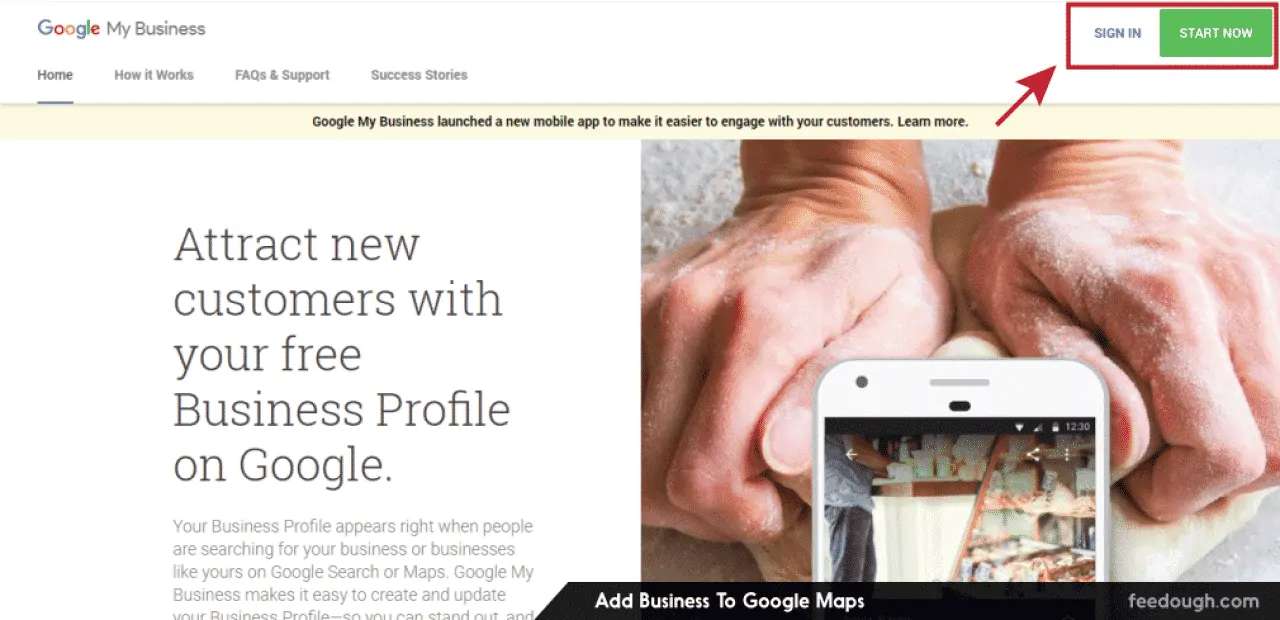
    You can either visit www.google.com/business or download the Google My Business Application from Play Store or App Store to add or claim your business. This application not only lets you list your business on Google and Google Maps but also lets you create a free website and engage the visitors by posting offers and new offerings.

    • Sign in to Google My Business using your existing Google/Gmail ID or create a new account.
    add business to google maps
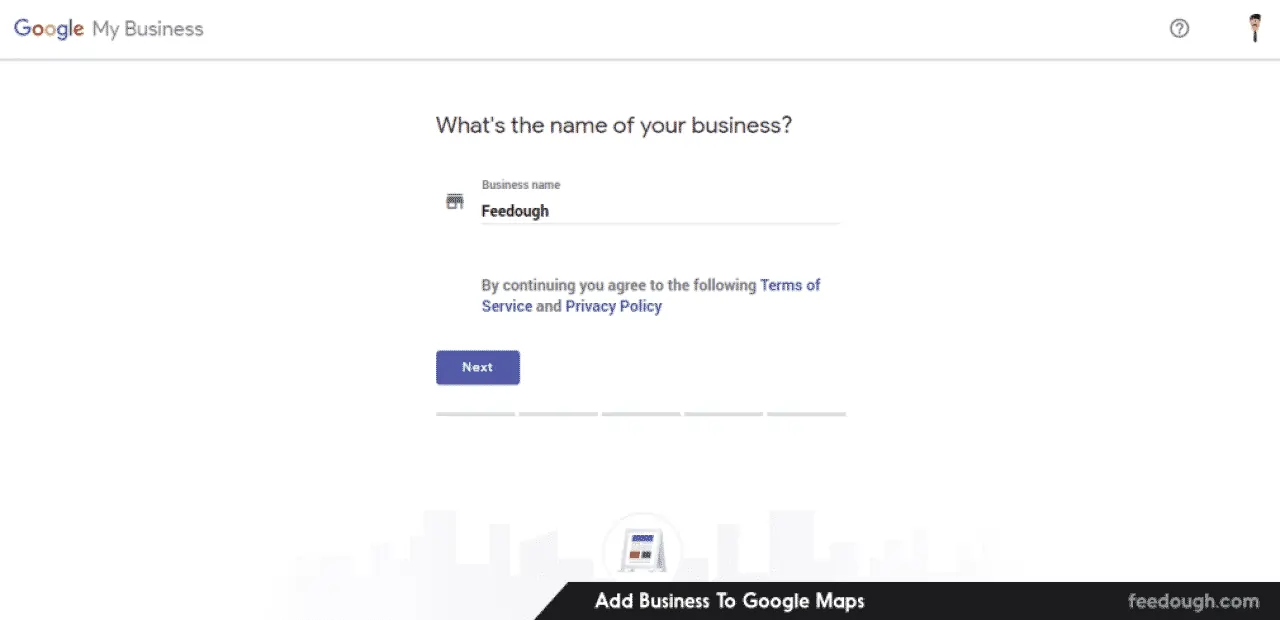
    • Enter the business’s name. It is not important if your brand name is registered or not.
    Add Business To Google Maps
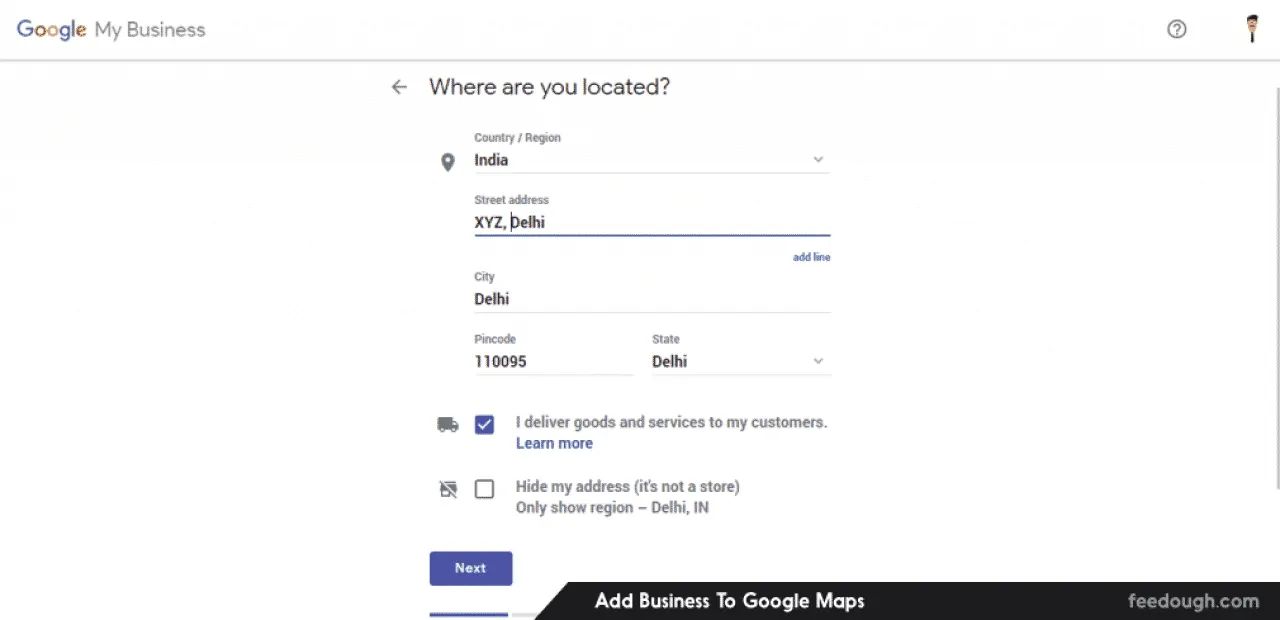
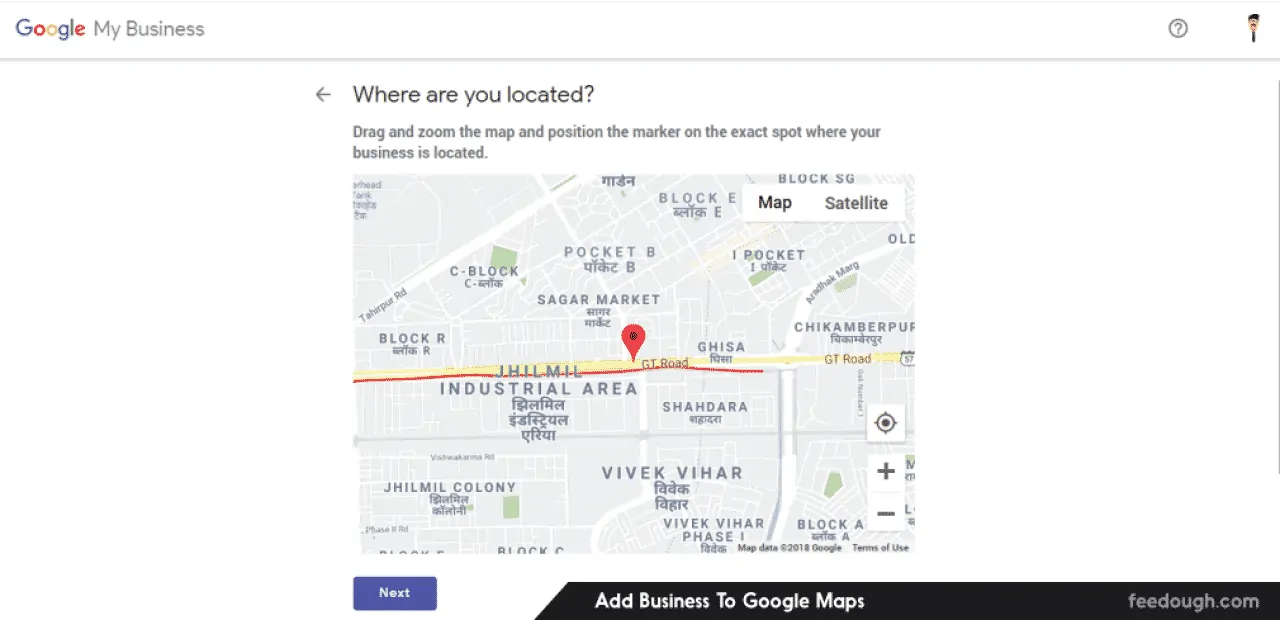
    • The next section will let you locate your business. Add the address and select the type of business (fixed store or virtual business). You’ll need to locate it on the map if you check the option ‘I deliver goods and services to my customers’.
    Add Business To Google Maps
    Add Business To Google Maps
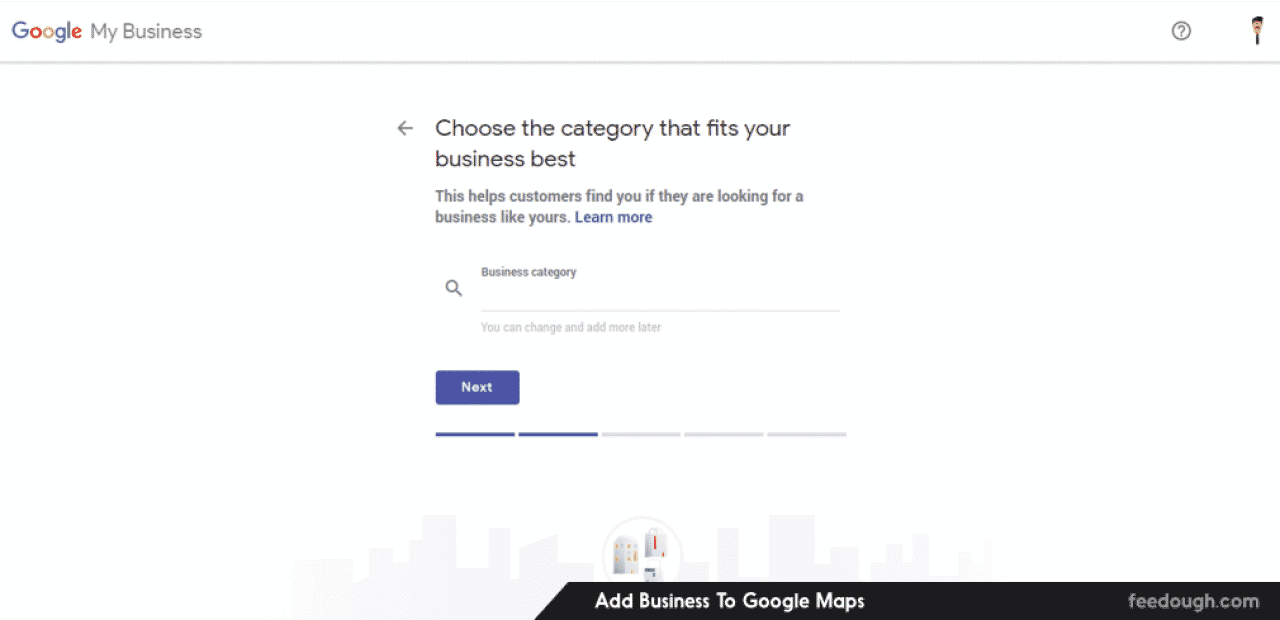
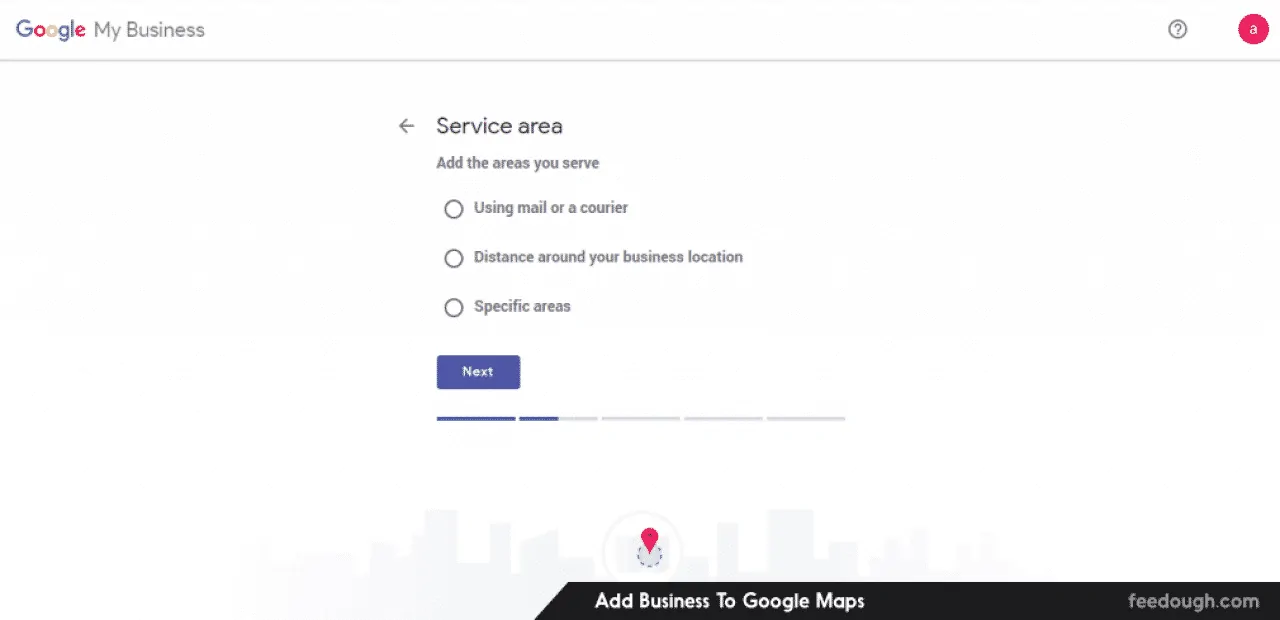
    • The next section is important for the search engine optimisation and visibility. You’ll need to enter the category your business falls in and the areas you serve. This will make sure that the people searching for businesses of your niche in your service area will see your business listing.
    Add Business To Google Maps
    Add Business To Google Maps
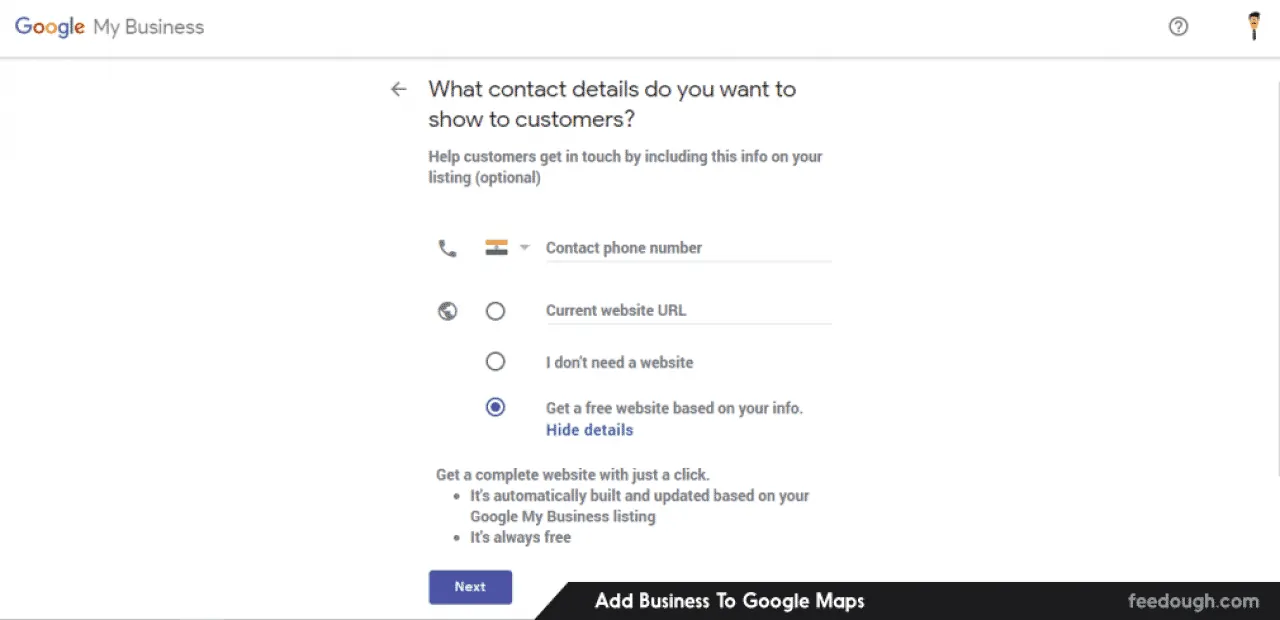
    • The category and service areas sections are followed by contact details section where you need to add the details you want to show to your customers. These include the official phone number and the business website. Google also creates a business website for you if you don’t have an existing website.
    Add-Business-To-Google-Maps

    2) Verify Your Business

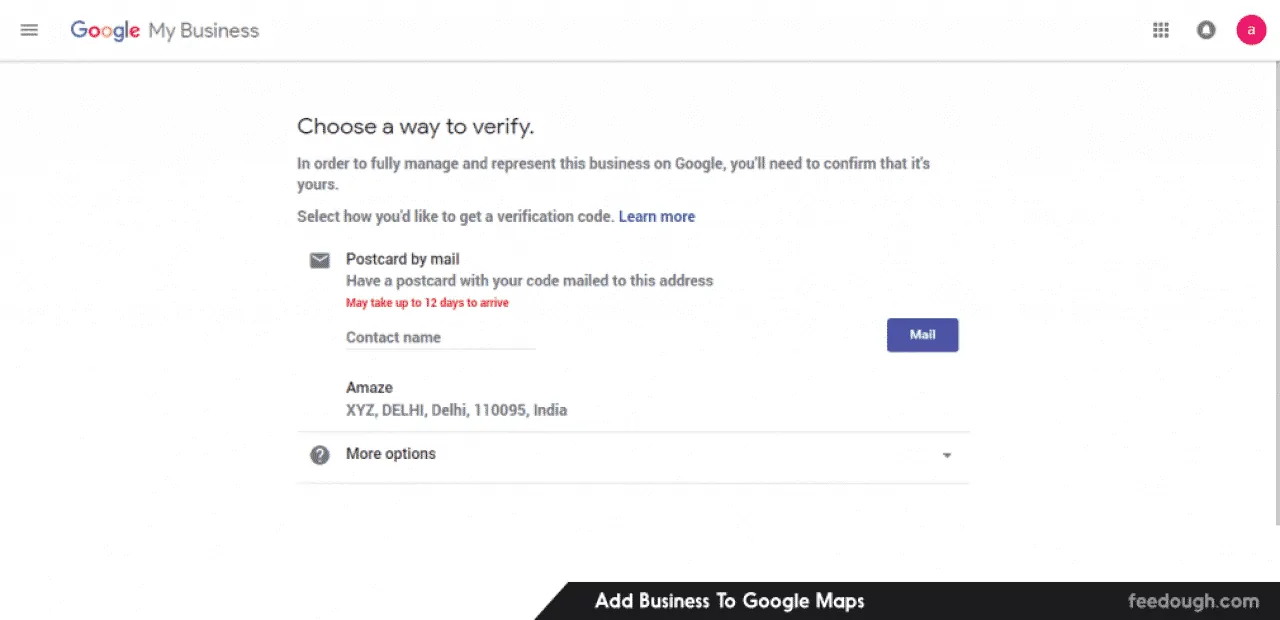
    Once you’ve added your business to Google My Business, you’ll need to verify its location. Google sends you a postcard with a code to verify the address and only lets the business go live in the search results and map results once the address is verified.  The postcard usually takes around 12 days to arrive.

    Add Business To Google Maps

    3) Manage Your Listing & Google Business Site

    Once verification is done, your business gets live on Google and Google Maps and you can add other details like working hours, description, profile photo, etc. You also can edit the business site created by Google to communicate more about what your business is and what all do you offer. Google My Business also lets you post about different offerings and offers on your website which gets listed on the search engine automatically.

    Go On, Tell Us What You Think!

    Did we miss something?  Come on! Tell us what you think of this article on how to add a business to Google Maps in the comments section.

  • What Is Marketing Strategy? – Examples, Components, & Planning

    What Is Marketing Strategy? – Examples, Components, & Planning

    A strategy is like a map that helps you reach your goals using a predefined route. Marketers use such strategies to fulfil their marketing objectives. These marketing strategies connect the dots of a marketing plan to help the business reach the target customers using apt channels and aid business growth in the long run.

    Marketing strategies are essential elements of a business. In fact, they are the deciding factor of the business’s success and failure in the long run.

    But first, what is a marketing strategy, and why is it important?

    What Is Marketing Strategy?

    A marketing strategy is the combination of all the business’s decisions and actions to increase sales and achieve a sustainable competitive advantage by understanding and fulfilling the needs and wants of the customers.

    This definition of marketing strategy stands on three key pillars. These are:

    • What: Marketing strategy is the overall game plan or the roadmap marketers use to achieve a business’s marketing objectives and goals.
    • Why: It aims to achieve a unique market position backed by a sustainable competitive advantage that results in more sales and profits for the business.
    • How: Every marketing strategy works directly or indirectly by fulfilling the needs and wants of the customers.

    In simple terms, a marketing strategy is an achievable and actionable set of steps devised by marketers to achieve a marketing objective.

    Importance Of Marketing Strategy

    Every marketing strategy derives its form from a set of marketing strategies it uses. These marketing strategies play an essential role in the marketing mix of a business.

    • Helps achieve marketing objectives: Marketing strategies lay down a set of steps to achieve marketing objectives focused on fulfilling the business’s short-term and long-term marketing goals.
    • Provides direction: Marketing strategies set roadmaps that include apt steps towards achieving goals. This roadmap gives direction and ensures that the business doesn’t stray away from the set of listed steps.
    • Ensures coordination: The set of steps ensures coordination and avoids confusion among different business departments that work together to achieve the same goals.
    • Reduces Wastage: Marketing strategies ensure optimum resource use by reducing duplication of work and appropriately allocating limited resources.
    • Ensures better control: It decides on the path to be followed and the interim goals to be achieved. Hence, it becomes easier for marketers to control the marketing activities and ensure they are going according to the plans.

    Components Of A Marketing Strategy

    Even though there are numerous types of marketing strategies, all of them consist of these six components.

    • Target Market: It is the customer segment to whom all the marketing activities are directed.
    • Business Offering: The product or service offered by the business.
    • Competitive Advantage: The value proposition that separates the company from the competition.
    • Goal: A milestone that decides whether the marketing strategy was successful or not.
    • Communication strategy: How the company plans to communicate the marketing message to the target market. It includes communication channels and tactics to get more traction and conversion.
    • KPI: Key performance indicators measure the business’s performance and progress in the strategic marketing areas associated with its success.

    Marketing Strategy Vs Marketing Plan Vs Marketing Tactic

    Marketing strategy is a subset of a marketing plan that defines marketing goals and objectives and elaborates on how the business intends to achieve them.

    Marketing strategy outlines the roadmap of how to achieve the goals and objectives defined by the marketing plan.

    Marketing tactic, on the other hand, constitutes the actions taken to support the strategy.

    That is, if getting 10,000 followers on Instagram is a marketing goal defined in the marketing plan, the marketing strategy will define the set of steps a brand will take to achieve this goal. The steps may include one post and two posts a day. However, a marketing tactic would be the content of posts and stories that the brand will use to support the strategy.

    What Are The 4 Ps and 7ps Of Marketing Strategy?

    Each marketing strategy stands on some key pillars required to market an offering to the customers. These include four key pillars and three additional pillars.

    The four pillars of a marketing strategy are:

    1. Product: the tangible, physical good or intangible service being marketed;
    2. Price: how much the customer pays to buy the product;
    3. Place: where and through what channels can the customer purchase the product;
    4. Promotion: how the business promotes its product to the customers.

    The three additional Ps of a marketing strategy include:

    1. People: Thebusiness’s human resources that enable it to deliver the offering to the customer.
    2. Process: The series of actions involved in delivering the offering to the final consumer.
    3. Physical Evidence: The tangible elements surrounding the product and the physical environment where the product or service is provided to the customers.

    A business develops its marketing strategy only after considering these seven Ps of marketing.

    Marketing Strategies Examples

    Every business in the market employs some form of marketing strategy to achieve sustainable competitive advantage and increase its sales. Some of the renowned marketing strategy examples include:

    Aldi

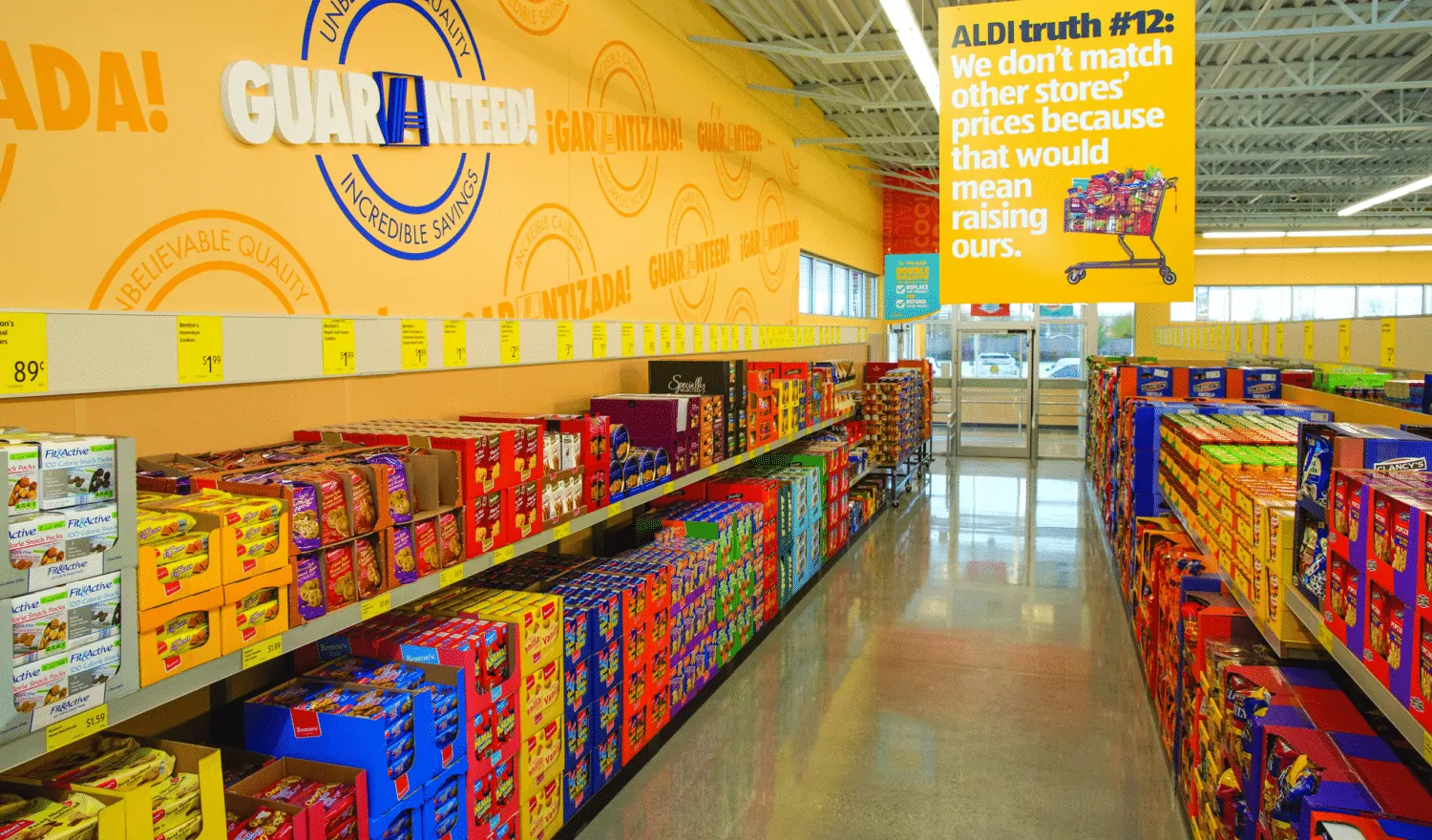
    aldi store business model

    Aldi is a renowned discount supermarket operating in over 18 countries. The company sells highly discounted products that are up to 50% less pricey as compared to competitors.

    While the marketing plan sets the objective to sell products at a highly discounted price, the marketing strategy makes Aldi’s business model unique.

    The company believes in a no-frills experience and limits its inventory to only important items with high sales volume. Moreover, 90% of the brands within the store are in-store brands, which allow the company to source most of its products from local vendors.

    TikTok

    Tiktok

    TikTok is a short-video powered social media platform that makes it easy for users to create and share short videos across the internet. In its initial days, the company used Instagram and other social media channels to get more users on board. The company placed its logo within the user-generated content and made sharing videos on Instagram and other social media platforms super easy.

    So, whenever a user shared a TikTok video on Instagram, their friends got triggered by FOMO as to what this platform was and downloaded the app just to try it. This made the company gain its initial users.

    How To Develop A Marketing Strategy

    Marketing strategy builds a roadmap that leads a business from the current scenario to the desired scenario. But developing a marketing strategy isn’t as easy as it seems. It requires a marketer to hop through a lot of different steps.

    This process is very time-consuming and requires a lot of strategic thinking and planning. But you can take the help of a marketing strategy generator, which offers tailored strategies for any kind of business. This could serve as a base for your marketing strategy process.

    Identify the Goals and Objectives

    Every market strategy stems from the core goals defined in a marketing plan. The goals can be big or small, quantitative or qualitative, and short-term or long-term. But they give structure to the set of steps that a market strategy defines.

    Conduct A Market Analysis

    Before developing a marketing strategy, a marketer should analyse the current situation of the market. This includes:

    • Who is the target customer?
    • What is the buyer persona?
    • Who are the current players in the market?
    • How do they market their offerings?
    • What are the shortcomings in the current market scenario?
    • What needs are not yet fulfilled?
    • What positioning strategies are not yet capitalised on?

    Once the business gets the answer to these questions, developing a marketing strategy and capitalising on the value proposition becomes easy.

    Identify The Competitive Advantage

    Competitive advantage is the benefit that sets the business apart from other market players. It is usually powered by the business’s unique value proposition and is the factor the business capitalises on to fulfil its marketing objectives.

    Lay Down The Set Of Steps

    Once the marketer is well versed with the market’s current situation – what is missing from the market and how can they capitalise on their competitive advantage to fill the gap, it becomes easy to lay out the steps to achieve the goals.

    For example, if a business is looking to increase its number of paying users and the market analysis proves that its existing customers are loyal and would appreciate rewards, it can make use of a referral marketing strategy to reward its existing users for bringing in new users on board.

    Go On, Tell Us What You Think!

    Did we miss something?  Come on! Tell us what you think of this article in the comments section.

  • How To Write A Business Plan?

    How To Write A Business Plan?

    So, you’re an entrepreneur who has perfected his startup idea, got the right team on board, and has built his startup’s business model. Now all you’re missing is a great business plan before you prepare your pitch to woo investors.

    Now, if you’re a first-time entrepreneur, there must be many questions in your mind like – is there a perfect template for a business plan?  How do you begin writing a business plan? Does a business plan only help in securing funds? What all should you include in your business plan? How long a business plan should be?

    Well, if you’ve read our article on what is a business plan, you would have already got half of your answers. Now for the remaining half, read on!

    Types of business plans

    With the changing trend and the advent of the lean perspective and methodology, the business plans can be categorized into two types –

    • Lean Business Plan
    • Traditional Business Plan

    Lean Business Plan

    The lean methodology has entirely changed the process of business planning. This type of business plan focuses on no-frills ever-evolving strategy which is usually crafted for internal management and not for outsiders.

    A lean business plan is a one-page business plan which usually is populated using bullets and essential data, facts, and stats. It is a one-paged streamlined core plan for the business which includes:

    • Strategy: which explains your identity, your target market, the problem they are facing and your solution to that problem.
    • Execution: which includes production, distribution, financial, sales, and marketing tactics which are or will be used by you to deliver what you promise.
    • Specifics (Assumptions, Milestones, Metrics, and Schedule): which include industry specifics to back up your offering. These include a list of assumptions, milestones, performance metrics, and review schedule.
    • Forecasts (Sales, Costs, Expenses, and Cash): which includes what is expected from the business in the future and what is required for the same. It consists of sales, costs, expenses and cash forecasts.

    Traditional Business Plan

    The traditional business plan is the business plan as we know it – crafted both for the internal as well as the external audience. It is more detailed and answers all the questions related to the business of the startup. The plan consists of 11 sections which explain everything related to the internal and external environment and characteristics of the business.

    Rules To Follow While Writing A Business Plan

    There are as many ways to write a business plan as many there are brains. However, there are three unspoken rules to how you should approach to writing a business plan. These are –

    1. Keep It Crisp

    Always follow the KISS (Keep It Simple, Silly) approach while writing your business plan. A short and crisp business plan with all the necessary information is always preferred over a lengthy business plan with unnecessary information. Investors are not going to fund your startup on the basis of the number of pages of your business plan but on the basis of the potential of your business idea, the structure of your business model, the market scenario, and the expertise of your team.

    2. Keep The Audience In Mind

    One of the mistakes which entrepreneurs often commit is that they use industry-specific terminologies and language which is often hard for investors and the outside world to understand.

    Craft your business plan keeping its readers in mind. Consider their abilities and shortcomings to get the best response.

    3. Include both the internal and external scenario

    Many entrepreneurs explain everything about their business idea and business model in their business plan but often forget to mention about the competitors and the market scenario. The market scenario is as important to the investors as your product is.

    How To Write A Business Plan?

    Now that you know the types and the unspoken rules of writing a business plan, it’s now time to discuss how to write a business plan.

    How To Write A Lean Business Plan

    Writing a lean business plan isn’t that hard when compared to a traditional business plan. All you need to do is to divide the plan into 12 different sections and populate them using short and crisp bullet points. The sections of a lean business plan are:

    • Startup Identity: This is a one-sentence summary of your business. It includes who you are, what you do, and your value proposition. For example, an email marketing company’s identity will be: ‘We are abc email marketing Pvt. Ltd. We offer customised and personalized email marketing services to ecommerce startups to help them increase conversions.’
    • Target Market: This is the market segment you’re planning to serve to. Mention your customers’ demographics, psychographics, geographics and behaviour in this section.
    • Problem Worth Solving: This includes the specific problem of the target market that you’ll be solving. Frame the sentence in a way to answer ‘why they require your offering?’.
    • Our Solution: This is your offering in the market. Explain how this product or service solves the problem mentioned above better than anyone else.
    • Competition: Who are the other players in the market. What do the customers like about them? What do they don’t like?
    • Sales Channels: This includes the distribution channels you’re planning to use to sell your offering.
    • Marketing Activities: How are you going to reach your customers and promote your offering. This includes the holistic marketing strategy that you’re going to execute.
    • Revenue Sources: How many revenue sources do you have? What is your primary source?
    • Expenses: What are the major expenses that you’ll incur?
    • Milestones: This section includes the short-term and long-term goals of the business.
    • Teams & Key Roles: Who all are here along with you, what are their expertise and what role do they perform in the company.
    • Partners & Resources: Do you rely on key partners? Who are they and how do they help you? For example, Uber will include taxi drivers as key partners here.

    How To Write A Traditional Business Plan

    Traditional business plans are in-depth business plans targeted to both internal and external audiences. It consists of detailed 11 sections which explains everything about internal and external characteristics, short-term and long-term goals, and marketing, branding, and funding strategies of the startup.

    • Executive Summary – This is just like the startup identity of the lean business plan. It includes a brief overview of the entire business idea, the offering, business goals, target market, competition, the team and the financial outlook of the business.
    • Company Description & Synopsis – This is a more detailed description of the company which includes its legal structure, industry, goals, operational structure, philosophy, and the USP. These details are followed by explaining the problem the company is solving and the solution which makes it stand out of the competition.
    • Market Overview – Market overview section of the traditional business plan is a detailed review of the current market scenario and future forecasts. It focuses on the size of the market, market trends, success stories, what is working and what isn’t, and what is being favoured and expected by the customers in the market. This section is populated with an aim of making the reader believe in the entrepreneur’s assumption that the chosen market is an apt market for their offering.
    • Customer Analysis – This section explains the prospective/existing customer to whom the offering is directed to. It includes his persona which includes his/her demographics, geographics, psychographics, needs, wants, desires, buying habits, etc.
    • Product/Service Overview – This section is dedicated to the offering. It includes answers to all whats, whys, wheres, and whens related to the product.
    • Business Model – The business model explains the entire business structure of the company. If you were Uber, you’d state here how your app operates, how the customer books the cab, how the cab drivers (partners) receive the information of the booking and how both of you are paid.
    • Revenue Model – The revenue model explains the intricacies of how the business makes money; what are the primary sources, what are the secondary sources, what are the expenses and what all comes as the net profit to the company.
    • Competitive Analysis – This section is dedicated to explaining about the competitors – who they are and what makes them different. This section also includes the limitations of their offering and how the company is planning to capitalise on them.
    • Marketing Plan – The marketing plan includes strategies derived from all the data explained above. It explains how the company is planning to reach out to the customers, communicate about the offering and the offers, distribute the offering, and stand out of the competitors.
    • Management Team – This section gives the information of all the members on board, their qualifications, experience, and their posts in the company.
    • Funding & Financials – Funding and financials form the conclusion, but it is the most important section of the business plan for startups as it states the cost of the execution of the business plan. It includes all the short-term and long-term financial requirements and funding goals and how the investors can help the company achieve them.

    The Startup Process

    We know how important your dream business is to you. Therefore, we’ve come up with an all in one guide – The Startup Process to help you turn your vision into reality.

  • What Is Workplace Communication & Why Does It Matter?

    What Is Workplace Communication & Why Does It Matter?

    We’ve all been there, leaving a meeting having no idea what to do next. And you might have thought you were the only one.

    Surprisingly enough, statistics show that 57% of employees report not being given clear directions and 69% of managers report feeling uncomfortable communicating with the employees in general.

    These statistics indicate the need to improve communication in the workplace.

    But before we go any further, let’s answer the basic question – what is workplace communication?

    What Is Workplace Communication?

    Exchanging information and ideas, both verbal and non-verbal between one person/group and another person/group within an organization is called workplace communication. It includes e-mails, text messages, notes, calls, etc. Effective communication is critical in getting the job done, as well as building a sense of trust and increasing the productivity of employees.

    Advantages Of A Good Workplace Communication

    • Teamwork: Isn’t it a well-known fact that good teamwork is proportional to good productivity, responsibility and integrity? And what do you think is the key factor for a good team? That’s right, it is good communication. Effective workplace communication helps employees to form efficient teams.
    • Employee job satisfaction: Employees feel more valued when they can have upward communication. This type of communication is when information flows upward where bosses or managers listen to their employees and respond with a feedback. Examples include annual reports, research reports, budgetary reports, or when employees submit their suggestions. Employees also feel important when there is downward communication which is information flowing from superiors to employees. An example is when an organization’s mission and strategies are explained to the employees.
    • Positive effect on absenteeism and turnover rates: Communication is important for the employees as it is necessary for the workers to feel they are receiving truthful and updated information from their superiors. Studies have shown that companies with excellent communication are able to retain their surviving employees even after a layoff (a temporary or permanent discharge of a worker or workers).
    • Entering global marketplaces: Companies that provide workers with an opportunity to excel in their verbal and non-verbal communication skills find it easier to enter global marketplaces than companies who do not do the same. For example, Nike has been able to evolve its global presence through carefully selecting international sponsorships. Learning the etiquettes of your international colleagues and adapting the work environment to fit cultural differences is important in fostering such relationships.

    However, only 5.9% of companies communicate goals daily. And as little as 14% of companies have employees who understand the company strategy, goals and direction.

    Barriers To Effective Workplace Communication

    There are barriers that can prevent effective communication from taking place. Communication barriers in the workplace can lead to a decrease in productivity, low staff morale, and below average customer service.

    A few of the common barriers and ways to overcome them include:

    Physical barriers

    It is interesting to note that while you design a workspace where the employees are placed remotely from each other to facilitate privacy, it has a considerable impact on workplace communication.

    This problem can be overcome by designing a teamwork-oriented workspace or by using video conferencing, and webcams to eliminate this barrier. Employees should ideally be placed in an environment where they can be more engaged with each other and not have irregular conversations.

    For example, Twitter employees consider themselves fortunate as they have rooftop meetings, friendly co-workers and a team-oriented environment.

    Decreasing transparency

    Transparency is a common problem in large organizations as it is difficult for an average employee to be in contact with senior management.

    This is quite often managed by making internal communication tools available such as Interact Forums as used by the telecommunications company, Cable and Wireless.

    Language Barriers

    One language barrier occurs with technical terminology that is present in any organization. For instance, the engineering department might use technical terms for product materials that the marketing department will be having no clue about. Similarly, the marketing department will have acronyms such as P.D.C and P.D.L (Product Development Cycle and Product Development Line)

    This issue can be overcome by using a cheat sheet put together by each department with explanations for each abbreviation.

    The next language barrier occurs due to the difference in languages spoken by the employees. Although English is the international language of business, not every employee is proficient in it.

    In this case, according to Ed Rosheim, Owner and President of Workplace Languages, managers need to do their part to close the communication gap with their employees who have limited English proficiency. For example, employers can organize training sessions to help employees to communicate more effectively in English.

    Psychological Barriers

    Boredom, a negative attitude at work, lack of confidence, and stress can influence an employee’s receptiveness to a message.

    For example, a salesperson might be inattentive in a meeting due to his failure in meeting his target while other attendees might as well be concentrating on meeting deadlines and other ongoing tasks rather than listening to the speaker.

    To add to the point, lacking confidence is another great communication barrier due to shyness, awkwardness, discomfort and so on. It not only affects the overall collaboration of company, but it can also avert employees from asking for their rights and giving opinions.

    Managing stress can help to promote effective communication along with maintaining a positive attitude at work.

    Communication barriers tend to increase if you don’t pay attention to them and so identifying and overcoming these barriers at the earliest is important to improve working conditions and productivity.

    To get started, companies should have an open communications policy. In addition, organize business communication training workshops and training sessions that can build stronger relationships with your team.

    Go On, Tell Us What You Think!

    Did we miss something?  Come on! Tell us what you think of our article on workplace communication in the comments section.

  • Customer Loyalty Programs: Your Complete Guide

    Customer Loyalty Programs: Your Complete Guide

    According to a study conducted by Harvard, it costs a business about 5-25 times the general cost to acquire a new customer than it does to sell a product to a new customer.

    On the other hand, existing customers are likely to purchase 67% more than a new customer.

    Why does this happen?

    When a customer is satisfied by the products purchased from a particular company or brand, they tend to lean more towards the said brand for their future purchases as well. The extent to which customers are devoted to a certain brand or company’s products and services is indicated by something known as customer loyalty.

    What Is Customer Loyalty?

    customer loyalty programs

    Customer loyalty is the willingness of a customer to purchase products and services from a brand again and again, as a result of a positive customer experience, customer satisfaction, and the value of the products and services that the customer gets from these transactions.

    Customer loyalty is something that is extremely important to a brand as loyal customers can often grow their business faster than sales and marketing. This is why brands keep coming up with new ways to provide great customer experience. It is also a way for the brands to appreciate their customers who come back and do repeat business with them.

    Why Is Customer Loyalty Important?

    • Loyal customers are more likely to convert and spend with brands they like more often. Return and repeat customers generate as much as thrice the revenue per visit than other shoppers. In U.S.A alone, the average repeat customer shops as much as 5 new customers, whereas in Europe, the ratio is 7:1.
    • Loyal customers also account for positive social validation. Social validation is often more effective than branded content and advertising. Customers who are referred via word-of-mouth marketing have higher rates of becoming loyal customers who spend more than the average customer.
    • A high number of return and repeat customers indicate their trust in a brand and their products and services. This is beneficial for the business as customers choose to purchase from the brands they are loyal to, in spite of several brands competing in the market.
    • Customer loyalty stems from the efforts made by the customer to deliver a high success rate every time they make a purchase from the same brand. This is why organizations also prioritize customer service, as they seek to retain their existing consumer-base by increasing customer loyalty.

    What Is A Customer Loyalty Program?

    A customer loyalty program is a rewards program that a company offers to its most loyal and regular customers. A loyalty program may give a customer some perks and advantages like reward coupons, exclusive discounts, free merchandise, and in some cases, early product release.

    Customer loyalty programs provide a powerful motivation for buyers to create accounts, come back and spend more on your brand. Loyalty programs often incorporate psychology, behavioural economics and game design in their methods.

    According to a study conducted by Bain & Company, 60-80% of the customers who describe their shopping experience as ‘satisfactory’ did not go back to do business with the company that initially satisfied them.

    Why does this happen?

    With the number of brands and competition increasing over time, customer loyalty is hard to acquire as customers want to try new products and services all the time. So, even if customers are satisfied with their experience with one brand, they like to explore other options.

    This is where customer loyalty programs help.

    The constant shift of focus from the discounts, points earned, sign-up bonuses, and experiential rewards like surprise upgrades and exclusivity-based milestones in customer loyalty programs make them more enticing to the customers. Most importantly, they establish a meaningful connection between the brand and the customer.

    Benefits Of Customer Loyalty Programs

    In an increasingly competitive and crowded business space, a customer loyalty program is something that will give your business an edge over all others in the market.

    • Customer retention- Customer loyalty programs are a great way to retain your existing customer base by engaging them in your business. Recently, customers are making purchase decisions based not only on the price and value for money, but also the shared values, engagement, and most importantly, the personal connect they share with a brand. Customer loyalty programs are a great way to keep them engaged beyond the point of purchase, while also being able to provide more value to loyal and regular customers because happier customers equal higher chances of them going back to the same brand for the next purchase.
    • Customer referrals- Customers who are satisfied with a business often refer the product or service to their friends and acquaintances. Since social validation is the most trusted form of advertising, referred customers are also more likely to convert to the brand, not only expanding the customer base but also with high chances of becoming loyal customers themselves. Referral customers are free to acquire. They generate even more revenue for the brand they have been referred to, without the brand having to invest in any new customers. Referral customers also have a 37% higher retention rate when compared to those who are not, and are also more likely to become loyal customers as well.
    • User-generated reviews- Brands with websites and apps that show reviews and content by the users themselves are more likely to gain customer loyalty. Customer loyalty programs that provide incentives to the customers for reviews and ratings on their apps, websites and social media will result in trustworthy and authentic user-generated content from consumers that will promote your business.

    Strategies For An Effective Customer Loyalty Program

    There are several customer loyalty programs in existence, and several more are created every other day. So, what are the key factors to creating an effective loyalty program?

    1. The name of the loyalty program should be unique, as well as spark interest and curiosity among the customers. For instance, Sephora’s Beauty INSIDER & VIB programs.
    2. Customers should be rewarded for actions other than just purchases to keep them engaged in the brand. For example, The North Face’s loyalty program VIPeak rewards its customers with points for attending its events, checking in at certain locations as well as by downloading the app.
    3. Having a simple reward point system makes it easier for the customers to keep a track of their purchases, while also making it easier for the brand.
    4. Use a tier system to reward initial loyalty and increase the rewards with time. For example, most airlines reward customers with frequent flier miles after every flight.
    5. Partnering with other companies to make the loyalty program all-inclusive engages more customers. For instance, Comedy Central India partnered with brands like Little Italy and Jawed Habib to reward loyal customers on their purchases, for their LOL Club.

    Types Of Customer Loyalty Programs

    • Points-based- The points-based loyalty rewards system is most suitable for businesses that have frequent purchases. It is the most commonly used type of loyalty program, where the customer is rewarded with points corresponding to each purchase. These points can be redeemed later for a discount, or for making a subsequent purchase, or in exchange for a product as well. The points-based loyalty program encourages customers to purchase more, as every purchase will guarantee reward points. For example, Designer Shoe Ware (DSW) rewards its customers with points for every purchase, which include tiers of rewards that customers can unlock as they spend more.
    • Non-monetary- Customer rewards can also be non-monetary in nature. This kind of reward system entitles the customers with a reward that suits their lifestyle, even if it is not related to the brand. Customers who have enrolled in non-monetary loyalty programs may redeem the points they earn for flights, exclusive reservations at partnered resorts and spas, etc. This type of customer loyalty program allows businesses to understand their customers and their lifestyles better. The Plenti Rewards customer loyalty program by American Express allows customers to collect points with every purchase at a partnered outlet, and redeem it later at any outlet of their choice, in exchange for any product or service of their choice.
    • Loyalty cards- The loyalty card program helps the business to keep a track of the customers’ transactions, as well as their demographics. This kind of customer loyalty program is excessively used by retail businesses to reward their most loyal customers. The loyalty cards also let customers redeem exclusive rewards that are available only to the people who are a part of the customer loyalty program, thus making it much more satisfactory for the customers.
    • Reward-partnership- These loyalty programs are provided by brands and businesses that want to offer rewards to their customers outside of their business as well. Partnering up with several outlets helps business to reach out to a wider base of customers. New customers are offered exclusive perks both within the brand, and at partnered outlets, to increase chances of their enrolment to the loyalty program. This technique is implemented mainly by insurance companies everywhere to entice customers into doing business with them. Not only does the reward-partnership loyalty program benefit the brand or business offering it, but it also benefits the customer as well as the partners.
    • Gift cards- Yet another popular use of a customer loyalty program is the use of a gift card. Gift cards are prepaid cards that carry the name of the brand and can be redeemed at the store. So, any customer who purchases gift cards for their friends and family ensures that they do business with the brand, while also increasing the number of potential clients for business.

    Examples Of Customer Loyalty Programs

    Tarte <3 Rewards

    Cosmetics and skincare brand Tarte turned their loyalty program, Tarte <3 Rewards, into a method for increasing social media engagement and user-generated content.

    The beauty industry is increasingly turning to user-generated content such as makeup tutorials and selfies for reviews. Taking advantage of this trend, Tarte gives incentives to customers who write reviews, post photos with Tarte products and upload video tutorials, thus transforming its customers into brand advocates.

    This loyalty program is revolutionary because it sets an example that loyalty programs can provide incentives for almost any behaviour that brands want from their customers, and it does not have to be limited to encouraging customers to spend more. This helps customers maintain their point-earning momentum in between purchases, as well as builds brand awareness.

    Virgin Atlantic Flying Club

    In addition to earning miles, Virgin Atlantic’s Flying Club allows members to earn tier points. The club enrols members to the Club Red at the initial stage, bumps them to Club Silver and finally to Club Gold, each tier having their own perks such as double mileage points, priority boarding, access to exclusive club-houses etc.

    The key is to offer benefits in the early stages so that the customer comes back to do business with them once again. Eventually, the customers can reach the highest tier, Club Gold, in this case, and enjoy the benefits of being loyal customers.

    Bottom Line?

    Over the past years, customer loyalty programs have proved to be a very effective method to retain customers, inspire customer loyalty, boost customers’ lifetime value, as well as boost business. A truly innovative approach to customer loyalty programs create a huge difference for retailers and help the loyalty programs they offer stand out from the several others in the market.

    In the end, customer loyalty programs are all about rewarding the customers for their loyalty to the brand. That is why it is important for businesses to look beyond the traditional reward system and take a more creative approach so that the loyalty program offers some actual value to the customers involved.

    Go On, Tell Us What You Think!

    Did we miss something?  Come on! Tell us what you think of this article on customer loyalty programs in the comments section.

  • What Is A Business Plan? – Meaning & Components

    What Is A Business Plan? – Meaning & Components

    One question which many entrepreneurs don’t get right is ‘what is a business plan?’. While it is fairly easy to answer it theoretically, a business plan is a lot more than just a write-up that tells about the business’s goals when you get into the practical aspect of running a startup. It isn’t just stating your goals and the means to achieve them but stating how your business is going to work as a whole.

    A business plan is an important aspect of the startup process and should be crafted carefully before preparing your pitch deck and putting yourself in front of the investors.

    What Is A Business Plan?

    A business plan is a written document that outlines the goals of the business and a roadmap of how to achieve them. It is the written description of your business’s future.

    While many first-time entrepreneurs consider a business plan to be similar to what a preamble is to a constitution, but there’s a big difference. A business plan isn’t just an introduction to what the business is about. It is a written document explaining what the business will be after a certain period of time.

    Simply stated, a business plan is a guide that conveys your business goals (both long-term and short-term), the business strategies you’ll use to achieve them, the problems and competition that you’ll face and the ways to solve and overcome them, the people you’ll involve in your business, the organisational structure, the marketing and the positioning strategies, and the amount of funds you’ll require for the same.

    Importance of A Business Plan

    You need a business plan if you run a business. There are no exceptions to the type or age of the business and unlike what many people say, business plans are not limited to startups. Even if you’re running a 20-year-old business, it’s not late to write a business plan and dedicate your resources to your ultimate business goal.

    That being said, a business plan is almost a necessity for startups as it helps entrepreneurs break the uncertainty into meaningful pieces and projections. It helps them to present their vision in a language investors and the world understand – which includes sales forecasts, marketing strategies, competitive strategies, milestones, expense budget, partners and employees, and the short-term and long-term goals.

    The business plan is an important guide that forces you into disciplined thinking. It gives you a direction to move to and explains to the world what you are here for. Here are the four reasons why a business plan is important for your startup:

    Direction & Future Vision

    A business plan defines what the business intends to be over time. It includes a detailed description of the customer, the market, and the competition, and gives direction to all the current and future strategies and steps.

    Funding

    Almost all prospective investors and banks require entrepreneurs to prepare a business plan for their startups. The stats, facts, and figures in the business plan make it easy for them to decide whether the team and their business have the potential to earn a profit in the long run or not.

    Management

    With a vision set for the future, it becomes easy to manage ideas and people to achieve what’s desired.

    Partnerships & Alliances

    A business plan helps in the smooth execution of the planned business model as it helps to get in the desired partners by explaining their clear roles and the future vision to them.

    Components Of A Business Plan

    The business plan should be clear and concise. A person outside of your industry should be able to understand it. It should contain all the key information about your startup from what your product is about to how much money you require to build it. Here are the 11 key elements that should be included in every business plan:

    • Executive Summary – This is a brief overview of the entire business plan. This section of the business plan decides whether the stakeholders or investors will continue reading the plan or not. It includes a brief overview of the business idea, the offering, business goals, target market, competition, USP, the team and the financial outlook for the business.
    • Company Description & Synopsis – This section of the business plan explains the company’s mission, philosophy, goals, industry, legal structure, and USP briefly but is more elaborate than the executive summary. The details are followed by the problem the company is solving for the customers and the solution which makes it stand out of the competition.
    • Market Overview – This section explains the current market scenario of the industry – the size of the market, market trends, success stories, what is working and what isn’t, and what is being favoured and expected by the customers in the market. This section gives the readers a reason to believe why the company chose the market stated. Usually, everything in this section is supplemented with a bundle of facts, stats, and figures to prove that the entrepreneurs have done their research before choosing this as an apt market for their offering.
    • Customer Analysis – The customer analysis sections include the persona of the (prospective) customer, which includes his/her demographics, geographics, psychographics, needs, wants, desires, buying habits, etc.
    • Product/Service Overview – This is a section dedicated to the offering the company is (or will be) providing to the customers. It answers all the what, why, where, and when questions related to the product and reiterates the previous stance of why it is the perfect solution for the problem stated.
    • Business Model – The business model is the conceptual structure that explains how the company works or will work. This section will answer the question of how it will provide the offering in the market and why is the offering viable. If the company were Uber, this section would include how it would partner with cab drivers and how would its business structure be viable for both the taxi drivers and its customers.
    • Revenue Model – The revenue model explains how the company is planning to earn money using the business structure explained in the business model section. It explains the intricacies of the expenses and revenue sources of the company.
    • Competitive Analysis – This section is dedicated to explaining who are the competitors, what are their USPs, and what are the strategies used by the business to tackle them.
    • Marketing Plan – The marketing plan acts as an inference of all the details explained earlier. This section provides the details on how the company plans to use the information mentioned above in formulating and executing their marketing strategies. The marketing plan is an important section of the business plan as it explains how the company is planning to reach out to the customers and stand out of the competitors. That being said, the marketing plan isn’t limited to the promotion of the offering. It includes a holistic strategy to market the offering right from production to post-sales.
    • Management Team – This section gives the information of all the members on board, their qualifications, experience, and their posts in the company.
    • Funding & Financials – Funding and financials form the conclusion, but it is the most important section of the business plan for startups as it states the cost of the execution of the business plan. It includes all the short-term and long-term financial requirements and funding goals and how the investors can help the company achieve them.

    The Startup Process

    We know how important your dream business is to you. Therefore, we’ve come up with an all in one guide: The Startup Process to help you turn your vision into reality.
  • What Is Startup Pivoting? [A Guide for Beginners]

    What Is Startup Pivoting? [A Guide for Beginners]

    Your venture started well and everywhere was sunshine, but suddenly you hit a rough patch, and it has been downhill ever since.

    If you are experiencing such a situation, then you read on to find out how pivoting could help you turn around your fortune. And for those who didn’t, a sound knowledge of startup pivoting will help you anyway.

    What Is Startup Pivoting?

    Startup pivoting is essentially a shift in the strategy, usually business strategy, to steer your venture into a profitable or desirable situation.

    Pivoting usually happens after feedback given either by the consumer or expert on the product or the strategy currently employed by the venture.

    Pivoting is usually a part of a startup because during the initial phase without proper guidance there are chances where you might have skipped a specific aspect and after funding either from Angel Investor or Venture Capitalist, you get an insight to do better in a particular area.

    Famous Startup Pivoting

    Pivoting is not equivalent to failure. Many startups that we see around us had an unconventional beginning and were not intended to be used the way they are being used now.

    For example:

    Instagram began as Burbn, a check-in app that included gaming elements from Mafia Wars, and a photo element as well but after realising that such a cluttered app would lead to decreasing popularity, the creators stripped the app of all its functionality except photos, and now it has become synonymous with photo sharing.

    Another great startup pivot is YouTube which started as an online dating service where users were supposed to upload short videos describing their ideal partner. YouTube even had the tagline “Tune in, hook up” and by pivoting their strategy after realising the potential in the idea it has become the number 1 streaming site.

    Another real-life example where a startup has to pivot after receiving the funding is Yelp. The initial idea of Yelp was asking direct recommendation from a friend who felt flat. Then they experimented with the idea of allowing users to write reviews of local businesses after the constant feedback from the investor and now this has turned the venture into a product where it has become almost impossible to start a local business without eventually building support from the local review sections on Yelp.

    Startup Pivoting Strategies

    When a startup is thinking of pivoting the general focus should both on areas that are going bad and areas where things are going haywire. Customer profiling and market research help in gauging response that is essential for the startup to figure this out.

    The major area of focus would be :

    Technical Development

    Focussing on good areas and bad areas require a significant amount of resources and would require hiring to achieve those goals.

    Complete revamp should ideally be fast but reliable and therefore spending time while hiring goes a long way and it becomes a make or break point after pivoting.

    Improvement in Revenue Model

    Even if you are well backed up by the technical department, you might need to work on revamping revenue model for your venture if it is app based.

    You might need to take pointers from various revenue models that are in existence and pick out the one that is best suited.

    Marketing

    If the venture has seen a dip in the popularity then marketing strategies, partnerships with opinion leaders become essential for the enterprise.

    Focussing on identifying the areas where work needs to be done helps a startup create a roadmap for the future.

    Bottom Line?

    Startup pivoting is not new and will continue to happen.

    Every startup journey needs to conduct a SWOT analysis carefully and it should stick to the vision and goals with which the venture was started but also remain flexible and explore avenues for improvement and inculcation.
    therefore after that startup pivoting would not seem such an unnecessary move.

    Go On, Tell Us What You Think!

    Did we miss something?  Come on! Tell us what you think of this article on startup pivot in the comments section.