A bank where there isn’t an actual bank. This is the core idea behind the unique model of a Payments Bank. Reserve bank of India, to achieve the vision of digital India, conceptualized the idea of payments banks which will increase the penetration of financial services by reaching places where actual banks can’t.
What is Payments Bank?
A payments bank is a new category of banks conceptualized by the Reserve Bank of India, which operates at a smaller scale than an actual bank and doesn’t involve any credit risk. It can carry out most banking operations but can’t advance loans or issue credit cards. These banks operate digitally (on mobile phones and other devices using the internet) rather than through physical branches.
How do payments banks operate?
A payment bank is not a commercial bank but a registered public limited company under the Companies Act, 2013 which has also obtained a license under Section 22 of the Banking Regulation Act, 1949 and a special permit by RBI to operate as a payments bank.
A payments bank can do the following –
Accept deposits (up to ₹ 1 lakh) and pay interest on those deposits
Offer remittance services
Enable mobile payments
Fund transfers (to other banks as well)
Issuance of ATM and debit card services
Issuance of forex cards to travellers
Net Banking services
Sell third party financial products like insurance and mutual funds
However, these banks cannot carry out lending activities like –
Advancing loans
Issuance of credit cards, etc.
What led to the idea of payments banks?
Indian government wants its initiative of digital India to reach everyone residing in India. The goal is to provide financial services to the labour workforce, low-income households, small businesses, and others who don’t have access (or have limited access) to them. The limitation of commercial banks is that they don’t have a wide reach. This limitation is removed by launching payments banks.
41 companies applied to obtain a payments bank licence whereas only 11 were actually approved. One of the biggest factors which were considered by RBI was the network and reach of the company. Hence, payment bank licenses were granted to companies dealing in mobile telecommunication services, supermarket services, prepaid wallet services, etc. to cater to individuals and small businesses who otherwise have less or no access to banks.
A payment bank should fulfil the following conditions set by RBI
The minimum capital investment to be ₹100 crores.
For the first five years, the stake of the promoter to be 40% minimum.
25% of its branches must be in the unbanked rural area.
How do payments banks make money?
Unlike commercial banks, payments bank cannot earn by lending money. However, payments banks make money through the following activities
Interest arbitrage
Payments bank makes money by depositing the money with some other bank and/or government deposits which provides interest rates greater than that is provided by the payments bank. For example, a payment bank which is offering interest at 6% can deposit the money at a bank or a government deposit which offer more than 6% interest rate.
This is usually done by companies dealing in prepaid wallet services which invest the deposited money in an escrow account at a partner bank.
Transaction costs
Payments banks charge customers a certain percentage of their transaction value. For instance, Airtel Payments bank charges ₹5-25 if the transacted amount is between ₹10 and ₹4,000 and 0.65% of the withdrawal amount if it is above ₹4000.
Many other services bear a charge as well.
Cross-selling and Bank Correspondents
Payments bank cannot lend or open a subsidiary to lend money. Hence, they partner with other organisation to sell their products (insurance, investments, etc.) and make money with it.
Payments banks also tie-up with existing banks to sell their loan services.
POS and MDR
Just like commercial banks, payment banks make money as commissions from transactions through the point of sale terminals and resultant MDR (merchant discount rate).
How are payments banks different from prepaid wallets?
Payments Banks are often confused with prepaid wallets but are a lot different from them. Though open E-wallets like M-Pesa by Vodafone and ICICI bank, Pay Zapp by HDFC Bank, etc. let users perform activities like withdrawal of cash at ATMs or banks and transfer funds but they don’t offer interests on money deposited.
E-wallets are not banks but just online wallets used for storing money to facilitate transactions.
Payments banks operating in India
Airtel Payments Bank
The first company to start this service. Airtel Payments Bank offers 7.25 % on savings accounts deposits and charges 0.65% as transaction fees. The mobile number is also the account number of the customer. The bank also launched an Airtel Payments Bank app and online debit card in collaboration with Mastercard which can be used only at online merchant portals that accept Mastercard. Customers also get a free personal accidental insurance cover ( through a tie-up with Bharti AXA General Insurance Co. Ltd.) of ₹1 lakh when they open a savings account.
India Post Payments Bank
India Post Payments Bank offers 4.5-5.5% interest on the savings account. It also provides doorstep banking services by charging a nominal fee of ₹15-35 per visit for an amount below ₹10,000.
Paytm Payments Bank
Paytm other than being the top e-wallet service provider also have plans to add payments bank in their business model. The bank is likely to launch with a pilot in parts of Uttar Pradesh.
Other Companies which received payments bank licence
Fino Pay Tech Ltd
National Securities Depository Ltd
Aditya Birla Nuvo Ltd
Vodafone m-Pesa Ltd
Reliance Industries Ltd
Go On, Tell Us What You Think!
Did we miss something? Come on! Tell us what you think of this article on ‘What is payments Bank’ in the comments section.
Are diamonds rare? Or are they expensive for no reason? Believe it or not but the only reason why diamonds are considered special, rare, and expensive is that they were marketed very well by De Beers.
Diamonds are one of the hardest naturally occurring substance found on Earth and serve two main functions today: jewellery and industrial uses. Approximately 50 percent of the volume of diamonds extracted becomes gemstones for jewellery, yet they account for more than 95 percent of the total value. The credit for the same goes to De Beers for marketing diamond as the only gem perfect for an engagement ring. Today, polished diamonds account for about 40 percent of all jewellery manufacturing; engagement rings being the largest category of diamond jewellery.
The Diamond Marketing Mystery
You must be having many questions in your mind, like –
Who/what is De Beers?
Are diamonds rare?
What’s the history of the diamond marketing mystery?
Is my investment in diamond a waste?
… and so on.
We’ll try to answer most of them in this diamond marketing case study.
De Beers?
There are four top diamond producers in the world– ALROSA, BHP Billiton, Rio Tinto and De Beers. Not much time has passed when De Beers was the only one.
Diamond, although discovered first in India in 4th century BC, became a very valuable commodity in the 1800s when European women started wearing it at all important social events.
The discovery of diamonds in South Africa in 1870s played a very important role in shaping the diamonds as we see them today. One farm where diamonds were discovered was owned by Diederik and Johannes de Beer. This farm was bought (forcefully) by Cecil Rhodes who founded the De Beers commercial mining company in 1871.
Many new mines were discovered at that time and European financiers feared that the discovery of new mines would increase the supply of the gem and will result in it becoming a semi-precious gem. Hence De Beers, in 1888, became a merged institution (cartel) which controlled most of the production and distribution and perpetuated the illusion of scarcity of diamonds. This illusion helped them in stabilizing the prices of the gem.
The credit of growth in terms of mining, trading, and marketing of De Beers goes to Ernest Oppenheimer who after buying its significant shares became the chairman of the De Beers group and evolved it as a global leader of the diamond industry. By 1902, De Beers accounted for 90 per cent of the world’s rough diamond production and distribution.
The organization proved to be the most successful cartel arrangement in the history of modern commerce. Unlike gold, silver, etc., the prices of diamond were not dependent on the economic conditions and kept on rising every year. The industry took a benefit of the network effect that created an illusion of the diamond being a very rare and beneficial gem which even fooled speculators who, in the 1970s, bought diamonds as a guard against variable inflation and recession conditions.
“A Diamond is Forever” Marketing Strategy
The demand for diamonds was created as soon as its use was invented by De Beers. The diamond use invention was more than a monopoly for De Beers as they were among the very few ones who controlled its distribution. Initially, a diamond was considered a luxury and a gem only for the wealthy. But the great depression of 1930s resulted as a great fallback for De Beers and forced them to look for ways to maintain and create a demand for diamonds which isn’t affected by the economy.
They needed a marketing plan to make diamonds put in use forever. Diamonds didn’t have much resale value and this could hamper the demand for the same. Hence this was another point which was kept in mind while forming the marketing strategy.
[Fun Fact: A diamond loses up to 50% of its value as soon as you buy it from the jeweller]
All these factors were discussed by Harry Oppenheimer, the son of Ernest Oppenheimer, to N. W. Ayer, the only advertising agency they approached for their marketing communication strategies.
Since Europe was under a threat of war in the 1930s, the USA was selected as the country with the most potential to support a growing diamond market. N.W. Ayer conducted extensive research on the social attitudes and perceptions of people about diamonds and came out with a conclusion that diamonds were considered a luxury reserved only for the super-wealthy. The requirement at that time was to have a more emotional connection with the diamond rather than having it as a luxury.
This made them come up with an idea of associating love, commitment and marriage with diamonds.
A Diamond is Forever
De Beers needed a marketing strategy to fulfil their vision –
To sell more and bigger diamonds [people in the USA were spending more low-quality diamonds].
To prevent people from reselling diamonds [Diamonds were already plentiful and hence had less resale value]
Give a purpose to people to buy diamonds [which should last long]
The marketing campaign A Diamond is Foreverassociated the diamond in the engagement rings with true love. N.W. Ayer came up with this perfect strategy to market diamond as the perfect gem which was emotional, socially valuable, and eternal. All of the qualities, when combined, covered the limitations of the product. To be precise, it actually converted tiny crystals of carbon into universally recognized tokens love and romance.
De Beers was the category marketer and marketed diamonds as a category and not their brand.
Honestly, what De Beers did for diamonds, anyone can do it for anything. They just made their customers proud of their bargain.
Different market segments and other factors were kept in mind while progressing with the campaign. For women, the “the diamond is forever” campaign played a great role in positioning diamonds as a symbol of foreverness and true love. Add-ons like 10th Anniversary, 25th Anniversary diamonds, etc. were added to keep the forever campaign going.
Some measures like Colour, Clarity, Carat (size), Cut, Shape and Fluorescence, etc. were created to make these stones more logical and to add more levels for pricing. The equity was also built in the form of emotional connect – “How else could two months salary last forever?”.
The diamond invention is a perfect example of great marketing where a long-term demand was created when there was none. It’s a perfect example where marketers were capable of converting luxury into needs.
The Diamond Price Marketing Strategy
It is clear that the law of demand and supply doesn’t apply on diamonds as every diamond dug will diminish its market value because, as we all know, diamonds are forever. But this doesn’t happen actually; the prices of diamonds are not dependent on supply, but just on market demand. It’s the effect of the same marketing strategy that drives this demand till now.
Unlike gold and silver, not all diamonds can be used as an investment instrument. The usual diamonds which customers buy as jewellery are not of investment-grade and has very less resale value. This is because the wholesale and retail value of diamonds has huge differences and the retailers desire to buy them at wholesale prices. Hence, diamonds are just pretty (expensive) stones with not much value.
Phase after the 1970s
But in the 1970s a significant change in the distribution of diamonds took place when many producers and dealers started selling rough diamonds through alternative channels instead of selling through the unified sales channel of De Beers’ Central Selling Organisation.
During the 1990s more producers broke away from CSO and started selling independently in the global market. This increased the number of rough diamonds in the market and also created competition for De Beers. De Beers now doesn’t have the sole responsibility of marketing diamonds, it focuses more on its brand – Forevermark. Business Ethics standards were set to make sure the market remains free of fluctuations.
The trend started by De Beers is prevalent even today. The only difference is that there are more players in the market handling diamond marketing.
Go On, Tell Us What You Think!
Did we miss something? Come on! Tell us what you think of this article on Are Diamonds Rare? De Beers Diamond Marketing in the comment section.
Business, nowadays, involves a lot of competition. Consumers buy the brand first and the product later. Brands, hence, spend a huge amount in marketing themselves as a better player than others. This often leads to a brand war which usually includes brand using tactics like ambush marketing, viral marketing, brand advertisement wars, evangelism marketing etc.
Audi vs. BMW
These luxury carmakers, in addition to creatively designing their cars, design some super creative and witty advertisements too.
A few years ago, these car makers had an ongoing brand advertisement war just after BMW released an Advertisement campaign for the 35th MOA Rally. The advertisement war, though started as any other ambush marketing tactic, looked like as banners were conversing with each other.
It all started with this
And then this happened –
Followed by this –
BMW did make its move –
And it all ended with this.
But the advertisement war returned in many other forms. One of those was when they used ambush marketing and wished each other on their achievements.
There were some surprise entrants in this war.
Subaru
saleen
Pepsi vs. Coca Cola
Pepsi and Coca Cola stand first in line when we talk about advertising wars. They know the importance of each other and the competition, yet they come out with really exciting and witty advertisements against each other.
McDonald’s and Burger King are boMcDonald’sfor their burgers and other fast food items. But McD, because of its greater presence, has an upper hand over Burger King. This USP of McDonald’s was showcased in one of their advertisements in France where they put a directional Billboard of Burger King being 258 KMs ahead and McD being just 5 KMs ahead.
But Burger King did come up with a reply and used the same advertisement for their own good.
DHL vs. FedEx (and other competitors)
DHL and FedEx are known names when it comes to delivery.
While FedEx is known for being extremely fast.
DHL is known to be everywhere.
DHL has also been trolling other competitors by using witty ambush marketing techniques like trojan marketing.
Pepsodent vs. Colgate
Pepsodent and Colgate have had launch many comparative advertisements to get most of the market share. One of such cases was when Pepsodent came out with an advertisement where it promised 130% of the germ attack power of Colgate.
Mercedes-Benz Vs. Jaguar
Another case of luxury cars advertisement wars can be seen in the Mercedes Benz vs. Jaguar advertisement battle where Mercedes’ advertisement of better stability and body control was trolled by Jaguar who promoted cat-like reflexes over magic body control. The same received a reply from Mercedes which used sleeping cats to promote their aerodynamic production car.
Microsoft Vs. Google Chrome
Google Chrome, being a ubiquitous browser and being a part of the Google family, has an edge over Microsoft edge and other browsers like firefox and opera. The same was depicted in a digital advertisement launched by chrome.
But the same advertisement was trolled by Microsoft to advertise against chrome/google’s advertising tactics.
Samsung Vs. Apple
Everyone knows about the ongoing brand war between Apple and Samsung. One of the most notable advertisement war was when Samsung compared its Samsung S3 with iPhone 5 in terms of features.
Apple didn’t take long to reply.
But Samsung was always a step ahead when it came to advertising.
Did we miss something? Come on! Tell us what you think of our article on Most interesting Brand Advertisement Wars of All Time in the comments section.
Profit is an important aspect of any marketing strategy and the increased competition has made it more challenging for the business to earn it. This race to get most of the market share to get most of the profits has lead companies to include ambush marketing strategies in their marketing plans where they ambush each other’s marketing efforts.
What Is Ambush Marketing?
Ambush literally means a surprise attack by someone lying in wait in a concealed position. Ambush marketing is a marketing strategy where a company ambushes its competitor’s marketing efforts to gain an upper hand in terms of exposure by stealing the spotlight from him. These activities usually capitalize on the resources and efforts of other (competitor) brands.
The definition of ambush marketing has changed over time. Originally it was a brand’s attempt to associate itself with a team or event without buying the rights so as to steal the spotlight from the rival that paid to be an official sponsor. This was done either to capitalize on a huge audience or just to attack the rivals.
However, these days, the platform has included advertisements in addition to just sponsorship. Ambush marketing strategies is a key tool used in brand wars.
Ambushing occurs when the event is hijacked by any party who hasn’t sponsored it. It can be a brand’s competitors or any other unrelated brand too. For instance, if company A and B are sponsoring an event, and A goes on an advertising blitzkrieg making it seem like the sole sponsor for the event, then B would be said to have been ambushed by A.
To make it more clear – when a company capitalize on the resources bought by some other company, who is not aware of it, to promote itself (or any of its products), it’s said to be using ambush marketing strategies.
Types of Ambush Marketing
Direct Ambush Marketing Activities
The activities intentionally performed by a company so as to make itself seem associated with an event/property for which it has purchased no rights or when it uses clever advertising to attack a competitor and steal its spotlight.
Predatory Ambushing
predator ambushing
A predator is an animal that lives by preying on other animals. A similar case is seen in predatory ambushing where a brand intentionally attacks a rival’s sponsorship/advertising efforts to gain the market share and to confuse the consumers. An instance of predatory ambushing can be seen during the 1997 Pepsi Asia Cup (cricket) which had Pepsi as its official sponsor. Coca Cola bagged the television sponsorship rights for it and Pepsi, in spite of having branded the event, got its audience confused about who the official sponsor was.
Coattail Ambushing
coattail ambushing
A coattail is the loose back flap of a coat that hangs below the waist. Coattail ambushing is an attempt by a brand directly associate itself with an event or a property by using a link other than becoming an official sponsor of the same. For example, Adidas may sponsor a football player participating in the football cup sponsored by Nike.
Property or Trademark Infringement
A brand may use properties, logos, symbols, taglines words, or phrases belonging to a competitor which can dilute the communication efforts of the competitor brand and confuse the customers. For instance, Red Cross is used throughout the world to represent hospitals and other medical services. This actually is a property Infringement of the Red Cross Organisation.
Self-Ambushing
When an official sponsor performs activities above and beyond what was decided in the sponsorship contract, self ambushing is said to take place. Self Ambushing may result in the brand performing activities which were earlier agreed upon to be performed by other official sponsors, like offering freebies to the audience, etc.
Indirect Ambush Marketing Activities
When a brand associate itself with an event or a program indirectly – either through creating an allusion by using similar images, symbols, etc, or setting up a promotional presence at or near the event without making specific reference to the event, or by using certain theme as that of the concerned event, in order to gain more exposure and publicize their products with no intention of attacking or stealing spotlight from their competitors, the brand is said to use Indirect Ambush Marketing Activities.
Examples of Ambush Marketing
Pepsi ambushed Coca Cola in 2014 Football World Cup.
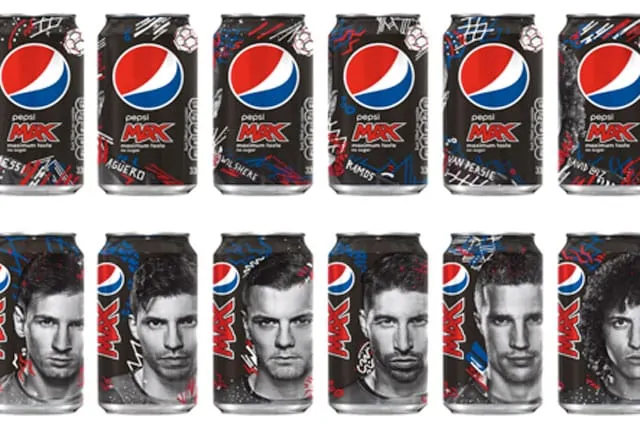
Coca Cola signed a contract and became the official marketing partner of FIFA and had a marketing, branding and activation exclusivity in the category relating to FIFA and World Cup efforts of every Football World Cup. Pepsi ambushed this marketing effort of Coca Cola by signing 19 renowned football players including Argentinean Lionel Messi and Sergio Agüero, Englishman Jack Wilshere and Brazilian David Luiz, etc. and launching its ‘Live for Now’ Campaign. Though not associated with the actual event, Pepsi’s marketing activities made it look like it was associated with it and this affected Coca Cola.
130-year-old Mercedes Benz wished BMW its 100th birthday
Mercedes Benz effectively capitalized on the event of BMW’s 100th birthday and wished its competitor on social media while advertising for itself.
A video posted by Mercedes-Benz (@mercedesbenz) on
Pepsi’s ‘Nothing official about it’ Campaign
In 1996, Coca Cola acquired the rights of being the official sponsor of the cricket world cup held in India. However, to tackle the same, Pepsi launched a campaign named – “Nothing official about it’ and stole the limelight from Coca Cola. The instance perhaps marks the most famous example of ambush advertising in India.
DHL vs The Competitors
DHL is one of the most known brands when it comes to delivery. Apart from being fast, they do have a witty mind when it comes it ambush marketing. DHL, instead of advertising this fact, played a trick on their competitors by making them deliver a big box which said – DHL is faster.
Go On, Tell Us What You Think!
Did we miss something? Come on! Tell us what you think of this article on Ambush Marketing in the comments section.
Digital marketing is an umbrella term for all of the online marketing efforts. Businesses leverage digital channels such as search engines, social media, email, their websites, and online advertisements to carry out their marketing motives of brand/product awareness, user engagement and connect, etc. Digital marketing strategies are routes to fulfill digital marketing goals. Marketers usually confuse tactics with strategies and that is one of the main reasons why digital marketing strategies fail.
What constitutes a Digital Marketing strategy?
Digital Marketing Strategies are routes which business takes to achieve specific goals. Strategies can defined keeping in mind 6 layers –
Goals – Increased Traffic / More Reach / Increased Sales / Customer Retention etc. A goal should be measurable.
Device – Desktop, Mobile, Tablet, or any other digital gadget like Kindle, Apple Watch, etc.
Purpose – brand awareness / brand building or product awareness / increase in sales, etc.
Location – City, country, countries, continent, or global.
Time frame for ROI – Sometimes the reason why digital marketing strategies fail is because marketers fail to predict and set the time-frame for ROI. They expect immediate returns from a strategy that would actually take an year to reap results.
Difference between Digital Marketing Strategies and Tactics.
Strategies are roads taken by the marketers to achieve their goals. Tactics are the steps they undertake to carry out the strategy. To make it simpler –
Strategy is the route business takes, whereas tactics are the shoes it wear.
For example, a digital strategyto increase user engagement on social media could be to post at least 8 times in a day. Whereas thetactics of digital marketing strategy could be to post on Facebook at around 3-5 pm and on twitter at around 6-7 pm.
Why Digital Marketing Strategies Fail?
Multiple Goals or No Goal
A digital marketing strategy must be formed keeping in mind a single goal which needs to be fulfilled. There can’t be a single digital marketing strategy to increase the reach and sales at the same time. Similarly a strategy which doesn’t have a set goal will reap varied and non measurable results and will be a waste of resources and time. Marketers should think about what each tactic should compel users to do and form user journey according to it.
The reason why digital marketing strategies fail is because marketers try to fulfill everything at once. They should realize that online marketing strategies, just like offline strategies, require a call to action, tactics, and results that can be measured.
Excessive Push Efforts (with no Pull Communication)
Some overly obsessed marketers forget the importance of pull effort in the communication. Push and Pull communication efforts can easily be distinguished. Pull communication is designed in such a way that the consumers willingly fulfill the marketing goals of the marketers whereas cases where the marketers insist customers to fulfill their goals, it is called push communication.
It’s not always bad to use a push communication and not always good to use pull efforts. But things have to be balanced keeping in mind the type of your product and your marketing needs.
push & pull strategies simplified
An imbalance can be seen in this digital video advertisement of Windows 7 where Microsoft is seen trying so hard to sell its new product.
Strategies & Tactics Confusion
Tactics are part of a strategy. When Tactics are mistaken for strategies, it becomes hard for a digital marketing strategy to succeed and reap results.
No Synergy
All marketing efforts, offline – online & online – online must be in synergy and focus on a single goal. Contradicting efforts may result in varied brand image and brand positioning in the mind of the customers.
An example of synergy in marketing efforts can be seen in strategies developed by IKEA. IKEA is amazing when it comes to marketing. It launched the Catalogue app in 2013 which not only gave users access to the company’s inventory, but via augmented reality, actually allowed them to view how items would look in their home spaces. This was a great step to synergize the online and offline marketing efforts and tackle competitors (both online and offline) effectively.
Lack of Research
Every marketing strategy is focused on customers. The company should know about their audience, their wants, needs, and luxury.
Digital Marketing strategy should give the users what they want. Content marketing and search engine Marketing strategies should focus more on the keywords and content whereas social media marketing, and email marketing should focus more user trends and engagement.
This research, however, should be done carefully or it can have results like one of the Microsoft’s trolls where it sent Hey Bae letter to millennials as an offer for interview.
Digital business environment is more dynamic than the usual business environment. Rigid strategies with fixed tactics don’t usually work in the digital environment. Once goals are set, strategies and tactics are needed to be modified from time to time based on the user trends, search engine trends, and other digital factors.
Unable to predict the Time-frame
Some marketers accept a premature defeat because of wrong predicted time-frame for results from a digital marketing efforts. Digital marketing efforts, just like other marketing efforts, take time to reap desired results.
Digital marketing goal setting and execution is a bit different from usual marketing goals. It needs actual analytics to be read and understood to proceed.
Less Focus on Customers
When you focus more on your product and less on consumers and consumer psyche, you may land up in a mess similar to MCD which launched a name your own burger digital marketing campaign to support its create your taste campaign and ended up getting very hilarious and offending names. The campaign was pulled soon after it went live.
Mcd Digital marketing campaign
Not Following the Trend
Trend rules the digital world. If you know the art of using trend for your own benefit, you can be the king of digital world.
Many marketers fail to realize the importance of trend while implementing their efforts which is why many digital marketing strategies fail.
Go On, Tell Us What You Think!
Did we miss something? Come on! Tell us what you think of our article on Why Digital Marketing Strategies Fail in the comments section.
Swipe, get matched, flirt and date. Tinder Business Model is so simple yet so effective that the company is now one of the fastest growing social startups and mobile applications of all time. But the question of how Tinder makes money got answered after two years of operation when the company launched Tinder Plus.
Once in place, there was no looking back as new features were kept on being added to make the revenue model of tinder stronger.
Tinder Business Model
Launched in 2012, Tinder addresses the social and physical barriers to forming new friendships and relationships. The company is owned by InterActiveCorp (IAC), an American Internet and media company, which also owns more than 150 brands and products (including – about.com, ask.com, dictionary.com, Vimeo, Investopedia, CollegeHumor, Match, OkCupid, Meetic, Twoo, PlentyOfFish, etc.).
Tinder has a unique selling proposition of connecting users with strangers which they wouldn’t have normally met, rather than connecting with people a user already knew. This, being a new thing in 2013-14, brought many new users to the application. The application also won TechCrunch’s Crunchie Award for “Best New Startup of 2013” because of its unique business and operating model.
Before discussing how does Tinder make money, let us first discuss how Tinder works.
Tinder is a location-based social search mobile app (using Facebook) that facilitates communication between mutually interested users, allowing matched users to chat.
There are some aspects which should be discussed before discussing the revenue model of Tinder application. These aspects are –
Profiles
Users create a tinder profile by logging in through Facebook. Profile pictures, work and college, interests and other basic information is imported from Facebook. These profiles play a very important role in the business model of tinder.
Location
Tinder is a local based social search application which suggests different users to a person based on his/her location and interests.
Swipe
Swipe is central to Tinder’s design. List of prospective matches based on geographical location, number of mutual friends, and common interests are suggested to a user who is asked to swipe right to like and left to dislike the suggested profile and continue the search. Tinder was the first application to use this feature.
Match
Users get matched if both of them have liked each other. A match is a prerequisite to start a chat.
Super Like
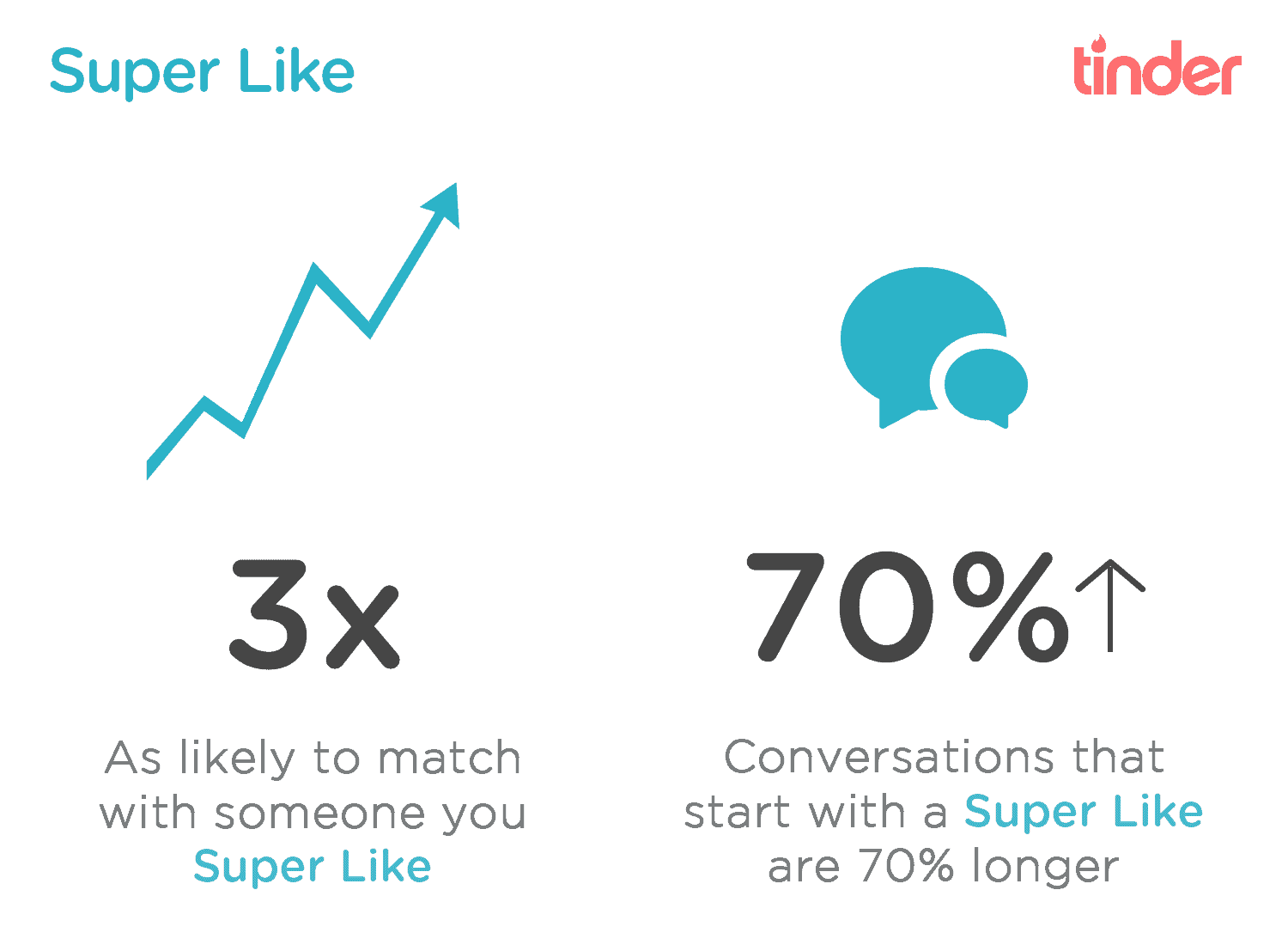
Introduced on October 1, 2015, with the new Super Like feature users, instead of indicating anonymously that they are interested in someone by swiping right, can Super Like them which notifies them that they are interested in them. Users are three times as likely to find a match by using super like feature.
Source: BusinessInsider
How does Tinder make money?
Tinder Plus (Freemium model)
Though launched as a fully free application in 2013, tinder changed its operating model in 2015 to a freemium business model where it started charging for some features like unlimited swipes, location change, etc. These features were a part of Tinder Plus which divided the business model into two halves – The money-making Tinder Plus, and network making Tinder basic.
The users who use tinder plus have access to these special features –
Unlimited Swipes
Passport (find match at any location)
More than 1 Super Like per day.
Rewind Feature (undo the last swipe)
1 Boost every month
There can be a match between a plus and basic application user. However, the free Tinder app limits the number of right swipes in a 12 hour period.
The cost of Tinder plus is variable ( between $9.99 to $19.99 in the United States) depending on the age of the user.
Tinder Gold (extension of Tinder Plus)
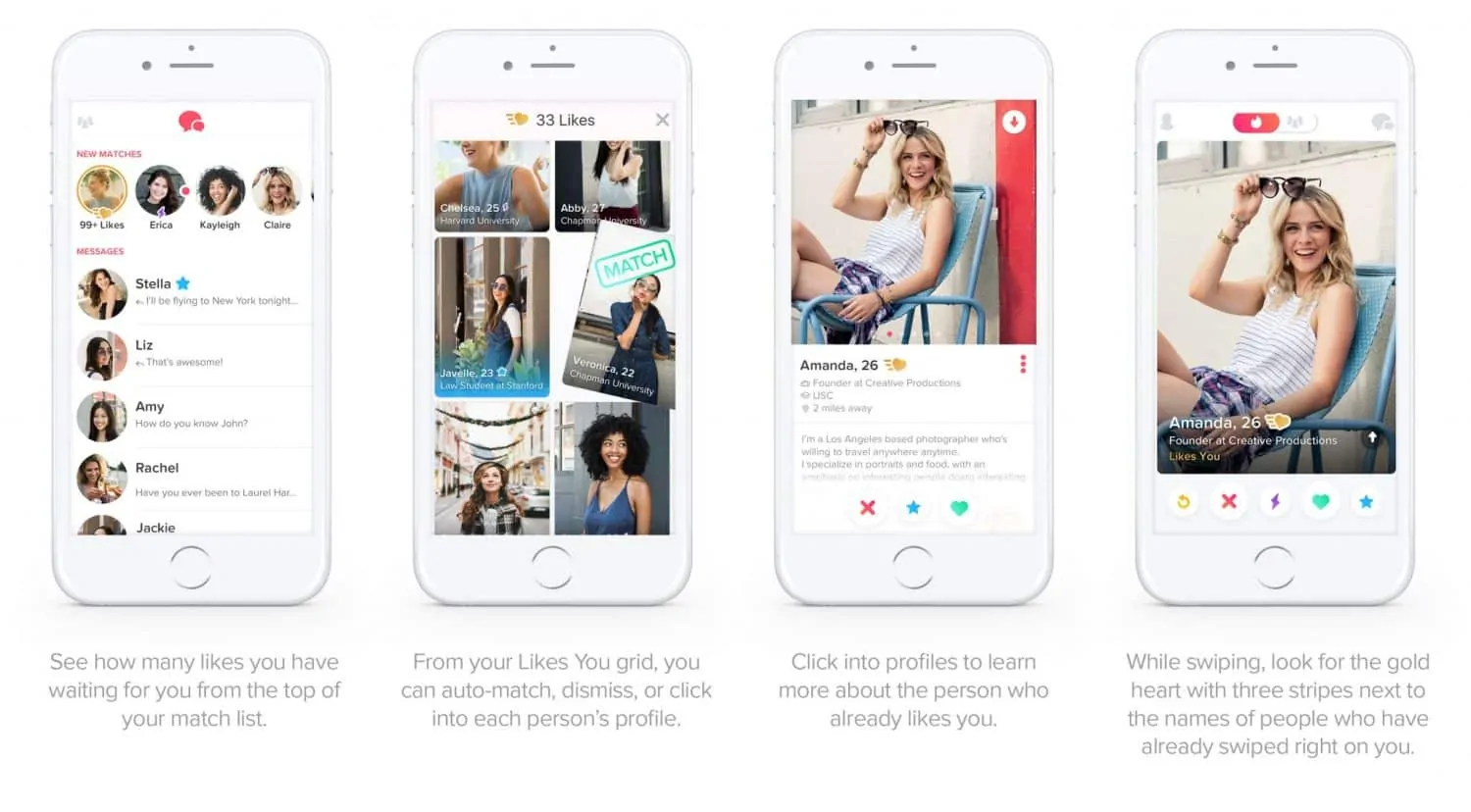
Tinder has put itself in a different gear with the introduction of the new members only feature- Tinder Gold. Tinder Gold is an exclusive paid service which provides all the Tinder Plus features along with the new Likes You feature.
This new feature lets you see how many likes you have got, shows the people who’ve liked you in a grid format, and lets you like back, dismiss, or check the person’s profile without wasting time in swiping. Even the swipe feature is added with gold heart logo which indicates that the person has swiped you right.
Just like Tinder Plus, the cost of Tinder Gold varies for different ages and locations. This experimental feature has currently been priced between $14.99 to $82.99.
Sponsored Profiles
Various corporate and events have started partnering with Tinder to show their sponsored content in the form of profiles. Tinder, just like Snapchat, has smartly camouflaged the sponsored content/advertisements to its usual interface to make it look less intruding.
Tinder Advertisements
Whenever a user like (swipe right) a sponsored profile, he gets automatically matched and receives a pre-drafted message from the sponsor with whom he can either converse or engage by clicking on the link. Chatbots are usually used for this purpose.
Boost
A recent addition to the paid features, Boost makes user’s profile the top profile in the area for 30 minutes. This increases the chances for a match for up to 10x more profile views and 3x more matches while boosting. This feature, though included in plus, is a standalone feature which can be bought at a price range of $1.99 to $3.99 per boost.
Go On, Tell Us What You Think!
Did we miss something? Come on! Tell us what you think of our article on How does tinder make money in the comments section.
Pinterest is one of a kind visual-oriented social media platform with an enormous 454 million active users worldwide. With a net worth of $28.13 billion, it is a leading internet platform and one of the fastest-growing social networks. Launched in 2010, Pinterest has progressed astonishingly and has become a social media star by targeting different demographics through its diverse attention vying content.
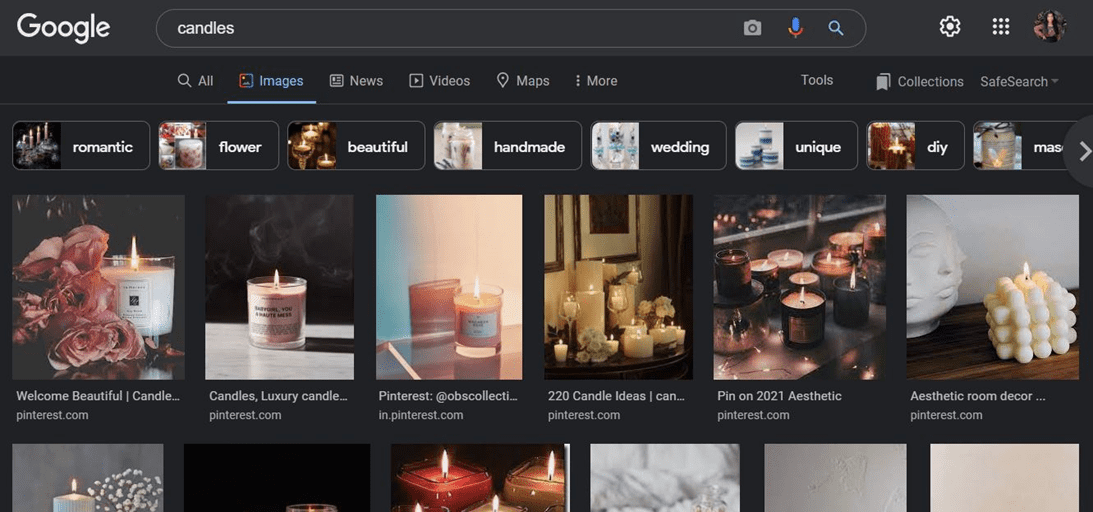
Moreover, it is interesting to note that Pinterest is a visual search engine and discovery platform with no direct competitor. Google being the closest competitor, however, has an entirely different set of features.
So let us understand how Pinterest works? What value does it offer to its customers? Why has no player ever come close to this giant? And how does it make money?
What is Pinterest?
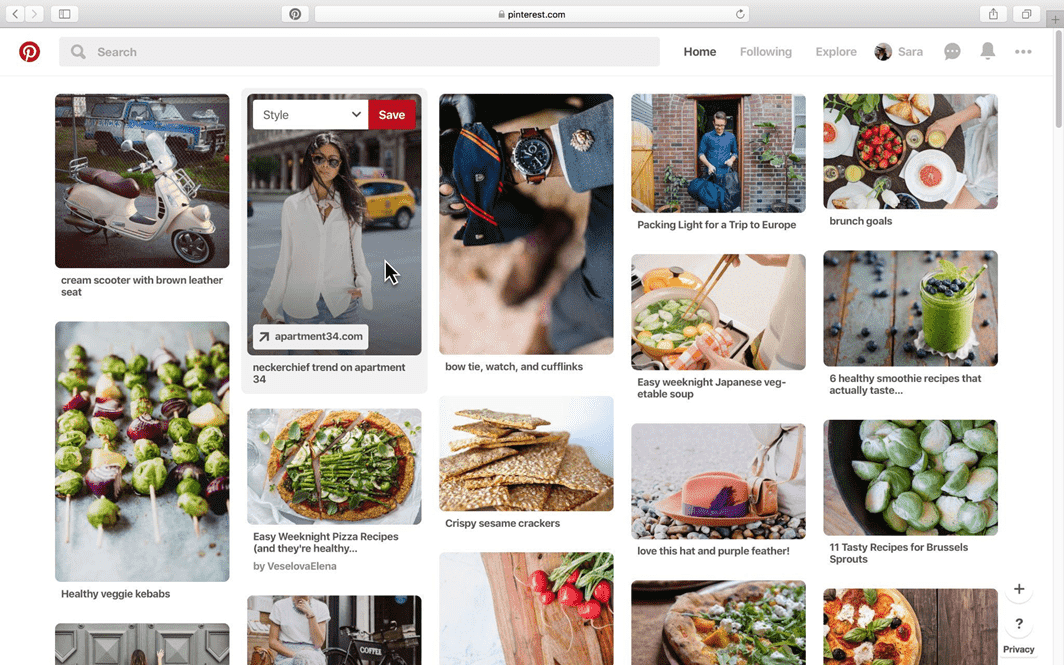
Pinterest is like an online version of a scrapbook or a monthly planner that lets users share, save and organise their pictures and ideas in one place.
The versatile free-to-use platform enables you to build a profile, browse for ideas, save things that interest you and share your own ideas in the form of pins.
Moreover, these pins enable you to explore the entire internet visually. The virtual gallery of catchy and attractive photographs and short videos suiting the users’ needs is what makes Pinterest unprecedently popular.
Now let’s dig into the details and closely explore the business model of Pinterest.
Pinterest’s Target Audience
Based on the purpose of usage, Pinterest essentially targets users and advertisers.
Users are individuals who either create original content or re-pin to create collections or assemble pinboards to add to the content catalogue for free.
Advertisers, however, are small and big businesses and brands that exclusively showcase their products and services on the platform by paying for them.
It is interesting to note that Pinterest attracts multiple generation brackets. In comparison, Gen-Z and Millennials are the most prominent target audience accounting for 36% of total users aged between 18-29. The platform is also popular among the Gen-Xers and Boomers.
According to a study by Pew Research Center, Pinterest is used equitably across all income groups with slight deviations. The usage by different economic groups can be attributed as:
Yearly Income
Percentage Users
<$30,000
30%
$30,000- $49,999
32%
$50,000- $74,999
31%
>$75,000
35%
As far as gender demographics is concerned, 45% of the women actively use the site compared to only 17% of men. Geographically, the United States of America hosts the maximum number of Pinterest users amounting to 89.9% of the audience, followed by Brazil, Mexico, Germany, the UK etc.
What Value Does Pinterest Provide To The Users?
Pinterest is like an interactive visual encyclopedia that can keep us hooked for a long time. But why exactly does it happen?
It is because Pinterest combines two of the most compelling elements of social networking, i.e., visual content and sharing individuality, which can address the users’ pain points. It delivers high worth to the pinners whereby they can:
Browse conveniently: Pinterest is a site that connects the users to a million other websites and apps simultaneously. It displays the most explicit and popular content related to the search and gives a birds-eye view of the entire internet landscape without visiting each site separately. Moreover, the user-friendly interface makes interaction with the website/app easy. The feed displays content according to preferences categorised according to age and geography make the experience even more customised.
Explore visually: Pinterest is like a visual scrapbook that hosts a plethora of ideas and themes from A to Z. For example, on searching for the word ‘Holiday,’ the search results show novels, movies, tour packages, blogs, gifting items, themes, ideas, short video, photoshoots etc. that are closely associated with Holiday. Moreover, users can search and discover visually through images rather than text-based content, making the customer experience fun and memorable.
Curate content: The platform hosts two types of content creators. The users are the ones who explore ideas on the site and create pins and pinboards by saving and organising similar content together. These pinboards are also visible to others on the network; therefore, they create content for others. On the other hand, small and big businesses and creative people curate original content, products, and services and surface it on the platform by creating pins of their exclusive content to advertise themselves. These entities add new content to the site either by paying or not paying for it.
Plan and organise: Users can manage their pins on different boards around different themes or projects.Furthermore, the user can create unique pinboards by re-pinning similar pins and adding new themes to the platform. Therefore, Pinterest serves as a guiding map for undertaking various professional and personal tasks.
What Value Does Pinterest Provide To The Advertisers?
Pinterest is generating massive revenues from its promoted pins or advertisements. Businesses and brands can effectively captivate the audience using visual imagery and display their offerings better. This is turn, incites the users to act and make purchases. Advertisers are choosing Pinterest because they can:
Target ad campaigns: People visiting Pinterest have an intent. This means they are driven to the site to explore, purchase, discover ideas, etc., which is why they are more likely to act after seeing advertisements. Therefore, advertisers are effectively reaching out to those people only who are likely to become their customers on Pinterest. This is why ads on Pinterest are more rewarding than those on social media.
Get an incredible reach: When the content brought in by the business is trendy, customer-targeted, and engaging, the content itself gets re-pinned again and again on different dashboards and pinboards and highlights the content even more on the platform. Therefore it continuously drives more and more people to the advertisers’ website.
Discover customer experience: Advertising on Pinterest is not just about selling the product or service. It has more to it. Businesses get a chance to tell a visual story and build brand awareness on the platform. Therefore companies gain insight into customer experience right from the beginning till the end.
Create a long-term impact: Pins make a visible presence on the platform and have a longer lifespan than tweets and Instagram posts. A pin may reappear on the home feed even after months of being initially posted. This longevity is a powerful asset for advertisers.
Pinterest Business Model
Right from 2010, Pinterest was right on track with a web social catalogue business model. It didn’t take long to be recognised as a social networking platform as the business model included public pins and pinboards that could be re-pinned according to users’ interests.
Today, the Pinterest business model has ecommerce, cataloguing, content aspects, and social networking features. Like its counterparts (Facebook, Snapchat, etc.), Pinterest has developed an advertising revenue model that benefits from the users visiting the websites. Before moving on to how Pinterest makes money, it’s essential to discuss the significant elements of the Pinterest Business Model.
How Does Pinterest Operate?
To understand how Pinterest works, we need to break down various key factors: elements, activities, partners, techniques to market itself, channels for reaching out to customers etc.
To better understand how Pinterest works, we first need to break down its key elements. They are as follows:
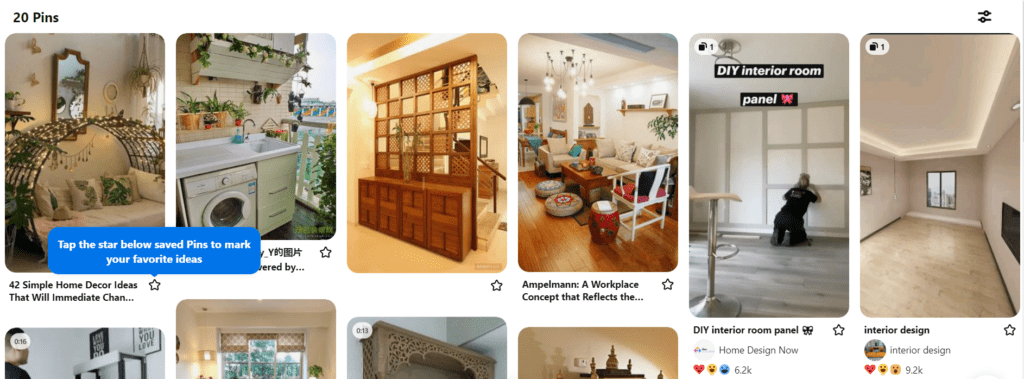
The pinis the image that is added to Pinterest. Registered users can save anything they like on the web in the form of pins. These pins can be saved using the browser extension of Pinterest or through uploading pictures on the Pinterest website. It includes photos, description, user ID, board pinned on and the category of the pin. Pinterest boasts about 240 billion+ pins saved by pinners today.
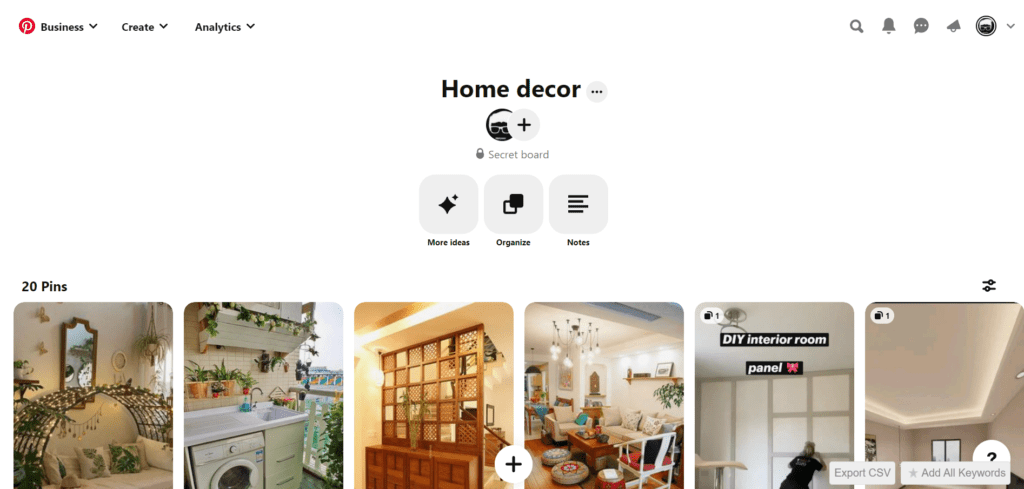
PinBoardsare a virtual collection of the users’ saved pins. A particular user may have multiple boards depending upon interests. Pinboards can be both private and public. Public pin and pinboards can be viewed and re-pinned by other users. Whereas only the user can access private boards. Pins and pinboards have a longer retention value in the search results than other shared stuff over websites like Facebook and Twitter. More than 5 billion boards are organised on Pinterest at present.
Monthly searchesare the number of times people looking for a keyword land to the Pinterest site. On average, a Pinterest user types a search eight times a month, giving it globally 2 billion monthly searches.
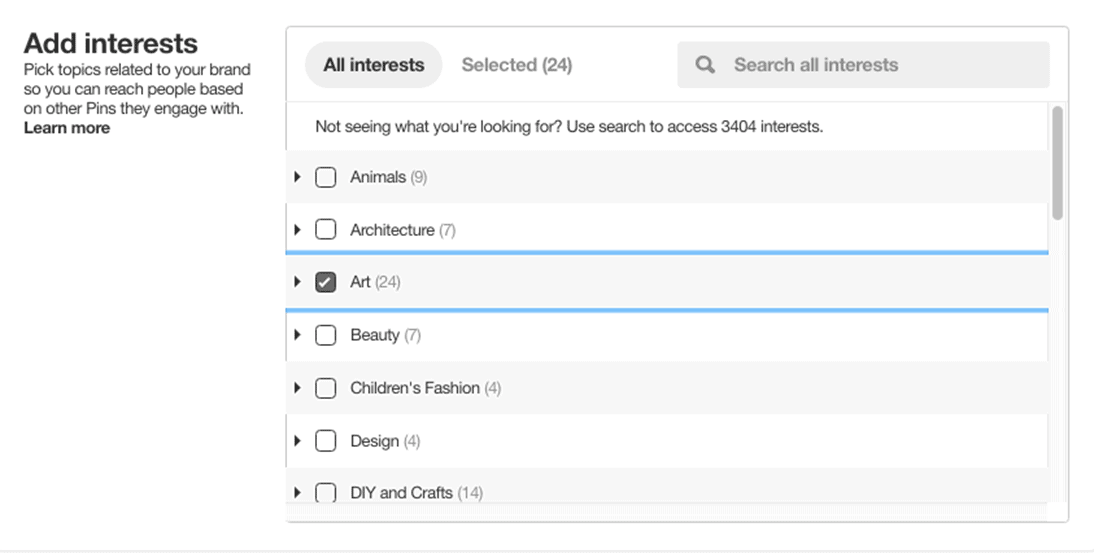
Interestsare the site themes based on which images, videos and short gifs are organised. These interests are employed for user searches, content categorisation, and ad targeting. Pinterest hosts around 6700 interests on the platform.
How Do Users Operate Pinterest?
Pinterest boasts a multi-million user base because of its unique interactive interface allowing users to:
Build a profile: Users create their profiles to create an identity on Pinterest. The unique user ID enables people to use the platform, search and explore ideas, save pins, create personal boards, create pins, follow famous collections and brands etc. Others can view the profile on the network and explore the content it contains as well.
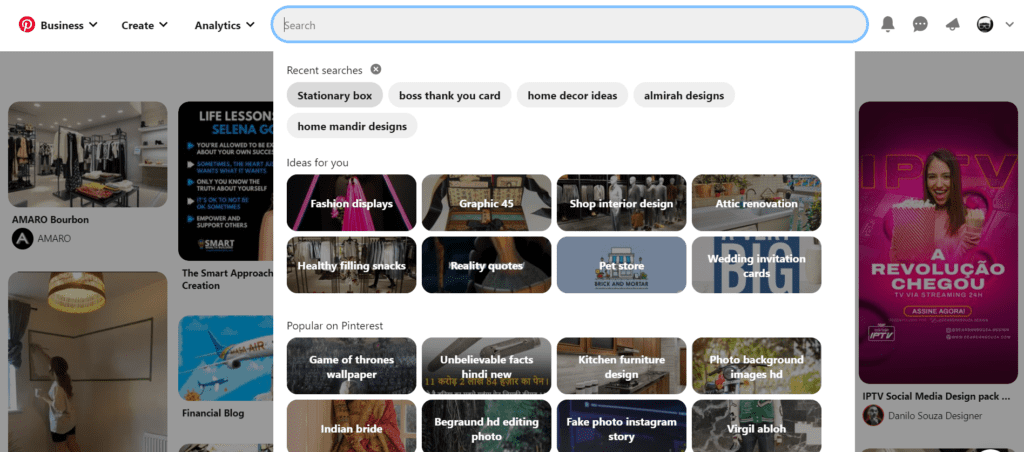
Discover ideas: The search bar enables users to discover ideas, businesses, and brands related to the search keyword. The recent activity builds the home feed and shows pins closely associated with the browser’s interests. The home feed becomes customised and personal to the user with relevant content from followed interests, themes and pinboards.
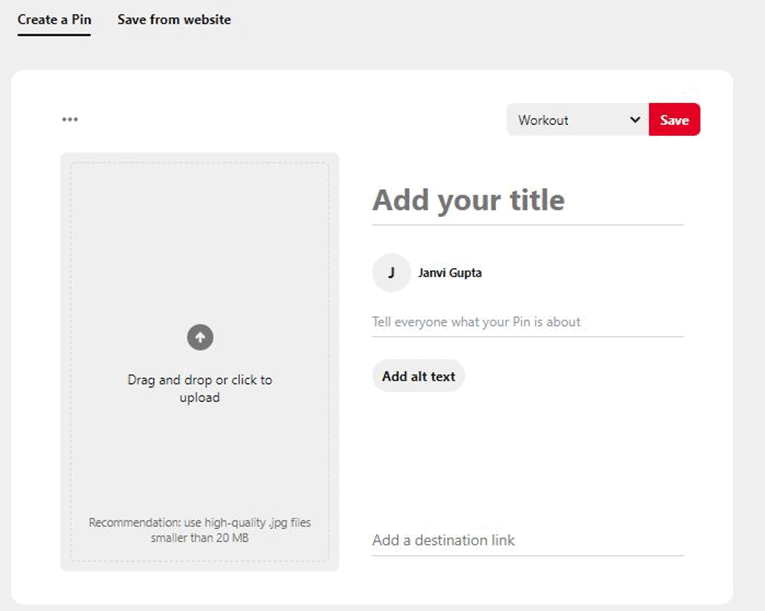
Create Pins: A pin is created by adding images or short videos and a brief description and link to the source on Pinterest. These pins may be images, videos and gifs on diverse themes for personal and professional undertakings.
Save, share and shop Pins: Pins are the virtual bookmarks saved in one’s profile. Users can also create pins by saving the content they love. These saved pins are like bookmarks and can be shared with friends and families through different social media platforms. The pins also display products and services advertised by brands and businesses, and users can shop from the same.
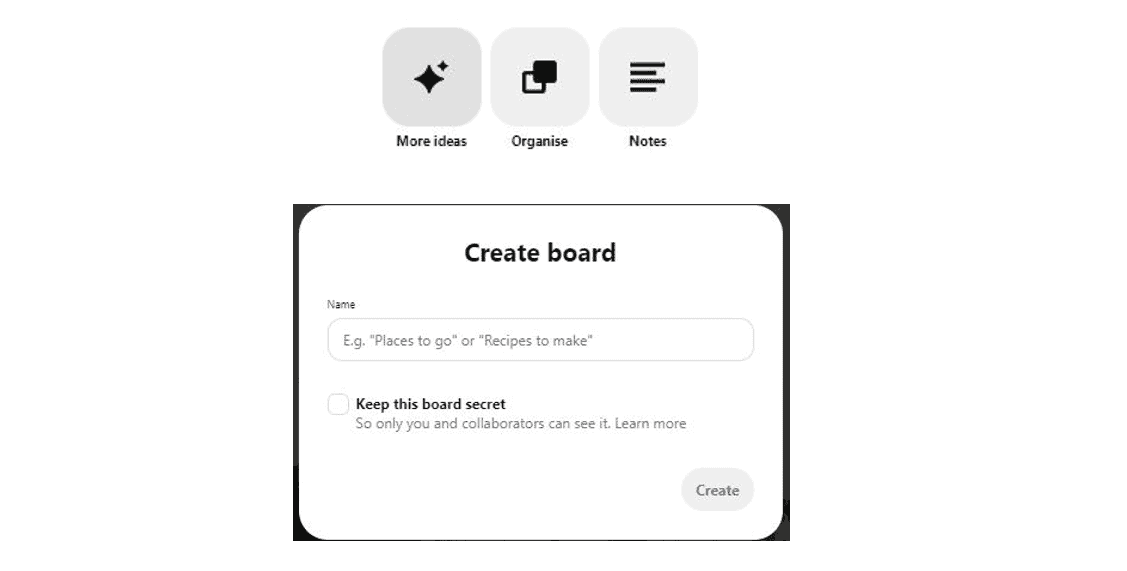
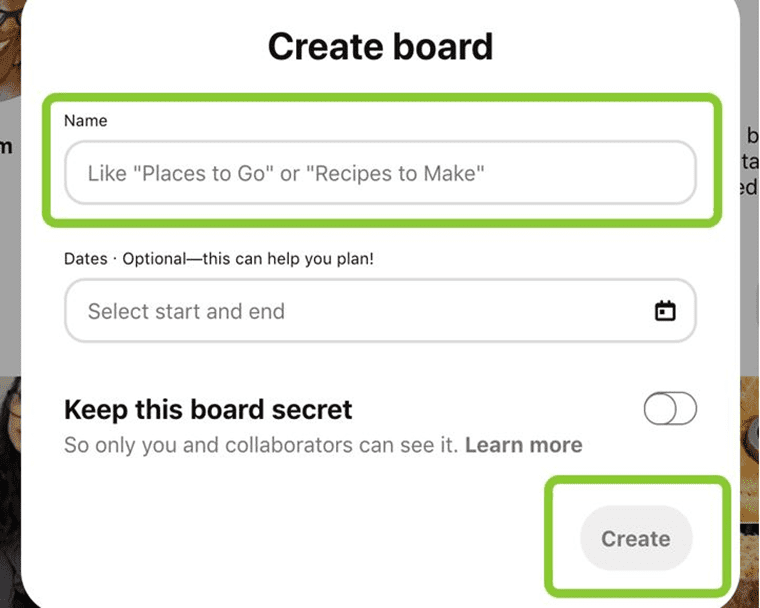
Create Boards: Users can arrange the saved pins in the different collections according to their tastes and preferences by creating different pinboards. These pinboards can also have additional notes, checklists or reminders. In case users want to keep their pinboards private, they can create secret pinboards as well.
How Do Advertisers Operate Pinterest?
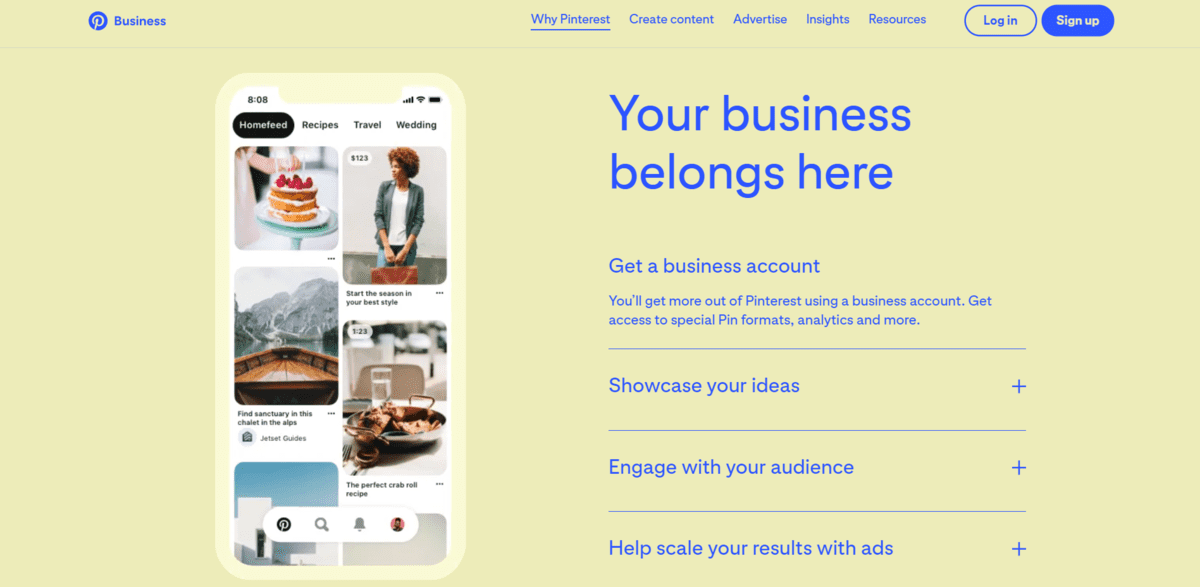
Create a business account: Advertisers need to create a business account as the first step to advertise on Pinterest. They can either convert an existing account to a business account or create a new one. This helps them to get the necessary assistance and know-how of creating ads for the platform. Moreover, installing the ‘Pinterest tag’ tracks people visiting their websites through Pinterest ads. Therefore from the very beginning, analytics come in handy in Pinterest Business.
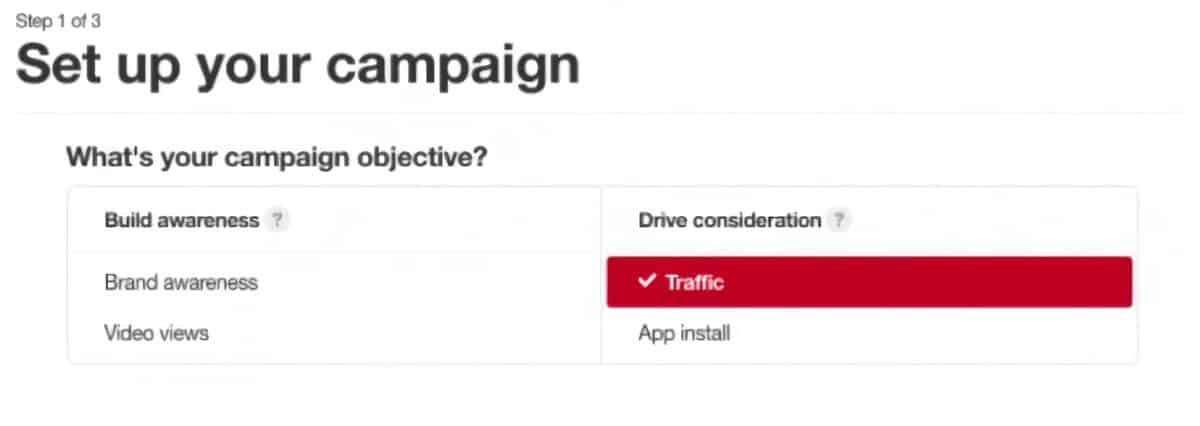
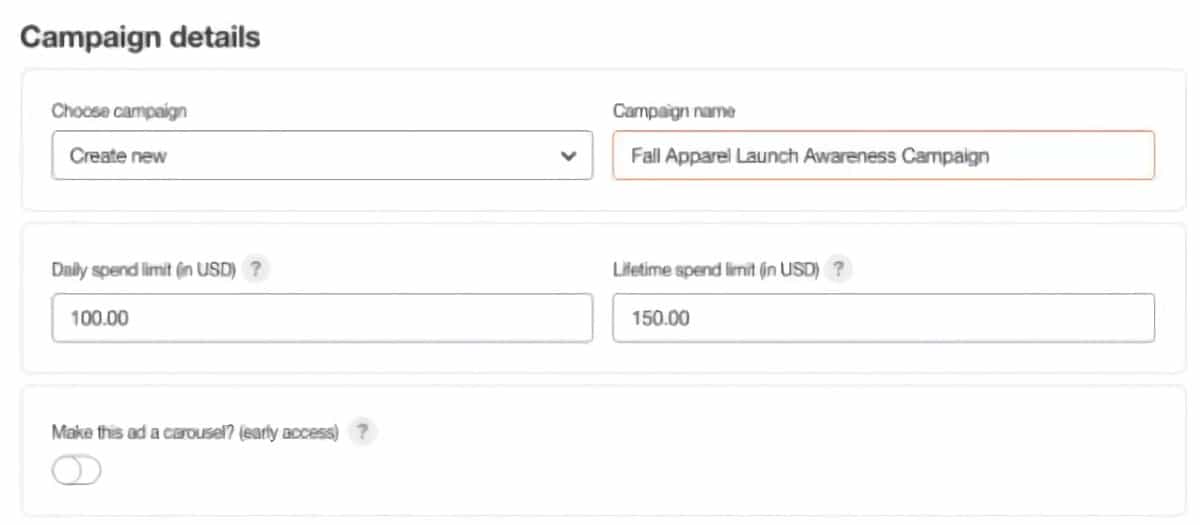
Build the campaign: Businesses should designate a name for their campaign closely associated with their offerings. In addition, to provide a direction to the business dealings, it is essential to have a goal. Pinterest allows businesses to set up this campaign goal to streamline their advertising process. It may be driving traffic, building brand image, generating sales, getting views, app installations etc.
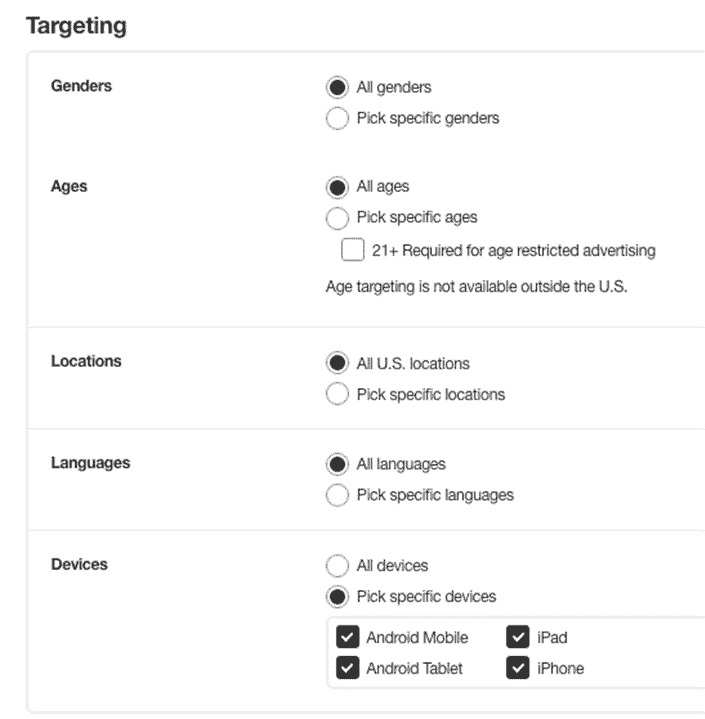
Choose their target audience: Pinterest allows advertisers to set parameters for their potential target audience. They can choose between gender, age, language, location and devices through which their ads can reach their customers. This is an effective way to get more views because ads are directed according to people’s latest trends and preferences.
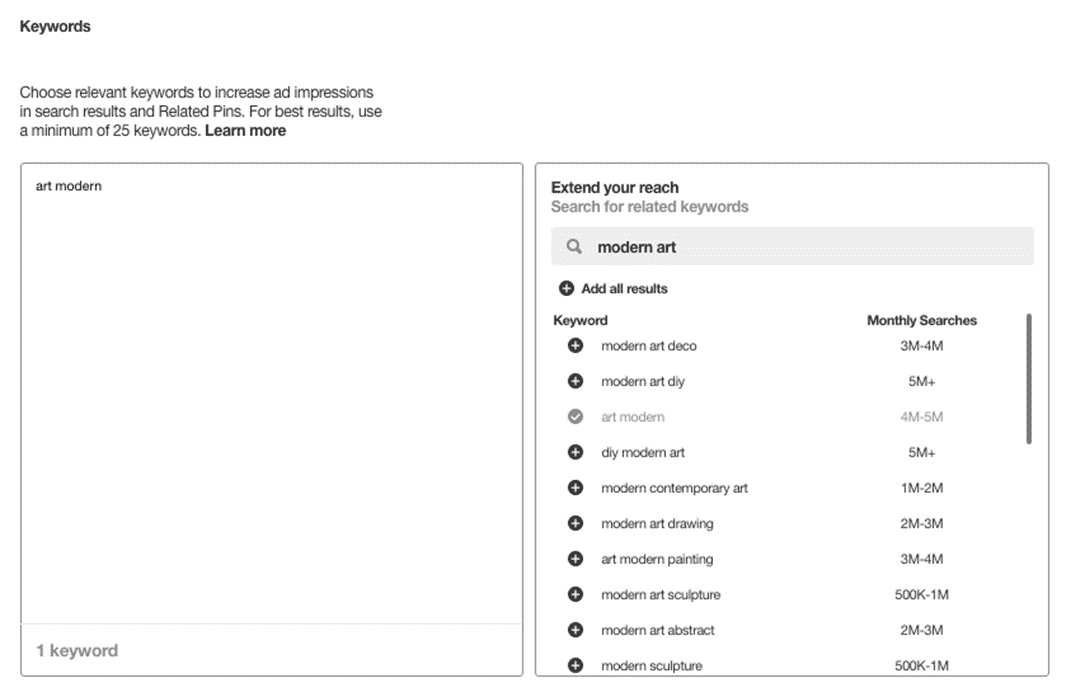
Select ad placement and add interests: Advertisers need to select their preference for displaying their ads either while browsing or searching or both. Their budget helps in this ad placement selection. To further expand the advertisers’ reach, Pinterest allows them to add interests and keywords associated with their campaigns. Businesses can choose from thousands of interests and keywords to match customers’ needs or even convert them.
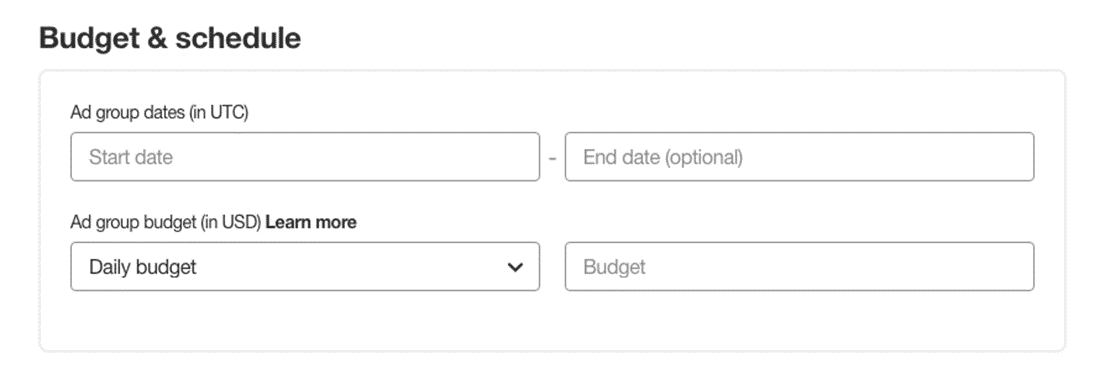
Set budget and schedule: Advertisers fill in the start date and end date of their campaign.They also set up the campaign budget suiting their preferences by fixing their daily spend limit and lifetime spend limit (lifetime spends the spend between the start and end date of the campaign). Finally, the campaign timings and display can be scheduled for promotion.
Pick the promoted pins: The campaign is finalised by choosing the pins to be promoted or advertised on the platform. Advertisers should ensure that the pins selected are saved on their profile and not added to a secret pinboard. These pins should contain the destination URLs and should have original content.
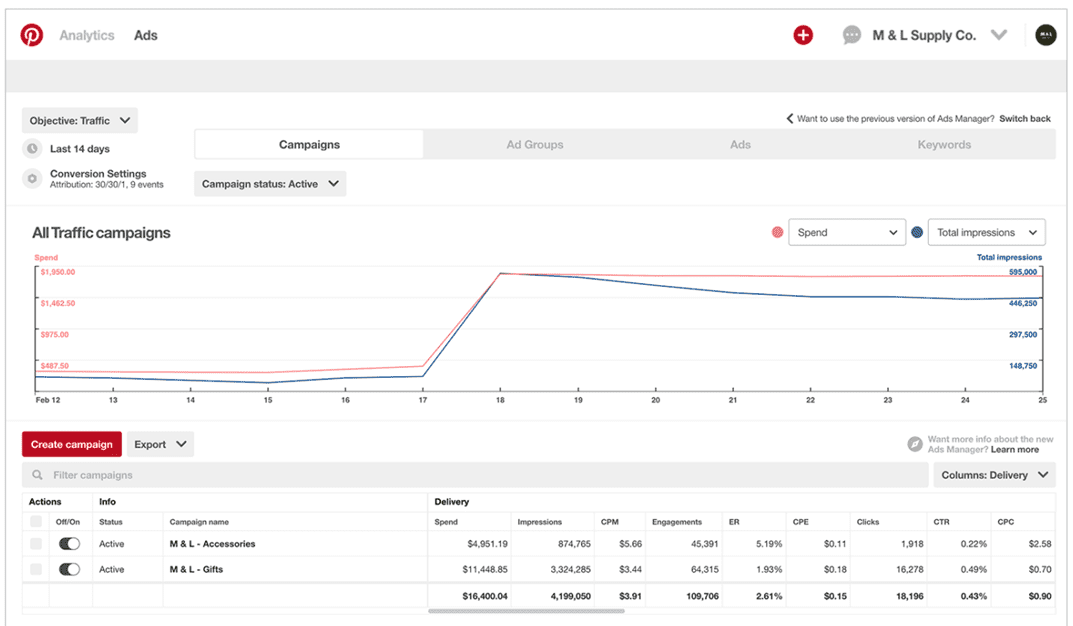
Monitor campaign performance: The Pinterest Ads Manager dashboard allows advertisers to analyse their campaign performance. It helps evaluate the reach and actions their ads instigate in the audience through key metrics and analytical tools. It also inspires the advertisers for their next campaign by considering the customer response to their previous and ongoing campaigns.
What Are Pinterest’s Key Resources?
Pinterest can deliver top-notch value to its customers because it uses its valuable assets. These assets are the company resources that are built and nurtured for the growth of the business. Pinterest’s assets are classified as:
Digital Assets
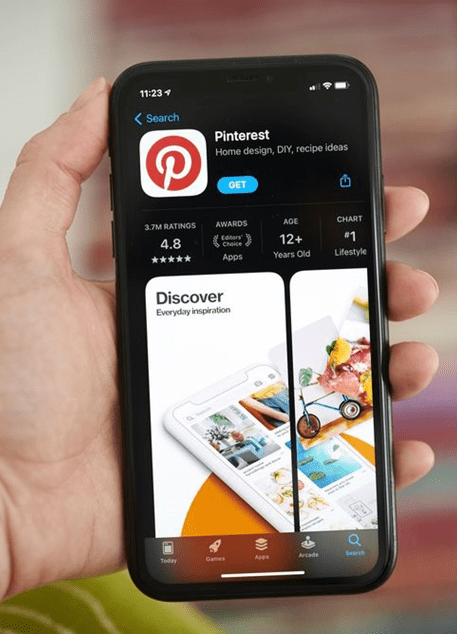
The chief resource of Pinterest is its proprietary software platform that hosts its website and application. The website is accessible through a desktop or tablet, and the application is available for android and ios devices; that eases the process of visual discovery on Pinterest.
Human Capital
The employees are the human resource at the back of all Pinterest operations handling technical, content, and other assets for delivering the value proposition. It has a diverse workforce of 2500+ employees.
The top human capital is its technical employees who provide technical support to Pinterest to constantly build and improve its platform. They optimise its virtual presence and make its operations effective—E.g. App developers, social media managers etc.
Pinterest has been associating with internet service providers and expanding zero-rating agreements. Zero-rating agreements allow the internet service providers to enable browsing of certain websites free or subsidised. In other words, Pinners can use the site/app without counting upon their internet data. ,
Who Are Pinterest’s Key Partners?
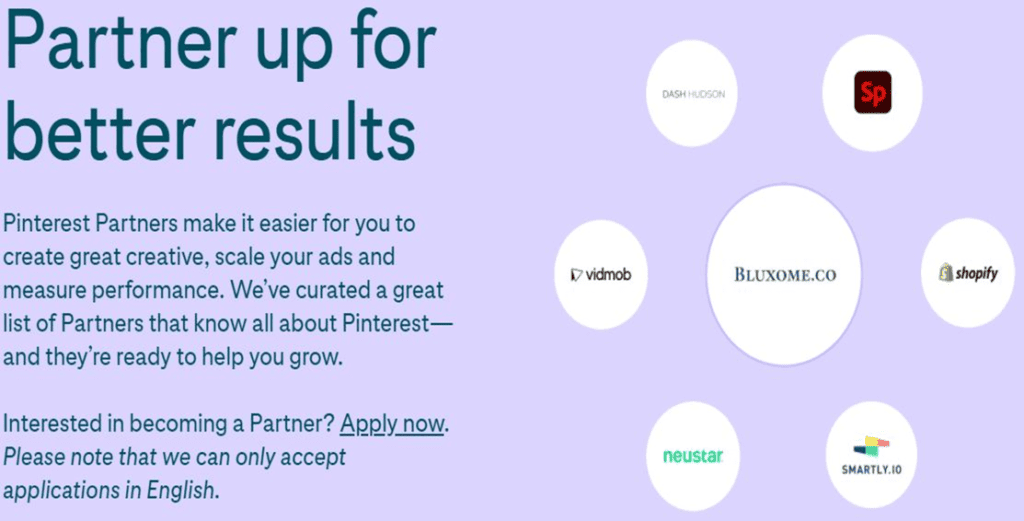
Pinterest has built some strong relationships with people and businesses that make its business operations effective. Pinterest maintains the Pinterest Partners program, which consists of firms that provide services and tools to help brands on the site evolve and optimise their earned, paid and owned content.
Pinterest’s key partners include:
Advertising Partners: They help businesses to create an effective media strategy. They help in creating engaging ads and managing marketing campaigns for the brands on Pinterest. Kenshoo, Smartly.io, Sprinklr are some advertising partners of Pinterest.
Audience Partners: They help businesses discover customer experiences and use the insights to build a more targeted brand. MikMak, Shoppable, SmartCommerce are some audience or shopping experience partners of Pinterest.
Content Partners: They help businesses to optimise their content on Pinterest by using tools like Pin schedulers and engagement dashboards. It helps to create a strong presence on Pinterest. Buffer, Newscred, Tailwind are some of Pinterest’s content partners.
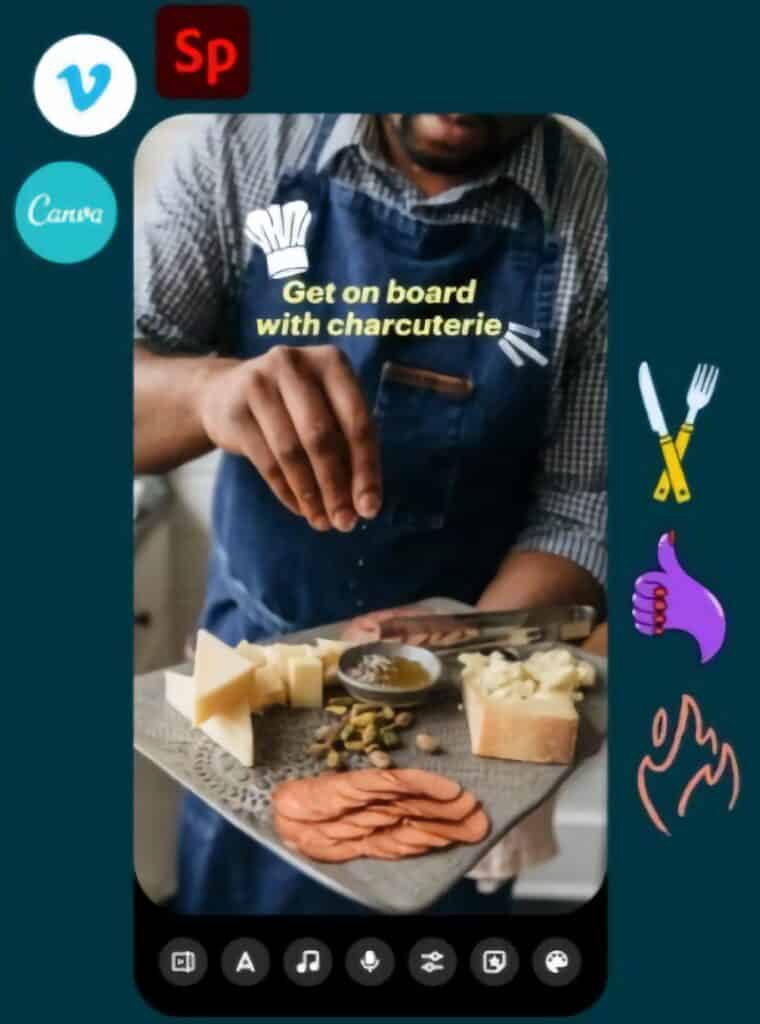
Creative Partners: They help businesses scale up their success by adding creativity to the content. They employ special tools to design vying attention content. The Online Studio, Social Native are some creative partners, while Adobe Spark, Canva are some creative tool partners of Pinterest.
Measurement Partners: They help businesses analyse and track data to create more fine-tune targeting promotional content for the platform. They employ expert analytics and measurement tools to shape the brands.
Shopping Partners: They help businesses quickly set up an online store and attract customers. They help in managing the feed and bringing good customer experiences. Shopify, Ecwid, WooCommerce, Feedonomics are some shopping partners of Pinterest.
How Does Pinterest Reach its Customers?
Pinterest uses specific communication channels to reach out to people, make a presence and provide its services. These key channels offer hassle-free access to the platform.
In a bid to attract the customers to the platform for the very first time, Pinterest makes use of the following channels:
Website and Application: Users can directly access the platform through a website or application available for both android and ios. The website and app interface are quick and straightforward to learn for beginners as well. The well-organised website in mobile and desktop versions further makes online browsing simpler.
Search engines and social media platforms: Pinterest can also be accessed through indirect channels as well. Search engines like Google and social media platforms like Facebook are also Pinterest’s indirect channels. E.g. Google uses images sourced from Pinterest on their image search results, and Pinterest allows sharing of pins on Facebook, among other social platforms. This way, browsers are directly routed to the website. Twitter, Linkedin, Youtube etc., are some other sources that help Pinterest reach its potential users.
In a bid to retain its users and engage with them for the long term, Pinterest makes use of monthly email newsletter, push notifications, business and resource pages, word of mouth publicity, established blogs etc.
Pinterest’s Revenue Model
Pinterest didn’t have a revenue source till 2013 when it released its new feature – the promoted pins. Promoted pins are advertisements in the form of pins on the user dashboard, search results, and other places on Pinterest promoted by an identified sponsor and redirected to the sponsor’s website or application; thereby, Pinterest follows an advertising revenue model.
The promoted pins, just like promoted content over other social media networks, are user targeted so that the user and the advertiser get what they need. Their reach depends on the bids by the sponsor, and the bids depend on the target interests and other demographic factors.
Pinterest’s Revenue Streams
Pinterest posted revenue of $1.6 Billion in 2020, up from $24 Million in 2014 when it first generated revenue via its promoted pins by charging fees from the respective brands. These pins get prominent placement on the platform. These promoted pins were associated with a specific purpose like video view, conversion, brand awareness, shopping catalogue, app install, directing traffic, trials, sign in etc., which once fulfilled generates revenue for the company.
There are different format types of Pinterest pins:
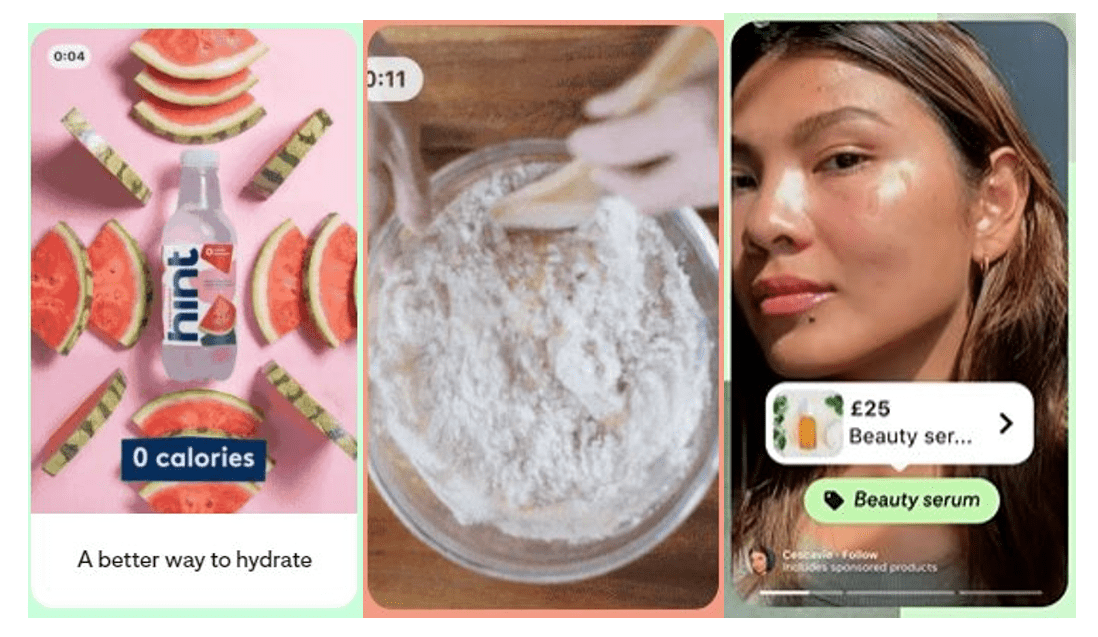
Promoted Standard Pins: Standard Pin format is the most famous pin format on Pinterest and allows users to showcase products and content in simple vertical or square dimensions. When the user clicks a standard pin, they are redirected to the original website.
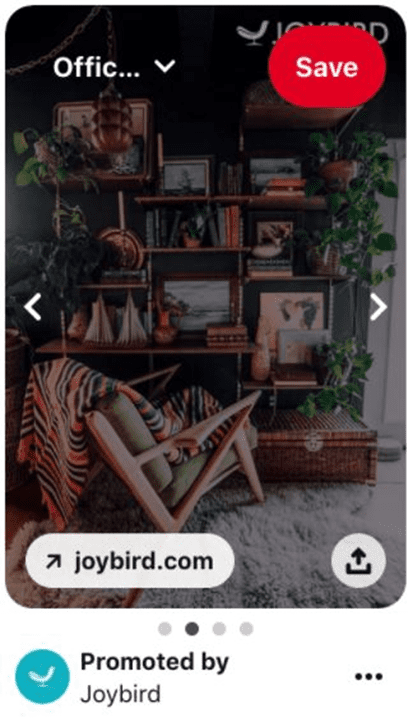
Carousel promoted pins are similar to standard pins, except they allow users to swipe through multiple images or videos, also called cards. Various cards make up a carousel, and each card has its title, description and link. This is an effective way for more conversion through a single pin. These promoted pins essentially capture the audience and build brand awareness.
Promoted Video Pins: Promoted videopins contain a video instead of a static image. These pins work more or less like standard pins and are a great way to share stronger stories with the audience. Moreover, Pinterest reports that users are more likely to make purchases after watching a video ad. The size of the video pin may vary from the size of a regular pin to that across the width of the feed. Video pins proactively engage the users and aim at getting maximum video views and building brand image.
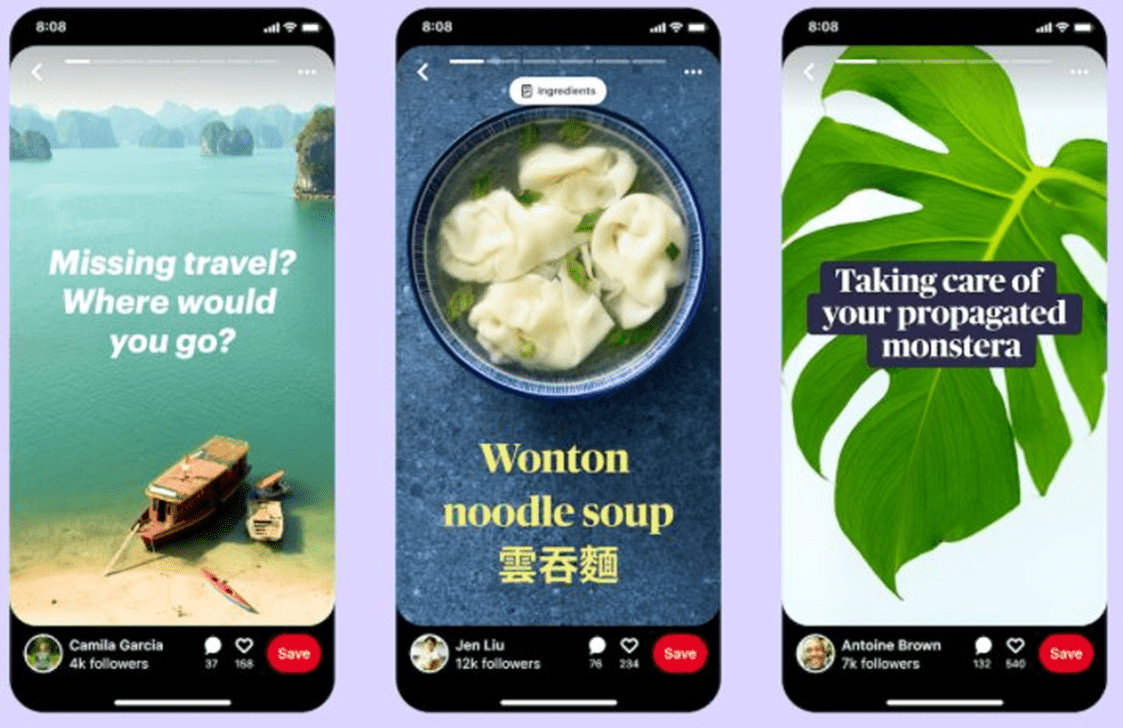
Story/ Idea Pins: Idea pins bring the ideas to life using music, stickers, tagging, videos etc. Story pin is a new format of advertisement, whereby multiple static images and videos along with voice recordings and music can be used to deliver the brand to the users. It allows businesses to publish exclusive content on Pinterest rather than bringing together different sources.
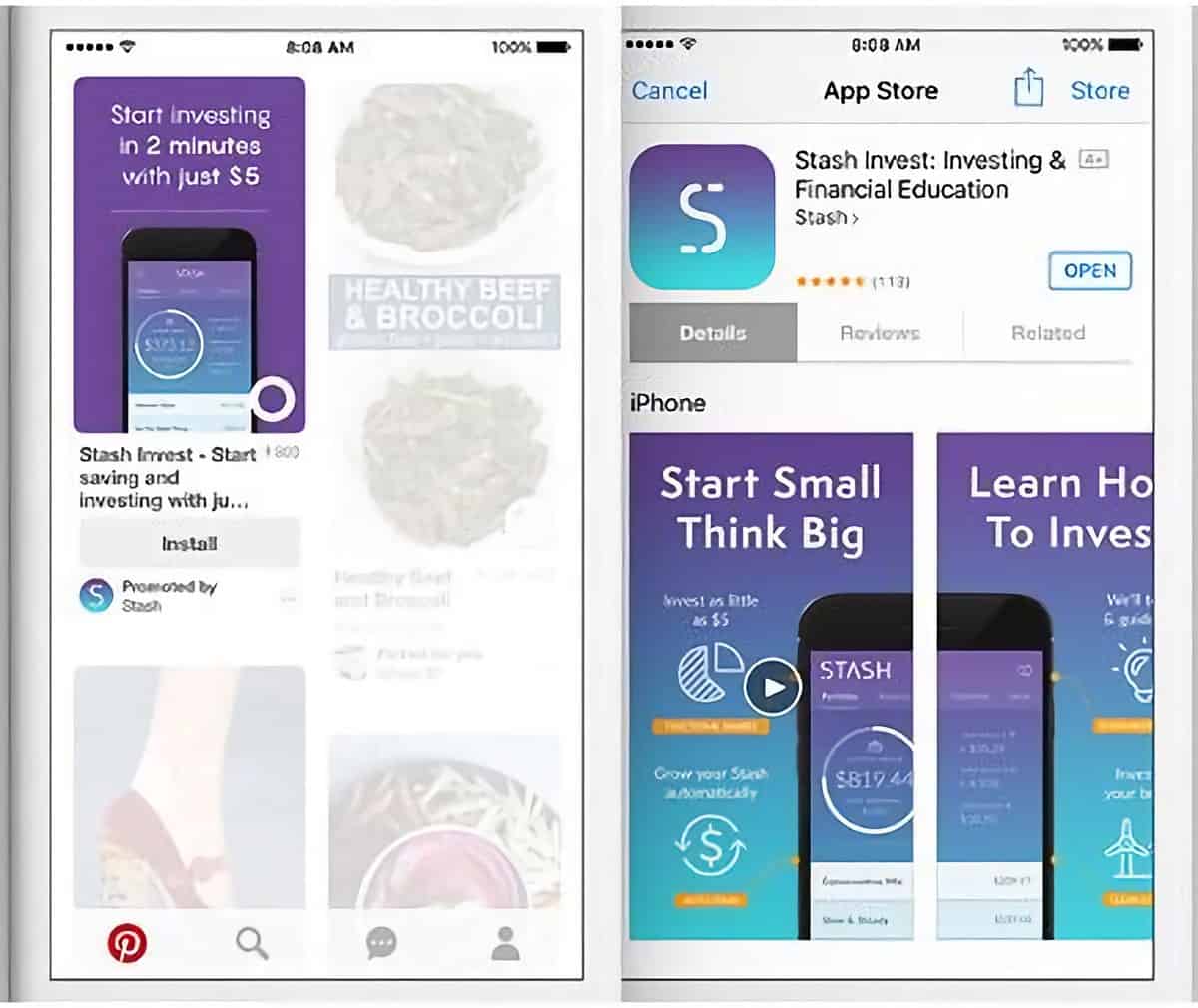
Promoted App Pins: These pins are action-oriented and drive app downloads, sign-ups etc., for the advertising brands. They are linked to the Apple store and Google Play store, and once the user clicks on them, the linked app can be downloaded without leaving the Pinterest home screen.
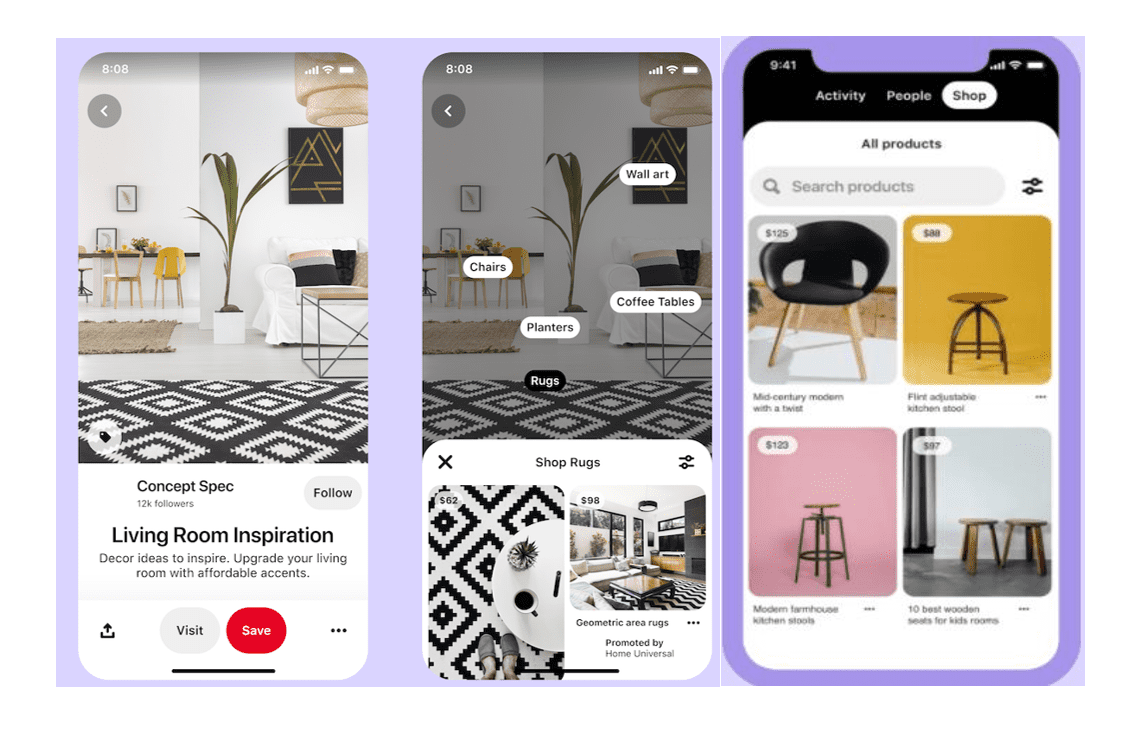
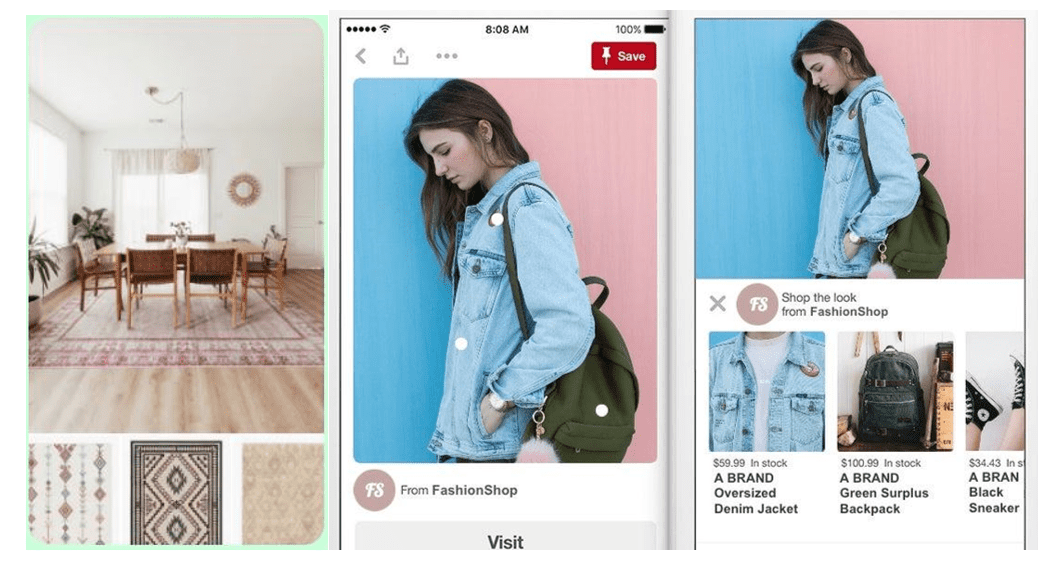
Shoppable/ Buyable Pins: They are like standard pins and allow brands to upload products from their catalogues on Pinterest. These shopping pins contain explicit product details, and they’re marked with indicators that users can easily tap to see more product information. They enable the users to shop snd get similar product recommendations within the interactive interface of Pinterest. Shopping becomes hassle-free because buyers do not have to leave the platform to access different products.
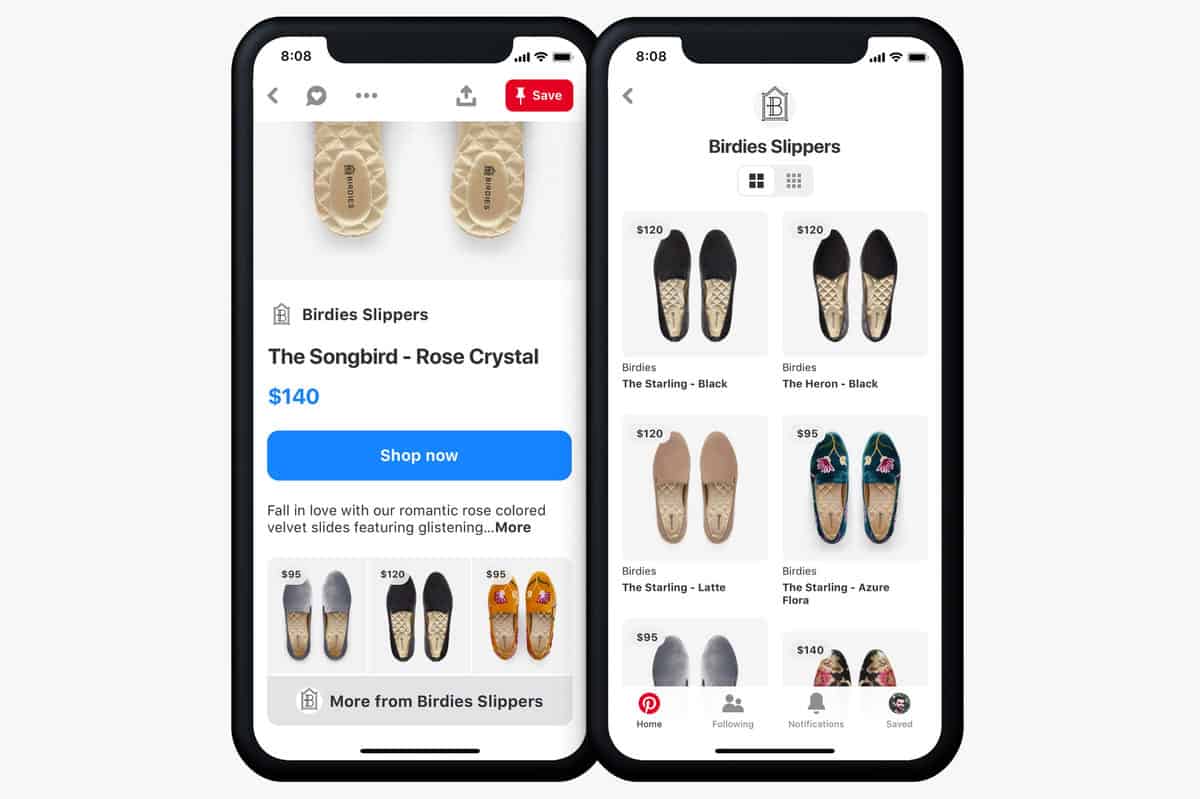
Collections: A collection pin is used for building brand awareness or generating catalogue sales. This format typically appears in a mobile format. It displays a primary image, also called the hero image, and three other secondary pictures or videos to complement the primary image. This helps in exploring the idea better.
Pinterest’s Cost Structure
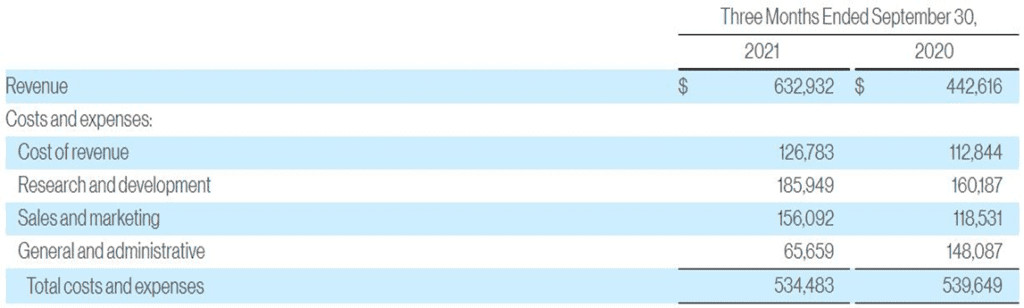
Pinterest’s annual reports give us an insight into the extensive costs incurred by the company. The costs can be categorised into:
Cost of Revenue: The cost of revenue of Pinterest includes all the costs incurred to deliver the service and value to customers. For example- the cost of maintaining the website and app, salaries of employees, payment to partners, transaction fee, other overhead costs etc.
Research and development: The research and development expenses include all costs incurred on personnel and facilities associated with the research and development of the service—for example- salaries to engineers etc.
Sales and marketing: The sales and marketing expenses include all costs incurred on personnel and facilities related to sales, sales support, marketing, business development and customer service functions. For example- marketing employee expenses, professional hiring fees, advertising and promotional expenditures etc.
General and administrative expenses: General and administrative expenses include all costs incurred on personnel and allocated facilities for general functions, administration, legal and financial purposes. For example- salaries to accountants and managers, administration overhead costs etc.
Bottom-Line
Pinterest is an exciting social media platform that has revolutionised the way we interact with the internet. The San Francisco-based company also allows users to share their individuality through their photos and videos. It practically acts as a visual search engine and entices people to act. Besides this, bookmarking and planning projects on the platform have become a trend.
With its unique and strategic business model and increasing popularity, it is estimated to grow more success in the upcoming years. Moreover, Forbes predicts that Pinterest’s Revenues could rise by roughly 2.5x from estimated levels of a little over $1.45 billion in 2020 to close to $3.5 billion by 2023.
Go On, Tell Us What You Think!
Did we miss something? Come on! Tell us what you think about our article on Pinterest business model in the comments section.
Advertising is the action of calling public attention to something through paid announcements by an identified sponsor. The choice of advertising medium depends on two aspects –
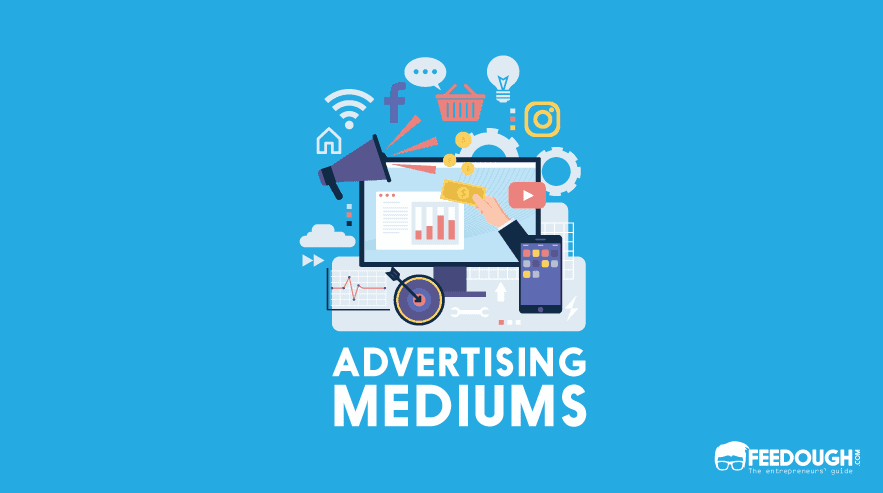
Selection of the perfect advertising media where the advertisements will be presented is really important for the success of the marketing campaign. There are several advertising mediums which can be categorized under five heads:
Print Advertising
Broadcast Advertising
Outdoor Advertising
Digital Advertising
Product/Brand Integration
Each of the media has its own exclusive characteristic like the reach, shelf space, interest, and niche targetting, etc. A marketer has to evaluate each and choose the one with the greatest ROI.
Print Advertising
One of the oldest and most popular media of advertising, print media has better reach and can even be used for copy extensive advertisements.
Print advertising includes –
Newspaper advertisements – Newspapers have the highest reach among other types of print advertisements. They are in the regional languages and have a narrower reach as compared to others because of its economical price.
Magazine advertisements – Magazines can be used for niche advertisements. They have a higher conversion rate as the advertisements are targeted to the right audience.
Brochures – Brochures impart everything a customer should know about the product or a brand. They are targeted and distributed at a later stage to educate customer more about the brand.
Fliers – Fliers are handy and have a great local reach. Fliers turn out to be very useful for local businesses.
Different print mediums have different reach depending on their type and the target group involved. Fliers can be used for locally targeted communications whereas niche magazines can be used for extremely targeted communication at a larger scale. Newspapers and other non-niche and high reach print mediums are used for above the line communications.
Broadcast Advertising
Technological advancement has resulted in increased returns from broadcast advertisements. Broadcast mediums include audio-visual information and entertainment mediums like radio, television, etc. It’s one of the most effective media for advertising as a story can be better understood if moving images and audio is used. But this medium is one of the costliest advertising mediums too.
Broadcast advertisements can be classified into
Television Advertisements – Television advertisements are usually focused on brand building and creating brand awareness among prospective customers. These involve a lot of time and monetary investments and can prove to be one of the most beneficial advertisement investments for a business. Television advertisements have an edge over print advertisements as the people who can’t read can also understand the message through audio-visual ads.
Radio advertisements – Radio advertisements have both local and national reach and are economical in terms of ROI. These can be in the regional language and have a great recall value.
Outdoor Advertising
Perhaps one of the most economical options, outdoor advertising can prove to be the most effective advertising strategies if used correctly, creatively, and at the right location. As the name suggests, Outdoor advertising involves placing fixed (printed or audiovisual) advertisements in locations most visited by the target audience.
Digital advertising refers to advertisements that are digitally displayed over the internet or other digital devices. This includes the Internet, media devices like smartphones, tablets, etc.Big Data has helped digital marketers to carry extremely targeted advertisements and get the most out of their investments. With the everyday addition of new users and increased technology and R&D in the digital world, marketers can now not only target customers with their advertisements but also can engage and interact with them.
Digital advertising include advertisements on –
Internet
Mobile phones
Media devices other than broadcast media. Devices like Kindle, Echo, Google home, etc.
Brand/Product Integration
Brand Integration allows a brand to reach out to the consumers by integrating the brand within the entertainment media content which is consumed by the users as entertainment. The brand or the product is interwoven within the script, showcasing products, functions and unique features.
In simple words, brand Integration is nothing but a form of authentic storytelling which is crafted according to the trend and needs and wants of the consumer and the brand.
Go On, Tell Us What You Think!
Did we miss something? Come on! Tell us what you think about our article on Different Types of Advertising Mediums in the comments section.
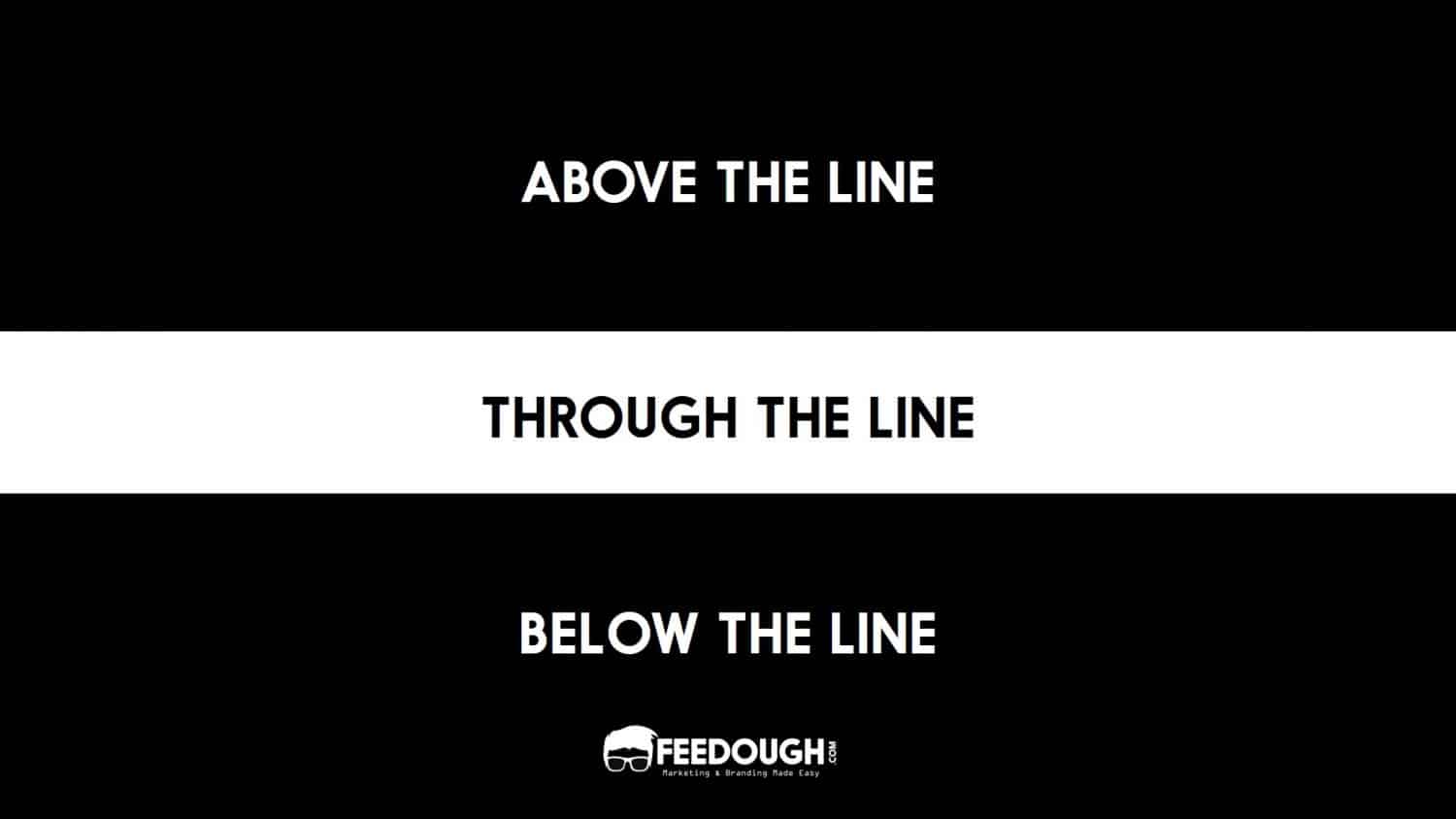
Marketing activities (basically advertisements) today can be divided into three segments – Above the Line (ATL), Below the Line (BTL), & Through the Line (TTL) marketing.
The line was originally used to separate marketing activities which had mass penetration (above the line) to those which had specific penetration (below the line). But then, because of the increased competition and development in technology, emerged through the line marketing activities which blurs the line and include the use of both ATL & BTL advertising activities.
Above the Line
Above the Line marketing or ATL advertising consists of advertising activities that are largely non-targeted and have a wide reach. ATL communication is done to build the brand and inform the customers about the product. Conversions are given less importance in above the line advertising.
To make it simpler-
Above the line marketing includes mass marketing strategies which are largely untargeted and are focused on building the brand.
By ‘untargeted’ we mean that the communication isn’t directed towards a specific group. The mediums convey the message to everyone who has access to them.
Examples of Above the Line Promotion
Television
An average American watches 4.3 hours of TV in a day. It’s a similar case with the rest of the world. TV advertisements have a reach from local, to national, and international audience depending on the TV channel and the contract between the parties. TV advertisements have a better connection with the users as moving images with audio are preferred over still images or audio alone.
Radio
Psychologists tell us that consumers need to be exposed to an advertising message at least three times before it begins to penetrate. No other media other than radio provide such affordability when it comes to this frequency.
Radio is a perfect option for marketers to fulfil all the frequency and creative demands of an advertisement. Radio to have a local, national, and international reach just like TVs.
Print Advertisements (magazine & newspaper)
Local, regional and national print media has a wider reach than any of the other mediums. Newspapers have fixed ad-slots that are used by marketers to inform customers / prospective customers about the brand or offers.
Magazines exist in niches and make it easier for marketers to reach their niche directly through them.
Outdoor Advertising
Outdoor advertising is usually done in public places and is constantly on display, have a greater reach depending on the locations. They include Flags, Banners, Wraps, Billboards, etc.
Advantages of Above the line marketing
Wider Reach: Above the line advertising mediums have a wide (national/international) reach.
Better Connect with the audience: The mediums like TV and radio use audio-visuals which have a better connect with the audience.
Brand Building: Media advertising is a crucial tool in defining and realizing brand identity. A brand is built by the customers. The role of marketers in brand building is to reach as many prospective customers as they can and communicate to them about the brand and its benefits creatively. Above the line marketing, hence, plays an integral role when it comes to brand building.
Below the Line
Below-the-line marketing or BTL advertising consists of very specific, memorable and direct advertising activities focused on targeted groups of consumers. Often known as direct marketing strategies, below the line strategies focus more on conversions than on building the brand.
To make it simpler –
Below the line marketing includes direct marketing strategies directed to specific target groups and focused on conversions rather than building the brand.
Examples of Below the Line Promotion
Direct Mail Marketing
One of the most personal strategies used by marketers, direct mails (e-mails, text messages, etc.) are tailor-made messages about the brand or different offers drafted according to the needs of each customer. Hence this BTL strategy could result in more conversions if planned properly.
Sponsorship
Sponsorship is a partnership with different corporates or events to get more impressions and is usually carried as a part of brand building strategies at a BTL level.
Brand Activation
Brand Activation is the art of driving consumer action through brand interaction and experiences. The key aim of these campaigns is to get consumers to act and to bring brands to life via experiences and forming long-term emotional connections.
In-Store Marketing
Marketing activities done within the retail store are called In-store marketing activities. These below the line activities make use of various point of sales to get the most return out of the investments.
Advantages of Below the line marketing
Extremely Targeted: Conversions are better when the communication is done according to the customer wants. Since BTL marketing strategies are extremely targeted, results are better in terms of conversions.
Better ROI: Below the line promotional efforts are focused on the specific target group, have a better reach, can be easily executed, tracked, and controlled. Hence BTL strategies provide a better ROI and MROI in terms of conversion.
Easy Control: The return from these activities can be easily tracked and monitored and steps can be taken to improve ROI.
Tailor-Made: Below the line advertising strategies are designed according to the needs of a specific target group and hence can be moulded differently for different customer groups.
Through the Line
Through the Line marketing or TTL advertising involves the use of both ATL & BTL marketing strategies. The recent consumer trend in the market requires the integration of both ATL & BTL strategies for better results.
To make it simper-
Through the marketing involves marketers to create marketing campaigns which include both ATL & BTL strategies. It refers to 360-degree advertising where campaigns are developed with the vision of brand building as well as conversions.
Sometimes above the line strategies are used to execute their direct marketing strategies. This too comes under TTL marketing.
Examples of Through the Line Promotion
360° Marketing
Marketing strategies can be planned and carried out with an integrated approach of using both ATL & BTL advertising mediums to get the maximum advantage. Most of the marketing campaigns today are TTL campaigns.
Digital Marketing
It is possible to carry out a digital marketing strategy which offers above the line marketing benefits while acting as a below the line communication to the customer. This type of advertising is cookie based. Users get highly personalized communication based on their needs/wants/choices. This strategy has a better ROI and is considered better by the consumer.
Go On, Tell Us What You Think!
Did we miss something? Come on! Tell us what you think about our article on Above the Line (ATL), Below the Line (BTL), & Through the Line (TTL) Marketing in the comments section.
It’s the new age of the digital world and eWallet is in the spotlight. With the development of technology and demonetization of higher currencies in the country, electronic and in-app wallets have emerged as an alternate payment optionto cash. But the companies have all the plans to remove the prefix alternate and increase their market share substantially.
What is an eWallet?
eWallet is an online prepaid account used to store money and transact online and offline through a computer or a smartphone whenever required. It is a pre-equipped electronic wallet which, just like a real wallet, is used by the customers to transact immediately (and securely). Unlike Bank Accounts, eWallets are considered to be a fast mode of digital transactions.
Types of eWallet in the market
Mobile wallets are used for numerous transactions, be it shopping (online and offline), payment of goods and services (including financial services) or transactions through ATM. However, the scope of their usage depends on the wallet type.
Electronic Wallets doesn’t (usually) pay interest to the users. But they do to the companies operating them. It all depends on the type of wallet. According to the Reserve Bank of India (RBI), there are three kinds of wallets prevalent in the Indian Market:
Closed Wallet
Companies like Flipkart.com, Makemytrip.com, Bookmyshow.com etc. issue closed walletsto their consumers. The money stored in these wallets can only be used to transact with the companies who have issues such wallets. Closed wallets are online accounts where money gets credited in case of a refund due to cancellation or return of a product or service. Some companies even earn interests on these deposits.
Semi-Closed Wallet
Semi-Closed Wallets are the payment wallets prevalent in the system. Wallets like Paytm Wallet, Freecharge Wallet, Citrus, Oxygen, etc. are labelled as semi-closed wallets. An RBI approval is required to start and operate a semi-closed wallet. These wallets can be used to transact online and offline which include buying goods and services, financial services, payment of fees, premiums, etc. through/to merchants which have a specific contract with the issuer to accept the payment instruments.
Since these wallets are handled by non-banking agencies (banks and non-banking financial agencies cannot issue semi-closed wallets), they are required to deposit this money in an escrow account with a partner bank. Interest on these deposits depends on the agreement between the payment company and the bank.
Semi-Closed wallets in India
Paytm Wallet
Launched in 2010, Paytm is India’s largest mobile commerce platform. Paytm wallet, because of its amazing marketing and operation strategies, has been able to capture maximum market share of this industry. Its investors include Ant Financial (AliPay), SAIF Partners, Sapphire Venture and Silicon Valley Bank. The wallet can be used to send money directly to bank accounts as well.
Paytm is the first company in India to receive a license from the RBI to start a payments bank.
Freecharge Wallet
Owned by Snapdeal, Freecharge is an e-commerce website just like paytm which also offers an online wallet features to its users. Freecharge wallet positions itself as the fastest e-wallet in India where one can even transfer money through WhatsApp.
Mobikwik Wallet
Started in 2009, Mobikwik currently is among the top eWallet service providers in India. Mobikwik offers various features to its users. Users can add money using debit, credit card, net banking and even doorstep cash collection service and make payments for products and services in one click via the mobile app, Web site, SMS, or by dialling a number.
Oxigen Wallet
Oxigen, in the market since 2004, has a very distinctive USP where it has partnered with VISA and issued a virtual Prepaid VISA feature which lets users pay online with Oxigen Wallet anywhere they see a VISA logo.
Airtel Money
Telecommunications giant Airtel, in collaboration with Infosys and SmartTrust (now Giesecke & Devrient), offers an eWallet service – Airtel Money. Airtel Money has far better features if compared to any other semi-closed eWallet.
No need of a bank account
Internet isn’t necessary
A smartphone isn’t required to register for Airtel Money
Users get interest on their deposit (4%).
However it has loads of limitations which resist users from using it as a primary their primary eWallet.
Airtel Money isn’t a free eWallet.
Big amount cannot be transferred.
Not supported by some handsets.
Users must use airtel money at least once in six months or they’ll lose their balance.
However, Airtel is the first company to actually launch a Payments Bank in India which can be operated with Airtel Money Application.
Other Semi-Closed eWallets
SBI Buddy
mRupee
Phone Pe
Citrus Wallet
Open Wallet
Open Wallets can only be issued by banks or in partnerships with banks. These wallets can be used to perform all the transactions of semi-closed wallets plus withdraw cash at ATMs or banks and transfer funds. M-Pesa by Vodafone and ICICI bank, Pay Zapp by HDFC Bank, etc. are few open wallets in India.
Difference between an eWallet and a Digital Wallet
MasterPass by Citibank isn’t the same as Paytm Wallet. The term Digital Wallet cannot be used interchangeably with the term eWallet/Prepaid Wallet.
Digital Wallets save users’ cards for easy future transactions. They are required to save and validate their card details in the digital wallet only once. Once registered, they just have to remember the digital wallet username and password and can use their saved cards from the digital wallets itself. That is, digital wallets save users card details for faster and easier transactions.
E-wallets or Prepaid Wallets require money to be loaded in them prior to any transaction (online or offline). E-Wallets like Paytm, Mobikwik, etc. can make you go cardless only if you load money to their wallets.
Digital Wallet
E-Wallet
Cards details are saved in the wallets to transact cardless.
Money is preloaded in the wallets to transact cardless.
Money remains in the user’s bank account or credit card.
Money moves from the user’s account to either a merchant’s current account or an escrow account
Example – Masterpass, Google Wallet, Apple’s Passbook
Example – Paytm Wallet, Freecharge Wallet, Mobikwik.
However, some companies, like Paypal, provide both eWallet and digital wallet services.
How to use an eWallet?
eWallets have revolutionized the market habits. Transactions are becoming more digital with more people adopting to eWallets because of their ease and pace of operation.
Future of eWallets
Leather Wallets are no more a fashion trend. It’s the E-wallet which has taken the spotlight. While online and mobile banking has been around for a long time, E-Wallets have made it even easier and faster to transact online and offline. The mobile wallet transactions are estimated to leapfrog from Rs. 5,500 crore in 2015-16 to Rs. 30,000 crore in 2022 with a 9.5% month-on-month growth rate.
E-wallets have surely revolutionized the market but there’s one step that can be (and has been) eliminated – loading money to the wallets. Many new applications (like phone pe) has been released which let users transact using their bank account balance directly. Hence, wallet service providers, to stay in the market for long, has to keep innovating and changing their business model. Payments banks have already emerged in the market and will lead e-wallets soon.
Go On, Tell Us What You Think!
Did we miss something? Come on! Tell us what you think of our article on eWallet in the comments section.
Hey, I'm Aashish
Each week I share research backed AI oriented content in my newsletter.
There are AI ideas, AI trends, tutorials, and guides.
24k entrepreneurs read it. I'd love you to join.