Brands offer their products along with a set of feelings. Customers experience these feelings when they interact with the brand and form perceptions about the same.
This set of perceptions about what the brand is actually known for in the industry is the brand essence.
What Is Brand Essence?
Brand essence is the feeling customers expect when they interact with the brand. It is that customer-perceived intangible attribute that separates the brand from the rest of the market players.
Brand essence defines a company’s raison d’etre – consider it to be the soul or DNA of a brand that can be felt everywhere where the brand is present. It brings together the concepts of the company’s goals, the value proposition, and the brand values and principles.
Brand essence = What the company does + its value propositions + brand values and principles
Usually, companies define their brand essence by using a couple of words – like Nike’s ‘Innovation and Inspiration’. What’s worth pondering here is that we see innovation and inspiration in everything Nike does and sells – be it its shoes, TV ads, or sponsored events.
Brand Essence Is Emotional
Brand essence is intangible. It isn’t a commodity or service that the brand offers, it is the feeling evoked in the customers when they hear about the brand name, interact with it, and consume its offerings.
It is the customer’s perspective of the brand, which differentiates it from others. Take the example of Pepsi and Coca-Cola. Even though these companies offer similar products and have the same target audience, their essence differs. People think of happiness and good experiences whenever they think of Coca-Cola. But Pepsi carries the spirit of youthfulness with its name.
Brand Essence Is Holistic
The essence of the brand is its soul. It accompanies the brand whenever it interacts with the target group – be it advertising, promotion, sales, packaging, or marketing.
Importance Of Brand Essence
Brand essence is the emotional benefit the customers get when they interact with the brand or buys its product. It’s not related to the innovation or the product that is offered. Hence, it stays even when the brand performs poorly.
The brand essence forms the personality of the brand. It helps the customers assign a human-like trait to the brand, which helps them identify it using just an emotion. Besides this, it is also important for –
Better Marketing
Brand essence drives the demand for the brand’s products over and above their actual utility. It helps a brand build a story around its offerings. It’s easier to sell products to the customers if they already know what the brand is known for.
Appeal To Higher Expectations
Brand essence helps build bonds with the customers based on emotions. Brand wars, today, is more than just price wars. It’s more related to customers’ emotional expectations and what they feel while using the brand. Brand essence helps the marketers fulfil the emotional expectations of the customers and build a bond with them.
Maintain Consistency
Brand essence, combined with the vision statement, mission statement, business goals, and brand promise, helps a brand maintain consistency in what it offers, how it offers, and what the customer feels when consuming its offerings.
Characteristics Of Brand Essence
A strong brand essence statement has the following characteristics –
Unique: It is exclusive and helps the brand stand out from the competition. Brand essence helps the brand create its own identity in the market.
Intangible: Brand essence isn’t a tangible property like the price and product features. It’s an elusive feeling.
Customer Defined: Brand essence is defined by the customers. The company’s job is only to make them see in a particular direction.
Meaningful: A meaningless essence is as good as no essence. Brand essence represents the company’s offerings, its value proposition, and its values and principles.
Consistent: Brand essence is consistent in every interaction of the brand with the customer.
Sustainable: Brand essence is not related to the tangibles like name or logo that can be changed over time. It is constant, resilient, and sustainable. It is that feeling that takes the brand forward even if it changes its name.
Scalable: Brand essence cannot be changed doesn’t mean it doesn’t grow and scale. It always expands and adds depth to itself as and when the business grows.
Brand Essence Example
Brand essence is essentially the promise of the feeling a brand delivers whenever it interacts with the customer.
The best part?
This feeling cannot be faked. It is built when the brand actually delivers.
Here are a few examples of brand essence statements of some notable brands –
BMW – Driving Pleasure
The BMW brand essence is actually what separates the company from other players of the luxurious cars segment. The company sees design to be the most important purchase reason for its customers. Hence, it makes sure that they see BMW as a brand that focuses on elegant design and provides the real driving pleasure a luxurious car should provide.
https://www.youtube.com/watch?v=VmyuA_Zp0CU
Coca-Cola – Sharing and Happiness
Coca-Cola has always positioned itself to be a part of a happy experience. While others try to center themselves around refreshment and satisfaction, Coca-Cola’s brand essence is that it becomes part of the experience.
Apple – Think Different
Apple’s brand essence is simplicity. The company thinks differently to make the life of their customers easier by making them have access to the latest technology. A simple description of what the customer feels whenever it interacts with Apple is – this company ensures that I get access to the latest technology by making it easy-to-use.
Go On, Tell Us What You Think!
Did we miss something? Come on! Tell us what you think about our article on brand essence in the comments section.
Google handles over 63,000 searches every second. This translates to at least 3.8 million searches every minute, 228 million searches every hour, and 5.6 billion searches every day.
In short, people search a lot.
But the problem is – 75% of these people never scroll past the first page of search results. That is, even if you have the best website, if it isn’t on the first page of Google, you’re non-existent for a lot of internet users.
Some companies and individuals (who have money) overcome this problem by paying for an ad on Google. But that’s not a permanent solution. 70% to 80% of the search users completely ignore such paid advertisements.
This is where search engine optimization comes to the rescue.
You might have heard about it in one of those digital marketing webinars or tutorial videos. But not many actually know what it really is and how it works. Well, fret not. Here’s a detailed guide on SEO for beginners where we dig deep into –
SEO Definition (What is search engine optimization?)
Search Marketing (SM) vs. Search Engine Marketing (SEM) vs. Search Engine Optimization (SEO)
SEO Types
How To Do SEO?
What Is SEO?
SEO or Search Engine Optimization is the practice of optimizing the content, webpage, and website to drive more traffic from search engines’ search results by ranking at a higher position organically.
Few keywords and key-phrases that you should note in the above definition of SEO –
Optimizing the content, webpage, and website: SEO involves understanding how search engine works and using that knowledge to optimize the content posted, the page it is posted on, and the website over-all.
Drive more traffic from search engines’ search results by ranking at a higher position: The main goal of SEO marketing strategy is to rank the website higher in the search results for targeted keywords, which brings in more targeted traffic to the webpage and/or website.
Organically: SEO is an organic digital marketing strategy. It doesn’t involve you paying Google to rank you higher. It involves you optimizing your content according to what the search engine desires to get discovered through the search engine’s results.
In simple terms, SEO is an organic strategy to rank high in search engine results.
An example of SEO optimized article
Importance Of SEO
93% of online experiences begin with a search engine. If this doesn’t make you understand the importance of SEO, here are some other facts –
Search engines drive 300% more traffic to websites compared to social media.
The close rate of SEO leads is 14.6% compared to only 1.7% of outbound leads (like print ads).
70-80% of search users ignore paid ads completely.
Let’s take an example of the query – ‘Chinese restaurant in Delhi’.
Every month 720 people search for this query. But even though this is a specific query, there are 285,000,000 results. Now, considering the facts that –
The top three results enjoy 60% of the clicks, and
88% of pages are invisible in Google.
…only 10 out of those 285 million businesses who were able to optimize their website very well succeeded in getting attention in the search engine results.
Other than the fact that SEO helps you prove to Google that your page is most relevant for a keyword, here are more reasons why SEO is important –
SEO Is A Very Efficient Lead Collection Strategy
When compared to other outbound lead collection strategies like cold calling or direct mail, SEO costs 61% less. Moreover, 57% of B2B marketers believe SEO generates more leads when compared to other marketing strategies.
SEO Helps You Convert More Leads Online
SEO helps you target specific keywords that you can sync with your target audience’s buying cycle. Moreover, leads from search engines have a close rate of 14.6% compared to outbound leads which have just a 1.7% close rate.
Good SEO Is A Big Competitive Advantage
Considering the fact that 90.88% of the web pages on google search results are almost invisible, good SEO is a significant competitive advantage, especially if you get your customers online.
Even if your customer acquisition process ends on offline channels, good SEO aids your discovery online during the research phase of the buyer’s decision-making process.
Paid Search Isn’t As Good As It Seems
According to Brightedge, organic search drives 51% of traffic while paid search drives only 10% for both B2B and B2C businesses. That’s 5x more effective.
SEO vs. SEM vs. Search Marketing
More often than not, people tend to confuse these three terms – search marketing, search engine marketing, and search engine optimization. Even though they sound similar, there’s a considerable difference among these three terms –
Search marketing is the practice of using paid and unpaid tools and strategies to gain traffic and visibility on search engines. It’s an umbrella term that covers both SEO and SEM.
Search engine marketing is the practice of using paid ads to gain traffic and visibility on the search engine. It is often referred to as Pay Per Click (PPC) ads.
Search engine optimization is the practice of optimizing the website, webpage, and content to gain traffic and visibility on search engines organically without paying them.
How SEO Works
Now, the main task of an SEO marketer is to make the webpage so compelling that Google and other search engines rank them on top automatically. But before hopping on to the SEO tutorial, one needs to know how exactly do search engines work and what factors do they use to rank the webpages.
How Do Search Engines Work?
Search engines have three primary functions –
Crawl: Crawling is a discovery process where search engines send robots to search for the content all over the internet. These robots crawl one page and use links on that page to hop on another and so on. Besides this, the crawlers also crawl pages submitted to the search engine by website owners.
Index: These search engines store and organize content while crawling. The process goes like this – once the page is found, the search engine renders it just like a browser would have; it then analyses the page and its contents and stores it in its index.
Rank: Once the webpages are indexed, they are ranked in the search results according to their relevance. Every search engine has its particular algorithm which decides the relevance of each indexed webpage according to the search key-phrase. And this algorithm changes very often. Google, for example, even uses artificial intelligence to decide the relevance of search results.
Moz explains all these three functions in detail in this article.
Search Ranking Factors
Now, a webpage ranks well if –
It can be crawled easily and at a faster rate,
It can be trusted,
It provides good user experience, and
It has all the relevant content, according to Google and the reader.
In theory, this seems pretty simple. But these four umbrella aspects cover over 200 different factors that Google uses to rank each search result. Now, we’ll talk mostly about Google as it almost has a monopoly in the search market, enjoying 87.96% of the market share.
Easier To Crawl
The first task of an SEO expert is to make it easy for Google to crawl and index the website. The following factors make crawling and indexing easy –
External And Internal Linking
Google’s spiders (robots) make use of external links on one site to hop on to another site and then use its internal links to crawl its internal pages.
Using a good linking strategy makes it easy for Google to crawl and index the pages.
Technical Ease
Google has a dedicated platform for webmasters to submit their websites. It’s called Google search console (webmaster tools). The site is submitted in the form of a sitemap (an organized structure of all the posts, pages, and other content on the website).
Moreover, websites also include a file called robots.txt which tells the search engine crawlers about which pages and files it is allowed (or not allowed) to request from a site.
Organized Structure
Site structure is how you organize your website’s content. It includes grouping related content under the same taxonomy, category, and tags, etc. This structure makes it easy both for the search engine and user to navigate through your website.
Trustable
In the simplest terms – a trustable website is one that is secure from hackers, malware, and virus; whose content is reliable; and whose owner isn’t blacklisted because of spamming or scamming.
Secure Website
Search engine trusts websites with HTTPS certificate more than those who don’t have this certificate. HTTPS means that the data shared with the website remains with the website, and no one else has access to it.
Other than this, it also makes sure that the website is not infected with malware, adware, and other viruses which will affect the user in any way.
Domain Age
Old domains are trusted more. According to Google, the website which has been in existence for more than a year has more authority than a newly made website.
Domain History
Google also considers what the website used to deal in previously. If a website used to sell toys a few years back and now instantly pivoted to writing on business and marketing, it makes it less likely to be trusted.
Whois
Whois information is the information about who owns the website. If the owner of the website was previously tagged as not trustable or spammer, his new website is also less likely to be trusted. Moreover, websites with private Whois information are also less trusted than websites with public whois information.
Contact Information
Adding a contact-us page increases the trust factor of a website in the eyes of the search engines.
Updated website
Update website means it uses the latest code structure and operates on the latest version of the platform, which makes it hard to be hacked. This increases its appeal in the eyes of Google.
Terms of Service & Privacy Policy
Adding terms of service and privacy policy pages is also appreciated by search engines like Google as they consider them to be a factor of trust.
Not Spam
A website that is created just to link to other websites and not to provide any value to the user is considered to be spam. Google uses its special algorithm to assign a spam score to each website and webpage.
Credible Content
Google uses AI to scan the content, keywords used, outwards links, and inward links to check the credibility of a webpage. A website is usually considered credible if –
The content is original (not copied from other websites)
It includes all the major keywords and other keywords related to it.
It is free of grammar and spelling errors.
Good UX
Google’s aim is to provide a seamless experience to the users who use its search engine. This also includes providing them results that give them equivalent experience and quench their thirst of knowledge.
User-friendly layout
A website with a user-friendly layout, where the content can be read easily without any disturbance or pop-outs, is given more preference than the website with not so good layout.
Responsive
Most of the searches on Google come from mobile. Hence the search engine now rewards websites that are optimized for mobile and demote those who aren’t.
Fast
According to Google, 53% of mobile users leave a site that takes longer than three seconds to load. This makes speed to be an important factor considered by Google while indexing and ranking the websites.
Multimedia Content
Adding multimedia content like images and videos to the textual content makes it more engaging. Hence, this, too, works as a ranking factor.
URL structure
Since the URL structure is shown on the search result, Google prefers it to have the targeted keyword to help users know what the article will be about before clicking it.
Up-to-date content
Up-to-date content proves to be more relevant to users and hence is usually given preference in Google results.
Citation and links from credible sources
An article with links from a high authority website is preferred to a similar article without such links.
Time spent on page
Google also estimates the bounce rate and time spent on a webpage. If the bounce rate is low and the time spent on the page is high, it automatically considers that page to be relevant.
Social Shares
Search engines also consider the authority of the webpage over social media. The number of social shares affects the ranking of an article on Google.
Types Of SEO
Doing search engine optimization is not as easy as you think. The practice differs based on –
The type of website
Your motives
Techniques used
Location served
Targeted type of search, and
Device used
Based On The Type Of Website
Different websites require different types of efforts by SEO marketers. These are –
Ecommerce SEO: The objective of eCommerce SEO is to get products on top of the search results whenever someone searches for them or their parent category. For example – Best book for entrepreneurs
Blog SEO: Blogs include several keyword-focused articles. The objective of blog SEO is to rank those articles high in search engine results according to their focus-keywords.
Business SEO: The objective of business SEO is to get the business name and website on top whenever someone searches for the brand name or the products it deals in. For example – Chinese restaurant in Delhi.
Personal SEO: Personal SEO is done to highlight a personal profile, business profile, or portfolio website whenever someone searches for his name or the industry he operates in. For example – fashion photographer in Delhi.
Based On Motives
Different Webmasters and SEO marketers have different objectives for their websites. These objectives could be to rank the website for the long run or just get a high rank for a day, week, or few weeks. To fulfill the same objectives, they use different SEO practices which are classified as –
Black Hat SEO: It’s the unethical practice of using SEO tactics that are against search engine guidelines, to rank the website higher in the search results. These websites, even though get ranked high in the search results, are usually penalized by the search engines after a few days. Black hat SEO techniques include – keyword stuffing, cloaking, poor quality content, poor quality links,
White Hat SEO: White Hat search engine optimization is the practice of using ethical SEO techniques that are in line with the search engine guidelines, to rank the website higher in the search results for the long run. It involves practices like getting webpages to load fast, developing high-quality content, making the website easy to navigate, and getting organic links from other websites, etc.
Based On Optimization
SEO isn’t limited to the own website or just on the content page. It involves optimizing the website both on-the-website and off-the-website to get the best results.
On-Page SEO: Also called content SEO, on-page SEO the practice of optimizing content with relevant title tags, meta descriptions, headlines, in-depth content, focus keywords, long-tail keywords, and formatting to rank higher and get more traffic from search engines.
Technical SEO: Technical SEO is the practice of optimizing the website and individual webpages to make them easier to crawl and index. It involves optimizing robots.txt, making the website fast, securing the website with SSL, developing the responsive version of the website, registering and submitting to search consoles of search engines, etc.
Off-Page SEO: Off-Page SEO includes the actions taken outside the website that impact its rankings in search results. These actions and practices include – developing business page on Google, getting PR links, getting organic links from other websites, having a good social media presence, website content being shared on social media, website content being used as a source on other websites, etc.
Based On Location Served
There is an increase in location-centric searches and search engines have tweaked their algorithms to serve the same.
Local SEO: It involves SEO strategies used to increase the visibility on targeted location-based search queries. This technique is often used by local brick-and-mortar stores to get more visibility online whenever a potential customer searches for its brand name or the industry it operates in. For example, SEO practices to rank for ‘Chinese Restaurants in Delhi’.
National SEO: Google.in’s search results differ from Google.com’s search results. National SEO is the practice of ranking high on a national level.
Global SEO: Global SEO is the practice of optimizing the content for a multitude of regions worldwide. Businesses which have a target audience in different countries often use this SEO technique to rank high on country-based searches. For this, they either develop country based sub-domains or translate their content according to the country the user resides in.
Based On Type Of Search
With the advent of digital assistants like Google Assistant, Alexa, Siri, the number of voice searches has increased substantially. Besides this, people also search for images and videos which require SEO of their own.
Textual Search Optimization: Optimizing to rank high on textual search queries refers to textual search optimization.
Voice Search Optimization: Optimizing to rank high on a voice search query is voice search optimization.
Image SEO: Optimizing website images to rank high on search queries for images is image SEO.
Video SEO: Optimizing the videos to rank high on video search engines and video search queries on normal search engines is Video SEO.
Based On Device Used
Google has different crawlers for mobile and desktop searches. It has even released guidelines for voice searches. This information is often used by SEO experts to rank their webpages for device-based searches.
Mobile SEO: Developing a mobile-responsive website and following the guidelines of search engines to rank on mobile search engine queries is mobile SEO.
Desktop SEO: Optimizing the website to make it easy for desktop crawlers to crawl and index the website.
SEO for Digital Assistants: Following the SEO guidelines for digital assistants and including required structured data to ensure search engines that the website is optimized for digital assistants is SEO for digital assistants.
How To Do SEO – SEO Tutorial
Now that you know all the different types of SEO that exist in digital marketing, it’s time to move on to explaining how to do SEO effectively and efficiently.
Find The Objective
The first step requires you to decide on the motive. These questions might help –
What’s the type of website you wish to optimize?
What content does it produce?
Is it for the long term or just for a gig?
Is there a specific geographic region you want to optimize for?
What device do you want to optimize your website for?
Once these questions are answered, move on to the next steps.
Start With Technical SEO
Start with making it seamless for search engines to crawl and index your website. Follow these steps for technical SEO–
Work On Compelling Content & On-Page SEO Optimization
Find the keywords you want to rank for. Once done, develop compelling content that includes these keywords and other related long-tail keywords. Long-tail keywords are usually the keywords Google suggests you while you’re searching for that keyword. Besides this, these keywords also appear in the people also ask dialogue box and at the end of every result page.
Compelling in-depth content is the backbone of search engine optimization. This task involves you to check on what already ranks on the selected keywords and how you can make your content better. Write content that provides utility to the audience but, at the same time, tells search engines about the focus keyword you want to rank on.
But remember not to overoptimize. A rule of thumb is to keep the volume of focus keyword to be between 1 to 2 percent. That is, if your article length is 1000 words, it’s a good practice to include your focus keyword at least 10 and at most 20 times. A single or twice occurrence of long-tail keywords is also considered to be a good practice.
Also, try including the same focus keyword in the heading, URL, and meta-description to optimize your content even more.
Focus Off-Site And Build Authority
Off-page search engine optimization refers to those efforts you make to convince Google that other people also think that your content is worth ranking. This involves getting backlinks from other high authority websites and increasing the social shares of the article.
Here’s a good guide by Brian Dean on how to get high-quality backlinks. I’d suggest following it to make your off-page SEO game stronger.
Establish A Control Process
Now, this is a crucial step that most people usually forget. Search engine optimization isn’t a one-week process. It requires time to rank content high in the search results.
This step requires you to set up a control process where you check what’s working and what’s not. Start with the end in mind – the goals, and measure your progress towards achieving them using your current strategies. Repeat this strategy often and modify your strategies if necessary.
Go On, Tell Us What You Think!
Did we miss something? Come on! Tell us what you think about our article on search engine optimization in the comments section.
Did you know that there are two different shopping areas on Facebook? There’s the Facebook Marketplace and then there’s Facebook Shop.
Facebook Marketplace is the more well-known of the two and even has its own Tab right on the homepage. But, Facebook Shop is closer to a fully-fledged e-commerce site than Facebook Marketplace.
This brings us to –
What is the difference between the Facebook Marketplace and Facebook Shop?
Difference Between Facebook Marketplace & Facebook Shop
With a name like “Marketplace”, you might think that Facebook Marketplace is THE site for everything “shopping” on Facebook.
But here’s the thing –
Both serve different use cases and are aimed at different users. Here is how Facebook Marketplace differs from Facebook Shop:
Facebook Marketplace
Facebook Shop
Facebook Marketplace allows for the listing, finding, and advertising products by the users.
Facebook Shop allows sellers and companies to list their products as well as sell them right from within the platform.
Cannot buy or sell products on the Facebook Marketplace.
It allows users to buy from different Facebook Shops.
It does not support transactions.
Supports payment transactions (region-dependent) and allows redirecting to your external website/e-commerce platform/site/store.
It allows users to find products and get in contact with the seller.
Products are listed by the seller or company on their Facebook Pages to be viewed by the customers and Facebook users.
It is more of a product listing site than as e-commerce platform.
It is more of an online store from within your Facebook Page.
What is Facebook Marketplace?
Facebook Marketplace can be summed as “Facebook’s Craigslist” than an online store. Facebook Marketplace has less to do with shopping and acts as a place where users – be it individuals or sellers or manufactures – can list their products along with a price.
Facebook Marketplace was introduced back in 2007 only to be removed in 2014. It was bought back in 2017 and Facebook even gave the new Marketplace much higher prominence – was placed closer to the top in the desktop site and mobile app.
Facebook Marketplace displayed prominently on Facebook’s desktop & mobile | Source: Business Insider, iPhoneTricks
Buyers can view the product listing and contact the owner to buy, negotiate or inquire about the product. It acts as a site for sellers to connect with buyers and vice-versa. There are no transaction gateways to make payments on the Facebook Marketplace.
What is Facebook Shop?
Source: Facebook
Facebook Shop (a.k.a. Facebook Store) is the feature offered by Facebook where you can list and sell your products through your Facebook Page. This means that you can tap into your Facebook audience much easier and use it to reach a massive customer base.
Facebook Shop was launched in late-2015 and the closest alternative it had till that time was the Facebook Store by Shopify – an app that helped connect and list products to Facebook Pages from their Shopify stores.
With the Facebook Shop, sellers were allowed to list their products right on their Facebook page along with them being able to integrate external stores as well.
Example of a Facebook Shop | Source: AdEspresso
Facebook Shop allows customers to view purchase your products directly from your Facebook page along with the option of checkout without ever leaving Facebook. It also allows for customers to be redirected to your external e-commerce store/site if needed.
So –
Which one to use – Facebook Marketplace or Facebook Shop?
Facebook Marketplace or Facebook Shop For Selling?
If you’re an individual looking to sell anything that they’ve got lying around for a quick buck or two, Facebook Marketplace is the one to use. But that is not to say that businesses don’t use Facebook Marketplace for selling their products.
Businesses can effectively use Facebook Marketplace to provide a highly personalized service to customers. Facebook Marketplace just functions as a listing place that helps connect sellers and buyers. Buyers won’t be able to rate or share reviews and the products take the main stage rather than the seller/businesses.
Facebook Shop, on the other hand, allows businesses to open up a Facebook Page or use their existing ones to list their products right on the site. Businesses prefer selling on Facebook Shop over Marketplace due to it allowing them to stand out as a seller. Buyers can leave reviews, contact the business, and this allows businesses to monitor and gain valuable customer/product data.
To sum it up –
Facebook Marketplace is the one to use if you’re an individual looking to sell products lying around or in small numbers. Businesses could also use it from time to time but it is not recommended since Facebook Marketplace does not provide customizability and brand-identity.
Facebook Shop is the way to go if you’re a business or manufacturer since it helps tap into the vast user base and also allows you to run ad campaigns, maintain and grow your brand identity and connect with the customers.
The best news of all – there’s no listing fee on both, Facebook Marketplace and Facebook Shop. So in case your business does not have a presence on Facebook, it is high time you get onto the social network – it’s a free boost for your venture.
Go On, Tell Us What You Think!
Did we miss something? Come on! Tell us what you think about our article on Facebook Marketplace vs. Facebook Shop in the comments section.
The feedback culture in any organisation seems to never go on the downward slope. It would not be wrong to compare this with the denim fashion, which has always been in a rage. Similar to the denim trend, the mode and style of giving feedback might have changed, but the inherent idea remains the same
The most important aspect of the employee-employer relationship is the feedback culture that seems to be thriving in all types of global organisations. It has not only improved the productivity and output per employee but also reduced the communication gap between employees.
Almost all of us have received feedback at some point in our life. While we cannot personally judge the fruitfulness of each feedback, this article will provide you with a filter to strain helpful ones from the wide array of feedback.
What Is Constructive Feedback?
Constructive feedback is when an individual provides a meaningful judgment based on observation to promote a positive change in other being’s productivity, performance, or behaviour.
Every successful organisation ensures a regular flow of feedback in both directions. Feedback maintains a smooth work process flow, whether it is the employer’s feedback regarding some policy implementation or the employees who cannot confirm a new code of conduct.
Types Of Constructive Feedback
The style of giving feedback is different from organisation to organisation. Authoritative management might believe in throwing harsh criticisms, while certain organisations also believe in providing incentives or rewards which tend to promote proper functioning.
Hence, constructive criticism can be given in four ways.
Negative feedback: Sharing the correct course of action by passing judgments on past actions. It aims to eliminate failed attempts and focuses on unproductive means and methods.
Positive feedback: Giving positive remarks on previous actions or methods to ensure their practice remains in trend.
Negative feedforward: It aims to avoid failed attempts in the future by criticising certain actions.
Positive feedforward: It aims to ensure the continuous practice of behaviour which promotes growth and development.
Other than the four instruments mentioned above, the usage of destructive feedback can also be found in certain business entities.
However, people tend to confuse negative constructive feedback with destructive feedback. Let us try and decode their meaning and aim.
What Is Destructive Feedback?
Destructive feedback aims to deteriorate an employee’s morale by passing rude judgments. These judgments might arise due to incomplete tasks or failed projects, but their aim is never to elevate the overall performance. Such comments tend to degrade the performance level of any company.
For example, a project head repeatedly scolds an employee for project delays but never enquires about the methods or the reasons for the same.
Negative constructive feedback, on the other hand, focuses on improving performance by using tools such as criticism or over time.
For example, Mr X was asked to stay back after office hours to compensate for the project delay, which occurred due to his absence.
Few more examples;
Destructive Feedback: Trust me, you are one of the most amateur workers we have ever hired
Negative constructive feedback: Your method will not yield positive results. You should incorporate one’s developed by your mates.
Now that we are acquainted with the idea of constructive feedback, let us dig deep into why these are important and how they can contribute to a company’s success.
Importance Of Constructive Feedback
Increases employee morale: Proper feedback helps improve productivity, encouraging an individual to contribute more to his work.
Initiates a communication channel: Often, employees end up being caged at the ground level because of zero communication between the authorities and the subordinates. Feedback helps in removing such barriers to the free flow of communication.
Ensure zero wastage of resources: Resources are limited to any organisation, and adhering to improper steps again and again will further depreciate them. Hence, feedback help with the optimum utilisation of resources.
Promotes job satisfaction: Employees today look for a job that gives them the satisfaction of owning new skills daily. Constant feedback promotes the satisfaction derived from each task.
Promotes personal and professional growth: Constructive feedback usually focuses on positive criticism and helps both parties to see what they can change to improve their focus and results.
Helps in developing a healthy work environment: A healthy work environment is said to be developed when everyone focuses on bringing the best to the table and when there’s no barrier to communication and feedback.
How To Give Constructive Feedback?
Every person is different and receives feedback differently. However, there’s a rule of thumb – a six-step method – you can use to give constructive feedback.
Start with the constructive purpose of feedback: Start the communication with an indication of what you’d like to talk about and why it is important. Don’t make them guess that it’s the feedback that you’re offering. It’s good to start with sentences like – “Something concerns me.” “I want to discuss something with you.” “I feel I need to let you know.”
Include all the details of what you’ve observed: Try not to be vague when giving constructive feedback. Phrases like “you shout too much”, “You are very aggressive”, etc. don’t usually work well. Describe specific actions and behaviour you noticed about the other person. A good example would be, “Yesterday, when your subordinate came by your cabin to get some documents signed, you tossed them all over”.
Describe your reactions: Describe the consequences of the person’s behaviour and how you feel about it. Focus mainly on your findings and observations, and try not to assume what others must have felt. When you tell them about the consequences of the observed behaviour, the other person can better appreciate your feedback. For example: “The subordinate went to the restroom and cried for hours. I think you were a bit too harsh.”
Give them a chance to speak: Being silent and listening to the other person’s point of view is also a part of the constructive feedback process. Make them prove their point. If they don’t respond themselves, you can ask an open-ended question like- “What do you think?” “What are your thoughts?”
Offer specific suggestions: Try offering the other person suggestions based on your observation and their response. But make sure those suggestions are feasible and practical. Using examples as suggestions work very well. However, if your feedback was neutral, you can omit this part or just give them ideas to help them. Just try not to sound as if you’re imposing them on the other person. Examples and ideas like these are considered good – “I usually follow up with my subordinates every morning to make sure things are going as they should be. If they aren’t, we try to find a solution together. Maybe you can try holding a daily morning meeting as well?” “Why don’t you assign someone else who’s good with accounting to help your subordinate? Maybe that’ll help.”
End with summarising and offering your support: End with summarising the positives and the main action points and offering your help; something like this – “Well, make sure you work on talking to your team about the morning meeting. Let me know if you need any help in getting the conference room for the same.”
Constructive Feedback Tips
Language plays a special role when it comes to giving feedback. Often, individuals in authority tend to use terms that suppress reasoning.
Let us look at a few ways by which one can give constructive feedback.
Feedback Should Be Precise And Specific
Crowding feedback by hurling some unnecessary lashes does not work in anyone’s favour.
Ensure to provide precise feedback while simultaneously adding all the necessary information.
For example: If a specific policy implemented by the organisation interferes with labour welfare, then the pack’s leader must talk about how they will suffer. This information should not include a rhetorical discussion on co-existence and welfare for all.
Don’t Go Personal:
Individuals in authority often go personal without any requirement to do so. Such behaviour puts their entire reputation at stake.
For example: If an employee fails to show up early, then employers should pass feedback regarding the problem rather than talking about their lousy behaviour.
Stray Away From Using Third-Party Sources
Giving feedback via WhatsApp or email might be less time-consuming, but one cannot deny the high chances of misinterpretation often noticed on these platforms.
For example –
Mr Cole: Hey Chris, I don’t think we can send you to HQ tomorrow. The presentation isn’t good yet.
In this text, it is unclear whether Chris is a bad worker or Mr Cole just wants to add something more to the presentation.
Timing Is The Key
No matter how good feedback is, bad timing is bad timing, especially when the person of interest is going through a tough period.
For example, if you are aware of an employee suffering from major family issues, it is better to approach them after some time.
A Feedback Sandwich Does Not Work
People often use this technique to make their criticisms much more digestible. This technique involves layering a harsh criticism in between two compliments.
This method completely dilutes the entire motive of the feedback.
For example,
Mr Cole: Chris, you’re really good at handling stressful situations but try to be on time.
This makes it more of an appreciation rather than giving feedback on punctuality.
Focus More On The Intricacies
Be specific when it comes to constructive feedback. Just telling the other person if he’s good or bad isn’t constructive feedback. It’s when specifics are included to support the judgement.
For example, ‘You have good presentation skills’ isn’t constructive feedback. ‘I like how you use animations and videos in your presentation to make it more interesting’ is one, though.
Final word
Giving feedback requires intense research and analysis of the subject’s behaviour. Also, people should try and get into the other person’s shoes to understand situations better. In organisations, the hierarchy might concern feedback givers, but one should supersede such obstructions to have an honest communication cycle.
Go On, Tell Us What You Think!
Did we miss something? Come on! Tell us what you think about our article on constructive feedback in the comments section.
eBay, on the other hand, provides you with customizable storefronts that let the users know that it is you they are shopping from. Generally speaking, eBay’s business model is more seller-focused than Amazon.
It also takes the hassle of running your own e-commerce store by providing a stable platform where it is easy to rank on SEO with good practices.
Let’s get started.
Getting Started
Before you create an eBay account, it is highly imperative that you get the feel of the site by having a look at other shops/product listing. This helps in finding what works on eBay.
Once you’re done with that you can move onto creating your eBay account.
There are two types of eBay accounts – Personal and Business accounts.
A Personal account is better suited for an individual who is looking to casually sell and buy, especially in smaller numbers. For a Personal account, fill in the name, email and password fields and click on Create Account or you can also use your Facebook or Google account to sign-up for it.
A Business account is the better option for manufacturers and businesses who want to sell and buy in large numbers. In order to create a Business account on eBay, click on Create A business account.
On the next page, enter the required details and click on Register.
That’s it!
Now, it helps a lot if you decide on what you’re looking to sell on the site. This not only helps ease you into the process, but it also allows you to create a well-thought-out product listing after creating your account.
eBay acts as a platform for connecting sellers and buyers across the world. You can capitalize on that by catering to the global audience instead of selling a product that is relevant only within certain regions. So deciding what to sell earlier makes sure the logistics, packing, and shipping are in place.
Decide On What To Sell
Here are few tips on deciding what to sell on eBay:
Sell what you already have – In case you already have a product at hand or if you are a manufacturer, you can move onto the next step – creating a product listing on eBay.
In case you are looking to start selling online for the first time and then scale up afterwards accordingly, start by selling what you already own. It can be things that you might not require anymore and gathering dust – old furniture, household equipment and such.
Take Sourcing, Shipping, and Logistics into account – eBay is a platform that connects you with sellers and buyers all over the world. This means that you would have to make sure you can keep up with the demands. Next, you have to consider whether it will be feasible for you to easily pack and ship your products without it affecting your revenue. You also have to decide on the storage and tracking aspects of your shipments and inventory.
With these in mind, you might find a product category that suits you well. Make sure they fall into any mentioned below:
Make sure your product does not fall under any of the prohibited categories and does not violate eBay rules and laws.
With the toughest part over with, let’s move onto creating your first eBay product listing.
Create A Listing On eBay
Upon clicking Sell on top of any eBay page, you will be asked to fill out on any missing information in your account and then taken to Sell Your Item form.
In Sell Your Item form, you will be asked to:
Select a Category
Choose the category that fits your products or use the search box labelled “What are you selling?” to enter keywords related to your product for eBay to suggest the appropriate category.
Fill in Title and Description
Make sure your title helps draw human attention and include related keywords in your product description. This will help you rank higher in searches for your category if done with the right keyword and market research.
Upload Product Photos
Include good and clear photos of your product taken from several angles. Using a white or neutral background helps buyers focus on the product more easily.
eBay allows you to upload 12 photos for your product for free. Make sure to take advantage of this – include images that show it next to a relatable item for scale and make sure the product is clearly visible in every photo.
Choose Your Listing Format
eBay allows for three different types of product listing formats:
Auction-style listing – You set a base price and an end for buyers to bid on it. The product then goes to the highest bidder.
Fixed price listings – (a.k.a. Good ‘Til Cancelled listing) You set a price for buyers to be able to purchase your product right away.
Classified Ads – Similar to traditional ads, eBay allows you to list your products as ads that appear on search results and on the homepage accordingly. With over 175 million active users, a Classified Ad for your product or service will give it a lot of exposure.
Set Your Price
For Fixed-price listings, set a price that reflects the similar listings that you have seen while looking around the site. The help in making sure the product sells easily. eBay also allows for buyers to be able to make offers in case they don’t want to pay the price you set by checking “Let buyers make offers”.
For Auction-style listings, it is advisable to set the starting price low since it helps bring in more attention for your products. High starting prices may cause many users to lose interest right away.
eBay also allows for automatically accepting or declining offers above/below a set rate respectively. Doing so makes sure that you don’t have to respond to every offer individually.
Provide Payment & Shipping Information
List out the payment methods that you accept and the details for shipping.
Details for shipping includes places that you can ship-to and the time it’ll take for you to ship the item after the payment.
eBay allows for payments to be made via various methods:
PayPal
Credit/Debit cards
Pay on pickup – Sellers are allowed to accept payments via checks, money orders, cash, PayPal, or cards
Other e-wallets/payment processors – Skrill (Moneybookers), Escrow
PayPal is the most preferred when selling globally due to the simplicity and global availability of using the service. Make sure the payment method that you choose is fast, convenient, and secure.
Mention Your Return Policy
All sellers on eBay are required to state a returns policy (private sellers are allowed to state that they don’t accept returns, but they’re still subject to eBay’s Money Back Guarantee). If you don’t mention any, eBay will select a default returns policy.
Use the Additional Information section of the Sell Your Item form to fill in your returns policy and instructions on how to return the purchased product.
eBay states that Business sellers have to make customers aware of their right to cancel and give the buyers a minimum of 14 days to request a return.
You need to provide clear instructions on how to return an item, exceptions such as international sales, and allow for refunds to be negotiated and made. You also need to clearly mention who pays for the charges incurred for returning the product.
Here’s how eBay return process works:
Upon receiving a return request from a buyer, you have 8 days to review the request.
You can proceed in the same way you have mentioned in your returns policy
In case you accept the return, the buyer has 14 working days from when they first opened the product to send it back.
You then have 6 working days to refund the amount to the buyer. The final value fee then shows up on your next invoice for the payment method that you used.
eBay also allows for you to customize your product listing with options such as displaying text in bold, place borders and highlight for drawing more eyes to your listing for an additional fee.
Getting to know the fee structure of eBay will ensure that you make a profit on the items you list – you can factor in the fee before setting the price and not worry about it eating into your revenue.
Here’s a rundown on the various different fees that eBay charges.
Listing Fee
(a.k.a Insertion fee) eBay provides 50 free listings for sellers with Basic accountsafter which it charges $0.35 for each additional listing. For the sellers with eBay stores, eBay waives off the listing fees and has a significantly lesser fee even if the established listing thresholds are exceeded.
Final Value Fee
eBay charges a fee for every item sold. The fee is a percentage of the total amount of the sale. eBay includes the shipping and handling charges too when calculating the final value fee. Do note that the sales tax is excluded from the final value fee calculation.
Optional Listing Upgrades Fee
For a fee, eBay lets you add features such as bold, highlights and borders to spruce up your product listing.
For Auction-style listings:
For Fixed-price listing:
Advertising Fee
Classified Listing Fees
Other than Fixed-price and Auction-style listings, Classified listing is the third type that eBay allows. Classified listing allows sellers to set the price of the product upon which it is displayed in a list similar to the ones you see in classified columns in the newspaper. You get to set a specific period of time (default: 30 days) and interested buyers can fill out a contact form for you to see.
The fee for creating a Classified ad is $9.95 for a 30-day listing and this does not involve any final value fees.
You can use the Classified ad format only for the following categories:
Optional Promoted Listings Fee
Optional Promotions allows for a product to get greater prominence in search results on eBay and also appear in “related items” when buyers are browsing an item being offered by another seller.
The sellers get to fix the fee for the promoted listings, usually based on the ad-rates that other sellers pay for the same service, starting from 1% of the final value fee.
Payment Processing Fee
As of writing, PayPal is the standard payment system used by eBay and most of its users. But eBay has started implementing its own payments processor called the managed Payments on eBay. This will allow eBay to facilitate and manage end-to-end payments for its users from within the platform instead of relying on other payment systems.
As of late-2019 Managed Payments is available to a limited number of users and works on an invitational-basis.
For Payments via PayPal – PayPal charges a 2.9% processing fee in addition to a set rate of $.30 for each eBay sales transaction.
For eBay Managed Payment – For now, eBay allows for you to calculate the difference it makes when you use their Managed payment system against the current payments fee that you might incur from other payment processors.
Miscellaneous Fees
Sellers will be charged additional fees in case they don’t meet eBay’s seller level ratings or perform badly. Sellers will be charged 5% on the standard final value fees in case –
Their account doesn’t meet its minimum seller performance standards (can know more by checking your current seller level in Seller Dashboard).
Their rate of ‘Item not as described’ return requests is evaluated as Very High (evaluated under Service metrics tab) in one or more categories.
eBay also charges sellers a final value fee of the total amount of the sale (even if that item never gets sold) in case they violate its policy by buying or selling outside of eBay. The final value fee for the different listing formats are determined as follows –
Final Thoughts
With your products listed on eBay, you are all set, for the most part. Feel free to experiment with the tools that eBay provides for sellers to further optimize your listings and sales.
For the occasional seller, eBay pretty much takes care of most of the things and even provides you with discounts and freebies such as – 50 free listings per month for basic and the ability to list 12 pictures for free.
But as your sales volume climbs, you can consider opening an eBay store, paying a monthly subscription fee in exchange for lower listing and final value sales fees.
Go On, Tell Us What You Think!
Did we miss something? Come on! Tell us what you think about our article on How to Sell on eBay in the comments section.
A brand makes it possible to identify a product. It gives it a name and makes it differentiable by assigning identifiable properties.
But once the brand gains reasonable traction and finds its position in the market, new doors open for the company. It often uses this opportunity to launch new products under the same brand, which borrows the similar positioning of that of the existing product, even though they belong to different categories.
This marketing strategy is known as brand extension.
What Is Brand Extension?
Brand extension (also called brand stretching) is a marketing strategy in which the company uses its existing established brand name for a new product or category.
This new product or product category (called a spin-off) is substantially different yet logically related to the well-known original product. This helps it to leverage the brand equity and positioning of the existing famous brand to get initial traction.
Few key points to note here –
A different product or category – Launching a new flavour of an existing ice cream brand isn’t a brand extension. However, using the same brand name to launch chocolate is considered one. The new product should be different from the existing one.
Using the same name – The brand extension strategy only comes into play when the company launches new products under the existing brand name.
Types Of Brand Extension
Brand extension involves using an existing brand to launch and promote new products. It can be categorized into six types –
Companion Product Extension
Companion products usually complement the original products. They belong to the same niche and are generally directly related to the original products. Examples include – Colgate, a toothpaste brand, releasing a toothbrush under the same brand name.
This is the most sought-after brand extension strategy as it helps promote sales and market the original product.
Product Form Extension
Product form extension includes launching the same product in a different form, which results in it competing in a different product category.
Snickers used this brand extension type to launch Snickers ice cream bars. Even though the product just changed its form, it belonged to a different product category.
Company Expertise Extension
Company expertise extension strategy comes into play when a company extends its expertise and brand name to a new product. The company expert in making good-sounding speakers may also extend this expertise in developing good-sounding televisions.
Sony is one such company that used brand extension to extend its company’s expertise to other product categories.
Customer Franchise Extension
When a company extends its brand into different product categories focused on a single market segment, it is called customer franchise extension. Johnson and Johnson, for example, develop different products under the same name, which cater to the same target consumers – babies.
Brand Distinction Extension
Many brands are considered unique regarding the benefits they provide or how they deliver the utility. Companies often use these benefits and the existing brand name to enter new niches and industries. This extends the existing brand equity to the new product launched.
An example of brand distinction extension is Gold’s Gym extending its expertise and launching the Gold’s Gym 7-in-1 Body Building System.
Brand Prestige Extension
Brand prestige extension refers to extending the brand image to a new product when it’s launched in a completely unrelated product category. For example, BMW, a known automobile brand, extended its brand prestige to the products it launched in the apparel industry and accessories (watches).
Extension By Transfer Of Component
Some brands are known for the components they use in their products, like Dr Scholl’s, for its orthopaedic foot care insoles. These brands often use this opportunity to leverage this element to launch a new product under the same category. Components that are usually transferred to new products include – flavour, ingredient, scent, colour, etc.
Extension By Leveraging A Lifestyle
Some brands have successfully positioned themselves as a part of a particular lifestyle – they reinforce a way of living, culture, or set of values or interests. They are known as lifestyle brands.
These lifestyle brands are known not for a distinct benefit or component but a distinct visual style that the customers can emotionally relate to – like luxury, rugged work ethic, or outdoor lifestyle. They use this positioning strategy to expand their range of offerings.
Take Jeep, for example, a well-known automobile brand connected with an outdoorsy lifestyle. The company used this image as a base to extend its offerings to a range of products, including clothing, knives, tents, bicycles, baby strollers, etc.
Red Carpet Brand Extension
When a celebrity, an industry expert, or an influencer lends his name, knowledge, and expertise to a brand to help it extend its product offerings, it is known as red carpet brand extension.
This strategy is used by the brands to expand into industries not logically related to the existing sector they operate in, or just to borrow brand equity of a current influencer in that industry.
The Yankee shortstop, Derek Jeter, has partnered with 24 Hour Fitness to lend his brand equity to a series of Signature Clubs named for him in select locations of the gym.
Source: clubindustry.com
Brand Extension Advantages And Disadvantages
Brand extension can prove to be the best or the worst strategy undertaken by the company. It can either increase the brand equity because of the right judgement or result in brand dilution just because the spin-off couldn’t prove its relationship with the existing product. Besides these, there are other advantages and disadvantages of brand extension –
Advantages Of Brand Extension
Increases the operating market of the brand: With the introduction of a new product of a different category under the same brand, the brand’s operating market increases. It makes the brand visible to a broader audience, eventually increasing its brand equity.
Increases the chances of accepting the brand’s new products: With increased acquaintance with the existing brand, the willingness to try and accept its new products also increases among the target audience, especially when the new products belong to the same industry/niche.
Enhances the brand image: When a new product launches with the same underlying brand message and promise, the brand image improves, and customers start to believe in the brand.
Cost of developing a new brand is saved: Developing a new brand incurs substantial charges which aren’t limited to marketing and promotion. Brand extension saves such costs and even benefits the company by cutting marketing and promotion costs as the same communication channels used earlier can be used to promote both products.
Makes getting initial traction easy: It is usually easier to attract the existing customers of the brand or people who are acquainted with the brand to try the new products launched by the company under the same brand.
Increases the efficiency in marketing and promotion: Since the brand identity is already set, it doesn’t involve as much effort as it would have been required if it were a new brand.
Disadvantages Of Brand Extension
Can lead to brand dilution: Brand dilution is the weakening of the power of the brand because of its overuse. It happens when the company uses the brand extension strategy in almost every industry it wants to enter into without considering the logical relationship between the existing and new products. This often confuses the customer about what the brand stands for and what to expect from it.
Can damage the existing brand image: If the spin-off can’t stand up to the target market’s expectations or if its positioning strategy backfires, the existing brand image is affected.
Brand Extension Examples
Brand extension isn’t a new phenomenon. The strategy was conceptualised soon after the concept of branding came into existence. Here are a few known examples of successful brand extensions –
Food Network’s Cookware
Food Network is an American TV channel with content designed especially for people who like to cook and eat. The brand was among the fastest-growing cable network,s which made it try its luck on other forms as well.
Soon the brand expanded its form (brand form extension) and launched the FoodNetwork.com website, followed by launching a smartphone application and even a dedicated Snapchat channel.
The brand also collaborated with Kohl’s Corporation and launched its own branded line of home goods (cookware, dinnerware, kitchen gadgets, cutlery, pantry ware and food storage, kitchen electrics and table linens), which saw a good response from the target customers as well (customer franchise extension).
Muscle Milk Ready-To-Drink Shakes
Muscle Milk, a well-known protein powder brand, performed a brand form extension by introducing the ready-to-drink Muscle Milk nutrition shakes.
Harley Davidson Apparels
Harley Davidson, a very famous motorcycle brand, markets itself as a lifestyle its customers own. To complement this lifestyle, it released a perfect companion to its motorcycles – riding gears and apparel. Existing customers welcomed this new addition, which eventually helped the company expand its market.
Brand Extension Vs. Line Extension
Even though line extensions and brand extensions are sometimes mistaken to be the same, there is a considerable difference between the two. A line extension is the extension of the product line, while the brand extension is the extension of the width of the product mix.
In simple words –
Line extension involves an extension of the existing product category. For example, Coca-Cola releasing its ‘Diet Coke’ variant was a line extension where the product didn’t release in a totally new category.
Whereas brand extension is where the new products are launched under the same brand but in new territories or markets. For example, WWE launching action figures is a brand extension as it opens a new market for the same brand.
Go On, Tell Us What You Think!
Did we miss something? Come on! Tell us what you think about our article on brand extension in the comments section.
Waze is just like Google Maps – but with more features. While Google Maps provides users with accurate navigation guidance, Waze improves upon it by providing user-generated information such as accidents.
Google has no such feature, none as of writing, which allows for its users to upload directly on to the maps for others to see.
This brings up the questions –
What exactly is Waze? A mapping service? Is it open-source? How Waze works?
Let’s find out.
What is Waze?
Source: Waze
Waze is a “community-driven” traffic and navigation app that runs on smartphones and tablets with GPS – providing users with turn-by-turn navigation and guidance. Waze is currently available for download on iOS and Android.
Waze was founded in 2006, a year after Google Maps was launched, and was initially called FreeMap Israel. It was not until 2008 that FreeMap Israel was commercialized and was called Waze.
Since then Waze has expanded to over 185 countries and has gotten over 115 million monthly active users on an average by the end of 2018.
Source: Waze
Waze was purchased by Google in June 2013 for around $1.3 billion dollars to help improve its own mapping service – Google Maps. As of writing, Waze still remains as a stand-alone app.
Waze differentiates itself from the rest of the mapping services by implementing crowd-sourcing into its model. Here’s how crowd-sourcing plays into Waze’s operating model.
Waze Business Model
How Does Waze Work?
Waze allows its users to share and update information on the things they encounter along their travel route via the app. It might be anything – congestion, police activity, blockades, accidents, or even constructions – Waze takes the data and its algorithms calculate the best route and even make changes to the route-planning in real-time with every update shared by the users of the app.
This means that Waze’s users are essentially adding value to the app itself, every time they use it, allowing for Waze to offer free traffic and navigation services and also collect valuable data that helps in improving its services.
Which brings us to –
The key partners that help make Waze successful.
Waze’s Key Partners
Drivers
Drivers are the users of the navigation services provided by Waze. They are the consumers of Waze to be precise and mostly use the app for navigation alone.
They don’t actually contribute much to the app but provide location-based data to Waze. This data complements well with the real-time information provided by other users of the Waze app.
App Users
These are the users who provide real-time information on the road-conditions – ассіdеntѕ, police, traffic jаmѕ, and speed traps – which is then used by Waze’s algorithm to provide the best route and real-time updates to its users.
Advertising Partners
Companies and businesses can sign-up to advertise on Waze with a variety of ads and banner placements. Waze allows these ads to show up in real-time according to the user’s location.
Waze’s Operating Model
Waze obtains its maps from various sources. In the beginning, Waze used basemaps – maps that have only the essential outlines of terrain and structures – to create its maps from scratch. These basemaps were edited by the company’s editors.
It also used to use OpenStreetMap – a free editable map available for others to use under the ODbL license – to obtain map data when the app was in beta stages.
Waze also allows its users to edit their maps via its Waze Map Editor interface. This interface used to use Bing maps API, but after being purchased by Google, it shifted to using Google Maps API (but mostly doesn’t have to pay for it since it is owned by Google) for map data.
Waze works just like any other mapping and navigation app:
Waze allows users to plot routes and obtain turn-by-turn navigation.
Waze’s USP – The ability of its users to be able to report on accidents, police traps (hidden/visible), detours, road closures, and blockades.
Waze provides live updates based on the reports from its users.
But –
How does Waze make money if it is just a mapping and navigation provider?
How Does Waze Make Money? | Waze Revenue Model
Advertising
Waze uses in-app location-based advertising and offers services under a pay-per-click (PPC) pricing model. Advertisers choose from the following ad formats specified by Waze:
Source: Waze
Branded Pins – They are pins on Waze maps which are like store signs and show up when the user is driving.
Search ads – These are ads that are displayed on top of the search results when a user searches for anything from within the app.
Zero-Speed Takeover – These are digital billboard ads that pop up in case a driver stops for at least 3 seconds.
Waze displays them on the app-interface and also updates them in real-time according to the user’s location so as to provide ads related to the shops that are the closest to them.
According to Waze, companies can sign up for as little as $2 per day for brands with less than 10 locations and it goes all the way up to a minimum of $100 per day for brands with more than 10 locations.
Source: Waze
Waze Carpooling
Waze introduced carpooling service in 2018 and unlike ride-sharing apps that connect professional/part-time drivers with riders, Waze Carpool encourages the regular day drivers to do carpooling.
As of writing, Waze Carpool is available in the US, Mexico, Brazil, and Israel. Riders can access the carpooling feature from within the regular Waze app. Drivers must download the stand-alone “Waze Carpool” app that is available on iOS and Android.
Source: Waze
Waze allows two carpools a day for every driver and riders are charged a maximum of 54 cents-per-mile. There are other factors that determine the cost of each ride. Here’s the price breakdown for riders of Waze carpool:
Base price – Waze calculates the base price taking into account the route and the number of riders in the carpool.
Number of riders – Driver can accept as many riders as he/she wishes. Prices may vary on riders’ joining or leaving the carpool. However, it won’t exceed the original price shown at the time of ride confirmation.
Service fee –As of writing, Waze has currently waived off service fees.
Promotions/Coupons –Riders are entitled to promotions that help reduce the price they pay for the carpool.
Data Deals
Waze collects a lot of location-based information to further improve upon its services and serve the important information and ads in real-time.
Waze has the option of selling the collected traffic and map data to other companies. However small this might be, it still plays a big role in the reason why Google purchased Waze – the ability to serve targeted ads based on the location and user-data.
Google & Waze
The $1.3 billion bid from Google to buy Waze was a big move from Google’s side. Even though Google already had a successful mapping service, the purchase allowed for Waze’s crowdsourced data to help in improving Google’s services.
Google has been slowly integrating Waze’s data into its Google Maps to provide better routing based on the information they get from Waze. Google has also started allowing others to use Waze’s map data via the Google Waze API (API allows access to only Waze’s map data; not the user-added and traffic data).
This helps to answer the next question – why hasn’t Google integrated Waze with Google Maps. It’s because Waze is subtly different enough as to be a standalone service all the while helping improve Google Maps. Waze acts as another source for user and location data collection – the oil that helps companies like Google provide such services for free.
More importantly, the buyout by Google made sure that Waze didn’t fall into the hands of its competitors – namely Facebook and Apple.
Why Waze Works?
We can attribute Waze’s success to it being able to look at traffic from a human perspective, differing from other players in the market.
It is not so easy for machines to interpret traffic situations correctly – because it is difficult to program machines to account for every possibility that could occur. Here’s an example: A policeman can reroute traffic dynamically and easily adjust according to the situation while a machine has to be programmed for every single situation it has to face.
Waze, on the other hand, circumvents this issue by bringing the best of both worlds together – having algorithms that sift through the data provided by its users in order to provide real-time updates that are actually useful.
Waze also benefits from the Network effect. Every additional user on the platform only increases the value for other users – more users bring more real-time traffic updates, location data and allow more places to be mapped.
Waze also capitalizes on the fact that users are more likely to respond to messages related to themselves, their location, what they are doing and specific to the time they are sent. There was no such service in the market back then and Waze promptly filled in the gap with its crowd-powered app.
Go On, Tell Us What You Think!
Did we miss something? Come on! Tell us what you think about our article on Waze Business Model | How Waze Works & Makes Money in the comments section.
The words “customer” and “consumers” are often interchangeably used and are easily confused with one another. It is high time that common folk and businesses alike learn the meaning of “customer” and “consumer”.
So when do we use “customer” and “consumer”, and for whom?
Definition Of Customer
A customer is the individual/business/organisation who buys the offering from the seller via a financial transaction or monetary exchange.
In simple terms – Customer is the buyer of the offering.
Example: A person buying a gift for someone from a gift shop – the person is a customer of the gift shop.
In general, businesses tend to focus on getting more customers as they help them grow and gain more profits. There are different ways of classifying customers based on the different segments of businesses. But for the sake of simplicity, we can classify them into two categories:
End-Customer– They are the people who buy the product offered for their own use, in turn becoming the consumer of the specified product.
Reseller – They are the intermediary who buys the goods for selling it to others and hence just acting as a customer and not as a consumer of the purchased product.
Role Of Customer
Customers help drive businesses and are their main focus – it is by selling to the customers that they are able to sustain themselves and run their operations. Without customers, there would be no point of businesses staying open.
Customers help in improving the quality of the products and services offered by companies and businesses. This is achieved by surveying the current customers – generally termed as Customer Relationship Management (CRM) – in order to measure and improve upon the satisfaction and expectations of the customers.
Definition Of Consumer
A consumer is an individual who is the end-user of the product or service offered by a business.
In simple terms – Consumer is the end-user who consumes the offering.
Example: Take a kid who recently got candy from his dad. Even though his dad was the customer who bought the candy, this child is the consumer who ends up consuming the product.
Role Of Consumer
While a customer may or may not consume the purchased product, service or good, a consumer on the other hand actually consumes/uses the product. This makes consumers great for businesses to judge the actual usefulness and the genuineness of their products.
Consumer behaviour is a great tool in identifying the product that is currently in demand and the ones that have gone obsolete. They are used by businesses to target their ideal audience easily, in turn helping them have the maximum impact on the company’s sales and growth.
This brings us to the fact that consumers can also be the customers – but not always.
Relationship Between Customer And Consumer
Customer and consumer can be used interchangeably – quite simply because a customer and consumer can be the same person. Buying groceries for oneself is a great example.
A person buying groceries from the supermarket for himself becomes the customer of the supermarket – they are paying for the groceries provided by the supermarket. Upon consuming the groceries, the customer also becomes the consumer.
But this is just one case where an individual can be both, the customer as well as the consumer. But they differ – hence why there are two terms, customer and consumer.
Difference Between Consumer And Customer
Customer
Consumer
Meaning
The buyer of goods or services is known as the Customer.
The user of goods or services is known as a Consumer.
Purpose
Resale or Consumption
Consumption only; No resell
Payment
Yes; Price is paid by the customer
Not necessary; Price may or may not be paid by the consumer
Type
Individual or Organisation
Individual or group of people
It is quite clear that customers and consumers are similar to one another. But they vary in slight context and that’s is where people generally miss out on and use them interchangeably.
Basically, a customer is the purchaser of products/goods/ services while a consumer is a person who is the user of these products/goods/services. The customer doesn’t really need to use the product to be called as such – the act of buying makes him a customer.
A customer may have bought the product for their own needs or, for the necessity of consumption or, for adding value to themselves or others. A customer could have also bought the product with the intention of reselling it to others. Meanwhile, a consumer is the one who bought the product for the purpose of consumption and personal use only.
Customer pays for the purchase of the product or service. They also may make back the money spent by reselling or from another party – in case he had bought it for another person. A consumer, on the other hand, does not necessarily pay for the product. Take the example of gifts given to children that are purchased by parents – in this case, the children are the consumers and parents are the customers of the gift shop.
Finally, a customer may be an individual or an organisation or a business – buyers of products. A consumer can be an individual or a group of people or a family – users of products they may or may not have purchased.
Go On, Tell Us What You Think!
Did we miss something? Come on! Tell us what you think about our article on Customer vs. Consumer in the comments section.
While there are a lot of e-commerce sites for companies and mass manufacturers to sell on, there are only a countable few that cater to sellers looking to sell their unique and one of a kind – usually handmade – products online.
After 14 years in the online market, Etsy is one among the countable few that have made it big – becoming the go-to platform for artists all over the world.
What is Etsy?
Home to products like sculptures and handwritten recipes, Etsy is an e-commerce marketplace that focuses on selling unique handmade or vintage items and craft from individuals. While sites like Amazon and Alibaba have managed to fill in as the marketplace for mass-manufactured goods and resellers, Etsy found its niche by serving to the handmade and antique market.
Source: Etsy
Founded from an apartment in 2005, Etsy was created by Rob Kalin, Chris Maguire, and Haim Schoppik to serve as the place for crafts and handmade products. As of writing, 75% of the 60 million items that are listed on Etsy are handmade and therefore one of a kind.
Etsy Business Model
Etsy’s business model is similar to its other e-commerce counterparts such as Amazon, where it provides an online platform for the buying and selling of goods – an online marketplace for unique and creative goods to be exact.
Where Etsy differs from the rest is in the fact that it has a vertical approach to its e-commerce business model – Etsy mainly focusses on selling craft items in very specific categories. In its own words – Etsy is home to a universe of special, extraordinary items, from unique handcrafted pieces to vintage treasures.
On the other hand, sites like Amazon have more of a horizontal approach where they sell almost everything.
How Does Etsy Work?
Since it’s a marketplace that attracts sellers of speciality items to connect with interested buyers, it is clear that Etsy caters to two different customer segments – buyers and sellers. It is more of shared success – more sellers bring in more buyers which helps Etsy earn more.
Etsy’s Key Partners
Sellers
Sellers are the artists and small industries that manufacture handmade or are the owners of antiques and vintages. Etsy caters to those wanting to tap into the online market to sell their crafts.
Buyers
Buyers are the ones looking to buy handmade, one-off, and unique products not just from physical shops but also online. They are also the ones interested in antique and vintage goods.
Etsy’s Operating Model
Etsy works just like any other e-commerce site – by providing a neat and well-organized platform for sellers to list their wares and for buyers to easily find them.
Etsy works in a simple and straightforward manner:
Sellers sign up on the platform to list their items for sale.
Buyers browse for items and place orders on the ones they like – Etsy allows for transactions to be made from within the platform.
Buyers have the option to rate and review the purchased items. This makes the platform capitalize on social validation.
Now that we know how it works and its key partners, let’s look at how Etsy makes money.
Sellers have to pay at least $0.20 to list their products on Etsy. While $0.20 might seem small, it adds up quickly when you consider the fact that thousands of products get listed on Etsy.
The listings are set to expire after four months. Pattern-only listings do not expire. If you list multiple quantities of the same item, the initial listing fee will be $0.20, and the listing will be automatically renewed at $0.20 after each of the items sells.
Source: Second Half Dreams
Sales Commissions
Apart from the listing fee, Etsy also charges sellers a commission for every sale – termed as the transaction fees. Etsy charges a transaction fee of 3.5% of the total amount for every sale. Etsy takes a cut out of the product price that you set.
Here are additional details as set by Etsy:
Source: Etsy
Advertisements
Etsy allows sellers to advertise their products and shop on its platform for a certain fee.
Etsy offers multiple methods of advertising:
Paid Advertising – Ads that are charged on a cost-per-click (CPC) basis that lists the seller’s products.
Shopping Engine Ads – Etsy pays for the listing of the seller’s products on other shopping platforms such as Google Shopping, Bing, and Facebook.
Among them, Paid Advertising is the one that nets Etsy quite a bit of revenue. The ads help in bringing more customers and hence more sales to the sellers.
Source: Etsy
Subscriptions
Etsy provides sellers with a free suite of tools to help manage their store and products – denoted as Etsy Standard. Apart from that, it also offers Etsy Plus, a subscription service that provides extra tools on top of the ones provided for free to the sellers for a fee.
Etsy Plus subscription is priced at $10 per month and gives sellers the following features and perks:
Source: Etsy
“Pattern” Tool Fees
Etsy offers its users “Pattern” – a website-building tool that allows for Etsy users to create a personalized website to sell their products not just within but also beyond the Etsy marketplace.
Source: Etsy
While the Pattern shop is free for the first month (30-days), it costs $15 per month after the trial period ends. This helps many businesses grow and not be locked to the Etsy online marketplace alone.
Payment Processing
Etsy allows “eligible” sellers to be able to use Etsy Payments to facilitate the buyers to buy using various payment methods – credit cards, debit cards, gift cards, coupons, online wallets – from within the Etsy site.
Source: Etsy
For all transactions happening through Etsy, it charges a fee for processing the transaction. Etsy fixes the fees according to the total amount of the sale and country it was conducted in. Each country has a different payment fee and the fees are deducted from the seller’s payment account.
Currency Conversion
Etsy charges 2.5% of the total amount as a currency conversion fee while converting it to the seller’s preferred currency.
Say the seller’s payment account has USD as the preferred currency. When a buyer pays for the product in Euros, it gets converted to USD (according to the market rates at that moment) and added to the seller’s payment account. Etsy takes a 2.5% cut out of the entire product amount as a conversion fee.
This is handled by Etsy’s payment processing service and is further described in Etsy Payments Policy. Etsy recommends sellers to list the price of their items in the same currency as their payment account; currency so as to avoid incurring foreign exchange charges on them.
In-Person Selling
Etsy allows sellers on their platform to list their product son Etsy’s site but process the payment in-person in case the online payment is not feasible or set-up. Etsy facilitates in-person receiving of payments using the Square reader – a credit-card reader – for $0.20 fee – same as the listing fees for every item sold.
Source: Square
Etsy’s Revenue & Net Worth
According to Fortune, Etsy had a market cap of $7.8 billion in mid-July of 2019, which puts them above established retailers such as Macy’s and Gap.
According to Etsy’s press release for Q3 2019, they have had over 2.5 million sellers on their platform and over 42 million buyers worldwide as of Q3 2019.
Etsy earned approximately $3.3 billion in gross merchandise sales alone till September 2019, up by 23.6% from the previous year’s $2.7 billion. This represents
Etsy reported revenue of $548 million till September 2019, up by 35.9% from the previous year’s $400 million.
When we compare other revenue fields, we see a similar trend where Etsy has increased by quite the margin.
Etsy’s Marketplace revenue increased by 38.4% to $400 million from the previous year’s $290 million and its Services revenue increased by 31% to $144 million from the previous year’s $110 million.
All this gave Etsy a Net income of $64 million for the year 2019 – up by 78.3% compared to the previous year’s $36 million.
This shows that Etsy has managed to grow steadily year-over-year after stagnating quite a bit in the last few years.
Why Etsy Worked?
Here are a few reasons that have helped Etsy reach where it currently stands. These might prove valuable and might help you along your startup journey as well.
Spot-On Search Results
Etsy provides focussed search results within their site to show exactly what you search for – instead of providing results with just matching search keywords.
But –
This was not always the case and was only worked upon recently.
Etsy previously used to have lousy search results. You see, unlike mass-manufactured products with the same defining features, it is quite difficult to organize custom-made and vintage products that are usually one-off and unique. But they’ve managed to do a great job and has proved to be a major factor in helping them grow in the numbers recently.
Search for “Personalised Gifts” and you get just that – one of a kind items that are made to order and personalized to your liking.
Source: Etsy
The same search on Amazon yields results of resellers – who may or may not offer to customize an already manufactured product as per your requests.
Source: Amazon
Niche Platform
Etsy has provided a platform for makers and buyers of handmade and unique products since they began. This gave them a dedicated userbase, who are loyal to date and have helped recommend Etsy to their like-minded friends.
Etsy got a lot of word of mouth recommendations which helped them grow to 450,000 listed sellers within two years of creating the site.
Supporting Their Sellers
Source: Etsy
Etsy has always focussed on supporting their sellers in many ways as possible. This helped them grow even more as it led to more word of mouth publicity. Etsy offers support specialists to those in need of an extra hand and resources to learn on running a profitable shop.
APIs
APIs are the future. Take the US-based ride-sharing app Lyft: it is almost entirely built on APIs from other services. Put plainly, APIs provide others with the flexibility to use your services while you also earn a fee in return for the provided services by acting as a medium through which multiple applications communicate with each other.
Etsy provides users with its API that allows them to build and integrate their own Etsy-powered apps to their websites or PC and mobile devices. This flexibility bought many new users to their platform since it allowed for them to build their own website, shops, and apps quickly by letting Etsy take care of the platform and backend services.
Go On, Tell Us What You Think!
Did we miss something? Come on! Tell us what you think about our article on Etsy business model | How Etsy Works in the comments section.
A usual day in the market – you see a high priced product and think that if it were available at a certain price, you would have bought it in a heartbeat. Well, you would be in for a surprise that there exists a unique pricing strategy where you actually name your own price for the products you want to buy.
The best part?
Many organisations use it and are still profitable.
Intrigued?
Read on further to know more about name your price strategy.
What Is Name Your Own Price (NYOP)?
Name your own price is a pricing strategy where the sellers let buyers decide the final price they want to pay for the offering, but the transaction only takes place if that offer equals or is greater than the unrevealed threshold price set by the seller.
The transaction flows in this way –
Sellers list products with their own threshold prices over which they’ll accept the bid. This threshold price isn’t visible to the buyer.
Once the buyer likes the product, s/he places the initial offer for the product.
If the price offered by the customer equals or is greater than the threshold price, the transaction takes place at the price quoted.
If the offer is less than the threshold prices set by all the sellers, the buyer gets a chance to update his/her offer in subsequent rounds.
The name-your-own-price strategy is often called reverse auction.
In a traditional auction, a seller offers a service for which there are many buyers. The buyer who can afford the price tag has the chance to avail/buy that service or product.
In reverse auction, roles of a buyer and seller are exchanged, i.e. sellers which can provide the service at the price mentioned by the buyer wins the auction.
Real-Life Examples of NYOP
Priceline
One of the pioneers in adopting NYOP strategy is Priceline. At Priceline, a customer names their price by bidding for a service. The algorithm employed by Priceline randomly chooses a service provider whose threshold is just below the price quoted by the customer.
The customer is then charged the price quoted by him/her and the transaction is completed.
However, there is a caveat to this simple-looking mechanism. The price listed by the seller is not shown to the customer. If the price quoted by the customer is too low and no seller is going to offer the service at that price point, then there is a chance of re-bidding for the customer after a specific time frame.
Garmentory
Affordability is one of the major issues that still plague the clothing industry. Garmentory tried to create ripples in the industry.
Garmentory is a web-based marketplace that sells merchandise from contemporary designers and boutiques. It lets customers negotiate the final sale price directly with shop owners. This move created a new space where new designers could interact with the customers directly, and customers could get a new dress from designers at a price with which they are comfortable.
Psychology behind NYOP
While it is easier to decipher the psychology behind why buyers prefer the name your own price strategy, many really don’t understand why sellers also go for it.
Read on to find the customer-centric and seller-centric point of view.
Customer-Centric
The most apparent benefit from the name-your-own-price scheme for the buyer is that he pays what he wants – the bid is the price they are willing to shell out for the offering which, according to them, is their win over the sellers.
The proposition of participating in a pricing scheme where the price is primarily controlled by choice rather than a fixed cost brings a psychological relief to the buyer that overspending is not an issue.
Seller Centric
Since sellers get to set their threshold price, they are not essentially at loss. Many of them do gain from this practice as customers do feel satisfied with the price they bid. Moreover, sellers participating in NYOP can even profit using upselling and cross-selling strategies.
Challenges In NYOP
Even after seemingly bringing so many advantages to the table, NYOP does not seem to be a common practice. It’s because NYOP comes with its own set of challenges.
Challenges Facing Buyers
Quality
After bidding, who gets the contract is out of the control of the buyer.
It may so happen that low price compromises on the quality of the service/product. With no chance of actually knowing what is on the table, it might be quite uncomfortable for buyers that saving a few bucks cost them big time in terms of the quality.
Factors such as delivery timeline, technological capabilities are not part of the picture in this mechanism, and these may ultimately lead to higher actual costs as these non-price factors among others are not considered in the process.
Risk of Losing
If the bidding fails to garner any interest in the first round, subsequent rounds could see overbidding to get the service as soon as possible.
For example, you want the staff to be employed at minimum wages, but skilled workers in the geographical area you are looking for might demand more. Therefore without getting the clear picture, you might first go lowball and then in a hurry to get the staff might go over the price.
Challenges Facing Suppliers
Buyers Acting Opportunistically and the Winners Curse
In its enthusiasm for getting a contract, a supplier may get so caught up in the competition that it offers unrealistically low prices.
This gives rise to another problem where the buyers are used to low prices and suppliers form an impression that buyers are acting opportunistically.
Also, there are forums which exist where buyers disclose their bidding amount by which the winning bid is easily known.
Due to such practices, buyer-seller relationships are ruined, and sellers often switch to the traditional pricing scheme.
Risk of New Entrants
The NYOP process opens the door for new entrants and gives them a chance to compete with the incumbent and other known suppliers. New entrants often provide a huge discount to get their business up and running, and this hurts the well-established suppliers.
Bottom-Line?
Purchase cost reductions do not continue at the same rate. Every business will try to sustain and go for profit in its sales. Prices as a result of which will become stable.
This could be seen from the fact that Priceline, one of the significant players after two decades of its operation, has started shutting down the NYOP pricing scheme on its website.
Name your own price might sound interesting in theory but due to opaque business practices, trust issues, there is not much of the mechanism being employed in practice.
Go On, Tell Us What You Think!
Did we miss something? Come on! Tell us what you think about our article on name your own price in the comments section.
Hey, I'm Aashish
Each week I share research backed AI oriented content in my newsletter.
There are AI ideas, AI trends, tutorials, and guides.
24k entrepreneurs read it. I'd love you to join.

![Search Engine Optimization [SEO]: A Detailed Guide For Beginners](https://www.feedough.com/wp-content/uploads/2020/01/SEO-search-engine-optimization.png)
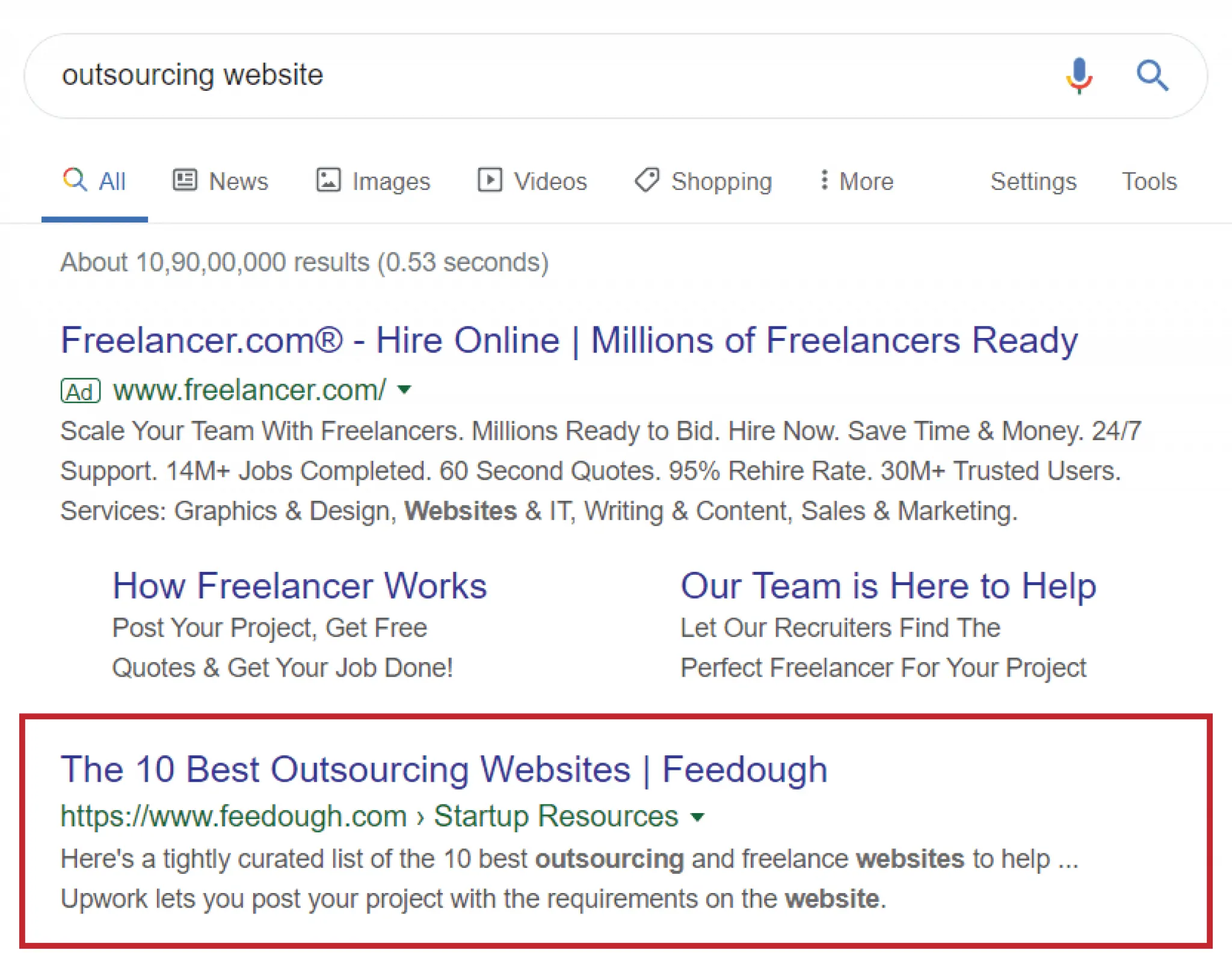

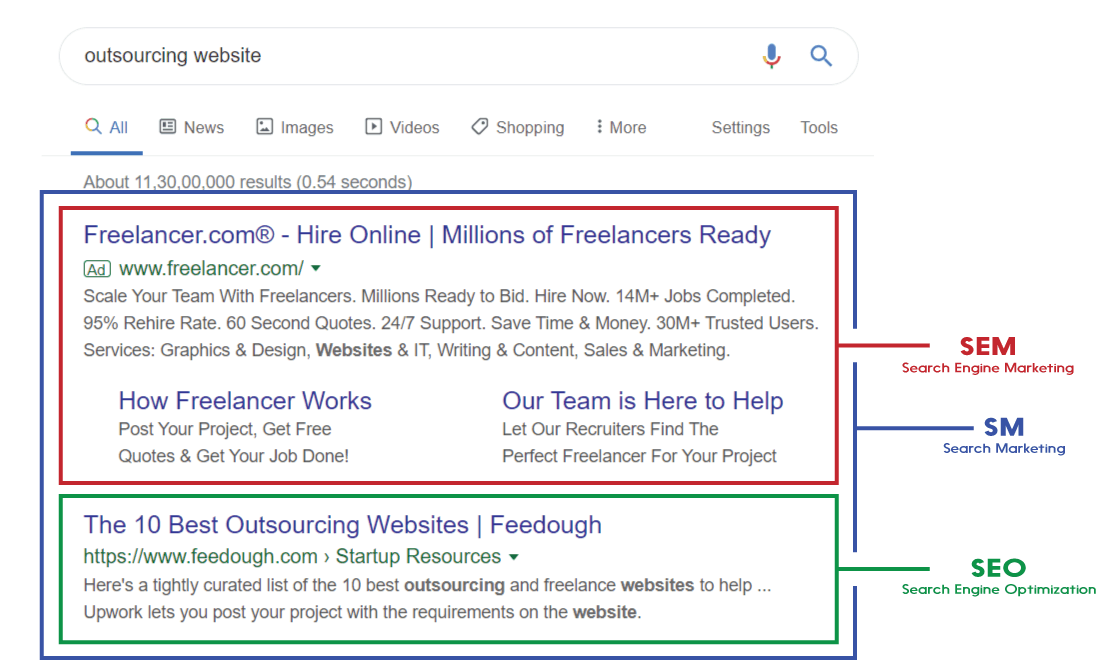
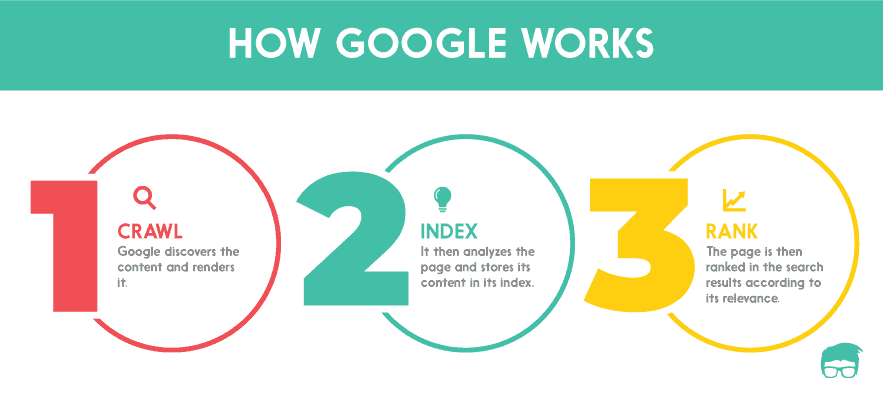
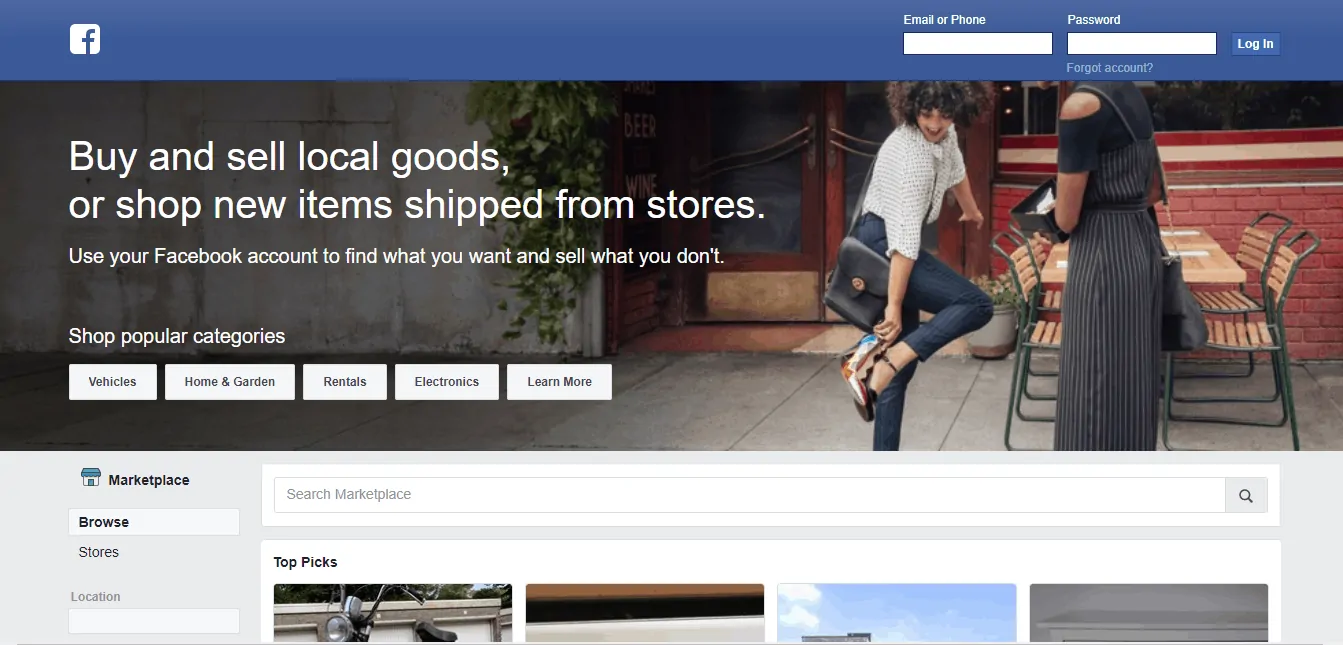
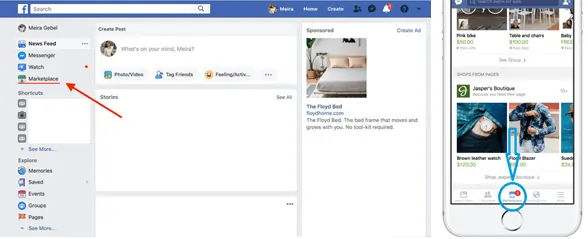
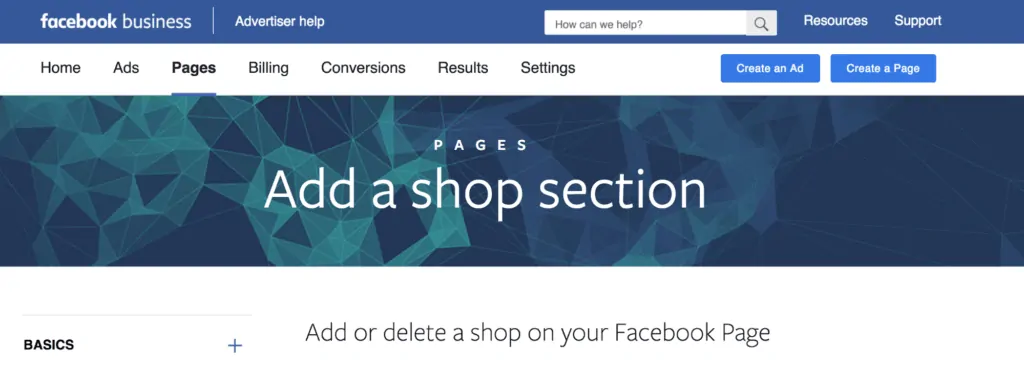
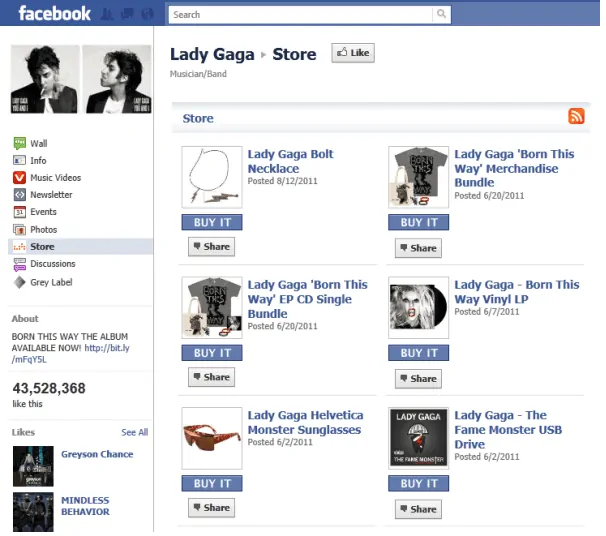

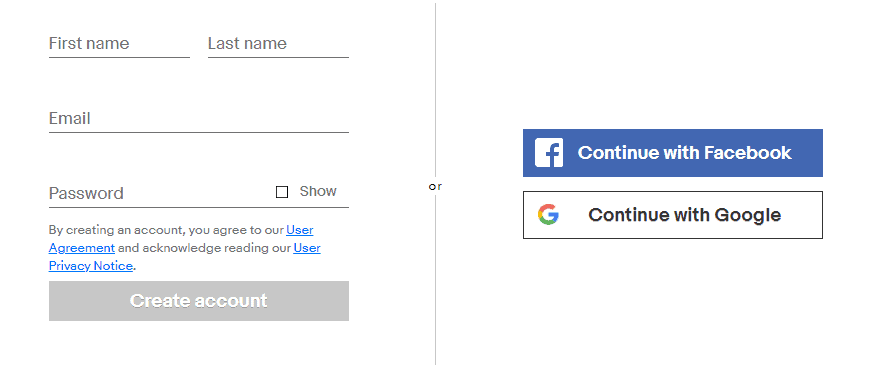
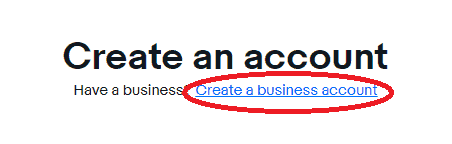
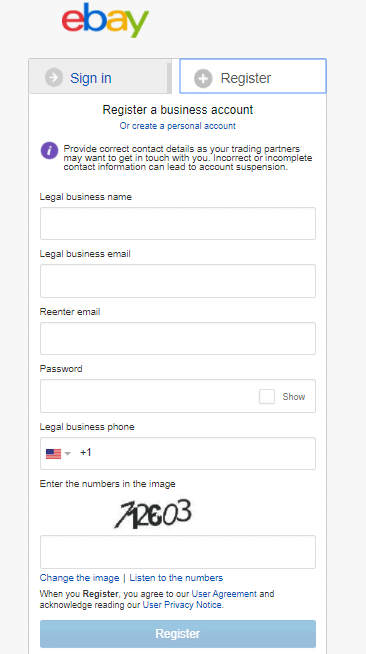
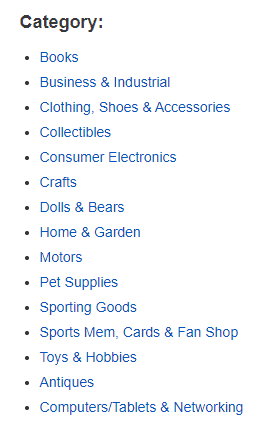

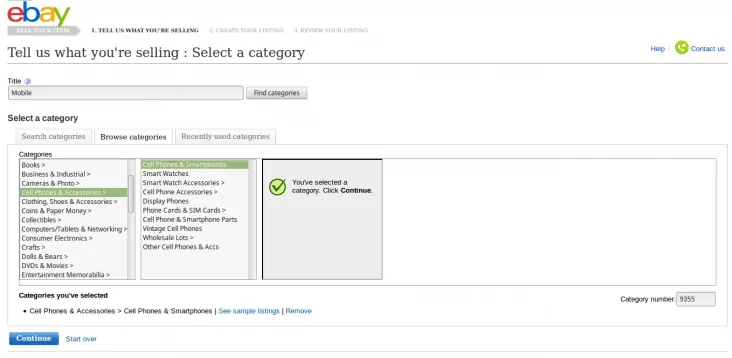
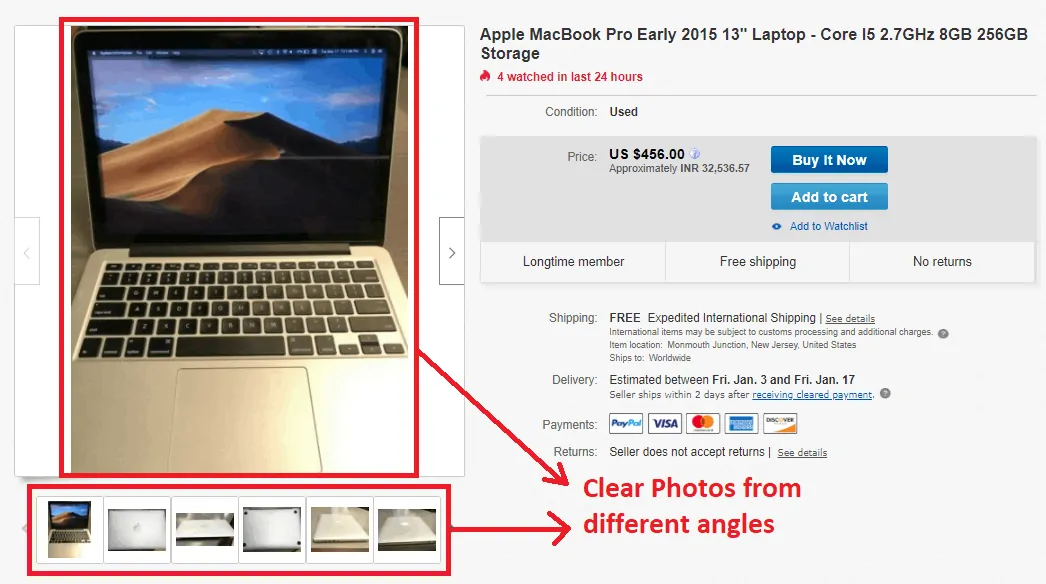
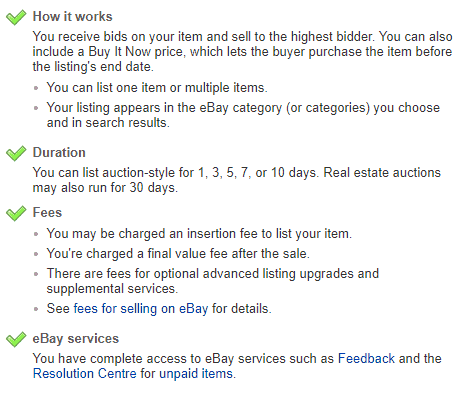
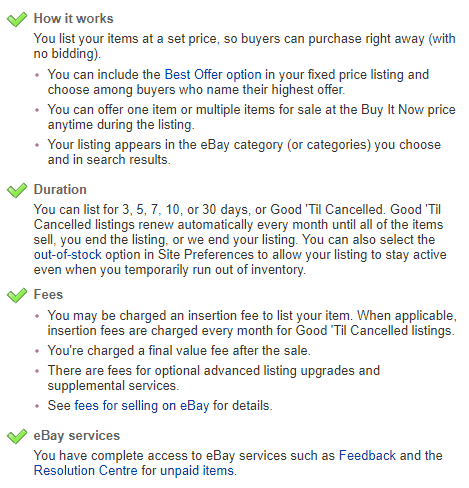
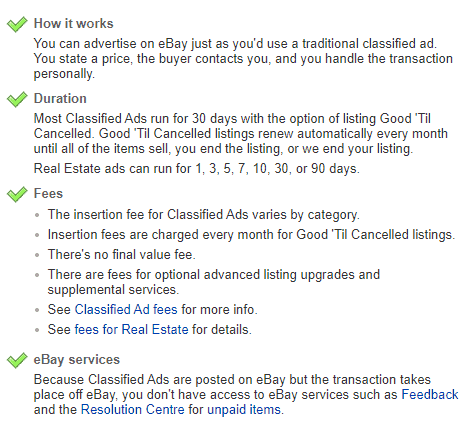
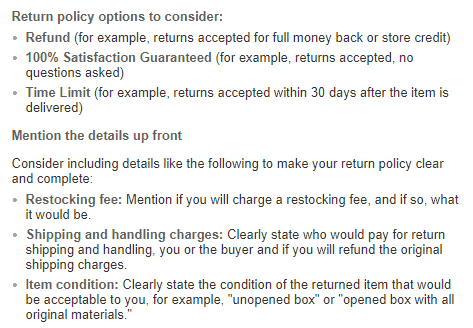
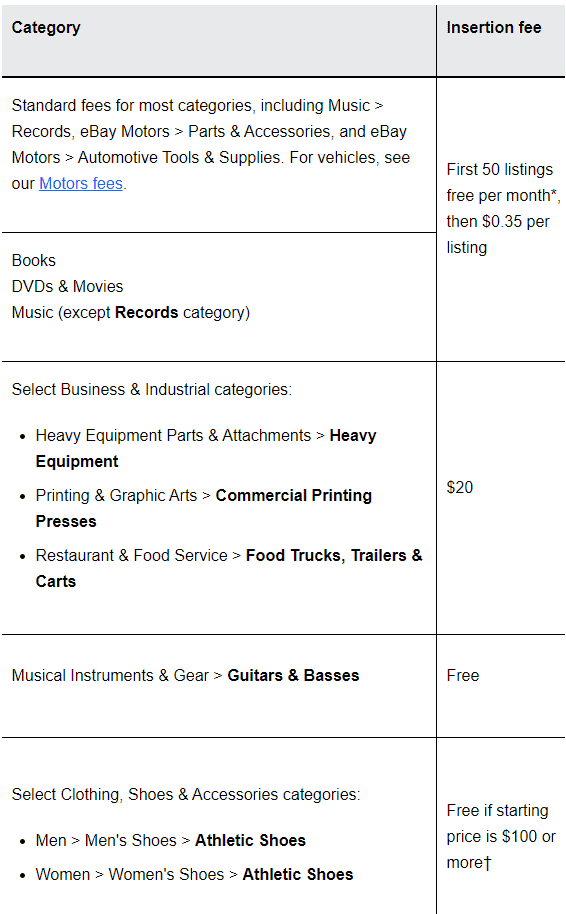
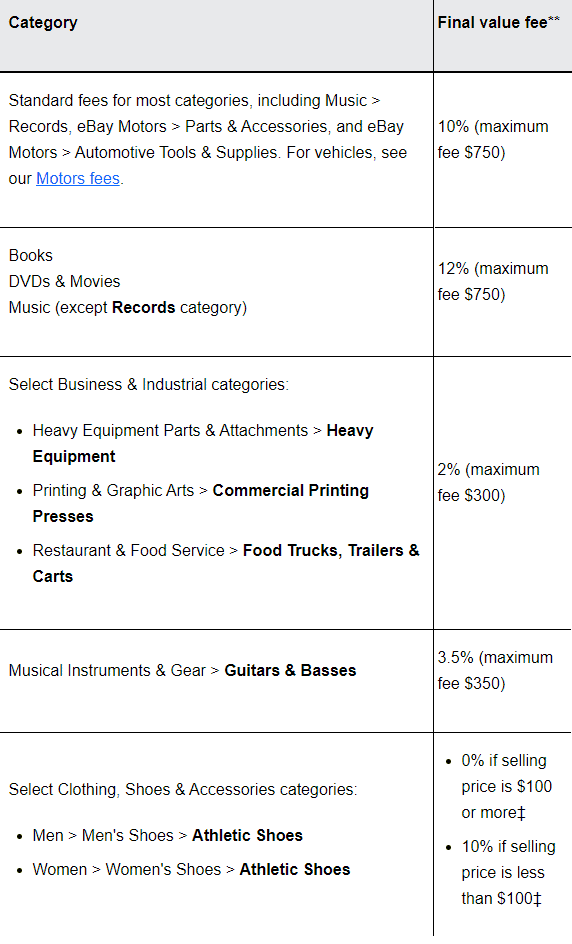
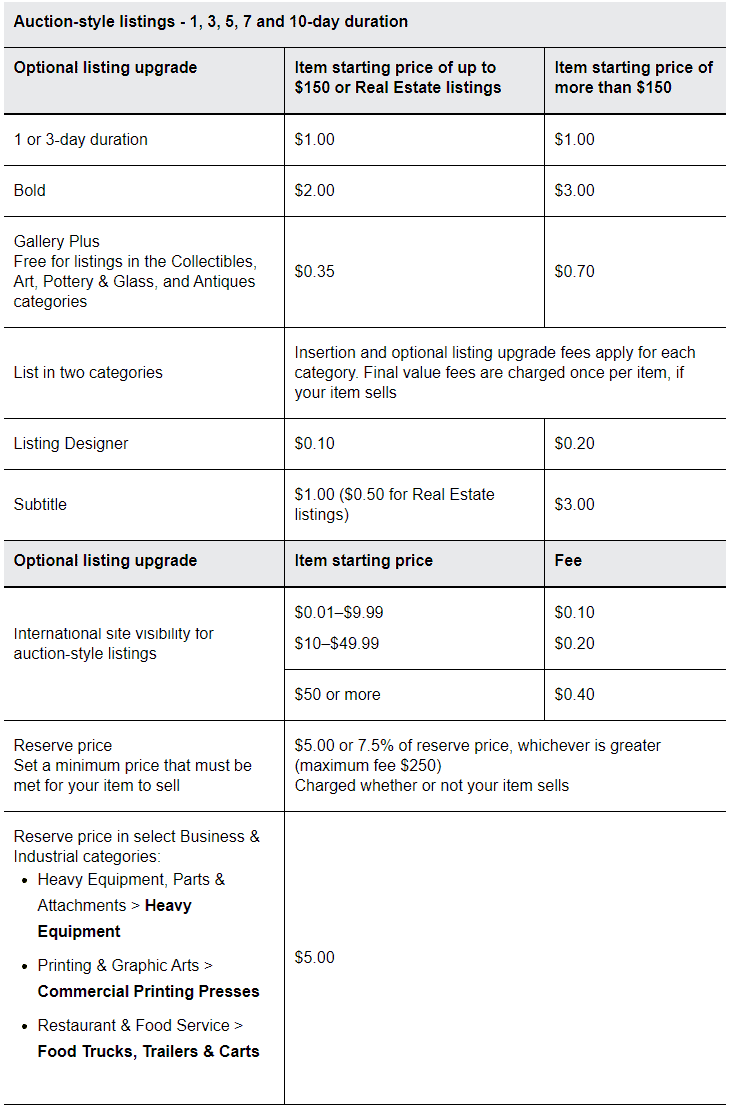
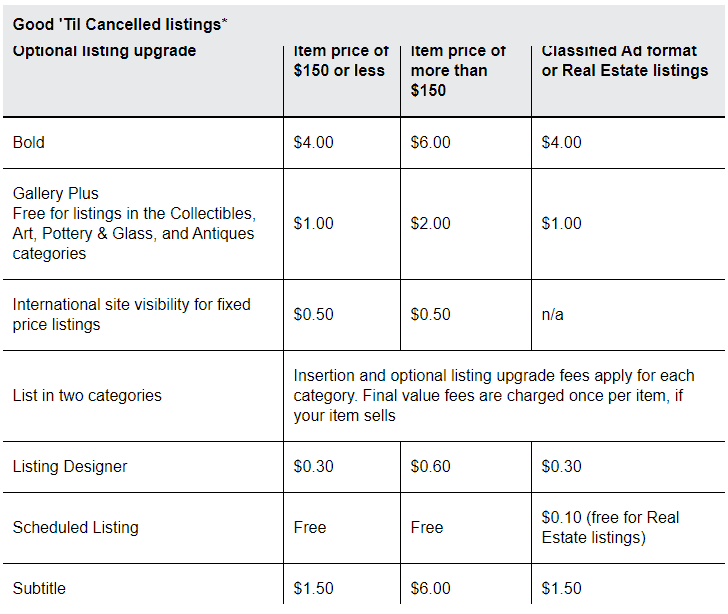
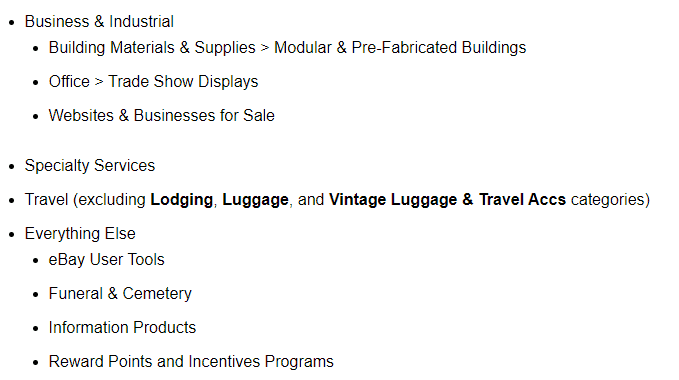
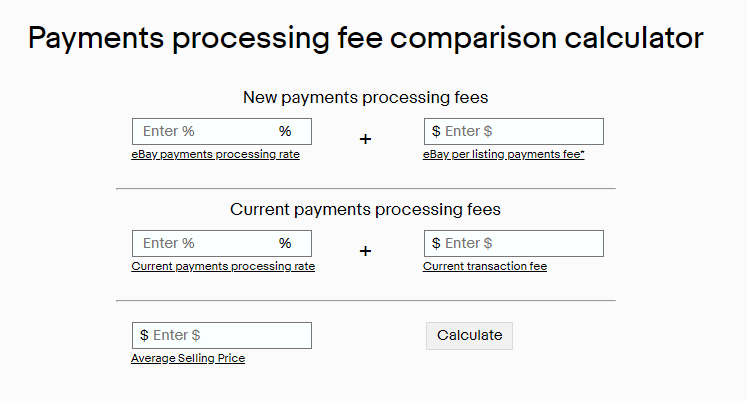
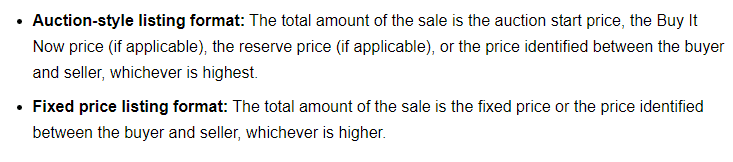


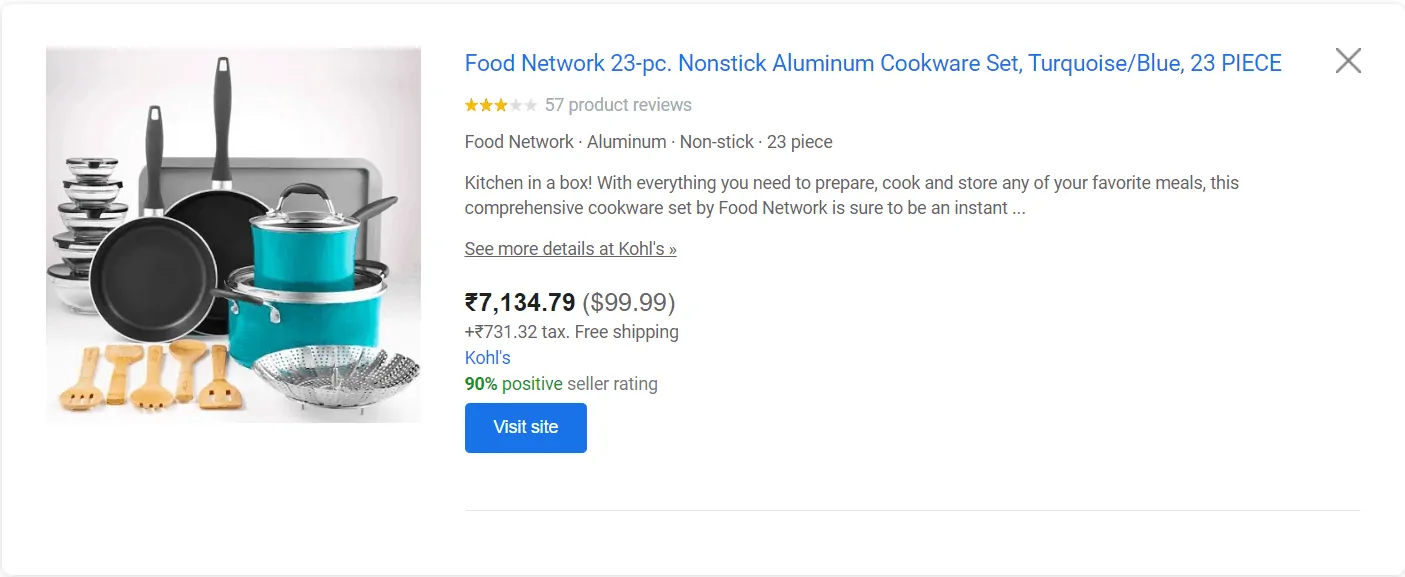
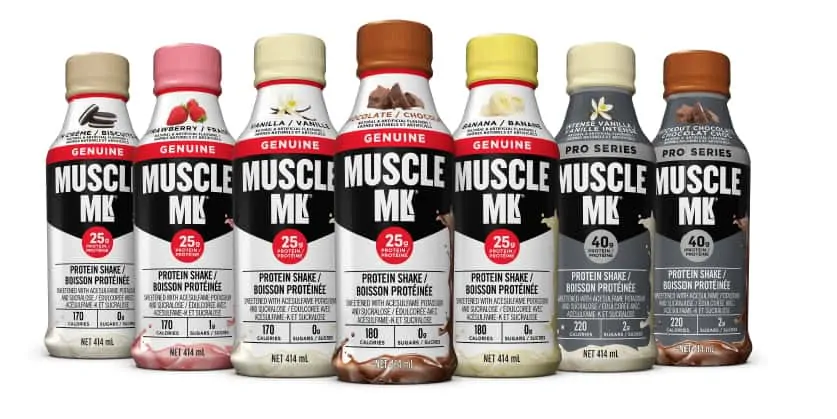





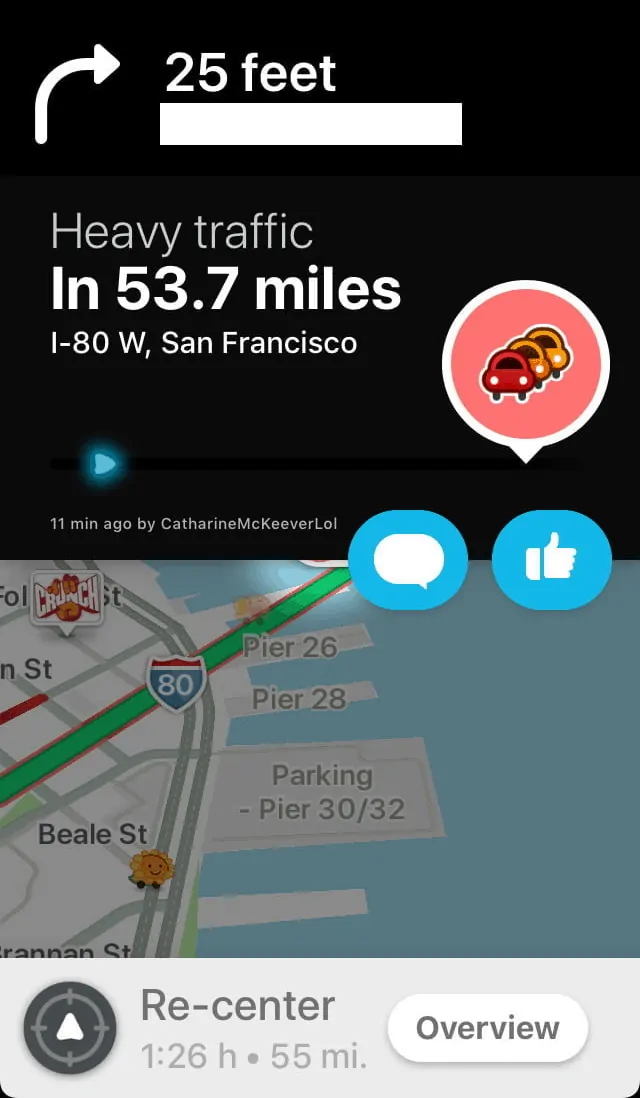
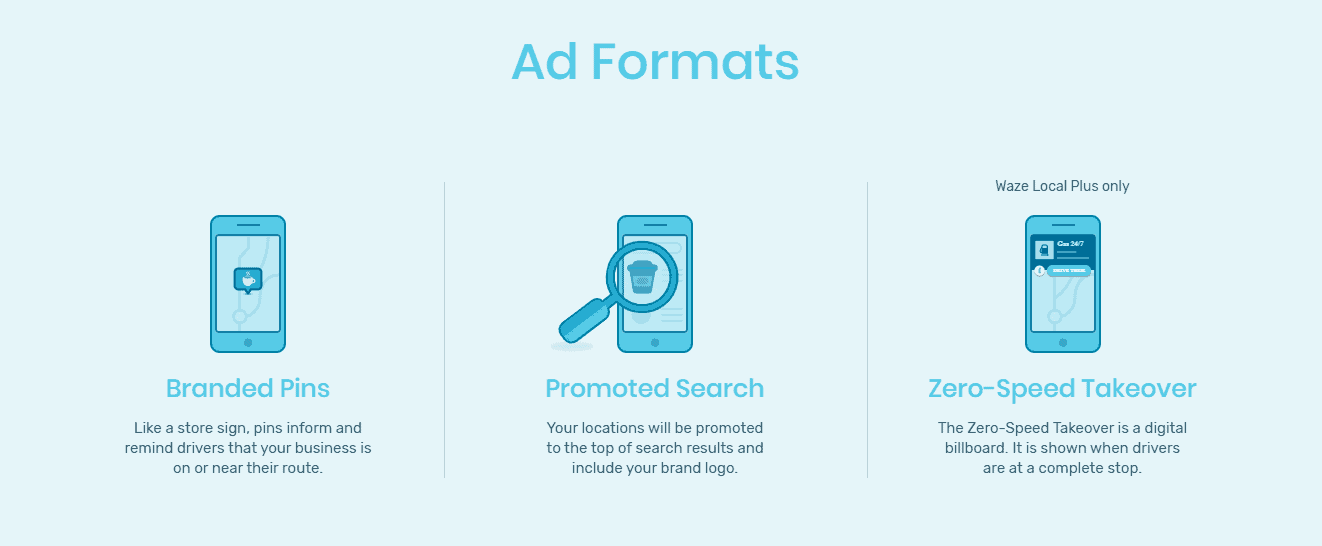
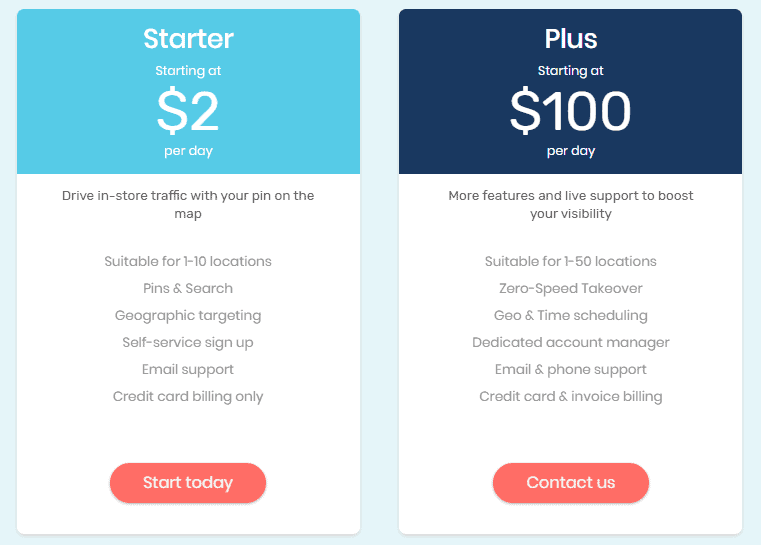
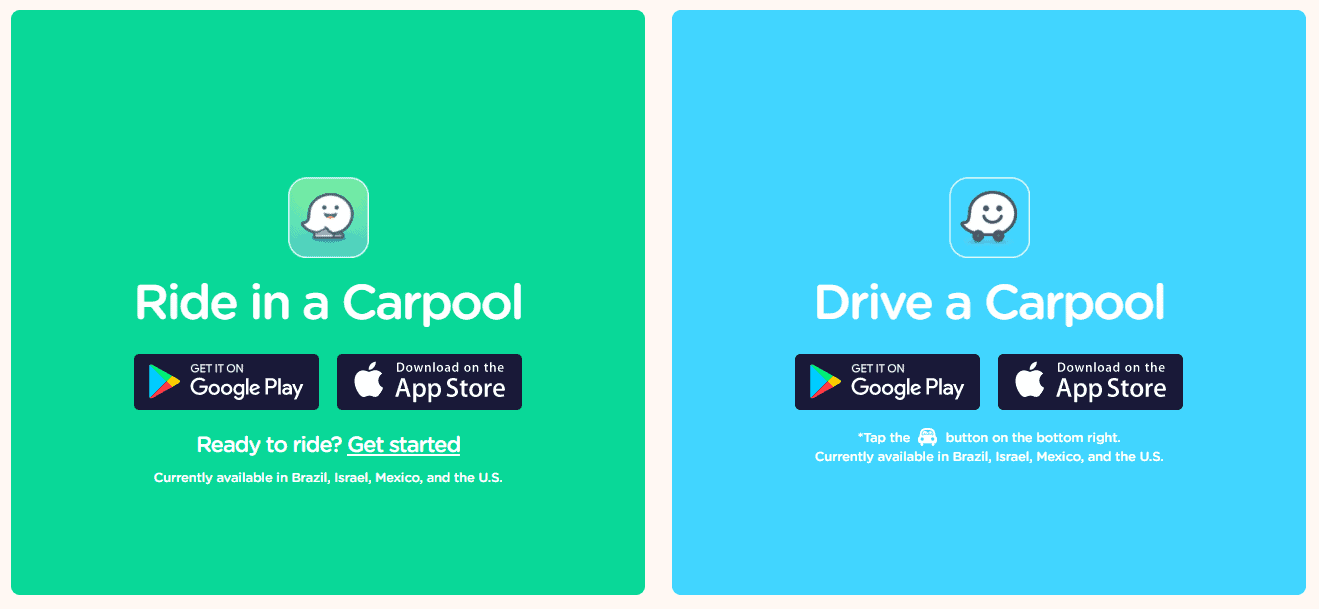
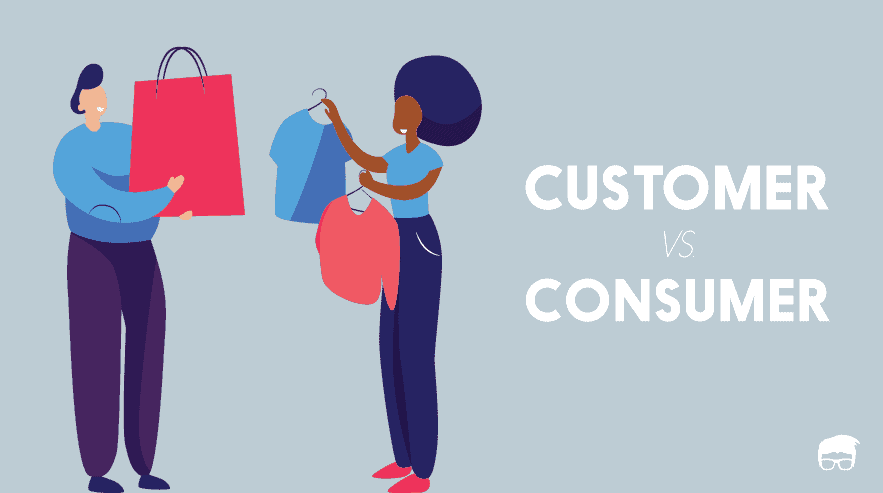


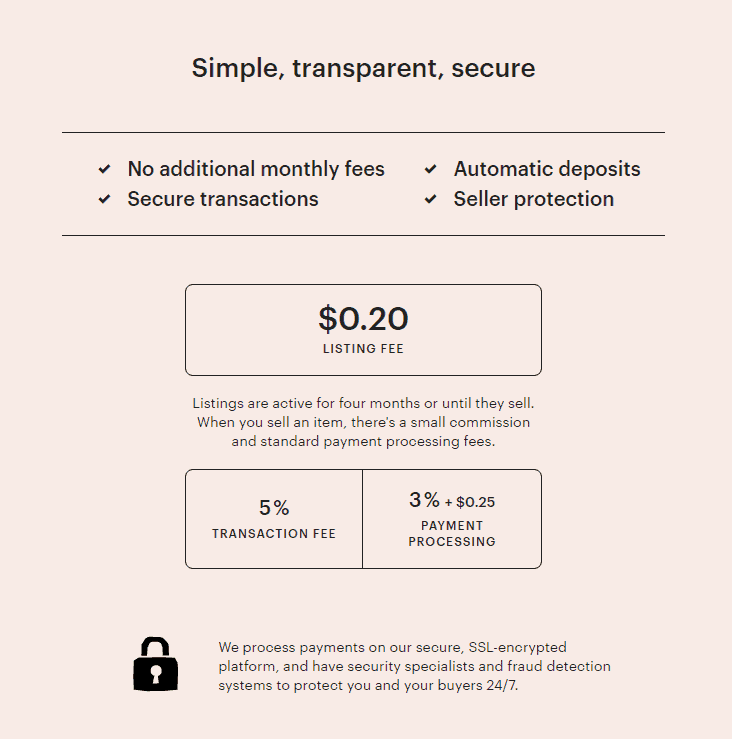
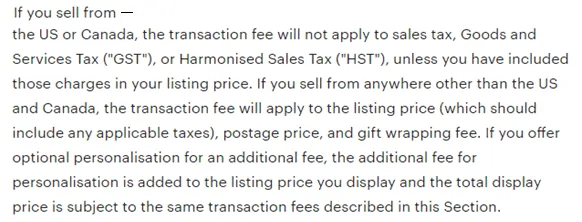



![Name Your Own Price [NYOP]: What Is It & How It Works?](https://www.feedough.com/wp-content/uploads/2019/12/name-your-own-price-2.png)