A company’s position is the set of perceptions, impressions, ideas and feelings that consumers have for its product compared to competing products. Marketers often plan brand positions that give their products the highest competitive advantage in the selected target markets, and they then design the marketing mix to create these planned positions.
In planning their positioning, marketers often make use of and prepare perceptual maps that show consumer perceptions of their brand versus competing brands on attributes that are important to the consumer.
Let us first understand what perceptual maps are:
Perceptual Maps
A perceptual map is a visual technique designed to show how the average target market consumer understands the positioning of the competing products in the market. In other words, it is a tool that attempts to map the consumer’s perceptions and understandings in a diagram.
Typically the position of a company’s product, product line, or brand is displayed relative to their competition.
The most common presentation of a perceptual map is to use two determinant attributes such as X and Y axes of a graph.
Perceptual maps prove to be useful for the following four reasons:
It helps in assessing strengths and weaknesses relative to competing brands based on certain criteria that is important to the customer.
It helps in the identification of competitive advantage for the brand.
It identifies market opportunities signified by empty spaces on the map.
It shows how ideal points shifts as the market matures thereby helping a company to shift its positioning in order to retain or gain a competitive advantage.
These perceptual maps are widely used by companies as a tool in assessing and determining product and brand positioning.
Let us now have a look at how perceptual maps are widely used in determining and evaluating product and brand positioning.
Product Positioning Map
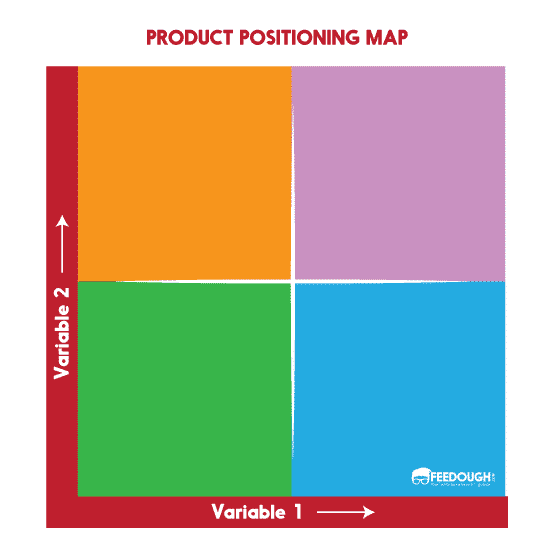
Product positioning map is a diagrammatic technique where the business uses perceptual mapping to visually display the position of the product against its competition. A product positioning map could include two or more variables (represented by axis) but to keep things simple and easy to understand, we usually take only two variables.
The idea of the Product Positioning Map is to determine and show where the product stands in relationship to the other competitor’s products via perceptual mapping.
The process of perceptual mapping involves selection of two variables on the basis of its importance to its customers by taking it on the X-Axis and Y-Axis respectively. We then plot the positions of the existing competitor products according to the extent to which they satisfy the two variables. The marketer now analyses the map in order to identify gaps that might be existing. These represent opportunities which the company in question can take advantage of.
Let us consider an example of a company wanting to analyse the competition for its product – A powder to add to milk which increases its nutritional value. This product is targeted to be used for breakfast.
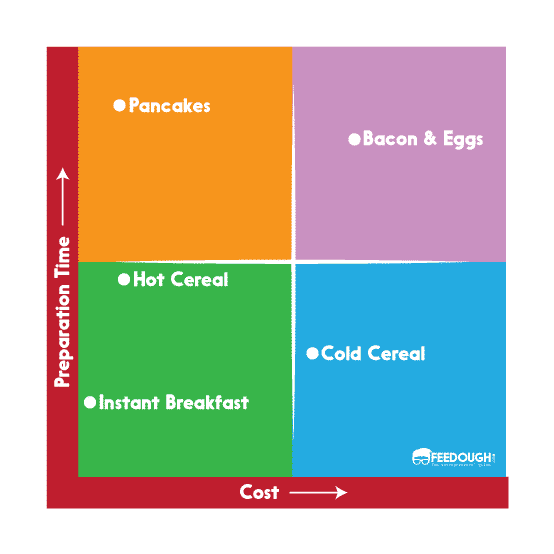
The two variables to be taken into consideration are cost and preparation time. Here, cost could be taken on the X-Axis while preparation time on the Y-Axis. The extreme on the right would represent high cost whereas the left extreme would represent low cost. The top of the graph could represent high preparation time and the bottom would represent low preparation time.
We now start plotting the position of different products on this map. For example – cold cereal would have low preparation time and would be moderately expensive. So, this would be plotted towards the bottom of the graph slightly towards the right side (indicating that it is moderately expensive).
Similarly, we plot another product such as bacon and eggs which involved high preparation time and is slightly expensive. This would be plotted slightly towards the right (more than cold cereal) and towards the top of the graph.
We hence plot pancakes (high preparation time and inexpensive), hot cereal (moderate preparation time and inexpensive), instant breakfast (very low preparation time and very inexpensive) on the same map.
This gives us an idea of the existing products in the market and the possibility of a unique position that our new product could occupy. It also helps in identifying market gaps that could possibly be tapped profitably. This therefore provides the precise scope of the competition existing in the market and the company can now determine the positioning of its product.
Brand Positioning Map
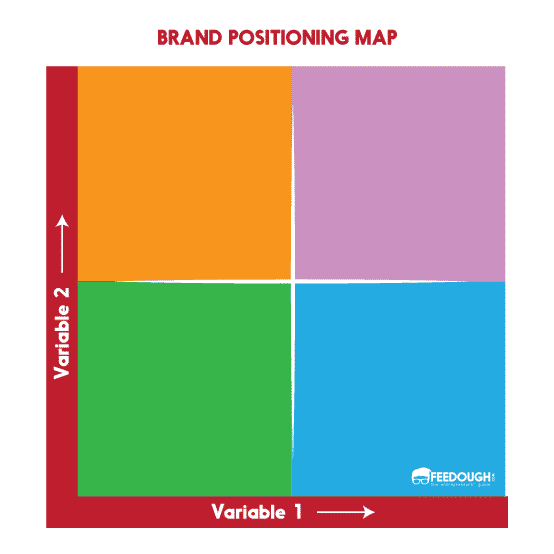
Next comes the brand concept where we look at the Brand Positioning Map which is a perceptual map showing the current positions of all the existing competition brands as seen from the eyes of the customers.
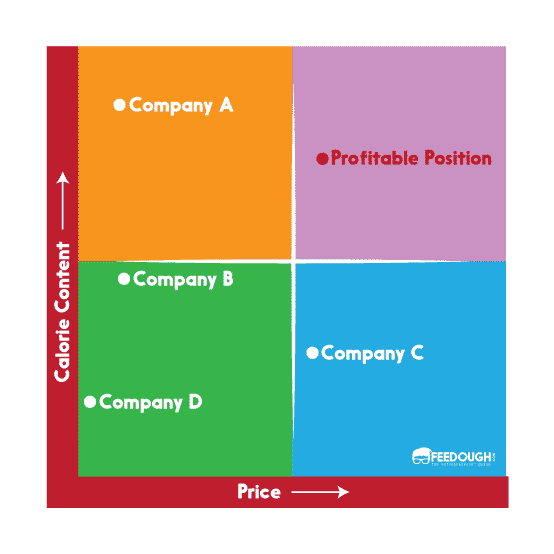
The brand positioning map helps the company decide the pricing and marketing strategies to be used to increase sales. In the case of the example stated above, it’ll help the company determine how much to charge and how much calorie content to keep in its breakfast offering.
First, we plot the positions of the existing companies according to their pricing and calorie content in a similar way as we did in the product positioning map – by taking the price on the Y-Axis and the calorie content of the X-Axis or vice versa. High price can be on top and low price on the bottom whereas low calorie content on the left and high calorie content on the right.
After plotting the competitor brands according to their pricing and calorie content, we search for an ideal position for our brand. A place next to an existing brand is to be selected if and only if their market offering is weak and it is easy to win their customers. Otherwise, the primary motive of every company is to have a different positioning in the market offering a differentiated product. This helps in creating a differentiated positioning in the minds of the customers.
A major task here in the brand positioning map is to identify the gap which can be profitably tapped by the company and thus selected is the positioning of the brand.
A differentiated brand positioning helps the company to sustain its market position as it generally serves the need of a specific group of customers and has higher chances of gaining a competitive advantage and a higher brand recall.
Go On, Tell Us What You Think!
Come on! Tell us what you think of our article on product positioning map & brand positioning map in the comments section.
Apple has officially become the first $1 trillion company in history! It must come as no surprise as Apple continues to astonish the world with its innovative products and services.
The company had to go through years of struggle, various failures and accomplishments which finally led to the way it stands today – the first ever company to be valued $1 trillion.
Join us on this memory lane as we go back in time to explore the history of Apple from the days when Apple was limited to only a garage in California to the present when it is the most successful company in history.
The Foundation Of Apple
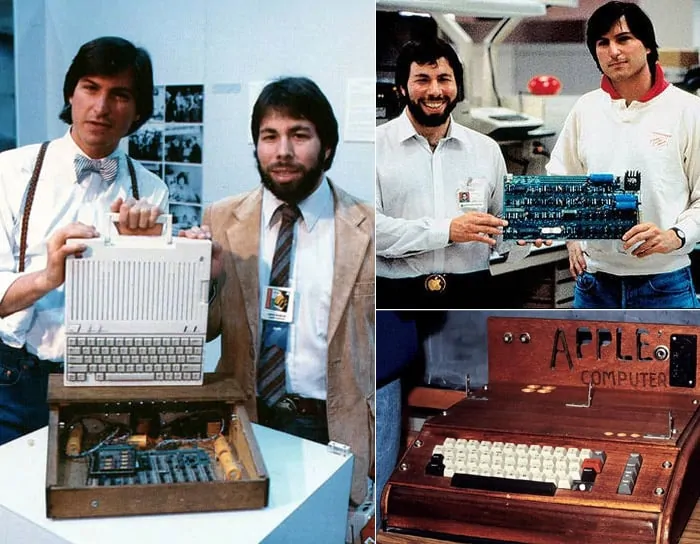
In 1976, Apple was founded by three men: Steve Jobs, Steve Wozniak and Ronald Wayne with the intention of selling Wozniak’s hand-built Personal Computer named Apple 1.
The first Apple office, in the garage of Steve Jobs’ childhood home
The Apple 1 was sold as a motherboard with CPU, RAM and basic textual-video chips. It then lacked a built-in keyboard, monitor, case or any other Human Interface Devices (which was later added in 1977).
In July 1976, the Apple 1 went on sale and was sold for $666.66. Steve Wozniak took a special liking for repeated numbers and hence the fancy number as the price.
Steve Jobs and Steve Wozniak with the Apple-1 | Source: kidskunst.info
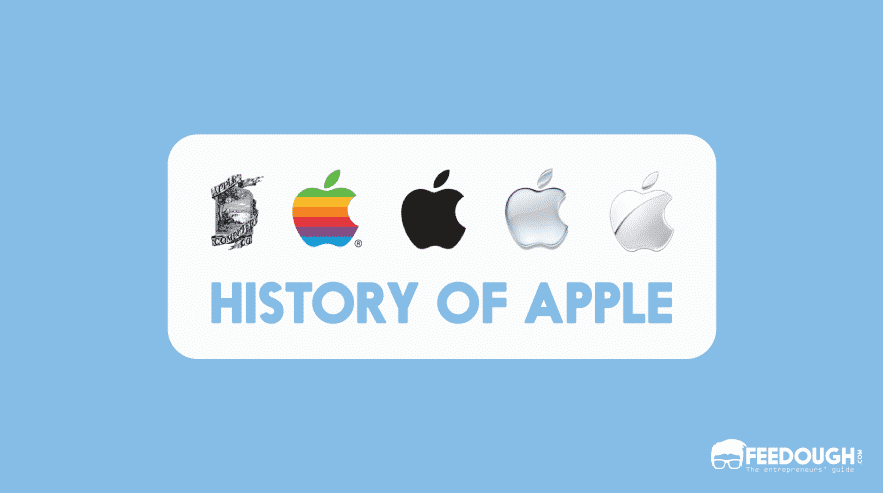
However, Ronald Wayne decided to leave the company only a couple of weeks after it was founded. Wayne then took a cheque of $800 which would have been worth almost $72 billion 40 years later. Wayne was the one to hand sketch the first Apple logo which was then replaced by the bitten apple logo designed by Rob Janoff in 1977.
History of Apple logo
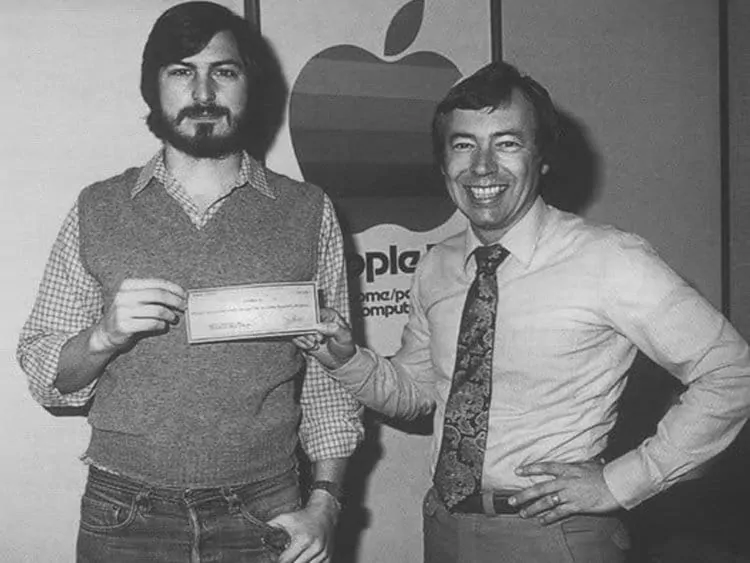
The Apple Computer Inc. was incorporated on January 3rd, 1977. Mike Markkula, the multimillionaire who had taken interest in the Apple-1 provided the company required funding and business expertise. Mike Markkula was the 3rd employee with a one-third share in the company. He suggested a man named Michael Scott be the company’s first president and CEO as he thought Steve was too young and undisciplined to be the CEO.
Steve & Mike | Source: businessinsider
The Apple II and III
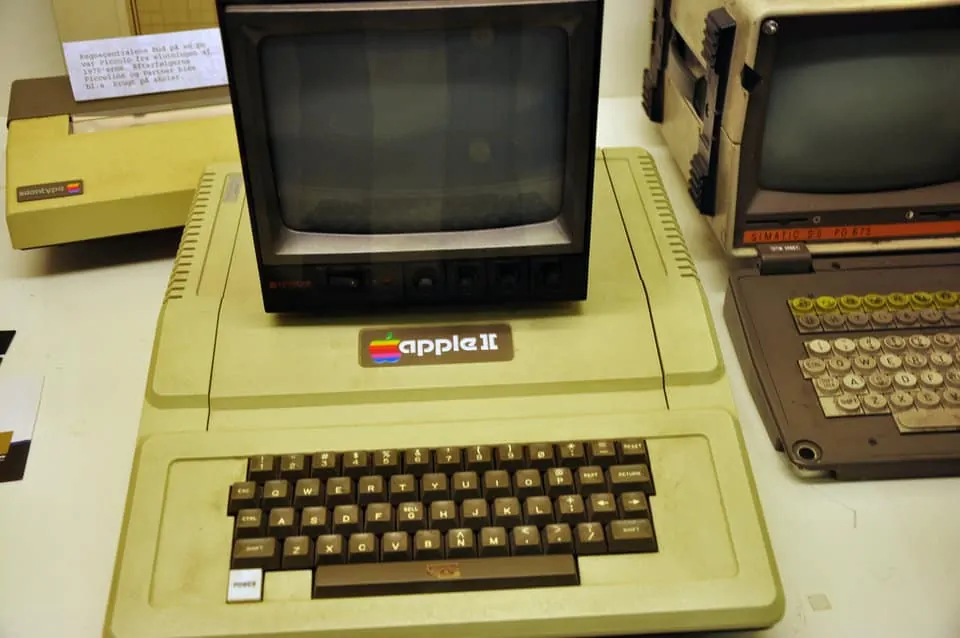
It was in 1977 that the Apple II was introduced, also by Wozniak. VisiCalc (the world’s first ‘killer-app’), a ground-breaking spreadsheet and calculating software helped the Apple II computers to stand ahead of market leaders Tandy and Commodore PET. VisiCalc gave users an additional reason to buy the Apple II because of its office compatibility. With the introduction of colour graphics, the Apple II was able to revolutionize the computer industry.
The Apple II | Source: businessinsider
By 1978, Apple had a real office with several employees and an Apple II production line.
In the years that followed, revenues grew exponentially for the Apple company doubling every four months. Their yearly sales grew from $775,000 to $118 million between September 1977 and September 1980 (average annual growth rate of 533%).
Jobs and several employees were allowed to visit the Xerox PARC lab in 1979. It is world famous for the laser printer, mouse, ethernet networking and other technological accomplishments. Jobs and his engineers visited the PARC campus in return for the option to buy 100,000 shares of apple for $10 a share.
By the year 1980, the competition was growing difficult with IBM and Microsoft in the market. Apple released Apple III in the same year to compete with these companies in the corporate computing market. The Apple III was not as successful due to a design flaw. In order to reduce noise, Jobs insisted computers not have fans or vents which in turn created problems due to dangerous overheating. Thus, the Apple III lost to IBM computers.
However, Jobs had been convinced from the visit to the Xerox PARC labs that all future computers required to use a Graphical User Interface (GUI) like the ones used today. He immediately began the development of a GUI for Apple’s next generation computer, Apple Lisa.
Unfortunately, Jobs was removed from the Lisa team due to infighting and became a part of the low-cost-computer project, the Macintosh. Lisa was released in 1983 and met with disastrous sales due to its high price and limited software support.
Apple went public on December 12, 1980, at $22 per share. According to EDN Network, Apple’s $4.6 million shares sold out immediately and generated more capital than any other IPO (Initial Public Offering) since the Ford Motor Company in 1956. The IPO created $217 million in wealth for Steve Jobs, the largest shareholder. The company’s IPO also created 300 other millionaires instantly.
The Macintosh
After being replaced from the Lisa team, Jobs became the lead of the Macintosh team. The Apple Macintosh is known as the most user-friendly computer to date. It is also known as the first mass-market personal computer to feature an integral GUI and mouse.
The Macintosh, unlike Lisa, was a success thanks to the intense marketing with the iconic “1984” commercial directed by Ridley Scott which aired during the Super Bowl and never again.
https://youtu.be/axSnW-ygU5g
Even though the graphics hardware used was very expensive, Apple decided to sell the Macintosh for a price that would put it in the reach of home users. Its black and white graphics and visual abilities attracted design professionals and it was particularly successful in the desktop publishing market due to it’s the same. It had a carrying handle which made it portable and it looked friendly too.
The Macintosh was priced at $2,495 and went on sale in January 1984. It was good value for the money although not cheap. By the beginning of May 1984, 70,000 units were shipped as a result of the “1984” commercial.
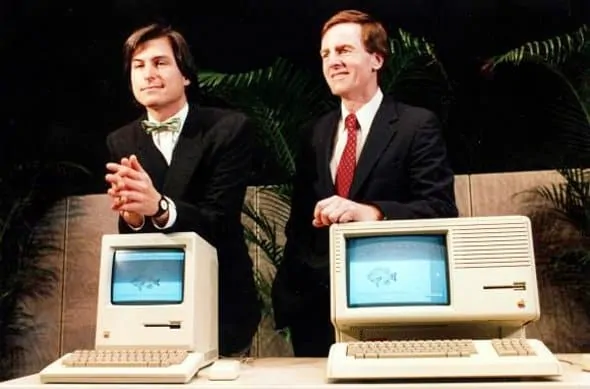
In 1983, around the time of launch of the Macintosh, Jobs hired John Sculley as the new Apple CEO when Mark Markkula, the second CEO wanted to retire. Scully was the youngest CEO of Pepsi during the time, but jobs brought him to Apple with the legendary question “Do you want to sell sugared water for the rest of your life? Or do you want to come with me and change the world?”
Jobs and Sculley at the Macintosh launch | Source: fanboy.com
However, tension grew between Jobs and Sculley when the Macintosh failed to break IBM’s dominance. Moreover, Jobs liked doing things his own way while Sculley wanted strict oversight on future products as both Lisa and the Macintosh had not been able to compete with IBM and others at the time.
Apple without Steve Jobs
In 1985, as friction grew between Jobs and Sculley, Jobs attempted to oust Sculley by staging a coup which then backfired. The Apple’s board took Sculley’s side and removed Jobs from his managerial duties. Jobs then quit his job and founded a new company making advanced workstations name NeXT. Steve Wozniak too left around the same time selling most of his shares saying the company was going in the wrong direction.
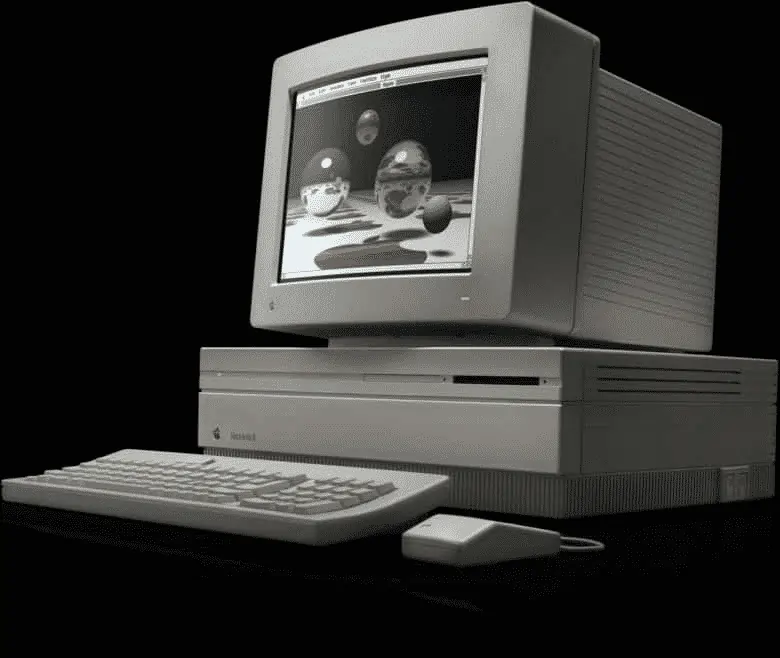
With Jobs now out of the company, the board was free to think what kind of machines Apple was going to produce. They decided to target high-end markets with more expensive Macs. Steve Jobs was opposed to the idea of hiking the prices and so it was only after he left that they could implement this policy. They agreed that although fewer units may be sold, similar or higher profits are to be achieved. This policy was called “55 or die” which is Jean-Louis Gassée’s rule that the Macintosh II should deliver at least 55% profit per machine. Gassée was the man whom Sculley hired in place of Steve Jobs.
The Macintosh II-The first Macintosh to be shipped with a colour display | Source: cultofmac.com
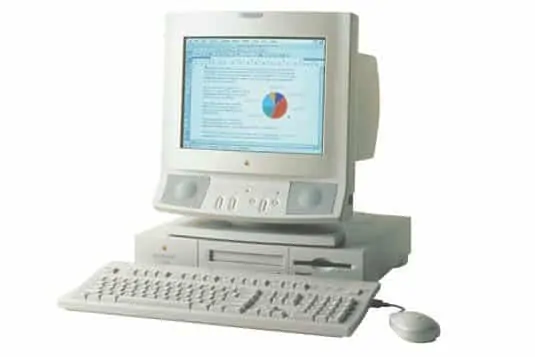
Although the Apple computers were quite expensive compared to the other computers in the market, they had benefits such as the user interface that kept their users loyal. Apple introduced its PowerBook laptop and system 7 operating system in 1991. The system 7 was behind giving colour to the Macintosh OS and was used until 2001 when OS X was released.
John Sculley introducing System 7 | Source: businessinsider
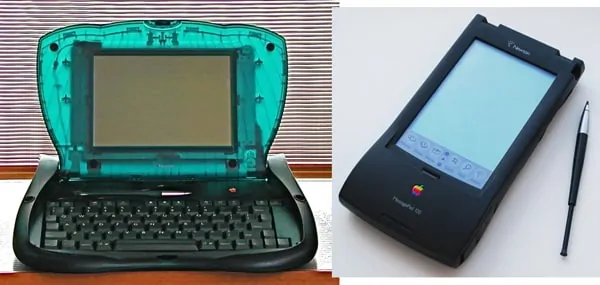
The 1990s saw Apple trying to get into new markets. Gassée also took part in the development of new products such as the Newton MessagePad and the eMate dreaming that these products will drive the company towards new heights.
The eMate and the Newton MessagePad | Source: historyofpersonalcomputing.com
However, with prices as high as $700 and functions limited to taking notes and managing contacts these new products did not work out in the market. And the Newton MessagePad became the Apple flop of the 1990s. Gassee’s tenure too came to an end in 1990. Apple then introduced the Macintosh Classic, Macintosh LC and Macintosh IIsi, which were lower cost models and they also managed to bring up significant sales.
The Decline of Apple
Apple’s “55 or die” policy backfired in the last years of the decade when IBM clones were getting cheaper and Microsoft’s influence started to rise. Even though Macs offered an excellent library of software, they were limited. Windows 3.0, on the contrary, was on sale for cheap commodity computers.
Apple needed to find its way back in the market and so they introduced a whole new line of computers: the Quadra, Centris and the Performa. The Performa was meant to be a stock item for department stores and other lifestyle outlets as Apple computers were then available only through mail or authorized dealers. There was no Apple Store back then. These lines of computers were, in fact, their existing stock rebranded by adding new consumer-friendly software like ClarisWorks and Grolier Encyclopaedia to attract home users.
This, on the contrary, created confusion among the customers as they did not quite understand the difference between these models.
Apple also experimented on products like digital cameras, portable CD audio players, speakers, TV appliances etc, but they were all unsuccessful. Apple’s market shares and stock prices continued to decline.
To add to the mistakes, Sculley spent a lot of time and cash on bringing System 7 to the new IBM/ Motorola PowerPC microprocessor instead of Intel Processor. As most software were written for Intel processors, and they were cheaper, Apple had no luck finding its way back in the market.
With the highly unsuccessful line of products and the costly decision to move to PowerPC, the Apple board had had enough. In 1993 Sculley was fired and replaced by Michael Spindler as the new CEO, a German expatriate who had been with Apple since the 1980s.
Michael Spindler, Apple’s CEO from 1993-1996 | Source: Applesfera.com
Spindler, unfortunately, had to follow through Sculley’s PowerPC mistake. The first PowerPC run by Macintosh was released in 1994 but Apple’s misfortune continued. One reason was because of the popularity of Windows in the market then.
The Power Macintosh 6100- the first PowerPC to use Motorola’s PowerPC processor | Source: Pinterest
In 1996, Spindler was replaced by Gil Amelio as CEO. Amelio made several changes such as including extensive layoffs and cut costs. His tenure was also troubled as the Apple stock hit a 12-year low. Amelio then decided to purchase Jobs’ NeXT Computer for $429 million in February of 1997 and brought back Steve Jobs to Apple.
Gil Amelio | Source: enswmu.blogspot.com
Rise To Profits
Jobs convinced the board to make him the interim CEO in July 1997. Due to the huge financial losses and a three-year record low stock price the board agreed with Jobs. Amelio resigned a week later.
During the 1997 Macworld Expo, Jobs announced Apple was joining hands with Microsoft to create new versions of Microsoft for the Macintosh. He also announced that Microsoft had invested $150 million in non-voting Apple stock. On November 10, 1997, Apple introduced the Online Apple Store.
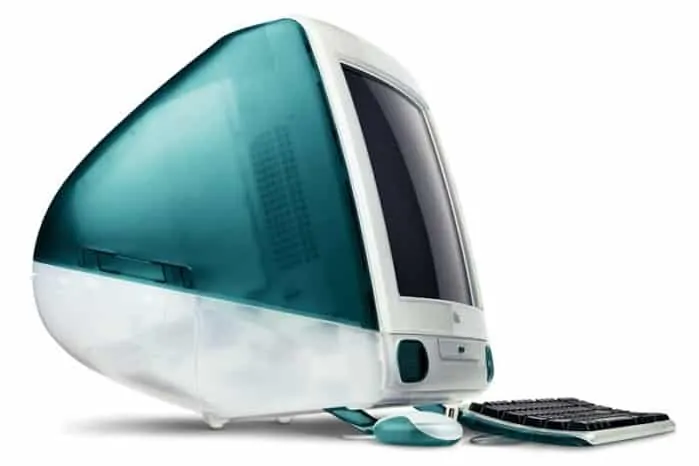
Jobs was impressed by the design talent of Jonathan Ive and they paired to rebuild Apple’s status. The iMac was introduced on August 15, 1998, an all in one computer. Jonathan Ive lead the iMac design team and he would later design the iPod and the iPhone. 80,000 units of the iMac were sold in just 5 months as a result of modern technological features and a unique design.
The first iMac | Source: macworld.com
Jobs did not want a wide range of products and preferred to concentrate on a narrow range of products. He reduced the range of computers to four- two for businesses and two for consumers. He also closed down a lot of other divisions including the Newton MessagePad.
In 1998, Apple purchased Macromedia’s Key Grip Software Project, thus expanding its video editing market. The product was named Final Cut Pro when it was launched in April 1999. It was unfinished even at the time of its sales. Key Grip Software’s development led to Apple’s release of the video editing product called iMovie in October 1999.
The Mac OS X was introduced in place of System 7 in 2001 which was based on the operating system from NeXT computers. In the same year, the iPod portable digital audio player was released, and it sold 100 million units within six years.
Following this, Apple acquired German company Astarte and Apple created iDVD for the consumer market using Astarte’s DVD authoring technology. Apple purchased two companies in 2002 – Nothing Real for digital composing application and Emagic for music productivity application Logic. Apple became the first computer manufacturer to own a music company after purchasing Emagic.
Apple’s iTunes music store was introduced in 2003 and the service offered online music downloads for $0.99 per song and also integrated it to the iPod. iTunes became the world’s largest music retailer by 2005.
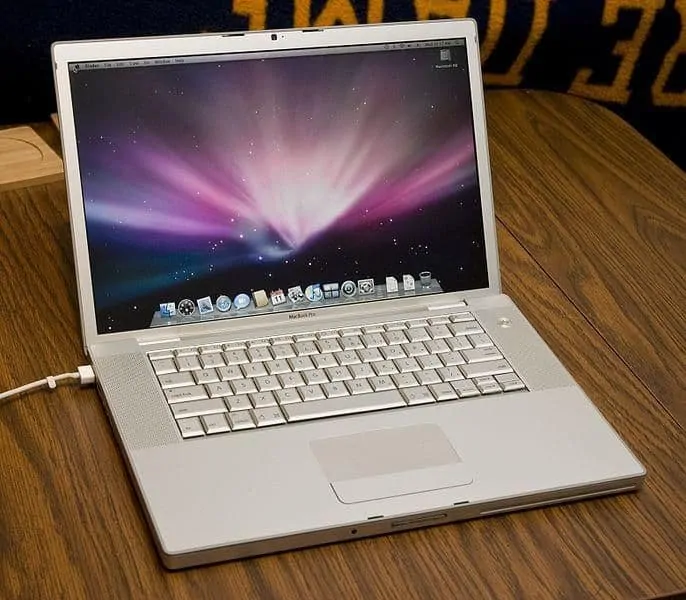
In 2006, Apple finally decided to switch to an Intel-based system architecture. The MacBook Pro was the Apple’s first laptop with an intel core processor.
MacBook Pro | Source: Pinterest
Between 2003 and 2006 the Apple’s stock price increased by more than ten times, from $6 per share to $80 per share.
The iPhone
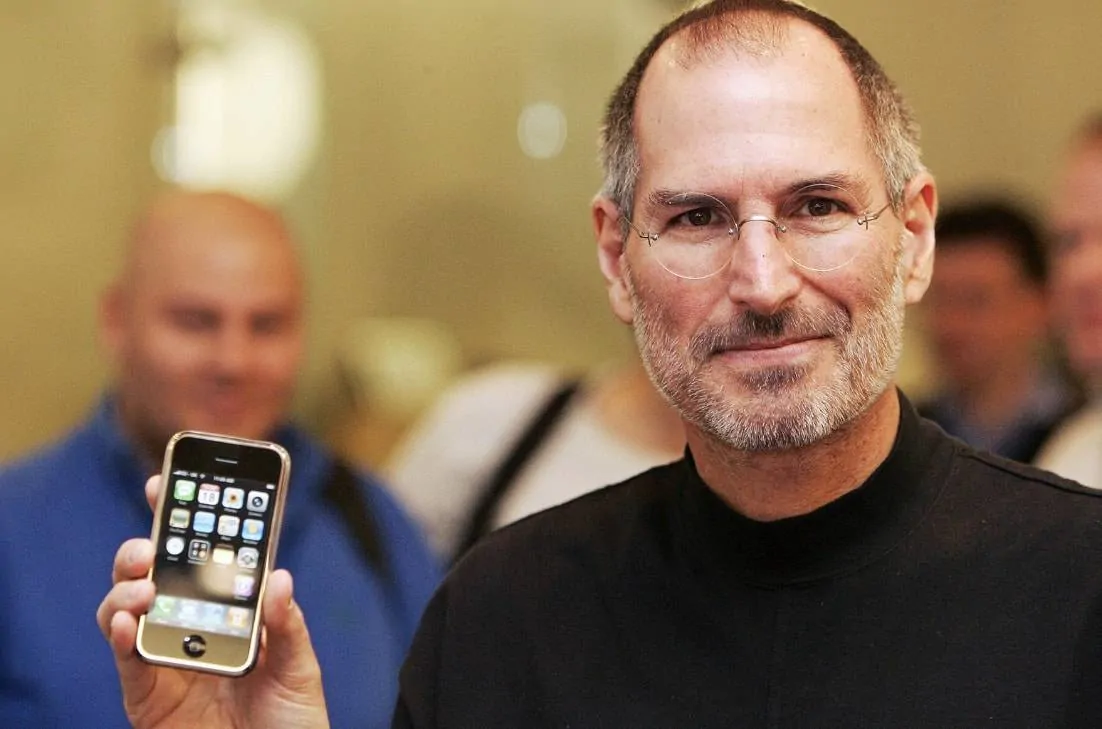
The iPhone was announced at the Macworld Expo on January 9, 2007. Jobs also announced that Apple Computer, Inc would thereafter be called Apple Inc. as the company had widened its emphasis to consumer electronics as well. 270,000 iPhones were sold during the first 30 hours of its sales and it came out to be known as a “game-changer for the industry”. Widespread success was achieved with the introduction of iPhone, iPod Touch and iPad products.
Steve Jobs with the iPhone | Source: billboard.com
The App Store was launched by Apple in July 2008 to sell third-party applications for the iPhone and iPod-Touch. Within a month, 60 million applications were sold through the App store and it was able to register an average daily revenue of $1 million. Apple also became the third-largest mobile handset supplier in the world thanks to the popularity of the iPhone.
Apple shares hit a staggering $300 in October 2010.
Steve Jobs resigned from his position as CEO due to health factors on August 24, 2011, and was replaced by Tim Cook. Jobs passed away on October 5, 2011, which marked the end of an incredible era for Apple and brought a big diversion in Apple’s history.
However, Apple still continues to influence the markets with ground-breaking technological wonders to date.
Go On, Tell Us What You Think!
Did we miss something? Come on! Tell us what you think about our article on history of Apple Companyin the comments section.
Imagine a business model where all you have to do is create an ecommerce brand and focus on selling stuff while a third party handles the inventory, shipping and fulfilment.
What’s more?
You don’t pay for the product until the customer places an order for it.
Dropshipping is an online business model with probably the least barriers to entry which attracts novices and professionals alike to select a niche, create a brand, market, and make money.
If you’re new to this arena of online business and wants to know more about what is dropshipping, how dropshipping works, and how you can start a dropshipping business in 2019, you’re at the right place. Here’s a complete guide explaining everything about the dropshipping business model.
What Is Dropshipping?
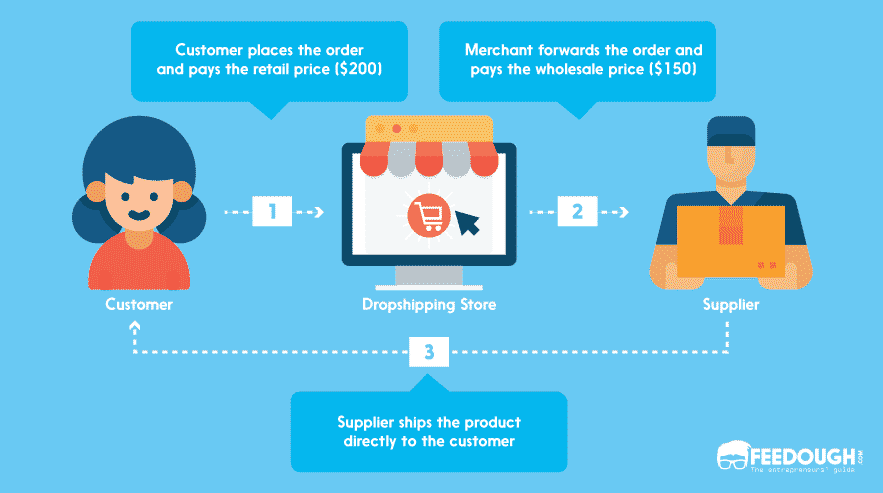
Dropshipping is an online business model based on an order fulfilment strategy where the merchant sells a product under his own brand but doesn’t keep an inventory or handle the shipping and fulfilment of the product. Rather, he purchases the product from the third party as soon as a customer makes a purchase and makes them ship directly to the customer.
An example of a drop shipping website could be an ecommerce store dealing in drones and drone accessories. The store takes the orders under its own brand but the actual shipping is carried by Aliexpress.
Benefits Of Dropshipping
A dropshipping store looks exactly like any other traditional ecommerce store but doesn’t bear all the risks involved in running an e-commerce store.
Dropshipping Is Easy To Start, Manage, & Grow
To start a profitable dropshipping business, all you need to do is to find a profitable and not-so-competitive niche, a good supplier, a website and some marketing skills. You don’t require a warehouse to store the items or partnerships with the delivery companies to handle the fulfilment. All that is done by the supplier you’ll order from.
Dropshipping Involves Very Less Investment
Most of the investment a dropshipping store requires is in the form of marketing and branding. This investment is just a proportion of what a full-fledged ecommerce store that also handles fulfilment requires.
Location Of The Merchant Doesn’t Affect The Business
You could be sitting in your apartment in India while your customers from the US order the products which will be fulfilled from China. Your location doesn’t really matter as you don’t handle the delivery.
Merchant Doesn’t Have To Deal With The Unsold Inventory
As you don’t have to deal with the actual product, there’s no stress on how to deal with the unsold inventory.
Dropshipping Involves Very Less Losses
Even if your dropshipping business fails to get traction and more sales, you won’t suffer much loss as there was not much investment in the first place.
How Dropshipping works?
The dropshipping process is very easy to understand. You’ve already gotten an overview of how dropshipping works, but here’s a detailed explanation for you to get a better understanding and launch your own dropshipping store.
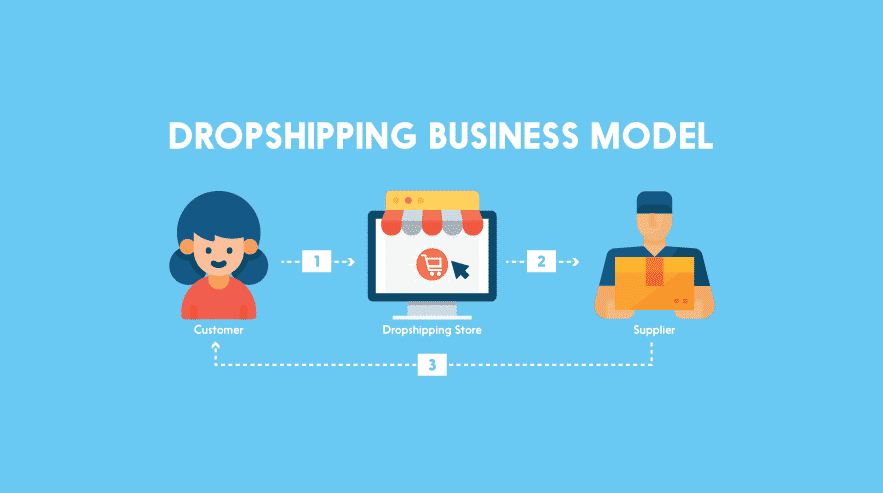
Dropshipping Business Model
The dropshipping business model can be divided into two segments –
The front-end: the front-end is how things look to the customer. He sees your store like any other niche ecommerce store and orders the products he likes at a price set by you. After a few hours or days, he receives a notification that his order has been shipped. The notification also includes the tracking information which lets him track the order just like with any other ecommerce website.
The back-end: As soon as the customer orders the product, you purchase the same from the supplier and ask him to ship directly to the customer. The customer never gets to know about the fulfilment process as he gets the same experience like that with a traditional ecommerce store.
How to Start A Dropshipping Business In 2019?
Even though drop shipping isn’t a new business model, there are ways to profit from it in 2019. Here’s a guide to help you pave your way in this new online ecosystem.
Create A Website
Your website is how you’ll interact with your buyers. Yes, social media pages do help with the same. But a website will increase the buyers’ trust which eventually will lead to more sales. We suggest you create a website using Shopify as it’ll come with Oberlo which is a tool designed especially for drop shipping and will minimize the efforts required from your end.
This is one of the hardest parts of starting a dropshipping business but if planned right, this could result in unbelievable profits. Start by looking out what’s trending on –
Google Trends
Pinterest
Amazon
Etsy
Aliexpress
Reddit
Instagram (check the ads)
Some niches you can look for are –
Accessory-heavy niches like laptops, phones, drones, etc. so you can target the accessory micro-niche and pave your way through.
Accessory-heavy hobbies like golf, biking, etc. where you can target their passion and or problem.
Products that are innovative and hard to find locally.
Once you’ve found a trending niche, start searching for the products that are within the $100-$200 range. It’s the ecommerce “sweet spot” as it’s large enough for good profits and small enough that customers won’t require to personally speak with someone before making the purchase.
Find A Trustable Supplier
If you’ve created your dropshipping website with Shopify and Oberlo, you don’t need to do much but search Oberlo for the product you’ve just found and the tool will take care of the rest.
But if you’ve chosen WordPress or any other CMS to create your website or any other CMS, here’s a list of best dropshippers to choose from –
Aliexpress
SaleHoo
Doba
Wholesale2B
Dropshipper.com
Sunrise Wholesale
Add Your Products
Once you’ve selected your products and the supplier, list the products on your website at around a 30% profit margin. Write your own description and avoid copying from the seller’s website. Draft it in a way that it complements your marketing strategy.
Market Your Store
Dropshipping business requires aggressive marketing strategies. You need to target your audience on Google (choose the appropriate keywords for the advertisements), Facebook (use Facebook Pixel for remarketing too), and other social media networks properly and develop a personalised advertisement for better conversions.
We suggest creating a video showcasing the product benefits for your advertisements as video ads get better results. You can also use social validation strategies like comments, reviews, ratings, and testimonials to gain the trust of your prospective customers.
Go On, Tell Us What You Think!
Did we miss something? Come on! Tell us what you think about our article on how dropshipping works in the comments section.
A typical market is occupied by multiple firms competing for the position of the market leader. Marketers always want to occupy a well-known place in the minds of the consumers, and as you can guess – they compete for it. In today’s competitive world, it has become absolutely imperative to not only address competition through the use of competitive strategies but also to gain sustainable competitive advantage but nonetheless, one can be confused as to what strategies to use against competitor strategies effectively.
Here lies the answer:
Competitive Strategies Tailored To The Market Position
A competitive strategy is a long-term action plan devised to make the company gain a competitive advantage over all its competitors.
Since the markets are overflooded with alternatives, it is important for a brand to devise its own competitive strategy. Here’s a detailed guide explaining the competitive strategies of the challenger, follower, and nicher according to their market positions.
Market Challenger Strategies
Frontal attack
In a pure frontal attack strategy, the attacker matches the opponent’s product, advertising, price and distribution. In a modified frontal attack, the competitor can reduce the prices if the leader doesn’t respond in the same way and if the competitor can convince the market that the product is equal to that of the leader’s.
Example – Amul used this strategy when it launched Amul Kool and Amul Masti Dahi at a low price but the same level of the quality as that of other competitors in the Indian market.
Flank Attack
A flanking strategy identifies shifts in the market that create gaps and develops strategies to fill those gaps. It means attacking the competitor on its weak points. Here, the market challenger determines the competitor’s weak areas in terms of two strategic dimensions, i.e., Geographic and segmental, and then pushes its product in that area.
Example—L.G. has successfully used this strategy by introducing the colour television “Sampoorna” for the rural people in India, outshining the other coloured TV players who focused less on these areas.
Encirclement Attack
Encirclement attempts to attack the leader or competitor from all fronts simultaneously. Here, the market challenger launches several offensive campaigns i.e. surrounds the competitor with a varied brand and forcing the competitor to defend himself from all the sides simultaneously.
This strategy makes sense when the challenger commands superior resources. The FMCG industry is a classic example of this where HUL and ITC use this extensively.
Bypass Attack
Bypassing means avoiding the enemy altogether to attack easier markets. This involves three approaches: diversifying into unrelated products, new geographical markets or developing new technologies to gain an advantage over competitors.
Example – Pepsi used this when it launched Aquafina nationally in 1997 and purchased Tropicana and Quaker Oats Company, where it diversified into unrelated areas.
Guerrilla Attack
Guerrilla attacks consist of small, conventional or unconventional sporadic attacks, which may include selective price cuts, intense promotion or occasional legal action to harass the opponent and attempt to secure footholds. This attack can prove to be expensive but must be backed by a strong complementary attack to beat the opponent.
Example—When Coca-Cola was the official partner of the World Cup, Pepsi counterattacked it by using the punch line “Nothing official about it.” This led to legal action by Coca-Cola.
Market Follower Strategies
Cloner
The cloner copies the leader’s products, name and packaging with slight variations. Technology companies are often accused of being cloners.
For example, Ralston Foods, owned by ConAgra, sells imitations of name-brand cereals in look-alike boxes as part of its “Value + Brands” platform.
Imitator
The imitator copies some of the leader’s ideas but differentiates on some fronts, such as packaging, advertising, location, and pricing. Here, generally, the leader does not mind the imitator as long as the imitator is not launching an aggressive attack.
Example – Telepizza chain by Fernandez Pujals looks like Domino’s idea to Spain and is now the market leader.
Adapter
The adapter improves the leader’s product, but the basic value proposition remains similar. The adapter starts by tapping different markets but has often been seen developing into a strong challenger.
For example, tech companies like Dell and Sony adapt and launch new products, making improvements to competitors’ products continuously.
Counterfeiter
A duplicate of the leader’s product is made and sold in the black market through disreputable dealers. This can be contrasted with the other strategies as this is the only illegal follower strategy where the culprit can be penalized.
Apple and other luxury brands have been plagued with this problem for a long time, especially in Asia.
Market Nicher Strategies
Single Niching
Single Niching is where the company is targeting a particular niche market and is sticking to that niche market by offering a high-quality product. A premium can generally be charged in exchange, but a disadvantage is that the niche may dry up or get attacked. The company is then stuck with highly specialized resources with limited alternative uses.
Multiple Niching
In multiple niching, the company focuses on two or more niche markets. This increases the company’s chances of survival because the risk is diversified, and the specialized resources may have alternative uses.
Example—BMW can be seen as a company making carefully crafted automobiles for high-end customers. This is called serving a single niche market. BMW also started making high-quality and high-end bikes, which can be seen as a strategy to diversify risk by following multiple niching strategies.
Bottom Line?
So, as we can see companies are increasingly adopting strategies to address competition according to their market position. There are examples of numerous companies that have lost their presence in the market because they are unable to face competition and change according to the times. This further increases the need for companies to know how and when to react appropriately. What we can safely say is that the relevance of these strategies is increasing day by day.
Starting up is never an easy task. You have to deal with a never-ending to-do list, compete with the established players, and increase your visibility everywhere possible. Even though lean is the new in, this doesn’t mean you should take shortcuts and ignore one of the most essential assets of your startup – the website; not especially when 70-80% of people research a company on the web before making a purchase decision.
If you think having a Facebook page is enough for your business, here’s a fun fact for you –
Statistics show that people are spending 50 million fewer hours on Facebook than they did in 2017.
A website is always preferred over social media pages. It could be a one-page website talking about the products and services provided or can be a big eCommerce store, depending on the customers’ needs, wants, desires, and the startup’s financial strength.
If you’re new to the digital world and know very little about how to create a website for your startup/business, you’re at the right place. Here’s a guide for you, the non-coder entrepreneur, to start your own website.
Building A Website Without Coding
If this were the year 2000, it would be hard to believe that you can create a website for your business without coding, but thanks to CMS (content management systems) like Wordpress, Shopify, Squarespace and Wix, you can create your own business website without coding for free or for an amount which doesn’t empty your pockets. All you need to do is follow the following steps –
Choose A Website Building Platform
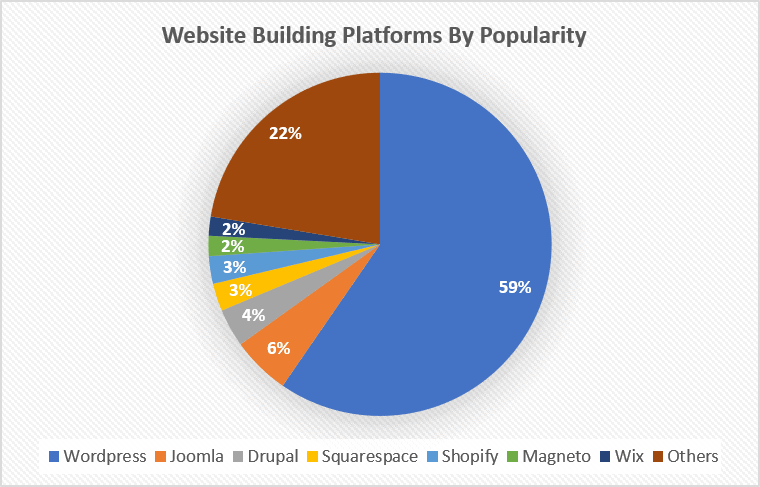
According to W3techs, WordPress is the most widely used website building platform in 2018. The major reasons for its popularity are that it’s free to use and is highly customisable. However, there are other CMS (platforms which lets you create your website without coding) as well which we’ll be talking about in this guide on how to create a website for your business.
First things first, you have to choose the apt website publishing platform based on your requirements. Here’s what we suggest –
Choose Wix for building a good-looking website just to showcase what your business does.
Choose Shopify if you want to open an e-commerce store for your business.
Choose WordPress if you want to implement integrated digital marketing strategies like SEO, SEM, and SMM, and create marketing funnels to increase the conversion rate.
Building your Website with Wix
Wix is a perfect website publishing platform for those who want to stay miles away from coding and prefer the drag-and-drop approach. The platform provides you with almost all the important tools and features to help you look good to the customers and rank on Google.
Features provided by Wix are:
Wix Editor: The drag and drop website builder comes with 500 designer-made templates (for free).
Wix Aldi: Wix uses AI technology and automatically creates a website for you based on your answers to some questions.
Mobile-Friendly Website: To cater to visitors who visit your website on their mobile phones.
Custom Domains: You get a custom domain which matches your brand. Suppose you run a business called flowers For All, Wix lets you own a custom domain like flowersforall.com for your business.
Online Store: Even though not as good as the industry leader – Shopify, Wix does let you create an online store to sell your products and services online.
Wix is a perfect choice if you run a small business and want to include a website to get more brand exposure online and complement your social media pages. You can create a beautiful website in minutes with Wix. Just follow these steps –
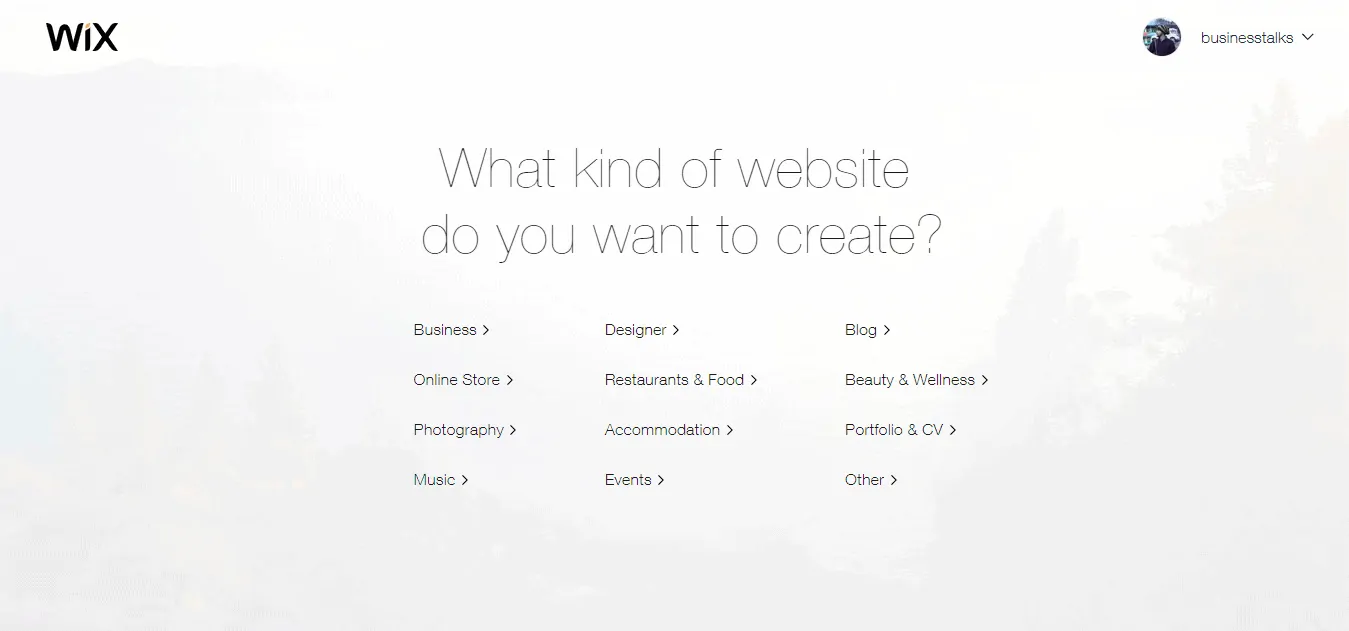
Step 1: Choose The Type Of Website
This enables Wix to provide you with relevant templates, themes, and guides.
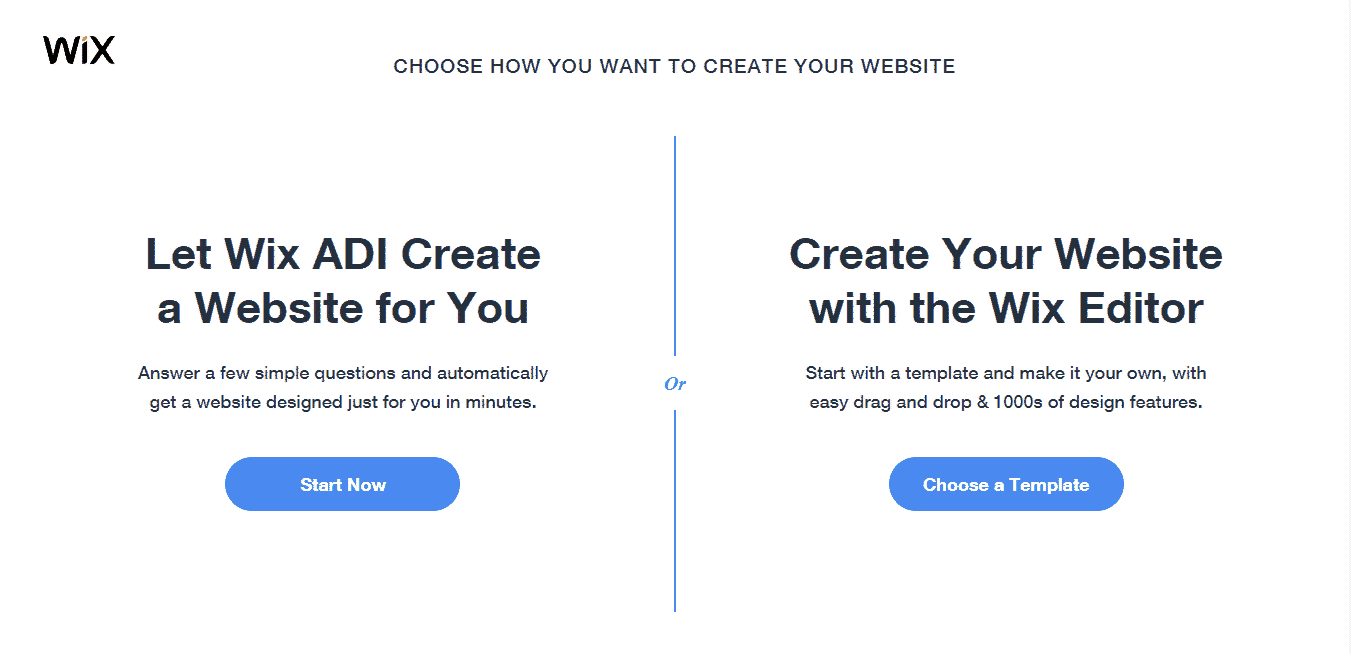
Step 2: Choose Between Wix Aldi & Wix Editor
Wix Aldi creates your website automatically based on few answers given by you while Wix Editor gives you full control of how your website will look as you design it yourself using the simple drag-and-drop editor with thousands of design features.
We prefer going with the Wix Editor as it gives you more freedom of creating your own website for your business.
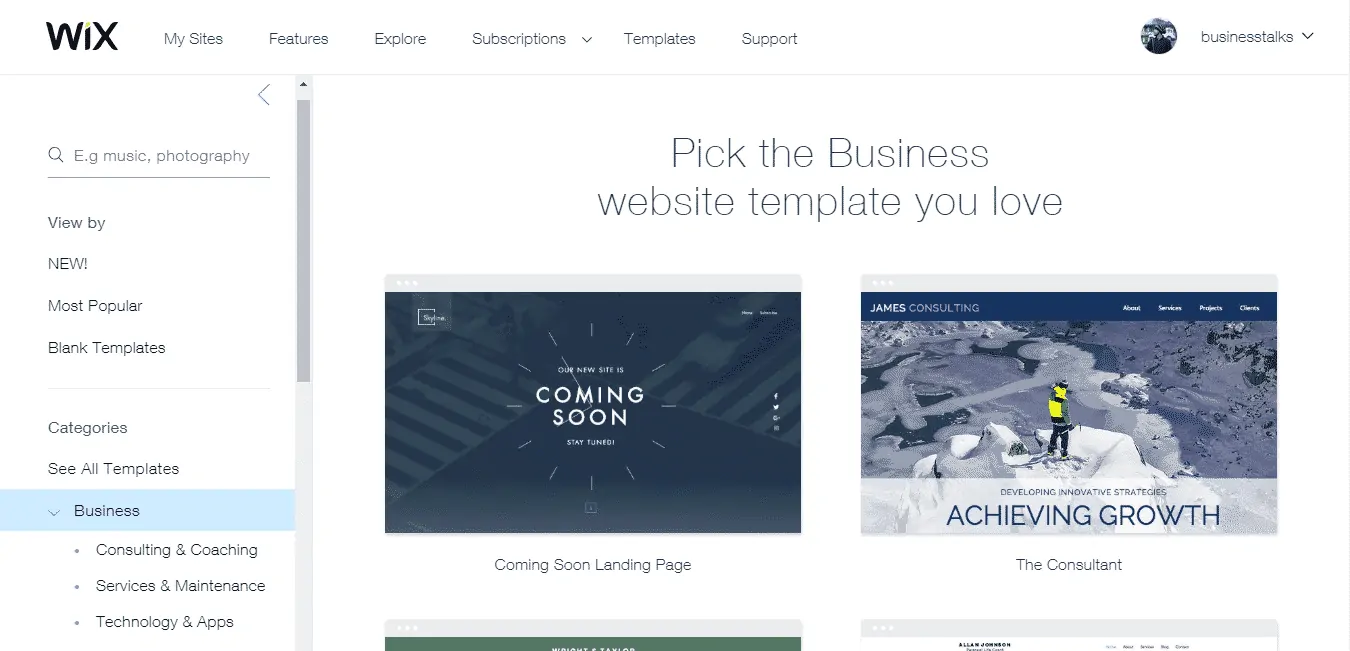
Step 3: Choose The Template
You can choose from hundreds of customisable templates for your website. Don’t just stick to the templates of your niche. Explore other niches as well, as those templates can be moulded for your niche easily.
Step 4: Edit Your Website
Use the drag and drop editor to edit all your pages. You can even add chat functionality, store functionality, and even let your visitors log in to your website using simple drag-and-drop tools. Here’s a video to explain more –
You can even add a blog to your website and update it daily. Visit Wix Support if you have any queries, they have an answer for almost every query related to the editor.
Step 5: Upgrading To Premium
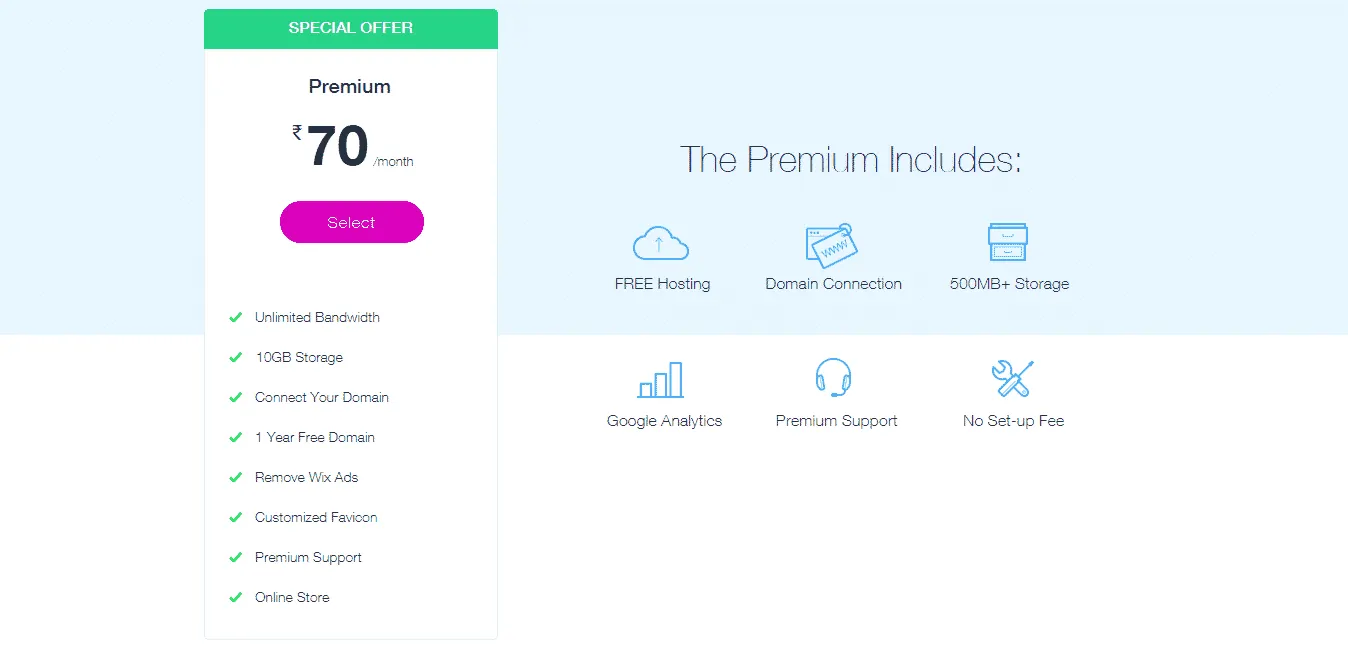
A free account on Wix doesn’t get a custom domain for the website. You’ll get a name similar to business.wix.com which doesn’t look that professional. Moreover, if you’re planning a fully professional looking website, you’d require hosting service, storage, bandwidth, and analytics integration to your website. All these come with the premium plan of Wix.
Wix premium plan has been priced differently for people residing in different countries.
Wix manages all the updates and maintenance work for you as it does not open its platform to external developers.
What’s more? Wix lets you create your own logo for free as well.
Building Your Ecommerce Website With Shopify
If you plan to create a simple eCommerce store, look nowhere else than Shopify. Shopify is an eCommerce website publishing platform which provides you with thousands of professional themes, customisation options, and all the features like payment gateway integration, inventory tracking, gift cards, etc. which are required to run an eCommerce store.
Besides providing a platform to run an ecommerce store with unlimited products, bandwidth, and storage, Shopify also provides features like fraud analysis, manual order creation, discount codes, and staff accounts.
Here’s a video to help you start your Shopify store in less than 2 hours –
Building Your Website With WordPress
Before we move on ahead, let us clear the fact that Wordpress.com and Wordpress.org are two different CMS and we’ll not be talking about wordpress.com.
Wordpress.org, also known as self-hosted WordPress, rules the internet today. It is not only easy to use but also includes thousands of plugins and themes to create and customize your website according to the latest SEO trends.
Here are the steps you need to follow to create your website on WordPress
Buy Domain Name & Hosting Service
You will require a domain name and web hosting to set up your WordPress or any other type of website. A domain name will be your web address like YourCompanyName.com while web hosting is a service that connects your website to the internet. Without web hosting your website will not be visible on the internet.
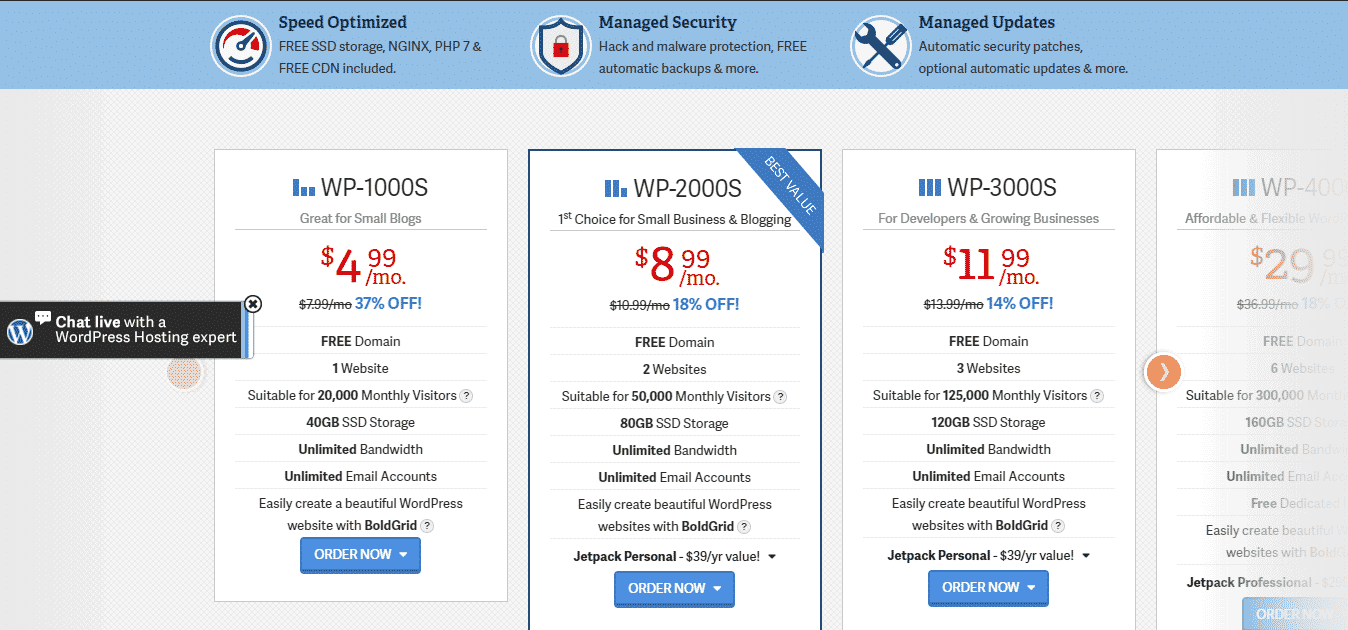
There are many website hosting service providers out there but we trust Inmotion Hosting the most as it’s the service we use for Feedough. The WordPress hosting package (which comes with a free domain) on Inmotion starts at $4.99 per month and will be good for your startup website.
Once you’ve chosen your hosting, you get a chance to choose your free domain. Choose a simple not so long domain name and you’re all set to install WordPress on your website.
Installing WordPress
Once you’ve purchased the hosting and domain, log in to your account management panel, click on Softaculous and select WordPress. Fill up the website details and you’re all set.
Customize Your Startup Website
Once you have completed the installation process with all the required details and setups checked, you can move on to select a theme that makes your website unique.
A basic, clean site is what you will see after installation. But you do want your website to stand out among the millions, don’t you?
That is why choosing a theme and customizing it is important. WordPress offers you 1500+ well-designed themes you can choose from.
Moreover, there are several WordPress page builders with full site editing capabilities that can help you develop a professional-looking website without touching a single line of code. We prefer Elementor for this as it is the most feature-rich and easy-to-use builder we usually use for our websites.
Here’s a perfect guide to help you customize the appearance of your WordPress website.
Add eCommerce Features To Your WordPress Website
It’s 2019 and there’s a lot more that is needed to be done to increase the sales than just running an eCommerce store. This includes inbound marketing, marketing funnels, lead pages, push notifications, lead generations, email marketing, remarketing, etc.; all of which are possible with a WordPress website.
All you need to do is to add some free and premium plugins to convert your WordPress website into a professional eCommerce brand. Here’s a perfect video to guide you how you can add eCommerce functionality to your WordPress website:
7 Pages You Should Include On Your Website
Even though every business website is (and should be) different and unique, your visitors have a set of expectations from your website. There are some information and answers they’re always looking for. Here are 7 pages your website must have to leave an impression on your visitors.
Homepage
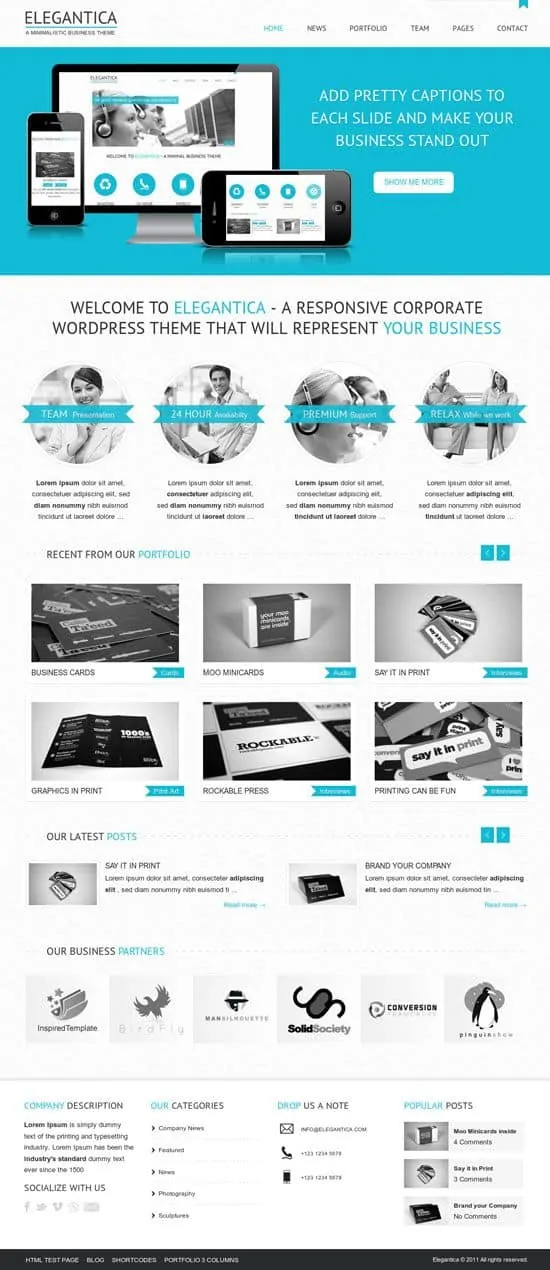
The homepage is the most essential page of your website. If you’ve created a website with WordPress, your homepage might be a list of posts published on a blog. Now, this isn’t recommended when you run an ecommerce store or a brand which provides service.
Use this space to leave an impression on the visitor. Showcase your most prominent offering along with your value proposition on your homepage. Give them a reason to choose you right from the first page.
You can also include industry validation tactics like prominent clients, testimonials, and partnerships, but don’t forget to add a call to action button on your homepage.
credits: ibrandstudio.com
About Us
Your visitors want to know more about who are the people behind the people. It increases trust and builds equity among the customers.
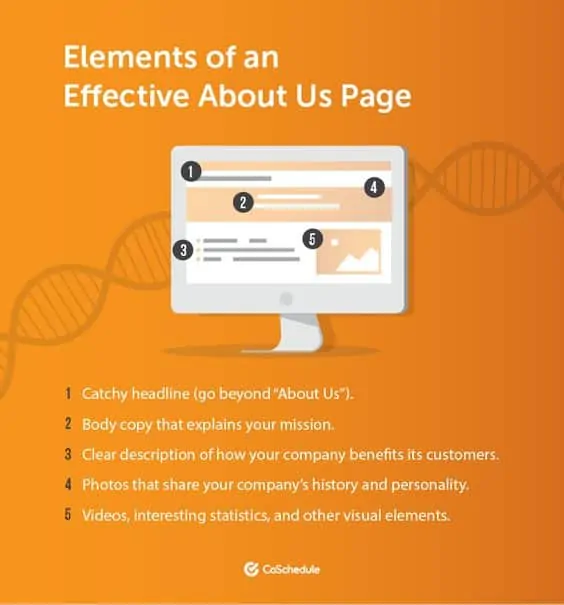
Include a brief summary of who you are, what your company does, what’s your mission, your company’s history, your team history, and what separates the company from the rest of the competition.
Offerings form the backbone of your website. Include the details about how it’ll help the customer and how it stands out from the competition.
Start the page with the summary of your offering before the detailed description. Try to use as many bullet points and visuals as possible. If you’re selling a product that’s not your own, avoid copying the manufacturer’s description and draft your own (but don’t change the facts), this will help you in better SEO.
Divide the offering page into sections and make the call to action button prominent. Also, keep a section where your customers with verified purchases can rate and comment on their experience with your offering. Such social validation strategies increase sales.
source: Dribble
Contact Us
Many times, potential customers have some questions which they want you to answer before making the purchase. Many times, they even have some relevant feedback. The contact us page bridges the communication gap between you and your website visitors. It also increases the trustworthiness of your website in the eyes of your customers.
Include your phone number, social media profile links, relevant email ids, and a contact form for your customers to get in touch with you. A good practice is to include your business hours so your customers know when are you going to reply.
Blog
The blog isn’t a page. It is the listing consisting of all your blog posts.
Writing about relevant stuff in the industry and your company’s progress adds to the website’s utility. Having a blog helps you in executing content marketing strategies and increases the trust for your brand as your customers start to believe that you know much about your industry.
Draft a good blogging strategy and write about what your customers are searching for before buying the offerings of your niche.
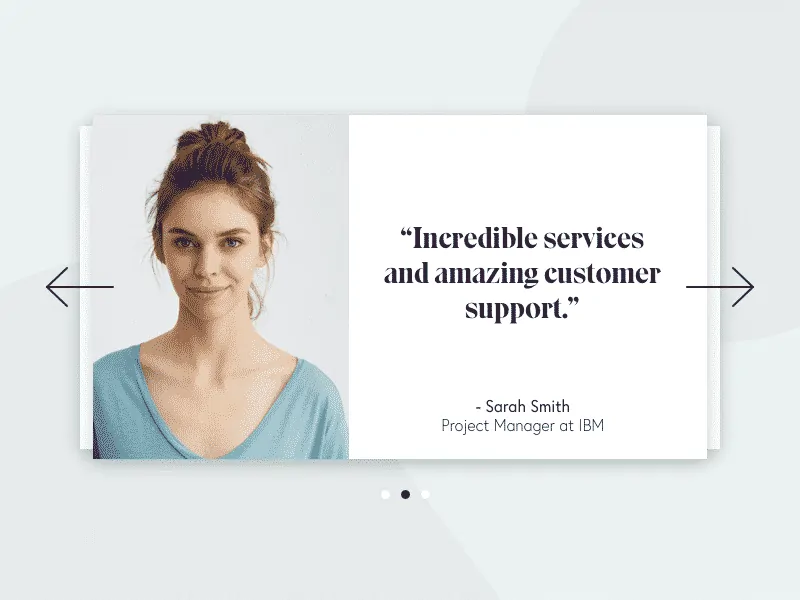
Testimonials
The testimonials page is where your happy customers leave feedback about their good experience with your brand. This is a good social validation technique and helps in gaining the trust of prospective customers.
Source: Dribble
Legal
Legal pages are must for your website. It includes the privacy policy page and the terms and conditions page.
The privacy policy page tells the visitors what you’ll do with the personal information they provide you with.
The terms and conditions page tells the visitors what terms and conditions he must agree to abide by in order to use your website and offerings.
Go On, Tell Us What You Think!
Did we miss something? Come on! Tell us what you think about our article on How To Create A Website For Your Startupin the comments section.
For a company with a big portfolio, it’s important to assess its product lines regularly to see which product is profitable, which is making losses, and which ones need some work. This practice helps the company to allocate its resources accordingly in order to function more efficiently.
While many practices and tools are available to the company to accomplish this mission, the BCG matrix, developed by the Boston Consulting Group, is considered a gold standard for finding the cash cows, the stars, the question marks, and the dogs.
But what is the BCG matrix, and what do these terms mean?
What Is BCG Matrix?
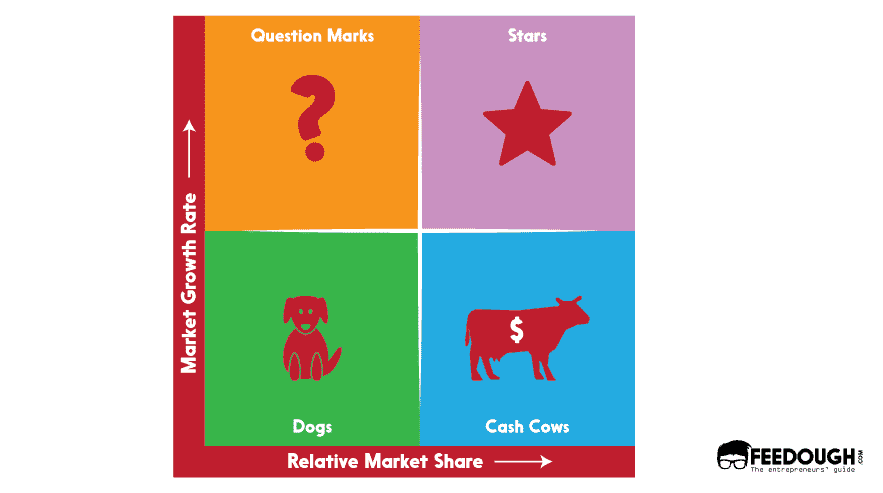
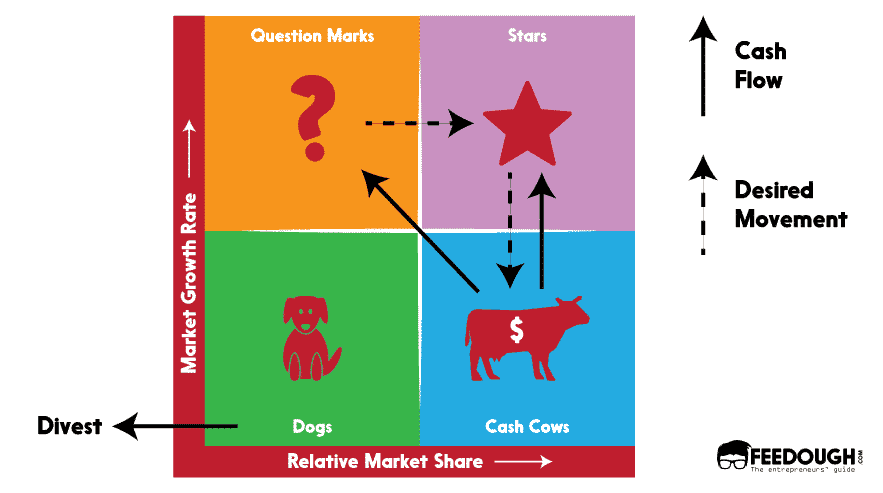
BCG matrix (also called Growth-Share Matrix) is a portfolio planning model used to analyse the products in the business’s portfolio according to their growth and relative market share.
The model is based on the observation that a company’s business units can be classified into four categories:
Cash Cows
Stars
Question Marks
Dogs
It is based on the combination of market growth and market share relative to the next best competitor.
Stars
High Growth, High Market Share
Star units are leaders in the category. These products have –
A significant market share, hence they bring the most cash to the business.
A high growth potential that can be used to increase further cash inflow.
With time, when the market matures, these stars become cash cows that hold huge market shares in a low-growth market. Such cows are milked to fund other innovative products to develop new stars.
Cash Cows
Low Growth, High Market Share
Cash cows are products with significant ROI but operating in a matured market which lacks innovation and growth. These products generate more cash than it consumes.
Usually, these products finance other activities in progress (including stars and question marks).
Dogs
Low Growth, Low Market Share
Dogs hold a low market share and operate in a market with a low growth rate. Neither do they generate cash, nor do they require huge cash. In general, they are not worth investing in because they generate low or negative cash returns and may require large sums of money to support. Due to low market share, these products face cost disadvantages.
Question Marks
High Growth, Low Market Share
Question marks have high growth potential but a low market share which makes their future potential to be doubtful.
Since the growth rate is high here, with the right strategies and investments, they can become cash cows and ultimately stars. But they have a low market share so wrong investments can downgrade them to Dogs even after lots of investment.
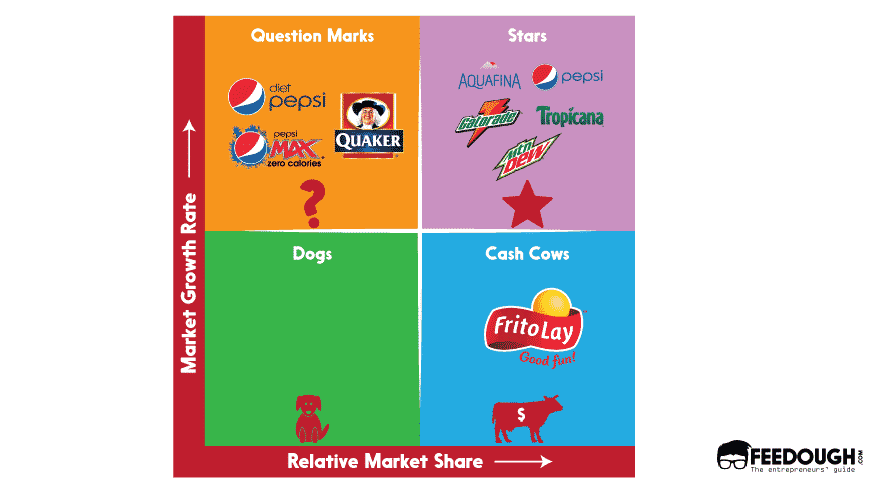
A perfect example to demonstrate the BCG matrix could be the BCG matrix of Pepsico. The company has perfected its product mix over the years according to what’s working and what’s not.
Here are the four quadrants of Pepsico’s growth-share matrix:
Cash Cows – With a US market share of 58.8%, Frito Lay is the biggest cash cow for Pepsico.
Stars – Even though Pepsi’s share in the market has been reduced to 8.4%, it’s still the star for Pepsico because of its brand equity. Other stars are Aquafina (the biggest selling mineral water brand in the USA), Tropicana, Gatorade, and Mountain Dew.
Question Marks – Since it’s a mystery whether the diet food and soda industry will boom in the future and will Pepsico’s products will find their place or not, Diet Pepsi, Pepsi Max, Quaker, etc. fall in the question marks section of the Pepsico’s BCG matrix.
Dogs – As of now, there isn’t any product line that falls in the dogs section of Pepsico’s BCG matrix. However, seasonal and experimental products like Pepsi Real Sugar, and Mtn Merry Mash-up can be inserted in this section.
How To Make A BCG matrix?
So far, we know products are classified into four types. Now we will see on what basis and how that classification is done.
We shall understand the five processes of making a BCG matrix better by making one for L’Oréal in the following sections.
Step 1: Choose the product
BCG matrix can be used to analyse Business Units, separate brands, products or a firm as a unit itself. The choice of the unit impacts the whole analysis. Therefore, defining the unit is necessary.
Step 2: Define the market
An incorrectly defined market can lead to a poor classification of products. For example, if we would analyse Daimler’s Mercedes-Benz car brand in the passenger vehicle market, it would end up as a dog (it holds less than 20% relative market share), but it would be a cash cow in the luxury car market. Therefore, defining the market accurately is an important prerequisite for better understanding the portfolio position.
Step 3: Calculate the relative market share
Market share is the percentage of your company’s total market that is being catered to, measured either in revenue terms or unit volume terms.
We use Relative Market Share in a BCG matrix, comparing our product sales with the leading rival’s sales for the same product.
Relative Market Share = Product’s sales this year/Leading rival’s sales this year
For example, if your competitor’s market share in the automobile industry was 25% and your firm’s brand market share was 10% in the same year, your relative market share would be only 0.4. Relative market share is given on the x-axis.
Step 4: Find out the market growth rate
The industry growth rate can be easily found through free online sources. It can also be calculated by determining the average revenue growth of the leading firms. The market growth rate is measured in percentage terms.
Market growth rate is usually given by: (Product’s sales this year – Product’s sales last year)/Product’s sales last year
Markets with high growth are ones where the total market share available is expanding, so there are a lot of opportunities for all companies to make money.
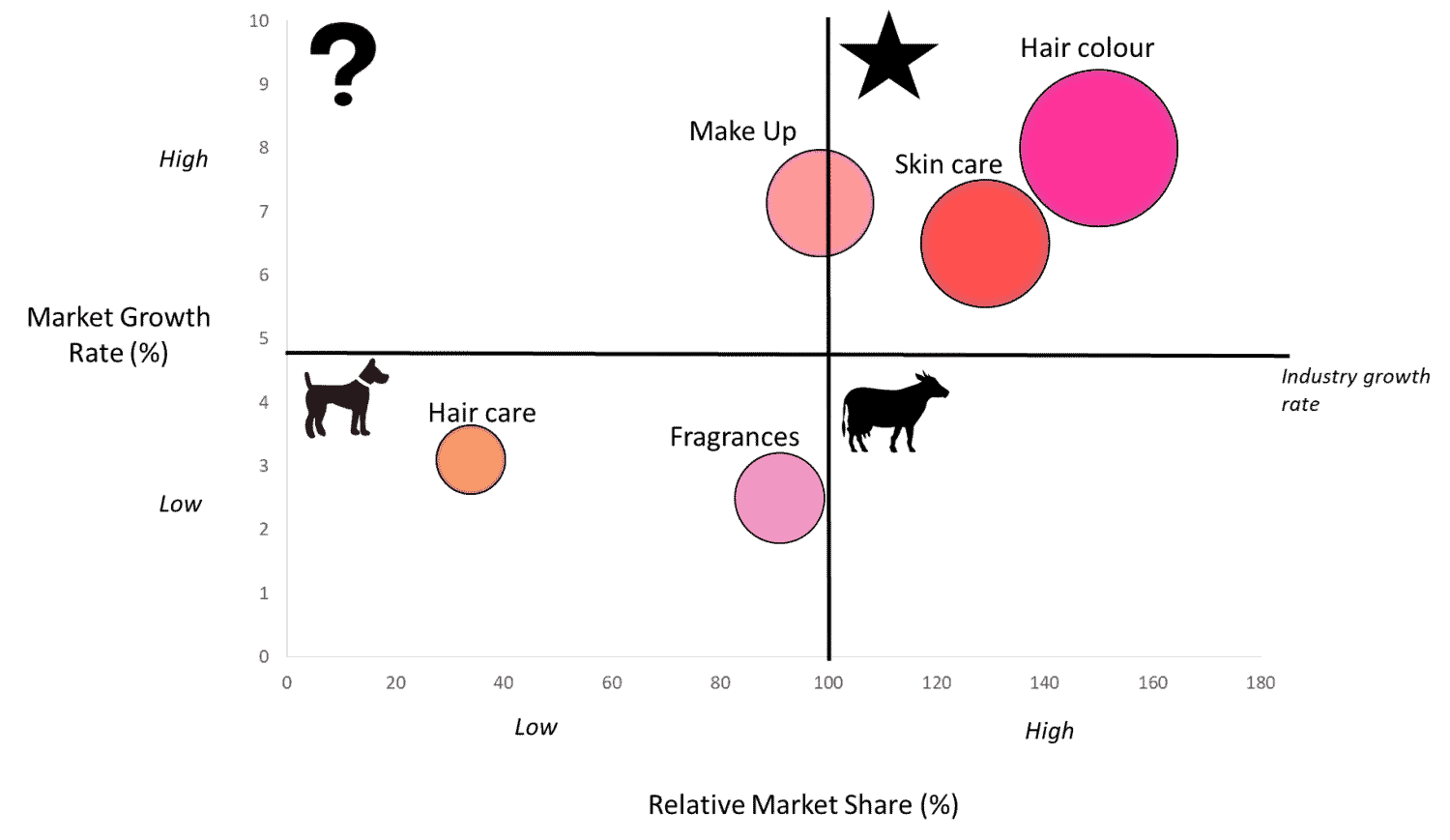
Step 5: Draw the circles on a matrix
Having calculated the above measures, now you need to just plot the brands on the matrix. The x-axis shows the relative market share, and the y-axis shows the industry growth rate. You can plot a circle for each unit/brand/product, the size of which should ideally correspond to the proportion of revenue generated by it.
BCG Matrix Example
Let us consider the BCG matrix of L’Oréal, for example.
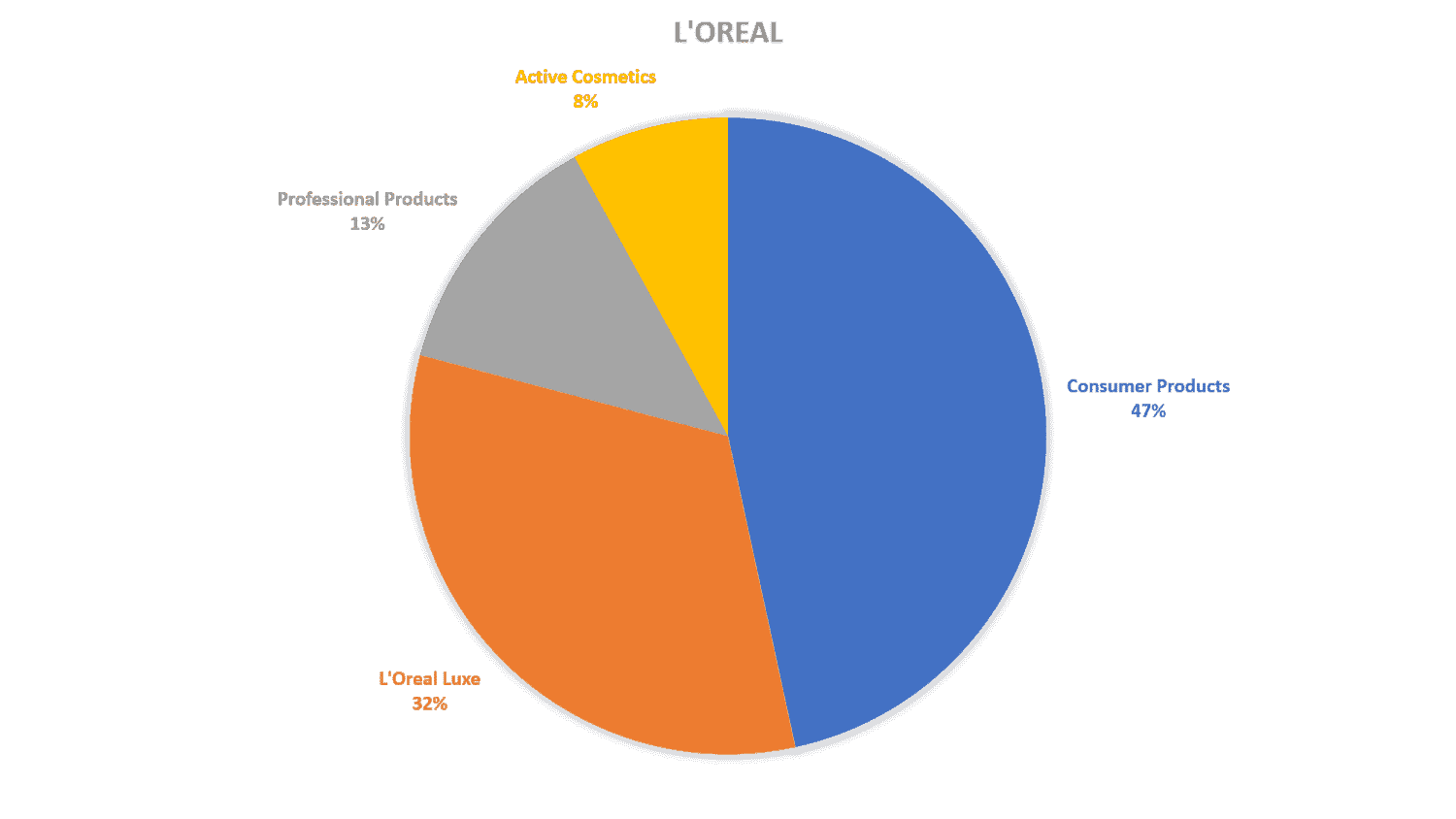
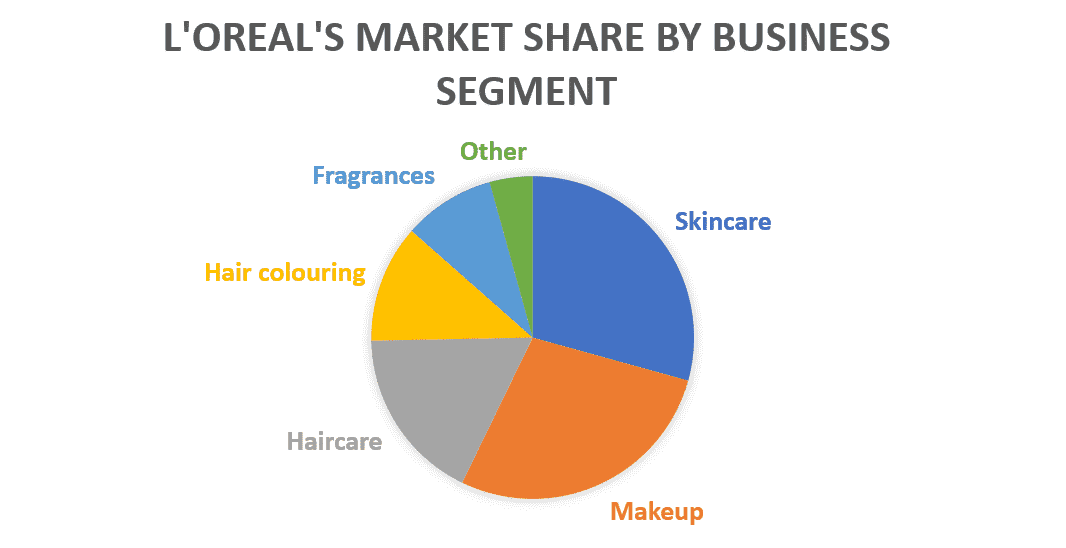
For a simpler understanding, we look at L’Oreal’s business segments and overall growth.
Step 1: Choose the product/firm/brand
We choose the firm L’Oreal for analysis.
Step 2: Identify Market
The chosen market is the Cosmetics Industry which includes primarily- Skincare, Makeup, Haircare, Hair colour and Fragrances.
Step 3: Calculate Relative Market Share
Tabulated below:
L’Oreal Category
Market Share(1)
Leading Rival
Rival’s Market Share(2)
Relative Market Share(1)/(2)
Category Growth Rate
Skincare
$31.6 bn
Unilever
$24 bn
129%
6.5%
Make- Up
$27.1 bn
P&G
$27.5 bn
98.5%
7.14%
Hair Care
3%
Unilever
8.84%
33.9%
3.1%
Hair Colour
9%
Henkel
6%
150%
8%
Fragrances
4.1%
Chanel
4.5%
91%
2.5%
Step 4: Find out Market Growth rate
The overall growth rate in the Cosmetics Industry (as of 2018) = 4.8%
Step 5: Draw the circles on a matrix
How To Use A BCG Matrix?
Now that we have segregated the brands under four categories, let us see what strategies the company should use for each:
Stars
Products located in this quadrant are attractive as they are located in a robust category, and these products are highly competitive in the category. There is huge potential for high revenue growth since they have a high market share and a high growth rate. They may have been expensive to develop but are worth spending money on for promotion given the long extent of their product life cycle. If successful, a star will become a cash cow when the category matures (assuming they maintain its relative market share). Yet, not all stars become cash flows. This happens mainly in continuously changing industries, where even innovative products can be displaced by new technological advancements, so a star becomes a dog instead of a cash cow.
Most businesses start off as question marks. These require huge investments to capture or protect market share. Question marks have the potential to become stars and eventually cash cows but can also become dogs or exit. Investments should be high for question marks otherwise may produce negative cash flow.
Like stars, Question marks too may not always succeed, and if even after a large investment, they aren’t able to gain market share, they become dogs. Hence, careful consideration is required before investing in this category.
They generate profits by investing as little cash as possible in low-cost support and need to be managed for continued profits & cash flow. These are large corporates or SBUs that are efficient in innovation and have the potential to become stars. Cash cows need to maintain a strong market position and defend their market share. The company should take advantage of sales volume and leverage the size of its operations. Cash cows can also be used to support other businesses.
Due to low market share, these products face cost disadvantages so they may generate enough cash to break even, but they are rarely, if ever, worth investing in. Unless a dog has some other strategic aim, it should be liquidated if there are fewer prospects for it to gain market share (there is a low scale of economies: so difficult to make a profit). These are situated at a declining stage of the product life cycle. Therefore, the number of dogs in the company should be minimized. A company should optimize its current operations. It should get rid of all non-value-added activities and features. It must then reposition the offering to generate positive cash flow or sell this business.
Let us now see some advantages and limitations of using the BCG Matrix:
Advantages of BCG Matrix
It is simple and easy to understand.
It helps you to quickly and simply screen the opportunities open to you and helps you think about how you can make the most of them.
It is used to identify how corporate cash resources can best be used to maximize a company’s future growth and profitability.
The BCG Matrix produces a framework for allocating resources among different products and makes it possible to compare the product portfolio at a glance.
Limitations of BCG Matrix
BCG Matrix uses only two dimensions, relative market share and market growth rate. These are not the only indicators of profitability, attractiveness or success.
It neglects the effects of synergy between brands.
Businesses with a low market share can be profitable too.
High market share does not always lead to high profits since a high cost goes into getting a high market share.
At times, dogs may help the business or other products gain a competitive advantage.
The model neglects small competitors that have fast-growing market shares.
Go On, Tell Us What You Think!
Did we miss something? Come on! Tell us what you think about our article on BCG Matrixin the comments section.
Going green is becoming a profitable business strategy seeing the environmental scenario today. Green business practices not only open a new market of environment lovers, but also enjoy a favourable public sentiment among existing customers, and supportive government policies to help the company grow more.
According to a report by Nielsen, 66% of global consumers say they’re willing to pay more for sustainable brands. This, even though is good news, has led to the creation of an atmosphere of suspicion among the customers as according to a report by TerraChoice Environmental Marketing, 98% of green-labelled products are actually greenwashed.
With statistics so astounding, you might be curious as to what is greenwashing as why should you know about it?
What Is Greenwashing?
Greenwashing (also called green sheen) refers to the act of portraying an organization’s product or services as environmentally friendly only for the sake of marketing. In truth, the product or service doesn’t have or hardly has any environmental benefits.
In fact, they may be operating in damaging ways to the environment while making the opposite claim.
An example of greenwashing is the American multinational oil and gas corporation ExxonMobil indicating they were reducing greenhouse gas emissions while they were actually increasing.
There are basically two types of greenwashing:
A company which claims credit for an existing production method as if they were influenced by an eco-friendly directive. For example, a company may eliminate the use of shrink wraps for packaging to cut costs but portray it as a green initiative.
A company might lie about the eco-friendliness of a product by using phrases such as “Best in class ecology”, packages showing green fields and flowers, certifications from ecomaniacs This is a more extreme form of greenwashing.
Types Of Greenwashing
Greenwashing can be categorized into several types, 5 of the most prominent types being –
1. Environmental Imageries
Using images of leaves, animals, green packaging, etc are all ways of classic greenwashing. In truth, genuinely eco-friendly products generally use simpler images and plain packaging.
2. Misleading labels
Certain products are labelled “Certified”, “100% organic”, etc. without any supportive information to prove the same. There is a good chance that these labels are self-created and self-declared.
3. Hidden trade-offs
Corporations can put up an act of being environmentally friendly and sustainable but have a very non-environmental friendly trade-off. An example is when clothing companies use “natural” or “recycled” materials while the clothing is actually developed through exploitative conditions. Genuine companies would definitely provide more information on energy, water conditions, greenhouse gas emissions, etc.
4. Irrelevant Claims
Sometimes, you might come across labels that say they are free of certain chemicals. The substance might actually be banned by the law and is irrelevant to advertise as going green. In addition, you might have also come across labels that say, “not tested on animals”. This becomes irrelevant in places like China where testing on animals is required by law.
5. Lesser of two evils
This refers to when the company’s claim is true within the product category, but a greater risk or environmental impact prevails. An example is a company selling organic cigarettes.
Make sure when your own company or startup is planning on green initiatives, it has to be certified and backed up with all the necessary details. You definitely do not want to risk your company’s reputation.
Greenwashing Examples
Staying true to the promise is very rare when it comes to green products. Here are a few greenwashing examples where companies used green marketing strategies only to increase the sales but were not environmental friendly in true sense.
Volkswagen’s ‘Clean Diesel’
Volkswagen released an ad campaign to debunk the fact that diesel was bad and that it used a technology where it emitted fewer pollutants.
Later, the truth was revealed that Volkswagen rigged 11 million of its diesel cars with “defeat devices,” or technology designed to cheat emissions tests and that the vehicles emitted pollutants at levels up to 40 times the U.S. limit.
The federal agencies made the company to pay $14.7 billion to settle the allegations of cheating emissions tests and deceptive advertising.
EasyJet Less CO2
In a nation-wide press advertisement in 2008, EasyJet claimed that its plane emitted 22% less carbon dioxide than other planes on the same route.
This claim was debunked by the Advertising Standards Agency as the company did not make it clear that the figure was related to emissions per passenger and the airline was able to reduce the emission simply because of the fact that EasyJet planes could carry more passengers than traditional airlines.
Importance Of Addressing Greenwashing
Although greenwashing has been around for many years, the process has escalated alarmingly in recent years. This is because of the growing consumer demand for green products.
Being a consumer in search for quality products, you should be careful about the “Green Lies” that are sold in the name of “Green Goods”. The price for natural or organic labelled foodstuff is much higher than those without such labels hoping that the companies are truthful.
Critics agree that greenwashing is, in fact, harmful to public health as well as environment. In 2008, the Malaysia Palm Oil Council had a TV commercial which portraying itself as quite eco-friendly. However, critics soon pointed out that palm oil plantations are closely linked to rainforest species extinction, habitat loss, pollution, and other effects. The ad was then identified as a violation of advertising standards.
And with the buzz about greenwashing so common, company owners have to be careful of presenting baseless claims of being environmentally friendly. It only takes one complaint to the Advertising Standard Authority (ASA) to instigate an investigation against your company’s claims.
Greenwashing thus takes a toll on everyone who is involved. Customers are duped into buying products that they believed are environmentally friendly but are actually not. Once exposed, the offending businesses suffer from lower consumer confidence.
Go On, Tell Us What You Think!
Did we miss something? Come on! Tell us what you think about our article on what is greenwashing in the comments section.
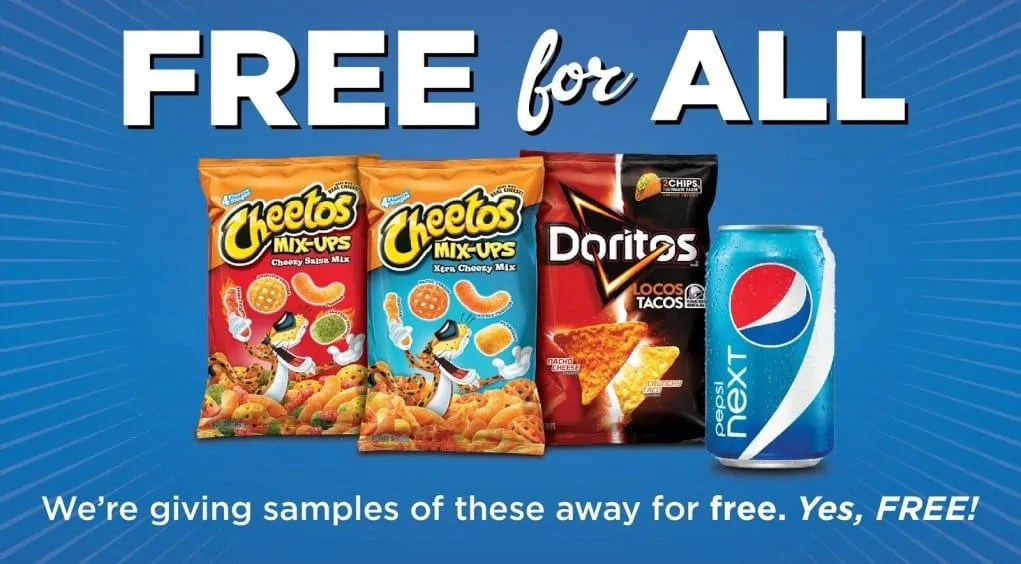
They sound like pretty good deals, don’t they? We come across such offers almost every other day, and yet we don’t think about why freebies are so appealing to us. The question here, though, is how giving away free samples and products can benefit your business.
To understand this, it is important to know the types of free and how they can help boost sales in your business.
Types Of Free
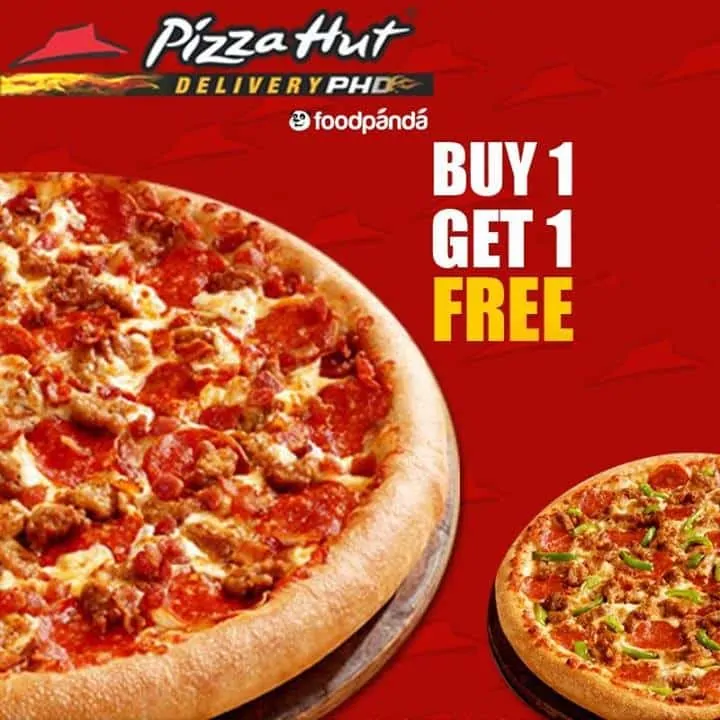
1. Buy One, Get One Free (BOGO)
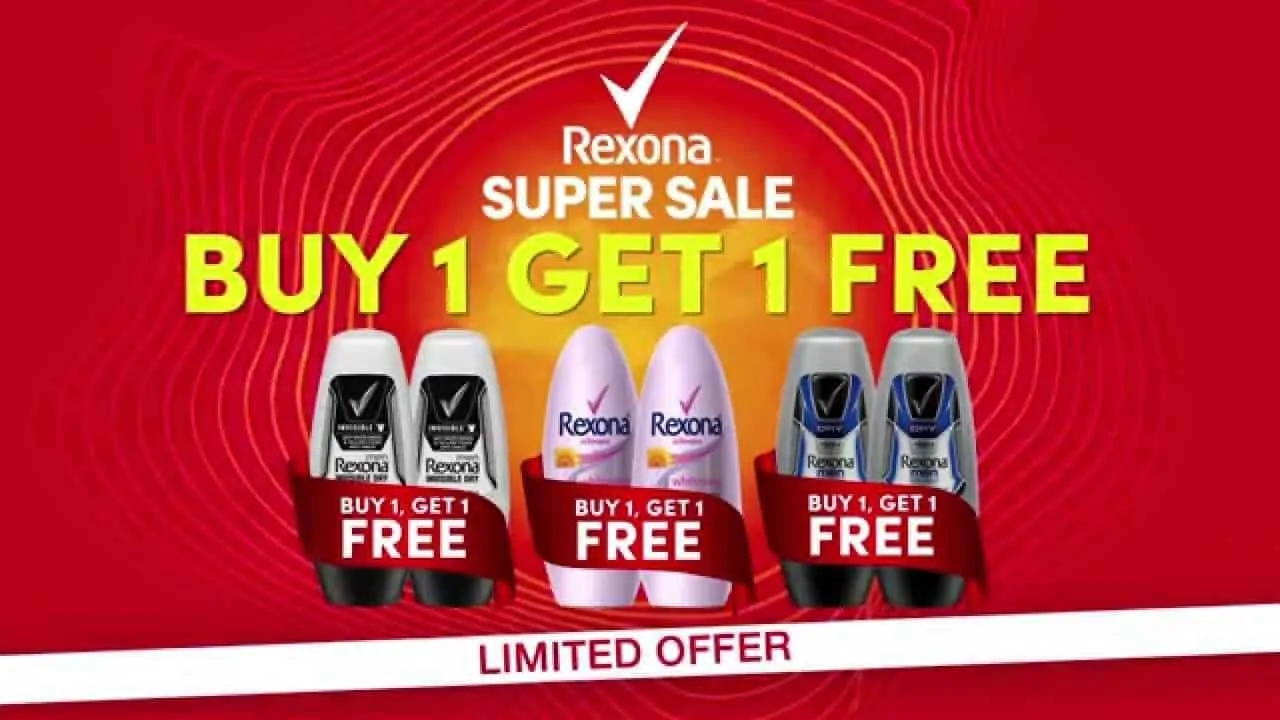
This is probably the most popular type of free, where you buy one product and receive the same product or a product priced lower, free of cost. Consumers love the idea of getting something at getting more for half the price, and end up buying a lot more than they originally planned to. This gives sales a positive boost, and also brings in new and potential customers for your business.
Source: takeadeals.com
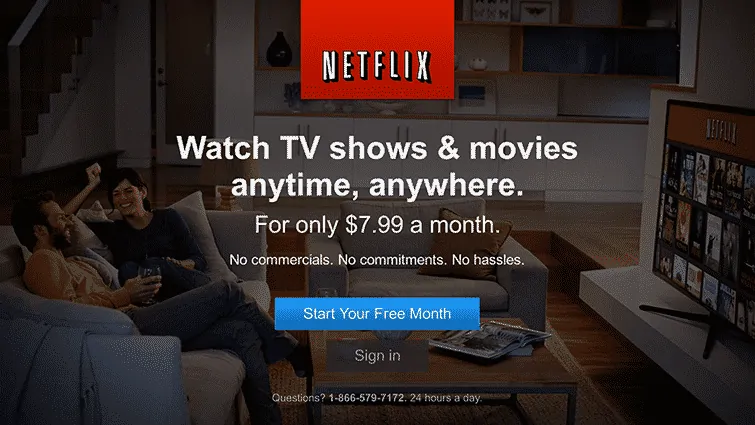
2. Free Trials
Services like Netflix and Amazon Prime offer you a month of free trial with the option to quit whenever you choose. Consumers like this offer because they can enjoy streaming movies and shows for free without any commitment to pay for their account. However, by the end of the free trial, most customers end up paying for their account to continue streaming shows and movies.
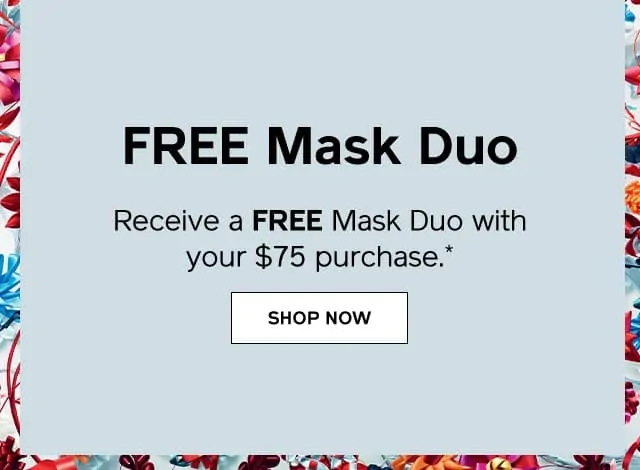
3. Free* (*Terms & Conditions Apply)
In this case, when a product is offered to you free of cost, it usually comes with a catch that is so attractive that the customer cannot refuse. This type of ‘free’ works on the principle of commitment. Once customers are enticed by the ‘free’ gift, they are usually more willing to spend money and buy things that they don’t necessarily need to acquire the product.
4. Freemium
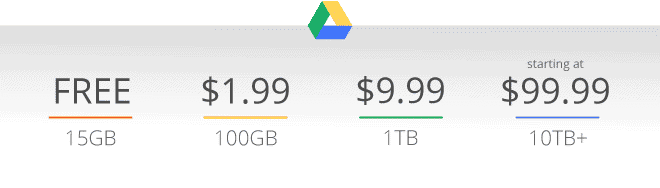
Freemium is an internet-based business model where basic services are provided free of charge, but charges are levied on additional premium features that can enhance the users’ experience considerably. This type of free is implemented widely across games such as Candy Crush, Fortnite and Temple Run, among several others, where the game is accessible to everyone but certain features can be purchased for a better experience.
5. Giveaways
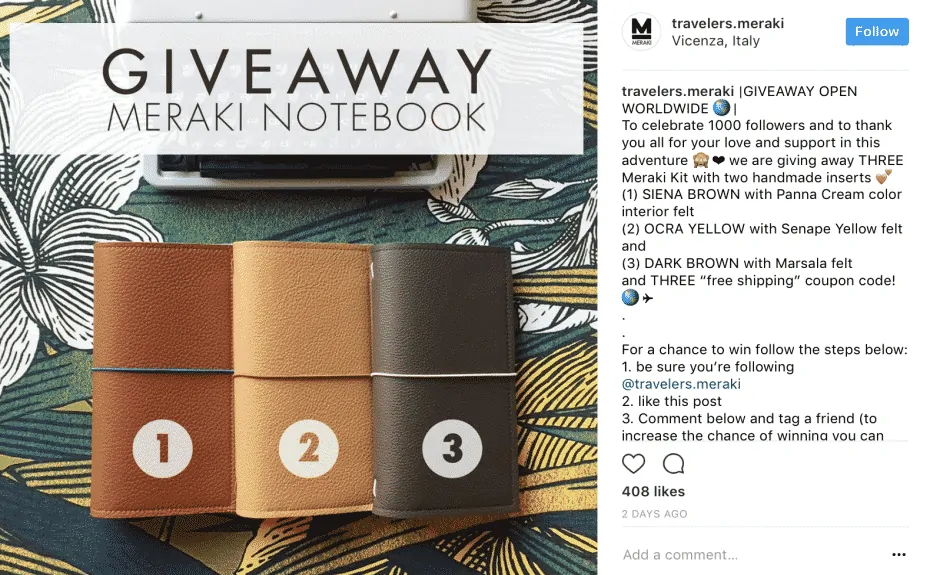
Giveaways also are very advantageous for a business. Giveaways entice customers with free products in return for subscription and customers comply, knowing that they’ll be rewarded in return. The subscription itself is a great strategy to get potential customers to engage with the business, and thereby also to increase the reach of business. This technique is often implemented by influencers on Instagram to widen their audience.
Why Is Free So Appealing?
For one, the product received as a free sample is something your customers don’t pay for. It doesn’t cost them a single penny, and the very thought of getting something for no cost at all makes them more willing to spend money to get the free gift, just because they get more than they actually paid for.
According to Dan Ariely in his book ‘Predictably Irrational’, people change their behavioural patterns and are more willing to comply when something free comes along. Free isn’t just an indicator of price. It’s a very powerful emotional trigger that’s often so irresistible that it makes people lug home useless key-chains and buy pants too tight just so they can get an extra pair at no cost.
The emotion that the term ‘free’ triggers is known as the ‘Zero Price Effect’.
Basically, when customers pay for something, they calculate the risks very meticulously in order to prevent any dissatisfaction they might get from that product. But when it comes to free products, they have no expectations whatsoever. Free things are considered to have a higher value because the risk of dissatisfaction and value for money is eliminated.
Also, free goods and services can lead to big sales for your business when used properly. Companies like Amazon often entice their customers into adding almost twice as much or more into their cart before checking out so that the shipping can be done free of cost. This type of strategy often permeates the company’s entire business model.
The Psychology Behind Free
The whole appeal behind free lies in the principle of reciprocity- where one party feels obliged to return the favour bestowed on them by complying with the other. According to Ariely, reciprocity is an extremely strong instinct. So, when a brand does something its customers, they feel strongly obliged to do something for them in return.
If something is free and there’s a good reason for it, your consumers will love it. This is the reason why food samples go around the aisles at the superstores. Customers consciously know that accepting a free sample will lead them into buying a whole box or package and that is acceptable to them if they enjoy the samples offered.
Similarly, when it comes to offers where consumers are given free gifts for spending a certain amount of money, they feel rewarded. The ‘free gift’ is considered a reward for spending more than the amount they originally wanted to spend. This also explains why ‘Buy 1, get 1 free’ offers are so popular among consumers in any industry.
Reverse-Psychology of Free
With an increasingly sceptical consumer-base, it isn’t surprising that the word ‘free’ has slowly begun to lose its charm.
The reason is that people start questioning the value and worth of a product when it is given to them free of cost. What could be wrong with the product? Why is it being given away? What are the terms and conditions applied? What is the catch behind the free product? The attitude of the consumer becomes suspicious towards the free product itself.
Excessive advertising and defects have stripped away the allure of a free reward. Even if brands do want to give away free products that will promote their business, it is met with criticism. This is the reason why many brands try to make their offer sound as exciting as possible so that their consumers will do business with them.
Therefore, it is also important that the free products have a good enough reason to be free of cost so that consumers are attracted to the deal instead of being sceptical about it.
Bottom Line?
Customers mean a lot to any business and they are an integral part of their success as well. Giving away free products not only improves the consumers’ overall perception about the business, but it also serves as a great way to acquire new customers using the principle of reciprocity.
To the consumers, getting something for virtually nothing evokes an emotion- it just feels much better. Free products feel like rewards and, in most cases, also positively influence their perspective about your business, inspiring loyalty among existing customers, while also gaining potential and new customers.
Go On, Tell Us What You Think!
Come on! Tell us what you think of our article on psychology of free in the comments section.
In this competitive world with innumerable marketing and advertising mediums and powerful marketing campaigns, you’ve got to communicate a consistent marketing message using a 360-degree approach to strengthen your position in the market and have an impact on your prospective as well as existing customers.
Here’s a guide on integrated marketing communication to help you move forward with this approach.
What Is Integrated Marketing Communication?
Integrated Marketing Communications (IMC) is a concept under which a company carefully integrates and coordinates its many communications channels to deliver a clear and consistent message. It aims to ensure the consistency of the message and the complementary use of media.
IMC is an integration of all marketing tools, approaches and resources within a company which maximizes impact on the consumer mind resulting in maximum profit at minimum cost.
It uses several innovative ways to ensure that the customer gets the right message at the right place and right time.
IMC Tools
The eight major Integrated Marketing Communication tools are as follows:-
Advertising
Advertising refers to any paid form of non-personal promotion of products or services by an identified sponsor. The various media used are print (newspapers and magazines), broadcast (radio and television), network (satellite, wireless and telephone), electronic (web page, audio and videotape) and display (billboards, signs and posters).
The primary advantage of advertising is that it reaches geographically dispersed consumers. Consumers generally tend to believe that a heavily advertised brand must offer some ‘good value’ but at the same time, advertising proves to be an expensive form of promotion.
Sales promotion
It is a variety of short-term incentives to encourage the trial or purchase of a product or service. It may include consumer promotions – focused on the consumer – such as a distribution of free samples, coupons, offers on purchase of higher quantity, discounts and premiums or trade promotions – focused on retailers – such as display and merchandising allowances, volume discounts, pay for performance incentives and incentives to salespeople.
Sales promotion helps to draw the attention of the consumers and offers an invitation to engage in a transaction by giving various types of incentives.
Personal Selling
Face-To-Face interaction with one or more buyers for the purpose of making presentations, answering questions and taking orders. This proves to be the most effective tool in the later stages of the buying process.
The advantage is that the message can be customized to the needs of the buyer and is focused on building a long-term relationship with the buyer.
Public Relations
A variety of programs directed toward improving the relationship between the organisation and the public. Advertising is a one-way communication whereas public relations is a two-way communication which can monitor feedback and adjust its message for providing maximum benefit. A common tool used here is publicity which capitalizes on the news value of the product or service so that the information can be disseminated to the news media.
Articles in the media prove to be more objective than advertisements and enjoy high credibility. Also, it has the ability to reach the hard-to-find consumers who avoid targeted communications.
Direct Marketing
Direct Marketing involves the use of mail, telephone, fax, e-mail, or internet to communicate directly with or solicit response or dialogue from specific customers or prospects. Shoppers have started relying on credit cards and online purchasing more than ever which makes it essential for marketers to approach the consumers directly thus helping them in the purchase process.
Companies have a database of contact details of consumers through which they send catalogues and other marketing material making it easier for the consumer to purchase online. The relevance of direct marketing has increased in recent years.
Events and Experiences
These are company sponsored activities and programs designed to create brand-related interactions with customers. Sponsorships improve the visibility of the company. Companies provide customers with an experience of using the product which ends up leading to a higher brand recall than competitors. These events prove to be engaging with the audience.
Social Media Marketing
The concept of social media marketing basically refers to the process of promoting businesses or websites through social media channels. Companies manage to get massive attention on such channels and can interact with consumers as they browse the internet.
New and modern communication methods are developing on these social media platforms, which are proving to be the future of promotions. They can be highly interactive and up to date with customers.
Mobile Marketing
Mobile marketing involves communicating with the consumer via a mobile device, either to send a simple marketing message, to introduce them to a new participation-based campaign or to allow them to visit a mobile website.
Mobile marketing is cheaper than traditional means for both the consumer and the marketer. It is really a streamlined version of online marketing, the use of which is increasing as time progresses. Examples are advertisements that we see on mobile applications.
Integrated Marketing Communications Examples
Go Pro
The first example of integrated marketing communications that comes to mind is GoPro. GoPro has used IMC components extensively and precisely.
GoPro has mastered using online content to catch the attention of its target audience. The company has a YouTube channel where it seeks out many videos shot with a high-quality mini action cam, including exciting, unique, and simplistically beautiful shots taken by users and by the company itself, to reach its target audience.
They have hundreds of thousands of followers and likes on Facebook, Twitter, and Instagram and have used these platforms to catch the attention of their fan base by posting short, visually stimulating videos taken with their cameras. To maximize SEO, GoPro has a contest almost every day online where entrants have the chance to win one of every product they carry and the newest camera they carry.
The company has also used publicity in its marketing efforts to reach its target audience. In the early days, they relied on word of mouth and slowly moved and heavily leveraged the online platform for its promotions.
Domino’s
Pizza restaurant chain Domino’s created the “AnyWare” campaign to help people order food more conveniently. The campaign allows customers to order pizza with a smart television, tweet, text, or smartwatch.
The idea was possible because two years prior to AnyWare, Domino’s established Pizza Profiles, which saved customers’ payment information, addresses, and an Easy Order. The Easy Order is a customer’s favourite food order, which includes elements like a preferred payment method, order type (delivery or carryout), and address or favourite store.
It very smartly used different IMC components, such as a national television campaign, press releases, and online marketing, to attract customers to its website, AnyWare.Dominos.com, where they can learn about new ways to order.
This resulted in 500,000 more visits to the site, 10.5 percent year-over-year sales growth, and Domino’s achieving its goal of having half of all orders made digitally.
These two primary examples show that IMC components, if used extensively and optimally, can greatly benefit a company’s proposition.
Bottom Line?
In the modern era of digitization, traditional tools of Integrated Marketing Communication (Advertising, Sales Promotion, Public Relations, Direct Marketing and Personal Selling) are proving to be more of a base on which the modern tools (Events and Experiences, Social Media Marketing and Mobile Marketing) are emerging. Modern tools enhance the consumer experience and the impact the messages have on the audience. Modern tools provide low-cost targeted communications with high visibility and influence.
Tools like social media, mobile, online, and i-marketing also offer the advantage of data analysis, where companies can track the reach, effectiveness, and response of messages. After analysing messages with higher consumer response rates and preferences, companies can accordingly tweak and personalize their targeted communications.
Consumers are turning more frequently to various types of social media to conduct information searches and make purchasing decisions. They are often found searching for and comparing product features online, thus making an informed decision.
Creating influence here is proving to give higher returns than ever, and 83% of marketers now place a high value on social media marketing.
It is thus safe to say that marketing communications are becoming more and more personalized with the advent of modern tools, hence paving the way for the future.
Ever seen an ad so good that it made you look for the product on the internet?
While comparing phones, what made you choose Google Pixel over Apple (or vice-a-versa)?
Excited to avail fancy offers on a new app/service?
Little do we realize, but from the moment you get to know of a brand till the time you actually buy it, companies strategically analyse your buying behaviour and try to influence you at every stage.
This is done with the help of the AIDA model. It helps break down customer journey/ behaviour into distinct parts. A brand is then able to plan marketing and advertising strategies of influencing each part so that a consumer is compelled to be engaged with the brand and ultimately buy its product.
What is AIDA?
AIDA model is a blueprint that marketing, advertising and sales functions use to target all touchpoints during a customer’s purchase journey, that is, from getting to know about the product to finally buying it.
The consumer journey is analysed by breaking it into four fundamental stages.
Awareness
Interest
Desire
Action
This is also referred to as a ‘Purchase funnel’. The number of people targeted at the Awareness stage trickles down and ultimately very few people are left who actually turn into buyers.
Also, an inter-stage movement is possible. For example, people can directly jump from Awareness to Action.
Let us now see all the stages in detail and how some brands have leveraged these to their advantage.
STAGE 1 – Awareness
The first impression can be the last impression. In the first stage, a consumer comes across the Brand. This can be through an advertisement or word-of-mouth or a kiosk displaying products and more popularly these days, through sponsored content.
Many times brands just assume that the existence of a brand will automatically be known to people, which may not always be true. Traditional ways of advertising may not create a differentiating factor for your offering, so it only makes sense to make a creative disruption to make your presence felt. Also, characteristics graphics, colour and size are highly essential in determining what will catch the audience’s sight.
Thus a brand can gain the attention of consumers through:
Captivating ads
Personalized messaging
Intelligent targeting Example: A food delivery app targeting the youth should invest in being highly active online on social media than on print ads.
Mini Cooper, to attract more eyes and attention, used a quirky guerilla marketing strategy of placing giant cardboard cartons with torn gift wrapping on the streets of Amsterdam.
STAGE 2 – Interest
Undoubtedly, the most crucial of the stages. If the consumer feels the product has no meaning for him or if he does not find it captivating enough, he will never reach the purchase stage. So it is important to deliver your product message in a customized and crisp way that suits the profile of the intended audience.
The highlight of the product communication should point to the consumer’s needs. This leads to the consumer going an extra step in looking up the product to see how it benefits him.
For example, let’s consider this campaign by Adidas.
Notice the caption ‘Every team needs the spark’.
Lionel Messi’s picture initially attracts the consumer, the intended audience being sports (especially football) enthusiasts. The contrasting colours of the shoe and matching caption convey that it’s a shoe advertisement. The shoe appears to be emitting sparks (representing fast performance), and the caption contains the same imagery. So the consumer gets curious and looks up what exactly does the campaign refer to and how can ‘that spark’ be added to the team. At this point, considerable interest has been generated and the consumer has most likely read up the features of the shoe.
Another good example of generating interest by a brand but in an online world is this landing page by Buffer which not only showcases the service features but also the quality validation that 80,000 businesses already use the service.
STAGE 3 – Desire
It is not enough to generate interest. A keen liking for how a brand presents itself may be highly appreciated, but may not necessarily convert in sales.
Interest and Desire can be achieved simultaneously. So immediately after interest is generated, it is important to convey to the audience why they need it. If a customer might not actually NEED that product, the brand can try to create the WANT for it.
Usually, the desire stage is achieved during the time a consumer is comparing the product with other competitors’ offerings. In that case, the brand needs to prominently highlight its outstanding features which the consumer won’t get in other products.
For example, Wendy’s “Where’s the beef” campaign, highlights the fact that their hamburgers contain more beef than those of the competitors.
Another example is how L’Oreal does it.
It caters to consumers’ concerns regarding a product and offers advice for the same. It curates a lot of content on skincare and beauty tips. Once a person reads up a haircare routine, for example, she will be more comfortable following that routine if she has L’Oreal products since she would know exactly how much to use and how to use. L’oreal also utilizes that as an opportunity to create a L’Oreal ecosystem by promoting its other brands within the same space, leading to cross-selling opportunities.
STAGE 4 – Action
Finally, when the consumer has had a positive disposition towards the brand, he/she will be willing to try it or buy it. At this stage, schemes like early-bird discounts, free trials, one-on-one offers, referral systems, etc. can give that one final push to the consumer to go ahead and buy it.
For example, Amazon encourages purchases through its ‘EMI options’. That enables consumers to buy durables and gadgets even when they’re running on a tight budget.
AIDA Model Example
Having understood the stages, let us understand it better through an AIDA model for Netflix in India. It is a big task for Netflix to appeal to and convert Indian users who are accustomed to free content. Here’s what Netflix do to attract them –
STAGE 1: Creating Awareness
Netflix uses some common advertising mediums to inform the users about the offering. The mediums are –
It advertises some really famous shows like Narcos and some Indian Netflix Originals like Sacred Games which are exclusive on Netflix.
STAGE 2: Generating Interest
Once the users are aware and visit Netflix’s landing pages, they are offered a one-month free trial to explore experience all the shows and features on Netflix.
STAGE 3: Securing Desire
As the viewers experience some features, they get used to the seamless viewing experience. At this point, the following additional features create the desire to purchase the subscription plans –
Netflix Exclusive movies, shows, and documentaries.
High-resolution videos
Support for every device (watch anywhere you go)
Multiple TV series and movies from Hollywood, Bollywood, and other regional industries.
Multiple profiles under one account
Download and watch offline option
No ads while streaming videos
Personalized recommendations of TV shows and movies, based on viewing patterns
Multi-screen viewing
Continue watching a video from where you left
Support for low-speed internet devices, etc.
STAGE 4: Enabling Action
Once the user is hooked to the offering, Netflix converts him into a real customer who pays. This is done by offering a variety of subscription plans and an option to stop the subscription at any time.
Developments in the AIDA Model
The AIDA model has been modified into many variants, which include the role of new digital media and post-purchase behaviour. However, the basic sequence remains Cognition- Affect- Behaviour.
Come on! Tell us what you think of our article on AIDA model in the comments section.
Hey, I'm Aashish
Each week I share research backed AI oriented content in my newsletter.
There are AI ideas, AI trends, tutorials, and guides.
24k entrepreneurs read it. I'd love you to join.