The idea that interruption of experience by advertisements is just a price the user has to pay for usage is becoming increasingly outdated.
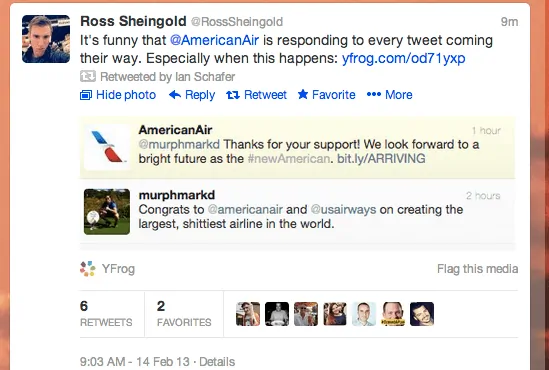
Interruption marketing serves the purpose of marketing by disturbing people through an activity. YouTube lends its users an ad before they could watch a video; sometimes even in the mid and after the end of the video. These regular disruptions degrade the user experience.
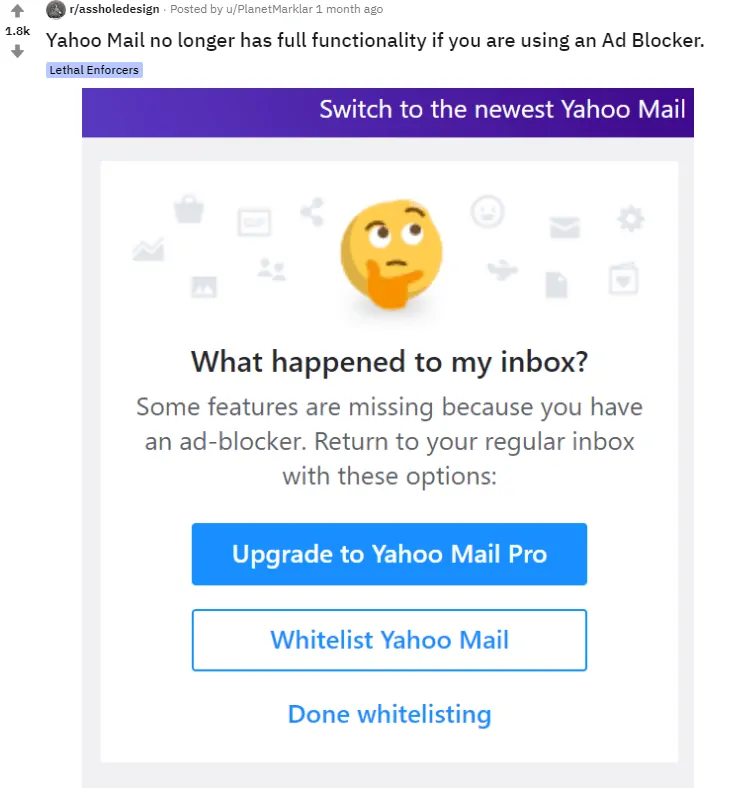
So, an increasingly determined segment of the target audience is pushed to block the marketer’s ability to earn revenue. But this is not all. Once the user uses ad blockers for services like Yahoo Mail, it no longer remains fully functional. It asks the user to either upgrade to premium versions or whitelist the website.
Let’s go further to know what exactly is interruption marketing.
What Is Interruption Marketing?
Interruption marketing is a type of promotional strategy wherein the target audience’s experience is interrupted to present an unsolicited promotional message.
Coined by Seth Godin, interruption marketing broadly runs on two fundamentals:
Intrusion: theact of causing disruption without any permission of the other person
Keeping Attention: winning and keeping the user’s attention hooked to the message is very essential for product promotion
Also known as outbound or traditional marketing, it gives observant results and a new band of audience in a short span. Fast results keep companies hooked to this mode of marketing.
Types Of Interruption Marketing
While interruption marketing is evident through many platforms let’s have a look at some of its most common types-
Traditional Marketing
Tv ads: On-air advertising is the primary revenue source for commercial television. Advertisers pay content developers and TV channels based on factors like length of the ad, which channel the ad is aired on, which show runs at that time.
Radio ads: Jingles are the most common means of radio ads. Specific airtimes are sold to advertisements.
Print media: Printed publications like newspapers and magazines display brand ads.
Direct marketing: Some brands send salesmen straight to people’s doorstep to engage with people in real-time.
Cold calls: The seller makes unsolicited phone calls to publicize his goods and services. These calls follow pre-prepared scripts so the seller does not miss any chance to attract the buyer.
Marketers and companies are no more limited to traditional methods. Reaching masses always needs more.
Internet Marketing
Pre-roll ads: Ad videos that precede the content on youtube come in ‘True view’ format which allows user to skip the ad after 5 seconds.
Pop up ads: A browser window suddenly shows up on the active web page. Some pop-ups offer a subscription to the active website, some ask for feedback.
Social media: Companies buy space on Instagram and Facebook to promote a product by regulating reach, visibility and exposure time.
Cold emails: Emails from unsubscribed channels or newsletters are sent to potential consumers which they have no prior connection with.
The core values of interruption marketing make one thing clear that it is not as convenient for the consumers as it is for the marketers. Why then interruption marketing is still a widely used mode of promotion?
Advantages Of Interruption Marketing
Even though interruption marketing is not appreciated by users, it is a fact in today’s world mainly because of its various advantages.
Quick results: Interruption marketing comes in super handy when the company possess enormous funds and prompt results are strongly desired.
High profits: Businesses rely on interruption marketing to earn high returns as it creates new audience in a shorter time.
Wide reach: The kind of platforms it uses for promotion have accessibility to large number of viewers. Moreover, the audience is non targeted so it provides with a wide audience base.
Flexible exposure time: The time slots are adjustable as and when the company wants to, like ad slots are booked for on-air broadcast.
Let’s have a look at where interruption marketing suffers.
Disadvantages Of Interruption Marketing
Interruption marketing brings in results. But this doesn’t mean it is an appreciated form of marketing. It has the following disadvantages.
Rejections from potential customers: Intrusion is the basis of this marketing. No potential consumer is fond of disruption which makes them unknowingly despise the brand.
Non- personalized: Outbound promotions go wrong at targeting the required demographic as advertisement is done irrespective of the fact if the interacting audience falls into the category of targeted audience or not.
Time-bound promotion: Since marketing is done by buying ad spaces for a particular time period, product is promoted till the time the company has paid for. If the contract is not renewed, soon the effect of previous promotions vaporizes and customers shift towards other approachable options.
Low returns: When the marketing fails to attract as much number as targeted, all inputs go in vain. Followed by prompt rejections from potential customers this drawback is usually foreseen.
One-way communication: There is no direct dialogue between the buyer and the seller. One side participation leads to low receptivity of the message.
Now, although edges and slags of interruption marketing are known, it’s never a bad idea to draw a comparison of the present option with the other available choices.
Interruption Marketing vs Permission Marketing
Unlike interruption marketing which interrupts the user experience to present a promotional message, permission marketing takes user permission before showing a promotional message.
Permission marketing is a modern form of marketing which takes user consent before advertising products or services to him/her. Moreover, unlike interruption marketing, permission marketing messages are often targeted and powered by data to provide a better user experience.
Interruption marketing
Permission marketing
Results
The results are quick because it reaches a wide audience in a short time.
It gives slow results because it reaches limited audience in a specific time.
Potential audience
Non targeted
targeted
Chances of interaction with the audience
As the basis of this type of marketing is intrusion and the audience are non-targeted audience, there are low chances that people would care to find the what abouts of the product.
This type of marketing seeks consent of its targeted audience. Moreover, it only shows personalized advertisements. So, the chances of interaction by public are far higher here.
Investment cost
Huge chunks of money are invested owing to its fast results and wider reach.
Cost of investment cuts down as the reach is personalized and content reaches the target audience in measurable time.
Degree of relevance of content
The content of promotion isn’t personalized. So, it may or may not be relevant.
The content is highly relevant as its personalized.
Returns
Because of non-targeted potential audience; low chances of interaction and low degree of content relevance it gives low returns.
The returns are high as targeted audience increases the chance of interaction and degree of content relevance.
Bottom Line
Ad blockers are popular than ever among young users. In an era of a plethora of choices, the consumer refuses to absorb what it doesn’t hanker for. A constant bombardment of unsought proposals leaves people with no option but controlled engagement. 20 percent of internet users aged between 16 and 34 used ad blockers in 2016. Selective consumption is the need of the hour. It gifts them the power of what to read, watch, buy, subscribe to, interact with.
Go On, Tell Us What You Think!
Did we miss something? Come on! Tell us what you think about our article on interruption marketing in the comments section.
Your vision for the startup lies 3 storeys up, but this time, you won’t use the stairs or the elevator to reach the top, you use a ladder.
Yes, a ladder.
Each rung on the ladder signifies a challenge you have to overcome to move on to the next one.
One wrong step, and you’ll have to start over.
Each rung signifies your growth strategy and the ladder altogether is your path to success.
Only a good idea cannot sustain a business in the long run. Without a growth strategy, without a plan, you’re bound to lose your balance.
Did you know?
Only about 50% of businesses survive their fifth year while a mere 30% make it to the ten-year mark.
So, if your startup does not have a growth strategy yet, it’s time to formulate one and this article is here to guide you.
What is a Growth Strategy?
Growth strategy refers to a method adopted by a company to capture a larger share of the market. This strategy sustains the business in the long run and its formulation goes beyond the current market conditions.
Several factors influence the formulation of a growth strategy, as listed below –
Market conditions
Target audience and potential or untapped audience
When you climb up that ladder, you need to be very cautious about the steps you take. There will be competitors who’d try to pull you down, hoping you fall. The weather might be windy, it might rain. What would you do then? How will you continue climbing?
Thus, it’s not wise to only focus on the vision. Or even worse, have no vision in mind and climb aimlessly.
However,
Don’t confuse Growth Strategy with Growth Hack:
Growth Strategy vs. Growth Hack
Growth hacks yield massive growth in a short period and are often cheap processes. Growth strategy, on the other hand, is a long-term process that requires testing several approaches to foster growth.
You can majorly distinguish them on the following basis –
Results: Upon implementation, results for growth strategy are steady and slow. Whereas, for growth hacks, you can see quick results.
Implementation Speed: Growth strategy is implemented over a long period and through this, small businesses aim to grow their customer base and try different channels.
On the other hand, a growth hack is focussed on growing user base quickly and at a low price by executing a particular technique on a specific channel.
Develop A Growth Strategy For Your Startup
Following are key factors you should be well versed with as you develop a growth strategy for your startup:
Information on the market through market analysis. This includes understanding –
Industry
Audience
Competition
Long Term Growth Strategies each of which will be explained in detail, so you can select which strategy best suits your company.
Growth Milestones form the framework for the execution of selected long-term strategy.
Market Analysis
To get a clear picture of the service that you can offer, you need to understand the audience you seek to serve, the market conditions and services offered by your competitors.
Competitor Analysis and understanding the audience’s demographics give you a clear idea of where you’ll stand if you enter the market.
Often competitors don’t fulfil the consumers’ needs. However, due to a lack of alternative, the consumer has to stick with that product or service.
You can gain an edge here and offer services that your competition doesn’t.
This is what DuckDuckGo did.
With the value proposition “The search engine that doesn’t track you”, DuckDuckGo was competing against Google’s search engine. From its commencement in 2008 to now, it boasts of 30% annual growth.
DuckDuckGo separated itself from the competition early on in terms of privacy that no other search engine had ever offered.
This is an example of how you can serve the repressed demands of the customers.
Apart from this,
Sometimes customers don’t realise that there is a possibility of an alternative. Back in 2009, when Whatsapp was launched, BlackBerry Messenger, SMS, and G-Talk were the few means to exchange virtual messages.
The founders of Whatsapp understood the need of the customers (SMS-like internet messaging to actual phone contacts) and launched an app with the tagline “No Ads! No Games! No Gimmicks!”. Needless to say, they’ve stuck by it ever since.
This is an example of how your startup can become an alternative for people.
So, you see:
It all comes down to your value proposition. How is your startup bettering customers’ lives? What incentive do they have upon consumption of your product or service?
For any startup to succeed, it is important to fully understand the need of the customers and identify areas where your competition lacks.
Competitor analysis can help you ascertain the areas you can better serve and areas you can venture into. That said, your competition can be the cause of your failure if not monitored with caution.
Here’s an example of ShareChat’s Growth Strategy:
When India was already dominated by Whatsapp, Facebook, and Instagram, ShareChat came up with the unique proposition of a social media platform sharing information in vernacular language. ShareChat today boasts 60 million monthly active users.
The app appealed to the customers not because they could share messages but because they could do so in their own language. An idea as simple as this turned ShareChat into a $650 million dollar company. It successfully made the customers realise its value and created a need for the application.
Long Term Growth Strategies
Once you’re through with market analysis and have a clear idea of the product or service you offer, the biggest task is to decide which long-term growth strategy you’ll adopt.
So, let’s look at some realistic strategies for startups along with examples of growth strategies.
Network Effect
The Network Effect simply means that a product or service increases in value as more people use it.
There are six forces that usually contribute to the network effect:
Buyer-to-Seller Cross Side
Buyer Same Side
Direct-to-buyer
Seller-to-Buyer Cross Side
Seller Same Side
Direct-to-Seller
You can understand them with the help of the following examples:
Buyer-to-seller cross side: “You should list your place on Airbnb. I want to rent it”.
Buyer same side: “Don’t list your place on XYZ website. List it on Airbnb. It’s trustworthy”.
Direct-to-buyer: Airbnb advertisement asking people to book their stays through Airbnb.
Seller-to-buyer cross side: “I’ve listed my place on Airbnb. You can make your reservation now”.
Seller same side: “I listed my place on Airbnb. You should too”.
Direct-to-seller: Airbnb advertisement aimed at asking sellers to rent their place at Airbnb and make easy money.
Consider the example of Segment.
Segment has used the network model to increase its users. The company models the aforementioned six growth channels and assigns quantitative metrics to them.
Segment uses this model to make data-informed decisions and identifies which channel to invest in, to maximise profit.
You too, can choose your primary market segment as a specialised market niche and plan for gradual expansion intro the market through building a network.
However,
To convince your users to refer the product/service offered by your company, you should:
Provide good customer service
Define your value proposition
Ensure your system can handle the growth
Remember:
Network effect evolves positively for a startup if its users derive both inherent value and network value upon consuming and referring the product.
In-Person Approach
The in-person strategy refers to increasing awareness of the brand and its usage by contacting prospective customers in person.
Tinder’s clever strategy is best to explain this approach.
Tinder targeted specific demographics and successfully took over the online dating scene. Initially, to grow its user base Tinder organised social events, gatherings, and parties for college students where only those people who had installed the application were allowed.
They also took to college campuses and very quickly the application gained popularity. Users understood its value as summarised in the following points –
Free and easy-to-use interface
Hassle-free sign up
Tangible opportunity to meet people in person
There were hardly any players in the field of online dating and Tinder became the online dating solution.
There is a lot to learn from Tinder’s growth strategy. They give users complete control over who they wish to talk to and offer a very realistic experience.
Free Product Strategy
As you might have guessed by the name, you can get all key stakeholders to try your product through this strategy.
Clearbit, a marketing data engine, exploited this strategy so much that it was their single biggest traffic driver.
How they did it?
Clearbit launched a logo API where a company could directly design their logo. They prioritised instant gratification and soon, drove over 60,000-page views in their first week.
It was a valuable tool given away for free which helped generate insane brand awareness.
Matt Sornson, CMO at Clearbit, stated that free giveaway of their service led to a surprising amount of inbound from large enterprise customers.
This method is especially useful for highly technical or SaaS products.
Referral Bonus Strategy
The aim of this strategy is to incentivise the customers for the company’s growth.
The company got its early users to refer them to others and gave them money to do so. The bonus was set at $20 for signups.
Naturally, word spread and users grew quickly. And as they grew, signup bonuses were reduced to $10 and then $5.
This was highly effective for PayPal as the referral program helped them grow to 5 million daily users and the company now has an active user base of 305 million.
We can conclude that, although this strategy requires high capital investment in the beginning, the returns are commendable if executed after proper research.
Growth Milestones
Once you have selected the growth strategy for your startup, it is time for you to share your vision with your teammates.
Break down the long-term strategy into defined annual and quarterly plans.
Strategic annual and quarterly plans will help you:
Divide tasks amongst team members
Hold each person accountable
Reinforce the vision
Empower each team member
Improve decision making
Strategic plans will force your team to consciously take into account the internal and external factors affecting the business.
Establishing KPIs also support and influence business objectives. They demonstrate how effectively you are working toward the set goals.
Ask yourself what targets you should fulfil to achieve success.
Final Thoughts
So now that you’re ready with your product:
You can create a network of people including your friends and family and ask them to test it first. Their feedback can help you ascertain areas of improvement and also help you make assumptions about the target audience.
No matter which industry you’re in, the climb to the top will never be easy. It is thus important to not lose sight of your vision and continue climbing, one rung at a time.
Go On, Tell Us What You Think!
Did we miss something? Come on! Tell us what you think of our article on growth strategy for startups in the comments section.
Courier companies are similar to the usual mailing service – they help transport products & goods from A to B. They are a great alternative to the regular mailing services present since they specialize in transporting and delivering packages efficiently, enabling things such as same-day delivery.
It gets complicated when you factor in the millions of people sending things around via courier services.
So how do courier companies work and manage to get products from one side of the world to the other?
Getting Goods From A to B
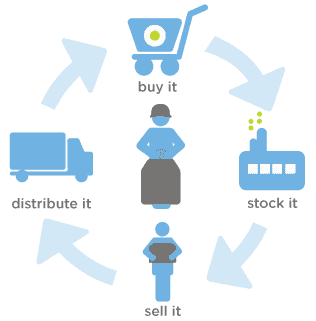
A courier company, be it big or small, get their goods from A to B by being efficient with their functioning. Here’s how a courier service functions –
Pickup
Sorting & Shipping
Tracking
Delivery
Let’s go through each in detail.
Pickup
Courier services have from a few drivers to a fleet of trucks, trailers, ships and aeroplanes for getting the packages to and from anywhere in the world. Bigger players even have their very own airfields or sections of airports allotted just for them.
When an order is placed, a driver is sent to pick up the package. However, courier companies take into account different factors such as the position of the driver, and their next destination in case they have a delivery to make and prioritise accordingly by sending the driver closest to the pick-up location.
Sorting & Shipping
The collected packages are then taken to the local depot where it is consolidated before being sent to local sorting hubs. The local sorting hubs then separate goods according to various factors such as –
Domestic & International Shipping
Distance
Date of receiving & Date of delivery
Priority
Type of goods
Package size
Package weight
These factors are used to separate packages that are similar to one another for easier transportation and inventory management. Once sorted, the packages are prepped for being transported.
Tracking
When it comes to transportation, every package must be kept track of at all times. This requires the employment of tracking software and services. These services not only help the couriers keep track of their cargo, but also allows customers to individually track their package location and method of delivery.
Here’s the basic rundown on how a courier package is usually tracked with such accuracy –
Bar Code Generation – Every courier package is assigned a bar code which contains all the required details such as the place of origin, destination, and type of cargo and so on.
Bar Codes Scans – The bar code is scanned at every point of entry and exit, and this data is constantly being stored and update on the tracking system software. This can then be utilized to provide progress to customers and even to find out lost packages.
Delivery
This process is the same as pick up but in the reverse order. The package arrives at the destination’s sorting hub where all are further sorted out and sent to their respective local depots.
The drivers then pick the packages from the local depots to deliver it to destined addresses.
Final Thoughts
This just encapsulates the basic workings of courier services and most of the players in the field use technologies such as AI and big data to optimise and obtain maximum efficiency.
Take Amazon and their same-day delivery for example – it uses various methods which all work in tandem to deliver the customer’s product within 24 hours from when it was purchased online. Amazon tracks right from the moment a customer starts searching for the product and the algorithms and its set of highly efficient ERP software start talking with each other in microseconds to see if the product is available at the local depot closest to them. Not only that, but Amazon also uses predictive analytics model that will pre-ship the products to the destination warehouse before even customer ordered by taking into account factors such as previous demand on a per-day basis.
Courier services are 24×7 operations, with a constant inflow and outflow of parcels all making their way, steadily, to and from their intended destinations. The rise of ecommerce industry has led to true growth of courier and shipping industries.
Go On, Tell Us What You Think!
Did we miss something? Come on! Tell us what you think about our article on How Do Courier Companies Work in the comments section.
Is there a usual process you follow when you want to buy something new for yourself? How do you decide what to buy? Do you probably go through different reviews, expert ratings, ask your friends, family, etc.?
Surprisingly it is not just you who makes decisions in this way, it’s all your customers too. Not only do people read online reviews, but 84% trust personal recommendations as much as online reviews. The question here is how do you build good recommendations so that you can influence your customers to buy your products?
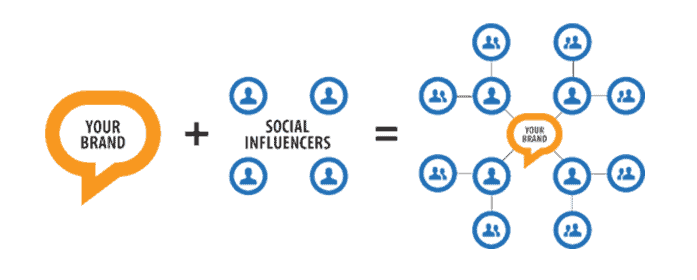
Influencers are people who have this exact ability. Influencers are experts within certain product niches, who affect customer decisions positively because of their persuasive power and following base.
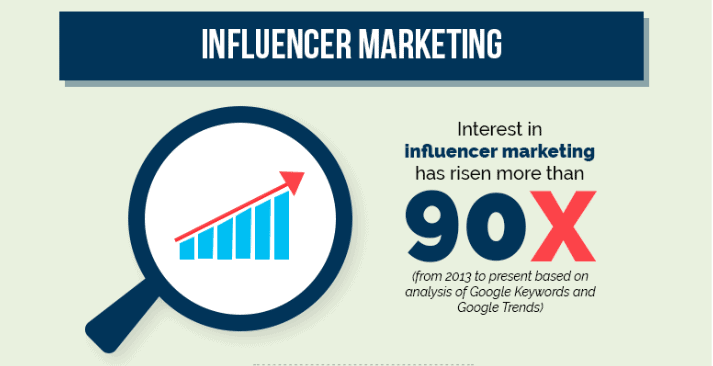
71% of marketers agree that traffic from influencer marketing is much higher than other marketing sources. But even though so many marketers are adopting this strategy, is it appropriate for your brand to engage in influence marketing?
Do You Need An Influencer Marketing Strategy?
To begin, let’s understand if an influencer marketing strategy is the right strategy for your business.
To determine this, you must map out your customer’s journey. Only when you understand the process your customer goes through while making decisions, you can understand whether an influencer marketing strategy suits your business or not.
Analyse The Buyer Journey
Buyer journey analysis means analysing the steps that a buyer goes through before purchasing a product.
It requires you to research how your customers behave, what are their likes and dislikes, their background, reactions, responses, and ultimately whether they buy products or leave (and what causes this customer friction). This will, in turn, help understand if this strategy is profitable for you or not.
To map your customer journey let’s start with identifying consumer behaviour at these three main touchpoints using the example of Lmnop, a brand that sells “I love New York City”:
Before The Customer Comes In Contact With The Brand
Research shows that Lmnop’s customers are teenagers and young adults who like to keep up with fashion trends and be popular. They come from a western culture with a well-off financial background. They are active on social media and share their brand experiences very often.
These customer characteristics show that the potential customers of Lmnop have characteristics that can be coupled with an influencer marketing strategy to boost sales and brand awareness.
When The Customer Engages With The Brand
When Lmnop’s customers see “I love NYC” t-shirts and caps, they ask their friends and online forums, questions like:
“Hey is this cool?”
“Hey does this look trendy”
“Does give a cool vibe”
“Is this in fashion today” And if their friends and family reply positively, they will purchase products from lmnop.
This shows that when the customers come in contact with the brand they are dependent and persuaded by social validation and opinion leaders. This means that Lmnop needs a strategy where persuasive, popular, and trendy people can influence purchasing decisions.
After The Customer Has Left
Once Lmnop’s customers have bought the “I love NYC” t-shirts and caps, they share pictures of it with their friends using related captions and hashtags.
This characteristic of Lmnop’s customers’ psychology tells us that they are in constant contact with people and experts from the community.
Similarly, if your customer journey research tells you that customers are dependent on recommendations and reviews by niche experts, then congratulations because creating an appropriate influencer marketing strategy is an appropriate option.
But now that you know influencer marketing is appropriate for you, is it more important for you than other marketing strategies?
Now that you have determined that your customers are likely to respond to an influencer marketing strategy, let’s understand why do 91% of marketers consider this strategy important?
Builds Trust
The internet is filled with hundreds and hundreds of brands that make it difficult for customers to understand who to trust and who to buy from. More often than not decisions of who to trust and who to buy from are made based on known recommendations. 92% of customers trust brands based on recommendations from people over traditional ads. Therefore, it is of utmost importance for your brand to develop an influencer marketing strategy to gain the trust of its target audience.
Improves Online Visibility
Influencer marketing is not only important as a marketing strategy but also positively affects your online visibility.
The reviews, suggestions, reactions of the influencers often come up on the search results whenever someone searches for your brand on Google or social media channels.
More Content
One of the components of influencer marketing is generating high amounts of fresh and engaging content. Influencer marketing, therefore, becomes important because more content leads to more visibility, awareness, and engagement.
More Mentions
Since influencers are people who have a popular following and trusted follower base, followers might talk about the brand more and more by way of comments, chats, questions, story mentions, etc. People tend to talk more and stay around seven times longer when an influencer talks about a brand rather than any other advertising medium.
Economical Cost
An influencer marketing strategy is immensely important for a newly launched brand as well as a brand with a lower budget. Such businesses may not be able to afford and invest in paid marketing and advertising channels. On average, every $1 spent on influencer marketing, creates revenue worth $6.50. If you compare this with the pay-per-click system, every $1.60 generates $3.
Therefore, the return on investment (ROI) of influencer marketing is much higher and beneficial in proportion to the money spent on the strategy.
Better Engagement
Engagement has become a huge part of marketing and advertising. If your marketing strategy can make your target audience want to engage with your brand, you would have successfully achieved your value for money. Influencer marketing builds engagement 3.5 times more than engagement from traditional advertisements.
You have to plan this effectively and align influencer efforts with your broader goals. In this process, using a Marketing Strategy Generator can help structure your approach around engagement, audience intent, and measurable outcomes.
Improves Customer Reach
Influencer marketing is important because it helps your business trickle down to reach every corner of your target audience. Conversations about brands are known to increase from three times to ten times when an influencer talks about a brand. The best way to understand this is by taking the brand Lord & Taylor’s example. Lord & Taylor partnered with 50 influencers and had all 50 of them post a picture on Instagram on the same day, wearing their new dress. After this, the dress sold out within less than a week. The main takeaway here is that influencer marketing is important not only for building trust but also for reaching out to your customers to convert their trust into sales.
Influencer marketing is becoming increasingly important in today’s times, but how do you actually build a strategy for influencer marketing? This section comprehensively outlines the steps to strategise and create an influencer marketing plan.
Step 1 – Define Your Goals
The initial step to developing your influencer marketing strategy is to determine your goals.
Do you intend to focus on increasing engagement, reducing work with a minimal churn rate or achieve a higher conversion rate? Determining your goals at the beginning will give your strategy a consistent structure. The two most commonly used goals for an influencer marketing strategy are:
Increasing brand awareness
Increasing sales
But instead of setting such broad goals, it would be beneficial to narrow down your goals to what exactly must be achieved from your strategy. Some goals to get you started could be:
Increase your customer base amongst the youngsters in Chicago
Gain a 40% rise in followers on your social media accounts
Gain authority over a product category in the market
Step 2 – Determine How To Tap Into Your Target Audience
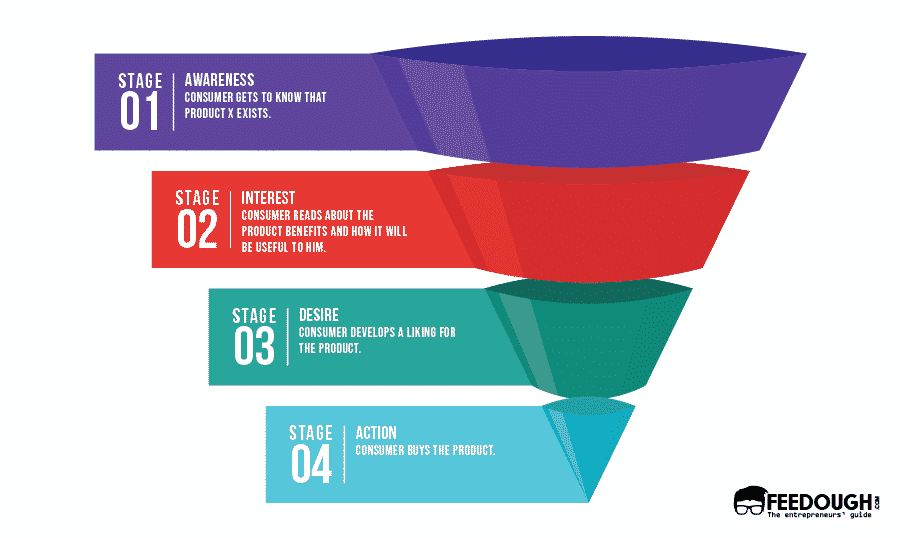
After you have determined your goals, comes the question of how to achieve these goals to tap into your target audience. One of the ways to strategically tap into your customer’s minds to influence them would be to follow the Awareness-Interests-Desire-Action (AIDA) model, also called a purchase funnel.
Awareness
Awareness is when you want to reach out to more people to recognise and know your brand. At this stage, people do not know about your product, so you need to ascertain how your influencer will make more people know about it. Will it be through cues in photos, videos, blog posts, etc.?
For example, Fiji Water turned to the influencer Danielle Bernstein to build awareness. They did so by just placing a Fiji water in the background of Danielle doing exercise. In this way, Fiji water made people aware of their brand and its use, to keep you hydrated.
Interest
Interest stage is when the customer is aware of the offering (and its competitors) but develops a soft corner for just your brand.
This is often achieved by intriguing the customer, educating them, and making them want more.
For instance, OnePlus often sends gifts to the renowned influencers and asks them to review the brand’s phones and other offerings, unbox them, and generate interest among the target audience before the offering is actually launched.
Desire
Your customer may like your product, but not buy it. Therefore, if you want to tap into your target audience, work on what kind of content you want to use to make sure that the interest lingers around to turn into desire.
For instance, Daniel Wellington was able to turn its $15,000 business into a $220 million business in 4 years, only following an influencer marketing strategy that sparked desire. Through catchy visuals, sleek colours, and a subtle vibe in all their picture, influencers made customers want to go to their website and buy watches.
Action
Now that the customer is interested and willing to buy, s/he will move to buy the offering. Your influencer marketing strategy at this stage should focus on how to facilitate this action.
Tapping into your target audience is very important because it determines what kind of content should your influencers make. The tone, feel, and type of content that is created through an influencer marketing strategy needs to be the perfect fit for the audience that you target.
Step 3 – Set A Budget
After you have formulated your goals and target audience, you must create a budgeting structure for your influencer marketing strategy. While setting a budget, you must factor in:
Goals
Goals are an important determinant of your budgeting strategy because based on what you want you to plan what you want to spend to achieve those goals.
Imagine that your goals include – doubling your sales from last year. Now doubling sales is an ambitious goal, no doubt. If you aspire for an ambitious goal, you must be spending ambitiously and smartly.
If your goals include – increasing followers by 20% over the next quarter, then you may have a lower budget than someone who wants to double their sales.
Therefore, first, compare the proportion of resources that will be required to achieve your goals. Using that comparison formulate a budget.
Type Of Influencers
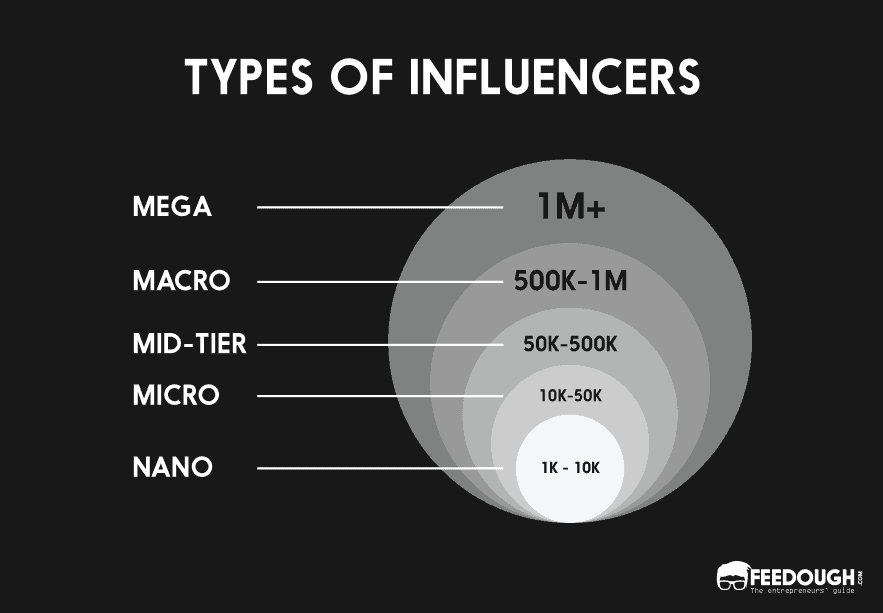
The second important aspect while creating a budget plan is what type of influencers do you want to work with. The major 4 types of influencers for you to choose from are:
Mega-Influencers: Micro-influencers include celebrities, online niche experts, or opinion leaders who have over 1 million followers on at least one of their social media platforms.
Macro Influencers: This includes opinion leaders, niche experts, and famous personalities who have followers from the range of 500,000 and 1 million on at least one of their social media platforms.
Mid-Tier Influencers: These are budding niche experts or famous personalities with followers ranging between 50,000 and 500,000.
Micro-Influencers: These are ordinary people who are famous because of their knowledge of a niche or because of some special reason. Micro-influencers have followers ranging between 10,000 – 50,000 on one of their social media accounts.
Nano Influencers: These influencers have less number of followers (1,000 – 10,000) but have very high engagement with them as they are considered experts in their niches.
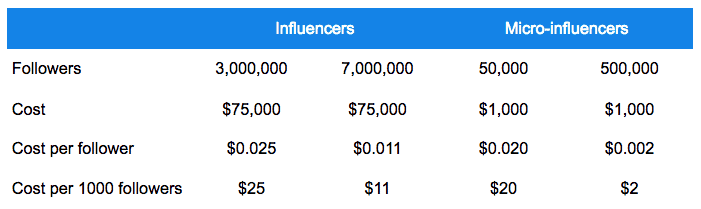
Deciding what kind of influencer, you want will determine how much budget you should allocate for your influencer marketing strategy. Do you want a mega influencer with thousands of followers and a massive following base? Do you want to start with a mega influencer and then shift focus toward macro and micro ones? Or you want to start with a nano-influencer and work you way up?
The usual price range of influencers based on their followers would look like this, though influencers may charge per post, number of guaranteed views, percentage of assured sales, etc.:
The first three steps set the foundation for your influencer marketing strategy. After this foundation is set, we move to finding an influencer. It’s important to note that you don’t want to just find any influencer – you want to find the appropriate influencer to suit your goals and budget. An appropriate influencer would be one who is aligned with your brand’s identity, mission, and vision.
What Makes A Good Influencer?
To understand if a candidate is the right influencer for you, you must look-out out for the following qualities in the influencer:
Confidence Confidence is like the skin of a successful influencer. An influencer who is confident will make sure that a brand is portrayed as a strong, commanding, and influential one.
High engagement ratio Influencers are not all about followers. Followers can be increased through inorganic methods by anyone. But an organic, and genuine influencer will have likes, shares, and comments, in proportion to the number of followers they have. This proportion is called the engagement ratio.
3 R’s of an influencer – Relevance, resonance, and reach Make sure that the influencer’s social personality is relevant to what you’re looking for your brand. If your influencer truly believes and resonates with your brand’s purpose, s/he can make the followers believe too. Thirdly, the influencer must have a good reach and actually be able to influence people. A huge following doesn’t make everyone an influencer. An influencer should be able to reach the customers, influence their purchasing decisions in a positive way for you. For instance, if you are a brand that makes nutritional snacks for people who practice yoga and meditation. One of the influencers on your list is someone who loves being lazy, taking rest, sleeping off, snacking on junk food, and binge-watching Netflix all day. But she has the highest number of followers compared to others. Would it be a good strategy to work with her? No. Because:
Her social personality is not relevant to what your brand stands for
Her profile doesn’t seem to resonate with your brand’s product
People interested in her will be people who like to relax, take the day off, and spend the day binge-watching. Her reach is not in the direction of your target audience.
Passion A good influencer has to be passionate about this work. Passion means that the influencer is hungry for more engagement, more trust, and more sales. The influencer must keep up with all social media trends and infuse it with his/her strategy. A passionate influencer is reliable because passion strengthens the partnership between a brand the influencer.
Authenticity Authenticity is another key quality to look for. If your influencer is authentic, followers will believe that your brand is something to care about, talk about, and check out. Inauthentic practices include copying profile aspects like photos, captions, posters, the structure of a poster, etc.
Hence, when you’re looking for influencers don’t merely recruit based on the number of followers or their cost. Dig deeper to find such qualities that will help you build a strong standing influencer marketing strategy.
Finding An Influencer
To find an influencer, you can follow two ways:
Search Manually
While conducting a manual search you can use the following tools:
Google or any other search engine – Search for phrases like ‘top shampoo influencers’, ‘top candy influencers’, ‘top beauty influencers’, etc.
Instagram or any other social media app – Search for trending hashtags related to your topic, like – BestShampoo, ClearSkin, TopGame, ComfortableAirline, etc.
After finding people who check off the right qualities and fit into your budget, you can compile a list of their contact details in a spreadsheet. Make sure that this spreadsheet includes:
Name
All social media profile links (Facebook, Instagram, Twitter, Snapchat, etc.)
Number of followers
Engagement ratio
What value they bring to your brand
What value they don’t bring/What needs to be worked on
BuzzStream Discovery – A free search engine for finding influencers. Using this you can easily search for any keyword or phrase and the database will compile a list of results with all influencers related to that topic.
BuzzSumo – BuzzSumo is a paid search engine for finding influencers, content, competitors, etc. Using BuzzSumo, you can find not only the contacts of influencers but also the number of Twitter followers they have, average retweets they receive, their reply ratio, etc. Along with this, a feature called ‘search content shared’ also shows up all the content that has been shared related to the relevant topic. This helps you understand how many people are creating content relevant to you and how they can be potential influencers for you.
Deep Social – DeepSocial is a For instance, Daniel Wellington was able to turn their $15,000 business into a $220 million business in 4 years only following an influencer marketing strategy that sparked desire freemium AI driver influencer database. It allows you to find and analyse influencers through filters like age, interests, gender, geographic location, ethnicity, etc.
Upfluence – Upfluence is a free influencer database. Like Deep Social, you can narrow your searches on Upfluence using categories like location, number of followers, etc. Upfluence also offers a Chrome plug-in, which helps you analyse an influencer’s profile from your browser directly from Facebook, Instagram, YouTube, Pinterest, and blogs.
Step 5: Create A Management Strategy
Lastly, you must ensure you manage your strategy to your best advantage. A successful influencer marketing strategy will include the following as part of its management plan:
After you have set your KPIs, determine what kind of content strategy your influencer will employ. Content that is effective and could win over the trust of your audience includes:
Product placement The key to influencer product placement is not giving a direct impression of advertising but a natural fit in a scenario. For instance, here Audible – a company that makes audiobooks, partnered with Carole Radziwill and tried to place their product in a natural, comfortable and non-direct setting
Brand integration Brand integration will be more direct, with the product as the focus in a scenario. For instance, TVF developed an entire web series revolving around its sponsor – Tata Tiago.
Influencer Generated Content This is content the influencer creates for marketing. This may include:
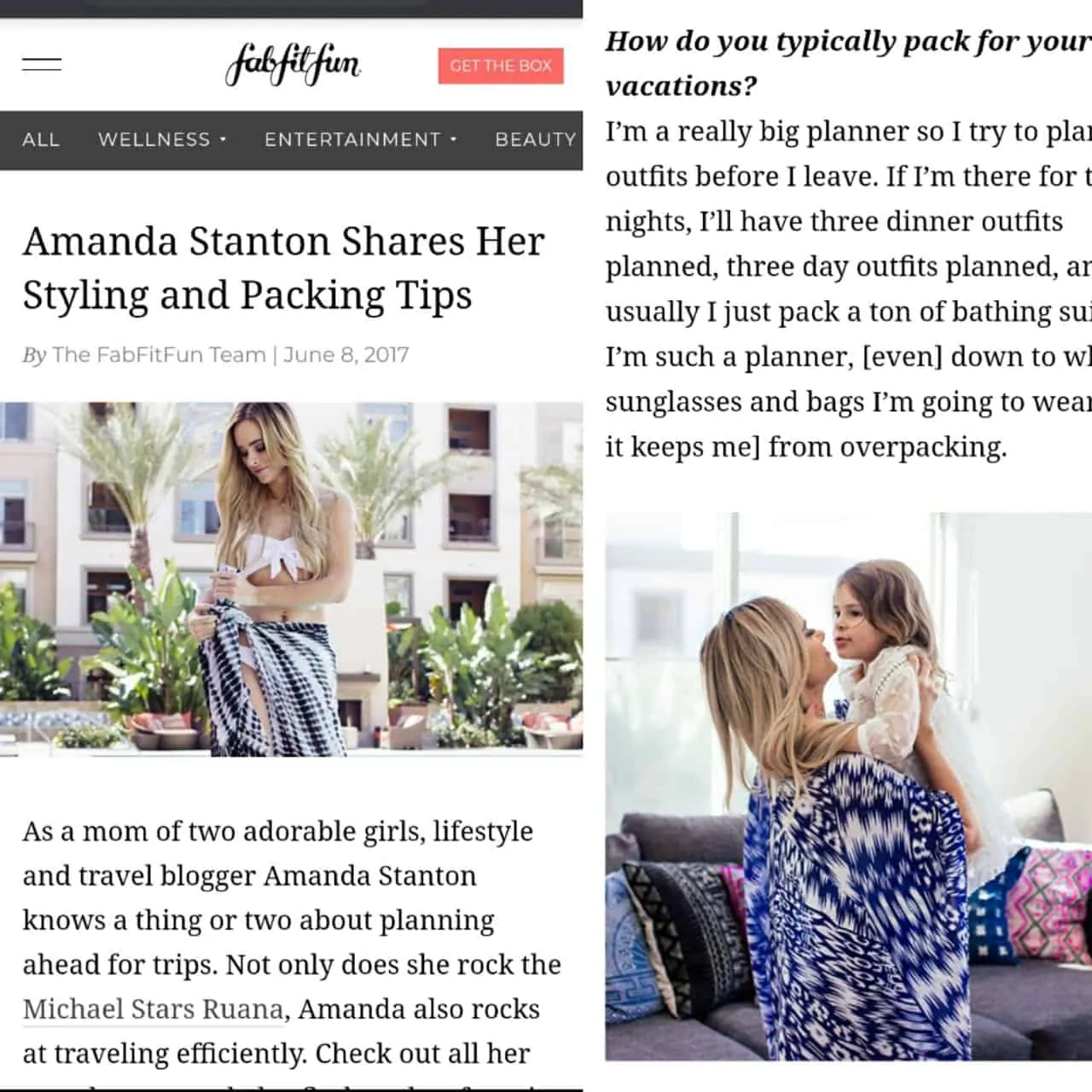
Creating blogs and writing reviews For instance, the Amamda Stanton partnered with FabFitFun and created lifestyle blogs for marketing their skincare, makeup, fitness, and other lifestyle products.
Influencer takeovers Influencer takeovers are when you let your influencer handle your brand account for a set time, like a few hours or an entire day, where they share customised content based on a given brief for your products. For instance, the fashion magazine Harper’s Bazaar turned over their Instagram story to Jamie King for an event, where Jamie showed her styles, outfits, make-up, etc.
Influencer marketing greatly affects your brand image. If you set confusing and unclear terms, it could negatively affect your brand’s reputation. While creating a contract with an influencer, a few things you ought to consider are:
The duration the influencer will work for
The level of autonomy the influencer has over the brand image
The monetary terms of exchange
If you are providing the influencer with free merchandise, set terms and conditions for it at the beginning itself
Make sure the influencer agrees to never harm or disrespect the brand image, vision, and identity
Clarify whether the influencer can partner with other brands during his/her tenure with your brand
Set average expected engagement rates for a daily, weekly, fortnightly, etc. basis
Ask for a guarantee on the following aspects – authenticity, transparency, honesty, and creativity
Building A Cordial Relationship With The Influencer
Lastly, keep in mind that an influencer is a person too. For the protection of your brand’s marketing, image, and courtesy, you must ensure to be on cordial terms with your influencers. Make sure you do not over-burden them with work. The aim of having a cordial relationship is that the influencer feels connected to the brand because such a connection will positively work for your brand’s image.
Go On, Tell Us What You Think!
Did we miss something? Come on! Tell us what you think of our article on influencer marketing strategy in the comments section.
Have you ever clicked on a link only to wait forever to load up?
Ever felt that an app takes forever to load up even though all it does is show the time?
Ever waited forever to be served at a restaurant even though there are only a few customers?
If it is yes for at least one of the above, you have experienced what is supposedly a simple yet ever-pervasive problem that haunts all industries and businesses alike.
You just experienced instances causing customer friction.
What is Customer Friction?
Customer friction is anything that stops customers from buying the company’s goods, products or services.
Businesses and companies use funnels – sales funnels & marketing funnels to be precise – to nudge their customers into making the purchasing decision. But, there will be instances in the funnel that will impede customers from making a decision.
These instances cause what we generally term as “customer friction”.
Let’s look at how customer friction affects businesses.
Impacts Of Customer Friction
Customer friction negatively affects everything – the funnels that you’ve set up, sales, profit margins, inventory and even marketing.
When customers face hindrances during their time with your business or brand, they usually quantify it as poor customer service. You may have an exceptional product that might genuinely solve the customer’s problems, but the experience will be branded as a sour one for the consumer.
You see, the word-of-mouth method of marketing is still king, and a bad impression will likely be spread by word-of-mouth. Research also shows that 78% of consumers have bailed out on the product or brand and moved on to other options available to them due to perceived hindrances or poor customer service – basically customer friction.
So, it can be firmly said that customer friction and its instances cause a lot of trouble to businesses and finding the points causing customer friction should be of the utmost importance.
Identifying Customer Friction
For starters, instead of focusing from your business’ perspective, put yourself in the shoes of your customer – try going through the sales and marketing funnels that a consumer has to go through to complete a purchase. This is a sure-fire way of finding things that might crop up when say, interacting with your website or shopping at your physical storefront.
You can also use the following methods to indirectly find out where customer friction occurs –
Customer interviews
Customer surveys
Website Analytics
Interviewing your employees
This will help you come up with a list of things that causes friction for your customers. Here are a few examples of customer friction.
Examples of Customer Friction
Poor website quality
Bad policies
Cumbersome technologies
Slow service
Long wait times
Mismanaged inventory
Bad UX/UI
Uninformed sales staff
Slow delivery
Negative online reviews
Having identified and listed the things that cause customer friction in your business, brand, product, or funnel, it is time that you moved on to solving the said issues. Here are a few, generally applicable methods for reducing customer friction.
Ways to Reduce Customer Friction
There’s no one-size-fits-all strategy to reduce customer friction. However, there are several rules of thumb that you can use to reduce customer friction. Here are some:
Happy Employees Equals Happy Customers
Human interaction will always remain as the best method of capturing your customer’s attention. That is why you see websites strive to “talk” to you instead of displaying the facts and details right on their landing page.
And, when it comes to interaction with the customers, your employees are at the forefront. Motivating and making your employees feel at home will help them interact and serve better. This will help reduce customer friction since employees do not shy away from helping the customer since they are satisfied and are well-briefed.
Moreover, whether they interact with customers or not, employees should be trained properly so they can represent your business with pride. When an employee is not happy, your customer won’t be either and vice-versa.
Follow Up With Repeat Customers
Your repeat customers are gold mines when it comes to finding out about hindrances in their experiences and also whether the changes made have reduced or increased customer friction. Since these customers have been around for a long, they tend to notice the changes easily and if the said change is positive, it can even help boost word-of-mouth.
Maintain Consistent Design
Nothing confuses users and customers more than having a disoriented and cluttered design or interface (unless it suits your industry or sector). This confusion acts as a barrier that prevents customers from investing their time and resources into your product, brand or business.
This can be resolved by sticking to a consistent, clean and straightforward design. This will help in reducing customer friction since following industry standards and modelling your say, website or storefront or even your pamphlets, with proper layout and positioning can help ease the customer into focusing on learning about your company rather than trying to find it in the first place.
Increase Methods for Customer Interaction
Customer interaction, or the lack thereof, is said to be the major cause of customer friction. Interested customers want to get more invested in your brand, company or product and there is only so much a website, poster or sign can provide upon.
So make sure, be it online or offline, you have methods and facilities in place for customers to be able to easily and freely interact with your products, brand or company.
Prioritize Value-Addition
Adding value to anything can be approached in two ways – adding new features or removing the imperfections. Know that these two are different, but the one thing they have in common is the value added to the product, service, brand or company.
Previously, even if you had a great design or meticulous funnels in place, customers would be hindered from purchasing your products or services since they found that it added not much in value.
Focusing on value-addition removes this hindrance and reduces customer friction. Doing so also helps increase a customer’s loyalty since you have shown that you wish to help add value to their lives and not just sell products.
Simplify Processes Wherever Possible
With the internet, global boundaries have diminished to a large extent. So, a business has to make sure that it is simple enough to be understood by the majority of its audience or population.
This will help you and your company reach the widest audience possible while not adding to the cause of customer friction.
Go On, Tell Us What You Think!
Did we miss something? Come on! Tell us what you think about our article on Customer Friction in the comments section.
Walmart is an American multinational retail company that has over 2.2 million employees (2018) and it operates a chain of hypermarkets, discount department stores, variety, and grocery stores.
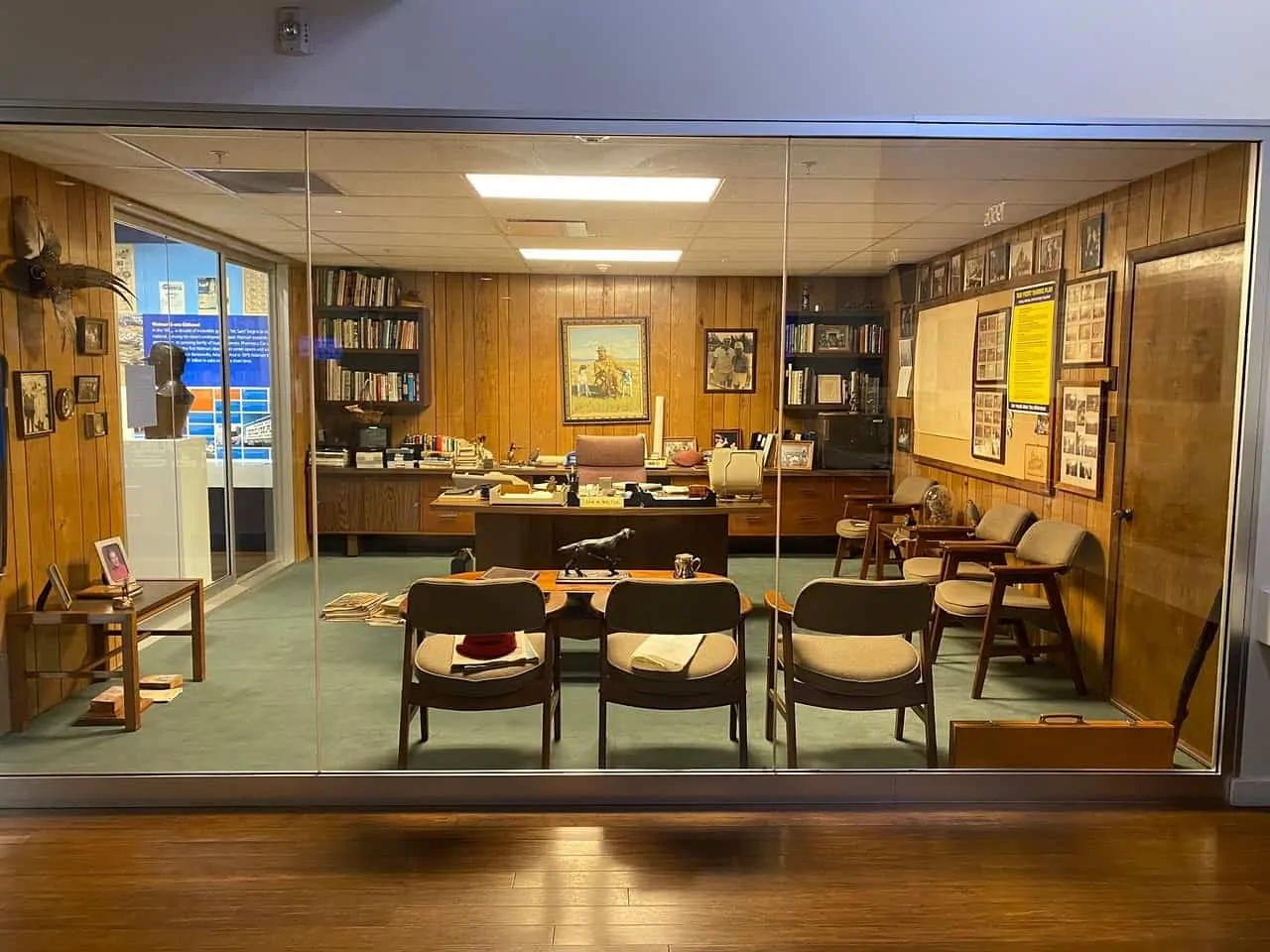
As of 2019, there are more than 4,700 Walmart stores in the US, and over 90% of the US population lives within 10 miles of a Walmart storefront. Walmart even uses robots to scan shelf-inventory in over 350 stores and has its museum. The total area of Walmart’s parking lots combined is roughly similar to the size of Tampa, Florida.
If Walmart supposed to be a country, it would be 28th largest economy in the world.
So, how did a “discount” retail store grow to such a large extent?
Experimental Beginnings
Walmart started as an experiment by its founder, Sam Walton, based on the hope that anything would work in the consumer-driven post-war market of 1950s America.
Source: Luxatic
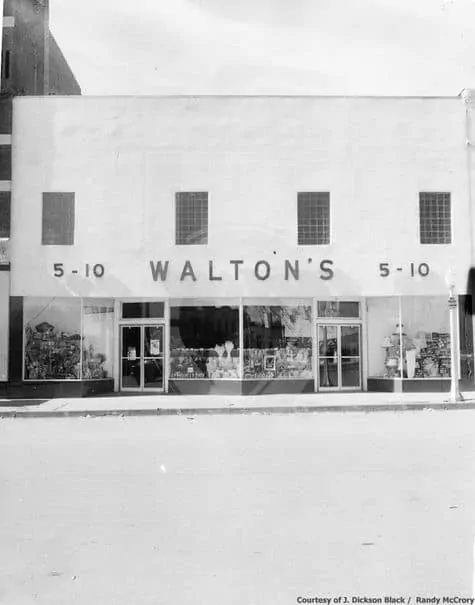
The beginnings of Walmart can be traced back to 1950 when Sam Walton bought Luther Harrison’s variety store in Bentonville, Arkansas and opened the Walton 5-10 store.
Walton 5-10 store, a Ben Franklin franchise store | Source: Vintage Bentonville
Before this, Sam Walton had worked as a manager in one of the Ben Franklin franchise variety stores in Newport Arkansas and saw the potential for grocery and variety stores to only rise in the coming years.
The first Walton 5-10 store was run as a part of the Ben Franklin franchise and the Walton store was a great success. Upon seeing this success, Sam Walton came up with the idea of starting his very own discount stores.
This led to the founding of Walmart and its very first store.
First Walmart
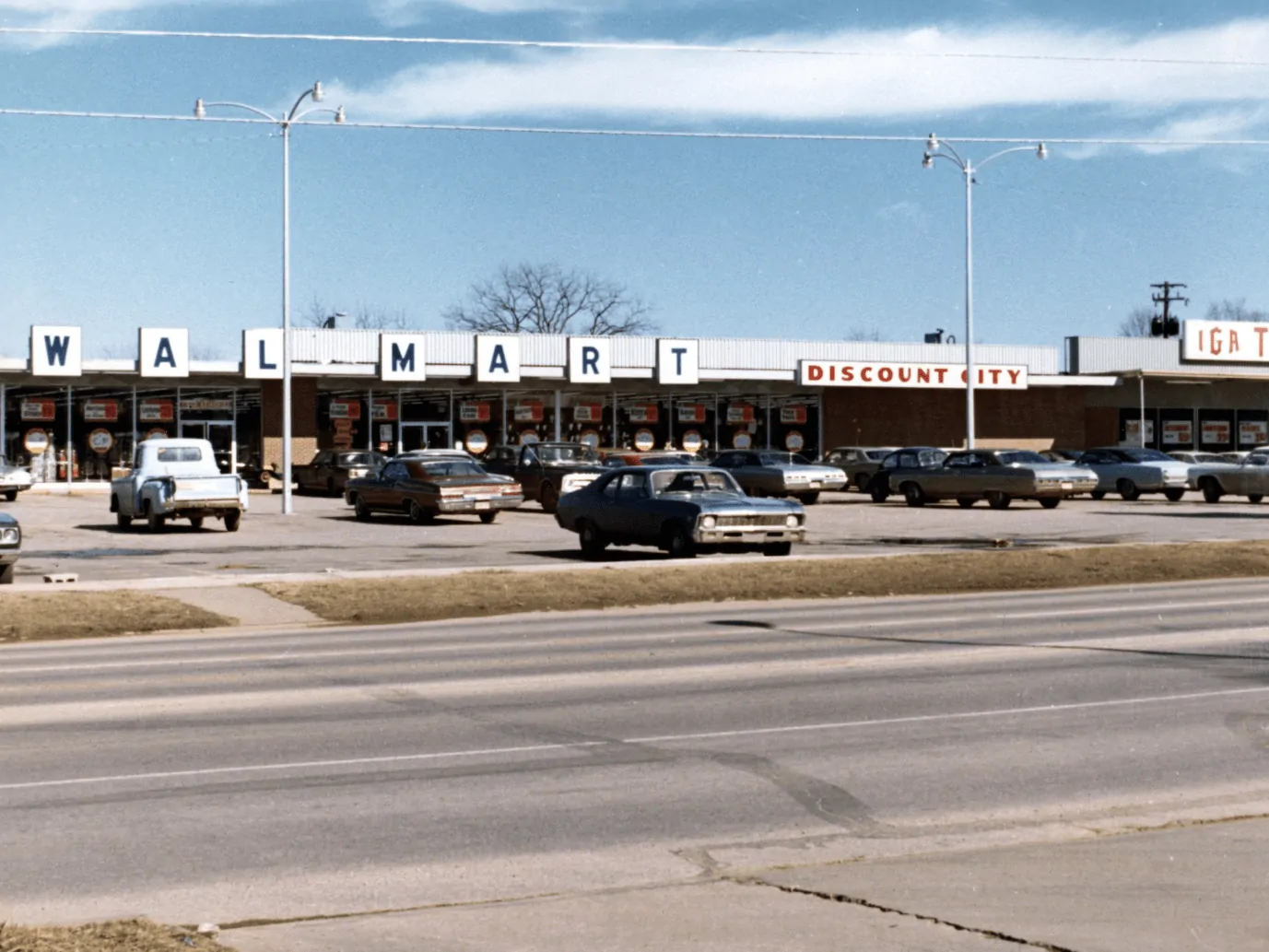
On 2 July 1962, Sam Walton opened the first Walmart store in Rogers, Arkansas and this was his first store that was not a part of the Ben Franklin franchise.
Source: Walmart
Sam’s assistant, Bob Bogle, was the one to come up with the name “Wal-Mart” for the new chain and this name stuck on since then.
Sam Walton found that grocery and variety stores were doing good but there was a lack of players focusing on suburban and rural communities at the time.
Source: redbookmag
Most big-name retailers were all bunched up and competing in cities. This led Sam to position Walmart as a discount store for the masses and majorly focused on catering to the suburban and rural population.
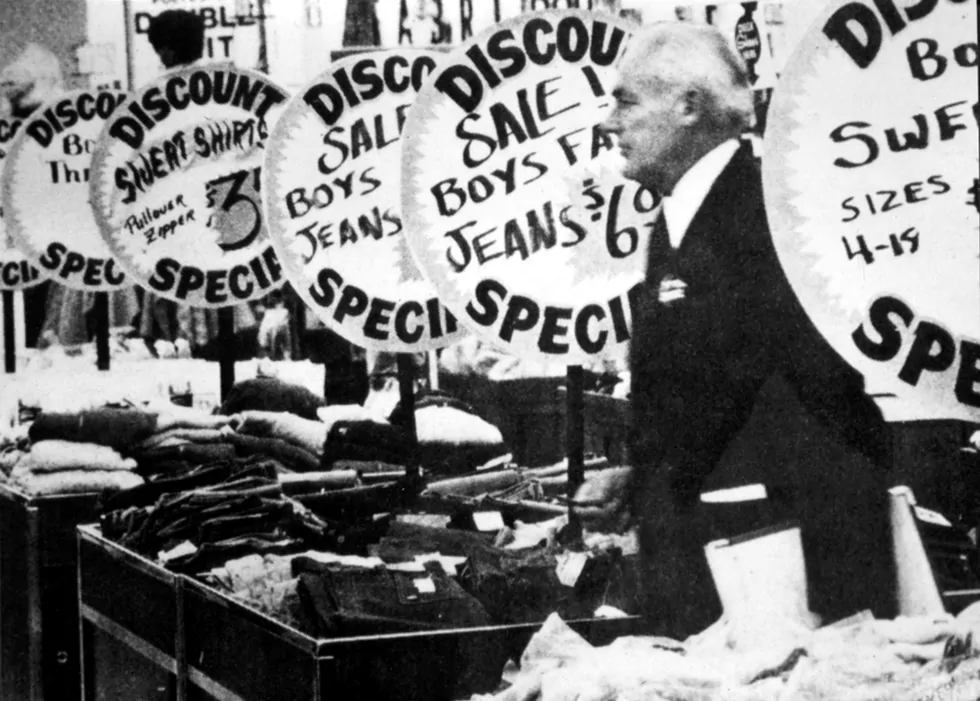
Sam Walton, pictured inside the first Walmart | Source: redbookmag
This approach of “selling brand merchandise at low prices” to retail soon become the driving model for all Wal-Mart stores that followed. In 1964, the second Wal-Mart store was opened in Harrison, Arkansas – neighbouring city to Rogers, Arkansas.
At first, most brands were sceptical upon the viability of this “discount” model and refused to provide him with merchandises for a lower price. This was compounded by the fact that Walmart’s second store’s opening did not go as planned and things seemed to be off to a bad start. But Sam Walton and his team managed to turn things around and proved that its “everyday low price” model would not only work but also be highly profitable and scalable.
Walmart’s Growth & Expansion
By 1967, just three years after the first Walmart store was opened, the company opened 24 stores, all within the state of Arkansas and also had reached $12.6 million in sales. In 1968, Walmart expanded outside of Arkansas, opening its store in Sikeston, Missouri and Claremore, Oklahoma. Kansas was the next state that it expanded to and Walmart as a company was incorporated in Delaware in October 1969.
In May 1972, Walmart went public with a market price of $47. This was followed by further expansion to other states and cities in the following years –
Expanded into Tennessee in 1973
Expanded into Kentucky and Mississippi in 1974
Expanded into Texas in 1975
Expanded into Illinois in 1977
By the time Walmart expanded to Texas in 1975, Walmart had over 125 stores in operation with 7,500 employees (associates), and a total sales figure of $340.3 million.
First Acquisition
In 1977, Walmart made its first acquisition of the Mohr-Value stores, which operated in Missouri and Illinois. The Mohr-Value stores were fully absorbed by Walmart and took complete ownership of its operations.
In 1978, acquired the Hutcheson Shoe Company, marking the first time when Walmart had branched into new sectors such as – pharmacy, auto service centre, and jewellery. Walmart launched a division that catered to each of the new product lines and started offering them in its stores.
Walmart Supercentres & Wholesale Club
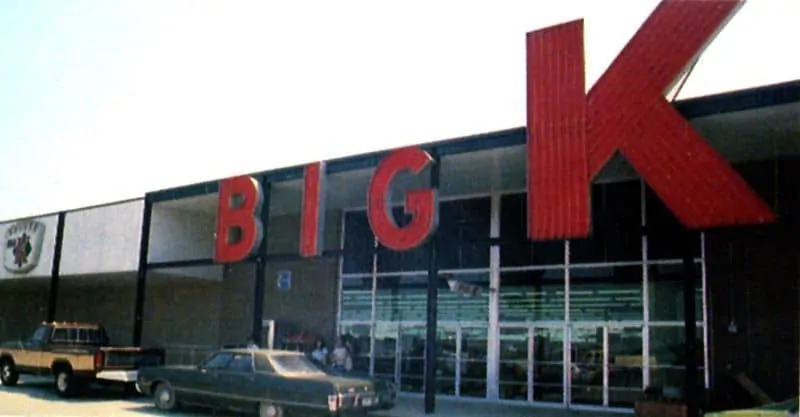
In 1981, Walmart acquired around 92 of Kuhn’s Big K stores which were primarily located in the southeast of America.
Source: Pinterest
This allowed it to have a firm foothold in the south-eastern US market. Along the way, Walmart never stopped expanding into newer states and cities every year –
Expanded into Georgia and South Carolina in 1981
Expanded into Florida and Nebraska in 1982
Expanded into Indiana, Iowa, New Mexico, and North Carolina in 1983
Sam’s Wholesale Club
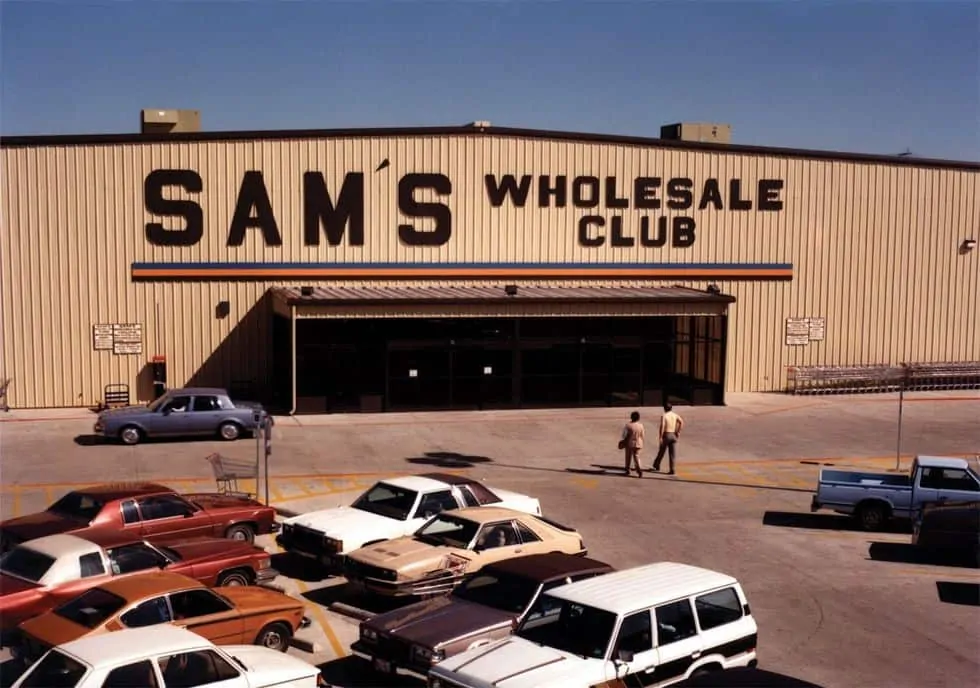
In April 1983, Walmart opened the Sam’s Club – a membership-based discount wholesale warehouse store – in Midwest City, Oklahoma.
Sam’s Club operated as a Walmart subsidiary and went on to become one of the most famous wholesale stores in the United States. | Source: Walmart
Sam’s Club operated as a Walmart subsidiary and went on to become one of the most famous wholesale stores in the United States.
In 1985, Walmart had opened more than 880 stores and netted in $8.4 billion in sales and the number of employees grew from the 7,500 associates in 1975 to 104,000 associates.
Walmart celebrated its 25th anniversary in 1987 and by then, the company started to embrace newer technologies such as computer systems into their operations to maintain & track inventory, sales, and send an instant communication to its stores.
In February 1988, Sam Walton stepped down as chief executive officer while remaining as the Chairman of the Corporate Board of Directors, while the position of CEO was given to David Glass.
David Glass | Source: Walmart
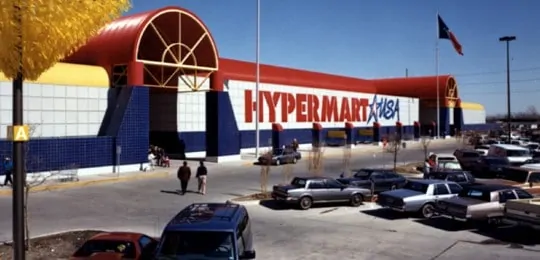
It was also during the same year that the first Walmart Supercenter store was opened in Washington, Missouri. These Supercenter stores were at first called “Hypermart USA”.
Walmart’s Supercenter, formerly called “Hypermart USA” in 1980 | Source: Walmart
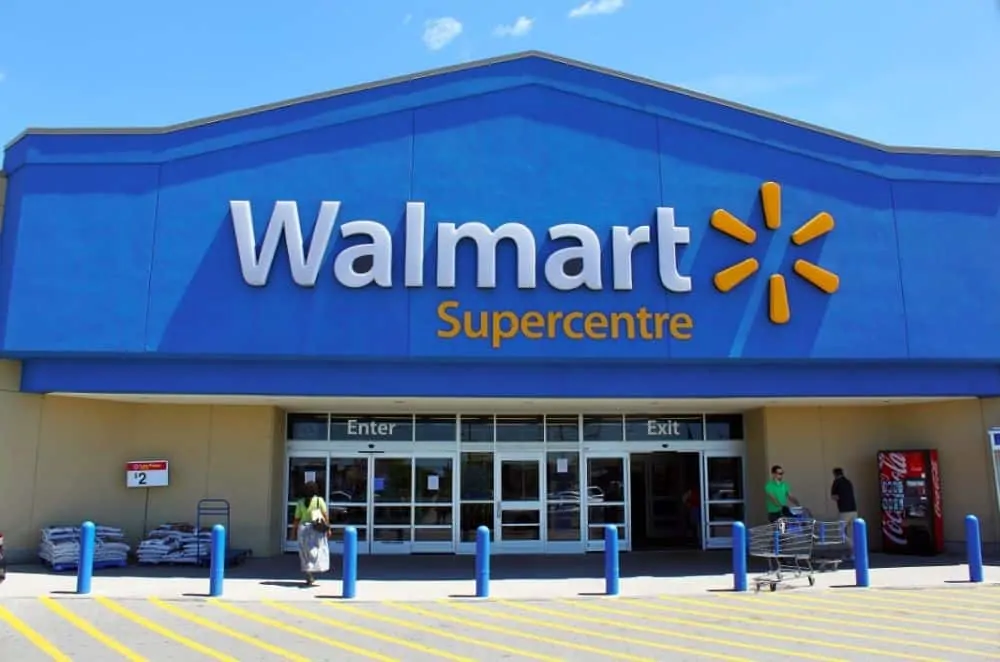
The supercenter concept was created to offer everything under one store – it contained everything that an average Walmart discount store offered along with tire and oil change shop, optical centre, photo studio & lab, banks, cellular telephone stores, hair and nail salons, video rental stores, and fast food outlets.
Walmart’s Supercenter store | Source: Walmart
By 1988, Walmart had become the most profitable retailer in the United States, though it still did not outsell its competition K-Mart and Sears in terms of the value of items purchased until later.
By 1990, Walmart became a fully nationwide retailer when it expanded its operations into California and The Walmart Visitor’s Center was opened in the same year.
The Walmart Museum | Source: TripAdvisor
The Visitor Centre was the original Walton’s 5-10 store converted into a museum and the name was changed from The Visitor Centre to the Walmart Museum after a few years. Walmart also acquired The McLane Company, a major foodservice distributor, during the same year.
Walmart Goes Global
In 1991, Walmart expanded worldwide with the opening of its first store in Mexico City. During the same year, Sam’s American Choice brand of products – the “Made in America” initiative – was started to stimulate American suppliers to produce more products and reduce the price.
On March 17, 1992, US President George H. W. Bush presented Sam Walton with the Presidential Medal of Freedom.
Sam Walton (Left) upon receiving the Presidential Medal of Freedom | Source: Walmart Museum
Sam Walton passed away on April 5, 1992, after he was diagnosed with cancer. S. Robson Walton, Sam Walton’s eldest son succeeded him as Chairman of the corporate board of directors.
In 1993, the Walmart International Division was formed with Bobby Martin as its president and it was in the same year that Walmart achieved billion-dollar in sales within one week in December 1993.
In 1994, Walmart started using the slogan “Always Low Prices, Always.” as a part of its advertisement campaigns.
Walmart’s then slogan | Source: Walmart Museum
It took three more years for Walmart to reach its first $100 billion in sales within a year – with sales in 1996 totalling $118.1 billion.
In 1998, Walmart introduced the Neighborhood Market stores – these were just regular Walmart stores with a smaller footprint and primarily focussed on selling groceries.
Walmart’s Neighbourhood Market | Source: Insider
The Neighbourhood Market concept was initially implemented at three stores in Arkansas which eventually was implemented at other locations, with over 600 of such locations being present as of writing. Walmart also entered South Korea in the same year by acquiring 4 stores operated by Korea Makro.
In 1999, Walmart acquired the Asda chain in the United Kingdom – the second-largest chain in the UK after Tesco.
Walmart in the 21st Century
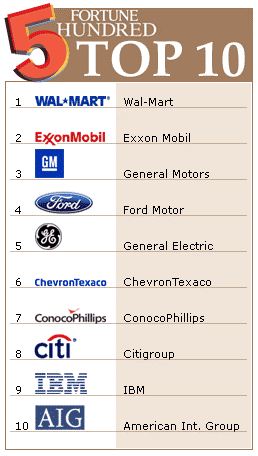
In 2000, David Glass exited from the position of CEO and Lee Scott was named the new president and CEO of Walmart. Right at the start of the new century, Walmart ranked fifth by Fortune magazine on its Global Most Admired All-Stars list.
Fortune named Walmart as the most admired company in America in 2003 and again in 2004. | Source: CNN
Experimentation
In late 2005, Walmart designed two experimental stores in McKinney, Texas and Aurora, Colorado respectively. These stores featured different implementations of technologies such as – photovoltaic solar panels, biofuel-capable boilers, wind turbines, and water-cooled refrigerators.
Walmart’s Experiment Store focusing on renewable technologies | Source: Turner Construction
In March 2006, Walmart opened a new supercenter in Plano, Texas and the new store featured wooden floors, wider aisles, a sushi bar, a coffee/sandwich shop, fast-food joints, microbrew beer, expensive wines, and high-end electronics. This store also skipped the usually blue colour for its signboards and instead went with a hunter green background behind the Walmart letters.
Walmart’s Plano, Texas store
Increasing Competition
The shift to online space for conducting businesses has led to the decline of physical retail. Even what’s remaining is being reduced due to cut-throat competition from a few funded by the aforementioned e-commerce sites. The rise of organic food supermarkets, such as Whole Foods and Wild Oats, posed a great threat towards Walmart’s profits since Walmart considers itself to be one of the largest grocery chains in the United States. With the increasing competition, Walmart announced in May 2006 that it was increasing the amount of organic food available in its stores.
Competing Online
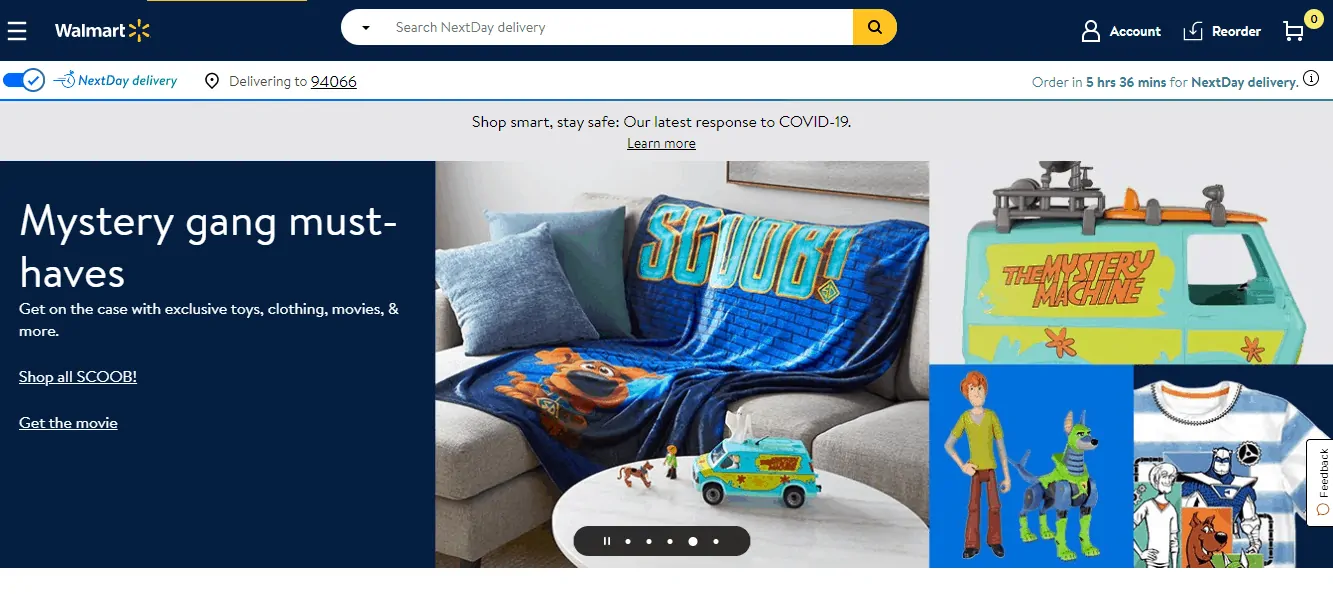
The world has, for the most part, moved away from physical retail to online stores. Amazon is the first thing that pops up when we talk about online retail for the masses in most parts of the worlds. This makes Amazon a major competitor of Walmart. This led Walmart to shift its focus towards the online sectors and it launched its own e-commerce store Walmart.com in 2007.
Walmart’s e-commerce store | Source: Walmart
It was also during 2007 that Walmart changed its slogan from “Always Low Prices, Always.” to “Save money. Live better.”
Source: Walmart
New Logo
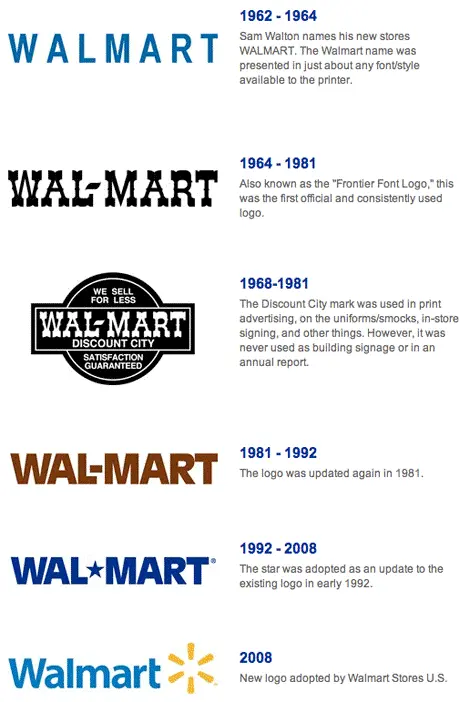
On June 30, 2008, Walmart unveiled the company’s new logo, stylized as “Walmart” with a spark at the end. Here’s the evolution of Walmart’s logo since its inception in the 1950’s –
Source: UnderConsideration
The spark symbol was meant to represent the spark of innovation that led Sam Walton to start the first Walmart store. The spark was also to represent Walmart’s associates (employees). In May 2009, Walmart entered the Indian market by partnering with Bharti.
In June 2011, Walmart entered the African continent upon acquiring 51% of Massmart Holdings. This acquisition gave the company access to – South Africa, Botswana, Ghana, Lesotho, Malawi, Mauritius, Mozambique, Namibia, Nigeria, Swaziland, Tanzania, Uganda and Zambia.
Recent Times
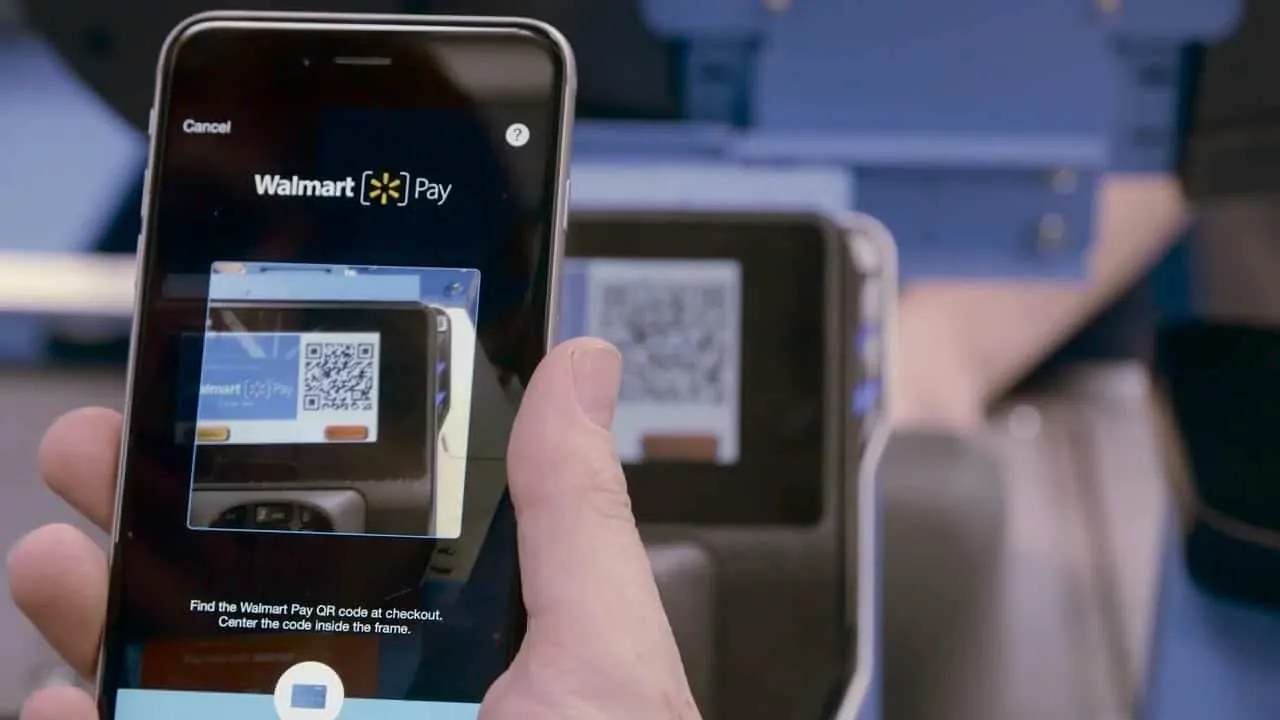
In 2016, Walmart rolled out Walmart Pay – a digital-based payment tool for customers to pay for purchases with their smartphones.
Source: Walmart Corporate
In 2017, Walmart introduced free two-day shipping on its e-commerce platform to compete with Amazon and eBay among other online retail platforms.
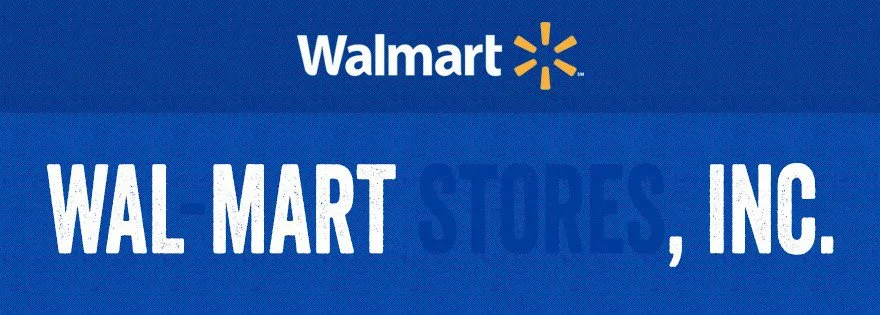
In 2018, the company changed its name from Wal-Mart Stores, Inc. to Walmart, Inc.
Walmart, Inc. | Source: AndNowUKnow
At the time of writing, Walmart has –
Over 11,300 stores worldwide – of them, 4,750 are Walmart branded stores
Walmart earns an average profit of around the US $1.8 Mn per hour and Walmart is much bigger than re-known retail chains including Home Depot, Kroger, Target, Sears, Costco, and K-Mart collectively in terms of revenue. All of this started from one man’s hope and determination that even a grocery store would work out if they catered to the right audience.
Go On, Tell Us What You Think!
Did we miss something? Come on! Tell us what you think about our article on History of Walmart in the comments section.
The days of corporates hooked on to their blackberry are not yet forgotten.
Back in the 2000s, Blackberry became a monopoly of the rich professionals, symbolizing high status, along with a strong commitment to ensuring the privacy of its users.
As a new decade begins, one begins to wonder if there are any chances of revival of the tech giant? Is it still in usage among the wealthier classes, known for accumulating high-end technology? Finally, what exactly was the reason for this downfall that disappointed consumers all over the world?
Let’s find out.
Blackberry – A History Of Success
Blackberry, initially started with a different name and purpose, i.e Research in Motion. Founded in march 1984, the company first involved itself with developing data technology and connectivity products.
The company felt an increasing inclination towards creating equipment to facilitate wireless connectivity. Hence, in 1993, it embarked upon creating Intel wireless modem containing RIM modem Firmware. Being a private company, RIM soon reached out for raising capital by private placement. A Canadian company invested in RIM, helping it raise a total of C$30,000,000 in pre-IPO financing. The company then turned towards developing pagers and came out with the Inter@ctive Pager 900 in 1996.
The First Round Of Success
Those who aren’t acquainted with the initial success that Blackberry enjoyed, consider it to be a failed company who overlooked its competition. But, Blackberry’s initial success was strong enough for them to divert their attention from their competition.
Blackberry launched its first phone in the year 1999 and captivated the corporate world. There was a time when Blackberry was considered as absolute nuts and it became a sign of status in society. It was not easy to encounter someone using Blackberry. And if you do, then you would discover him to be an industrialist, politician, etc.
‘Lexicon Branding,’ a marketing company, was the one behind the Company’s title. The reason behind this title was that the keypad of all the phones resembled the drupelets that compose the blackberry fruit.
Reasons For Unprecedented Growth
In 2002, BlackBerry manufactured another two devices which were RIM 850 and 857. At that time, some services like emails, internet faxing, etc. could only be used if you owned a desktop. However, the launch of these devices made it possible for the users to use them on mobile.
BlackBerry was the first Company to introduce push email service on their phones.
The Company was at its peak in the year 2013 when there were about 85 million BlackBerry users across the Globe. Even though some might argue, Blackberry was the first to dive into the smartphone market and had access to almost 50% of the US smartphone market.
There must be a solid reason why Blackberry’s growth was so unprecedented that no other company dreamt of such heights.
Blackberry came with a set of invincible security features that allowed professionals to ensure full-proof security. From crisis communication to car security features, you named it they had it. Blackberry came as the ultimate solution for corporates who were living in constant fear of getting their accounts hacked and their privacy invaded. Even today it’s nearly impossible to hack a blackberry phone.
With the first-ever QWERTY keypad, Blackberry transformed the way people were typing. Even today, some might prefer blackberry over smartphones because of the negligible chances or creating errors in texting. Due to this, typing in a Blackberry became similar to a desktop. There are tons of features that blackberry introduced first into its phones.
BlackBerry Messenger, also known as BBM, was the most popular messenger at that time just like WhatsApp. Unlike Whatsapp, BBM was available to a few corporates yet enjoyed mass popularity for a long period.
But due to some mistakes from BlackBerry, the market share of the company started reducing and more number of users got shifted to Android and iPhone. Though people started finding touchscreen more advanced and attractive, BlackBerry refused to launch new phones having a full touchscreen.
In the year 2016, BlackBerry lost its domination in the mobile market and there were only 23 million users left as compared to 85 million users in 2013.
Considering this loss, the company decided to terminate about 4500 positions as there were not enough finance for the employees. In the same year, it also hinted to get sold considering the huge losses they are incurring.
How could a company so well established with its share of customers in the market lose its charm? Did the corporates break the tryst or is it entirely the company’s fault? Let’s find out.
Why Did BlackBerry Fail?
Though Blackberry enjoyed immense success for some time, something else was brewing up in the company’s fortune.
Here are some points which became the reason for Blackberry’s failure.
Aversion To Innovation
2008-16 was a period when the mobile industry was rapidly changing and many companies were looking at this change positively. Blackberry, on the other hand, didn’t want to change their ideology.
For instance, the difference between two BlackBerry models was almost negligible, especially for the elites, who were only bothered by their privacy. Hence, no new model was an actual celebration for them. As such, enhancing the customer base became incessantly difficult after a certain point.
To elaborate this further, let us look at two main areas where the innovation lacked miserably.
Lack Of Innovation To Expand The Customer Base
A prime reason for following this ideology was a fixed market share. Blackberry had a monopoly over the IT sector of various corporate houses. Hence, it did not realize the need to cater to the masses with upgrades. Some of the biggest fails in this segment include the following.
Blackberry Tablet
The blackberry tablet was created to compete against Ipad and was a massive fail. Not only was the UI not intuitive but it also required a Blackberry phone to connect to the net.
Latecomer With Touchscreen
Blackberry came with the touchscreen phone in 2008, one year after it was already launched by Apple. The phone was named Storm but didn’t manage to live up to its own name and was a major buzz eater for the touchscreen lovers.
It came with no wi-fi support and had a number of software issues. Opening any application only meant hitting on the screen multiple times, only to get on the user’s last nerve.
Blackberry Torch
The Blackberry torch almost killed all the user interest it has created since its first phone. The phone’s weighed around 161g (as heavy as a stone). It further came with both touch and type, whereby the touch was a disaster, to say the least, and the keyboard only confused the user further.
Apart from all these, a report by BGR also included statements from an anonymous employee who accused the company of mismanagement and aggravated transition policy.
Lack Of Innovation To Expand Product Segment
Have you ever imagined what if Samsung phones are suddenly out of trend and their technology outdated? What will be the consequences? Will Samsung collapse? No, not.
This is because Samsung has invested in a variety of products to hold a strong foot in different segments of the market. On the contrary, Blackberry and its R&D was solely committed to making phones for a selected customer base.
The launch of BBM music as a competitor to iTunes only reduced the company’s goodwill. The application came with a variety of restrictions like only users couldn’t store beyond 50 songs. Further, both parties wanting to share music need to be having a BB phone along with a subscription.
The fall of the phone’s profit leads to a simultaneous fall in its R&D developments as well. Once This lack of innovation in other market segments led to a much easier fall of the company.
Using A Very Restricted OS
Blackberry’s OS had captured almost 14.6 million users in 2011 which significantly dropped to 0.31% of the market share in 2015. A major grievance by the users included BB’s insistence on its OS.
Too Dull An OS For The Hyperactive User Market
The Operating System of Blackberry was very much restricted where users are allowed to change very few settings or appearance of their phone. Initially, this worked for the company, but with the onset of games and productivity apps which attracted a major buzz, the BBOS just appeared obsolete.
Blackberry’s competitors came with a solution to this drawback and introduced a more fluid and smooth Operating System.
Today, Android smartphones and iPhones have millions of applications, themes, and games in their play store or app store. But Blackberry’s application store has very few countable applications. Most of them are not even properly optimized for Blackberry.
Lack Of Support From Prime Developers
Further, there was a growing resistance among developers to come out and support Blackberry products. This started when big developers like Facebook and Whatsapp with billions of users started rolling back their support, not only for BB10 but for all the recent versions.
Blackberry’s OS was considered as a highly secure system, especially for corporations. Hence, Blackberry did not consider it important enough to resort to any other option that might lose them their customers.
Further, services like Google hangouts and cloud worked very poorly on Blackberry because they were not designed for it.
In fact, in 2015, when the company finally launched a new phone with Google’s operating system, customers found it hard to rely on it because of its high price and“secure” OS being out of the question.
Even though the BBOS is still being used by some individuals, the updates might soon stop as it only leads to further cost addition for the company. This would mean compromising on the very safety standard which Blackberry stands for.
Poor Build Quality
Blackberry phones were always good in all aspects. But in 2012, there were a large number of cases where users started reporting their device being broken. According to a survey, it was found that the trackballs of most of the Blackberry phones got broken in that year. Users also reported keyboard issues in the same year.
Further, even after adding a number of applications, the fact that the screen was too small to navigate continued to be a major problem. With the launch of touch screens, the idea of dialling on QWERTY sounded too painful to the fingers. This need arose because people’s perception of a smartphone changed drastically since 2012. They preferred a laptop in their pockets with equal fun as reliability and functionality.
No Effective And Timely Upgrades
Upgrading the software means to introduce some new features into existing mobile phones. However, Blackberry never considered it as an option to grow. Where competitors were busy providing effective and timely upgrades to their users, Blackberry just upgraded its security patch to make the device more secure.
BBM Exclusivity
BBM came with a number of features to attract the younger generation and created a major buzz among the highly social generation.
However, they were not ready to allow any other competitor to use this application to attract customers. This might have made BBM exclusive but in the longer run, Whatsapp outpaced BBM by attracting users from all walks of mobile products.
The Last Try
Blackberry finally decided to launch Priv to attract it’s lost customer base. The company came up with features like pop-up widgets, dual-curved UHD display, snapdragon 808 CPU and a 3GB RAM. Yet, the phone fell straight on the knees as the launch was equally bad as the product.
There were no new features to enjoy or no new change in the existing Operating System and due to this, potential users of Blackberry shifted to other brands in search of the same.
Final Word?
Blackberry today has completely shunned its mobile phone production and has resorted to mobile security and software solutions. Initially, it was able to thrive in the market disrupting the technological world but was later disrupted by its own inability to judge the level of competition in the market.
Blackberry’s story of never seen before success and ultimate failure is a lesson for the tech companies which resort to stagnancy after attaining success.
A professional email address is the most underrated feature that you could use to make your business appear more professional and committed. Customers of your brand will most likely be willing to open a mail sent via [email protected] than [email protected].
Here’s the point –
Having a business email address will help give the right impression and increase the legitimacy of your business with your customers. In case you still don’t have one, it is high time you get one for your brand.
First things first—what exactly is a professional email address?
What is a Professional Email Address?
A professional email address is an email that uses your business website domain name after the @ symbol. Simple as that. In case you have a website under the domain name feedough.com, your business email could be [email protected].
The “contact” part before the @ symbol can be anything you like – “info”, “customerservice”, “promotions”, or even “hello” for example.
So let’s look at how to choose a proper custom email addresses for your business too!
Choosing A Business Email Address
The basics of picking a professional custom email address for your business is simple –
Keep It Simple
Make sure your business email address is simple and easy to type out. This is the most important and easiest thing to do and it is here where most mess up and go for long and drawn out email addresses.
If it is possible, the shorter the better.
Choose A Proper Domain
In case you are yet to get a domain name, buy one with the same name as your business. This makes your business email address end with the same name as your business name and website you have for it.
We also recommend getting a .com domain if possible, since it makes the business address look more standard.
Have A Purpose
You can create as many business emails as you like with a single domain name. So make sure you take full advantage of this and choose your business emails that resonate with its use case.
Here’s an example –
You can use “[email protected]” for users to contact your business and similarly, you can use “[email protected]” for sending promotional emails to your customers and users.
Avoid Anything Personal
Make sure you avoid using numbers, nicknames, and complex symbols in your business email address.
Though it can help in case you are the brand or if you work alone. In that case, having a personal touch in your business email can help you connect much better with your customers and clients.
Here are a few examples of professional email addresses –
Professional Email Address Examples
You can use your name for a personal business email address to use within your organisation or in case you want to contact customers personally as a company employee.
For someone with the name John Doe and the domain supremegoods.com, here are a few ways one can structure their email addresses –
With the examples out of the way, let’s look at how you can create a business email address.
Creating A Professional Business Email Address
To create a business email address, you need a domain name – the domain is the part that comes after @ in your business email address, as seen in the examples.
If you do not own a domain, you can start by buying a domain name from the countless number of domain providers (aka Domain Name Registrars) available online. Make sure the domain provider has the option of creating a custom email address, as it helps keep things under one roof.
In case you already have a website, you already own a domain name – this is the URL of the website. You can use this domain for creating your custom business email address.
Prerequisite
Since having a domain is a must, you must start by purchasing one from any of the domain providers in case you don’t already own one. Once you have a domain name, you can move onto creating your custom business emails using different email hosting services.
Let’s look at the steps involved in creating a professional business email address using a few different services –
Note: Many services out there provide users with the option of creating custom email addresses (aka email host) and also as a place for buying domains (aka domain provider); so you can use the same service to create your custom email address that you used to buy your domain in most cases.
You will be prompted to set up your GSuite account – select the GSuite plan that suits your needs and you can now add your information and your domain details.
You will now be prompted to set up your custom email account.
Follow the steps and enter the appropriate information to create your custom email address.
You can now access your email product on your GoDaddy account page under your products called Email & Office. Clicking on Manage will redirect you to setup up your custom email address for the first time.
Select or add the domain name that you own and fill out the information for your custom email address, such as – desired email address, name, and password.
Click on Create, and you’re done! You can now send and receive emails using your newly created custom business email address just as you would from your Gmail or Hotmail addresses.
Here’s a video explaining the steps in detail –
Namcheap Email Hosting
Go to Namecheap and select emails at the top menu.
Choose business email and select the plan that suits you (they start for as less as $0.82/mo).
Click get started.
Either purchase a new domain or select “use an existing domain”. The platform will guide you with the next steps.
Once completed, you’ll have a fully working email hosting that comes with robust spam control.
While those are just 3 different services where you can create a custom business email, here are a few other highly rated business email providers that you can choose for creating your business email address –
You really cannot go wrong with any of the above, with each being robust and serving large enterprises. Most of the dedicated email hosting services and tools also provide you with a plethora of other features and options such as the ability to buy & use domains, host your websites, CRM, analytics, accounting tools as a part of the service. So, when it comes to selecting one, focus on choosing the service that provides the most bang for your buck while not skimping on the security requirements.
Go On, Tell Us What You Think!
Did we miss something? Come on! Tell us what you think about our article on How To Create A Professional Email Address For Your Brand in the comments section.
Before stepping out of the house one always makes sure they look sharp, presentable, and crisp right? We all wonder about how we present and carry ourselves in public. Similarly, ever wondered how your brand carries itself in the real world? What impressions do people have of it? Are they pleased or dissatisfied? Even as you are reading this guide you might have multiple other tabs with similar guides open for reference.
Therefore, to make sure that your business has that sharp, presentable, and crisp factor to make people come back to you, trust your brand, and feel positive, you must focus on managing your online reputation.
Let’s begin with what does online reputation management even mean.
What Is Online Reputation Management?
Online reputation management refers to the practice of administering the perception that comes up when an individual, brand, or company is searched for on the internet.
There are two components to this definition:
Public perception: it refers to the idea of the respective brand or company that is widespread online. This public perception is further divided into positive public perception and negative public perception.
Administering the perception: This is nothing but management. Being able to manage online reputation means resolving the negative public perception and promoting positive public perception.
In simple terms, online reputation management also called ‘rep. management’ or ‘ORM’, focuses mainly on monitoring the reputation of a brand over the internet.
Online Reputation Management Objectives
The 3 main objectives of online reputation management are like the golden triangle of ORM. These objectives essentially convey what ORM aims to do:
Repairing Online Brand Reputation
The first and foremost objective is to repair the existing brand reputation on the internet. Initially, when a brand steps into the online world, it may not focus on working on its brand reputation. But eventually, a brand reputation is formed, be it favourable or unfavourable. Therefore, the primary aim is to repair this prevailing brand image.
Enhancing The Positive Online Brand Reputation
The second objective of online reputation management is that it aims to enhance the positive brand reputation. The goal here is to fill the online space with as much positive information possible. This objective can be fulfilled by way of feedback forms, review questionnaires, after-sales services, and public relations strategies, and more.
Tackling Negative Comments
The third very important goal of online reputation management is to tackle negative comments. Though this is listed as the last objective, it can make or break the reputation game.
How?
Negative comments are like a whirlwind. If the whirlwind is dealt with calmness and sharpness then it can be tamed to normal water, if the whirlwind is not dealt right then it can turn into a wild, wild hurricane. And the internet is also a wild space, it spares no one.
Why Is Online Reputation Management Important?
81% of shoppers conduct online research before buying. This research includes company reviews, product reviews, along with real customer feedback.
All it takes is one review, one comment, one tweet, to shape your brand reputation on the internet. It would a fool’s paradise for a business that ignores its public perception. Besides this, here are more reasons why you should get started on managing your online reputation straight away:
Creates The First Impression
The internet is the first space that people land on when looking for a solution to their problem. Therefore, it is important to manage what people see and hear about a brand when they land on it.
It is at this ‘first impression’ stage where you can either gain a loyal customer or lose one to your competitors.
For instance, in 2017, United Airlines officers had to forcibly remove a passenger from flight 3411 flying to Louisville because the flight was overbooked. As a result of the video going viral of the passenger being removed, the airlines lost around $950 million in the share market.
This incident not only caused heavy cancellations from existing customers but also deteriorated the brand image in front of many prospective and new customers. They would now never fly with United Airlines even without having any experience with it.
Builds Credibility
Gaining the trust of customers is half the battle won for any brand. Whether it is an individual seller or a B2B client, the internet is a space for everyone to raise their voice if they are happy with a service or if they are not. A dissatisfying voice will catch up much more heat than a satisfied one. So, what’s the solution?
This is where online reputation management comes in. It is highly important because it helps to build credibility for your brand. ORM is important because it shows the world that you are connected to them and you care about what they think.
I will NOT fly United ever. You had a passenger who did nothing wrong beaten and knocked out then DRAGGED out! #boycotunitedairlines
Customer reviews and online reputation create a huge impact on SEO.
How?
Search engine algorithms are developed to understand that consumers place a lot of importance on online reviews when making a decision.
Imagine if dissatisfied posts about a business gain ranking in search engine results which is higher than positive posts. Such a business would be highly likely to experience a fall in traffic. Therefore, your business needs to make its best effort to manage online reputation.
Helps Separate (Or Connect) Individual And Brand Reputation
The public perception of the stakeholders’ reputation has a halo effect on the brand perception too.
For instance, if any of the stakeholders is imprisoned for a wrong deed, the brand is adversely affected. This is where reputation management comes to rescue.
Affects Recruitment
Another reason why ORM is important is that it drives applications towards job openings. Any candidate nowadays conducts intensive online research before applying to companies. When a potential candidate searched for your company, poor reputation management will push the candidate away.
Therefore, managing your online reputation is important to get your customers as well as prospect candidates, both on your side.
How To Build An Online Reputation
While every company has its strategy to build its reputation online, here are six broad steps one can follow:
Plan What Aspects You Will Be Monitoring
Before you dive into building and managing your online reputation, make a list of what you want to manage. These could be –
The overall company’s brand image.
Company’s offerings’ reviews
Renowned employees and stakeholders profiles
Social media profiles
Often searched industry keywords
Competitors’ reputation
Assess the current situation
The most basic step toward building your online reputation and managing it would be to understand your current standing.
The easiest, yet most effective way of doing so is by Googling your company name. Upon doing so, check review sites, blog sites (like Quora), etc. Try your best to make note of every nook and corner wherever your brand name has come up.
You can even set alerts on Google to receive an email every time your brand gets mentioned over the web.
After you have substantial data regarding what the internet is saying about you, divide it into positive, negative, and neutral.
Develop A Brand Reputation Building Strategy
Now you have data about your current standing over the internet. Next would be to re-evaluate your goals and draft a strategy that makes use of the gathered data to achieve your goals.
The strategy may include –
Partnering with influencers (or even curators): Often brands make use of influencers and curators with high followers to build a favourable online reputation.
Partnering with other brands: Partnering with brands with a good online reputation is considered to be a good ORM strategy for brands just starting with it. New brands may have edgy ideas, but customers are usually hesitant to trust new brands. If a brand with an established name endorses another, it may immediately develop trust amongst customers. For the consumer, it is like getting a recommendation from a trusted friend.
Developing a community of loyal customers:Many brands make use of loyal customers to do the job of online reputation management for them. They create groups and host competitions and giveaways to encourage loyal customers to promote the brand over the web.
Create An Inbound Marketing And Content Marketing Strategy: To inculcate an inbound marketing strategy involves making use of the data of what customers look for on the internet :
Before a purchase
During a purchase
After a purchase Once analysed, comes the content marketing strategy. Under this, you would make content that uses the keywords, phrases, and sentences that match the data you gathered in the previous steps.
Draft A Criticism Management Strategy: No matter how good a brand is, there are always some dissatisfied customers. Managing online reputation often involves developing a criticism management strategy to keep these customers satisfied. This means creating structures for responding to criticism. For instance:
Start with a calming and positive response, like thank you
Move on the address the consumer’s query and accept your mistake
Next, provide a solution that is practical for the consumer
Tips To Manage Online Reputation Better
Once you have understood where your online reputation stands and what is says about you, your next step ought to be managing the online reputation. Online reputation management can be seen as a gradual step-by-step process. This does not mean, however, that once you perform these steps your online reputation would be managed forever. You must actively engage in these steps repeatedly:
Be Transparent
Be transparent to your consumers and employees. Transparency is not a fancy word to throw around your brand, it’s a strategy that should be applied to all aspects of your business. If today your popularity has increased because you have hidden certain aspects of your business, remember that it will come out one day. Nothing stays hidden forever. Therefore, to manage your online reputation, you must make sure that while responding to online reviews you are transparent about your processes.
A big fast-food chain like McDonald’s had to change their ways of raising hens for their chicken and egg products because users found out that they were no following the basic living standards for the hens.
Monitor Search Results Related To You And Your Offerings
It is primarily important to monitor what aspects people are searching about for brand.
Brands often start with monitoring search results but stop as soon as their reputation turns positive. This is the most dangerous thing to do. There is always a risk of losing your reputation because you failed to manage it. There is also the risk of your negative public perception increasing and overpowering your positive public perception.
Besides this, many brands don’t notice that it’s not merely the brand name the customer searches for, it’s the offering. The general offering niche means dealing with your pricing, reviews, giveaways, or discount coupons.
Manage Online Reputation Bombs
Online reputation can get into two types of cycles:
Virtuous cycle
Vicious cycle
The virtuous cycle is about a brand receiving positive content, appreciating it, and promoting more positive content through engagement techniques.
The vicious cycle involves what we call ‘online reputation bombs’. This includes:
Negative reviews – Review websites and forums like Google, Yelp, Yellowpages, Reddit, Quora, etc. provide information about what your audience thinks of you. Are people interested in your product? Are they criticising it? All the unaddressed criticism here is a ticking bomb.
Hate sites – People may go to the lengths of creating entire websites that aim at promoting negative feedback for a particular brand. This includes statements like: “The truth behind XYZ brand”, “XYZ brand ripped me off, and will rip you off too”, “XYZ brand is a scam”. You must understand whether the content on these websites is too extreme and should be officially investigated? Or can you trace the creator and attempt to calmly address him/her?
Negative media coverage – Marketers often swear by ‘all publicity is good publicity’. This would hold in a time where everyone didn’t have access to the internet. In today’s times where anyone and everyone can tweet harsh feedback about your brand, this does not hold. Be it TV, print, or online media coverage if it has a negative tone it needs to be resolved by managing the scrutiny.
Respond To Criticism
It is easy to respond to pleasant and satisfactory messages. But then in the real world, it is impossible to run away from negative messages. The key to responding to negative messages is:
Don’t take it personally
Always keep in mind that no user is trying to attack you. Even though in rare cases people might attack a person through his/her brand, it is important that publicly you maintain an image of holding your calm and not taking it all to your heart. Be professional, respond to negative comments keeping in mind that you are defending your product/service and not your self.
Make sure to respond to negative comments
All negative answers need to be responded to. If a person is conveying a negative experience then attempt to resolve it by providing clarity and a resolution. Angry tweeters will calm down only if you respond, listen, and offer a solution. Remember to make sure you do all of the three. If you respond without considering their point of view, it might go like this –
Customer: “I found a cockroach in your doughnut, please work on your health standard or leave!”
Reply 1: “We appreciate your concern.”
Reply 2: “Sorry to hear that, come again and won’t disappoint you.”
In either of the cases, in a matter of a few hours, your brand will be blown up. In case 1 you are responding without listening and providing a solution. In the second case, you are providing a solution i.e. coming back to visit, but you are not listening. An appropriate response would be to apologise and mention that your outlet will close for a few hours and conduct a vigorous health check and insect removal process.
Examples of good online reputation management
Nike support
Nike has created a whole separate Twitter account that focuses on addressing customer queries called @TeamNike. In this way people don’t tag ‘Nike; when they have an issue with the brand or the product, people tend to tag ‘TeamNike’. This way Nike can narrow down who is talking to them and focus on them.
The important takeaway here is that Nike showed its dedication to its customers. They smartly separated their brand name ‘Nike’ to ‘TeamNike” to show that they have a dedicated page and team to listen to all consumers.
Stamford Plaza Brisbane shows a very structured and excellent example of how feedback must be handled. People buy more than the product/service, they buy into the associated emotions. So naturally, consumers are emotionally connected. The key they follow here is to be professional and classy. Stamford Plaza Brisbane makes it a point to follow this structure:
Start with a thank you. This shows that the company is listening and they appreciate being told about what consumers think. They thanks all positive and negative reviews alike.
Next, they move to mention any positive experience they can dig from the consumer feedback. Even is the feedback is negative they try to find a positive aspect. This is done in an attempt to show that ‘not everything about us is bad’.
Lastly, they provide an action plan as to how they will address the issue. This last part also includes what steps they will take to ensure that the issues do not recur.
Xbox
Xbox holds the Guinness World Record for “Most Responsive Brand on Twitter”.
Their working hours are 6 am – 12 am PT Monday to Sunday. This shows that even though you are constantly monitoring and engaging with your customers, maintain a reasonable air of professionalism. The customer support team is quick to respond, funny as well as engaging with customers. They attempt their level best to resolve any and every issue along with keeping fans updated with all latest releases, tech, and games.
Image source – getspokal
Examples of bad online reputation management
Now that you have an idea of all the right steps to go about online reputation management, let us look at examples that elaborate on what can go wrong:
American airlines
The worst response that can fall into your ORM strategy would be to provide a generic and unhelpful response. Unfortunately, this is what American Airlines did for a very long time. The takeaway here is don’t give responses that don’t help. Remember the three golden rules – respond, listen, and offer a solution.
Image source – Anchorwave
Nestle
A big lesson to take from this example of Nestle is –
‘don’t be haughty.’
People giving unsatisfactory reviews are not looking for starting intellectually supreme debates. You do not need to stick to the idea that ‘the customer is always right’ but you do not treat your page as a page that negates negative reviews too. Nestle here, didn’t have to worship the customer it was talking to, but it could have used a less disrespectful and haughty tone.
Image source – Anchorwave
Go On, Tell Us What You Think!
Did we miss something? Come on! Tell us what you think about our article on online reputation management in the comments section.
The next time you are at a Starbucks, look around and you will be able to find someone working on and creating their online stores while sipping their coffee. Everyone ranging from top companies to individual sellers is looking to get their stores online. The ecommerce technology of selling and buying things has been around since the 1990s, so if you’re just entering the game now, read on to find out how you can create your very own online store in a few minutes.
Find Your Business Niche
The first step toward creating your successful online store is to narrow your business niche. If you have already ascertained your product and consumer niche, then you may skim through this section and move right ahead to the next sections.
Narrowing your business niche refers to finalizing two things:
Finalizing What Audience You Want To Sell To
To finalize your target market, you must conduct consumer analysis and answer the 5 Ws –
Who is going to buy your product?
What are your consumers’ expectations?
When do your consumers buy your product? How often?
Where do they live?
Why do they buy that? Is it because your product is a need or a luxury?
Finalizing what products are you going to sell
In order to set your hand on the right product to sell, you need to keep in mind the product-market fit. The product-market fit focuses on two things –
Desirability – This means your product should have a potential desire in the market. You can finalize a product based on the ‘consumer wishlist’. You should sell a solution. For example – What did Uber do? They heard the wishes of consumers to be able to book a cab sitting in the comfort of their house instead of physically going to a cab station or auto station. Another way of catering to desirability is the finalize a product as a way of telling the consumer that your product is their ‘need’ and not just a ‘want’. Focus on products that are just a ‘want’ but you have the potential of creating them into a ‘need’. Pretend your product is a need for long enough and soon it will be true.
Feasibility – This means that your product should have the ability to satisfy a need for the people. For example – Pepsi AM was a drink by Pepsi Co. which was to be a breakfast drink and with cereals. But it failed miserably. Why? Because of one reason, that even though the market for soft drinks is huge nobody wants to have it with cereals in the morning.
Now that you have clarity on what is your target market, customer segments, and products to sell, comes the question –
‘How to sell the product to the audience?’
To ascertain the ‘how-to’ aspect, you must know what kind of business model you will adhere to.
Types Of Ecommerce Business Models
The next step toward building an online store business would be to establish what kind of ecommerce business model would you follow? In case you have finalized your ecommerce business model and are determined to go ahead with it, be sure to skip this step and move right ahead to the next segment.
There are 3 main ecommerce business models include:
Dropshipping business model
The dropshipping model is by far the most widely used ecommerce business model, propagated by Shopify, Aliexpress, etc.
This is where you create the platform that ‘lists’ all products for sale, and the actual product is taken care of by the partner brand. Your agenda includes – branding, marketing, sales boost, and promotion. The drop shipper is like a wholesale supplier, whose agenda includes – inventory management, delivery, and handling of the product.
The advantages of a dropshipping business model are:
Don’t need to manage, stock or organize inventories, so it is easy to start with.
Allot more focus on marketing and branding.
The location of the customer does not affect the business
The disadvantages of a dropshipping business model are:
Less control over the quality of product and services
Dropshipper may be supplying the same product to numerous sellers like you. Therefore, you might not be a unique seller.
Involves extra costs initially
Minimal to chances of catering to other businesses (b2b)
You purchase the product from a manufacturer/middleman at a discounted rate
Store it in your warehouse and manage your warehouse
Market the product
Sell the product
Source – Nucleuslogic
The advantages of the wholesaling and warehousing model are:
Magnifies control over every aspect of business
Ability to build exclusivity of products
Sell your products in a high volume
Cater to other businesses (b2b)
The disadvantages are:
Requires heavy upfront investment
Requires undivided attention toward inventory stocking, management, marketing, delivery, and sale
White-Labelling And Manufacturing Business Model
As the name suggests, this business model permits you to partner your manufacturing with others but simultaneously label your name as the manufacturer of the product.
For instance, when you visit Walmart, you see products under the ‘Great Value’ brand, which is Walmart’s own brand. Does this mean that Walmart produces all of its products?
Actually, no.
Great Value is just the white label put onto products by other supplier companies to Walmart.
The advantages of white-labelling manufacturer model are:
It saves time on developing its own products by picking up products from existing suppliers
As a white-label manufacturer, you may not be aware of the information of the product and end up passing incorrect information
For instance, a white label chocolate manufacturer may not know that the chocolates being supplied to him are created in a factory where nuts are processed too. Therefore, the white label manufacturer might not place a ‘nut allergy warning’ on the chocolate.
Choosing A Company Name
The last steps toward creating an online store include choosing the right company name for your store. If you do believe that you have a perfect company name ready, you may want to skip this section and get your hands dirty with the next section on ‘building your online store’.
The bad news here is that almost everyone hates this step and ends up skipping it. The journey to finding the right store name can be tricky and annoying. Fret not, because this section will only to ease your stress and confusion. Be sure to check off everything from this checklist to find your perfect match:
Pick a name that is easy to pronounce and easy to spell Try to make sure your store name is spelt how it sounds. Complex names may push people away, and make people type the wrong name in a search box.
Do the bar test The bar test means that people should be able to pronounce and understand your store name easily in a noisy bar. For instance, amidst a lot of noise will it be easier to talk about the sound enhancement brand ‘Bose’ or ‘JBL’ than ‘Portronics’.
Check .com availability Variety of other domain endings like .cos are gaining popularity, but people still tend to type in .com with the most ease. Therefore, make sure that the name you set eye on is not already taken.
Limit the length to 1-3 words It is highly recommended that a successful store name must have 3 words ‘at most’. Most than three words created difficulty to remember, pronounce, and type.
Relate it to your business You don’t have to pull your hair over this one, because the important thing to note here is that the store name must not be too farther away from your business. Your store name may not mandatorily have a direct relation to your product/service, like Zomato is a food delivering service and played with the word ‘tomato’ to come with its name.
Building Your Online Store
Gone are the days where you need a big ‘shopping’ board and rent a shop to start your store. There are numerous platforms available for you to create your ecommerce store. A walkthrough guide of the two most popular ones – Shopify and WooCommerce, has been described ahead.
Using Shopify
Shopify offers a monthly subscription of $29/ month, which allows you to build a completely functional online store to sell your products.
Step 1: Sign up
Sign up on shopify.com. Here, make sure you enter an original and unique store name else it would show a message – “A store with that name already exists. If you are the owner you can log in here”.
After clicking on ‘create your store’, it would ask you more general questions about your annual revenue figures, your industry (Electronics, Food & Drink, Home & Garden, etc.), your name, address, etc.
Once you are done, click on ‘I’m done’.
Step 2: Add products to your online shop
After the sign-up process is complete, you will be directed to the admin screen. Using the menu on your left, you can upload the products to your store.
To begin adding products, click on the ‘All products’ option from the ‘Products’ drop-down in the left menu pane.
Source – wisemerchant
Here you can add the title, description, image, price, available quantity, and cost per item. You can also add inventory details like the ‘stock keeping unit’ and ‘barcode’. You can also add the shipping details, like weight, etc. Lastly, it asks for customs information where you have to enter the ‘country of origin’ and the ‘HS code’ of your product.
Step 3: Customising your theme
Now to set your theme to your online store, click on ‘Online Store’ under ‘SALES CHANNELS’ from your left menu pane. This will open up the themes page and scroll down. In case you have a ready-made theme you can use the option ‘Upload theme’ option or else you can use the following –
For free themes – ‘Explore free themes’
For paid themes from Shopify Theme Store – ‘Visit Theme Store’
If you decide to explore free themes, a pop-up window would show you about 8 free ready-made themes from Shopify, which should look like this:
If you decide to explore the Shopify Theme Store you can browse ‘Collections’ wise or ‘Industries’ wise in these ways:
Step 4: Finalising your store theme
After selecting themes you can check more details about the theme such as:
Responsiveness
Mobile ready or not
Reviews by past users
After selecting your theme you can use ‘View Demo’ and see a preview of the theme. If the preview seems appropriate:
Click the green button
Install the theme
Click on ‘Publish as my Shop’s Theme’
Note: You can always change the theme anytime in the future.
Step 5: Payment Gateways – Non-Shopify payments
The last step before your shop goes live would be to activate the necessary payment gateways that you need. To do this, select ‘Settings’ from the left menu pane, and click on ‘Payments’.
Next, you can select what gateway you want to make available for your shoppers:
PayPal
Third-party providers – This includes Stripe, Adyen, PayU Money, CyberSource, Paysafe, SecurePay, etc. It will also show you which third party payment provider is available in your country or not.
Alternative payment methods – This includes Razorpay (Cards, UPI, NetBanking, Wallets), Splitit Monthly payments, PayTM, etc.
Manual payment methods
When deciding what payment method to choose, make sure you keep in mind 3 important points:
The transaction fees charged by respective payment gateways
The card types
The offsite checkout process of the respective payment gateway. Where does the payment gateway re-direct your customers? Is the re-direction difficult, easy, expensive, etc.?
Step 6: Payment Gateways – Shopify payments
To enable Shopify Payments, make sure you have the following details ready:
Your Employer Identification Number (EIN)
Your bank details
The average price of your orders
The average shipping time of your orders
Following the same steps as the previous section set up Shopify payments :
Settings
Payments
Payment providers
Shopify payments
The advantage of using Shopify payments is:
You can receive all payments of your orders immediately or set a pattern like weekly, monthly, a recurring date, etc.
There is no subscription or transaction fee
Integrate other payment providers – Using Shopify Payments doesn’t mean that you cannot link other payment providers. You can still let users pay through other gateways like PayPal.
Step 7: Choosing a domain name
After you have finalized your design theme, payment gateways, its time for the last step –
‘getting your domain name’
Click on ‘Domains’ from ‘Online Store’ under ‘SALES CHANNELS’ in the left menu pane. Your domain name would already be the one you created in the first step, but in case you want to change that, you can select any of the following options:
Connect existing domain Using this option, you can connect the domain you might have created in the past on platforms like Namecheap, Bluehost, Godaddy, etc. (as they are less pricey there). Remember this cannot be an existing Shopify domain.
Transfer domain This option lets you transfer the data and details from an existing one to your new Shopify domain. The ‘connect existing domain’ only merges your existing domain with the new Shopify domain, but this option ‘transfers’ all details, provided you meet the Shopify terms and conditions.
Buy new domain This option lets you buy a new domain from Shopify.
Step 8: Getting your shop up and running
Lastly, you can finalise your products and payment gateway and hot ‘Publish’ from your Shopify dashboard.
Using WooCommerce
WooCommerce is very flexible, affordable, and easy to manage. Though it might seem more complex than Shopify, WooCommerce is:
Cheaper than Shopify in the long-run
More available customisation in terms of technicality and back-end processes
WooCommerce is behind 7% of all online stores, and 22% of the top 1 million online stores. It is a plug-in that is included in the plug-in package of any self-hosted WordPress website.
If you are looking for easy, real and to-the-point guidelines for opening your store with WooCommerce, dive right into the following steps:
Step 1: Connecting with WordPress
The main pre-requisite to starting a WooCommerce is store is having a Wordpress site ready and live. By following the quick and easy steps on ‘building your website with WordPress‘ you can get started with the process. In case you already have your WordPress site ready, make sure it is from wordpress.org and not wordpress.com because the .org version is :
For self-hosted sites
And the one with the WooCommerce plug-in available
Next, navigate to plug-ins and click on ‘add new’.
After that, you can use the search bar and search for ‘WooCommerce’. Click on ‘Install now’ for the right WooCommerce plug-in, as shown below.
Wait for a few moments for the plug-in to install and then when you see the ‘Activate’ button, select it, and your plug-in will be up on your WordPress site!
Step 2 – Complete the Setup Wizard
To find your way through some important settings, we would recommend the walkthrough with the setup wizard, though it is completely optional.
The first page of the setup wizard – Basic details
The first page of the WooCommerce set-up wizard would ask you for some basic details like your city, pin code, country, etc.
You can always change all these details even after your store is up and running!
Next Steps – Describing your industry, products, and business details
Through the next pages, you’ll get to select
The industry you operate in –
The product type you offer –
About your business and operations.
WooCommerce After The Setup Wizard
Once the setup wizard is complete, you get to the next important steps –
Adding your products,
Setting up shipping preferences
Specifying the tax rates, and
Setting up how you’ll receive your payments.
Add products to your store
Once you’ve finished the setup, you’ll see the ‘Add your first product’ tab below the ‘Set up your store and start selling’ heading.
In case you skipped the setup-wizard walk-through, then using the side menu, you can go to ‘Settings’ –> ‘Products’ –> ‘Add New’. Then
Then you can add your product’s name, short description, and more information.
Product Data and Information
If you scroll below you will see the ‘Product data’ tab.
This tab has the sections ‘attributes’ and ‘variable products’. Attributes appear like additional details on your final page like the colour of the product, its ingredients, sizes, etc.
The ‘variable products’ option helps you create different variants of your product. For instance, you are selling t-shirts in different colours, red, green, and purple. Through this option, you can create a unique description, unique price, and so on.
Once your product is ready, you can click on ‘Publish’ and it would be live on your website, or you can complete the entire process and then get back to all products from the ‘dashboard’ menu on the side and then publish all products.
Adding Shipping and Payment Details
This step only applies in case you did not go through the set-up wizard walk-through.
For adding your shipping details, go to ‘Settings’ -> ‘Shipping’ tab. Here you can add your shipping rates as well as differentiate them based on different prices for different regions.
For adding your payment details, go to ‘Settings’ –> ‘Payments’ tab. Here you can see which payment methods are available and enable/disable your preferred ones.
Adding a theme for your store
WooCommerce themes blend with whatever theme you would have chosen for your WordPress site. In order to decide whether you want a new theme or not, answer this simple question:
The default theme WooCommerce would apply to your store is called Storefront. Through the preview option, you can see what this would look like. But if you do not like the Storefront theme, the best option is to visit ThemeForest, the largest directory of premium themes for WordPress (and of course, WooCommerce).
Regardless of what theme you choose for your store, a few important steps are:
Decide how your products will be displayed Settings –> Products –> Display. Now you would be able to see how you want your products and categories to be displayed.
Decide how your shopping cart and checkout pages would be displayed Dashboard –> Pages. Now you can select ‘shopping cart’ page to edit and customise it according to the theme you want. Along with this, you can select ‘checkout’ page to edit and customise the same. For instance – With the default Storefront theme your shopping cart page would look like this:
Step 7 – Additional extensions
As compared to Shopify, WooCommerce provides much fuller access to you. This is because of the various extensions that you can manually add to your back-end store editing. Some extensions that we found to be helpful are:
Payment gateways – Allows you to accept more payment processors instead of the standard PayPal.
Shipping extensions – Handy if you want to integrate your store with the official shipping rates from courier and delivery companies such as UPS or FedEx.
Accounting extensions – Integrate your WooCommerce store with any accounting tool to aid your accounting and financing.
WooCommerce Subscriptions – Introduce the feature of subscriptions to your products/services by way of a weekly, monthly or annual subscription fee.
MonsterInsights – Integrate your site with Google Analytics.
Go On, Tell Us What You Think!
Did we miss something? Come on! Tell us what you think about our article on How To Start An Online Storein the comments section.
Hey, I'm Aashish
Each week I share research backed AI oriented content in my newsletter.
There are AI ideas, AI trends, tutorials, and guides.
24k entrepreneurs read it. I'd love you to join.