Feedough Logo

Blog

  • Startup or Start-up: Which is correct?

    Startup or Start-up: Which is correct?

    Maybe you’re an entrepreneur drafting your groundbreaking business model. Maybe you’re a journalist searching for your next big story. A blogger, writing your next perfect article. Or a student, writing your next dissertation on the startup ecosystem. Whatever the case, you must have always felt the dilemma of whether to spell it as startup or start-up.

    Startup or Start-up? The Struggle is Real

    Much like the teenager vs teen-ager and the e-mail vs email debate, the startup vs start-up debate is also biased towards the current usage and trend of the words. While most of the dictionaries and your autocorrect refer to it as a start-up, a simple research into the matter proved that the first recorded usage of the word was in 1976 by Forbes magazine where they used the spelling startups.

    startup or start-up

    A deeper research into the topic proved that startup is a lot more used term than the word start-up. Many governments and even Wikipedia prefer the spelling as startup and not start-up.

    It’s Not Start-up Anymore

    To start up a business is a lot different from starting up a startup. Even though the origin of the word start-up is the practice of starting up a new business, the meaning today has been drastically changed with more complexities added to it.

    There was a time when the word start-up and a new business were used synonymously. The hyphen made it a compound noun which wasn’t wrong in the 90’s as in those days start-up referred to any newly started business.

    But the trend has changed along with the spelling. Today, the word startup is no more a compound noun as the words start and up are no more relevant to the new definition of a startup. Startup today denotes a culture and a mentality of building a business upon an innovative idea to solve critical pain points.

    Startup refers to a comparatively new business with a business model that is designed to grow fast under conditions of extreme uncertainty. 

    The new definition has a lot more elements than just referring to a new business. Things like fast growth model and extreme uncertainty plays an important role in defining startups as we know them

    A startup is a company designed to grow fast. Being newly founded does not in itself make a company a startup. Nor is it necessary for a startup to work on technology, or take venture funding, or have some sort of “exit.” The only essential thing is growth. Everything else we associate with startups follows from growth. – Paul Graham

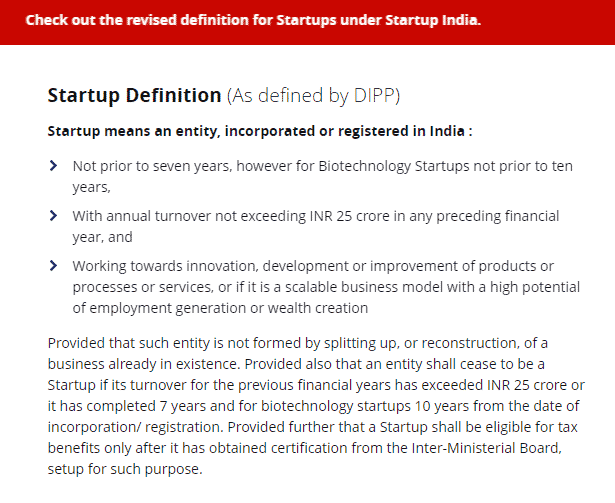
    Governments of various countries have also acknowledged the spelling as startup instead of start-up. The Indian Government has even specified its definition on their website.

    startup definition

    Even though the term is relatively new, its increased usage and acceptability has made it clear that Startup is the correct way to spell it.

    Go On, Tell Us What You Think!

    Did we miss something?  Come on! Tell us what you think about our article on startup or start-up? in the comments section.

  • How Does Reddit Make Money? Reddit Business Model

    How Does Reddit Make Money? Reddit Business Model

    CEO Steve Huffman proclaims that Reddit is the front page of the internet. As of 2017, the company had 542 million monthly visitors (330 million unique users) and an average of 150,000 active subreddits. Ranked as the fourth most visited website in the U.S. and ninth most visited website in the world, Reddit, after its recent round of funding, is valued at $3 Billion.

    What Is Reddit?

    Reddit is a social discussion forum, a news aggregation site, and an online content rating platform which gained popularity in 2008. The company was founded by Steve Huffman and Alexis Ohanian in 2005 who were roommates from the University of Virginia with majors in Computer science and commerce respectively. Reddit became a subsidiary of Advance Publications; a US-based Media Company, in September 2011. A year later, Reddit became an independent organization, with Advance as its largest shareholder.

    According to the founders, Reddit is a source of everything that’s new and popular on the web. It’s a community of millions of other category specific communities where people post, discuss and vote on basically everything that’s interesting in the world.

    The name Reddit is a portmanteau of read and it which was chosen to signify the phrase ‘I already read it on Reddit’, which is actually the truth as Reddit acts as the gateway of interesting stuff to the internet.

    Comment from discussion What is Reddit?.

    Reddit Business Model

    How does Reddit work and make money? What is its business model, operating model, and revenue model? Let’s try to answer most of your questions related to Reddit in the following sections.

    How does Reddit Work?

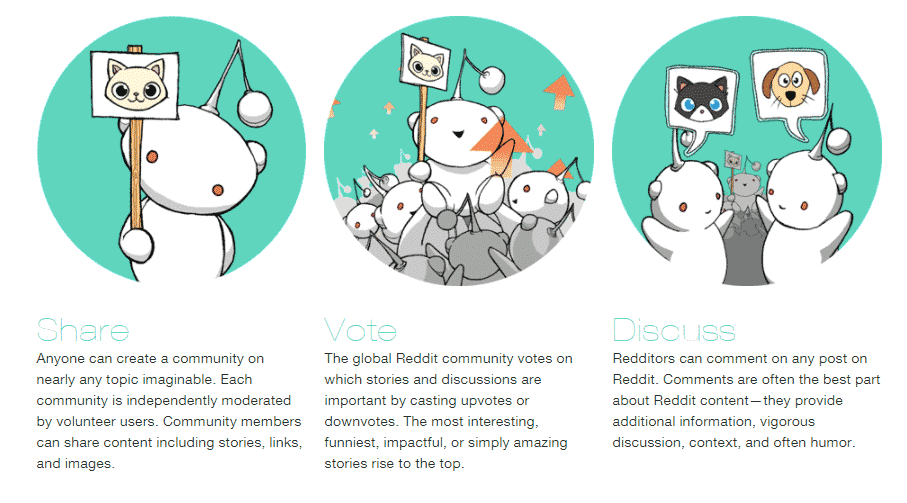
    According to most of its users, nearly every viral content on the internet has its roots in Reddit. The platform is made up of many individual discussion rooms known as subreddits, each having its own page, moderators, and subscribers. The communities are created and run by the users who can post content (texts, links, images, and videos) and can comment and vote on other posts.

    how reddit works

    It is easy to create an account on Reddit, so becoming a “Redditor” doesn’t take much time. With over millions of subreddits, Reddit is a great platform to discuss basically anything. It has an enormous amount of loyal and diverse user base. People literally spend days continually surfing through its never-ending posts and comments. It’s an ever-growing community.

    Millions of links, images, and text posts are posted on Reddit every day and you must be curious to know about the algorithm which ranks and sorts these posts. As already said, Reddit is a community of people by the people. Here the role of votes become dominant. An up-vote on a post gives it more authority and ranks it higher than the ones with lesser votes on them. Nevertheless, Reddit’s algorithm also prioritizes newer content ranks newer content higher than older.

    Another strategy used by Reddit to keep its users engaged and motivated to post and comment on other posts are virtual points called Karma. Karma act just as a scoreboard for your activities on Reddit. You get post karma for link posts and comment karma for comments on other’s posts. You gain more karma when your links and comments are upvoted and lose them when they are downvoted. Karma acts just like a virtual pat on the back for being relevant on the website.

    On the Technology perspective, Reddit is written in Python due to the development flexibility the language offers. In 2008, Reddit was made open source and all of its source code (except some security-related portions) were made available on GitHub. Reddit now runs on Amazon’s cloud platform called Amazon Web Service.

    On the business perspective, Reddit is basically a collection of entries and comments posted by its registered users.

    How Does Reddit Make Money?

    Just like most of the social networking websites, Reddit too makes money through advertisements. But unlike them, there are a lot more sources in the revenue model of Reddit.

    Advertisements

    how does reddit make money

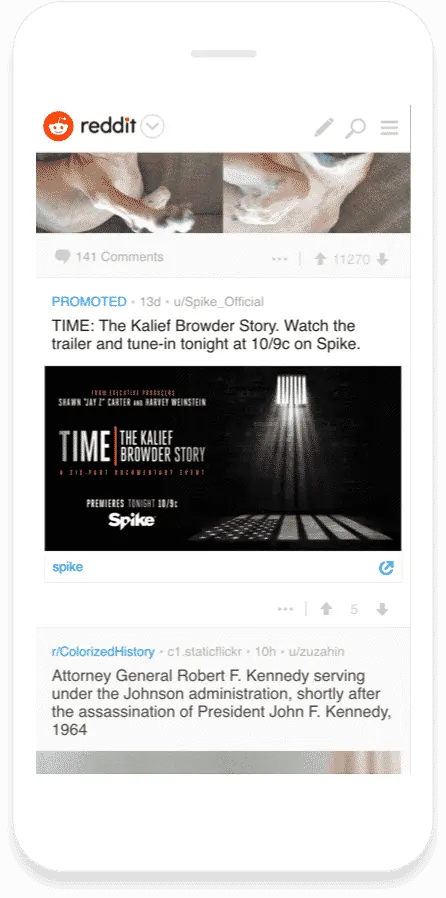
    Reddit is a wide-open platform for advertisers willing to spend their time to do a little research. They can make their ad appear on the front page or target on specific subreddits as a sponsored link.

    The rate usually starts from $5 and $0.75 per thousand page-views and can go up to $20,000 based on the threshold value which is based on the number of page-views. Higher the number of page views higher the amount.

    reddit advertisements how does reddit make money

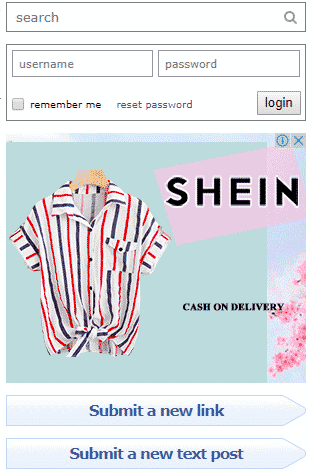
    Reddit also makes money by serving third-party advertisements on its sidebar.

    reddit google adsense how does reddit make money

    According to eMarketer, Reddit made more than $100 million revenue through ads in 2019.

    Premium Membership

    reddit premium

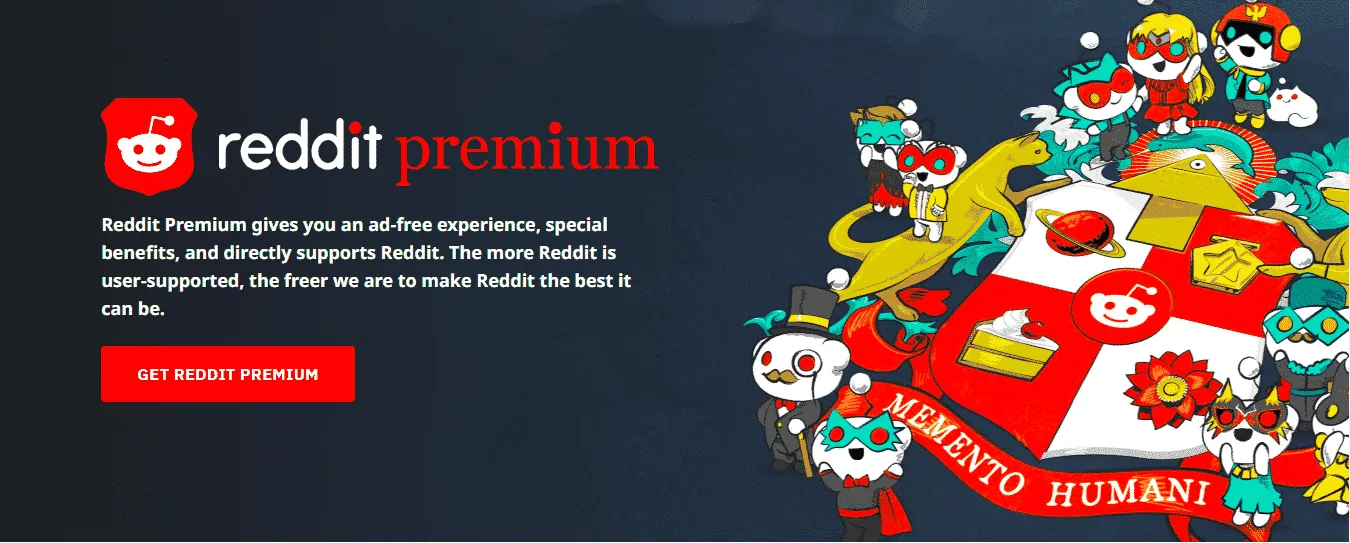
    Reddit had a surprisingly profit yielding premium membership option which was said to improve the user’s “Reddit experience” by providing some extra features like

    • Reddit experience free of ads
    • Monthly coins (virtual good you can use to award exemplary posts or comments)
    • Access to premium only subreddit –  /r/lounge
    • Premium Badge on your profile page.

    The biggest benefit of premium membership is a monthly refill of coins – an in-platform currency used to award others and show appreciation.

    Reddit premium

    Reddit Coins

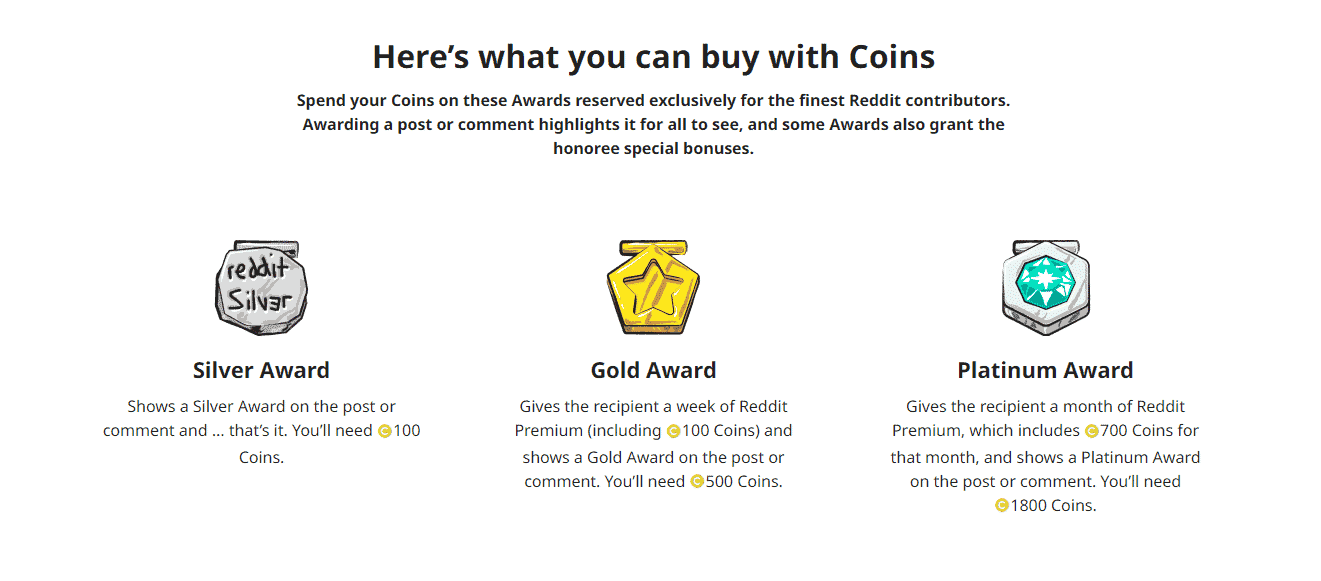
    Even though you get 700 coins every month with the Reddit’s Premium Membership, there is also an option to purchase awards without becoming a premium member. You can use these coins, just like the old Reddit Gold, to award the users who made a good post or comment with a Silver Award (worth $0.4), Gold Award (worth $1.99), or a Platinum Award (worth $5.99).

    Such awards make the recipients experience Reddit Premium without even paying for it. However, you don’t get to experience Reddit Premium Membership if you just buy the coins.

    reddit coins

    Reddit Gifts

    how does reddit make money

    Redditgifts is a group of total strangers from all over the world who have managed to form a community held together by one thing—being thoughtful and generous to one another. It’s amazing that a group of people who have never met each other, and probably never will, can come together to form such a strong, connected community. Being a part of redditgifts is being a part of something huge and magical. If Santa were real, he’d be jealous.” – One of the redditgifts users

    Started in 2009 as the largest Secret Santa program in the world, Reddit Gifts is an online gift exchange event where complete strangers randomly matched by Reddit, with Reddit accounts as their only common factor, exchange gifts with one another on a marked day. Reddit doesn’t charge users for anything.It is completely free to register.

    It’s completely free to register for the gift exchange. However, just like the parent website, Redditgifts is also a freemium service and offers a premium membership for Reddit Gifts users. The premium or as they say on the website, the elite members are called Redditgifts Elves. The membership costs from ~$3 per month and offers the following privileges to the members:

    redditgifts elves benefits

    Go On, Tell Us What You Think!

    Did we miss something?  Come on! Tell us what you think of this article on how does Reddit make money in the comments section.

  • What Is A Startup?

    What Is A Startup?

    Scepticism finds no substance when we say that startups are the ones stealing the limelight in the twenty-first century. 

    We are surrounded by startups and if you follow the news, you must have formed an image of a startup as a group of guys who started an incredibly innovative business in their garage with some groundbreaking business strategy. But this is just a cinematic view of startups.

    A real startup is totally different from the one you have in your mind.

    What Is A Startup?

    A startup is a high-growth fuelled business structure powered by disruptive innovation, created to solve a problem by delivering a new offering under conditions of extreme uncertainty.

    Precisely, a startup is a business that

    • Grows fast,
    • Disrupts the market or industry,
    • Solves a problem, and
    • Operates under extreme uncertainty.

    Many entrepreneurs and renowned business magnates define a startup as a culture and a mentality of building a business upon an innovative idea to solve critical pain points.

    Paul Graham, the founder of Y Combinator, has further simplified the definition of the startup and associated it with growth. According to him-

    A startup is a company designed to grow fast. Being newly founded does not in itself make a company a startup. Nor is it necessary for a startup to work on technology, or take venture funding, or have some sort of “exit.” The only essential thing is growth. Everything else we associate with startups follows from growth.

    Therefore, the key points to note while categorizing a business as a startup are:

    Growth-Fueled

    That difference is why there’s a distinct word, “startup,” for companies designed to grow fast. If all companies were essentially similar, but some through luck or the efforts of their founders ended up growing very fast, we wouldn’t need a separate word. We could just talk about super-successful companies and less successful ones. But in fact startups do have a different sort of DNA from other businesses. Google is not just a barbershop whose founders were unusually lucky and hard-working. Google was different from the beginning. – Paul Graham

    One thing that differentiates startups from other businesses is the relationship between their product and its demand. Startups have products that target a largely untapped market. Startup entrepreneurs know the perfect strategy to create a product what the market wants and to reach and serve all of them. This triggers fast growth.

    Business Structure

    A startup is a registered business entity. Any unregistered entity is just a work in progress or just an idea. A startup has an organisational structure no matter how horizontal it may be, has employees on payrolls, and have shares divided among shareholders.

    Disruptive Innovation

    A new business is considered a startup if, through its product or service, it uncovers a new source of utility for its customers. Nevertheless, disruptive innovation isn’t limited to the product or service offered. Many startups don’t innovate in the product dimension at all, but they

    • Provide an existing product through different innovative channels (e.g. e-commerce)
    • Devise a similar business model with added value
    • Become an aggregator of existing products and services
    • Target new markets with existing products or services

    Uncertainty

    Innovation is a risky process. There are many internal and external factors that affect the fate of the startup. Since most startups don’t build their business model on existing market demand, their survival, in the long run, is uncertain.

    Problem Solving

    The context in which the innovation happens is what separates a startup from a small business. The problem can be existing or can be induced. Remember how the demand for packaged drinking water was created by convincing people about the dangers of drinking regular tap water?

    What A Startup Isn’t?

    The best way to determine if a company is a startup is to compare it with those which aren’t. That being said, we’ve come up with a pragmatic approach to categorise a business as ‘not a startup‘. The categories include:

    Business Model

    Startups are known to have unconventional and unripe business models. The demand for their product is still at a nascent stage, making their business model a work in progress where there is still scope for many new revenue streams.

    There are many new companies that start up with copied business models or as a franchise. These companies aren’t categorised as startups.

    Product Stage

    The product or service the startup deals in is still in the introduction or nascent stage of its lifecycle. Many new companies procure or deal with some existing products in the market. These companies aren’t considered startups unless they innovate in other channels of the business.

    Employee count

    A startup usually doesn’t have more than 100 employees. But this aspect can’t be used solely to categorise a business as a startup.

    Business age

    This is one of the most debated characteristics of a startup. According to the Indian government, if a company is in business for more than 5 years, it isn’t a startup anymore.

    Revenue

    A startup isn’t a startup anymore if it has reached a point where its turnover is more than $50 million.

    How Do Startups Work?

    A startup works just like any other business. It creates, manufactures, and sells products or services for revenue. But there are some differences in how it works compared to traditional businesses:

    • Startups innovate the way people live and do tasks: These companies are often found attacking the problems that people don’t know they have. Before Uber, there were no easy alternatives to booking a cab. And before Airbnb, nobody knew how awesome it could be to open their house to complete strangers! This way, startups create new markets for themselves.
    • Startups can be cash negative for years: It can take years for a startup to cash positive. This is because startups spend most of their revenue to grow further and increase the demand for their product. Moreover, creating a new market requires a lot of time and effort. For quite some time, startups need to spend more than what they can potentially generate as revenue.
    • Startups work on lean principles: Unlike traditional companies, startups work on lean principles. These companies use the minimum amount of resources possible to achieve their goals in this uncertain market. They have limited capital, fewer employees, and often just an idea that they are trying to validate in the market.
    • Startups face less competition: Since startups are usually the first ones in their business to attack a problem, they don’t face much competition initially. They get the first mover’s advantage which allows them to acquire all the market share available in that particular niche.
    • Startups are built to scale: Startups grow rapidly and often see a hockey stick growth graph. This is because they build their business model to get as many customers as possible. They can scale their businesses with the amount of money they generate.
    • Startups grow at a remarkable speed: Since they are the first to the market, startups grow rapidly. They can grow from nothing to a multi-billion dollar market within a very short span of time.
    • Startups look for business model validation: This is one of the major differences between a startup and a traditional business. In an established market, it’s easy to validate demand for a product by simply looking at its sales numbers. But this is not the case with startups. These companies are often found experimenting on different business models to see how they can acquire new customers and make their existing customers buy more of what they sell.

    Advantages of Startups

    Startups have many advantages which traditional businesses can’t offer:

    • Startups bring in new solutions: Startups bring in solutions to problems that people don’t know they have. This is a huge advantage over a traditional business that only knows how to deal with existing markets.
    • Startups are agile: Since startups work on lean principles, they move quickly and adapt better to the ever-changing market scenario. They can use their agility to make quick decisions and pivot in their businesses when the need arises.
    • People grow more when they work with startups: Since startups operate in uncertain markets that grow at an alarming rate, people working with these companies tend to grow fast. They get opportunities to learn new skills and tackle problems that are more challenging than working with a traditional company.
    • Startups fuel the economy’s growth: Since startups add a fresh perspective to the ever-changing market, they fuel economic growth. They bring in new solutions, create jobs and mass opportunities that the traditional companies can’t offer.
    • Startups have less competition: Since creating a new market takes time and effort, not many players want to join this ‘race’. This gives the first movers an edge over their competitors.

    Disadvantages Of Startups

    Even though startups come with many advantages, they also have some disadvantages:

    • Startups are risky: Since startups work in uncertain markets, they come with a lot of risks. There is no guarantee that these companies will succeed, and many startups fail as well.
    • Startups don’t have much capital: Traditional businesses usually have a lot of capital to spend on research and development as well as distribution channels. But since startups work in new markets where they need to prove their mettle before expanding, they often lack the necessary capital.
    • Startups take time to get off the ground: Successful startups usually take a lot of time before they can achieve profitability. Since these companies work in uncertain markets, it takes them a long time to build sustainable business models which can generate sufficient revenues.
    • Working in a startup can be stressful: Since startups grow at a rapid pace, there is always a lot of work to do. This can result in increased stress levels in employees who are working long hours with no breaks.

    Startup Life Stages

    Every startup goes through a roller coaster ride of ups and downs. Since this is a new concept, it takes a while for the market to get used to the idea. This can result in a lot of hardships for the startups who are trying to make their businesses work in this environment.

    Here’s how every startup goes through each stage:

    • Idea Stage – This is where the founders have an idea about a product they want to build and start looking for people who can help them realise this vision. They pitch their idea, gain support from investors or mentors, and hire employees with the required skill sets.
    • Testing Stage – Since startups are trying to make something new, they need to test their ideas before they can launch their product. This is done by developing an MVP and testing it among the target audience. If there is no market for this idea, then the company either pivots their idea or shuts shop.
    • Growth Stage – When startups prove that there is a market for their product, they start scaling up their business so that they can meet growing user demands.
    • Maturity Stage – Once startups have successfully reached the right number of users and product-market fit, they enter into this growth stage where they are expected to grow big enough for an exit or initial public offering (IPO). This is where a lot of competitors emerge and startups need to find new ways to constantly innovate and differentiate their products from the others.

    Where Do Startups Get Their Money?

    The startup terminology often comes with other terms like bootstrapping, funding, angel investors, venture capitalists and so on. All these comprise startup financials.

    Usually, in the initial stages, founders are the ones who fund their startups with savings, debt etc. This is called bootstrapping.

    Founders usually stick to bootstrapping till they have validated the problem-solution fit, product-market fit, and other hypotheses that may help them secure their initial funding from outside investors.

    At this stage, startups usually get help from friends, family and special organisations called incubators. Incubators are designed to help startups get off the ground with all the initial support that they need. This includes access to mentors, office space, and other resources that can help them reach their goals.

    The initial funding round, once the idea is converted into business, is called the seed round. The seed round takes care of the initial operations like hiring employees, developing the product and acquiring the users.

    Usually, accelerators and angel investors fund the startup in its seed round.

    Accelerators are like incubators, but they work for short durations and mentor the startups intensively. Besides this, they also provide seed funding to startups which they can use for the initial marketing efforts.

    Angel Investors are high net-worth individuals who invest their personal wealth in promising companies.

    Once the startup has proven its mettle and is ready for expansion, it reaches out to venture capitalists who help them secure more funds and provide strategic advice as well in the next funding rounds called Series A, B, C, and so on.

    A lot of VCs exist on the lookout for startups that can be turned into big businesses. These investors usually put money in multiple startups at the same time with the aim of obtaining significant returns when they exit.

    There are instances where startups get acquired even before hitting the growth stage, whereas some manage to grow big enough for an IPO.

    This stage is called an exit. It can be either through an IPO (when the company is listed publicly on stock exchanges) or through an acquisition. This is where the investors make money because they own shares of the company.

    How Startup Valuation Works?

    Since startups don’t earn revenue during their initial years, they are valued based on the profitability of future earnings that each investor anticipates. So, startup valuation is totally based on factors like –

    • Traction: The more traction a startup gets, the better value and valuation an investor can provide.
    • Market: The industry and the size of the market plays a crucial role in deciding startup valuations.
    • Reputation: Reputation of the founders and their experience also play important roles in influencing investor decisions.
    • Uniqueness: A startup with an innovative idea is valued higher than startups with regular business models.
    • Future Potential: A startup that has the potential to grow big in future is valued highly.
    • Team: The strength of the team is another crucial factor that plays a key role in deciding startup valuations.
    • KPIs: The performance of key metrics like user engagement, traffic etc. is considered when determining startup valuations.
    • Proprietary Assets: Startups that have proprietary assets like patents, trademarks etc. are valued higher.

    Besides this, investors also make use of certain valuation methods like Discounted Cash Flow Method, First Chicago Method, Comparables Method, and so on.

    Bottom-Line?

    Startups are a lot different from regular businesses. They are developed with a few goals in mind – to solve an existing problem, to create something out of nothing, and to change the way how things are done in present.

    And while some startups fail to achieve these goals, some succeed and grow into highly successful businesses.

    But this doesn’t mean that each startup receives huge funding to startups just upon pitching an idea.

    At the end of the day, it all boils down to how much potential a startup has and whether its idea is scalable enough.

    Go On, Tell Us What You Think!

    Did we miss something? Come on! Tell us what you think about our article on What Is A Startup? in the comments section.

  • 10 Reasons Why Startups Fail

    10 Reasons Why Startups Fail

    Startups are inherently riskier than established businesses. According to CB Insights, about 70% of startups fail usually within 20 months of raising finance.

    Another research states that amongst the US startups:

    • 20% fail in their first year,
    • 50% fail within five years, and
    • 70% fail within ten years.

    With a failure rate this high, it’s important for you as an entrepreneur to know the most common reasons why startups fail, so you can try to avoid them.

    While a reason is easy to define, it’ll be hard for you to notice it before it’s too late. So along with the reasons, we’ll also try to decode the patterns that lead to such startup failures.

    No Market Need

    Evidently, the most common reason for startup failure is simply no market need for the product or service they’re offering.

    This startup failure reason can be credited to the reverse process that most entrepreneurs follow while starting up.

    Instead of –

    Identifying the problem -> finding the solution -> building a product -> monetising it

    Entrepreneurs choose to follow this –

    Building a product -> identifying a problem related to the product -> aligning the solution -> monetising it

    The problem with this process is that the entrepreneur might build something that no one needs or worse, something that already exists in the market.

    Take this for example – when Google Glass was released, it was an innovative product that no one had seen before. However, even though the product was new and different, there wasn’t a large enough market for it. People didn’t want to wear glasses with a screen in them and it quickly became apparent that Google Glass would not be a successful product.

    As a result, Google Glass failed.

    To prevent this from happening, it’s important to ensure a market for the product or service before investing time and money into developing it.

    You can do this by filling a value proposition canvas, doing in-depth market research and finding the problem-solution fit and the product-market fit.

    Cash Crunch

    Money is the lifeblood of any business, especially startups. It is the key resource that is needed to keep the business running and to help it grow.

    If a startup doesn’t have enough money, it will quickly run into trouble.

    And cash crunch is one of the most common reasons why startups fail.

    A startup can run out of cash because of the following reasons:

    • Failure to raise new capital
    • Bad allocation of resources
    • Mismanagement of funds
    • Too much spending
    • Lack of revenue
    • Investors pull out their money

    One example of a startup that ran into cash flow problems is Skully.

    Skully was a motorcycle helmet startup that ran into trouble because it was overspending and mismanaging its funds.

    The company raised $15 million in four rounds of funding, but it wasn’t able to manage its money well and ran out of cash.

    In 2016, the company had to lay off most of its staff and shut down operations primarily because it ran out of money and couldn’t raise further funding (because of conflicts with early investors).

    The company couldn’t complete the production of the $2,000 pre-ordered helmets and filed for bankruptcy in 2016.

    To protect your startup from failing due to a cash crunch, make sure:

    • You have a handle on your finances and are spending wisely,
    • You have a plan for how to raise further funds if needed (hint: focus on cash runway),
    • Your revenue model is sound.

    Competition Challenges

    You might feel that being outcompeted is something that might not be a big deal for your startup because, after all, you’re the one who brought the idea to the market.

    But being outcompeted is an actual threat to any business and can quickly lead to failure if you’re not careful.

    In fact, 20% of the startups in CB Insight’s study cited competition as the primary reason for their failure.

    Competition can come from many places.

    It might be a new entrant to your market with a better product or service, an established player that enters your market, or even another startup that can execute better than you.

    Whatever the source, if you’re not prepared to deal with competition, it can quickly lead to the downfall of your startup.

    A big example of startup failure because of high competition is Digg.

    Digg was a social news website that allowed users to submit and vote on content.

    It was incredibly popular in the early 2000s, but as competition from other social news sites like Reddit and Twitter increased, Digg struggled to keep up.

    This eventually led to its acquisition by Betaworks in 2012.

    Just keeping an eye on the competition and being prepared to adjust your own plans accordingly can help you avoid a similar fate.

    Unviable Business Model

    A business model is how a company operates and makes money.

    It forms the backbone of any business and needs to be strong and sustainable for the company to succeed.

    A startup will eventually fail if it doesn’t have a viable business model.

    By viability, we mean a model that can generate enough revenue to cover costs and ultimately turn a profit that can sustain the business in the long run.

    Your business can choose any of the several types of business models out there. But the model should suit your company, product, and target audience. It also needs to be scalable so you can grow as your customer base expands.

    An example of such failure is the case of the e-commerce startup Peppertap.com.

    The company built its business model around the online delivery of groceries in India. But it ran into trouble when it had to confront the reality of the country’s infrastructure. But instead of the road its competitors took, it decided to serve even Tier 2 and Tier 3 cities.

    However, there was a lack of last-mile connectivity, making it difficult for the company to reach its customers in tier 2 and 3 cities. This resulted in high delivery costs and ultimately forced the startup to shut down in 2016.

    Developing a viable business model is essential for any startup. For you, this means having a clear understanding of your target market, your customers, and your industry. You also need to understand the costs associated with your business model and have a plan for how you will generate revenue.

    Not Competent Team

    A startup is only as good as its team. This means you need to have a team with the skills and experience necessary to execute your business plan. If your team is not competent, it will be difficult to make your startup a success.

    You can see team incompetency in the following cases:

    • Bad management: If your team is not managed well, it will be challenging to get things done and make progress. This can lead to a lack of direction and confusion among team members.
    • Lack of skills: You will likely struggle if your team does not have the skills required to execute your business plan. Make sure that you have a team in place that has the skills and experience necessary to succeed.
    • Lack of experience: Startups often fail because they do not have the right mix of experience on their team. If your team is not experienced enough, you will likely make mistakes that could be costly.
    • Not loyal to the team: Startups are often built on relationships and trust. If you are not loyal to your team, it will be difficult to build a successful business.

    An example of startup failure due to a lack of experience is Theranos. The company was founded by Elizabeth Holmes, who dropped out of Stanford University at age 19 to start the company.

    The company promised to revolutionise the blood-testing industry with its new technology, but it was flawed. The CEO and founding team were accused of lying and gaining millions in funding through false pretences. In fact, the company actually performed the tests using traditional methods, not the new technology they had developed. The company failed due to a lack of experience and inflated promises.

    To avoid falling into the same trap, do your research, have a solid business plan, and be realistic about your company’s potential.

    Legalities play a big role in business. Startups have to ensure they’re adhering to all the laws and regulations in their industry, as well as any tariffs, zoning, and environmental protections that may apply to them.

    One company that ran into legal trouble was Coolest Cooler. Even though this Kickstarter campaign raised more than $13 million, the company couldn’t keep up with the increased tariff by the US government on products imported from China. This led to major production delays and a lot of unhappy customers.

    It’s important to clearly understand the legal landscape before starting your business. Hire or consult a lawyer and a CA to help you figure out what permits, licenses, and insurance you need.

    Mistimed Product

    Launching too early or too late can be detrimental to your business. You need to ensure that there is a demand for your product or service and that you have the right team to execute your vision.

    Around 10% of startup failures are due to a mistimed product launch. But most times, mistimed products can be corrected by pivoting your business model or finding a new market. This process, however, takes time, money, and a lot of effort.

    In fact, Java was a mistimed product. It was originally designed for interactive television, but the market wasn’t ready for it. As a result, the team had to pivot and focus on creating a web browser that could run Java applets.

    Investor Issues

    Investors can be both a startup’s best friend and worst enemy. They provide the funding that allows startups to grow, but they also have a lot of control over the company.

    One common issue is when investors try to interfere too much in the business’s day-to-day operations. This can be frustrating for entrepreneurs who want to maintain creative control over their products.

    Another problem is when investors include a lot of terms and conditions in their investment agreements. This can make it difficult for startups to raise additional funding or sell the company down the line.

    Roomstonite, a startup that aimed to be the Airbnb for last-minute hotel bookings, failed of a failed funding round where it was successful in raising $1.5 million from angel investors but the funding was probably late or never received. This put the company in a tough financial position and it eventually had to shut down.

    Handling investors is a tough nut to crack. You should have a sound knowledge of term sheets, investment agreements, and what your company is worth before sitting down at the negotiating table.

    Moreover, involve lawyers and other professionals to help you with the process so that you don’t make any mistakes that could come back to bite you later on.

    Team And Internal Problems

    An incompetent team is one story; a toxic team is another.

    No matter how talented and skilled individuals are, it’s all for nothing if they can’t work together.

    Startups are built by teams, and if the team members don’t get along, it will have a negative impact on the company culture, productivity, and morale.

    This was the case with the startup Housing.com.

    The co-founder and CEO, Rahul Yadav, was known for his abrasive and arrogant behaviour. He wanted to take the company to a different direction it was originally supposed to go and he didn’t hesitate to voice his opinion, no matter how controversial it was.

    This created a lot of tension within the team and the investors which eventually led to him being ousted from the company.

    Team synergy is essential for a startup because it’s a small company and everyone needs to be on the same page in order to achieve the common goal.

    Pricing Issues

    Customers are always looking for a good deal and will often choose the cheaper option, even if it’s not necessarily the better product.

    You need to understand the customer persona and purchasing power to set the right price for your product.

    If you price your product too high, you’ll miss out on potential customers; if you price it too low, you won’t make enough profit to sustain your business.

    Utrip is a great example of a company that got its pricing wrong.

    The travel planning startup used AI and user recommendations to create custom itineraries for travellers.

    However, their revenue model didn’t support the costs associated with sales, marketing and keeping the recommendation engine alive. This led to Utrip shutting down in 2019, seven years after it started.

    Acquisition Gone Wrong

    Sometimes, it’s not the startup itself that fails, but rather the failure can be a result of an acquisition by a company with not-so-growth-oriented plans.

    This was the case for Tumblr, which was acquired by Yahoo! in 2013 for $1.1 billion.

    Once a darling of the social media world, Tumblr saw a decline in users and engagement soon after the acquisition.

    Yahoo! ignored Tumblr’s userbase’s demands and only wanted to expand its advertisements inventory, which led to a further decline in users.

    Eventually, Tumblr was sold to WordPress.com owner Automattic Inc. for less than $3 million in 2019 – a far cry from the $1 billion it was originally bought for.

    Bottom-Line?

    Startups also fail for various reasons outside of this list, but this should not deter you from starting up. No one said this would be easy. But if you do not want to perish like 90% of startups, you better avoid these common pitfalls. You will need lots of perseverance to succeed as a startup. You need to constantly plan, execute, track the results and learn from your mistakes. Plan well, don’t be short-sighted, keep your ego aside and be flexible to ever-changing market dynamics.

    Go On, Tell Us What You Think!

    Did we miss something?  Come on! Tell us what you think about our article on Why startups fail in the comments section.

  • LetGo Business Model | How does LetGo Make Money?

    LetGo Business Model | How does LetGo Make Money?

    There is an estimated market of $381 billion worth of used but untouched goods in U.S. homes tapped by only two dominant players, Craigslist and eBay. LetGo is one of the recent startups by OLX’s co-founder, Alec Oxenford, which brought a revolution in this technology stagnant market with the introduction of artificial intelligence, geolocation listings, and other advanced features. It’s been two years since the company has started but the users are still wondering how LetGo makes money and will it be able to overpower the existing supergiant Craigslist? But before moving on to answering these questions, we need to analyze LetGo’s business model first.

    What is LetGo?

    LetGo is a free and easy to use digital classified platform to buy and sell items locally. Just like OLX and Craigslist, LetGo facilitates the trade of used goods. But unlike Craigslist, the platform is optimised for smartphones, supports video listings, and has a better interface and utilizes artificial intelligence and image recognition technology for listing the items.

    LetGo Business Model

    The business and operating model of LetGo is similar to Alec’s previous startup, OLX. The mobile application is a simple digital classified which is used to buy and sell used goods in over 35 countries. According to Alec:

    Letgo helps to solve the world’s number one problem – the excessive resource consumption and pollution that is causing vastly negative effects on the sustainability of the environment and putting life on the planet at risk.

    Just like OLX, Alec wanted to capitalize on the network effect to monetize this company as well. Now with over 20 million users, the company has monetized its platform by adding two premium features – Letgo featured listings and Letgo Pro, which we’ll discuss in the following section of LetGo’s Business Model.

    How Does LetGo Work?

    LetGo, just like other classifieds platforms, operates by listing advertisements in sections relevant to the users. The platform utilizes artificial intelligence, image recognition and geo-location technology to list advertisements based on the user’s preference and location. The advertisements are listed in a 50-mile radius of the user to increase the likelihood of transactions and person to person exchanges as the platform acts only as classifieds and not as a payment gateway. The actual exchange takes place offline.

    As the company claims, it takes less than 10 seconds to post an item for sale. All you need is a picture of the item you’re willing to sell, and the application by utilizing the artificial intelligence and image recognition technology will automatically set title and the category for your listing.

    Unlike Craigslist, posting an advertisement on LetGo is totally free for every category and region. The listings are sorted based on relevance and distance from the user. Another aspect which differentiates LetGo from Craigslist is that the platform only supports the selling of goods and not services.

    You can filter your search based on the category, distance, price, and newness of the listing. The platform also lets you chat with the other party to clear your queries about the listed product.

    How Does Letgo Make Money?

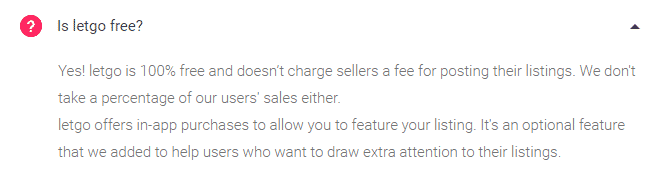
    Is letgo free

    The question of how does LetGo make money is common among many of its users as the platform is totally free to use and doesn’t even facilitate payments. Nevertheless, the classifieds mobile application has found a seamless and most appropriate strategy to make money by introducing two premium features – featured listings and pro.

    Moreover, the company has also adopted OLX’s revenue-making strategy by including advertisements (Google ads).

    https://www.youtube.com/watch?v=qDCFVdJK6Qs

    Featured listing is a premium feature which puts the listed item in the spotlight by placing it above the organic results to draw more attention to it. The company claims that the featured products receive 2x views compared to non-featured products.

    The feature is still in its beta version and isn’t available to every user as the company wants the results (even the advertisements) to be as relevant as possible.

    LetGo Pro

    https://www.youtube.com/watch?v=wdJPC6rclx4

    LetGo Pro is a special feature designed for the auto-dealers where the verified pro sellers get special benefits like –

    • Getting phone numbers and calls from buyers through the app
    • Major feeds integration which lets him list his cars on letgo automatically

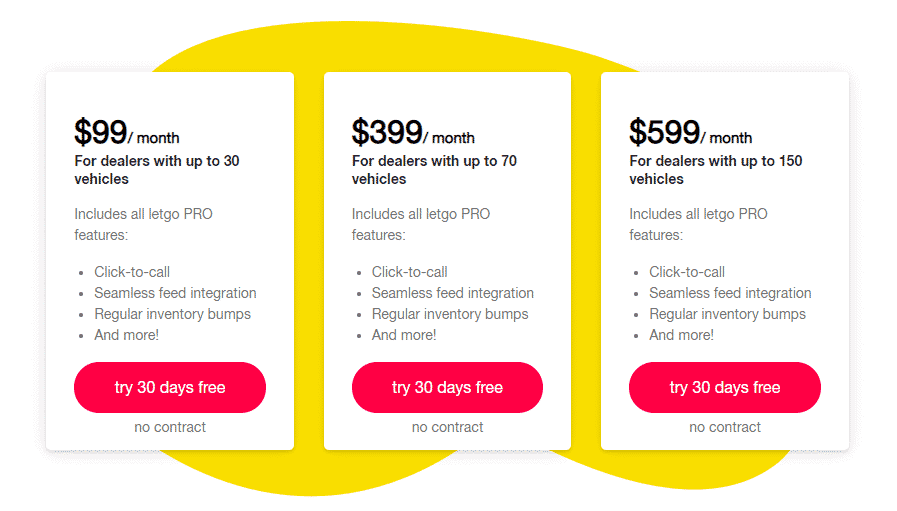
    The pro membership works on a subscription based model and starts at $99 for dealers with up to 30 vehicles.

    letgo pro pricing

    Google Ads

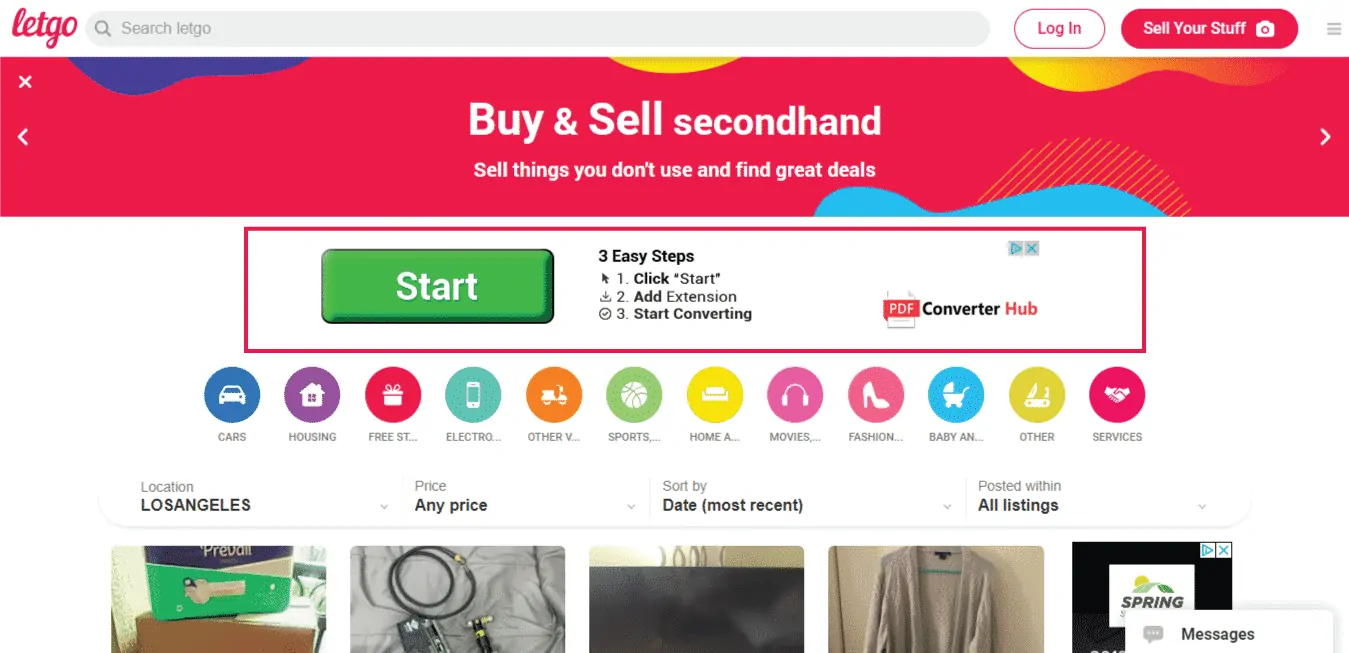
    letgo ads

    Just like Olx, the company works with partners who in-turn works with Google and other ad partners to act as ad supplier and ad mediator for the website.

    These Ads works in juxtaposition with the OLX website, and its contents are displayed on the webpage itself. The number of Ad units varies on different pages of the website.

    LetGo vs Craigslist

    With around 55 million monthly visitors Craigslist is the leader of the digital classifieds market. Nonetheless, survival in the technology industry requires constant innovation which Craigslist lacks. The company hasn’t changed its interface since 1995, hasn’t launched its mobile application, and uses the same time chronology to update its lists.

    Letgo, on the other hand, has brought a revolution by introducing artificial intelligence in a mobile-friendly classifieds application. The results are more relevant and users can contact the other party through the live chat feature and not emails.

    LetGo
    Craigslist
    Founded in 2015
    Founded in 1995
    Operates in 25 countries
    Operates in 70 countries
    20 Million monthly users
    55 Million monthly users

    With the above facts, it is clear that Letgo is growing at a faster pace than the old Craigslist. Letgo is among the fastest growing applications in the USA with over 75 million downloads overall. The company has also recently raised $100 million at a $1B+ valuation.

    Go On, Tell Us What You Think!

    Did we miss something?  Come on! Tell us what you think of this article on how does LetGo make money? in the comment section.

  • Freemium Business Model | The Psychology of Freemium

    Freemium Business Model | The Psychology of Freemium

    Less than 20% of LinkedIn users pay for the premium services provided by the company. Still, the company earned nearly $6.7 billion in revenue in 2019. This is the power of a freemium business model.

    For years, the concept behind games, software, and services was simple, you pay for the service upfront before using it. But with the advent of the internet and mobile applications, the consumer expectations and habits have dramatically changed. He wants to get or at least try everything for free. This has led to the advent of the freemium concept.

    What Is Freemium?

    Freemium is an internet-based business model where basic services are provided free of charge but charges are levied on additional premium features. The freemium strategy is different from premium with free samples strategy as you don’t pay anything to utilize the free services provided under the freemium business model.

    Freemium is a portmanteau of free and premium and the strategy is quite popular among the top players of the www. Even the market leaders like LinkedIn, Tinder, Youtube, Candy Crush, etc. use a freemium model to increase their user-base and generate more revenue by implementing micropayment strategies

    How Does Freemium Business Model Work?

    “Free can mean many things, and that meaning has changed over the years. It raises suspicions, yet has the power to grab attention like almost nothing else. It is almost never as simple as it seems, yet it is the most natural transaction of all.”  – Chris Anderson in his book Free, The future of radical price

    Freemium business model was brought into existence by the software industry in 1980’s as a time-limited or feature-limited strategy, commonly known as the shareware strategy where a free (limited) version of the product was made available to everyone in a hope that some users will upgrade to the better premium version. The business model was drafted in such a way so as to bring on as many potential customers as possible to try the product for free and convert into premium members after paying a certain subscription fee. The recent advent of in-app purchases on IOS and Google Play has upgraded the shareware strategy and named it as freemium which is characterized by free software/game/application but with paid add-on features.

    The freemium model capitalizes on the zero price point paradox which states that to maximize participation, a zero price point can’t be a beat. However, people don’t value things they get for free. Therefore, to get people to value the product, they should pay something for it. This gave rise to the characteristic feature of freemium services – micropayments. A micropayment is a very small amount of payment you pay to buy specific services provided in the freemium business model.

    Psychology of Freemium

    Freemium developers act just like cocaine dealers. They give the basic services for free and charge you when you ask for more. The business model stands on the following four pillars:

    Network Effect

    Distributing the service for free is the best way to get more customers and even though most of these customers don’t level up to the premium stage, they act as a magnet to attract more prospective premium customers.

    Freemium business model depends hugely on a business phenomenon known as the network effect. The network effect states that a good or service becomes more valuable when more people use it. Precisely, more the usage of the product or the service, more is its value. Tinder wouldn’t have been a revolutionary dating platform if it didn’t have users you can swipe right or left.

    Engagement


    The freemium business model has also given rise to a new concept known as the Newtonian Engagement. The name is in reference to Isaac Newton’s first law of motion and essentially states that “An engaged player of freemium service will remain engaged until acted upon by an outside force.”

    Engagement is the key accelerator for freemium services, usually games. There are certain techniques and strategies used by the developers to keep you engaged while using the service as well as while not using the service. One of such techniques is the limited lives you get within the game. Games like candy crush keep you engaged, even when you’re not playing them, by making you wait for the lives to regenerate. These applications also use micro-triggers for you to keep using the app.

    This pillar turns out to be a trigger for the next pillar of the freemium business model – Micropayments.

    Micropayments

    Freemium doesn’t involve charges for the basic services you get, but it involves charges for the premium add-ons. The price for these add-ons are nominal and you, once engaged or addicted to the application/game/software, don’t mind paying for them initially. These nominal service charges are called micropayments. You micropay to buy various services within the application which range from buying an extra life in a game to getting a premium feature on a dating application.

    Repeated Payments

    People who use freemium services never set aside a budget for the same and since the premium add-ons cost as low as few cents, they don’t even consider them as actual payments. But that’s the thing with freemium services, they make you micro pay again and again which amount to more than the amount of money you would have paid for the service if it was premium.

    The addiction to a freemium service is severe. Payment once made, makes you want more out of investment which makes you pay even more. According to a research, an average freemium app user, excluding non-paying users, spends $24.66 per month on freemium apps.

    What Freemium Is And What It Is Not?

    Many premium services with free samples are usually considered to have a freemium business model, which isn’t right. A characteristic feature of the freemium business model is that the majority of the users don’t pay for the service and only a few people contribute to most of the revenue for the company. According to Chris Anderson:

    “A typical online site follows the 5 Percent Rule – 5 percent of users support all the rest. In the freemium model, that means for every user who pays for the premium version of the site, nineteen others get the basic free version. The reason this works is the cost of servicing the nineteen is close enough to zero to call it nothing.”

    Opting Freemium As Your Business Model

    The onset of the freemium model is probably the best thing that has ever happened to the worldwide web. The model, if used justifiably, benefits both the users and the developers as the users get a legitimate reason to pay for the premium add-on and developers gets the advantage of better marketing and revenue strategies. Opting for freemium as your business model have many advantages but also comes with a lot of challenges which you’ll have to eventually overcome if you want to succeed with your venture.

    Advantages of the Freemium Business Model

    Easy customers

    One of the easiest ways to get more customers is to provide the service for free. Everyone does it! They even found a way to make money out of it. Youtube provides free service but monetizes its videos with advertisements.

    Increased Brand Equity

    If your users love your (free) product, you eventually will see an increase in your brand equity which, in turn, will lead to more profits.

    Better than premium

    Freemium business models usually have an upper hand over premium business models as no user wants to pay upfront for the service he hasn’t experienced yet. Furthermore, the freemium model, if chosen for viral services, not only generates more revenue but also builds better brand equity.

    Challenges Of Freemium Business Model

    Requires Viral growth

    A freemium business model is only suitable for products and services which have a chance of going viral. Hence it is not recommended to opt for a freemium business model if you’re providing B2B services.

    Should be engaging

    Engagement and addiction keep the freemium business model running. It is important for users to return in order to convince them to buy the premium service.

    Late profits

    Unlike premium or subscription models, freemium business models take a lot of time to generate profit.

    Examples Of Freemium Business Model

    Google Drive

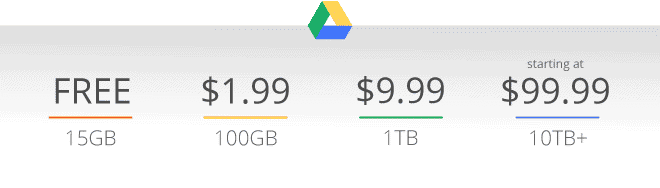
    Google Drive is a cloud file storage service provided by Google. The basic plan lets you save up to 15GB of your files on the server and requires you to micropay if you want more storage.

    google drive freemium business model

    Youtube

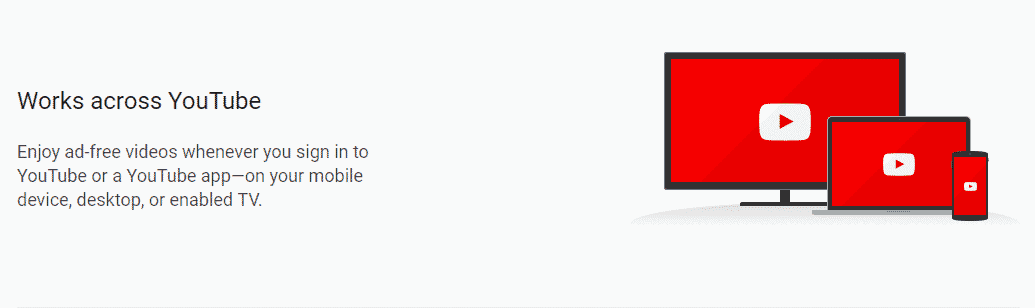
    Youtube provides an option to opt an ad-free experience by subscribing to Youtube Red which also gives access to Youtube Red exclusive content.

    youtube red freemium

    Mailchimp

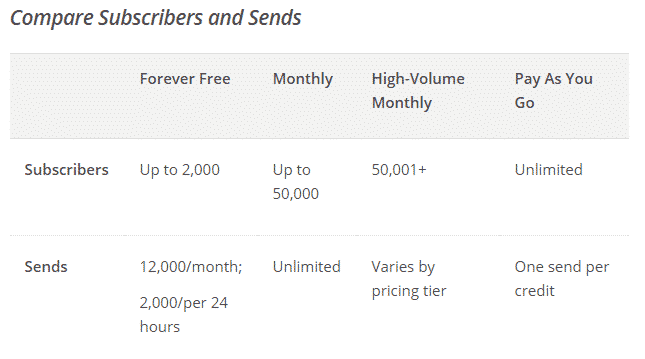
    Mailchimp is a well-known email marketing tool which provides free as well as premium services to the users. The free plan lets you send emails to up to 2000 subscribers and you’re asked to upgrade to a pro plan when this limit is reached.

    mailchimp freemium

    Go On, Tell Us What You Think!

    Did we miss something?  Come on! Tell us what you think about our article on Freemium Business Model | The Psychology of Freemium in the comments section.

  • How LinkedIn Makes Money? LinkedIn Business Model

    How LinkedIn Makes Money? LinkedIn Business Model

    With a mission to help professionals connect globally, Linkedin has positioned itself perfectly as a professional community in this competitive market. The platform currently has over 500 Million users in over 200 countries and territories, 80% of which consider professional networking important to their career success.

    The business model of Linkedin is a freemium model where the core features are provided for free, but the company charges money for extended features to recruiters as well as job seekers to aid job search.

    What is LinkedIn?

    LinkedIn was founded by a well-known American internet entrepreneur and a venture capitalist, Reid Hoffman, with a motive of creating a community for professionals to connect. The community reached over 1 million users in August 2004 and has been growing at an incredible rate since then. The mobile version of the website was launched in February 2008 and the company was bought by Microsoft in February 2016 for $26.2 billion.

    Just like Facebook, you connect with other professionals on Linkedin by sending them requests. Your profile works as your resume and others have access to your professional information which includes your current and previous jobs, your aspirations, experience, etc. Even though it is one of the fastest-growing social networks, Linkedin still is unknown to most of the population of the world. This one of a kind professional social networking platform has over 106 million active monthly users and is used by professionals and corporates to build their personal as well as corporate brand online and connect with millions of other professionals.

    The professional community also hosts millions of jobs listed by over 9 million companies and even lets you share your thoughts in the form of blogs on LinkedIn Pulse.

    LinkedIn Business Model

    LinkedIn not only connects you with other professionals but also with companies and recruiters. The company has uniquely positioned itself as the only platform worthy of professional networking. Along with professionals, it also serves companies and even charges for providing certain premium services. Unlike other social networks like Facebook and Twitter, users even pay to stand out on this platform.

    How LinkedIn Makes Money?

    While most social networking sites earn most of their revenue through advertising, LinkedIn has a totally different business model in place. The revenue model of LinkedIn can be divided into two parts: Business solutions & Premium Subscriptions

    Business Solutions

    linkedin business solutions

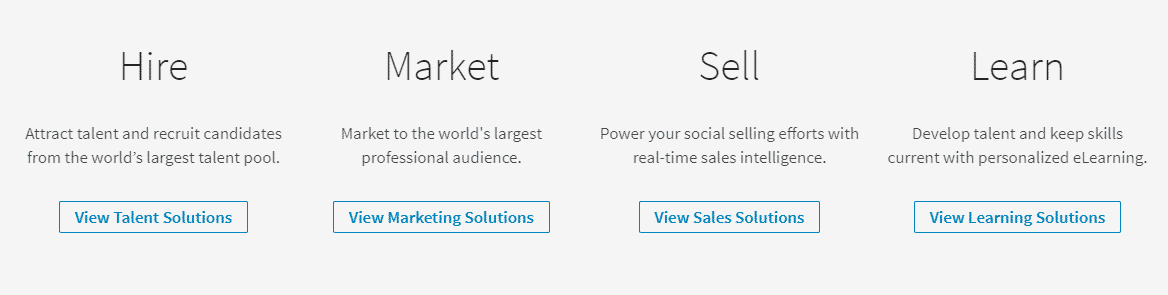
    LinkedIn is a one-stop solution to increase your professional network and find new opportunities. Every user on LinkedIn has a different set of requirements. Be it finding new networking opportunities, potential employees, marketing of new campaigns, searching for a sales lead or learning business concepts, LinkedIn business solutions have services to fulfil most of these needs.

    linkedin Business model

    Business solutions is a collective name given to the premium services offered by the company to its users. It consists of –

    Talent Solutions

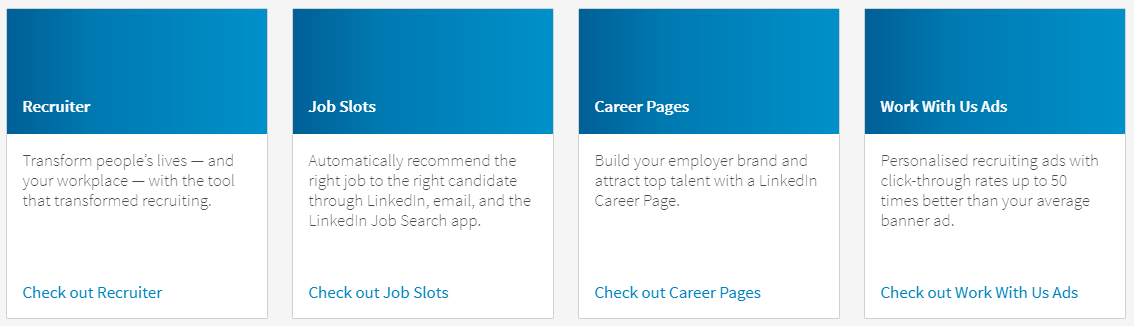
    With over 65% contribution to the total revenue, talent solutions are the most important services and tools included in the LinkedIn business model. Talent solutions include premium recruiting tools for the companies and recruiters to help them find the most suitable employees/partners for their business. The primary services offered under Talent Solutions are LinkedIn recruiter, job slots, recruitment media, career pages, and work with us ads.

    linkedin talent solutions

    One of the key differentiators of LinkedIn from other job portals is that users usually don’t join LinkedIn just to look out for jobs, they join LinkedIn to create and promote their personal brand which, in turn, is what the recruiters look for. Recruiters get a better image of the person on LinkedIn than on any other job portal like Indeed or Monster Jobs. Apparently, LinkedIn Talent Solutions is also a major service which helps recruiters poach employees from competitor companies.

    Marketing Solutions

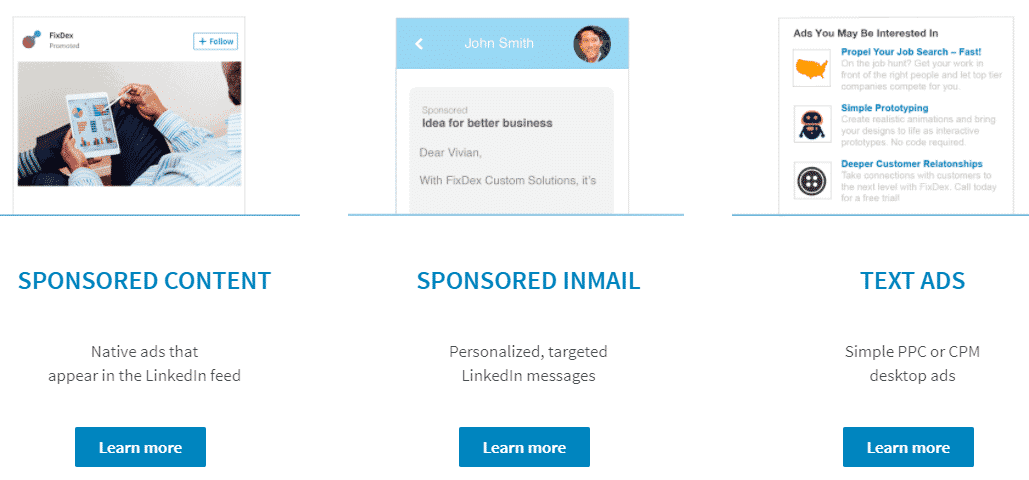
    LinkedIn apart from being the best recruitment platform is also a sought-after social networking website by marketers to execute their marketing campaigns. This service contributes to over 18% of the total revenue of the company and offers features which let companies to not only create a company page but also enhance their marketing efforts by creating sponsored content, sponsored InMails and text advertisements.

    linkedin marketing solutions

    Premium Subscriptions

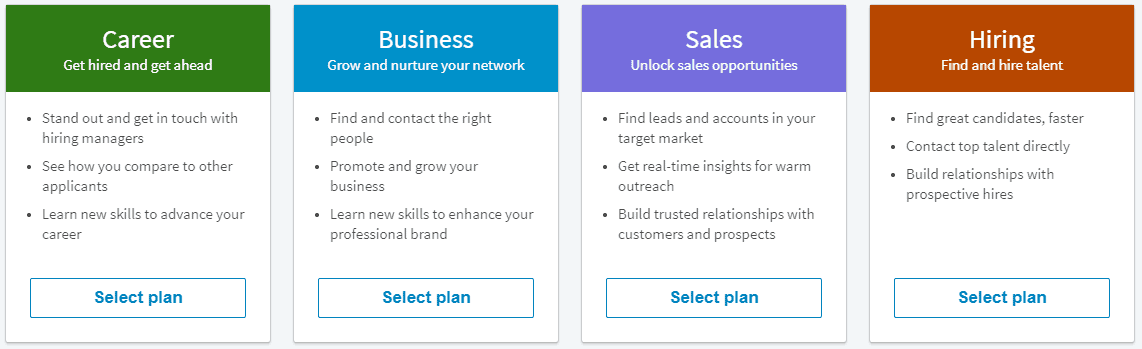
    Premium subscriptions are premium solutions catered to individuals on LinkedIn. It allows users to unlock certain features that are not available to normal users. The premium plans are designed to cater to the specific needs of the users. The subscriptions include

    1.     Career
    2.     Business Plus
    3.     Sales Navigator
    4.     Recruiter Lite

    linkedin premium

    Career solutions

    With an upgrade to a premium career account, you can deepen your visibility, get a wider reach and have access to applicant’s insight which lets you compare your profile with others. You can get a clearer picture of who is looking at your profile and get access to online video courses and salary insights.

    Job search solutions

    With an upgrade to a premium business account, you get access to unlimited profiles search and suggested profiles – – up to 3rd-degree. You can access the features of InMail, which allows you to contact anyone on LinkedIn, even those with whom you aren’t connected yet. There are more detailed business and career options in the premium version.

    Sales Solutions

    Linkedin premium sales solutions boost your social selling strategies by providing tools like enhanced search with lead builder, sales insights, InMail, lead recommendations and saved leads.

    Recruitment Solutions

    The recruitment solutions subscription offered under the premium solutions is a lighter version of Talent solutions. With this subscription, you get access to smart suggestions, automatic candidate tracking, integrated hiring, and recruiting-specific design of the website along with usual features like inMail messages, who viewed your profile, etc.

    Acquisitions & Partnerships

    LinkedIn has also expanded its business model through many acquisitions which include some very renowned names like:

    Linkedin Learning

    Lynda is one of the most recent acquisitions by LinkedIn. It was an eLearning platform with a subscription-based revenue model which let users learn business, software, technology, and creative skills through videos.

    The company changed its name to Linkedin learning but didn’t change its operating model.

    lynda business model

    SlideShare

    Slideshare was acquired by LinkedIn in 2013 with an aim to give its members a way to discover people through content. LinkedIn Slideshare is a slide hosting service which lets its users upload content privately or publically in powerpoint, PDF, keynote or OpenDocument format.

    The service is provided free to everyone.

    slideshare business model

    What makes LinkedIn Business Model different?

    Michael Holland, chairman and founder of New York, N.Y.-based investment firm Holland & Co, said:

    LinkedIn may well have a better chance than the others at showing staying power in the marketplace.  Facebook and Twitter get a lot more media time than LinkedIn, but LinkedIn is unique in that it actually serves a greater purpose. It has the potential to help young people with their careers and enables them to live better lives, so it has a hook for them. Facebook and Twitter can seem a little frivolous by comparison.

    LinkedIn business model has an upper hand over other social networking platforms as it has clearer motives and a revenue model which isn’t entirely dependent on advertisements. Furthermore, time spent on this social network isn’t considered as the time wasted by the users which, unlike Facebook, Twitter, or Snapchat, differentiate it as a legit social networking platform.

    The platform isn’t as popular as others but is seeing strong growth perspective in the future. Ever since its acquisition by Microsoft, LinkedIn Business Model has been expanding at a greater rate than ever.

    Go On, Tell Us What You Think!

    Did we miss something?  Come on! Tell us what you think about our article on How LinkedIn makes money? | LinkedIn Business Model in the comments section.
  • The Ultimate Guide to Startup Marketing

    The Ultimate Guide to Startup Marketing

    A marketing plan is as important as your business model once your business is up and running. You might have a stellar idea and product and your company might have all the funding in the world but all of that is worthless if you do not have customers. You need a marketing plan to win and keep customers. A great marketing plan will have all the tools and strategies to help you achieve your goals. So let us get straight to how to create the ultimate marketing plan for your start-up.

    Perform Situation Analysis

    You have to begin with a thorough analysis of the current situation your company is in. Understanding of your target market has to be clear and precise, as only that can lead to the correct positioning for your product. Properly understand and define your strengths and weaknesses and analyse your opportunities and threats. You will be able to get a sense of how you can capitalise on your product and the current market scenario.

    Perform Competitor Analysis

    While you need to understand the features of your product, it is sometimes even more important to know and understand what your competitors are offering. Only then can you differentiate your product and decide its positioning in the market. What is it that you are offering that no one else is? Describe your Unique Selling Proposition (USP). Your product can be better in terms of pricing or quality. At the end of the day, what you are offering has to provide better value than your competition.

    Define and Research your Target Audience

    In today’s world, the needs and wants of target audiences are very specific. The segments can be sharply defined and thus researching your target audience is of utmost importance. Use primary research methods such as telephonic surveys, emails, personal interviews and focus groups to gather as much as information as possible about your target audience. There are tons of secondary data sources that can be used as well. Create buyer personas that show all aspects of your target audience.

    List your Objectives

    What is it that you want your company to achieve? Is it profits that you are after or is it mind-share? Can you sacrifice profits in the short run in order to register significant growth in the long run? Make a list of all your goals – short term and long term, and make them quantifiable so that at the end of the day, you can measure how well you have achieved them. Your goals should be SMART (specific, measurable, attainable, relevant and time-bound).

    Fix your Budget

    Fix a certain part of your revenue for marketing expenses. Marketing can be the lifeline for a new business and setting aside a decent chunk for different channels can be a wise move. Even if you are constrained by the budget, with so many different methods available today to reach your intended audience, adjusting your marketing tactics can do wonders for your start-up and that too well within your budget.

    Position your Product

    Although conventional wisdom says that positioning follows segmentation and targeting, many brands position themselves and their products long before they even decide who they want to sell to. Positioning is nothing but putting yourself in the minds of the consumer. If you want your product to stand out, you have to position your product well. Learn how to create a winning positioning strategy for your product or brand here.

    Develop Marketing Strategy

    When your marketing goals, budget, target audience and positioning are all decided, it is time to get your hands dirty and get to the essence of your marketing plan i.e. the methods and tactics you would use to reach your prospects and achieve your objectives, be it advertising, social media marketing, public relations etc. Since there are various stages of a sales cycle, there should be separate strategies to address all the stages, as the requirements differ at each stage. Fine-tune your strategy to reach your target audience most effectively i.e. when they are at their most receptive.

    Test your Ideas

    Just like your product, your marketing plan needs to be tested too before you decide to execute your strategy. If it works out well, then you roll it out else you can learn from it and improve it without spending your entire budget on a failed attempt. Keep what works, chuck what does not.


    You should never forget you will win and keep customers only with the right marketing efforts and effective marketing starts with a well thought out marketing plan. Your marketing plan needs to be constantly tweaked and improved with time for you and your product to stay relevant. While most successful companies tend to stick to the plan, you must also constantly review what you have achieved and where you need more help, as nothing goes as smoothly in reality as planned initially.

    The Startup Process

    We know how important your dream business is to you. Therefore, we’ve come up with an all in one guide: The Startup Process to help you turn your vision into reality.

  • Market Segmentation – Definition, Bases, Types & Examples

    Market Segmentation – Definition, Bases, Types & Examples

    Market segmentation is one of the most efficient tools for marketers to cater to their target group. It makes it easier for them to personalise their campaigns, focus on what’s necessary, and group similar consumers to target them in an effective manner.

    The process is being practised by marketers since the late 1900s. Simple though it may be, it is of vital use to forming any marketing plan.

    But what is market segmentation and what are its types? Let’s find out.

    What Is Market Segmentation?

    Market segmentation is a process of dividing the market of potential customers into smaller and more defined segments on the basis of certain shared characteristics like demographics, interests, needs, or location.

    The member of these groups share similar characteristics and usually have one or more than one aspect common among them which makes it easier for the marketer to craft marketing communication messages for the entire group.

    There are many reasons as to why market segmentation is done. One of the major reasons marketers segment market is because they can create a custom marketing mix for each segment and cater them accordingly.

    Importance Of Market Segmentation

    Companies often deal with customers who belong to different age groups, have varied interests, and are motivated by different triggers.

    Segmenting these potential customers into different groups –

    • Makes it easier for the marketer to develop a different marketing mix for each customer segment which is more likely to bring results.
    • Increases the results of the marketing efforts as each of the groups witness personalised marketing messages according to what stimulates them to do the task.

    For example, a chips brand can launch a party pack for $15 in cities where teens are more likely to buy them for parties. Whereas, the same brand may launch small packs in the country-side where people don’t spend a lot on chips.

    Bases Of Market Segmentation

    Segmenting is dividing a group into subgroups according to some set bases. These bases range from age, gender, etc. to psychographic factors like attitude, interest, values, etc.

    Gender

    Gender is one of the most simple yet important bases of market segmentation. The interests, needs and wants of males and females differ at many levels. Thus, marketers focus on different marketing and communication strategies for both. This type of segmentation is usually seen in the case of cosmetics, clothing, and jewellery industry, etc.

    Age Group

    Segmenting market according to the age group of the audience is a great strategy for personalised marketing. Most of the products in the market are not universal to be used by all the age groups. Hence, by segmenting the market according to the target age group, marketers create better marketing and communication strategies and get better conversion rates.

    Income

    Income decides the purchasing power of the target audience. It is also one of the key factors to decide whether to market the product as a need, want or a luxury. Marketers usually segment the market into three different groups considering their income. These are

    • High Income Group
    • Mid Income Group
    • Low Income Group

    This division also varies according to the product, its use, and the area the business is operating in.

    Place

    The place where the target audience lives affect the buying decision the most. A person living in the mountains will have less or no demand for ice cream than the person living in a desert.

    Occupation

    Occupation, just like income, influences the purchase decision of the audience. A need for an entrepreneur might be a luxury for a government sector employee. There are even many products which cater to an audience engaged in a specific occupation.

    Usage

    Product usage also acts as a segmenting basis. A user can be labelled as heavy, medium or light user of a product. The audience can also be segmented on the basis of their awareness of the product.

    Lifestyle

    Other than physical factors, marketers also segment the market on the basis of lifestyle. Lifestyle includes subsets like marital status, interests, hobbies, religion, values, and other psychographic factors which affect the decision making of an individual.

    Types Of Market Segmentation

    MARKET SEGMENTATION

    Geographic Segmentation

    Geographic segmentation divides the market on the basis of geography. This type of market segmentation is important for marketers as people belonging to different regions may have different requirements. For example, water might be scarce in some regions which inflates the demand for bottled water but, at the same time, it might be in abundance in other regions where the demand for the same is very less.

    People belonging to different regions may have different reasons to use the same product as well. Geographic segmentation helps marketer draft personalized marketing campaigns for everyone.

    Demographic Segmentation

    Demographic segmentation divides the market on the basis of demographic variables like age, gender, marital status, family size, income, religion, race, occupation, nationality, etc. This is one of the most common segmentation practice among marketers. Demographic segmentation is seen almost in every industry like automobiles, beauty products, mobile phones, apparels, etc and is set on a premise that the customers’ buying behaviour is hugely influenced by their demographics.

    Behavioural Segmentation

    The market is also segmented based on audience’s behaviour, usage, preference, choices and decision making. The segments are usually divided based on their knowledge of the product and usage of the product. It is believed that the knowledge of the product and its use affect the buying decision of an individual. The audience can be segmented into –

    • Those who know about the product,
    • Those who don’t know about the product,
    • Ex-users,
    • Potential users,
    • Current Users,
    • First time users, etc.

    People can be labelled as brand loyal, brand-neutral, or competitor loyal. They can also be labelled according to their usage. For example, a sports person may prefer an energy drink as elementary (heavy user) and a not so sporty person may buy it just because he likes the taste (light/medium user).

    Psychographic Segmentation

    Psychographic Segmentation divides the audience on the basis of their personality, lifestyle and attitude. This segmentation process works on a premise that consumer buying behaviour can be influenced by his personality and lifestyle. Personality is the combination of characteristics that form an individual’s distinctive character and includes habits, traits, attitude, temperament, etc. Lifestyle is how a person lives his life.

    Personality and lifestyle influence the buying decision and habits of a person to a great extent. A person having a lavish lifestyle may consider having an air conditioner in every room as a need, whereas a person living in the same city but having a conservative lifestyle may consider it as a luxury.

    Nature Of A Market Segment

    A market segment needs to be homogeneous. There should be something common among the individuals in the segment that the marketer can capitalise on. Marketers also need to check that different segments have different distinguishing features which make them unique. But segmenting requires more than just similar features. Marketers must also ensure that the individuals of the segment respond in a similar way to the stimulus. That is, the segment must have a similar type of reaction to the marketing activities being pitched.

    A good market segment is always externally heterogeneous and internally homogeneous.

    Examples Of Market Segmentation

    Market segmentation is a common practice among all the industries. It is not possible for a marketer to address the mass with same marketing strategy. Here are some examples of market segmentation to prove this point.

    Beauty Products

    While marketing beauty products, marketers often segment the target market according to the age of the users, the skin type, and also the occasion. A perfect example of this is Olay.

    The company developed its ‘Age Defying’ product range to cater to mature adults and ‘Clearly Clean’ range to cater to young adults and teens.

    Fast Food

    Fast food chains like McDonald’s often segment their target audience into kids and working adults and develop different marketing plans for both. Marketing efforts like distributing a toy with every meal works well for kids and providing the food within 10 minutes, free WiFi, and unlimited refills work well for working adults.

    Sports

    Sports brands like Nike, Adidas, Reebok, etc. often segment the market based on the sports they play which help them market the sports-specific products to the right audience.

    Benefits Of Market Segmentation

    Segmenting the market offers the following benefits to the businesses –

    • Better Matching Of Customer Needs: Different customers have different needs. By segmenting the target market and developing homogeneous groups, it becomes easier for the marketer to cater to the customer needs better.
    • Identification Of Gaps In The Market: Market segmentation also results in the identification of target groups that are not targeted well in the market. This opens up opportunities for the business to exploit and make profits from.
    • Increased ROI: Since market segmentation helps serve the customer needs better, it not only decreases spending unnecessarily but it increases repeated sales, and customers also return the favour in the form of referrals, word of mouth, etc.
    • Customer Retention: Customers retain with a business which understands their needs and fulfils them as they require. Segmentation helps in this.
    • Increased Market Share: Through market segmentation and targeted communication, a competitive advantage can be built which results in increased market share.

    Disadvantages Of Market Segmentation

    Even though there are many advantages of market segmentations, there are some disadvantages and limitations as well.

    • Extensive Research And Development: The process of market segmentation requires the business to do extensive research which is not feasible for some of the businesses.
    • Expensive Process: Segmentation is an expensive process, both in terms of time and money. It requires the business to spend a lot to identify different groups and market to them differently according to their needs.

    Bottom-Line

    Market Segmentation is a convenient method marketers use to cut costs and boost their conversions. It allows them to be specific in their planning and thus provide better results. It ultimately helps them to target the niche user base by making smaller segments.

    Go On, Tell Us What You Think!

    Did we miss something?  Come on! Tell us what you think of our article on market segmentation in the comments section.
  • The Most Active And Prominent Angel Investors

    The Most Active And Prominent Angel Investors

    Your startup needs funding and lack of it should never be a hindrance to its success. There are investors willing to help you out, no matter wherever you might want to set up your company. Though now you know everything you might have wanted to know about raising capital for your company, here’s a list of some of the most active angel investors in this space today.

    The Most Active And Prominent Angel Investors

    These investors are called “angel investors” for a reason, you see. Though you end up parting with a certain part of your equity, the capital you raise in lieu of it can breathe new life into your business and help it successfully cruise through the initial challenging period.

    Top Angel Investors in the USA

    Jeff Bezos

    Jeff Bezos
    via Fortune

    The man behind Amazon is also one of the biggest investors in the US. He was ranked 7th in the top Tech Angels of the year list by Businessweek in 2010. Harvard Business Review had also listed him as the second-best CEO in the world, after Apple’s CEO Steve Jobs. He is one of the richest men on the planet and his total worth is estimated to be around US$ 82 billion. As an angel investor, Bezos has invested in many companies that have become big names today like Airbnb, Uber, Twitter, Aviary, Qliance, etc.
    Paul Buchheit

    Paul Buchheit
    via Twitter

    Paul Buchheit is a partner at Y Combinator. He started by working for Intel and Google and has worked on products like Adsense and Friendfeed, which was acquired by Facebook in 2009. He is one of the most active angel investors today. His portfolio includes more than 40 companies.

    Jeff Clavier

    Jeff Clavier
    via Getty Images

    Jeff Clavier is the founder and managing partner of the venture capital firm, SoftTech VC. His company has invested in more than 150 startups to date. He was ranked 19th in Businessweek’s list of top Angels in Tech in 2010. He has invested in successful startups like Mint, Wildfire, Milo (eBay), Kongregate and Class Dojo.

    Paul Graham

    Paul Graham
    via robsobers

    Paul Graham is one of the co-founders and current partners of Y combinator. In 2010, Businessweek ranked him 11th in the list of top Angels in Tech. In July 2012, he was listed in Businessinsider’s top 50 Early-Stage Investors in Silicon Valley.

    David Lee

    david lee
    via recode

    David Lee is the founder of SV Angel LLC and he was named amongst Businessinsider’s list of top 50 Early-stage investors of Silicon Valley in 2012. He has invested in companies such as Dropbox, Twitter, Airbnb, Flipboard, Foursquare etc.


    Top Angel Investors in India

    Rajan Anandan

    Rajan Anandan
    via livemint

    Rajan Anandan is the Managing Director of Google India and the ex-Managing Director of Microsoft India. He has invested in many Indian startups including Druva,  Capillary, Webengage, Authorstream, Wiziq, Justeat, Innovizetech, Aurality, Peelworks, Buytheprice etc. He has tons of experience in leading major technology businesses and that has helped him in identifying exciting startups to invest in to build large businesses. He is also the co-founder and Chairman of Blue Ocean Ventures that has funded close to 45 startups till date.

    Sanjay Mehta

    sanjay mehta

    Sanjay Mehta is a serial entrepreneur turned angel investor. He has investments in different sectors ranging from education to health to media to retail. He likes working with SMAC (social, mobile, analytics and cloud) companies. He has invested in more than 23 companies and is known for showing interest in big data, marketing automation, medical devices, productivity enhancement etc. Some of his investments include startups like OYORooms, Unbxd, Klip.in, EcoSense Sustainable Solutions, PrettySecrets, Talview, OrangeScape, FabAlley, Poncho.in etc.

    Anand Ladsariya

    anand ladsariya
    via business today

    Anand Ladsariya is the CEO of Everest Flavours Ltd. and an alumnus of IIM Ahmedabad. He was the Chairman of CHEMEXCIL, an export promotion organisation established by Ministry of Commerce, Government of India. Ladsariya has a portfolio of over 35 companies in which he has invested till date. His investments are generally in technology companies. Some of them are Exclusively.in, Framebench, Aurality, Appsbailly, Speakwell, Mobiquest, Trikal, Algorhythm, GreenDust, Orio Hotels, Talent Bridge, Svasti Microfinance etc.

    Sharad Sharma

    Sharad Sharma
    via livemint

    Sharad Sharma ventured into angel investing after he co-founded Teltier which was acquired by Cisco later. He is the CEO of BrandSigma Inc. at present. He was also the CEO of Yahoo! India R&D where he was responsible for product engineering of many global products. His preferred sectors of investment are disruptive technology,  digital, cloud, software infrastructure etc. His portfolio has startups like Unbxd, MyPoolin, Stayzilla, LetsVenture, Wishberry, Druva, Ciafo, i7 Networks, Apartment Adda, Ezetap etc.

    T.V. Mohandas Pai

    T.V. Mohandas Pai
    via livemint

    Mohandas Pai is the Chairman of Manipal Global Education and one of the members of the board of trustees of Akshaya Patra. He has also served on the board of Infosys for many years. He has won many awards and accolades for his work as a CFO. He has invested in companies like Zoomcar, Zimmber, YourStory, Uniken, Faircent, Kaaryah etc.

    Sunil Kalra

    Sunil Kalra
    via economic times

    Sunil Kalra is known for venturing into new sectors with no or little prior experience. His portfolio includes investments like Wooplr, Orange Scape, Crayon, Airwoot, Culture Alley, MyShaadi.in etc. He is also a a founding member of the University of Petroleum and Energy Studies in Dehradun, Uttarakhand and a member of the Indian Angel Network.

    Rajesh Sawhney

    Rajesh Sawhney
    via youtube

    Rajesh Sawhney is the founder of Times Internet, the digital media arm of Times Group. He is also currently running Innerchef, a Gurgaon-based food technology startup. Sawhney was also the founding president of Reliance Entertainment and was responsible for starting GSF Accelerator that provides initial capital and mentoring to early-stage startups. His portfolio has more than 35 investments.

    Sachin Bansal

    Sachin Bansal
    via yourstory

    Sachin Bansal is the co-Founder and CEO of Flipkart. He has also invested in many startups till date and some of them are Unacademy, Tracxn, Inshorts, Sigtuple, SpoonJoy, Plabro Networks, Ather Energy etc.

    Arun Venkatachalam

    Arun Venkatachalam
    via twitter

    Arun Venkatachalam was the Head of Strategy and Business Development at Murugappa Group. He has invested in startups like ZoomCar, ZestMoney, AutoLotto, AdPushup, Wealthy, Boost, Posist Technologies, Aureus Analytics, Endless Robotics, and ZipLoans.

    Anupam Mittal

    Anupam Mittal
    via yourstory

    Anupam Gopal Mittal is the founder and CEO of People Group and a founding member and ex-Chairman of Internet and Mobile Association of India (IAMAI). He has invested in companies like Ola Cabs, Interactive Avenues, JustRide, Druva, Pretty Secrets, Sapience, Café Zoe etc.

    Top Angel Investors & Venture Capital Firms in the UK

    Saul Klein

    Saul Klein
    via index ventures

    Saul Klein is a partner in the London office of Index Ventures and is on the boards of companies like Chartbeat, Alertme, Erply, MyHeritage, GlassesDirect, Seedcamp and Songkick. Klein is a co-founder of Seedcamp and founder partner of The Accelerator Group.

    Richard Titus

    Richard Titus
    via ezebis

    Richard Titus is a serial entrepreneur and an active seed investor. He is best known for his work in the BBC, where he led the UX and design overhaul of internet and mobile products and services. Titus then went on to become the CEO of Associated Northcliffe Digital after he left BBC.

    Passion Capital

    passion capital

    With £86 million in total funds, Passion Capital is a VC firm that primarily invests in UK companies and has around 47 companies in its portfolio. They have invested in sectors like FinTech, EdTech, Health etc. They invest at the seed stage and the average size of the investments is less than £200,000.

    Balderton Capital

    balderton capital

    Balderton Capital is current managing $2.3 billion worth of funds and focuses entirely on backing European companies and European founders with a global vision, of which about 35 percent is in the UK. They have more than 80 companies in their current portfolio and average investment size is $5 million – $8 million. They are sector-agnostic.

    Accel Partners

    accel partners

    The London arm of Accel Partners has $2 billion under management and is currently investing in early and growth-stage technology companies in Europe. The UK has been the most profitable country for them in terms of investments and the average investment size lies between $500,000 and $50 million. They have funded more than 40 companies till date and primarily focus on hyper-scalable models. Accel has invested in many global players till date like Dropbox, Facebook, Atlassian, BlaBlaCar, Etsy, Slack, Spotify, Flipkart, Simplivity, QlikTech, etc.


     

    Getting funding for your company might not exactly be a cakewalk and whether you choose to accept the route of angel investment for it or not depends a lot on your long-term plans for the company and how you plan to achieve them. Convincing the angel investors is not easy but the right approach can work wonders for you and your business. It is not only the money that an angel investor can provide you but also the business expertise and the kind of connections that are required for a startup to be successful. So while they are looking for the right investments, you too should be on the lookout for entrepreneur-friendly investors who can add value to your company beyond the funding. Most of them have been entrepreneurs themselves and know what it takes to succeed and prosper. Most angel investors would look forward to help you out for the sheer passion of seeing budding entrepreneurs thrive.

    The Startup Process

    We know how important your dream business is to you. Therefore, we’ve come up with an all in one guide: The Startup Process to help you turn your vision into reality.