With the advent of the Internet, crowdfunding has become easier than ever. There are many sites that cater to this and has helped many ideas come to life.
You put out your idea to the world along with added benefits for those who back them right away. There have been a lot of iterations of this model of funding. Patreon is one such platform based upon the subscription-based crowdfunding model.
Let’s look at how it works out for everyone and supports itself?
What Is Patreon?
Patreon describes itself as a “subscription-based crowdfunding membership platform”.
Founded in 2013 by Jack Conte and Sam Yam. It all started out when Jack Conte was looking for ways to make more revenue out of his YouTube videos.
He met up with Sam Yam and soon developed a platform for paying a set amount of money every time an artist creates a work of art.
Patreon is a platform that allows fans of a creator’s work to support them by subscribing to their work and paying a subscription fee. These supporters (called patrons) help sustain and support their favourite creators in a way the creators want them to.
Creators set up pages for subscription payments from patrons by offering certain perks or incentives, and donors can pledge certain sums of money based on those tiers and perks.
The platform is not just limited to individuals. It also allows major brands to connect with and dish out discounts and exclusive offers to their followers.
Now,
Even though it looks like the company operates on traditional crowdfunding or donation business model, there is a fine line distinguishing Patreons’ business model and crowdfunding/donation business model in general.
Read on to understand the difference.
How Does Patreon Work?
As the portmanteau of Patron and eon suggests, Patreon works on a monthly subscription model where, instead of getting paid once per project, creators are paid either every month by their supporters (or patrons) to continue creating on an ongoing basis.
In return, the patrons get exclusive patron-only paid benefits like additional access, exclusivity, and engaging experiences, etc.
Let’s look at the tier/perk structure that one receives for pledging their support as a patron.
Patreon Rewards
The rewards are set by the creators. It could be anything they think will be acknowledged and appreciated by the patrons.
Few of the commonly seen rewards include:
Exclusive access to content – Videos, Music, etc.
Early access to content.
Interaction with the Creator.
Discounts
Take the example of YouTuber Philip DeFranco. He’s well known for his talk show, Philip DeFranco Show (PDS), where he talks about worldwide news, pop culture, and everything in between.
Here are the rewards for becoming a “patron” that are specified by him:
Such an operating model where the creator can create his own community and ask for the money he thinks he deserves was never offered before. Platforms like Youtube, Netflix, Spotify, etc. work on their own terms and can remove your work or demonetize the creators whenever they like. Patreon creates a sustainable revenue source for them which they can rely on.
The business model even proves to be worthy by the patrons as they get to contribute to their favourite creators directly and in a way most desirable by them. Plus, they get exclusive benefits which other followers don’t.
How Does Patreon Make Money?
Patreon’s method of supporting itself is simple.
Patreon pays 90% of the amount pledged by the patrons to the creators. The company charges a 10% cut which is categorized into 5% for using the platform and a 5% as processing fees.
Now that may not be too much. But the volume and scale of the transactions are what allow for it to not only sustain itself but make profits. (There are currently more than 3 million patrons supporting more than 100,000 creators on Patreon each month.)
According to Patreon’s CEO, Jack Conte, the company is on track to pay out $500 million to content creators in 2019. Back in May 2018, he said in a video that they would process $300 million in payments that year, implying roughly $30 million in revenue for 2018. That was twice the $150 million they processed in 2017. This statistic proves that the company has moved ahead of being a startup to being a scaleup with a lot of opportunities ahead.
However,
The company is still building its revenue model and is looking for ways to cut down the 90% payout model.
Currently, there are no contracts between the company and the creator, and the creator gets to retain 100 per cent ownership of their work and get to control and promote their brand as they want. Patreon has plans to provide the creators with some new “value services” which will bring down this 90% payout model to a percentage where Patreon makes more profits.
How Has Patreon Disrupted The Market?
Patreon gives the power of control back into the hands of the creators and its users. It allows for greater flexibility for the creators.
You see, sites like YouTube have certain rules and regulations in place. The corporation gets decides on whether their content is good enough to be published or not.
This also means that it can get demonetized at any time. There is also the chance of them closing their business.
The creators are at the mercy of these corporations.
When you phrase it like this, it may sound harsh. However, it’s the cold hard truth right there.
Patreon helps fund their projects without all the variables mentioned looming over their shoulders. Patreon allows for them to create at their own pace.
It helps them fund their projects. In return for the patrons support, they get the benefits, rewards and bonuses that are set in place by the creators.
It is up to the creators to set up what the patrons get for pledging their support. This allows for really innovative, useful and concepts of rewards.
It also helps Patreon in the fact that it can help fund many ideas that you could generally not do so either via crowdfunding or donations; They could be:
Custom-made rewards such as gifts and paintings
Personalised Rewards and so on…
Moreover, with Article 13 coming into effect, things have changed drastically in the Online content creation space.
It is messing with the way various platforms operate, especially YouTube, creators and brands are looking for ways to make sure they are not affected by this.
Creators are trying to be more diverse and not trying to rely on only one platform for all their revenue.
Patreon helps in them being able to create a stable revenue source.
Patreon entered the market at the right time, with the right mindset and targeted the target audience. The company was able to change the trend with the help of its disruptive business model.
All of this allowed for Patreon to grow and become a source of steady revenue for the work of creators.
Go On, Tell Us What You Think!
Did we miss something? Come on! Tell us what you think about our article on How Does Patreon Work & Make Money in the comments section.
Admit it. You have pondered over this question while casually searching for some cat videos. Then you eventually gave yourself the “Hey, these guys show tons of ads. They probably earn enough money from it.” Then when with time when the internet went haywire over privacy concerns you gave yourself the “Hey, if I am not paying, I probably am the product.”. To be fair, your hunch wasn’t way off target. But to put things to perspective, we are going to tell you EXACTLY what is the business model of Google and how does Google earn money.
How Does Google Make Money?
Google handles 1.2 trillion search queries per year and has partnered with over 2 million websites which have a reach to over 90% of people on the internet. Imagine advertising to such a huge market. In Q3 of 2018. Google’s revenue amounted to a whopping 33.6 billion USD.
And guess what?
In 2018, advertising revenue from Google sites amounted to 70.9% of the company’s revenues and advertising revenue from Google network sites amounted to 16%.
So the base answer would be advertisements. A lot of them.
There are three components of Google business model that aid Google to help advertise: AdWords, AdSense and AdMob.
AdWords is the advertiser targeted platform which lets them develop and launch ad campaigns on Google Search and Google Display Network. It decides what advertisements are to be displayed on the Google webpage and on partner websites.
AdSense is the publisher oriented platform which lets the publishers make money by putting advertisements on their websites. These publisher websites form a part of the Google Display Network.
AdMob is the same as AdSense except it is for mobile applications.
What is Google Ad Bidding And How Does It Work?
Google ads campaigns can be categorized into two types –
Search Network Campaign – Google Search Campaign allows you to display your advertisements in the Google search listings. These ads are triggered when someone searches for the targeted keyword.
Display Network Campaign – Google Display Network Campaign allows you to display your advertisements on Google apps like Gmail, Youtube, as well as millions of other websites and applications which use Adsense and AdMob to monetize themselves. These ads can be targeted according to the users’ activities on your website and the targeted keywords (will be shown on the most relevant content).
Usually, more than one advertiser bid for a certain keyword (search network and display network) or a placement (display network) and the winner is decided by Google triggering an auction. The winner of this auction is decided by looking into two key metrics — the CPC bid (the maximum amount you’re willing to bid for a click on the ad) and the quality score (a metric which decides how relevant your ad is to the user). The product of these two metrics results in the ad rank of the advertisers and the one with the best ad rank wins the auction.
Here’s an example to explain things further –
Advertiser
Max Bid (CPC)
Quality Score
Ad Rank
A
$2
10
20
B
$3
6
18
C
$5
3
15
In the above example, even though advertiser C put the maximum bid, advertiser A won the auction as his ad was considered to be a right fit for the keyword/placement.
Now,
How much will actually advertiser A pay per click for this ad?
Earlier, this bid was generally taken in the form of a generalised second price auction system which was an extension of the Vickrey auction where the winning bidder paid the second-highest bid, all in undisclosed bidding, so no one knew what their competitors had bid for. The formula for this method was –
Price Paid = Second highest ad rank/Your quality score + $0.01
This means advertiser A would have paid: 18/10 + $0.01 =$1.81 per ad click.
However, Google has recently moved to first-price auctions where the advertiser now pay what he bade for.
This means advertiser A will now pay: 20/10 = $2 per ad click.
The quality score plays a very important role in ranking the advertisements.
Imagine a bid for washing machines, multiple advertisers bid for it. The advertiser bidding the highest bid (say: Amazon) gets the top spot because it also had a good quality score.
However, when you change the keyword to the top loading washing machine:
Even though if Amazon bade more, the top-loading washing machine keyword would have been more relevant with the Whirlpool ad so Google puts the relevant more specific ad based on the quality score.
The incorporation of the quality score does make sense as Google targets the potential market only. This makes it the best platform for advertisers to improve their reach. Of course, Google has a lot of background data about the users it is going to show the advertisements to. It has access to your cookie data and search history for starters.
Google Adwords
While advertising through Google AdWords, an advertiser has to pay only if their advertisement has been clicked on a publishing partner’s website. So the charge boils down to cost per click.
This is a foolproof method for advertisers to know if their reach is getting affected by Google AdWords.
Based on this information, let us guesstimate the profit:
There are around 4,090,000 searches per month for ‘cheap flights’ in the USA and the estimated CPC is $2.44. So even if we take 40% clicks on the ads, it brings us to around $3,991,840 which is a lot of money in my opinion. Again this is just one advertisement for a particular keyword. Imagine the cluster of keywords and the costing brought up together. This brings some huge figures.
Google Shopping Ads
When Google thinks that a particular search query is done with the intent to buy, it brings up Google Shopping Ads.
You must have encountered Google Shopping ads. They look something like this:
Google shopping ads are great at picking target shoppers as the ad format is more direct and the pricing is more conveniently displayed.
Google Display Network
The fun thing about Google Display Network is, it puts out partners to publish its advertisements.
Advertisers constantly bid for the Ad space a partner provides on their website or application. Of course, since it is the partner’s property, they can choose which ads to keep, which categories, format and text style to the advertisement is best suited to go with the website’s layout. The partners can even add Google-like search (with ads) on their website to earn a bit more.
In return, Google pays the partner website every time the advertisement is viewed or clicked on by a user. The revenue share between the partner and Google is in the ratio 3:2 (for search ads, it is 51:49). Youtubers, however, are paid in the ratio 11:9.
The amount of money a partner website (Adsense) and applications (AdMob) earns from a click depends upon factors like keywords, industry and the advertisement which is clicked on. If the hits on your website are too high, you can be a premium AdSense partner with a higher revenue share.
Revenue From Other Sources
Google has expanded its business model to a lot more than just search. Likewise, the revenue model has also expanded and now includes revenue from Google Maps, G Suite, Google Cloud, Android, Play Store and its acquisitions like Dialogflow, Kaggle, etc.
Revenue from Google Maps
Google maps run on a path similar to the parent company and earns some of its revenue from advertisements (local search ads and promoted pins). However, Google maps gets most of its revenue from its API which is used by big corporations like Uber, Trivago, Airbnb, Pokemon Go etc. The pricing of the product is pay as you go and the developers also get a recurring $200 credit on their billing account each month to offset their usage costs.
The brand has also partnered with cab-hailing companies like Lyft where the available cabs and their prices can be discovered on the Google Maps application.
Revenue From Google Translate
Just like Google Maps, Google Translate is a free-to-use application for individuals and makes money when businesses use its API.
The cloud translation API supports more than one hundred different languages, comes with automatic language detection, and comes in the form of easy-to-use Google REST API where the developers just have to send HTML documents and get back translated text.
The product is priced monthly based on usage.
Revenue from G Suite
G Suite is a brand of cloud productivity and collaboration tools including Gmail, Calendar, Drive, Hangouts, Docs, Sheets, Slides, Sites, Jamboard, App Maker and Vault. The brand operates on a freemium business model where the individual user gets a limited cloud space and features for free but has to pay when he wants more or wants to use it for his business.
For starters, G Suite can help you use Gmail to send emails using your domain name instead of ‘gmail.com’ and have team conferences using Hangouts; and for the big enterprises, it could prove out to be one-stop cloud storage and management suite which also lets them create low-code applications for their business. The price for the basic subscription plan starts at $6 per user per month (for up to 30 GB Drive space) and goes up to $25 per user per month (for unlimited Drive space).
Other Google Cloud Products
G Suite, Maps API, and Translate API are a part of Google Cloud. Just like Amazon, the company also provides many other cloud-based products for developers and charge it according to the usage.
Revenue from Android And Play Store
Android doesn’t add revenue to Google’s pockets directly but it surely helps the company to save millions (or billions) of dollars which could have spent in the form of payments to other operating systems to keep Google as their default search engine and provide Google data to improve its advertising revenue model.
The brand, however, has smartly included freemium Google Play apps in every Android install. These Play Apps range from music to books to games and include a lot of things that can be bought and subscribed to on a smartphone.
Revenue From Wear OS
Wear OS is the operating system designed for the smartwatches. The revenue model of this OS is similar to Android as it comes with many preinstalled Google Apps.
Revenue From Google Chrome
Google Chrome was developed with a dire need to stop paying web browsers money to keep Google as their default search engine. It’s a free web browser which helps Google track your activities on the internet and use it for improving their performance and targeting ads.
Revenue From Devices (Made by Google)
It’s been three years since the company dived into the hardware devices market. Google makes and sells products include Pixel, Pixel Slate, Chromebook, Chromecast, Home, and Wifi. The company has capitalized on its existing brand image and has become a great competition to other players like Amazon, Apple, and Oneplus.
According to Android Authority, the company estimated a profit of $2.98 billion in 2018 with the majority of the profit coming from the brand Pixel ($1.78 billion).
Revenue From Google Domains
Google Domains is a domain registration service (currently in its beta stage) offered by Google. The company operates like any other domain registration service like Godaddy, NameCheap, etc. and even owns a top-level domain name – .dev.
Domain prices start at $12 per year.
Bottom-Line?
As you may have noted, the Google business model is huge and there are varied sources of revenue for the company. It has used its established brand image to expand its business model into domains and niches no one had even thought about before. Even the stated revenue sources above form just a part of the big business model. The actual revenue sources expand to other subsidiaries like Google AI, Google Ad Exchange, and other subsidiaries.
Go On, Tell Us What You Think!
Did we miss something? Come on! Tell us what you think about our article on how does Google make money | Google Business Model in the comments section.
Starting your own business may seem exciting but it’s not a cake walk. You will have to walk through multiple steps that could be easy or uneasy, depending upon your ability and knowledge. Though being an entrepreneur could be your dream come true, but don’t forget that being an entrepreneur you have a lot in your plate.
You will have to play many roles- be it an owner, accountant, sales executive, and a lot more. But making crucial decisions for your business with any expertise in that particular area may lead to losses. And this where business advisors come into play!
Remember, business advisors differ from the board of directors. Being an entrepreneur, you have the right to change the team of business advisors any time you desire according to your needs.
Who Is A Business Advisor?
A business advisor works with the company very closely on their strategy and advice them on various aspects, especially on product development, marketing, and finances. These three dynamics are crucial to every business.
Why Businesses Need An Advisor?
Well, no one is a master in everything they do and taking a DIY approach for your business can lead you to trouble. Therefore, experts recommend entrepreneurs to seek advisors assistance in crucial aspects of a business, before taking any decision.
Business advisors are equipped with enough knowledge and trends of the agile market that will ultimately assist entrepreneurs in making an informed decision.
10 Types Of Advisers
Financial Advisor
A financial advisor is the backbone of every business; they are also known as a financial planner. A financial adviser helps you develop a strong financial strategy for your business that further assist you in making an informed decision concerning your investment, ways to squirrel money, etc.
The responsibility of a financial adviser is to gather information about your financial situation and advice you on investment planning, risk management, superannuation, retirement, financial benchmarking and tax. More so, remember, a financial adviser should hold a finance degree as per your country’s law.
Insurance Brokers
A right insurance plan can cover the maximum risk of your business, allowing you to stay stress-free from unnecessary mishaps. However, choosing the right insurance policy can be overwhelming. That’s the reason businesses consult with insurance brokers to get the right insurance policy for their assets, employees, and liability.
An insurance broker is abreast of all trends in the insurance market and advice you with the right insurance policy plan for your business. They can negotiate a better policy to offer you cost-effective plans.
Legal Experts
Legal experts are the one that you cannot overlook in the initial years of your business. You can find lawyers for your diverse business issues that you might come across at some point in your business lifecycle. However, legal experts can guide you in:
Choosing the right business structure
Obtaining a license for your business and complying with regulations
A business mentor is usually a role model of entrepreneurs that boosts the inner enthusiasm of the owners, keeping you strong through bad times. A business mentor can be an informal adviser- a person who can be your family member or friend or consultant. However, there are formal advisers as well that involves specific programs run by the government or successful entrepreneurs.
Registered Investment Adviser
These types of advisers are kind of experienced financial advisers who change their track from the current field because they didn’t like the culture- they dedicated themselves in the investment field, advising a various entrepreneur to make better decisions. More so, these advisers are always updated with the stock market and keep guide entrepreneurs with the one-of-a-kind investment plan.
Connected Adviser
The role of a connected adviser is to introduce with great people or clients in the industry. However, once you are connected to a person, your relationship might fade away if you don’t keep in touch. That’s the reason it is advisable that entrepreneurs should analyze the connection and then hire an adviser who can introduce you to the other party.
Accountants
These are the most common type of business advisers and businesses generally look for accountants to streamline their accounting books. Some firms hire full-time accountants and some just seek advice once a year. Accountants are responsible for the following tasks:
Beginning, acquisition, or closing a business
Tax preparation and filing
Tax deductions, tax and concessions
Obligations to employee
Managing all the financial records
Analogue Adviser
Analogue advisers are a group of people who belong to another industry and have a different perspective. So collaborating with such people help you explore other areas of expertise and identify various issues in your own business. A different perspective can help you spot the potential blockade in your way and get the right solution.
Expert Adviser
As the name suggests, expert advisers are the one who can bridge the gap of your knowledge. These experts are pro in technology, human resource, accounting, marketing, sales, etc.
You might come across a point in the business lifecycle, where you will require an expert to find the solution to a problem in any of the area mentioned above.
Long-Term Adviser
Furthermore, businesses should look for a long-term adviser who can serve you with different business issues. If you are not a legal expert, seeking advice for a long-term lawyer who can serve you with various legal services is vital.
Same is the case with accounting, if you are from a non-accounting background hiring an accountant can help you keep the accounting process seamless and keep you away from unnecessary penalties during tax season.
Bottom-Line?
In a nutshell, a business adviser fulfils the areas where you as a business owner find yourself fragile and they guide you through the various situation, helping you to attain success. However, you should choose the advisor based on your present and future requirements, their experience, and their past records. Choosing the wrong business advisor can be as bad as any other bad investment (or even worse).
Go On, Tell Us What You Think!
Did we miss something? Come on! Tell us what you think about our article on what is business advisor in the comments section.
The success of a business is the ultimate goal for any entrepreneur although one wrong step can become an enormous problem and it may cost a fortune to rectify that single mistake.
A business process is about those right steps which play a vital role in delivering an offering to the customers.
What Is Business Process?
A business process is a series of interlinked steps which are assigned to every stakeholder for a specific work to deliver a product or service to the customer.
Each stakeholder performs a specific task they are specialised in to achieve a concrete goal. These steps are often repeated many times by multiple users in a standardized and optimized way.
Business Process Examples
Business processes are represented as a workflow or flowchart of logical steps. To further break it down here are two examples of a business process:
Here are necessary steps need that to be taken in this process.
First, the HR manager will publish an advertisement on a job portal by mentioning the required skills and qualifications for the eligible applicants.
Once the required number of applications are received, someone from the team will contact the interested applicants and ask them to come for the interview.
An interview will be conducted where the candidates have to pass several rounds to secure the job position.
The most suitable candidate(s) will be selected based on the predetermined passing scores and expectations.
The HR manager will make the selected candidate(s) sign certain documents and contracts.
The selected candidate(s) will be trained by the assigned trainers according to the job requirements.
Later, required tools, credentials and paperwork will be given to the new employee.
This process will be repeated in a standardized and optimized way whenever the company needs to hire a new employee.
A company which develops mobile applications is planning to launch a new IOS application.
Here are necessary steps need that to be taken in this process.
First, market research will be conducted to find out what the market desires.
After the research, the company will find the best efficient resources to develop the application according to the market need.
Another market research will be conducted to validate the hypothesis of the product market fit. This will involve the release of the MVP.
After the modifications, the company will build a marketing strategy to promote the application.
A beta version of the app will be launched to validate the revenue model and other features.
In the final, the app will be released in the play store.
Whenever a new mobile application will be launched the same process will be repeated with some changes and reengineering.
Types of Business Process
Primary Processes: These are the fundamental processes of a business through which a company delivers the end product to the customer. Every step involving in these processes works towards adding value to the final offering.
Support Processes: Support processes don’t add value to the final product directly but they make an environment for primary processes to operate efficiently and effectively. These processes support the everyday operations of an organisation.
Management processes: Management processes govern operations, corporate governance and strategic management. These processes set goals and standards which lead to the efficient and effective working of primary and support processes. Besides planning, these processes also involve monitoring and control of other business processes. Management processes are used to manage a business through strategic planning, tactical and operational planning.
Importance Of Business Process
If you can’t describe what you are doing as a process, you don’t know what you’re doing. – W. Edwards Deming
Business processes have always played a vital role in the proper functioning of an organisation and in its structure. A well planned and strategized business process will help a business in the following ways:
Reduced expenditure and risk: a business process reduce expenditure and risk by already laying out the most efficient ways of doing the jobs considering the potential future shortcomings.
Reduce human error: it reduces the human error by distributing tasks to people who are specialised in it.
Improving efficiency: it enhances the productivity of a department by mapping out moves and relevant steps which are best for the business.
More customer focused: a business process is a customer-oriented move. It continuously updates the company about the customer wants and reviews about the product/service.
Bridging communication gaps: It bridges the communication gap between the company and its customers through reviews and market research.
Better time management: business process improves time efficiency by developing strategies and flowcharts to minimize the time taken to do certain activities.
Adaption of new technology: business process often keeps changing and improves over time. The company adopts new technologies to keep their feet on the ground by improving business process according to the latest technologies.
Above benefits can only be achieved if all the principles and methods are mapped out in an optimised and standardized way. The company which failed to do so will face the following problems:
Failure to recognise any problem: a company which doesn’t focus on its business processes will often fail to recognise the exact problem that prevented it to achieve the goals due to its inability to set standardised processes.
Low motivation in employees: due to the absence of a competent business process, the employees of the company will get demotivated as they might get placed in the departments for which they do not hold enough knowledge.
Lack of change implementation: companies will often repeat the same errors over and over again as there will be no system to recognise the problem and to implement change in the process.
Time-consuming efforts: without proper flowcharts and workflow, specific work will take more time to be done than normal.
Lower efficiency: if there is no proper business process a company cannot be productive and its efficiency will be lower than a company with a proper business process. A business process increases efficiency by laying out steps and possible ways to do a task.
High risk and increased expenditure: companies which do not have an adequate business process they often failed to see the future risks and they are also incompetent to find a cost-effective way to do a task.
After gaining the required skills and knowledge of business process, the next step should be finding the suitable BPR and BPM tools to create a process which can be repeated in several ways.
Business Process Management (BPM)
Business process management focuses on discovering, optimizing, modelling, monitoring and analysing the business activities and managing previous business processes. Its primary agenda is to manage the business process to achieve tangible and intangible goals. Business process management leads its way to other steps such as business process design and business process modelling.
Business process management often involves the use of BPM tools which adds value to a company in terms of higher productivity, reduced expenditure, better control and higher visibility.
Business process management tools are used for optimising, measuring and automating a business process. They effectively help in managing the business process. Some best BPM tools available in the market are Appian, Comidor, Processmaker and Pega.
Go On, Tell Us What You Think!
Did we miss something? Come on! Tell us what you think about our article on what is a business process in the comments section.
Admit it. We are surrounded by Android phones around us. Although it may seem that Apple has a fair majority in the market, Android enjoys around 85.9 per cent of the global market share. But it is just an operating system owned by Google, so how exactly does Google earn through Android?
Number one point to note here: A lot of people might think that Google charges cellphone manufacturers to use Android OS on their devices, but the funny thing is Android is open source: anyone can install an android system to their device. This probably would confuse you even more.
How is Android still in the market if it is not charging money? What exactly is Android revenue model?
Well, the two major sources of income for Google that keep Android afloat are:
Avoiding additional costs for paying to be a default search engine of any other OS (Google paid Apple $1 billion in 2014 to keep Google search bar on iPhone)
Google Play Store
How Does Google Make Money From Android?
Android earns revenue by not incurring expenses for being any other Operating System (OS).
In other words: Android earns for not being iOS
Google is, after all, an advertising company (Its major revenue comes from advertising). Which means that displaying advertisements and hitting it to the right target demographic is their primary agenda. Android is your Google data acquirer in a pocket.
How does this work?
Google smartly put up its operating system for free: Which eventually helped cheaper phones to develop as they don’t have to put up with the licensing fee as long as you have the hardware.
Customer base grew until Android had a firm grasp over the market.
Android smartphones have permanent default Google-owned apps like Google search, Google Play, YouTube, Maps etc. The main Android framework is signed in through a Google account too. So you need to have a Google account to use Android.
It is easier to record your behavioural pattern this way. They know a lot more about you — your search pattern, what you have been browsing on your phone, your flight tickets through Gmail, your location and what to advertise in your location. The list is endless.
So why would I say that Android earns money by not being iOS? Because. Google has to pay Apple to be its default search engine. In 2014, Google paid Apple $1bn to be its default search engine. However, for Android, they don’t have to pay a dime. Strategically speaking, iOS is more lucrative than Android is for marketers because Apple users tend to have better purchasing power than Android users, but the number of Android users are way too high to not consider.
Play Store, previously named Android Market has grown a lot more since its relaunch. Now, Play Store comes with pre-installed Play Apps that help maintain its ecosystem.
Google Play Music is a subscription-based music and podcast streaming service which comes as a default music application in many android phones. It features over 40 million songs and is available in 64 countries.
Google Play Books
Google Play Books is an eBook distribution service with millions of eBooks and Audiobooks available to purchase and many to download for free. Users can upload their own books in PDF or EPUB formats to use on the app. Just like Play Music, this application comes pre-installed on many Android devices.
Google Play Games
The online gaming service provides real-time multiplayer options, cloud link, leaderboards and achievements to the games provided on Google Play Store. This too comes preinstalled on the Android devices.
Google Play Movies & TV
Google Play Movies & TV is a video on demand service that provides Movies & TV shows for rental/purchase depending upon availability. This is a good revenue earning source of Android TVs (and smartphones).
Google Play Newsstand
Google Play Newsstand is a digital newsstand service that provides subscriptions to digital magazines and news feeds.
Google Play Fees
On the ever-growing Google Play Store, Google claims 15% of every sale made for providing the platform and basic amenities like cloud system required for the apps leaving the rest 85% for the developer. This was changed from a 70/30 model when Apple introduced the 85/15 revenue share to make sure things don’t go wrong for Android. As of Jan 1, 2018, transaction fees of subscription products decreased to 15% for developers who are retained on the play store after 12 months. Thus arguably making the model 70/30 for the first year and 85/15 post 12 months. When we compare with Apple: Apps on the AppStore have 70% more revenue than that of Google Play store but the number of App downloads in the play store are more than double of what we see on the App Store.
How else does Google Play Store make sure its revenue is healthy?
Featured lists
A lot of platforms would make money just to feature a particular app on their home page, but not Google Play Store.
These lists feature apps that they see potential in. Translated to: Apps that will bring in more revenue than usual. So how do they pick which apps to feature? The principles are straight:
Google prefers to have an Android-friendly app. If your App fulfils the launch checklist you have a better chance at getting featured.
Made for Android. If your app is custom made for Android, Google Play would prefer that over a universally made UI.
Supporting the latest Android version: Needless to say, your app should be compatible with most of the in-use Android versions
Google Tech: Google launches multiple new SDKs and toolkits for developers. They prefer Apps that use these as a means to validate their own products
Localization: including regional languages and regional support would work wonders for your regional boost
Ratings and Reviews: You are bound to be on the list if users are vocal about how much they like your App
Bottom-Line?
So here it is in simple terms: Android is open source: Google possibly cannot earn through licensing so it created the OS such that User information is more freely available to have a better network of advertisement for their advertisers and of course displaying Advertisements is much more convenient on this portable device. Of course, they do it on Apple too, but they majorly earn on Android platforms because they hardly have to pay for it. On the side, they earn through the transactions made on the Google Play Store.
Go On, Tell Us What You Think!
Did we miss something? Come on! Tell us what you think about our article on How Does Google Make Money From Android and Google Play in the comments section.
Yellow Golden Arches forming an “M” and red colour background. If anyone happens to see this logo anywhere in the world, only one brand name would pop up in their mind –
McDonald’s?
The perfect blend of brand characteristics (logo, colour, font, slogan etc), uniformity all over the world, and innovative associations have resulted in developing McDonald’s as the 6th most important brand in the world.
But what exactly is branding and why is it so important for any business? Is it limited to just logo, tagline, and font, or is it something more? Well, here’s a guide to clear all the doubts regarding branding, its importance, types, and examples.
What Is Branding?
Branding is the process of assigning characteristics and properties within and outside an offering to give that generic offering an identity which helps it to be recognised and differentiated in the market.
Three points that should be noted in this definition of branding are –
Assigning characteristics and properties within and outside an offering: Even though the characteristics and properties are offering-specific, they are not limited to within the offering. A Facebook post by the company represents the brand as well.
To give an identity: The main purpose of branding is to give an identity to the generic product. The identity is very much human-like; with a name, voice, tonality, colour, and sometimes even sound.
To help it be recognised and differentiated: Another role of branding is to be unique. A unique branding results in the product being more recognised and differentiated in the pool of competition.
Importance Of Branding
Brand is the sum total of how someone perceives a particular organisation. Branding is shaping that perception. – Ashley Freidlin, CEO & Founder of Guild
One should not ignore the importance of branding. It has become a necessity for products, organisations, and even humans today. There’s no dearth of offerings with similar properties and the only thing that separates the particular offering from the competition in such a case is the brand.
Branding the offering should be a priority before the launch of the product in the market as it helps to:
Create an identity for the offering: Branding is what the product is known for besides the generic properties. It is the unique name, colour, design, and even the psychological experience that makes the product identifiable in the market.
Create consumer preference towards the offering: The market is full of offerings with the same properties which often confuse the consumer to what he should buy. A way through which consumers can confront this problem is through leaning towards such brands which they know and trust. Popular brands are known to be safer investments as compared to the risky ones and they provide consumer satisfaction for the utility it provides them.
Create a new asset and build value: A brand in itself is an asset that can be sold separately. Wonder why Apple products cost twice as much as the competition which sells the product with the same configuration? It’s the brand effect.
Build trust: Branding an offering results in the professional appearance of the offering. It includes well-strategised labels and packaging according to the legal requirements and the planned positioning. This increases its appeal as consumers trust offerings with a professional outlook.
Improves pride and satisfaction: Branding the company or the offering improves the pride and satisfaction of both the customers as well as the employees. It personifies the company and its offerings and helps everyone who associates with it to create a deeper connection with the brand.
Develop marketing strategies: Marketing strategies without a brand will be nothing but futile as there will be nothing to identify the offering with. Branding is a core part of marketing as all of the marketing strategies have their roots in branding.
Elements Of Branding
Branding isn’t limited to just name and logo. It is a combination of characteristics and properties which have an effect on almost all of our senses to result in a uniform experience every time we have contact with it.
Branding is made up of innumerable elements few of which are –
Name: The name which we use to identify the product with.
Logo: A symbol or other design adopted by the business to identify its brand.
Colour: A colour mostly used by the business in its marketing messages to describe or complement the brand.
Vision: The group of goals or objective behind the brand that help guide its activities and its future.
Message: the value proposition of the brand which it conveys through the brand personality to set the brand positioning.
Shape: Either the distinct shape of the offering or the shape of the packaging.
Aroma: The distinct smell which the user experiences before, during, or after he uses the offering.
Graphics: The uniform and distinct aesthetics used in the marketing messages.
Sound: The sound used in the marketing messages to reinforce the brand identity.
Types Of Branding
Branding isn’t limited to products. Today we witness the branding of organisations, products, services, places, and even people. Here are 4 types of brandings one should know about –
Product Branding
Product branding is one of the most common types of branding where the offering is given an identity and a personality to make it identifiable and differentiable in the market. Even though it is called product branding, it isn’t limited to just products. Product branding refers to the branding of any offering be it product or service.
An example of product branding could be Mountain Dew. Mountain Dew has its own name, colour, voice, and personality. One can recognise the brand even when the generic product is not even there.
Another example of product branding when it comes to services is Game of Thrones. Similar to tangible branded products, this TV show has its own identity, characteristics, and properties which differentiates it from others.
Personal branding is very common among politicians, celebrities, athletes and other people who have niche followership. This type of branding makes it easier for these people to create an image for themselves among their followers. This brand image not only helps them in creating new business opportunities for themselves but also benefits the brand associated with them.
Michael Jordan is a perfect example of personal branding who, because of his niche followership, was not only able to benefit himself by launching his own apparel line but also benefited Nike which partnered with him to launch the same.
Branding the organisation is as important as branding the offering it’s selling. Corporate branding gives an identity to the offering provider and opens new opportunities for him to extend his offerings portfolio easily.
Corporate branding is also of vital importance when it comes to hiring as employees always desire to work with a company with a known brand.
PepsiCo is a good example of corporate branding. The company has several products lines in its product mix including Frito-Lay, Pepsi, Diet Pepsi, Mountain Dew, Lay’s, Gatorade, Tropicana, etc. all of which are owned and operated by the parent brand- PepsiCo.
Geographical or regional branding is often used by the tourism industry who create a brand out of a geographical location by assigning it certain characteristics and experience to attract more visitors.
For example, Hawaii is being marketed as the perfect destination to visit if you want to go to beautiful islands lined with beaches of warm, white sand and verdant, lush flora. The state is also marketed as the only place to experience Hawaiian cuisine, Hawaiian art, and the Native Hawaiian religion.
We agree that brands are everywhere. People are brands as well.
But what makes a great brand? What separates a good brand from a bad one?
Well, here are three examples to help understand the concept of branding even more.
Coca-Cola
With an estimated brand value of $73.1 billion, Coca-Cola is the no. 3 most valuable brand in the world. The company used branding so well that the word Coca-Cola is the second most understood word in the world, after the word OK.
The company started with the product branding by naming its soda Coca-Cola, giving it a unique taste, colour, bottle shape, and eventually turning the product into an experience and product branding into corporate branding.
McDonald’s
McDonald’s stands out not only with its logo but also with other characteristics like the mascot Ronald McDonald, the sonic branding, the same design of stores all over the world, and the uniformity of service provided in those stores.
Apple
If prefix ‘i’ to any generic category, chances are that people will consider it to be an Apple product. Such is an amazing branding strategy of Apple. The company has positioned itself as a premium brand which comes with high standards and has a minimalistic marketing approach.
Go On, Tell Us What You Think!
Did we miss something? Come on! Tell us what you think about our article on what is branding in the comments section.
The Battle-Royale craze has swept over everyone and we still can’t seem to get enough. Not only are they really addicting and fun to play, but they also make incredible amounts of revenue for the studios behind it.
Last two years combined, Fortnite made more than $3.5 billion in revenue. All while Fortnite being free-to-play!
How did it even manage to rake in such earnings in the first place? How does Fortnite make money? What exactly is its revenue model?
Read on to find out how a free-to-play game earns more than enough cash, not just to maintain itself but fund other projects as well.
Battle Royale – Genre That Defined Gen Z’s Childhood
For the uninitiated, Battle Royale is the genre that blends the survival, exploration and scavenging elements of a survival game with last-man-standing gameplay.
It pits you against a large group of players, starting off with nothing in hand. One has to loot stuff that is randomly scattered around the map and try to survive till the end and be the last man alive.
Love it or hate it, battle royale style games are here to stay for a while.
While the idea of dropping a bunch of players onto an island to loot and survive all the while eliminating everyone else to come out on the top isn’t new, there’s this incredible sense of gratification that you get when you kill the last player standing and win the round.
That is what makes the people come around for another match. No persuasion required. Just the incentive of gratification of being the one on the top and last man standing is what drives battle royale games.
And all this can be repeatedly done as long as they want. Brings about a whole new meaning to the term “replay value”.
The beginning of this genre is similar to others, gradually gaining attention over time, with many adopting it in their medium.
History Of Battle Royale
Here’s a small known fact about this genre. It started out as a book! Not as a movie or a video game, but a book.
The novel, titled Battle Royale, came out in 1996 and was written by the Japanese author Koushun Takami. It fused Lord of the Flies with Tarantino-like violence.
It was then adapted into a movie of the same name in 2000. The concept became popular in the West with the Hunger Games books and movie adaptations of it.
Then Brendan Greene (a.k.a Player Unknown) came along and introduced a mod, changes made on an existing game, of the military simulator game Arma II. This is the Player Unknown’s Battleground as we know of now.
Battle Royale wasn’t created when Player Unknown’s Battlegrounds (PUBG) came out, it just popularised it and brought it to the mainstream of gaming.
You see, since the things necessary to make a battle royale game is the amalgamation of gameplay elements from any normal video game, it makes it possible for almost any game for the matter, to get a battle royale mode.
Fortnite too had the similar beginnings.
What Is Fortnite?
Fortnite is an online freemium video game developed by Epic Game and released in 2017. The game is available on seven different gaming platforms: PlayStation 4, Nintendo Switch, Xbox One, PC, Mac, iOS, and Android. It is available in three games modes, of which, Battle Royale is what it is mainly known for.
The three modes are –
Fortnite: Save the World: A player-versus-environment game where a team of 4 battles against computer-generated zombies.
Fortnite: Battle Royale: A player-versus-player game where a player either plays solo, in a duo, or in a squad with an objective to kill every other player within the game.
Fortnite: Creative: a sandbox game where the player can make anything an island, such as battle arenas, race courses, and platforming challenges etc.
A little known fact about Fortnite is that it was never developed with Battle Royale in mind. It was included later as an afterthought. Within 12 weeks of thinking upon adding it to their existing game, they came out with a polished battle royale mode with a slight addition.
They added in crafting and building mechanics that would allow you to gather resources and build structures with it. This proved to be a distinguishing feature from other battle royale games at the time. While the others were going for a more realistic approach, Fortnite embraced what it was and improved upon it.
Now you must be thinking what a fool the developers must be if they let 250 million gamers play it for free. Well, just like any other freemium game, the game capitalizes on the network effect and monetizes on microtransactions.
Intrigued?
Read on to find your answers.
How Does Fortnite Make Money?
While the game in itself is free-to-play, it makes most of its revenue from the in-game premium items. These are cosmetic in nature or passes which allow for these cosmetic items to be unlocked.
Players buy these items in exchange for a virtual currency called “V bucks” which is bought using real money The smallest amount you can buy is 1000 V-Bucks for $10, and you’ll hardly find anything in the Fortnite store to be less than 500 V-bucks.
This is a smart strategy executed by the developers where in-game rewards are offered to players who complete the predetermined objectives and rank-up through tiers. All the players are a given free battle pass with its own objectives and rewards, but you also have an option to buy a premium battle pass for 950 V-Bucks which lets you unlock up to 100 in-game rewards throughout the season.
Battle passes seem to be a more profitable add-on for the gamers to buy as they let you unlock even the premium add-ons for free just by completing the tasks.
The most sought after add-on on Fortnite. While players are better off just playing with the default skin (and premium skins in no way act as an advantage in the gameplay), it is considered that the only way of showing your commitment and interest to the game is via character skins and models.
There’s a wide variety of them, from comic superheroes to movie heroes and villains and iconic characters, the options on offer are endless. The skins are not just limited to character models but there are skins available for accessories, tools, gliders and weapons too. They also come in the form of emotes.
Loot Boxes and Items
Though started as blind-loot boxes which contained different premium add-ons and came as a surprise to the users who bought them, the loot boxes are now converted into packages which reward you with bonus boosts, survivors (characters), items and schematics with various rarity levels (common, uncommon, rare, epic and legendary).
These loot boxes (disguised as cute llamas) are only available in the Save the World format of the game and can either be earned by completing the story missions and levelling up or can be bought by using V-Bucks.
Is Freemium Business Model A Good Choice For Fortnite?
Dozens of studies indicate that we are more careful with cash than our credit cards. The more abstract and less connected to real cold hard cash, the more we are to let our guard down and spend. By making the player buy a large amount of V-Bucks for little real cash, Fortnite does just that.
Once the player gets the hang of this, the more likely he is to repeat.
Candy crush was one of the first and successful games that used the above mentioned psychological method of marketing to boost its revenue. We can say Fortnite just followed its footsteps.
This psychological effect combined with the fun of a battle royale enhances the appeal of Fortnite even more. The free-to-play model has resulted in inviting more and more gamers (including celebrities) to try and get addicted to the game. The game had also topped the ranks of being most watched game on Twitch, doubling PUBG’s viewer’s count.
At its peak, the singer Drake invited Ninja, a popular Fortnite player, for a live stream game. There was also DJ Marshmello holding a full music concert inside the game. It was the largest in-game event, ever. Over 10.3 million people gathered virtually to witness the event.
Let’s see if what all future strategies lie in the plate of Fortnite’s business model.
Go On, Tell Us What You Think!
Did we miss something? Come on! Tell us what you think about our article on how does Fortnite make money in the comments section.
Have you ever searched for some aesthetic ideas on Pinterest and ended with signing up for the site? Remember joining Netflix for free for 1 month or signing up for Uber even when you don’t want to ride? Ever bought an item from Amazon just because the sale would go off after ten minutes?
All these are examples of successful call to action marketing strategies that these companies used to complement their core marketing strategies.
What Is Call To Action Marketing?
Call to action Marketing (or CTA Marketing) is the strategy of creating a stimulus that is strong enough to persuade the user to make an immediate response to your marketing scheme.
It utilizes call to action techniques to create a sense of trigger in the minds of the users by using imperative verbs which subtly instruct them to perform a specific task like filling a form, subscribing, or getting redirected to a landing page.
Upon entering the website, the first thing we notice is the “Get Spotify Free” button, placed in the centre of the screen and designed in a manner that gains maximum attention.
This button is a variant of the technique used in CTA Marketing, known as call to action (usually abbreviated as CTA).
What Is Call To Action (CTA)?
To be honest, at some point in time, we all have shared contact information or bought an item or experienced being directed to some landing page or subscribed for free to some site or the other.
This is all the impact of the compelling call to action mechanisms.
Call to action is a marketing tool designed to prompt the users to take rapid action or to encourage an immediate sale.
It is literally, a Call to your users/clients to perform an Action. It is one of the key elements on a webpage and tells them what to do next.
For example, while purchasing an item online, CTA buttons like add to cart or add to wishlist or buy now ensure that the user knows the directions in which they can head further and can decide their next step with ease.
Talking of the numbers, Qubit has released a meta-analysis of multiple experiments that depicts the following results about the probability of improvements produced by call to action marketing in various domains. Here are few of them for your reference-
CTA marketing has the capability to uplift revenue per visitor with a probability of 24%.
It has an uplift probability of 35% in the conversion rate.
It uplifts revenue per converter with a probability of 36%.
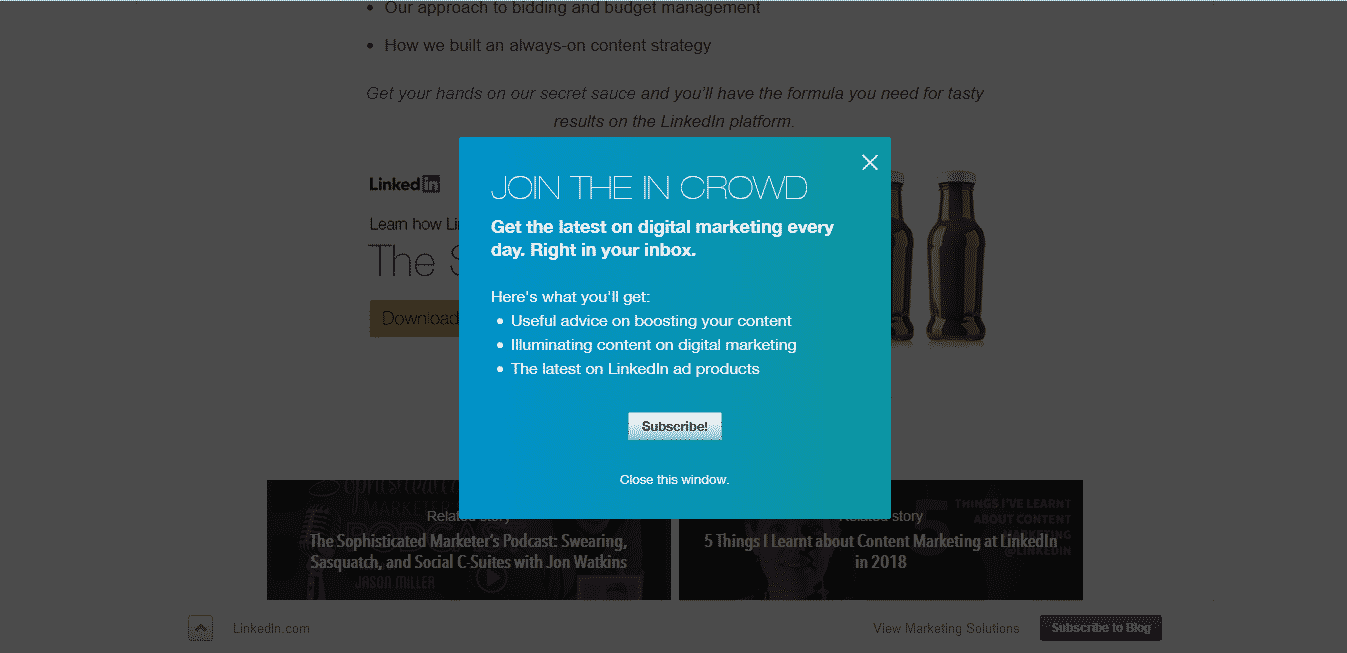
While CTAs are most prevalent in the form of buttons or inline links that assist you to some other webpage, there are many other alterations of CTAs which can be used as per requirement to increase the amount of activity and engagement on your page. To name a few, CTAs exist in the form of pop-ups, slide-ins, sidebars, and social sharing buttons. They can be conversion generating, business-centered, or content boosting.
But let me tell you, call to action marketing is not some kind of rocket science. Here’s how you can implement it in the most efficient way.
Creating A Compelling Call To Action Strategy
Here are some keys you must not miss while forming a solid call to action scheme for your clients.
Aesthetics
The first imprint that your CTA has on the viewers’ mind plays a major role in how they will respond to it. The first impression is the decision maker in the case of call to action marketing. You must focus on the color, style, and type of your CTA strategy (button, inline, pop-up, form).
Take the landing page of Klientboost as an example. There are 2 CTA buttons on the web page (each serving the same purpose, but placed and colored differently).
Here’s what you have to do-
Locate the 2 CTA buttons and compare the amount of attention each one is able to gain from you:-
Placement
How you place your call to action scheme along with where you place it are two key factors in determining the likeliness of a customer stopping by and reacting to it. The call must stand out as compared to everything else in the client’s view. It must not be surrounded by loads of text and should be placed preferably in the center of the page, or any other location that is more likely to gain attention.
Consider the following web page to aid yourself in understanding the role of correctly placing your CTA scheme:-
Here’s your task-
There are 2 “Get Started” buttons, compare their respective placements and notice which one catches your attention first.
Creating compelling content for your call to action scheme is one of the major deals to crack.
Why should clients behave the way you want them to and what is it that will catch their attention and persuade them enough to transform into potential customers for your market? Ask yourself these questions before coining the content and try to provide crisp and effective answers to them in through your call to action scheme.
Take into view the webpage of Netflix. The CTA Button is garnished with a crisp and affirming sentence, “Watch Anywhere. Cancel Anytime” which is a deal convincing enough, that one can’t help, but click on the CTA Button.
Clients are taken into confidence not only by your call to action strategy but also the way in which everything else is presented to them. The appearance of the backdrop plays a major role here. Just like the main CTA, every other detail must catch equal attention and should be convincing enough that the client makes an action towards your call. While your CTA strategy must be able to create a sense of urgency in the mind of your clients, your backdrop must be designed in a way that depicts the benefits you provide to your customers and their adequate social proofs.
Try considering the following two examples to have a better understanding of the role backdrop plays in CTA Marketing. Compare the ease with which your eyes catch hold of the CTA buttons on two different web pages of Intelligentsia’s and Spotify’s website –
Bottom-Line?
All these definitions, facts, guidelines and examples will help you in large proportions to draw the best out of your business and implement Call To Action Marketing in the most effective way. But you must keep exploring because there’s no key that fits all locks and no one staircase to success. Don’t lose the spirit and keep trying with the same efforts until the goal is reached because there is no one key that fits all locks. You must learn from mistakes and keep trying, testing and improvising your own work to reach the heights you have dreamt of.
Go On, Tell Us What You Think!
Did we miss something? Come on! Tell us what you think about our article on call to action (CTA) marketing in the comments section.
Whether you are a small or a large enterprise, your dream of taking your business to a further level never dies. But the major problems that come in the way are raising awareness about your brand, knowing and understanding your customers, and managing a reliable reputation in the market.
Digital marketing plays a major role in fulfilling this dream today. It helps you in creating a holistic marketing approach and satisfying the needs and demands of your customers in a more efficient and effective way.
Inbound marketing, though a new approach in digital marketing, has resulted in building a brand and capitalising on the online marketing funnel in a more efficient way than traditional outbound strategies.
General Electric, for example, used Inbound Marketing tactics and created an Instagram campaign. These were the results:
8 million views on their Instagram account.
3 million reach per post.
All this without spending a single penny on buying ad spaces…
For a company into wind turbines, jet engines, locomotives and so on, to draw such response shows that it can be done by anyone.
Inbound Marketing proves to be of more benefit since it involves less financing and more in ways of bringing in prospects.
Here’s a comprehensive guide to help you understand what exactly inbound marketing means, why it is so important, and how you can use it to your advantage to aid in your growth.
What Is Inbound Marketing?
Inbound Marketing is a pull marketing technique which uses non-intrusive and targeted strategies like content marketing, social media marketing, event marketing, and search engine optimisation etc., to create brand awareness, attract potential clients, and convert them into leads and actual customers.
This could be confusing for those just getting to know how marketing works and might wonder how inbound marketing is different from advertising or other outbound marketing strategy.
You see, when you advertise, you are putting out your brand for the world to see and hope they use your service. This is push marketing which is targeted to a general audience as an interruption to their data consumption.
The internet is saturated with these non-targeted ads, which have resulted in people getting savvier and ignoring them like they were never there.
But inbound marketing helps you target the specific audience of people who are already looking for or are in need of the services that you offer or may offer, using a variety of mediums such as blogs, social media posts, etc.
This makes your marketing strategies more targeted and personalised and overcomes the shortcomings of outbound marketing by proving to be something actually wanted by the customers.
Inbound marketing strategies not only depend on the product or the industry but also on how the consumer behaves before, during, and after making the purchase decision, making it easier for them to provide the information and sell their product when the customer actually needs it.
Inbound vs. Outbound Marketing
While Inbound Marketing involves a lot of research into the customer life cycle and product life cycle, outbound marketing focuses only on the product and brand part; it projects your brand or product at customers, pushing it at the potential customers. This requires more financial investment than deciding what goes where.
Even though outbound marketing has its set of advantages for some industries, it’s like throwing everything at the wall, hoping that something sticks for others. That kind of risk is not something one starting out would like to take.
Inbound Marketing
Outbound Marketing
Permissive
Interruptive
Pull tactic
Push tactic
Two-way communication
One-way communication
User-Focused
Brand-Focused
Marketers provide value
Marketers provide little to no value
Customers come to you
Customers are sought after
Channels: Search engines, referrals, social media campaign
Channels: Print ads, TV ads, radio, telemarketing
If you have more money than brains, you should focus on outbound marketing. If you have more brains than money, you should focus on Inbound Marketing. – Guy Kawasaki, CANVA
4 Stages Of An Inbound Marketing Strategy
There are many ways in which you could draw potential customers.
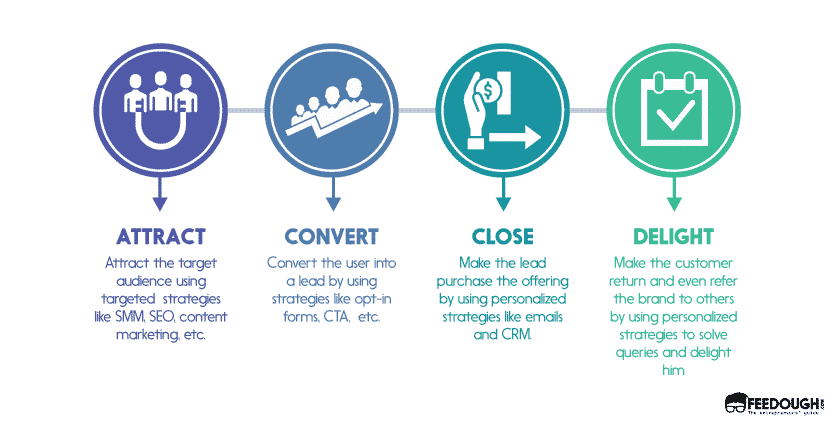
A potential customer goes through four stages whenever starting a relationship with the business. These are – attract, convert, close, and delight.
Inbound marketing requires you to reverse engineer this and make the best out of the customer side of the marketing funnel.
1. Attract
Inbound Marketing is all about drawing customers and getting them interested in what you offer. The first step is to provide them with the information they need about the product or the industry. Tools, resources, and strategies which help you attract the user to your brand are –
Content
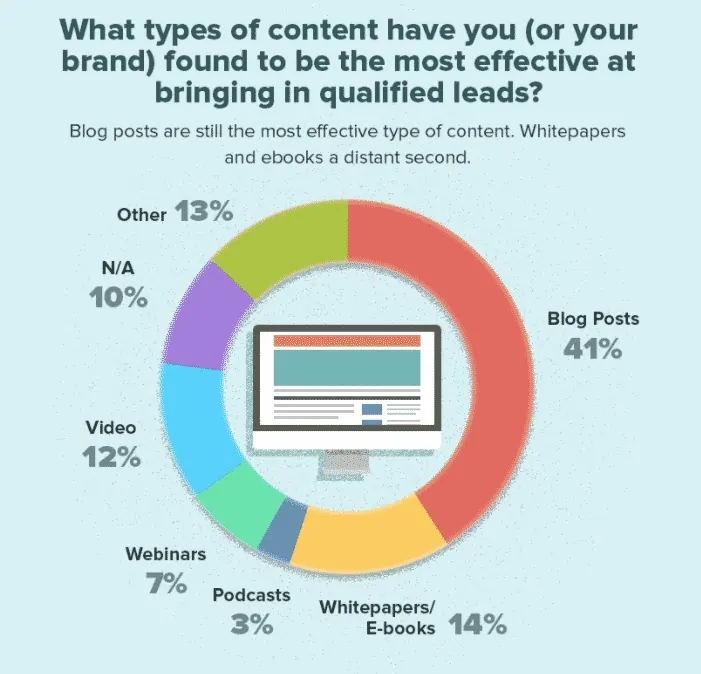
Tailoring the content which your target audience looks for according to the marketing funnel stage they are at is a perfect strategy to attract people who are most likely to convert into leads and end up purchasing your offering. The content can be published in the form of blogs, videos, books, and podcasts.
One cannot emphasise enough on the importance of proper search engine optimisation. A well-optimised site is a difference between it being displayed on the first page rather than it being buried under piles of similar sites.
Why being displayed on the first page is important, you ask?
According to a study, the search engine results on the first page receive almost 95% of web traffic, leaving only 5% for the remaining search results pages. Hence, if you want your inbound marketing to succeed (or to at least perform), you need to spend time optimising your website for search engines.
Social Media Posts
Social media posts also play a vital role in increasing brand awareness and making potential customers move from the awareness stage to the interest stage. Many brands use social media as a platform to educate users to make better decisions which are more inclined towards the brand’s products.
Keyword Advertising
Unlike outbound marketing, keyword advertising isn’t intrusive. It refers to advertising where the advertiser pays to get featured at the top of the search result of a certain keyword.
These are usually complemented with tailor-made landing pages, which take the process to the next step – convert.
2. Convert
You could perform the above step to the tee. But if you forget the essential step of converting the visitor into a lead or an actual customer, it’s of no use.
You see, a site having a lot of hits doesn’t mean that they are doing well in other ways. If they’ve got no way to make the visitors into customers, then it is a waste of all that optimisation and advertising.
Here are a few ways you could do just that with less effort:
Landing Page
Having different landing pages infused with lead-generating strategies for different keywords always help in collecting more leads as they often result in increasing the curiosity of the user by providing them with the information they need at that moment.
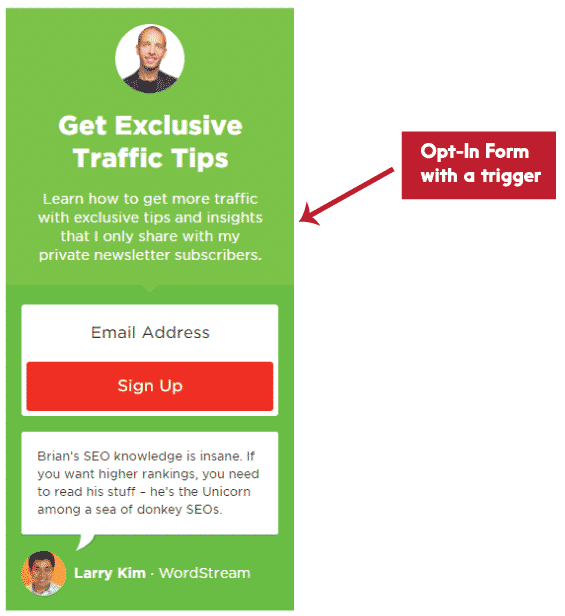
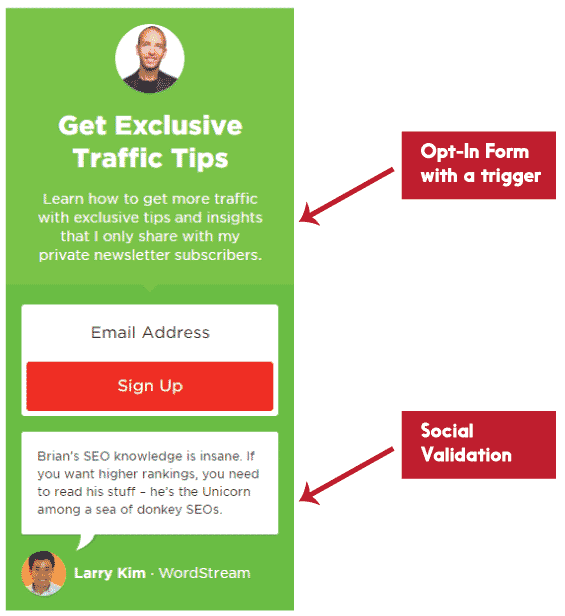
Opt-in forms play a vital role in this stage of inbound marketing. A well-designed opt-in form, along with a well-strategised trigger, helps you collect more leads.
Make sure the users feel like they’ll get utility in filling up the form. A rule of thumb is to make them fill up a form either to subscribe to an emailing list or before downloading a resource or e-book (which eventually makes them subscribed to the emailing list).
We suggest you keep different opt-in forms and email lists for the users subscribing on different landing pages, as it’ll help you in sending more personalised emails, which will, in turn, lead to better conversions.
Call-to-Action
A call to action is a piece of content which act as a stimulus for the user to perform a certain task like signing up for a newsletter, subscribing to the Youtube channel, downloading the ebook, etc. A well-placed, good-looking, “Subscribe now”, “Download” or “Sign Up” button could make all the difference.
Social Validation
Adding a tinge of social validation (ratings, testimonials, etc.) increases the credibility of the website which, in turn, increases the chances to convert the users into leads.
Targeted Ads
Targeted social media ads are a vital part of the inbound marketing strategy. A majority of the social media apps capture people’s attention for more than 50 minutes a day. Moreover, they even let you target the website (even specific page) visitors by using cookies.
You can use these platforms to generate leads according to their activities on your website. These will have more effect than the generic ads as these will be backed by their activities on your website.
3. Close
Once the user is converted into a lead, it’s time to convert him into a customer by making him purchase your offering.
The way you tackle this is up to you. Since not all methods may work as effectively since every business differs. It depends on what suits your customer base and what doesn’t.
Here are two general methods that you could use:
Email
Email is still the easiest and most effective method of ensuring more sales. Since you know where the customer signed up from (using different opt-ins on different pages), you can use this information to send more personalised informative emails with well-strategised triggers to take those leads to the next stage of the marketing funnel.
Customer relationship management (CRM) refers to the practices, strategies, and technologies used by marketers to manage the company’s relationship with the customers and to get higher profits through customer satisfaction and customer loyalty.
CRM tools help you store and segregate all the information you have of the leads and also provide automation tools to use that information to track leads and create personalised selling campaigns
Sales Focused Content
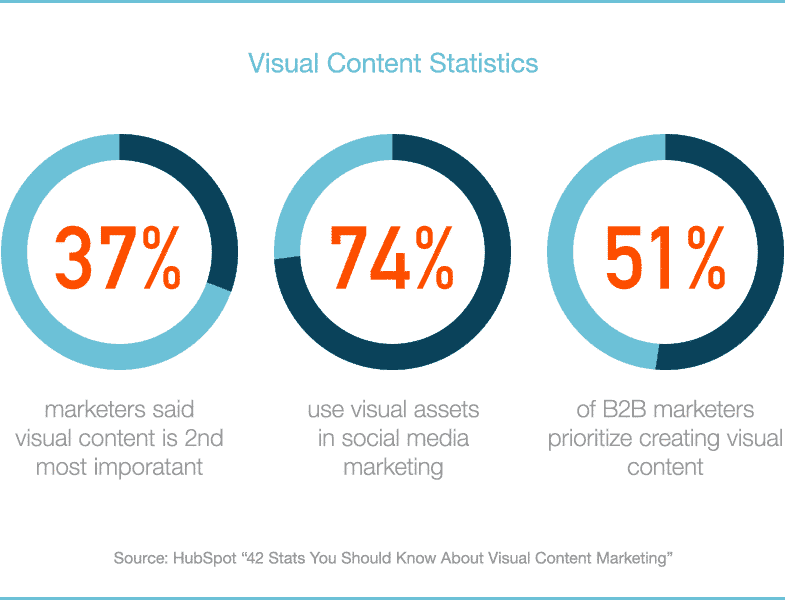
Having sales-focused content like a page describing a product, videos, an about us page, a spec sheet, or an FAQ page where you explain your what you actually do is always a good practice. Many of your users do want to know what your company stands for once they’ve fulfilled their curiosity related to the data. Moreover, a visual piece of content is always preferred over just data.
4. Delight
You’ve done everything required on your behalf. It would be fine if you’d left it at that. But it’s the small things that count. Personalised suggestions or tailor-made content, however small they may be, are still much more than effective in making a customer return and even referring your business to others. That is what he’ll remember the most in being your customer.
Customer Support – These two words have registered in the minds of customers as something that raises a lot of flags. There are only a countable number of good customer support stories.
Customer Rewards – Customer rewards provide a great incentive for them to return back to you, gain much more value and also will make them spend more time on your site.
Benefits Of Inbound Marketing
There are people who have just started out but have achieved great exposure and success by doing the right marketing. That is not to say that marketing is everything, one needs to have a good product too. Nevertheless, the benefits that inbound marketing brings about are very much valuable to any business, be it the ones that are starting out, to the ones that are well-established.
Brand Awareness – Inbound Marketing helps in building and raising brand awareness among the prospective and even existing users of the brand. Well-defined and well-targeted strategies not only provide the information to the target audience but also provide it in a manner that they want to know more about the brand and its offering.
Brand Recognition -Since Inbound Marketing revolves around offering things of value for little in return, this allows you to build a brand image that you could get only much later on the stages of business.
Long-term Relations – Inbound Marketing use targeting to reach a more focused audience, which tends to build upon more personal and close relations with your prospects in the long run.
Cost Effective – Most of the tactics that you use in Inbound Marketing require the least financing. This means you’re generating potential customers just out of the value proposition that you offer.
Inbound Marketing Examples
Content Marketing – You can witness a perfect example of an inbound marketing strategy using a blend of content marketing along with SEO, CTA, and email marketing when you search for content marketing on Google. The Content Marketing Institute, which earns revenue by providing training and consultancy related to content marketing, has been successful in obtaining the first rank for the keyword and uses the landing page to get more leads which can be later converted into customers.
Social Media Marketing – Search for “Kylie Jenner”. You’ll know the true prowess of inbound marketing and how it has helped in growing a whole cosmetic empire out of just followers on her Instagram.
Ebook – Ebooks are a great way to raise awareness of your brand. Though they haven’t dethroned regular paper, they are rapidly gaining popularity as one of the most effective lead-generation techniques. Take LinkedIn, for example. If you want to know how to use LinkedIn effectively, nobody’s going to be more expert than LinkedIn itself. That’s why the company’s ebook on its own approach to marketing with LinkedIn is such a winner. The landing page is arranged with a series of tips and stats that trigger the users to want to opt-in immediately.
Email Marketing – Informing the customers about your new products, discounts, and deals, or just keeping them up-to-date on what’s happening, goes a long way in establishing a good rapport. While this is usually considered outbound marketing if the content in it is too vague, it works wonders if the content is personalised according to the recipient’s needs, wants, and activities. Take an eCommerce platform like eBay, for example. eBay smartly uses the abandon cart emails to not only remind the customer that there’s an unbought product in his cart but also use smart writeups to claim that he doesn’t buy the item; someone else will. The company also sends an email whenever there’s a drop in the price of the item in an abandoned cart.
Podcasts – Audio-related content has been on the rise recently. People are getting more inclined towards audiobooks and podcasts since they allow them to concentrate on other activities as well. Even though you can’t generate leads directly through podcasts, you can use the psychological strategy of human touch and trigger your visitors to perform a certain task. Hubspot, the brand which popularised the term inbound marketing, also runs a podcast – The Growth Show, which focuses on guiding entrepreneurs on building and growing their business empire (using Hubspot tools, of course).
Keep in mind that there are a lot more inbound marketing examples, like push notifications, SMS, etc., that also can be used along with these to help you form the perfect inbound marketing strategy for your startup. Test them on a small audience, validate your strategy, and roll it out before your competitor does.
Go On, Tell Us What You Think!
Did we miss something? Come on! Tell us what you think about our article on inbound marketing in the comments section.
It was 2007 when Netflix took a pledge of labelling cable TV as old school and bringing a new content consumption trend of on-demand videos among the internet users. Who would have known that TV would return in the most unexpectable way ambushing Netflix and proclaiming that its throne can never be taken away?
Welcome Hulu. The biggest competitor of Netflix (and your sleep).
What Is Hulu?
Hulu is a premium over-the-top media service (internet based TV streaming service) that allows users to stream TV shows, movies, documentaries and more on a wide range of Internet-connected devices.
Launched on October 29, 2007 as a joint venture among AOL, Comcast, Facebook, MSN, Myspace, and Yahoo!, Hulu focused on TV shows more than movies and other video content. Hollywood executives saw potential in this positioning and the service soon became a platform to watch current episodes of television shows on.
The company has partnered with most of the USA’s cable TV channels like ABC, NBC, Fox, CNBC, etc. to position itself as one of the biggest online TV show library. It has also partnered with local and national channels like National Geographic, Fox, Disney Channel, etc. to provide the live TV experience on the internet without any need to install cable TV.
Here are some features provided by Hulu –
One of the largest on-demand TV shows and movie screening library
TV episodes from almost all the TV channels the day after they air
Exclusive access to Hulu original shows like The Handmaid’s Tale, The Looming Tower, etc.
Live TV from broadcast networks in over 200 USA markets.
A Cloud DVR
HBO, SHOWTIME, Cinemax, STARZ and other exclusive add-ons to stream exclusives like Game of Thrones, Shameless, etc.
Hulu Business Model
The premium video streaming service Hulu currently boasts over 25 million subscribers and its exclusive library which gives its users access to shows from every major U.S. broadcast network, libraries of hit TV series and films, and acclaimed Hulu Originals.
But how does Hulu work and why has it been so successful, you ask?
How Does Hulu Work?
Let’s dig deep into a brief history of Hulu to get a clear picture of how the company used to operate and what all have changed in the business model of Hulu from 2007 to 2019.
The company was started with an ad-supported business model where you could stream the TV shows for free but had to watch advertisements which interrupted the stream. This business model was similar to today’s Youtube business model.
The company launched its paid subscription service (plus) in 2010 to compete with the likes of Netflix. The paid subscription was initially launched at a price of $9.99 per month but was soon lowered to $7.99. This paid subscription, however, wasn’t ad-free. It contained as many ads as the free version but provided a wider array of viewing choices in terms of shows that were available and the devices on which Hulu could be streamed on.
In 2015, a no-commercial premium subscription plan was launched by the company for around $12 to $14 per month, though few shows were to retain the pre-roll and post-roll ad pods. The company also partnered with Yahoo! to move its free content to content to Yahoo! View and converted its business model to a fully-fledged subscription business model like that of Netflix’s business model.
In 2017, Hulu strengthened its positioning as an online TV by launching the Live TV service which made it possible to live stream more than 50 broadcast and cable-originated channels. Many new channels and shows were announced soon after this. Money making addons like HBO, Showtime, Cinemax, etc. and additional features like cloud DVR, six account profiles, etc. were also launched subsequently.
As of March 2019, the company has over 25 million paid subscribers and provide the following subscription plans –
Price Per Month
Screens
Subscription Package
$5.99
1
Hulu On Demand with ads
$11.99
1
Hulu On Demand without ads
$44.99
2
Hulu Live TV and On Demand with ads
$50.99
2
Hulu Live TV and On Demand without ads
Add-ons provided by Hulu are as follows –
Price Per Month
Add-on
$9.99
Hulu Live TV – add Enhanced DVR (200 hours)
$9.99
Hulu Live TV – add Unlimited Streams
$14.99
Hulu Live TV – add Unlimited Streams AND Enhanced DVR
$10.99
SHOWTIME® on Hulu
$14.99
HBO® on Hulu
$9.99
Cinemax® on Hulu
$8.99
STARZ® on Hulu
$7.99
Entertainment Add-on (additional lifestyle content)
How Does Hulu Make Money?
The revenue model of Hulu is fairly easy to understand. The revenue earning sources can be divided into two categories –
Revenue from subscriptions
Revenue from advertisements
Revenue From Subscriptions
Since the company scrapped its free streaming model altogether, all of the 25 million users pay to use the service. These monthly subscriptions contribute a substantial amount of revenue to the company.
The company provides four basic subscription plans starting from $5.99 per month. These upgrades of the base plan include options for no-ad-interruption, live TV, and no-ad-interruption + Live TV.
Revenue From Advertisements
If you’re one of the subscribers of Hulu, you would have noticed that even the no-ad subscription plans have some shows which include pre-roll and post-roll ad blocks. Advertisements are indeed the biggest revenue earning source of Hulu. According to the company, it earned an ad revenue of $1.5 billion in 2018, which was 45% more than what it earned in 2017.
Unlike Netflix, this on-demand video streaming platform doesn’t stay behind in wooing advertisers to advertise to its users. The company provides three ad-targeting options to increase the reach of the advertisers. These are –
Splash – Where the advertiser intercepts nearly every unique viewer on a single day.
DMA targeting – Where the advertiser intercepts nearly every viewer within a specific market.
Targeted – Where the advertiser can target the ad according to the demographics, geographic area, content length, genre, and more.
Besides this, Hulu also provides seasonal ad targeting options like on Earth day, Mother’s day, Father’s day, etc.
The company provides a variety of advertisement options to the advertisers who can choose from just a normal interstitial ad to those big brand integrations in the Hulu original shows. These are –
Custom Integrated Commercial
Custom integrated commercial is an exclusive video solution by Hulu which is strategically developed to integrate the advertiser’s brand values and message with Hulu’s in a custom developed commercial which feels more like a part of the content rather than a commercial.
Here’s an example of a custom integrated commercial of Hotels.com developed on the lines of Castle Rock.
Custom Integrated Slates
Custom Integrated slates are similar to custom integrated commercials but these are 7 seconds long pre-roll slates with integrated brand values and message which are created to match the content in a way to introduce viewers to the commercial and content that follows.
Spotlight
Spotlight is a solution for theatrical, TV tune-in, or video game advertisers to amplify their message and drive awareness for any new release by using Hulu as a marketing tool where they release their trailers and teasers.
Premium Slate
A premium slate is a brand’s 7 seconds video asset which runs as the first video in pre-roll which. These videos appear in premier positioning before the advertiser’s video commercial at the beginning of the show and are accompanied by intro text and “presented by” voice over.
T-Commerce
Hulu also provides complete marketing and sales solutions when it comes to T-commerce. The company had partnered with Tomb Raider in the past which used this feature to develop a solution for users to purchase movie tickets on their smart TVs.
Brand Integration
The company has 40+ original programs which are exclusive to Hulu. Since these are produced in-house, the advertisers can also partner with the brand for brand integration solutions for these shows.
Future Of Hulu
Hulu was never short of money and the company was also able to position its brand perfectly as a TV show library. Contrary to what it seems, the biggest competitor of Hulu today isn’t Netflix but Youtube TV. Nevertheless, the brand was a pioneer to create a new demand for online streaming of TV shows. The company was also able to bring down the costs of watching TV shows from an average of $100 to just $5.99 per month.
Hulu still has an incredible growth rate of 48 per cent and is no less a scaleup than Netflix or Amazon Prime. The present favours Hulu and it seems it’ll be the same in the future as well.
Go On, Tell Us What You Think!
Did we miss something? Come on! Tell us what you think about our article on how does Hulu work and make money in the comments section.
Hey, I'm Aashish
Each week I share research backed AI oriented content in my newsletter.
There are AI ideas, AI trends, tutorials, and guides.
24k entrepreneurs read it. I'd love you to join.

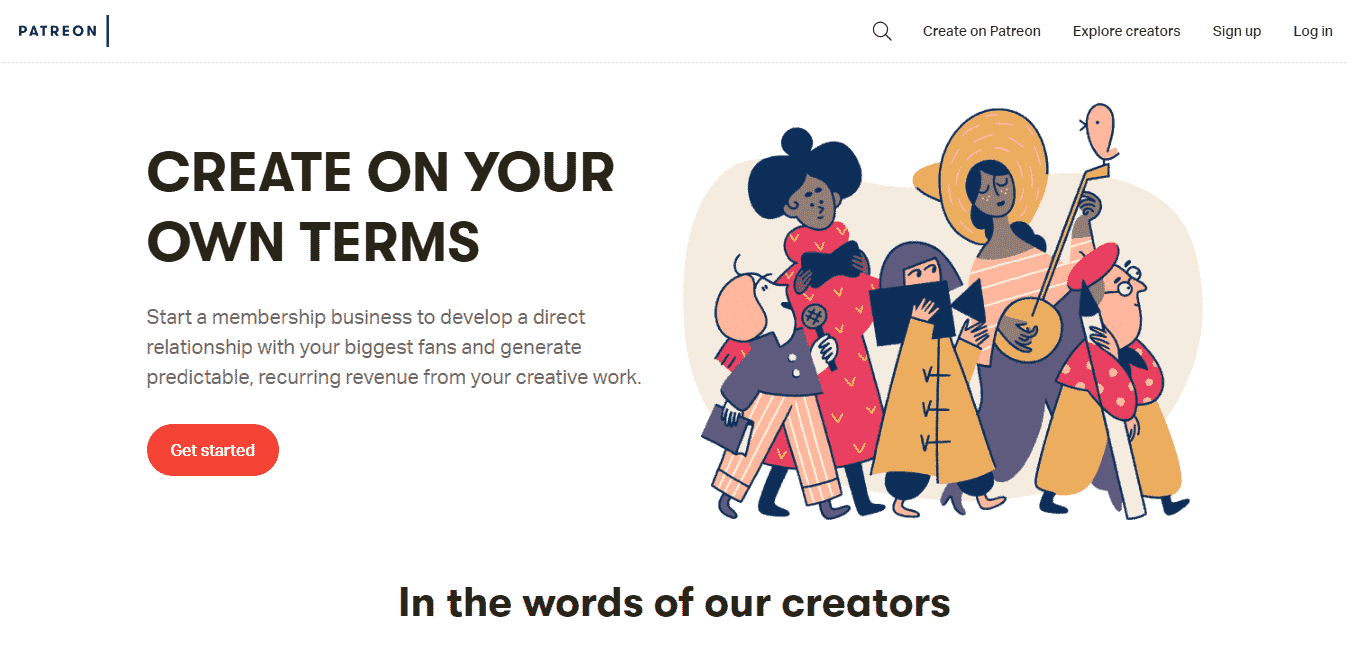
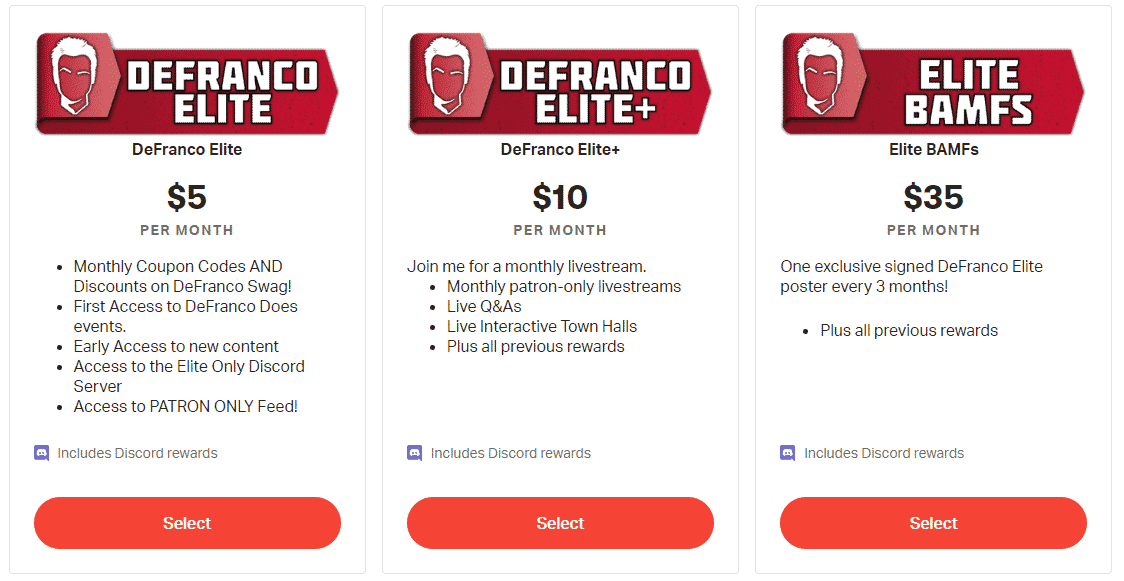
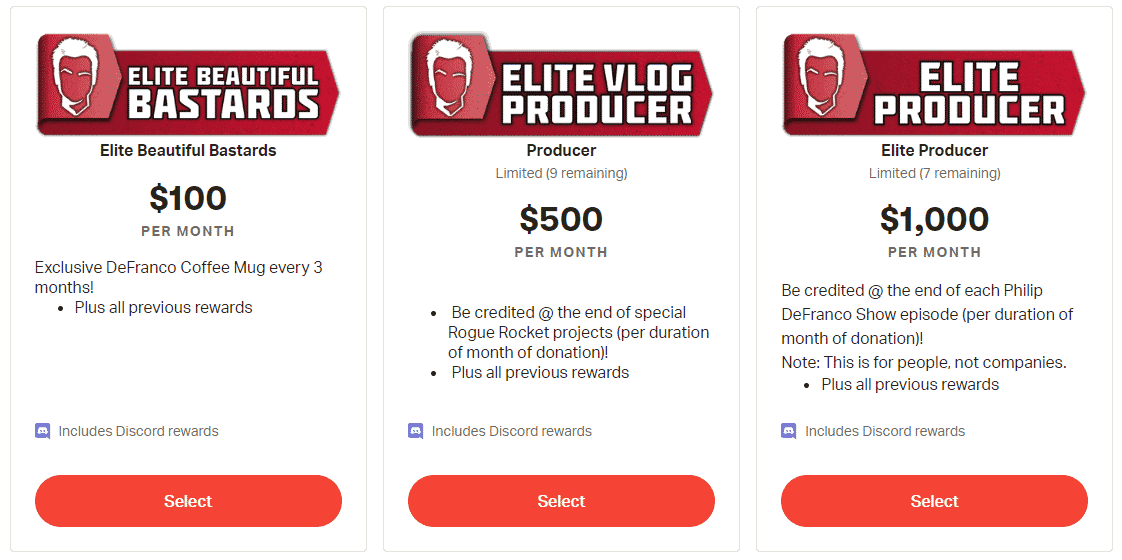
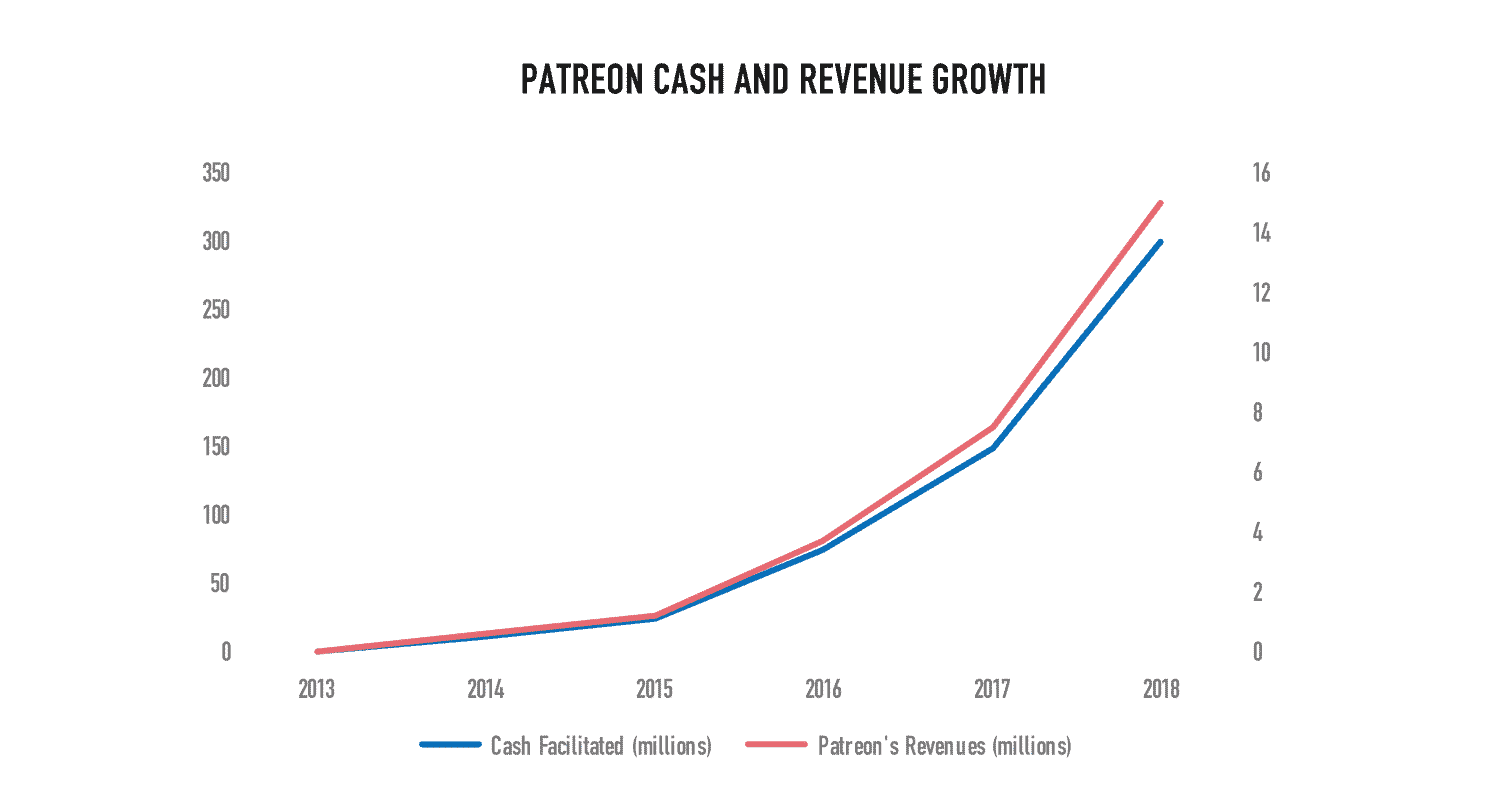
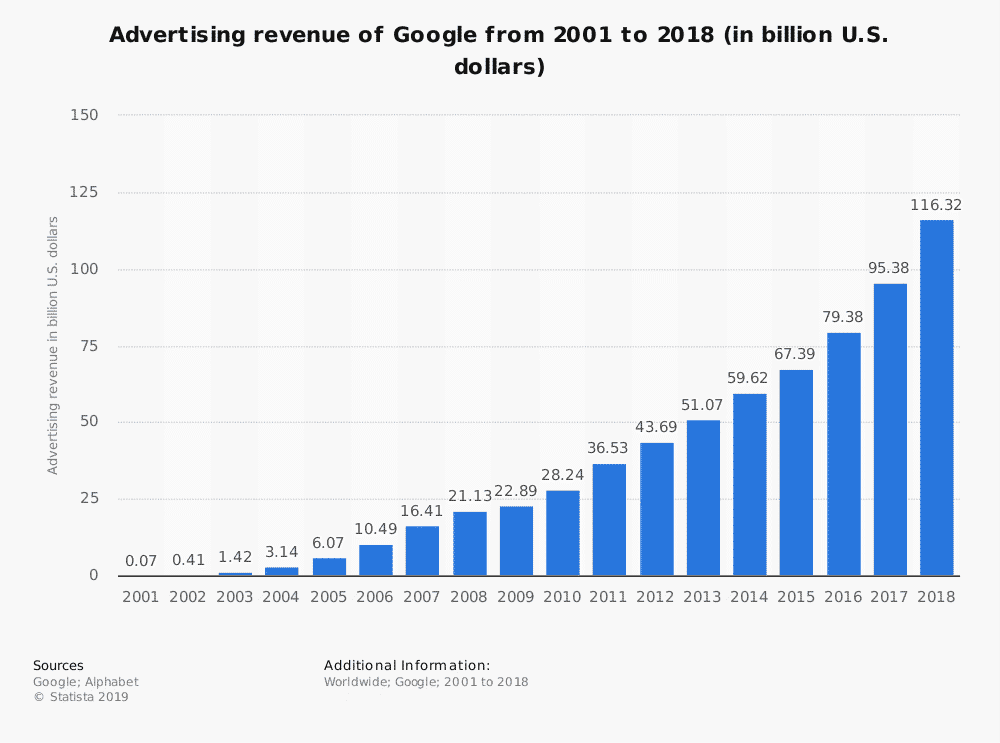
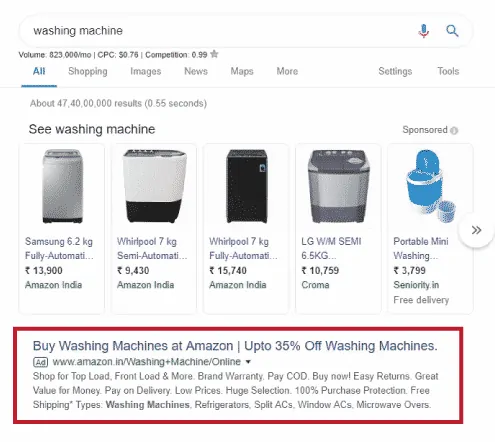
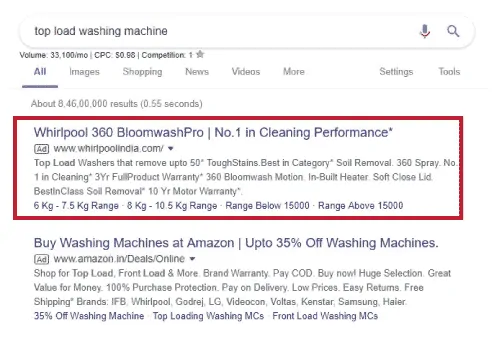
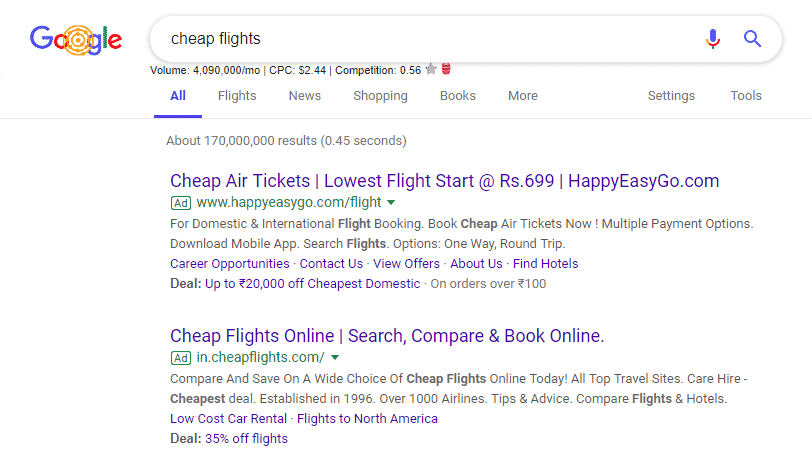
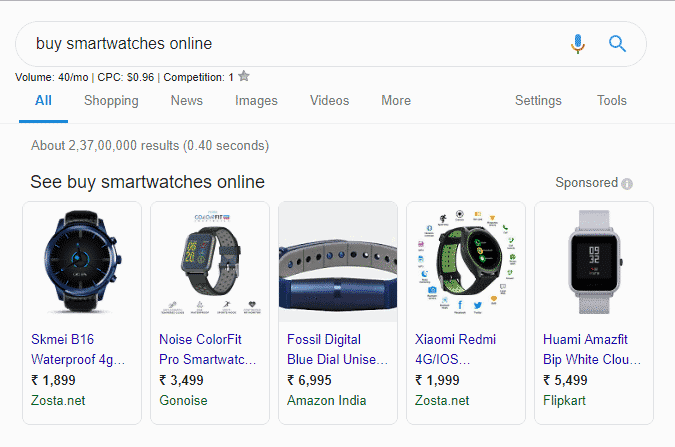
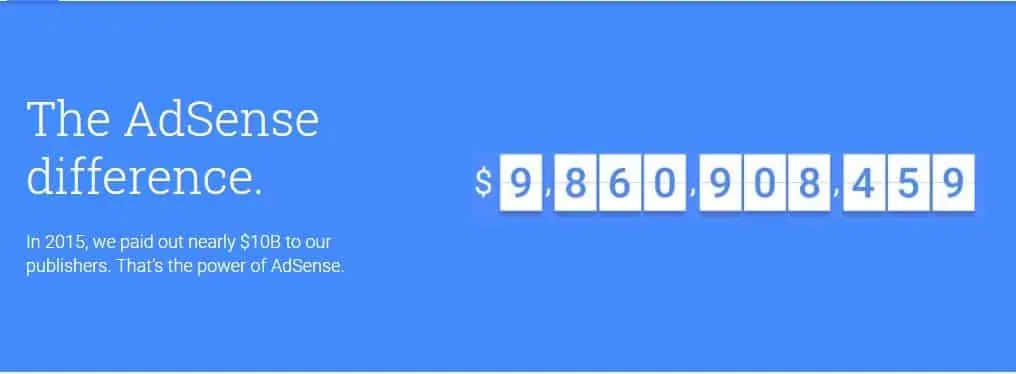
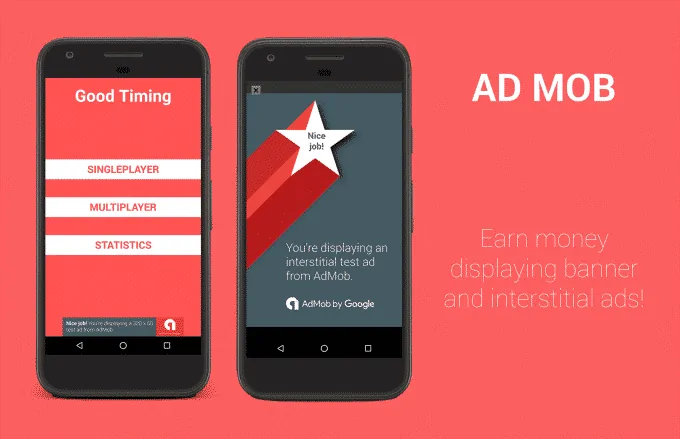
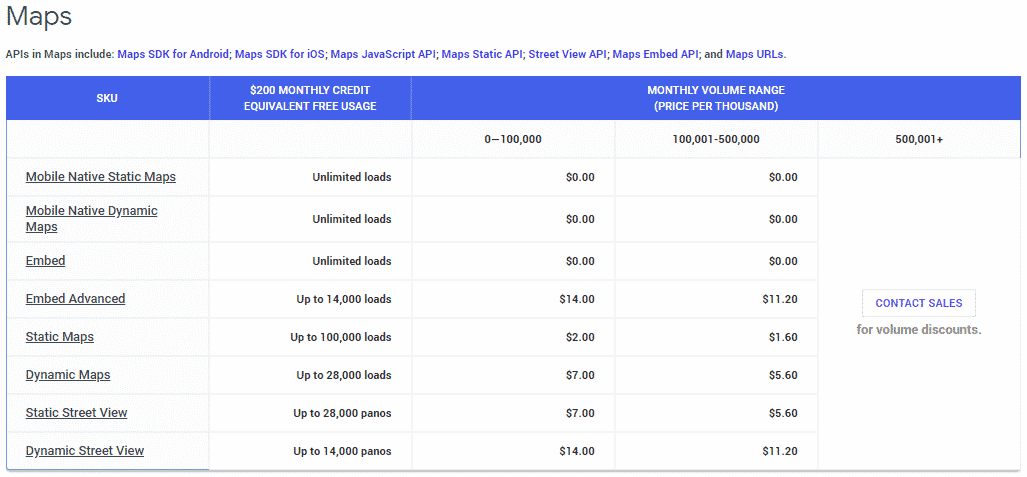
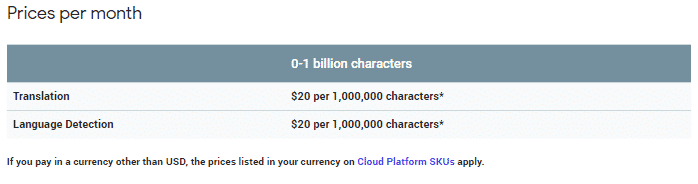
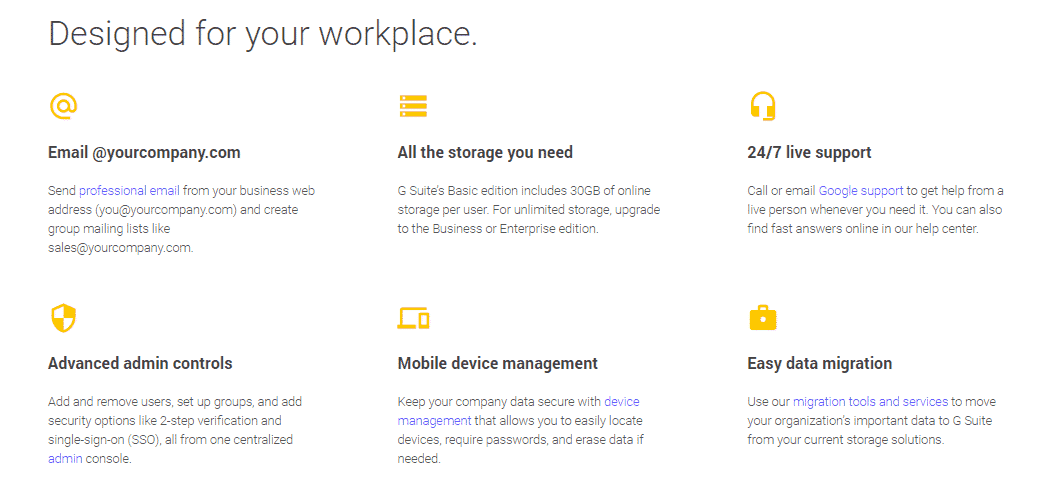
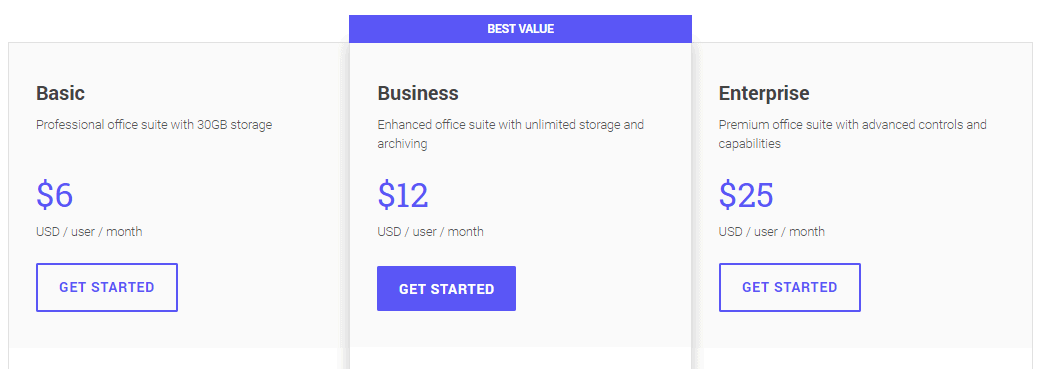
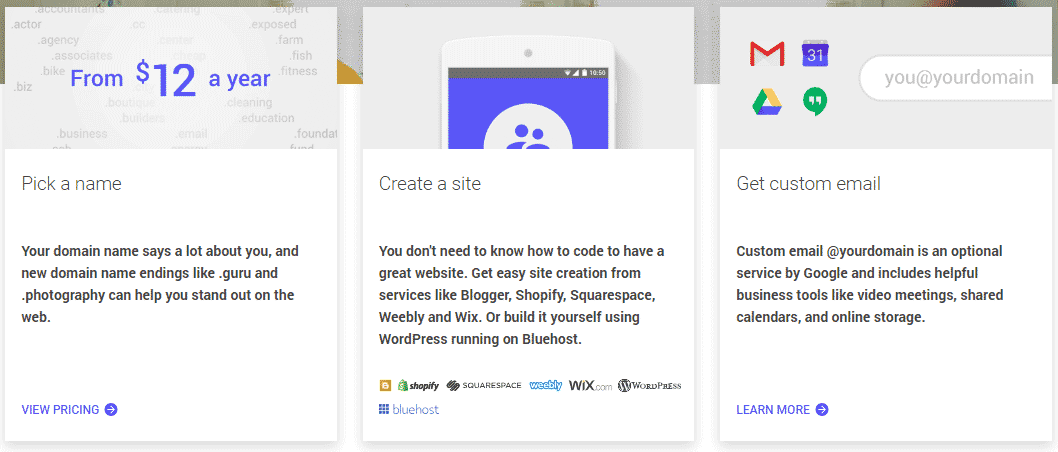
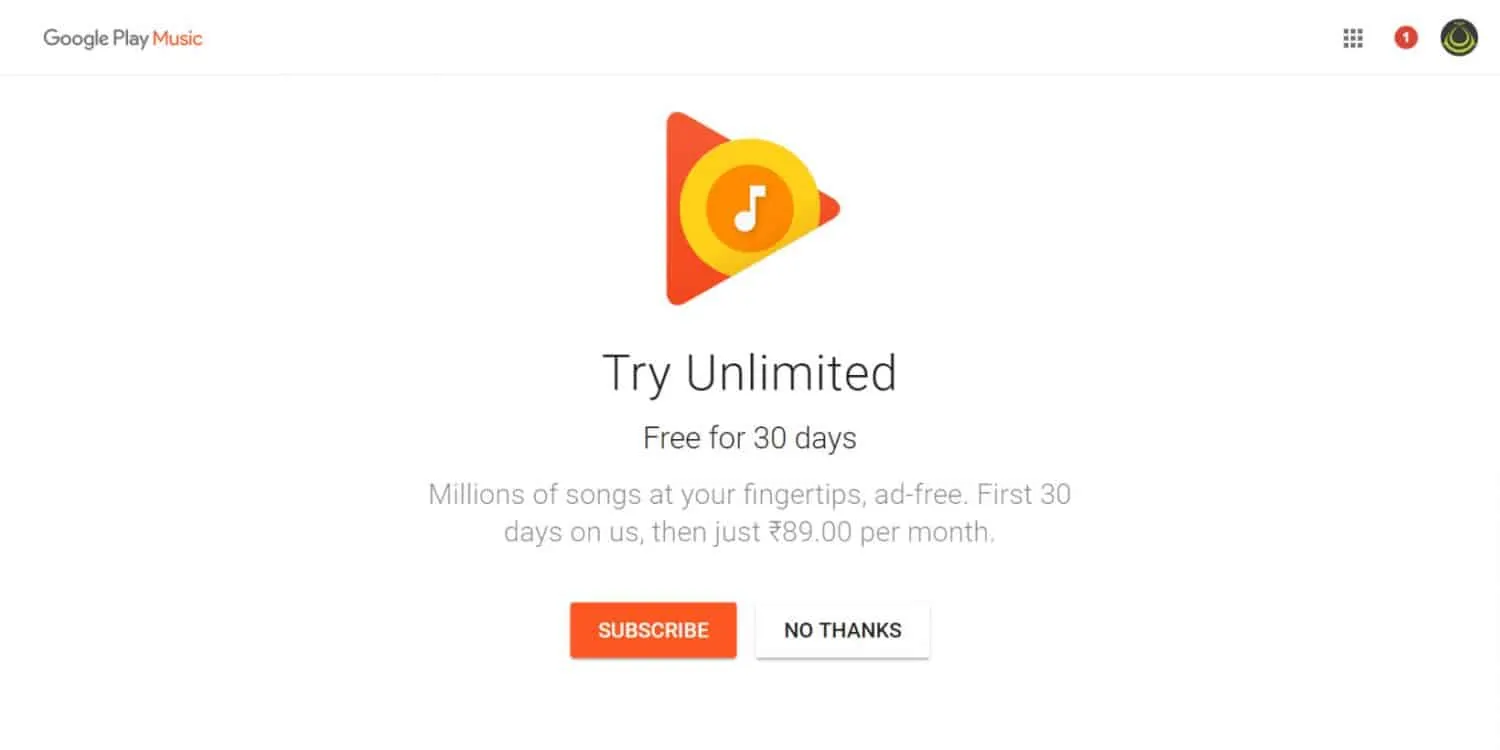
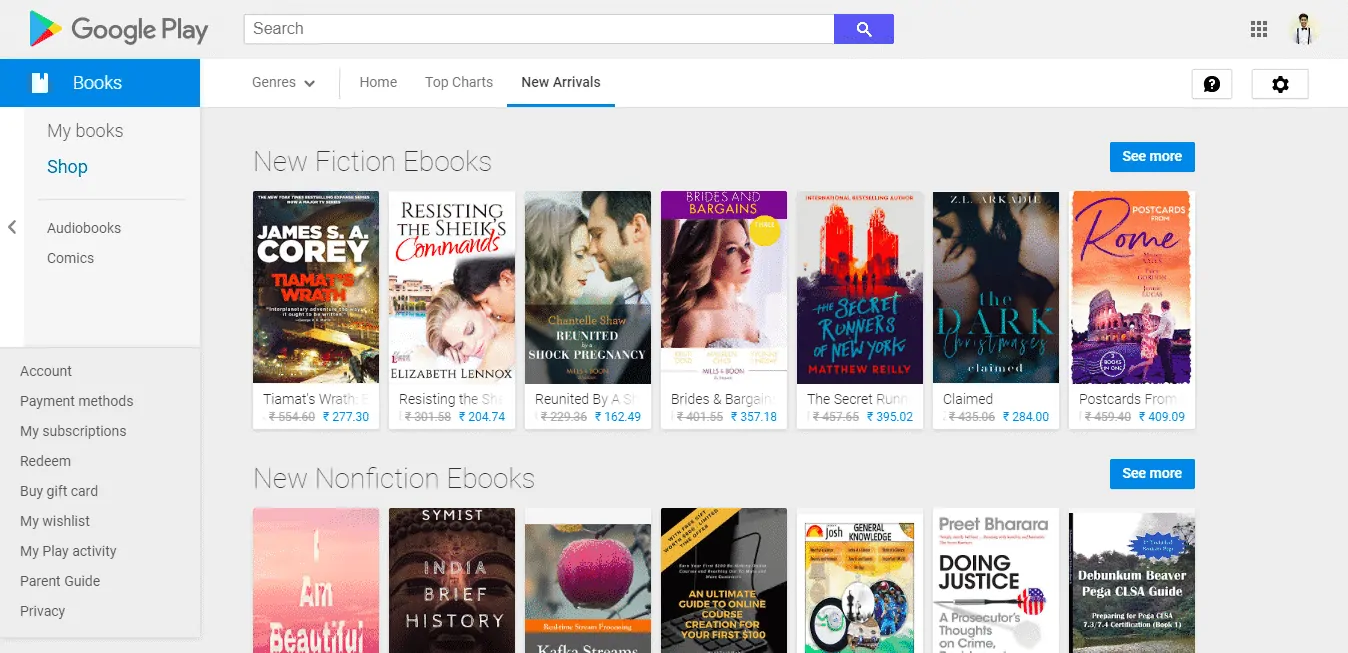
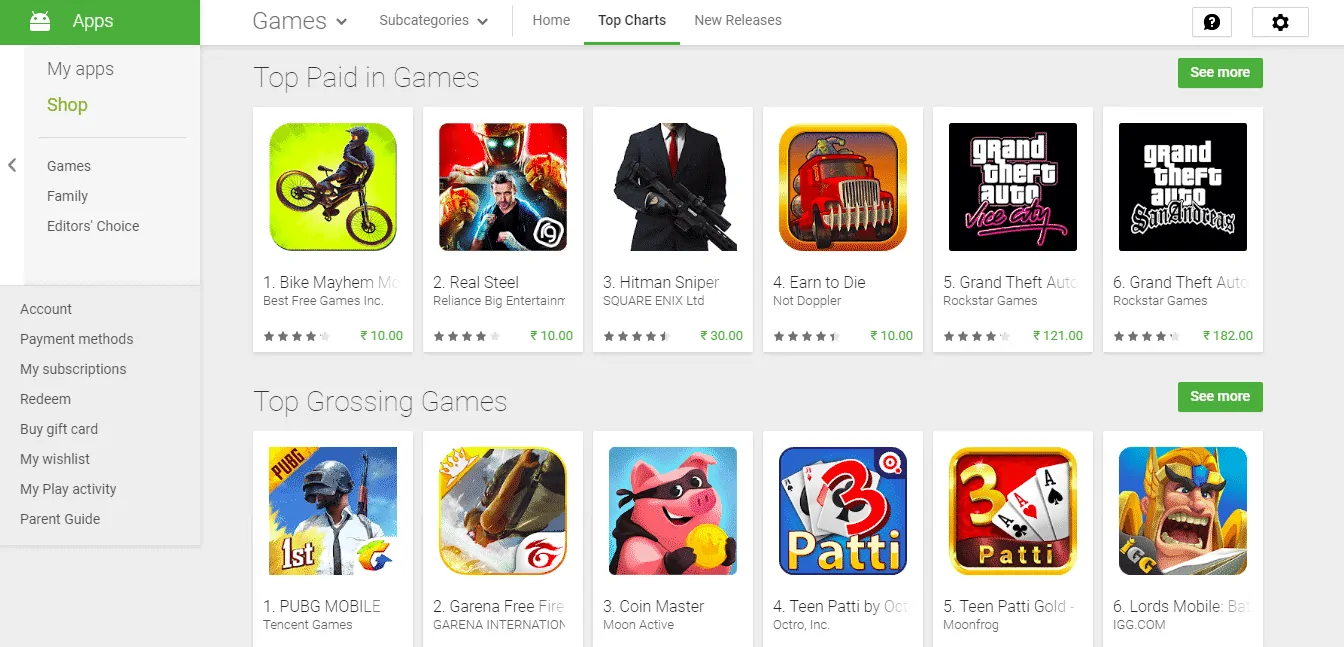
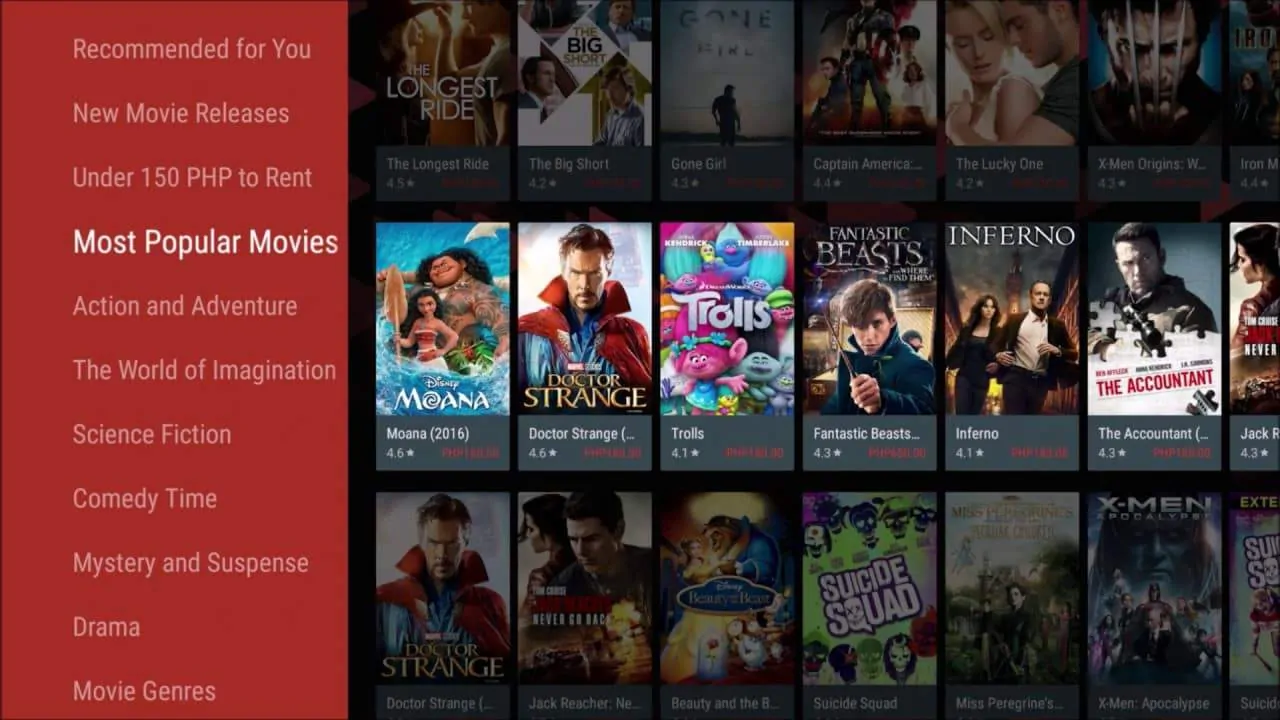


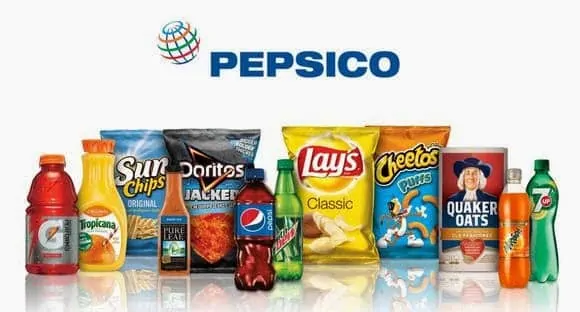


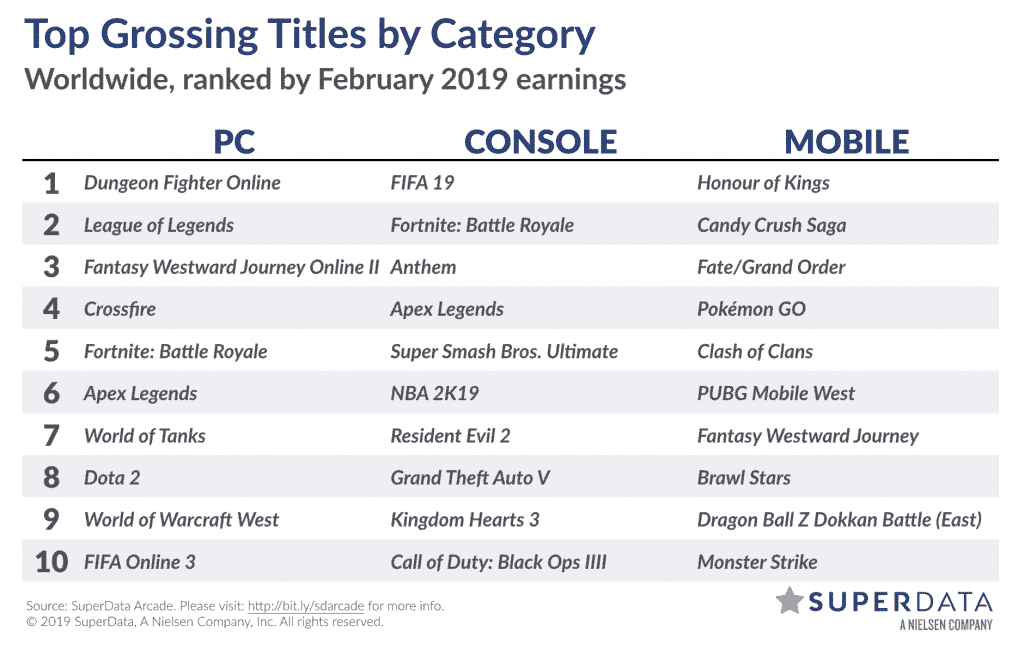





![Call To Action Marketing [The Definitive Guide To CTA]](https://www.feedough.com/wp-content/uploads/2019/03/CALL-TO-ACTION-MARKETING.png)
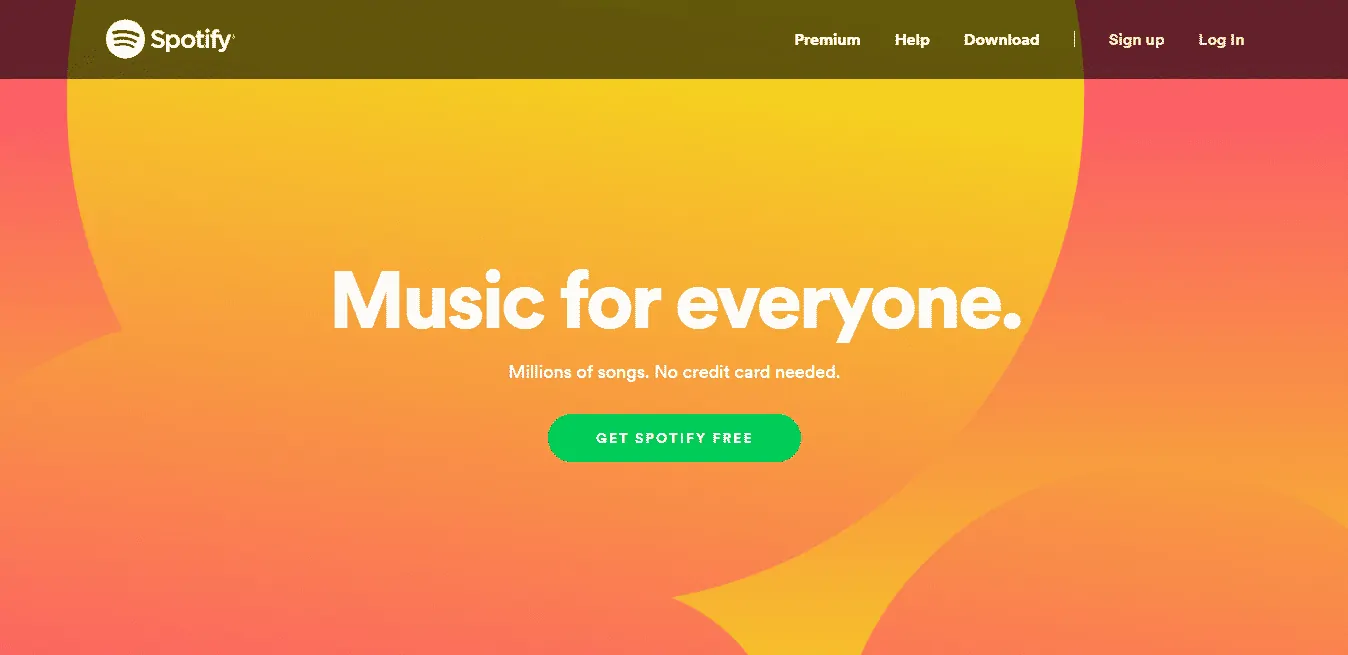
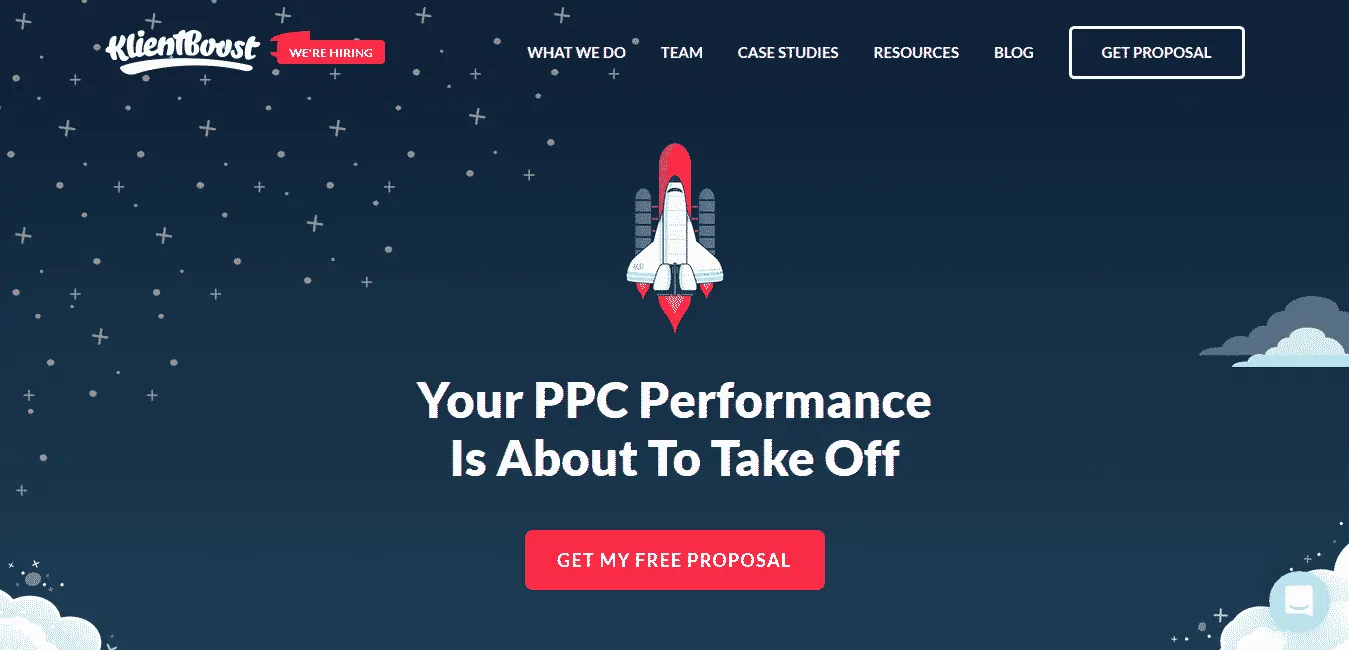
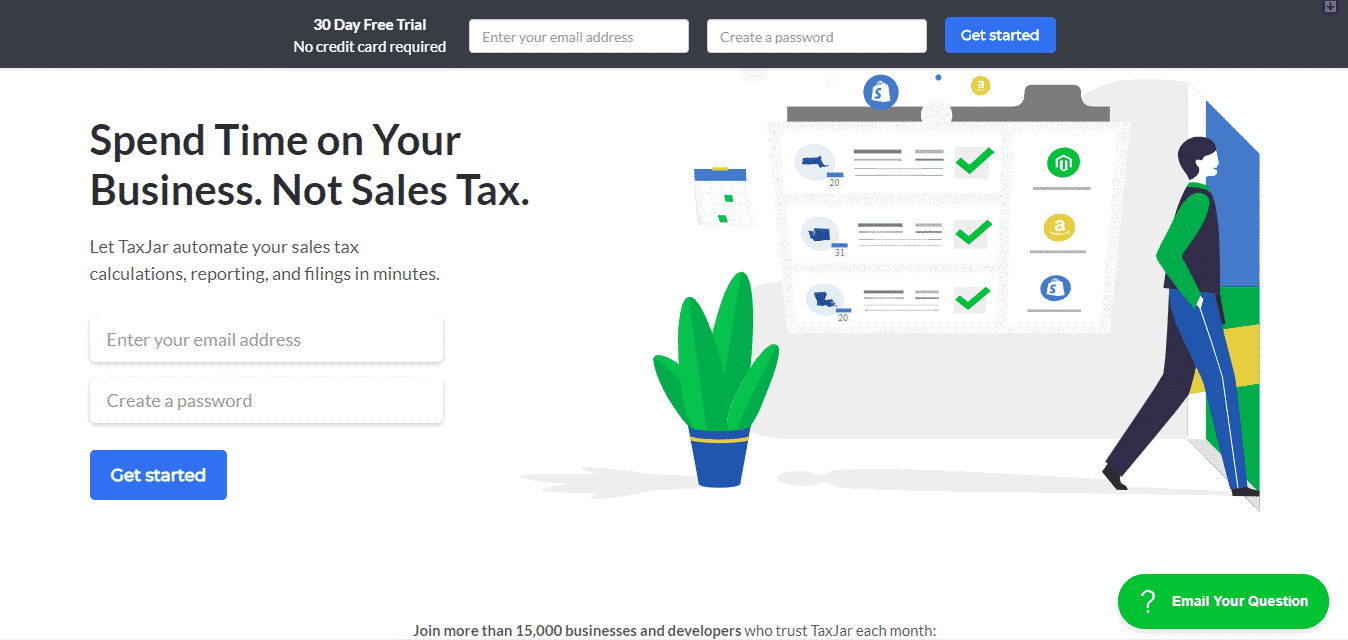
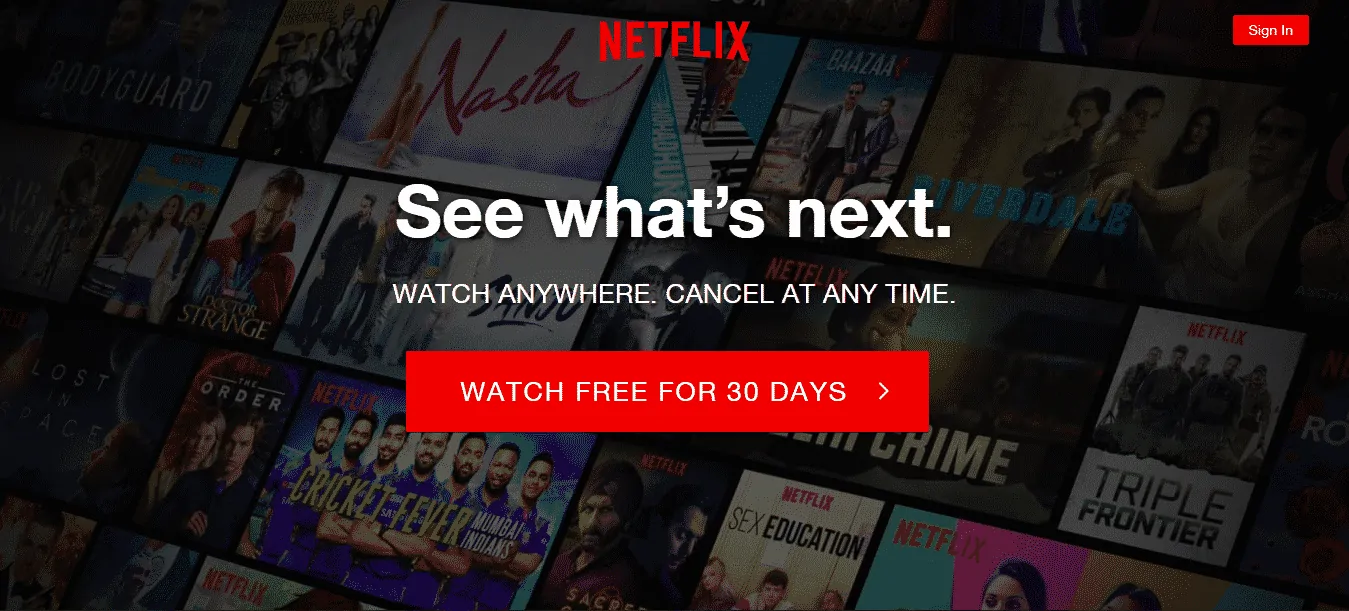
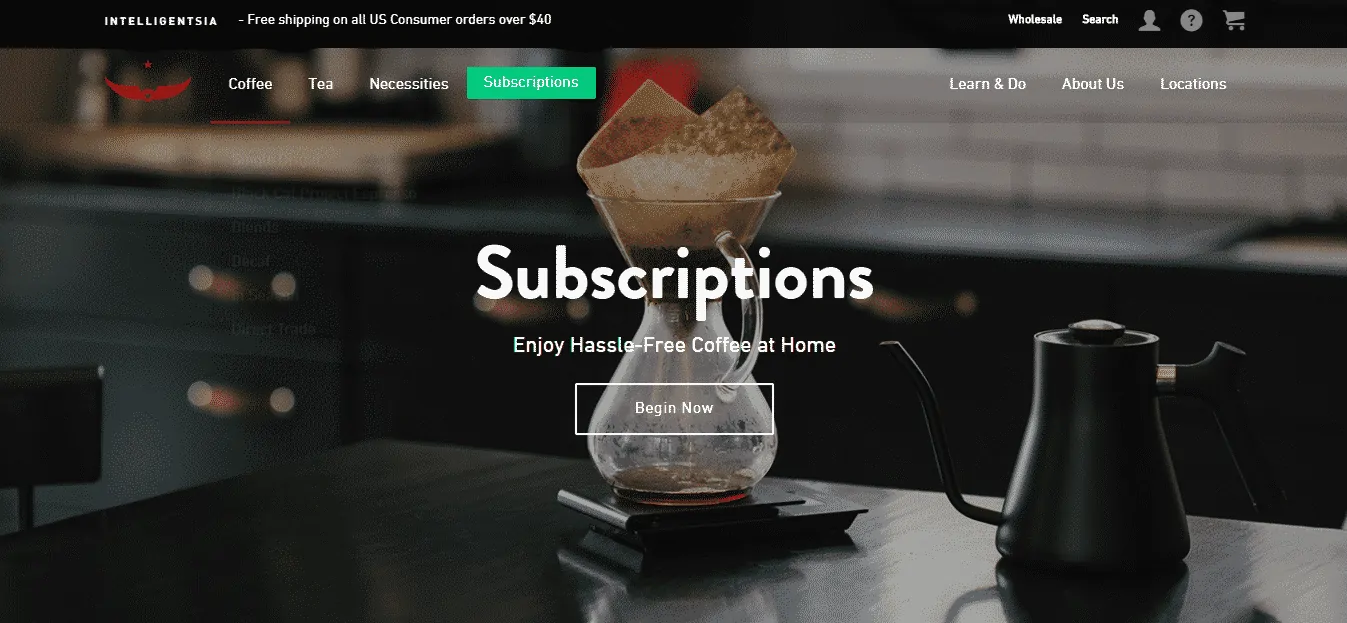
![What Is Inbound Marketing? [The Ultimate Guide]](https://www.feedough.com/wp-content/uploads/2019/03/Inbound-marketing.png)