Brand Image is how customers think of a brand. It can be defined as the perception of the brand in the minds of the customers.
This image develops over time. Customers form an image based on their interactions and experience with the brand. These interactions take place in many forms and do not necessarily involve the purchase or use of products and services.
What Is Brand Image?
Brand image is the perception of the brand in the mind of the customer. It is an aggregate of beliefs, ideas, and impressions that a customer holds regarding the brand.
An image is the set of beliefs, ideas, and impression that a person holds regarding an object.
– Kotler
A simple definition of brand image could be – the customers’ perception of the brand based on their interactions and experience with the brand or their beliefs of what the brand could be.
A brand can be perceived differently by different customers. Hence, the formation of a consistent brand image is a huge task for any business.
Importance Of Brand Image
Every Company strives to build a strong image as it helps in fulfilling their business motives. A strong brand image has the following advantages –
More profits as new customers are attracted to the brand.
Easy to introduce new products under the same brand.
Boosts the confidence of existing customers. Helps in retaining them.
Better Business-Customer relationship.
A company with a bad image may struggle to operate and might not be able to launch a new product under the same brand.
What Gives Rise To Brand Image?
Companies spend most of their time, effort, and resources in building their brand identity. They decide how their brand will look, how should the customer feel when they contact the brand, where should the brand be located in consumers’ minds, and other associations. All these, when summed up, give rise to a brand personality which eventually gives rise to the brand image when the customer interacts with this brand or gets to know about it.
Now, it is not always necessary that an image forms out of interactions and experience with the brand. There are times when prospective customers form an image of the brand in their mind after reading news about the brand or after watching an influencer review it.
This is just like with humans. When we meet a person, we assess his personality and form a perception of him in our minds based on our interactions. Similarly, we also form perceptions when we hear about that person from some of our friends.
Examples Of Brand Image
Coca-Cola is a brand known for a product best used at the time of happiness, joy, and good experience. It is the ‘original cola’ and has a ‘unique taste’.
Woodland Shoes are solid and are an ideal choice for outdoors. They last very long.
McDonald’s has an image of an inexpensive brand that serves the food very quickly.
Walmart is best known for a retail brand selling goods for a lesser price than usual retailers.
Rolls-Royce is a premium brand considered to be exclusive for wealthy and influential people.
The brand image of Nike is different from other apparel brands. It’s considered to be a cult brand which deals only in sportswear.
Brand Image vs Brand Identity
Brand identity is how the company portrays itself to the customers. It’s how the brand wants the customer to perceive it.
Brand image, on the other hand, is how the customers actually perceive the brand. The company has less control over its image and always strive to align the brand image with the desired brand identity.
Brand Image
Brand Identity
Definition
Brand image is the customers’ perspective of the brand. It is how the customers actually see the brand based on their interactions.
Brand identity is how the brand wants to portray itself to the customers. It’s how the brand look at itself.
Control
The brand has less control over its image.
Brand identity is fully controlled by the brand.
Indication
Customers’ perception of the brand.
How the brand identifies itself
Go On, Tell Us What You Think!
Did we miss something? Come on! Tell us what you think of this article in the comments section.
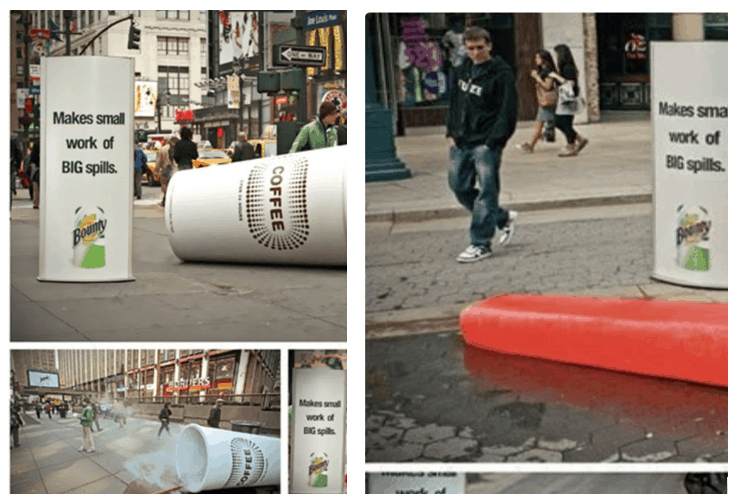
Who would expect to stumble across a large life-sized popsicle on their way to work?
One couldn’t help but get impressed with this guerrilla marketing move of Bounty, an American paper towel brand. In 2009, they installed life-sized ‘messes’ like a giant melting popsicle, and a knocked-over coffee cup in New York streets, reflecting their idea of ‘making small work of big spills’. Their strategy was to highlight ‘the quicker picker upper’, their paper towels with super absorbent properties, and show consumers how they’ve got clearing big messes from spilling beverages and dropping food to spilling paint, all covered.
This is the essence of guerrilla marketing, a marketing strategy towards which most brands are inclining nowadays. Let us demystify various aspects of guerrilla marketing and look at one of the most innovative examples.
What Is Guerrilla Marketing?
Guerrilla marketing is a marketing strategy where brands use cost-efficient unconventional and creative tactics to create a lasting impression on their target audience.
Introduced in 1984 by Jay Conrad Levinson in his book Guerrilla Marketing, it refers to using inexpensive unconventional ways to amplify awareness of products and services offered by a brand. Brands interact with consumers personally or digitally by bringing in a remarkably untraditional element that creates an impact on them. The idea is that when traditional marketing strategies do little good, brands can bring in their ‘guerrillas’.
Why Is It Called Guerrilla Marketing?
The name guerrilla marketing draws inspiration from guerrilla warfare which relates to small tactics used by paramilitary personnel and armed civilians. These tactics make use of ambush, sabotage, raids, and other elements of surprise. Akin to guerrilla warfare, guerrilla marketing strategies also use creative ways that have an essence of a surprise to create an impact on the audiences.
Objective Of Guerrilla Marketing
The main objective of guerrilla marketing is to create a buzz in the market using unique and engaging campaigns that use limited resources. Besides this, marketers opt for guerrilla marketing when they want to –
Stand out from the clutter of paid advertisements and develop a unique positioning in the customers’ minds.
Build a brand in a way that is remembered well by the audience.
Earn media attention as news agencies and media houses often cover such guerrilla marketing campaigns and showcase the same to their audience.
Get viral as guerrilla marketing campaigns carry a social value which
Types of Guerrilla marketing
Now that we know what guerrilla marketing is, let us delve deeper into the various types of the same.
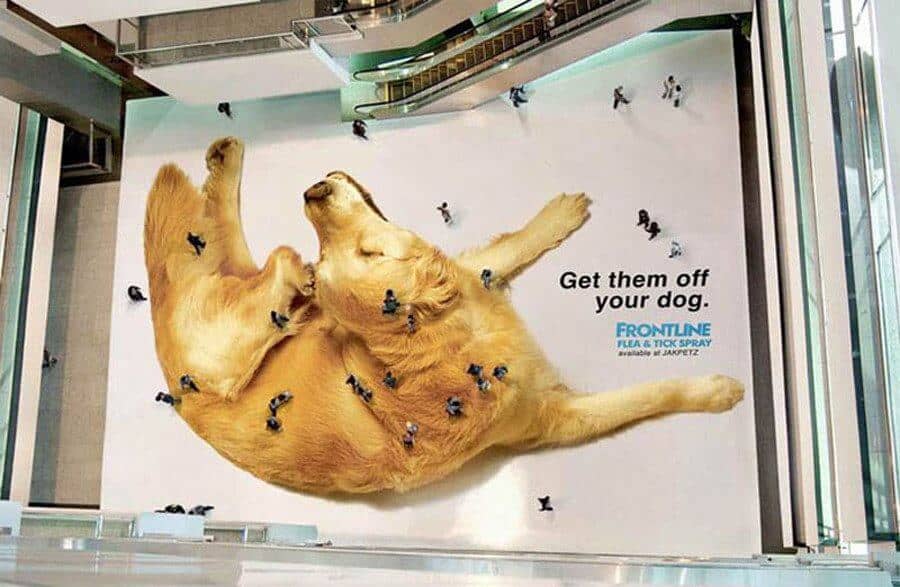
Frontline, a brand that produces products for flea and tick prevention for dogs, had put up this creative image of a dog-insect illusion to appeal to people’s emotions by making it difficult for them not to look at it twice!
BIC’s lawn mowing razor campaign in Japan also made a remarkable impact on people, making them ponder if the impossible task of shearing a lawn with a razor was probably not as impossible with BIC’s razor!
Ambush Marketing
Ambush precisely means a surprise attack by someone lying in wait in a concealed position. In ambush marketing, a marketer uses ‘ambush’ to get the upper hand over its competitors by stealing the spotlight from them. It is one of the key tools used in brand wars since it makes a brand gain more exposure and capitalise on an audience at the cost of its competitors.
In the 2010 FIFA world cup, Nike used ambush marketing to win over its competitor, Adidas. Adidas was the game’s official sponsor while Nike advertised its products through TV commercials and popular football players.
Similarly, in the 2014 FIFA world cup, Coca-cola was the official marketing sponsor, and Pepsi ambushed its marketing efforts by signing 19 renowned players.
Undercover or Stealth Marketing
Undercover marketing refers to marketing in a subtle and ‘hidden’ way, such that it doesn’t seem like a marketing ploy to consumers. The idea is to market products in a less obvious manner that aligns with the idiom, ‘flying under the radar’.
For instance, the last thing a person consuming an ice cream bar would anticipate is that the wooden stick turns out to be Colgate’s emulated toothbrush.
Source: Colgate
Viral or Buzz Marketing
Viral or buzz marketing techniques aim at maximising the word-of-mouth marketing potentials of a product or campaign. It means to market in an impactful way to capture people’s attention, such that it makes people talk about it. This makes the target audience more receptive and helps create a buzz about the product.
EA Games launched the Tiger Woods PGA Tour 08 game with an intriguing shot called the Jesus shot where Tiger Woods would go into the water to play the shot. It was meant to highlight that players were allowed to hit shots while standing on water hazards in the game. It was later revealed that this was done to create a buzz about the game.
Grassroots Marketing
Grassroots marketing refers to marketing strategies that attempt to target a highly niche audience to propagate a brand message to a larger audience and amplify its visibility in the marketplace.
The ALS bucket challenge in which people were supposed to pour a bucket of ice water on their heads and then challenge others to do the same is an example of how grassroots marketing initiated a chain reaction, helped spread awareness about the disease and inspired people to donate money for the cause. The idea was to inspire people to support the cause and take action from the ‘ground up’.
Street Marketing
Street marketing involves using unconventional marketing strategies to promote a brand in streets and other public areas. The primary objective is to create a lasting impression on the public using various innovative ideas. Some activities include customising street elements, arranging flash mobs, distributing products or flyers in creative ways, and organising roadshows or human animations.
McDonald’s street crosswalk of french fries is an excellent example of street marketing.
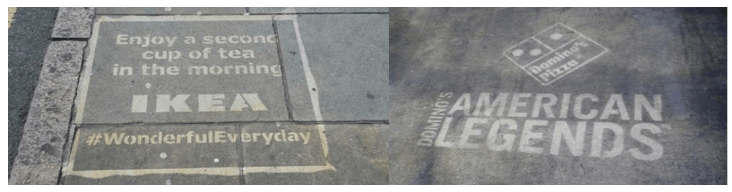
Reverse Graffiti Strategy
Sometimes, marketers remove dirt and grime from a street or wall and stencil them to create reverse graffitis. They create a lasting impression on the audience and leave an all-natural mark on them. The idea is to treat the city like a ‘canvas’ and impart their message through it.
A lot of popular brands use reverse graffitis for promotion.
Experiential Marketing
Experiential or engagement marketing strategies engage consumers by involving them in the brand’s marketing campaigns. They help in spreading brand awareness and make consumers connect with the brand. They often tend to be event-centric.
For instance, Coca-Cola’s happiness vending machine on Valentine’s Day, which appeared only when couples passed by, was a very innovative strategy that helped the brand win people’s hearts!
Astroturfing
Astroturfing is one of the most controversial guerrilla marketing tactics which brings with it a possible risk of having a detrimental impact on the company if the consumers find it unauthentic. It derives its roots from the word ‘astroturf’, which means ‘fake grass’. It involves generating fake hype or creating an artificial appearance of support by using fake endorsements, testimonials, or other means.
Features of Guerrilla marketing
Element of surprise and out-of-the-box thinking– Guerrilla marketing strategies are unique and creative and they help a brand stand out.
Cost-effectiveness– They require less cost inputs since the key factor is the idea and not the amount of money invested.
Authenticity– The strategies should be unique and authentic to create an impact on the target audience.
Interactiveness– Guerrilla marketing strategies give brands the opportunities to interact with their target audience and understand better what they need.
Advantages Of Guerrilla Marketing
Using guerrilla marketing strategies can be fruitful for a brand because of the following reasons:
Cost-efficient– Execution of guerrilla marketing strategies is very inexpensive and does not burn holes in the brand’s pockets. They require less investment and more creative thinking.
Interaction with the audience: These strategies help brands connect with their consumers at a more personal level.
Grows with word of mouth: Guerrilla marketing strategies depend heavily on word of mouth, one the most powerful weapons any marketer’s arsenal has. That is, to get people to talk about your products and services.
Impact creation: Since guerrilla marketing strategies are innovative, they form a lasting impression on the minds of the people.
Publicity can snowball: These strategies help a brand increase its reach and target a larger audience. They help create awareness and buzz about its products in the market.
Disadvantages Of Guerrilla Marketing
Guerrilla marketing strategies can however, bring along with them potential drawbacks which a brand should be aware of.
Potential backlash : The audiences might disapprove of the marketing strategy and the brand might have to bear their wrath. Thus, brands should be aware that if the campaign turns out to be unsuccessful, there are chances that it boomerangs the brand image.
Strategic risks: Since perception of creativity lies in the eyes of the beholder, guerrilla marketing tactics might have chances of getting misunderstood by people. Lack of clarity and the openness to interpretations might skew them against the brand. There might also be cases where word of mouth backlashes since it is something beyond the control of the brand.
Uncertainty: Brands can not be sure if a strategy would have a positive impact since these strategies come with an air of mystery around it. They will have to take a chance and see if it works in their favour.
Legal risks: Brands should be careful about these strategies, their product placements, locations and other factors so as to keep out of any kind of legal troubles.
Unforeseen obstacles: There might arise circumstances where inappropriate timing or bad weather could undermine the guerrilla marketing campaign.
Guerrilla Marketing Examples
Numerous brands have come up with innumerable guerrilla marketing campaigns. Some of the renowned campaigns are:
Coca Cola Happiness Machine
As part of their Happiness Machine campaign, which included installing happiness machines that pass out free drinks and other Coca-Cola merchandise in various crowded destinations like colleges, malls, Coca-Cola installed a love machine in an Istanbul mall. This machine gave free Coca-Cola cans to any couple who proved their love.
One of the Happiness Machine campaign ideas was used to unite two nations, India & Pakistan. Ever since the partition of India, these two countries, though very similar, were always considered rebels. With its small world Machine, Coca-Cola tried to bring them closer and received a wonderful response from both countries’ people.
Mini Cooper Guerrilla Marketing Campaign
To end their 99-Euro a month campaign, Mini Cooper wanted to do something out of the box. Hence, they and their creative team came up with an idea of placing empty cardboard boxes over the leftover Christmas Garbage in the city. This campaign cost them less than €5,000 and created a buzz around the city. It was a clever idea to show how small and affordable Mini is. This was a significant step towards creating a favourable brand positioning.
How To Launch A Guerrilla Marketing Campaign
Guerrilla marketing campaigns rely on the mix of right trigger, right time, right channels, and the right audience. Once all these prerequisites are met, the campaign starts its job on the automation mode.
Choose The Right Location
Choosing the right location to market a product plays a major role in determining its impact on the people and how successful the guerrilla marketing campaign turns out to be.
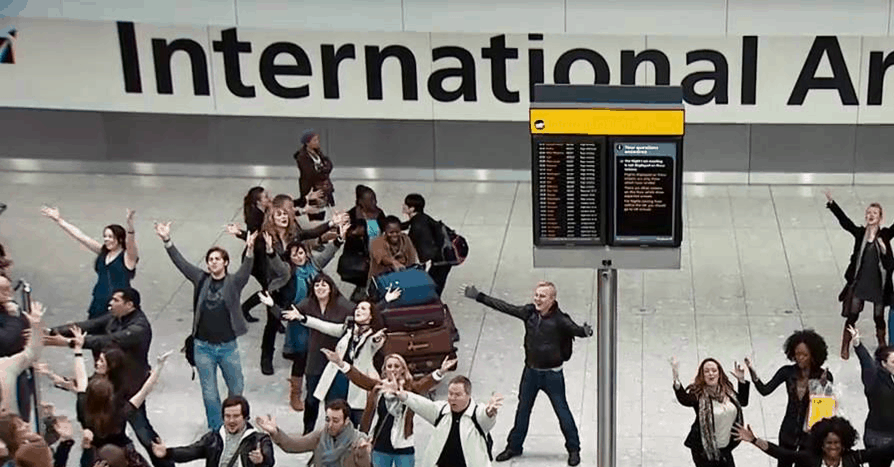
For instance, in 2009, T-Mobile orchestrated a flash mob at Liverpool Street Station which did not just help it target hundreds of people but since the event was broadcasted live, it helped the brand reach millions of people. This move helped it increase user engagement and brand visibility eventually.
Make Use Of Visuals
Visuals can be processed 60,000 times faster than text. Since consumers can relate more to visuals and they have a greater impact on them, brands should use more visual content, images, graphics, shapes and abstracts for greater customer attention.
Don’t Tell Them Everything
Leaving a message open to interpretation brings in the elements of mystery and surprise and makes people come back for more. It helps create more engagement than telling them everything about yourself in one go.
Offer More Than What Others Offer
Finding unique ways to stand out of the crowd helps capture people’s attention. The element of surprise and the fact that no one else has ever done it before makes the idea more out of the box. Brands can also offer additional incentives like hampers, coupons, gifts and something beyond what all other competitors have to offer to stand out.
Be Responsive And Spontaneous
Being spontaneous and keeping up with changing trends is very essential for a brand to keep pace with its competitors. Brands should respond to customer queries and make them understand why they ‘need them’ or how they can help them to garner customer retention.
Stick To The Brand Identity
Instead of doing anything for the sake of standing out, one should be who they are and show who they are to the people through creative and innovative means. Interacting with the audience and engaging more with them helps understand customer persona and bridges the gap between brands and their audiences.
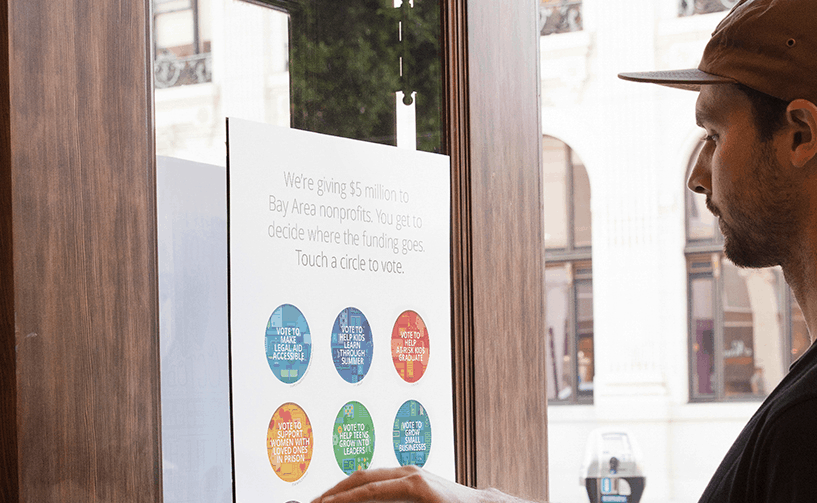
An example of the same is Google’s Bay Area Impact Challenge where organisations across the bay area were invited to submit ideas to address some of the most challenging societal issues. The 5 brightest ideas were to receive a funding of $1 million from Google. This helped Google raise brand awareness, promote a cause and engage with the community.
Keep In Mind The Target Audience
A brand should know who its target audience is to be able to optimise the marketing strategies well. It should also keep in mind the potential to expand the customer base and tap into new audiences, be it in a new location or an entire age group of customers.
Bottom-Line?
Guerrilla marketing strategies give an opportunity to brands to think out of the box and expand their target audiences by tapping into new markets. However, a brand should keep in mind the potential drawbacks that come along with them and should analyse whether taking the risk is worth it. With an ever increasing competition for garnering attention, creativity and out of box thinking helps brands stand out even if it means bringing in their ‘guerrillas’.
Go On, Tell Us What You Think!
Did we miss something? Come on! Tell us what you think of this article on guerrilla marketing in the comment section.
From Snapchat to Snap Inc., the journey of three Harvard students has taken the world by surprise. It showed what a disruptive idea can do.
When every platform was trying to save and organise memories, Snapchat found a way to delete them instantly. While every social platform allowed users to send messages, images, audios, and videos, Snapchat focused solely on visual memory. Five years after its launch, it officially rebranded itself as a camera company.
Its unique analytics and efficient business model made this possible. But what is Snapchat business model? How does it operate and make money?
Let’s find out.
What Is Snapchat?
Snapchat is a privacy-focused social media application that allows one to share memories in visual form. Here, users communicate with their friends and other people by sending and receiving pictures, videos, and texts that disappear once seen.
The startup was launched in 2011 by Evan Spiegel, Reggie Brown, and Bobby Murphy under the name of ‘Picaboo’. However, a few months after the launch, the founders received a cease-and-desist from a photobook company which had trademarked the name. Meanwhile, there was a fallout among the founders, which led to the ousting of Reggie Brown. After this, the two co-founders rebranded Picaboo as Snapchat. The images and videos sent through this platform are called snaps; thus, the name.
Who Are Snapchat’s Customers?
Snapchat’s target demographic is the Generation Z. Because the application addresses this generation’s needs for privacy. Most of its instant messaging (IM) users fall between 13 to 34 years.
A lesser-known fact is that Snapchat is useful for businesses and content creators as well. Since it offers customised advertisements that blend in with users’ experience (instead of intruding on them like Facebook and Google ads), Snapchat is a great marketing platform for local as well as international brands. Meanwhile, the company pays content creators for their skills through Spotlight, which boosts its popularity.
What Value Does Snapchat Provide?
Snapchat is the platform that caters to the needs of IM users, businesses and content creators alike. Unique in its outlook, Snapchat creates a self-sustaining framework where it is a win-win situation for all.
What Value Does Snapchat Provide to IM Users?
Snapchat is the first platform that catered to the youngster’s need for privacy. Images, videos, and texts shared over Snapchat disappear automatically unless saved. Also, it notifies the user if the other party takes a screenshot of their snaps, stories, or conversations.
When social applications like Whatsapp and Instagram focused on saving memories, Snapchat came up with the disruptive idea to build a platform where shared content automatically gets deleted after some time. This addressed the new generation’s repressed demand for privacy.
Moreover, Snapchat is fun and convenient for a generation that wants everything to be instant. While Facebook and Instagram require users to post perfect pictures with eloquent captions, Snapchat allows them to share their day’s happenings and memories with their contacts instantly. Its augmented reality lenses and filters add humor and beautiful effects to the pictures, thus increasing the platform’s appeal.
In the words of CEO Evan Spiegel:
Snapchat isn’t about capturing the traditional Kodak moment. It’s about communicating with the full range of human emotion – not just what appears to be pretty or perfect.
What Value Does Snapchat Provide to Content Creators?
Since Snapchat users open the app around 20 times a day, the company has started providing entertaining content to boost their engagement. Spotlight was launched in November 2020 with this purpose in mind.
It is a Tik-Tok like feature that allows people to create and post short video content for public consumption. The top creators are paid each day from a $1 million dollar pool.
What Value Does Snapchat Provide to Businesses?
Snapchat, as an actively growing community of young internet users, is a good place for brands to market themselves.
Internet users often get repulsed by the traditional ads featured on Google, Facebook, and Instagram. Snapchat leverages this to its advantage by offering customised lenses and Geofilters to its advertisers so that their ads feel non-intrusive and organic.
How Does Snapchat Operate?
Anyone over the age of 13 can create a Snapchat account by filling in their name, phone number, and other relevant details. One must remember that they cannot change their Snapchat username, once signed up.
Users are attracted to the app by its ‘self-destructive’ instant messaging feature that offers them safe and private encounters. Snapchat also allows them to click and share snaps instantly and maintain Streaks with their friends.
The company has lately been launching new services to boost user engagement. Discover and Spotlight features are emerging as interesting pastimes.
Spotlight also allows its users to create content and get paid for it; thus, boosting Snapchat’s appeal among young content creators.
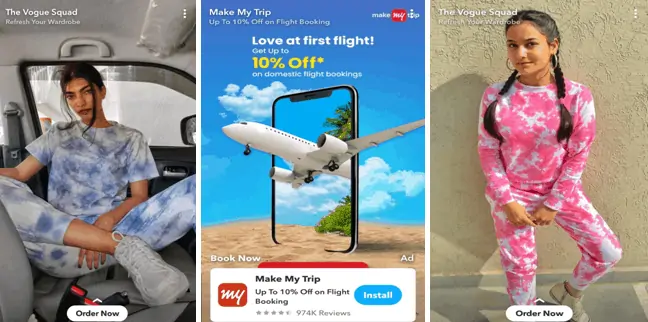
Besides IM users and content creators, Snapchat is also turning out to be a playground for brands with its non-intrusive and engaging ads. Since youngsters spend a huge chunk of their time on Snapchat, local and international businesses, especially the ones who are targeting the Millennials and Generation Z can leverage this to their advantage.
They can launch sponsored ads after creating a business IDs or opt for customised Lenses and Geofilters. Snapchat also provides them with certified courses on Snapchat Marketing through its Snap Focus initiative.
Snapchat’s unique analytics and distinctive features help it attract, acquire and retain customers.
Lenses
Source: medium.com

Snapchat uses augmented reality to create fun and inviting lenses that add humor and beautiful effects to their pictures, videos and Spotlight snaps. Businesses may partner with the company to design customised lenses.
This technology is relatively new and Snapchat has been the first to use it on a social application.
Filters
Source: garyvaynerchuk.com
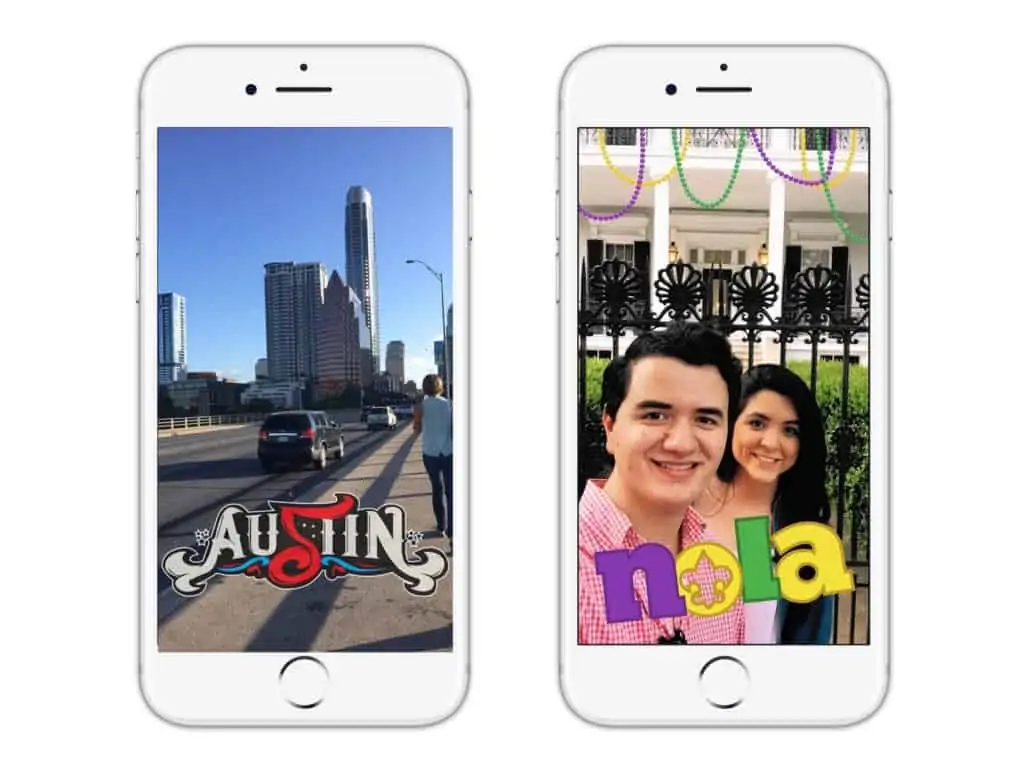
Filters are the fascinating frames used in photos and videos. Snapchat’s location and occasion-based creative filters attract its IM users and content creators who love experimenting with visuals. Brands can get custom-made Geofilters or Moment Filters for themselves. Users interact with these filters and boost the popularity of the brands.
Source: Carney.co
Stories
One of the most attractive features of Snapchat, Stories allow users to tell their day’s story to the world instantly by capturing and uploading images and videos. One can use lenses and Geofilters over their Stories or add texts to improve their relevance.
Our story
Our stories are the collection of snaps contributed by different people around the Snapchat community. They allow Snapchatters who are at the same location or event to capture it through different perspectives, like a single-story, written by many.
Discover
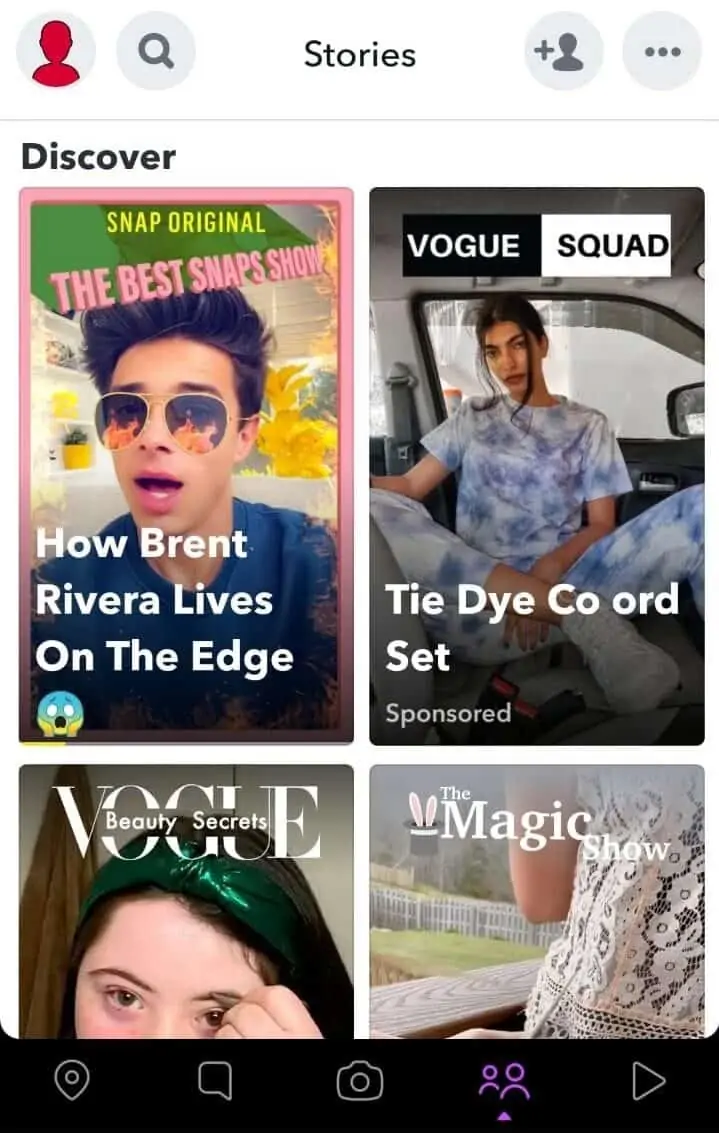
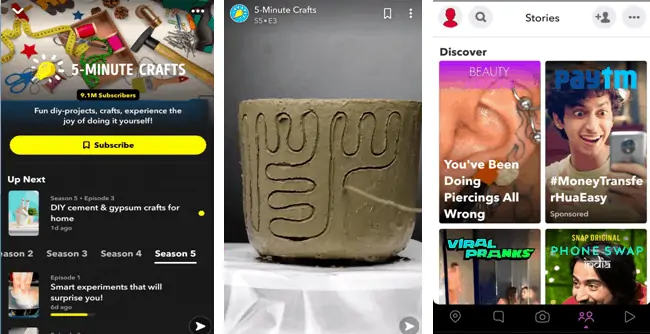
Snapchat partners with publishers and content creators who want to provide their content over the app. Publishers like Buzzfeed, MTV, National Geographic, etc. provide news and feed in the form of stories that are replaced with new content every 24 hours whereas brands like ESPN, Food Network, Comedy Central, etc. offer diverse content.
Snapchat tracks user preferences and shows them content they are interested in.
Spotlight
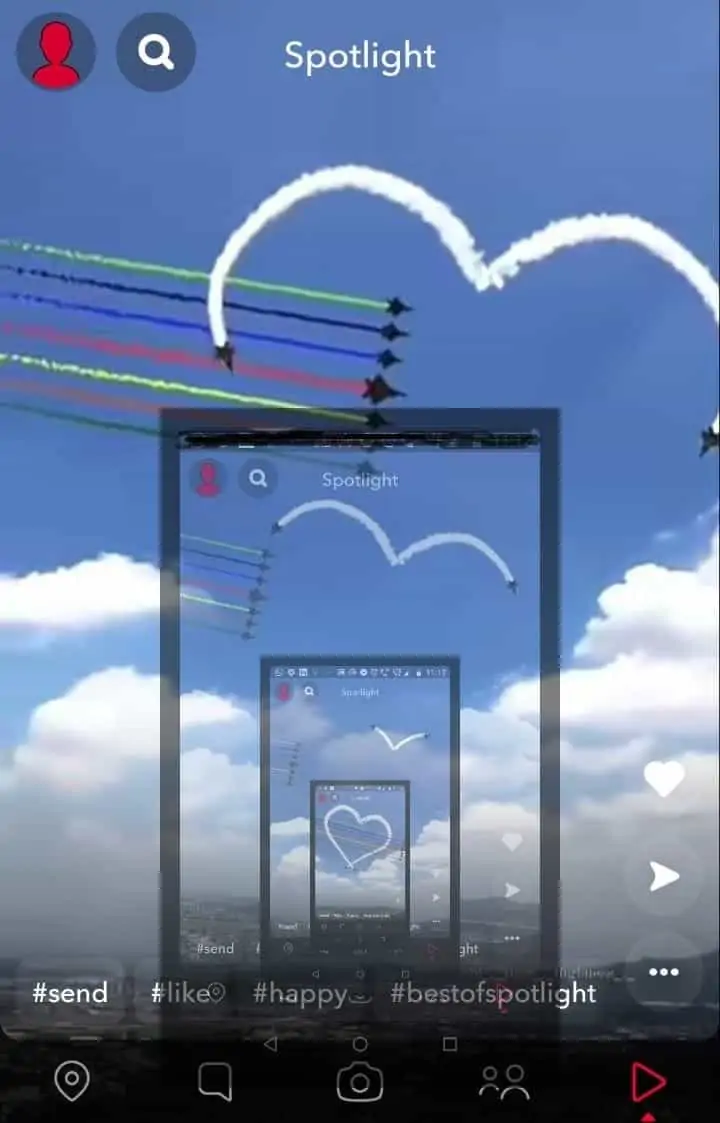
Spotlight is the Tik-Tok-like feature of Snapchat that allows users to share their entertaining snaps and short videos with people they may or may not be friends with. The viewers can access them on or off the app and engage with them by liking, sharing, and saving.
Snapchat pays the most viewed snaps daily; thus, making Spotlight a lucrative platform for content creators.
Snap Originals
Originals bring Snapchat users hyper condensed original shows from a few of the world’s leading storytellers. Specifically designed for this platform, Originals challenge content creators to shoot 5-minute long episodes in a vertical framework. (grabbing mind within 3 second)
Snap Map
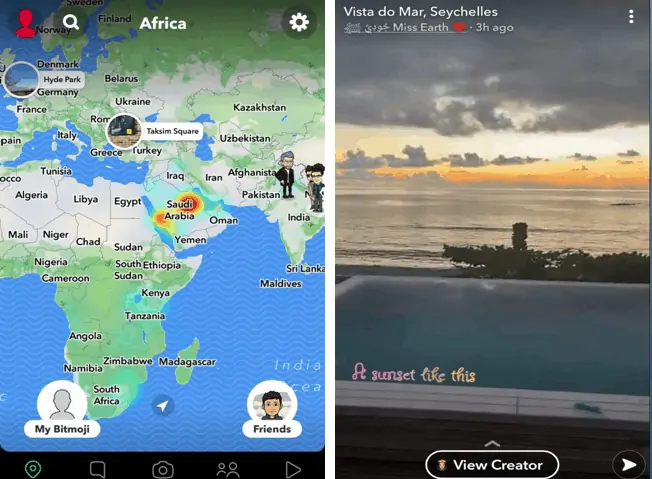
Powered by Mapbox, Snap Map allows users to share their snaps and stories with the world and view those of others. Here, stories are created around specific locations and occasions. Snapchat users can also see the locations of their friends on Snap Map.
Another benefit of Snapmap is that it allows users to locate and interact with local businesses and restaurants. Various brands and aggregators partner with Snapchat so that users can read their reviews, place orders, and book tables.
Scan
Snapchat’s scan feature helps its users scan an item and get details about it. This feature is the result of Snapchat’s partnership with other companies.
Amazon Camera Search: Snapchat’s partnership with Amazon Camera Search helps users scan a product and look for it in the market.
Dog Scanner: This partnership helps users identify the breed of the scanned dog(s).
Photomath: Photomath provides users with solutions to math problems.
PlantSnap: This partnership allows Snapchat users to scan and identify various plants and trees.
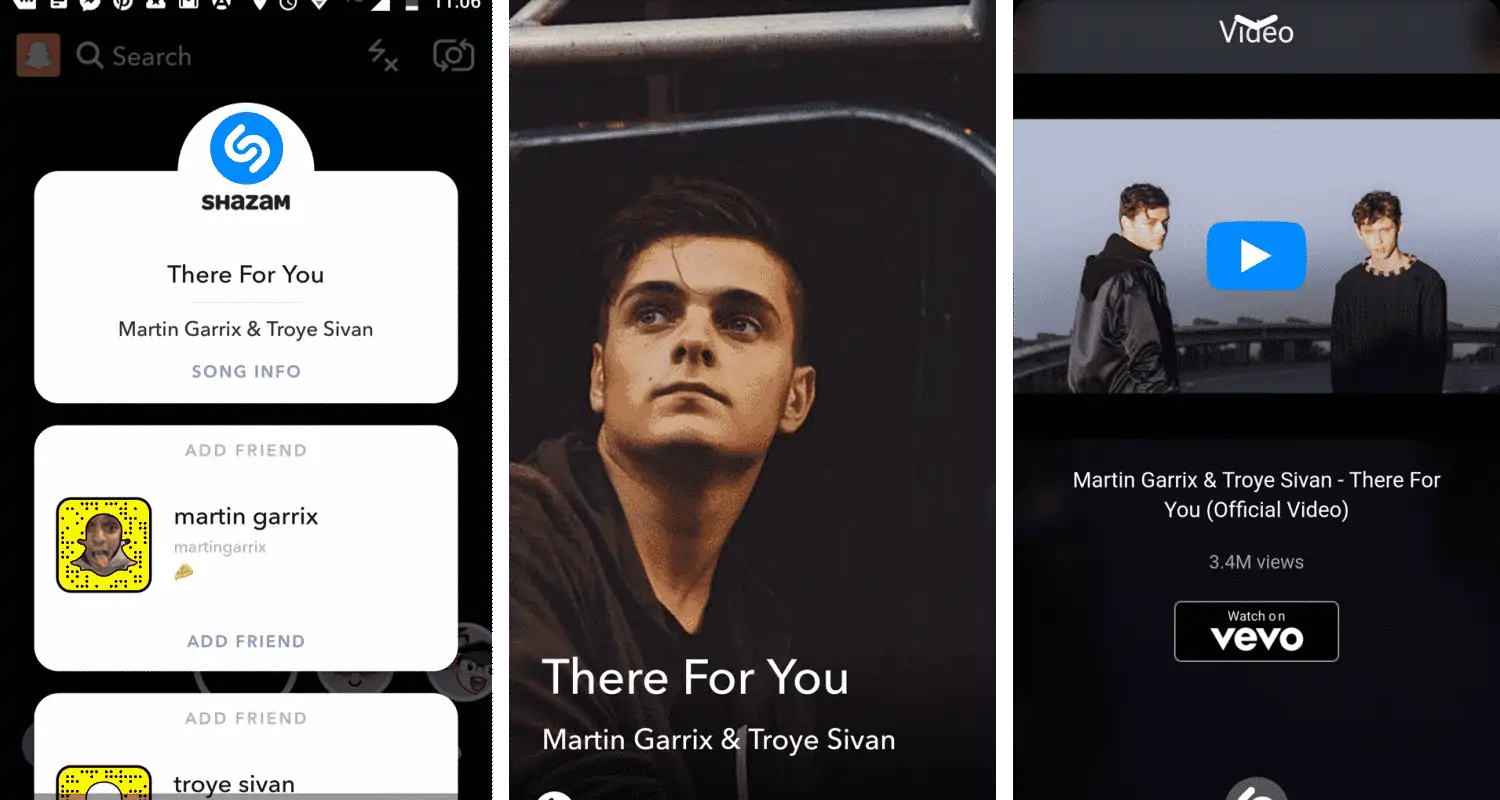
Shazam: One of the most lucrative partnerships, it identifies and provides information to the song currently playing around a Snapchat user.
Vivino: Snapchat’s partnership with Vivino lets users get information about wine bottles.
Yuka: This partnership lets users scan a food product’s barcode for its nutritional value.
How Does Snapchat Make Money?
With an active user base of over 238 million, Snap Inc. hit a $100 billion market value in 2021. It also showed a raised net worth of $5 billion.
Since its inception in 2011, the company has been growing fast so much so that, as of 2020, 48% of 15-25 year-olds in the United States use it regularly. Its user-friendly business strategies and a potent revenue model is the reason why it gives a tough competition to giants like Facebook.
How Does Snapchat Earn?
Paid advertisements form a bulk of Snapchat’s revenue. As of the year 2020, 99% of Snapchat’s revenue comes from sponsored ads and the rest 1% from Snap Spectacles and other sources.
The teams which design its consumer products run advertising initiatives too therefore these ads are camouflaged in the form of user-friendly updates. Generation Z and Millennials engage with them even without realising that they are actually ads.
Sponsored Lenses
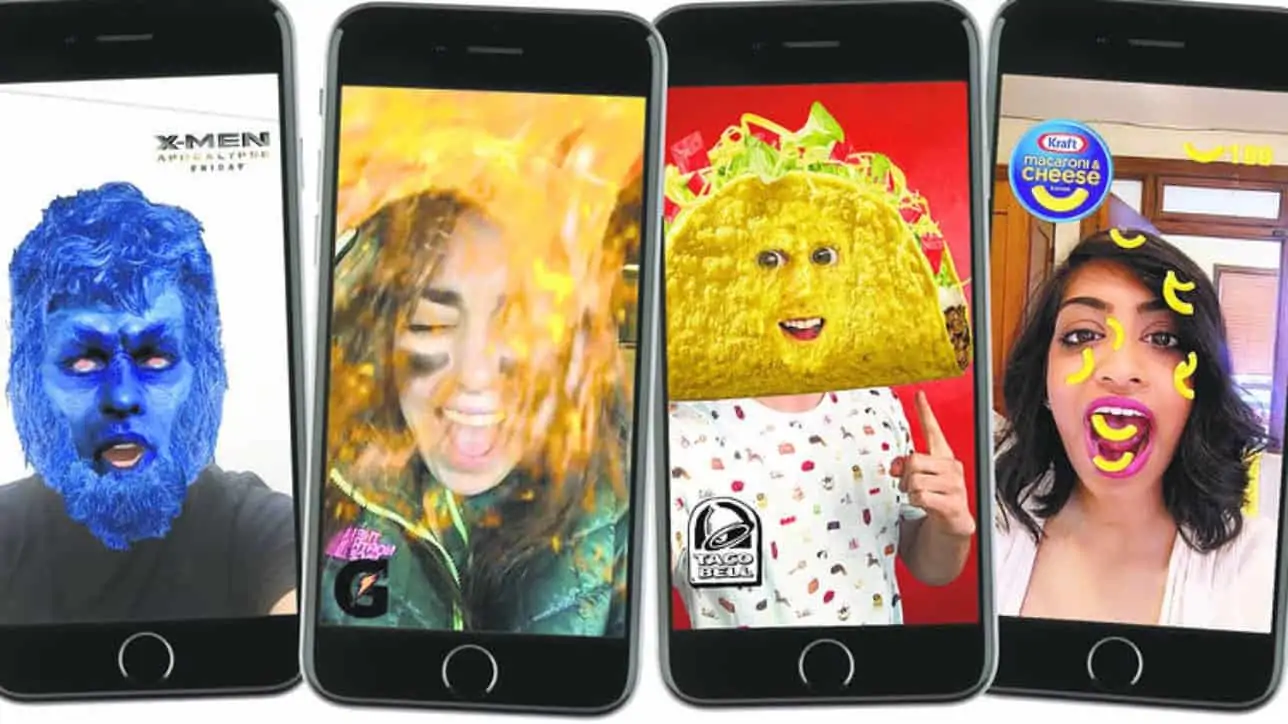
The augmented reality-generated Snapchat lenses appeal to the youngsters as they are humorous, joyful, and fun to use. Snapchat updates its lenses every week and brands pay to have a lens tailored to their needs. In the past, companies like Gatorade, Taco Bell, etc. have opted for Snapchat marketing through sponsored lenses only to see a tremendous surge in their user engagement.
Sponsored Filters
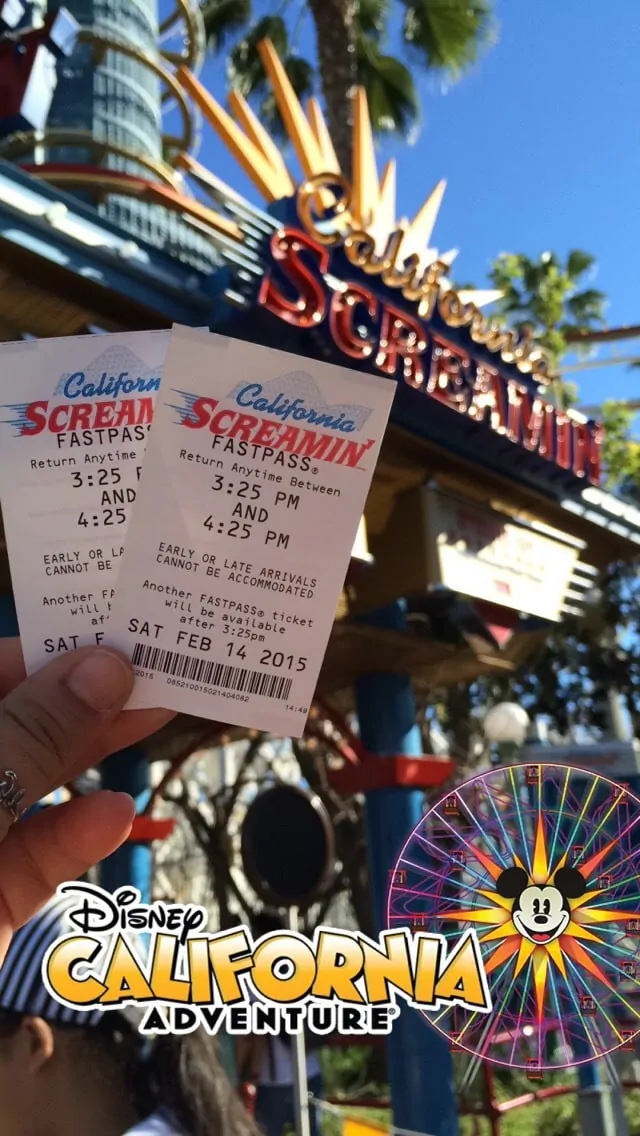
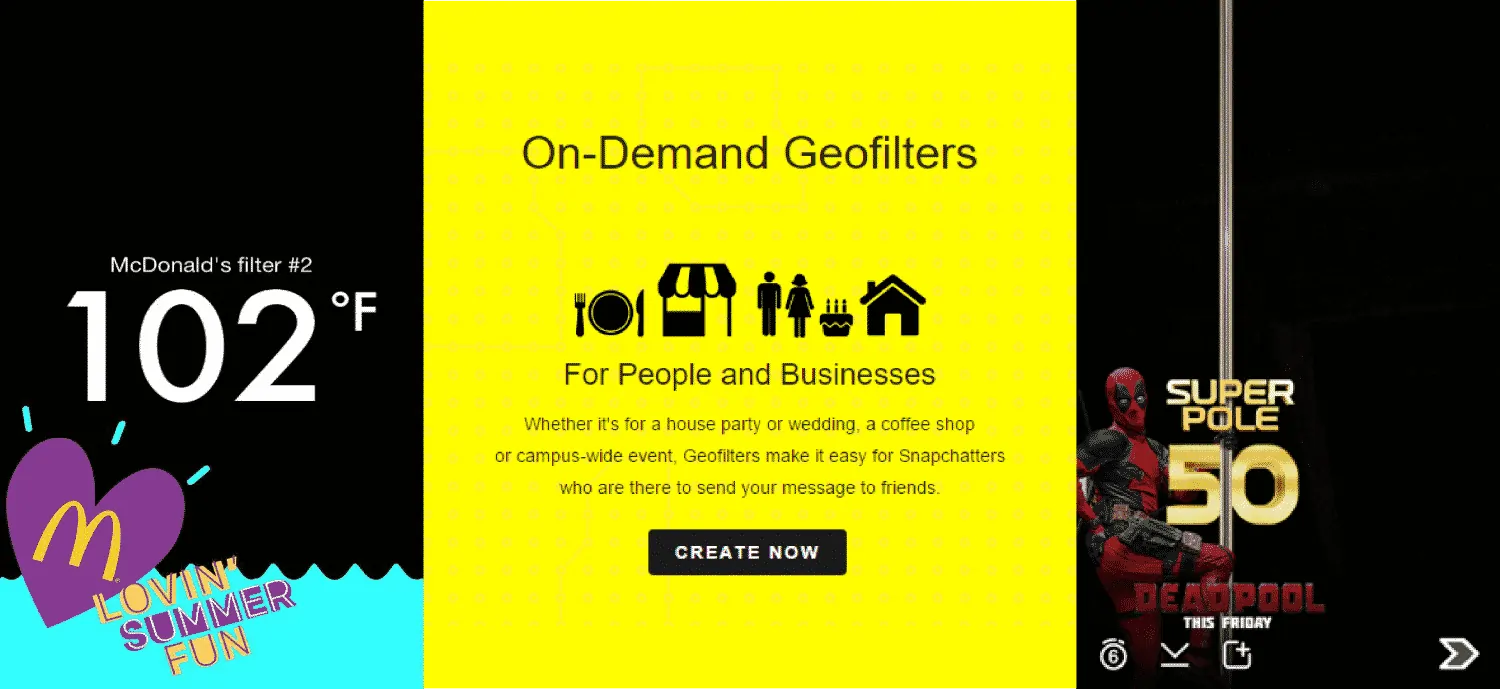
Companies partner with Snapchat to create customised Geofilters and moment filters which people attending a particular event at a particular place can use. For instance, Disney California Adventure Park designed its own Geofilter.
Snapchat also provides On-demand Geofilters to the companies which they can use to promote their brands among the youngsters.
Sponsored Stories
Snapchat smartly places brand advertisements in the stories section so that users engage with them while going through their friends’ stories.
Discover
Discover is another revenue-generation source for Snapchat. Publishers who have partnered with the company to get their content featured on Discover, do pay a lot of money.
The publishers are typically required to pay a minimum sum over a specific period. Snapchat also splits revenue with them if they show any sponsored content or advertisement.
Partnerships
Partnering with Snapchat benefits them so much that brands are ready to pay huge sums for it. Integrations like that with Shazam have been one of Snapchat’s most successful ones.
Snap Store
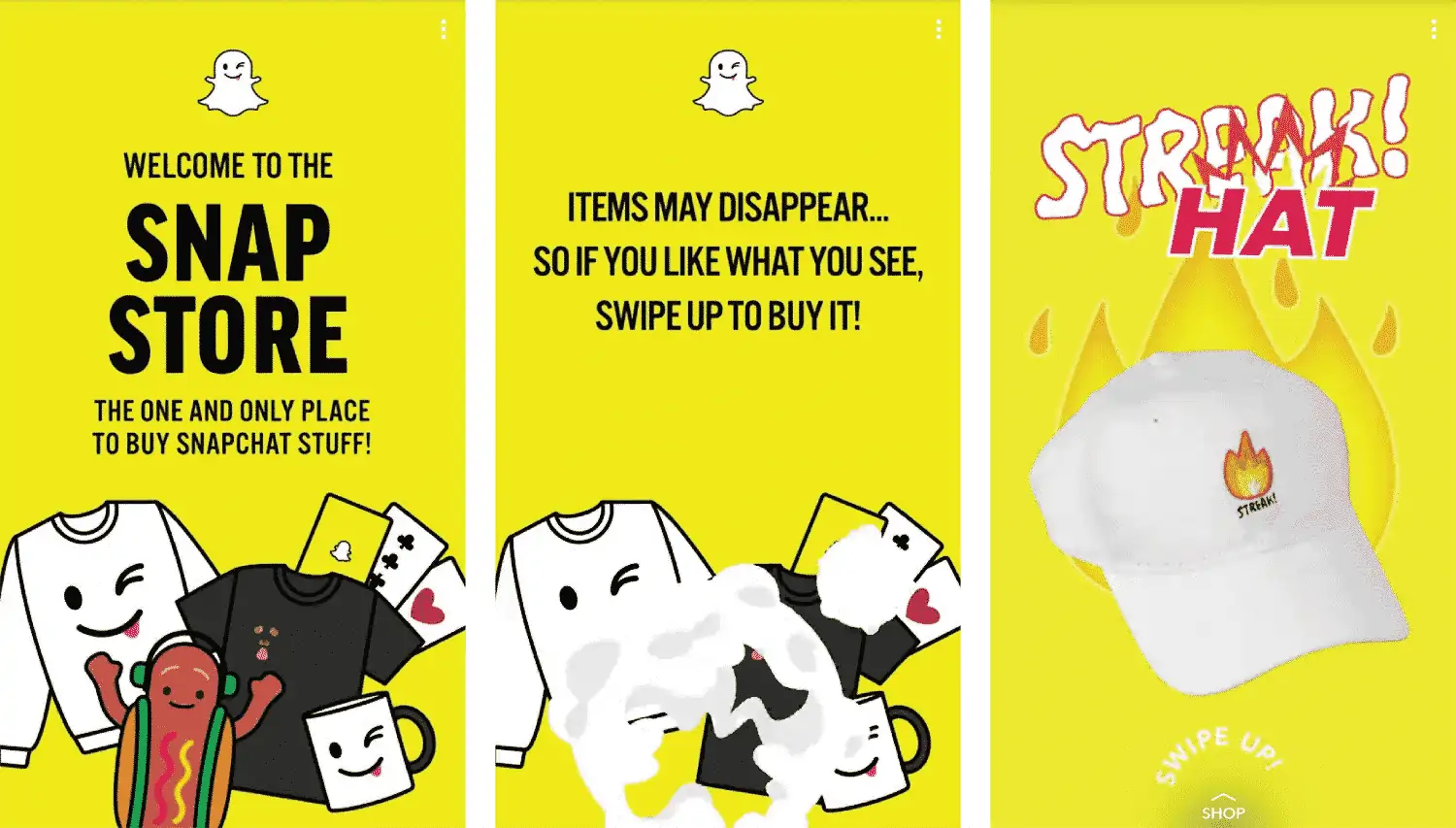
Snapchat launched the Snap Store to sell its exclusive merchandises like Bitmoji clothes, Snap streak hats, Winkface sweatshirts, dog lens tee, etc. Here, the company capitalises on the scarcity principle.
The Snap store is available on the discover tab and the items disappear after a while.
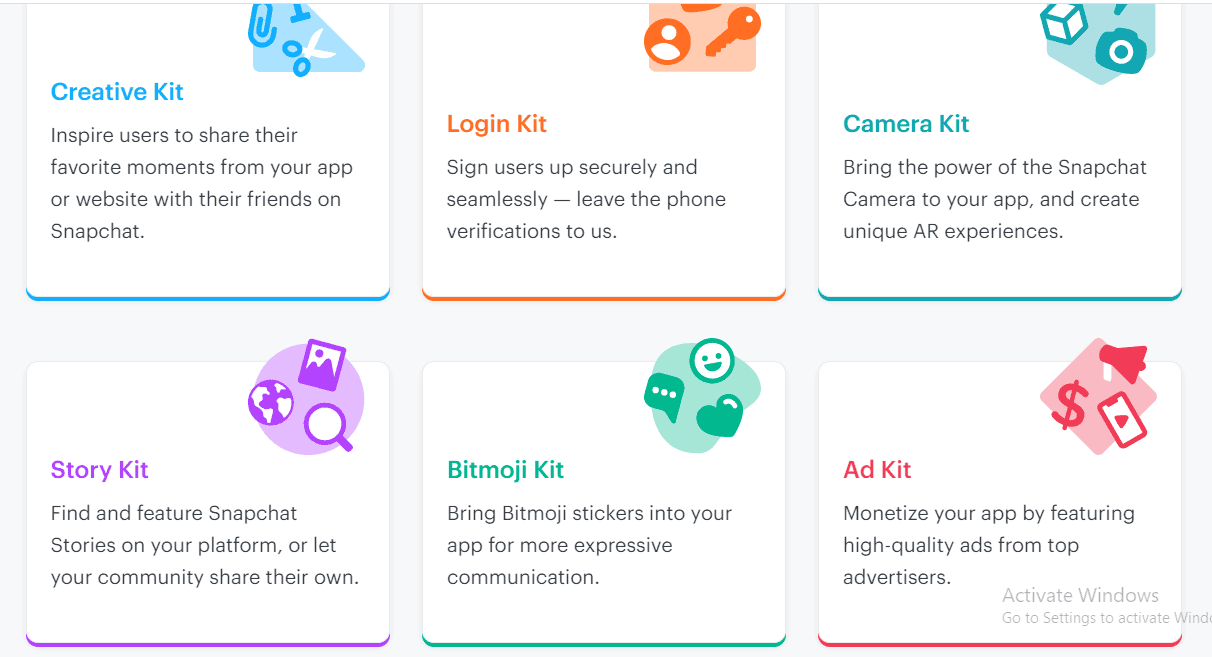
Snap Kit
Snap Kit is a feature of Snap Inc. to assist Snapchat users in consolidating their businesses. It provides them with a few of Snapchat’s best features to grow and build their brands.
Spectacle
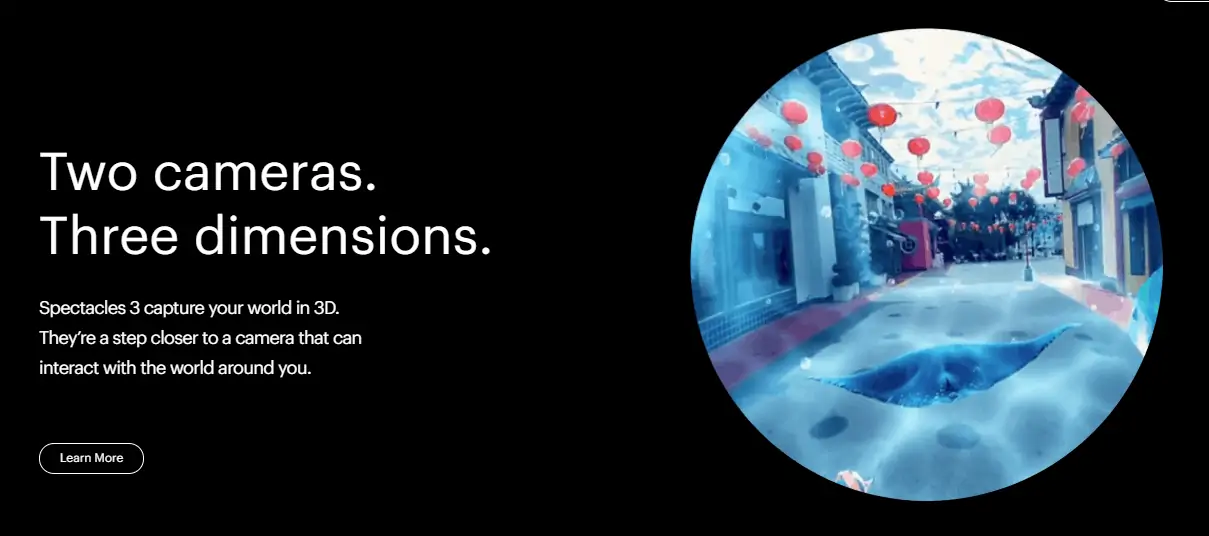
Spectacles are augmented reality smart glasses manufactured by Snap Inc. They have built-in cameras that allow users to capture photos and videos of what they are looking at. Also, they are synced with smartphones so that the users can directly upload snaps to their accounts.
How Does it Spend?
Research and Development: Snapchat’s parent company, Snap Inc., is a camera company that believes in reinventing the camera and revolutionizing the way people click photos to facilitate better and more effective communication. So, it incurs cost mainly on research and development. In 2019, Snapchat spent $884 million on R&D.
Cost of Revenue: Cost of revenue is the total cost incurred by a company directly on producing, marketing, and distributing its products. In this category, Snapchat spends mainly on infrastructure and marketing. Snapchat incurred $489 million cost of revenue in the first two quarters of 2020 itself.
Spotlight: Snapchat launched Spotlight in November 2020 and announced that it would pay the creators of the most viewed videos each day from a $1 million pool. The payout is determined after comparing the number of views of a video with that of other viewed content.
Snapchat is still not a profitable venture. It has enjoyed its periods of profit but mostly incurs losses. In the fiscal year 2020, it reported a net loss of $994.8 million on a $2.5 billion revenue.
However, Snapchat has immense potential to grow. It broadly caters to users’ needs. Live stories, location-based Geofilters, and other creative features distinguish it from its competitors. No wonder, Facebook and Google offered $3 billion and $4 billion, respectively for its acquisition. However, CEO, Evan Spiegel rejected the proposals and continues on building Snapchat business model till date.
Go On, Tell Us What You Think!
Did we miss something? Come on! Tell us what you think of our article on Snapchat business model in the comments section.
Customers weigh generic products offered by different brands according to the associations and traits they come along with. The competition in the market is intense and brand positioning is what gives a boost to the demand for the products offered by the brand, even if the offering isn’t much different from the competition.
Brand positioning usually forms the backbone of the brand strategy of any company. Till the time a positioning strategy resonates with the needs and wants of the target market, a brand can thrive. However, a wrong positioning strategy can even make a good product fail.
What Is Brand Positioning?
Brand positioning is the unique space a brand occupies in the brains of the customers.
It makes customers view a specific brand in a unique way by associating emotions, traits, feelings, and sentiments with it. These associations make it stand out from the competition.
Positioning is usually the reason why customers buy a specific brand whose product doesn’t necessarily differ from the competitors.
Brand positioning is an act of designing the company’s offering and image to occupy a distinct place in the mind of the target market. – Philip Kotler
Positioning creates a bond between the customer and the business. It’s that friend of the customer who’ll always stay in their subconscious mind and will make them recall about the company whenever they hear about the any of its product or a particular feature which makes it stand out.
Characteristics Of A Good Brand Positioning Strategy
Relevant
The positioning strategy you decide should be relevant according to the customer. If he finds the positioning irrelevant while making the purchase decision, you’re at loss.
Clear
Your message should be clear and easy to communicate. E.g. Rich taste and aroma you won’t forget for a coffee product gives out a clear image and can position your coffee brand differently from competitors.
Unique
A strong brand positioning means you have a unique, credible, and sustainable position in the customers’ mind. It should be unique or it’s of no use.
Desirable
The unique feature should be desirable and should be able to become a factor which the customer evaluate before buying a product.
Deliverable
The promise should have the ability to be delivered. False promises lead to negative brand equity.
Points of difference
The customer should be able to tell the difference between your and your competitor’s brand.
Recognizable Feature
The unique feature should be recognizable by the customer. This includes keeping your positioning simple, and in a language which is understood by the customer.
Validated by the Customer
Your positioning strategy isn’t successful until the time it is validated by the customer. He is the one to decide whether you stand out or not. Hence, try to be in his shoes while deciding your strategy.
Types of Positioning
A positioning strategy depends on many factors which include current market conditions, your product, USP of your product, competitors, their products and the USPs of their products. Marketers plan of how they want their product to be seen by the customers in future also plays a vital role in deciding which type of positioning strategy to choose.
While there are numerous position strategies in marketing to choose from. The task for the marketers is to complement their promise to the product features they have to offer.
Value-Based Positioning
Value-based brand positioning strategy positions the brand based on the value the customers get on buying or consuming the brand’s offerings.
In simple terms, this type of brand positioning is chosen to position the brand based on its value proposition.
This value often relates to the customer-centric tangible benefits like getting the work done, making things easier, etc.
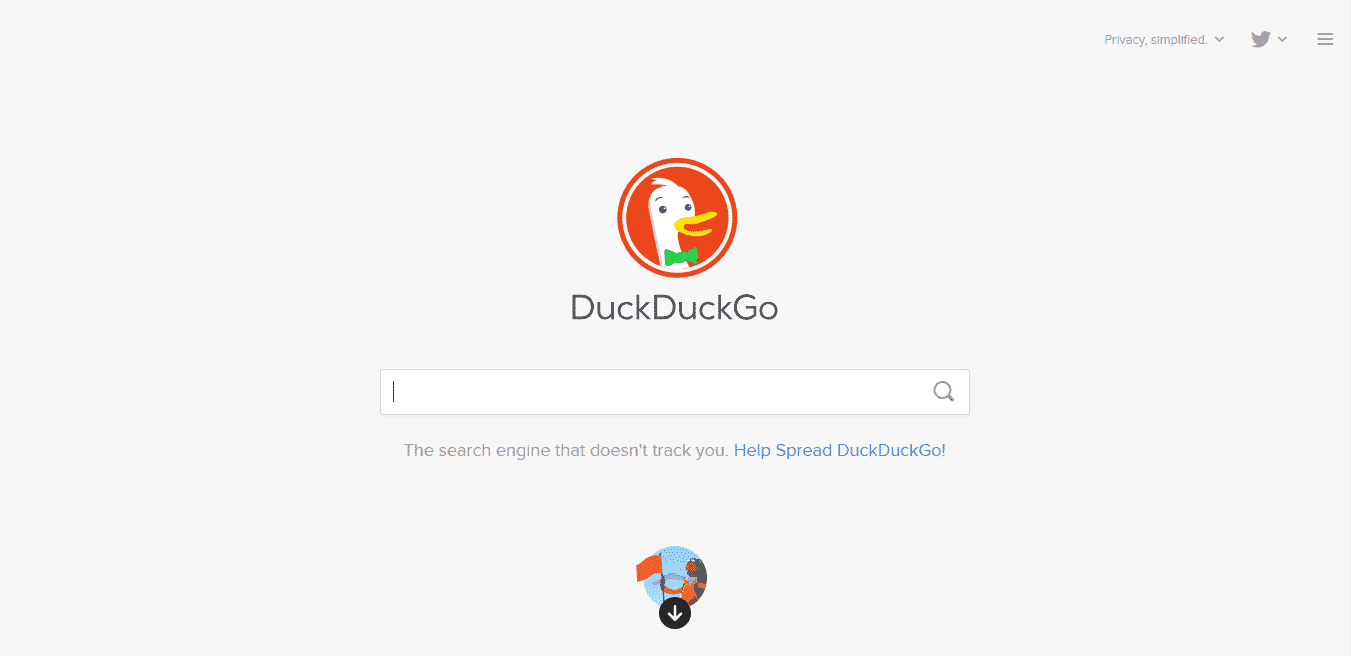
A perfect example of a company using the value-based positioning is DuckDuckGo – the search engine which doesn’t your data, unlike Google.
Features-Based Positioning
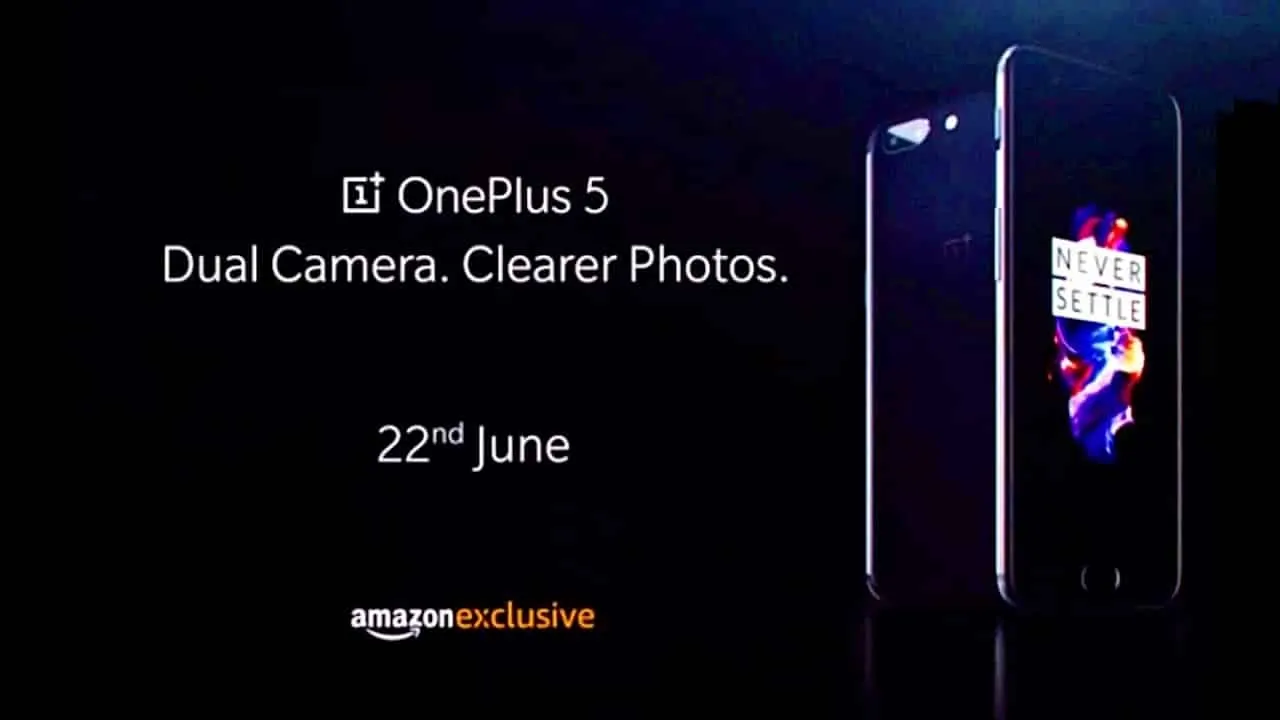
When the competition is huge and the products are similar, companies usually position their products by focusing more on product-specific features like price, quality, or other micro features depending on the product sold. This type of positioning strategy is also called USP-focused positioning and is often seen in the mobile industry.
Problem And Solution Based Positioning
Most of the brands focus on positioning their products as a one-stop solution for a specific problem. They pinpoint the pain areas and the challenges the consumers face in their communication and other marketing strategies and mend it into promoting their product.
Lifestyle Positioning
By positioning itself as a lifestyle brand, a brand tries to sell an image and identity rather than the product. The main focus is to associate the brand with a lifestyle and focus is more on the aspirational value than the product value. Cigarette, Alcohol, and Tabacco companies are often seen to use lifestyle positioning while marketing their products.
Parent Brand Driven Positioning
This positioning strategy aims at establishing a brand promise and a reputation of the parent brand. All the products and sub-brands under the parent brand seem to comply with the established promise.
Experience-Based Positioning
Experience-based positioning refers to positioning the offering based on the experience the customer gets while buying or consuming it.
The main focus is on to developing a unique experience for the customer which differentiates the offering from the competition.
Restaurants, hotels, and other service-based operators use this type of brand positioning strategy.
How To Create A Strong Brand Positioning Strategy?
Before you decide your brand positioning, ask yourself these three questions.
What does my customer want?
Can I promise him to deliver it better and/or differently than my competitors?
Why will they buy my promise?
What Does My Customer Want?
Not everyone in the market is your customer. You need to divide the market into ‘my customer’ and ‘not my customer’. This way, it’ll be easier for you to know what exactly is your customers’ wants are.
The division should be followed by you trying to be in your customers’ shoes. A good businessman speaks in the voice of the consumer.
Your research should not be based on secondary data. You should go out and look for what the customer actually wants, make the product fit those wants, and they’ll buy it.
Be Better And/Or Different
If it’s not just you who is in the market, you’ve got to find a way to deliver your promise better and/or differently than your competitors. Make a brand which has a recall, which comes to the customer’s minds when they hear about the particular product category or the feature you’re offering. Every time I hear about girls being attracted by a deodorant, I get an image of Axe deodorants in my mind.
Give Them A Reason To Buy Your Promise
Your promise should be one of the factors they consider while buying the product. Use this trick
Decide your product
List its various characteristics
Do research, and
Divide the characteristics into essential and add-ons.
Select only those categories, be it essential or add-ons, which customers consider while making a purchase. (E.g. aesthetics, fragrance, taste, shape, cost, etc.)
Find out what among these categories can you provide better than the competitors.
Whatever you decide, don’t lose your focus from the essential characteristics. (E.g. Taste will always be most important characteristic which a customer consider while buying a food product)
Provide your unique feature along with the essential characteristics.
Examples of Brand Positioning
Here are some of the examples of renowned brand positioning strategies
Tesla
Tesla is a luxury brand which is known for innovation. The company offers it products at a premium pricing but has a very high demand because of its value-based experience strategy.
Tesla’s cars are unique and different from any other car on the road. These cars are electric, eco-friendly, and technologically advanced which makes them valuable to the customers.
Nike
Nike promotes a athletic lifestyle for everyone irrespective of their body type. The company promotes this positioning strategy through a 360 degree marketing and branding strategy and by offering athletic attire that enhances performance.
Disneyland
Disneyland boasts itself as ‘The Happiest Place On Earth’. The amusement park has positioned itself as an experience of a lifetime which isn’t provided by anyone else in the world.
Go On, Tell Us What You Think!
Did we miss something? Come on! Tell us what you think of this article on brand positioning in the comment section.
How Paytm makes money even after providing 50% to 100% cashback? What exactly is Paytm’s Business Model?
It’s a worthy question to ask. Another worthy question that should be asked is – Why does the cashback gets accumulated in the Paytm Wallet and not refunded back to the user’s bank account?
I guess you got a clue. Anyway, we’ll explain it later in the article. Let us first discuss Paytm Business Modelin this Paytm Case Study.
What is Paytm?
Paytm is India’s largest mobile payments, e-wallet, and commerce platform. Though started as a recharge platform in 2010, Paytm has subsequently changed its business model to a marketplace and a virtual bank model. It is also one of the pioneers of the cashback business model.
The company has transformed itself into one of the Indian giants dealing in mobile payments, banking services, marketplace, gold, recharge and bill payments, etc. who serve around 100 million registered users.
Business Model of Paytm
Paytm Business Model is a marketplace-cum-payments-bank business model which also deals in recharge & bill payments and provide users with an e-wallet and reservation/booking options.
How Paytm Makes Money?
As of May 2017, Paytm has a valuation of ~ $7 Billionwhich includes a stake of one of the global leaders of marketplace model, Alibaba.
Paytm Revenue Model can be divided into following categories.
Marketplace (Paytm Mall)
Recharge Services
Bill Payments
Payment Solutions
Paytm Wallet
Digital Gold
Paytm Bank
Paytm Marketplace (Paytm Mall)
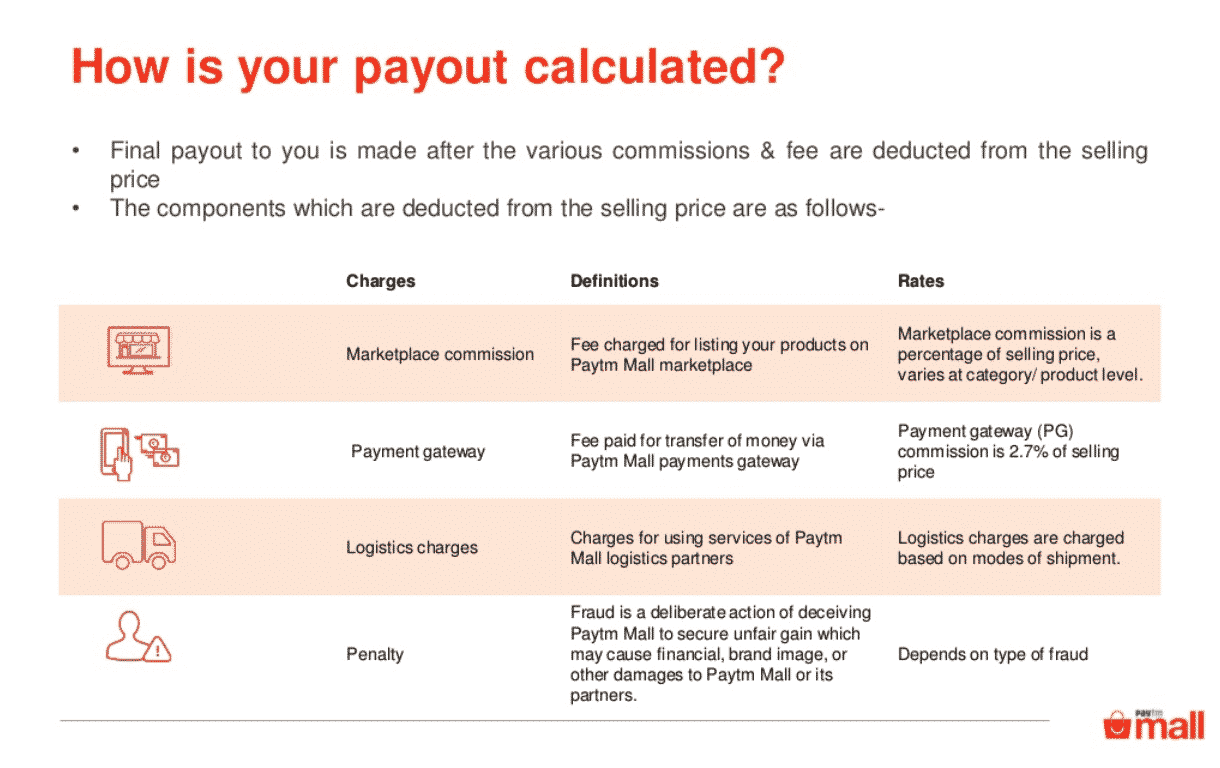
Paytm was the first company who took the step of being a mobile-only marketplace in India. Today, with over 120 million buyers and 2 million daily transactions (and 90% prepaid offers), Paytm is the most beneficial marketplace for sellers. Revenue from this subcategory is generated as fees and commissions from the sellers, which differ for different category of products.
Recharge Services
There was a time when Paytm Business Model consisted just mobile recharge and bill payment services. Times have changed and online recharge services for mobile subscriptions, TV channels subscriptions, data-card, and metro card, etc have been added to the revenue model of Paytm.
The company, just like other recharge services providers, charge commissions from these operators.
Bill Payment
In addition to the recharge facilities, the customers can even pay their electricity, telephone, water, mobile, broadband, gas, etc. bills on Paytm. Apart from these, Paytm has also partnered with several education and financial organizations and act as a portal to accept education fees and insurance instalments.
Revenue, just like recharge services, is generated by charging commissions from these providers.
Payment Solutions
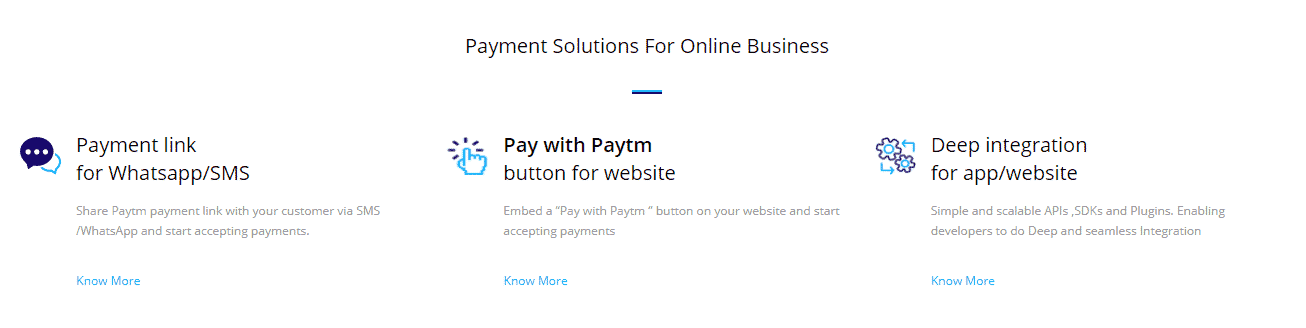
Paytm offers smart payment solutions for online businesses. The payment solutions allow them to accept online payments through Paytm.
The payment option comes with no setup fee and maintenance charges. However, the company charges a commission of 1.99% on every transaction.
Paytm Wallet
Ever wondered how Paytm earns even after providing 50-100% cashback?
Cashbacks are credited to the users in their Paytm wallets.
Paytm has already rolled out its new marketing strategy where it has planned to focus more on the digital currency prospects. Hence, all of its core marketing and promotional strategies enforce the use of Paytm Wallet. This is a very clever move as Paytm will get the first mover advantage and through its extensive distribution strategy (which is far better than its competitors like Freecharge, Ola Money, etc.), will be able to increase its brand preference. This will eventually help it to carry out its future plans. #PaytmKaro.
What exactly is Paytm wallet?
Paytm wallet is a semi-closed wallet (approved by RBI) used to store currency in digital form which can be used to buy goods and services (including financial services) at identified merchant locations or establishments (like petrol pumps, a supermarket, your barber’s shop, movie hall, etc.) which have a specific contract with the company to accept these payment instruments.
Paytm wallet doesn’t permit cash withdrawal.
How does Paytm earn through Paytm wallet?
Paytm wallet can be used to pay for almost anything, everywhere. It has created a new market for digital currency users because of its ease of use. Money can be transferred between the Paytm wallets of two users with just a few taps on the phone.
As per the RBI guidelines, the money deposited by users in Paytm wallet is deposited by Paytm in an Escrow Account with a partner bank. This escrow account deposit fetches Paytm certain interest which is decided as per the contract between the bank and Paytm.
The interest from the escrow account is decided on the basis of the average of the deposited amount in a certain period of time (58 weeks).
But operating a prepaid wallet comes with an expense. Banks and payment gateways charge a fee equivalent to 1-3% of the money deposited for using their services. This fee can’t be charged to the customers as it’ll make them choose alternatives like UPI, IMPS, etc. However, the interest generated through the escrow account deposits is usually more than the expenses incurred which results in profits to the company.
The more you use Paytm wallet, the more Paytm earns from it.
Digital Gold
Paytm has partnered with gold refiner MMTC-PAMP to launch ‘Digital Gold’ that will allow its users to buy, sell, and store gold digitally without any additional cost. Users can also get the gold delivered to their house with just paying a minimal delivery charge.
Gold is considered as the safest investment in India and Paytm has full plans to capitalize on this. There are bigger plans involved in the introduction of digital gold trade on Paytm. The company wants its users to have something which they call a Gold Bank account, which will allow users not only to buy gold, and store it in digital form, but also to use the gold to buy other services on Paytm — from recharging to pay utility bills, or book movie tickets to buy shoes and clothes from Paytm Mall.
Paytm also has plans to connect the customers with the jewellers at a later stage. This will let the customers get their stored gold converted to finished jewellery and will let Paytm make money by being an affiliate.
Paytm Bank
Paytm wallet is no more just a semi-closed wallet. The company has revamped itself as a payments bank.
A payments bank is a digital bank which can accept deposits and give out interests on the deposits but can’t offer loans to its customers.
The bank lets you open zero deposit digital current and savings bank accounts and offers a 4% p.a. interest on saving bank accounts and overdraft facility on your current bank accounts. There are no restrictions related to any type of transaction but any balance deposited over ₹1 lakh is moved to a fixed deposit with a partner bank (which provides 7% interest p.a. to you).
How does Paytm Bank make money when it can’t carry out lending activities?
Cross-Selling
Paytm has partnered with other financial institutions and banks to sell their products and services (like insurance, investments, loans etc.) along with its own. It earns money in the form of commissions or other forms as per the contract between the parties.
Interest Arbitrage
Paytm bank makes money by depositing the money with some other bank and/or government deposits which provides interest rates greater than that is provided by Paytm bank.
Batue ko tum gul karo, masti ki tanki full karo. Paytm Karo 🙂
Go On, Tell Us What You Think!
Did we miss something? Come on! Tell us what you think of Paytm Business Model (Paytm Case Study) in the comment section.
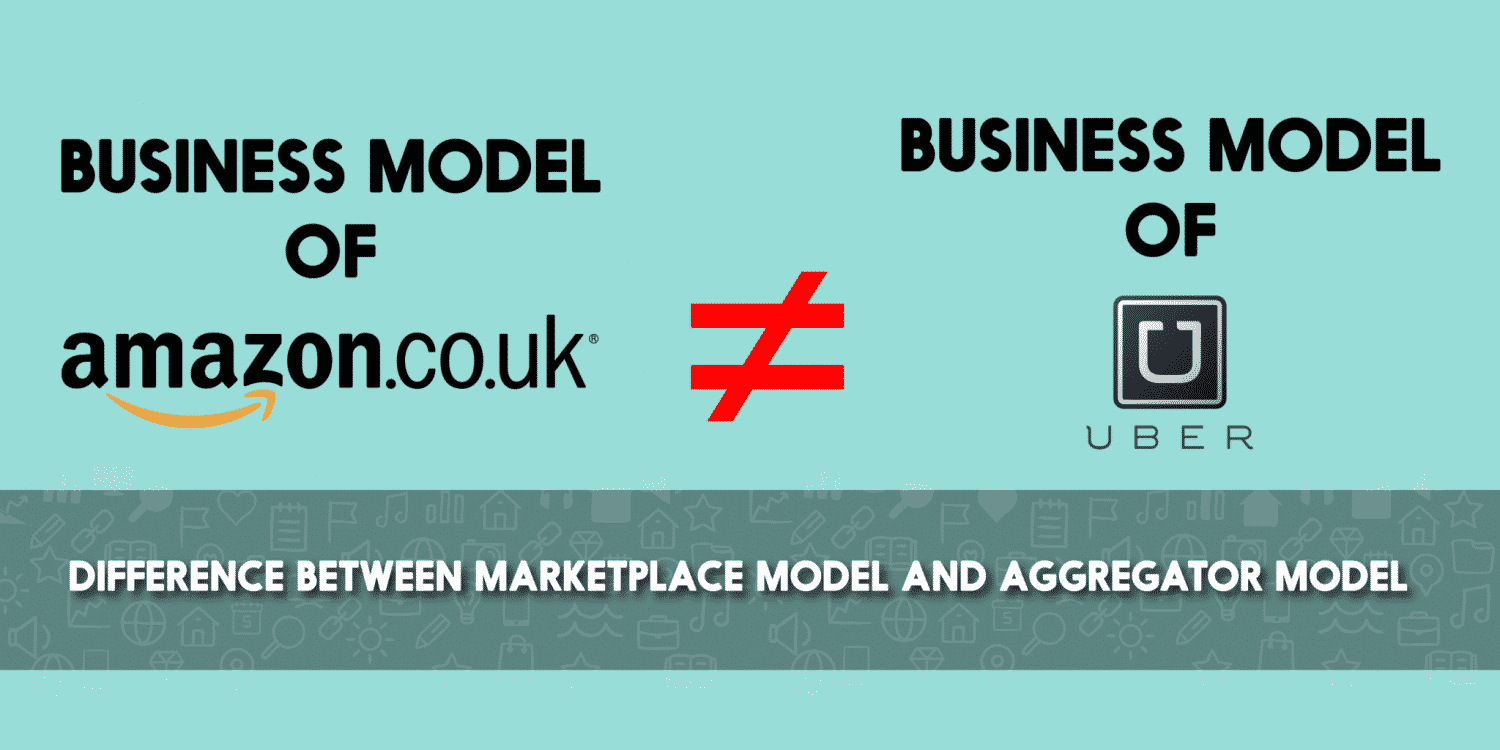
Marketplace business model and aggregator business model, though very similar, have noticeable differences.
But before talking about those difference, let us first talk about what these models are.
An online marketplace is basically an eCommerce website or an application which organises the products and services offered by different sellers and sell them on its own website. The firm only acts as a mediator and doesn’t own the products or services provided. Hence, the prices are determined by the sellers themselves. Marketplace only charges a commission as it provides sellers with a platform (with a huge network) to sell. Examples of online marketplace are Amazon.com, Flipkart.com, Hotels.com, etc.
The aggregator business model usually involves organising an unorganised and populated sector like hotels, taxis, etc. and providing their service under a standard brand name. Aggregators, just like a marketplace, are big brands that provide offering under their own brand name. The sellers are their partners but, unlike marketplace, sellers don’t sell under their own name. Offerings are sold under the name of the aggregator and hence the price/price-band is determined by the aggregator. Examples of online aggregators are Uber, Ola, Oyo, Munchery, etc.
Brand Image
A marketplace has its own brand but the partners (sellers) perform their services or sell their goods under their own brand. That is, brand image of partners also matter. For example, Hind Computer Ltd. selling its products on amazon has its own brand identity and brand image.
All the partners working with aggregators perform under one brand – the aggregator’s brand.
Standardised Quality
Different partners working with a marketplace have different product qualities. It’s a marketplace for different producers serving to different customers. Similar products provided by different producers may have different qualities.
Aggregators believe in a similar and standardised quality. They see to it that the offerings provided by the partners are of similar and standardised quality. Certain teams are given duties to check on the quality provided by the partners.
Standardised Price
Since partners are responsible for deciding the prices, similar products may have different prices in the marketplace. Same product may be sold for ‘x dollars’ by one seller and ‘y dollars’ by another. User has to find the price suiting his requirements.
Aggregators decide the price themselves. Partners perform their services or sell the products on the price decided at the time of the contract.
Go On, Tell Us What You Think!
Did we miss something? Come on! Tell us what you think of this article in the comment section.
Be it taxis, hotels, groceries, food, or travel, the aggregator business model has entered into and has disrupted every industry.
This model (also called the on-demand delivery model or Uber for X model) involves organising an unorganised and populated sector like hotels and taxis and providing the service under one brand.
What Is Aggregator Business Model?
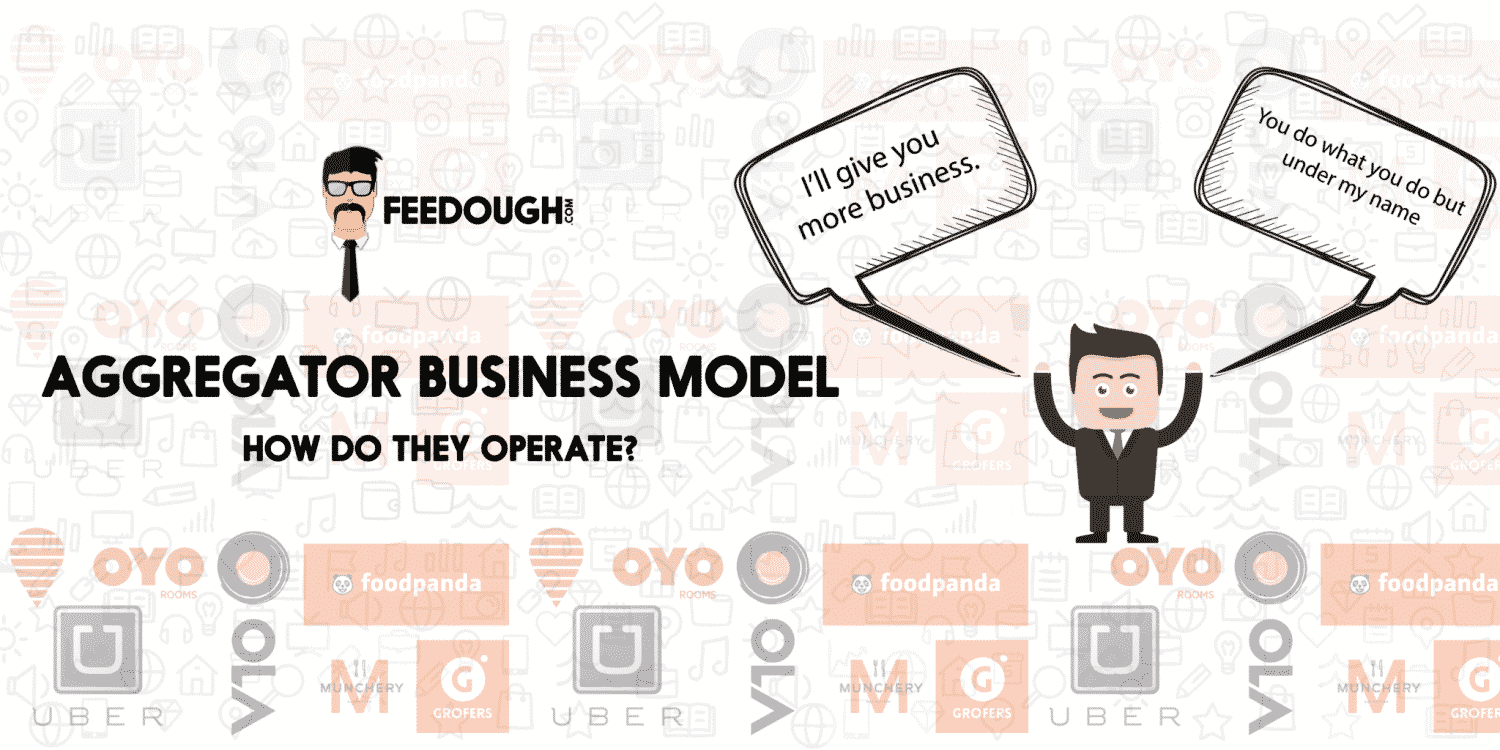
Aggregator Business Model is a network model where the aggregator firm collects information about particular offering providers, sign contracts with such providers, and sell their services under its own brand.
Since the aggregator is a brand, it provides an offering that has uniform quality and price, even though it is offered by different partner providers.
The offering providers never become aggregator’s employees and continue to be the owners of the product or service provided. Aggregator just helps them in marketing in a unique win-win manner.
Aggregator promises them more customers and proposes a partnership plan.
Service providers are now the partners.
Aggregator builds up his own brand and tries to attract customers through many marketing strategies.
Customers make purchases through the aggregator.
Partners get the customers as promised.
Aggregator gets the commission.
Partnership Model
The offering providers are not the employees of the aggregator. They act as partners to the business. Partners always have the freedom to accept or to reject the offer provided by the aggregator (these terms are clarified in the contract).
Customers
The offering buyers form the target customers of aggregators.
But, the aggregator business model runs on a two-fold customer strategy where the business has to cater to not only its offering’s consumers but also has to treat its partners as another set of customers. This is because partners also have a choice to choose the competitors over the company.
Hence, the company builds its brand in such a way so as to attract both of the parties to use this platform and develop a network effect.
Industry
All the offering providers belong to the same industry.
The Aggregator collects the offering providers of a single industry and organises them under its own brand. Like Airbnb for Hotels, Uber for taxis, Oyo for hotel rooms, etc
Brand
Aggregators spend most of their revenue on building up a brand. This brand has certain notable features like – quality, price band, on-demand delivery, etc. All the goods/services are provided under a single brand but by different providers.
The aggregator strives to provide a standardised quality to every user. It usually has quality assurance teams that make sure quality is maintained.
Contract
A contract is signed between the aggregator and the goods/service provider with all the partnership and commission terms. The terms provide a win-win situation for both the parties where the partners focus on providing quality product/service to the customers and the aggregator focus on marketing and creating more leads for the partners.
Terms usually include
Branding terms,
The standardised quality required by the aggregator,
Other terms depending on the industry and the aggregator involved
Pricing
Aggregators are different from a marketplace (like Amazon, Alibaba, Flipkart, etc.). They have the liberty to provide offerings for standardised prices or price bands, and some can even set their own price. For example, Uber has a definite price per kilometre and Oyo sets its own price using the take-up rate pricing strategy.
Competition
Competition in the aggregator business model is tough to handle as the same partners might work for competitors as well.
Aggregator Revenue Model
The offerings providers play a vital role in the aggregators’ revenue model –
Aggregators provide them with the customers and in return charge some commission. (Uber Business Model), or
The partners quote the minimum price at which they’ll operate and the aggregators, after adding up the take-up rate, quote the final price to the consumer. (Oyo Business Model)
This method isn’t always in operation. The revenue generation is different for different business stages, cycles, and seasons. There is a big role of discounts and dynamic pricing in determining the total revenue generation by aggregators.
Go On, Tell Us What You Think!
Did we miss something? Come on! Tell us what you think of this article on the Aggregator model in the comments section.
Personification is an innate tendency of human psychology. It refers to the attribution of human traits, emotions, or intentions to non-human entities, including brands.
And when humans attribute human-like traits and characteristics to a brand, it gives rise to its personality.
What Is Brand Personality?
Brand personality refers to the association of human characteristics and traits with the brand to which the customers can relate.
In simple terms, it refers to brand personification. It is the set of human trait and characteristics assigned to the brand.
A brand personality comes into existence when human-like adjectives – like unique, caring, funny, trustworthy, creative, straightforward, dishonest, rebel, etc. – are assigned to a brand.
The concept of brand personality is best understood when we imagine the brand to be a person. How would that person speak? How would s/he behave in certain situations? How does s/he dress up?
To simplify the concept even more, imagine how would it be if Apple were a human.
Wouldn’t it have an impeccable knowledge of the language with perfect grasp of grammar. Wouldn’t it be someone with great imagination? Wouldn’t it maintain discipline even in demanding situations? And wouldn’t it choose premium quality clothes over the cheap ones?
That’s the brand personality of Apple.
Importance Of Brand Personality
Branding is a lot more than just name, logo, and tagline. It involves assigning characteristics and properties within and outside the offering to give that generic offering an identity which is different from those in the market.
Now, besides the fact that brand personality is imperative to differentiate the product in the market, here are other important factors why brand personality matters:
Develops Brand Image: Brand identity and brand personality are two interconnected tools which helps in developing a desired brand image in the market. While brand personality strategizes how a brand would behave in the market, brand identity visualizes this strategy, which in turn, results in developing a brand image.
Positions The Offering:Customers use same products provided by different brands differently. That is to say, brand personality teaches customers how they should be using the brand’s products.
Develops Emotional Connection: Brand personality helps develop emotional connection with the like-minded people who look for more than just tangible offerings from the brand. This emotional connection further helps the brand to develop more meaningful brand interactions and start with customer powered marketing strategies like word of mouth marketing, loyalty marketing, etc.
Eases Communication: Having a personality makes it easy for the brand to communicate effectively with the customers mostly because the customers can relate to the traits that they possess with the personality traits that the brand has.
How To Build A Brand Personality
The brand personality is how the brands show up and acts in front of the customers. It comprises of tone, voice, associations, and all elements that make an individual unique and establish identity.
The process of developing a brand personality requires the brand managers to get an intimate understanding of the customers and draft a personality that evokes the ‘like, know, and trust’ factor. That is, developing a personality that –
Immediately attracts the target audience by evoking a feeling of comfort, familiarity, awe, or respect.
Making the future target audience (people just outside the target audience periphery) like the brand and appreciate and value the offerings.
Repelling the customers that the brand doesn’t want to attract.
Usually, this kind of brand personality can be built using innumerable ways. But Jennifer Aaker’s brand personality model is often preferred by most brands.
Jennifer Aaker Brand Personality Model
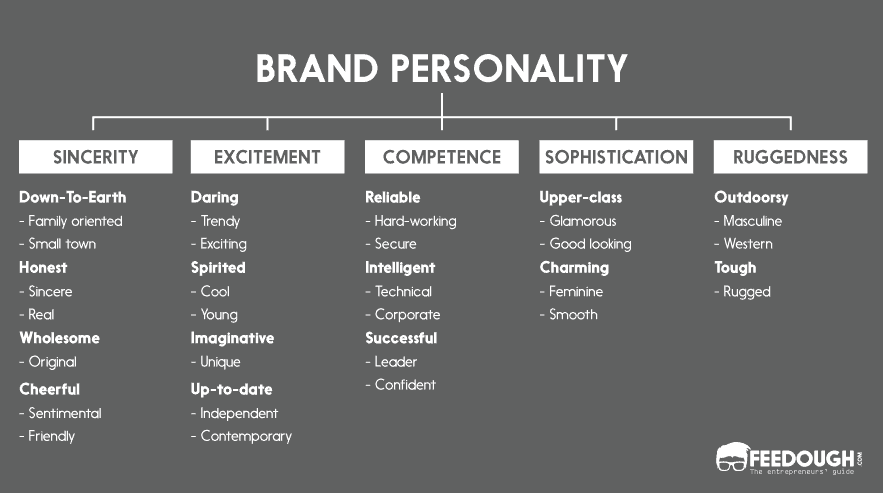
Jennifer Aaker, a behavioral psychologist and Stanford professor, defined a framework in 1997 which divided the personality into five dimensions, each containing a set of facets.
A brand’s personality is developed or identified by ranking these traits on a scale of one to five, with one being the least representative of the brand and five being the most.
Some examples of personalities according to the Jennifer Aaker brand personality model are –
Sincerity – Propercorn
Propercorn is a family-oriented business with a simple motive – obsessing over popcorns and developing tasty popcorn flavours.
https://www.youtube.com/watch?v=UdKdoV40Me4
Excitement – BuzzFeed
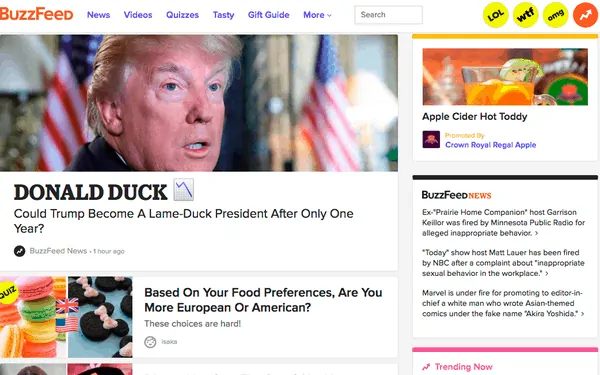
Known as a brand which not only informs about the trends but also shapes many trends for its audience (youngsters), BuzzFeed is all – daring, spirited, imaginative, and up-to-date.
Competence – SpaceX
A private company disrupting the industry dominated by lagging government sector, SpaceX has engraved its name as a competent private American aerospace manufacturer and space transportation services company.
Sophistication – Dolce & Gabbana
Considered to be one of the world’s biggest and best luxury brands, Dolce & Gabbana makes sure to maintain its distinctive brand personality of being upper class and charming by using effective communication and marketing strategies along with premium pricing.
Ruggedness – Old Spice
There was a time when Old Spice didn’t have any personality. The company pivoted its branding strategy really well and adopted a unmistakable persona of being masculine, tough, yet humorous.
Examples of Brand Personality
Here are a few examples of brands with out-of-the-box brand personalities:
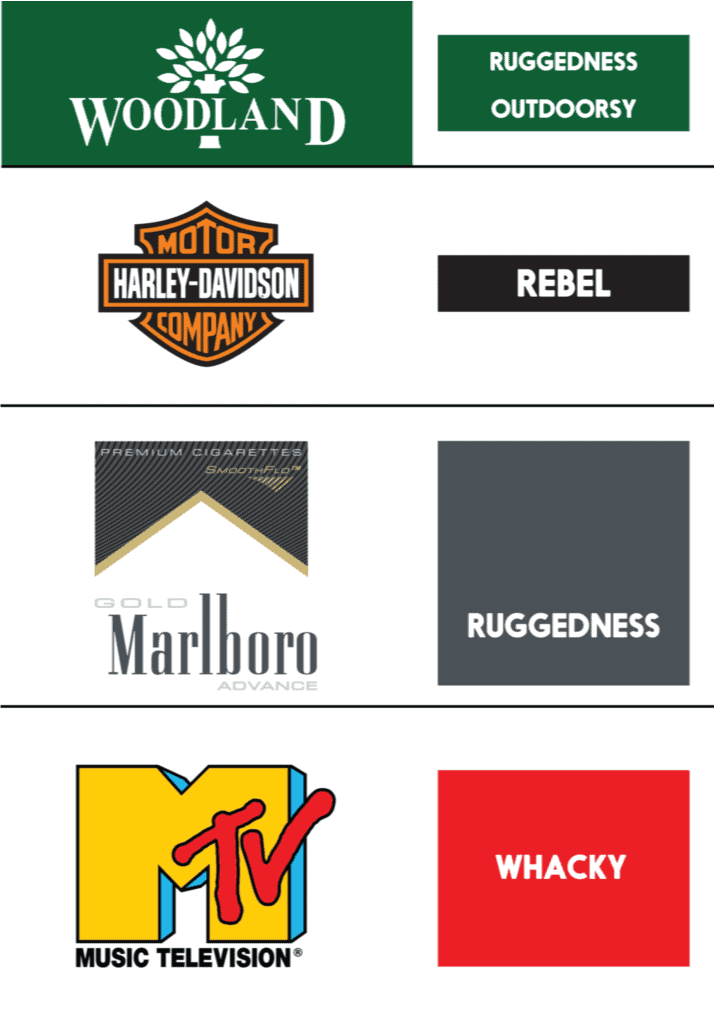
Brand Personality of Woodland
Woodland got the ruggedness, outdoorsy, and ready for adventure personality through its products (hard boots – meant for adventure) and smart marketing strategies. They also used the colour green, which represents nature, to build a personality of being outdoorsy.
Brand Personality of Harley Davidson
Harley Davidson has been a rebel from the start. The promotional campaigns (naming motorcycles as mean machines), the logo, and use of bright and dynamic colours have helped them build this personality.
Brand Personality of Marlboro
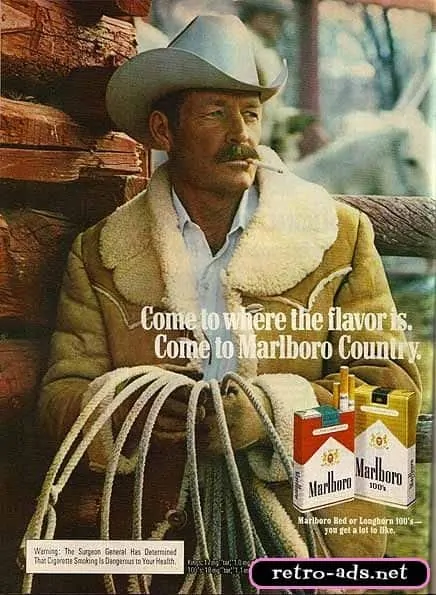
Marlboro got a personality of being tough through its different marketing strategies, which included ‘The Tattooed Man’, ‘Marlboro Cowboy’, and ‘The Marlboro man’.
Brand Personality of MTV
MTV tried to position itself to be different from the usual music videos channel. The concept of VJ’s followed by cool logos and taglines, like ‘I want my MTV’ & ‘MTV is here’, helped them stand out.
Go On, Tell Us What You Think!
Did we miss something? Come on! Tell us what you think of this article on brand personality in the comments section.
Generally, people consider a name, logo, colour, and even sound to be a brand. While they’re partially correct as these do form elements of a brand, they are just scratching the surface.
The brand is an intangible asset inherent to the offering, forming its identity, experience, and/or characteristic(s) that differentiates it from others in the market.
But still, branding is a term rarely understood – majorly because the lack of a proper definition of brand that clearly explains what it exactly is and why is it important to know the difference between a brand and its elements.
So, here’s a guide explaining what is a brand, its importance, types, and elements.
What Is A Brand?
A brand is the combination of properties within and outside an offering that gives it an identity and makes it distinct from others.
According to Kotler, a brand is a –
Name, term, sign symbol (or a combination of these) that identifies the maker or seller of the product.
In simple terms, a brand is the sum of all the attributes inherent to the offering, used to develop the offering’s identity in the market.
History Of Branding
The concept of branding goes back to 2,700 BCE when ancient Egyptians used to burn their mark (or brand) onto their cattle to differentiate them from other people’s cattle.
In fact, even the term brand is derived from the Old Norse word “brandr” meaning ‘to burn’.
The modern practice of branding, however, started in the late 1800s when Coca-Cola decided to differentiate its products from other generic products by painting everything in its brand colour, developing the patented design of its bottles, and printing logos on company-owned products.
Importance Of A Brand
Taken the fact that most of the markets today are saturated with companies offering similar products, developing a brand has become imperative to develop a favourable perception of the offering in the market and stand out.
Here are a few reasons why developing a brand is important –
Gives Identity: A brand is the identity the offering sits on. Branding assigns tangible and intangible and inseparable attributes like name, logo, colours, voice, shape, etc. to the offering that helps develop a personality that has a distinct identity in the market.
Aids Recognition And Differentiation: A branded offering is easily recognised and differentiated from other products in the market.
Aids Marketing: Marketing requires an identity that needs to be promoted. It becomes easier to promote a branded product than a non-branded one.
Increases The Value: Brand becomes an intangible asset that has its own value. This value, when attached with a generic offering, increases its overall monetary and non-monetary value.
Helps In Gaining Trust: Giving an identity to the product aids recognition, which, in turn, helps in gaining the trust of the customers. The brand provides the product with a name that can be trusted.
Types Of Brands
While there is one definition of brand, the concept’s application differs for different aspects. Generally, a brand is categorized into three umbrella types. These are –
Offering Brand: When an identity is built around a tangible or intangible offering, it is referred to as an offering brand. This offering can be anything from product, service, to place, event, or a cause.
Corporate Brand: This is the brand of the parent company that deals with the offering. Usually, a single company offers more than one branded offering. In such cases, a corporate brand is also developed to differentiate the corporate identity from the brand identity.
Personal Brand: Famous personalities and other aspiring individuals develop a brand of their own differentiating them from others. This is personal branding.
Characteristics Of A Brand
A brand is an inherently valuable asset that has the following characteristics –
Intangible: It is an intangible asset that can’t be separated from the offering. It is a perception of the identity the offering has that is often used to recognise it and differentiate it from other products.
Dynamic: A brand is more of an experience than just an identity. Every customer might have a different perception of the brand according to his/her experience with the same.
Distinctive: The sole purpose of developing a brand is to develop a distinctive identity having human-like features like name, colour, personality, etc.
Amorphous: Branding doesn’t have constraints. Offerings are branded, and brand experiences are created at almost every touchpoint, and such experiences and interactions have infinite possibilities.
Emotional: Branding is when a human-like personality is associated with an offering. Such human-like personalities develop emotional connections with customers.
Highly Recognisable: Brands are highly recognisable and differentiable. They have their own attributes that help their customers recognise and differentiate them from generic offerings as well as from other players in the market.
Consistent: A brand develops an identity which, when consistent, develops an image (perception) in the minds of the customers. Hence, consistency is an important characteristic of a brand.
Brand Elements
The brand is the sum total of all the visual and non-visual, tangible and non-tangible elements that drive the perception of the customer and makes him believe what the company wants him to. These brand elements include –
Visual Identity: Brand visual identity includes the recognisable and communicable brand outlook like name, logo, colour, slogan, typography, graphics, etc.
Brand Associations: These are the associations that come to the customers’ mind when they think of the brand . These can be advertisements, brand ambassadors, brand’s offering features, class, lifestyle, emotions, etc.
Brand Purpose: Brand purpose represents what the company stands for and what are its social obligations towards society, consumers, and the environment.
Brand Promise: It’s the value customers expect to get whenever they interact with the brand or buy its offerings.
Brand Identity:Brand identity is the set of all the branding activities a company indulges in order to be perceived in a particular way to the target audience.
Brand Personality: Brand personality is the association of human characteristics and traits with the brand to which the customers can relate.
Brand Voice: Brand voice is the uniformity in the selection of words, the attitude and values of the brand while addressing the target audience or others.
Brand Image: Brand image is an aggregate of beliefs, ideas, and impressions that a customer holds regarding the brand.
Brand Experience:Brand experience is awakening a holistic sensory experience to build an all-rounding relationship between customers and a brand.
Brand Equity: Brand equity is the aggregate of assets and liabilities attached to the brand name and symbol, which results in the relationship customers have with the brand.
Brand Architecture: Brand architecture is an organized structure of the company’s portfolio of brands, sub-brands, and other offerings.
Brand Examples
The world today is saturated with brands. Everywhere a person goes, everything he uses, wears, or eats, is transformed into a brand. Here are some notable examples of brands to elaborate on the concept –
Coca-Cola
Coca-Cola is a perfect example of both a corporate brand and an offering brand. As an offering, it offers the world-famous soft-drink cola that has its own –
Colour – red
Emotion – happiness
Shape – patented bottle
Voice – positive, friendly, and down-to-earth, and
Ranked as 6th most important brand in the world, McDonald’s brand value lies at a whopping $129 billion.
The company follows the same visual identity worldwide –
Logo – big M
Colours – red and yellow
Mascot – Ronald McDonald
…and operates on the same values. Moreover, this corporate brand makes sure that its offering brands’ names are prefixed with the term ‘Mc’ to maintain consistency.
Go On, Tell Us What You Think!
Did we miss something? Come on! Tell us what you think about our articlein the comments section.
WhatsApp was developed by Jan Koum and Brian Acton in early months of 2009 as a status update application (hence the name WhatsApp). It was further updated to Whatsapp 2.0 which transformed it into an Instant Messaging Application and started the real story.
This Facebook-owned IM Application now provides service to more than 1 Billion users all over the world. But the question of how does Whatsapp make money has been in the minds of everyone ever since the beginning as WhatsApp proudly expresses its views against native advertisements and hasn’t been charging its users for a long time. There surely are some big plans in the minds of developers (and Facebook) regarding its revenue model.
How does WhatsApp Make Money?
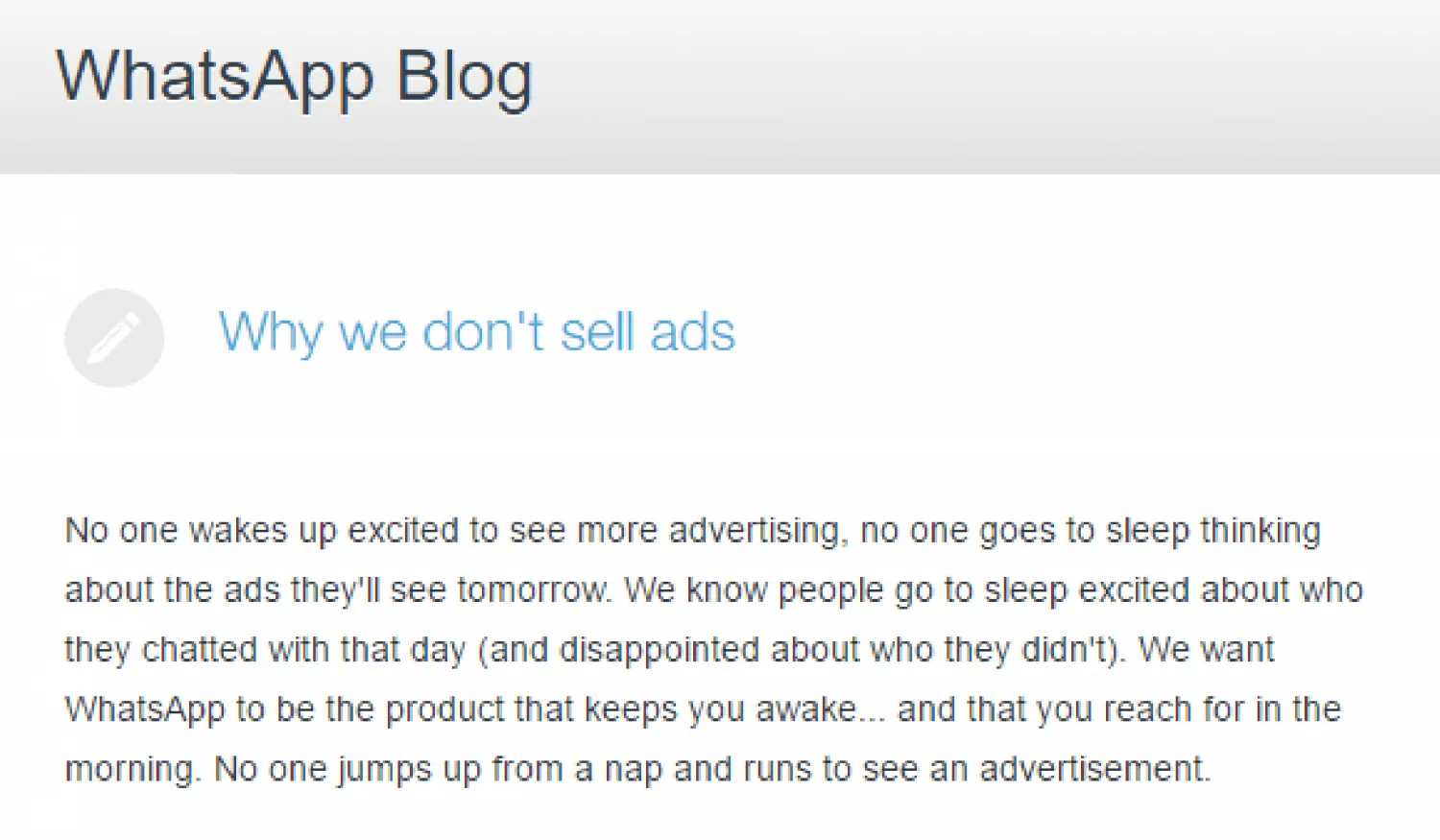
WhatsApp doesn’t earn revenue through advertisements. The founders hated advertisements and created this ad-free platform focusing just on great user experience and interface.
They wanted to create an instant messaging platform for the users and not for the big companies to place ads. But at the same time, they had to pay their bills too. So they decided to come up with the paid version of the application where they charged an annual fee of $1 from the users.
Initial Revenue Generation Strategy
WhatsApp got its first round of funding of $250k by five ex-Yahoo! friends who were granted a cofounder status.
The second and third round of funding was carried by Sequoia Capital which invested a total amount of $60 million ($8 million in 2011 and $52 million in 2013) in WhatsApp Inc. This was the only source of income for the 50 staff members of WhatsApp. There wasn’t much expenditure involved in running the application; the primary cost included server costs and costs relating to sending a verification code to the users.
This is why WhatsApp waved off the $1 subscription fees.
The strategy of the founders was to position the brand as a synonym for an instant messaging application. This required them to capitalise on the network effect.
This strategy of creating a network first and money after proved to be fruitful. After two long years of being wooed by Facebook’s CEO Mark Zuckerberg, WhatsApp was acquihired by Facebook on February 2014 for $19 billion and all the employees were put to Facebook payrolls including Koum, who is now a part of Facebook’s board.
WhatsApp’s Revenue Model (Facebook’s Strategy)
Facebook acquired WhatsApp in 2014 for $19 billion and this opened many new doors for the application. Even the answer to ‘how does WhatsApp make money?’ changed after the acquisition
After the acquisition, Facebook introduced some really strategic plans for WhatsApp’s revenue model.
WhatsApp Business
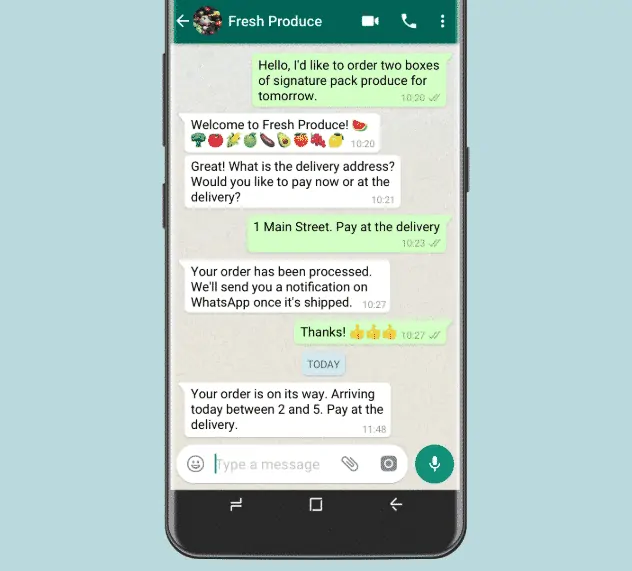
Facebook had new plans for WhatsApp. The company launched WhatsApp Business application which lets users build their business profile and become a verified business on WhatsApp. The verified businesses can create their business profile along with certain important links to their website or facebook page, set up autoresponders, can even link their landline numbers with WhatsApp and can even integrate the WhatsApp for Business API with their product offering.
The WhatsApp Business application is currently free to download and use for all businesses. WhatsApp, however, makes money through WhatsApp for Business API.
WhatsApp for Business API
The company extended its business functionality by launching its first revenue-earning product – WhatsApp Business API. Now, if you don’t know what an API is and how it works, I’d suggest you read our article on API economy first.
WhatsApp API lets the businesses integrate WhatsApp for Business with their systems to reach out to customers through notifications and deal with their queries automatically.
To prevent ad spam, the company restricted the ability to send messages. Businesses can only send messages to people who have contacted them first, but the API also helps them programmatically send shipping confirmations, appointment reminders or event tickets to their customers. The company is already working successfully with clients like Booking.com, Wish, etc.
Now, how does WhatsApp makes money through API?
Well, WhatsApp has developed a really strategic revenue generation plan for this product.
It charges businesses for slow replies.
This means that the businesses are able to respond to messages from users for free for up to 24 hours, but have to pay a fee for every message sent after 24 hours. The charge is fixed but is different for different countries.
The businesses can also choose to reply manually through their own tool or apps like Zendesk, MessageBird or Twilio.
Now, most of you must be thinking that the businesses can always use their WhatsApp for Business application to reply late to the customer inquiries. No matter how simple this solution sounds, this technique doesn’t suite businesses dealing with millions of users (airline tickets, travel tickets, movie tickets, banks, etc.).
Moreover, you cannot use API on any number already associated with WhatsApp. you need a fresh number to install the API.
Payments
WhatsApp has introduced a payments option (P2P payments) within the application for Indian users which will further boost its position in the market and will make it a preferred application for sending money (just like Venmo in the USA). This will further benefit WhatsApp business in the company’s biggest market.
During the recent F8 conference, Mark Zuckerberg also disclosed his future plans to release the WhatsApp payments feature to the rest of the world pretty soon. This will open gates to many more businesses relying on the platform the company capitalising on the network effect.
Future Revenue Earning Strategies
It looks like copying Snapchat’s features wasn’t just to steal its consumer base, WhatsApp is now planning to copy its revenue-earning strategies as well. According to the Economic Times, the company has plans to let businesses use the status feature, where text, photos, videos and animated GIFs can be shared for 24 hours, to advertise and promote their business.
Go On, Tell Us What You Think!
Did we miss something? Come on! Tell us what you think of this article on how does WhatsApp make money in the comments section.
Hey, I'm Aashish
Each week I share research backed AI oriented content in my newsletter.
There are AI ideas, AI trends, tutorials, and guides.
24k entrepreneurs read it. I'd love you to join.