Feedough Logo

Blog

  • What Is Mobile Marketing & Why Is It Important?

    What Is Mobile Marketing & Why Is It Important?

    You need a more customer-centric, customer-controlled, and technologically up-to-date marketing strategy to remain in the market for a long run. Maybe you already know about mobile marketing. Maybe not fully. Maybe you consider it core to your business. Or maybe a second priority. But 68% of the companies have already integrated mobile marketing into their marketing strategies and 71% of marketers believe that mobile marketing is core to their business.

    92% of 18-to-29-year-olds in the USA own a smartphone and 46% believe the smartphone is something they couldn’t live without. An average user spends 69% of his media time on smartphones which is predicted to be 3 hours and 28 minutes in 2018.

    Do you still think mobile marketing could be your second priority?

    What Is Mobile Marketing?

    Mobile marketing is a marketing technique focused on marketing a business, a product, or a service to mobile (mobiles/tablets/handheld devices) users using mobile-based strategies like SMS, MMS, mobile applications, mobile websites, voice-calls, etc.

    Increasing Importance Of Mobile Marketing

    With over 1,900 million people using them all over the world at the same time, mobile phones are the most used technology in the world. This has not only led to the rise in mobile marketing but also the rise of mobile-only/ mobile-dependent business models like that of Whatsapp, Venmo, etc.

    Mobile marketing is something which shouldn’t be ignored. Average smartphone conversion rates are up 64% compared to the average desktop conversion rates for e-commerce. Moreover, 46% of the shoppers are less likely to shop around for other options when they’re using a company’s mobile app.

    Here are 6 considerations on the rising importance of marketing that marketers need to consider while forming their marketing strategies.

    User-Controlled Marketing

    Mobile marketing is user-controlled. It works on ‘consumer is the king of the market’ principle in a true sense. That is, the user has the control to accept, see, deny, or block the marketing efforts to reach to him. This has led to the term mobile friendly becoming synonymous with the good user experience. Even Google now gives more preference to websites that are mobile friendly.

    More Time Spent On Smartphones

    Mobile devices account for nearly 70% of the digital media time, and it is still in its growth stage. Americans spend an average of 10 hours per day using mobile devices. This means you have over 500 hours per year per user to capitalize on.

    digital media growth

    The Micro-Moments Industry

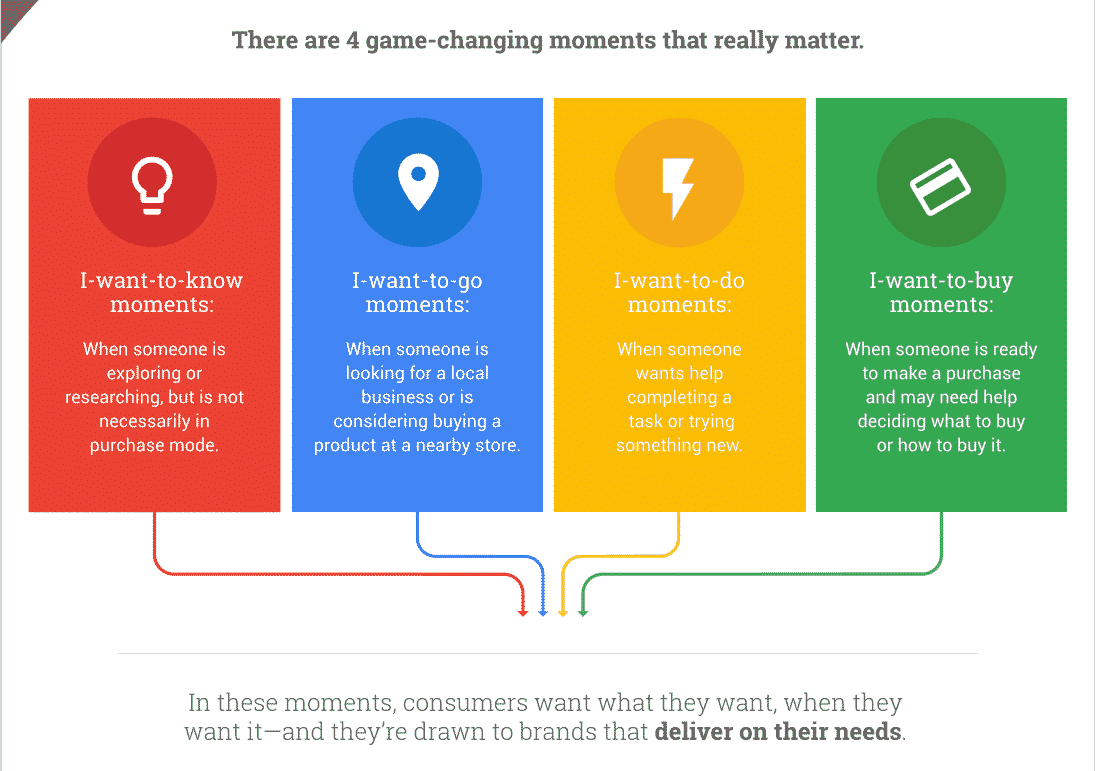
    According to Google, a micro-moment is “an intent-rich moment when a person turns to a device to act on a need -to know, go, do, or buy’. With the increase in the usage of mobile phones, there is a steep rise in the micro-moments dependency and its capitalization.
    micromoments mobile marketing

    Mobile Commerce Is Yet To Boom

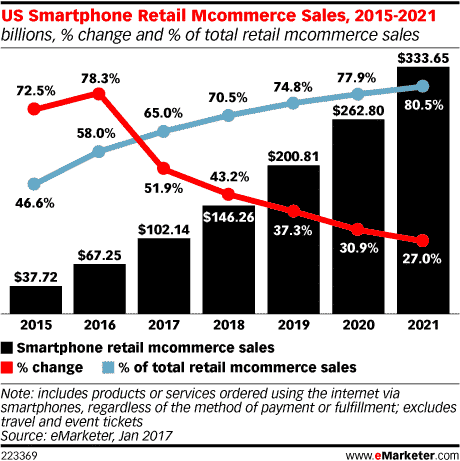
    67% of the retail time is spent on mobile phones, but it only accounts for 20% of the money spent. M-commerce is yet to boom and is predicted to reach $333 billion by the end of 2021.
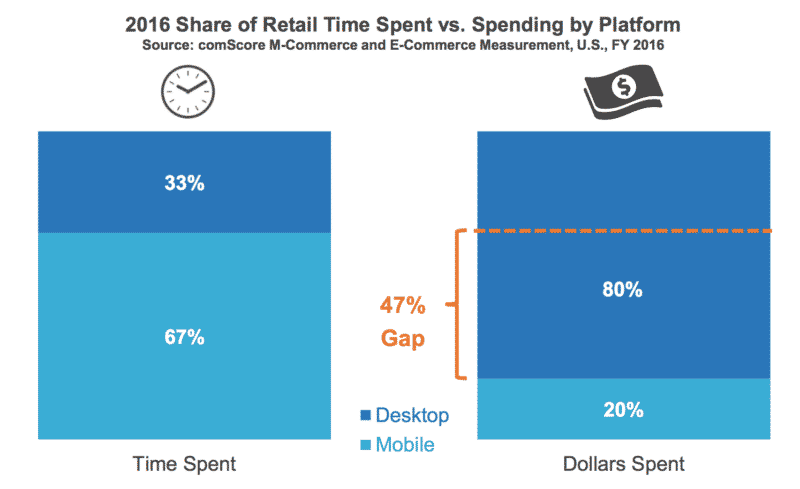
    time spent money spent mobile marketing

    Many businesses have already capitalized on this increasing trend and many are yet to capitalize on it. Pinterest and Facebook messenger has introduced features which let users buy directly through their platforms, Whatsapp has launched payments features in India to position it as a preferred payment transfer app like Venmo in the USA, Amazon launches exclusive app discounts for more mobile conversions, etc.

    Mobile Text Messages Are Better Than Emails

    SMS open rate is whopping 98% as compared to 20% of emails. Moreover, around 74 trillion emails are sent every year, 49.7% of which are directly sent to the spam folder.

    Only to 8 trillion SMS are sent every year and the numbers are even less for the other mobile applications like Whatsapp, Messenger, etc. to send marketing messages.

    Better Customer Relationships

    Availability on platforms where your customer is and answering their calls builds up better customer relationships and can differentiate you from your competitors.

    Contours Of Mobile Marketing

    Mobile marketing involves strategies relating to a-to-z of mobiles. The types mobile marketing include:

    SMS Marketing

    SMS(Short Message Service) marketing is a permission marketing strategy which involves sending text messages on customers’ mobile phones to promote a business/product/service or as a part of the customer relationship management strategy.

    SMS marketing has become one of the most popular mobile marketing techniques from early 2000’s. The strategy includes sending automated text messages or personalized text messages to registered customers or users who have given permission to receive such messages.

    MMS Marketing

    MMS marketing is a similar strategy to SMS but includes a timed slideshow of images, text, audio and videos.

    App-Based Marketing

    Creating an application for business gives marketers more shelf space (and visibility) in the phones of the customers and help them capitalize on the micro-moments dependency and become a part of the ‘is there an app for it’ trend.

    Mobile Web-Based Marketing

    This strategy includes developing a responsive website and focusing more on mobile searches and voice-based searches to improve search engine ranking of the business website.

    Proximity Marketing

    Proximity marketing is a mobile marketing strategy which involves the wireless distribution of promotional or other advertising content to users on a specified place. Transmission of the advertisement material is carried out with the use of mobile-based technologies like Bluetooth, WiFi, Internet, GPS, NFC, etc.

    Location-based Marketing (GPS Marketing)

    Location-based marketing is a direct marketing strategy which capitalizes on micro-moments and uses the users mobile phone’s location to alert him about an offering from a nearby business.

    Voice-Based Marketing Strategies

    Voice-based marketing strategies include using calls and other voice services like voicemails to distribute advertising content to the users.

    Mobile-Adapted Advertising Strategies

    Advertisements on mobiles are different from advertisements on desktops. These include in-app advertisements, page level ads, and other mobile-specific formats. Marketers make use of these formats to benefit from mobile-specific users and increase their visibility.

    Micro-Moments Marketing

    Crafting strategies to tap the micro-moments trend benefits the marketers. These involve writing a voice-search friendly content, focusing on micro-moment specific keywords, and even building a business on micro-moment specific trend.

    QR Codes

    QR codes are 2d images which, when scanned, redirects the users to specified web pages or applications. These are used by marketers to increase customer engagement.

    Go On, Tell Us What You Think!

    Did we miss something? Come on! Tell us what you think about our article in the comments section.
  • Sharing Economy: Advent Of The Give And Take Economy

    Sharing Economy: Advent Of The Give And Take Economy

    The World Wide Web has made all sorts of connections easier than ever since its inception. Over time, it became the catalyst for peer-to-peer networking, leading to economic opportunities routed through it.

    But it’s not just data that travels through the Internet. What do the rounds is money, deficiencies, abundances and the will to come to the equilibrium of resources. Have an extra room? Share. Have extra money? Share. Have extra travelling space? Share. Anyone with high-value resources can make them accessible for those looking for it, at a negotiable cost, to your market: The Globe. That is what a Sharing Economy is.

    Sharing Economy?

    Let’s look at one of the pioneers and understand.

    Airbnb.

    What started off as a solution to rent problems, became the largest accommodation provider in 2017.

    And it owns no property. Fascinating?

    Back in 2008, founders of Airbnb, Joe Gebbia and Brian were stuck with an unbearable problem. Their problem: rent. They set up a basic portal with a map and rented out the extra mattresses. Poor guys even promised breakfast. Three people came and they decided to build on it. They refined the portal with money from selling cereal boxes and worked on the portal by enhancing the photography.

    What Is Sharing Economy?

    Sharing Economy (also called Collaborative Economy or Peer Economy) refers to economic activities which include owners renting out something that they are not using, or are not able to use up to complete potential, like a room, car, machinery, equipment, etc. to another party using Internet-based peer-to-peer networking.

    With the increasing popularity of these services, it is going to be extremely interesting to figure out the novel opportunities that this model has opened up for you as well as the end consumers.

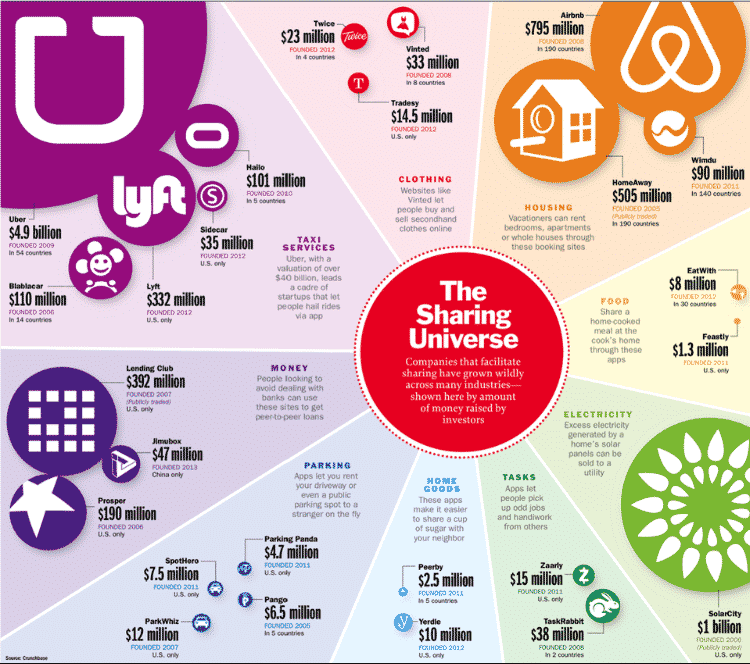
    Ignited by the sparks of its known pioneers, Uber and Airbnb, peer to peer business ventures’ worth will grow from $18.8 billion in 2014 to a forecasted $335 billion by 2025, as forecasted by Forbes.

    sharing economy

    The number of industries that are seeing this entrepreneurial revolution is no more countable on the tip of your fingers. This format is spotted in a multitude of industries that we know of  – transportation (e.g. Uber, Lyft, Didi Kuaidi), accommodation (Airbnb, Couchsurfing), household management (TaskRabbit, Care.com), doorstep handovers (Postmates, Instacart), retail e-commerce (eBay, Etsy, Taobao), investment options for consumers (Lending Club, Prosper), currency options (TransferWise, Currency Fair), project  investment options (Kickstarter). Usually, what these organisations develop is a cheaper, faster and efficient mechanism of carrying out a business that deals with one or the other consumer requirement. In other cases, they pioneer services that are initially unheard of, but end up fulfilling a need that was potential in the recent past.

    Is Sharing Economy Really New?

    Conceptually speaking, you may have seen this kind of entrepreneurship or peer economy model before. Wars and catastrophes render disastrous social upheaval, leading to participative models of resource sharing. Flip through your history books and you shall find numerous examples of people coming up extras to meet the necessities of other people. Sometimes this kind of sharing ends up a fluke; sometimes it is an impressionable change.

    No, you are not in a catastrophic era. But our economies are directed well if we acknowledge our shortage of resources with respect to population.

    Remember the Italian Cooperative Movement in 1854?

    Or AMUL in 1946?

    Essentially, P2P businesses are a rendition of cooperative formats of economic coordination, which seem more user-friendly and accessible today because of the power of the Internet to penetrate as well as rejuvenate individual experience of participating in this economic model.

    Facebook claims to earn its 23% of advertising revenue from ventures of the peer-to-peer economy, because of the high footfall by the audience for participative forms of business.

    Challenges to the Collaborative Economy

    Yes, it isn’t easy to get into business with peers!

    If you are a business that relies on selling products rather than encouraging your consumers to share them, you are facing a subsequent threat that persists till the Internet exists. Studies claim that customers consider collaborating instead of purchasing products, if it results in cost savings of at least one-fourth of the latter, if it is easier, or if it offers access to goods of higher order brands. Similarly, collaborators can be converted to buyers for the same reasons. Ownership of product-based companies can join with collaboration based companies so that both benefit. A big uncertainty surrounding many collaborative economy companies is regulation.

    Rules. They give you a hard time. Why do we say so?

    P2P business organisations like Uber and Airbnb have faced popular regulation tussles in many cities that they operate in, where their arch competitors have devised the fear of consumer compromise as an assumption, which may be as many times valid as overblown.

    The revolutionary entry of peer-to-peer business format into arenas such as hotels and cabs also has become debatable over the issue of the local regulatory framework. One of the arguments against collaborative platforms is that they tend to attain a competitive advantage by dodging local restrictions on licensing conditions. For example, many cities limit the number of hotel rooms that can be utilized for short-term rental, the number of taxis that can be floated or the pricing mechanisms of such businesses.

    The present prevalent debate is stuck partly on opposing views of the essential purpose of local regulations. One side, a lot of the existing regulations function to prevent hazardous consumer treatment, like background check of drivers and vehicle for cabs. One can still be doubtful whether the feedback protocol of collaborative businesses such as Uber or Airbnb is enough to save consumers from exploitation as compared to licensing regulations imposed by authorities. On the other side, local regulatory restrictions still patronize incumbent firms by curbing and controlling competition. This kind of analysis sure tells us where peer-to-peer entry stands; somewhere where consumers enjoy utmost comfort in the form of lower prices and higher service quality.

    This economy is like a software susceptible to bugs. The amount of dependence it has on local genteel can make or break its fate.

    Is Sharing Economy Viable?

    sharing economy

    Morgan Stanley says, after 2016, 8 on every 10 new businesses that come up, try to incorporate peer-to-peer networking as a feature of their business model to raise funding. This is because of the promising performance of this format.

    A big determinant for us to encompass all aspects is whether the idea of sharing economies will be able to triumph as an economic formula in ways that justify their overvalued position in the open market.

    TWO issues, that’s all you need to consider, to ace your spot in this economy.

    1. Whether the collaborative intermediation model wins over traditional buying selling method of business.
    2. Whether singular entrepreneur platforms establish dominant positions leading to significant gains, which depends largely on whether they can harness a network advantage as effectively as peer-to-peer marketing.

    There are some plausible arguments to believe that marketplaces gain from economies of scale, because they may have wider alternatives for buyers & sellers with corresponding demand and supply. But rapidly waving consumer urge to experiment is surely outliving traditional theory, as can be seen from the phenomenal growth in the sector we like to call The Give and Take Economy.

    Go On, Tell Us What You Think!

    Did we miss something?  Come on! Tell us what you think about our article on Sharing Economy in the comments section.

  • What Is M-Commerce? | The Rise Of Mobile Commerce

    What Is M-Commerce? | The Rise Of Mobile Commerce

    50% of the users visit Feedough on their smartphones, 47.37% on desktop, and the rest 2.63% on tablets.

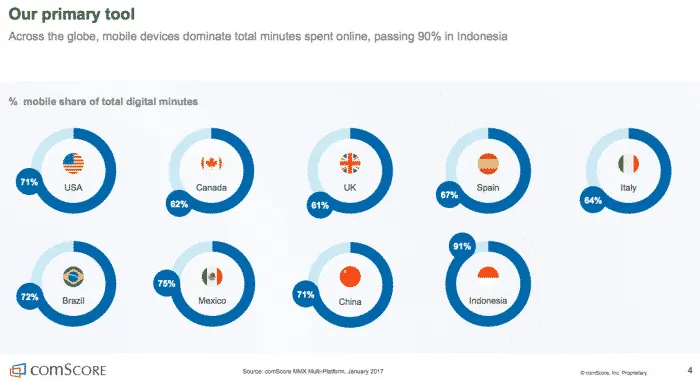
    But our mobile users are still less when compared to the global average. Mobile has replaced desktop to become the primary digital touch point and now represents over 65% of the digital media time.

    According to Google, 57% of the users say they won’t recommend a business with a poorly designed mobile website and 40% of the users have turned to a competitor website after a bad mobile experience.

    mobile share internet

    The shift from fixed to mobile has revolutionized the way you browse the internet, listen to music, watch movies, and even shop, and this has led to the creation of a new concept – mobile commerce (m-commerce)

    What is Mobile Commerce?

    Mobile commerce, also known as m-commerce or mCommerce or wireless eCommerce, is any transaction involving the transfer of ownership or rights to use goods and services, which is initiated/facilitated/completed by the use of mobile/handheld device and wireless technology.

    In simple terms, m-commerce involves the delivery of electronic commerce capabilities through smartphones and other mobile devices.

    History Of Mobile Commerce

    The phrase mobile commerce was first coined in 1997 by Kevin Duffey at the launch of the Global Mobile Commerce Forum. The concept was brought to life in the same year by Coca-Cola which installed two mobile-phone enabled vending machines in Helsinki which accepted payment via SMS text messages.

    The idea of the concept was further validated in 1998 when the sale of digital content like ringtones was made possible on mobile devices by Radiolinja.

    There was no turning back after 2000. Mobiles facilitated payments and transactions relating to parking, train ticketing, and voting for favourite reality show contestant etc. There was even a shift of wallet from your pocket to your mobile phone in 2004 with the launch of GCash.

    And then iPhone happened, which shifted the mobile commerce from SMS messaging to actual applications. Smartphones OS like IOS and Android made the mobile commerce possible as we know it today. We can now buy and rent products, services, stocks, cryptocurrencies and other assets using our mobile phones, carry out all banking transactions using the smartphone, and even use the mobile phone as a prepaid wallet to carry out such transactions.

    The Rise Of Mobile Commerce

    Trading had witnessed a seismic change with the rise of eCommerce, but the next true frontier is the concept which took the shopping experience in the hands of the customers, literally.

    Welcome to the era of mobile commerce.

    The rise of the mobile internet has eventually opened more doors for shifting e-commerce to mobile. M-commerce is even rising at a rate higher than eCommerce. While the total online spending rose from $3.34 billion to $5 billion during the Black Friday sale, 2017, purchases made on smartphones increased to 40% from 29%.

    Several industry giants and Government bodies have capitalized on the concept and have launched many new services to initiate/complete/facilitate trade on mobile. Amazon has launched its prepaid wallet service – Amazon Pay, National Payments Corporation of India has brought the simpler version of IMPS to mobile in the form of Unified Payments Interface, Google has launched Google Tez to promote transactions through UPI. Many companies like Venmo and Wechat have built their business models around the concept of m-commerce and many ideas are still in process.

    With over 80% of internet users now owning a smartphone, mobile commerce is something that can’t be ignored.

    mcommerce

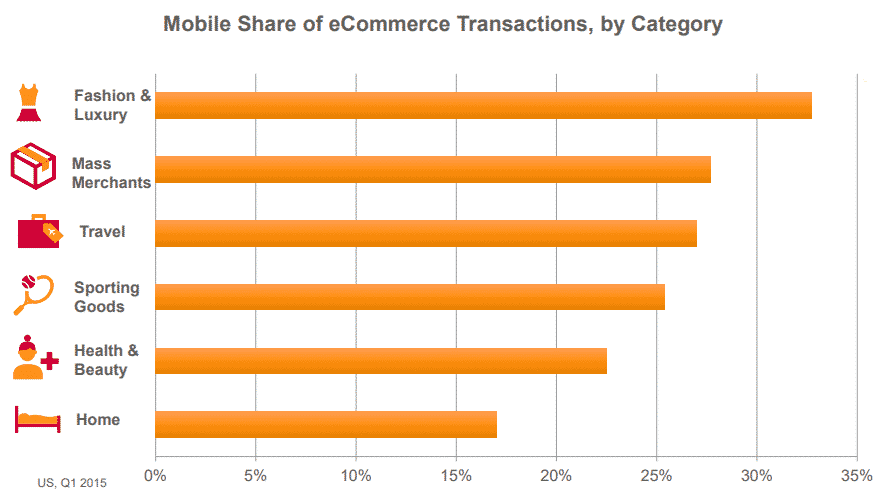
    The rise of shopping using mobile phones is not at par with its usage though. During the third quarter of 2017, smartphones accounted for 58 percent of retail website visits worldwide but only generated 38 percent of e-retail shopping revenues. The fashion and luxury retailers witnessed the highest share of mobile transactions followed by mass merchants while the share of mobile transactions in the home category was the least.

    Mobile Share of eCommerce Transactions

    According to Google, the increased role of micro-moments has increased the dependence on mobile phones, and on demand services. People now want everything to be available on a tap of their smartphones. Many unicorns like Uber, Lyft, etc. are designed with the sole idea of disruption in the micro-moments industry.

    Go On, Tell Us What You Think!

    Did we miss something? Come on! Tell us what you think about our article on mobile commerce (m-commerce) in the comments section.

  • Customer Relationship Management: The Ultimate Guide To CRM

    Customer Relationship Management: The Ultimate Guide To CRM

    Thanks to the ever-increasing competition, wooing customers is now a fact of marketer’s life. They make sure that they acquire new customers effectively and efficiently, make the existing customers stay, and convert the low-profit customers more profitable. All this is done with the help of customer relationship management.

    What Is Customer Relationship Management?

    As the name suggests, customer relationship management (CRM) refers to the practices, strategies, and technologies used by the marketers to manage the company’s relationship with the customers and to get higher profits through customer satisfaction and customer loyalty. According to Kotler:

    Customer Relationship Management (CRM) is the process of carefully managing detailed information about individual customers and all customer “touch points” to maximize customer loyalty.

    In simple words, CRM is how you make use of the customer data to meet the needs of your existing customers better and identify and serve new customers to earn more profits for your efforts.

    CRM has following building blocks:

    • A CRM database to collect the customer information.
    • Using technological intelligence to analyze the information.
    • A strategy to capitalize on all the customers’ needs and the touchpoints to identify potential customers.
    • Collecting data to ensure the strategy is effective.

    Customer Relationship Management Examples

    CRM refers to the data-centric holistic approach that the company takes to manage its relationship with the customers. For a hotel company, the available touch points include reservation (website, application, text messaging, third-party portals), check-in, check-out, frequent-stay programs, room service, business service, exercise facilities, laundry service, restaurants, bars, online and offline follow-ups, emergency services/phone numbers, cab services, etc. The company makes use of all these touch points with the help of their well-trained staff who offer personalized service to the customers. These may include remembering the name of the customer, calling them after their stay just to know about their experience, giving them discounts for their next visit, offering them enhanced services (like spa) for their next visit at a discount, etc.

    Some websites/blogs analyze your interests in the published topics and send you personalized newsletters consisting of articles and posts of your interest. Moreover, they even suggest more relevant articles when you’re on their website. This reduces their bounce rate as you get what interests you.

    Another great example of CRM is the specially designed postpaid/prepaid plans offered by your telecom operator. They make use of your usage data and design special plans just to increase your satisfaction and to make you loyal to their brand.

    CRM not only helps to retain the existing customers but leads to increased word of mouth marketing as well.

    CRM Objective

    The objective of CRM is to build customer equity and help the company make profits in the long run. Customer equity is the value of potential future revenue generated by the company from a customer in his lifetime.

    Marketers use customer relationship management marketing to provide better, more customized and personal service to the customers to enhance customer satisfaction and make them loyal to the company. CRM analysts are employed to develop data warehouses and use data mining techniques for the same.

    Importance Of CRM

    Besides the simple fact that in this competitive environment a company has to make use of customer data to satisfy their customers’ needs better and to retain them, here are few points to explain the importance of customer relationship management:

    Increasing Customer Perceived Value

    Customer perceived value is customer’s perception of the benefit received as compared to the cost paid by him. CRM focuses on one-to-one marketing and increasing the value of the customer base by forming relationships which increase the customer perceived value which eventually increases the customer equity.

    Reducing The Rate Of Customer Defection

    Customer Relationship Managers select and train employees to be knowledgeable, friendly, and smart enough to interact with the customers effectively and satisfactorily by using customer’s data. This strategy of wooing customers using their own data reduces customer attrition.

    Better Customer Oriented Strategies

    When you know about the customers, you develop better strategies to woo, attract, and retain them.

    Long-Term Relationships

    The more involved a customer is with the company, the more likely he is to stick around. Some companies treat their customers as partners, some provide special status to their old customers, while some ask for their advice while building new products or designing new services. All these practices work in the favour of the companies and make the customers stay for long.

    Competitive Advantage

    CRM helps in providing better service to the customers and developing effective relationships. It involves a holistic approach where all the departments from manufacturing to marketing to services know about the customers and help to design a 360-degree strategy revolving around the customer. This definitely gives the company a competitive advantage when it comes to existing customers.

    Making Low-Profit Customers More Profitable

    CRM helps managers to separate low-profit customers from more-profit customers and also help them develop strategies to convert low-profit customers more profitable. Banks, telecom operators, and travel companies use this strategy effectively on a regular basis.

    Who is A Customer Relationship Manager?

    A customer relationship manager is someone who is responsible to maintain long and healthy relationships with the existing customers. He analyzes and uses the pool of data effectively to form strategies to increase the longevity of the customer relationship, address existing customers’ queries and complaints, make low-profit customers more profitable, etc.

    What Is A CRM System?

    A CRM system is a (software) tool which helps you to save and keep the business relationship data up to date. It can be an automated spreadsheet, or a well designed and customized tool for your business need.

    It is the central place where all the data of your customers are stored and can be retrieved from. A customer relationship management system has many advantages over storing information offline and on simple spreadsheets. The software records your every interaction with the customer and updates the records so you never miss anything. It can also be configured to send alerts and reminders as an when needed.

    A customer relationship manager can easily segregate customers and form different strategies for customers fulfilling different prerequisites.

    Go On, Tell Us What You Think!

    Did we miss something? Come on! Tell us what you think about our article on customer relationship management (CRM) in the comments section.

  • How To Deal With Entrepreneurial Stress

    How To Deal With Entrepreneurial Stress

    No matter how fascinating the fact of owning a startup is, no one will deny how hard it is to run one. Not everyone could separate his personal and professional life when it comes to running a startup. You get mentally, physically, and emotionally involved as you think about it 24X7X365. You think about the past, present, and future of your venture before leaving for the workplace, at the workplace, after leaving the workplace, during the vacations (if you ever take one), and maybe even at someone’s funeral.

    And overthinking leads to entrepreneurial stress.

    Entrepreneurial stress can cost you a fortune. Besides, it’s bad for your personal life as well. Managing your personal life, your professional life, and the life of your startup comes with a hefty price tag. It requires patience, good team, good leadership skills, and a proper work-play schedule.

    Now, many entrepreneurs might have closed this article’s tab after reading the last sentence commenting – ‘easier said than done’ but those who didn’t, let’s discuss the actual cost of startup stress.

    Disturbed Personal Life & Health

    The first visible symptom of the entrepreneurial stress is your disturbed personal life and health. There are times when you forget to sleep or can’t sleep for days, when you forget to eat, or eat a lot due to stress. According to a research, insufficient sleep costs the US economy $411 billion and 1.2 million working days per year.

    Startup stress and the resultant unhealthy habits don’t have positive outcomes on your body. They result in visible tiredness and often lead to the lack of attention to other important things like family, friends and hobbies which disturb your personal relations as well.

    Unhealthy Startup Atmosphere

    A sound team and a stable working environment are the prerequisites of success but entrepreneurial stress affects both. It has a negative effect on the internal work atmosphere as well as on the fellow team members of your startup. It leads to pessimism, inability to reach conclusions, and even causes conflicts among the team members.

    Entrepreneurs, when in stress, generally focus more on the startup’s external problems (poor performance, less funds, more debt, rejection by potential customers, etc.) than on its effect on the internal stability which is equally important.

    Anxiety & Lack Of Clarity

    The biggest problem of entrepreneurial stress is that it keeps on building up. One wrong decision may lead to many negative outcomes which makes you more anxious as you carry all the burden on your shoulders. The increased anxiety takes the form of a never-ending maze as you lose your ability to reach conclusions and the sense of right and wrong.

    Another problem that you usually face during the time of stress is the lack of clarity which often leads to you making many silly mistakes.

    Reduced Creativity

    What’s worse than no ideas and creativity at the time when you need them the most? This is what entrepreneurial stress does to you.

    How to deal with Entrepreneurial Stress?

    No matter how big entrepreneur you are, you know about it, have experienced it, dealt with it, tried to overcome it, and most importantly – tried to avoid it. Startup stress is a fact of entrepreneur life and only those who are able to cope up with it are remembered in the long run.

    No matter how stressful your entrepreneur life seems, there are steps you can take to relieve the pressure and manage everything effectively.

    Have A Partner

    Entrepreneurial stress makes you feel lonely, helpless, and disappointed, and there’s nothing better than having a partner whom you can count on. Having a co-founder not only boosts your morale but is also good for dividing responsibilities and risk mitigation.

    Your startup partner has been always there with you through your venture’s good and bad time, he knows your struggle and is the best person to share your thoughts with or to take advice on your decisions.

    Talk To Your Mentor Or Anyone You Deem Appropriate

    All you need to do is talk.

    Talking to your mentor helps you put the problem in to perspective and throw a new, objective view on it. It helps you to vent your emotions and feelings and get to think with a perspective of an experienced person.

    Delegate Effectively

    The first thing an entrepreneur loses at the time of stress is trust. You can’t do all the work on your own. Try delegating what’s not that important. Delegation not only reduces entrepreneurial stress but also increases employees motivation.

    Exercise (& Meditate)

    Your physical and mental health is as important as your startup’s health. You can’t force yourself to sleep, but if you maintain a healthy exercise and meditation practice, you don’t have to. Take exercise seriously and include it in your routine. Besides, meditating for as few as 15 minutes a day can help you reduce stress, decrease anxiety, and improve your decision-making process.

    Invest In Your Hobby

    Sometimes, you get the best solution when you’re not thinking of the problem. Investing in your hobby not only lets you divert your mind from stress but also opens the blocked creativity doors of your mind.

    Prioritize

    Prioritization is the key to fight with the startup anxiety. Focus only on what deserves your attention and delegate which doesn’t. Prioritizing the short term and long term goals of your startup help you focus on what’s important and ignore what’s not.

    Journal

    Writing down your thoughts and feelings helps you understand them more clearly. It is a proven remedy to control stress and anxiety. Journaling is a good practice as it also helps you to review your previous decisions.

    And who knows if it may turn into your autobiography someday.

    Set Boundaries

    You can work 24X7X365 but that’s unsustainable. You can invest all your family money in your startup but that’s not advisable.

    Similarly, there are a lot of things you need to set boundaries for. Setting boundaries let you know when to say no, when to stop, and when to leave things as they’ve gone out of hands.

    Go On, Tell Us What You Think!

    Did we miss something? Come on! Tell us what you think about our article on entrepreneurial stress in the comments section.

  • How Does WordPress Make Money? Automattic Business Model

    How Does WordPress Make Money? Automattic Business Model

    Suppose, there’s a company that provides free seeds for you to grow crops and make profits. The same company, however, charges for the add-ons like water, fertilizers, pesticides, etc.

    Sounds like a smart freemium business model?

    The company knows the basic necessities for farming. It builds your trust by giving seeds for free and capitalizes on your other farming needs.

    This is how WordPress makes money.

    What Is WordPress?

    WordPress is a content management system that powers millions of websites over the internet. It is a brand created by Matt Mullenweg and is used by two publishing platforms wordpress.org and wordpress.com.

    But before moving on to discuss how WordPress makes money, it is important to discuss how the two platforms differ from each other and who owns them.

    Wordpress.com vs. Wordpress.org

    wordpress.org vs wordpress.com

    Wordpress.org is a free open-source website publishing platform that is created by the community for the community and is operated by the WordPress Foundation. The software script requires you to have certain technical knowledge and a web host to install and run it. It is fully customisable and is often referred to as the self-hosted WordPress. The software is licenced under the GPL, which gives the users more ownership over everything they do on the platform(the website and the content). Open-source WordPress powers 43.2% of the web.

    Wordpress.com is the hosted version of the open-source WordPress software owned by Automattic, which lets bloggers with limited technical knowledge blog without any hassle. In simple words, WordPress.com is a pre-hosted publishing platform like Blogger and Tumblr where bloggers focus only on publishing content and not on hosting and other technicalities like Cpanel and installing and customizing the software.

    What Are Automattic And The WordPress Foundation?

    Even though Wordpress.org and Wordpress.com were created by the same person, both of the platforms are owned by different organizations.

    The WordPress trademark and the wordpress.org domain is owned by the WordPress Foundation, a charitable organisation founded by Matt Mullenweg. The organisation is focused on providing free and open-source software to the community.

    Wordpress.com, however, is one of the products offered by Automattic, a different company started by Matt Mullenweg in 2005, which has the exclusive privilege to utilize the WordPress name and logo in its products. Besides Wordpress.com, the company also deals in several other WordPress-related products and services like Jetpack, Gravatar, WooCommerce, Polldaddy, etc.

    But why does Automattic have the exclusive privilege to use the WordPress name and logo?

    Automattic was started almost two years after the creation of the open-source software but was the first to register the WordPress trademark. Nevertheless, to ensure the long-term sustainability of the not-for-profit project, the company donated the trademark to the WordPress Foundation but held the privilege to use it as it was beneficial for the company to earn profits in the long run.

    Keep this in mind – whenever you mention the word WordPress, you refer to Wordpress.org.

    How Does WordPress Foundation Make Money?

    WordPress is a platform operated by the community. That is, no one gets paid to contribute to the platform. Still, there are hundreds of contributors to the platform who regularly invest and contribute to the betterment of the platform.

    Why do they do it?

    Because they sell products and services related to WordPress and want the community to grow to its full potential to increase their profits.

    Since the WordPress Foundation is a charitable organisation, the only source of its revenue is through donations. These donations are given by WordPress users, companies like Bluehost, Yoast, Sucuri, Automattic etc., dealing with WordPress products and services, and anyone who uses WordPress to earn money or who wants the community to grow.

    How Does Automattic Make Money?

    Automattic, though a different company from the original “WordPress”, is a company very closely related to it. It earns most of its revenue from WordPress-related products and services; Wordpress.com being its top revenue-earning service.

    To make things easier, let us divide the revenue sources into two categories:

    Revenue from Wordpress.com

    Wordpress.com is a freemium publishing platform, similar to Blogger and Tumblr, created for the not-so-techy-bloggers. The platform is dependent on open-source WordPress, but the users are not required to get into the technicalities of installation. They focus only on the content aspect of blogging, and the rest is handled by the company.

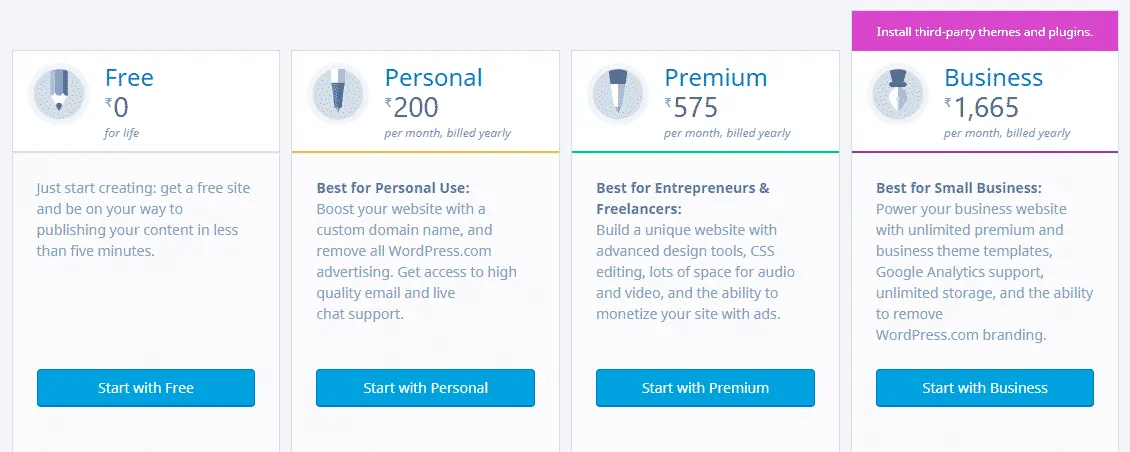
    The company offers 4 different plans (including a free plan) to the users to serve their needs. These are free, personal, premium, and business.

    wordpress.com plans

    Premium Plans

    The free plan provided by the company has many limitations, like a wordpress.com subdomain, limited storage, basic customization, and the inability to monetize the website. These limitations, however, are removed once the user purchases a premium plan. There are 3 different premium plans designed to let users have more control over their website.

    VIP

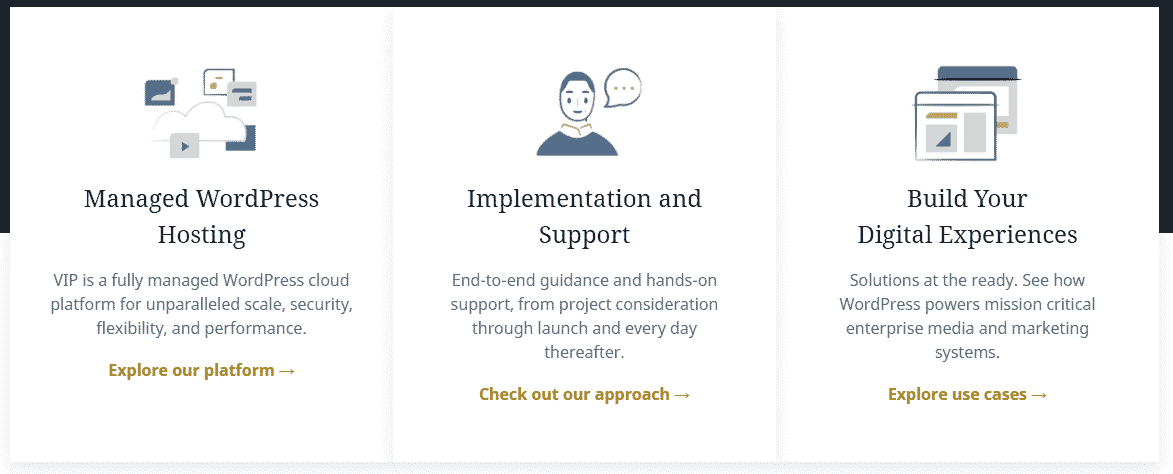
    Wordpress.com provides VIP hosting and support solutions to big brands like Facebook, CNN, Time, etc., where it handles almost all of the technical parts. The VIP hosting plan starts at $15,000 per month.

    wordpress vip

    Advertisements

    The free version of wordpress.com comes with a clause that the company has the right to host its advertisements on the users’ websites and takes all the revenue generated from it. That is, the free plan users only help the company make more money.

    Premium Themes

    The users are free to change the look of their blogs by using different themes. The theme directory offers many free as well as premium themes provided by the company as well as third parties. The company earns profits or commissions on every purchase of these themes through its platform.

    Revenue from Other Sources

    Besides Wordpress.com, Automattic also deals in products and services which are linked to wordpress.org.

    Freemium and Premium Plugins

    Jetpack, Vaultpress, WooCommerce, Akismet, Polldaddy, and numerous other freemium and premium plugins are developed and operated by Automattic. Almost all of these plugins are related to and are dependent on WordPress.

    Referral

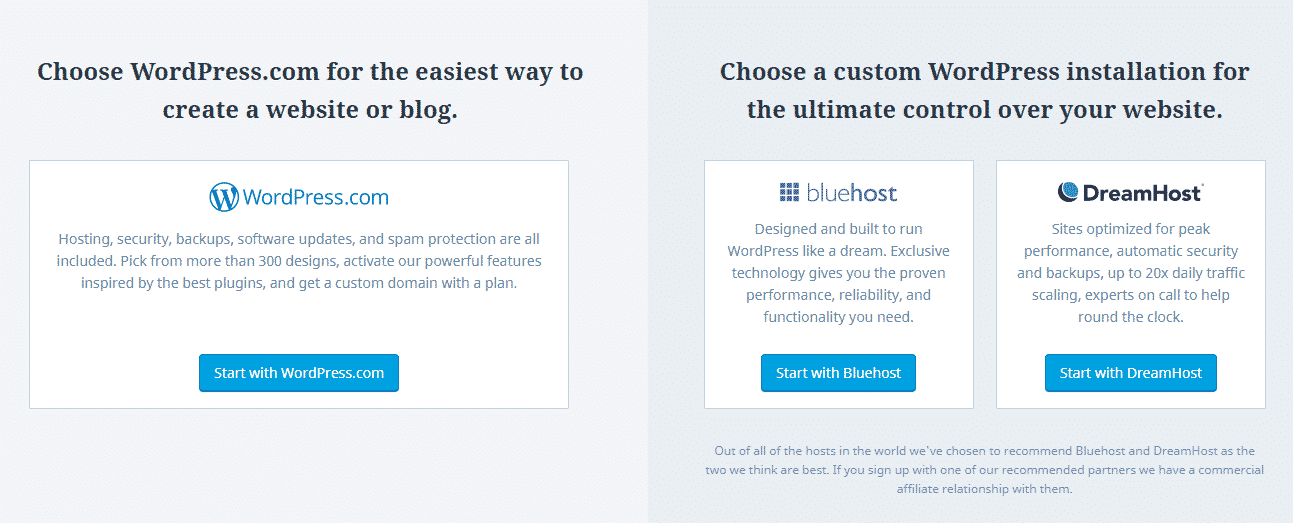
    Automattic also earns money through affiliate marketing. It links to the WordPress hosting providers on its website and earns commissions whenever a referred person makes a purchase on those websites.

    affiliate hosting wordpress

    Guided Transfer

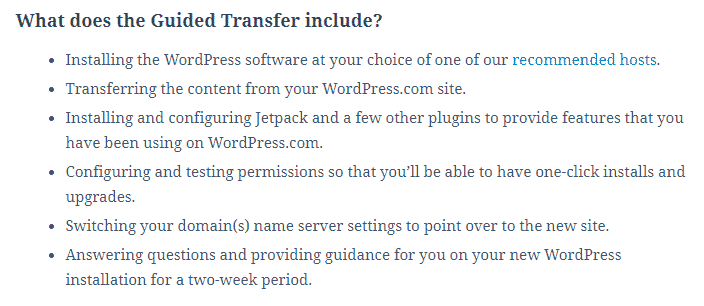
    The company also facilitate wordpress.com to self-hosted wordpress.org transfer by providing a service called guided transfers. They charge a one-time fee of C$169.00 per blog for the same.

    wordpress guided transfer

    WordAds


    WordAds is a WordPress-based advertisement network available to every WordPress website. The network provides ads from Google AdSense, Facebook Audience Network, Amazon a9, AOL Marketplace, Yahoo, Criteo, Quantcast, and many other ad buyers and works on a revenue-sharing contract with the publishers.

    Go On, Tell Us What You Think!

    Did we miss something?  Come on! Tell us what you think about our article on how WordPress make money in the comments section.

  • What Is A 360° Marketing Campaign?

    What Is A 360° Marketing Campaign?

    Switch on your television during a world cup and there are chances you can witness a Coca-Cola TVC belonging to their 360° marketing campaign. The same message can be noticed in their radio ads, newspaper ads, Facebook posts and ads, packaging, and even on the supermarket shelves in the form of new products.

    The 360-degree marketing approach has its roots in the holistic marketing philosophy and is one of the most sought-after approaches among the brands right now. But what exactly is a 360 campaign and how to craft one?

    What Is A 360° Marketing Campaign?

    A 360° Marketing Campaign is a complete creative campaign idea across all the brand’s marketing mix elements, designed to implement a strategic brand strategy(usually positioning).

    In simple words, a 360 marketing campaign focuses on communicating a consistent message through all the marketing mix elements.

    • New products are launched or the old product brands are altered or extended to fit in the planned positioning strategy.
    • The campaign includes an integrated promotional marketing approach where all the promotional devices (online, offline, and mobile) are used in an effective way to communicate the specified message.
    • All the possible touch points are effectively exploited.
    • Packaging and the visual looks are also altered to fit the positioning strategy
    • The products belonging to the 360-degree campaign are usually marketed with different prices. This, however, depends on the brand’s niche.

    Why 360° Campaign?

    Besides the simple reason that there’s too much crowd in the market and the company has to stand out in some way, here are few reasons why brands invest in a 360° marketing campaign.

    Set/Alter Brand Positioning

    Positioning is the space a brand occupies in the brains of its customers. It is built with the several interactions of the customer with the brand. If a brand plans to set or alter its brand positioning, releasing just a TV commercial or a newspaper ad will not be enough.

    A perfect example of using 360 campaign to reposition the brand is Old Spice. The company was seen as the brand for older generations and had to use 360 marketing campaign to reposition itself.

    Rebranding Strategy

    Rebranding is one of the biggest tasks of any brand. The process used to involve 360° marketing campaigns even before the 360° marketing approach was a thing.

    Cornerstone Campaigns

    What separates brand’s most important campaigns from not so important ones? The objective and the integrated 360° approach to get the result.

    Revive A Poor Performing Product

    Some brands use the 360° approach to revive the positioning of the not-so-well performing product. This is usually done because the company hasn’t focused on the product’s marketing for a long time.

    The 360° Campaign Implementation

    The idea of a 360° campaign much more than an integrated “media” marketing. It involves the use of every element of the marketing mix to communicate the specified message to the target audience.

    A 360° campaign is focused on capitalizing on every interaction of a brand with the target audience.

    Suppose you invest in a really good idea campaign idea with the tagline “give her a holiday of her dreams” but your website is nowhere visible when the customer searches for the same keyword on the internet. Plus you don’t even have a webpage specifically designed for this campaign.

    How successful is your marketing campaign in such case?

    A 360 marketing campaign will also focus on developing a landing page and investing in SEO for the same. This will not only give you more spotlight but also increase your sales if the landing page leads the customer to the purchase page where the holiday trips are designed specifically for couples.

    360 Marketing Campaign Examples

    The 360 campaigns use most of the marketing channels simultaneously to direct you to try or buy the specified product. It involves the use of personalized emails or SMS, Facebook or Twitter ads and posts, along with the activation ideas, in-store looks, and  TVCs, newspaper, and radio ads. Here are few examples to explain further.

    Dunkin’ Donuts 360 Campaign

    Mission: Encourage people to choose coffee at Dunkin’ Donuts

    Idea: Release the aroma of coffee along with Dunkin’ Donuts radio advertisement and communicate the same through billboards.

    Result: 16% increase in the visitors and the sales of Dunkin’ Donuts located by bus stops increased by 29%.

    Russell Hobbs 360 Campaign

    Mission: Increase sales and reinforce mass luxury brand positioning.

    Idea: Gift some customers an all-expense paid trip to Rome, Paris, or London and communicate this through a 360-degree campaign.

    Result: They received 866 entries in just 5 weeks, increased their Facebook fan-base by 26%, and increased sales substantially.

    Go On, Tell Us What You Think!

    Did we miss something?  Come on! Tell us what you think about our article on 360° Marketing Campaign in the comments section.

  • What Is Elevator Pitch? – Examples & How-To Guide

    What Is Elevator Pitch? – Examples & How-To Guide

    Suppose you’re in an elevator and suddenly bump into your old friend or an old client. How will you explain about your new company or answer that awkward ‘What do you do now?’ question in less than 30 seconds so as to not to lose his/her interest and capitalize on the conversation for your company’s benefit?

    Where should you start?

    What all should you tell him/her?

    Who knows if he/she becomes your next client?

    A short, pre-prepared speech that explains what you and your company does, comprehensively but succinctly, will always help you in such situations.

    What Is An Elevator Pitch?

    An elevator pitch (also called an elevator speech or an elevator statement) is a quick yet convincing speech about yourself, your organization, your product, idea, goal, or project which you use to capture someone’s interest by explaining:

    • What do you do?
    • Why do you do it?
    • For whom do you do it?
    • What makes you unique?
    elevator pitch

    As the name suggests, an elevator pitch is how you explain something in a nutshell. It is a perfect strategy to expand your network by convincingly sharing your credentials and expertise with the people who don’t know you.

    Who Should Craft An Elevator Pitch?

    An elevator pitch should be crafted by everyone who has to introduce himself to people often. Entrepreneurs craft an elevator pitch to sell their idea to prospective clients, investors, and partners. Job aspirants draft their elevator speech to form a good impression of themselves when asked: “tell me about yourself”. And salesmen create an elevator statement to close the deal as soon as possible.

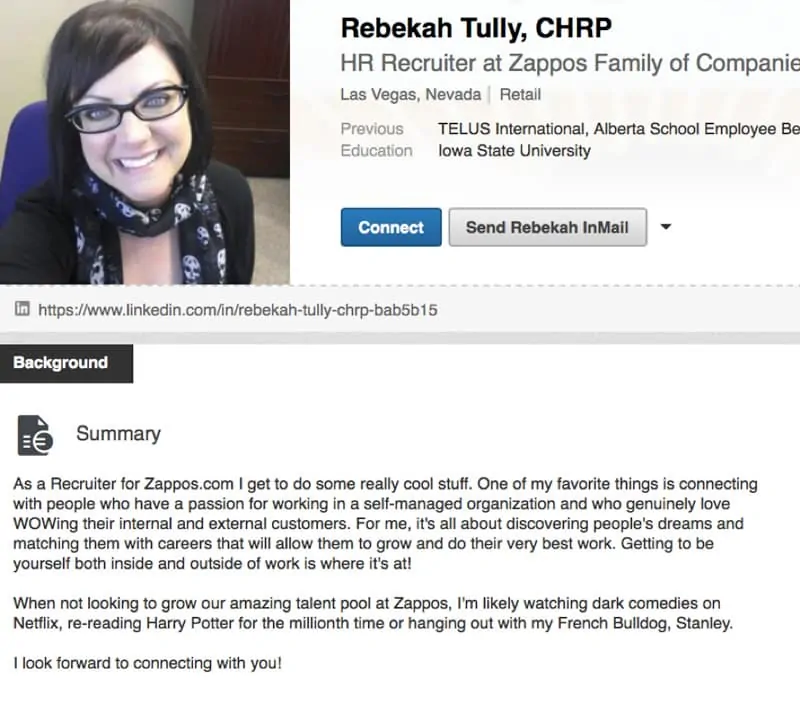
    People often craft an elevator pitch for themselves just to increase their network on Linkedin.

    Linkedin elevator speech

    Even if you don’t have to introduce yourself or your business to people often, this is a good skill to master as being able to communicate about you and your work to others quickly and effectively always put a good impression.

    How to Craft an Elevator Pitch?

    Crafting the perfect elevator pitch requires some time and work on a lot of versions. Even though the elevator speech is a scripted statement, it should always sound natural to the other party. It should be brief, clear, interesting, and should always go along with the flow of the conversation.

    5 Essentials of The Elevator Pitch

    Here are the five essentials you should always keep in mind before starting to craft an elevator speech.

    Brief

    An elevator speech is named after the attention-grabbing conversations in an elevator. It should not be more 25 to 30 seconds as the elevator journey tends to end in seconds and also, the other party may lose their interest if you make it sound like a long speech.

    Clear

    The elevator pitch should be clear from the first word to the last. It should convey the coherent message in the most easy-to-understand language. It’s your one and only chance to grab the attention of the other party.

    Make It Sound Like A Part Of The Conversation

    The elevator statement shouldn’t sound like an outright pre-prepared speech. It should be as subtle as any other conversation. Ask questions, give facts, and make the other party a part of your pitch.

    Problem-Solution Strategy

    Everyone likes to talk about their problems. Many even like to hear about the solutions you have to offer. The elevator pitch capitalizes on this tendency of talking about problems and the solution you’re offering.

    Call To Action

    It’s always preferred to include a call to action in your elevator pitch. These may range from basic statements like “Call me anytime if you need my help”, to some open-ended questions which make them think again and follow up with you in future.

    Drafting An Elevator Pitch

    Even though knowing the essentials of an elevator pitch make things slightly easier, drafting the perfect elevator pitch is still a tedious job to do.

    Here are the steps which may help you in crafting a good elevator speech for yourself or your business.

    Identify The Objective

    Do you want the other party to know about your organization’s USP and how it solves the problem? Do you want to dive deep into the specific project or the idea you’re working on? Or do you want to limit it to what your organization does and what’s your role in it?

    An objective gives an outline to the rest of your pitch. Make sure to clarify your objective before crafting the elevator pitch.

    Specify The Problem

    Specifying the problem during the conversation with the other party gives you a topic to build a story upon.

    Explain About Yourself

    This is the part where you get in the spotlight. Try to explain  “Who I Am,” “What I Do,” “How I Do It,” “Why I Do It,” and “Who I Do It For” in one-to-two lines. For example: “I run a SAAS company which provides freemium SEO tools along with the tutorials to the newbie marketers. It’s better for them as they learn along the way without spending much on third parties providers.”

    You can also give vivid examples if it’s difficult to explain what you exactly do.

    What’s Your USP?

    This is the part which you want the other party to remember most about you/your organization. Identify what makes you different from others and proudly communicate the unique selling proposition of your business to others.

    Add Stats, Facts, & Forecasts

    Adding some numbers to your pitch always impress the other party. It shows that you’ve done your homework before getting into your business/niche. But make sure to include only necessary stats, facts, and forecasts.

    Put It Together In A Sensible Order

    Not every elevator pitch starts by stating the problem and ends with the forecasts. Try to keep it as conversational as possible by moulding it in your own way.

    Be Enthusiastic

    Enthusiasm is the catalyst. They may not remember everything you say but may remember you because of your enthusiasm while speaking about the specific industry.

    Step-By-Step Guide to Craft & Perfect Your Elevator Pitch

    [the_ad id=”462″]

    Step 1: Take a blank piece of paper and write down all that comes up in your mind.

    Step 2: Rank everything according to the priority.

    Step 3: Organise the phrases in a logical order. It should have a smooth flow.

    Step 4: Cut the jargons and minimize the sentences as much as possible. Focus on rephrasing them as short but powerful sentences.

    Step 5: Grab the attention by adding value for the other party.

    Step 6: Make different versions for different business situations.

    Examples Of Elevator Pitch

    A New Entrepreneur’s Elevator Pitch

    I left the job at Ogilvy and started my own agency. Not every business can afford to partner with such big companies. My advertising agency caters to startups and even provide branding workshops to them. You know most startups fail because of lack of a sound branding strategy? I really like my work now. Here’s my business card. Contact me if you feel like.

    A Freelancer’s Elevator Speech

    When I was 21, I interned with Ogilvy for 18 months. Worked with 8 different clients, on 106 projects, and spent numerous hours on learning what the client actually wants. Now I’m a freelancer with the same perseverance but with a lot more experience. You can check my website for my portfolio.

    A Professional’s Elevator Speech

    I’m a lawyer with the government, based out of Delhi. I recently relocated here and would like to join a family-friendly firm. I specialize in corporate law and have a 10-year work experience. Do you know any good firms here?

    Elevator Pitch Tips

    • Keep it short and to the point.
    • Don’t use industry jargons. The other person may not be from your industry.
    • Speak with enthusiasm. It’s like the cherry on the cake.
    • Draft different elevator statements for different situations.
    • Don’t end abruptly. End at a point where you can continue the conversation.

    Go On, Tell Us What You Think!

    Did we miss something?  Come on! Tell us what you think about our article on elevator pitch in the comments section.

  • How To Negotiate Like A Pro

    How To Negotiate Like A Pro

    As an entrepreneur,  you can evade taxes but can never avoid negotiations. Non-stop negotiations are a fact of entrepreneurial life. You have to negotiate for that perfect business deal, with that perfect employee, with your clients and even with your prospective investor.

    Let’s accept it, no matter how hard you try, there are times when you fail to convince the other party. But here are some tips and tactics you could use for better negotiations in future.

    Make The First Offer

    A psychological research suggests that most of the times, negotiators who make the first bid have an upper hand over the other party.

    It’s all about setting that anchor which will influence the rest of the negotiation.

    Another research into human judgement has found that the perception of a particular offer is highly influenced by any number that enters the negotiation environment. This relevant number is called anchor as they pull judgements towards themselves.

    Many sellers refrain from bidding first just because they think that the other party may have a better proposal for them. But this rarely happens. According to a research, the final price of an offer is usually high when a seller makes the first offer as compared to when the buyer makes the first offer.

    Setting an anchor plays a very important role in the negotiations. Even when the people know that the anchor should not influence their decisions, they usually fail to resist its influence.

    Don’t Set A Range

    Never expect the buyer to choose anything other than the smallest value (or even a lesser number) and the seller to choose anything other than the largest value (or more than that) when you offer them to choose from a price range. Setting a range when you’re the seller gives an expression that the more you charge from the lowest value, the more profit you’ll earn. Hence, the customer will try to set the price as close to the smallest value as possible.

    If you aren’t sure about the final price, take your time but never set a range.

    Set An Anchor You Can Afford To Deviate From (~20%-30%)

    When bidding first, set an anchor you can afford to deviate from as the other party will always try to bring the said amount down no matter what. That is, if you’re aiming to close the offer at $100, bid for $130. This will not only benefit you but will respect other person’s negotiation efforts who’ll try to bring down the price.

    The higher the anchor, the higher the chances of more profit. But make sure this aggressive pricing is not absurd. Absurdly high anchors may end the negotiation before even starting.

    Talk 2+2 And Not 4

    Do your research before negotiating and talk about the technicalities and costs assigned to each aspect of the process. This will often confuse the other party if they don’t have much knowledge about the process. Furthermore, assigning the cost to each aspect of the process turns the negotiation in your favour as only that part of cost can be reduced for which the customer isn’t willing to pay for.

    Make Sure To Listen To The Other Party’s Offer

    Always listen to the other party’s offer. The best way to win the negotiation is to listen to their offer and mould it to your advantage.

    Let people talk and give you as much information as they can. This not only benefits you when you’re in a position where you know better but also when you don’t have enough facts to hold a negotiation. Plus, the other party doesn’t feel disrespected as well.

    Use Silence As A Tool

    Silence plays a great role during negotiations. It helps you gain much more information than you would have gained while speaking. If the other party outrightly rejects your offer, it’s suggested to keep quiet than to reply instantly as it’ll create a void and the other party will start talking again with more clarification to fill the silence. They may even list the reasons to reject your order or even place their own offer on the table.

    Involve Other Beneficiaries Before Taking Final Decision

    It is not necessary to close the deal at the same time of the negotiations. It is suggested to consult other beneficiaries of the business and to take their advice. This not only gives you more time to rethink but help you to make a clearer decision.

    Never get too emotional

    A good negotiator is someone who doesn’t get emotional and knows how to tackle emotional triggers. Loud, bold, and emotional statements are bullying tactics or a sign of insecurity which can be capitalized on by the other party or may end the negotiation.

    Also, don’t get too emotional about your offer as well. Loud emotions and actions like anger, distaste, blaming etc. doesn’t work in your favour as they overpower the facts and even hinders your ability to overcome conflict and reach an agreement. You may even reject a favourable proposal just because you’re angry at the other person.

    Reciprocate

    If you want more concessions, reciprocate! Bilateral contracts always create win-win situations for both the parties involved. You should not give something without getting something in return. Attach the strings and it’ll lead to better results which are in your favour.

    Negotiations Are Not A Competition

    Nobody wins or loses a negotiation. You should always focus more on cracking the most profitable deal than negating the other party’s offer just because you want to win over them. Negotiations should aim at building a healthy business relationship between two parties.

    A win-win business deal always benefits the business in the long run.

    Go On, Tell Us What You Think!

    Did we miss something?  Come on! Tell us what you think about our article on how to negotiate in the comments section.
  • ALDI Business Model | Why is ALDI so Cheap?

    ALDI Business Model | Why is ALDI so Cheap?

    Can your small family grocery company become world’s most sought-after discount supermarket? Well, if you remain in the market for around a century, focus more on great quality at less price, employ less but more efficient employees, ditch big brands and other middlemen and create your own brands by sourcing locally, focus less on marketing and more on customer satisfaction, you might give a close competition to one such company, Aldi.

    Aldi with its revolutionary business model was the first discounter in the world, the first self-service store, and the mind behind several efficient ideas to increase productivity, profits, and consumer satisfaction.

    What is ALDI?

    aldi first business store

    ALDI is a brand of two German discount supermarket chains with over 10,000 stores in 18 countries. The brand was founded and split into two in 1961 when two brothers who inherited their mother’s business “Albrecht Diskont supermarket” split over a dispute on whether they should sell cigarettes or not.

    Karl Albrecht owned and operated ALDI Nord which is now present in north Germany, Denmark, France, the Benelux countries, the Iberian Peninsula and Poland, and Theo Albrecht owned and operated ALDI Süd which is now present in south Germany, Ireland, the United Kingdom, Hungary, Greece, Switzerland, Austria, Slovenia and Australia

    aldi nord vs Aldi Sud

    ALDI Facts

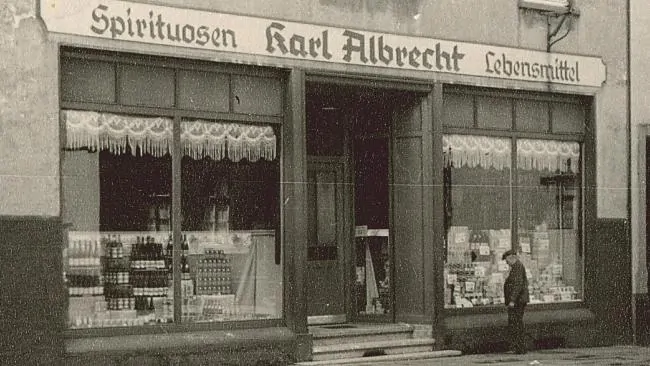
    • Company’s first store (Karl Albrecht Spiritousen and Lebensmittel grocery store) was opened by Karl’s and Theo’s mother in 1913 in Essen.
    • The brothers retired as CEO’s in 1993 and the control of ALDI Süd was passed on to Siepmann Foundation and ALDI Nord to Markus Foundation.
    • At the time of his death in 2014, Karl Albrecht was the richest man in Germany with the fortune of about $29 billion.
    • Theo Albrecht was Germany’s second richest man until his death in July 2010
    • ALDI Nord is headquartered in Essen and ALDI Süd (South) is headquartered in Mulheim an der Ruhr.
    • In the USA, the brand “ALDI” is owned and operated by ALDI Süd and Trader Joe’s is owned and operated by ALDI Nord.
    • ALDI Süd operates as Hofer in Austria and Slovenia.

    Why is ALDI so cheap?

    ALDI has maintained its discount supermarket reputation by providing products at up to 50% discount as compared to competitors. The products at ALDI are even cheaper (around 30%) to those at Walmart.

    But how can ALDI afford to be so cheap?

    The answer lies in ALDI’s business model. The company focuses on a no-frills shopping experience and limits its inventory to a lean selection of private-label items. 90% of the products sold are from its own brand line. Moreover, the company sources most of its products from the local vendors.

    Let’s look more into the detailed analysis of ALDI’s business model.

    ALDI Business Model

    ALDI business model is built upon 3 core values which are still central to the strategic direction and decision-making principles today. These three values are:

    Consistency

    Unlike other supermarkets, ALDI doesn’t entertain seasonal discount coupons and is more focused on providing products at a cheaper price 24×7. Moreover, the company is consistent in dealing with their employees, customers, and store.

    Consistency leads to reliability and has positioned the brand as an everyday discount supermarket.

    Simplicity

    ALDI focuses on a no-frills shopping experience characterised by simplicity, efficiency, and clarity.

    Responsibility

    The company values its employees, customers, and other parties it deals with. It pays its employees well enough to increase their efficiency, focuses more on customer satisfaction and less on marketing, and sources most of its products locally.

    Contours of ALDI Business Model

    aldi store business model

    ALDI’s business strategy is well known for employing thrifty ways to earn a good profit while providing great quality products at low prices. The thrift-conscious brothers devised a simple yet successful business strategy from the start where they kept the prices low by stocking only non-perishable products and removing the slow sellers from the shelves. They focused less on advertising and relied more on word of mouth marketing. The brothers even converted the store into the first self-service store to save employees costs.

    The ALDI business model turned out to be successful because of smart strategies in the following business contours:

    Employees

    ALDI has an efficient human resource strategy which resonates with rest of its business strategies. The company focuses on less but more efficient employees. To ensure efficiency, the company uses thrifty strategies like: the customers have to pay a quarter to use the shopping cart, which they get back when they return the cart. This reduces the requirement for extra workers to collect and return the stray carts.

    The minimum hourly pay offered by ALDI ($10.50) is more than the average payout which reduces the employee turnover and motivates them to give more effort to the work.

    No-Frills

    The company follows a dedicated no-frills policy to save time, money, and get most out of the effort. Unlike other big supermarkets, the company doesn’t own huge stores and doesn’t stock numerous products. Only the high selling products with good demand are stocked in the store.

    All the products are sold in their original shipping containers. This saves the time of the employees by making stocking easier. This also prevents the company from spending on branded shelves. The products are also stocked from the back so as to sell the previous stock before the new stock to avoid wastage.

    The company even endorses recycling of shopping bags and charge for every bag you take to carry your products. Most of the branches don’t even accept credit cards as a payment option to forgo the interest charges.

    Unlike big supermarket stores, the company also saves money by operating limited hours. Most of the branches are open from 8/9 a.m. to 8/9 p.m. This strategy of closing after peak business hours reduces the wastage of money by catering to very few customers just to build up the brand reputation.

    Discount

    The company focuses on providing products at low prices all the time of the time of the year and doesn’t entertain coupons and special seasonal discounts.

    Brands

    ALDI doesn’t sell products of most of the big brands as the company believes that these brands make the customers pay for all their marketing expenses. The company, to counter this, partners with the local vendors and sell private label brands at much lesser prices but similar quality. 90% of the products on the shelf of an ALDI store are from its own brand line.

    Selling private label brands also enables the company to negotiate prices, cut out middlemen, and reduce marketing costs.

    Marketing

    The brand has a policy of no advertising in Germany and relies mainly on weekly offline and online newsletter called “ALDI Informs”. This reduces the expenses of the company and results in more discounts to the customers.

    In other parts of the world, the company, to compete with other business giants like Walmart and Costco, advertises in newspapers and on television where it compares its products with the common name-brand products. Other strategies like simpler store layout and fewer employees remain the same everywhere.

    ALDI subsidiaries

    ALDI Nord and Süd also generate revenue by operating their subsidiaries: Aldi Talk, Aldi Mobile, Aldi Liquor and Diskont.

    ALDI Talk

    Founded in 2005, ALDI Talk is a mobile virtual network operator in Germany, Belgium, and the Netherlands.

    ALDImobile

    ALDI also operates a mobile virtual network using Telstra’s 4G network in Austrailia called ALDImobile.

    ALDI Liquor

    ALDI also sells low-cost liquor in its liquor only stores – ALDI Liquor.

    Diskont

    Diskont is the no-frills Austrian petrol station brand owned by ALDI (Hofer) in a joint venture with petrol retailer Free Energy (FE).

    ALDI vs. Trader Joe’s

    ALDI and Trader Joe’s in the USA, though owned by ALDI, can’t be considered as sister brands as ALDI is owned and operated by ALDI Süd and Trader Joe’s is operated by ALDI Nord.

    ALDI vs Walmart

    Walmart, even though is the world’s largest brick-and-mortar retailer, faces a strong competition from ALDI which provides similar quality of goods at a 30% cheaper rate than Walmart. Nevertheless, Aldi stock very less products when compared to Walmart.

    Aldi vs Lidl

    Following Aldi’s success in Germany, a new competitor with similar USP started its operation in 1977 under the name Lidl. Both the companies now own over 10,000 stores worldwide and are well known for their thrifty practices and less price.

    The only difference between the two lies in their selection of brands. While Aldi relies on its private-labeled brands and doesn’t actually entertain other imported and big brands, Lidl sells its own brands, imported brands and other non-own brands at competitive prices.

    Go On, Tell Us What You Think!

    Did we miss something?  Come on! Tell us what you think about our article on ALDI Business Model in the comments section.