Feedough Logo

Blog

  • How & Where to Outsource Video Editing – Complete Guide

    How & Where to Outsource Video Editing – Complete Guide

    No matter how big or small your business is, you need to have quality video content to cater to your target audience. But video editing is an art. It requires experience and expertise to create videos that can engage your audience.

    The problem? Hiring a full-time video editor is expensive and may not be feasible for small businesses and startups.

    The solution? Outsource your video editing needs to experts who can do the job at a fraction of the cost.

    But outsourcing is easier said than done. You need to keep a lot of things in mind before handing over your video editing project to someone else.

    This outsourcing guide will show you everything you need to know about how to outsource video editing. We’ll also introduce you to some of the best places to find quality video editors for your business.

    Platform
    Description
    Fiverr
    Largest digital services marketplace; offers video editing services starting at $5.
    Upwork
    Vetted freelancers; post jobs or search the database for video editors that meet your criteria.
    PeoplePerHour
    UK-based platform; post jobs or search the database for video editors that meet your criteria.
    LinkedIn
    Largest professional network; post freelance video editing jobs and receive proposals from candidates.
    Facebook Groups
    Access job boards within relevant groups focused on video editing jobs and freelance video editing.
    Agencies
    Outsource to agencies for a streamlined approach to finding and managing video editors.

    Outsourcing Video Editing – What Does It Mean?

    Outsourcing simply means handing over a task or project to another person or company. This person isn’t on your payroll but is contracted to do the work you need.

    In the context of video editing, it refers to hiring someone outside of your company to edit your videos. That is, you’ll shoot and produce the video, but you’ll hire someone else to put it all together and make it look amazing.

    How To Outsource Video Editing?

    Of course, you don’t just want to hand your videos off to anyone. You want to ensure you’re working with a professional who can take your vision and turn it into a reality.

    But before that, you need to determine exactly what you want from the final product.

    So, we’ve come up with a series of steps for you to follow when outsourcing your video editing needs:

    Define The Scope Of Work

    Before you even start, know what final product you’re aiming for. This means having a clear idea of the video’s purpose, your target audience, the overall tone and style, and what kind of call-to-action you want at the end.

    The more specific you can be about what you want from your video, the better. This will help ensure that you and your editor are on the same page from the beginning and will make the editing process much smoother.

    Start by creating a creative brief outlining all of the above information. This will be an invaluable resource for you and your video editor, and will help keep everyone focused on the same goal.

    If you’re not sure where to start, here are a few questions to ask yourself:

    • What is the purpose of this video?
    • Who is my target audience?
    • What tone and style do I want to convey?
    • What should be the length of the video?
    • What’s my budget?
    • How soon do I need the final product?

    Answering these questions will give you a good foundation to start from and make it easier to find a video editor that is a good fit for your project.

    Understand The Contracts

    Even outsourcing doesn’t have a one size fits all solution. Different businesses have different specific requirements, and this means that the contract for your project will be unique. When you’re ready to start working with a video editor, it’s important to understand the terms of the agreement before you sign anything. This way, there are no surprises down the road and everyone knows what to expect from the project.

    Here are a few contracts you can get into with your freelancer video editor:

    • Time and Materials Contract: This model involves billing for the time spent working on your project and any materials used. This could be an hourly rate or a day rate. For example, if you wanted to hire a video editor for 10 hours of work at $50/hour, the total cost would be $500 plus the cost of any paid licenses (like music) or other materials used.
    • Fixed-Price Contract: In this case, you and the freelancer agree on a set price for the entire project before work begins. Here, you pay for the final product, not the time it takes to make it. This could be a great option if you clearly know what you want and don’t need (or want) to pay for extra time spent on revisions or changes.
    • Retainer Contract: A retainer is a type of contract where both parties decide on a certain amount to be paid at fixed intervals (weekly, monthly etc.) for an ongoing project. This is often seen in cases where you need regular work to be done, such as social media posts or blog content.
    • Pain Share/Gain Share Contract: An uncommon yet interesting contract where the service provider agrees to share a certain percentage of the profits (or losses!) made from the project. This could be a good option if you’re working on something with high potential but are struggling to afford traditional rates.
    • Task-Based Contract: If you have a project with a very specific goal, this type of contract can be a good option. You (the client) agree to pay a certain amount for each task that is completed, making it simple and straightforward.

    Sound knowledge about these contracts is important to help you make the best decision for outsourcing your video editing needs.

    But before signing the contract, you need to find the right video editor for the job!

    Find Freelance Video Editors

    Sourcing talent for your project can be daunting, but there are plenty of great outsourcing platforms to look for video editors.

    Fiverr

    Fiverr is the world’s largest marketplace for digital services. The best part of using Fiverr is that you can find video editors to do just about anything starting at just $5!

    Upwork

    Upwork is a great option for finding quality talent because all freelancers on the site have been vetted by the Upwork team. You can post a job and receive proposals from interested freelancers, or search the Upwork database for video editors that meet your specific criteria.

    PeoplePerHour

    PeoplePerHour is a UK-based freelancing platform that’s similar to Upwork. You can post a job and receive proposals from interested freelancers, or you can search the PeoplePerHour database for video editors that meet your specific criteria.

    LinkedIn

    The world’s largest professional network is also a great place to find freelance video editors. Simply post a job on LinkedIn and you’ll receive proposals from interested candidates.

    But ensure that you select the ‘Freelance’ job type so that only freelancers will be able to apply.

    Facebook Groups

    Today, Facebook is used for much more than just posting photos and staying in touch with friends. There are literally millions of Facebook groups dedicated to every topic imaginable, and many of them have job boards where you can post openings for freelance video editors.

    To find relevant groups, simply do a search on Facebook for “video editing jobs” or “freelance video editing” and see what comes up.

    Agencies

    You can outsource your video editing to an agency if you don’t want to deal directly with freelancers. This can be a great option because it takes a lot of the legwork out of finding and managing editors.

    To find agencies, simply do a Google search for “video editing agencies” and you’ll get a long list of results.

    Assess Your Candidates

    Posting the job is just the first step. Once you start getting applications, you need to assess the candidates to see if they’re a good fit for the job.

    When looking at a candidate’s portfolio, pay close attention to the following:

    Previous Work

    Since you’re hiring a professional and not a student, you should expect to see a portfolio of their previous work.

    If they don’t have a portfolio, that’s a major red flag.

    The Quality Of Their Work

    90% of your decision should be based on the quality of their work. If they don’t have a strong portfolio, it’s probably not worth your time to interview them.

    The Scope Of Their Work

    Ideally, you want to find an editor who has experience working on videos similar to the ones you’ll be asking them to edit.

    For example, if you need someone to edit product videos, finding an editor with experience working on them would be ideal.

    If you can’t find an editor with the exact type of experience you’re looking for, look for someone who has a diverse range of experience. The more types of videos they’ve edited, the better.

    Communication Skills

    This is one of the most important factors to consider when hiring a freelance video editor. You need to be able to communicate your vision for the video to the editor, and they need to be able to understand it. If you’re not on the same page, the video will suffer.

    Ask them questions about their process and see if they’re able to explain it in a way that makes sense to you. If they’re not, you may want to look elsewhere.

    Pricing

    Of course, you’ll need to consider the editor’s pricing when making your decision. Communicate the type of contract you’re looking for and see what they’re able to offer.

    Don’t be afraid to negotiate, but also don’t lowball them. You want to find a fair price that works for both of you.

    Punctuality

    When you’re working with a freelancer, punctuality is important. You would need to ensure they can meet your deadlines; otherwise, you’ll be left in the dark.

    For that, you can start with a smaller project to see if they’re able to deliver on time.

    Reviews and Referrals

    The best thing about online platforms is that you can see the reviews and referrals of freelancers before working with them.

    This will give you an idea about their previous work and if they can meet their clients’ expectations.

    You can also ask for a referral from a friend or colleague who has worked with a video editor before.

    Benefits Of Outsourcing Video Editing

    With the gig economy on the rise, you can find a highly professional and skilled video editor without breaking the bank.

    Here are some benefits of outsourcing your video editing needs:

    • Cost-effective: You don’t have to invest in expensive software or hardware when you outsource your video editing needs.
    • Flexibility: When you work with a freelancer, you can easily scale up or down depending on your needs.
    • Access to a global talent pool: When you post your video editing project on a freelancing platform, you can receive proposals from video editors worldwide.
    • Get the job done quickly: Freelancers are highly motivated to deliver your project on time to get good reviews and win more work in the future.

    Challenges Of Outsourcing Video Editing

    You should be aware of a few challenges before you outsource your video editing needs.

    • Language barriers: If you’re working with a video editor who is based in a different country, there may be some language barriers. However, this can usually be overcome by clearly communicating your expectations and giving specific instructions.
    • Time zone differences: Depending on where your freelancer is based, there may be a time zone difference that could make it difficult to communicate in real-time. Again, clear communication and setting expectations can help mitigate this issue.
    • Quality: When you’re outsourcing video editing, you’re essentially handing over the creative reins to someone else. While most freelancers are professionals and will do their best to meet your expectations, there’s always the possibility that the final product won’t meet your standards. To reduce the risk of this happening, be sure to view the freelancer’s portfolio.
    • Data Security: When you outsource video editing, you’re also handing over sensitive company data like footage, customer information, etc. Be sure to only work with freelancers you trust and have signed a non-disclosure agreement (NDA).

    Bottom-Line?

    Outsourcing your video editing needs is a great way to ensure that professionals edit your videos without breaking the bank. However, it’s important to do your research and vet the freelancer before handing over your project.

    Also you need to be clear about your requirements and the budget before starting to work with a freelancer, this will help avoid any miscommunication and misunderstanding later on.

    Go On, Tell Us What You Think!

    Did we miss something? Come on! Tell us what you think about our article on outsource video editing in the comments section.
  • What Is Omnichannel Marketing? – Importance & Examples

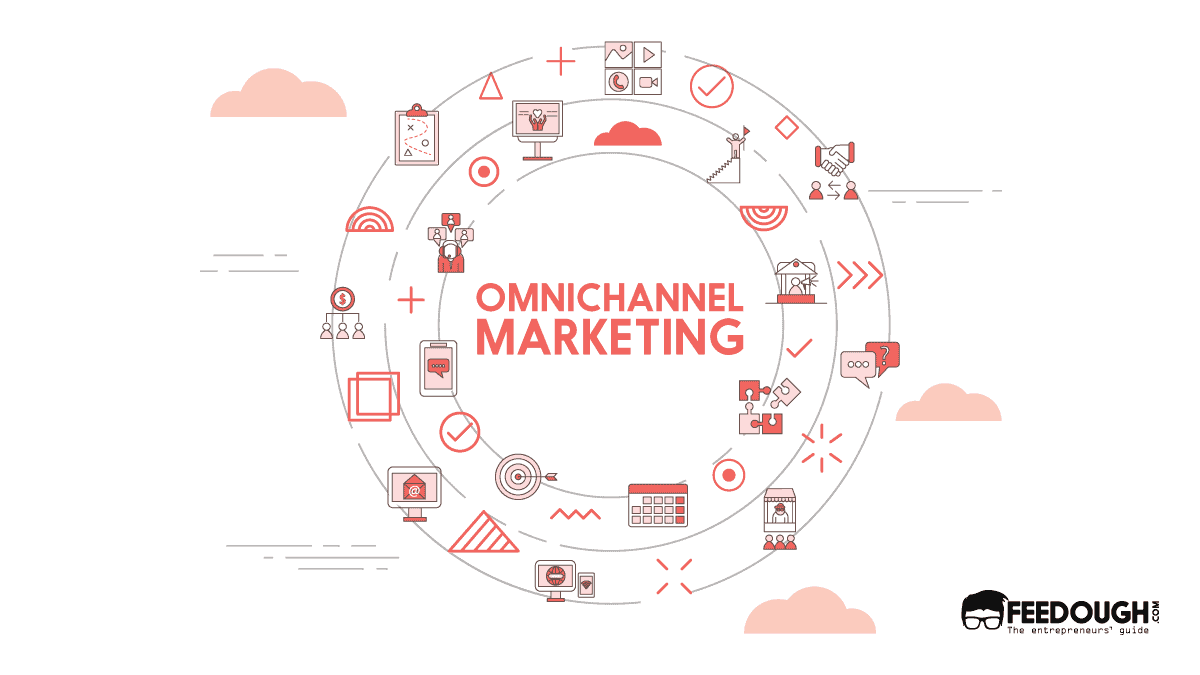
    What Is Omnichannel Marketing? – Importance & Examples

    With the advent of technology, it’s not just how customers shop that has changed, but also how companies market themselves.

    Today, a customer lives an integrated life – there’s a very thin line between their online and offline worlds. This integrated lifestyle has opened up hundreds of thousands of touchpoints for companies to interact with them.

    For a company to be successful, they need to provide a seamless customer-driven omnichannel experience. It is when the customer witnesses a cohesive journey irrespective of the route they take or the channel they use. One might take the search engine – landing page – product – checkout route, while another might go from an Instagram ad to a Facebook Messenger chatbot to the product page. An omnichannel experience is when both these journeys have the same customer experience along the way.

    This is where omnichannel marketing comes in.

    What Is Omnichannel Marketing?

    Omnichannel marketing is a marketing strategy aiming to improve customer experience by seamlessly integrating branding, messaging, and all possible touchpoints as customers move through their buying journey.

    In simple terms, omnichannel marketing integrates all possible touchpoints in such a way that even when the customer is given the driver’s seat, they always go down in the funnel seamlessly, experiencing the brand in a consistent manner.

    An example customer journey might look like this:

    1. A customer seeking information about how to solve a problem they’re having might start their journey from a search engine where they land on the company’s blog.
    2. The blog content is so helpful that they then subscribe to the company’s newsletter.
    3. A few days later, they see one of the company’s ads on social media and click through to the website, where they explore different product pages.
    4. Finally, they receive a targeted email with a special offer for first-time buyers, prompting them to purchase.

    A similar journey for the same product could be:

    1. A customer sees an ad for the service on TV, which leads them to search for the company online.
    2. They then visit the company’s website and read reviews about the service on different review platforms.
    3. After that, they visit the company’s brick-and-mortar store to talk to a representative and get more information.
    4. Finally, they make a purchase.

    Irrespective of the journey a customer takes, it’s crucial for businesses to have all the channels work as gears of one machine to create a consistent and cohesive experience for customers.

    Omnichannel Marketing vs Multichannel Marketing

    While considered similar, there is a big difference between omnichannel marketing and multichannel marketing.

    Multichannel marketing revolves only around being present on multiple channels.

    On the other hand, Omnichannel marketing is about providing a seamless customer experience across all channels customers engage with.

    It’s not just about being present, but creating a consistent brand experience no matter how or where customers interact with your business.

    For example, a sustainable fashion brand that primarily sells its products online may have a presence on social media, a blog, and an ecommerce website. However, just presence on these channels is multichannel marketing unless they are integrated and each platform supports the others.

    Omnichannel marketing for the sustainable fashion brand would create a holistic customer experience consistent on each platform and channel.This might include not just using the same colour schemes, fonts, and messaging across all channels; but also a cohesive strategy that weaves together each customer touchpoint. For example, a customer should be able to click on a link from the brand’s social media profile and be taken to the website where they can purchase the item, or vice versa.

    Importance Of Omnichannel Marketing

    In this era of high competition, omnichannel marketing is what sets businesses apart and wins customers.

    It is what makes the brand get into the customer’s shoes and develop a journey map to figure out how it can serve the customer better.

    Omnichannel marketing is also important because:

    • It helps the brand build a better relationship with the customer: By being present at every stage of the customer’s journey, the brand is able to build a better relationship with the customer.
    • It can increase customer loyalty: Omnichannel marketing can increase customer loyalty as it provides a seamless experience to the customers.
    • It can help the brand save cost: By integrating all the channels, omnichannel marketing helps increase the ROI and also save costs.
    • It helps the brand reach new customers: As omnichannel marketing uses a mix of both push (like ads) and pull (like SEO) marketing strategies, it helps the brand reach new customers.
    • It increases the LTV (lifetime value) of the customer: Omnichannel marketing provides a better experience to customers, which increases the likelihood of them becoming repeat customers.

    Characteristics Of Omnichannel Marketing

    Omnichannel marketing is characterised by the following:

    • Integrated Channels: This type of marketing uses a mix of integrated channels that work together to provide a seamless experience to the customer. Data is collected from all channels and used to create a 360-degree view of the customer.
    • Customer-centric: The omnichannel approach is centred around the customer and their journey. It aims to provide a personalised and consistent experience to the customer, no matter what marketing channel they are using.
    • Data-driven: Omnichannel marketing uses data to understand customer behaviour and preferences. This helps businesses decide which channels to use and what type of content to create.
    • Tracking and measurement: The omnichannel approach involves closely tracking every customer interaction to be used as triggers for other marketing activity, tailored promotions and targeted content.
    • Holistic: Omnichannel marketing is a holistic approach that takes into account all of the channels a customer might use. It also considers how they interact with each other and how this interaction affects the customer’s overall journey.

    Omnichannel Marketing Benefits

    Omnichannel marketing comes with a number of benefits, chief among them being the following:

    • Increases value in poorly coordinated channels: Omnichannel marketing can take poorly coordinated marketing channels and turn them into a well-oiled machine.
    • Creates a consistent customer experience: It can be challenging to create a consistent customer experience when using multiple channels. Omnichannel marketing ensures that each touchpoint delivers the same message and gives the customer a seamless experience.
    • Creates a smoother customer journey: By consolidating multiple channels, omnichannel marketing makes the path to purchase smoother and more efficient for customers.
    • Improves customer loyalty and retention: Because omnichannel marketing provides a better overall experience, it’s likely to lead to improved customer loyalty and retention.
    • Operate each channel holistically: This marketing strategy requires that businesses operate each channel as part of a larger whole, rather than as siloed entities. It helps to create a more consistent brand experience for customers and allows businesses to get the most out of each channel.
    • Make data-driven decisions: Omnichannel marketing also relies heavily on data, so businesses need to be able to collect and analyse customer data from all channels in order to make informed decisions.
    • Increased ROI: Businesses witness an increased ROI from their marketing efforts when they adopt an omnichannel strategy.

    Omnichannel Marketing Challenges

    Even though there are many omnichannel marketing benefits, businesses still face some challenges when implementing this type of strategy.

    • Inability to predict customer behaviour: Because omnichannel marketing allows customers to move freely between channels, it can be difficult for businesses to predict their behaviour. This challenge can be overcome by using data and analytics to track customer behaviour across all channels and touchpoints.
    • Lack of integration: For omnichannel marketing to be successful, all channels must be integrated. This can be a challenge for businesses, especially if they have a complex ecosystem of channels.
    • Improper data utilisation: In order to personalise the omnichannel customer experience, businesses need to collect and utilise data effectively. This can be a challenge for businesses that are not used to collecting and utilising data.
    • Isolated results analyses: It can be difficult to measure the success of omnichannel marketing campaigns if results are analysed in isolation. Businesses need to take a holistic view of their omnichannel marketing campaigns in order to measure success effectively.
    • Ineffective omnichannel strategy: An omnichannel marketing strategy needs to be carefully planned and executed in order to be effective. Businesses need to consider all aspects of their ecosystem when planning an omnichannel strategy. A big mistake businesses make is trying to force an omnichannel approach onto a business that is not ready for it.

    Omnichannel Marketing Examples

    Omnichannel marketing is not new, but it has gained popularity in recent years as businesses have become more reliant on digital channels to reach their target audiences. A number of industries have been early adopters of omnichannel marketing tactics and have seen success as a result.

    Some of the most common industries that use omnichannel marketing include:

    • Retailers: like Walmart and Target ensure that their customers can shop online, in-store, or through mobile apps and still receive the same level of service. They also work on their social media presence to communicate their brand message to the audience more uniformly and cohesively.
    • Banks and Financial Institutions: like Chase and Citibank, have started using omnichannel marketing to cater to their customers online, offline, through phone, application, SMS, and even WhatsApp and messenger. This allows them to provide a more convenient and cohesive user experience. Moreover, they even tend to market their products and services on the basis of customers’ lifestyles and preferences. A smart investor gets to learn about their services through internet search, while a more traditional one might get to know them through personal interactions or billboards.
    • Transportation: Uber promotes its services through both digital and offline channels. They use an omnichannel approach to ensure they reach their potential customers wherever they are.
    • Food and Beverage: McDonald’s isn’t just an offline family restaurant. It has a strong omnichannel presence with a website, app, social media presence, and influencer partnerships to cater to its customers’ needs.

    Bottom-Line?

    Today, customers interact with brands through multiple channels. And not just this, they are the ones driving these interactions. This is where omnichannel marketing comes into the picture. But omnichannel marketing is more than just being present on multiple channels. It is when a brand gives the steering wheel to its customers, yet the customer reaches the destination where the brand wants them to.

    Note that omnichannel marketing is customer-centric and not channel-centric. This means it is a holistic strategy aiming to provide a seamless and consistent customer experience, regardless of the channel used.

    Brands that use omnichannel marketing are slowly gaining an edge over their competitors. The reasons are obvious – there is a rise in customer expectations. They want brands to be available on every platform at any time of the day for both promotion and service.

    Go On, Tell Us What You Think!

    Did we miss something? Come on! Tell us what you think about our article in the comments section.

  • Privacy Laws for Startups – Compliance Guide

    Privacy Laws for Startups – Compliance Guide

    How much does privacy matter to you?

    A lot, right? What if your information regarding what you do online gets leaked? What if someone start selling your data?

    It’s a nightmare. Isn’t it?

    Trust me. It’s the same for your customers as well. No one likes someone prying on their privacy.

    However, in today’s data-driven world, you have access to customers’ data that can give your company a significant edge. It can help you to know your customers and their needs. But, this information can be misused; hence, countries frame privacy laws.

    Noncompliance with data protection laws can lead to severe repercussions ranging from a simple call to million-dollar penalties (Amazon had to pay $877 million). Therefore, you must understand and follow the privacy laws to access and protect your customer’s data.

    So, what do this data protection and privacy mean? Why is it necessary, and how can this affect your business?

    Let’s dive in to know more about it.

    What Is Personal Data?

    The expression “personal data” refers to any piece of information that may be used to identify a person. Therefore, it is also known as personal information or personally identifiable information.

    The term personal data has a reasonably broad scope. It includes

    • Information that is used to identify a person directly. For example, the name or the email address of an individual.
    • Information that is used to identify a person indirectly. For instance, the phone number of a person cannot be used to identify a person. However, when paired with additional information, it has the potential to identify a person. The idea also applies to online identifiers like login passwords, cookies, IP addresses etc.

    What Is Data Protection?

    Data Protection is the system that ensures that only the people authorised to access a person’s data are allowed access to it. It also provides that a person’s personal information is safe and secure from breaches.

    For a business, data protection is an act that helps it manage and protect its customers’ data that it collects from its website or any other source. Further, it ensures that the customers are informed about the information the company is collecting and how it is used.

    Data Protection helps in protecting your customers’ data from hackers. Moreover, it also makes sure that your customers are getting what they want.

    What All Data Do Online Startups Usually Collect?

    Around 2.5 quintillion bytes of data are gathered daily, and this figure is escalating rapidly. Today, collecting the customer’s data enhances the operation and effectiveness of one’s business, regardless of the target market or the services or commodities they deliver. So, the companies gather their customer’s data.

    The data collected by any business might include its user’s location, previous searches, IP address, and even the ads its customers most frequently click on, on the internet. It can also include the following information; however, it is not limited to this:

    • Name of the Person
    • Email addresses
    • Phone numbers
    • Shipping addresses
    • ID numbers
    • Login credentials
    • Website usage data (e.g. heatmaps)
    • Cookies
    • Internet activity
    • Location data
    • Sensitive data about people:
      • Race
      • Gender
      • Religion
      • Photos
      • Genetics
      • Political or philosophical beliefs or affiliation
      • Union membership
      • Health data, etc.

    Sources of Personal Data

    When it comes to your customer’s data, you should know that it provides a significant commercial benefit. So, some of the most prominent sources used by businesses to collect their customer data and put it to profitable use are here as follows:

    • Emails from customers or other businesses
    • Web Forms
    • Analytics logs
    • Server logs
    • Cookies
    • Apps
    • Market Research
    • Facial-recognition Cameras
    • Credit Cards or Loyalty Cards
    • In-store Wifi Activity
    • Signal Trackers
    • GPS Tracking
    • License Plates, etc.

    Why Do Businesses Collect Their Customer’s Data?

    Data is altering the world we live in and the way we operate. If you run a business and want to expand, data can help you take the next step. So, these are the reasons why companies acquire their customer’s data.

    Strengthen Customer Database

    Data collecting will help you strengthen your customer database.

    You’ll be able to gather people’s IP addresses, email addresses, and maybe phone numbers who have interacted with your brand in some manner.

    You may contact them about your prospects and strengthen your lead generation approach. In addition, you can better measure their interest in your brand based on how they interact with your website or respond to your adverts.

    As a result, you’ll devote more time, effort, and market resources to generate high-quality leads.

    Moreover, you’ll have all the information you need to send them effective promotional updates about your brand via SMS or email newsletters and other communications.

    Improve Marketing Strategies

    Data will provide a comprehensive market analysis and improve your marketing strategies.

    It lets your company quickly identify what your consumers want from you and will tell you how your customers want to engage with your brand.

    When you know more about your clients, you can tailor your business and marketing strategies to meet their demands better. You may also increase your communication with your target market. Finally, it would allow you to make the required changes to improve customer satisfaction and persuade your potential customers to convert.

    More Personalised User Experience

    Data enables a better and more personalised user experience.

    Regarding marketing and product ideas, purchase confirmations, and any contact between your customers and your organisation, over 63% of consumers anticipate customisation from the companies they interact with. Data collection enables you to satisfy your customer expectations for personalised interactions and solutions.

    Furthermore, the more you know about the items or services your consumers are interested in, the more likely you are to pitch them. It can help close the deal on products your customers are most likely to buy.

    You may then segment your marketing campaigns based on your consumers’ shared interests and enable the various payment options on your website. It can also provide you with a better understanding of the devices that your clients prefer to use while accessing your website.

    It contributes significantly to increasing your ROI, decreasing your sales cycle, and realising the type of growth you’ve always desired.

    What Is The Need For Following Privacy Laws?

    It’s becoming more accessible and familiar for businesses to collect large amounts of personal data. Thus, privacy law needed to be formulated to serve the following functions.

    • Restricting the amount and type of personal information gathered by businesses
    • Effectively limiting how businesses can obtain, store, or share their customers’ data.
    • Establishing guidelines for how businesses can communicate directly with their consumers

    Important Privacy Laws

    Different legal jurisdictions take different ways to regulate an individual’s data. Also, many data protection laws have extraterritorial applications. It means they apply to businesses not within its territorial jurisdiction and are based outside its territory.

    The following are some of the jurisdictions that have adopted privacy laws for data protection in their territory.

    The European Union

    Regarding regulating online privacy, the European Union (EU) is way ahead of the rest of the world. It has formulated the General Data Protection Regulation (GDPR) for data protection. All EU countries have signed this law, including the United Kingdom.

    You must comply with EU privacy law if you do any of the following activities, regardless of where you conduct business.

    • Provide goods and services in the EU.
    • Monitor people’s behaviour within the EU, including monitoring behaviour through behavioural advertising campaigns.

    The General Data Protection Regulation (GDPR)

    The EU adopted the General Data Protection Regulation in 2016, one of its most significant accomplishments in recent years.

    The GDPR is a data protection law that imposes obligations on businesses. These obligations include creating a Privacy Policy, only accessing the personal data of individuals on specific legal grounds, facilitating users’ data rights, storing data securely, reporting data breaches as soon as possible and many more.

    The essential features of GDPR are as follows:

    Who the law applies to?

    The GDPR applies to every entity or person doing business in the EU. Therefore, businesses, sole proprietors, churches, government agencies, etc., must comply with it, irrespective of their size of operation.

    Who the law protects?    

    The GDPR safeguards “natural persons” and thus applies when your business handles the personal data of your customers, employees, clients, etc.

    How the law defines personal data?

    The GDPR defines personal data as any information that could directly or indirectly identify a person. So it defines personal data very broadly that also cookies, IP addresses, Android IDs, GPS data, and so on, besides the apparent personal information like name, email etc.

    The United States

    The law governing privacy and data protection in the United States is underdeveloped. But, a few essential federal privacy laws apply to specific types of businesses.

    For instance, the Children’s Online Privacy Protection Act (COPPA) protects children’s privacy. Likewise, the Health Insurance Information Privacy Act (HIPAA) protects patients’ data. But, these data protection laws do not apply to all businesses.

    However, if you are operating in the United States. In that case, you must know some California state privacy laws, such as

    • The California Online Privacy Protection Act (CalOPPA)
    • The California Consumer Privacy Act (CCPA).

    These laws protect Californian consumers’ privacy. In addition, these apply to businesses operating in the United States if they meet the definition of “business” under the scope of these laws.

    It is also essential for you to be aware of CAN-SPAM, a federal law that governs direct marketing activities.

    The California Online Privacy Protection Act

    The primary data protection law in the United States that generally applies is the California Online Privacy Protection Act 2003, state law rather than a federal one. It requires website operators to develop their Privacy Policy and prominently display it on their website or app.

    The essential features of  CalOPPA are as follows:

    Who the law applies to?

    CalOPPA applies to owners of commercial websites and apps that handle consumers’ personal data in California.

    Who the law protects?    

    CalOPPA protects “consumers,” or private individuals living in California.

    How the law defines personal data?

    CalOPPA identifies six types of information as personal data. It includes name, email address, phone number, social security number, and anything that would allow you to contact the person.

    The last type of information is the browser information, such as cookies and IP addresses, depending on how this information is stored.

    For instance, when you store someone’s IP address and it is stored with other personal information about them, such as their email address, then the IP address becomes personal information; otherwise, it does not.

    The California Consumer Privacy Act

    The California Consumer Privacy Act 2018 gives consumers more control over the personal information collected by businesses. In addition, it mandates companies to facilitate various consumer rights. For example, it obligates businesses that their consumers can request access to their data and have it not sold, shared, or have it deleted.

    The essential features of CCPA are as follows:

    Who the law applies to?

    CCPPA only applies to certain types of businesses. If your startup or business

    • Already makes $25 million yearly or
    • Makes most of its money selling, buying or receiving personal data from 50,000+ or more consumers, households, devices or
    • The sale of your consumer personal information accounts for 50% or more of your annual revenue, CCPPA is likely to apply to you.
    Who the law protects?    

    CCPPA protects “consumers,” or private individuals housed in California.

    How the law defines personal data?

    CCPA defines personal information as a piece of information that identifies, pertains to, describes, is capable of being connected to, or could be considerably linked directly or indirectly to a specific consumer or household.

    How Can Startups Comply With Privacy Laws?

    The Privacy Laws apply to all enterprises, whether it is private or public, that collect or process data. So, any business, whether an established company or a startup, needs to comply with the data protection laws by adhering to the following ways.

    Create Your Privacy Policy

    Creating a clear and accessible Privacy Policy is one of the most important ways to be transparent to your customers. It can also help you to avoid future legal issues. Above all, without a Privacy Policy, you appear unprofessional and suspicious.

    Two factors influence the contents of your Privacy Policy are:

    • Your company practises
    •  The Privacy Laws to which you adhere.

    Furthermore, most data protection legislation requires a Privacy Policy to include the following basic information:

    •  The kinds of personal information you collect,
    • The reasons why you process personal data, and
    •  Companies with which you share personal information.

    Besides this, different privacy laws have varying transparency requirements.

    Next, suppose you operate in more than one legal jurisdiction; for instance, the United States and the European Union. In this case, you may need to mention which sections of your Privacy Policy apply to which customer base of yours.

    Thus, you can use privacy compliance software like Termly to comply with privacy laws. They help you automate your customer data processes. They can help you manage your customer information more efficiently.

    Explain Your Data Collection And Usage Practices Your customers

    Be specific and state what you are doing at this point. For example, suppose your website or app gathers, utilises, or reveals information that could be used to identify an individual or a device. In that case, your startup must have a privacy policy.

    Your users must understand what data you are collecting, what you intend to do with it, and who you wish to share it with. As a result, inform your users about your data protection policies and the steps you take to protect their confidentiality.

    Again, showing and saying what you do and following through on your promises are essential. So keep your promises and put your privacy policy into action.

    Above all, confirm that you have the explicit consent of your customers before collecting their data. It must be free, informed, specific, and unambiguous.

    For example, you need consent for cookies and other tracking technologies. In addition, you need to have your user’s permission for direct marketing. Next, if your startup offers a mobile application, in that case, you should be aware that there are strict guidelines for how that app collects data from a user’s device.

    These requirements stem from privacy legislation and third-party performers like Apple and Google.

    For example, when a developer wants their app to access their user’s data, Apple requires them to seek permission from their user and state the reason for such a request.

    Secure The Data You Collect

    It is essential to safeguard personal information and data about your users if you need to collect them. The first tip is to use a VPN to prevent the leak of collected private data. You can protect your startup’s network and prevent malicious people from infiltrating it and using the data obtained against you by using the virtual private network.

    Only Collect The Information You Need

    Collecting more data than you need may be tempting, believing it will be helpful in the future. However, this can cause complications.

    Thus, it is advisable to consider the types of data your startup will need to collect based on how you want to use it and its relevance.

    Some features may be more convenient for the user but not essential for a startup. So suggest to the user if they want to activate this feature. For example, geolocation is beneficial for the user to visit your website. You do not need to know where the user is.

    Plan For Data Portability

    If your users want, they should be able to access and recover all or a portion of their data. Your startup must inform your customers of this right and instruct them on how to exercise it.

    Next, plan what you’ll do if you need to outsource the management of your user’s information to a third party.

    While it is convincing for startups to believe that worrying about the user’s privacy is solely the responsibility of large corporations, they must also follow the law. Noncompliance with Privacy laws can result in penalties ranging from a simple call to a fine of up to millions. Not to mention the negative image your startup would have.

    Bottom-Line?

    Data protection and privacy laws are essential for any business. It helps you protect your customers from breaches. It allows you to remain compliant with privacy laws. It can help you improve your marketing strategy. Data Protection can also help you manage your customer’s information more efficiently.

    However, you must take steps toward compliance from the start to save time and money in the long run.

    • Determine the privacy laws you need to adhere to.
    • Determine how personal data flows in and out of your organisation.
    • Create a Privacy Policy and make it available to your customers.
    • Consider how you can improve your users’ access to their data.
    • Obtain your users’ permission whenever necessary or appropriate.
    • Implement technical security measures to ensure the safe transfer and storage of personal data.

    Go On, Tell Us What You Think!

    Did we miss something? Come on! Tell us what you think about our article on privacy laws for startups in the comments section.

  • What Is A Lead Investor? – Importance & Role

    What Is A Lead Investor? – Importance & Role

    Landing an investor for your startup is an uphill struggle. It’s not as they show in the TV shows. You don’t just put up a website, make a couple of phone calls and then viola – someone gives you loads of money to get your business off the ground. It’s a process that takes time, energy and a whole lot of hustle.

    And generally, it’s not just one person or company that invests in a startup during a funding round. More often than not, it’s a group of investors led by what’s called a lead investor.

    So, what is a lead investor? How do they work, and what role do they play in an investment round?

    Here’s a guide to help you answer these questions and more.

    What Is A Lead Investor?

    A lead investor is an individual or organisation who willingly takes on the role of spearheading an investment round for a startup.

    They do this by putting up a significant portion of the total amount being raised and also leading the negotiations.

    In simple words, among all the investors, a lead investor is the one who:

    • Leads the funding round: A lead investor either puts up a significant investment amount or is the first to offer to invest in a startup. This signals to other potential investors that the startup is worth investing in.
    • Leads the negotiation: They are also responsible for leading and driving the negotiation process with the startup. This includes negotiating the terms of the investment, such as the amount of equity to be given up, the valuation of the company, etc.
    • Represents the interests of the investors: The lead investor is also responsible for representing the interests of all the investors in the funding round. This includes making sure that all the investors are happy with the terms of the investment and that their money is being used wisely by the startup.
    • Provides guidance and support: As the lead investor is usually an experienced investor, they also offer guidance and support to the startup. This includes helping them with their business plan, providing advice on how to grow the business, and introducing them to other investors and potential customers.

    Here’s an example – when you see news of Sequoia leading an investment, like this –

    Sequoia lead investor

    It doesn’t mean they are the only investors, but they are the one who spearheaded the round, and as such, their investment is usually the largest.

    Sequoia lead investor

    However, even though unlikely, there are times when the lead investor isn’t the highest bidder. In these cases, the lead investor is chosen because they’re the best fit for the startup. This means that they have a good track record of investing in and supporting similar companies, they have a good relationship with the startup’s management team, and they offer the most support to the startup.

    There are also times when a startup has more than one lead investor (co-leads).

    co-lead investor

    This usually happens during a high-growth phase when the startup needs more money than what a single lead investor can provide. In these cases, all co-leads either divide up the lead investor’s responsibilities or each take on different roles.

    The Importance Of A Lead Investor

    Technically speaking, if you’re new to the startup ecosystem, you may not even get any traction during your early funding stages without a lead investor. Other investors may agree to invest in your startup, but only if someone else takes on the lead role. Most investors have just one thought while evaluating a startup: “why no one else is funding this deal?”

    Honestly, investing in new companies is a huge risk. Most investors follow a more human approach – if others are also funding a deal, it must not be that bad of an idea.

    This approach might get you stuck in an investor chicken-and-egg situation.

    Besides this, your lead plays a vital role in the success of your startup. They lead the syndicate (group of investors), which means they are responsible for ensuring the deal gets done and that all the other investors are happy.

    They are also typically the one who provides the most support to the startup financially and operationally. They are usually the first to call when something goes wrong and offer advice and guidance.

    The lead investor is also the largest investor in the round. They may contribute anywhere from 30-80% of the total funding, which gives them a lot of power and influence over the company.

    What Does A Lead Investor Do?

    The lead investor of a startup plays a crucial role in the company – both during and after the funding phase. Here’s a list of all the responsibilities of a lead investor:

    During Fundraising

    The lead investor is typically the one:

    • Spending most time validating the startup’s business model and business plan, acting as an anchor for the rest of the syndicate. Other investors simply put their faith in the lead and follow them into the deal.
    • Negotiating and setting the valuation of the startup with the Founders. It’s the lead aching out to and coordinating with other interested investors to form a solid investment syndicate.
    • Reviewing and approving (or not) the final version of legal documents, such as the term sheet and shareholders’ agreement.
    • Acting as the representative of the investment vehicle in all correspondence with the startup from due diligence onwards.
    • Being available and accessible to both the Founders and the rest of the syndicate for any questions or concerns that may arise during the investment process. The lead is also typically responsible for executing and closing the deal.

    After Fundraising

    Even after the fundraising phase, the lead investor:

    • Represents the interests of the investors in the company by taking a board seat.
    • Remains the key point of contact between the startup and the investors.
    • Represents the interests of the syndicate in any future fundraising rounds.
    • Acts as a mentor to the Founders, providing advice and guidance on a range of topics such as strategy, recruiting, and managing growth.
    • Provides support to the company beyond just financial resources, leveraging their networks and expertise to help the startup succeed.
    • Help raise additional funds from other investors if needed.

    Attributes Of A Lead Investor

    Not any investor can lead a round. A lead investor is usually someone with:

    • Prior experience in the venture space: They’ve seen firsthand how companies grow and what challenges they face. This experience is invaluable in helping startups navigate their early days.
    • A strong track record: They are usually people who have invested in and helped grow successful companies in the past. This experience gives them the credibility needed to lead a new investment round. This credibility not only attracts other investors to the round but also helps the lead investor negotiate better terms for the startup.
    • A large network: Their network can be helpful in many ways. They may be able to introduce the startup to potential customers, help them find key hires, or connect them with experts who can advise on specific challenges they’re facing.
    • An ability to add value: They are someone who can provide more than just financial support. They are able to offer advice and mentorship based on their experience growing successful companies.
    • Someone the investor network trusts: The lead investor is often the first point of contact for other investors who are considering investing in a startup. If the lead investor is someone with a good reputation, it can help attract additional interest and investment.
    • Diligence and commitment: They are diligent in their research and due diligence on a startup before investing. This is because the rest of the syndicate will likely follow the lead investor’s lead.

    Bottom-Line?

    The lead investor is a key player in any startup’s success. They provide not only the lead investment, but also valuable support, mentorship, and networking opportunities.

    For you as a startup founder, it’s important to choose your lead investor wisely. They should be someone you can trust and who has a good reputation in the investing community.

    Do your research and due diligence on any investor before taking their money. And make sure they are someone who aligns with your vision for the company.

    Go On, Tell Us What You Think!

    Did we miss something? Come on! Tell us what you think about our article in the comments section.

  • The 10 Email Marketing Metrics You Should be Tracking

    The 10 Email Marketing Metrics You Should be Tracking

    Email marketing is a highly measurable way of communicating with your customers, and the results are tangible. According to DMA, for every dollar spent on email marketing, companies get an average $38 in return. However, it isn’t just the content that matters; several other factors and email marketing metrics also play into whether or not you’re getting the most out of your emails.

    For example, what if your emails are not even reaching their recipients? What if they’re being filtered by spam filters, or are being blocked by the recipient because they have set up certain rules for filtering mail (e.g., “I don’t want to receive any more than three emails from this sender per day”)? Or what if people are receiving your emails but aren’t opening them? If you can’t measure these things, how will you know which emails are working?

    Here’s a list of the top 10 email marketing KPIs you need to track right before you start writing your next email to a week after you’ve sent it.

    1. Deliverability rate
    2. Bounce rate
    3. Open rate
    4. Clickthrough rate
    5. Click-to-open rate
    6. Unsubscribe rate
    7. Conversion rate
    8. Reply rate
    9. Revenue per email (RPE)
    10. Revenue per subscriber (RPS)

    Deliverability Rate

    Email deliverability rate (also referred to as acceptance rate) is the percentage of emails that were successfully delivered to recipients’ inboxes.

    Suppose you sent 1000 emails to your list and only 950 of them were delivered. Your email deliverability rate would be 95% (950/1000).

    Knowing this email marketing metric is important because if your emails are not being delivered, it’s bad for two reasons:

    1. You’re hurting your sender reputation because ISPs may flag you as a spammer if too many of your emails are not being delivered. Moreover, your Email Service Provider (ESP) could even suspend your account if your deliverability rate is too low.
    2. You’re also not reaching your audience because they’re not receiving your emails. This hurts your bottom line because you’re not able to engage with them and promote your product or service.

    Deliverability rates can be improved by:

    • Authenticating your email with SPF and DKIM: These records help ISPs to verify that your email is coming from a legitimate source and not from a spammer.
    • Using a double opt-in list: This helps to ensure that people who sign up for your emails actually want to receive them.
    • Keeping your list clean: This means removing invalid or inactive email addresses from your list on a regular basis.
    • Using a good-quality IP address: A good IP address is one that has a good reputation with ISPs and is not on any blacklists.
    • Choosing an ESP with a good reputation: A good email service provider like Mailchimp or Moosend ensures that your emails are more likely to reach the inbox.

    Email Bounce Rate

    Email bounce rate is the percentage of emails that could not be delivered to the recipient’s inbox. There are two types of bounces:

    • Hard bounce: This is when an email cannot be delivered because the address is invalid or doesn’t exist.
    • Soft bounce: This is when an email cannot be delivered temporarily, for example, because the mailbox is full or the server is down.

    While you should aim to keep your bounce rate as low as possible, as a rule, anything under 2% is considered good. A high bounce rate is a sign that your email list is not well-maintained and includes invalid or inactive email addresses. This affects your deliverability and could lead to your emails being marked as spam.

    To reduce your bounce rate, make sure you are only sending emails to addresses that are active and valid. You can do this by regularly verifying your email list using a tool like Hunter’s Email Verifier. Another way to reduce your bounce rate is to set up an automatically bounced email handler that will unsubscribe or delete invalid addresses from your list. Know that a high bounce rate can hurt your entire email marketing campaign, so it’s important to keep an eye on this email marketing metric and take steps to reduce it.

    Open Rate

    The email open rate is the percentage of people who opened your email out of the total number of people who received it. For example, if you sent your email to 100 people and 50 of them opened it, your open rate would be 50%. Typically, open rates depend on the industry you’re in and the type of email you’re sending.

    For example, the advertising and marketing industry sees an average of 20.5% open rate while the retail sector sees an average of 17.1% open rate. Open rates can vary depending on:

    • Subject line: Your subject line is the first thing recipients see when they receive your email. If it’s not interesting or relevant, they may not bother opening it.
    • Sender name: If recipients don’t recognize the sender’s name, or if the name looks like spam, they may be less likely to open the email.
    • Preheader text: This is the brief summary of the email that appears in the inbox next to the subject line. It can play a role in whether or not someone opens your email.

    Besides these, the tab where the email was found also matters. For example, if it was found in the Promotions tab (Gmail), it is likely that people will treat it as an advertisement and may not open it. The only way to avoid this is by getting the mail to the general tab which happens only when your recipients –

    • Open your emails regularly
    • Interact with your emails (click links, reply)
    • Add your email address to their contact list
    • Use an email service that doesn’t have tabs (like Outlook)

    Sender reputation is another factor that determines whether or not your emails will be opened. A good sender reputation means that your emails are less likely to end up in the spam folder.

    Clickthrough Rate

    Clickthrough rate (CTR) is the number of people who click on at least one link in your email divided by the total number of emails delivered. For example, if you sent an email to 100 people and 20 of them clicked on a link, your CTR would be 20%. This is irrespective of how many people opened the email.

    CTR depends majorly on the email copy and design. For example, if your mail copy looks spammy, people are less likely to click on it. Similarly, if the email design is not attractive or doesn’t look trustworthy, people are less likely to click on it. Analysing your email’s CTR helps you gauge performance in the following areas:

    • Email fatigue: If people are not clicking on your emails, it could be because they are getting too many emails from you. This is where segmentation can help. By segmenting your list and sending more targeted emails, you can reduce email fatigue.
    • Email copy quality: CTR is a good email marketing metric to gauge the quality of your email copy. If your CTR is low, it could be because your email copy is not interesting or relevant enough.
    • Link placement: The placement of links in your email can also affect CTR. If links are not placed prominently, people might not notice them.

    Click-to-Open Rate

    Unlike CTR, click-to-open rate (CTOR) measures the number of people who click on a link divided by the number of people who open the email.  Most marketers agree that CTOR is a more accurate email marketing metric than CTR for gauging email engagement. This is because CTR measures the number of people who click on a link, regardless of whether they opened the email.  This metric is especially important for understanding the effectiveness of your email copy than email fatigue.

    Unsubscribe Rate

    The unsubscribe rate measures the number of people who unsubscribe from your email list divided by the total number of people who received your email. A high unsubscribe rate could be a sign that your emails are not relevant to your subscribers or that you are sending too many emails.

    While many marketers consider unsubscribe rate to be a weak email marketing metric, it is still important to track in order to ensure that your emails are not causing subscribers to opt out of your list. Having an unsubscribe rate below 0.5% is considered good, while anything above 1% is considered high.

    Ensure to incentivise people to stay on your list by offering valuable content, discounts, or other perks. You can also segment your email list so that people only receive emails that are relevant to them.

    Conversion Rate

    The conversion rate is the number of people who take a desired action divided by the number of people who received your email.  In simple terms, it’s the percentage of people who do a desired action after receiving your marketing email. For example, if you sent an email to 1,000 people asking them to buy a product and 100 people end up buying it, your conversion rate would be 10%. A good conversion rate is typically anything above 2%, but this varies depending on factors like:

    • Your industry: Some industries with low-cost products requiring little consideration will have higher conversion rates than others.
    • What the desired action is: Actions that require more effort will have lower conversion rates. For example, signing up for a free trial is usually easier than making a purchase.
    • What you’re selling: physical products usually have lower conversion rates than digital products.
    • The quality of your list: If you’re targeting a cold audience with little interest in your product, you can expect a lower conversion rate than if you’re targeting a warm audience who’s already familiar with your brand.
    • Your offer: A great offer can overcome a poor list or low open rate, while a weak offer will struggle to get conversions even with the best list and highest open rate.
    • Email type: Promotional emails typically have lower conversion rates than transactional or triggered emails.

    Assuming you have a decent offer and are targeting a warm, engaged audience, ensure:

    • You send emails only to those who have opted in to receive them.
    • Conversion-oriented emails are not randomly sent but rather are the result of a specific action or series of actions taken by the recipient.
    • The email contains a single, clear call to action.

    Reply Rate

    Just as important as open rate, reply rate is a measure of engagement and indicates how effective your email content is. If people are replying to your emails, it’s a good sign that they’re finding the content interesting and valuable. There are a few things you can do to encourage people to reply to your emails, such as:

    • Asking questions in the email content
    • Being human and friendly in your tone
    • Making it easy for people to reply (including a “reply to” email address, and maybe even a link to a contact form on your website)

    Tracking reply rate can help you fine-tune your email content and make sure you’re creating content that people want to engage with.

    Revenue Per Email (RPE)

    Revenue per email is a metric that tells you how much money each email in your campaign is bringing in. To calculate it, simply take the total revenue generated by the campaign and divide it by the number of emails sent. This email marketing metric can be helpful in a few ways:

    • It can help you see which types of emails are more effective at generating revenue so you can create more of them.
    • You can use it to track the results of changes you make to your email content or design.

    It’s among those email marketing metrics that can help you benchmark your results against other businesses in your industry.

    Revenue Per Subscriber (RPS)

    Similar to RPE, revenue per subscriber is an email marketing metric to track the effectiveness of your email list. To calculate it, take your total email list revenue and divide it by the number of subscribers on your list. This number will give you an idea of how much each subscriber is worth to you and can help you prioritise your efforts when it comes to growing your list.

    Ideally, you want to see this number going up over time as you add more subscribers and continue to improve your email marketing. If it’s stagnant or declining, it could be a sign that you need to focus on generating higher quality leads or providing more value to your existing subscribers.

    Bottom-Line?

    Email marketing isn’t a game of chance, there are a number of metrics you can focus on to ensure your campaigns are as successful as possible. Paying close attention to your email analytics will help you to identify areas that need improvement and enable you to make the necessary changes to increase your ROI. Ensure that your efforts start right before you even hit send.

    • Authorise your sender name and ensure that your from address is consistent with the rest of your branding.
    • Segment your list to send more targeted, personalised messages and avoid bombarding your subscribers with irrelevant content.
    • Before you hit send on your next campaign, take the time to test different subject lines, email content and calls-to-action to see what works best for your audience.

    Once you’ve sent your email, track, measure and analyse your results so that you can learn from your successes and improve upon your failures.

    Go On, Tell Us What You Think!

    Did we miss something? Come on! Tell us what you think about our article on email marketing metrics in the comments section.

  • The First 8 People To Hire For Your Business

    The First 8 People To Hire For Your Business

    Starting a business is no easy feat – it takes time, effort, and money. You need to wear a lot of hats and be good at a lot of things. One thing you can’t do everything, though, is build a successful business by yourself. You need a team of people to help you.

    This is why hiring the right people from the start is important. The right founding team will be able to support you and your business, help it grow, and make it successful.

    But with a limited budget and resources, it would be hard to determine who you should hire first. Especially because of the high average cost per hire of over $4,000.

    But before we get into who you should hire first, let’s look at some general principles when building your team.

    • Only Hire When You Need To: The first rule of thumb is only to hire when you absolutely need to. Don’t bring on people just because you can or because it’ll make you feel better. This will only drain your resources and won’t necessarily lead to more productivity.
    • Hire for Cultural Fit: The second rule is always hiring for cultural fit. This means that you should only bring people onto your team who share the same values, vision, and mission as you do. This doesn’t mean they have to be just like you, but they should at least be aligned with your company’s core values.
    • Start hiring from the top: Your first hires should be your executive team. These are the people who will help you build and grow your business.
    • See what you can outsource: There are some things that you just don’t need to do in-house. For example, you can outsource your accounting, marketing, and even your IT needs. This will save you money and allow you to focus on what’s important – running your business.
    • Focus on the long-term: When you’re hiring your first employees, you need to think about the long-term. You want to find people who will be with you for the long haul, not just people who are looking for a quick paycheque.

    So, who should you hire first? Here’s a look at the eight people you need to hire for your business:

    1. Chief Executive Officer (CEO)
    2. Chief Technology Officer (CTO)
    3. Chief Marketing Officer (CMO)
    4. Chief Financial Officer (CFO)
    5. Chief Operating Officer (COO)
    6. Product Manager
    7. Sales Manager
    8. Customer Service Manager

    Chief Executive Officer

    The CEO is the face of the company and is responsible for its overall vision and strategy. The CEO sets the tone for the entire organisation, so it’s crucial to hire someone who you can trust to lead your company in the right direction.

    Expect your CEO to perform the following duties:

    • Setting and executing the company’s overall vision and strategy
    • Developing and maintaining relationships with key stakeholders, including investors, partners, customers, and the media
    • Creating and driving initiatives to achieve desired results
    • Hiring, developing, and managing executive team members

    Usually, one of the founders takes on the CEO role, but you can also hire an experienced executive from outside the company.

    When hiring a CEO, look for someone with significant experience in growing and scaling businesses, especially in your niche. They should also have a track record of successful product launches and be able to raise capital effectively. Besides this, look for the following characteristics:

    • Strategic thinker: A good CEO can think long-term and develop a vision for the company. They should also be able to create and execute a strategy to achieve these goals.
    • Leadership skills: A CEO needs to be a strong leader who can inspire and motivate employees. They should also be able to build relationships with key stakeholders, such as customers, partners, and investors.
    • Decision-maker: Find someone who is able to make tough decisions quickly. They should also be able to delegate responsibility and hold people accountable for their actions.
    • Communicator: A CEO needs to be able to communicate effectively, both internally and externally. This includes speaking in public, writing clearly, and listening carefully.

    Know that the CEO will be the public face of your company, so it’s important to hire someone who is media-savvy and can articulate the company’s vision clearly.

    Chief Technology Officer

    The CTO is responsible for all the company’s technology aspects, from product development to information systems. They are usually a founding member of the company and are often the head of engineering.

    Your CTO will be responsible for:

    1. Developing technical aspects of the company’s strategy to ensure that it is aligned with its business goals
    2. Overseeing the technology team and ensuring that they have the resources they need to be effective
    3. Working with other departments to ensure that technology is integrated into all aspects of the business
    4. Providing leadership and mentorship for the engineering team
    5. Being the face of the company’s technology to the outside world

    You need to hire a CTO who can not only develop innovative products but also build and manage a team of engineers in future. So look for the following qualities:

    • Technical expertise: The CTO should have a deep understanding of the latest technology trends and be able to apply them to your company’s products and services. Moreover, you should ensure that the CTO has technical experience in your company’s niche.
    • Leadership: The CTO will be responsible for leading a team of engineers, so it’s important that they have good people skills and can motivate and inspire others.
    • Strategic thinking: The CTO needs to work in synergy with other C-level executives to develop long-term plans and strategies for the company. They should also be able to see the big picture and make decisions that are in line with the company’s overall goals.
    • Communication skills: The CTO will be the face of the company’s technology to the outside world. As such, communication skills are critical for this role.

    Just like the CEO, the CTO should be a good communicator and be able to explain complex technical concepts to non-technical people.

    Chief Marketing Officer

    Marketing is critical for your business, especially in the early stages. You need to hire a CMO who can create and execute a marketing strategy that will not only help you acquire new customers but also retain existing ones. Besides this, your CMO will be responsible for

    That’s not all, your CMO would be your key driver in terms of achieving your business goals and taking it to the next level.

    Hence, you must take your time to find the right person for the job. Look for:

    • Strategic thinking: The CMO needs to be able to develop marketing strategies that align with the company’s overall goals.
    • Creativity: Marketing is all about creativity. The CMO should be able to think out of the box and come up with creative solutions to problems.
    • Leadership: Handling the entire marketing team requires good leadership skills. The CMO should be able to motivate and lead the team to success.
    • Analytical skills: The CMO needs to be able to analyse data and make decisions based on that data. Hence, just creativity is not enough. Analytical skills are also required.

    Look for a CMO with experience in both online and offline marketing, as well as a track record of successful campaigns.

    It’ll be best if you can find someone who also has a background in the industry you’re in. This helps them understand your target market better and come up with more effective marketing strategies.

    Chief Financial Officer

    If you’re not a numbers person, you’re going to need someone who is to keep track of your finances. This is especially important if you’re looking to raise money from investors.

    The CFO will be responsible for:

    • Managing the company’s financials
    • Overseeing investments
    • Preparing financial reports
    • Ensuring that the company is compliant with all financial regulations.
    • Managing the entire accounting team in the long run

    This is a big role, so you’ll want to make sure you hire someone with years of experience in finance. If not, you may end up with more problems than you started with.

    You should look for someone with a solid understanding of accounting and finance and experience in the startup world. Besides this, look for the following qualities:

    • Long-term vision: A good CFO will be able to see the bigger picture and make decisions that will benefit the company in the long run, not just the short term.
    • The ability to manage risk: Startups are full of risks that are not just financial. A good CFO will work together with other C-level executives to identify and manage these risks.
    • Flexibility: A CFO must be able to adapt to the ever-changing landscape of a startup. They need to be able to change their strategies quickly when necessary.
    • The ability to work with investors: Investors are vital to a startup’s success, and a good CFO will know how to work with them. They’ll speak in the language investors understand and be able to explain the company’s financial situation clearly.
    • The ability to handle pressure: Startups are high-pressure environments, and a CFO needs to be able to handle that pressure. They need to be able to make quick decisions and remain calm under pressure.
    • Leadership skills: A CFO needs to be a leader within the company. They need to communicate effectively with other members of the executive team and be able to provide guidance and direction.

    CFO is a key position in your startup. You need to find someone with the experience, skills, and personality to succeed in this role.

    Chief Operating Officer

    While the CEO is responsible for the company’s overall direction, the COO is responsible for ensuring that day-to-day operations run smoothly. They need to be able to manage people and resources effectively. Besides this, your COO will also be responsible for:

    • Developing and implementing strategies to improve operational efficiency.
    • Working with the CEO to develop and implement marketing and business development strategies.
    • Overseeing the operations of the company and the work of the staff.
    • Ensuring that all company policies and procedures are followed.
    • Ensuring that all legal and compliance requirements relating to business operations are met.
    • Establishing and maintaining relationships with key partners and suppliers.
    • Establish policies to ensure company employees’ safety, facilities, and information security.

    One of the most important qualities you should look for in a COO is experience running a business. They should also have a proven track record of success in achieving objectives. Besides this, they should also be able to work well with other executive team members.

    It’s important to find a COO who is a good fit for your company culture and who you can trust to manage the day-to-day operations of your business.

    Product Manager

    A product manager is someone you entrust with the responsibility of planning, developing, and launching a new product or service. They are also responsible for managing the product throughout its entire life cycle.

    The roles and responsibilities of a product manager include but are not limited to:

    • Develop a product strategy
    • Create product roadmaps
    • Manage the product development process
    • Monitor product performance
    • Oversee the product life cycle
    • Manage the team of engineers, designers, and others who work on the product.

    The ideal candidate for this role should have experience in product management and a deep understanding of your target market. They should also be able to effectively communicate with all members of your team, from the engineers to the salespeople.

    Find someone who is a:

    • Strategist: A product manager needs to be able to see the big picture and develop long-term plans for a product.
    • Driver: They need to be able to push for their ideas and get team members on board.
    • Troubleshooter: A smart product manager is always prepared for problems and knows how to quickly solve them.
    • Creator: Finding new ways to improve a product and develop innovative features.
    • Communicator: A product manager must be able to effectively communicate with all team members.

    The ideal candidate for this role should have experience in product management, be a great communicator, and have a solid technical background.

    Sales Manager

    Your product is of no use if no one knows about it or is using it. That’s where a sales manager comes in. They are responsible for promoting and selling your product to potential customers.

    They handle everything related to:

    • Overseeing entire sales operations
    • Creating and executing sales strategies
    • Hiring and training sales reps
    • Analysing data to improve sales performance

    Handling sales required someone with a lot of experience, so it’s important to find the right candidate. Look for someone with a proven track record in sales, good people skills, and great organisational ability.

    Customer Service Representative

    Customers are the lifeblood of any business, so it’s important to have someone dedicated to providing them with the best possible experience.

    Know that customer service is an art and a science, so it’s important to find a customer service representative (CSR) with both the people skills and the analytical skills to troubleshoot any issues that come up.

    Hire someone who:

    • Has a proven track record in customer service
    • Is a people person
    • Is analytical and detail-oriented
    • Can think on their feet
    • Is patient

    Interview the candidate well and give them a trial run before making them a full-time offer. It’s important to vet them carefully as customer retention highly depends on the quality of customer service.

    Bottom-Line?

    The first hires for your business have to be individuals that are going to set the tone for the entire company culture. Make sure you find the right people, and don’t just hire someone because they’re available.

    Ensure that your first hires are individuals who will help you lay a strong foundation for your business – ones that will be with you through the highs and lows, and help you turn your vision into reality.

    When done right, you may just have the beginnings of an incredible team that will help you scale to new heights.

    Go On, Tell Us What You Think!

    Did we miss something? Come on! Tell us what you think about our article on first 8 people to hire for your business in the comments section.

  • Top 10 HR Challenges And How To Face Them

    Top 10 HR Challenges And How To Face Them

    Humans are inherently complex beings, and managing them is no easy feat, especially in the workplace. They might want different things at different times, butt heads with others, and just need a little extra support to stay productive.

    These human resource challenges are only natural, but that doesn’t mean they’re not worth addressing. Ignoring them can lead to all sorts of problems down the line, from decreased productivity to high turnover rates.

    Human resource management is all about mitigating these challenges and ensuring that the employees are happy, engaged, and productive. This guide will outline the top 10 HR challenges and how managers can face them head-on.

    1. Attracting top talent
    2. Talent Retention
    3. Adapting hybrid work model
    4. Handling change management
    5. Managing diversity and inclusion
    6. Employee engagement
    7. Leadership development
    8. Legislation and other compliance
    9. Payroll and benefits administration
    10. Developing a value-oriented culture

    Attracting Top Talent

    Factors like increased competition, skill gap, and a globalised economy have made attracting top talent challenging for HR professionals. In fact, around 75% of HR professionals believe that the candidates applying for the job don’t have the required skills.  To solve this, managers need to focus on employer branding and ensure that their company is an attractive option for potential candidates. This can be done by:

    • Creating a positive work environment: A positive work environment is one of the most important factors that attracts top talent. Employees want to work in a place where they feel valued and appreciated.
    • Offering competitive compensation and benefits: Candidates look for companies that offer competitive compensation and benefits. This includes things like health insurance, paid time off, and retirement plans.
    • Investing in employee development: Employees want to work for companies that invest in their development. This includes things like providing training and development opportunities and offering career growth potential.
    • Encouraging employees to review the company on employer review portals: Employees want to work for companies that have a good reputation. Review portals like Glassdoor allow employees to rate their employers and leave reviews. A good employer rating can really help attract top talent.

    Talent Retention

    Retained talent is always an asset for any company, but with the ever-changing job market, this has become one of the most significant human resource challenges for HR professionals. Employees demand a fair, if not high, salary for their work and are always looking for better opportunities. HR professionals need to find ways to keep employees happy and content in their jobs. This can be done by offering things like:

    • Competitive salaries
    • Performance-based bonuses
    • Flexible work hours
    • Generous vacation time
    • Employee development programs

    When it comes to retention, the biggest challenge is to understand what motivates each employee. This can be done through regular performance reviews and one-on-one meetings.

    Adapting The Hybrid Work Model

    With the rise of the internet, telecommuting and freelance work, employees are more spread out than ever before. This can pose a challenge for HR professionals who need to manage these people without being able to see them every day.

    Seeing that 95% of people are more comfortable and productive when working from home at least some of the time, it might be worth considering a hybrid work model for your company.

    This would give employees the best of both worlds: the flexibility to work from home when they need to and the ability to come into the office to collaborate with colleagues. To implement this model, HR professionals need to:

    • Be clear about expectations and communication channels: Employees need to know what is expected of them in terms of output and deadlines, and they need to have a clear way of communicating with their managers.
    • Create a culture of trust: The remote working model can only work if there is trust between employees and managers. This trust has to be built from the ground up.
    • Provide employees with the right tools and resources: Employees need to have the right tools and resources at their disposal in order to work effectively from home. These could include things like a laptop and a work chair.
    • Have a system in place for tracking work: Managers need to have a system in place for tracking employee work, whether that’s through daily check-ins, weekly reports, or some other method.

    Handling Change Management

    Change management refers to the process of implementing changes within an organisation. There are four main stages of change management:

    1. Pre-change: This stage is where changes are first introduced, and employees are made aware of them
    2. Change: This is when employees begin to adapt to the new changes
    3. Post-change: This is when changes are fully implemented and employees fully adapt to them
    4. Evaluation: This is the stage where managers evaluate the success of the changes and make adjustments as needed

    Some of the challenges that can occur during change management include:

    • Employee resistance: Employees may resist changes because they’re comfortable with the status quo or fear the unknown
    • Lack of communication: If employees don’t understand why changes are being made or what they entail, they will likely resist them
    • Lack of buy-in: If employees don’t feel like they have a stake in the changes, they’re less likely to support them
    • Implementation problems: Changes can be difficult to implement, especially if they’re large-scale or complex
    • Conflict: Changes can lead to conflict among employees as they compete for scarce resources or try to accommodate new processes

    It’s a big HR challenge to manage these changes and ensure a smooth transition for employees. However, managers can face these challenges by:

    • Communicating the rationale for change to employees
    • Involving employees in the change process
    • Planning and preparing for implementation
    • Managing conflict effectively
    • Monitoring progress and adjusting as needed

    Managing Diversity And Inclusion

    With the globalisation of businesses, managing diversity and inclusion has become a key challenge for HR managers. They need to ensure that all employees feel included and respected, regardless of their background or identity.

    Given that personal and cultural differences can lead to misunderstandings and conflict, HR managers need to be especially diligent in managing diversity and inclusion. They can do this by:

    • Providing training on diversity and inclusion for all employees
    • Encouraging employees to share their perspectives and experiences
    • Creating policies and procedures that promote diversity and inclusion
    • Monitoring the workplace for signs of discrimination or exclusion

    Employee Engagement

    An engaged employee is one who is enthusiastic about their work and committed to the organisation. They go above and beyond their job duties and are motivated to contribute to their team’s success.

    Engaged employees are more productive, have better attendance, and are more likely to stay with their company. According to a recent study, only about one-third of employees worldwide are engaged at work. This means that there is a lot of room for improvement when it comes to employee engagement. Many factors contribute to employee engagement, such as:

    • The relationship between the employees and their supervisors
    • The feeling of being valued and appreciated by the company
    • Having a say in decisions that affect them
    • A clear understanding of their role within the company
    • A sense of purpose or meaning in their work

    Leadership Development

    While it’s easy to find people who follow orders, it’s much harder to find people who can inspire others to do their best work. That’s why leadership development is crucial for any organisation that wants to stay ahead of the competition.

    The problem is that many organisations don’t have a clear plan for how to develop their leaders. They may offer some training programs, but these are often one-size-fits-all and don’t consider each leader’s individual needs. As a result, many leaders never reach their full potential and the organisation suffers as a result.

    To overcome this challenge, organisations need to invest in leadership development programs tailored to each leader’s individual needs. These programs should be designed to help leaders grow their skills and knowledge so that they can better motivate and inspire their teams.

    Leadership development programs should be ongoing, not one-time events. This will ensure that leaders continue to grow and develop over time, and that they are always able to meet the organisation’s changing needs.

    Legislation And Other HR-Related Compliance Issues

    Several countries’ governments now put a number of compliance regulations in place that businesses must follow. These regulations not only relate to employment contracts and employee rights, but also to health and safety, hiring process and equal opportunities.

    Globalisation has added another layer of compliance, as businesses now operate in multiple countries and must adhere to the laws of each one. This can be a challenge for HR teams, who must keep up to date with all the latest legislation and ensure that their policies comply. To overcome this challenge, HR teams should:

    • Keep up to date with all the latest changes in employment law and compliance regulations. This can be done by subscribing to newsletters, attending seminars and webinars, or taking part in training courses.
    • Work closely with the legal department to ensure that all policies and procedures are compliant.
    • Use technology to help manage compliance, such as HR software that includes compliance features.

    The company can also create a compliance team or assign responsibility for compliance to third-party statutory compliance agencies for peace of mind.

    Payroll and Benefits Administration

    The payroll and benefits administration process can be complex, time-consuming, and prone to errors, especially if manual processes are used. The increasing trend of remote work can also make it even more challenging to manage payroll and benefits as employees may be located in different states or countries.

    To overcome these challenges, companies can use payroll and benefits software like Quickbooks to automate and streamline the process. They can also outsource payroll and benefits administration to third-party agencies like Geekbooks in Australia, or 247HRM in India.

    Developing A Value-Oriented Culture

    Motivating the employees to work towards the company’s goals is one of the biggest challenges that HR managers face. This can be overcome by creating a value-oriented culture in the organisation where all the employees are aware of the company’s mission and vision and are working towards achieving them.

    In a value-oriented organisation, employees find alignment between their personal and organisational goals, which leads to greater job satisfaction and motivation. Some ways a value-oriented culture can be developed are by providing training and development programmes for employees, encouraging transparency and two-way communication, etc.

    Bottom-Line?

    Human resource management will continue to challenge managers in the coming years. However, by understanding the changing nature of the workforce and using the latest HR technologies, they can overcome these challenges and build a strong foundation for their organisations that recognises and nurtures the potential of every employee.

    Go On, Tell Us What You Think!

    Did we miss something?  Come on! Tell us what you think about our article on human resource challenges in the comments section.

  • How To Build Your Startup’s Founding Team – A Guide

    How To Build Your Startup’s Founding Team – A Guide

    Trust me when I say this – startups live and die by the people who make them up. A startup team is not just a group of people working together towards a common goal, but a close-knit family that has each other’s backs through the good and the bad times.

    In fact, according to several venture capitalists, 65% of startups fail because of people and team problems (not product or market).

    So if you’re a startup founder, it’s critical that you take the time to build a strong founding team of cofounders and early employees. But how do you go about doing that?

    Or even more importantly, how do you make sure that your startup team is set up for success from the get-go?

    In this article, we’ll take a look at some of the key things to keep in mind when building your startup team as well as some tips on how to hire the right people.

    Why Do You Need a Founding Team?

    While solopreneurship is enticing, it demands a lot more from the founder. Not only do you have to wear many hats, but you also have to juggle a lot of different balls while balancing the future on a unicycle.

    In other words, it’s not easy.

    And while many, including Jack Ma, the founder of Alibaba, have been successful as solopreneurs, the journey is a lot more difficult and the chances for success are a lot lower.

    In fact, according to the Startup Genome Report, solo founders take 3.6x longer to reach the scale stage than founding teams.

    Moreover, a single founder may not always possess all the skills and talents required to build a successful business. You might be a great coder, but can you also sell? Can you also market your product? Can you also raise money from investors?

    While you think you may not need help during the very early phases, as your startup grows even out of the MVP phase, you’ll realise that you need a team to help you with various tasks and even motivate you to keep going.

    This is why most startups are founded by teams, not individuals. And this is why, if you’re looking to increase your chances of success, it’s important that you learn how to build your startup’s founding team.

    How Many People Should Be In Your Founding Team?

    Before I dive into the numbers, let’s clear the basics first –

    • Founder(s): The person(s) who came up with the idea for the startup and took the risk to pursue it.
    • Cofounder(s): Someone who joins the startup team early on, takes some equity, and significantly contributes to the company’s growth.
    • Executives: The people (CEO, CFO. CTO, etc.) responsible for the company’s strategy, operations, and finance. They don’t necessarily have to be cofounders but are often paid a salary and may have equity.
    • Advisors: People with domain expertise who help the company in various ways, such as providing introductions, advice, or even just moral support. They don’t usually take any equity, but it may depend on your contract.
    • Consultant/contractor: Someone hired to do a specific task or project and is not an employee. They are usually paid by the hour or day and don’t have any equity.
    • Founding team: The first set of people who join the company during the early stages. It’s a mix of founders, cofounders, executives and employees (paid in Employee Stock Grants), advisors, and consultants who play an essential role in converting the idea into a reality.

    The ideal size of the founding team depends on various factors like the startup idea, niche, business model, etc. But in general, it’s advisable to have a group of 2-3 people (equity owners) during the early stages.

    Technically and in practice, the founding team should be the bare minimum set of people needed to get the startup idea off the ground and validate it.

    The Objective Of The Founding Team

    The primary objective of the founding team is to execute the vision and turn the startup idea into a reality. But that’s not all, here are other key objectives you should keep in mind:

    1. Ideate and validate the startup idea
    2. Convert the idea into a reality (or MVP at least)
    3. To get the first set of customers on board
    4. To raise the first round of funding (if required)

    Every founding team member should contribute to these objectives in some way or another and help the startup grow.

    Who Should Be A Part Of The Founding Team?

    The founding team should ideally have diverse skill sets so that all the key aspects of the business can be covered.

    Start with yourself – ask yourself what you’re good at and what you’re not so good at. Then look for people who complement your skillset. Look for people who complete the puzzle, so to speak.

    The ideal founding team should consist of:

    • A technical cofounder (if you’re not a developer yourself)
    • A marketing and/or salesperson
    • A designer
    • A business person

    You don’t have to look for different people to cover all of these different areas. One person can wear multiple hats. But it’s important to make sure that the key skill sets are covered.

    Besides these hard skills, your team should have a perfect mix of hustlers, hackers, and visionaries.

    • Hustler: A person who can get things done. They are the builders, the doers, the make-it-happen type of people.
    • Hacker: A person who can find creative solutions to problems. They are the tinkerers, the problem-solvers, the ones who are always experimenting.
    • Visionary: A person who can see the big picture and think long-term. They are the strategists, the planners, and the ones who are always thinking ahead.

    There’s a lot more to it, of course. It all depends on your specific startup and what you’re looking for in a team member.

    Here is an example –

    Suppose you’re building a SAAS product and you’re the marketing mind, not the coder. In that case, you might want to partner up with someone who is the opposite of you – a coder who’ll be able to build the product while you focus on marketing it. Now, you both may be enough to make this startup succeed unless the startup requires a particular skill set. Say, it operates in the stock market. Then you might want someone on your team who knows the ins and outs of the stock market, even if it means sacrificing a bit on the coding skills.

    Now, I consider myself the “hacker” in this equation. I’m good with problem-solving and I have a knack for quickly understanding complex systems. The quality I’ll look for in the technical cofounder is that of a hustler and hacker mixed into one. I want someone who can get things done quickly and efficiently but is also able to rapidly prototype and change course when necessary. The third person in the team can be the visionary who knows the ins and outs of the stock market industry and can help with marketing and partnerships.

    Of course, this is just one example and your team may look completely different. The important thing is that you have a good mix of skills and personalities so that you can complement each other’s strengths and weaknesses.

    Steps For Building A Great Startup Team

    Once you’ve identified the skill sets you need on your team, you can start to look for people who fit the bill. Here are a few tips for building a great startup team:

    Identify Positions That Need To Be Filled

    The first step is identifying which positions need to be filled on your team. This will vary depending on the business you’re in and the stage your startup is at. Look for complementary skill sets and try to create a balance between technical and non-technical roles.

    For example, suppose you’re starting a D2C ecommerce business. In that case, you’ll need someone to handle the technology (web development, design, etc.), someone to create and manage the product, someone to oversee operations, and someone to handle marketing and sales.

    It’s not necessary to have all these people as your cofounders. And it’s not necessary to get them on board right away.

    Give priorities considering the company’s long-term goals and the startup’s stage. You can get a marketing person on board as your cofounder and hire a designer as your employee who can get stocks in the form of employee stock options.

    Find People

    Never limit your searches when it comes to building a founding team. You’re looking for someone who is not only competent at what they do but also a good culture fit and someone you can see yourself working with for the long haul. It’s important to find people who share your vision for the company and who you can trust to help you execute it.

    Look for people who have:

    • Complementary skills: You don’t want a team of people who are all good at the same things. You want a team with a diverse range of skills that complement each other.
    • The same vision: Everyone on your founding team must share the same vision for the company. This will help you stay aligned and motivated when things get tough.
    • Trust: This is perhaps the most important quality in a team member. You need to be able to trust that they have your best interests at heart and that they will execute their responsibilities.
    • Leadership skill: A founding team is a leadership team. You need people who are able to take charge when necessary and rally the team around a common goal.
    • Determination: Starting a company is hard work. You need a team that is determined to see it through, no matter what.
    • Flexibility: Things will change as your company grows. You need a flexible team that can adapt to the ever-changing landscape.
    • Creativity: A good team will be creative and come up with new ideas to help your company grow.
    • Willingness to learn: A good team member is always willing to learn new things and grow with the company.
    • Fun: You spend a lot of time with your team, so you must enjoy their company. A good team will make work fun.

    Sign Agreements

    Startups are delicate ecosystems. The last thing you want is for a key team member to leave and take the equity along with them. Worse? They could take your ideas and start a competing company.

    That’s why signing agreements with your team members is important, specifying what will happen if they leave the company. There are two types of agreements you should sign with your team:

    • Equity agreements
    • Employment agreements

    Equity Agreements

    An equity agreement is a contract between you and a team member that outlines the ownership stake and control they have over the company. They usually include clauses like:

    • Vesting: A vesting schedule is a plan for how and when a team member will earn their equity. It’s usually structured so that they vest over a period of time (e.g. 1/48th every month) or after reaching certain milestones (e.g. shipping the product).
    • Liquidation Preference: This dictates what happens to a team member’s shares in the event the company is sold or goes public. A “1x liquidation preference” means they’ll get their money back before anyone else.
    • Board Seats: Being a part of the board of directors gives a team member the right to have a say in how the company is run.

    Many other clauses can be included in an equity agreement, but these are some of the most important ones.

    Employment Agreements

    An employment agreement is a contract between you and an employee that outlines the terms of their employment. This includes things like their job duties, salary, and benefits. Besides this, there are also clauses like:

    • Non-compete: This clause prevents an employee from leaving your company and starting a competing business.
    • Non-solicitation: This clause prevents an employee from trying to recruit other employees away from your company.
    • Confidentiality: This clause requires an employee to keep certain information about the company (like trade secrets) confidential.

    Signing such contracts with your founding team members can help you protect your business in the long run.

    Onboard The Team

    Just hiring your team is not enough. You need to make sure they are productive and working towards common goals. This is where onboarding comes in.

    Onboarding is integrating a new team member into the company culture and getting them up to speed with their job duties.

    When onboarding a new team member, make sure to:

    Explain the company’s mission and vision

    • Describe the team’s goals and objectives
    • Detail the new team member’s job duties
    • Explain company policies and procedures
    • Provide training and resources

    You need to ensure that each piece of the puzzle fits together, or else your business will suffer.

    The Do’s & Don’ts Of Hiring A Founding Team

    There have been a number of case studies over the years about the mistakes made in hiring a founding team. Here are some key do’s and don’ts to keep in mind:

    Do

    • Hire A Diverse Team: When you’re putting together your founding team, it’s important to have a variety of skill sets and backgrounds represented. This will give you the best chance at success, as each team member will bring something unique to the table.
    • Try to complete the puzzle: When you’re looking at potential team members, it’s important to try and find those who complement each other. You don’t want a team of people who are all the same, as this can lead to stagnation.
    • Hire people you can trust: This one is important. When you’re hiring your founding team, you need to make sure that you can trust them. This means that they should have the same vision for the company as you do, and that they’re not going to try and take it in a different direction.
    • Focus on the future: When you’re hiring your team, you need to think about the future. This means that you should look for people who have the potential to grow with the company. You don’t want to hire someone who is just going to be there for the short term, as they won’t be able to help you reach your long-term goals.
    • Take several interviews: You should never just hire someone based on their resume. You need to sit down with them and get to know them to see if they’re a good fit for the company. This means that you should take your time when interviewing candidates and make sure that you ask them questions that will really help you get to know them.
    • Make sure you’re clear about the role: When you’re hiring someone, you need to be clear about what the role is, and what you expect from the person. This means that you should have a job description and be clear about the duties of the role. You also need to make sure that the person you’re hiring is qualified for the role.
    • Check their references: Make sure that you check their references. This means that you should ask for references from their previous employers and contact those references to ask about the person’s work history.
    • Get a signed agreement: You need to ensure that you have a signed agreement. This agreement should include the duties of the role, the compensation, and the length of the contract.

    Don’t

    • Be afraid to negotiate: When you’re hiring someone, you need to be prepared to negotiate. This means that you should have a good understanding of what you’re willing to pay, and what the person is worth. You also need to be prepared to compromise to get the best possible deal for both sides.
    • Hire your friends or family: It’s generally not a good idea to hire your friends or family just for the sake of it. Find people who are actually qualified and who you think would be a good fit for the company.
    • Hire someone just because they’re cheap: Just because someone is willing to work for less money doesn’t mean that they’re the best person for the job. You should always try to get the best possible person for the role, even if it means paying a bit more.

    Bottom-Line?

    Building a great startup team is one of the most important things you can do for your company. By finding the right people and putting together the right agreements, you’ll be well on your way to building a successful business.

    But it’s also important to remember that no team is perfect. There will always be disagreements and problems. The key is to learn how to deal with these issues productively so they don’t take over your company.

    Go On, Tell Us What You Think!

    Did we miss something?  Come on! Tell us what you think about our article on startup founding team in the comments section.

  • Developing A Software Marketing Strategy [Detailed Guide]

    Developing A Software Marketing Strategy [Detailed Guide]

    <!– wp:paragraph –>

    Building a software is hard enough, but getting people to actually buy and use it is an entirely different challenge. How do you get people to find your product? How do you convince them to download it? How do you get them to keep using it?

    <!– /wp:paragraph –>

    <!– wp:paragraph –>

    Developing a marketing strategy for your software can seem daunting, but it doesn’t have to be. In this guide, we’ll walk you through everything you need to know about how to market your software, from building your funnel to getting more sales.

    <!– /wp:paragraph –>

    <!– wp:paragraph –>

    But before we dive in, let’s answer a few common questions about software marketing.

    <!– /wp:paragraph –>

    <!– wp:heading –>

    What Is Software Marketing?

    <!– /wp:heading –>

    <!– wp:paragraph –>

    Software marketing is the process of promoting and selling a software application. This can be done through various channels, such as online advertising, PR, and content marketing.

    <!– /wp:paragraph –>

    <!– wp:paragraph –>

    You can think of it as the process of getting people to aware of your software, interested in using it, and then finally using it. But it doesn’t stop there. Once people start using your software, you need to keep them engaged so they renew their subscription and recommend it to others.

    <!– /wp:paragraph –>

    <!– wp:heading –>

    Why Is Software Marketing Important?

    <!– /wp:heading –>

    <!– wp:paragraph –>

    Your software might be the best in the world, but if no one knows about it, you’re not going to make any sales. That’s why software marketing is so important. It’s what will help you get your software in front of potential customers and convince them to buy it.

    <!– /wp:paragraph –>

    <!– wp:paragraph –>

    Moreover, software products don’t rely on one-time sales anymore. They are recurring and the customer has the choice to choose the competitor when their subscription ends. This means that you have to continuously market your software to keep the customers you have and acquire new ones.

    <!– /wp:paragraph –>

    <!– wp:heading –>

    How Do You Market Your Software?

    <!– /wp:heading –>

    <!– wp:paragraph –>

    First thing’s first: you need to work on three important aspects of your software marketing strategy.

    <!– /wp:paragraph –>

    <!– wp:list –>

    <!– /wp:list –>

    <!– wp:heading {“level”:3} –>

    Developing A Buyer Persona

    <!– /wp:heading –>

    <!– wp:paragraph –>

    A buyer persona is a semi-fictional representation of your ideal customer. It includes information like your customer’s demographics, interests, pain points, and goals.

    <!– /wp:paragraph –>

    <!– wp:paragraph –>

    You develop this persona by conducting market research, surveys, and interviews with your target market. Almost all of your marketing efforts rely on your buyer persona, so it’s important to take the time to create one that’s accurate.

    <!– /wp:paragraph –>

    <!– wp:paragraph –>

    However, know that while B2C clients fit true to your buyer persona judgements, B2B clients have a completely different consumer behaviour. They make decisions keeping in mind the company’s budget, ROI, impact on other departments within the organisation, etc.

    <!– /wp:paragraph –>

    <!– wp:paragraph –>

    To get the most of them, you need to understand the four types of consumer buying behaviour as well. These are:

    <!– /wp:paragraph –>

    <!– wp:list –>

    • Complex buying behaviour: It involves high-risk decisions and is characterised by extensive research. Here, the buyer carefully weighs all pros and cons before making a purchase.
    • Dissonance-reducing buying behaviour: This type of behaviour is seen when the buyer is unsure about what they need. They often seek others’ opinions (such as family, friends, or colleagues) before finalising a purchase.
    • Habitual buying behaviour: Here, the consumer buys a product out of habit or because it’s convenient. For example, people usually choose Ms. Word as their go-to document editor because it’s what they’re used to.
    • Variety-seeking buying behaviour: This is when the consumer looks for new products or brands even if they’re satisfied with what they currently have. They’re often influenced by advertising, peer pressure, or a desire to try something new.

    <!– /wp:list –>

    <!– wp:paragraph –>

    Although most consumer buying decisions are a mix of all three behaviour types, understanding which one dominates can help you create more effective marketing campaigns.

    <!– /wp:paragraph –>

    <!– wp:paragraph –>

    For example, if your target market comprises of mostly habitual buyers, you’d need to develop a campaign that aims to bring out faults in the competition’s product or brand. On the other hand, if you’re targeting variety-seeking buyers, you might want to focus on creating a sense of excitement or urgency around your product.

    <!– /wp:paragraph –>

    <!– wp:heading {“level”:3} –>

    Value Proposition

    <!– /wp:heading –>

    <!– wp:paragraph –>

    A value proposition is a promise of value to be delivered. For example, Adobe Photoshop doesn’t just promise to edit photos (feature), it promises “to transform your photography” (value proposition).

    <!– /wp:paragraph –>

    <!– wp:paragraph –>

    Your customer should be clearly able to see how your product is going to make their lives better or easier.

    <!– /wp:paragraph –>

    <!– wp:paragraph –>

    You find your software’s value proposition by doing a market research and filling up the value proposition canvas.

    <!– /wp:paragraph –>

    <!– wp:paragraph –>

    The value proposition canvas has two segments with 3 sections each. The first segment focuses on your customer –

    <!– /wp:paragraph –>

    <!– wp:list –>

    • What jobs are they trying to do?
    • What pains are they experiencing?
    • What gains do they desire?

    <!– /wp:list –>

    <!– wp:paragraph –>

    The second segment focuses on your product –

    <!– /wp:paragraph –>

    <!– wp:list –>

    • What products/services are you offering?
    • How do these products/services solve the customer’s pains?
    • How do these products/services enable the customer to gain their desired gains?

    <!– /wp:list –>

    <!– wp:paragraph –>

    Once you have your value proposition defined, it’s time to start working on building your marketing funnel.

    <!– /wp:paragraph –>

    <!– wp:heading {“level”:3} –>

    Building Your Marketing Funnel

    <!– /wp:heading –>

    <!– wp:paragraph –>

    Your customer doesn’t make instant decisions. They go through a process that starts with awareness and ends with purchase.

    <!– /wp:paragraph –>

    <!– wp:paragraph –>

    You need to be there at every stage of this process, providing them the information they need to make an informed decision. This process is called a marketing funnel (or AIDA funnel), and it looks something like this:

    <!– /wp:paragraph –>

    <!– wp:list –>

    • Awareness: The customer becomes aware of your offering. Prior to this, they didn’t even know that you existed. A usual “awareness” story is them searching Google for a solution to their problem and finding your or someone else’s blog post mentioning about you, or hearing about you from a friend.
    • Interest: If they like what they see, they start to develop an interest in your offering. They might visit your website, read more blog posts, or watch some of your videos. The interest phase is where they start to get more familiar with you and what you’re offering. This is where they usually land on your landing page and learn more about the features of your product.
    • Consideration: If they continue to like what they see, they’ll start considering your offering as a possible solution to their problem. They might compare you to other similar offerings on the market, read online reviews, or talk to someone who’s already using your product.
    • Desire: Your product has passed the test and they’re now ready to buy. The only thing left is for you to close the deal. Now, this is where special offers, discounts, and free trials come in to play. Even upselling and cross-selling techniques can be used at this stage to increase the value of the sale.
    • Action: Finally, they take the plunge and buy your product.

    <!– /wp:list –>

    <!– wp:paragraph –>

    Convert this journey to your side of the coin and you’ve got the basics of your sales funnel. But know that a typical software marketing funnel doesn’t end there – unless you’re only charging a one-time fee.

    <!– /wp:paragraph –>

    <!– wp:heading –>

    Marketing Your Software

    <!– /wp:heading –>

    <!– wp:paragraph –>

    “If you build it, they will come.”

    <!– /wp:paragraph –>

    <!– wp:paragraph –>

    This line is often attributed to Field of Dreams, but it’s also something that a lot of software entrepreneurs believe. They think that if they create a great product, people will flock to it and buy it without any effort on their part.

    <!– /wp:paragraph –>

    <!– wp:paragraph –>

    But the truth is, even the best products need to be marketed in order to sell. In fact, many times, the products that sell the best are not necessarily the best products – they’re just the ones that have been marketed the most effectively.

    <!– /wp:paragraph –>

    <!– wp:paragraph –>

    So how do you market your software and create demand for your offering? Here’s a quick overview of some of the most effective methods:

    <!– /wp:paragraph –>

    <!– wp:heading {“level”:3} –>

    Top Of The Funnel Marketing Strategies

    <!– /wp:heading –>

    <!– wp:paragraph –>

    The customers at the top of the funnel are the ones who are just becoming aware of their problem. They lack information and they’re just starting to look for solutions. Your job at this stage is to educate them about their problem and show them that your software is a possible solution.

    <!– /wp:paragraph –>

    <!– wp:paragraph –>

    You can do the same using the following techniques:

    <!– /wp:paragraph –>

    <!– wp:heading {“level”:4} –>

    Content Marketing

    <!– /wp:heading –>

    <!– wp:paragraph –>

    Blog posts, educational videos, and listicles are all great content marketing pieces that can help you reach your target audience. The key is to create content that is relevant to their needs and that provides value.

    <!– /wp:paragraph –>

    <!– wp:paragraph –>

    Focus on:

    <!– /wp:paragraph –>

    <!– wp:list –>

    • Maintaining an educational blog: Don’t just blog about your software, but also about the industry and the problems that your target audience faces. Do keyword research to ensure that you’re using the right keywords so that your target audience can find your content.
    • Creating helpful videos: Your customers are more likely to watch a video than read a long blog post. So, create videos that not only answers your customers’ top of the funnel queries (like “how to add music to video on iphone?” or “what is the best video editor for youtube videos?”), but also establish your brand as an opinion leader in the space.
    • Develop content for other existing content channels: Guest posts, infographics, and other long-form content can help you get in front of a larger audience. Work with other companies and publications in your industry to get your name out there. You can even pay to have your content featured on high-traffic websites that rank for relevant keywords. For example, paying XYZ website to list your brand amongst the top 10 of your industry could really help you get more eyes at the top of the funnel level. marketing tools could result in a lot of high-quality leads.

    <!– /wp:list –>

    <!– wp:heading {“level”:4} –>

    Paid Advertising

    <!– /wp:heading –>

    <!– wp:paragraph –>

    Probably the most direct way to increase leads from the top of your sales funnel is to invest in paid advertising. Search engine advertising (Google AdWords) and social media advertising (Facebook Ads, LinkedIn Ads, Twitter Ads, etc.) are both effective ways to reach your target audience and get them interested in what you have to offer.

    <!– /wp:paragraph –>

    <!– wp:paragraph –>

    For example, let’s say you own and market a SaaS platform that helps businesses manage their social media accounts. You could run a Google AdWords campaign targeting keywords like “social media management software” or “best social media management tools.” Similarly, you could create a Facebook Ads campaign targeting people who work in marketing or have an interest in social media.

    <!– /wp:paragraph –>

    <!– wp:paragraph –>

    But you advertisement should always be supported by a landing page, where you provide more information about your product and try to persuade the visitor to move further down your funnel.

    <!– /wp:paragraph –>

    <!– wp:heading {“level”:4} –>

    Influencer Marketing

    <!– /wp:heading –>

    <!– wp:paragraph –>

    Your customers rely on the opinions of others before they even consider doing business with you. And in today’s world, that means they’re looking to social media to see what their peers are saying.

    <!– /wp:paragraph –>

    <!– wp:paragraph –>

    That’s where influencer marketing comes in.

    <!– /wp:paragraph –>

    <!– wp:paragraph –>

    Influencer marketing is the process of working with popular social media users to educate their followers about your brand and generate leads.

    <!– /wp:paragraph –>

    <!– wp:paragraph –>

    It’s an effective way to reach potential customers, because people are more likely to trust a recommendation from someone they follow than an advertisement.

    <!– /wp:paragraph –>

    <!– wp:heading {“level”:3} –>

    Middle Of The Funnel Marketing Strategies

    <!– /wp:heading –>

    <!– wp:paragraph –>

    The middle of the funnel is where your potential customers start to take more notice of your brand and consider doing business with you.

    <!– /wp:paragraph –>

    <!– wp:paragraph –>

    At this stage, they’re already aware of how they are willing to spend their money, but they’re not sure which product or service is the best fit.

    <!– /wp:paragraph –>

    <!– wp:paragraph –>

    This is where you need to establish your brand’s identity and position yourself as the best solution to their problem.

    <!– /wp:paragraph –>

    <!– wp:paragraph –>

    Some effective middle of the funnel marketing strategies include:

    <!– /wp:paragraph –>

    <!– wp:heading {“level”:4} –>

    Social Validation

    <!– /wp:heading –>

    <!– wp:paragraph –>

    When potential customers see that others are using and enjoying your product, they’re more likely to want to try it themselves.

    <!– /wp:paragraph –>

    <!– wp:paragraph –>

    This could come in the form of user reviews, social media posts, or even celebrity endorsements.

    <!– /wp:paragraph –>

    <!– wp:paragraph –>

    You can also use social validation to address any objections they may have by featuring customer success stories.

    <!– /wp:paragraph –>

    <!– wp:heading {“level”:4} –>

    Email Marketing

    <!– /wp:heading –>

    <!– wp:paragraph –>

    If your funnel movement is effortless, most of the prospects from the top will eventually be converted into leads that are further nurtured during the MOFU stage. Email marketing helps you nurture these leads in a more personalised way so that they’re more likely to convert into paying customers.

    <!– /wp:paragraph –>

    <!– wp:paragraph –>

    You can use email marketing to:

    <!– /wp:paragraph –>

    <!– wp:list –>

    • Send offers and coupons
    • Educate leads about your product
    • Nurture relationships with leads

    <!– /wp:list –>

    <!– wp:paragraph –>

    You can also use email marketing metrics to segment your leads so that you’re able to send them more targeted content that’s relevant to their specific needs and interests.

    <!– /wp:paragraph –>

    <!– wp:heading {“level”:3} –>

    Bottom Of The Funnel Marketing Strategies

    <!– /wp:heading –>

    <!– wp:paragraph –>

    The final stage of the software marketing funnel is the BOFU, or bottom of the funnel. At this stage, your leads have been fully nurtured and are now ready to be converted into paying customers.

    <!– /wp:paragraph –>

    <!– wp:paragraph –>

    There are a few different marketing strategies that you can use at the BOFU stage, including:

    <!– /wp:paragraph –>

    <!– wp:heading {“level”:4} –>

    Product Demos

    <!– /wp:heading –>

    <!– wp:paragraph –>

    One of the best ways to convert leads into customers is to give them a product demo. This will allow them to see first-hand how your software works and how it can benefit them.

    <!– /wp:paragraph –>

    <!– wp:paragraph –>

    You can create knowledge base articles, video tutorials, or even live webinars to give potential customers a taste of what your software has to offer.

    <!– /wp:paragraph –>

    <!– wp:paragraph –>

    The best demos, however, are usually done one-on-one. This allows you to address any specific questions or concerns that the lead may have. Plus, the personalised approach can help build trust and confidence in your product.

    <!– /wp:paragraph –>

    <!– wp:heading {“level”:4} –>

    Free Trials Or Freemium Products

    <!– /wp:heading –>

    <!– wp:paragraph –>

    If you have a good licensing solution, you can offer free trials to those who are on the fence about your product. This is a great way to get people using your product so that they can see the value for themselves.

    <!– /wp:paragraph –>

    <!– wp:paragraph –>

    You can also develop your business model in such a way that you offer a basic version of your product for free and then upsell customers to the premium version. This is often called a freemium model and it can be quite effective in getting people to use and pay for your product.

    <!– /wp:paragraph –>

    <!– wp:heading –>

    The Do’s & Don’ts Of Software Marketing

    <!– /wp:heading –>

    <!– wp:paragraph –>

    When it comes to marketing your software, there are a few things that you should keep in mind. Here are some dos and don’ts to help you make the most of your marketing efforts:

    <!– /wp:paragraph –>

    <!– wp:heading {“level”:3} –>

    Do’s

    <!– /wp:heading –>

    <!– wp:list –>

    • Use multiple marketing channels to reach your target market.
    • Develop a comprehensive and detailed marketing plan.
    • Make sure your website is optimised for search engines.
    • Create interesting and informative content to attract potential customers.
    • Use social media to reach a wider audience.

    <!– /wp:list –>

    <!– wp:heading {“level”:3} –>

    Don’ts

    <!– /wp:heading –>

    <!– wp:list –>

    • Try to do everything on your own – delegate tasks and responsibilities to others.
    • Neglect your landing pages – they are essential for conversion.
    • Forget to measure your results – you need to know what’s working and what’s not.
    • Stop marketing once you’ve made a sale – keep the momentum going.

    <!– /wp:list –>

    <!– wp:heading –>

    Bottom-Line?

    <!– /wp:heading –>

    <!– wp:paragraph –>

    Developing an effective software marketing strategy is essential if you want to make your software business a success. However, it’s not always easy to know where to start. By following the tips above, you can give yourself a solid foundation on which to build your marketing strategy and ensure that you’re making the most of your marketing efforts.

    <!– /wp:paragraph –>

    <!– wp:heading {“level”:3} –>

    Go On, Tell Us What You Think!

    <!– /wp:heading –>

    <!– wp:paragraph –>

    Did we miss something? Come on! Tell us what you think about our article on software marketing strategy in the comments section.

    <!– /wp:paragraph –>

  • How To Develop Your Startup’s Blog? [Detailed Guide]

    How To Develop Your Startup’s Blog? [Detailed Guide]

    Running a startup is hard enough without worrying about things like marketing and promotion. You need to be able to focus on your product and ensure it is the best it can be. But how do you get customers to know about your product? How do you let them know that it exists?

    Google the same questions, and you will get a lot of different answers. Some people say that you should focus on paid advertising, like Google Adwords. Others say you should try to get featured on popular blogs or in the news.

    There is no one answer that fits all startups, but there is one thing that nearly every successful startup has done: they have started a blog.

    If you think your startup’s blog is only for pushing updates and company news, you are completely mistaken. In fact, a blog can be one of the most effective inbound marketing tools in your startup’s arsenal.

    In simple terms, your startup blog becomes a platform to attract customers (i.e., inbound marketing) rather than you having to go out and find them (i.e., outbound marketing).

    For those who are still in the dark about startup blogs, below is a quick guide on everything you need to know, from why you should start one to how it can help your business.

    Why Should Your Startup Have A Blog?

    Let’s get into your customer’s shoes and imagine their buying journey.

    1. The first stage of this journey is when they become aware of their problem. For example, their best friend complains to them about their yellow teeth.
    2. The second stage is when they start searching for a solution to this problem. In our case, they would search for something like “how to get whiter teeth.” This is one touchpoint that you can use your blog to attract them. If you have a startup blog that ranks high in search engines for this keyword, then you have a chance of getting this customer at the top of your funnel.
    3. The third stage is when they compare different solutions and start to educate themselves on the topic. At this stage, your blog can help you by providing in-depth content that compares your product to other solutions on the market.
    4. The fourth stage is when they make a decision and purchase a product. If your blog provides helpful content at each stage of their journey, then they are more likely to purchase your product over other options as they already know, like, and trust your brand.

    Besides this, a blog can also help to:

    • Get high website authority for SEO: By writing helpful and keyword-rich blog posts, you can increase your website’s authority by getting other websites to link back to your blog. This will help you rank higher in search engine results pages, which can lead to more website visitors.
    • Generate leads: You can also convert website visitors into leads by having a lead capture form on your blog. By offering something valuable in exchange for their contact information (an ebook for example), you can add them to your sales funnel and eventually turn them into paying customers.
    • Increase brand awareness: A blog is also a great way to increase brand awareness as it gives you a platform to share your brand story and connect with your target audience.
    • Establish your brand as a thought leader: If you produce high-quality, informative, and original content, it will position your brand as an opinion leader in your industry. This helps you attract more customers and sales as they will see you as an expert in your field.
    • Educate your customers: You can even educate your customers to make more informed decisions about your products or services through your blog content. This will not only help improve customer satisfaction but can also lead to more sales if done correctly.
    • Fulfill long-term goals: A startup blog can also help you achieve long-term business goals such as building relationships with customers, establishing trust, and creating a community around your brand.
    • Earn additional revenue: Though not recommended, but If you have a successful blog with a lot of traffic, you can even generate additional revenue through advertising or sponsored posts.
    • Attract funding: Having a blog increases the chance of investors in your niche stumbling upon your startup and making you appear more credible.

    How To Start A Startup Blog?

    Fortunately, starting a blog for your startup isn’t as complicated as starting another company. Yes, it does require some effort on your part, but it’s not rocket science. The best thing to do is to either hire someone to do it for you or outsource the content development process.

    But for starters, here’s how you have set things up:

    The Technicalities

    You need a CMS or content management system to get started. A CMS is software that helps you create, edit, publish, and manage your blog content. The most popular ones are WordPress, Ghost, and Medium.

    Choose WordPress if:

    • You want a self-hosted solution, which means you have more control over your content and can monetize your blog if you wish to. This is the most popular option for businesses.
    • You need to create a complex blog with lots of features; WordPress allows you to do that with the help of plugins.

    Choose Ghost if:

    • A self-hosted platform specifically designed for bloggers who want a simple and elegant solution with a focus on writing.
    • An auto-optimised solution that runs quickly and smoothly.

    Choose Medium if:

    • You want a simple way to get started with blogging without having to worry about hosting or design. All you need to do is sign up and start writing.
    • You’re looking for a community of like-minded people to read and share your content.

    Hosting Your Blog

    This is the part where you need to make a decision between:

    • Self-hosting or going with a managed platform
    • Hosting it on a subdomain or subdirectory

    I suggest you go with a managed platform like Medium, Ghost, or even Wordpress.com (self-hosted WordPress), unless you are technically sound and have someone on your team who can manage the hosting part for you. These platforms will take care of hosting, design, scalability, updates, and security for you so that you can focus on writing quality content. Regarding the choice between a subdomain or subdirectory, always choose a subdirectory.

    Subdomains are entirely different websites in the eyes of Google and will require you to start your SEO efforts from scratch.

    But websites linking to your subdirectory automatically adds authority and trust to your website, which is great for SEO.

    What Should You Blog About?

    The most important thing you need to remember is that your startup blog is more for your audience than you.

    That’s why the first step in deciding what to blog about is understanding your target audience, their needs, and interests. Combine the same with your industry/vertical and you’ll quickly get some ideas of great topics to blog about.

    Answer Questions Related To Customer Journey

    The best blog topics are the ones that actually solve a problem your target audience is facing. You can discover these problems by going through your customer’s journey with them.

    For example, someone who recently got interested in skateboards might be Googling “what size skateboard deck should I get?” or “how to ollie on a skateboard?” As a result, blog posts with titles like these would do well:

    “What Size Skateboard Deck Should I Get? A Beginner’s Guide”, “How to Ollie on a Skateboard: The Ultimate Guide”, etc.

    Remember, your goal is to help your target audience, so make sure your blog posts’ content is helpful and informative. No one wants to read a salesy blog post, so avoid that.

    Write About Most Discussed Topics On Forums

    Forums like Reddit and Quora are great ways to see what topics people in your niche are discussing. Do a quick search on Google for forums in your niche, and take a look at the most popular topics people are discussing.

    Chances are, these are the same topics people are interested in reading about on blogs. As a result, you can use these topics as ideas for your own blog posts.

    In addition to forums, you can also do this with social media groups. Simply join a few groups in your niche on Facebook or LinkedIn, and see what topics people are talking about.

    This is a great way to develop blog post ideas that are proven popular in your niche.

    Use Keyword Research to Find Popular Topics

    In addition to finding popular topics manually, you can also use keyword research tools to find popular topics that people are searching for online.

    There are a number of different keyword research tools you can use for this, but my personal favorite is Google Keyword Planner. It’s free to use, and it’s pretty accurate. Besides this, you can even use Semrush, KWFinder, and other such tools.

    All you need to do is type in a seed keyword related to your niche, and the tools will give you a list of popular keywords that people are searching for.

    For example, if you’re in the fitness niche, you might enter in keyword phrases like “fitness”, “workout routines”, and “exercise programs”, and these tools will give you a list of similar keywords that people are searching for.

    Writing Your Blog Posts

    This is where a lot of people get stuck. They have ideas, but they either lack the time or the writing skills to put their ideas into words.

    If you’re facing a similar issue, don’t worry – there are a few ways you can get around it.

    • Hire writers: If you have the budget for it, you can hire writers to do the job for you. This is probably the quickest and easiest way to get high-quality blog posts, but it’s also the most expensive.
    • Get writers from freelance marketplaces: If you don’t want to or can’t afford to hire a full-time writer, you can get writers from freelance marketplaces like Upwork, Fiverr, and Freelancer.com. The quality and charges of the writers on these platforms varies widely, so take your time to find a good one. The best way to do this is to look at their samples, reviews, and ratings.
    • Hire an agency: You can also hire an agency that specializes in creating content for startups. For example, if you’re operating in a travel niche, you can hire agencies like Copypress to help you with your travel-based content marketing. This is a good option if you have the budget for it.
    • Get bloggers from your niche to write for you: This is a great way to get high-quality content for your blog. You can reach out to popular bloggers in your niche and see if they’re interested in writing a guest post for your blog. This will not only help you get good content, but also help you get some exposure from the blogger’s audience.
    • Use AI tools: AI tools like Jasper, Frase, and Copy.ai can help you generate content for your blog. While they can’t replace human writers, they are great in increasing your blog’s productivity.

    How To Grow Your Startup Blog traffic

    Just posting great content on your blog isn’t enough. You also need to make sure that people are actually reading it. Here are some tips on how you can increase traffic to your startup’s blog:

    Submit your blog to directories: This will help people find your blog easily.

    • Optimise for SEO: Use relevant keywords in your blog posts and title so that your blog comes up when people search for those keywords on Google. Not just keywords, also make sure that your blog’s speed is good and that it is mobile-friendly.
    • Share your content on social media: Use Twitter, Facebook, and other social media platforms to share your blog content with a wider audience.
    • Do guest posting: Reach out to other bloggers in your industry and offer to write a guest post for their blog. This will not only help you get exposure to a new audience but you can get backlinks to your own blog, which will help with your SEO.
    • Improve the UX: Google pays attention to how easy it is for users to use your website and find the information they’re looking for. Ensure your blog is well-designed and easy to navigate so that people will stick around and read your content.
    • Keep your blog alive: Search engines will index your blog more often if you publish new content regularly. Shoot for at least once a week, but the more often you can publish new posts, the better.

    Bottom-Line?

    Your startup’s blog can be a powerful tool to help you get more sales and exposure. Make sure you develop a blog for your customers, not your company or search engines. Write quality content that’s helpful and informative, and design your blog with your users’ experience in mind.

    Also, do make decisions by considering blog to be the top-of-the-funnel marketing channel. This means that blog should be used to attract readers and bring them in the marketing funnel.

    Go On, Tell Us What You Think!

    Did we miss something?  Come on! Tell us what you think about our article on Developing Your Startup’s Blog in the comments section.