Feedough Logo

Blog

  • The 10 Types Of Pricing Strategies

    The 10 Types Of Pricing Strategies

    If choosing the right pricing strategy for your business seems like a completely daunting task, we’re here to assure you that you’re not alone. But this choice doesn’t require a leap of faith. Conduct your research, plan a positioning strategy, release an MVP and a beta, ask your prospective customers about the price they’re willing to pay, and maximise your revenue without compromising the demand for your offering.

    The 10 Types Of Pricing Strategies

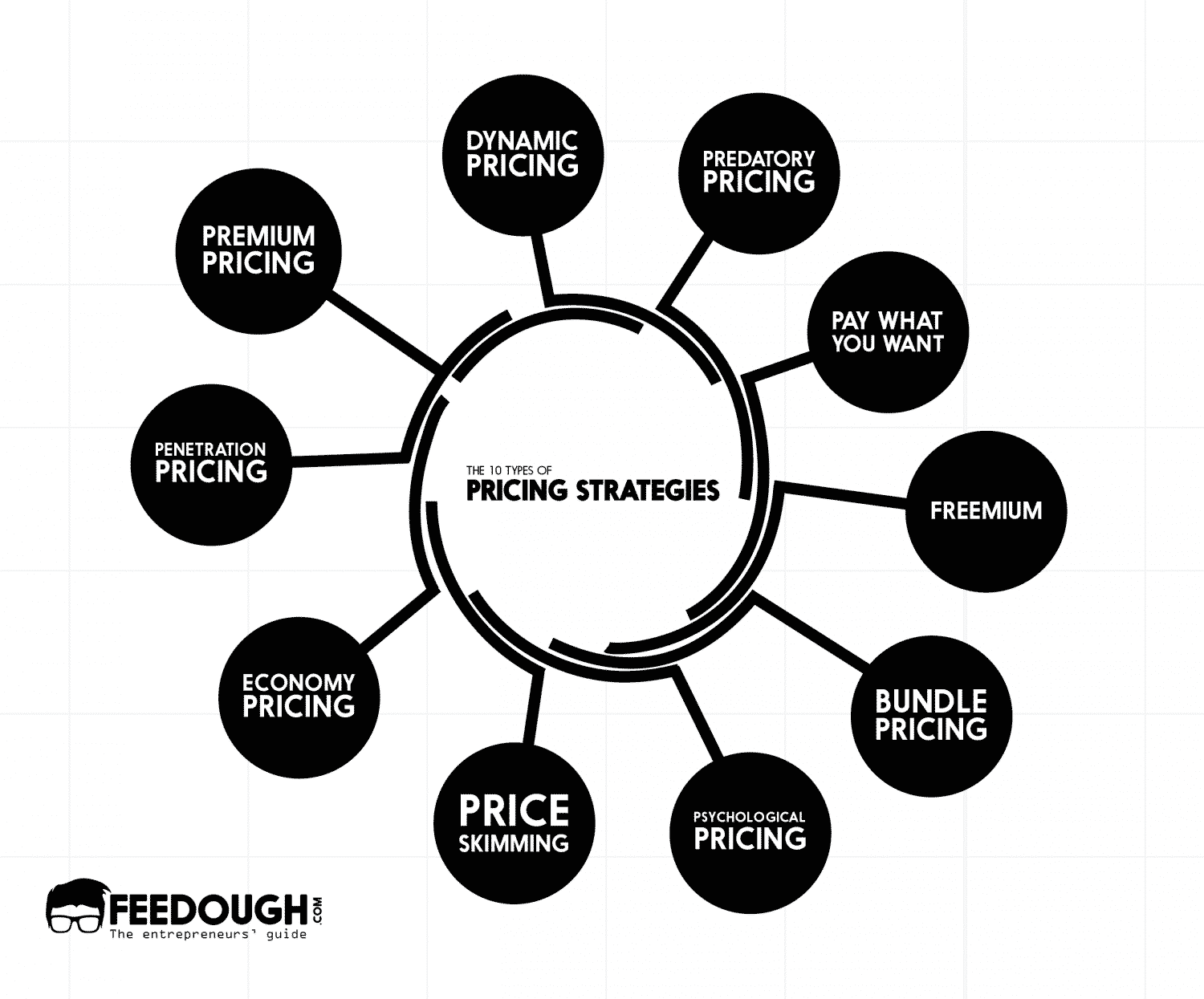
    Here are 10 different types of pricing strategies you can use to sell your products in a competitive market and still make profits.
    pricing strategies

    Premium Pricing

    Premium pricing, also called image pricing or prestige pricing, is a pricing strategy of marking the price of the product higher than the industry standards/competitors’ products. The idea is to encourage a perception among the buyers that the product has a more utility or a higher value when compared to competitors’ products just because it is sold at a premium price.

    The premium pricing strategy has the advantages of producing higher revenues and building a premium brand image. However, to make this pricing strategy a success, a business has to work really hard on the quality of the product and the brand to create a value perception. Spending a substantial amount on building a premium or luxury brand helps the business create a barrier for the competitors to position their products in the same class.

    Premium Pricing Example

    Branded unleaded petrol is sold at a higher price than regular unleaded petrol. The consumer never gets to test if the branded is better, yet he buys the branded offering thinking if it’s expensive, it must be better.

    Penetration Pricing

    Penetration pricing is a pricing strategy where the price of the product is initially kept lower than the competitors’ products to gain most of the market share and to trigger word of mouth marketing.

    Even though this strategy leads to losses initially, it results in many customers shifting to the brand because of the low prices. Once these customers become loyal and the brand achieves a strong market penetration, marketers increase the prices to a point where they get optimum profits without 0much loss of customers.

    Penetration Pricing Example

    Oneplus launched its flagship product Oneplus 1, which had all the features of an iPhone, at a highly affordable price of $299. Once the company acquired a good market share, it started launching its products at a premium. The recent phones from Oneplus are priced in the range of $500-$700.

    Economy Pricing

    Economy pricing is a no-frills pricing strategy followed by generic food suppliers and discount retailers where they keep the prices of the product minimal by reducing the expenditure on marketing and promotion. This strategy is used essentially to attract the most price-conscious consumers.

    The key to success in using an economy pricing strategy is to sell a large volume of products and services at low prices. The strategy is most suited to big businesses like Aldi and Walmart.

    Economy Pricing Example

    Aldi uses this no-frills economy pricing strategy where it operates small stores, only sells products which have a good demand, keeps products in their original shipping containers, and even charges the customers if they ask for carry-bags.

    Price Skimming

    Price Skimming is a strategy of setting a relatively high introductory price of the product when the product is new and unique and the market has fewer competitors. The idea is to maximise the profits on early adopters before competitors enter the market and make the product more price sensitive.

    The strategy got its name from successive skimming of layers of cream or the customer segments as the prices are lowered over time.

    The initial high price not only helps the business to recover its development costs but also gives the product perception of being an exclusive and premium product.

    Price Skimming Example

    Smartphones (both iPhones and Android) are introduced in the market at a higher price, but the price is reduced as time passes.

    Psychological Pricing

    Psychological pricing refers to the psychological pricing strategies marketers use to make customers buy the products, triggered by emotions rather than logic. Such strategies come in the form of:

    • Charm Pricing: This involves reducing the price by a minimal amount (say 1 cent) which makes the customer perceive the price to be less. For example – the price of a $3 product is set as $2.99 in supermarkets as customers’ brains process $2.99 to be nearer to $2 and not $3.
    • Prestige Pricing: This involves rounding off and setting a higher price for premium and exclusive products as rounded figures are easily processed and are preferred in such cases.
    • BOGOF: Buy one, get one free offer triggers the greed among the customers as they get two products for the price of one. This strategy is often used to clear up the stock or increase the volume of sales.
    • Price Anchoring: Anchor price is the first (higher or lower) price communicated to the customer to make their mind revolve around that price and buy the product the retailer wants. For example – printing a double price label showing a regular price and a sale price, keeping a higher-priced and medium quality product along with a lower-priced but good quality product to increase its sale, etc.

    Bundle Pricing

    Bundle pricing involves selling packages or sets of goods or services at lower prices than they would have actually cost if sold separately. This is an effective strategy to bundle unsold products or products with less demand with the high selling products to clear up the shelf space and increase the profits.

    Bundling works wonders when two complementary products are bundled together.

    Bundle Pricing Example

    Mcdonald’s happy meal is a perfect example of bundle pricing.

    Freemium

    Freemium is an Internet-based pricing strategy where basic services are provided free of charge but charges are levied on additional premium features. The freemium strategy is different from the premium with free samples strategy as you don’t pay anything to utilize the free services provided under the freemium business model.

    Freemium Example

    Candy Crush Saga is a great example of a freemium pricing strategy where the game is provided for free but a price is levied if you want more lives to play.

    Pay What You Want

    Pay what you want is a pricing strategy where the power of deciding the price of a product is given to the buyers, who pay their desired amounts for a product, which could even be zero.

    Unlike how it seems, this pricing strategy often leads to more profits and increased market share as most of the customers pay amounts which are more than the cost price of the product.

    Although many businesses set a minimum price and use a partial version of this pricing strategy, many refrain from setting a floor price.

    Pay What You Want Pricing Example

    Panera Bread Co. restaurant in St. Louis is a famous example of a business operating successfully using the pay-what-you-want pricing strategy.

    Predatory Pricing

    Predatory pricing, or below the cost pricing, is an aggressive pricing strategy of setting the prices low to a point where the offering is not even profitable, just in an attempt to eliminate the competition and get the most market share.

    An ongoing price war among the competitors may lead to one adopting a predatory pricing strategy to make the competitor exit the arena.

    Predatory pricing is illegal in many countries under the antitrust laws and competition acts as it acts as a barrier to healthy competition and leads to businesses enjoying a monopoly.

    Predatory Pricing Example

    A perfect example of a company adopting a predatory pricing strategy is Amazon which, in 2013, offered books at a price less than the cost price and even shipped it for free just to win over the traditional brick-and-mortar competitors.

    Dynamic Pricing

    Dynamic pricing, also called demand pricing, is a comparatively new pricing strategy which charges different prices for the same item from different users depending upon their perceived ability to pay.

    This pricing strategy is dependent on the internet and is usually used by eCommerce websites. It uses cookies and the internet browsing history of the users to understand their requirements and the urgency to buy and price the products accordingly to increase the sales.

    Dynamic Pricing Example

    Ecommerce websites like Amazon, Flipkart, etc. use this strategy to remarket their products to window shoppers.

    Go On, Tell Us What You Think!

    Did we miss something? Come on! Tell us what you think about our article on The 10 Types Of Pricing strategies in the comments section.
  • Cross-Selling – Definition, Importance, Examples, & Strategies

    Cross-Selling – Definition, Importance, Examples, & Strategies

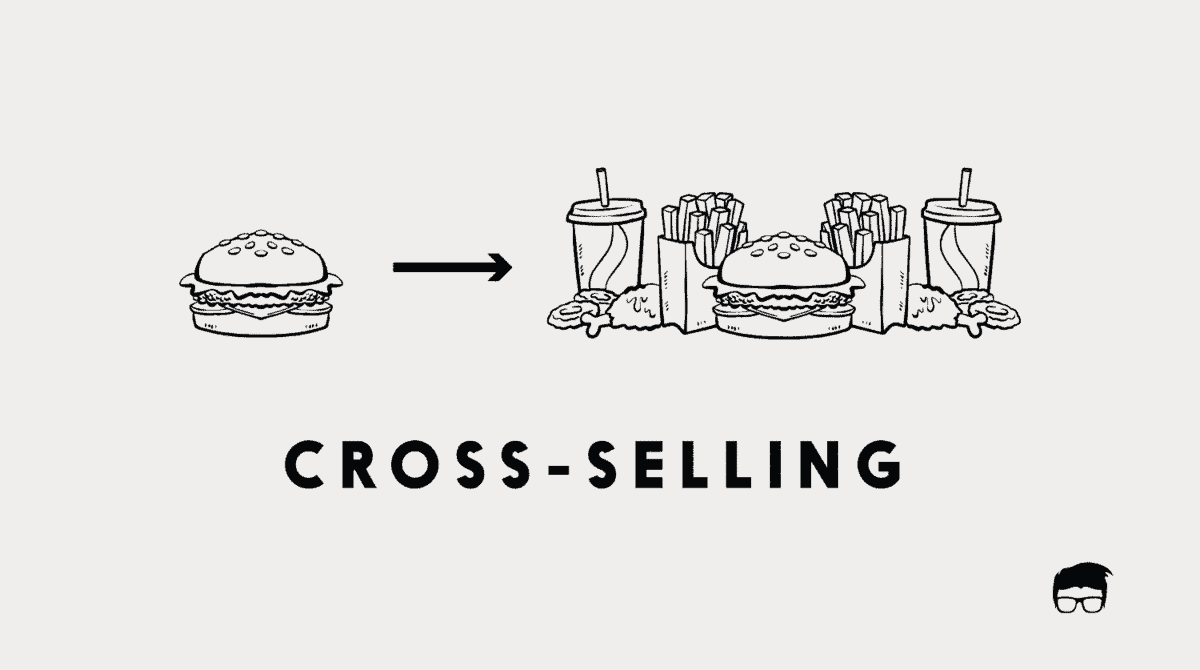
    For the last 63 years, McDonald’s staff’s “Would you like fries with that?” has been adding millions to the company’s revenue every year.

    Even though it’s a traditional technique of recommending related or complementary products to what is being bought already, the importance of cross-selling has only increased with the passage of time.

    What Is Cross-Selling?

    Cross-selling is a sales strategy where the seller encourages the customer to spend more by recommending related products that complement what is being bought already.

    The idea is to make the customer spend more by making him buy more things than he actually thought he would.

    Cross-Selling Importance

    Cross-selling is a strategy which capitalizes on the “just in case” mentality of the customers. It is an art of enhancing the shopping experience of the customers while focusing on getting the most profits out of them. Many retailers and ecommerce stores rely heavily on cross selling because:

    Cross-selling Adds More To The Revenue

    Cross-selling increases the sales by making customers buy more than they thought they would. It also increases the lifetime value of the customers by transforming not profitable customers to profitable customers and profitable customers to very profitable customers.

    It Enhances The Customer Experience

    Retailers use cross selling strategies to educate customers about related products. This enhances the customer experience as they get to know about more products which could be useful to them.

    Cross-selling Isn’t Considered Annoying

    Unlike many other sales strategies, cross-selling is considered as a mere suggestion and not an annoying and deceiving strategy. The strategy is even looked upon by the customer relationship managers to build good relationships with the customers.

    Cross-Selling Strategies & Techniques

    Just like upselling, cross selling strategies are also used at every stage of the marketing funnel. The strategies can hence be divided into three stages:

    Before Sale

    Product bundling and product recommendations at the customer touch points to make them look related to each other.

    Ecommerce websites have recommendations and suggestions in the form of ‘most popular deal’, ‘best offer’, ‘just for you offers’ etc to increase the likeability of cross-sales.

    During Sale

    Recommendation by the salespersons and parasite offers at the point of sale in retail stores and ecommerce websites.

    After Sale

    Personalized emails, SMS, and calls to tempt customers to choose a related product.

    Cross-Selling Examples

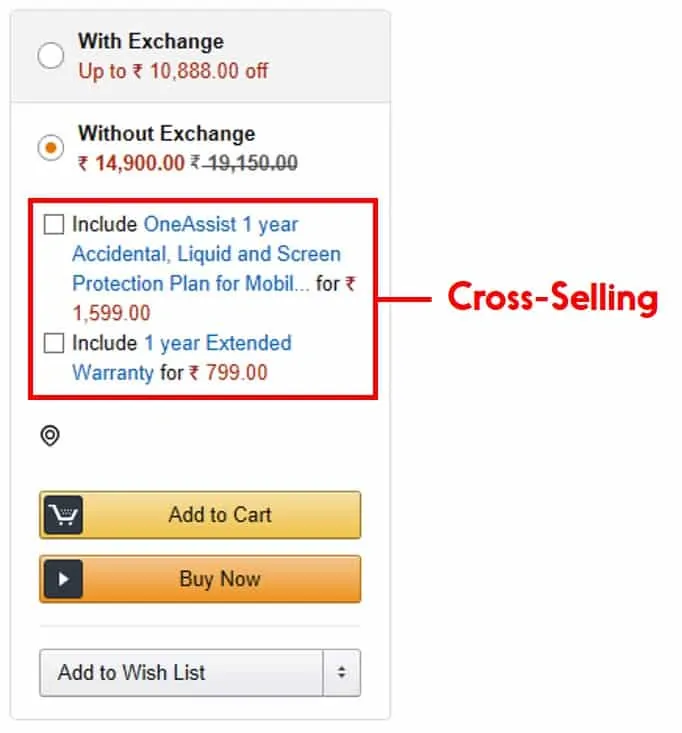
    Smartphone + Smartphone Insurance

    Lately, the prices of smartphones have skyrocketed and so is the demand for smartphone insurance. Many retailers, as well as ecommerce stores like Amazon, have started cross-selling insurance along with the smartphones. This has not only increased their profits but also is appreciated by the customers who don’t have to look for such insurance on other platforms.

    cross-selling

    Credit Card + Instant Loans

    Cross-selling instant loans to credit card holders is a perfect example of cross-selling in the banking industry. The salesmen use credit card usage data and recommend instant loans to the customers who are most likely to buy them.

    Fast-Food Restaurants

    “Would you like fries with that?” is a common phrase you hear at the billing counter of McDonald’s. Other fast-food restaurants implement similar strategies to make you buy related products like “Would you like a cookie with your coffee?” at Starbucks and “Would you like a cheese dip? at Domino’s.

    Go On, Tell Us What You Think!

    Did we miss something?  Come on! Tell us what you think about our article in the comments section.

  • What Is Upselling? How To Upsell? [Detailed Guide]

    What Is Upselling? How To Upsell? [Detailed Guide]

    Although it is true that there are as many sales strategies in the world as there are salesmen; you still won’t disagree with me if I say upselling is among the most important strategies to increase the customer lifetime value and build a good relationship with them.

    “Medium or large?” “Would You like an extra shot?” “Burger with cheese?” “Would you like extra cheese on your pizza?” adds millions to the revenue of Mcdonald’s, Starbucks, Burger King, and Domino’s.

    This sales technique of encouraging customers to buy a more expensive version of a product has been used for decades in a disguise of increasing customer satisfaction. Some call it the ‘best value offer’, some call it the ‘most popular choice’, while some give it more enticing names like ‘just for you’ or ‘recommended for you’.

    What Is Upselling?

    Upselling is a sales strategy where the seller encourages the customer to spend more by recommending an expensive, an upgraded, or a premium alternative of the current consideration so as to maximise the value of their purchase.

    The idea is to make the customers spend more than they originally thought they would.

    Importance Of Upselling

    Upselling is an art of enhancing the shopping experience of the customers while getting most profits out of them. Many online and offline retailers rely heavily on upselling strategies because:

    It Increases The Customer Lifetime Value

    Customer lifetime value is the value derived from a user over his lifetime. Customers can be divided into very profitable, profitable, and not profitable and strategic upselling techniques can be used to convert the not profitable customers into profitable customers and profitable customers into very profitable customers.

    Many times a seller use upselling strategies on subscribed users to make them choose a more profitable option when they renew their subscriptions. This results in more revenue to their business without extra investments.

    Customers Appreciate Upselling

    Upselling enhances the overall shopping experience of the customers by educating them about better alternatives to their current choice. Many customers even appreciate the premiums, upgrades, or add-ons offered by the salesperson as choosing the alternatives could result in them getting a better deal.

    Existing Customers Appreciate Upselling More

    According to a survey, acquiring $1 by up-selling to a current customer is 68% more economical than it is to acquire $1 from a new customer.

    Upselling Helps Building Relationships

    Upselling is a powerful selling strategy which results in a win-win situation for both the business and the customer. The customers are offered more value which makes them feel like they got a better deal while the business maximises its revenue. This eventually builds up a relationship between them.

    Upselling Strategies & Techniques

    Tell them how they’ll benefit. When they’ll benefit, you’ll benefit.

    Just like cross-selling, upselling is a smart strategy used during every stage of the marketing funnel, right from the lead generation stage to the after-sales stage.

    Before Sale

    Product recommendation and premium/add-on discounts and offers at customer touch points. Ecommerce websites have recommendations and suggestions in the form of ‘most popular deal’, ‘best offer’, etc.

    During Sale

    Recommendation by the salespersons and parasite offers at the point of sale in retail stores. Ecommerce websites use parasite offers while checking out and while abandoning a cart.

    After Sale

    Personalised emails, SMS, and calls to tempt customers to choose a better version next time.

    Upselling Examples

    Be it a retail store, an ecommerce store, a B2B business, a B2C business, or a C2C business; upselling works wonders when used properly. Here are few examples of successful implementation of upselling strategies:

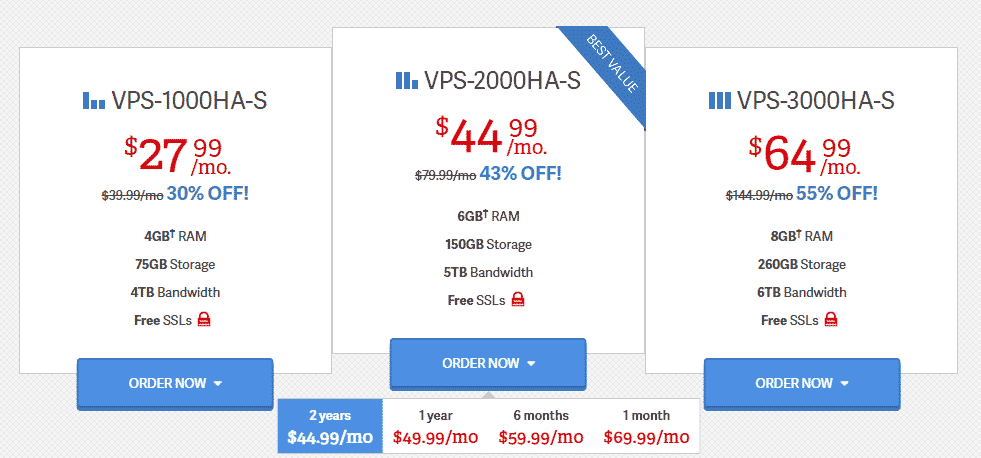
    Inmotion Hosting

    Inmotion hosting, just like any other web-hosting providers, provides discounts when you purchase a web-hosting plan for a longer period.

    This benefits the customers as well as the company as the customers get a better offer and the company gets to retain customers for a longer time.

    inmotion upselling

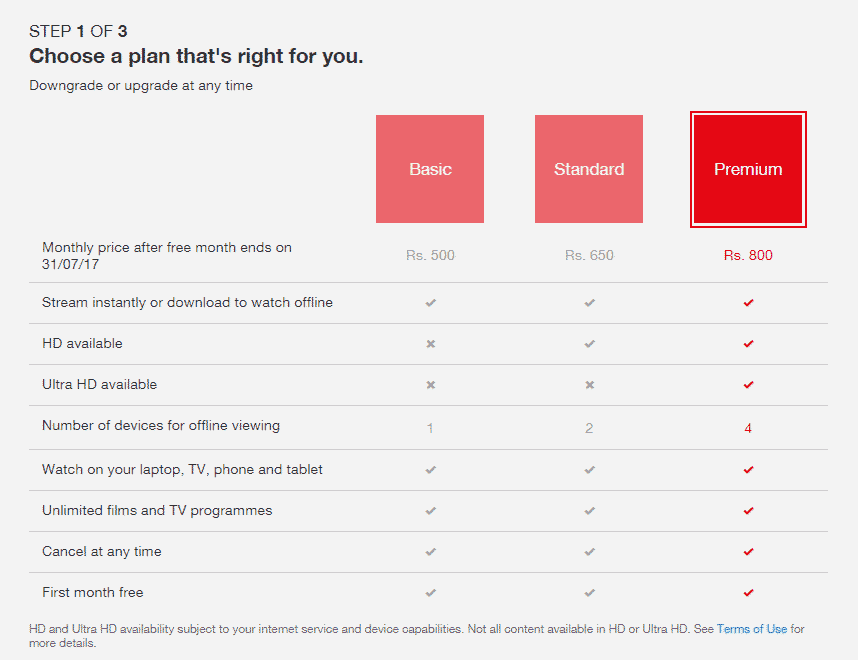
    Netflix

    Netflix provides extra benefits like HD and ultra HD streaming, 2 and 4 devices for offline viewing, etc. to users who purchase their standard or premium plans. Many customers change their purchase decision during this stage as they think upgrading to a better plan gives them more benefits.

    how does netflix make money

    Starbucks

    The employees working with Starbucks are trained so well to upsell that customers don’t even feel like they’re being targeted by a sales strategy. The employees build friendly relations with the customers and ask them if they want extra shots (or biscuits or cake) when they order a coffee.

    Go On, Tell Us What You Think!

    Did we miss something?  Come on! Tell us what you think about our article in the comments section.

  • What Is Digital Marketing: A Beginner’s Guide

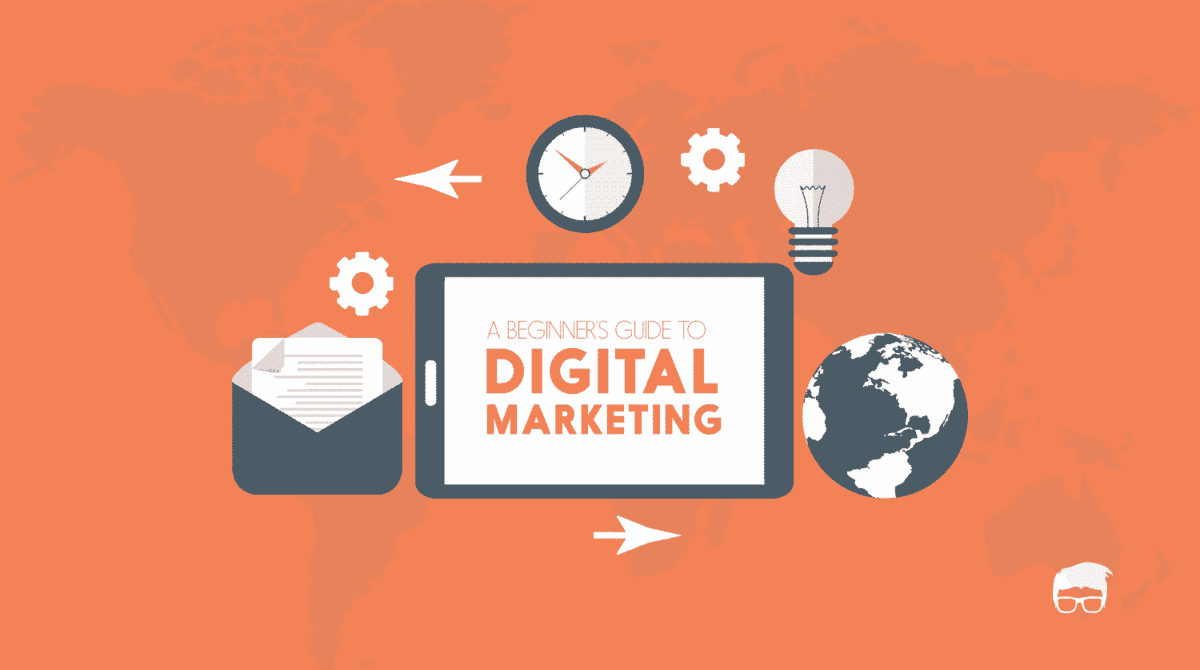
    What Is Digital Marketing: A Beginner’s Guide

    Digital marketing is a growth machine and anyone who gets his hand on it is a winner in 21st century. But it doesn’t result in profits overnight. It requires marketers to be alert and watch out for changes in customers’ preferences and adapt to meet those needs and preferences accordingly.

    What Is Digital Marketing?

    Digital marketing refers to the marketing activities delivered through digital channels like search engines, emails, digital advertising, content marketing, social media, and mobile apps etc.

    Even though the term got popularised in the 2000’s, digital marketing activities have been in existence around much longer. Marketers have already been using digital billboards since ages. Even emails and SMS were used to carry out marketing activities since 90’s. But the term digital marketing got its structure only after search engine like Google, social media websites like Facebook & Twitter, and mobile OS like iOS & Android established themselves permanently in the lives of the consumers.

    In today’s fast-changing scenario, there are various digital marketing strategies like search engine optimisation(SEO), pay-per-click advertising (PPC), social media marketing etc. that marketers use to drive traffic and get more leads. However, not many marketers know how to exploit the power of integrated digital marketing experience.

    Here’s a step by step digital marketing guide for beginners which offers a very comprehensive and crisp approach on how to find success using digital marketing.

    A Beginner’s Guide To Digital Marketing

    Companies are spending enormous amounts of money on digital marketing today and with smartphones becoming an integral part of the consumer’s life, it is only going to increase in the future.

    Nevertheless, according to a report by smart insights, 49% of the organisations don’t have a clearly defined digital marketing strategy in place.

    If you’re among that 49% or if you’re a marketer starting out new in this branch of marketing, there are 7 specific digital marketing elements which you should know about-

    1. Search Engine Optimisation
    2. Search Engine Marketing
    3. E-mail marketing
    4. Content marketing
    5. Social media Marketing
    6. Paid advertising
    7. Mobile Marketing

    Search Engine Optimisation

    Search engine optimisation is one of the fundamental sources of driving traffic to your website. SEO refers to the process of optimising your website with a relevant landing page, relevant keywords, easy navigation, and valuable content to ensure that the website appears on the top in the search engine results.

    It leads to organic traffic to your website which has more relevancy as compared to advertisements as people generally have more trust in organic search engine results.

    SEO also acts as the opening gate to other digital marketing strategies like content marketing, inbound marketing, email marketing, lead generation, etc.

    There are three parties involved when it comes to search engine optimisation: You, Google (or any other search engine), and your reader. Your role is to create as informative and engaging content as you can so the reader remains on your website for as long as possible. Google’s role is to rank articles/website which provide the most informative content.

    But how does Google do that?

    Google bots read your content and match it with millions of keywords and check where all does your article fits. It also matches it with millions of other ‘related keywords’ (also called long-tail keywords) to see if your article is actually relevant to the topic.

    It then checks if any of the websites is linking to your article and measures its authority over other results for that keyword. More the ‘good quality’ links, more is the page authority. Focus on the word good quality here as not every link to your page or your website is good for SEO. You should focus more on getting more in-content links to your page from high authority websites.

    The other and most important factor is how much time a user spends reading your article. Google uses artificial intelligence algorithm (Rankbrain) to measure and compare the time spend on your article to other articles/pages listed as a result of that keyword. The more engaging your content is, the better ranking it gets.

    Google analytics can be used to monitor the amount of traffic and visitors to your website and identify any gaps in your current situation and make changes accordingly. Google AdWords is one of those tools where you can analyse every metric and KPI’s relating to your campaign and offers various tools and kits like Keyword planner, tracking conversions etc.

    Search Engine Marketing

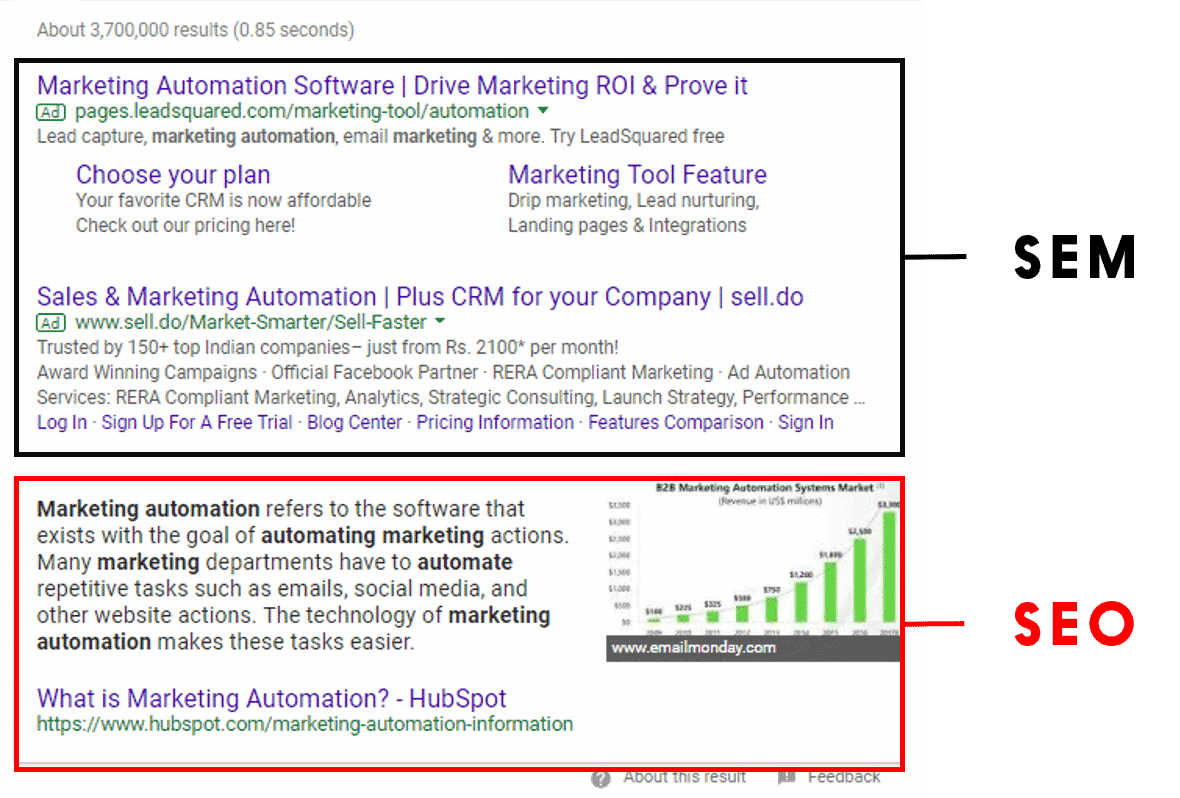
    Unlike SEO, where you focus on getting traffic organically, search engine marketing (SEM or Search Marketing) refers to the activities which involve buying traffic through paid search listings.

    While most people argue that SEM is an umbrella term which also includes SEO (which is true, theoretically), it is different when we get practical. Search engine marketing is an acquisition focused marketing strategy which involves placing sponsored snippets at the top of search engine result pages (SERPs).

    The value of such ads differs for different keywords.

    SEM SEO

    Email Marketing

    From an ROI perspective, for every $1 spent, email marketing generates $38. No wonder why it is the most popular digital marketing channel and is used by 82% of B2B and B2C companies.

    Consumers are overwhelmed with advertisements all over the internet, TV, market, etc. What they’re not habitual of is personalized communication. This is where email marketing steps in.

    A well-defined email marketing strategy is 40 times more likely to acquire a customer than Facebook and Twitter campaigns combined.

    But what is a well-defined email marketing campaign?

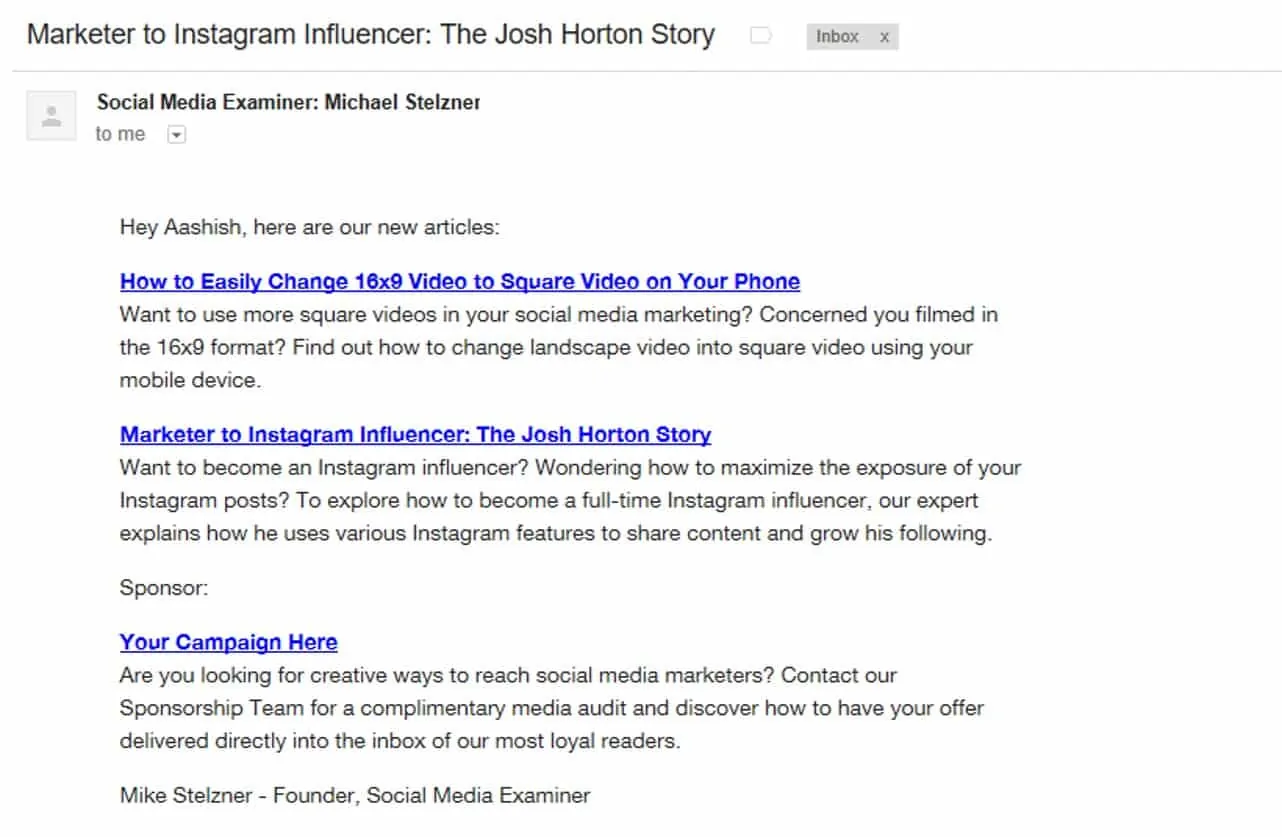
    It refers to using personalized emails to communicate with the (potential) customers, building a relationship with them, informing them about your new offerings, and gently asking them to try or buy them.

    email marketing

    Emails form a vital element of digital marketing funnels. Expert marketers often offer free trial versions of their services, free courses, or even free credit to new visitors to collect leads and use smart email marketing strategies to convert those leads into sales.

    Content Marketing

    If you’re a beginner and want your digital marketing efforts to be fruitful, it is very crucial for you to know the secret of digital marketing:

    1. Better offering leads to more Visitors
    2. More visitors lead to more Leads
    3. More leads lead to more sales

    Content marketing is a strategic digital marketing approach that focuses on creating, publishing, and distributing valuable, relevant, and consistent content to attract more customers, to build stronger relationships with them, and to convince them that your brand can be trusted.

    The content marketing campaign isn’t a well written pitch to sell the product. Rather, it involves writing content that revolves around the product; like its uses, benefits, its drawbacks, the tips and tricks, its facts and statistics, etc.

    The focus of content marketing is on building a brand. It makes the users believe that the sellers know about the niche and its products can be trusted.

    Suppose I want to sell ACs online. Now instead of developing just a good landing page and writing the product descriptions, I can also focus on writing content which the customers will search for before buying an AC, like ‘Best ACs under $2000’, ‘AC buying guide’, ‘Features to look for before buying an AC in 2018’, etc.

    Social Media Marketing

    Social Media Marketing is a new addition to the existing marketing mix which involves social media websites as a marketing platform. Through social media marketing, you connect and market your products to your target audience on a network they are more active on; the social media.

    Facebook has over 2 billion active users. Twitter has around 330 million active users. Your target audience is also an active user of these social media website. Social media marketing involves the use of organic as well as paid promotion strategies to reach to and to engage with your target market.

    Businesses use engaging videos, images, text, hashtags, pins, and stories etc. to keep the audience engaged, increase the brand and product awareness, collect leads, and even convert them into sales.

    Social media websites even offer targeted advertising opportunities which can be exploited for better ROI strategies.

    Tools like Buffer and Hootsuite can be a boon and result in better ROI if used properly to carry out social media marketing strategies.

    Digital Advertising

    Digital Advertising, also called paid acquisition or paid advertising, refers to all strategies designed and implemented with an aim to drive referral traffic to your website through paid digital display advertisements. Marketers advertise on different platforms based on where their target audience is. These platforms include Google (Adwords), Facebook, Youtube, Pinterest, Linkedin, and Twitter etc. But Facebook and Google alone drive 80% of the referral traffic.

    Google digital ads can be divided into search advertisements, display advertisements, Youtube advertisements and shopping advertisements. Search advertisements appear over search results (on Google and Google partners) as sponsored results. Display advertisements appear on millions of websites which have partnered with Google. These ads are in the form of still images and videos. Video ads appear as in-stream ads before, during, or after a Youtube video. Shopping ads showcase your products when a user searches for your product type.

    Facebook provide features to showcase your brand and your products using textual, image, video and other types of advertisements too. But what differentiates Facebook from Google is the extreme targeting settings of Facebook which lets you reach your customers better.

    Digital advertisements have also opened the gates to remarketing which lets you turn window shoppers into actual customers of your offering using targeted marketing strategies. Remarketing is a cookie-based targeting strategy which is used to display personalised advertisements to those who didn’t convert into customers at the first visit. For example, showing an advertisement to a person who visited your website and checked out your product but didn’t buy it.

    promoted facebook post

    Mobile Marketing

    Mobile marketing is a multi-channel strategic digital marketing technique focused on marketing a business, a product, or a service to mobile (mobiles/tablets/handheld devices) users using mobile-based strategies like SMS, MMS, mobile applications, mobile websites, voice-calls, etc.

    With over 80% internet users owning a smartphone, mobile marketing has become one of the topmost priorities of digital marketers. It is even preferred by consumers as they get more personalized and more controlled marketing experience on their mobile phones as compared to web.

    The contours of mobile marketing are:

    • SMS marketing
    • MMS marketing
    • App-based marketing
    • Mobile web-based marketing
    • Proximity marketing
    • Location-based marketing
    • Voice-based marketing
    • Micro-moments marketing
    • QR codes

    How To Plan A Digital Marketing Campaign?

    Developing a digital marketing strategy which uses minimum resources and results in most conversion is hard. Such a strategy not only involves a lot of research but also a fair and holistic use of digital marketing tools on your side. Here is a theoretical process to help you begin planning your digital marketing campaign.

    Identify Your Target Audience

    Market segmentation and target market identification is the meat and potatoes of digital marketing. It’s a big market and identifying who will be interested in trying or buying your offering gives you a good head-start. Identify and learn from businesses offering similar products, release an MVP, or hire a consultancy firm to identify the right audience for your business.

    Set A Measurable Goal

    Set a simple yet measurable goal – like an increase in the sales of your offering, more brand engagement, more leads etc.

    Create A Marketing Funnel To Achieve Your Goal

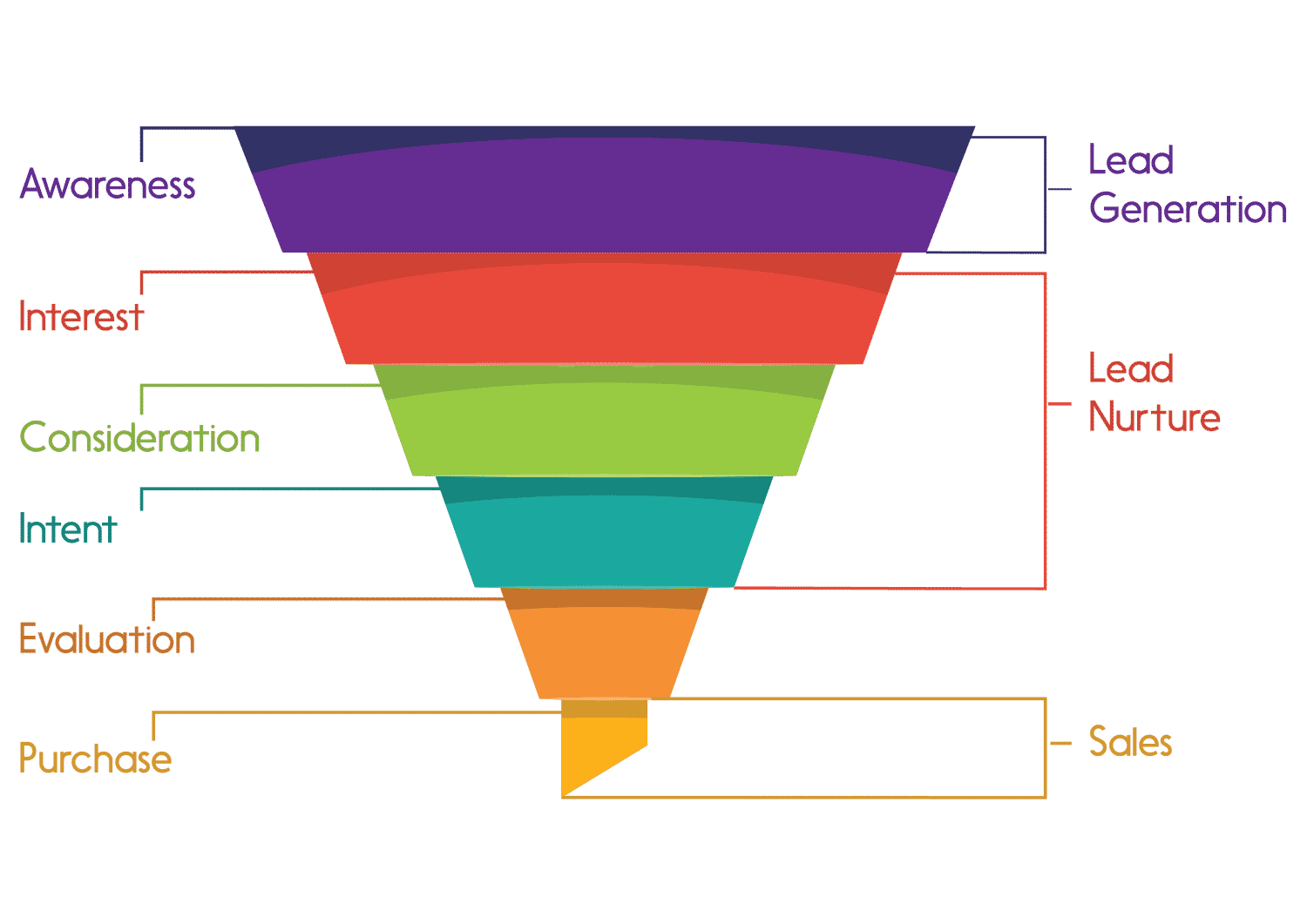
    A marketing funnel is a start to finish plan which includes a holistic use of all the digital marketing tools. Just like an actual funnel, it represents a buyer’s journey from awareness to the actual purchase of the product.

    The concept marketing funnel revolves around is that marketers spread a vast lattice to catch hold of as many leads as possible and then gradually foster prospective customers through suitable schemes, even though the numbers lessen with every passing stage.

    You must assign the right digital marketing tool to different stages of the funnel to obtain the desired results.

    Marketing funnel

    Go On, Tell Us What You Think!

    Did we miss something? Come on! Tell us what you think about our article on A beginner’s guide to digital marketing in the comments section.

  • How To Become An Entrepreneur?

    How To Become An Entrepreneur?

    You might have heard people talk about them. You might have argued about the importance of such skills. You might have witnessed your friends becoming one. Or you might have yourself considered becoming one.

    Entrepreneurship is the new “cool” thing to pursue in this age, yet so many people are confused over how to become an entrepreneur? What does it really take to become one? Is every self-employed person an entrepreneur? Or is it a conceptualist or an “ideator”? Can you become an entrepreneur without innovation? Are some people born entrepreneurs or can someone be developed to become one? Can entrepreneurs only be found in startups? Or can you call yourself an entrepreneur even if you don’t own a company but are a leader and innovator in your own space?

    No matter how varied the questions be and how confusing the opinions be, there’s only one definition of entrepreneurship and anyone who possesses this characteristic is an entrepreneur.

    Entrepreneurship is the art of finding profitable (and usually risky) solutions to the problems and building a business upon it.

    Yes, entrepreneurs run their own companies, are even found as employees in many companies (intrapreneurs), and are also found in the form of infopreneurs (just like me!)

    Every entrepreneur works differently, has a different work and life approach, and is right in his own way. Nevertheless, every entrepreneur is seen to possess these 6 entrepreneurial skills:

    • Self-Belief: there is an inherent burning desire inside every great entrepreneur that does not let him quit even on the worst of days.
    • Decisiveness: Entrepreneurs have to take very hard decisions and that too very quickly
    • Risk Tolerance: A successful entrepreneur knows when to take calculated risks. A successful entrepreneur shall also have Plan B and Plan C ready when Plan A does not work due to unexpected situations.
    • Constant Learning: Every entrepreneur has to be on his toes and keep learning how to make his business better to ensure his business is ahead of the competition.
    • Vision And Focus: Entrepreneurs have a vision of what they want to do and how they want to do it and they are single-mindedly focussed on it.
    • Optimism: An entrepreneur’s life is tough and not every day is rosy. A great entrepreneur is a dreamer and brims with optimism because he believes in his dreams wholeheartedly.

    Entrepreneur vs. Self-Employed

    Not every person working for himself is an entrepreneur. The entrepreneur is not just his own boss. He is someone who looks for profitable solutions to the problems and builds a business upon it. He is someone who is ready to take greater than normal risks (financial and non-financial) and who is comfortable with uncertainty and long working hours. A true entrepreneur does not just talk about ideas but executes them in a stellar fashion as well. He is the disruptor and unstoppable. He is a hustler in the truest sense.

    However, a self-employed person can be a freelancer or a business/franchise operator. He takes the paths carved by entrepreneurs and performs tasks that are less risky and the results of which are obvious.

    Entrepreneur vs. Infopreneur vs. Intrapreneur

    Entrepreneurs come in many forms. If you’ve read our post on the types of entrepreneurs you’d know that there are at least 10 types of entrepreneurs. Nevertheless, entrepreneurship also comes in different forms. You can be an entrepreneur and build your own startup. Or you could make money by collecting, organizing and selling information mainly in a niche market (Infopreneur). You could even be an intrapreneur in your own organization without undertaking most entrepreneurial risks.

    Selecting if you want to be an entrepreneur, infopreneur, or intrapreneur is really important before moving on to reading the next steps of how to become an entrepreneur.

    How To Become An Entrepreneur?

    Identify The Right Business For You

    Everyone has his or her strengths and everyone has his or her roadblocks. It’s not easy to build a startup. It’s not even easy to start the ideation process.

    Most people think every startup is built on an unconventional idea and that they’ve to start from the scratch and must come up with something that no one has ever done before. This hypothesis isn’t true most of the times. Moreover, if you aren’t blessed with the brains like those of Bill Gates or Steve Jobs, this could waste a lot of your time too.

    So how do you come up with the right business for you? How do you start the ideation process?

    Follow any one of these two entrepreneurial approaches:

    • Do what you’re good at: What’s better than earning while doing what you love? Start a restaurant if you’re a foodie and love to cook. Build a website if you love to share. An arbitrage business is also a great option if you love playing with the system of prices.
    • Learn from others and do it better: Learn about what’s going on in the market. What businesses interests you and how you can add value to them. Most of the disruptive ideas evolve using this approach.

    Know Your Target Market

    Substantial knowledge about the target market is very important for an entrepreneur before he moves on to building his dream. Target market refers to a specific and well-defined consumer segment within the business’s serviceable market which the business wants to sell its products and services and direct its marketing efforts to.

    Who will buy your product? What is his/her age? Where does s/he live? Is your product a need/want/luxury for him/her? What is the size of your target market? Is it scalable?

    The answers to all these questions not only add value to your business idea but also makes you more confident in starting your own business and presenting it to the potential investors.

    Plan Your Business

    A business plan is a formal statement which consists your business goals, objectives, vision, why they are attainable, and how you’re going to attain them. It is a strategically written description of your business’s future.

    Business planning improves your chances of succeeding. Before moving ahead, write a one-page business plan with the answers to these questions.

    • Why do I want to start this business?
    • What problem can I look to solve/what niches have not been served/what gaps exist in the market?
    • What can be the target market for my business?
    • What are the short and long-term goals, personally and financially, for both myself and my business?
    • Can I see myself doing this 5 or 10 years down the line?

    Build A Business Model

    Business Model is a conceptual structure that supports the viability of a product or company and includes the purpose and goals of the company and how it intends to achieve them.

    A business model answers who your consumer is, what value you can create/add for the customer, and how can you do that at reasonable costs.

    Your strategy for making your startup work for you will decide its competitiveness in the market. You would want to gain a sustainable advantage over your competitors and that starts with the right business model. Here’s how you can build an ideal business model.

    • Match your product with your competitor products and set the prices according to your USP.
    • Focus on acquiring high-value customers. These are the customers from whom you’ll gain maximum value while keeping your costs as low as possible.
    • Focus on positioning. It is the space your brand will occupy in the brains of your customers.
    • Formulate a funding strategy. How will you procure funds to meet the operating as well as the capital expenses of your startup?
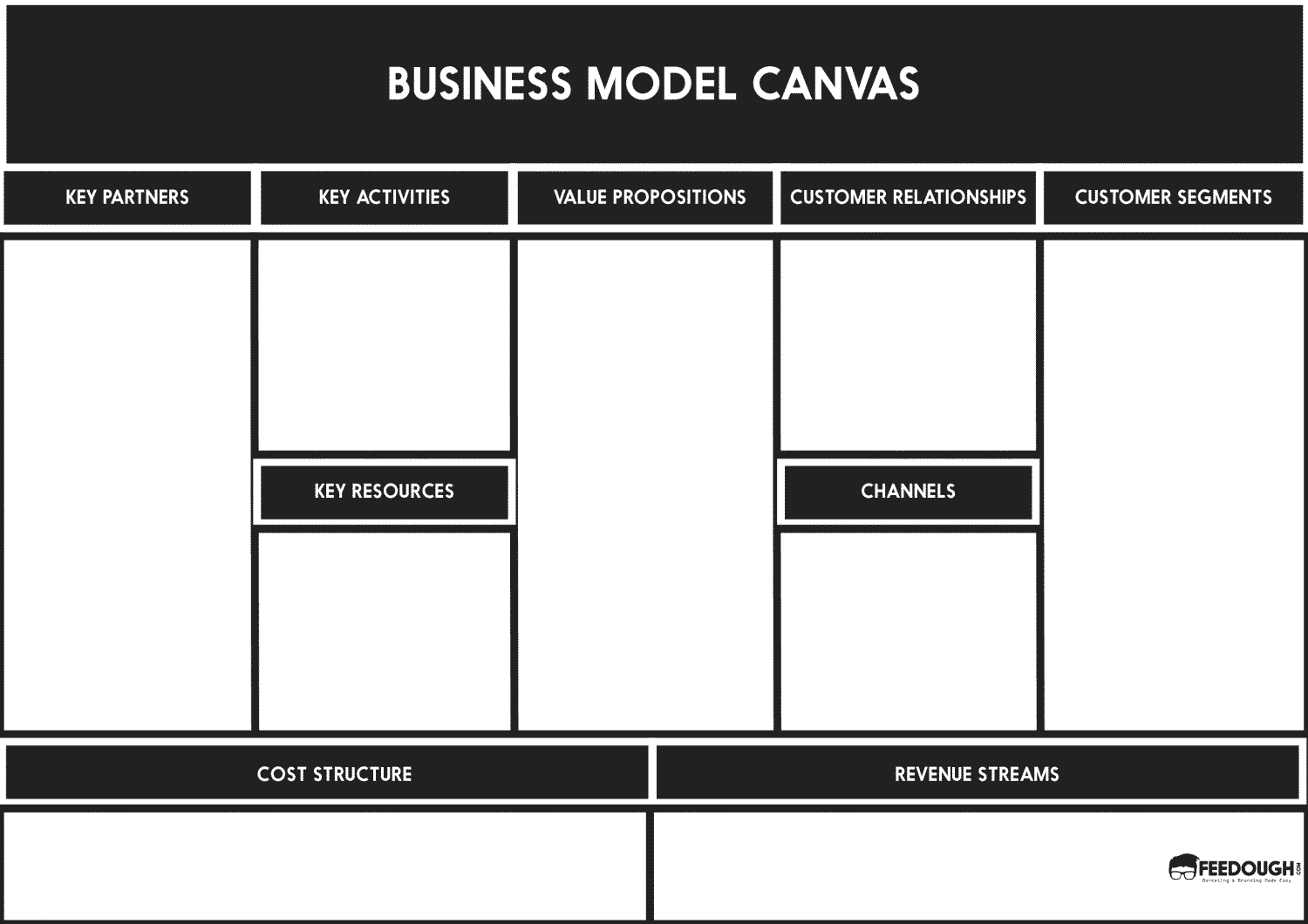
    • Fill a business model canvas. It is a great tool to discuss your existing or new businesses in a structured and tangible manner.

    BUSINESS MODEL CANVAS

    Learn To Market Yourself & Your Business

    Marketing your product and communicating its features to the prospective customers is as important as building one. Marketing leads to the creation of a brand which is the company’s most valuable asset. It helps you in building a relationship with the customers, understanding their needs and demands and serving them better, all leading to more profits.

    As an entrepreneur, you need to focus on building your company’s as well as your own brand. He needs to look for affordable mediums to connect with his audience, to inform them about his product, to stand out, and to convince them to buy it.

    Build A Support Network

    It isn’t easy to be the sole decision maker and risk taker. Everyone finds it lonely at the top sometimes, especially when it’s your first time. This is where your support network helps you.

    Your support network is the group of people who provide emotional and practical help to you in your entrepreneurial journey. These include fellow entrepreneurs, mentors, friends, family members, etc.

    Support network doesn’t necessarily become a part of your business. However, they are there when you need guidance or support during your journey.

    Building a support network is important for your emotional stability and better decision making. Include experienced entrepreneurs in your support network. Include people who understand you. People who understand your industry. And people who can cheer you up when you fail.

    Go On, Tell Us What You Think!

    Did we miss something?  Come on! Tell us what you think about our article on How to become an entrepreneur in the comments section.

  • What Is Advertising? – Examples, Objectives, & Importance

    What Is Advertising? – Examples, Objectives, & Importance

    Businesses are about to spend over $992 billion on advertising in 2025. That’s almost a trillion dollars trying to grab attention, change minds, and move products. But here’s what most people don’t know. Advertising isn’t just the flashy Super Bowl commercial or the Instagram ad that somehow knows what someone was thinking about buying. It’s a complete system that shapes how brands connect with buyers.

    So what actually makes something advertising versus just marketing? Why do companies pour this much money into it? What types work best, and what are the real goals behind every campaign? This article breaks down what advertising is, how it works, and why it matters more than most people realize.

    What Is Advertising?

    Advertising is the action of calling public attention to an offering through paid announcements by an identified sponsor.

    According to Kotler –

    Advertising is any paid form of non-personal presentation & promotion of ideas, goods, or services by an identified sponsor.

    According to the Advertising Association of the UK –

    Advertising is any communication, usually paid-for, specifically intended to inform and/or influence one or more people.

    Simply, advertising is a process of developing a paid communication message intended to inform people about something or to influence them to buy, try, or do something.

    Characteristics Of Advertising

    • Paid Form: Advertising requires the advertiser (also called sponsor) to pay to create an advertising message, buy advertising media slot, and monitor advertising efforts.
    • Tool For Promotion: Advertising is an element of the promotion mix of an organisation.
    • One Way Communication: Advertising is a one-way communication where brands communicate to the customers through different mediums.
    • Personal Or Non-Personal: Advertising can be non-personal as in the case of TV, radio, or newspaper advertisements, or highly personal as in the case of social media and other cookie-based advertisements.

    Types Of Advertising

    Advertising falls into three main categories based on how brands reach their audience.

    Above-the-line (ATL) advertising uses mass media channels like TV, radio, and newspapers to reach large groups of people.

    Below-the-line (BTL) advertising targets specific audiences through direct mail, email campaigns, or sponsored events.

    Through-the-line (TTL) advertising combines both approaches, using mass media alongside targeted tactics to maximize reach and engagement.

    Beyond these categories, advertising can be divided into five types based on medium.

    Print Advertising

    Print ads appear in newspapers, magazines, brochures, and direct mail. This format works well for audiences who prefer tangible content, though its reach has declined as digital channels have grown.

    Broadcast Advertising

    This includes TV and radio commercials. Broadcast ads reach millions of viewers and listeners at once. The format remains powerful for brand awareness despite streaming services changing how people consume content.

    Outdoor Advertising

    Billboards, transit ads, and posters fall into this category. They catch attention in high-traffic areas where people commute or gather. Digital billboards now allow brands to rotate messages throughout the day.

    Digital Advertising

    Digital ads dominate modern marketing. They appear on websites, social media platforms, search engines, and mobile apps. The format offers precise targeting and real-time performance tracking that traditional media can’t match.

    Digital advertising has evolved significantly. AI platforms like ChatGPT are being used to generate ad campaigns, with engagement increasing by 10% year-over-year. Brands now use AI to create copy, design visuals, and test multiple variations faster than human teams could manage alone.

    Programmatic advertising automates ad buying through algorithms that bid on ad space in real-time. This technology matches ads to the right audience at the right moment without manual intervention.

    According to industry research on programmatic advertising trends, Retail Media Networks are expanding faster than almost any other digital channel due to first-party data advantages. These networks let brands advertise on retailer websites like Amazon, Walmart, and Target where shoppers are already ready to buy.

    Connected TV advertising brings digital targeting to streaming platforms. Brands can now reach cord-cutters with the same precision they use for social media ads.

    Product/Brand Integration

    This type weaves products into entertainment content. A character drinks a specific soda brand in a TV show or uses a particular smartphone in a movie. The placement feels natural rather than interruptive.

    What Are The Objectives Of Advertising?

    There are 3 main objectives of advertising: to inform about the brand or offering, to persuade to buy or perform a task and to remind and reinforce the brand message.

    To Inform

    Advertisements are used to increase brand awareness and brand exposure in the target market. Informing potential customers about the brand and its products is the first step toward attaining business goals.

    To Persuade

    Persuading customers to perform a particular task is a prominent objective of advertising. The tasks may involve buying or trying the products and services offered, forming a brand image, developing a favourable attitude towards the brand etc.

    To Remind

    Another objective of advertising is to reinforce the brand message and to reassure the existing and potential customers about the brand vision. Advertising helps the brand to maintain top-of-mind awareness and to avoid competitors stealing customers. This also helps in the word-of-mouth marketing.

    Other objectives of advertising are subsets of these three objectives. These subsets are:

    • Brand building
    • Increasing sales
    • Creating demand
    • Engagement
    • Expanding customer base
    • Changing customers’ attitudes, etc.

    Importance Of Advertising

    Advertising creates value for both sides of the marketplace. It connects businesses with potential customers while helping people discover products that solve their problems.

    To The Customers

    Advertising makes shopping easier. Instead of searching blindly for products, customers see options that match their needs. According to Dentsu research, digital ad spend is forecast to reach 68.4% share of total spend in 2025, which means more personalized targeting. Ads reach people based on their interests and browsing behavior.

    Think about the last time you needed new running shoes. You probably saw ads for athletic brands shortly after searching for workout gear. That’s advertising working as it should, showing you relevant options when you’re ready to buy.

    Ads also help customers discover products they didn’t know existed. A small business selling eco-friendly water bottles can reach environmentally conscious shoppers through targeted campaigns. Without advertising, that connection might never happen.

    Plus, advertising creates competition that benefits buyers. When multiple brands advertise similar products, they compete on price, quality, and features. Customers get more choices and better deals.

    To The Business

    For businesses, advertising builds brand recognition. Companies can’t sell products if people don’t know they exist. Regular advertising keeps brands visible in crowded markets.

    It also shapes brand image. The way a business advertises tells customers what it stands for. A luxury car brand uses different messaging than an economy option. Both reach their target audience through strategic advertising.

    Product differentiation becomes clearer through advertising. Businesses highlight what sets them apart from competitors. Maybe it’s faster delivery, better customer service, or unique features.

    Digital advertising brings another advantage. Businesses get precise data on what works and what doesn’t. They track clicks, conversions, and ROI in real time. This measurement helps them spend smarter and adjust campaigns quickly.

    Long-term advertising builds goodwill. Consistent messaging creates trust. Customers recognize reliable brands and return to them. That loyalty translates into repeat purchases and word-of-mouth referrals.

    Advantages Of Advertising

    Advertising offers several key benefits that make it a cornerstone of modern marketing strategies.

    • Reduces Per-Unit Cost: When advertising increases product demand, businesses can produce at larger scales. This drives down the cost per unit through economies of scale.
    • Helps In Brand Building: Consistent advertising builds brand recognition. Customers gravitate toward brands they recognize over unfamiliar options.
    • Helps In Launching New Product: New products gain traction faster when backed by advertising campaigns that educate potential buyers about features and benefits.
    • Boosts Up Existing Customers’ Confidence In The Brand: When customers see ads for products they already use, it reinforces their purchase decision. They feel confident they chose the right brand.
    • Helps In Reducing Customer Turnover: Strategic advertising about new offers, improvements, and better service keeps existing customers engaged rather than looking at competitors.
    • Attracts New Customers: Well-targeted ads reach people who haven’t heard of the brand yet. This expands the customer base beyond word-of-mouth.
    • Educates The Customers: Ads inform people about what features matter, how products work, and what differentiates one option from another.
    • Provides Measurable Results: Digital advertising platforms offer detailed analytics. Businesses can track exactly how many people saw an ad, clicked on it, and made a purchase.

    Disadvantages Of Advertising

    Despite its benefits, advertising comes with real drawbacks that affect both businesses and consumers.

    • Increases The Costs: Advertising requires significant investment. Businesses eventually pass these costs to customers through higher prices.
    • Confuses The Buyer: Too many similar ads from competing brands can overwhelm customers. When every company claims to be the best, distinguishing truth from exaggeration becomes difficult.
    • Can Be Misleading: Some advertisements stretch the truth or present information in ways that mislead customers about what they’re actually getting.
    • Creates Barriers For Small Businesses: Large corporations can afford massive advertising budgets that smaller competitors can’t match. This creates an uneven playing field.
    • Encourages Impulse Purchases: Persuasive advertising can push people to buy things they don’t need or can’t afford, leading to financial stress.
    • Privacy Concerns: Digital advertising relies on tracking user behavior across websites and apps. Many people feel uncomfortable with this level of data collection.
    • Ad Fatigue: Consumers exposed to too many ads become desensitized. They start ignoring advertising entirely, reducing its effectiveness.

    Advertising Examples

    We are surrounded by advertisements. From TV to our mobile phones, we encounter advertisements everywhere. Following are a few examples of advertising.

    TV Advertisements Example

    TV Advertisements

    Coca-Cola’s 1971 “I’d like to buy the world a Coke” campaign remains one of the most memorable TV ads ever created. It featured young people from different countries singing on a hilltop, building emotional connection through simple imagery and a catchy tune.

    But TV advertising has shifted dramatically. Streaming platforms like Netflix, Hulu, and Prime Video now offer targeted ad options that traditional broadcast TV never could. Instead of showing the same commercial to everyone watching a show, streaming services use viewing data to deliver relevant ads to specific households. A family watching animated movies might see toy ads, while someone binge-watching cooking shows gets kitchen appliance promotions.

    Jeep’s “See whatever you want to see” print campaign used clever visual illusions in magazine spreads. Readers could interpret the images as either rugged outdoor landscapes or abstract shapes, reinforcing the brand’s adventure-focused message.

    Print advertising still exists in magazines, newspapers, and brochures. However, its reach has declined as more people consume content digitally rather than flipping through physical publications.

    Jeep's 'See whatever you want to see'

    Radio Advertisements Example

    Dove created a memorable radio campaign that used only voices and sound effects to tell emotional stories about beauty and self-confidence. Radio works well for brands targeting commuters and specific local audiences who still tune in during their daily drives.

    Digital Advertisements Example

    This is where the advertising world lives now. Digital ads come in multiple formats, each serving different purposes.

    Video ads autoplay on YouTube, Facebook, and Instagram. Airbnb’s digital video campaigns showcase real homes and travel experiences, letting potential guests imagine themselves in those spaces. These ads often run for just 6-15 seconds because viewers can skip them.

    Display ads appear as banners on websites and apps. They’re the rectangular ads you see while reading articles or checking the weather. Social media ads blend into feeds, looking almost identical to regular posts except for the small “Sponsored” label.

    What makes digital advertising powerful is the targeting precision. Brands can show ads to people based on their age, location, interests, browsing history, and even recent purchases. A fitness brand can target people who recently searched for running shoes. A local restaurant can show ads only to people within a 5-mile radius.

    One might see digital image ads while visiting websites like Feedough, Facebook, and Twitter. Here is an example:

    digital image ads

    Outdoor Advertising Example

    Audi’s billboard campaigns often use clean, minimalist designs that drivers can absorb in just a few seconds. The thing is, outdoor advertising has also gone digital. Electronic billboards in Times Square and along highways now rotate multiple ads throughout the day, displaying different messages based on time, weather, or traffic patterns. Some digital billboards even react to passing cars or pedestrian movements, creating interactive experiences that static posters never could.

    Hoarding by Audi

    Advertising vs Public Relations

    While both advertising and public relations are an essential part of the promotional mix, there are some key differences between them.

    Basis
    Advertising
    Public Relations
    Definition
    Advertising is a paid form of promotion that uses persuasive techniques to influence consumers’ buying behaviour.
    Public relations is a strategic communication process that builds mutually beneficial relationships between an organisation and its public.
    Objectives
    The objectives of advertising are to raise awareness about a product or service, to persuade customers to buy it, and build brand loyalty.
    The objectives of public relations are to build goodwill and understanding between an organisation and its public, to promote the organisation’s products or services, and to influence behaviour.
    Importance
    Advertising is important because it helps businesses promote their products or services to a wide audience.
    Public relations is important because it helps businesses build positive relationships with their customers and other stakeholders.
    Paid or earned
    Advertising is usually paid for by businesses.
    Public relations is earned media, meaning businesses try to earn positive coverage from journalists and other influencers. This can be done through PR campaigns, events, and good old-fashioned media relations.

    Go On, Tell Us What You Think!

    Did we miss something? Come on! Tell us what you think about our article on what is advertising in the comments section.

  • Personal Branding: The Complete Guide

    Personal Branding: The Complete Guide

    It’s a proven fact that people prefer buying brands to generic products. The same people prefer to partner with or give the job to a person who has a personal brand.

    But what exactly is a brand and why does it apply to humans too?

    A brand is a combination of unique characteristics which differentiates you from others. It is a combination of your voice, face, name, and your associations like your personal blog, achievements, company, partners, LinkedIn profile, etc.

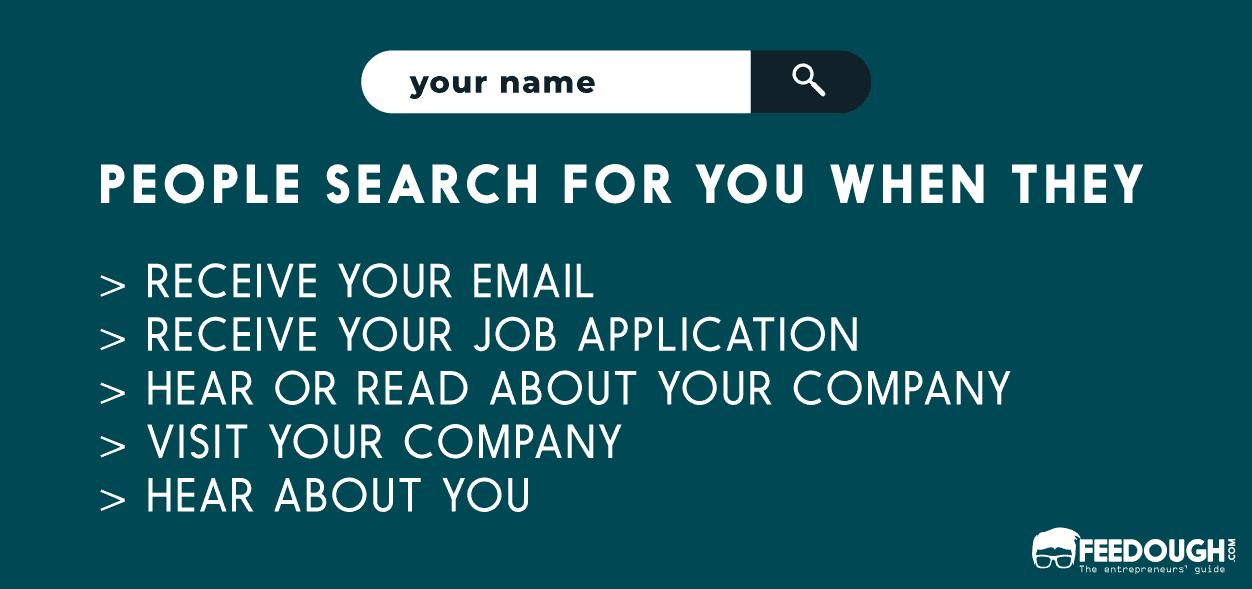
    Branding a business or a product is common, but branding a human has become of equal importance today. People are looking at your profile every day:

    • when they receive your job application, a partnership proposal, or just an email,
    • when they hear or read about your company,
    • when they visit your company (or your company’s website),
    • when they hear about you from a friend, etc.
    personal branding

    What Is Personal Branding?

    Personal branding refers to the process of differentiating yourself from others by establishing and promoting your unique combination of skills, traits, features, and associations that makes you you. It is the means by which people remember you.

    Why Personal Branding Matters?

    Maybe you’re an entrepreneur who has just started his startup or a successful businessman who is running an MNC. The basic clause of your separate legal entity from your business should act as a trigger to build your own personal brand. Or maybe you’re a job aspirant aspiring to apply and get a call from your dream company. The need to differentiate yourself from others should be enough motivation to start working on your own brand.

    Personal branding is much more than self-promotion. It helps you define who you are and who you want to be. It boosts your self-confidence, makes you more professional, helps you define your vision, and make you stand out of millions who don’t have a personal brand.

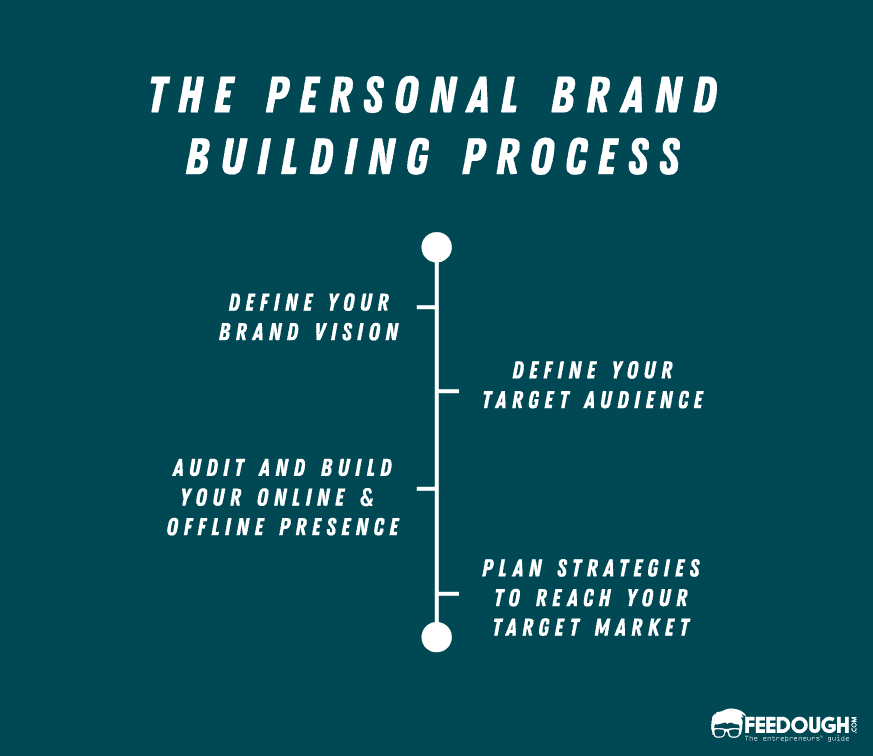
    The Personal Brand Building Process

    How can you build your own personal brand? What all can you do to stand out from the crowd?

    Here’s a process that’ll help you build your personal brand.

    personal branding

    Define Your Personal Brand Vision

    Coming back to the basics: A brand is a combination of unique characteristics which differentiates you from others.

    Start building your personal brand by figuring out what differentiates you. How do you see yourself and how do you want other people to perceive you? What’s your brand personality? What can people associate with you? What should be your values?

    One way of doing this is by following the Erving Goffman’s ‘The Presentation of Self in Everyday Life’ theory, where he employs a “dramaturgical approach” to separate the front stage and the backstage of the life of an individual. His approach involves imitating the mode of presentation employed by an actor and viewing all the interactions on the front stage as ‘performance’, shaped by environment and audience, constructed to provide others with the ‘impressions’ that are consonant with the desired goals of the actor. The persona remains constant irrespective of the mental state or the personal life of the individual which are referred to as the backstage.

    The first step of the personal brand-building process requires you to figure out what your front stage will look like.

    This process of personal branding is often followed by celebrities and athletes who have a different on-screen and off-screen life.

    Define Your Target Audience

    Your target market includes a specific and well-defined segment of a community to whom you want to appeal to. For job seekers, this could be the potential companies and HR managers. For investment seekers, this could be potential VC’s or angel investors. If you’ve read our article on the importance of target market, you would agree to how important and essential it is to define a target market as it eases your decision-making process and you get to know more about whom you’ll target most of your efforts and resources to.

    You can follow these steps to define your target audience:

    Segment The Market: Segment your serviceable market according to their demographics, geography, psychographics, and behavioural patterns.

    Identify Your USP: Your unique selling proposition is what differentiates you from the competitors. It is why the customers will prefer your product over others.

    Find The Segment That’ll Pay For Your USP: There are three types of people that makes up your target audience.

    1. The people who’ll pay you.
    2. The people who influence the people who pay you.
    3. Your friends, family, and your supporters.

    Prioritize your target audience based on these three types. Once prioritized, describe the person belonging to the first type on a sheet of paper as he’ll be the one to get most of your attention. Find out what will influence him and motivate him to pay you and identify your potential opportunities.

    Audit & Build Your (Online & Offline) Presence

    The next step involves auditing and building your online and offline presence which will be used to communicate your brand message to the target segment. These online and offline assets include:

    • Your company office/store
    • Business Cards
    • Your social media profiles (Facebook, Twitter, LinkedIn, Pinterest, Snapchat, etc.)
    • Your website
    • Emails
    • Newsletters
    • Groups
    • Community and Club Memberships
    • Other related online and offline presence (podcasts, speeches, etc.)

    Your target audience’s online and offline presence should be considered to prioritize your online and offline presence. Your potential HR managers will not search for you on Snapchat. Nevertheless, they’ll scan your LinkedIn (and even Facebook) profile thoroughly before even emailing you.

    You can follow this personal brand building strategy to build your online and offline presence (whether you’re an entrepreneur or a student or a C-level executive)

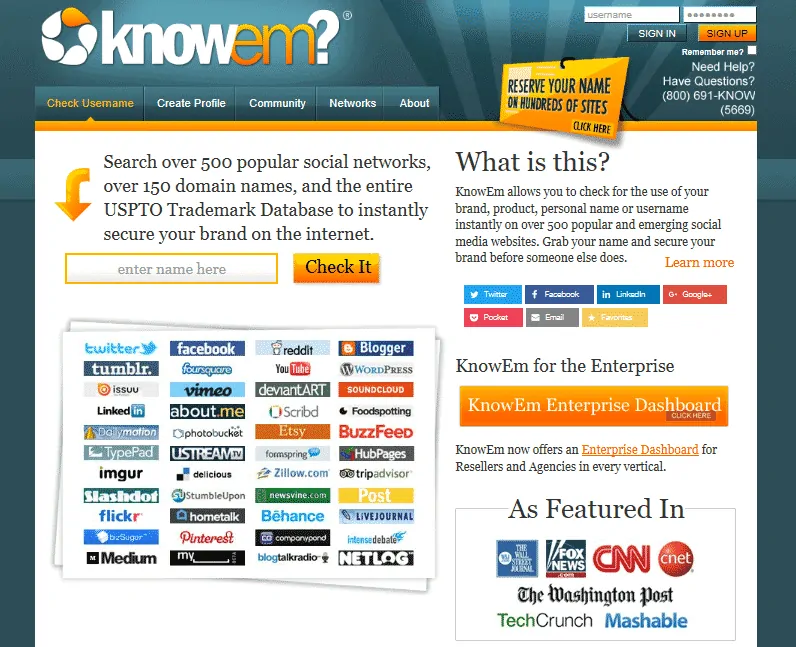
    • Secure a single username for all social media websites, and a similar website domain name using tools like knowem.com, namechk.com, etc. Your username should be short and should contain either your first or last name (or both).
    knowem personal branding
    • Separate your personal social media profile from your professional pages.
    • Use consistent/similar headshots as your profile picture on different social media platforms.
    • Create a professional looking website with an about me page, a contact me page, a blog and your portfolio. Don’t forget to mention on your website about the newspapers, magazines, and other websites that have mentioned or written about you.
    Featured On
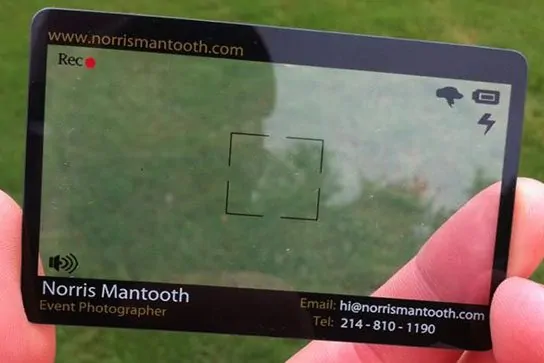
    • Develop a creative and intriguing business card and mention your username and your website address on it.
    business card personal branding
    • Other offline assets like office (and cabins) can also be designed in a similar manner.

    Plan Strategies To Reach Your Target Market

    Once everything is in place, it’s time to reach the target market and increase your brand awareness. We suggest following these outreach strategies:

    Social Media Strategy

    A social media website is where your target audience get to interact with you. It’s a perfect place to engage with them by capitalizing on the trend and your communication skills.

    A personal brand’s social media strategy is different from a corporate brand’s social media strategy. Corporates look for ways to act like humans and employ many corporate humanization strategies for the same. You, on the other hand, have an upper hand that your audience already know that they’ll be engaging with a real person who has certain characteristics and emotions.

    Plan a social media strategy that solves your challenges of increasing exposure and engagement. Share what they like. Share something new. Share niche relevant content. But share after researching what appeals to them. Your research of your target audience in the previous steps will help you in this step as well.

    Blog Strategy

    Your blog is where you showcase your skills and attract the target audience organically. Several inbound marketing strategies can be used for the same. Posting niche relevant articles and giving your opinions about what’s happening in your niche is a great way of attracting people to read your blog.

    You can either blog on your personal website or use other blogging platforms like Medium, Wordpress, BlogSpot, etc. depending upon where your target audience is.

    Forums

    Another way to promote your brand and your website is by answering questions and connecting with your target audience on niche relevant forums. Answering and posting a link to your website on Quora and other niche related communities can get you more exposure.

    Email Strategy

    Sending personalized emails to the target audience strengthens the bond and make them promote you through word of mouth. You can also craft an email strategy where you send them niche relevant news, or notification about new articles on your website, or just answering their questions.

    Another great email strategy is planning and executing an email outreach programme where you target different niche relevant websites and ask them for opportunities to guest post on their websites.

    Press Release Strategy

    You can use several websites like HARO, Profnet, etc. which connect journalists to experts to get media exposure. Or you can use paid PR services provided by PR Newswire, The Hoth, etc. to spread a word about your personal brand and get more exposure.

    Personal Branding Strategies

    Here are a few other strategies you can use to build your personal brand.

    Build A Story

    Storytelling leads to better connections and more engagement. Many successful personal brands like Richard Branson, Bill Gates, etc. write books about their life struggles and accomplishments and use this strategy to connect to the audience.

    The story tells the audience more about your personality. However, the story should be simple and should be able to capture the interest of the audience.

    Focus On Associations

    Associations act as a catalyst in brand building. Your brand is automatically built if you own a unicorn startup or an MNC. However, it may take you a lot of time to build your brand if you don’t have such associations. Hence, try to focus on the association that’ll lead you to achieve your goals at a faster pace.

    Be Consistent

    Consistency is the key to brand building. We’ve already talked about consistent usernames and headshots before, but you should also be consistent in what you post, what words you use, what you stand for, etc.

    Be Persistent

    A brand isn’t built in a day. It takes years to build a personal brand. Be persistent in what you’re doing, but make sure you’re doing it right.

    Go On, Tell Us What You Think!

    Did we miss something? Come on! Tell us what you think about our article on personal branding in the comments section.

  • What Is Owned, Earned, And Paid Media? (And Their Difference)

    What Is Owned, Earned, And Paid Media? (And Their Difference)

    Owned, earned and paid media are the three pillars of a cohesive marketing communication strategy. One focuses on the interacting with the target audience through communication channels owned by the company, the other involves earning publicity by building relationships, doing stunts, and providing great content, and the third involves paying the communication channels and influencers to promote company’s content.

    While the strategies used are different, the ultimate goal of using owned, earned, and paid media is the same – to generate awareness and engage the users with the brand. Moreover, all these three pillars are interconnected and work together to contribute to a 360º marketing strategy.

    What Is Owned Media?

    Owned media refers to the communication channels owned and/or controlled by the brand. These refer to the brand’s website, blog, newsletters, mobile apps, etc.

    Owned media are the organic touch points of the brand. These touch points are supported by three elements:

    • Content: Owned media is the vehicle used to transfer the first hand information directly from the brand to the target market. Newsletters, website announcements, blog posts, social media posts are some examples.
    • Context: The sole purpose of having owned media is to make users have a first hand experience in interacting and engaging with the brand which other mediums fail to provide. Owned media has more power to make customers stick to a brand than paid and earned media. Loyalty programs, reward programs, social media posts and replies, and other corporate humanization techniques give context to the owned media channels.
    • Community: Owned media is known to be the gate where the users connect to the brand directly and form a relationship. These can be social media groups, virtual forums, social media profiles, etc.

    Owned Media Examples

    Owned media are the touch points in control of the brand. These include:

    • Website
    • Social media profiles
    • Mobile Application
    • Retail Stores
    • Newsletters
    • Brochures
    • Pamphlets

    What Is Paid Media?

    Paid media refers to the paid communication channels used by the brand to impart information to a wide audience. It involves getting paid publicity and attention, and driving the traffic to the owned media properties by using advertisements, brand integration, and by paying influencers.

    Paid media isn’t considered as impactful as earned or owned media but it has its own advantages. It is the best way to make your target market aware that your brand exists. Besides brand awareness and brand exposure, paid media helps boost the confidence of existing customers in the brand and even help marketers retarget them using personalized marketing strategies. Nevertheless, the ultimate objective of using paid media is to increase the sales of brand’s products and/or services.

    Paid media are the third party touch points acquired/rented by the brand for a limited time period by paying for it. They have the following characteristics:

    • Reach: Paid media has the highest reach among the three types of communication media. It range from television advertisements to social media advertisements and give more exposure to brand than owned or earned media.
    • Information: A brand tend to provide as much information as it can through paid media to make users purchase its products.
    • Differentiation: Paid media channels are crowded places and every brand tries to differentiate itself to stand out of the crowd.

    Paid Media Examples

    Paid media are touch points acquired by paying for them. These include:

    • TV, radio, and newspaper advertisements
    • Advertisements on social media websites like Facebook, Twitter, LinkedIn, etc.
    • Paid promotions by influencers
    • Brand integration and product placement
    • Search Engine Advertisements

    What Is Earned Media?

    Earned media is essentially word of mouth and promotion of the brand done voluntarily by third parties like news channels, influencers, people belonging to the target group, and others. Earned media is the response to a stimulus that is viral content.

    The entire industry of public relations is built around earned media where they use relationships, content development strategies like press releases and story pitches, and other positive publicity strategies to spread the news about brand and its actions. Earned media is:

    Uncontrolled: Unlike paid media, earned media content cannot be controlled or monitored by the brand. The same news can be interpreted differently by different people and can be shared with a different motive by them.

    Trustable: A news or other information shared by third party is considered more trustable than when it’s shared by the brand itself.

    Economical: Earned media isn’t bought and hence require negligible investment by the brand.

    Earned Media Examples

    Media is said to be earned when the brand becomes featured in or a part of-

    • News articles
    • News shows
    • Documentaries

    And when it (organically) becomes trending on social media websites.

    Difference Between Owned, Earned, and Paid Media

    Owned Media
    Paid Media
    Earned Media
    Definition
    Communication channels owned and/or controlled by the brand.
    Paid communication channels used by the brand to impart information to a wide audience.
    Word of mouth and promotion of the brand done voluntarily by third parties like news channels, influencers, people belonging to the target group, and others.
    Examples
    Examples: Websites, Blogs, Social Media Profiles, Brochures, pamphlets, etc.
    Examples: TV, radio, newspaper, and social media advertisements, Paid promotions by influencers, etc
    Examples: Getting featured in a news show or a documentary.

    Go On, Tell Us What You Think!

    Did we miss something? Come on! Tell us what you think about our article on owned, earned, and paid media in the comments section.

  • Wireframing 101: A Guide for Beginners

    Wireframing 101: A Guide for Beginners

    Wireframing is one of the essential skills for Product Managers and UX Designers. Wireframing or the art of creating wireframes is something anyone who is remotely related to user interfaces needs to know, understand and preferably create.

    What Are Wireframes?

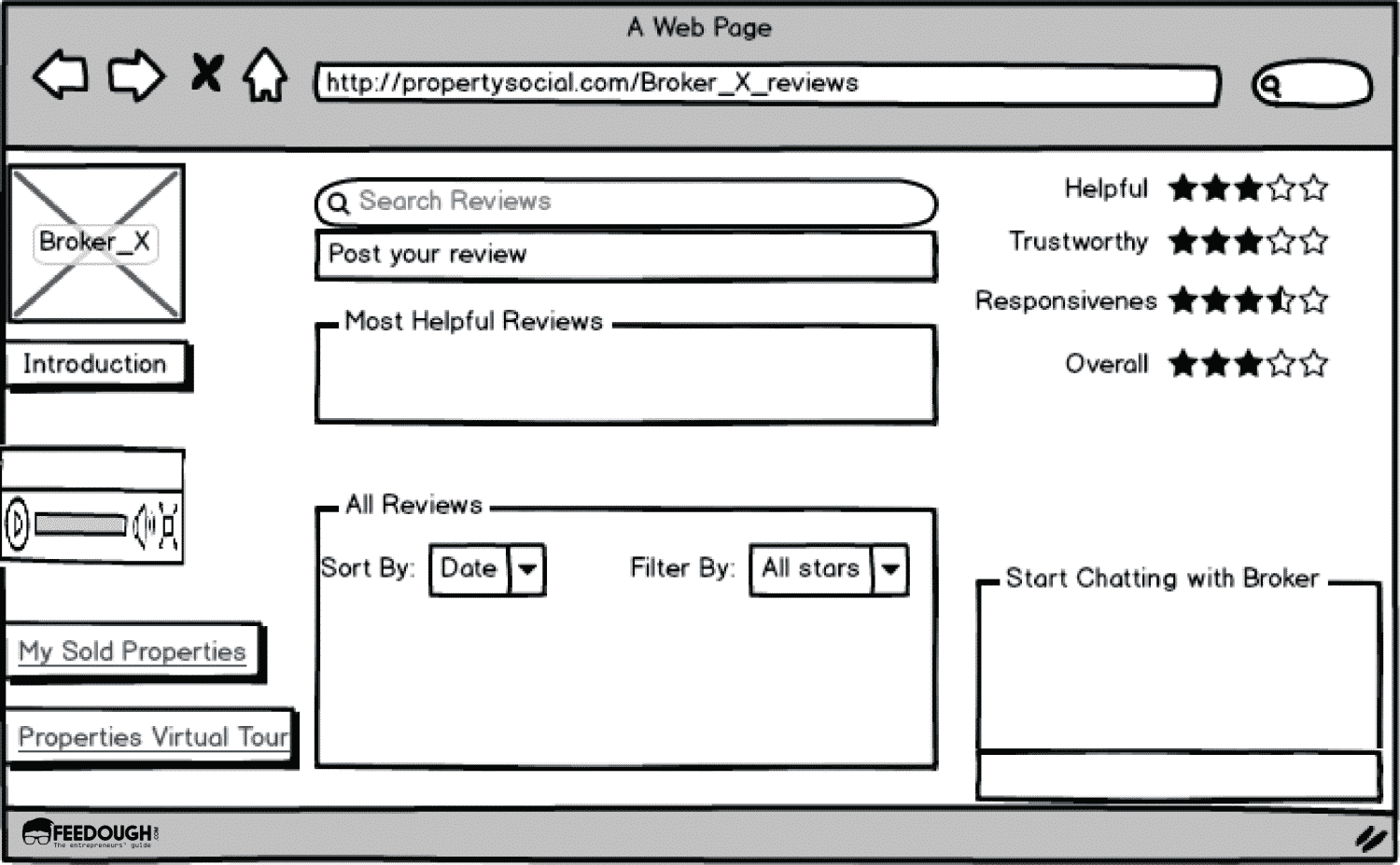
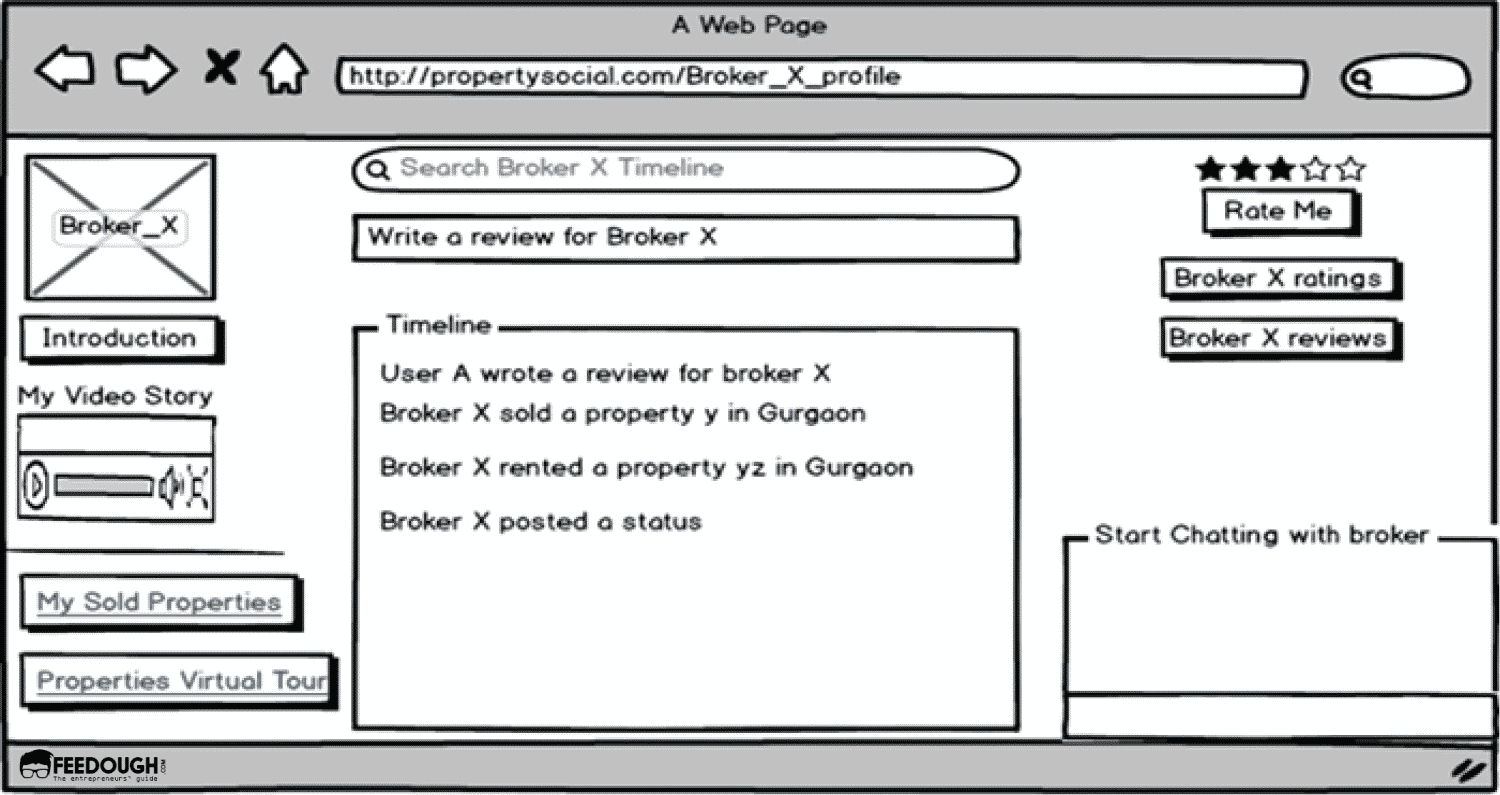
    Technically, wireframes are low fidelity representations of a computer or mobile interface. These are mainly used to display functionality, features and user-flow in an app or website. Till higher fidelity renditions are designed, wireframes are used to give a rough idea of the interface.

    what are wireframes

    Benefits of Wireframes

    A wireframe is the first step to a great app or website. It is a communication tool. For Product Managers, when so many stakeholders are involved in the process, it becomes even more important.

    1. Wireframes let you communicate and collaborate with different teams. It is a great tool to improve your design by taking feedback on what works and what doesn’t.
    2. Wireframes let you establish the usability of every feature before they even start getting developed. Every button, every dropdown menu, every image has to mean something and a wireframe is great for test runs like these.
    3. Wireframes save a lot of time, effort and money in the designing phase. The logical flow of screens can be tested before anything significant is made. Wireframes are great for quick validation of ideas.

    How is a Wireframe different from a Prototype?

    Wireframes let you determine how a user interacts with the screen interface. It allows you to plan the layout ad interaction design of an interface. Wireframes are great for communication and ideation. But a wireframe is not the same as a prototype. Prototypes are meant for usability testing and come in the design stage after wireframes. Unlike wireframes, prototypes feel and look very similar to the actual product. They are far more polished and require much more time and money to develop.

    Phases of Wireframing

    Wireframing lets you tinker with the interface and bring out its best version. The many iterations help you refine your design. That is why we have divided the process of wireframing into 2 phases – ideation and validation.

    Ideation

    In the ideation phase, you bring up multiple ideas and weigh the pros and cons of each. The more options you have, the better. The focus should be to create as many versions as possible without deep-diving into any one of them too much. Refining of details should be done later.

    Validation

    In this phase, you refine your design to the point where the next step is to just check its success. Here other stakeholders have to pitch in and help you come up with better designs. In this phase, quality matters more than quantity. Focus on the best designs and see how they can be improved further with the end-user in mind.

    Wireframing Tools

    Wireframing is a skill that can be learned and perfected over time. Wireframes can be created with a simple pen and paper. But there are tons of software available today to make this task as intuitive and interactive as possible.

    So how do you choose the right wireframing tool?

    Well, first find out if the tool fits your workflow, how frequently are the upgrades released and how is its support. Other things to check are the formats the tool supports, the upfront and hidden costs attached to it and what others, especially the experts, think of it.

    Some of the top wireframing tools in use today are:

    • Balsamiq, one of the most popular and classic wireframing tools
    • Axure, for people who are looking for something more detailed and extensive
    • Sketch, great for mobile and designing for different resolutions
    • UXPin, lightweight but rich in features
    • InVision, lets you incorporate gestures and interactions

    How to Wireframe?

    Making wireframes in this age with the latest tools is as simple as drag and drop.

    A typical wireframe has four key elements:

    • Main page elements such as header, footer, content etc. and their location
    • Grouping of elements, such as side bars and navigation bars
    • Labelling, page title, navigation links
    • Place-holders, content text and images

    Developing a wireframe can be divided into certain steps:

    1. Sketch on paper before putting your ideas on the software. You will start getting a hang of how things should look and feel.
    2. Before you start building the layout, you need a grid system in place for laying out different elements. Responsify is a great way to do that. A grid template looks something like this:
    3. Keeping the hierarchy of information in mind, start putting the various layout elements as boxes on the grid. There is a way you would want the information on your website or app to be presented to the customer. Design your layout accordingly.
    4. After the basic elements are done, start putting bits and pieces of your content to see how it would fit.
    5. Ensure that the UI elements are consistent. The buttons, tabs and labels on each screen should have a consistent theme running through them. If you have curved edges on buttons on one screen, you cannot have sharp edges on another.
    6. In the end, you should be able to get a low-fidelity wireframe like this. Play with it and try some iterations to get what you want.

    wireframing

    wireframing mobile

    You can create higher fidelity versions of these or even make visuals and interactive prototypes from them. That said, these wireframes serve the basic purpose for which they are developed in the first place, just fine. The development and design team know what you have in mind and they can further refine it based on customer feedback or insights before the product is actually developed.

    As a skill, every Product Manager should be comfortable with wireframing. The more you experiment with layouts and tools, the better you will get at it. Once you find something intuitive enough, it will become a cakewalk.

    Go On, Tell Us What You Think!

    Did we miss something?  Come on! Tell us what you think about our article on What is Wireframing? A guide for beginners in the comments section.

  • The Data Monetization | Big Data Business Models

    The Data Monetization | Big Data Business Models

    We’re living in an era where your refrigerator not just reminds you that you’re out of butter but also orders it from an online marketplace. Where companies know where you’ll head to before you even get out of your house. Where the world knows what you plan to buy, how much you walk, and what drinks you prefer. Where politicians monitor your demographics, interests, preferences, and other online and offline activities and use this data to craft and execute personalized marketing strategies.

    Data drives the economy in the 21st century. Your data nurtures the tech giants like Google, Facebook, Amazon, and Twitter. The more you use the internet, the more are the chances that you’ll get influenced to do something because someone somewhere is using your data to formulate marketing strategies targeted just at you.

    The Big Data Business Model

    In the recent news, Facebook users’ data of 50 million users was extracted by Cambridge Analytica (CA), a data analytics firm that worked with Donald Trump’s election campaign and was used to influence the people to vote for Donald Trump. Apparently, this wasn’t a hack and Facebook (and you) agreed to them having access to your and your friends’ data. In another news, Facebook also has access to your calls and SMS logs.

    Intrigued?

    Even Twitter’s entire business model is based on selling data. Google tracks your online activities and uses it to provide you better search results, connection suggestions, and better advertisements. By seeing what all it tracks, it might know you better than you know yourself.

    But how do companies make money from your data? Is it just advertisements or there are more strings attached to it? Let’s find out.

    The Data Monetization

    According to a research, investment in big data will be around $76 billion and 1.7 MB of data will be created every second for every person on earth in 2020.

    Thanks to the internet of things, we already have smart shoes, clothes, refrigerators, washing machines, and not to forget – smartphones.  All these devices are connected to the internet and they continuously send your usage data to the company servers or the cloud. The companies also track your online activities like the websites you visit, the people you talk to, the applications you use, what you buy online, what you want to buy, etc.

    They monetize this data by providing you personalized services, by selling it, by providing tools to store or sell it, or by using it to become an advertisement delivery network.

    The Four Types Of Big Data Business Models

    Business models of most of the startups today are considered a poster child for big data. But it is important to remark that not every data-driven business model will involve monetizing the data directly to earn revenue. Rather, most businesses not just collect, store, and sell data, but use the data internally to form more effective and efficient business strategies, make better decisions, and to refine their business processes and models which will eventually result in more profits.

    For companies such as Fitbit, the primary business objective is to increase the sales of its equipment. In the background, however, the company uses the data collected from its users’ devices to design products with better features to maintain and increase its market share.

    Don’t you wonder why there’s no worthy competitor to Facebook or Google? Because no other business has an access to such enormous data to provide the personalization these companies have already made you accustomed to.

    The big data business models can be classified into four types:

    bigg data business model data monetization

    • Data Users: Businesses which use data to form strategies and build better products.
    • Data Suppliers: Businesses which are primarily involved in the trading of data.
    • Delivery Networks: Businesses with the advertisement business model.
    • Data Facilitators: Businesses involved in providing data infrastructure, analytics, and consultancy.

    Data-Based Decision Making (Data Users)

    Suppose you own a shoe company. Wouldn’t it be useful if you get to know that a segment of your target market prefers to buy running shoes in the month of June? Wouldn’t it be more useful if you get to know that the segment belongs to the age group 16-21, prefer road running shoes to trail running, can afford to spend $100, and love the colour blue and red?

    You don’t always need to sell data to make money from it. Thanks to the ever-increasing popularity of the internet, fixing a small chip to every product and tracking the usage and other details is now simpler than ever. This doesn’t mean that the companies listen to your private conversations or keep track of everything you are up to. They just track the data they think that is beneficial for their business. The data, however, may range from your product usage, interests and preferences, internet activities, to your friends’ interests and your SMS and call logs.

    This collected data is used for micro-profiling the target market based on certain demographic, geographic, behavioural, and psychographic standards, which is further used by the research and development department to improve the current product and services, develop new better product and services, and to form effective marketing communication strategies.

    Data Brokerage (Data Suppliers)

    One of the most traditional data-based business models is the model where data is treated like any other product. Several renowned market research companies like Nielsen, Westat, Statista, etc. are in the business of collecting and selling primary and secondary data.

    The business model of such companies revolves around the provision of research data in diverse formats based on the clients’ specifications. The methodology of collecting data differs for different companies. Some conduct primary research in the specified areas using audience panels, some buy data from the other companies like Twitter, Bloomberg (which is also a data broker), and other content creators.

    Data brokerage has been in existence long before the internet came into existence. The increased competition and the requirement to provide more personalization has only led to increase in the demands of such data brokers as they not only provide the data of the 51% of the population connected to the internet but also those which aren’t till now.

    Big online marketplaces like Amazon can avail such data to learn more about why the target audience is hesitant in transacting online and what can be done to make them change their habits etc.

    Advertisement Intermediaries (Delivery Networks)

    Facebook differentiated itself from the start as a targeted advertisement network where advertisers could target users based on their demographics, geographic, psychographics and behavioural characteristics. Google tracks the user’s online activity and provides advertisers with an option to target people who fulfil certain criteria.

    Delivery networks are the aggregators of data. They let their clients use the aggregated data to make their advertisements more targeted. They have enough data to separate guitarists from pianists and target advertisements according to their budget, needs, interests, and wants.

    The more data an advertisement intermediary collects, the more paying clients it gets.

    Data Analytics (Data Facilitators)

    Data analytics is the process of analysing data sets to draw conclusions about the information they contain. Not every company can analyse data on its own, but millions of them use data analytics to make more-informed business decisions and increase the effectiveness of their efforts.

    Businesses look for answers more than they look for data. This requirement has led to the formation of many new businesses with the sole purpose to provide data analytics and consultancy as a service.

    Examples of such companies include Experian, which draws on massive data-sets and provide consumer credit scoring, CBIG Consulting, which provides business intelligence, big data analytics, and data warehouse consulting services, and many more.

    Data Tools (Data Facilitators)

    It is difficult for any company whose primary focus isn’t data collection, to store such ever-increasing data. This has led to the formation of another business model which focuses on providing data collection and handling tools like storage media, servers and workstations, scanners, data collection, analysis and visualisation software, database management software, encryption technology and software, data protection technology, and many other data related hardware and software.

    IPONWEB, Google Cloud, AWS, etc. are some examples of data tools.

    Go On, Tell Us What You Think!

    Did we miss something? Come on! Tell us what you think about our article on Data Monetization | Big Data Business Models in the comments section.