Feedough Logo

Blog

  • How Does Shopify Work? | Shopify Business Model

    How Does Shopify Work? | Shopify Business Model

    A business can easily increase their reach by creating an ecommerce store that either reflects its physical stores or acts as the primary store. This sudden rise in the number of online stores is in a way powered by services like Shopify.

    So –

    What exactly is Shopify?

    Let’s find out.

    What is Shopify?

    Shopify is an online service that helps users create ecommerce stores easily by providing the necessary tools needed to do so. Shopify provides a simple and easy to use interface that enables sellers and merchants to create professional-looking online stores even if they have no prior experience or coding knowledge.
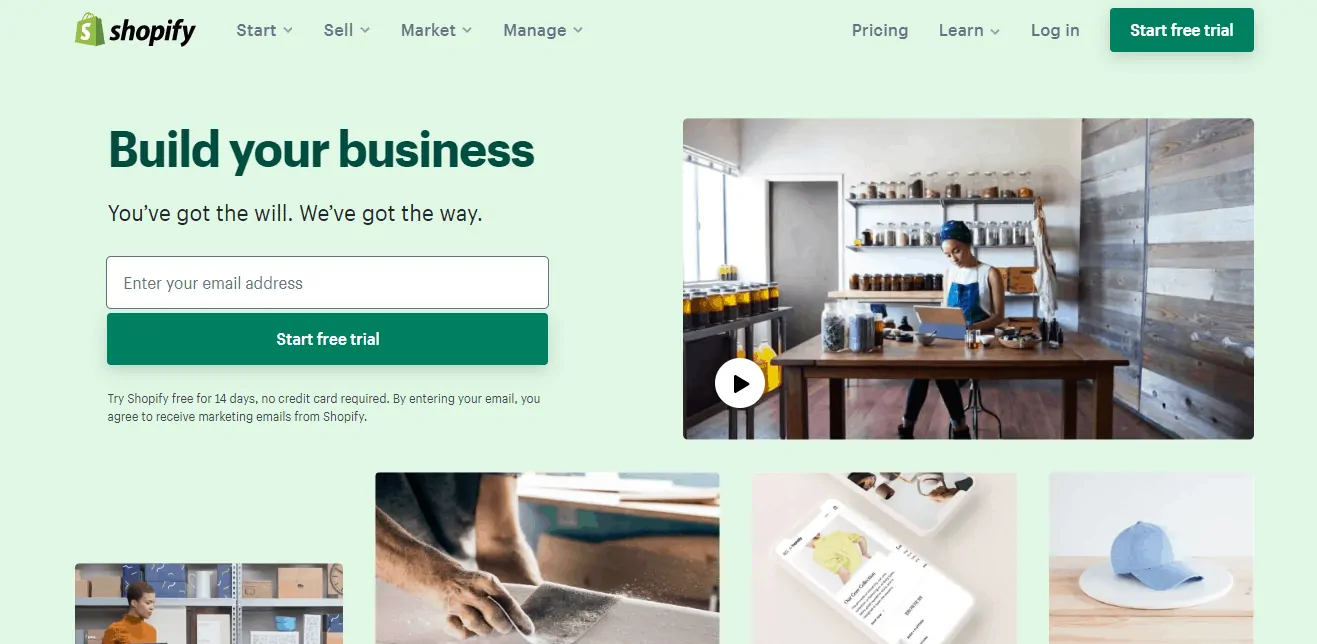
    shopify site
    Source: Shopify

    Simply put, Shopify is an ecommerce website builder that takes care of the web-hosting, domain name purchases, and helps in quickly setting up an online store. Shopify also makes it easier to customize the online stores to their liking.

    Apart from that, Shopify also provides a shopping cart service that also includes its very own shipping suite – Shopify Shipping. The Shopify Shipping suite provides its sellers and merchants with calculated rates and options to select from major shipping carriers. It also allows the printing of labels from within the suite instead of relying on third-party services.

    Shopify Business Model

    How Does Shopify Work?

    Shopify has a platform business model approach – Shopify acts as a platform that enables users to create an online store in order to sell their goods online. Shopify helps businesses connect with consumers by providing the businesses with the tools necessary to build an ecommerce site.

    Let’s look at the list of solutions it offers on its platform to get a better understanding.

    Shopify’s Ecommerce Solutions

    Shopify is a multilateral platform that provides a host of services that enables the creation and functioning of ecommerce stores –

    • Creation of storefrontshopify storefront
    • Shopping Cart Suiteshopify shopping cart
    • Store managementshopify store management
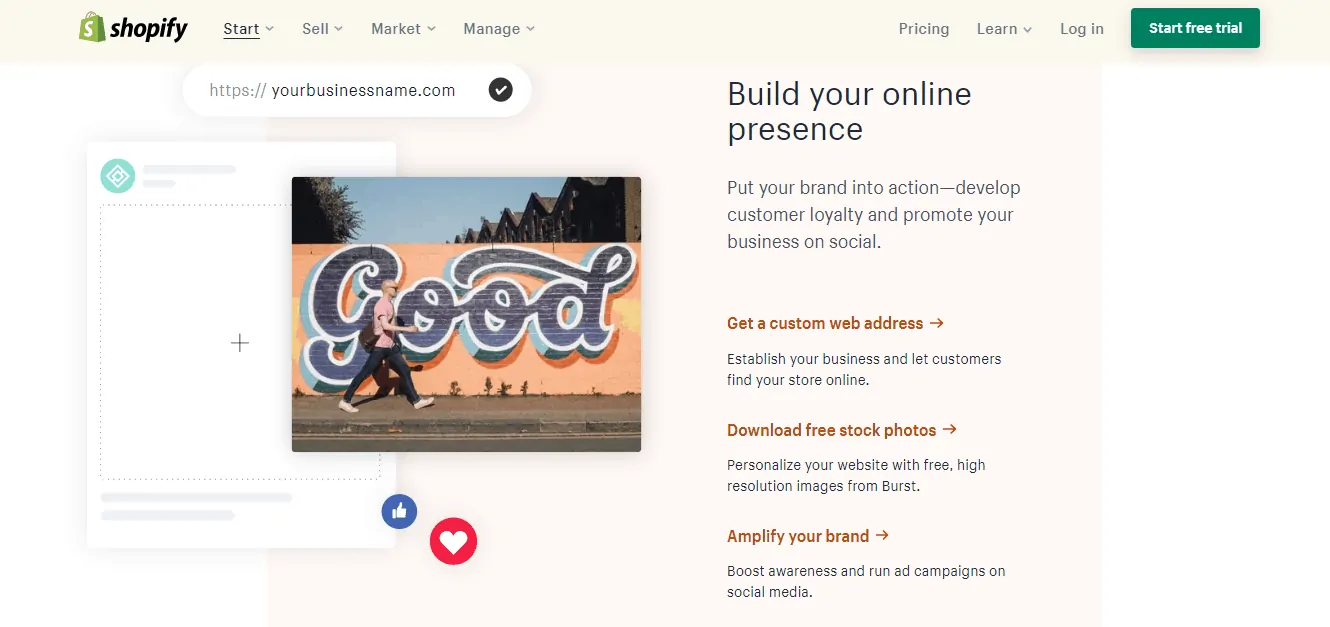
    • Marketing & SEOshopify marketing seo
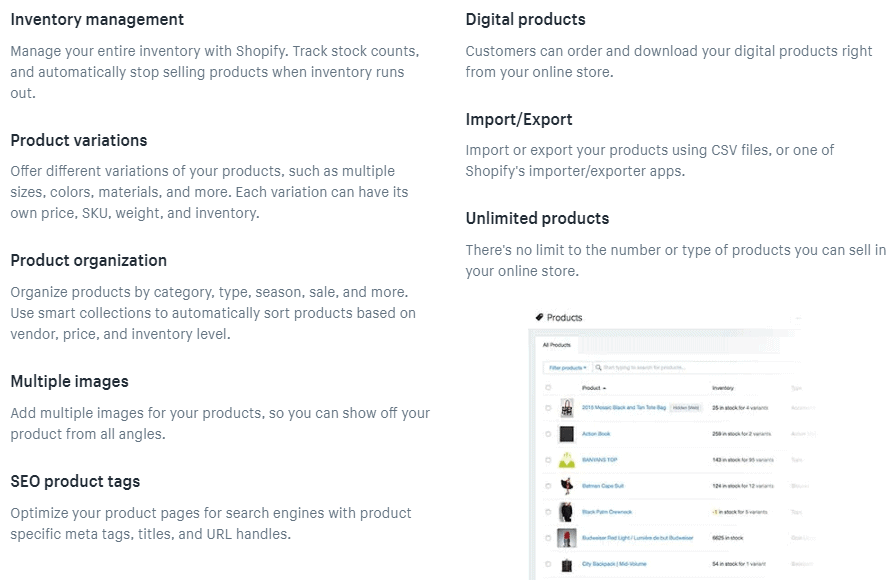
    • Productsshopify products
    • Web hostingshopify web hosting
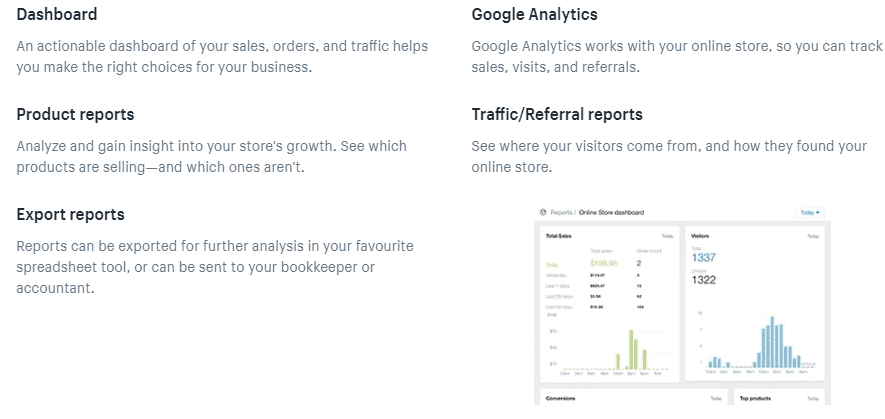
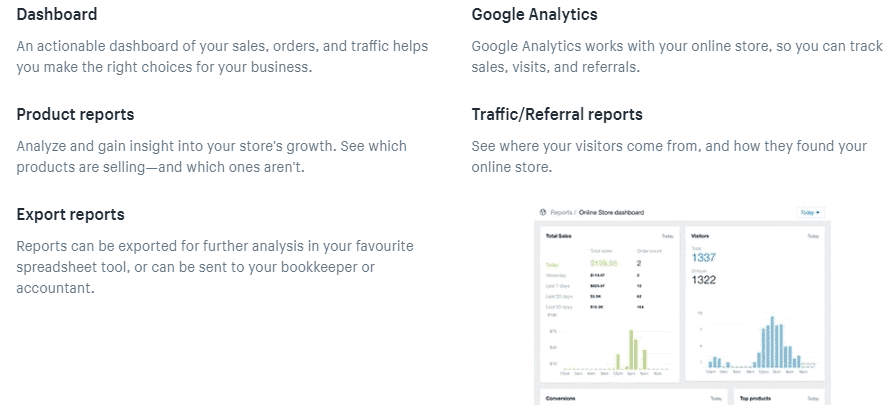
    • Analyticsshopify analytics
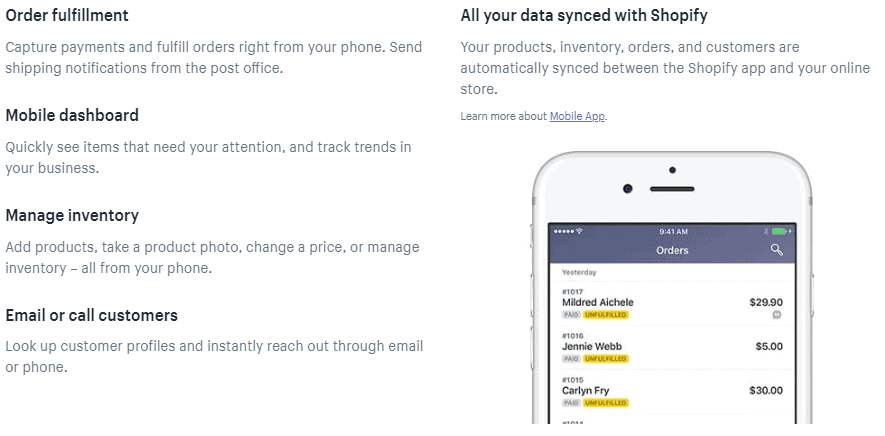
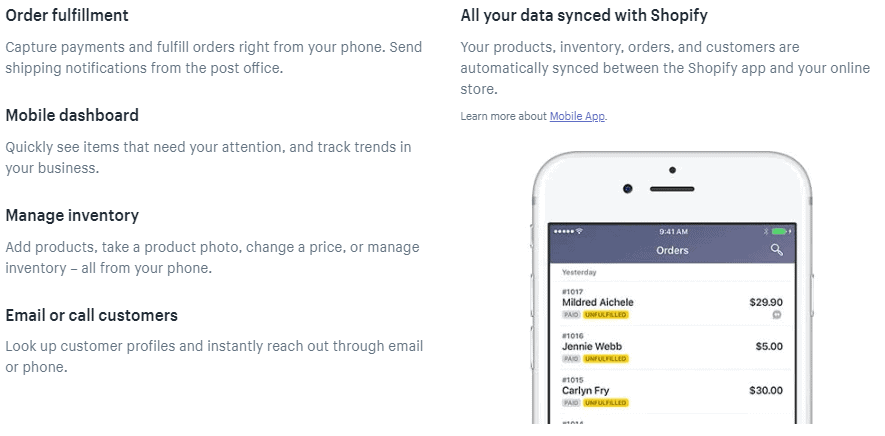
    • Mobile Appshopify mobile app
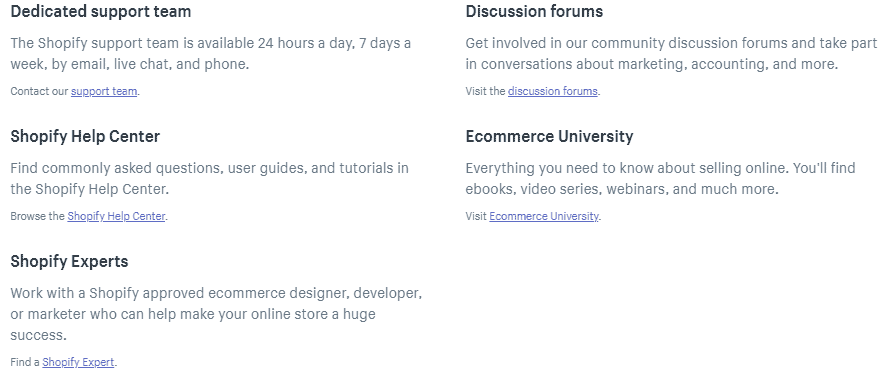
    • 24/7 supportshopify support

    Which brings us to –

    The key partners that help Shopify work.

    Shopify’s Key Partners

    Investors & Integrators

    The business investors and VCs help the company stay afloat.

    Shopify also allows other platforms and sites to be able to integrate Shopify into their services for seamless integration and this is one area of primary focus for Shopify. For example, Shopify has integrations with Facebook and Amazon, which helps Shopify users to be able to easily list the products on either of the sites with just a few clicks.

    Blogs & Acquisitions

    Shopify has its own blog where it provides a lot of resources on using its platform to start an ecommerce site and more.

    On the other hand, Shopify also depends on its primary acquisitions of companies like Oberlo and Handshake among the few. Oberlo, in particular, is an important acquisition and partner since it helps integrate drop-shipping services into Shopify.

    Payment Gateways

    Shopify has its own payment gateways and also supports various other payment gateways in order to provide a variety of options for its users and their customers to choose from.

    Here are few payment gateways supported by Shopify:

    • PayPal
    • Amazon Pay
    • Worldpay
    • Stripe

    Shopify’s Operating Model

    Besides from providing the necessary tools and services in order to create and run an ecommerce store, Shopify also allows retailers to sell products without having to carry inventory, eliminating the need for stockrooms and creating significant cost savings in rent, storage, and shipping expenses along with helping in the creation of the online stores.

    Shopify works just like any other website builder service when it comes to the creation of the ecommerce stores:

    1. Create an online store
    shopify store
    Source: Shopify
  • Customize the store by using themes from Shopify’s theme store
  • shopify store customization
    Source: Shopify
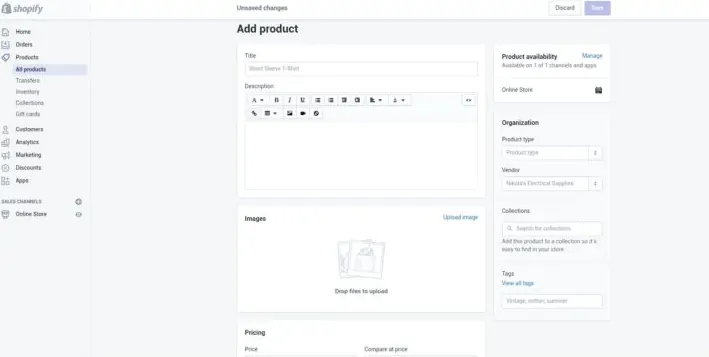
  • Add product to the online store
  • shopify add products
    Source: Shopify
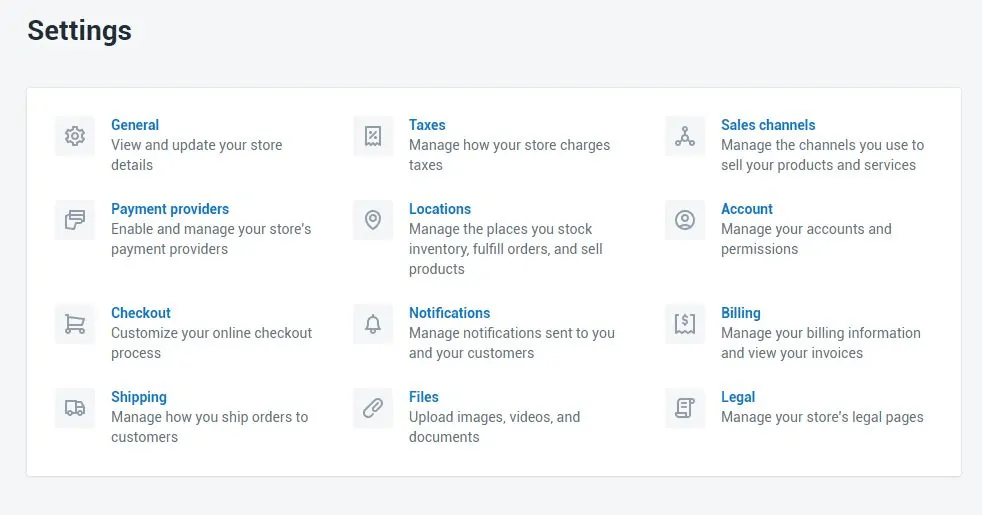
  • Edit shop settings
  • shopify store settings
    Source: Shopify

    Which brings us to –

    How does Shopify make money if it is just a website builder at its core?

    How Does Shopify Make Money? | Shopify Revenue Model

    Subscriptions

    Shopify makes the majority of its revenue via several levels of monthly subscription plans for the usage of its services.
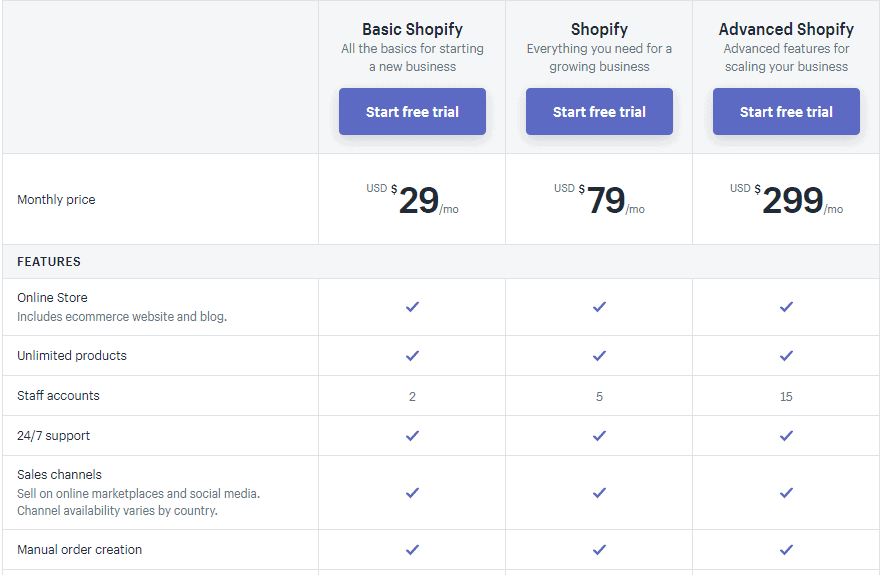
    shopify pricing
    Source: Shopify

    These are the three subscription plans offered for most businesses:

    • Basic Shopify – This costs $29/month and provides essentials features and services for starting and maintaining a small ecommerce store.
    • Shopify – This costs $79/month and provides better Point of Sale service features.
    • Advanced Shopify– This costs $299/month and provides the lowest fee per transaction charged among the three subscription plans making it the best bet for large volume businesses and merchants.

    Other than that, Shopify also has two other subscription plans:
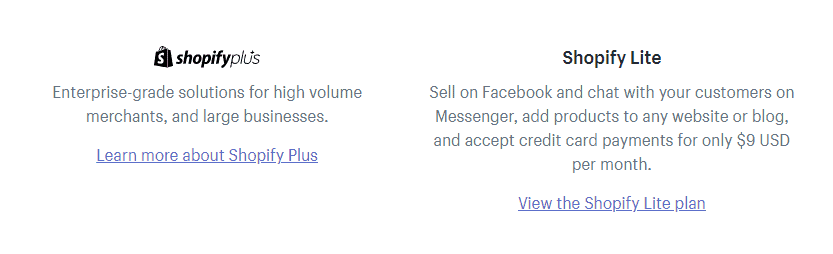
    shopify plus
    Source: Shopify
    • Shopify Plus – This plan is for high volume traders and businesses.
    • Shopify Lite – This plan costs $9/month and is more suitable for those looking to sell products on Facebook.

    Merchant Solutions Fees

    Shopify has its very own payment gateway and it is a major source of revenue for Shopify. Here are the different fees charged by Shopify under the different subscription plans for using Shopify Payments:

    • Basic Shopify – Shopify charges a fee of 2.9% + 30 cents for every payment transaction done via Shopify Payments.
    • Shopify – Shopify charges a fee of 2.6% + 30 cents for every payment transaction done via Shopify Payments.
    • Advanced Shopify– Shopify charges a fee of 2.4% + 30 cents for every payment transaction done via Shopify Payments.

    Payment Gateway Fees

    Apart from earning from the monthly subscription fees, Shopify also charges a fee for the usage of payment gateways other than its own Shopify Payments. The fee charged is different for each subscription tier –

    • Basic Shopify – Shopify charges 2.0% for every transaction done using other payment gateways.
    • Shopify – Shopify charges 1.0% for every transaction done using other payment gateways.
    • Advanced Shopify– Shopify charges 0.5% for every transaction done using other payment gateways.

    Point of Sale Service

    Shopify provides Point of Sale software services that help track sales and transactions that take place in your physical stores and provides unified analytics that blends in-store and online store sales. The POS features on offer vary according to the subscription plan –
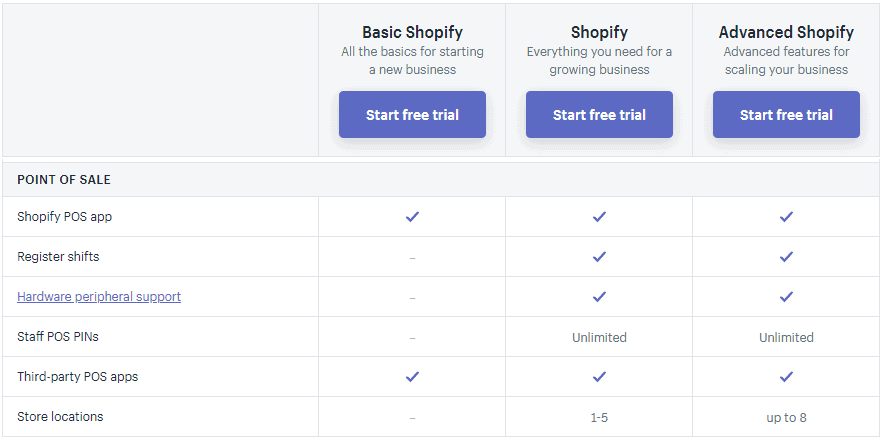
    shopify pos
    Source: Shopify

    Miscellaneous

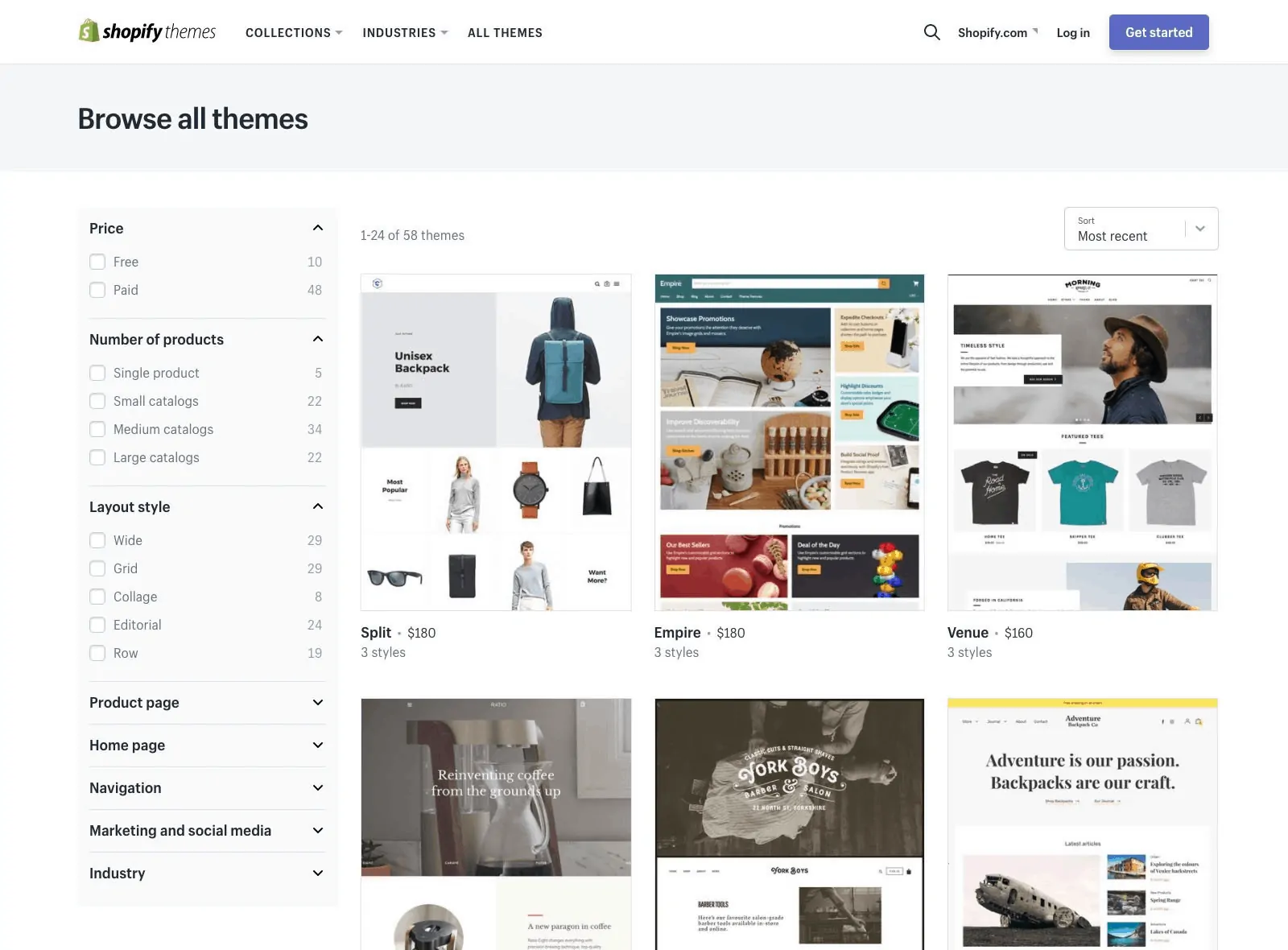
    Shopify also earns quite a bit from the sales of themes via its theme store to its users looking to quickly customize their sites.
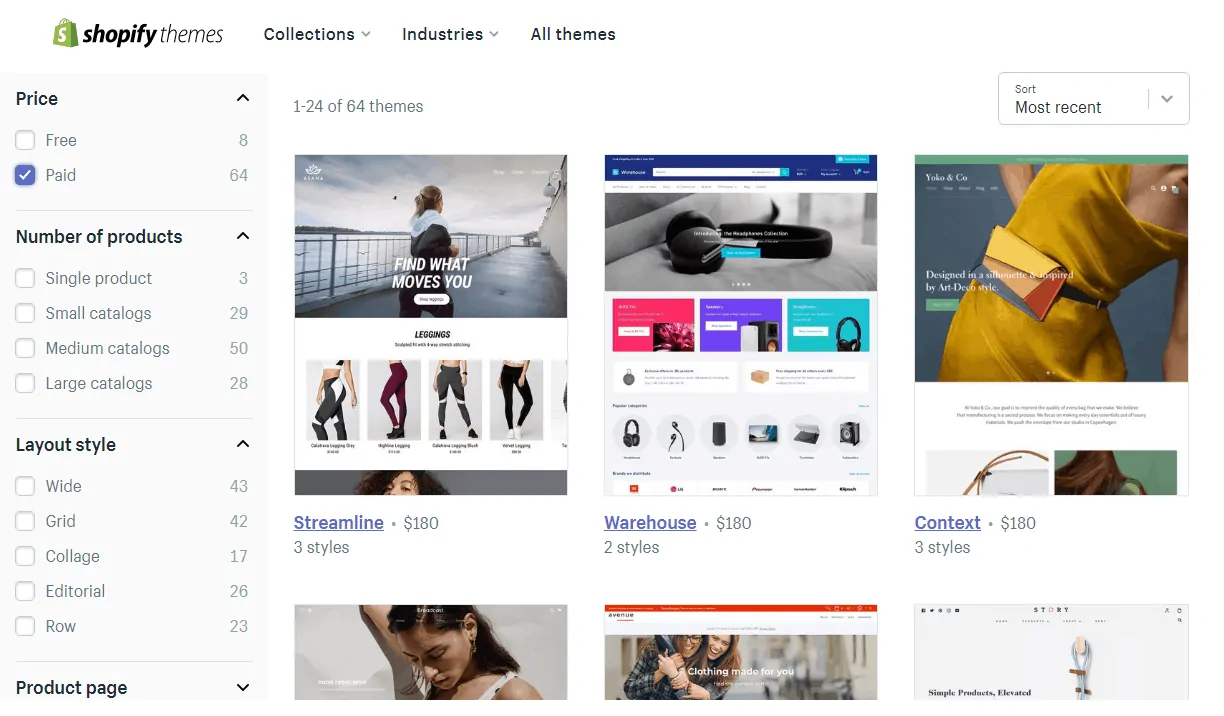
    shopify theme
    Source: Shopify

    Shopify also provides a lot of extra add-ons and integration to other sites for a fee respectively. This also factors into its revenue stream.

    Why Shopify Works?

    We can attribute Shopify’s success to it being able to provide an ecommerce building and hosting tool with additional features that help simplify the seller’s tasks.

    Shopify provides a neat, clean and minimal platform that even those with minimal coding skills can use to create a professional-looking store within a short period of time.

    Go On, Tell Us What You Think!

    Did we miss something? Come on! Tell us what you think about our article on How Does Shopify Work | Shopify Business Model in the comments section.
  • Price Lining: Definition, Strategy, & Examples

    Price Lining: Definition, Strategy, & Examples

    Most business’ product lineups usually consist of similar or related products. Take Coca-Cola for example – its product lineup includes a variety of beverages like Fanta, Sprite, Tropicana, etc. And even within these product lines, there are products set at different prices because they vary by their ingredients or quantity or taste. This segregation within the product line is price lining.

    So, what exactly is this concept of price lining and how does it work? Is price lining a marketing or pricing strategy?

    Let’s find out.

    What is Price Lining?

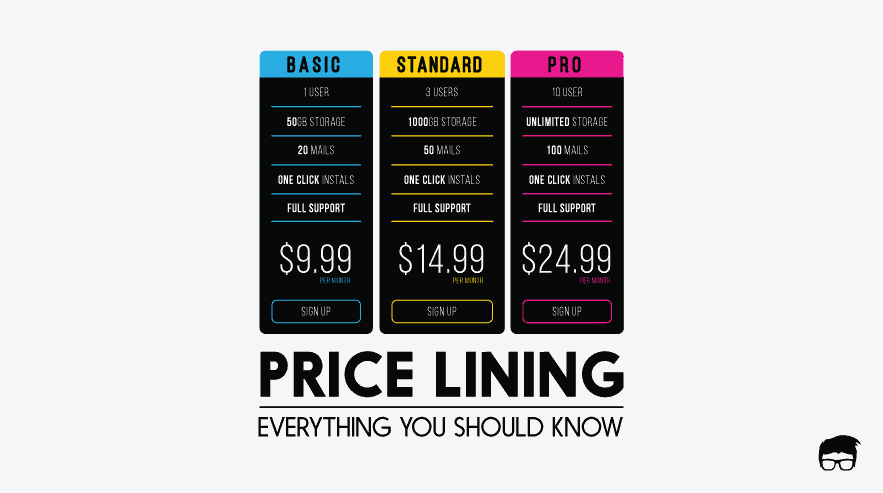
    Price lining (also product line pricing) is a marketing strategy where a business prices its offerings according to the quality, features, or attributes to differentiate it from other similar offerings.

    In simple terms, price lining is a process of grouping similar offerings under different price brackets – each varying slightly by the quality features, or attributes on offer. These brackets usually tend to start low and go higher in price.

    Take Coca-Cola, for example. The company sells different sizes of the same drink at different prices. It even prices the gift packs differently during festivals.

    Price lining is a marketing strategy even though it has the term “price” in its name. The main objective of this strategy is to make the offering appeal to a wider range of customers and eventually boosting sales and audience numbers.

    How Does Price Lining Work?

    Price lining is widely used in the retail industry and plays on the perceived notion of buyers believing that higher-priced products and services mostly mean better features and quality.

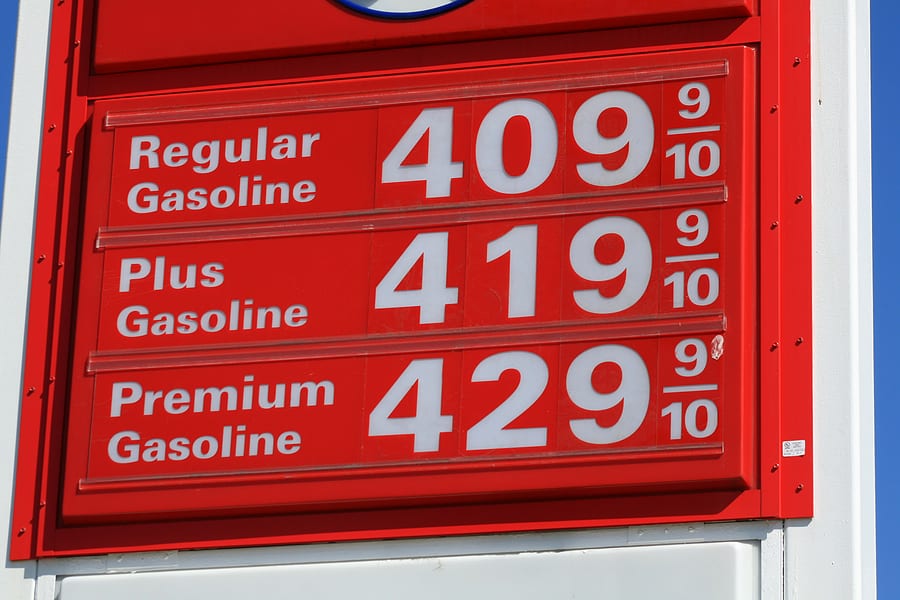
    This strategy lets businesses and companies to capitalize on their existing product/service of particular nature among a wider audience and different markets. A perfect example to demonstrate this would be gasoline prices. The same gasoline, when refined and branded, is sold at a different price bracket than the usual price.

    price lining
    Source: insurancejournal.com

    This also helps them avoid the design, development, and manufacturing of an entirely new product just for different market segments and to capture buyers with different purchasing capacities. Here, the higher-priced products and services usually have maybe an added feature or two and higher quality compared to the lower-priced ones.

    Let’s look at a few examples of price lining to gain a better understanding.

    Examples Of Price Lining

    Smartphones

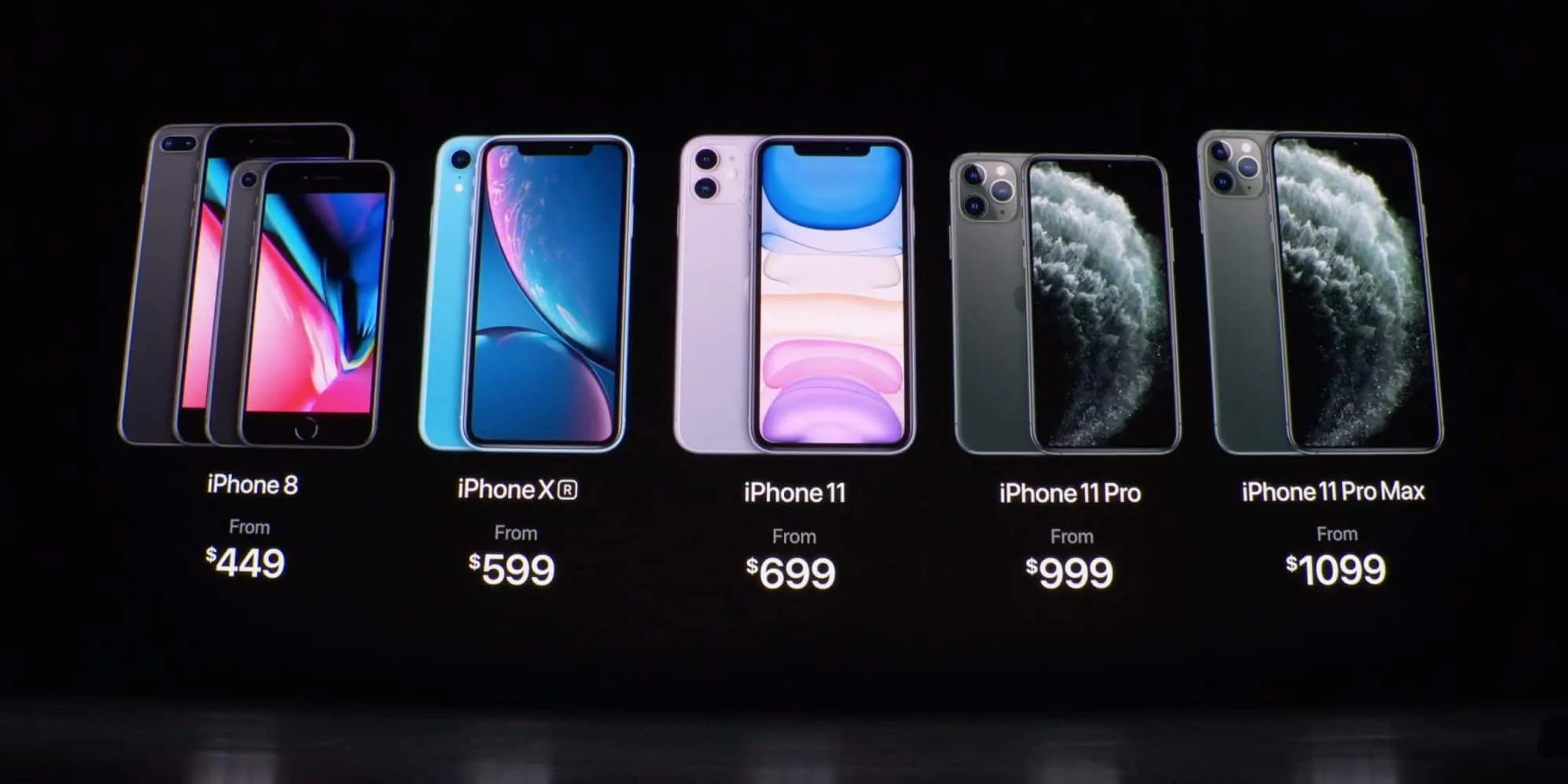
    iphone prices
    Source: 9to5mac.com

    Apple, a smartphone manufacturer is a good example of price lining implementation. Apple offers its iPhone range in a variety of price ranges with each differing only by the presence of few additional features added to the higher-priced models. This helps Apple cater to a broader audience with different purchasing power and help increase their sales compared to having only highly-priced iPhones.

    Automobiles

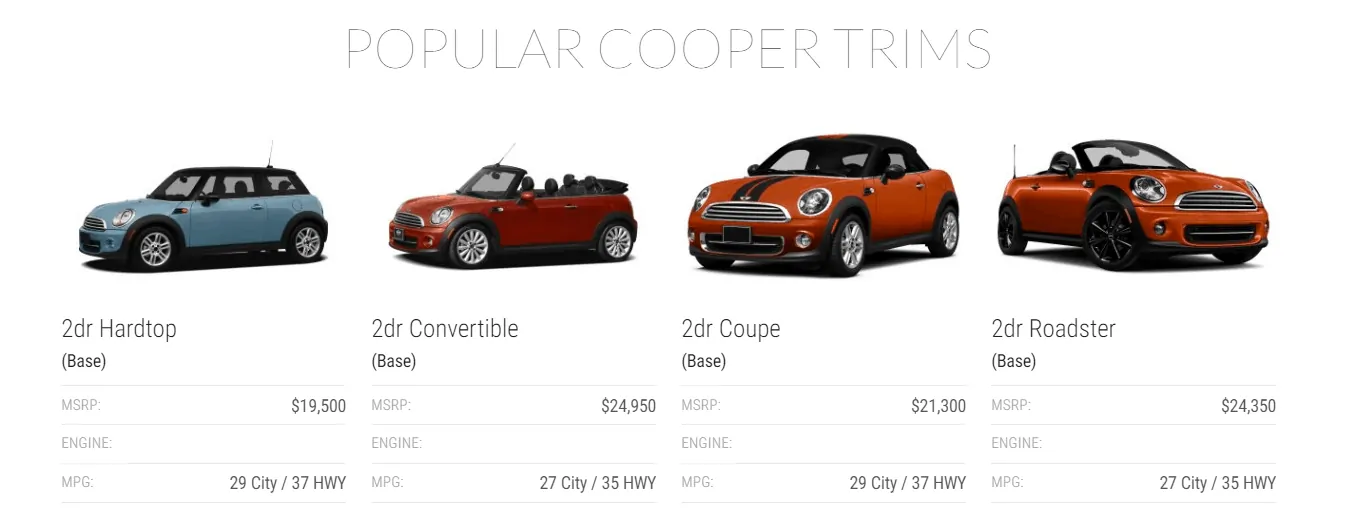
    mini cooper prices
    Source: autoblog.com

    A car manufacturer prices their single-car variant into various different pricing categories where the car in most pricing tiers are mostly the same in terms of the features. The higher-end trims of the model might get an extra feature or two while everything else is additional, but that’s it.

    Online Services

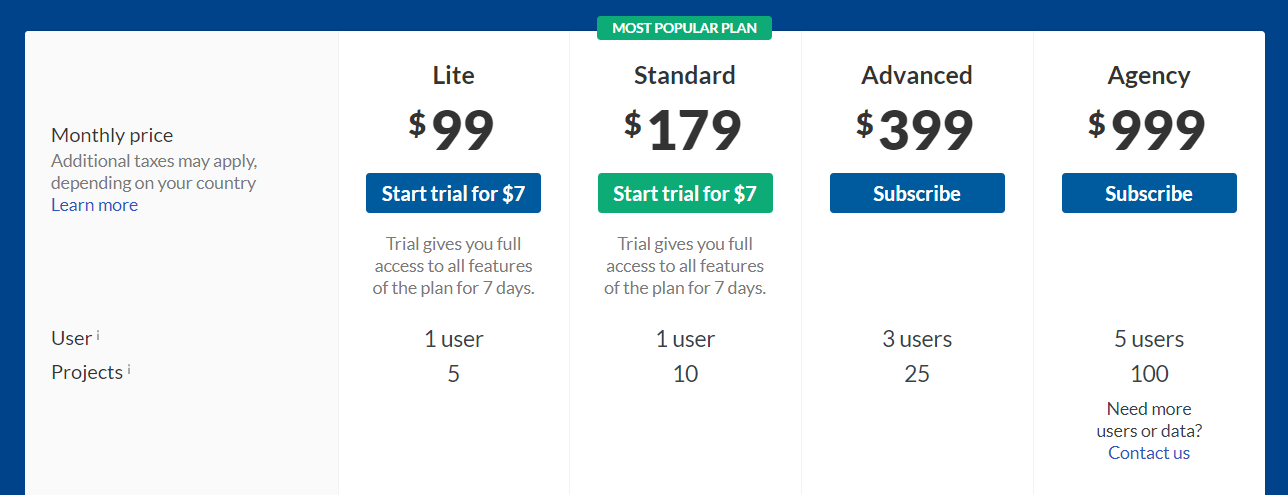
    ahrefs pricing

    Take an online website providing study materials and courses – they might have different tiers of the same course, each with slightly varying features and facilities on offer. The lower-priced option might provide just the basic course while the higher-priced option might give practice tests and downloadable content. But doing so helps in reaching more users, even the ones who don’t want to pay much for getting the basics all the while providing an option for those wanting the entire course.

    Internet & Mobile Service Providers

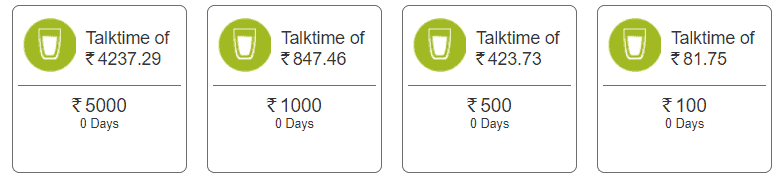
    vodafone prices

    The internet service providers (ISPs) and providers of mobile telephony too tend to utilize price lining for their service lineup. An ISP may provide the same internet service for different price points, with the higher price points receiving a few added features and bonuses from time to time.

    Hospitality

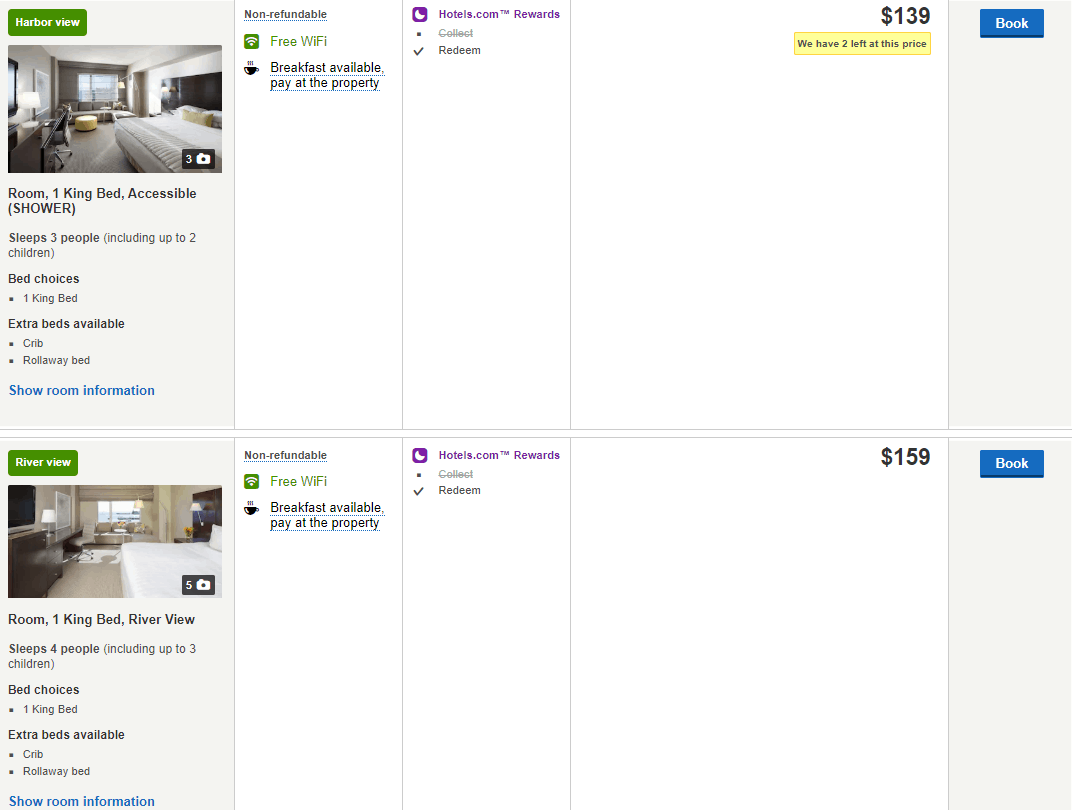
    hotel prices

    The service industry too can benefit from the use of price lining strategy. Take hotels offering rooms at various different price points and names. Each of the rooms on offer may differ only slightly by their size and features that they offer.

    Consumables

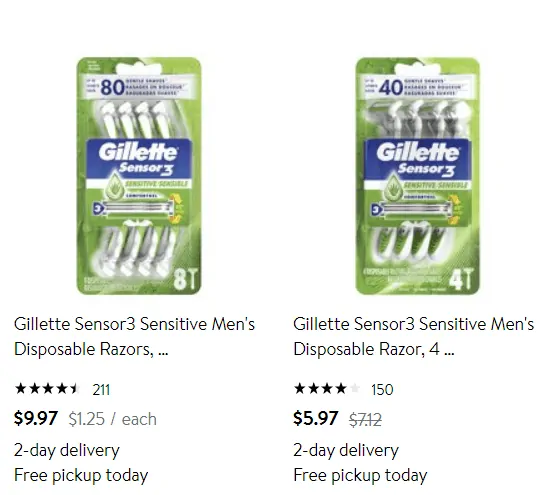
    Gillette prices

    The consumables market is a great example of price lining in action. Take razor blades for example – a company may offer a razor blade for $5 and the same razor with an added feature such as an interchangeable blade for a slightly higher price.

    Let’s look at the advantages and disadvantages of price lining.

    Advantages of Price Lining

    Reaching Wider Audiences

    As seen with the examples, the use of price lining helps businesses reach a much larger pool of audiences with just a limited range of products in terms of uniqueness.

    More Options for Consumers

    Not every consumer has the same tastes or interests and in order to fulfil a larger range of consumers, businesses have to either create an entire line of new products to cater to the demands of the different consumer types or just use an existing product and tweak its price and features on offer to provide for the consumers. This brings in more choices for the consumer to customize or choose a product according to their needs instead of waiting for the company to release a new product that suits theirs.

    Inventory Benefits

    Implementing price lining means that over a certain period, the business gains more insight and data as to which product sells the most and which doesn’t. This data can be immensely helpful in making sure that the higher demand products are always kept in stock, helping optimize their inventory and manage their raw materials and supplies.

    Helps Provide a Demo

    Price lining provides an added indirect benefit to consumers in the fact that they can buy a certain product with lesser features and benefits for cheaper just to get the hang of it or to see if it actually is of any use to them. The consumers use the cheaper options provided due to the implementation of price lining as a method to demo a certain product or service and seeing if it fulfils their needs before getting the higher-priced offerings.

    Does Not Affect Profit Margin

    Implementing a few features into an existing range of products and services does not affect the profit margins. Instead, it helps boost the margins since the spending incurred during the implementation process is offset by the increased pricing.

    Disadvantages of Price Lining

    Susceptible to Market Changes

    Price lining is a cost-centric marketing strategy. It does not take other factors such as the market and economic conditions into account. In case of a market or economic slowdown, it affects the buyer’s purchasing power. This leads to consumers preferring lower-priced options which leaves the higher-priced variants to be unsold, piling up in the inventory causing them to lose further value.

    Requires Proper Implementation

    Price lining, if not implemented properly, can lead to consumers not being able to find a product at the price that they see fit. It also affects the businesses in case it gets the pricing wrong on the products – making the price of a product/service with fewer features higher will lead consumers away from the brand. It also leads to resentment and loss of brand image in the eyes of the consumer.

    Also, in case the lower-priced models have very little features, consumers will feel cheated rather than appreciating the bargain.

    Negative Brand-Impact

    In certain cases, implementing price lining on a product line up gives the impression of the business trying to discriminate the spending power of different consumers. This tends to alienate the customers with lower purchasing ability away from the brand.

    Conclusion

    It is clear that price lining provides a lot of benefits to both the consumer and the businesses – if and only if price lining is implemented properly.

    While there are various marketing strategies, when implemented properly, price lining helps businesses cater to a wider range of consumers without taking a toll on its production and manufacturing capabilities.

    Go On, Tell Us What You Think!

    Did we miss something? Come on! Tell us what you think about our article on Price Lining in the comments section.

  • Price Skimming: Definition, Strategy, & Examples

    Price Skimming: Definition, Strategy, & Examples

    Pricing strategies make or break businesses. A product’s pricing reflects what the company aims to achieve, albeit in an indirect way. Pricing affects the way in which the business is perceived.

    Among the different pricing strategies, price skimming is quite important and even complements well with other implemented pricing strategies.

    So –

    What does price skimming mean?

    What is Price Skimming?

    Price skimming aka skim pricing is a pricing strategy where businesses tend to markup the initial price of the product to a much higher rate and slowly decrease it as time goes on.

    In simple terms, the business charges the highest price when the offering is launched and is new in the market, and then reduces the price over time.

    Price skimming is used by businesses in case they meet either or all of the following situations –

    • The business has a well-established brand and user base
    • The product or service is new or revolutionary to the market
    • No competitors exist
    • The high number of prospective customers for the product

    Price skimming suits well for certain industries more than the others. For example, tech companies usually use price skimming. This is because the newly launched products usually have no competition or the brand is well-established in the minds of its users in order to warrant a lot of potential buyers for it.

    This raises the question –

    How does price skimming work?

    How Does Price Skimming Work?

    Price skimming works by tapping customers having the “must-have” mindset – can be simply put as the customers who have the purchasing power and eagerness to obtain bleeding edge versions of the products/services as soon as it’s available on the market.

    Let’s take an example of a product where price skimming strategy is applied:

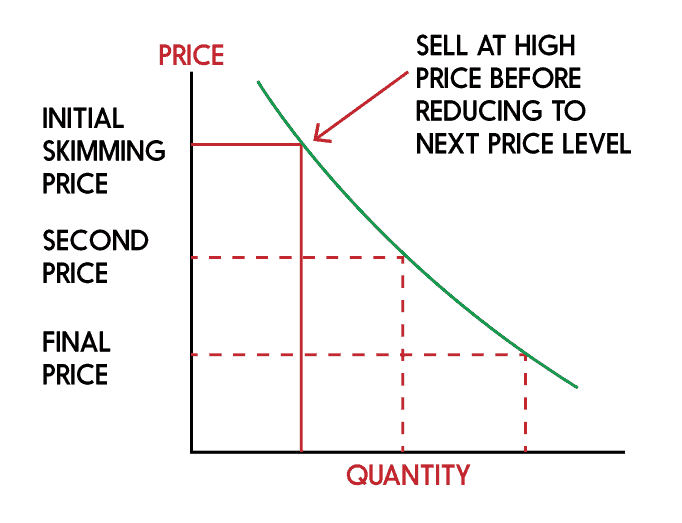
    price skimming graph

    Basically, every pricing strategy “skims” off the top and price skimming just helps in capturing more of the consumer surplus by charging the most they possibly can – pricing their products as high as they can without hurting the brand image and reputation.

    Let’s look at a few examples of price skimming to get a better understanding.

    Examples of Price Skimming

    Apple

    Apple’s pricing strategy on its smartphone lineup follows the price skimming strategy to a tee. Apple releases new iPhone models every year and prices of the newer iPhones are quite high, in fact much higher than the rest of the competition. Meanwhile, its previous year’s lineup gets a price cut since they are no longer considered as bleeding-edge pieces of tech.

    Apple is able to do this because –

    • It is sure that there are potential takers for the newest tech
    • Doing so will not hurt its brand image
    • It helps establish themselves as more of a luxury brand

    Sony

    While Sony is well-known for its TVs and smartphones, we can observe price skimming strategy in action on their gaming console lineup. Take Sony’s PlayStation 3 console for example – it was initially launched at a price of $599 since it basically had no competition and was deemed to sell since their previous console, the PlayStation 2, was a huge hit. But while the PS2 was conservatively priced, the company knew that there were lots of potential buyers for the PS3 and hence set a higher initial launch price. The price of the PS3 was then lowered every passing year and eventually reached $299 during the year was discontinued.

    Advantages of Price Skimming

    Recover Costs Quickly

    The higher initial price right from the launch helps recover the amount invested in the research and development of the product/service quite quickly and easily. This also helps in recuperating advertising and marketing costs quickly.

    Proper Segmentation

    This is a major benefit obtained from the proper implementation of price skimming. By initially setting the price high, the businesses tend to filter out (read: segment) the market into different customer categories – early-adopters, brand loyalists, and regular consumers. This further helps to maintain inventory and also test the waters when venturing into newer markets or introducing newer products/services.

    Higher Profit Margins

    A product priced at its maximum limit helps in generating higher profits for the company. It helps them make the most out of the certain market segment that is created from pricing highly and then reaching the rest by reducing the price as time passes.

    Quicker Real-time Product Testing

    The early-adopters and really avid enthusiasts are the two main target customers during the initial launch of a product – since they are the ones who buy the product even at the higher initial price and usually are either well informed or willing to provide feedback to the company. These early-adopters and enthusiasts help a business to gain more insight into the functioning and performance of their products.

    Create Buzz & Hype

    Higher prices tend to draw news and press coverage, helping get more exposure and advertising for the product/service quite easily. The higher price also helps build a better brand image – if it suits the branding and is implemented properly – among consumers.

    Dynamic Pricing

    Price skimming helps businesses change the price on their products according to the market situation, brand perception, customer response, product features, and competition. Price skimming helps businesses have better control over the pricing of their products.

    Disadvantages of Price Skimming

    Mostly Short-term Benefits

    While the skim pricing strategy helps in increasing the profit margins of the company, this is only for a short while. It doesn’t last long since the market will gain a few competitors and will be harder to hold onto the high markups on its goods. Also, it leads to loss of sales and user base if the business is unable to justify the higher price in the long run.

    Proper Implementation is a Must

    Price skimming can only be implemented after thorough research and analysis of the market conditions, customer sentiments and brand-perception. There are a lot of things that could go wrong if done improperly – most of which negatively affect the brand.

    Needs Inelastic Product Curve

    The skim pricing strategy is most effective when the product follows an inelastic demand curve – a demand curve where the quantity of the product is not majorly affected by the change in prices. In case a product does not follow the inelastic demand curve, it leads to fluctuations in sales where it might cause increased demand when prices are lowered and vice-versa. This makes it harder for businesses to maintain their production and inventory.

    Competition Acts as a Hindrance

    High competition means that the sales numbers of the product/service are affected upon the lowering or increasing of its prices. Competition causes the goods to follow an elastic demand curve which makes it unsuitable for implementing price skimming.

    Bottom-Line?

    Price skimming is one of the few pricing strategies that are quite easy to understand and implement; but even easier to get it all wrong. Proper implementation requires a lot of analysis and market research. Even then the price skimming implementation must be subtle or else there are high chances of the strategy backfiring.

    It is safe to say that the skim pricing strategy does not work in many sectors and industries. B2B and contract-based are examples of sectors the use of price skimming strategy does not bring any benefit to both the business as well as the consumer. The technology, automobile, and clothing sectors are industries where the price skimming strategy works really well.

    Go On, Tell Us What You Think!

    Did we miss something? Come on! Tell us what you think about our article on Price Skimming in the comments section.
  • Business to Consumer (B2C) | Definition, Types, & Examples

    Business to Consumer (B2C) | Definition, Types, & Examples

    Knowing the target market is essential for any business to sell and succeed. While some businesses choose to transact with other businesses, the majority of the businesses choose to do business directly with the end customers.

    The latter is known as the B2C model.

    What is Business to Consumer (B2C)?

    Business to Consumer (B2C or B to C) is the method of doing commerce where businesses trade and transact with directly with end customers who buy the product for consumption.

    Unlike B2B, these customers don’t use the traded offering to step up their offering or to resell it to make profits.

    Here’s an example –

    Take the case of a fast-food chain. This company is said to follow the B2C model since it is a business that serves consumers and individuals, not other businesses.

    Any business which creates value for consumers and individuals is said to have a Business to Consumer (B2C) model of operation. That is not to say that a B2C business serves only consumers. A B2C company might also serve other businesses but their major focus is on serving the consumers and individuals directly.

    Do note that, B2C is quite different from B2B.

    B2B vs B2C

    B2C or Business to Consumer is the type of business model where the businesses serve customers and unlike B2B, do not serve other businesses.

    Which brings us to –

    The different types of B2C models.

    Types of B2C Models

    With the B2C model being a large and complex model, let’s look at a few popular and mainstream types –

    Product-Based B2C Model

    In the product-based B2C model, businesses sell products to consumers. The business may act as a supplier and sell customized products to individuals either via their own physical or online stores.

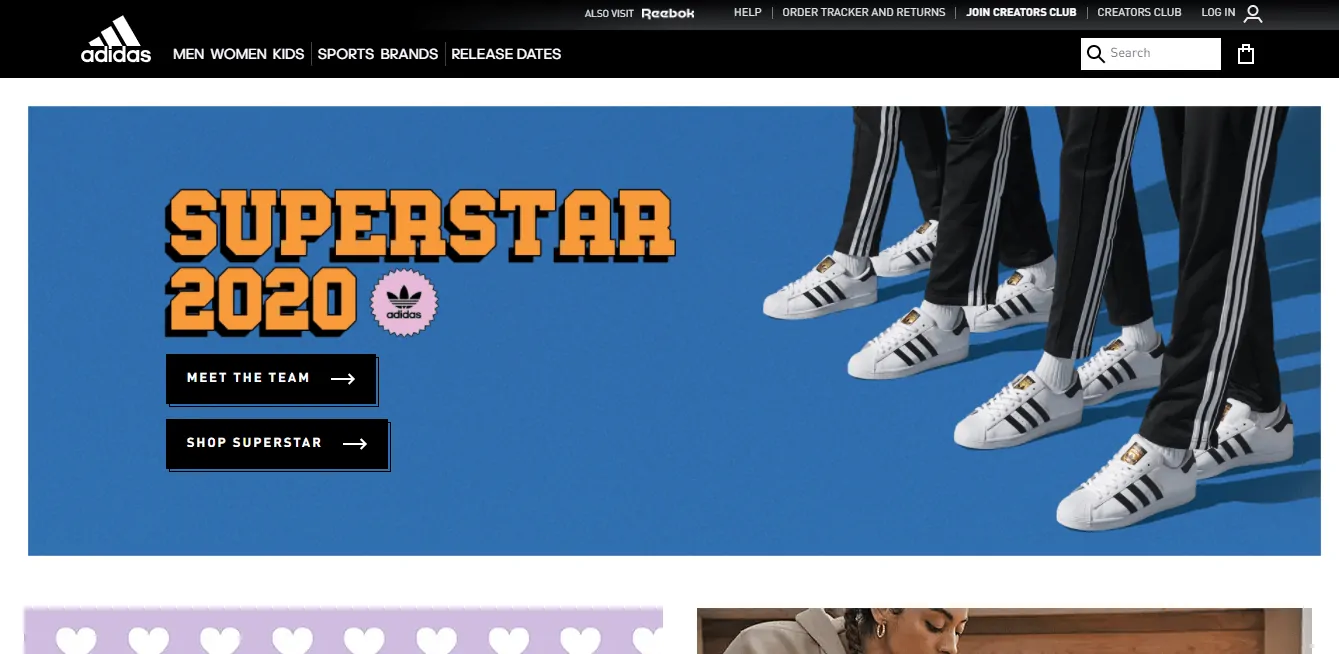
    An example of a product-based B2C company would be a shoe brand selling its shoes to its customers via its physical storefront. Adidas is a great example of a B2C shoe company that produces and sells its branded shoes to consumers and individuals via its online and physically located stores as well as on ecommerce sites.

    adidas site
    Source: Adidas

    It helps to emphasize the fact that the products themselves are generally physical (in nature), hence require a much higher initial investment compared to other B2C types.

    Service-Based B2C Model

    A company with a service-based B2C model functions exactly as its namesake – it helps provide services to its consumers. A service-based B2C company earns revenue by providing services instead of selling physical products.

    An example of service-based B2C would be a lawn mowing business.

    greensocks lawn movers
    Source: GreenSocks

    Service-based B2C companies are many and large since it requires a lesser initial investment and easier to scale up accordingly. Also, service-based B2C companies are easier to set up and run compared to product-based B2C businesses.

    The service-based B2C companies may have an online or physical presence or both, but it boils down to the service that the company provides.

    Software-Based B2C Model

    Software-based B2C companies can be placed under either “product” or “service” based B2C model. While the latter deals with providing software services to consumers, the former provides software solutions and products. The software-based B2C model can be split primarily into –

    • “Product-focussed” software-based B2C model
    • “Service-focussed” software-based B2B model

    “Product-Focussed” Software-Based B2C model

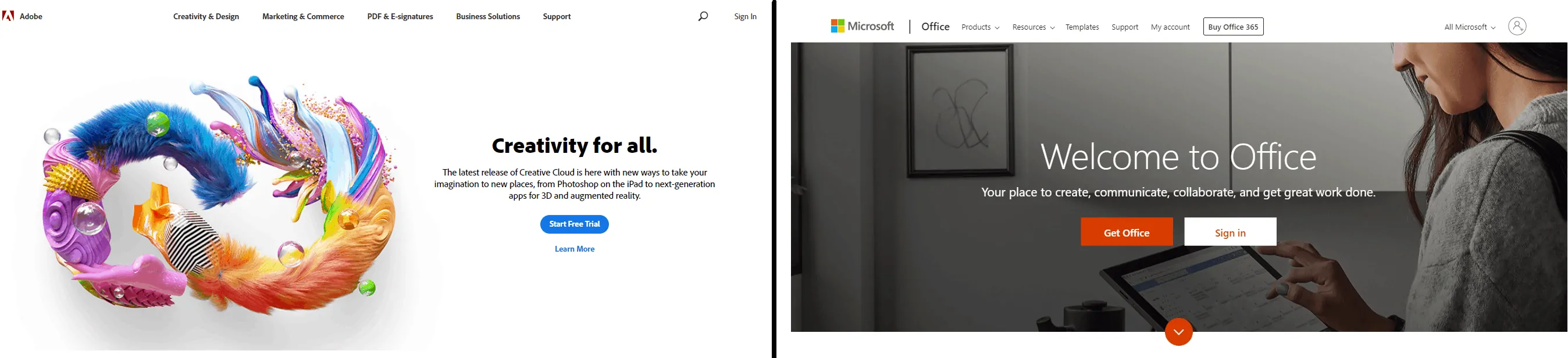
    Adobe and Microsoft are great examples of “product-focussed” software-based B2C companies. They provide software products for editing and creation of media and documents respectively to the consumers.

    adobe microsoft
    Sources: Adobe & Microsoft

    “Service-focussed” software-based B2B model

    Netflix and Spotify are great examples of a “service-focussed” software-based B2C companies. Both help provide video and music services to consumers via the use of the software.

    netflix spotify
    Source: Netflix & Spotify

    These services are usually membership or subscription-based. The services can be easily deployed as required, making them largely scalable compared to software products.

    While these are a few of the major types of B2C models, there is one other field that can be categorized separately – the online B2C model.

    Online B2C Models

    Advertising-Based B2C Model

    The advertising-based B2C model is where online sites use content to bring visitors – could be a website, blog or forum – and earn revenue by displaying ads on the site.

    High volume sites like news publications and tech websites such as The Huffington Post and TechCrunch are great examples of advertising-based B2C companies.

    Community-Based B2C Model

    Social media platforms are great examples of online B2C businesses following the community-based model. Take Facebook – it helps connect and build online communities among its users which then leverages to promote their products to earn money via the platform.

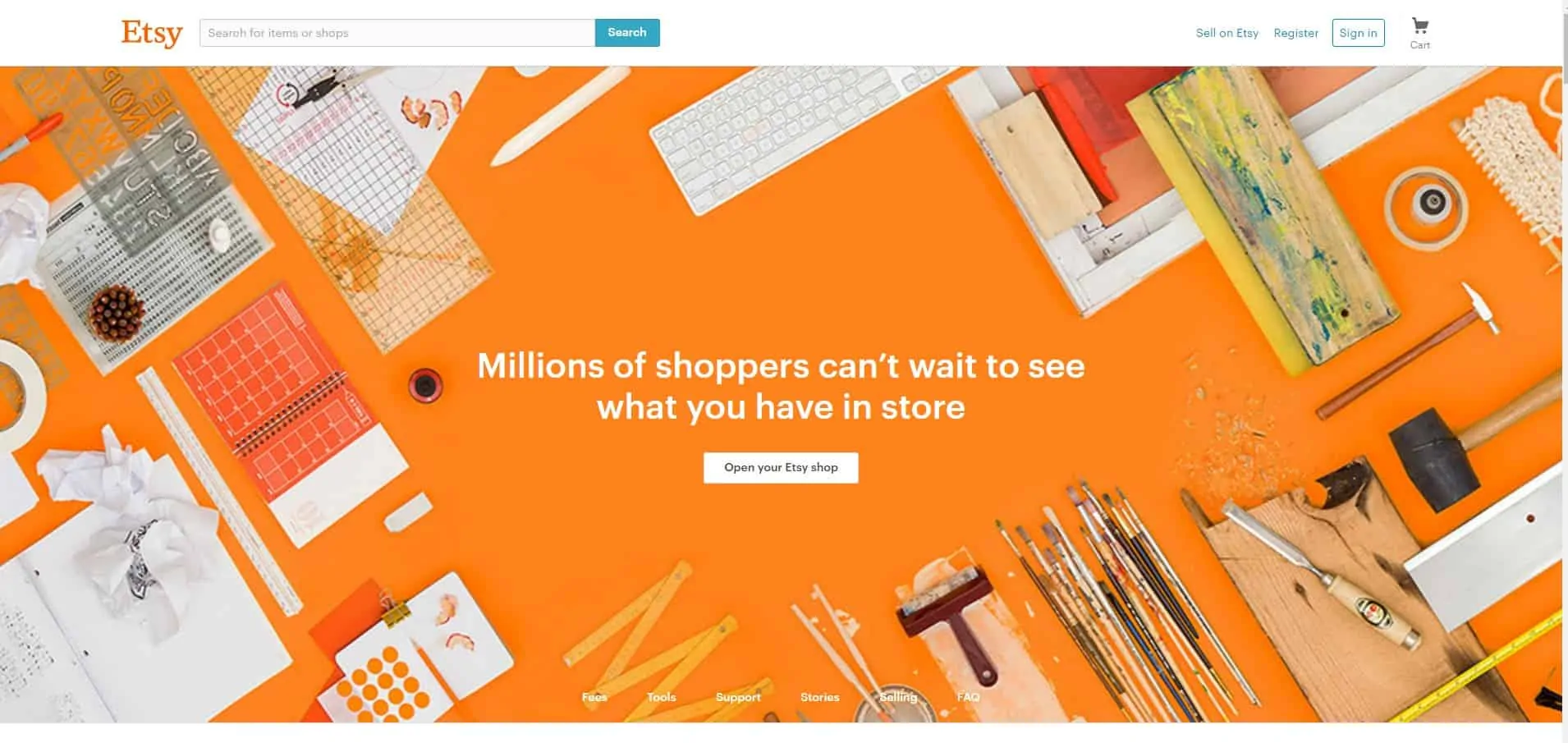
    B2C Ecommerce

    B2C ecommerce is where businesses sell (and buy) goods to consumers and individuals. This is enabled through the use of online marketplaces and stores. B2C e-commerce is a major field in the B2C model and can be divided into two different sub-models. They are –

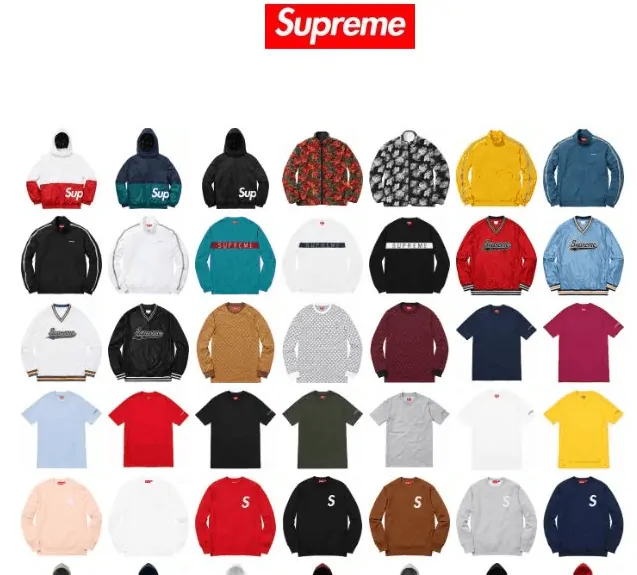
    • Direct sellers – In this model, consumers purchase goods directly from the manufacturers via their online retailers. Example: Supreme’s Online Store.
    supreme hoodie
    Source: God Meets Fashion
  • Online intermediaries – As the name suggests, these are online ecommerce platforms that help bring together the buyers and sellers; the platform themselves do not make the products or services listed on the site. Example: Etsy.
  • etsy store
    Source: Etsy

    Advantages of B2C Model

    Vast & Varied Market

    Compared to B2B, the B2C market is quite large and varied. While there is a limited number of clients for the niche in B2B, B2C companies have the advantage of targeting a larger number of consumers. This number is quite high even if you aim to target a niche B2C market.

    Easier Expansion

    Expanding a B2B business requires a lot of investment and involves a lot of overhead. B2C, on the other hand, is much easier to expand to other niches and markets – be it vertical or horizontal expansion.

    Easier Marketing

    It is much easier to market to individuals than to other businesses. B2C businesses can use social media and content marketing to easily boost sales, bring in new customers, all while advertising.

    Data-Driven

    Unlike the B2B sector, where it is usually harder to obtain and use data to predict newer trends, B2C has no shortage of data, if implemented properly. Each individual is a data-trove and this data, when used properly, can help the B2C company gain quite the edge over others.

    Disadvantages of B2C Model

    Higher Competition

    B2C is among the most common type of businesses started compared to B2B. This is due to lesser overheads present in starting and running a B2C. This means that is a lot of competition within the same field for the same product when compared to a B2B business.

    Lower Margins

    Unlike a B2B business, the products sold and their prices are minuscule in B2C. So, one way of making back on the lost revenue is by focusing on quantity over quality. This increases the risk of not being able to make back enough to run the businesses in case of lowered sales numbers.

    Presence of Middlemen

    The B2C sector is riddled with middlemen who tend to mark up and sell it for a higher price. This leads to consumers having to pay a larger rate than intended. Other than that, this causes a disconnect between customers and businesses. It also makes it harder for businesses to collect relevant customer data which could be used to improve their product and drive sales.

    Segmented Market

    Even though the B2C market is vast and diverse, it is also more segmented. This hinders quick decision making due to the sheer number of segments present for businesses to consider.

    Let’s look at a few examples of B2C companies to get a better understanding.

    B2B Companies Examples

    B2C businesses are large and many. Here are a few examples of B2C businesses –

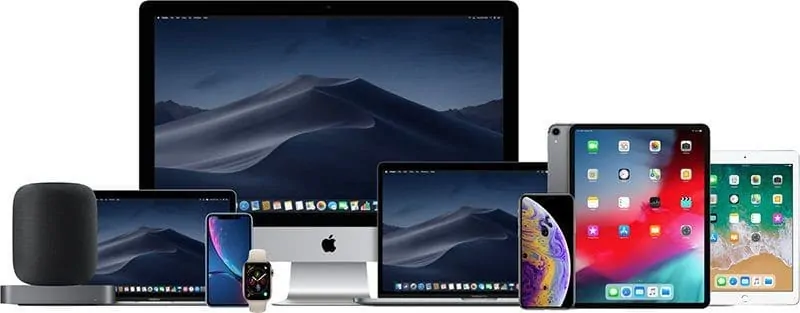
    Apple

    Apple designs and produces electronics hardware, software, and online services. These range from smartphones (iPhones) to laptops (Macbooks) to computers (iMacs).

    apple products
    Source: MacRumors

    They are a great example of a B2C company since they design, develop, manufacture and sell consumer electronics to consumers.

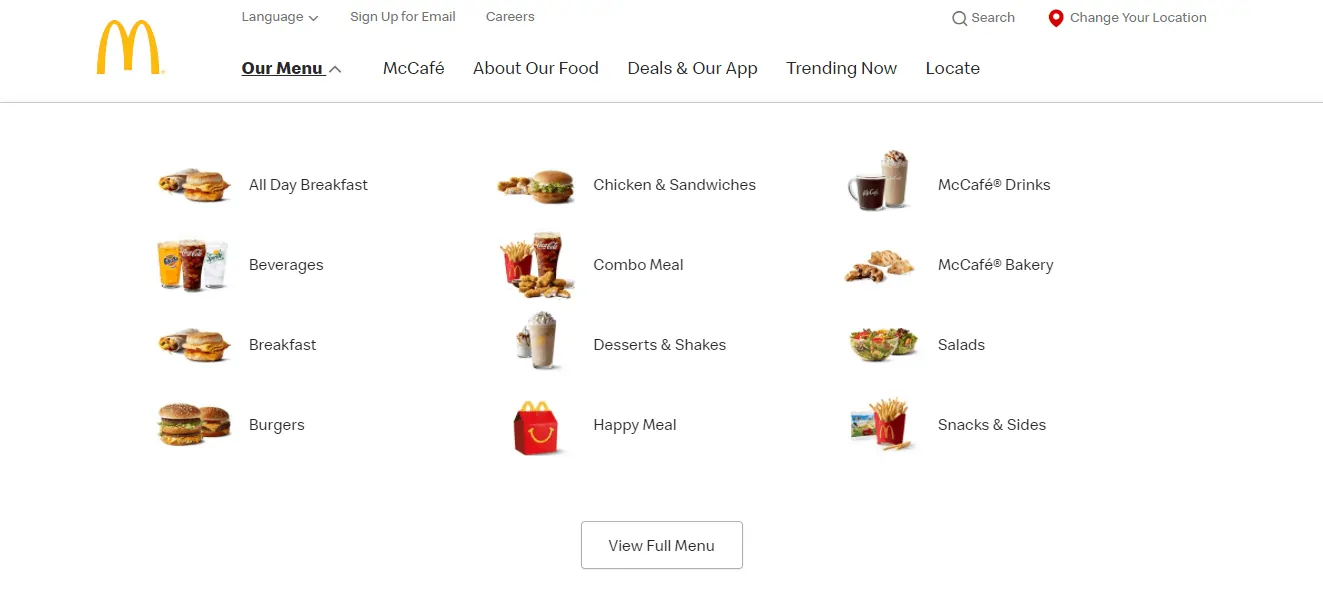
    McDonald’s

    McDonald’s is the American fast-food chain that has a global presence and known for its hamburgers.

    mcdonalds menu
    Source: McDonald’s

    McDonald’s is a business serving fast-food to consumers and individuals and can be identified as one of the biggest B2C companies in the world.

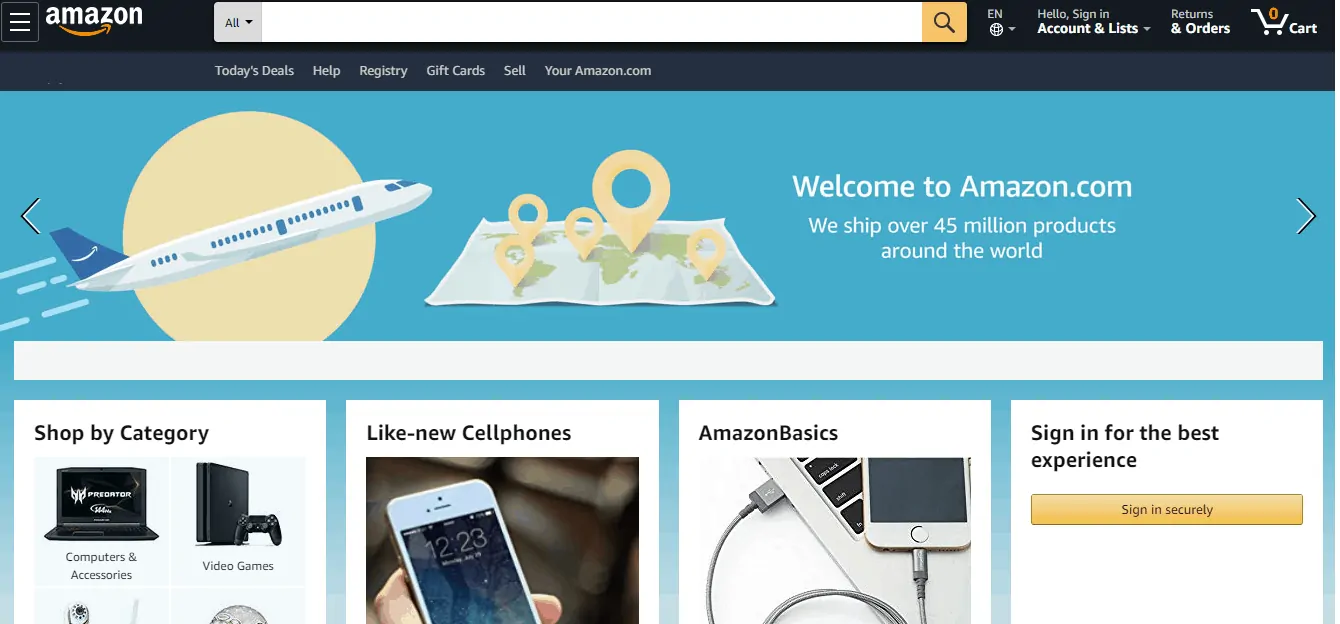
    Amazon

    Amazon is the biggest ecommerce site in the world and is also considered as one of the four biggest tech companies in the world.

    amazon site
    Source: Amazon

    Amazon’s own products, Amazon Prime, and Amazon Originals (Amazon funded media) are all great examples of the B2C nature of the business.

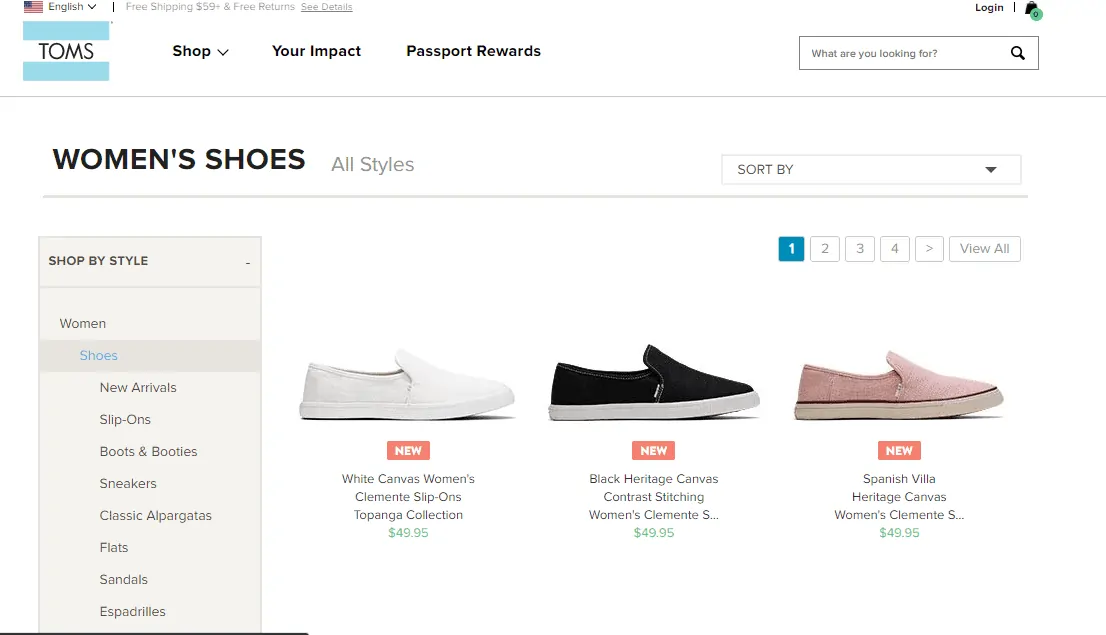
    TOMS

    TOMS is a for-profit organization that designs and manufactures shoes, eyewear, and apparel.

    toms shoes
    Source: TOMS

    TOMS is a business creating and selling shoes and apparel to consumers via their physical, online storefronts and through retail outlets.

    Conclusion

    The B2C model is fairly simple. Though the lines may blur between B2C and B2B in a few areas, a business catering to consumers is a B2C company. If a business caters to another business (or for business purposes), it is B2B.

    Starting a B2C is as simple as providing a product or service targeted towards individuals which helps elevate their problems.

    Go On, Tell Us What You Think!

    Did we miss something? Come on! Tell us what you think about our article on Business to Consumer (B2C) in the comments section.
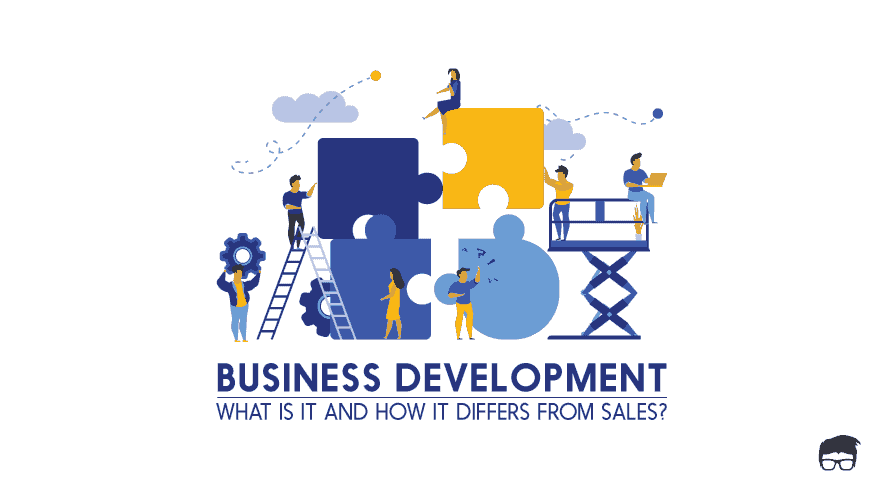
  • What is Business Development?

    What is Business Development?

    Sales isn’t the only factor which results in the growth of the business in the long run. In fact, sales is often considered to fulfil short-term goals which when combined together helps to move towards the long term vision of the company.

    So, what exactly helps the business create a long term value for itself in the market?

    It’s business development.

    What Is Business Development?

    Business development is the creation of long term value for a business through the development of relationships, markets and customers.

    It doesn’t involve a single instruction but a series of post and prior steps which ensure that everything falls in place. Moreover, the steps involved in business development differs from organization to organization.

    Certain companies try and flung certain steps in order to speed up the business development process and others ensure proper delivery by following a strict step manual.

    1. Exploring or identifying opportunities/loopholes
    2. Establish an end goal to be achieved via this plan
    3. Analyze and record information associated with the plan
    4. Design a strategy to meet the goal, mentioning the ideal period
    5. Linking the plan with various stakeholders to divide responsibility

    Mostly, the goals fall under these three categories –

    • Customers: Finding new customers and extracting more value from the existing ones.
    • Markets: Finding new markets where the business can tap into.
    • Relationships: Building profitable relationships and leveraging the existing ones with key stakeholders of the businesses.

    Business Development vs Sales

    Business development and sales might collide at some corner because of their alignment for the completion of the job. But, both of these are extremely different from each other in the sense that business development is a long term activity focused on the growth of the business. By establishing relationships with various sectors, it helps in establishing a qualitative relationship. The business development team bands together with the decision-makers to formulate the strategy.

    Sales, on the other hand, is more inclined towards meeting short term goals which are quantitatively mentioned. As such, the sales department works under the decision-makers and only focuses on achieving the numbers mentioned by them.

    Essence

    The sales department is inherently transactional whereas the business development team focuses on the relational aspect of the entity.

    Focal Point

    The focal point of the sales team is the final customer who pays for the product or service. Business developers, on the other hand, takes into consideration all the prospective stakeholders of the company.

    Operation

    The basic operation of the sales department is to increase sales whereas the business development team as a whole believes in formulating plans and solutions for various problems of the entity.

    End Goal

    The end goal of the sales team is to increase sales. The business developer focuses on the long term objective of promoting the business and facilitating its growth.

    Now that we are aware of the difference between these two, let us understand what are the different strategies of business development and which one is the perfect one.

    Business Development
    Sales
    Definition
    Creation of long term value for a business through the development of relationships, markets and customers.
    Process which results in a transaction between two or more parties in which the buyer(s) receive the offering and seller(s) get something of value in return which is usually money.
    Essence
    Rational
    Transactional
    Focal Point
    All the prospective stakeholders of the company
    Final Customers
    Time Horizon
    Long Term
    Short Term
    Goal
    Creation of long term value (business expansion)
    More Conversions
    Business Development vs Sales

    Importance Of Business Development

    Business development focuses on building relationships with various stakeholders of the company. These include the customers, investors or even the workers. It helps in directing all activities towards the goal of reaching out to the requisite customers.

    By creating such proper coordination amongst various departments, BD helps in avoiding dual workmanship and scuffle arising out of misunderstanding. As such, business development instils coordination in the organization, which helps in the successful completion of every other objective.

    Helps Fulfil Long Term Business Goals

    Business development focuses on all the important aspects which are important for a company to grow and fulfil its long term business goals like business expansion, increasing market share, reducing expenses, increasing brand equity etc.

    Helps In Saving Time And Effort

    Time and resources are crucial for the success of any business. Without a proper business development team, duplication of efforts and wastage of time is unavoidable.

    Helps In Keeping Ahead Of Competitors

    Business development identifies the various loopholes in the competitor’s strategy and develops a strategy to have a competitive advantage over other players.

    Helps In Being Prepared For Any External Shock

    Business development plans recognize the uncertainty of external shocks born outsources outside the control of the business. An eleventh-hour plan is always figured out to absorb such shocks.

    Overall, Business development plays a key role in saving time, the effort of the workforce involved in the process.

    Bottom-Line?

    Business development forms an important part of any business, whether it a startup or a well established growing business entity. Companies must entertain their ideas and resort to discussions whenever there is a requirement. However, neglect of a business developer’s ideas can prove to be distasteful for the firm in the longer run.

    Go On, Tell Us What You Think!

    Did we miss something?  Come on! Tell us what you think about our article on business development in the comments section.
  • B2B vs. B2C | Difference Between B2B & B2C

    B2B vs. B2C | Difference Between B2B & B2C

    While there are many business models, Business to Business (B2B) and Business to Consumer (B2C) models are two, which when put together, help complete most business processes.

    But, both B2B and B2C differ a lot from one another.

    Let’s find out.

    What is B2B?

    B2B or Business to Business refers to businesses catering to other businesses. Example – Alibaba

    What is B2C?

    B2C or Business to Consumer refers to businesses catering to consumers (end-users) and individuals. Example – Amazon

    Difference between B2B and B2C

    B2B
    B2C
    Customer
    • Businesses & Companies
    • Consumers (End users) & Individuals
    Quantity
    • Bulk
    • Small
    Primary Focus
    • Creating and maintaining rapport & relationship
    • Reliability & Consistency
    • Designing and creation of product
    • Advertising and Promotion
    Relationship
    • Supplier to Manufacturer
    • Manufacturer to Wholesaler
    • Wholesaler to Retailer
    • Retailer to Consumer
    Buying Decision
    • Lengthy time frame
    • Planned
    • Logical
    • According to demands and requirements
    • Short time frame
    • Emotion-based
    • Impulse decisions
    Examples
    • IBM
    • Salesforce
    • Cisco
    • LinkedIn
    • Slack
    • WeWork
    • Freshbooks
    • Alibaba
    • Netflix
    • Spotify
    • McDonald’s
    • Apple
    • Facebook
    • Twitter
    • Nike
    • Amazon

    For a B2B company, its primary customers are business entities – take the example of a business that provides office supplies and security hardware to other businesses. This business is said to be a B2B company. On the other hand, a B2C company has consumers as its target customers. Take a fast-food chain for example – it caters fast-food to consumers and individuals, making it a B2C company.

    Note: In case the fast-food chain caters solely to other businesses, that makes it a B2B company.

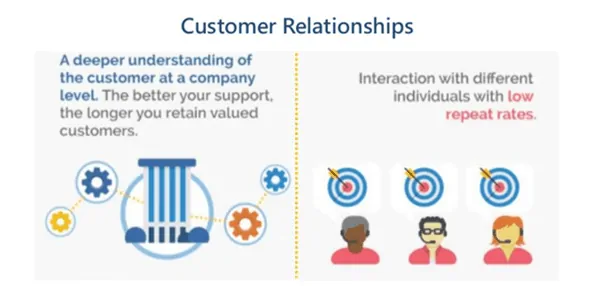
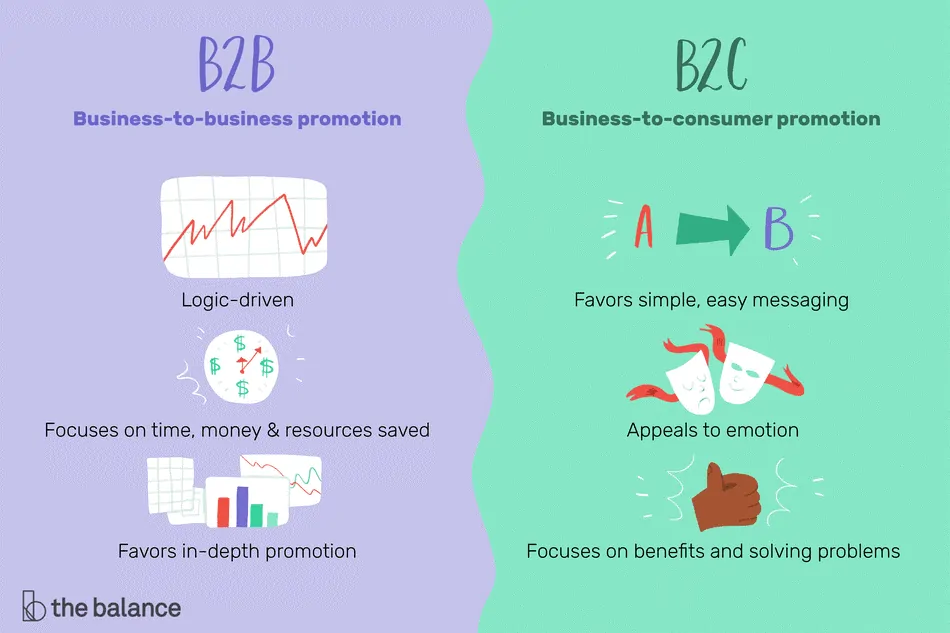
    Also, B2B businesses mainly focus on creating and maintaining their relationship with their clients – they do so by being reliable, consistent and prompt. B2B companies tend to give lesser emphasis to product production and development compared to B2C companies. This is because the B2B market values a reliable and consistent partner more than one who churns out newer products at short periods of time.

    On the other hand, B2C’s primary focus is on creating or predicting and supplying a product that is sure to sell well and provide good margins. B2C companies also tend to focus more on advertisements to promote their products – it is easier to use social media to promote B2C products.

    b2b b2c relationship
    Source: SlideShare

    The reason why B2B businesses tend to focus on building rapport and focus on being consistent than innovative with their clients is that the service duration between businesses is very lengthy and the quantity of goods is very large compared to B2C. In B2C, the interaction between the business and the consumer is more dynamic and depends on the nature of the product. Even then, the interaction periods and the number of goods tend to be quite small on average.

    Another reason lies in the fact that businesses take longer to initiate, plan, decide and execute the sales.

    b2b b2c marketing
    Source: The Balance Small Business

    Most of the time, the deals are initiated in order to fulfil the newer requirements and demands that have arisen within the company. That is not the case in B2C. In B2C, decision making is influenced mostly by emotions and an impulsive mindset rather than logical reasoning most of the time.

    Conclusion

    Now that you know that both – B2B and B2C – differ from one another in many aspects, it can be said that B2C is a safer bet for someone starting afresh; the copious amounts of transactions and overheads present in running a B2B company requires quite a lot out of the newcomer.

    That said, running a B2C company too is no small feat but there are a larger customer pool and more room for growth in the B2C market than most B2B ones. In the end, successful businesses are built on the value they provide and the business model just helps complement it – not substitute it.

    Go On, Tell Us What You Think!

    Did we miss something? Come on! Tell us what you think about our article on B2B vs. B2C in the comments section.
  • 5 Big Lies Entrepreneurs Tell Themselves

    5 Big Lies Entrepreneurs Tell Themselves

    “You have no idea how many lies I had to build around to attain this position!”

    Almost all of us have come across such statements at some point in our life. Whether it’s a successful entrepreneur cousin or a movie glorifying the magnitude of lying, these dialogues create an impact over their audience.

    There is a significant proportion of startup owners who gradually develop this habit. In business, an individual sometimes can be left with no choice but to lie and given the circumstances, one might even be able to justify their behaviour. However, owners fabricate their brains to accept these lies. Let us dig deep into these entrepreneur lies and how they impact a business.

    Why Do Startup Owners Lie To Themselves?

    Psychologists have been trying to decode the reasons or situations which cause a startup owner to lie to themselves.

    Before you move forward to go through these reasons, it is quite dismal to observe that most of these reasons are born out of low esteem. For our understanding, let us denote these reasons as the three ‘S’ which cause a startup owner to lie to himself.

    Self-Gratification

    Self-gratification usually reflects the pleasure arising out of a desire being completed. In business, owners are always in search of higher profits and constant growth.

    However, startup owners often lack the patience to reach this pinnacle. They want to witness the victory adrenaline rush which often becomes a want and a lie becomes inevitable. Constant lying to oneself gives these startup owners a sense of pleasure, often misleading them from their path.

    Self-Assurance

    Self-assurance as a reason for resorting to lying can have both negative and possible implications, depending upon the individual’s status of mind. Assuring oneself about a future event by constant lying might be helpful if the lie thus said to oneself focuses on the uncertainty of the event.

    However, if a similar event is self-assured by lying to oneself about the zero probability of its occurrence, then one is probably putting themselves in a dangerous corner.

    Self-Confidence

    Startup owners are constantly looking for ways to elevate their confidence. This need is born out of the intense pressure to sound confident in front of various stakeholders of the business.

    Using a lie to elevate their confidence might work in the short term, however, the strategy might backfire as it might further show the owner as an overconfident person.

    The Big 5 Lies Entrepreneurs Tell Themselves

    Customers are amateurs

    This is one of those lies that has a 100% probability of negatively impacting your business. Customers are the crux matter of any business idea and whether it is a SAAS based startup or one based on marketing, considering the customers as amateurs can be seriously devastating.

    Even if your targeted audience is not well educated or has zero understanding of your business, it is important to note that your audience crowd also includes your competitors. These competitors might use such information against you.

    The more time I dedicate, the higher are the chances of success

    Startup owners often have this false notion regarding the direct relationship between time and success. Owners can spend their 24 hours being involved with the business and remain at the same spot on the success scale.

    It is important to understand that it is not about the quantity of work but rather the quality of work performed in those hours that makes the difference.

    I don’t need partners, I am a one-man army

    Contrary to cinematic dialogues, the startup business requires a thriving workforce. Hence, it is important to acknowledge the needs of the business and look out for a potential partner if the business demands so.

    Lying about one’s potential can have a severe impact on the startup business.

    Money is the ultimate answer to all problems

    Your personal problems might have one straight answer, i.e. Money or financial stability. However, the same can not be true for a startup. There needs to be a proper balance between cash inflows and skill enhancement.

    In fact, after reaching the saturation point of generating money, owners often resort to options such as loans.

    From formal sources initially, the hands somehow turn towards informal sources, leading the business into the treacherous debt trap.

    I don’t think I need to work harder after achieving ‘that’

    Startup owners have this desire for reaching a certain target. Often, this target is set at a high scale and owners are ready to take a break once they can achieve it.

    It is important to understand that such lies deflect the owner from focusing on the status of competition in the market. Concentrating on a certain target often blinds them to an extent whereby the presence of any competitor is either ignored or its capacity to thrive is incorrectly measured.

    Are These Lies Deliberate Or Accidental?

    The answer to this question is “IT DOES NOT MATTER.” Any lie to oneself regarding a business established by you is only going to put both in a dark world.

    What stands to be important is to identify how, when and why you tend to lie. Steps must be taken to avoid such practise. Hiring a professional business advisor can also be a significant step in countering this behaviour.

    Go On, Tell Us What You Think!

    Did we miss something?  Come on! Tell us what you think about our article on entrepreneur lies in the comments section.
  • Business to Business (B2B) | Definition, Types, & Examples

    Business to Business (B2B) | Definition, Types, & Examples

    While there are many types of businesses, the majority of the businesses out there depend on B2B suppliers and companies in order to function.

    What are these B2B companies and why are they called B2B?

    Well, let’s find out.

    What is Business to Business (B2B)?

    Business to Business (B2B or B to B) is the method of doing commerce where businesses trade and transact with other businesses rather than end customers. These businesses use the traded offering to step up their offering or to resell it to make profits.

    This is in contrast to the businesses selling to customers. Take the example –

    A company manufactures automotive parts say, brake pads and supplies them to an automotive manufacturer who builds the entire vehicle. This company is said to follow the B2B model. It is a business that serves another business.

    Simple as that.

    Any business model which creates value for other businesses to consume this value is said to have a Business to Business (B2B) model of operation (B2B model). Also, B2B is different from B2C business model as it focuses on creating value for businesses not end consumers.

    B2B vs B2C

    B2C or Business to Consumer is the type of business model where the business serves the customer and unlike B2B, does not serve other businesses.

    This brings us to –

    The basic different types of B2B models.

    Types of B2B Models

    With B2B being a large and complex model, it can be classified into popular and mainstream types –

    Product-based B2B Model

    The product-based B2B model is a type of B2B model where the business sells physical products to other businesses. This business may act as a supplier and sell your customized products to various other businesses. Know that the business is servicing other enterprises and companies; not consumers or individuals.

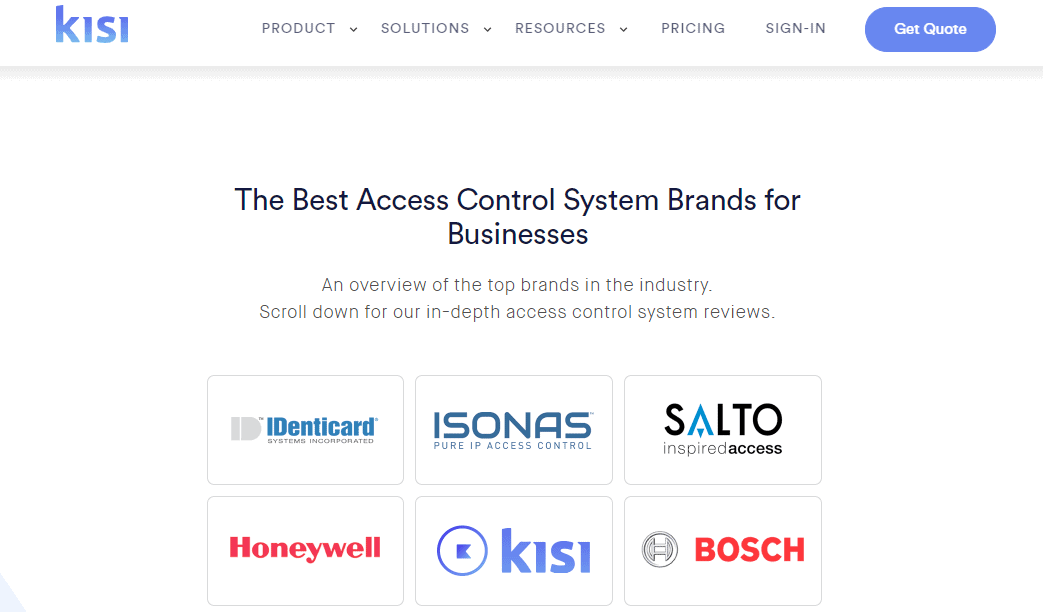
    An example of a product-based B2B company would be one that sells security hardware to businesses and institutions. Kisi is a great example of a B2B company providing other businesses with security hardware.

    kisi
    Source: Kisi

    Also, product-based B2B companies can have a physical or online presence or both and it also helps to mention that the products are generally physical (in nature), hence requiring a much higher initial investment and overhead costs compared to other B2B types.

    Service-based B2B Model

    A company with a service-based B2B model functions exactly as the name suggests – it helps provide other businesses with services of its own.

    A few examples of Service-based B2B businesses would be –

    • Providing consultancy services
    • Marketing Agencies
    • Call management services
    • Employee Training Services
    • Providing translation services

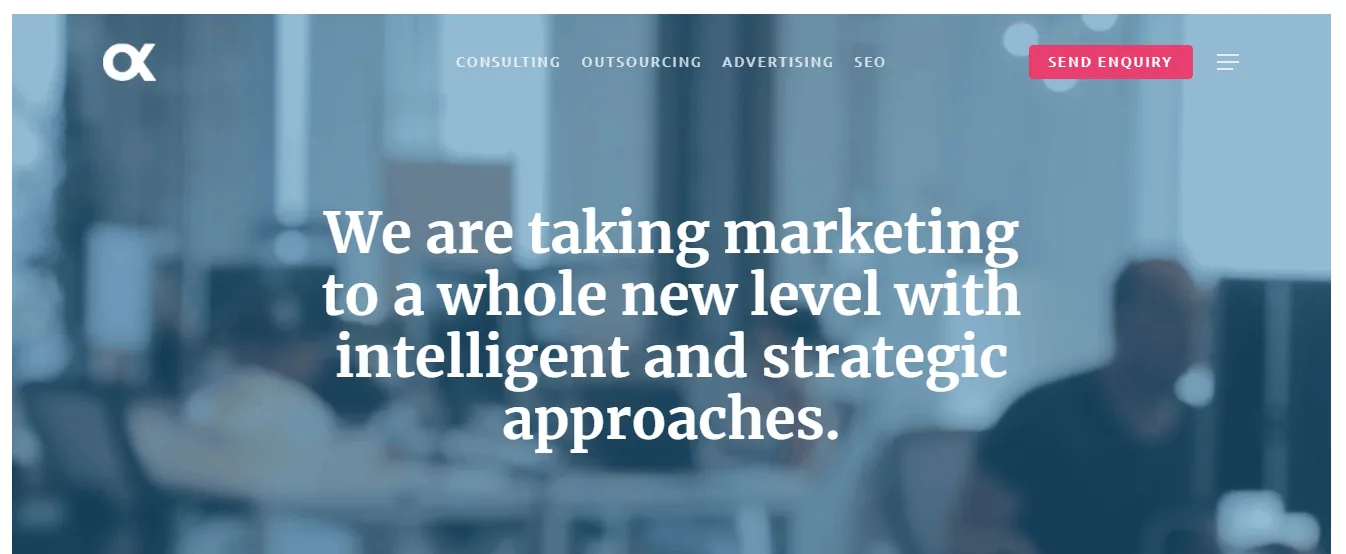
    Rioks is a great example of a service-based B2B company. It provides marketing consultancy services to other businesses to improve their marketing reach and strategies.

    rioks
    Source: Rioks

    Service-based B2B companies are many and large since it is much simpler to scale up accordingly. Also, service-based B2B companies are easier to set up and run compared to product-based B2B businesses. While these service-based B2B companies could have an online or physical presence or both, it depends on the service that the company provides.

    Software-based B2B Model

    Software-based B2B companies can come under either “product” or “service” based B2B model. While the latter deals in providing services to other people, the former provides software solutions to them. This warrants a separate model for software since there are a lot of products and services provided as software-based tools to other businesses.

    The software-based B2B model can be split primarily into –

    • “Product-focussed” software-based B2B model
    • “Service-focussed” software-based B2B model (SAAS model)

    “Product-focussed” software-based B2B model

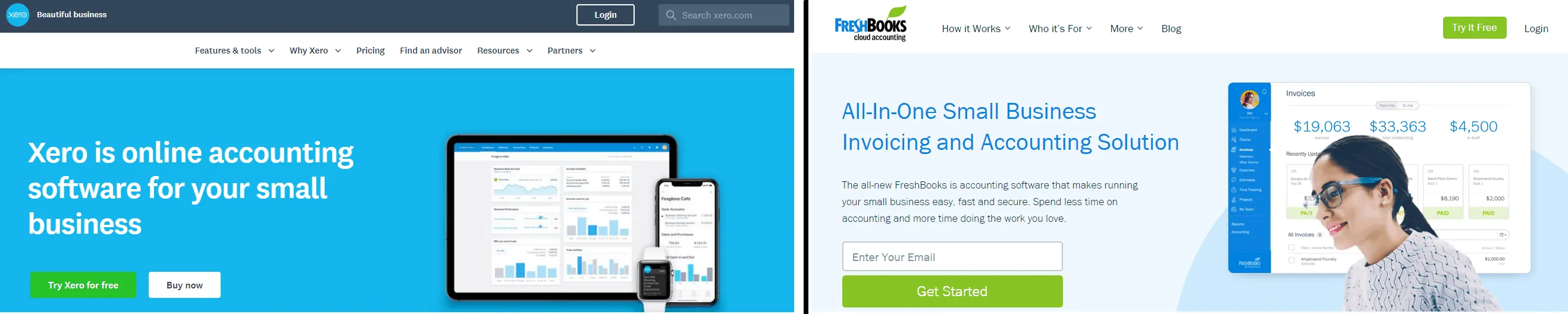
    Xero and Freshbooks are great examples of “product-focussed” software-based B2B companies in which they provide accounting and invoicing software to businesses respectively.

    xero
    Sources: Xero & Freshbooks

    “Service-focussed” software-based B2B model (SAAS model)

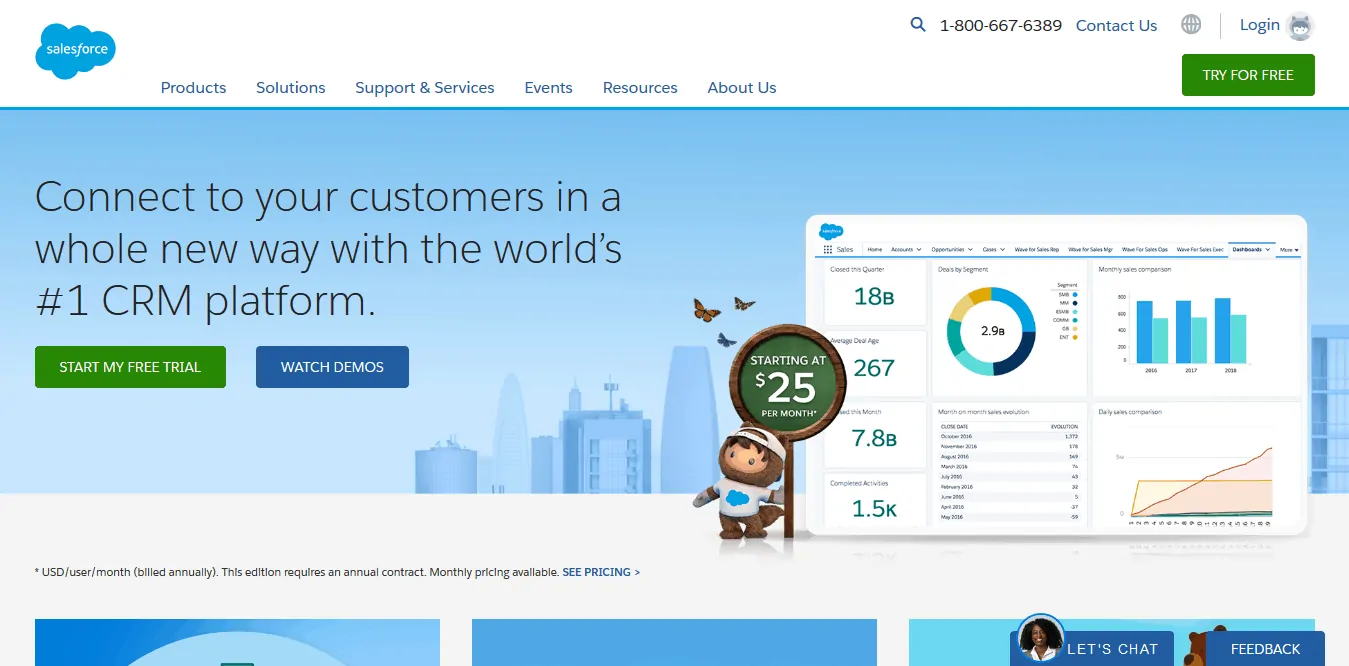
    Salesforce is a great example of a “service-focussed” software-based B2B company. Salesforce provides Customer Relationship Management (CRM) and cloud services to other enterprises and companies.

    salesforce business model
    Source: Salesforce

    The software-based solutions are usually membership or subscription-based and are the easiest to scale accordingly; since the software can be deployed or removed quite quickly and instantly as required.

    While these are a few major and distinguishable types of B2B models, there are a lot of other types which are the hybrid mixes of the above few. But there is one other field that helps to be categorized separately – B2B-based ecommerce.

    B2B Ecommerce

    B2B ecommerce is the selling and buying of goods between businesses through the use of online marketplaces. Ecommerce is a major field of the B2B model and it works really works well, be it servicing customers or businesses. The B2B ecommerce field can be divided into three different sub-models. They are –

    Supplier Centric Model

    In supplier centric model, the ecommerce business acts as the supplier for other businesses. This is mostly due to there being more buyers and fewer sellers on the market. Under this model, the business tends to sell their products via their own or other platforms to various other businesses.

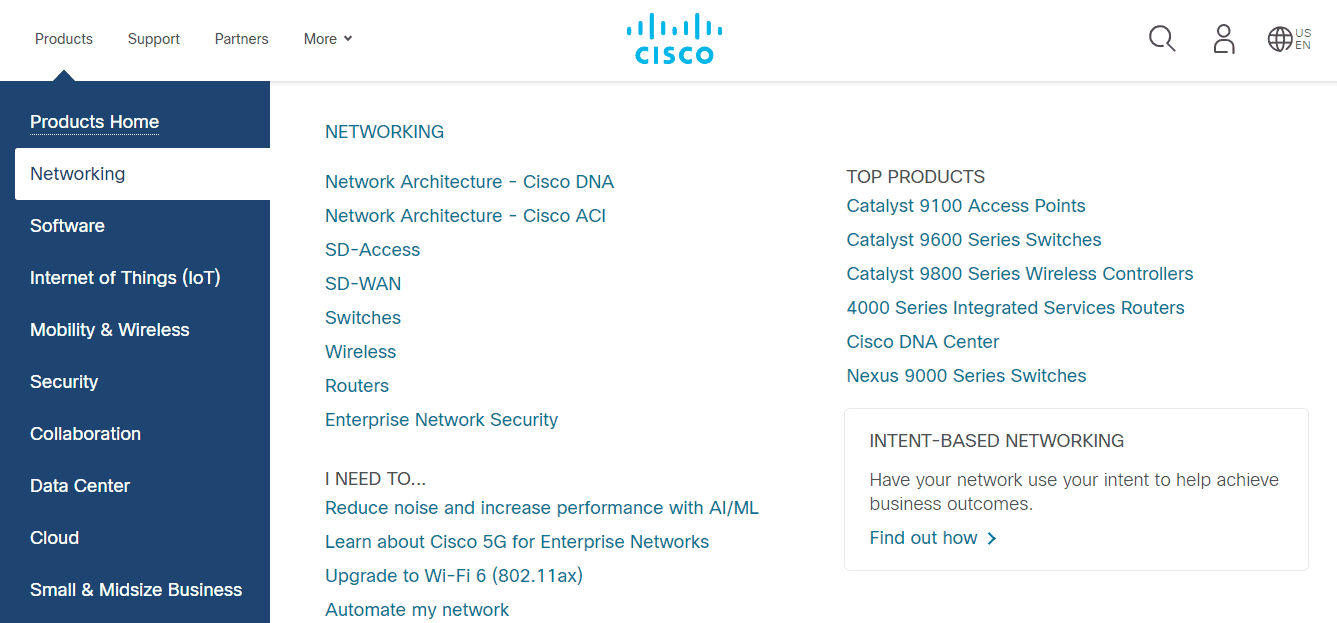
    Cisco is a great example of supplier centric model – it owns its own marketplace through which it sells network equipment to other businesses.

    cisco b2b
    Source: Cisco

    Supplier centric model means that you tend to have control over the pricing and inventory of the products.

    Buyer Centric Model

    In the buyer-centric model, the ecommerce business is looking to procure products and has its own online marketplace – inviting suppliers (read: other businesses) to put up their products and quotations on it in order to compare and decide on the best accordingly.

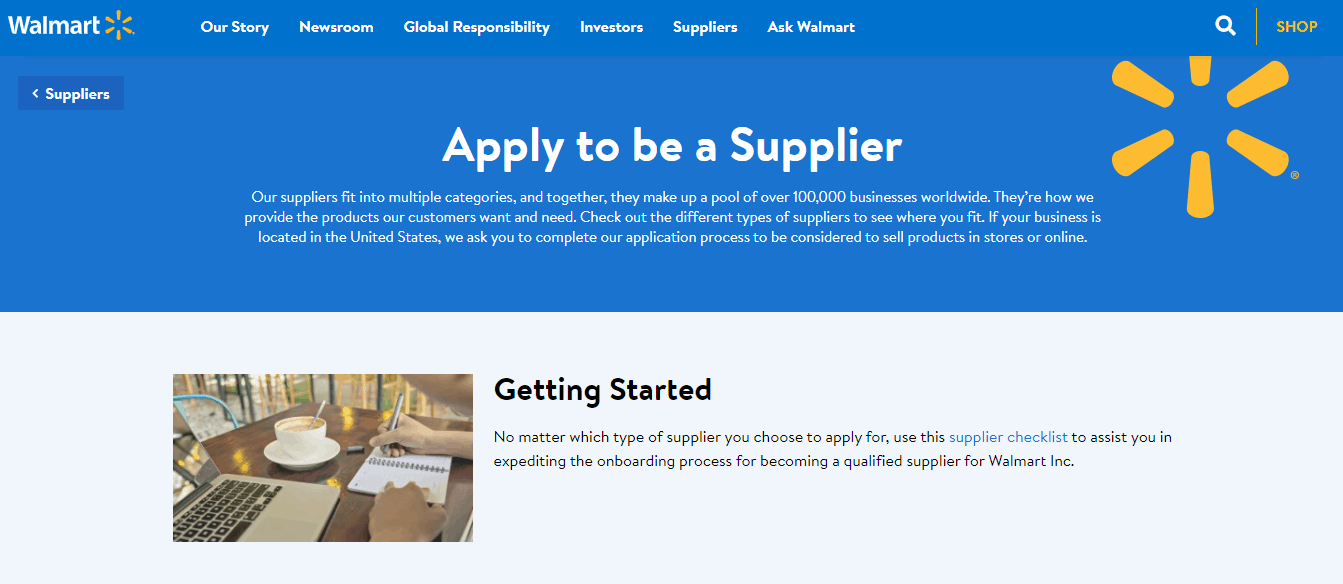
    Walmart is a great example when it comes to the buyer-centric model. Walmart has a global presence and purchases huge quantities in bulk most of the time. It also tends to procure its supplies from local suppliers rather than importing them from somewhere else.

    walmart portal
    Source: Walmart

    This has led them to come up with standards and an online marketplace for suppliers to enter and bid to become the supplier for Walmart.

    Intermediary Centric Model

    In this model, the ecommerce business tends to act as the intermediary, helping connect the buyers and sellers. This is feasible in markets or sectors having a lot of sellers and buyers. The ecommerce business has a platform or marketplace helping connect and facilitate the transaction between businesses.

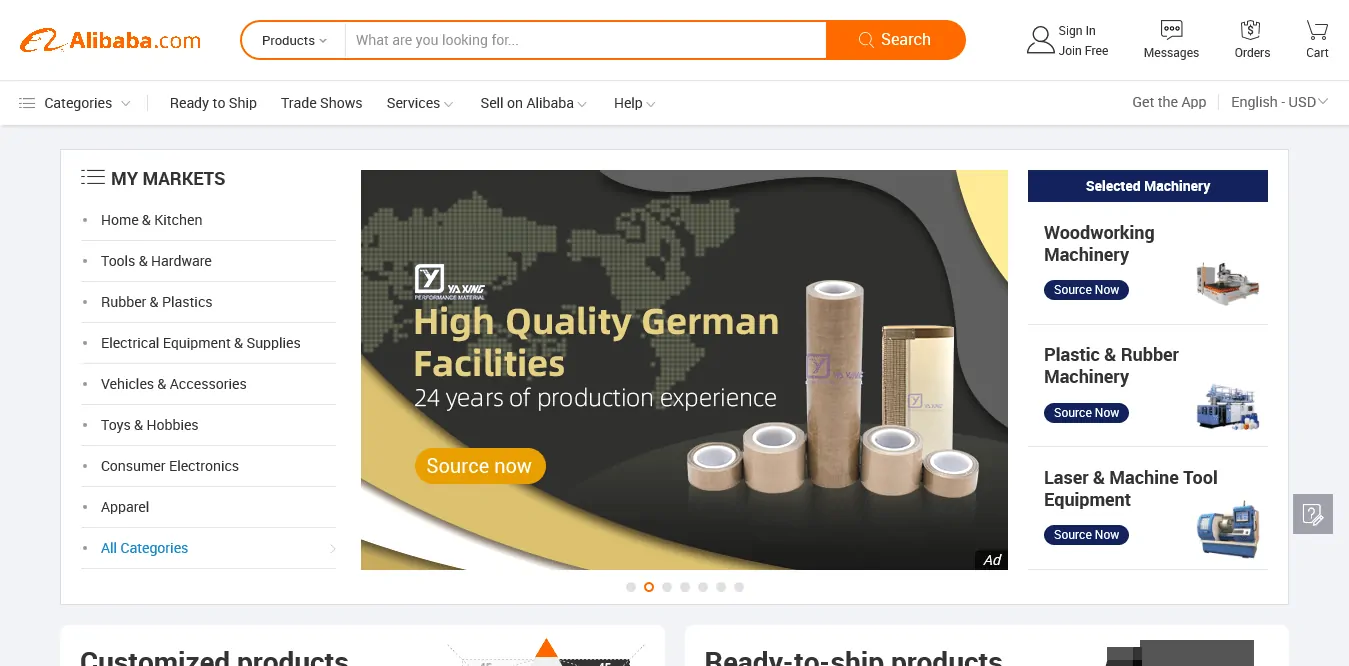
    Alibaba, the Chinese-based e-commerce site is a great example. Unlike Amazon, it mainly focuses on serving businesses.

    alibaba b2b
    Source: Alibaba

    Alibaba is one of the big-name players in the e-commerce sector and it primarily focuses on promoting other businesses to trade and sell their products to other businesses via their online marketplace.

    This brings us to –

    The advantages and disadvantages that the B2B model offers.

    Advantages of B2B Model

    A Predictable and Stable Market

    The B2B market is filled with businesses catering to other businesses. This means that sales and purchases are based on rational decisions rather than based on impulse decisions. This allows for more predictability.

    Also, a buyer in B2C may or may not be a repeat customer but in B2B the deals and contracts tend to last longer – at least a year or more with guaranteed pricing and terms negotiated between the two parties.

    Better Customer Loyalty

    Since the B2B deals and contracts tend to last for years most of the time, it leads to the formation of a much better evolution of supply chain management. It brings about a collaborative mindset in distribution channels and this helps contribute to high levels of customer loyalty.

    This can loyalty can be achieved by providing consistent and reliable service since B2B deals tend to be both costly and time-consuming. As long as you remain dependable and consistent, B2B loyalty is a given.

    A Trillion Dollar Industry

    The B2B ecommerce sector was one of the fastest-growing industries of 2018 and in March 2019, it breached the trillion-dollar mark. This is in total only accounts for 13% of the entire B2B sales. This in itself is a great incentive to get into the B2B field, since this growth is expected to continue for the time being. The market is ripe with the potential for newer businesses to take advantage of the rising sales and demand for B2B solutions and products.

    Disadvantages of B2B Model

    Smaller Customer Pool

    Since the B2B market basically deals with businesses instead of individuals, it has fewer potential buyers and sellers at any given time. Unlike serving to the consumer market, selling niche or specialized products and services further limits your serviceable and potential clients.

    Marketing Challenges

    Marketing to other businesses is quite complex compared to marketing to regular consumers. While B2C businesses use social media and content marketing to bring in customers, B2B companies need to plan carefully before employing any of the marketing methods. Businesses tend to be more critical of the brand-image and status of the other business that they interact with. This means that B2B companies need to invest in quality staff in order to create polished and clear-cut marketing campaigns.

    With the advantages and disadvantages of B2B businesses out of the way, let’s look at a few examples of B2B companies to get a better understanding.

    B2B Companies Examples

    As seen before, most companies, be it B2C or C2B or C2C or even B2B, all depend on basically at least one other company or business in order to function. This means that there are a lot of B2B companies serving other companies out there.

    Here are five such examples of B2B businesses –

    WeWork

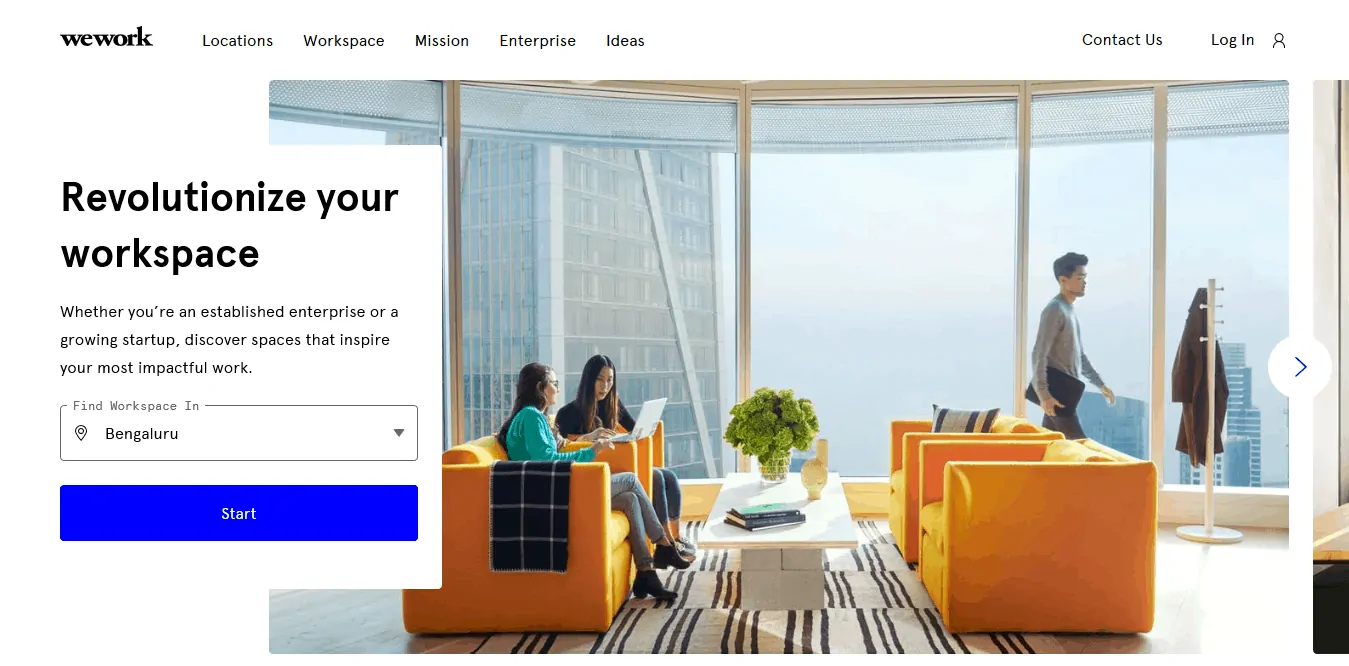
    WeWork is basically a real estate-cum-software based company that helps provide workspaces for businesses and entrepreneurs.

    wework business model
    Source: WeWork

    WeWork is a great example of a B2B company since it is basically a business that sub-lets office space for other businesses.

    Slack

    Slack stands for ‘Searchable Log of All Conversation and Knowledge’ and is an online platform that acts as a chat room with added features to it – making it easier to share content and messages all from the same platform.

    slack business model
    Source: Slack

    Slack is a business that provides a communication platform service for other businesses.

    LinkedIn

    LinkedIn is part social media and part B2B company. The social media aspect is well known. But LinkedIn also acts as the hub for most businesses to keep themselves informed about the happenings of the business world.

    linkedin business model
    Source: LinkedIn

    LinkedIn helps inform other businesses about market issues and help get to know others in their fields digitally.

    IBM

    International Business Machine (IBM) is a global software and technology company that provides hardware, software and cloud-based services to other companies.

    ibm business model
    Source: IBM

    Though the company has dabbled in the consumer market, it’s primary operations always was in providing services for other companies making it one of the biggest and oldest B2B company in our list.

    Conclusion

    The B2B model is a fairly simple business model. It helps solve or provide services to other businesses while, at the same time, operating one on their own.

    All the B2B companies that we listed above are all addressing pain points other businesses have and they have created a B2B business solution to help solve those pain points. And all it takes for you to start one is as simple as finding the market deficiencies at any time and help provide a solution to it.

    Go On, Tell Us What You Think!

    Did we miss something? Come on! Tell us what you think about our article on Business to Business (B2B) in the comments section.
  • Starting A Food Truck Business: A Detailed Guide

    Starting A Food Truck Business: A Detailed Guide

    The world has gone mobile and so is the food industry. And with a projected value of over 3 billion in the 2020s, food truck businesses are huge contributors to this change.

    The popularity of such food trucks can be credited to –

    • The change in consumer’s attitudes and visit intentions towards food outlets.
    • Their low investment costs.

    If you’re new to this industry or just want to understand how food trucks businesses work and what is their business model, here’s a complete guide for you. But first, what is a food truck business?

    What Is A Food Truck Business?

    A food truck (also called roach coach or gut truck) is a mobile restaurant – a large truck, trailer, or van equipped to cook, prepare, serve, and sell food.

    These food trucks enjoy the flexibility of moving to different locations and serving to different clients if the market doesn’t suit them.

    Though started as wagons in the late 1700s, the trend of food trucks as a legit business started during the great recession of 2008. Originally, these trucks used to serve only on construction sites, factories, and some blue-collar locations and sold quick-and-easy-to-make food products like sandwiches, hamburgers, french fries, etc. However, now that they are welcomed almost everywhere, there’s a steep rise of gourmet trucks which are considered a respectable venue for aspiring chefs to launch careers.

    The menu of such trucks is limited yet specialized, the prices are low, and they stand out by providing food experience to the customers which they otherwise would not have experienced.

    But food trucks are different from food trailers. Food trucks move on their own. They refer to a kitchen in a vehicle. Food trailers, however, are towed by a vehicle that is separate from the kitchen portion. While many people consider them to be the same thing, government and insurance companies have different policies for both of them.

    We’ll be focusing more on food trucks in this article.

    Food Truck vs Restaurant

    Food truck business is thriving and the growth is even greater than the usual brick-and-mortar restaurants concept, mostly because –

    • The prices of the offerings are low as this business involves fewer costs.
    • It is truly mobile and can move to most-profitable markets easily.
    • Food trucks can change their menu and outlook easily without incurring heavy costs.
    • Food trucks are preferred by the newer generations (consumers aged 18 to 34) who demand easy food with more social interaction.
    • The concept is also preferred by new generation entrepreneurs as it involves less investment and helps them transition out of usual 9 to 5 jobs.
    • They capitalize on community-oriented marketing channels like social media and also make use of the scarcity principle most of the times.
    • They boost social activities where people get a chance to interact with others while waiting for their order and consuming it.
    • Food trucks these days are highly branded and usually stand out of the crowd with their distinct brand personality (fun, exciting, new, different and unique).
    • They play on convenience and speed by which they serve the public.

    How To Start A Food Truck Business?

    So, what exactly is the food truck business model and how do you start a food truck business?

    Well, it isn’t easy as it might seem. Even if it isn’t a regular restaurant, you’d require licences to operate, funding to start, hire, and market, and insurance to protect your business in the long run.

    But it’s still easier and economical than opening a restaurant. Here’s a process to help you start your own food truck business –

    Step 1: Analyse The Existing Market

    Market analysis is an important process of –

    • identifying the most profitable target group,
    • understanding how they buy and consume food,
    • what they usually buy,
    • what competitors are doing right now,
    • the available spaces which witness your target crowd,
    • The legalities of running a food truck in your targeted city, and
    • what’s currently missing in the market.

    60% of the food trucks fail within three years of operation. Most of them fail because they ignore market research and planning. Look for available opportunities, know what the competitor is doing, notice what the competitor isn’t doing, and find out the unfulfilled demands of the customers related to the food industry.

    Step 2: Find Your Niche

    Market research will result in you finding out what’s needed in the market and where’s the most profitable space. Align this data with your own speciality and decide the concept or cuisine (your niche) you’ll be serving. This concept will form the backbone of your food truck.

    Here are some famous food truck concepts –

    • Fusion dishes: Mixing two cuisines to develop an all-new dish like Tex-Mex.
    • Organic food: Targeting the health freaks.
    • Gourmet sliders: Serving non-traditional sliders cuisines.
    • Regional Cuisines: Choosing a regional cuisine which isn’t usually available in the neighbourhood.

    Develop A Menu & Test It

    The niche will help you plan your menu. Decide a few central dishes and some easy-to-make side dishes (which you can upsell later) but keep the menu limited as you’ll have limited space in the truck.

    Make sure to test it before making any big decisions. Open a mobile food-stall in the planned market to test if your assumptions are valid and people do like what you have to offer.

    Develop Business Model, Business Plan & Business Strategies

    Once validated, plan how you’re going to operate your business and how are you going to make money (the business and revenue model). Set your short term and long term goals and the means to achieve them, and also set the business strategies you’ll use to outplay the existing players in the market.

    • Find reliable partners (vendors): Vendors form your most important partners. Good vendors will help in the smooth running of your food truck.
    • Define your cost structure: Define all the operating costs you will incur. Make sure you have provisions for them all.
    • State your value proposition: Value proposition is the value your customers will get by consuming your offering. It’s a mix of rational (competitive) and emotional benefits.
    • Predict the expected revenue strategies: Plan the cost at which you are going to sell your offerings. Decide the channels and figure out if they are viable. Channels include direct B2C sales, sales through delivery partners, party bookings, etc.

    Brand Your Food Truck

    Branding is of utmost importance when it comes to food trucks as the chief target audience considers a brand to be the deciding factor of whether they want to try its offerings or not. Choose and define the –

    • Brand name: what will you be called?
    • Brand Logo: what symbol will differentiate you?
    • Brand positioning: how will you stand out in the minds of the customers?
    • Brand experience: How the brand will direct every customer interaction to make them form a particular perception about the brand.

    Get Licences & Permits

    It’s a good idea to get all the licences and permits relating to your business before you invest monetarily and emotionally in your business.

    Usually, you need four-to-five types of licences and permits to start your food truck business –

    • Business Licence
    • Employer Identification number
    • Food Service Permit
    • Parking Permits
    • Health Permits

    However, different countries and states have their own rules and regulations. For example, if you want to start a food truck business in New York, these are the requirements

    • Mobile Food Vendor License
    • Mobile Food Vending Unit Permit
    • New York State Certificate of Sales Tax Authority
    • Completion of the food protection course exam for mobile food vendors
    • Daily service and overnight storage at a commissary — an established commercial kitchen used to prepare and store food and park vehicles — certified by the NYC Department of Health
    • Ensuring that your truck has all the required equipment— e.g., separate sinks for handwashing and food preparation, wastewater tank, ventilation, etc.

    Similarly, starting a food truck business in Canada, India, and Australia requires you to fulfil different sets of legalities.

    Finance Your Food Truck Business

    While buying a food truck will cost you as less as $5000, starting a business involves a lot more costs. It usually ranges from $40,000 to $200,000 depending upon your location, concept, cooking appliances you’d require, and the type of truck.

    Some costs you need to consider while starting a food truck business –

    • Insurance (business insurance and vehicle insurance)
    • Inventory (raw materials, food, and other supplies)
    • Payment processing (partner commission, hardware and internet)
    • Commissary fees (kitchen rental for prep work)
    • Truck internal modification to fit the concept
    • Truck appearance and design
    • Fuel
    • Marketing costs (online and offline)
    • Payroll

    This finance can either be sourced internally or you can opt any of these funding strategies

    • Business loan
    • Personal loan
    • Crowdfunding
    • Investor funding
    • SBA microloan (or similar type of loan for SME in your country)

    Purchase & Modify Your Food Truck

    Finding a truck isn’t an uphill struggle. There are a lot of options where you can get your food truck from –

    • Online Classifieds like Craigslist includes listings by people who want to sell their old trucks. These old trucks are easy on the pockets but usually require you to spend more money to customize them according to your own concept.
    • New Custom Trucks: These are an expensive option but you get exactly what you want.
    • Leasing: There are many people who make money leasing their trucks to buyers like you. The only drawback being the restriction to customize most of them.
    • Franchising: Many existing companies who look for expanding their presence offer franchising as an option where they sometimes even provide you with the trucks at low costs. However, in this case, you don’t have any control over the product, marketing or menu.

    Insure Your Business

    Food truck’s greatest perk is its greatest risk as well – being mobile. Being mobile means it is prone to accidents; and since you invest a lot in food trucks, insurance is almost a necessity. Besides this, there are usual business risks that can drown your investment.

    • Insure your food truck (auto liability and auto physical damage)
    • Insure your business (general liability like food-related claims and marketing related claims)
    • Insure your equipment and property within the truck
    • Insure your workers

    Market!

    Effective marketing is a game-changer for any food truck business. Since you target newer generations, you need to market using the channels they are most active on – social media and mobile.

    Here are a few strategies to help you get started –

    • Business Listing – list your food truck business on social validation oriented websites like Yelp (USA & Canada) and Zomato (India). Also, make sure to create a Google My Business page to make it visible to everyone who searches for your brand or the concept you serve.
    • Engage on Social Media: Start a Snapchat profile and an Instagram page, add location specific and trend specific photos using hashtags and geotagging. Take candid photos and ask people to follow you to find them. Make sure you interact with them on these channels. Also, use Facebook and Twitter to run targeted ads with offers to get more people to try your offerings. And, use these channels to inform your existing customers about what new can they expect in your food truck.
    • Develop a website and do SEO: Develop a website and optimize it using SEO. Then use it to take bookings for parties and events. This adds to the revenue.
    • Run loyalty programs: Food truck businesses are meant to be highly social. Make sure your workers also adhere to it and offer loyalty discounts to frequent visitors.
    • Outreach food bloggers: Influencer marketing brings in a lot of traffic. Try reaching out and partnering with established food bloggers to promote your business.
    • Use SMS & WhatsApp Marketing: SMS and WhatsApp messages provides a personal touch which other marketing channels fail to provide. Here’s a guide to help you build relations with your audience using WhatsApp marketing

    Go On, Tell Us What You Think!

    Did we miss something? Come on! Tell us what you think about our article on food truck business in the comments section.
  • Does Myspace Still Exist? | Why Did Myspace Fail?

    Does Myspace Still Exist? | Why Did Myspace Fail?

    Before Facebook, there was Myspace.

    The company launched six months prior to Facebook, Myspace grew rapidly and was even the largest social network site world from 2005 to 2008. It was also almost to be bought by Facebook at one time.

    But Myspace is almost obscure now in the eyes of many.

    How did this come to be?

    Let’s find out.

    History of Myspace

    The history of Myspace is one of true simplicity. Myspace (earlier stylized as MySpace) was launched on August 1, 2003, by Tom Anderson, Chris DeWolfe, and Brad Greenspan as their very own take on what a social network site should look like.

    The three drew their inspirations for Myspace from Friendster (a social network site) that they were a part of – they took the most popular features of Friendster and implemented them with a few tweaks. The group had the first version of the Myspace site ready in about 10 days.

    Myspace allowed its users to be able to create and fully customize their own profiles and allowed for you to send friendship requests – this was all the rage back in the early days of social networking sites. It also allowed its users to post photos, videos and music onto your profile using their subsections Myspace photos, Myspace videos, and Myspace music.

    All this could be done by the users by using basic HTML and Myspace allowed for almost any type of content to be posted on its site. The only thing that Myspace censored was hate speech and extreme nudity.

    All this meant that Myspace was very popular with the younger demographic of 16 to 25-year-olds. This popularity and the media capabilities support within the site meant it also drew in a lot of celebrities from the media industry onto their site – mainly music artists.

    This popularity bought wide-spread attention to Myspace, which was soon acquired by the News Corporation (Rupert Murdoch’s media conglomerate) for about $580 million (£443m) in July 2005. Within a year after its acquisition, Myspace tripled in value and even overtook Google and Yahoo! to become the most visited site in the US in June 2006. Myspace became the largest social media site from 2005 to 2008, with over 80 million unique users a month at its peak in 2008.

    Myspace earned a lot during this period and its only source of income was ad-revenue that it got from allowing adverts to be shown on their site.

    Myspace Net Worth

    In 2007, Myspace net worth peaked at $12 billion upon the attempted merger between News Corporation and Yahoo!. Later on, Myspace was valued at around $35 million –when Myspace was purchased by Specific Media and Justin Timberlake in 2011.

    Among the three co-founders, Tom Anderson has the highest net worth – at around $65 million as of January 2020. Chris DeWolfe is estimated to have a net worth of $50 million and Brad Greenspan is estimated to have a net worth of $20 million.
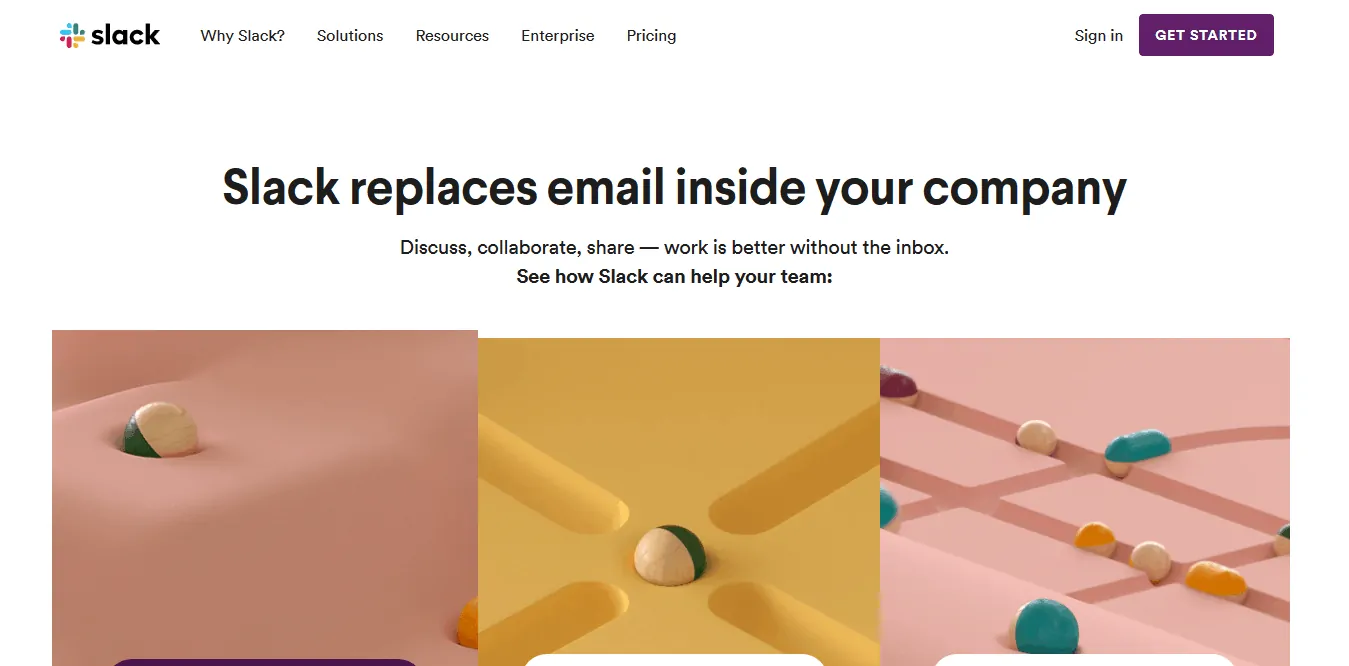
    So –

    What caused Myspace to fail? Why isn’t Myspace as popular as Facebook or Twitter today?

    Why Did Myspace Fail?

    Myspace’s main competitor was Facebook. Even though both platforms had different visions and futures, they were the closest to one another at the time. This leads to direct comparisons between the platforms.

    Here are several reasons as to why Myspace lost to its competitors – mainly Facebook – and isn’t relevant anymore –

    Unintuitive User-Interface

    Myspace was focused on allowing customizations by the user. While that is all well and good, it required users to know a bit of HTML in order to customize their profiles at the beginning. Though it later tried to remedy these problems by offering a cleaner UI and better design, it was too late and users had already moved on.
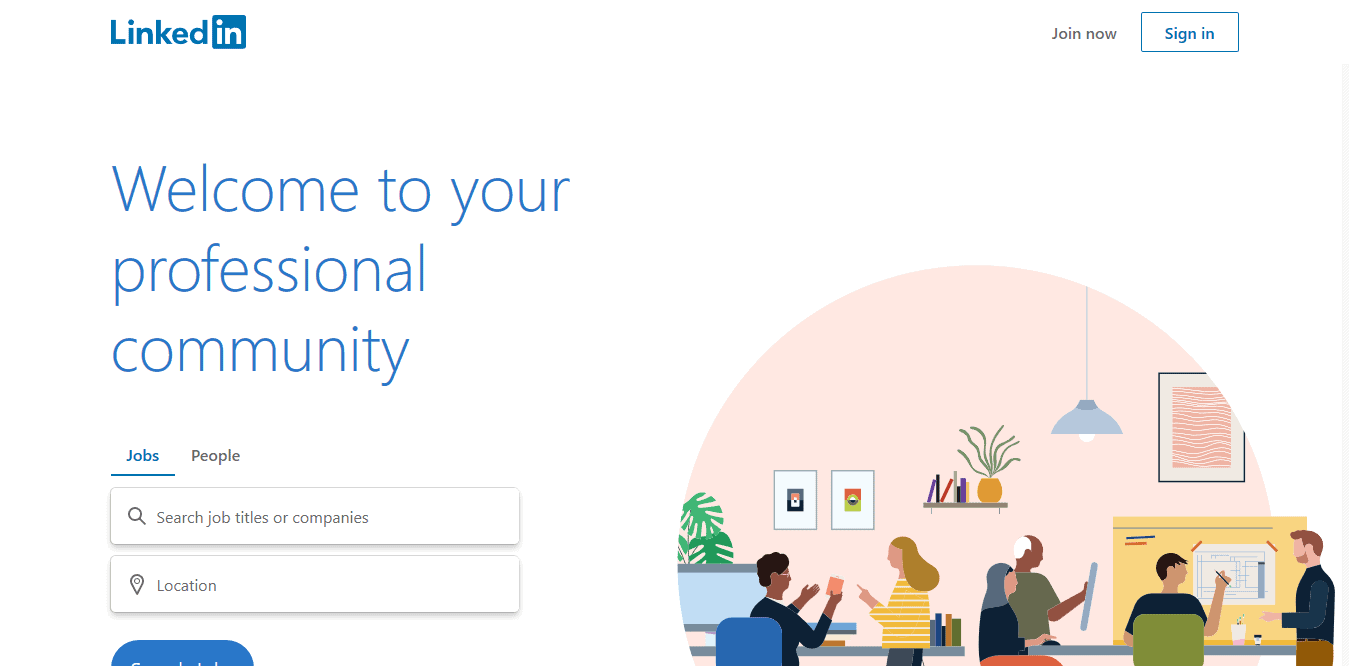
    Too Many Advertisements

    Myspace’s only source of revenue was by serving advertisements and they were pressured by their investors and partners to take an even aggressive approach on serving advertisements in order to make up for the dwindling user base. Though this helps them stay afloat, their site looked much cluttered with the presence of a lot of advertisements. This looked downright unattractive compared to the interface Facebook offered at the time.

    Constant Redesign

    Myspace has changed hands between 4 different companies and this meant a lot of changes were made by every owner. This meant a constant change in the direction and design of the site which frustrated the user base even more. It is estimated that 50% of Myspace users simply left because of this back in 2010 itself. Tom Anderson, also expressed his distaste on the ever-changing design and direction of the site he helped co-found –

    tom anderson
    Source: Appleton

    Bleak Censorship

    Though not censoring anything except for illegal content, hate speech and extreme nudity is a revolutionary feature in today’s online space, this meant that there was a higher chance of a youngster coming across age-inappropriate content while using the site. This made Myspace gain negative among the press and parents.

    Use of Screennames

    Myspace allowed its users to use any email to sign up and didn’t require you to be a part of any academic institution per se during the early days. It also allowed its users to anonymous usernames and details (screennames) instead of forcing them to use their real names. This made connecting with other users feel a bit disconnected compared to Facebook, where the users were forced to use their real names which made it much easier to connect on a personal level.

    Slow Innovation

    Social networking sites like Facebook and Twitter were adding newer and creative features which made it much easier to use. This is the reason Facebook is considered the “grandfather of social networking” even though they weren’t the first. Myspace, on the other hand, failed to innovate and bring about newer features – even those that were doing well on other platforms quickly. This just accelerated users to move onto other platforms.

    In an interview with Businessweek, former co-founder Chris DeWolfe mentioned that he thought the reason for Myspace’s decline was due to their overenthusiasm and under execution on the product side.

    We tried to create every feature in the world and said, ‘O.K., we can do it, why should we let a third party do it?’ We should have picked five to ten key features that we totally focused on and let other people innovate on everything else.

    As a result of all this, April 2008 saw Myspace lose to Facebook, never to recover again.
    facebook myspace
    Source: Business Insider

    Which brings us to –

    Does Myspace still exist?

    Does Myspace Still Exist?

    Yes, Myspace still exists and it is far from dead. It still has its Myspace domain up and running. Myspace was purchased and currently owned by Time Inc. since February 2016 and numerous redesigns and relaunches have occurred since then.
    The Myspace desktop site is still receiving millions of visits every month and according to AdAge, it had around 15 million globally unique monthly visitors by the end of 2015.

    Myspace also used to have its very own smartphone app on Android and iOS. But users can access the Myspace mobile web app by visiting Myspace.com from their mobile device.

    https://twitter.com/IainShipp/status/1032892365462155264?ref_src=twsrc%5Etfw

    There have also been a lot of security and data mishaps recently. In 2016, Myspace was hacked and user login details from accounts that were created prior to June 11, 2013, were stolen from the site.

    myspace data breach
    Source: SmallBizTrends

    Also, Myspace deleted 12 years’ (2003 and 2015) worth of user data accidentally in a mishap while migrating from one server to another at the beginning of 2019.

    myspace data loss
    Source: ZDNet

    The files got corrupted during the transfer and failed to show up on the updated platform.

    Final Thoughts

    Myspace is still a long way behind Facebook. That is not to say that Myspace never got anything right. It has tasted some success in recent years as a music-orientated social media site. Myspace had a superb marketing strategy. It allowed you to post any code – embed anything as long as you knew what you were doing.

    Had the co-founders held onto Myspace and brought along new features and options to the table, things would have been quite different. Myspace still has a lot of things going for it such as the data of its users spanning decades, which is quite valuable than we think of it to be. The newer site is also more polished than ever. It may even see a resurgence to its glory days quickly upon the decline of Facebook.

    Go On, Tell Us What You Think!

    Did we miss something? Come on! Tell us what you think about our article on Why Did Myspace Fail in the comments section.