Feedough Logo

Blog

  • Byju’s Business Model | How Does Byju’s Make Money?

    Byju’s Business Model | How Does Byju’s Make Money?

    “I am not trying to make millions; I am trying to change the way millions think and learn.”  With this aim of educating millions, Byju Raveendran founded Byju’s, an edtech unicorn valued at $15 billion. From taking classes at his friend’s terrace to signing Shah Rukh Khan as its brand ambassador, Byju’s has come a long way. With the advent of technology and the rapid shift to online education, the company has emerged as an industry disruptor.

    Let’s dive right in to find out how an engineer from a small town in India built Byju’s business model worth billions.

    What Is Byju’s?

    Byju’s is an edtech company providing an online tutoring platform to students. Precisely, Byju’s offers online education to the K-12 segment and the students preparing for various competitive exams. It has become one of the most popular education platforms with 3.5 million paid subscriptions and an 85% renewal rate.

    The edtech unicorn stands out because it provides a holistic experience tailored to the needs of each student. Byju’s accomplishes this by providing technology-enabled and personalised journeys, trained teachers, and engaging content.

    Byju Raveendran, the eponymous CEO of India’s first edtech unicorn Byju’s, was an engineer from a small town in Kerala, India. Byju scored 100 percentile in CAT (Common Admission Test for B-Schools admission in India) and was offered admission to India’s top management institutes. But instead, he started a coaching class for CAT aspirants, which spawned this money-making machine. He came a long way from teaching at his friend’s terrace to holding sessions in huge auditoriums.

    “I believe when you take sessions in auditoriums, you’re creating a kind of fan following. You can’t do a math class in a stadium. It has to be a math performance.”

    Finally in 2015, he launched Byju’s app which was a huge success.

    Here is a brief history of Byju’s:

    2011
    The company was founded by Think and Learn pvt. ltd.
    2015
    The flagship product Byju’s-the learning app was launched
    2016
    Byju’s became the first Asian company to be backed by Chan-Zuckerberg Initiative
    2017
    BYJU’S app was used as a case study at Harvard Business School, The company also signed Shah Rukh Khan as its brand ambassador
    2018
    Byju’s became India’s first edtech unicorn
    2019
    Byju’s became the most valuable edtech company inthe world
    2020
    Attained the decacorn status with a valuation of $10.8 billion
    2021
    The company was valued at $15 billion.

    Who Are Byju’s Customers?

    Byju’s has the unusual feature of never having the customer as its end-user. The parents serve as customers of Byju’s, but its actual consumers are the students who use the platform to study and learn. Hence its primary target audience is the parents who are willing to provide quality education to their children.

    Byju’s currently offers its services to the K-12 segment as well as to the students preparing for JEE (engineering entrance), NEET (medical entrance exam), CAT (MBA entrance exam), and UPSC (civil services entrance exam). The company has a large user base with more than 75 million downloads across 1700 cities in India. 

    What Is The Value Provided By Byju’s?

    The education sector is a massive market with a lot of potential and room for expansion (India alone has 250 million students in the K-12 segment). The 2020 global pandemic accompanied by technological development accelerated the transition to online education. Amidst all this, Byju’s has emerged as one of the largest edtech companies.

    Byju’s provides on-demand quality education through interactive animations. The company provides a platform where students can grow, learn and improve through fun and personalised activities. The reason for its rapid growth is its unique approach towards interactive learning and optimum utilisation of technology. The student can access all the resources provided by the company from the comfort of his home. The company not only provides engaging content but also seeks to monitor the student’s progress and hence tailor the experience for him.

    Byju’s provides a holistic platform that caters to both the students’ needs and their parents’. The mentoring sessions, counselling sessions, and growth charts help the parents assist their child in his overall development.

    In a nutshell, Byju’s incorporates the best of both online and offline, education.

    Moreover, in 2020, Byju’s launched its ‘Education for All’ initiative. Through this benign initiative, the company aims at democratising education by educating at least 5 million children from underserved communities by 2025. The goal is to provide personalized learning to all children irrespective of their economic background.

    Byju's mission

    How Does Byju’s Operate?

    Byju’s provides courses for students in the K-12 segment and competitive exams like CAT, IAS, JEE, and NEET. The company offers a personalised journey for each student guiding them at every step.

    Developers and teachers focus on making the content engaging, interactive, and fun to retain more students and make the courses interesting. In fact, this is what makes the company stand out. Today, the average time spent by a student on the app is 71 minutes per day.

    Various activities offered by Byju’s are:

    The life-like online classes offered by Byju’s help the students understand and grasp fundamental concepts with the help of animations and visual aids. Technology is used to make classes engaging and fun.

    The tests, in-depth analysis, and personalised feedback from mentors help the students improve and strengthen their concepts. While tests are scary for most students, Byju’s makes them interesting and fun in the form of quizzes, bubble bursts, and word puzzles.
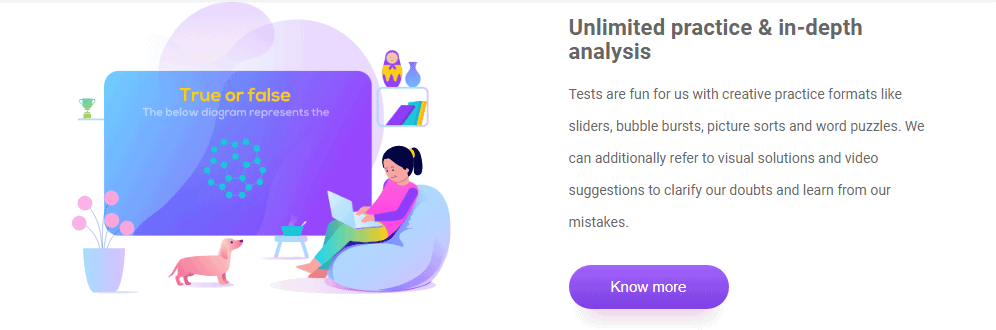
    Byju's operating model

    Byju’s also offers one-on-one monthly mentoring sessions where mentors interact with students and parents. These sessions aim to track and analyse the child’s growth and give some recommendations to improve the child’s performance.
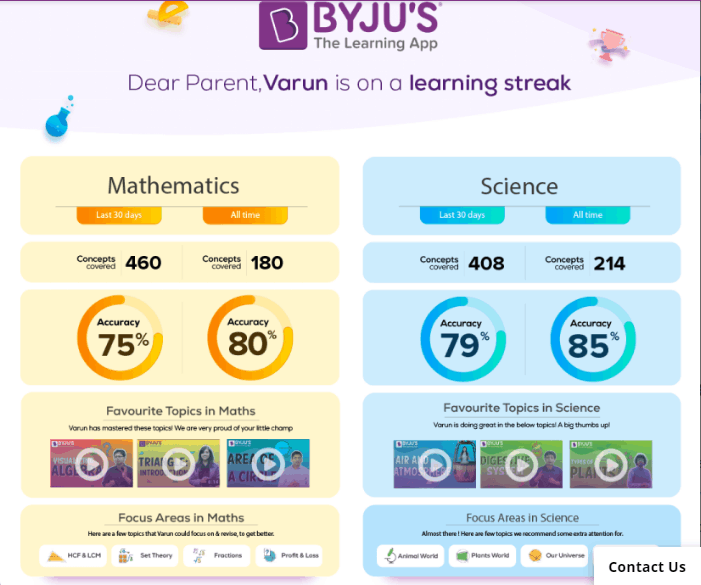
    How Byju's operate

    The study videos are offered in various languages so that the students can learn at their convenience.
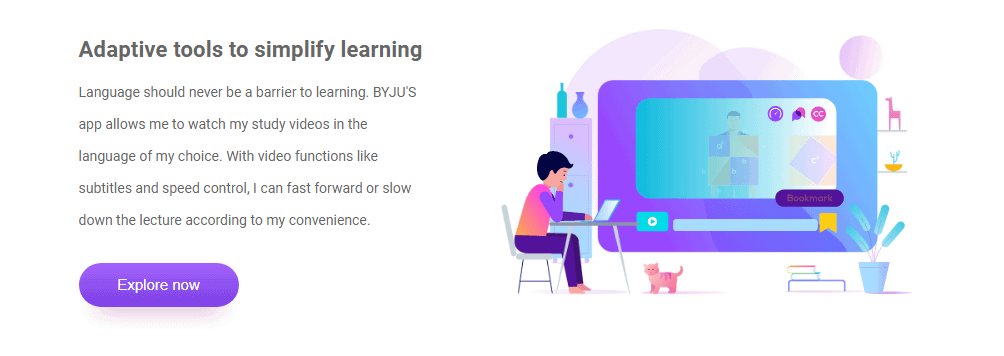
    Byju's business model

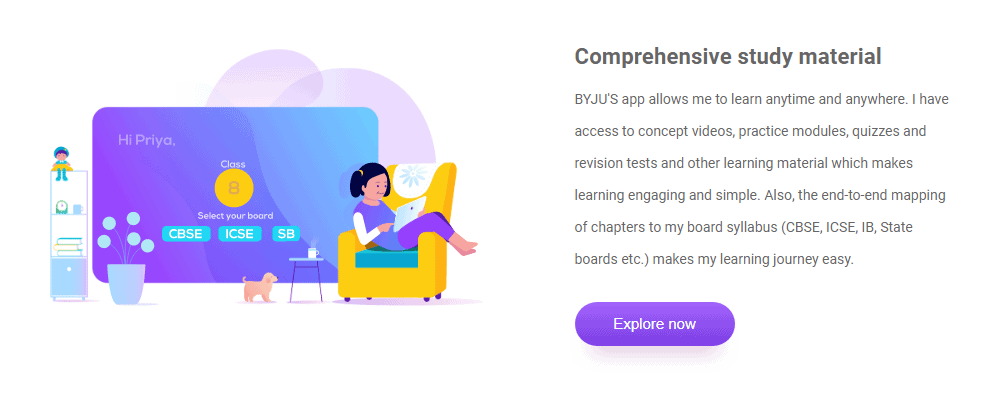
    Byju’s also provides the students with comprehensive study material. The online classes, along with course material, make a perfect combination for great learning.
    How Byju's operate

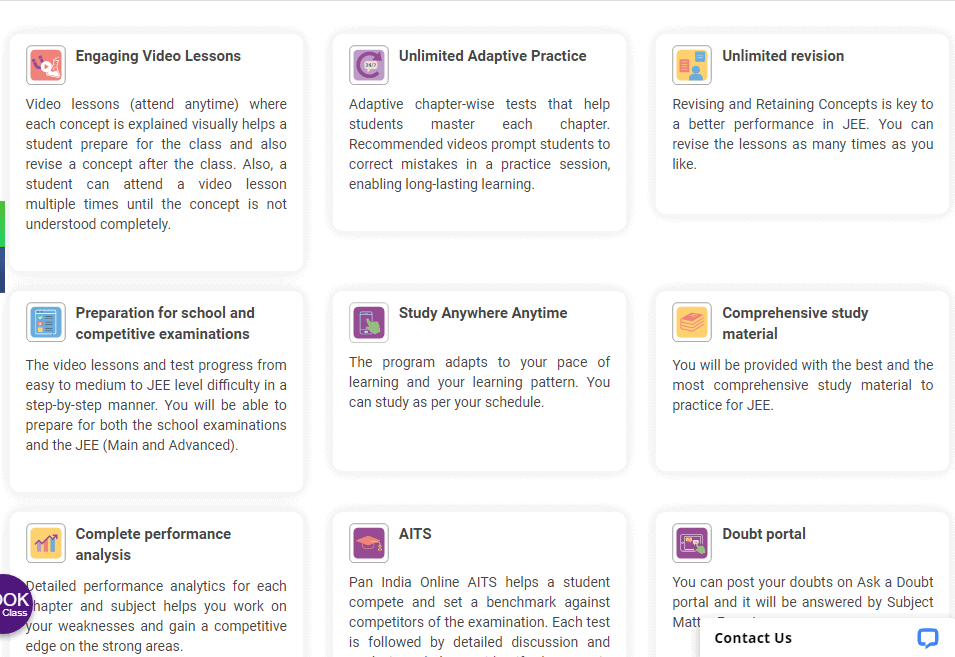
    Byju’s also offers extensive programs for JEE and NEET preparation (engineering and medical entrance). It is a 5-days-a-week program where students are provided with video lessons, revisions, daily practice papers, study material, doubt solving sessions, performance analysis, and AITS (All India Test Series).
    Byju's programs

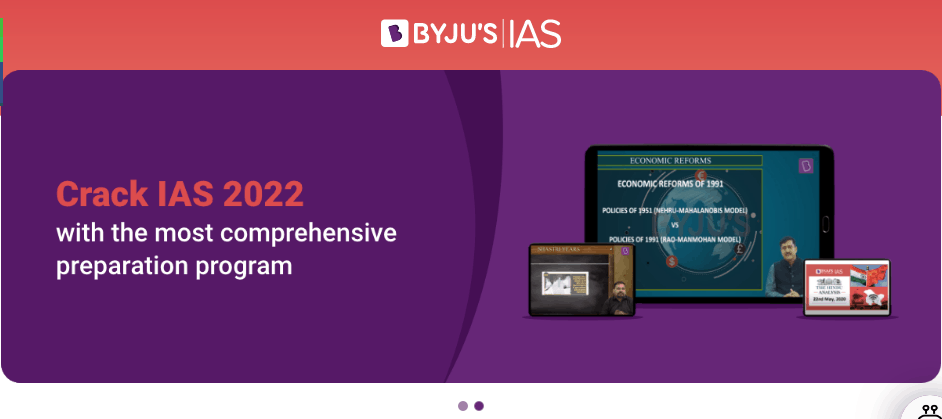
    The company provides a comprehensive program to help aspirants crack the UPSC exam (civil services entrance). Students can avail the program through online classes, tablet mode, or offline classes. Students are offered one-on-one mentoring, doubt sessions, test series, fortnightly unit exams, interview preparation, and current daily affairs.
    Byju's IAS

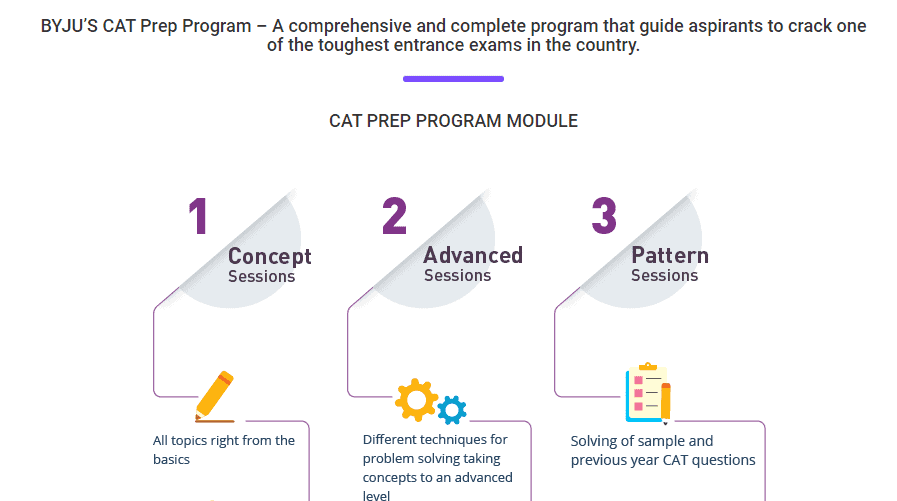
    Byju’s is also popular among CAT aspirants. Its three-tier course structure consists of concept sessions, advanced sessions, and pattern sessions. The company brings forth a comprehensive and detailed program including mock tests, modules on GD-PI, and practice modules on essay writing.
    Byju's CAT

    Byju’s, in collaboration with Disney India, offers a separate app for students from LKG (lower kindergarten) to class 3. The app is specifically crafted for young children aged between 6-8 years featuring timeless Disney characters from Frozen, Cars, Toy Story, and Disney Princess.
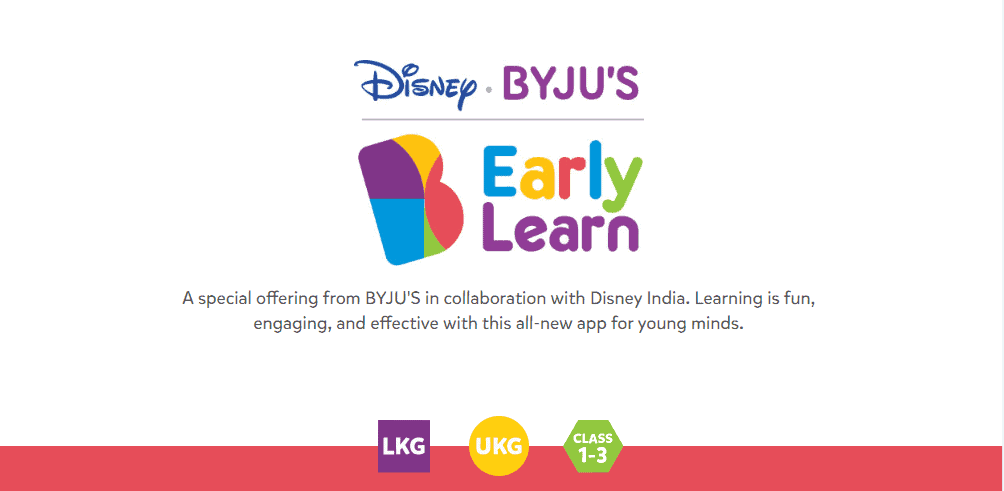
    Byju's Disney

    Besides a great learning experience, Byju’s also provides free online counselling sessions to the students where they can get all their academic and career-related doubts cleared.
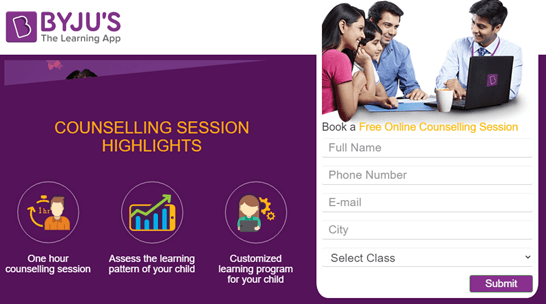
    Byju's counselling

    What Are Byju’s Key Resources?

    Byju’s disrupted the market by combining tech with content. Hence, its content team, tech infrastructure, interactive graphics technology, customer relationship management infrastructure, and marketing team form key resources of Byju’s.

    Who Are The Key Partners Of Byju’s?

    Byju’s built its empire with the help of several content, financial, marketing, and payment partners.

    Content Partners

    Byju’s has partnered with Disney to develop its early learning program content targeted towards young kids. This partnership helps it develop content that’s more engaging and immersive.

    Financial Partners

    Byju’s has partnered with numerous organisations that have invested in the edtech unicorn. Some of the major organisations are:

    • Chan-Zuckerberg Initiative- In 2016, Byju’s became the first-ever Asian company backed by CZI. The stellar debut made by Mark Zuckerberg and Priscilla Chan paid them well as their investment is now worth at least 7 times more. 
    • Sequoia Capital India- The venture capital firm invested a whopping $10 million in the company. According to G V Ravishankar, managing director of Sequoia Capital, “BYJU’S will be India’s Biggest Education Story.” According to Entrackr, the VC firm received 21 times its investment.
    • Bond- also a venture capital firm, Bond infused $23 million in the unicorn. Byju’s became the first Indian startup backed by this first-female-founded VC firm.

    Apart from this, the company is backed by multiple organisations, namely Silver Lake, Blackrock, Sands Capital Management, Alkeon Capital Management, Sofina, Verlinvest, Tencent, Nasper Ventures, CPPIB, General Atlantic, Tiger Global, Qatar Investment Authority, Owl Ventures, Lightspeed Ventures Partners, Times Internet, Arin Capital and IFC.

    Payment Partners

    The company has partnered with several payment processors like Paytm, PayU, etc. to ensure hassle-free payments and subscriptions.

    What Are The Key Channels Byju’s Use To Deliver Value?

    There are three main channels through which Byju’s delivers its services to the students-

    1. The Byju’s app, which is available for Android as well as iOS. The students can access all the premium features of the app like video lessons, quizzes, tests, games, etc. through a subscription
    2. The tablet preloaded with all the chosen course video lessons helps the students learn even without an internet connection.
    3. The company also offers offline classes in some cities of India.

    How Does Byju’s Make Money?

    Byju’s primarily operates on a subscription-based revenue model. A subscription model is the one wherein the customers have to pay a periodic subscription fee to access the platform.

    Byju’s gives a 15-day free trial with some limited features. Once the consumer uses the services offered by Byju’s, he is compelled to purchase the course to access all the features offered by the company. This is how the company expands and promotes its product.

    One can refer to Byju’s as the ‘netflix of education’ since both the companies have similar revenue models where they lure the customer and make them addicted to the platform.

    Apart from subscription, Byju’s has some other sources of revenue:

    • Offline Classes: Apart from the online classes available on its app, Byju also offers offline classes to cater to students who either cannot concentrate in an online class or require direct attention. The consumers need to pay for these offline classes.

      byju's offline classes
    • Tablet mode: The company also provides a tablet preloaded with all the study material and video lessons as required by the student. The tablet mode is more convenient for the students as they don’t need an internet connection to study. This helps them concentrate more without any distractions.
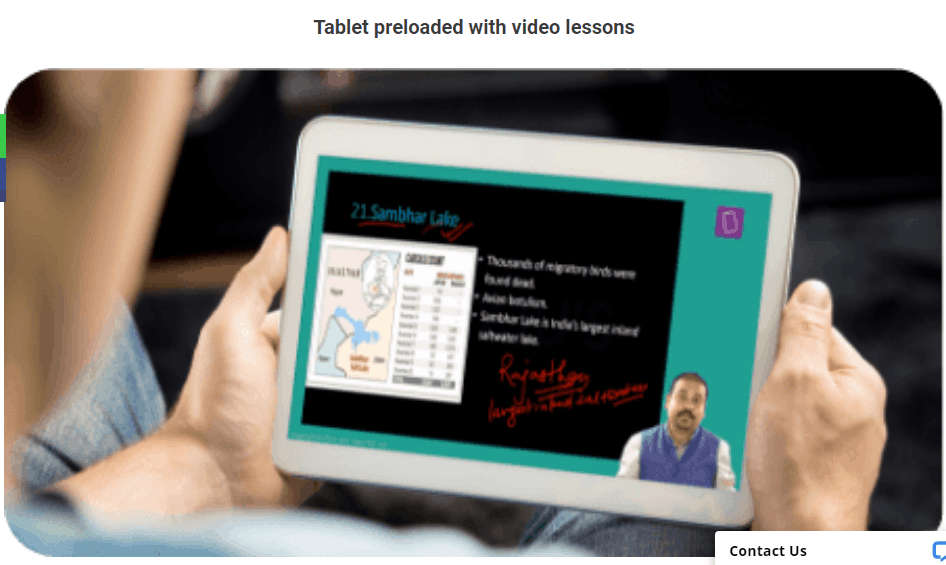
      byju's tablet

    Go On, Tell Us What You Think!

    Did we miss something? Come on! Tell us what you think about our article on Byju’s business model in the comments section.
  • Canva Business Model | How Does Canva Make Money?

    Canva Business Model | How Does Canva Make Money?

    Whether you want to create a logo for your new brand, articulate your thoughts into an eloquent presentation, or make a lasting first impression with a professionally designed resume, Canva has got you covered.

    Canva has become the go-to place for non-designers who want to visualise their thoughts and create a design without any prior skill-set. The tool is used by everyone willing to design, be it a social influencer, a company executive, or a high school student. It has a business model that allows the software to be used directly in the web browser, and it focuses on catering to its users’ needs whether or not they’re fluent with design knowledge.

    But what makes Canva so unique? How does Canva make money?

    Let’s find out!

    What Is Canva?

    Canva is a design  SAAS platform targeted towards non-designers helping them in developing digital and non-digital designs with ease. Unlike Adobe, the user doesn’t need a specific operating system or heavy machinery to use Canva. The platform can be easily accessed from a browser.

    The platform has several features including various templates for presentations, social media posts, resume, brochures, invitations, certificates, newsletters, etc. The user interface of Canva includes a drag-and-drop editor that makes it extremely easy for the consumer to use the platform without any training. Furthermore, Canva allows users to print and publish their designs on various social media platforms without much hassle.

    Canva was launched in 2013, but the company’s journey began in 2007 when Melanie Perkins and Cliff Obrecht started fusion books – a web app to help students and teachers design their yearbooks. This web app later blossomed into Canva, which is valued at USD 15 billion as of April 2021. The company is seeing exponential growth in its user base, with over 30 million active users across 190 countries (as of June 2020). Also, around 80 designs are created using Canva per second!

    Canva Business Model

    Canva operates on a unique SAAS business model that uses a freemium revenue model to market, attract, and convert leads.

    Who Are The Customers Of Canva?

    Canva’s primary target audience includes people who aren’t professional graphic designers. Such people do not have the time to learn complex design software tools such as Adobe Suite or the money to hire a designer or a freelancer.

    Today, the competition has made it imperative to have a good design if you have to stand out. Canva capitalised on this rising need with a business model that disrupted the design industry completely.

    What Is The Value Provided By Canva?

    Canva empowers the consumers to easily turn their ideas into beautiful visuals without much hassle or training. The ease of designing makes the consumers choose Canva over complex design tools such as Photoshop, Illustrator or Figma. If someone had to learn only the basics of design using Adobe, it would take a lot of time, energy and training. But, with the onset of Canva, designing has become easier than ever. Even a beginner can easily create a beautiful and professional visual within minutes. Canva provides some unique features to its consumers that make the process of designing quick and fun :

    • The drag-and-drop user interface makes it incredibly effortless for the users to design and create on Canva.
    • The visual aspects like different fonts, colours, frames and filters make the designs look professional.
    • The variety of pre-designed and ready-to-use templates minimises a user’s workload and saves a lot of time.

    Canva’s Operating Model

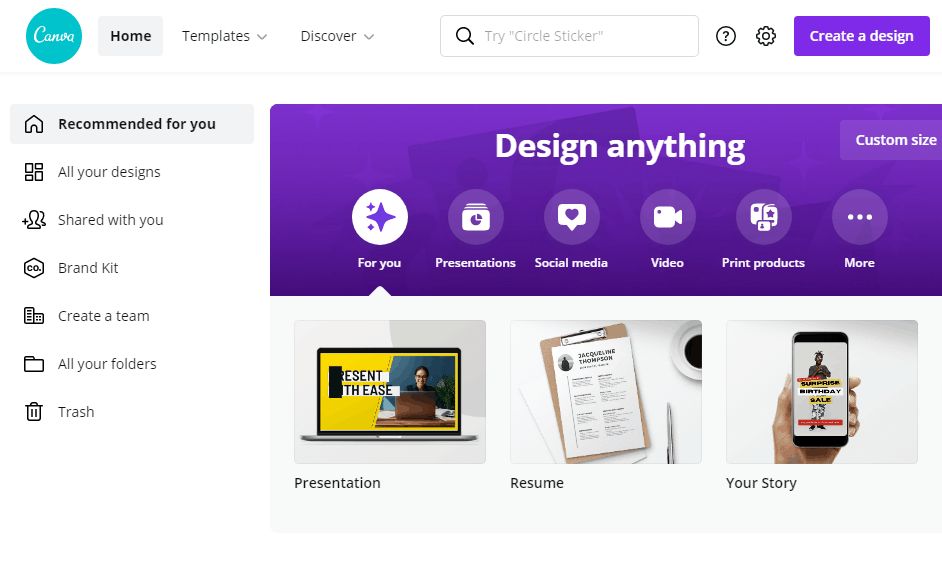
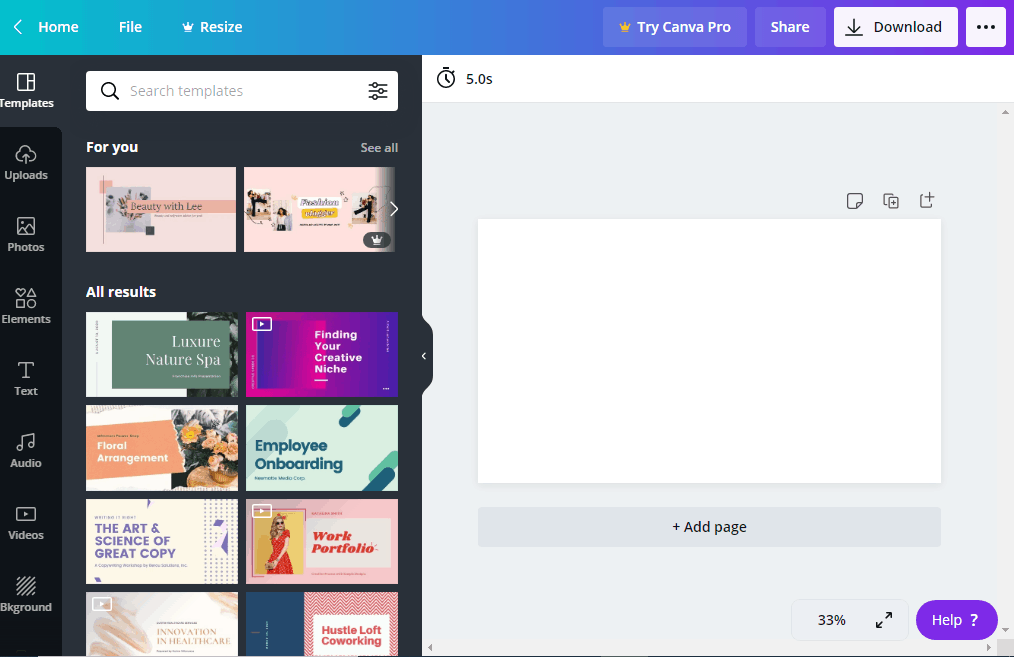
    Canva provides value to its customers by allowing them to easily design and create even if they have no prior training or experience in the field. But how does Canva deliver value to its customers? Canva has a perfectly designed user interface that allows its users to: 

    1. Customise different templates according to their needs.
      canva templates
    2. Upload and insert various shapes, graphs, pictures, text, audio and videos using the drag-and-drop editor.
      canva operating model
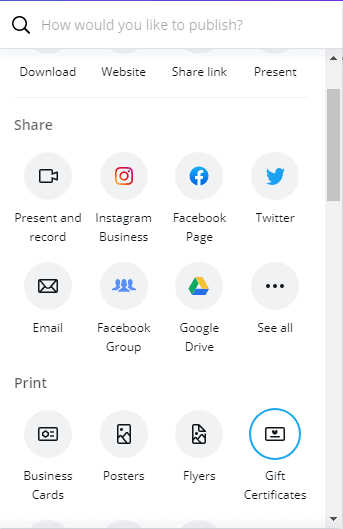
    3. Save, print and publish their designs in different sizes and formats.
      canva save options
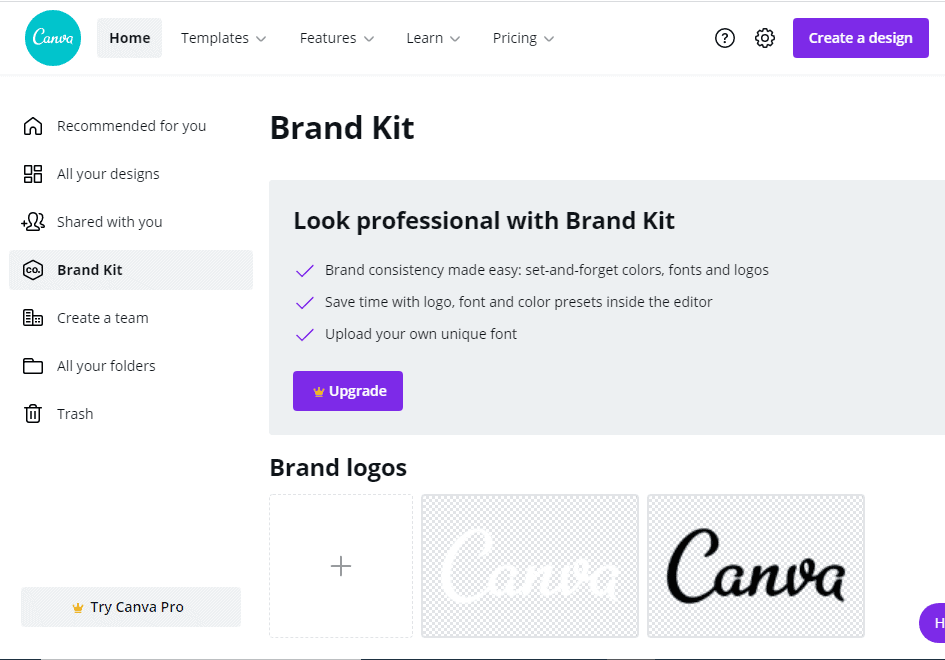
    4. Create a Brand Kit that allows users to “set-and-forget colours, fonts and logos”.
      canva brand kit
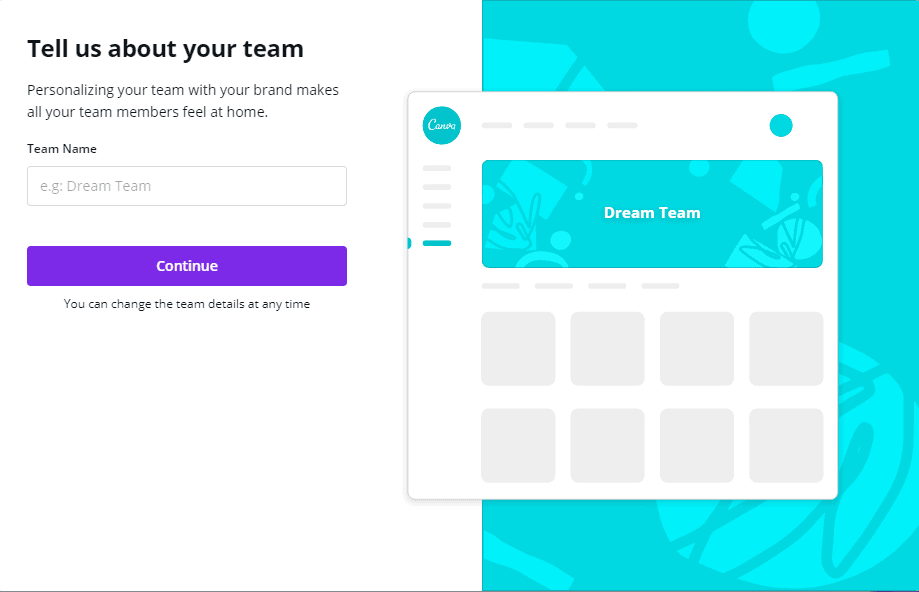
    5. Create a team that allows the users to collaborate and coordinate with the team members. In the free version of Canva, there can be up to 3000 members in a team and 20 teams in all.
      canva team
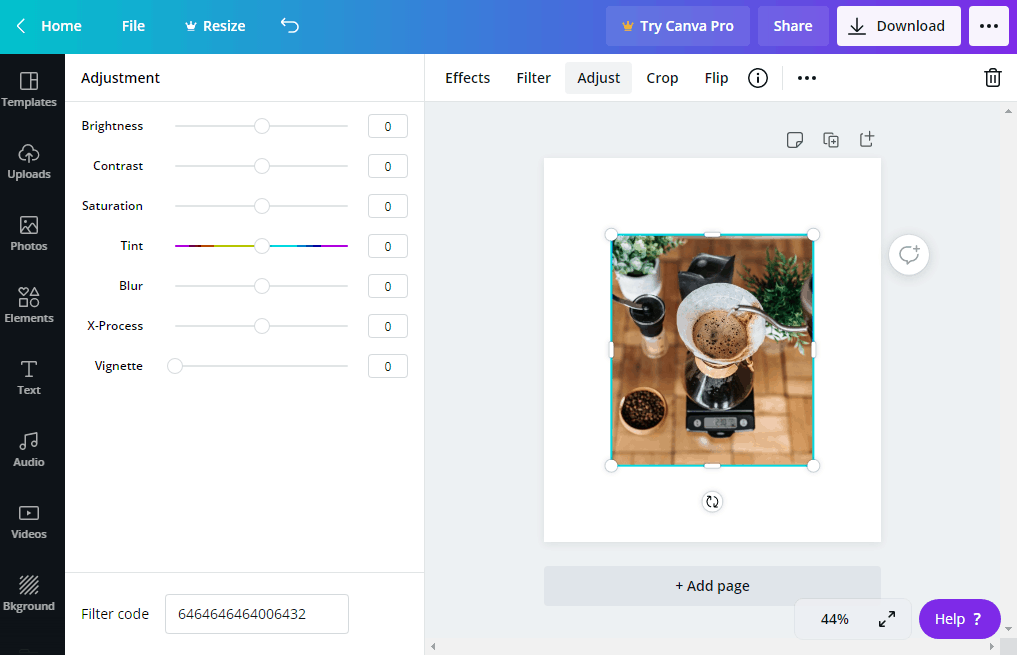
    6. Edit pictures using various filters and effects.
      canva editing

    Canva’s Key Channels

     Canva is available for Windows, macOS, Android and iOS. Since Canva is a SAAS platform, users don’t need to purchase the license or download the software in their systems. The platform is provided on their cloud as a service. This SAAS model allows the consumers to sync up multiple devices with Canva and work however and wherever they want.

    Also, the users can download the app developed by Canva on their mobile phones. The application is available on Appstore as well as Playstore.

    What Are The Key Resources Used By Canva?

    The primary resources that allow Canva to deliver value to consumers are its designers who create various templates and designs and developers who develop and the platform’s technical features. These are the people who work behind the scenes so that the user can have an amazing experience while using Canva.

    Who Are The Key Partners Of Canva?

    The key partners of Canva enable and help the company to deliver value to its consumers. Canva has a range of partnerships across different industries. Because of these partners, the tech unicorn can provide excellent products and services to the consumers and increase its reach. In 2020, Canva’s US partnership network expanded as the company collaborated with more than 40 new ventures across 18 new countries.

    So let’s take a look at the key partners of Canva:

    1. Print Partners: Canva has several print partners including FedEx Office, OfficeDepot, Staples Canada, KiaKia, Kmart, TradePrint, and Zoomin. The print partners help Canva to print and deliver various products to the users. They achieve this by allowing the consumers to design their websites using Canva and then place the orders.
    2. Digital Partners: The digital partners of Canva include HubSpot, Wattpad, PandaDoc, and Bukalapak. The digital partners help their consumers to design easily by imbibing Canva into their own platforms. This helps Canva increase its reach and popularity. The partners also benefit as they provide more value to their users by allowing them to design and create easily.
    3. Pre-install partners: currently, Samsung is the pre-install partner of Canva. The pre-install partners promote the company by preloading Canva on their devices, be it android, iOS, PC, laptops or tablets. This way, whenever the consumer purchases such a device, they would be familiarised with the software and would be compelled to use it.
    4. App Partners: Canva also offers an app development platform to developers by providing them with Canva API. The developers can use this to integrate third-party tools and to add even more features to Canva.

    How Does Canva Make Money?

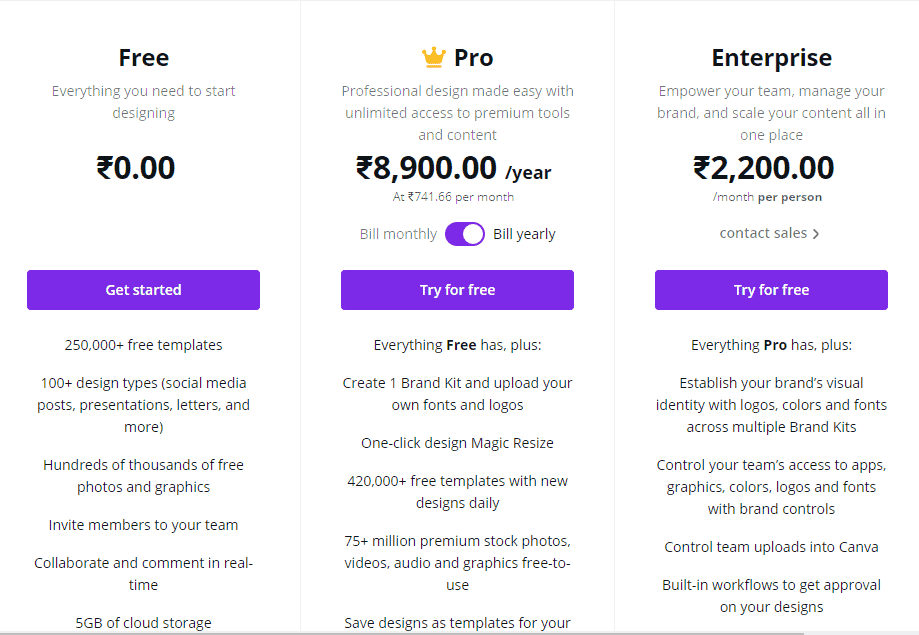
    Canva operates on the freemium SAAS business model, where it provides the main product to the consumers for free. But to access certain add-on features that enhance the experience, the user needs to subscribe to premium plans. Canva offers three different pricing plans – the free plan, Canva Pro and Canva Enterprise.

    Canva revenue model
    • Canva Free: In its free version, Canva provides its users with 250000+ design templates, 100+ design types, thousands of free pictures and graphics and 5GB of cloud storage. The user can also create 20 teams in all with 3000 members. This plan is suitable for beginners and non-professionals who use Canva for their personal needs.
    • Canva Pro: This plan is priced at $12.99 per month per user. This plan provides the user with some add-on features along with the basic features. These features include- 420000+ design templates, 75+ million premium stock photos, videos, audio and graphics, and 10GB of cloud storage. Canva also allows the pro users to create a ‘Brand Kit’ and upload their own fonts and logos. The pro plan is more suited towards professional designers or small teams who wish to collaborate and coordinate by working together. Canva also provides a 30-day free trial to its users in an attempt to lure them into buying the plan.
    • Canva Enterprise: this plan is currently priced at $30 per month per user. This plan includes all the features of Canva pro, and it also allows the consumers to create and publish social media content directly from the Canva Editor to 7 different platforms. Besides this, a user can get approvals on their designs using the built-in workflows, control what team members can see, access, and upload in Canva, and unlimited storage. The consumers also have access to 24/7 enterprise-level support to help them with any problems they face. Canva provides a 30-day free trial for this plan as well.

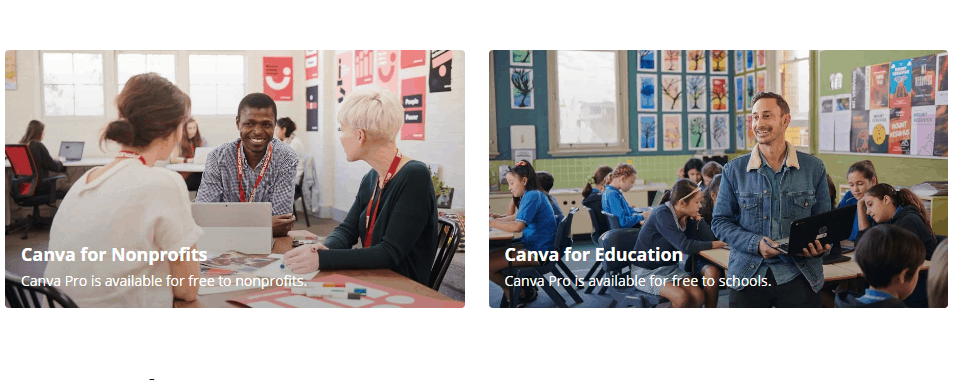
    One thing that sets the company apart from other freemium platforms is that Canva offers free subscriptions of Canva pro for non-profit organisations and special education programs for students and teachers.

    canva free

    Apart from the subscription plans, there are some other sources through which Canva makes money:

    • Print Service: Canva also offers printing services to its consumers. The user can get his designs printed and delivered to his doorsteps with just a few clicks. Canva Print ships to more than 30 countries around the world. The price varies according to the kind of article and the country.
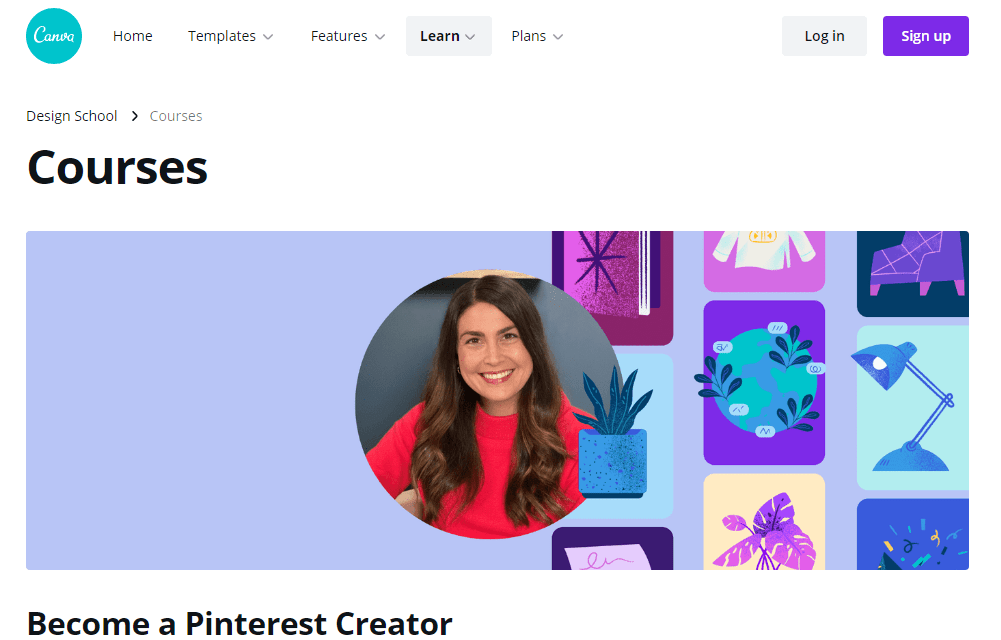
    •  Design School: Canva’s design school is a series of courses covering all aspects of design, social media marketing and branding. The online courses are provided free of charge by Canva, and the physical courses start from as low as $5. These courses are primarily designed to make the user well-versed with various features of Canva and partly to promote the platform.
    Canva design school
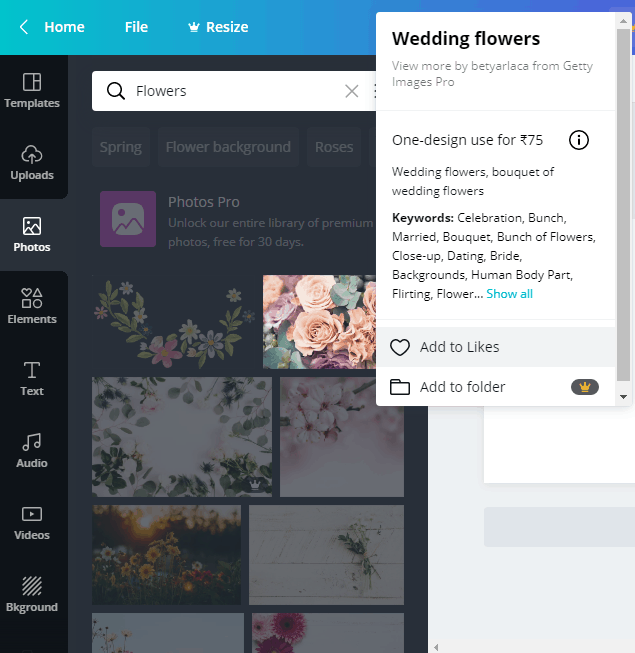
    • Canva Marketplace: Canva also earns through a design marketplace where users can purchase designs for one-time use directly on Canva. These designs can be purchased by users who have not subscribed to the pro or enterprise plan. These designs are available for as low as $1. In return for providing a platform to the designers to list their designs, Canva charges a 35% commission for each design sold.

    Thus, apart from a freemium model, Canva also works as an online marketplace.

    Canva marketplace

    What Makes Canva Unique?

    Canva follows a straightforward approach and operates on a simple business model where it provides a platform where even those with minimal designing skills can visualise, design and create. The tech giant’s success can be attributed to its ability to attract and retain customers by providing them with an excellent experience.

    Canva’s user base has increased to the extent that even if a small percentage of its users opt to purchase the paid plans, the company covers its operating costs and generates revenue. In 2020, when the world was trying to overcome the pandemic, Canva generated $500 million in annualised revenue.

    The USP (Unique Selling Proposition), that makes Canva even more appealing to the consumers, is that it provides almost all of its services for free. The marketing strategies used by the company like the Canva Affiliate program, the free design courses or the 30-day free trial period work as add-ons and help the company grow and gain popularity.

    Go On, Tell Us What You Think!

    Did we miss something? Come on! Tell us what you think about our article on Canva business model in the comments section.
  • Among Us Business Model | How Does Among Us Make Money?

    Among Us Business Model | How Does Among Us Make Money?

    ‘You are an imposter!’

    A phrase that spread like wildfire just because a game was able to bring people together when the pandemic stopped them.

    Developed by a very small three-member team of Innersloth and not having marketed much, Among Us is one of the few games that managed an astonishing meteoric rise in its popularity. It is a social deduction game which besides binge watching on Netflix and making Dalgona coffee (a short-lived trend of 2020), has garnered immense popularity and become the most downloaded mobile game in the unprecedented year 2020.

    While the game was released in 2018, it did not witness such vogue much before mid-2020. Its success can be attributed to their simple, yet effective business model. Here is an overview of what the game is like before we delve into its business model!

    What Is Among Us?

    Among us is a space-themed murder-mystery game which was released by Innersloth on 15th June, 2018. Team work, mystery solving, and deception are the essence of this trending four to ten player game.

    In its first year, the game had peaked at 1800 concurrent players, which was suffice to bring their servers down temporarily. It was only later that they climbed up Steam, iOS, and Google play store charts.

    It was inspired by the game Mafia and the science fiction horror movie, The Thing,where people work in a team to lay hands on a ‘traitor’.

    One of the primary reasons why the game’s popularity has skyrocketed is the abundance of streams of Among Us related content on the internet. The initial growth of Among Us was driven primarily by content creators in South Korea and Brazil. In July 2020, the game was made popular on twitch by the streamer Sodapoppin and little did anybody know, that the game will clock around 264 million downloads all around the globe by the end of the year. Akin to Zoom, it’s popularity skyrocketed majorly during the pandemic.

    How Does Among Us Operate?

    There are one to three randomly assigned imposter(s) in each round. The other players are crewmates who are assigned tasks like fixing wires, downloading data amongst many others which they are supposed to complete. The objective of the imposters is to blend in with the crewmates and pretend to do a fake list of tasks, while attempting to take any covert opportunities to kill the crewmates instantaneously. They can sabotage vital systems, travel through vents, and can team up with other imposters to help kill the crewmates. The maps can also be customised from a spaceship ‘Skeld’ to a headquarters building ‘MIRA HQ’, a panet base ‘Polus’ or the latest ‘Airship’ map.

    Who Are Among Us Game’s Customers?

    Unlike Candy Crush and other short spanned hyper casual games which last for barely two-three minutes, a typical game of Among Us lasts longer for approximately fifteen to twenty minutes. This makes the game immersive as people need to get engrossed in the game while interacting with their friends at the same time. Since Generation Z has the most spare time on their hands, they are the most suited audience.

    What Value Does Among Us Provide?

    People get to play and interact with not just their friends and known ones but also socialise with other unknown people they might come across on discord or other platforms while playing the game. Since four to ten people play the game, this initiates a chain reaction which eventually leads to a network effect. During the pandemic, it allowed people to socialise despite social-distancing. It also provides people with a good way to pass their time and compete with others. Moreover, the human element brings with it in-game strategies and an essence of psychological manipulation and ingenious deception.

    Among Us Revenue Model

    Despite being a free game, Among us has continued to make money because of its viable business model. The various sources of revenue include:

    Revenue From PC Downloads

    among us revenue model

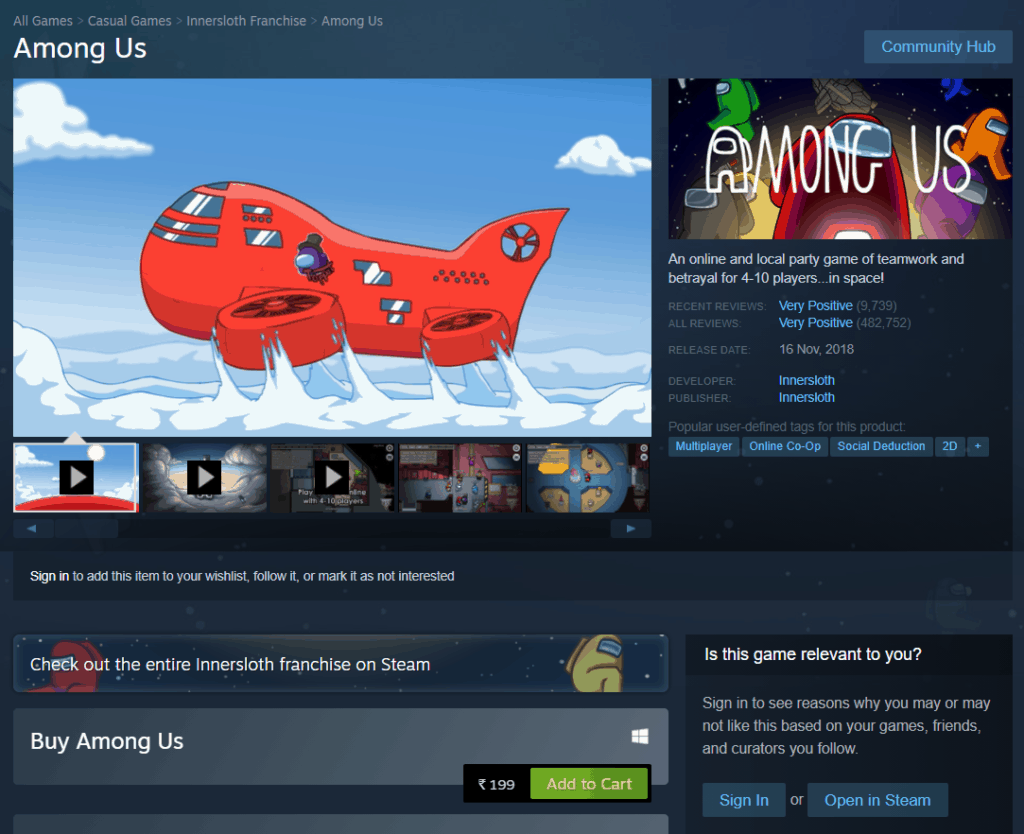
    Although the mobile versions of the game are free, the PC version is available on Steam, which charges a one-time purchasing fee of $5. Although PC users constituted only 3% of their player base, the $5 upfront cost contributed to a large share of Innersloth’s revenue from August to November in 2020. Purchasing the PC version unlocks all the premium cosmetics which cost additionally in the mobile version.

    Revenue From The Mobile Versions

    The mobile version of the game is based on a freemium model. Therefore even though the game is free, the sources of revenue include:

    Advertisements

    among us advertisements
    Source: TCEA

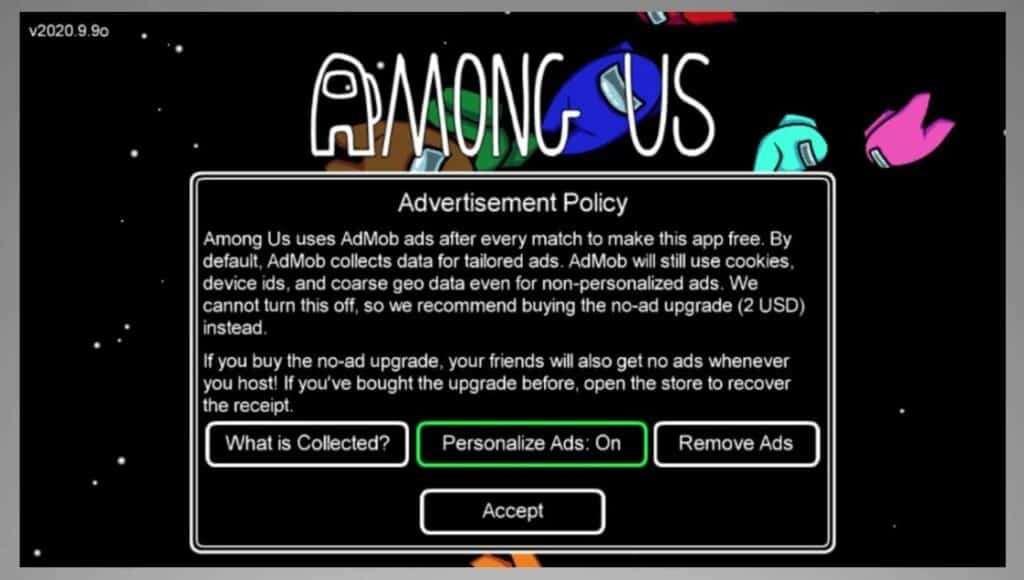
    Advertisements pop up on the player’s screens after each game finishes. Amongst many others, Among Us also uses Admob and other ad partners to monetise its user base. Advertisers pay them on a pay per click or number of viewers basis. The timers we see are set to ensure that the ad is displayed to the users for a certain appropriate time frame. Since there are millions of active users, it becomes easy for Among Us to generate substantial amounts of revenue.

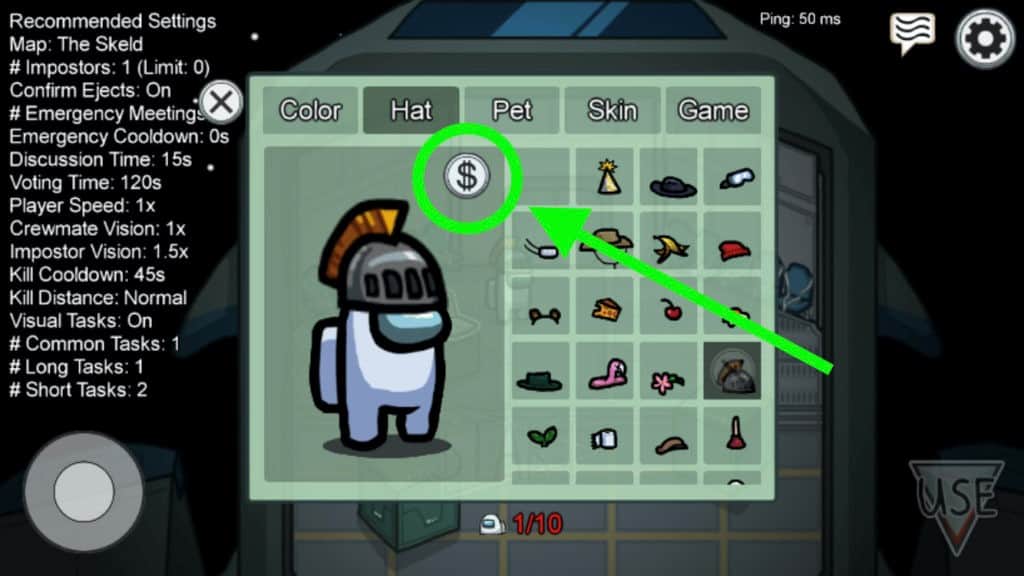
    In-App purchases

    among us freemium
    Source: LevelDash

    Among Us offers its users a choice to opt out of ads and customise their characters by purchasing pets, unique clothing and skin colours which are otherwise unavailable to mobile users. Players get automatic access to these costume customisations if they purchase the game via Steam. This also incentivizes the users to purchase the paid PC version. Moreover, the choice to opt out of ads provides a win-win situation for both the users and the company. 

    Merchandise

    among us merchandise
    Source: Innersloth Store

    Selling products like t-shirts and plushies designed with characters related to the game is another huge source of revenue for Innersloth. Owing to its immense popularity, the merchandise got sold out within a few weeks.

    However, the 50 million dollars earned, do not all get to Innersloth. They have to incur various costs like that to the platforms the game can be found available on. Apart from paying the Google play store, the iOS play store, and steam, Innersloth also has to juggle with tax laws of different countries all over the world to pay taxes on the money they make.They also need to retain a significant amount of money after having paid the developers, for not just tax reasons but to have a pool of funds they can use for further development of the game.

    The Future Of Among Us

    The developers of Among Us focus on ‘games as a service’, a revenue model which allows them to monetise the game after its release. The model revolves around building mechanisms within the game to retain users as long as possible.

    While the Among Us team has a very strong growth engine which would help them  continue to develop the game further and thrive on it, the team needs to come up with ideas for ensuring steady growth after the pandemic driven fuelcomes to an end. With the immense popularity that the game enjoys, plans to release the sequel have so far been cancelled. However, the team plans to update the existing version of the game and their servers, collaborate with new platforms for engaging their users and release Xbox One and Xbox Series X/S versions of the game. They also plan to provide colourblind support, an entirely new stage and a new set of tasks. Moreover, they plan to introduce a ‘friend system’ which would help players create a social network within the game itself, and also report any hacking instances. Expansion of customer base while retention of the existing ones is very essential for their growth and a key to their success further. These additional features could drive the rapid growth of the game in the years beyond.

    Go On, Tell Us What You Think!

    Did we miss something? Come on! Tell us what you think about our article on Among Us Business Model in the comments section.

  • Fiverr Business Model | How Does Fiverr Make Money?

    Fiverr Business Model | How Does Fiverr Make Money?

    Edelman Intelligence, a global research and analytics consultancy firm, estimates that 90 million Americans will be freelancing by 2028. This enormous number reflects the huge market opportunity in the freelancing industry and a growing inclination of Americans towards generating income by offering independent professional services. Similar trends can be observed in countries like India, where digital services are pervasive.

    But how can the global freelancing community make money in 2021 with the security of a sustainable business and expansive clientele?

    Enters Fiverr.

    Frequently rated as the best outsourcing website by multiple sources, Fiverr is a technological solution that connects businesses with freelancers.

    So how does this innovative platform work? What is its business model, and how does it earn its revenue?

    Let’s find out

    What is Fiverr?

    At its core, Fiverr is an online marketplace for professional freelancers to make their services available and accessible to businesses. It is where marketers, tech gurus, content strategists, and even artists like songwriters come together to post their offering as a Gig and connect with potential buyers without any unnecessary friction.

    Founded in 2010 by Micha Kaufman and Shai Wininger, Fiverr has become a major player in the freelancing industry with offices in NYC, SF, Orlando, Phoenix, London, Berlin and headquarters in Tel Aviv.

    In 2019, Fiverr went public and priced its IPO at $21 per share, raising around $111 million in a single day.

    Fiverr Business Model

    Fiverr follows a two-sided marketplace model in which it aggregates both freelancers (service providers) and businesses (service consumers) in a single platform to interact and conduct business.

    Its services are centred around digital services that can be provided remotely and makes off its money through successful transactions made through the platform.

    Who are Fiverr’s Customers?

    Fiverr caters to small and medium-sized businesses (SMBs) or as they call “zero to enterprise” who are looking for professional freelancing services for their ongoing projects across verticals like graphic design, digital marketing, programming, video, animation and many more.

    On Fiverr, those who avail or buy services are called ‘Buyers’ while those who sell (freelancers) are termed as ‘Sellers’. Although Fiverr’s primary target market constitutes buyers, in recent years, the company has made several acquisitions to add additional products to businesses for content marketing and business promotion.

    What Values Does Fiverr Deliver?

    For Buyers

    Fiverr aggregates a diverse pool of freelancing professionals for buyers or businesses so they can find the right candidate for their projects or digital assignments on a single trusted platform. This gigantic talent aggregator delivers a host of values to its Buyers to set them apart from online marketplaces for freelancers, some of which are mentioned below:

    Save Time and Effort

    With scores of digital services available on a single platform, buyers save both time and effort in gig discovery for their projects. They can further streamline their search by adding multiple filters on Fiverr’s sophisticated browsing tool to get the relevant results without any hassle.

    Transparency in Services

    Buyers can view and find all the relevant information regarding every service or gig posted on Fiverr. There is transparency in the pricing and deliverables along with the freelancer’s profile, including average response time, last delivery, ratings, and skills, so that any buyer can decide with certainty if the candidate meets the specific job criteria or not, which optimises the entire talent-search process.

    Access to a Diverse Catalog of Digital Services

    With Fiverr, buyers can find digital services in over five hundred categories and eight verticals, including Graphic & Design, Digital Marketing, Writing & Translation, Video & Animation, Music & Audio, Programming & Tech, Data and Business.

    Conflict Resolution

    A buyer who does not get the desired product or service can ask for revisions if it is included within the package. Moreover, buyers can even contact Fiverr’s Resolution Centre in case of a conflict or poor service to resolve the matter.

    For Sellers

    Sellers or freelancers are the backbone of Fiverr since they represent the user category that provides actual services to buyers. Hence, to keep them using Fiverr, the company offers them scores of services and products, which are listed below:

    No Negotiations and Bidding on Projects

    Fiverr search algorithms match and connect buyers and sellers without having the sellers compete for their services among the competing freelancers. Sellers just need to create an appropriate business profile, add their gigs and packages, and take a backseat while Fiverr finds the most appropriate buyers for them.

    Clear Scope of Project

    Sellers get to learn first-hand what an interested buyer expects from them, including project description, specific instructions, relevant files, and even budget. This enables communication between the participating parties and lets the seller develop a product that will satisfy a customer.

    E-Learning Products

    Sellers can also learn on-demand professional skills by enrolling in both business and technical courses. These courses are led by experts in their niches and primarily target freelancers to achieve skills that businesses demand for their projects.

    Fiverr Operating Model

    Fiver operates on a two-sided marketplace model that stands tall on the network effect developed by the network of buyers and sellers.

    What are Fiverr’s Key Offerings?

    Online Marketplace for Freelancers

    Fiverr’s most significant offering is its core online marketplace that connects businesses with freelancers.

    The following steps break down how Fiverr’s core marketplace works:

    • First off, a buyer browses through a catalogue of gigs available within a category or a sub-category by typing the right keywords and applying the relevant filters like budget, delivery time, etc.
    • Next, they select a gig by assessing the work scope of the seller, and choosing the right package (Basic, Standard, or Premium).
      fiverr packages
    • Buyers can also issue a gig request that sellers can respond if they believe they have the right skills for the gig.
      fiverr gig
    • After the buyer orders and pays for the gig along with a 5% service fee, they then send the specific instruction, descriptions, and files for the seller to work on. Both parties can communicate throughout the entirety of the gig.
    • Finally, once the project is completed and delivered and the buyer has not raised any issue for 14 days, Fiverr “makes 80% of the transaction value available for seller to withdraw”

    Learn From Fiverr

    learn from fiverr business model

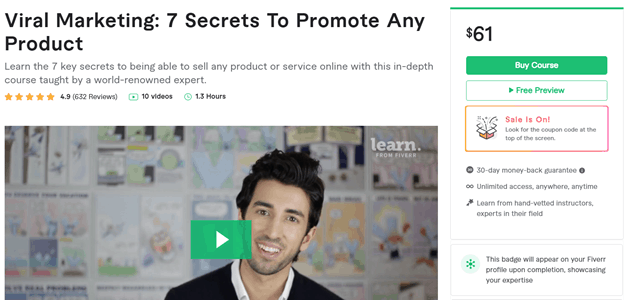
    Learn From Fiverr is the company’s e-learning platform that aggregates professional courses led by experts. Upon successful completion, a user earns a credential or a badge on their profile that signifies their expertise in the skill.

    Any user can browse through catalogues of courses and enrol in a course for unlimited access. Fiverr guarantees 30-day money back if the enrollee is not satisfied with the course.

    Fiverr Elevate

    fiverr elevate business model

    Fiverr Elevate provides resources to freelancers to establish their businesses. It is structured in the form of a short video series to learn the essentials of freelancing and then get exclusive deals on services like bank accounting and taxes from partner companies.

    Who are Fiverr’s Key Partners?

    Sellers

    Fiverr is nothing without the freelancers that sell their offerings on the platform. These freelancers, even though, are treated as customers, form the key partners of Fiverr. They are the backbone of the platform that makes this outsourcing website a truly outsourcing website.

    Affiliates

    Fiverr affiliates

    Fiverr has its own Affiliate program where it pays affiliates up to $1000 for promoting Fiverr and its products to their target audience. Affiliates constitute Fiverr’s key marketing partners.

    Fiverr Elevate Partners

    They comprise a select group of partner companies that offer their professional services through Fiverr Elevate.

    Payment Processors

    Fiverr’s payment partners include PayPal, Apple Pay, Google Pay, Wire Transfer, and many more.

    Which Channels Does Fiverr Use To Deliver Value To Its Customers?

    Fiverr has its own website and is available as an application on Android and iOS devices. Both sellers and buyers can log in to Fiverr and access the pool of their customers through a single integrated platform. Additionally, users can also avail of additional products like Fiverr Learn and Fiverr Elevate on Fiverr’s affiliated websites.

    How Does Fiverr Maintain Its Relationship With Its Customers?

    Being an online marketplace for businesses and freelancers alike, Fiverr provides the necessary resources and means to a user to help themselves (Self-service) and convert customers. At the same time, the company has its community forum and is known to organise several virtual events and provide guides for business growth to its users, which showcases that Fiverr strives to develop a more personal relationship with its community.

    How Does Fiverr Make Money?

    Fiverr’s primary source of income is the money it charges its sellers for every transaction made through the platform. To be precise, it charges a flat 20% fee to the seller as a commission for enabling transactions with the buyer.

    Fiverr also earns money by offering professional courses on its native platform Learn From Fiverr.

    fiverr learning revenue

    Besides this, the platform also earns revenue in the form of affiliate income by offering deals to business services offered by Fiverr Elevate Partners.

    Fiverr elevate revenue

    Over the years, Fiverr has made several acquisitions of companies like ClearVoice (a subscription-based content marketing platform), And Co, SLT Consulting and more to expand its services and products to its target audience – freelancers and businesses. These added products are now branded under Fiverr and act as the company’s another stream of revenue.

    Final Thoughts

    In December 2020, Fiverr released a press release in which it reported that 68% of Remote Workers are Interested in Taking on Freelance Work Amid the COVID-19 Pandemic.

    While it’s true that the pandemic directly resulted in a global economic downturn and huge job losses, but with the rise of remote work, reduction in the commute time and a general shift in the mindset of those working remotely, the freelancing industry has prospered.

    And taking advantage of this huge opportunity is Fiverr. So much so that in its Fourth Quarter and Full Year 2020 results, the company reported that “Revenue in 2020 was $189.5 million, an increase of 77% year over year”.

    In fact, in a statement, Micha Kaufman, founder and CEO of Fiverr said “in the year ahead, we also expect to continue to roll out significant products, features and capabilities and continue to help lead and power the global trend towards digital transformation and remote work”. Clearly, Fiverr is pulling out all the stops to become the most successful enterprise in the freelancing industry.

    Go On, Tell Us What You Think!

    Did we miss something?  Come on! Tell us what you think of this article on Fiverr business model in the comments section.
  • Venture Debt for Startups: What Is It and How to Get It

    Venture Debt for Startups: What Is It and How to Get It

    Many entrepreneurs believe that the size of a VC funding round corresponds with their degree of performance. Unfortunately, this is a false assumption.

    Although equity plays a vital role in helping entrepreneurs achieve their business goals, all equity capital comes at a cost – ownership dilution. So relying solely on equity financing to grow a company has serious consequences.

    Thus, to raise capital, a founder must find the right combination of capital sources that allows him to have more control of his company for longer. One such key to achieving this goal is venture debt.

    But, what is venture debt? How to raise venture debt? What are its pros and cons?

    Let’s demystify this topic.

    What Is Venture Debt?

    Venture debt, also known as venture lending, refers to debt financing provided to venture capital-backed startups, that doesn’t require any form of collateral but are compensated with the company’s warrants on common equity.

    Typically, it is a type of loan given venture capital backed startups that have completed one or two rounds of funding but still need cash to stay afloat or expand.

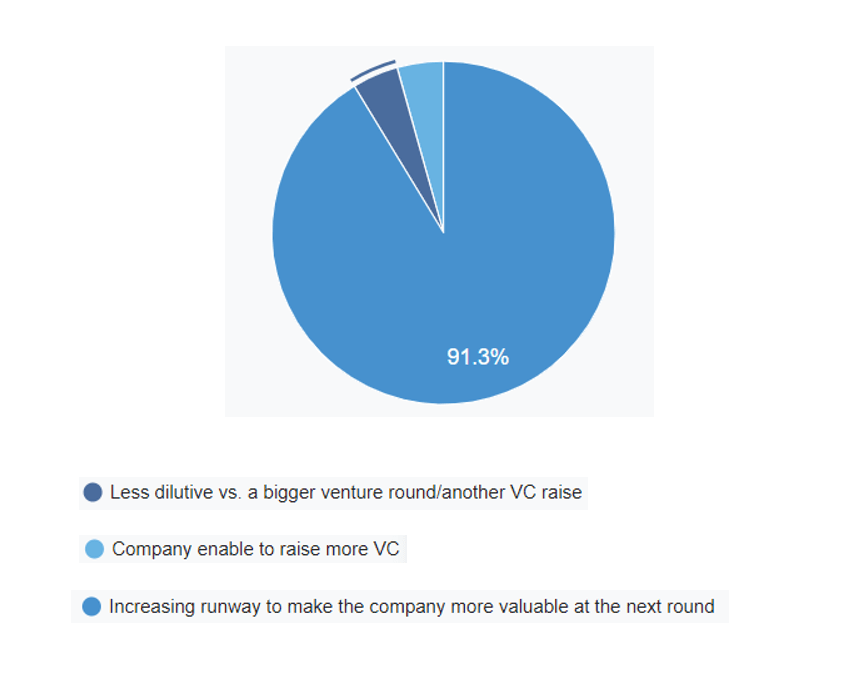
    Startups go for venture debt when they’re not ready for a full-fledged equity round but require money to extend their runway and maximise their value in the next round. They generally seek venture debt financing for various purposes, including performance insurance, financing for acquisitions, capital costs, inventory, and a short-term bridge to the next round of equity. They want to finance an innovative new project that isn’t actually in the startup’s budget but would add significant value. A little extra cash from the debt may be used to finance an optional but high-value project.

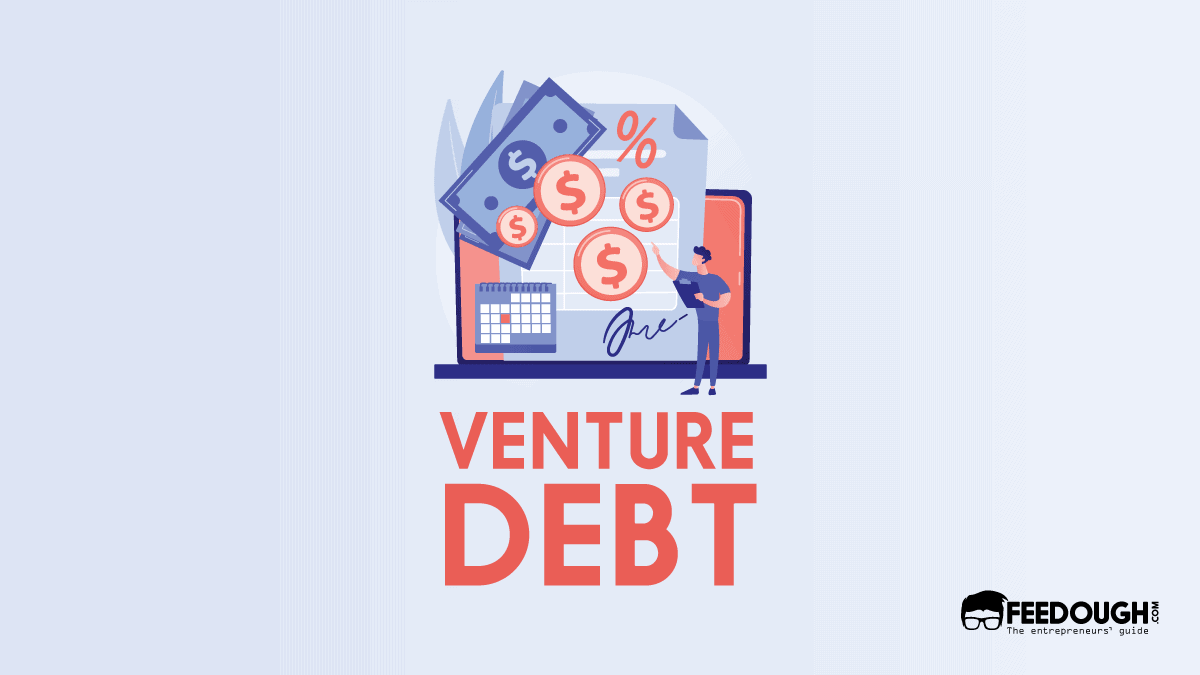
    venture debt

    Who Provides Venture Debt?

    Banks that specialise in venture financing and non-bank lenders like speciality finance firms and industry dynamics provide venture debt to early and growth-stage startups. Besides these, hedge funds, private equity firms, and business development companies also sometimes offer venture debt to promising startups.

    Usually, only the entrepreneurial-focused banks or commercial banks with venture lending arms like Silicon Valley Bank or Bridge Bank provide venture debts. These banks typically accept a startup company’s deposits and provide venture debt to complement their overall service offerings. Regular commercial banks usually don’t offer venture debt.

    Non-bank lenders handle traditional venture lending and venture leasing. Usually, venture debt firms have higher funding costs, but they offer greater loan amounts and more flexible terms. Companies like Trinity Capital or Lighter Capital are some of the active venture debt providers.

    How Does Venture Debt Work?

    Unlike traditional loans, venture debt operates differently.

    The loan duration is short-to-medium-term in nature, that is, up to 3-4 years, but they often start with a 6-12-month interest-only (I/O) period. The business pays accumulated interest but not principal during the I/O period.

    The estimate raised in the most recent round of equity funding is usually used to calculate the principal amount of debt. (loan sizes vary between 25% and 50% raised in the previous round of equity financing)

    Interest Payments are dependent on the prime rate or a different interest rate benchmark, such as LIBOR.

    As part of the compensation for the high default risk, venture debt lenders receive warrants on the company’s common equity.

    Now, what are warrants?

    Warrants are security that gives the holder the right (but not the obligation) to buy company stock at a certain price and within a specific time frame. Expiration dates can vary from one to fifteen years. The total value of the warrants distributed ranges from 5% to 20% of the loan’s principal sum.

    Also, covenants (additional restrictive terms and conditions) can be used in the debt scheme. Although non-bank lenders are more flexible when it comes to debt and normally include a few covenants in their loan agreements, certain banks may include several covenants to ensure repayment.

    Venture Debt vs Venture Capital

    Players in the startup community often tend to confuse venture debt with venture capital.

    Even though both venture debt and venture capital are funding options available for startups, the significant difference between them is that venture capital lenders (venture capitalists) take a sizable equity stake in the company while venture debt providers don’t.

    Repayment

    There is an agreed-upon interest period for venture debt during which a startup has to pay the predetermined interest each month. Once that matures, a startup starts to repay the debt, while venture capital doesn’t have to be paid back directly as VCs take a significant stake in the company in exchange for capital.

    Returns

    Venture debt lenders make money through interest payments, fees, and warrants. VCs profit from the sale of shares during an exit – when a startup goes public or is purchased. While venture debt returns are lower than those of venture capital, individual venture debt investments are less risky because they are more likely to be repaid.

    Qualifications

    Venture debt financing is considered for fast-growing startups that have already secured venture capital funding. In contrast, venture capital funding is open to businesses regardless of whether they have already received funding or not.

    When Do Startups Raise Venture Debt?

    Venture debt is a smart funding choice for entrepreneurs and their venture capital partners as it allows them to retain control and limit the equity dilution of their company.

    It can give a startup the extra boost it needs to survive and thrive, provided the company knows when to raise it. Thus, it’s a sensible move to be mindful of when venture debt should be raised.

    With Equity raise

    There are many advantages of raising debt alongside or soon after an equity raise. After a new equity round, a startup’s creditworthiness and negotiating power are likely to be at their peak. To reduce dilution, companies may reduce their equity round amount and replace it with a venture debt loan.

    Post-Revenue

    Venture Debt is mostly preferred when the company is generating predictable and recurring revenue. This is significant because businesses need ample cash flow to meet their obligations like interest and principal repayments that are a part of the company’s debt.

    Funding Large Capital Expenditures

    Each round of equity funding entails a higher level of dilution. If a company’s cash flow is near breaking even or needs to finance a major capital expenditure but doesn’t have the cash on hand, venture debt might be a better option. A company’s net cost of capital would be greatly reduced if they use debt financing.

    venture debt valuation

    Fund to Profitability

    Using debt to move the business forward during a crucial phase of growth will help the company to avoid the need for a final round of equity funding.

    When Not To Raise Venture Debt?

    • When the board of directors is not supportive: If management or the board of directors of a startup believes that venture debt should be avoided then the company should not raise venture debt.
    • When it cannot be repaid: When a company is on the decline, has a high burn rate, a highly volatile revenue source, and less than six months of cash on hand; venture debt should not be used as a last resort source of funding.
    • When the terms or covenants are too stringent: Startups should have someone on their team to model the cost of the debt and consider the effect of any covenants on the business before committing to a venture debt loan.
    • When debt payments total more than 20% of a company’s operating expenses: This type of financing may deter potential equity investors at this stage, and it may become a burden for the company.

    Advantages of Venture Debt Financing

    Venture debt comes with its own set of advantages. These are:

    It Accelerates Growth

    The most pressing challenge for an early-stage startup is likely to access funding. They don’t want the fruits of their early labors to perish until they reach the market. Venture Debt solves this problem for them. It provides capital growth while preventing or limiting equity dilution.

    Venture Debt Is Easier To Acquire Than Bank Debt

    Venture debt does not include positive cash flow or substantial assets as collateral. Thus, it is easier to acquire than bank debt, saving management time or meeting unexpected needs (e.g., an acquisition)

    It Extends Cash Runway

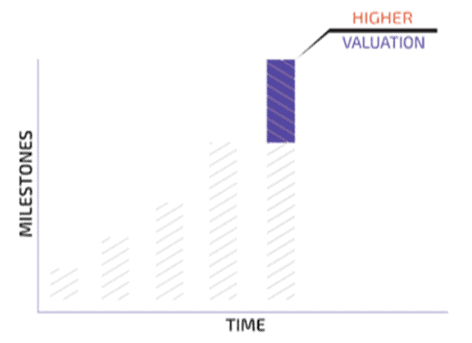
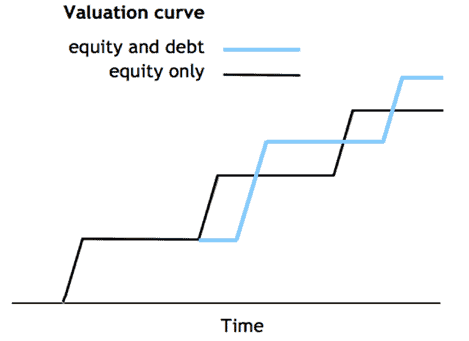
    Venture debt comes in handy when the firm is raising equity rounds. This allows a business to reach crucial milestones and a higher valuation in the next equity round by providing a bridge between equity funding rounds.

    The Fundraising Process Is Quick

    Due to a simpler and quicker due diligence process, it can take as little as 30 days to complete the fundraising process compared to 3-6 months for equity.

    Venture Debt Doesn’t Require Startup Valuation

    Venture debt is a type of funding that allows startups to look for funds without setting a valuation. It implements growth plans to put a business in a stronger place for valuation in the next equity round.

    venture debt valuation

    Venture debt benefits the startup and the investors, who are banking on the company’s potential growth to generate the majority of the profits. The interest rate on venture debt is usually 12-25 %, with warrants included in the offer. Investors can save time and money during the review process by piggybacking on the work that previous investors have already done because venture-funded businesses have gone through due diligence and already have solid boards of directors.

    Disadvantages Of Venture Debt

    Even though venture debt is an essential part of an entrepreneur’s toolkit, it comes with a few significant potential downsides.

    Possibility Of Dangerous Financial Covenants

    If a startup doesn’t expand as quickly as it was expected to, it may result in a default, that is, the loan is due and payable. For several startups, this may be a deal-breaker.

    Debt Must Be Repaid

    If a company cannot repay the loan, the lender will force it into liquidation or bankruptcy. This is not the case when a company takes on venture capital that involves equity dilution.

    Estimating The Cost Of Capital Is Difficult

    Due to amortisation (the period over which a company pays back principal plus interest) and other features, it can be difficult to estimate the cost of capital.

    How To Raise Venture Debt?

    The procedure for raising venture debt is easy.

    Typically, the lenders request documents such as balance sheets or monthly income statements to demonstrate the company’s financial health. Sometimes, they can ask to submit periodic audits. It ensures that the startup will not defraud them when the time comes to cut the check and repay them. The startups also schedule meetings with potential venture debt lenders and get to know them. Often, startups are asked to present their business model (their unique selling points, customer profile, and future plan), outlining their funding needs and downside scenario planning.

    After reviewing the documents and the initial meeting above, the lender issues/negotiates a term sheet.

    Following acceptance, a half-day due diligence meeting with the management team, legal documentation, and closing will occur. From term sheet to closing, the entire process usually takes 4-6 weeks.

    To negotiate venture debt deals few things should be kept in mind.

    • Principal Amount: Loans are often required to meet urgent cash needs, at other times capital is required to provide support. Before consenting to a principal amount, startups should be sure about how much money they’ll need and how much their cash flow would be able to sustain.
    • Payment Schedule: Venture debt is a type of term loan, which entails interest payments and principal repayment over a set period. Startups should negotiate an interest-only extension to postpone paying back the principal.
    • Cost of Capital: Legal fees, commitment fees, final payment fees, and prepayment fees are examples of additional fees and expenses that lenders can charge. If a startup is tight on cash, it should consider haggling on these figures.
    • Covenants: Covenants are a set of rules that lenders impose on startups when they owe them money. Do’s are a set of legal obligations, such as delivering financial data or maintaining insurance coverage. Don’ts are analogous to the veto rights requested by equity holders in terms of reach.

    What Happens If A Startup Is Unable To Repay Venture Debt?

    If a startup is unable to repay the loan, then it should:

    • Use cash on the balance sheet or equity from investors to repay the loan.
    • Look for a new investor that will refinance the loan. This entails giving the startup a new loan to pay off their existing one.
    • Try to work out a favourable repayment arrangement with the lender. This is crucial because the company would be at risk of failure if they are unable to raise equity or refinance.

    Even though venture lenders have the legal right to foreclose and sell the startups’ assets, they try to work it out with the investors to restructure the loan to give the company more flexibility.

    Thus, choosing the right lender is crucial as an inexperienced one can saddle the company with hefty debt repayments. A venture lender should be the one who has

    • Positive References: Startups should reach out to former portfolio companies to learn how each lender behaves before deciding on a venture debt lender.
    • Timely & Dependable Funding: Taking the time to find a lender with a solid track record of financing on time and according to agreed-upon terms will help a startup avoid unnecessary delays in their company’s growth.
    • Partner Mentality: When the term sheet is signed, and the contract is closed, the commitment does not end. Hence, startups should choose a lender who will be a reliable financial partner over the loan’s duration.

    The importance of choosing the right venture debt lender cannot be overstated. Thus, a startup should look at all of their choices, read the terms and fees carefully, and find a lender who can provide sound advice.

    Watch Out For These Mistakes!

    Even though venture debt is a viable option for startup growth, one needs to watch out for these mistakes when raising venture debt.

    1. Raising an excessive amount of money.
    2. Failure to investigate the lender’s credibility.
    3. Optimising for cost instead of flexibility.
    4. Negotiating a term that is too short and an interest-only time.
    5. Bad post-deal contacts with the lender.

    Also, Startups should consider venture debt lenders not only as capital providers but as strategic partners and use them to grow their business.

    Thus, “venture debt” is a catch-all word for a range of debt solutions available to Startups and other fast-growing companies. It is a great way for entrepreneurs to raise capital at a low cost, gain more time to develop their company, and balance their capital structure. However, it should be used under the right set of circumstances.

    Go On, Tell Us What You Think!

    Did we miss something? Come on! Tell us what you think about our article on venture debt in the comments section.
  • What Is A KPI? – Definition, Examples, & Measurement

    What Is A KPI? – Definition, Examples, & Measurement

    American Psychological Association claims that monitoring progress increases one’s chances of success. Assessing people’s performance increases their accountability, facilitates learning, and boosts their confidence; thus, helping them achieve their goals.

    No wonder, business organisations put a lot of time, money, and other resources into managing their KPIs.

    What Is A KPI?

    KPI or Key Performance Indicator is the metric that measure one’s performance and progress in the strategic areas associated with their success, especially in comparison with others.

    KPIs are quantifiable measurements that evaluate how effectively an individual, department, or organisation is working towards their short and long-term goals, that is, they track their progress towards the pre-set objectives.

    A noteworthy point is that KPIs differ with individuals, groups, and businesses. For example, marks obtained in a test may be a student’s KPI while a CEO’s key performance indicator is their company’s net annual profit. Return on assets, market share, and P/E ratio are the KPIs associated with businesses whereas an NGO can focus more on the number of blankets distributed by it. 

    Characteristics of KPIs

    Effective KPIs are those that are described accurately. A good KPI has the following characteristics.

    • Simple: The purpose of a KPI is to answer questions and not pose more of them. Therefore, whoever is laying them down should make sure that they have  clear and concise definitions that are easily understood by the concerned parties. The metrics directed at the general public should especially not contain jargons and technical terms.
    • Aligned: KPIs should be aligned with one’s goals to measure their progress in that direction. Also, an individual’s KPI should be aligned with the department’s which should further be aligned with the organisation’s. Furthermore, all the KPIs associated with a particular group should be in line with each other. They must complement rather than contradict one another.
    • Comparable: Since the purpose of KPIs is also to assess one’s position with respect to their competitors, they should be expressed in comparable terms. Organisations also like comparing their performance metrics with their past records to evaluate growth. However, they must make sure that the comparison is valid. For instance, an increase in revenue with respect to data collected 30 years ago may not be a positive indication; a new firm cannot compare its market share with an established corporate giant.
    • Actionable: A KPI should be able to prompt action. Therefore, leaders and executives must set the KPIs that they can account for and improve on.
    • Time-bound: KPIs must be measured regularly. While not much time should lapse between two consecutive measurements, it should also not be very frequent. Therefore, while listing down the KPIs, organisations and team heads must also decide when to measure them, weekly, monthly, quarterly, or annually.

    Examples of KPIs

    KPIs vary as per the needs of individuals, departments, or organisations they are set for. However, some common KPIs used in the business world are listed below:

    Examples of Finance KPIs

    • Gross profit margin percentage
    • Net profit margin percentage
    • Current ratio
    • Return on assets
    • Working capital
    • Operating profit margin percentage
    • Cash conversion cycle

    Examples of Marketing KPIs

    • Cost per acquisition
    • Cost per lead
    • Cost per click
    • Website traffic to lead ratio
    • Engagement rate

    Examples of Sales KPIs

    • Sales target
    • Customer acquisition cost
    • Customer churn rate
    • Revenue per sales rep
    • Sales growth

    Examples of Human Resources KPIs

    • Recruitment conversion rate
    • Cost per hire
    • Training costs
    • Employee turnover rate
    • Overtime hours
    • Average time stay

    Examples of Management KPIs

    • Customer acquisition cost
    • Operating expenses ratio
    • Net profit margin percentage
    • Return on equity
    • P/E ratio

    Difference between KPIs and Metrics

    People come across different quantifying measurements while working. This gives rise to a common confusion: are all these metrics KPIs?

    Any quantifying term that measures an organisation’s characteristics or components is a metric. The daily footfall of a store, number of website visitors per month, and average click-through rate (CTR) are some commonly used metrics. However, they won’t be referred to as key performance indicators unless tied to a goal.

    For instance, normally the number of followers of a business’ Facebook page doesn’t determine a key factor about it and is just a metric. However, when an organisation aims to increase its reach on Facebook, the same metric is a KPI. So, all KPIs are metrics but not all metrics are KPIs.

    However, one must remember that this doesn’t reduce the need for tracking business metrics. Even if they don’t directly measure the progress of an organisation, they play a vital role in the assessment.

    Types of Key Performance Indicators

    KPI are divided into two types based on their nature:

    • Quantitative: Quantitative key performance indicators are measured solely in terms of numbers, either whole or decimal. They are further categorised into two groups:
      • Discrete: These indicators take only whole number values, for example, number of complaints, overtime hours, etc.
      • Continuous: These accept decimal values as well; for example, net profit percentage and net customer acquisition cost.
    • Qualitative: Qualitative KPIs track the effectiveness of a business process or decision. Although quantified (as all KPIs should be), they express opinions and characteristics, and are not completely numerical. For instance, customer satisfaction is a qualitative KPI.

    Another way to classify KPIs is based on the point of the business process where they are recorded.

    • Input KPIs: They measure inputs or the resources put into a business process, for example, financial investment, staff time, etc. Input KPIs keep track of the resources utilised during the course of work.
    • Process KPIs: They are measured during the business process. Process KPIs help understand its efficiency and make the necessary changes.
    • Output KPIs: Measured at the end of the business process, output KPIs define its effectiveness. The examples include profit, monthly customer acquisition, etc.

    Importance of KPIs

    Listing, tracking, assessing, and working on KPIs is essential to one’s growth, be it an individual, a team, or an organisation.

    KPIs assess the current state of the organisation

    It is said that one cannot manage what one cannot measure. This is why it is necessary to assess an organisation’s current state through metrics and KPIs are a sure shot way to go about it. They help evaluate an individual or organisation’s current health and decide which areas to improve on.

    KPIs help set goals

    After evaluating the present state of an organisation and its employees, leaders need to lay down the path of improvement. KPIs help them outline their strategic areas of improvement and set relevant achievable goals. For instance, if a company’s current sales growth rate (a KPI) doesn’t match the industry standards, managers may set higher sales targets following which the sales department works on it. However, the teams must consider their organisation’s ultimate objectives and long-term vision before setting immediate development goals.

    KPIs monitor performance

    Key performance indicators are measured regularly to keep track of one’s progress towards their goals. They help monitor the effects of individual and collective action on the wins and failures of the team.

    KPIs ensure focus and flexibility:

    When a KPI is laid down, stakeholders know what to work for. This helps them stay focused and ensures minimum deviation from the right path. However, if they see that their method isn’t yielding the expected results, they may also change tracks. Therefore, besides ensuring focus, KPIs also allow the organisations to be flexible.

    KPIs encourage accountability, boost morale, and facilitate learning

    Key performance indicators are the measurable results of stakeholders’ efforts. A positive indication motivates them to work harder while a negative sign points at their faults and asks them to improve on their strategy. A measurable proof of over or underperformance incentivises more than a vague assessment. Also, evaluating an employee’s KPIs in comparison with others ensures accountability and healthy competition.

    KPIs track pattern

     Many times, individuals and organisations fall into the patterns that hinder their growth. A KPI analysis helps managers to recognise these patterns, evaluate them, and break free from them.

    How to Set KPIs?

    More often than not, organisations follow industry trends and end up with the wrong KPIs. While taking note of the industry is mandatory, one must remember that key performance indicators are effective only for the individuals and organisations they are set for. Therefore, executives, managers, and team heads must take the onus to lay down the right KPIs.

    1. Understanding the organisation’s goals and objectives: One cannot work for a business before knowing what it is about. Therefore, managers and executives need to understand their organisation’s ideals, ultimate objectives, and long-term vision before laying down their KPIs.
    2. Reviewing the business state: To work towards a vision, one needs to analyse the present. An organisation must first assess its current state and then work towards fulfilling its short and long-term requirements.
    3. Laying down the immediate KRAs and KPAs:  Key Result Areas and Key Performance Areas are the strategic areas that people must work on to achieve their short and long-term objectives. While KPAs are broader in perspective, KRAs concisely describe the most important tasks associated with a job. So, now that their organisation’s current state is known, leaders must list down their KRAs and KPAs. They must remember that these should again be line line with their long-term objectives.
    4. Listing the right KPIs: This is the most crucial step towards listing the right KPIs. Executives, managers, and leaders must decide on the relevant key performance indicators; these should be aligned with their organisation’s vision, KRAs, and KPAs. They must also be relevant to the industry and the current times. Furthermore, each department and individual should have their KPIs associated with a timeline.
    5. Writing down the KPIs: Since written matter is clearer and more authoritative than verbal decisions, the key performance indicators should be listed in a manner that is comprehensible to all those involved. 
    6. Effective communication: Once the KPIs are finalised and listed, they are to be communicated among all the stakeholders, be it bosses, colleagues, or subordinates. This increases accountability and reduces the chances of error.

    Measurement and Assessment of KPIs

    Once the key performance indicators are listed and assigned to all, organisations must start planning their business processes and work on them to improve their KPIs.

    However, just working is not enough. These KPIs need to be measured and evaluated regularly to assess their business plans’ effectiveness. 

    Any deviation from expectations calls for immediate action. Here, leaders must deal with the problem flexibly. While they should appreciate their strategy’s strengths, their weaknesses must also be accepted. 

    Moreover, a KPI may lose its relevance with time. Therefore, they must be reviewed and renewed regularly. Leaders must remember that their goal is to fulfill their organisation’s vision; key performance indicators just aid the process.

    Go On, Tell Us What You Think!

    Did we miss something? Come on! Tell us what you think about our article on key performance indicators in the comments section.

  • How To Start A Business While You Are Still Employed [Actionable Guide]

    How To Start A Business While You Are Still Employed [Actionable Guide]

    If you have zero financial setbacks, unlimited resources, and bottomless funds that will finance your business’ operations through failures (In 2019, the failure rate of startups was around 90%), then stop right now and go back to whatever chore you were doing. But if you belong to the majority – are constrained by real-life limitations (both financial and non-financial), and need a set of guidelines to start a business while still being employed, this article is for you.

    Here, we will break down helpful tips and tricks and dissect them thoroughly to help you develop an action plan for your business while working full-time.

    Should You Start Your Business While Working Full-Time?

    In 2006, Aytekin Tank founded JotForm as a side hustle while working full-time as a senior web developer in an Internet Media Company. Now JotForm is one of the most popular form-building websites in the world.

    If you have a business idea that you believe can disrupt the market and transform into an active source of income, chances are you are already daydreaming about handing in your resignation letter to your employer and taking the entrepreneurship route. But before you make such a radical decision, ask yourself, “Will I be able to work full-time and still manage to grow my business into a successful company?”. If the answer is yes, then do just that.

    In real life, even if you have validated your product and have the required experience in business growth and development, you cannot simply neglect your responsibilities to family, bills, or paying off student loans and other debts to pursue your dreams alone. All this points to the need of holding a stable job that guarantees a secure future, which is precisely why we highly recommend you to not quit your job before your business achieves a certain level of success.

    How To Start Your Business While Working Full-Time?

    Entrepreneurship is not easy. Throw in a full-time job that hogs the majority of your day, energy and headspace, and starting your startup becomes twice as much challenging. But with the right strategy, decisions and action plan, you can start your dream business and become a successful entrepreneur.

    Let’s delve into everything you must know and do to start your business while working full-time

    Read Your Employment Contract

    First thing’s first – know your employment contract.

    When starting out a business while still being contractually bound to another company, you must ensure that your venture does not breach any clause that may cause you serious legal problems in the future. It is recommended that you verify every document that has your signature on them from a contract lawyer to know your rights, limitations imposed on your business, or even interpret a vaguely written legalese that goes over your head.

    Documents or agreements that you need to pay extra attention to are:

    • Employment Contract
    • Non-Disclosure Agreement
    • Non-Compete Agreement

    Don’t be afraid to contact your employer or Human Resource Department to clarify any doubt before seeking professional advice; you may realise that you don’t need a lawyer after all and are in the clear to pursue your endeavour without getting fired.

    However, you must still go through your signed documents on your own to ascertain that you do not unintentionally break the company’s policy and find yourself in the chokehold of a breach of contract.

    Validate Your Product

    Once you have read your contracts clearly and verified that you are in clearance with your company’s policy, it’s time to actually get to work. But before you plan on building ahead or rolling out your product or leaving a job, before you get any of these thoughts, validate.

    Market Research Survey

    A poor product-market fit is a recipe for failure. If your idea does not address a pain point, then there is little to no use to make it into a full-fledged business. That’s why you must conduct a series of carefully designed surveys to understand your future customers.

    Identify dead hours and lull stints in your routine, like lunch hour or commute time, and use this time to design effective and meaningful surveys and research questions to learn your target market and customers. If you cannot make up time to collect the actual data, hire temps or external firms to conduct surveys on the channels (online or offline market, specific demographic, etc.) vital for your study.

    Analyse Your Findings

    After collecting data from surveys, the next step is to analyse it to find answers to critical questions regarding your product, target market and potential customers.

    But the analysis phase comes with its challenges. First and foremost, the lack of domain knowledge and the right techniques can exhaust a lot of your time. With a full-time job, investing more time in learning new skills through courses and special training will only result in pointless delays in establishing your business. A simple solution to this dilemma is to seek expert advice.

    Reach out to your connections, old or new colleagues, or your old university professors experienced in the field to help you understand your market better and perhaps find loopholes in your strategy. This will not only save up your time but also increase the quality of your work.

    Minimum Viable Product

    Create an MVP or Minimum Viable Product to validate your assumptions and hence product with real-time customers. You can delegate the software implementation of your product to someone well-adept in app development, be it one of your cofounders or an intern. This will substantially reduce product development costs and make your work manageable with your day job.

    If your MVP has survived the trials and tribulations of product validation, then it indicates that your actual product is ready for launch.

    Outsource Whenever You Can

    When you have just started your business, you do not have enough assets and financial support to hire and pay steady paychecks to full-time employees. But operating a business at any stage requires human resource. Even if you are a solopreneur, you cannot be skillful at everything and have to turn to others for the required services at one point of time.

    So what should you do when you want a human service but cannot afford it? In one word – Outsource.

    Delegate your business’ tasks that require high involvement or skills or are part of easy routine work (like managing social media handles) to others.

    By outsourcing interns, contractors and freelancers, you can prioritise your work, focus on major operations of your business by taking a back seat, and still work at your full-time job.

    As an example, consider that you want to set up your website but do not know how to. Instead of learning web development from scratch and creating a basic working prototype that may even fail to serve your purpose, you can outsource a professional to develop your website. This strategy has dual benefits. First, you will save yourself from wasting months-long time reserved for your business when you are not working at your job. Second, the end product will be of high quality and professionally validated.

    Top outsourcing websites from where you can outsource freelancers are Fiverr, Upwork, and Toptal.

    Don’t Use Company Resources And Time

    You must not use company resources to further your personal goals. Whether it is a work computer, raw materials, or any technical equipment you find useful for your business. For example, printing hundreds of flyers to market your business using your organisation’s printer is unethical.

    Besides, your employment contract may, in fact, legally forbid you from wrongly using company resources. In the worst-case scenario, you may get accused of Employee Theft for holding company assets without permission. So, even if you can explain your case, it is wise to be on the safe side and avoid any legal battles.

    As an added safeguard, we recommend that you document all the sources of your items and purchases in the form of receipts, invoices, bills and email confirmation to prevent any discrepancy with your employer.

    Lastly, use every spare minute you get to build your business but do not, under any circumstance, work on it during company hours. You may have a perfectly valid reason for delaying your ongoing project to non-office hours to invest in your side hustle. Still, your employer will not look at the situation from that perspective and may take action against you.

    Save Your Earning

    Don’t spend foolishly and save every extra cent you make from your business to finance it and achieve your goals faster. When your business starts making money, it’s natural to feel tempted to squander it on your expenses. But you already have a full-time job for that.

    Instead, use this money to expand your business’s operations, procure equipment that makes your work easier, cheaper and more efficient, or invest in advertising channels that will drive more customers to your website. Stick to your long-term goals and reserve your earnings for your business’ growth and expansion.

    Should You Quit Your Day Job?

    Running your business while working full-time is possible but not easy. Even after optimising inefficiencies in your schedule to achieve maximum work output, there will come a time when you will stand at a crossroad between pursuing your current day job and dedicating your time, efforts, energy and resources to your business. So what should you do when faced with such a dilemma? Should you quit your job, or should you continue managing both undertakings without any change?

    Let’s attempt to find answers to those questions.

    Forecast Your Business

    Before you quit your job, forecast the revenue and growth of your business. As a rule of thumb, project where your business will stand in the next quarter, year, and three years. Business forecast gives you more quantifiable information about your business’ future and acts as a powerful tool to attract potential investors for your business.

    Validate the future of your business by assessing its expenses and key metrics. Some of the metrics that you should especially focus on are:-

    • Gross Profit Margin Ratio
    • Operating Profit Margin Ratio
    • Total Headcount Per Client

    After you have projected the revenue and growth in the years to come, determine whether the numbers are satisfactory enough to sustain you and transform your business into a profitable venture. If yes, then it is a good indicator for you to step back from your current job and drive your full attention to your business.

    Do You Have Any Cofounders?

    Having cofounders relieves you of some burden of your business and helps you balance the conflicts between additional work and personal life – especially when they are available full-time. This drastically reduces your workload, enabling you to find that sweet spot of stability among multiple responsibilities.

    But, is delegating the brunt of your business’ operations to your cofounders the right move when your business needs you? A simple answer is no. When your business calls for your attention and starts growing, and its forecasts are in your favour, then logic dictates that you get more involved in the work and take on more responsibilities of your business, even if it means quitting your full-time job.

    Besides, when someone else manages most of your business, it may happen that your vision and what your business starts to become diverges. Even when all the executive decisions are run through you, your day job can pose an obstacle in critical decision-making, especially when you are not aware of every aspect of your startup’s status quo and rely heavily on your cofounders.

    Find Funds For Your Business

    The next thing that you should consider before quitting your job is the funds that your business holds. Financial support from angel investors and venture capital firms not only help you in your business growth but also provides it with a certain level of credibility – it’s the trust of your investors that further validate your business.

    If you have enough funds for your startup that can last you through trials of time, it is wise for you to quit your job and utilise those funds to achieve your goals within the deadline that you promised your investor. Leaving your job becomes imperative when your investor expects you to prioritise your business before other things – they see your full-time job as an obstruction or a nuisance that holds you back and can cost them a great amount of money.

    Don’t Be Afraid To Quit

    Finally, you must not be afraid to venture out of your current job once the profits start flowing in. You can earn only so much while having your attention divided. If your business has proven to be a success, customers keep coming back to you to redeem your offering, you are motivated to grow and branch out, and you are able to sustain yourself and your family with its profits alone, then you have no reason to continue working two jobs at a time.

    There will always be potential risks and losses with your business, and you will be the first one to be affected by them. Still, with proper disaster mitigation plans and strategies, you can overcome any boulder thrown your way and succeed as an entrepreneur. Only you can decide when is or when is not the right time to step out of your old shoes and step into the new ones.

    Go On, Tell Us What You Think!

    Did we miss something? Come on! Tell us what you think about our article on how to start a business while you are still employed in the comments section.
  • Signal Business Model | How Does Signal Make Money?

    Signal Business Model | How Does Signal Make Money?

    At a time when more than half the world’s population finds itself on the internet, companies have turned the privacy of individuals into commodities. They use this gathered data to personalise advertisements for each potential customer. Today, more and more individuals are growing conscious of the kind of data they share on the internet and even on private messaging platforms.

    A widely used messaging application, WhatsApp, is now the source of privacy concerns. Individual users are increasingly growing sceptical about how private their conversations remain on the application. This issue had led to users shifting to other end-to-end encrypted messaging applications. One such messaging application which is fast gaining popularity among users is Signal.

    What is Signal? Who uses it, and what are the values that it stands by? What’s Signal business model and how does Signal earn its revenue?

    Let’s find out!

    What is Signal?

    Signal is an encrypted messaging application that allows users to send messages and also make calls.

    Signal’s USP, however, is its guaranteed focus on privacy protection. Since it is open-source and peer-reviewed, individual experts can check on its privacy and security. It encrypts text messages, calls, including group calls, and even gif searches.

    The design of the application is such that a user’s privacy is highly prioritised. We see this in several ways – an example could be that of its video call feature. When the person answers a video call on the other end of the call, the user has to turn on their camera, as it doesn’t automatically turn on as it does on other messaging applications.

    Growth of Signal

    The messaging service has been around since 2014. However, it became more widely used only after 2018. The formation of the Signal Technology Foundation was announced in early 2018, the founders being Moxie Marlinspike and the co-founder of WhatsApp, Brian Acton, in California, USA. This foundation aimed at making private messaging more accessible and ubiquitous to users, as stated in their announcement post.

    The messaging application was then popularised during the George Floyd protests, the reason being increased awareness regarding matters concerning the police monitoring individual data. During that period, the app also introduced a new feature wherein users could then blur faces to ensure heightened privacy to secure users from the federal’s increased monitoring. As a result of increased awareness relating to privacy, the app saw a sharp increase in downloads.

    Early in January 2021, Signal again witnessed a spike in the number of new user registrations. Sources linked this to the change in WhatsApp’s Privacy Policy. It led to Elon Musk’s two-word endorsement of Signal – “Use Signal”. 

    Edward Snowden, a former CIA employee known for leaking highly classified information from the NSA, also posted a tweet vouching for Signal. He himself has been a supporter and user of the application since 2015.

    The response to all of these events was so overwhelming that the volume of new users caused the app’s servers to crash on January 15, 2021.

    As a result of these events, the world witnessed a massive digital migration from a messaging application that threatened privacy to a more secure messaging application.

    Who Is Signal’s Customer?

    As of January 2021, Signal has been downloaded by users worldwide more than 105 million times. The messaging application now has around 40 million monthly active users.

    The digital migration to signal mainly consisted of users who are aware and dubious of the change of WhatsApp’s privacy policy. Millions of users changed and encouraged others to change their primary messaging app.

    The application is popular among Generation Z – a generation that cares most about its privacy. This generation is also quick when it comes to learning and adapting to new technological platforms, and hence, opted to make the big digital shift. While journalists and those belonging to other such occupations which require heightened privacy also form Signal’s target audience, Signal’s users primarily constitute those belonging to the newer generations.

    What Value Does Signal Provides To Its Customers?

    Signal is to WhatsApp as Snapchat is to Instagram. Snapchat is a privacy centric social media platform where users conduct more private interactions with those considered close. Instagram on the other hand lets users interact with a broader audience consisting of family, friends and followers.

    Similarly, Signal users mainly use the application to have more private conversations with people who matter, while WhatsApp is used for conversations that the user does not necessarily consider private. These even include conversations with businesses.

    Signal’s popularity rose as a result of concerns regarding WhatsApp’s changed privacy policy. WhatsApp’s privacy update made users think that their private messages would now be accessible to a third party which would then be shared to Facebook, the parent company of WhatsApp.

    This threat to their privacy caused millions of users to shift to Signal. Mainly, users who believed that absolutely nobody should have access to their chats migrated to the much more secure messaging service.

    Signal promised its users that it would never sell its users’ data, and since it is a non-profit, it would also not be showing any advertisements to earn revenue. This even positioned it differently from another privacy centric application – Telegram.

    Moreover, Signal is an open-sourced and peer-reviewed IM; its code, clients, and protocol are publicly available, and the world helps improve the application’s security and functioning rather than just one company.

    The application is easy to use and requires no specialised knowledge, making it widely accessible to users globally.

    Below listed are some features that Signal allows to its users for enhanced conversational privacy:

    • Disappearing messages: Signal allows its users to keep their messages for a specific amount of time before being deleted permanently. This time can span anywhere between five seconds to a week. After the selected amount of time, viewed messages would be automatically deleted.
    • View-once only media: This feature, accessible to those using Signal on their mobile phones, allows users to share images and videos that would be removed from a conversation once it has been viewed. It enables the user on the other end to view the image only once.
    • Local-backups: Media and other data shared on Signal is stored locally, which means third parties would not have access to all the data that users have shared.
    • Registration lock: The application requires its users to set a PIN when registering. This feature prevents a second device from being added to the account and stealing the information without the user’s knowledge.
    • Incognito Keyboard: The application also prevents the keyboard from sending user-typed data to a third party, preventing sensitive data from being leaked.

    Signal’s Operating Model

    Signal is an instant messaging service application that can be installed on Android and Apple smartphones as well as on desktops. The app allows the following features to its users:

    • Secure messaging with end-to-end encryption: Signal combines end-to-end encryption with its open source model, guaranteeing public that it is performing end-to-end encryption securely.
    • Secure voice and video calls with end-to-end encryption: Just like text messages, the video and audio calls on Signal are end-to-end encrypted and can only be accessed by the parties involved.
    • Group chats: Users can create group chats. Additionally, invitees are first asked whether they would like to be added to the group, unlike WhatsApp, where anyone with your contact number can directly add you to a group without prior permission.
      signal group chats
    • Disappearing text messages: Allows users to set a specific time limit until a text message is visible to the receiver. These viewed messages get automatically deleted after a set amount of time spanning 5 seconds to a week.
      signal disappearing message
    • View-once only media: Allows users to send videos and images that can be viewed by the receiver only once.
      signal view only once media
    • Signal PIN: The Signal PIN can help users recover their profile, settings, contact and blocklist if they ever happen to lost or switch their device.
      signal pin security
    • Payments: Just like Whatsapp, Signal also allows its users to send and receive payments through the instant messaging application. However, what sets this IM apart is that users transact cryptocurrencies and not fiat. This feature reinforces the company’s goal to keep your data in your hands rather than the company’s.
      signal payment

    Signal’s Revenue Model

    Signal is a non-profit organisation – it does not aim to earn profits.

    It relies solely on donations to continue functioning. It accepts all currencies and even cryptocurrencies as donations.

    Signal revenue model

    Since Signal’s program is known to be open-sourced or publicly available, independent developers are welcome to offer patches and solutions, which saves the organisation a lot of money.

    As a result of disagreements regarding the monetising of WhatsApp by the means of advertisements and an altered privacy policy, both founders of WhatsApp resigned from Facebook. Brian Acton, one of the co- founders of WhatsApp, who went on to become the executive chairman of Signal as well as its co-founder, invested $50 million into Signal in 2018. Thus, through donations and investments like these, Signal continues to operate smoothly.

    Future of Signal

    Signal seems to have a promising future. With its progressive privacy- preserving objective, the app could see more privacy-conscious users in the future.

    Signal has promised to not be yet another sellout. The team states that they have taken all possible measures to not disappoint its users in the future. Firstly, they do not have access to any user data. Secondly, the project, Signal, has been structured as a non-profit, which means it can never be owned or bought by anyone. Additionally, their motive evidently is not and never has been profit-making, and Signal has been a project that has aimed towards something other than profit.

    From all the gathered points, it is quite evident that Signal would continue to prioritise privacy and security above everything else, and this objective will only draw in more users in the future.

    Go On, Tell Us What You Think!

    Did we miss something?  Come on! Tell us what you think of this article on how does Signal make money in the comments section.
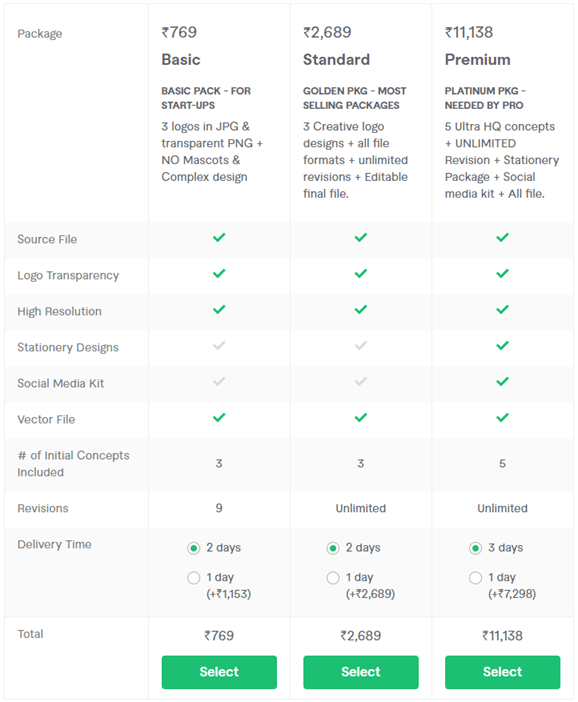
  • Why Is Chrome Free To Use?

    Why Is Chrome Free To Use?

    Even though with the existence of so many browsers in the world, Google Chrome manages to be the king of all. Since its inception, it has become the most popular web browser surpassing Mozilla’s Firefox, Microsoft Edge, Safari etc. You casually want to surf the internet and your brain automatically looks for Chrome without even considering other options. With offering a user friendly experience, Chrome has managed to capture as much as 64% of the market share and establish a dominant market position.

    With 2.65 billion daily users across the world, Google could easily charge its services for Chrome and earn huge revenue. But, it still chooses to offer its services for free. Ever wondered why?

    Battle of the browsers

    Looking back at the time before Chrome was developed; Google was just a search engine. With Safari compatible only with Apple devices, Internet Explorer and Firefox were the two major competitors in the market. The primary income source of these browsers was the search royalties being paid by search engines.

    Search royalties refers to the percentage of advertising revenue that an external browser receives whenever you use a search engine built in the that browser.

    Quite obviously, the lion’s share in these royalties was paid by Google, the default search engine.

    Now, while on one hand, browsers were completely reliant on Google for royalties; Google relied on these browsers for its search traffic.

    Inception of Chrome

    Google feared its dependence over other browsers for the search traffic and this led to the inception of its own browser, Chrome.

    The company wanted to create a better and modern browser by adding more value to the users and encouraging web innovation. Moreover, it also had enough money and resources to build a browser on existing technologies and adhering to web standards.

    Chrome was built not just as a browser but a platform for a vivid interaction of web applications and users across the world.

    Today, Chrome is the most favoured browser in the world. The competition among other browsers exists in the form of regular updates and new versions launched regularly. But, none is able to overthrow Google from its throne.

    But How does Chrome make money?

    Chrome is free to use by all and hence does not make any money.

    While offering such a wide range of services, Google sources its revenues from different origins, the majority chunk being advertising. Chrome saves money by avoiding royalty expenses and helps Google earn more.

    How does Chrome save money?

    With the introduction of Chrome in 2008, Google’s revenue model changed drastically and the revenue went on increasing per year. With the launch of Chrome, instead of paying search royalties to an external browser, the entire amount was saved from booking as an expense by using Chrome.

    An annual revenue of $16.6 billion was generated in 2007 and the next year marking the introduction of Chrome, the figure showed a 30% increase, standing at $21.6 billion. Chrome however gained popularity in 2012 when it managed to achieve market dominance and Google earned a massive $50.18 billion in revenue.

    How does Chrome help Google earn?

    Chrome tracks user data gathered through each and every activity you perform on the web using Google services. All this data is used to improve Google’s AdWords and Adsense programs. User preferences are matched and are used to display  relevant ads to the users. Google gets paid per click results, page views and engagement.

    With Google as the in-built search engine in Chrome having a user friendly interface, it makes web surfing easier and grants more visibility to the ads. While the advertising revenue from the ads displayed on websites goes to the websites itself, a major amount of the same is taken up by Google.

    Growth of Chrome

    Chrome was made available to the public through an open-source browser project called Chromium. It generates the source code on which Chrome is built and allows developers to review the code and build multiple browsers. This resulted in the introduction of Opera Mini, Brave, and Vivaldi etc. Even Microsoft started reassembling Edge based on Chromium source code. Chrome gradually developed into a cross-platform and was very soon ported to Linux, Android and even iOS and macOS. It was made the default web browser built-in Android OS. Porting to iOS served as a boost as Apple did not allow external browsers to operate in its space.

    Mozilla struck a deal with Yahoo in 2014 to make it the default search engine for Firefox. It was only a matter of a couple of months as people started setting their default back to Google, which led to an early termination of the contract. With such market dominance, when Google develops its own browser, you are bound to shift to a trusted alternative.

    With so many browsers using different Google technologies for their own working, web standards developed with Chrome as the face in mind. As web standards became increasingly compatible with Chrome, its market share increased giving Google even more money for developments in Chrome.

    Google was able to launch a desktop operating system around Chrome known as ChromeOS. It is built in the Chromebooks which you might be using at your home right now. Chromebooks are a huge success and are one of the most popular devices in the market.

    Bottom line?

    Using Chrome has become synonymous to Google itself given that Google has managed to create a whole ecosystem out of its services. Using one product encourages the use of another due to integration of the services. If you use Chrome, it’s highly likely that you go for Gmail, Drive, Docs and Sheets as well. Not only software, but Google offered its products in the physical market as well by offering Pixel smartphones, Chromebooks, Google assistant etc. Having the most resources, Google managed to develop a browser which forfeits all the drawbacks of the existing ones and adds up the advantages of all in one single product. It managed to deliver the perfect product at the right time and for free which paved its way to becoming the most popular web browser.

    Go On, Tell Us What You Think!

    Did we miss something? Come on! Tell us what you think about our article on why is Chrome free? in the comments section.
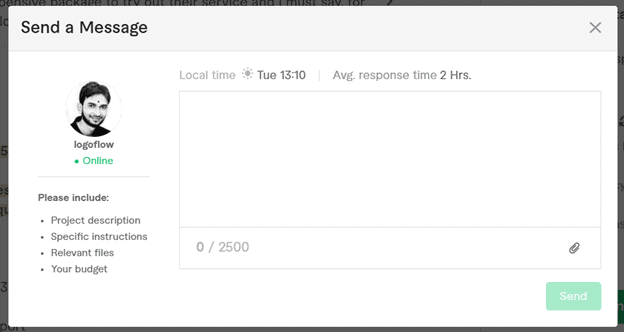
  • What Is Surrogate Advertising? – Definition & Examples

    What Is Surrogate Advertising? – Definition & Examples

    In the era of new-age technology, advertisements have become a strong source of influence on both society and the people.

    From television commercials to social media platforms, companies use several channels to facilitate the marketing of their products and services that, in turn, imposes a direct or indirect influence on the lives of their customers.

    As a result, in recent years, many companies are increasingly making use of such channels to promote products that are otherwise prohibited by the law to be advertised directly.

    This article will discuss what surrogate advertising is, its several strategies, and the various reasons why companies are opting for it as an alternative to market their brand.

    What Is Surrogate Advertising?

    Surrogate advertising refers to a form of advertisement that duplicates the brand image of one product to promote another product of the same brand.

    The word surrogate means a ‘substitute’. Usually, brands use surrogate advertising to promote a banned product under the veil of a substitute good.

    Surrogate goods could either resemble a similar commodity or an entirely different product.  Meaning, companies advertise their products and services by disguising them for some other product under the same brand name.

    A popular instance of this can be a liquor product advertised as either a soda drink or an entirely unrelated product like music CDs within the same brand name.

    How Did Surrogate Advertising Originate?

    Surrogate advertising’s origin can be traced back to Britain, where domestic violence became a prevalent trend as more men started drinking. Women, in turn, took to the streets and started protesting against the open-marketing of liquor-based products.

    This event eventually led companies to adopt the strategy of surrogate marketing to sell goods in disguise for some other related products.

    Products that are marketed using surrogate advertising today include alcohol, cigarettes, tobacco, narcotics, infant milk substitution, and other intoxicants.

    Examples Of Surrogate Advertising

    Many brands have been using products to duplicate their brand image.  Therefore, given below is a list of 3 popular industry examples that use surrogate advertising as a means to market their goods:

    Surrogate Advertising In Liquor Industry

    Today, the liquor industry intentionally blurs the line between products by advertising ‘old wine’ in a ‘new bottle.’  In other words, companies sell alcohol-based drinks under the veil of soda, fruit juice, & cocktail mixers.

    A prevalent example of this is Imperial Blue’s series of advertisements on music CDs to promote their whisky brand in India where it is banned to advertise an alcohol product.

    Big brands like bagpiper soda, cassettes & CDs; royal challenge; kingfisher fall under this category.

    https://www.youtube.com/watch?v=PW2xR5BECE4

    Surrogate Advertising In Tobacco Industry

    In recent years, many brands are softly targeting consumers by selling them tobacco-based goods under the disguise of pan masala and hookah substitutes.

    For instance, the renowned actor who played James Bond’s character, Pierce Brosnan, endorsed Pan Bahar, a pan masala brand, by becoming its brand ambassador.

    Big brands like Manikchand group, Dharampal Satyapal limited, and Kothari products limited fall under this category.

    tobacco surrogate marketing
    Source: The Drum

    Surrogate Advertising In Cannabis Industry

    The evolution of cannabis marketing is accelerating. Most marijuana brands sell their weed-infused products by labelling them as medicine.

    Big brands like ArcView and GW pharmaceuticals fall under this category.

    Cannabis surrogate marketing
    Source: Harvard health

    What Are The 5 Strategies For Surrogate Advertising?

    Surrogate advertising uses a collaborative strategy to achieve exponential and rapid publicity. Therefore, brands use any of these 5 strategies to promote their products: promotion by extension, promotion by association, promotion through TV commercials, promotion through events and sponsorships, and promotion through public service announcements.

    Promotion By Extension

    Promoting new products with a familiar brand name is known as brand extension. Today, several companies use the brand extension to respond to a ban on the advertisement of a particular product category.

    For instance, Kingfisher has promoted everything from soda to calendar and airlines under the same brand umbrella.

    Kingfisher surrogate marketing
    Source: Picasa 2.7

    Promotion By Association

    Promotion by association focuses on the value proposition of a brand and creates an impression in customers’ minds that the brand is for brave people.

    Generally, such brands are endorsed by celebrities to help reflect the values that a company seeks to portray.

    For instance, renowned Bollywood actor Shatrugan Sinha was featured in the Bagpiper club soda ad to promote its brand.

     Shatrugan Sinha
    Source: Deccan Chronicles

    Promotion Through TV Commercials

    Many companies today make TV commercials, but most of them advertise a product directly. But, in the case of certain products like alcohol, tobacco, etc., companies may be banned from doing so.

    Therefore, they create commercials so that they disguise an item as outside the brand’s normal product. That is, they make use of surrogate TV advertising.

    For example, a company known for making alcohol may make a commercial highlighting a new soda.

    Promotion Through Events And Sponsorships

    Another type of surrogate advertising is done through events and sponsorships.

    In this type of advertising, the company leaves its logo somewhere, such as on a wall of an event or the outside perimeter of a sporting event. This tactic, in turn, places the idea of the brand in the consumers’ minds.

    For instance, Royal Stag owned an IPL team and promoted Coke Studio performances to advertise their brand.

    Surrogate advertising events and sponsorships
    Source: Exchange4media

    Promotion Through Public Service Announcement

    Public service announcements (PSA) is a prevalent strategy for advertising products.

    Most of the products today are banned under surrogate advertising laws and are associated with several health risks. Therefore, through this advertising method, companies can bring awareness about the risks of smoking and use colourful company logos to do so.

    For example, a company can bring awareness around the hazards of smoking but, at the same time, attracts consumers by bringing attention to their brand.

    Surrogate Promotion Through Public Service Announcement
    Source: The Pharmaceutical Journal

    Why Do Companies Use Surrogate Advertising

    In recent times, surrogate advertising has become a popular marketing strategy that is increasingly used for promoting banned products indirectly. It essentially utilizes a substitute product so as to communicate the real product to the target customers.

    Therefore, given below is a list of 5 reasons why companies use surrogate advertising to promote their products:

    • To circumvent a ban on the direct advertisements of a particular product,
    • To keep brands alive in the minds of the consumers,
    • To cultivate an image of social responsibility of the brand,
    • To advertise less socially accepted products via secondary brands or products, or
    • To advertise high revenue generating products like alcohol, cigarettes, and tobacco.

    What Are The Benefits And Limitations Of Surrogate Advertising?

    Ever since advertising of tobacco and liquor products has been banned on Mass Media, companies have resorted to surrogate advertising tactics to promote their products. However, they come with several benefits and limitations of their own.

    Therefore, given below is a list of the several benefits and limitations of surrogate advertising.

    Benefits

    • It helps companies to generate revenue from banned products
    • It keeps on reminding consumers about the banned products indirectly
    • If nobody can advertise, then the threat of competition from new players is minimized

    Limitations

    • It can beat the purpose of ban on advertising of harmful products by government
    • the knowledge and awareness level on surrogate advertisements is very low
    • It can impose a negative impact on society by promoting health-injurious products

    What  Are The Various Ethical Issues Concerning Surrogate Advertising?

    While surrogate advertising has turned out to be a successful tactic to advertise products, such commodities’ legality is questionable in many aspects.

    Many surveys have found that surrogate advertising inflicts consumers’ behaviour to purchase otherwise harmful products for their health.

    It also offers children and youth a slippery slope in life as many cannot distinguish between banned products and the advertised products.

    Therefore, to prevent such situations from happening, governments in many countries are taking action to impose a ban on such products’ direct marketing.

    For instance, the Indian government has implemented the cable TV regulation act of 1995 to impose a ban on the direct advertising of liquor and cigarette advertisement.

    Nevertheless, although liquor and tobacco businesses are restricted through laws, they remain legal as they help generate massive revenue for governments, which benefits the country’s economy.

    Bottom Line?

    Since Mass Media has banned direct advertisements for commodities like tobacco and liquor, many companies are starting to use proxy advertising techniques to keep their brands alive in customers’ minds.

    Brand recall is the most significant feature of a surrogate commercial. Without directly referencing cigarettes or liquor, companies these days can easily promote their products and services.

    Go On, Tell Us What You Think!

    Did we miss something? Come on! Tell us what you think about our article on surrogate advertising in the comments section.