Feedough Logo

Blog

  • 7 Legit Ways To Get Free Business Cards

    7 Legit Ways To Get Free Business Cards

    Besides your warm smile and a firm handshake, you also need a business card to make a great impression on potential customers and partners. But the problem is, business cards can be quite expensive. And if you actually find a free deal, it turns out to be a marketing ploy for lead generation and upselling.

    But some services offer genuine business cards offers. If not free, some will let you order 100 for as less as $1.

    Here’s a guide to help you get free business cards for your business.

    Platforms Offering Business Cards For Free

    Understand that no business will give you business cards for free unless it is getting something in return. It could be anything – convincing you to order again, getting you to pay shipping charges or for the sake of brand promotion.

    Here are some of the platforms you can explore for free business cards:

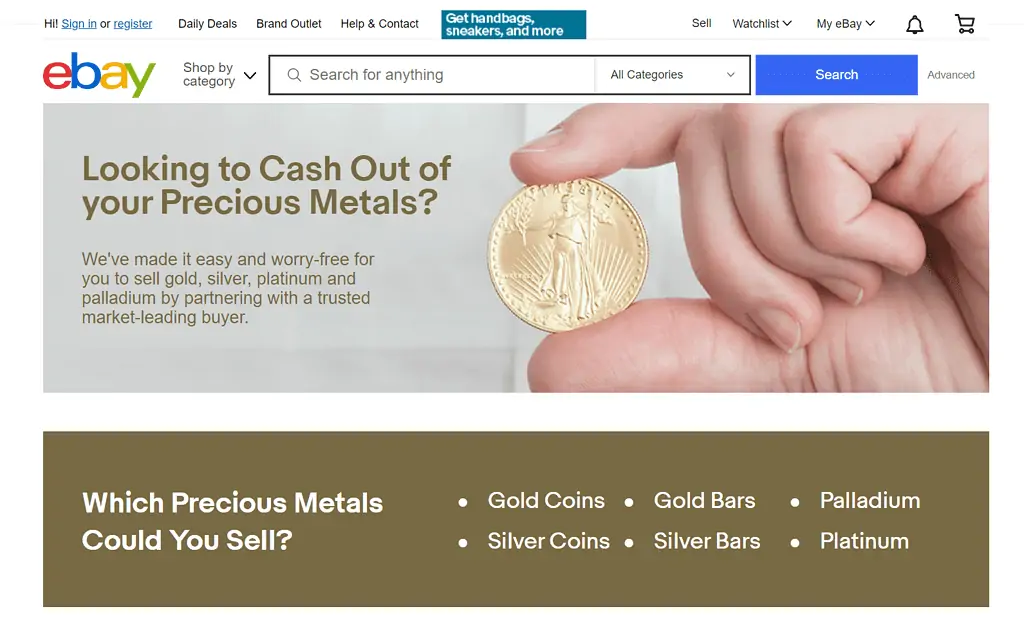
    4OVER4

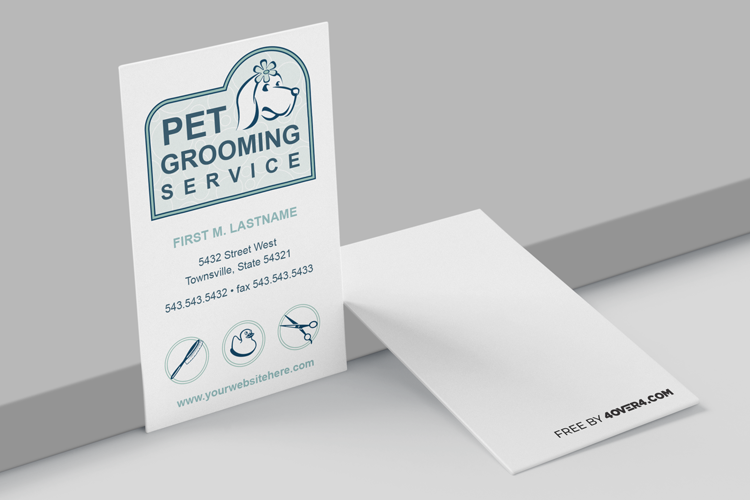
    free business cards by 4over4

    4OVER4 is probably the only platform that offers genuine free business cards.

    Here’s how it works – you get 200 business cards for free (including shipping) that you can unlock using 500 4OVER4 coins.

    The best part?

    You can easily earn these coins by completing some simple tasks, like:

    • Creating an account
    • Logging in daily
    • Sharing their brand on social media
    • Giving them a positive review

    Even though you’d need to spend some time earning the coins, it’s worth it as you get business cards for free.

    The only (and biggest) downside is that the company prints its logo on the back of your business card.

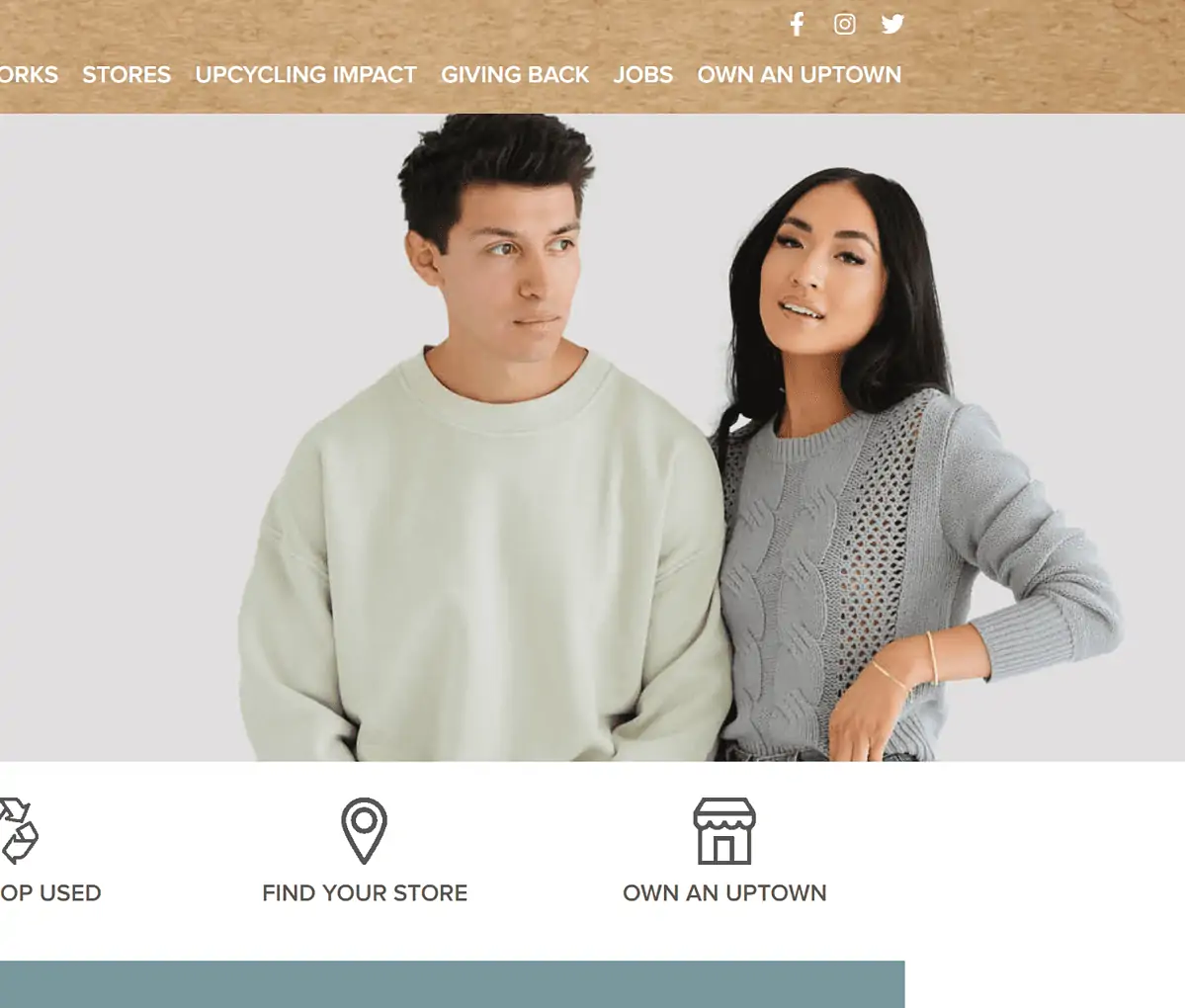
    InoPrints

    InoPrints business cards

    InoPrints is a print-on-demand platform that allows you to design and order 100 business cards for free. These business cards are fully customisable, and you can even upload your own design. The quality is decent, and the turn-around time is quite fast.

    However, there’s a catch. You can only get one-sided prints and will have to pay $15 for shipping.

    Platforms Offering Business Cards For (Almost) Free

    While not many companies offer entirely zero-cost business cards, you can find a few that are willing to give away some for a small fee or some who lets you design them for free.

    Wepik

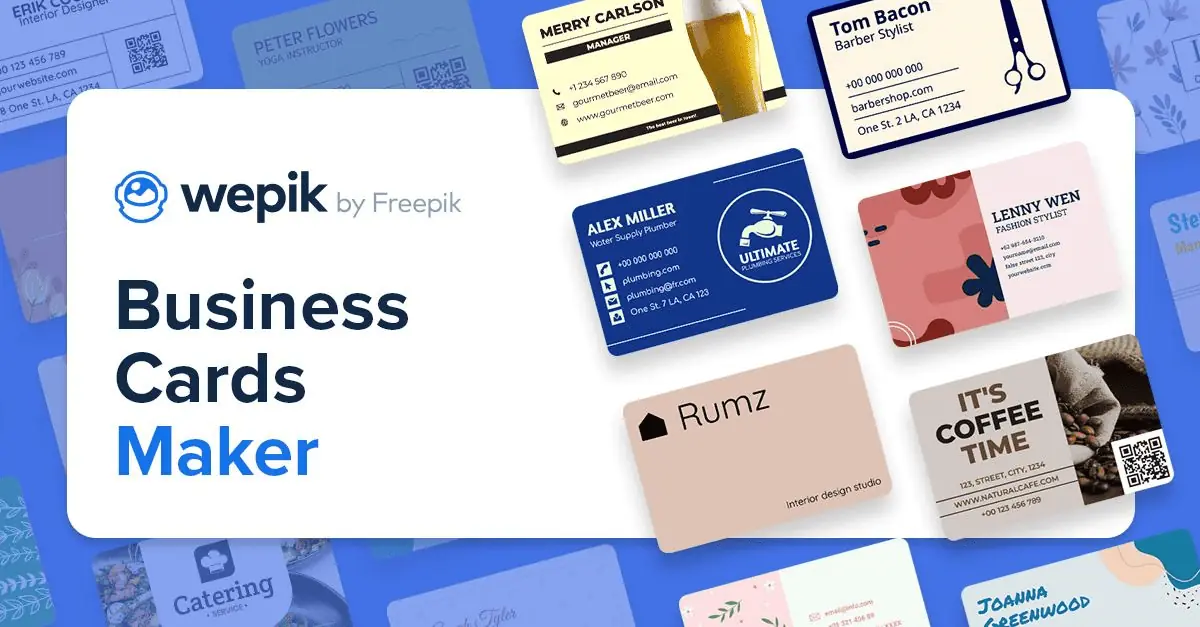
    Wepik

    Wepik is an all-in-one graphic design platform and the perfect free online design tool for designing a custom business card.

    While it doesn’t offer to print your business cards for free. It surely has one of the vastest libraries of free business card templates and designs that you can edit and download for free.

    The best part? You don’t have to be a graphics designer to edit Wepik’s business card templates or even create one from scratch.

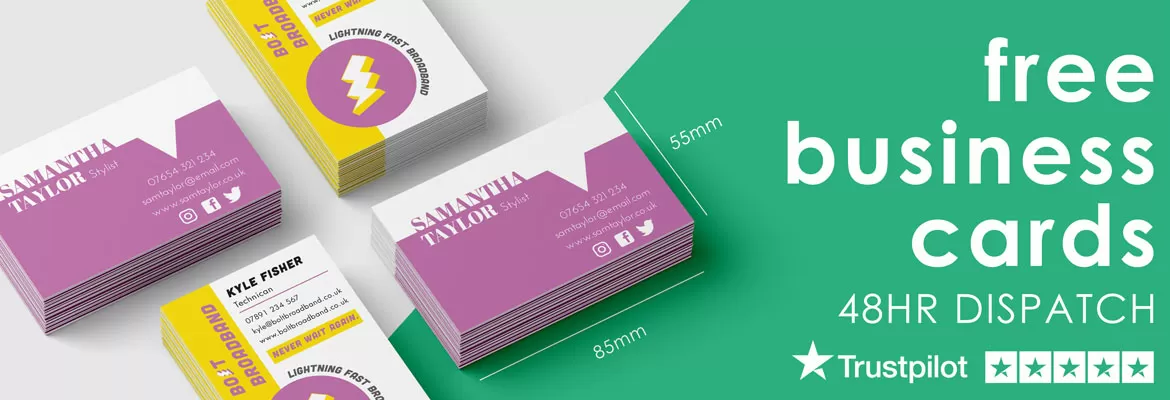
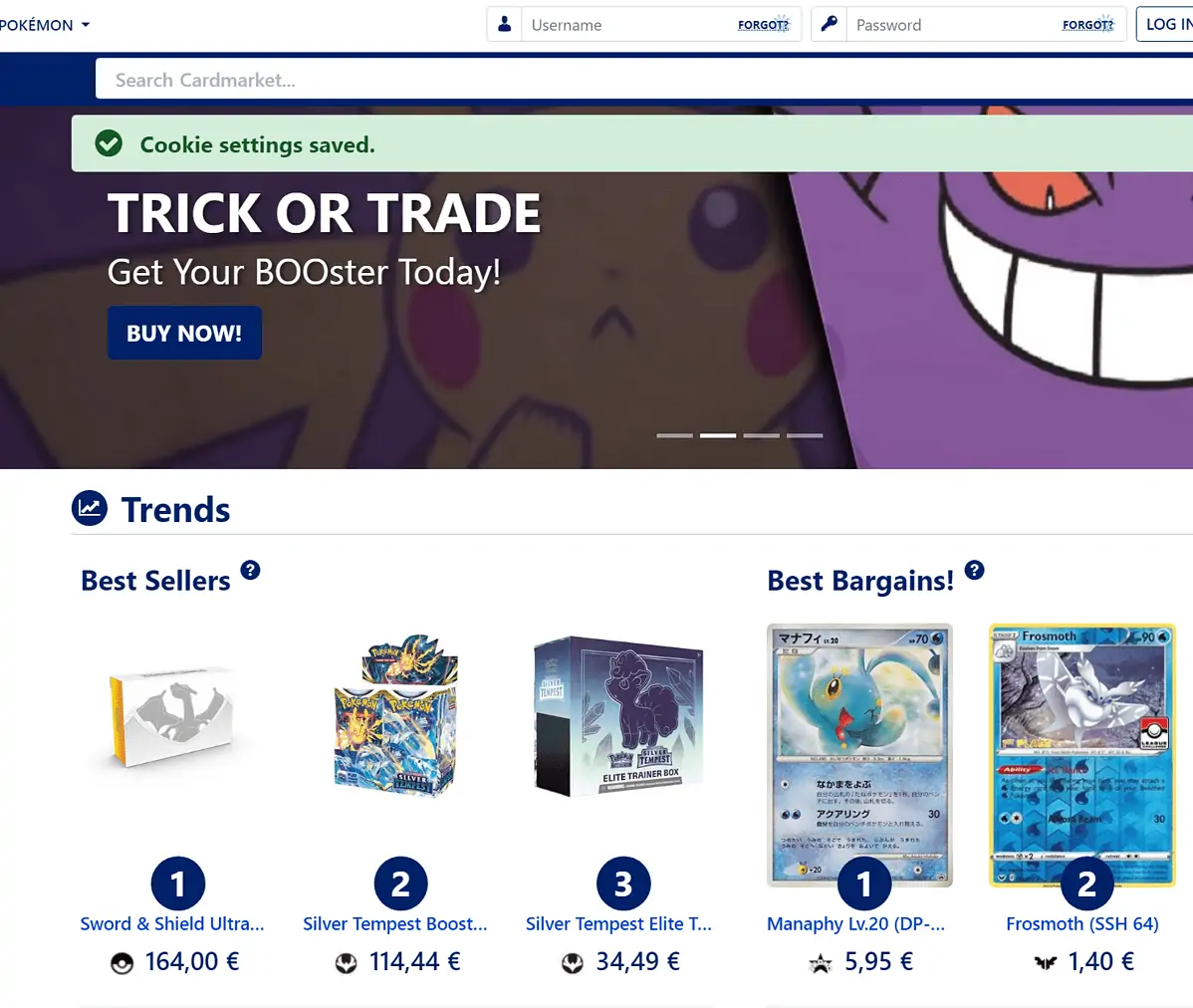
    Pixart Printing

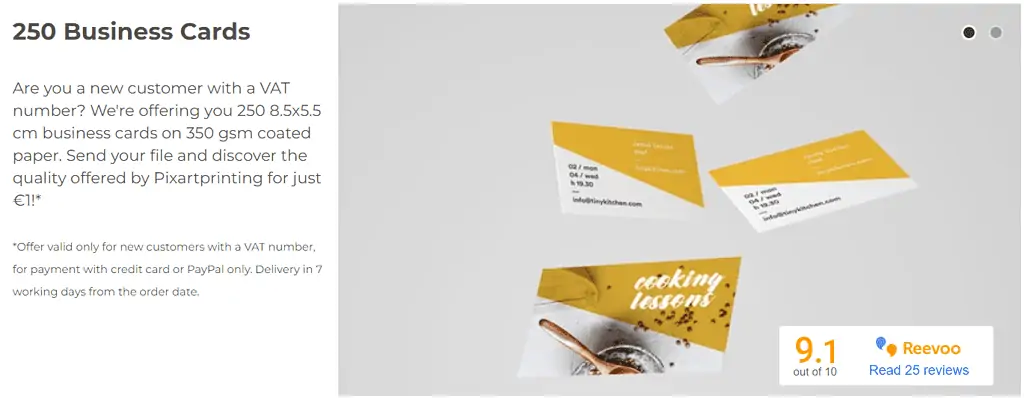
    Pixart printing free business cards offer

    If you live in Europe, Pixart Printing is the best option for getting free business cards. They offer 250 full-colour, front-only business cards for just over €1 (including shipping). The quality is amongst the best you’ll find for business cards, and their turn-around time is quite fast.

    The best part is that you can even upload your own designs if you wish to do so.

    All you need is a VAT number (European Union citizens only), and they’ll take care of the rest.

    Canva

    Canva is probably the best online graphic design platform and offers a great option for designing your next business card. You can choose from thousands of templates designed by professional designers.

    Once you’re done designing your business card, you can easily download the print-ready version and send it off to the printer of your choice.

    Or you can get Canva to print those business cards for you. Although not free, seeing that you can get high-quality, amazing-design business cards for only $9.95, it is worth considering.

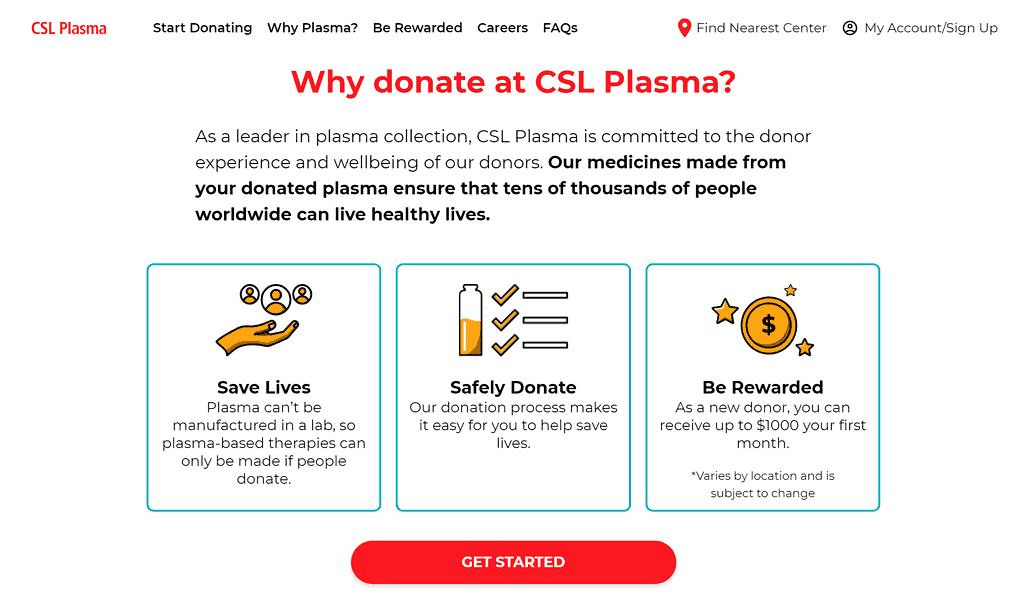
    Banana Print

    Banana Print free business cards offer

    A reputed online printing service in the UK, Banana Print offers a great option for getting 50 zero-cost business cards of top-notch quality. The platform lets you upload your designs and choose from thousands of pre-made templates for free.

    All you need to do is pay for the shipping (£ 2.95), and you’re good to go!

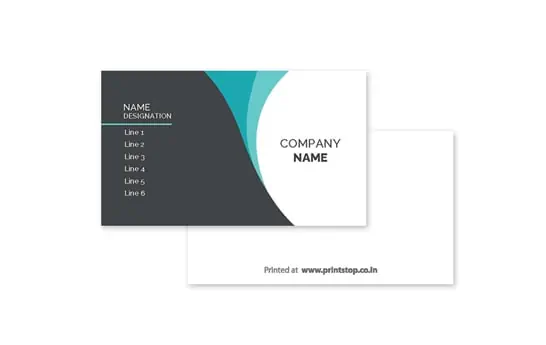
    Print Stop

    Print Stop business cards offer

    Print Stop is a great platform for Indian entrepreneurs looking for a way to get business cards without shelling out money. It offers 100 business cards for free if you choose one of its templates.

    The quality of the cards is quite good, and their service is really fast. The only catch is the shipping cost, which is also quite affordable at ₹50.

    Vista Print

    Vista Print

    Probably the most popular printing service in the world, Vista Print offers a great deal for getting business cards. Even though they don’t offer a ‘free-100-business cards’ deal like some of their competitors, the company offers a business card sample bundle (free), which you can order to check the cards’ quality.

    Moreover, their business card products start for as less as $18 for 100 cards, along with free delivery.

    Go On, Tell Us What You Think!

    Did we miss something? Come on! Tell us what you think about our article in the comments section.

  • What Is Marketing Communication (MarCom)?

    What Is Marketing Communication (MarCom)?

    If a company does not communicate about its offerings, how would its customers know they exist?

    Companies communicate with people to popularise the product and shelf it in the market. Because that is how they stay in touch with and convey important information about the company to customers.

    But what is marketing communication, why is it important, and what are its objectives and characteristics? What is the MarCom process, its types, and its benefits?

    What Is Marketing Communication?

    Marketing communication refers to using different marketing channels and tools in combination to deliver a marketing message to the target audience.

    It combines various marketing channels and tools, including social media, PR, direct sales, advertising, online presence, packaging, and more, to deliver the intended message to the target audience. This communication ensures the right message reaches the target audience through the right channel and achieves the goal planned by the marketer.

    For example, McDonald’s uses a mix of TV ads, OOH, radio spots, digital campaigns, and more to communicate the launch of a new toy in its Happy Meal boxes. Similarly, Apple uses a mix of TV ads, radio spots, print media campaigns, and digital presence to communicate the features of their latest iPhone.

    Importance Of Marketing Communication 

    Marketing communication is essential to move the message, ideas, and product details from the brand to end users and helps maintain a healthy relationship between them. It is also vital to achieving the marketing goal, generating leads, and boosting sales. 

    Besides this, it is also important to:

    Reach The Right Audience

    The marketing communication language aims to reach the specific persona since that serves as a bridge between the brand and the consumer. Clear communication between producer and consumer makes reaching the right audience possible.

    Circulate The Message

    For people to purchase the offering, they must know it exists. And thanks to marketing communication, they notice the product or service exists.

    Communication also makes the customers understand the brand better and makes them feel more related to it.

    Achieve Marketing Objective

    Every manufacturer, whether owning large-scale or small-scale production, intends to sell its products in the market. There is a high-level competition between them, be it any field or industry today. The proper communication and promotional program helps companies to face this cutting-throat competition and achieve their marketing objectives.

    Keep-Up Sales In Recession

    In the economic world, a broad trade cycle comes from time to time, and the right sales, communication, and promotional strategies only help to keep up the company sales in a recession.

    Educate Customers

    With the development of distribution channels, several middlemen have entered between the manufacturers and the customers of the products. Therefore companies necessarily gear up their sales policies and communicate with customers to educate them and coincide with the middlemen whenever companies have something new to share. 

    Marketing Communication Objective

    Marketing communication primarily aims to create and sustain the demand for a product which companies achieve through disseminating the intended marketing message to the target audience through different channels and tools.

    Sharing the main idea involves conveying information about the product – its features, functionality, usage, benefits, and all about that product.

    For instance, a TV Ad for a new printer tells the user that there is a newly launched printer that an individual can use for colour printing or black and white, offering a value proposition others aren’t providing.

    Besides this, marketing communication also aims to:

    • Persuade: Effective marketing communication processes motivate and persuade the audience to take some action (purchase, visit the website, try a product, or more) or develop a positive perception.
    • Remind: A reminder message is another marketing communication objective that aims to help customers remember that they were using this product and it is still available in the market. Companies basically send these reminders to users to make them offset other similar products in the market.
    • Reinforce: The communication intends to reinforce and reassure a customer’s satisfaction after they have made a purchase. The company confirms to the customers that their beliefs and attitudes are correct, that they made the right decision by purchasing, and explains how to get the best results and how they can maximise their satisfaction. This objective aims to maintain the market share rather than create the new one.

    Characteristics Of Marketing Communication

    Several characteristics separate marketing communications from other forms of communication. These include:

    • Target audience oriented: When crafting messages, marketers always focus on their target audience and how they should be addressed. They also consider what the best channels are to reach them to make sure that their message is received by the right people at the right time.
    • Ongoing process: The marketing communication process is never-ending. Just as regularly fueling the vehicle is essential. Similarly, the regular circulation of information and communication is vital for an organisation to keep operating.
    • Persona-oriented: The process revolves around the company’s target persona and communicates the message in a way the customer wants to hear.
    • Two-way process: To communicate, two personas need to get involved and exchange ideas. It is because communication is incomplete unless the receiver has understood the message and the sender has received feedback, reaction, or action.
    • Pervasive activity: Communication is a pervasive activity. This means it applies at all levels and everywhere for smooth functioning. It is a universal element in the management process and the organisation to function.
    • Mutual understanding: Mutual understanding in marketing communication means the receiver receives the message with the same spirit with which the company sent it.
    • Can be direct or indirect: Direct communication is usually done through face-to-face contact, while indirect marketing communication involves a medium such as television and radio advertising.

    The Marketing Communication Process

    The marketing communication process focuses on delivering the company’s message as effectively, clearly, and accurately as possible to the target audience. This process consists of the following components. These are:

    • Sender: The company that produces or offers the product or service.
    • Encoding: Framing a message in comprehensible terms for the audience.
    • Message: Information framed by the marketer to convey to the audience.
    • Transfer Mechanism: Medium or channels used to transfer the message.
    • Receiver: An audience member, customer, or prospect.
    • Decoding: How the receiver interprets the message.
    • Feedback: Evaluating the performance of the campaign. 

    Sender

    Sender refers to the marketing firm or the person who sends the message to the audience. The sender is the source of the message and is also the one who has something to convey.

    Consider a McDonald’s commercial about a newly launched hot meal pushed out to children to invite them to taste it. Here, the sender is McDonald’s.

    Encoding 

    A company encodes the message before they send it across. Encoding is converting thoughts, ideas, and information into meaningful symbols. Encoding ensures that the message gets easily interpreted by the viewer, who is often the end consumer.

    For example, encoding the message in McDonald’s ad is about wanting to frame a message informing children that McDonald’s has launched a new hot meal and is running an offer on it.

    Message

    A message can be in any form, including but not limited to verbal, non-verbal, oral, written, or symbolic. It contains all the information companies want to convey, which is clear and effective enough to reach the communication objective successfully.

    For instance, in the same McDonald’s ad, the framed assertive message about the launch of a hot meal and an offer for children to taste it is the message.

    Transfer Mechanism

    A transfer mechanism is a means of sending encoded messages. Let’s classify mediums into the following two categories –

    Personal

    Personal medium includes interpersonal conversation (talking face to face) with the target group or person. 

    For instance, a customer getting a call from McDonald’s about the offer and newly launched meal or getting information about it when a customer is in its store in a personal conversation.

    Non-Personal

    These channels shelve the personalised information for a particular persona (in general) the company targets and do not involve any personal contact. Two classified categories it includes are – 

    Electronic Media
    • Audio channels: radio and podcast advertising
    • Video advertising: television and YouTube
    • Social media and more
     Print Media
    • Print and digital publications
    • Magazines
    • Newspapers
    • Direct mail and more

    Billboards, ads on social media, or receiving them in the mail are a few examples of non-personal mechanisms.

    Receiver

    It is the target audience, customer, or prospect who receives the message in any way, including hearing, reading, or listening. The receiver is the person or a group of people the sender wants to communicate with.

    Explicitly, children in the McDonald’s ad are receivers.

    Decoding

    Self-reference criteria (SRC) highly influence the decoding of the message. Decoding a message is how an audience member interprets and understands the message. This process primarily includes comprehending the encoded message.

    For example, let’s suppose MacDonald’s shared a message with children about the newly launched hot meal and an offer. But after the child receives the message and understands it as it was intended, he decodes it.

    Response

    The response is the reaction of the customer who received the message. The response can be any action, visiting the website, purchasing, signing up for the updates, or more.

    Going with the MacDonald commercial, if, after receiving the message, the child insists their parents to take them to Macdonald’s or order it online, it is the response.

    Feedback

    Feedback allows customers to share their experience in detail with the product or the service with the company. When receiving feedback, companies get in tune with the customers and try to entrench them with their brand.

    Explicitly, if the kid gets overwhelmed with the MacDonald’s hot meal and shares the experience, it is feedback for the company.

    Types Of Marketing Communication (Marketing Communication Mix)

    MarCom uses different ways of reaching out to its customers, thus implying a marketing communication mix to reach out to them. The channels used are as follows:

    Advertising

    Advertising is a marketing communication technique that involves paying for a space to promote a product or a service. Advertising, ads, or shorts are all forms of promotional content. The motive of sponsored content is to entice the target audience to buy or pay for their product or service.

    For instance, a gifting company will appear at the top of the search results (under the sponsored section) for people who searched for – buy a birthday card and cake.

    Sales Promotion

    Sales promotion is about using a promotional mix to run temporary campaigns to increase people’s interest and boost the demand for its product.

    These short-term campaigns include sale offers, coupon codes, referral points, discounts, loyalty programs, free delivery, and other offers. With this approach, companies compel customers to take action immediately, attract prospects, sell old products, or fulfil other goals. 

    For instance, buy one get one free is a sales promotion. Another example can be 50% off campaigns run by companies.

    Personal Selling

    Personal selling, also known as face-to-face selling, is a method in which a salesperson directly deals with the customer and assists them in buying.

    The personal conversation typically happens via phone, email, video chat, or a personal meeting. Personal selling helps small-business, especially those that deal in high-quality or complex products and companies use it in retail or trade selling.

    For example, a property dealer’s sales representative may explain the house to a prospect interested in buying it more accurately over the phone, through video chat, or in person. 

    Direct Marketing

    Direct marketing is a communication form through which companies share offers and product details with pre-selected customers and sets a method to receive a direct response. Companies distribute their sales pitch through mail, texts, and phone calls. 

    In direct marketing, a brand knows its customers well and shares coupons, gift cards, special offers, discounts, or schemes when users need them.

    For instance, a diagnostic lab offering a health check-up at a lower price when most people are infected by the flu is a direct message.

    Public Relations

    Public relations refers to an organisation holding strategic conversations, dissenting information, and conducting various activities to promote and protect the organisation’s image in public to ensure customers have a positive disposition towards the brand.

    Companies control PR, which involves sharing brand awareness through sponsored events, press releases, news conferences, interviews, and journals, to maintain the company’s reputation.

    For example, if a shoe company shares with its users that they are soon running a shoe giveaway drive for those who need it and asks its customers to join in the cause, they are running a PR activity. It will gain them popularity for contributing to a good cause.

    Word-of-Mouth Marketing

    A happy customer naturally promotes a product to their close ones, or when their daily dialogue reflects their interest in the product – it is word-of-mouth marketing.

    Since most people believe in the recommendation of the closed ones, word-of-mouth has become one of the most effective marketing communication tools.

    To gain more brand promoters, brands develop referral programs and offer coupons, discounts, or other offers to invite them to join the loyalty programs.

    For example, X installed a payment application on their phone; he liked it and wanted to share it with friends. When he shares the link, he asks them to add his referral code to the app while signing up. When the company knows that X has become a brand promoter, they offer more coupons or referral points to that customer to make them invite more prospects.

    Social Media Marketing

    Social media marketing is about leveraging powerful social media platforms to promote products and services organically and non-organically to a vast audience globally to achieve branding, marketing, and sales goals, cost-effectively.

    Since 4.48 billion reportedly use social media, more than half of start-ups consider using social media platforms, including Facebook, Instagram, Twitter, LinkedIn, and more, to market their products.

    Social media supports ads in various forms, including video, story, interactive video, carousel and collection videos, in-feed videos, posts, and more.

    Benefits Of Marketing Communication

    MarCom is a fusion of the company’s promotional tools and communicating value to the target audience, bridging the gap between the customer and the company and developing positive customer relationships persuasively. Marketing communication has tangible benefits for businesses, which are:

    Develop Strategic Vision

    Through marketing communication, it is easy for companies to decode the growing demands and needs of the customers and thus help them develop a strategic vision and create plans which enable the business to grow.

    Companies use different platforms to share product speciality, marketing communication, build brand identity, and boost sales and marketing opportunities.

    Create A Competitive Market Edge

    Effective MarCom strategies position a company as being superior to its competitors. The message delivered to customers highlights –

    • Reasons customers should purchase from them over other options available in the market
    • Benefits of the products
    • How the product solves a customer problem
    • How they meet the needs of customers
    • Displaying unique features of the product

    These marketing communication tactics ingrained in the communication attract customers and give companies a competitive edge in the market.

    Build Trust In The Brand

    For people, it is easier to trust a brand that responds constantly. Thus, the brands communicating with their customers, taking part in the conversation online, settling down conflicts, and spreading the information continuously help build brand trust and goodwill among the people.

    Get Innovative with Marketing Ideas

    People want a more humanised approach from brands, crave creativity, and get attracted to innovative ideas. Understanding the importance of all these factors that satisfy the customers, the marketing team gets inventive with their work. It benefits the brand by giving it an edge in creativity and making them stand out from competitors.

    Retain And Attract Customers

    In order to retain existing customers and attract new ones, staying transparent, consistent, direct, and crisp stands essential for any brand – which is today done through the MarCom by the companies.

    When marketing teams today understand and duly grasp the importance of MarCom, brands build customer trust, goodwill, and direct relations with customers. They thus retain and attract customers and prospective customers.

    Boosts Return On Investment (ROI)

    MarCom involves spreading the message and getting customers’ attention to entice them to talk to the brand. But the goal of the marketing communication strategy is not limited to interactions. It is also to get profit and revenue growth. Companies maintain strong interactions to spread brand awareness, build trust, nurture customers, provide offers, and close higher sales, thus achieving a higher ROI.

    Challenges Of Marketing Communication 

    Today marketing is so fast-paced that it has become difficult for companies to identify which areas they need to rectify in Marketing Communication to develop to facilitate stronger growth. For that reason, it is crucial to stop and take a look at the challenges marketers feel they are facing –

    Increased Competition

    The more industries experience growth, the more markets and companies face competitors. With competition becoming wealthier every day, it becomes a challenge for marketers to get competitive, prove that their work is more promising than others, and produce higher outputs.

    Having A Competitive Team

    The team’s experience and skills are critical factors in developing an effective strategy. Since talented professionals are always in high demand, finding, recruiting and maintaining them is a challenge.

    Finding Right Tools

    Marketing tools and tactics change with time and changing demands of the customers. Having adequate knowledge of which tool to use or having them at their disposal becomes a challenge for companies to reach out to the customers, automate the process, stay agile, be competitive, and often miss out on the latest marketing trends.

    Maintaining A Budget

    If the company faces losses and the marketing campaigns are not reaching the set return on investment goal, the companies face a challenge maintaining a budget. Insufficient budgets prevent marketers from reaching out to leads or slow down the reaching process, thus hindering the company’s growth.

    Generating Leads

    With stiffer competition, changes in the realm of identity, privacy, and cookies, and more options surfacing in the market, driving quality leads and turning them into paying customers is a challenge.

    Go On, Tell Us What You Think!

    Did we miss something? Come on! Tell us what you think about our article on Marketing Communication in the comments section.

  • What Is Pareto Principle? – The 80/20 Rule Explained

    What Is Pareto Principle? – The 80/20 Rule Explained

    Hustling and working hard are fundamental aspects of getting a job done. But when the time is limited and the workload is significant, only working smart can pull you to the finish line effectively and efficiently. Smart work is also when you segregate your tasks in a ratio of 80:20, based on priority, time, and resources, to ensure that you’re achieving maximum gain for every effort put in.

    This is the Pareto principle or the 80/20 rule that is proven to work in many aspects of life, from business to academics.

    What Is The Pareto Principle?

    The Pareto principle is a theory that states that almost 80% of the results in a given situation come out of 20% of the inputs.

    In simpler terms, the rule concludes that there is an unbalanced equation between inputs and outputs. This means that if you want to increase efficiency, you need to focus on improving the inputs that generate most of your results. For example:

    • 20% of employees are responsible for 80% of the company’s results.
    • 20% of software issues result in 80% of crashes.
    • 20% of the customers will result in 80% of the revenue.
    • 20% of productivity will sum up to 80% of the day’s work done, and so on.

    The Pareto principle has several names, all based on different understandings over time. Some call it the 80/20 rule, which is the most common. Others call it the Principle of Factor Sparsity and even the Law of the Vital Few.

    How Does Pareto Principle Work?

    The Pareto principle focuses on the 20% of inputs that create the most impactful results. If you can identify and improve that 20%, you’ll be able to generate greater value for your organisation or project.

    For example, if you are a business manager, investing in developing the skills and abilities of your top 20% of employees can have a much bigger impact on your performance than investing in the other 80%.

    Similarly, if you’re working in marketing or sales, focusing your efforts on the top 20% of your customers can lead to better results than targeting a wider group. This is because these customers are likely to be the most valuable and worth investing in.

    The Pareto principle can also be used to identify areas of waste or duplication, allowing you to streamline your processes and increase your efficiency. By focusing on the 20% that matters, you can ensure that your efforts go into the most important areas and produce the best results.

    Origins Of The Pareto Principle

    The Pareto principle was first observed by Italian Economist Vilfredo Pareto, who drew out a connection between population and wealth in Italy back in 1895. According to his observation, 20% of Italy’s population owned 80% of its land.

    He conducted extensive surveys to find out similar patterns in various nations and developed a logarithmic mathematical model to show this non-uniform distribution of wealth.

    After this research, Dr Joseph Juran, an electrical engineer from America in the 1950s, utilised the Pareto principle to develop that in any group of factors contributing to a common effect, only a select few factors account for the bulk of the impact. He coined the terms‘ vital few’ from the ‘good many’ and developed a universal principle that applied in many areas, not just the economy. Juran concluded that this principle solved many problems with quality control, which is now one of the essential fields in business and industries.

    Applications Of The Pareto Principle

    The Pareto principle sees application across multiple fields — from economics and finance to management, marketing, project management, and business process improvement.

    Here are some:

    Managing Time

    20% of efforts can lead to 80% of productivity.

    For example, 20% of your efforts on the core elements will give you 80% of the results if you are working on a project. In terms of time management, this could mean focusing your efforts on the most important tasks and delegating the rest.

    Managing Businesses

    20% of team members contribute 80% to the overall success of a business.

    In any workplace, there is a massive disparity between performing and non-performing employees. Usually, 20% of the team members contribute 80% to a business’s overall success and productivity.

    Optimising Revenue Generation

    20% of the clients bring 80% of the revenue.

    Studies show that 20% of customers account for 80% of a company’s total revenue. Likewise, 20% of your product lines account for 80% of your purchased items. Product diversification, hence, is not always the solution.

    Managing Personal Relationships

    20% of the problems cause 80% of the impact on relationships.

    Most of the time, it’s a small issue that causes major disruption and disharmony in relationships. Identifying and targeting these problems can lead to better understanding between the parties.

    Managing Goals

    20% of focused efforts lead you 80% closer to your goal.

    Identifying and focusing on the key areas you want to achieve will help you prioritise your efforts, resulting in better productivity. When you apply the 80/20 principle in managing goals, you can point out precisely what about yourself is pulling you behind.

    Focusing on the areas with a greater impact can ensure that your time, energy and resources are utilised optimally.

    Solving Problems

    20% of issues cause 80% of headaches.

    When faced with a problem, focus on the core issues first and identify their root causes. The 80/20 principle can help you analyse the issue and determine what is causing the majority of problems. This will allow you to concentrate on those areas that need more attention and solve your overall problem more efficiently.

    Advantages Of The Pareto Principle

    The Pareto principle not only offers a useful way of looking at problems but also has some other advantages.

    • Way to quickly identify areas of improvement: The Pareto principle works by evaluating the efficiency of a process or system and highlighting those elements that are most important and most likely to yield the greatest results. By utilising this principle, it is possible to quickly identify areas that need improvement, allowing for efficient resolution.
    • Helps prioritise tasks: It is a great way to help prioritise tasks and understand which tasks are the most important. This can help you focus on tasks with the greatest impact and rewards rather than wasting time and energy on less productive activities.
    • Helps in optimising resources: It helps organisations gain insight into which activities will yield the greatest rewards. This allows organisations to create strategies that ensure their resources are used efficiently and effectively, leading to greater profits.
    • Helps make better decisions: By looking at problems through the lens of the Pareto principle, it is possible to identify 20% of the most important activities and focus on those. This can help organisations make better decisions about allocating resources and personnel for maximum results.

    Disadvantages Of The Pareto Principle

    While the Pareto principle can help make better decisions, it has some disadvantages.

    • Reduced flexibility: By focusing on the most important activities first, organisations may have less flexibility in responding to changing situations. This could mean that they miss out on opportunities or new technology as they are slow to react.
    • Lack of creativity: By following the Pareto principle, organisations may become too focused on their existing processes and techniques. This could lead to a lack of creativity and innovation in problem-solving.
    • Unrealistic goals: The Pareto principle does not take into consideration that some goals may be too difficult or unrealistic to achieve. If organisations only focus on the most important tasks, they may miss out on the smaller but equally important goals that could lead to long-term success.
    • Unrealistic expectations: Following the Pareto principle could lead to unrealistic expectations of employees or customers. This could create a situation where people are expected to achieve more than is realistically possible, which can be demoralising and cause burnout.

    Challenges Of Pareto Principle

    It’s not just the unrealistic expectations that the Pareto principle can cause. It also presents a few challenges when it comes to implementation:

    • Minimal Effort: One of the most common misconceptions about the 80/20 rule is that it is often mistaken for minimal effort. This is not true. Although the rule allows for a greater focus on the most important tasks and activities, these are by no means trivial or ‘easy’ to complete.
    • Measuring Results: It can be difficult to measure the results of applying the Pareto principle as there is no exact way to do so. Different measures, such as customer satisfaction or financial performance, may need to be adopted.
    • Inaccurate problem-solving: There is a risk of misidentifying important activities when looking at problems through the lens of the Pareto principle. It is possible to miss out on key solutions by focusing solely on those that will have an 80/20 impact.
    • Wrong application: Considering the context when applying the Pareto principle is important. It should not be applied blindly and without thought as it can produce inaccurate results, depending on the situation.
    • Time investment: It can take significant time to accurately identify a problem’s most important elements. This requires careful analysis, which may be difficult when time is limited.
    • Departmental Flaw: There may be a significant difference between the bigger picture and what is being implemented on the ground. This could lead to issues in implementation, as well as having an impact on the overall performance of the organisation.

    Examples Of The Pareto Principle

    While the 80/20 rule is primarily used in business, it can be applied to almost any situation. Here are some examples of how the Pareto principle is used:

    Wealth Distribution

    The 80/20 theory was given a comprehensive form in 1992 by the United Nations Development Report, which stated that the distribution of global income is uneven. The Distribution of World GDP 1989 reports state that 20% of the world’s population receives 82.7% of the world’s income.

    Technology

    Microsoft tackled its software issues using the Pareto principle. They realised that out of all the bugs, only 20% were responsible for 80% of all the errors, and 1% of the bugs caused all the mistakes. This helped them identify the flaws in the code and develop an error-reporting tool for the future.

    Public Health And Safety Management

    Based on a survey conducted in New Zealand, which observed around 1000 children from birth, it was deduced that 20% of the population was availing 80% of the public services, “we found that the same people use most of the national health service, the criminal courts, insurance claims for disabling injury, pharmaceutical prescriptions and social welfare benefits,” said Terrie Moffitt, co-author of the research from Duke University, North Carolina. The analysis indicated that a long-term investment is required for disadvantaged children to decrease their future dependencies on public services.

    Bottom Line?

    The 80/20 rule can lead any business and individual to the road of success. However, it is just an observation and not a law of nature.

    By establishing what must be done first, where to put in the maximum effort and resources and how to manage time, anyone can achieve 80% of profitable results.

    The 80/20 rule doesn’t agree with the idea that one should stop at 20% of the road to make an effort. Consistency in efforts is required throughout to finish that bridge. Focusing on the 20% in the initial stages will enable more significant results with top quality, resources, time, and attention. The rest of the magic happens when an individual goes beyond their way to pay attention to details.

    Go On, Tell Us What You Think!

    Did we miss something?  Come on! Tell us what you think about our article on Pareto principle – 80/20 rule in the comments section.

  • 20 Creative Ways To Make Money [Actionable Guide]

    20 Creative Ways To Make Money [Actionable Guide]

    In this rat race of a world, you can be either a hard worker or a smart worker. You can either be a part of the nine-to-five grind or find ways to make money outside of the traditional workforce.

    If you belong to the creative group that likes to think outside the box and doesn’t stop hustling, then this guide is for you.

    There are several ways to make money without having to slave away at a job you hate. Whether you’re a creative type who wants to freelance or an aspiring entrepreneur with a great business idea, plenty of options are available.

    Here’s a guide to twenty most creative ways to make money.

    Start A Dropshipping Business

    Dropshipping is an online business model in which you act as an ecommerce retailer but don’t keep any inventory of the products you sell. You partner with a dropship supplier who holds the inventory and ships it to your customers on your behalf.

    Here’s an example –

    You start an ecommerce store named “The Avengers Store”, where you sell merchandise related to the popular movie franchise. However, you don’t own a warehouse or have any products in your possession.

    Instead, you simply partner with a dropship supplier on Aliexpress with the Avengers merchandise in stock.

    When a customer orders in your store, you simply place an identical order on Aliexpress and have it shipped directly to your customer’s doorstep.

    Unlike the typical ecommerce model, dropshipping businesses are extremely easy to set up and operate. All you need is a domain name, hosting, and some marketing skills.

    Start A Print On Demand Business

    Print on demand (POD) is a business process in which you don’t print a design on a product like a t-shirt until a customer places an order.

    Just like dropshipping, you don’t need to pre-purchase or hold any inventory. All you need is a design and a POD platform like Printful, which will handle the printing, shipping, and customer service for you.

    With POD, you can sell physical products such as t-shirts, posters, mugs, and phone cases without any upfront investment or inventory risk. The best part is that you don’t need a website to start; you can sell your products on popular platforms like Etsy, Amazon, and eBay.

    Venture Into Affiliate Marketing

    People trust others more than advertisements. This is where affiliate marketing got its roots and became one of the most creative ways to make money.

    It’s a business model where you promote other people’s products and earn a commission on every sale you make. For example, if you have a blog about healthy eating, you can sign up for a Food Blogger Pro affiliate program and earn a commission every time someone buys a member’s course through your link.

    The most important part of affiliate marketing is choosing the right products. You want to ensure that you’re promoting something that you believe in and will actually help your audience.

    It’s not just blogs that can do affiliate marketing. YouTube channels, Instagram accounts, and Facebook pages all have the potential to make money through affiliate marketing.

    Start Blogging

    Blogging is no more just a hobby. It has now become one of the most creative ways of making money.

    Here’s how blogging as a career work –

    You start with a niche, write content that readers find useful, grow an audience, and once you have a good amount of traffic coming to your blog, you start monetising it.

    There are various ways to monetise your blog. The most common one is through Google Adsense, where you allow Google to place ads on your blog; in return, you earn money for every click.

    Besides Google Adsense, you can also join affiliate programs and promote offerings relevant to your niche. When someone buys something from your affiliate link, you earn a commission.

    Another way to make money through your blog is by selling digital or physical products. For example, you can create an eBook or an online course and sell it on your blog.

    Start A Youtube Channel

    With over a billion active users, YouTube is a great platform not just to consume content but also to create and upload your own videos.

    The best part? You can make money as a YouTuber.

    Video content monetisation on YouTube is similar to blogging. You start with creating helpful or entertaining videos that target a specific niche or audience. Once you have built an audience, you start monetising your videos with Google Adsense.

    Another way to make money from Youtube is through affiliate marketing. You can include affiliate links in your video descriptions and earn a commission whenever someone buys something from your link.

    Besides these techniques, you can even make money by selling products or merch related to your channel.

    Flip Websites And Domains

    There’s a separate (and highly profitable) market for digital assets such as domains, websites, and applications. This can be a great creative way to earn good money if you have the right skill set.

    One of the most popular platforms for flipping digital assets is Flippa. People list their websites, apps, domains, etc. on the site, and buyers can bid on them. If you have a great eye for detail and know how to sell well, you can buy low and sell high on Flippa or even use arbitrage between different marketplaces.

    Start An Airbnb Business

    If you have some extra space in your house or apartment, you can make money by renting it out on Airbnb. You can list a room, an entire unit, or even a boat or mansion for people to rent.

    All you need to do is create a listing, set your price, market it well using enticing photos and wait for guests to book. You can even offer additional services like laundry or breakfast for an extra fee.

    Start A Delivery Service

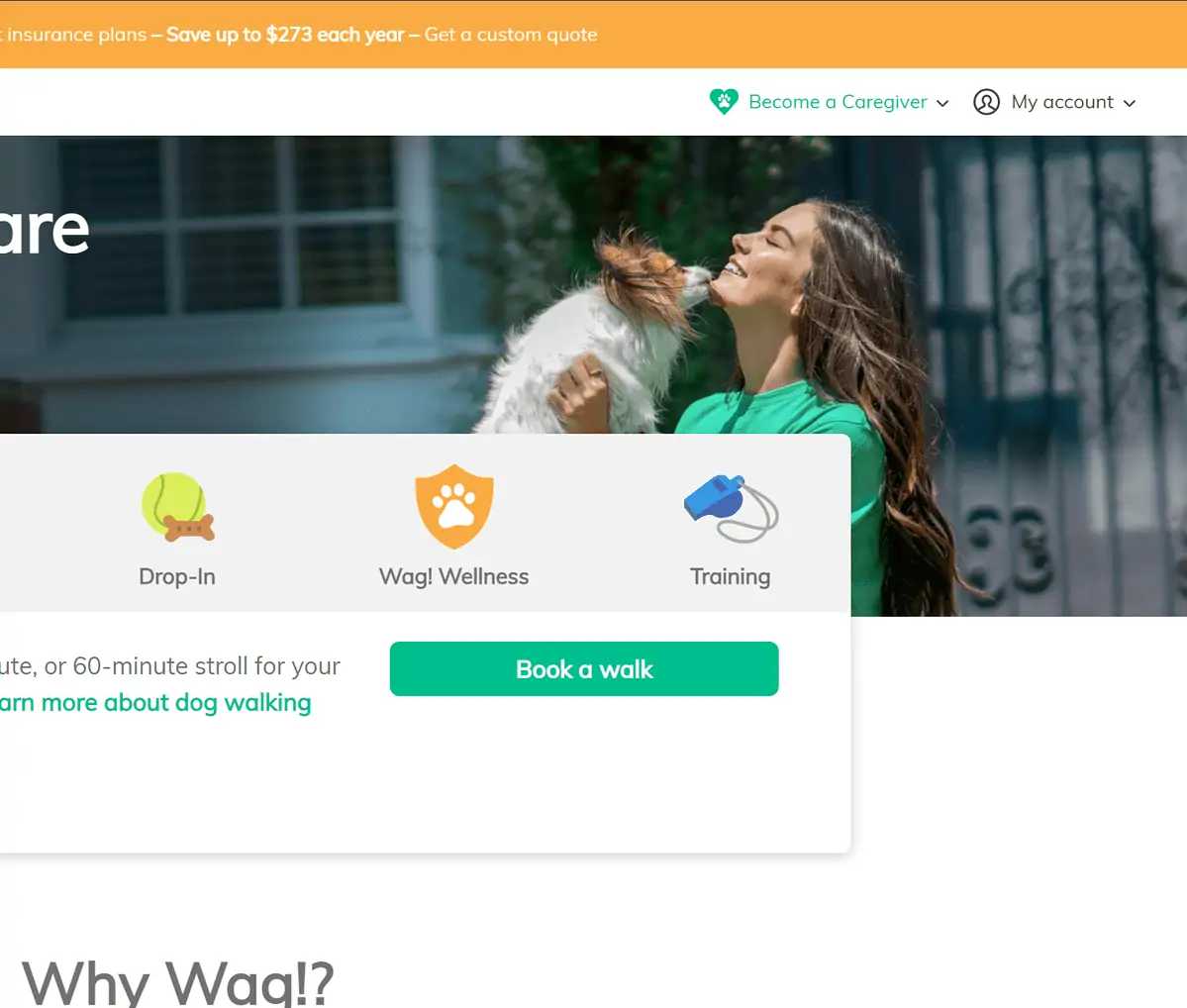
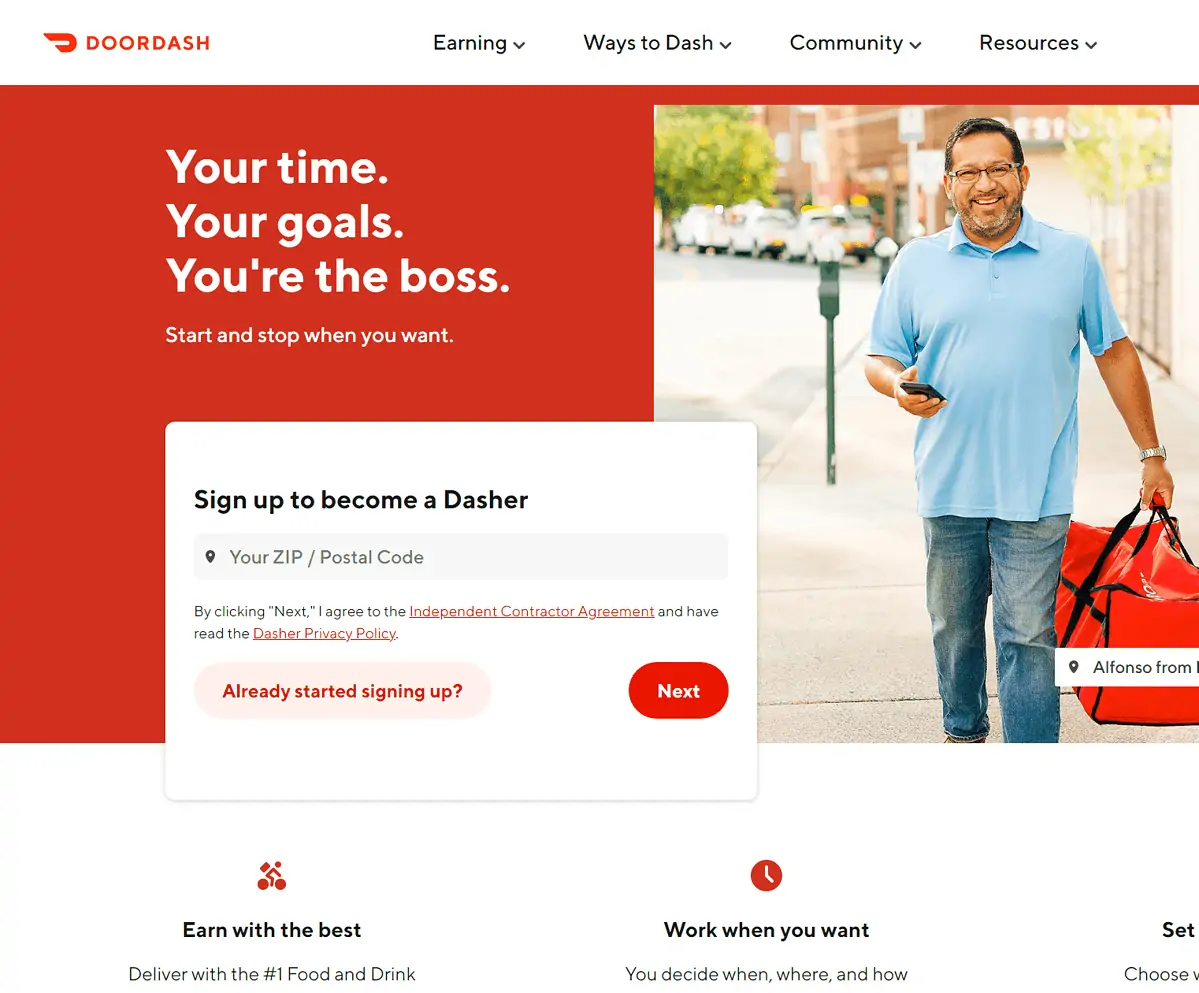
    Aggregators like Postmates, Instacart, and Amazon Flex always look for new couriers to add to their networks. You can sign up with one of these companies and start making money by picking up and delivering food, groceries, or other items.

    Depending on the company, you may also be able to deliver items by bike or scooter. Ensure you have a clean driving record and meet the minimum age requirements.

    Post Freelance Gigs On Marketplaces

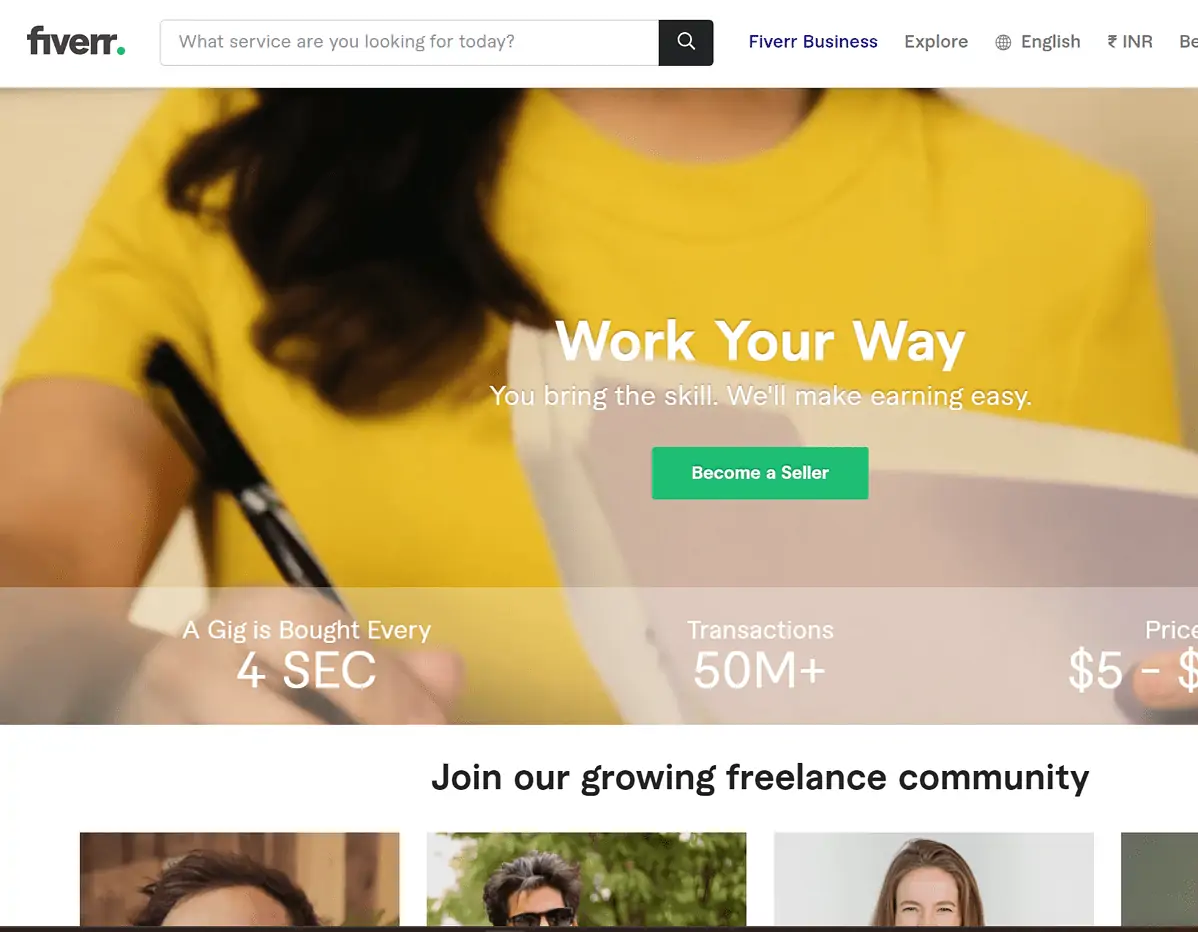
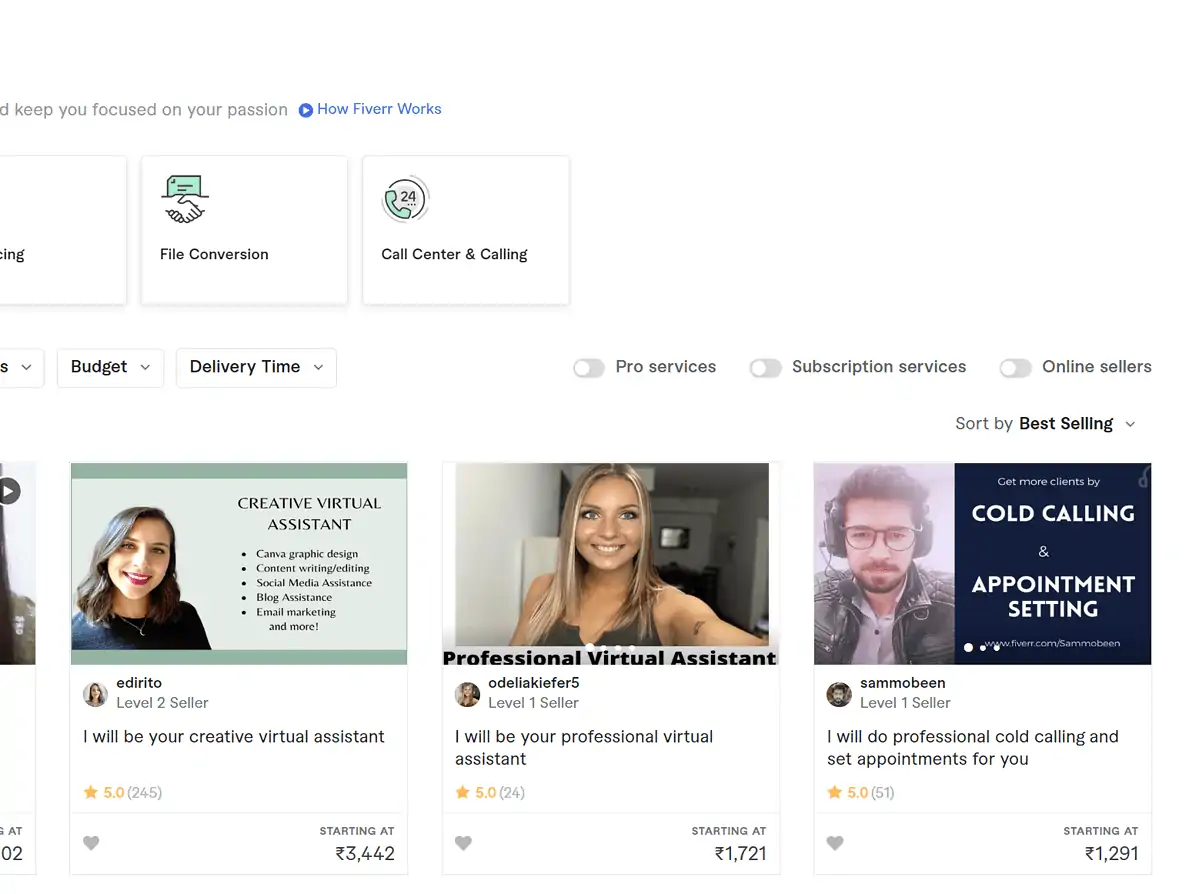
    If you’re skilled at writing, design, web development, marketing, sales, etc., you can easily capitalise on your skills and make money by posting freelance gigs on marketplaces such as Fiverr and Upwork.

    These platforms allow you to offer services ranging from logo creation, copywriting, website design, SEO, and more. You can start posting gigs to start getting work for as less as $5 and earn much more depending on how great your skills are. For example, good proofreading can fetch you $20 per hour, and animating a logo can even go for a $200 fee and more.

    Sell Digital Assets

    It’s not just physical assets that find their way onto marketplaces. Digital assets such as design elements, music and audio effects, photos, illustrations, SVGs, vectors and more have tremendous value nowadays.

    Start with marketplaces like Etsy, Envato, and Creative Market to leverage their demand and start selling. Once you have your portfolio ready, you can also look for opportunities to license your work or sell it outright on your own website too.

    Become An Influencer

    Probably the most creative way to make money nowadays is by becoming an opinion leader who can help shape consumer behaviour.

    You don’t have to be a celebrity, although having a large, engaged following helps. You can become an influencer through your blog, YouTube channel, or other social platforms such as Instagram, TikTok, Snapchat and Twitter.

    All you need is to create content that people find interesting, valuable or entertaining.

    As an influencer, you can get paid for helping a brand fulfil its marketing and advertising goals by creating sponsored content, attending events or webinars, and engaging with followers.

    Play Games

    Gaming isn’t just a hobby. There are legit ways to make money gaming.

    If you’re good, you can make good money ($1,000 and $5,000 per month) being a professional gamer. Besides that, you can also make money by streaming gameplay on Twitch or YouTube and monetising your videos.

    There are also other ways like:

    Start Live Streaming

    Live streaming is another full-fledged creative way to make money in the digital age. You can make money creatively by streaming:

    • Games
    • Music
    • Cooking
    • Sports
    • Fitness
    • Vlogs, and more.

    Twitch is the go-to platform for live streaming, but you can also use YouTube, Reddit and other sites as well. Monetising a live stream is similar to monetising a YouTube channel, through:

    • Ad revenue,
    • Live shopping,
    • Sponsorship deals,
    • Affiliate links,
    • Donations, etc.

    Sell A Course

    If you have the skills, knowledge, and expertise in a particular field or craft, you can create an online course to help others learn it.

    You don’t even require a website to sell your course. For the start, all you have to focus on is making the course as informative and valuable as possible. Marketplaces like Udemy, Skillshare, and Teachable will do the rest – market, sell and deliver your course to the right audience.

    On top of that, you can also host live webinars or Q&A sessions with the people who have enrolled in your courses. This will help them gain more from their investment.

    Become A Mystery Shopper

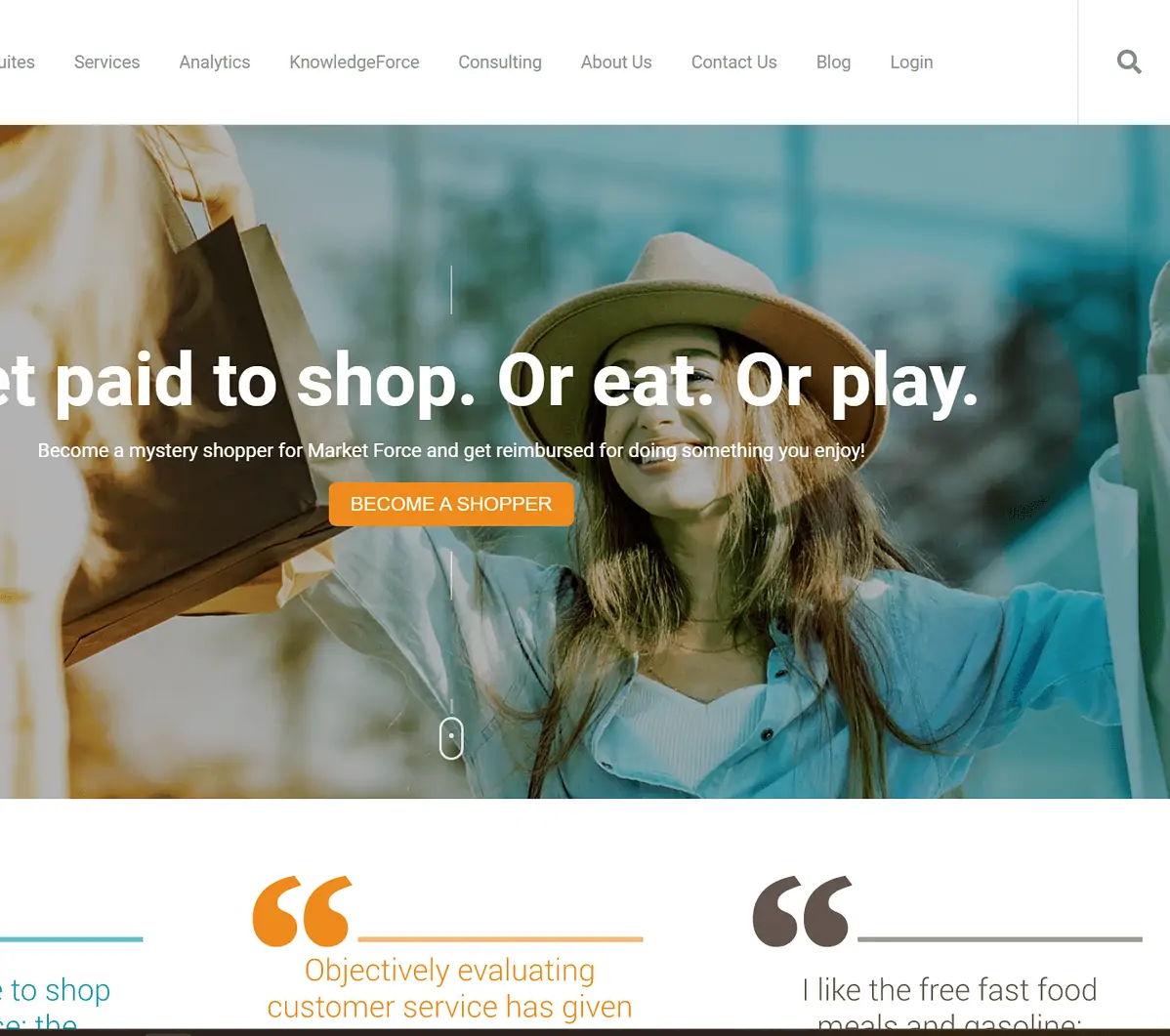
    Mystery shopping refers to people getting paid to shop at a particular store or restaurant to document their experience with the company. You’re essentially getting paid to provide feedback on your overall experience and can make up to $30 per hour.

    All you have to do is join one of the sites like MarketForce or BestMark and sign up for jobs in your area.

    Sell Your Crafts And Art Online

    People love handmade items, be it jewellery, clothes or art. They love personalised items even more.

    If you’re crafty and have some artistic talents, you can make money setting up an online shop on websites such as Etsy, fashioning handmade items and selling them there. You can even start your own website to showcase your craftsmanship—there are plenty of options available if you don’t want to go through a third-party platform.

    Sell Feet Pictures

    No matter how strange this may sound, many people pay good money for feet pictures. Platforms like Onlyfans, Instafeet, Feet Finder, and more offer an opportunity to make money by selling images of your feet. All you need is good-looking feet, marketing skills, and creativity to get your feet noticed on these platforms.

    Host An Experience On Airbnb

    You don’t necessarily need to own property to be able to make money from Airbnb—you can host an experience. Do you know how to knit? Or maybe you have a great recipe for homemade cheese? Or you may know your city really well and can offer unique tours of the area. Whatever you’re good at, you can offer it as an experience on Airbnb and make some extra cash.

    Experiences range from a 1-hour hangout to a day or a week-long retreat, and you can charge accordingly.

    Do Tasks On Amazon’s Mechanical Turk

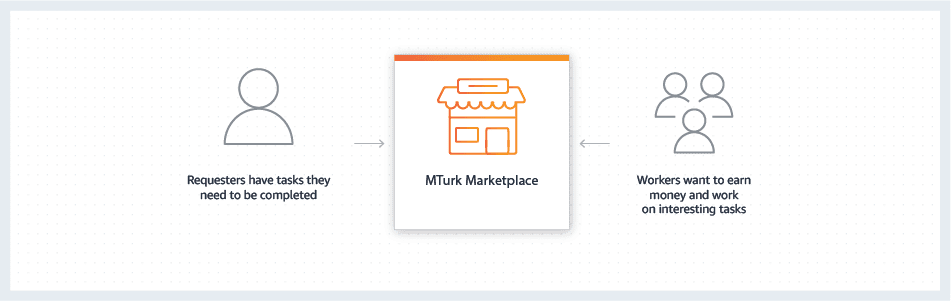
    Amazon’s Mechanical Turk platform is an online marketplace where web developers, companies and entrepreneurs can outsource tasks to people who are willing to work for small amounts of money.

    The tasks range from audio transcription to image tagging and recognition, writing and editing product descriptions, data entry and more.

    You can sign up as a worker and start working immediately, with each task earning you anywhere from $0.05 to $10 or more, depending on the type of task.

    Sell Stock Photos

    If photography is your strong suit, you can make money by selling stock photos online. There are sites such as Shutterstock and iStockPhoto where you can upload your images for sale.

    Your pictures will then be available to customers who need them for various web design projects, creating business cards, brochures and more.

    You’ll be paid a royalty every time someone purchases a copy of your photo.

    Start A Podcast

    People have less time to read, so they look for alternative ways to get content. Podcasts are a great way to engage with potential customers and deliver content in an interesting format.

    Consider podcasts to be a combination of radio, blogs and interviews.

    The best part is that you don’t require any investment or special technology – you only need a laptop and an internet connection.

    To start, choose a niche, create a brand identity, register your podcast on services like Anchor.fm or Blubrry, and then start creating great content.

    Once you get good at it and your content becomes popular, you can monetise your podcast through sponsorships, ads or product reviews.

    Podcasts are a great way to express yourself and make money in the process – plus, they’re fun!

    Bottom-Line?

    Creativity lies within us, and there’s an endless list of opportunities to make money – online or offline. All you need is a curious mind and the will to put in the hard work. So, what are you waiting for?

    Put your creative juices to the test and develop your creative ways to make money.

    Go On, Tell Us What You Think!

    Did we miss something?  Come on! Tell us what you think about our article on creative ways to make money in the comments section.

  • What Is A Press Kit? – Media Kit Elements & Examples

    What Is A Press Kit? – Media Kit Elements & Examples

    Journalists, media houses, and even influencers are always on the lookout for new and exciting content to write about or promote. They are always looking for new companies, products, services, or any other entity that can offer something new and interesting to their audience.

    But how do they get information about a brand once they have decided to write about it? How do they know what the company is all about? Or how do even designers get to know the basics of using the brand’s logo?

    This is where a press kit comes in.

    What Is A Press Kit?

    A press kit, also referred to as a media kit, is a set of informational materials containing everything a journalist, media professional or partner would need to know about a company, brand, or offering.

    It is a promotional public relations tool that contains all the essential information like company history, key personnel, product or service information, contact details, and even media files like photos and videos (along with guidelines), all in one place.

    A press kit aims to provide all the essential company information catering to –

    • Journalists who want to write about the company or brand.
    • Media professionals and influencers who are looking for content to use within their own channels.
    • Partners who want to collaborate or cross-promote.
    • Event organisers who are either associated or wish to associate with the company

    While traditionally known as the press kit, today the world of digital media has given it a new name – the media kit. This is because a press kit can now be in the digital format and doesn’t necessarily cater only to the press.

    What Is A Digital Press Kit?

    With the rise of internet usage and social media, brands have started creating digital press kits on their website. This is a webpage or a group of webpages catering to all the information that a reporter or media outlet might need.

    What Does A Press Kit Include?

    Different businesses will have different information in their press kit, but some common elements that businesses generally include in their press kits are:

    • Boilerplate: This is a short paragraph that gives an overview of the company.
    • Brand story: It’s the story of how the company started, what drives it, and its mission.
    • Company facts: This section helps put the story into context by providing basic facts and figures about the company. These could be the number of countries the company operates in, the number of employees, or the customers they have.
    • Timeline: This is a chronology of key events in the company’s history. These could be major product launches, awards won, or partnerships formed.
    • Logos and other visual branding materials: A media kit generally includes high-resolution versions of a company’s logo and other images that the media can use. It also includes guidelines for how to use the logo and other visual branding assets.
    • A list of offerings: This could be a product catalogue or a list of services.
    • Press releases: Often referred to as a newsroom, this is where one can find the company’s latest press releases and other announcements.
    • Media coverage: This section includes links to news articles, blog posts, or other online coverage that the company has received.
    • Testimonials and reviews: This is where the company showcases positive feedback from customers or other third parties.
    • Press contacts: This section provides the contact information for the company’s PR team or designated spokesperson.

    Purpose Of A Press Kit

    Without a media kit, any interaction with third parties like the press, partners, or collaborators would be unsystematic, and the company’s message would be muddled.

    The media kit isn’t created just for journalists. It provides a neat package of all the essential information that anyone who wants to talk about or promote the company would need.

    However, its aim is to ensure the smooth execution of omnichannel marketing strategies by aiding earned media efforts (PR, publicity, etc.) by providing reporters with the content they need to write stories.

    Besides this, a media kit is also important to:

    • Keep all information in one place: A media kit is a one-stop shop for information and guidelines about the company. It saves time and effort by making it easy to find all the relevant information in one place.
    • Ensure brand message consistency: A media kit ensures that anyone representing the company speaks in one voice. It gives employees, partners, and other stakeholders a clear idea of the company’s messaging strategy.

    What Is A Media Kit Used For?

    Media kits find their use in various situations, such as:

    • New product launch: Apple, for instance, releases a media kit before the launch of a new iPhone. The media kit contains product information, such as features, pricing, and availability.
    • Events: Companies often release media kits before events, such as trade shows and conferences. The kit helps generate interest among attendees and encourages them to visit the company’s booth. Moreover, it helps reporters get information about the event in one place.
    • Major announcements: A media kit is also useful when a company has big news, such as a merger, acquisition, or new funding. The kit helps ensure that reporters have all the information they need and that the story is told in the way the company wants.
    • Media relations: In general, a media kit is a valuable tool for managing media relations. It helps reporters get the information they need while also allowing companies to control the message and ensure that their brand is represented accurately.
    • Online reputation management: A media kit forms a crucial part of the online reputation management process. It helps companies manage a uniform message that is in line with their brand identity.

    Press Kit Examples

    Almost every brand, big or small, that wants to be visible to its consumers has a press kit. Here are a few examples of press kits from different kinds of companies:

    Nike Press Kit

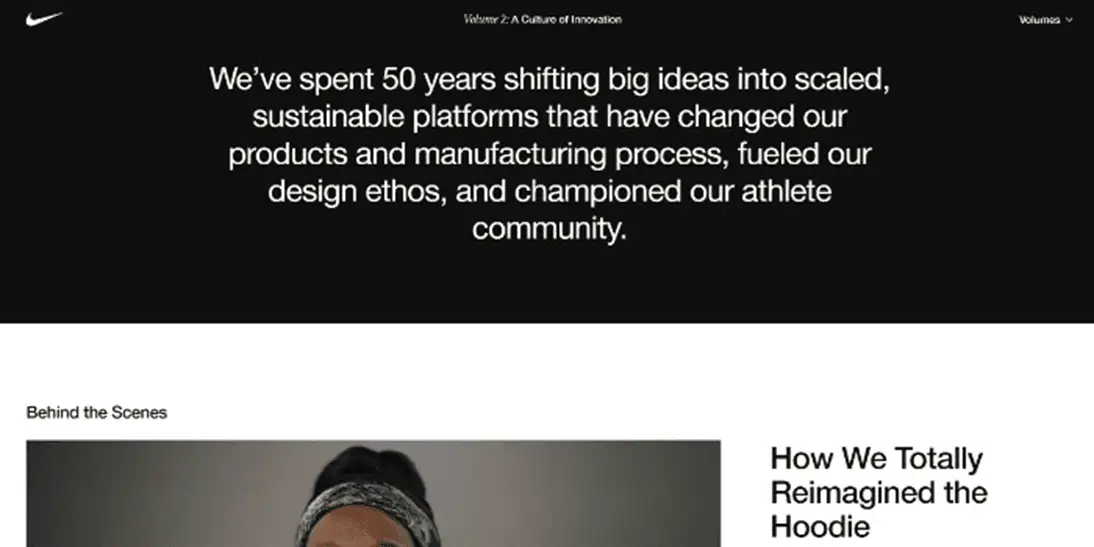
    Nike’s media kit is a section of webpages under the URL – about.nike.com. The stories, impact, and company pages of the kit include information on Nike’s history, mission and values. There is also a tab for ‘Newsroom’, which contains all the latest press releases from Nike.

    The kit has been designed keeping journalists in mind and provides them with high-resolution photos, videos and other relevant information that they might need.

    Nike Press Kit

    Paypal Media Kit

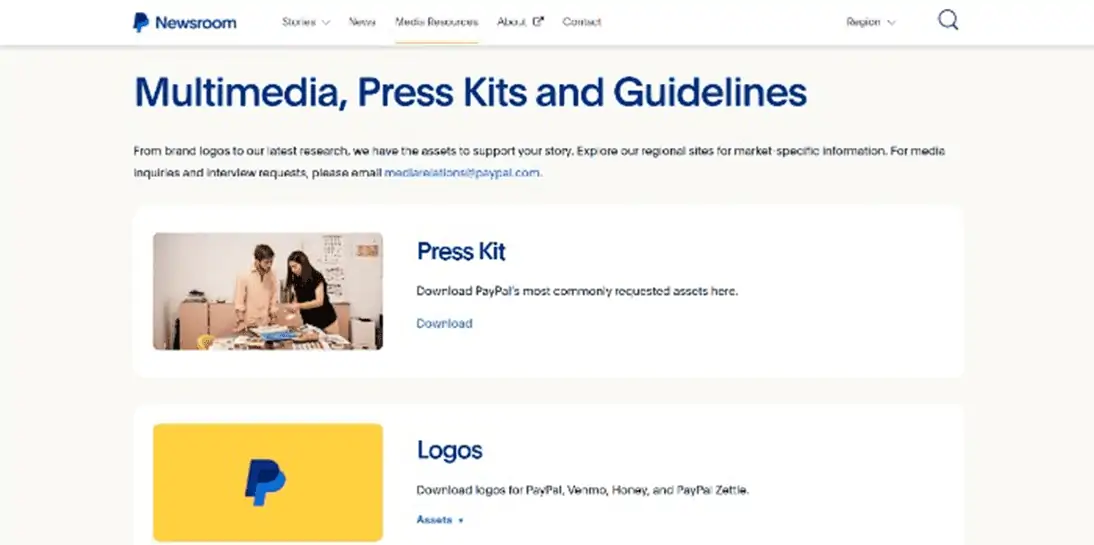
    Paypal’s media kit is more of a traditional press kit, which is a downloadable PDF. It contains information about the company’s history, key statistics, quotes, contact information and logo (with guidelines), a section on recent news, and a list of Paypal’s executives.

    Paypal Media Kit

    Google Press Kit

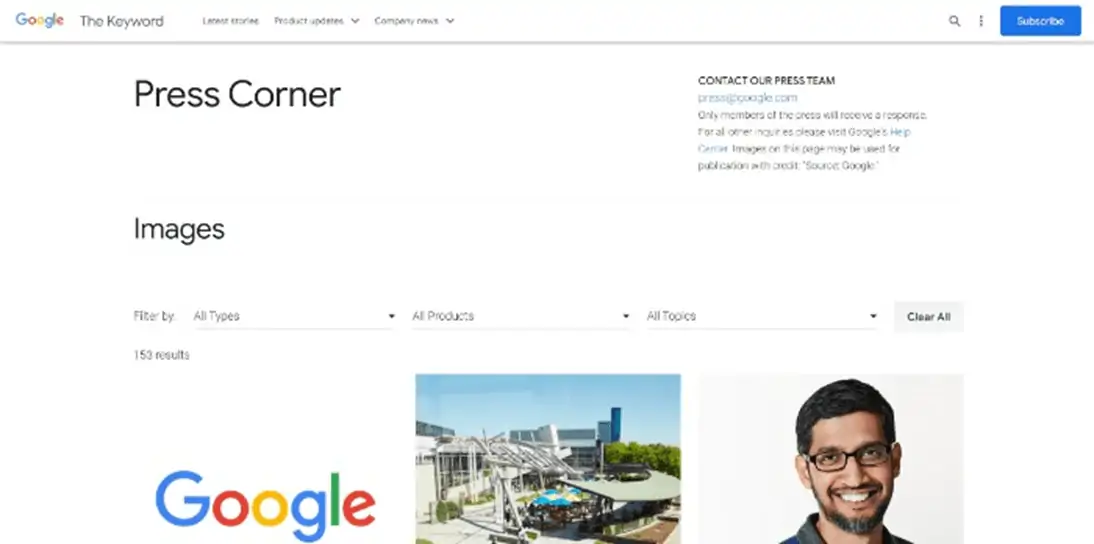
    Google calls its press kit the Press Corner, where journalists can find the latest news about the company along with images, videos and contact information. The Press Corner also has a product update section where journalists can find data about Google’s products and services.

    Google Press Kit

    Go On, Tell Us What You Think!

    Did we miss something? Come on! Tell us what you think about our article on media kit in the comments section.

  • What Is Media Buying? – Objectives, & Process

    What Is Media Buying? – Objectives, & Process

    When it comes to popular media like television, radio, or the Internet, there is more to advertising than just creating a creative or commercial and hoping that people will see or hear it. To have the greatest chance of success, advertisers carefully select the specific media outlets where they want to place their ads, a process known as media buying.

    But this isn’t all. Media buying has several facets that can impact an advertising campaign. Here’s a guide explaining everything one should know about media buying.

    What Is Media Buying?

    Media buying is the process of planning, negotiating, and purchasing advertising space on mediums like television, radio, billboards, and the Internet, to promote a product, service, or brand.

    In simple terms, it’s the process of purchasing ad space.

    Advertisers (or their media buyers) work with advertising agencies or directly with the medium they’re interested in to purchase ad space. They negotiate rates, establish timing, and determine the size and placement of their ads. The advertiser then pays the medium according to the agreed-upon rate card.

    Media buying includes both traditional as well as digital platforms. However, the process often differs for each.

    What is Digital Media Buying?

    Digital media buying refers to purchasing ad placements restricted to digital or online footprints on websites, mobile apps, or any other digital platform.

    Essentially, it is acquiring targeted ads and content through online channels using search engine marketing (SEM), display advertising, social media campaigns, etc.

    Unlike the traditional process, digital media buying is more complex as it involves several factors, such as data targeting, ad fraud, and cookies. Moreover, media buyers operating digital ads use programmatic media buying tools and software to streamline the process of online ad placements.

    Who Is A Media Buyer?

    A media buyer is a professional from the media planning team who purchases advertising space in print, online, or broadcast media on behalf of the brand.

    They usually work in advertising or media-buying agencies and are responsible for planning, negotiating, and executing an advertising campaign to reach the client brand’s target audience. However, numerous big corporations have in-house media buying teams as well.

    Media buyers work closely with the media planning team to analyse various advertising options, such as cost, demographics, and target audience, to identify the most effective media outlets for their brand or client’s offering.

    The media buyer then negotiates with the chosen outlet on behalf of their brand or client to finalise an advertising deal.

    Importance Of Media Buying

    Media buying is a critical component of any successful advertising campaign. It determines where and how a brand’s ads will be placed and can greatly impact its results.

    For example, if a brand wants to target young adults, advertising on a channel that mainly attracts an older audience would be a waste of money. Similarly, if a brand is looking to generate brand awareness, placing ads on a channel with high viewership would be more effective than one with low viewership.

    When done correctly, media buying can help a brand reach its target audience and achieve its advertising objectives effectively and efficiently.

    Objectives Of Media Buying

    Media buying aims to identify the most efficient and effective media channels to deliver a brand’s advertising message to its target audience. The main objectives of media buying are:

    • To reach the target audience: Media buying is all about getting to the right people with the right message at the right time. This means identifying the target audience and placing ads on channels they are most likely to be exposed to.
    • To achieve the desired advertising objectives: Whether it is awareness, brand recall, sales, or any other objective, media buying aims to help a brand achieve its advertising goals by buying ad space on the right channels.
    • To optimise spending: Media buyers ensure that a brand’s advertising budget is spent in the most efficient way possible. This means getting the most bang for the buck by identifying the most effective channels and allocating a more significant portion of the budget to these channels.

    The Media Buying Process

    The media buying process isn’t just a usual marketplace where buyers and sellers come together to make a deal. There’s a lot more to it than that. Here is a quick overview of the process:

    Developing A Media Buying Strategy

    A media buying strategy is the overall game plan that will be used to achieve a brand’s advertising objectives. Advertisers develop it by keeping the following factors in mind

    • The target audience
    • The desired metrics
    • The budget
    • The channels

    This strategy forms the premise upon which all subsequent decisions regarding media buying are made.

    It also includes several important decisions like calculating and allocating individual budgets for each channel, choosing the right time to buy ad placements and deciding which networks or websites to buy from.

    Offering To Buy Media

    Once the strategy is ready, the brand or the media buying agency acting on behalf of the brand submits Requests For Proposals (RFPs) to media outlets. This document outlines the goals of the campaign, the target audience, and other relevant information.

    The next step is for the media outlet to provide a proposal that outlines what they can offer and at what price. This proposal considers the advertiser’s budget, reach, and desired metrics.

    Insertion Order

    Once both parties agree on the terms of the deal, they sign an insertion order (or purchase order), which is a contract that outlines the specifics of the agreement. This document includes the price, quantity, delivery date, and other important details.

    Release Order (RO)

    After the insertion order is signed, the next step is to create a Release Order (RO). This document provides instructions to the media outlet on how and when to run the advertisements.

    The RO includes information such as the size of the ad, its placement, rotation (how often it should play), and frequency (how many times the target audience should see it).

    The Digital Media Buying Process

    The digital media buying process is entirely different from the traditional process. It can be categorised into two types –

    • Direct media buying
    • Programmatic media buying

    Direct Media Buying

    Direct media buying is when an advertiser directly contacts the website or media owner to buy ad space. The advertiser and website owner negotiate on the terms and conditions, and a contract is signed between the two parties.

    The advantage of direct media buying is that it allows for better control over where the ads are placed.

    The publisher is paid based on the agreed-upon CPM (cost per thousand impressions) or CPC (cost per click).

    The only disadvantage of direct media buying is that it can be time-consuming and difficult to track performance without proper tools.

    Programmatic Media Buying

    The programmatic media buying process automates the entire process of ad placement.

    Besides the advertiser and the publisher, three more parties are involved in a programmatic media buy:

    • Advertiser: The party that wants to place the ad.
    • Publisher: The party that owns the ad space.
    • Ad Exchange or Ad network: The marketplace where the ads are bought and sold.
    • DSP (Demand-side platform): An automated ad-buying platform where advertisers can buy or bid for ad space in real-time.
    • SSP (Supply side platform): A publisher-side platform that lets publishers offer their ad inventory to multiple ad exchanges or networks.

    The programmatic media buying process starts with the advertiser. The advertiser creates a campaign on the DSP with specific targeting criteria. The DSP then uses that information to find matching inventory on the SSPs. Once the DSP finds a match, it will buy the ad space in real-time through an auction on the ad network. The winning bid is then displayed on the publisher’s site.

    Media Buying Vs Media Planning

    While often used interchangeably, media buying and media planning are two different but equally important aspects of advertising.

    Media buying is the process of purchasing ad space, while media planning is the overall strategy that determines appropriate marketing mediums and channels to reach right audience at the right time and at the right place.

    In simple terms, media buying is a subset of media planning. It’s one of the many steps involved in creating an advertising campaign.

    Factors Affecting Media Buying

    Identifying and selecting the best media outlet depends on a number of factors. Here are some key factors that play an important role in media buying:

    • The target audience: The audience a brand wants to target plays a major role in media buying decisions. For example, a company targeting young adults would not buy media space in a retirement magazine.
    • Product type: The type of the offering also affects media buying decisions. For example, a company selling hearing aids would not buy space on a television channel that mostly runs cartoon shows for kids.
    • Geography: The media buyer carefully selects the medium with the largest reach in the target geography.
    • Demographics: Different demographics prefer different types of media. For example, people in the age group 18-30 years prefer social media, whereas people above the age of 30 years prefer television.
    • Budget: Media buyers need to ensure that they do not overspend or underspend on the campaign. Hence, they tend to select a mix of high-reach and low-cost media channels which they feel would work best for the campaign.
    • Competition: A buyer often plans to be at a similar frequency as the competition. This helps them maintain mindshare in the target audience’s conscious and subconscious minds.
    • Media buyer’s expertise: A good media buyer will have a good understanding of all the different media options available as well as their strengths and weaknesses. However, a not-so-good media buyer might only have a shallow understanding of some of the available options, which could result in poor decisions.
    • Media availability: Not all media is available all the time. Some timeslots need to be booked in advance, and some can only be bought closer to the date.

    Bottom-Line?

    Media buying is an important aspect of any advertising campaign. It can make or break a campaign.

    A brand should consider its objectives, target audience and the message it wants to communicate before all else. Once these key factors have been decided upon, a buyer can start looking at the different media options available and determine which ones will be the most effective for the campaign.

    Go On, Tell Us What You Think!

    Did we miss something? Come on! Tell us what you think about our article in the comments section.

  • What Is Open Beta? – A Detailed Guide

    What Is Open Beta? – A Detailed Guide

    A product witnesses several stages of development before it is finally released for public use. From the alpha stage to the closed beta and then to an open beta, a product goes through various rounds of testing before it is made available for everyone. While the first two early releases, i.e. MVP and closed beta, aim to gauge the market response and identify glitches, open beta is the final testing stage before the product’s commercial release.

    But being open to all doesn’t mean that the product is ready to be used by anyone and everyone. In the open beta, a product is open for public testing, but it is still in development. There’s a lot that goes on during this phase.

    Here’s a guide elaborating on the open beta, how it works, and how it is different from closed beta, along with examples of open beta in various industries.

    What Is Open Beta?

    Open beta, also referred to as public beta, is a beta testing phase wherein a software product or application contains complete or nearly complete features, has a fully developed user interface, is ready for revenues, and is launched for secure testing by users outside of the company that developed it.

    Open beta is generally open to all users who wish to test the product. It usually happens after the developers have fixed all major bugs identified during the closed beta stage. This stage is used to identify any final issues that need to be addressed before the product goes live.

    Objective Of Open Beta Testing

    The main objective of open beta testing is to test the product for the mass audience before making it open for public use. It is used to ensure that the product is ready for launch and can be easily accessed by users.

    Besides, open beta testing also helps in:

    • Identifying any final bugs that need to be fixed before the product is launched.
    • Checking the scalability of the product.
    • Getting user feedback about the product before it is made open to the public.
    • Ensuring that the product is stable and can be used by a large number of users without any issue.
    • Generating interest and hype among users for the product.

    Importance Of Open Beta

    Generally, a product isn’t considered “done” until it’s been battle-tested by the masses. That’s why the open beta is such an important step in the product development lifecycle. It allows developers to see how their product performs under real-world conditions with a large number of users.

    This feedback is essential for making any final tweaks or changes to the product before it launches.

    The open beta phase is important for several reasons:

    1. It allows the developers to get feedback from a larger and more diverse group of users.
    2. It helps ensure that the product is actually ready for launch by identifying any final issues that need to be addressed.
    3. It acts as a marketing tool, generating buzz and interest in the product.

    This beta phase also helps product developers validate the product design and development process and assess whether users are actually willing to pay for the product.

    Open Beta vs Closed Beta

    Both closed and open beta versions help developers test their products before launch. The main difference between the two is that closed beta versions are invitation-only and open beta versions are open to anyone who wants to participate.

    But there’s more to it than that. Let’s take a closer look at the key differences between open and closed beta testing:

    Closed Beta
    Open Beta
    Objective
    Closed beta aims to get product feedback from limited yet professional users.
    Open beta is more about getting feedback from the masses before making the product available to everyone.
    Feedback
    The company isn’t usually ready for a mass launch during closed beta. So, the feedback they’re looking for is more about product development
    The open beta stage, on the other hand, is about preparing for a mass launch. The feedback here is more about how the product will perform on a large scale.
    Acceptance
    Closed beta is invitation-only – it is closed for general public. Usually, people who are already familiar with the product or have been recommended by someone else get in.
    Open beta is open to anyone who’s interested.
    Hierarchy
    Closed beta testing is usually done before open beta testing.  
    Open beta testing is usually done after closed beta testing.  

    Industries That Use Open Beta Testing

    Open beta testing is used across several industries –

    • Software Development: From SAAS to traditional software, open beta testing is used to gauge customer reaction and get feedback on how to improve the product.
    • Operating Systems: Android, iOS, and even Windows have open betas for their new versions. This allows the company to test the product on a large scale before release.
    • Video Games: The most common use of open beta is probably in video games. It allows developers to work out any kinks and get feedback from gamers before releasing the game.
    • Websites: Open beta testing is also used for websites. Websites will often release a beta version to get feedback from users before launch. Google is well known for using open betas for its products.
    • Applications: Applications, irrespective of the operating system (Android, iOS, Windows, Linux, etc.), use open beta. This is done to ensure that there are no glitches and that the app meets all users’ requirements.
    • Other Industries: Open beta isn’t just limited to software and websites. It can also be used for products and services. For example, open beta testing can be used for a newspaper section to get feedback from readers before it becomes permanent.

    Open Beta Examples

    Several products that you might use every day started out as open betas. Some of them are:

    • Gmail: While starting as a closed beta in 2004, Gmail became a public beta from 2007 to 2009.
    • Android: Android is known to test its releases before making them public. It usually offers an open beta option to all its Pixel device users.
    • Windows Insider Program: Microsoft’s Windows Insider Program lets users test out upcoming features and changes for the Windows operating system. This helps the company get feedback and make necessary changes before releasing the final version. The users, on the other hand, get to use upcoming features before anyone else.
    • World of Warcraft 4: The WOW franchise’s fourth instalment, Dragonflight, was launched as an open beta in 2022. The open beta lets players get a first-hand game experience and give them a platform to provide feedback that the developers use to improve the game before its official release.
    • Duolingo Maths: Duolingo, the self-learn application famous for teaching languages, launched the open beta for their maths app in 2022. The open beta helps the developers test the game-like app and ensure it is user-friendly and engaging for school-going children.

    Go On, Tell Us What You Think!

    Did we miss something? Come on! Tell us what you think about our article on what is open beta in the comments section.

  • What Is A Brochure? – Types, Uses,  & Examples

    What Is A Brochure? – Types, Uses, & Examples

    Be it a big retail store like Walmart, an amusement park like Disneyland, or just a local restaurant; offline businesses require tangible marketing collateral to convey information about their offering to their target audience in an effective way. A brochure is one such marketing tool that helps dissipate a lot of information in a handy manner.

    Though a traditional marketing collateral, even today, brochures are amongst the most prevalent tangible collateral marketers use to educate the target audience about a product, company, or brand. 

    But what exactly is a brochure, and what purpose does it serve? What are its types, and how is it different from a flyer?

    What Is A Brochure?

    A brochure is an informative paper document folded into sections or panels, that is mass-produced to fulfil a marketing objective.

    It has a single focus – to deliver information about a product, company, brand, event, etc. in an easily accessible format. It is often used as part of a larger marketing campaign and can be distributed either manually or through the mail.

    Brochures are usually printed on high-quality paper stock and tend to be a letter, A4, or A5 in size, although they can be produced in any size or shape depending on the objective and information provided.

    Purpose Of A Brochure

    The key purpose of a brochure is to convey information about a product, company, or service in an easily digestible format.

    A well-designed brochure summarises the key information potential customers need to know in an engaging and visually appealing way, forming a go-to resource that they can refer to repeatedly.

    Brochures are often used as part of a wider marketing campaign and can be particularly effective when distributed to the right audience.

    What Is A Brochure Used For?

    A brochure is primarily used as a marketing tool to provide all the relevant information about the offering while aiming at fulfilling a marketing goal like generating leads or boosting sales.

    They are often used to:

    • Educate the (prospective) customer about what the brand has to offer or what they can expect. In specific scenarios like in a restaurant, it can also be used to list the items on the menu. In events, it can be used as a program guide or a map.
    • Highlight an offering’s key features and benefits in a more informative manner.
    • Fulfil a marketing strategy like creating brand awareness or generating leads by being a part of a bigger marketing campaign.
    • Build trust and credibility by providing relevant information about the company, product, service, or event.

    Characteristics Of Brochure

    Brochures stand out from other offline marketing collateral by having their own set of characteristics. These are:

    • Folded document: Brochures are folded documents that come in different folding styles – half-fold, tri-fold, and Z-fold. This is a characteristic difference between a brochure and a flyer.
    • Objective-oriented: Brochures are created with a specific marketing objective or goal in mind. This goal could be anything from creating product awareness to promoting a new service.
    • Detailed content: Brochures contain detailed information about the company, product, or service. This is because brochures are not meant for quick reads. They are created so that the target audience can take their time to read and understand the content.
    • Branded design: Brochures follow brand identity guidelines. This means that the brochure’s overall design, colour scheme, and typography match the company’s other marketing materials.
    • Single focus: Brochures usually only feature one main message along with sub-points. This allows the reader to digest the information without feeling overwhelmed fully.

    Types of Brochure

    There isn’t a one-size-fits-all when it comes to brochures. Different businesses have different needs and goals, so the type of brochure they create depends on what they are trying to achieve.

    Here are some of the most common types of brochures:

    Brochure Types Based On Folds

    Brochures can be categorised into different types based on the way they fold. The most common folds are:

    • Single Fold: Also known as a half-fold or bi-fold, it involves folding a sheet of paper in half, resulting in two panels that are equal in size.
      half fold
    • Tri-Fold: A tri-fold or letter-fold brochure is created by folding a sheet of paper into thirds. This results in three panels that are equal in size.
      tri fold
    • Z-Fold: A Z-fold brochure is characterised by three panels that fold in on each other like the folds of an accordion or the letter Z.
      z fold
    • Gate Fold: A gate fold brochure has two folds that open in the middle like a set of double doors. It has a total of six panels, with three panels on each side.
      gate fold
    • Double parallel fold: Double parallel fold brochures are created by folding a sheet of paper in half, then folding it in half again, creating two parallel folds aligned in the same direction.
      double parallel fold
    • Double gate fold: Double gate fold brochures are similar to gate fold brochures, except that there are two sets of double doors, for a total of eight panels.
      double gate fold

    Brochure Types According To Usage

    Just like there are different types of brochures, there are also different ways that they can be used. Here are some common usage scenarios for brochures:

    • Information brochures: Often used by brands to introduce themselves or provide general information about their products and services.
    • Educational brochures: These types of brochures are often used by schools, universities, and other educational institutions to provide information about their programs, facilities, and staff.
    • Product brochures: Product brochures are used to promote and sell specific products. They often include product photos, descriptions, and pricing information.
    • Event brochures: Used to promote concerts, festivals, fairs, and other types of gatherings, event brochures are typically include event dates, locations, ticket prices, and a list of featured performers or attractions.
    • Map brochures: Commonly found in tourism offices and hotels, map brochures provide visitors with maps of the local area, as well as information about nearby attractions, restaurants, and other businesses.
    • Menu brochures: Used by restaurants and other food-related businesses as take-away menus, these brochures often include photos and descriptions of popular menu items, as well as pricing information.

    Brochure vs Flyer

    Brochures and flyers are both printed promotional materials on paper. However, they’re not the same.

    While a brochure is more like a booklet that’s meant to be read, a flyer is more like a poster or a single sheet of paper that’s meant to be seen.

    Brochure
    Flyer
    Definition
    A brochure is a printed foldable piece of paper that’s used to convey information about a product, service, brand, or company.  
    A flyer is a single sheet of paper, usually flat and rectangular, that’s meant to be posted or distributed in public places.  
    Use
    Brochures are developed to be read, so they’re usually more detailed and informative than flyers.  
    Flyers are developed to be seen, so they often contain attention-grabbing visuals like images and graphics.  
    Characteristics
    Brochures are usually printed on high-quality paper stock and have multiple folds (tri-fold, bi-fold, z-fold, half-fold, double parallel fold, gate fold, French door fold, roll fold).  
    Flyers are usually printed on standard or high-quality paper stock and don’t have any fold.  
    Information
    Brochures are detailed and informative.  
    Flyers are more concise and attention-grabbing.  

    Brochure Examples

    Be it educational institutions, real estate firms, NGOs, event management companies or any other organisation, brochures find their way into a brand’s marketing mix often. Here are some examples of brochures:

    Harvard Brochure

    Harvard Brochure

    The graduate study in Chemistry & Chemical Biology’s brochure for admissions showcases the various aspects of the programme in an easily digestible format. The brochure uses tri-folding and has a follows the brand guidelines of CCB.

    Nike Brochure

    Nike Brochure

    This is a design art of Nike’s brochure for the even HOOP Summit in Turkey. The brochure has been designed to showcase Nike Flyknit – a new shoe range from the company.

    Steps To Creating A Brochure

    Creating a brochure can be a great way to introduce a company, organization, product, or service to the target audience and inform them about its benefits. However, a successful brochure requires more than just combining pictures and text. The following are the steps to create a brochure that will grab the attention of the audience:

    Tool
    Why use it?
    Who is it for?
    Price
    Visit
    Adobe Creative Suite
    To create professional brochures from scratch 
    Professionals 
    Free for a month or $29.99 a month 
    Canva
    To use pre-built templates to create professional, commercial, creative, and more brochures and create one from scratch  
    Professionals & Newbies 
    Free or $14.99/month for up to 5 people
    Visme 
    To create professional or creative brochures on pre-built templates 
    Professionals and beginners 
    Free or $12.25 personal, and $24.75 for business, a month 
    VistaPrint
    To design and get the printed copies delivered at doorstep
    Professionals or beginners 
    25 pieces for $43.9850 for $44.99
    100 for $59.99250 starting at $107.99
    • Define the audience – It is crucial to determine the tone and style of the content and design. Understanding the interests, needs, age, and gender of the target audience will direct the language, visuals, and overall design of the brochure.
    • Conduct research – Researching the topic of the brochure is important to ensure the information presented is accurate and relevant. This can be done by gathering data from internal sources such as company reports, or external sources such as industry publications or online research.
    • Develop a plan – After having a clear understanding of the audience and the information to convey, an outline of the content should be created. This will define the structure, layout, and design of the brochure, enabling the decision of the overall look and feel of the brochure.
    • Choose the brochure type – There are several types of brochures available, such as bi-fold, tri-fold, z-fold, gate-fold, and more. Choose the one that best fits the needs and the information to convey.
    • Choose a design software – There are many design software options available, from professional tools like Adobe Creative Suite to user-friendly platforms like Canva and Visme. Choose a software that fits the design expertise and needs to ensure the quality standards are met.
    • Select a design style – After choosing the design software, decide on a design style or template that aligns with the outline and appeals to the target audience. Select colours, images, and other visual elements while designing and styling the brochure. Ensure the design is consistent and easy to read and navigate.
    • Choose the paper and finish – Decide on the type of paper and finish for the brochure, such as glossy, matte, or uncoated paper, as well as different weights and textures. This will affect the overall look and feel of the brochure and can also impact its durability.
    • Share the brochure – Once the brochure is complete, it can be handed to the audience in person at events, trade shows, store windows, conferences, and other places. If they are digital brochures, they can be shared through the website, social media, email marketing, or by embedding them in blog posts.

    Go On, Tell Us What You Think!

    Did we miss something? Come on! Tell us what you think about our article on what is a brochure in the comments section.

  • How To Make Money In One Hour? [Detailed Guide]

    How To Make Money In One Hour? [Detailed Guide]

    Money doesn’t come easy, but you also don’t need to slave away at a nine-to-five job to earn a decent living. If you’re looking for ways to make some quick cash, there are several legitimate methods you can use.

    The best part? These methods aren’t limited to online work, and most don’t even require previous experience or investment. In other words, you can start earning money right away!

    Here are some ideas to get you started:

    Sell Valuable Items

    The best way to get quick cash that’s enough to last you until your next payday is to sell off any valuable items that you may have lying around. This could include jewellery (gold and other precious items) that you no longer wear, gadgets that are working but that you no longer use, or even gently-used clothes and furniture that might have value to someone else.

    Sell Less Used Belongings

    Uptown Cheapskate

    Gently used clothes, furniture, electronics, and other household items can be sold for a fraction of the cost of buying them new.

    The best place to sell such items is through thrift stores. Even though they receive a lot of donations, they’re always on the lookout for goods in good condition.

    Another option is to choose businesses like Uptown Cheapskate, Once upon a child, Play It Again Sports, and Plato’s closet. Such stores exist to buy and resell used items, so you won’t have to waste time haggling with individuals.

    You could also try online platforms like Craigslist, Letgo, and eBay. The advantage of selling online is that you can reach a larger audience than you would if you were selling offline.

    However, it’s important to be aware of the potential risks that come with meeting strangers. If you decide to sell online, take precautions and meet in a public place.

    Sell Gold And Other Precious Items

    ebay precious metals make money in one hour

    Unlike many other gently-used items, gold and other precious metals tend to retain their value over time. In fact, their value often increases. If you have any unwanted jewellery or other items made of gold, silver, or platinum, you could quickly earn some cash by selling them.

    There are a few ways to go about selling your things:

    • Local Jeweler or Pawn Shop: If you have any old jewellery, take it to a local jeweller or pawn shop and see what they’re willing to give you for it. Note that such stores only buy goods they think they can sell at a profit, so ensure you’re selling only sought-after goods, not items with sentimental value.
    • Online Auctions or Classifieds: If you don’t mind shipping your items, you could also try selling them online through an auction site like eBay or a classifieds site like Craigslist.

    If you believe the product has a higher value, you could always find a professional appraiser to give you a more accurate estimate. However, it’ll likely cost you a few hundred dollars to hire one, so this option is only worth considering if you’re confident you can sell the item for a high price.

    Sell Sought-After Items At Pawnshops

    Sell Sought-After Items At Pawnshops

    Sought-after items like collectables, antiques, musical instruments, and even autographs of famous people could earn you a lot of money if you sell them at the right pawnshop.

    To find the right shop, look for one that specializes in the type of item you’re selling and is located in a high-traffic area.

    Trust me when I say you can even try selling your Pokemon cards (on CardMarket.com), old comic books (on mycomicshop.com), stamps (on sothebys.com), and dolls, and action figures at a good price.

    Sell Plasma

    sell plasma to earn money in one hour

    It’s not just things around the house that you can sell for money. You can actually sell your own blood! While it may not be the most pleasant experience, it’s definitely worth it if you need money fast.

    You can usually find plasma donation centres in major cities. They will pay you around $50-75 per donation and the process only takes about an hour.

    Note that this method isn’t valid in all countries, so be sure to check if it’s allowed where you live.

    Sell Hair

    sell hair to earn money in one hour

    Websites like hairsellon.com, buyandsellhair.com, and onlinehairaffair.com connect people who are looking to sell their hair with buyers. The going rate for human hair ranges from less than $100 to as high as $4,000, depending on the length and quality of the hair.

    Sell Unused Gift Cards

    sell gift cards

    Gift cards, be it from a store or restaurant, that are sitting around collecting dust can be sold for cash. Sites like Raise, Gift Card Granny, Card Cash will give you up to 92% of the value of the card.

    But know that not all gift cards are created equal. Store-specific cards (like Target or Walmart) have a higher resale value, while restaurant cards generally go for less.

    Sell Your Books And Games

    sell old games

    Your old books and video games can fetch you a good amount of money. Books in good condition can be sold for cash or traded in at a bookstore.

    Games that have been gathering dust can also be sold online. They can even be resold back to the store from which they were purchased.

    Cash Your Change

    Coins can be cashed in at Coinstar machines found in most grocery stores. You can also visit your bank to roll your coins and exchange them for cash.

    While this will not make you rich, it can give you decent pocket money.

    Do Odd Jobs

    An odd job is any small task that you can do for someone in your local community. This could be anything from mowing a Lawn to walking a dog to fixing a computer.

    Walk A Pet

    Walk A Pet

    This is a great way to make some quick cash if you love animals. You can walk someone’s dog for $10 or even $20. All you have to do is sign up with a pet walking service like Rover or Wag.

    Become A Pet Sitter

    Become A Pet Sitter

    Similar to walking a pet, you can also make money by becoming a pet sitter. This is where you take care of someone’s pet while they are away on vacation or business.

    Websites like Rover, Care, and Wag can help you get started.

    Babysit A Kid

    Babysit A Kid

    Babysitting is amongst the most sought-after services for those looking for extra money. You can charge around $10 to $15 per hour depending on the age of the kid and your experience.

    You can start by looking for babysitting gigs on websites like Sittercity and Care.com.

    Start A Delivery Side Hustle

    Start A Delivery Side Hustle

    Delivering food or other items is a great way to make extra money, especially if you’re already out and about running errands.

    To get started, you can sign up with companies like Postmates, DoorDash, or Uber Eats.

    Even though approval usually takes more than a day, once approved, you can start picking up delivery orders immediately.

    Become A Mystery Shopper

    Become A Mystery Shopper

    Mystery shopping refers to going to a store or restaurant as a “secret” shopper, checking out the customer service, and then giving your feedback.

    Companies hire mystery shoppers to ensure that their establishments are run efficiently and that their employees are providing good customer service.

    To get started, you can sign up with companies like BestMark, Intellishop, and Market Force.

    Hustle Online

    The advent of the internet has expanded the earning potential for people all over the world. All you require is a computer and internet to make money.

    Here are some online methods you can use to make money in one hour or less.

    Find Small Freelance Gigs

    Find Small Freelance Gigs

    Irrespective of your skill, you can find a gig on websites like Fiverr or Freelancer that you can complete in an hour or less and get paid for it. These include but are not limited to:

    Participate In User Research

    Participate In User Research

    User-research platforms like Respondent, User Interviews, etc. will pay you $10 – $700 for every hour-long research you complete. The pay is usually determined by the type of study and its complexity.

    The best part?

    You don’t need any special skills to participate. Just being you is enough.

    Sign Up For “Get Paid For” Platforms

    Sign Up For "Get Paid For" Platforms

    Sweatcoin pays you just to walk.

    Swagbucks pays you to fulfil small tasks like answering surveys, watching videos and even playing games.

    InboxDollars pays you for reading emails, taking surveys and other small tasks.

    Current.us pays you to listen to music.

    There are several other apps that pay you for doing simple things like this. Do a quick Google search to find more. Use keywords like “get paid to [do something]”, and you’ll find feasible results.

    Get Paid To Post Reviews

    Get Paid To Post Reviews

    G2 and Capterra are the most sought-after websites by users to get reviews of products and services before buying.

    But if you’re already a product user, these websites can even pay you $5-10 for every review you write.

    Become An Online Mock Juror

    Become An Online Mock Juror

    An online mock juror gets paid to review cases and offer their opinion on the outcome before it goes to trial. This helps attorneys prepare for real cases by allowing them to get feedback on their work.

    Ejury.com is one such website that provides this service.

    Do Small Tasks On Amazon Mechanical Turk

    Do Small Tasks On Amazon Mechanical Turk

    Amazon Mechanical Turk is a crowdsourcing marketplace that makes it super easy to find quick and simple tasks, called “HITS” (Human Intelligence Tasks), that almost anyone can do.

    These could include writing product descriptions, transcribing audio files, or even labeling images.

    You can find numerous HITS available on Amazon Mechanical Turk, and each one pays a few cents to a dollar or so.

    While this might not sound like much, it can add up if you’re able to complete a lot of HITS.

    Become A Virtual Assistant

    Become A Virtual Assistant

    A virtual assistant is an independent contractor who remotely provides administrative, creative, or technical services to clients.

    In simple terms, you provide services like customer service (handling calls, emails, etc.), data entry, social media management, or even schedule management, and you get paid per hour.

    Virtual assistants can make anywhere from $10-$100 per hour, depending on the services they provide and their experience level.

    You can easily find some gigs on job boards like Upwork or Fiverr.

    Go On, Tell Us What You Think!

    Did we miss something? Come on! Tell us what you think about our article on how to make money in one hour in the comments section.

  • What Is A Landing Page? [Detailed Guide]

    What Is A Landing Page? [Detailed Guide]

    The name landing page stems from the fact that visitors land on it after clicking a link from somewhere else – most likely a search engine results page, an email campaign, an advertisement, or a social media post.

    A typical website has many pages. A landing page is different because it’s designed with one specific goal: to convert visitors into leads or customers. Developed as a part of a bigger inbound or outbound marketing strategy, they act as a catalyst that moves potential customers further down your sales funnel.

    But there’s more to a landing page than meets the eye. Here’s a guide to all things landing page, from its purpose and types to its anatomy and how it works.

    What Is A Landing Page?

    A landing page is a standalone web page created as a part of a bigger marketing or advertising campaign, where a visitor lands after clicking on a specific link.

    Simply put, a landing page is a webpage the visitor lands on after clicking on a specific link on another webpage, email, social media post, search result, or even an offline promotion (QR codes). It furthers the user journey started on the original source and helps achieve specific conversion goals.

    Unlike web pages that are generally designed for exploration, information, or entertainment, landing pages are created with a single focused objective known as a call-to-action (CTA). The CTA could be anything that the business wants the visitors to do on this page, including but not limited to making a purchase, signing up for a newsletter, or requesting a free consultation.

    Purpose of a Landing Page

    The purpose of such a page is to get the visitor to take the desired action according to the campaign goal, whether that’s subscribing to a newsletter, requesting a free trial, or making a purchase.

    A user visits the landing page because of a promise (free ebook, free mailing list, sales page with discount, sales page with a better quality product, etc.) that’s been made to them elsewhere through marketing or advertising. The landing page’s job is to nurture that relationship by fulfilling that promise and giving the user what they’re looking for while fulfilling the business goal.

    Anatomy of a Landing Page

    While landing pages can vary a great deal in their design and layout, there are certain elements that are common to most high-converting landing pages.

    Anatomy of a Landing Page

    The Value Proposition

    A value proposition is the promise of tangible benefits you make to potential customers. This is your offer to the user. It’s what you’re giving them in exchange for them doing the desired action, such as subscribing to your email list or purchasing a product.

    This value proposition is further reinforced by the use of two essential elements of the landing page:

    • Hero Headline: A benefit-driven headline that clearly states what the user will get by taking action. For example, a brand might use a hero headline such as, “Grow your audience by 10x with better social media reach.” or “Get 50% off your first purchase”.
    • Supporting copy: This body copy backs up the claim made in the hero headline. It should provide more detail about what the user will get and how they will benefit. For example, for a brand offering a 50% discount, the supporting copy might say something like, “Our first-time customers always save big. Get 50% off your first purchase when you sign up for our email list.”

    Hero Visual

    The hero visual is the image or video, usually present in the above-the-fold section of the page, that accompanies the hero headline and supporting copy. It is attention-grabbing and supports the claim made in the headline. For example, if a brand offers a 50% discount, they might use an image of their product with “50% Off” superimposed.

    For a social media planner, a brand may use an animated video of the planner in use.

    The Unique Selling Proposition (USP)

    The USP is the aspect of your product or service that makes it different from and better than your competitors. It’s what sets you apart.

    For example, if you’re selling a CRM for small businesses, your USP might be that it’s designed specifically for small businesses and is therefore much more user-friendly than CRMs that are designed for larger businesses. The landing page communicates this USP succinctly and clearly to potential customers.

    This USP can be communicated in the form of a key benefits section or a separate section on the page that’s dedicated to the USP.

    Social Proof

    Social proof aims to show potential customers that others have bought your product or service and are happy with it. This takes the form of testimonials, reviews, case studies, media mentions, etc.

    Social validation is important because it helps to build trust and credibility with potential customers. If they can see that other people have had a positive experience with your business, they’re more likely to do business with you as well.

    The best way to incorporate social proof into your landing page is to include testimonials from satisfied customers. These can be quotes, video testimonials, or even simple reviews on different platforms (like Trust Radius or Capterra).

    Usually, this section precedes the section dedicated to making visitors perform an action on the page (subscribe, buy, etc.), as it increases conversion rates.

    Call To Action

    The most important element on a landing page is the call to action (CTA). This is what you want visitors to do once they’ve arrived on your page, whether it’s subscribing to a newsletter, downloading an ebook, or making a purchase.

    Depending upon the action, the CTA can be preceded with a form (for newsletter signups, for example) or informative content (like a pricing table).

    In an ideal landing page, a CTA is as clear and easy as possible for visitors to take the desired action. The button or link is prominently placed on the page and uses language that clearly indicates what will happen when it’s clicked. For example, “Download our free ebook” or “Get started with a free trial.”

    How Landing Pages Work

    Landing pages are typically a part of a bigger marketing campaign. They are used to drive traffic from an ad or email campaign and prompt visitors to take a specific action, fulfilling a specific goal.

    For example, let’s say you’re running a campaign to promote your trail running shoes. This is how a landing page fits into the bigger picture:

    • You create an ad or email campaign that promises your target audience something of value, like a free guide to trail running.
    • When they click on your ad or email, they’re taken to a landing page with a form that they have to fill out to get the promised guide.
    • The form collects information like their name and email address so you can add them to your email list and market to them in the future.

    Hence, the landing page forms the spine of your digital marketing campaign. It’s where you make your promise and deliver on it.

    When Do You Need a Landing Page?

    Marketers design landing pages with specific goals in mind. Each one has its own unique objective and target audience, which works in sync with the marketing campaign. This goal can be in the form of:

    • More conversions
    • Lead generation
    • Newsletter signups
    • Feedback collection, etc.

    In fact, it works to support your advertising and marketing efforts with information specific to that campaign. As a result, it acts as the key step of your conversion funnel by persuading visitors to take action, where the customer lands from:

    • Google Adwords campaigns
    • Social media advertising
    • Email marketing campaigns
    • PPC ads, etc.

    But it doesn’t end here. You will also require a landing page when you promote special offers and events. For instance, webinar signups, free consultations, and trials and event RSVPs. Based on the main intention backed by the right messaging and implementation, the chances of conversions are more than a possibility – it’s a reality within reach.

    Types of Landing Pages

    A brand may use different types of landing pages to achieve different marketing objectives. Some of the most common types are:

    Squeeze Page

    A squeeze page’s main purpose is to ‘squeeze’ emails out of visitors. Short, sweet and direct, these are aimed at collecting email addresses in order to receive a newsletter, ebook, or whitepaper. 

    Squeeze Page

    Splash Page

    Instead of landing on a page with a click, users discover a ‘splash’ page (asking for verifications such as age/ language) that usually has a background image with minimal copy.

    Splash Page

    Lead Capture Page

    Similar to a squeeze page, this page ‘captures’ more information such as the name, job title and phone number as well. These work best for generating qualified leads that have shown real interest in your offerings.

    Lead Capture Page

    Click-Through Page

    With an intention for a user to ‘click-through’ to a conversion-focused page, these pages are known to warm up visitors while also building trust and quality traffic in the process, just like a free trial.

    Click-Through Landing Page

    “Unsubscribe” Landing Page

    This comes across as a means to give control to users to manage their preferences and choose the frequency at which they receive your emails. But beyond personalization, it’s also a final push to retain them.

    Unsubscribe Landing Page

    Long-form Sales Landing Page

    Being longer in length, these are used to answer all the questions that potential customers may have. They are more persuasive, loaded with benefits of the product (testimonials too), and serve as a reassurance.

    Long-form Sales Landing Page

    “Coming Soon” Page

    A page such as this is the solution to a new launch without revealing the full offer. Often seen as an exciting teaser or countdown, the CTA here requires their email addresses in exchange for an email notification.

    Coming Soon Page

    “Thank You” Landing Page

    After the desired action, this page can take a lead further down the sales funnel or even establish a repeat customer. You can also provide recommendations and offers here, a hidden opportunity to provide value.

    Thank You Landing Page

    Landing Page Examples

    Did you know that businesses with over 40 landing pages generate 12x more leads than those websites with only 5? This is due to the simple notion that each landing page was a tailored one. Let us look at some of the best landing page examples.

    LinkedIn Jobs Landing Page

    Linkedin Jobs landing page

    Get Response Landing Page

    This interactive landing page example is what distinguishes Get Response from other competitors. The yellow sign makes for a great attention-grabbing tool while the use of a friendly face provides a human element that fosters trust. The bottom harps on the same by displaying the brands that trust its services – a great way to affirm their authority.

    Getresponse landing page

    Netflix Landing Page

    Being a game-changer as an online streaming service, there are plenty of reasons why this landing page design deserves special mention. You can clearly see their extensive collection alongside bright-red CTA buttons that instantly draw attention. With a smart headline to introduce itself, it also provides a few crisp benefits that all begin once you ‘Get Started.’

    Netflix landing page

    Webflow

    Using a GIF to relay information, Webflow’s landing page is a great example of show, don’t tell. You will get a clear idea about their tools as well as the user experience to be expected. This balance between information and visuals is supported by a catchy, blue-colored ‘Get started – it’s a free button at the top right corner.

    Webflow landing page

    Landing Page FAQs

    How is a landing page different from a homepage?

    While most homepages can be considered landing pages (since they’re where visitors “land” when they first visit your website), not all landing pages are homepages.
    A homepage is typically the main, central page of a website. It gives visitors an overview of what the website is about and links to other pages on the site.
    A landing page, on the other hand, is a stand-alone web page that’s designed for a specific purpose, such as collecting leads or selling a product. It can be your signup page, your product page, your pricing page, or any other page that’s designed to convert visitors into leads or customers.

    Why Use a Landing Page?

    The purpose of a landing page is to get the visitor perform a certain action, such as sign up for a newsletter, buy a product, or request more information.
    This action forms a part of the bigger marketing objective of the website, and is in line with the rest of the marketing strategy.

    Can I have a landing page without a website?

    Yes, you can have a standalone landing page without an accompanying website. It can be a form on Google docs, a Typeform, or even just a Weebly page. It all depends on your needs and what you’re using your it for.

    Bottom-Line?

    Landing pages may look different. They may have unique ways to pull in audiences. However, each landing page example here shares one major purpose – conversion. Using the basic elements (headlines, copy, aesthetics, and color scheme) in the most creative manner to further your clearly defined goals, you will be able to create landing pages that shine. Be sure to use a conversion-centered layout that makes your CTA stand out, and back it up with social proof and testimonials to support your claims.

    And you’ll find that this is what real success is made of.

    Go On, Tell Us What You Think!

    Did we miss something? Come on! Tell us what you think about our article in the comments section.